Taxonomy and identification
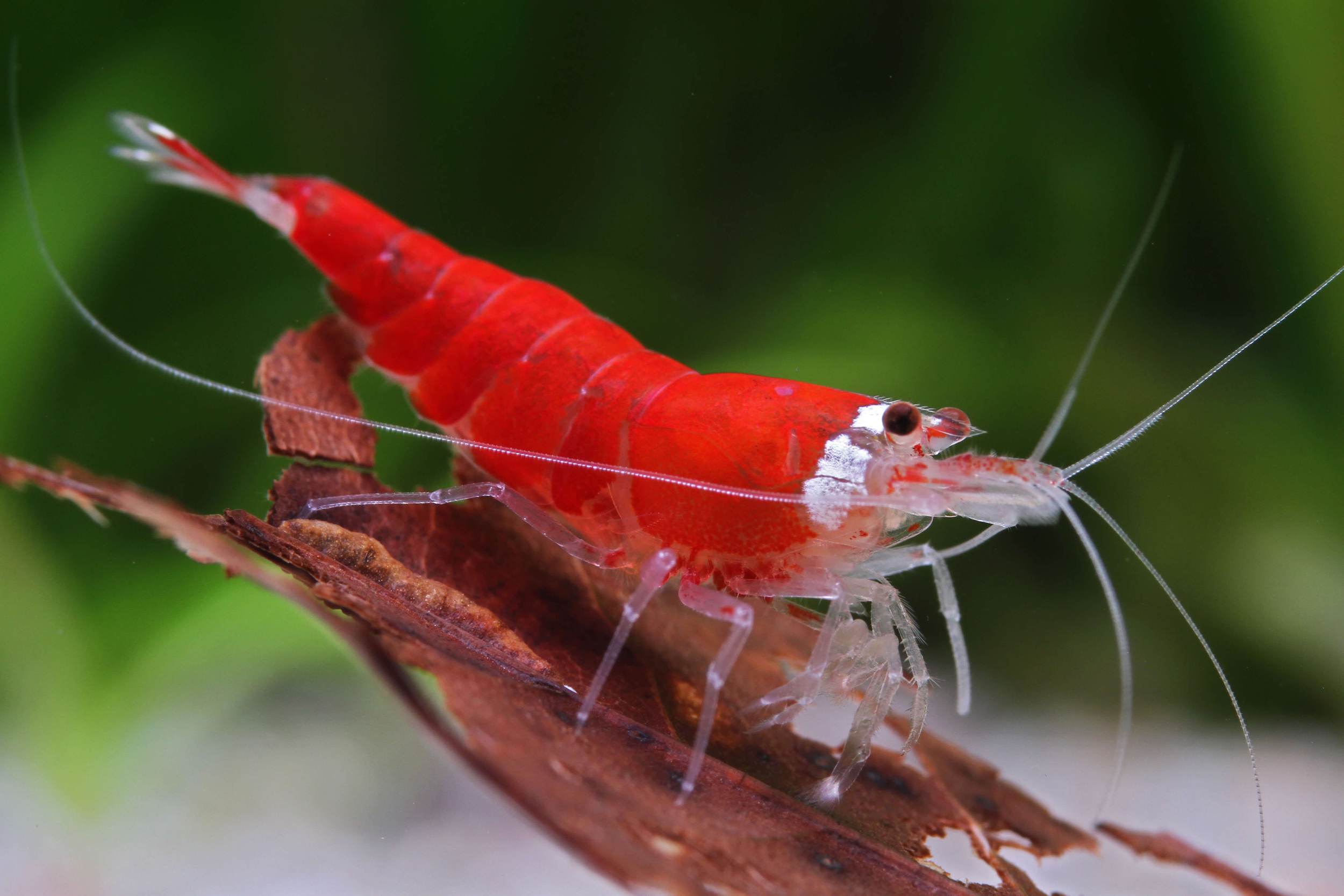
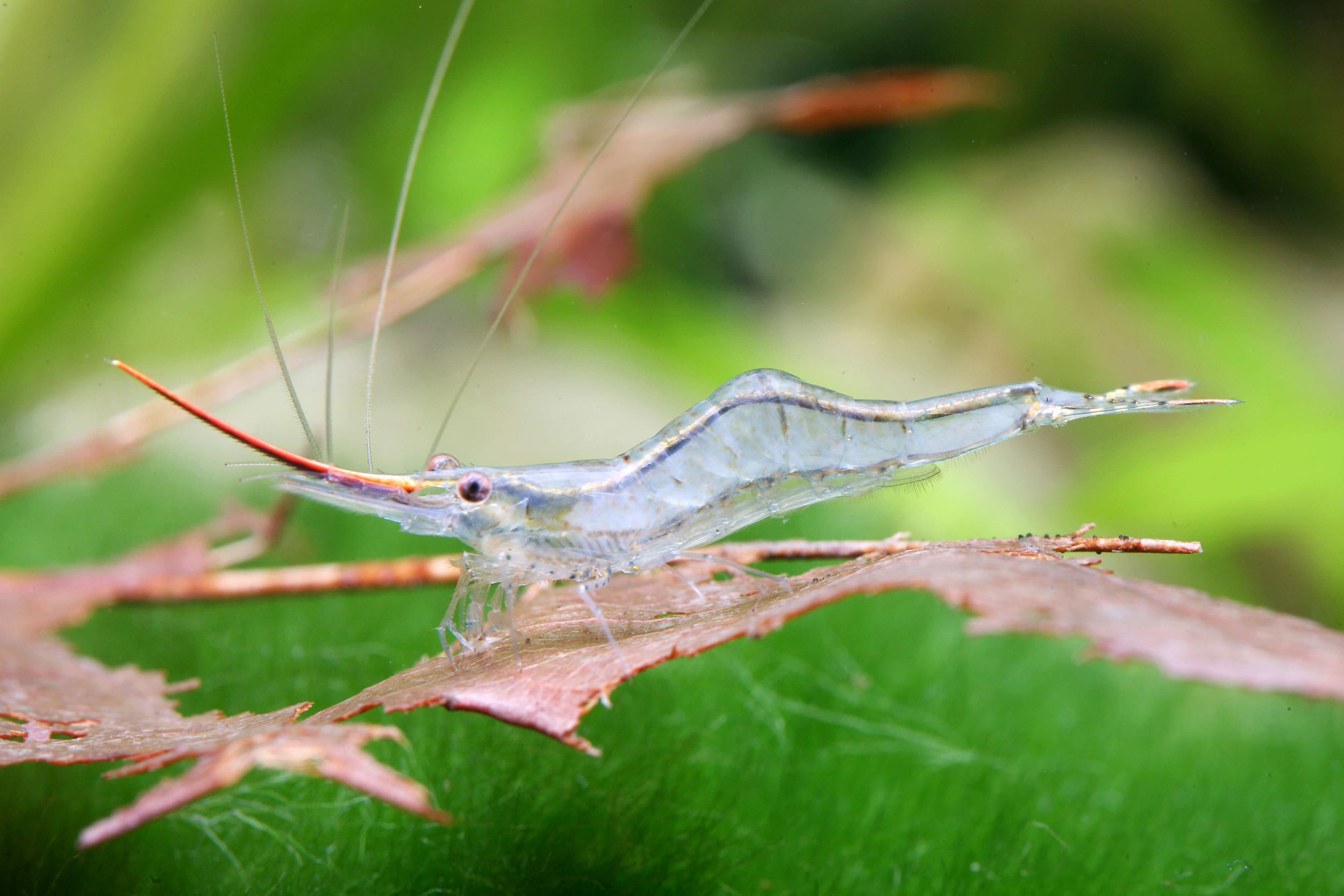
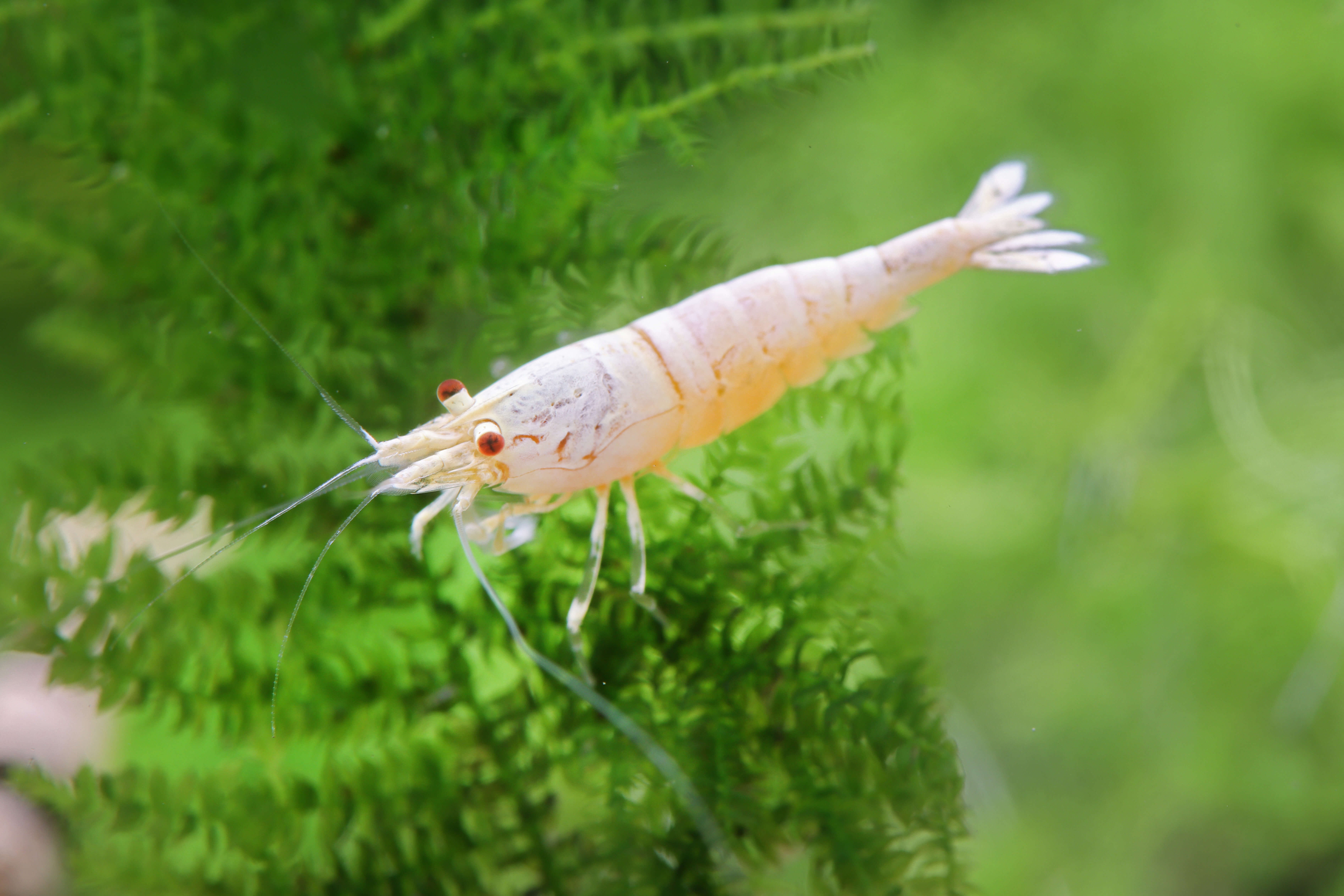
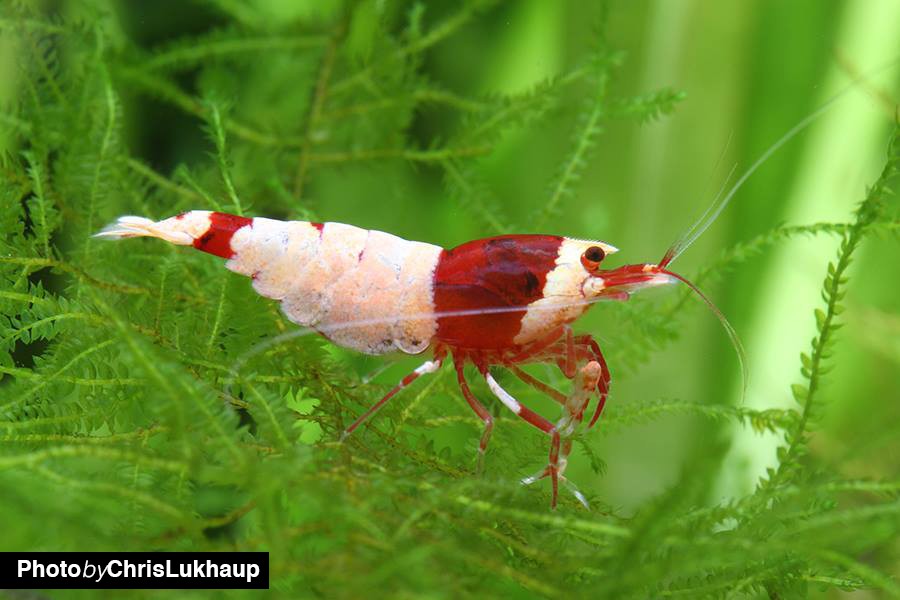
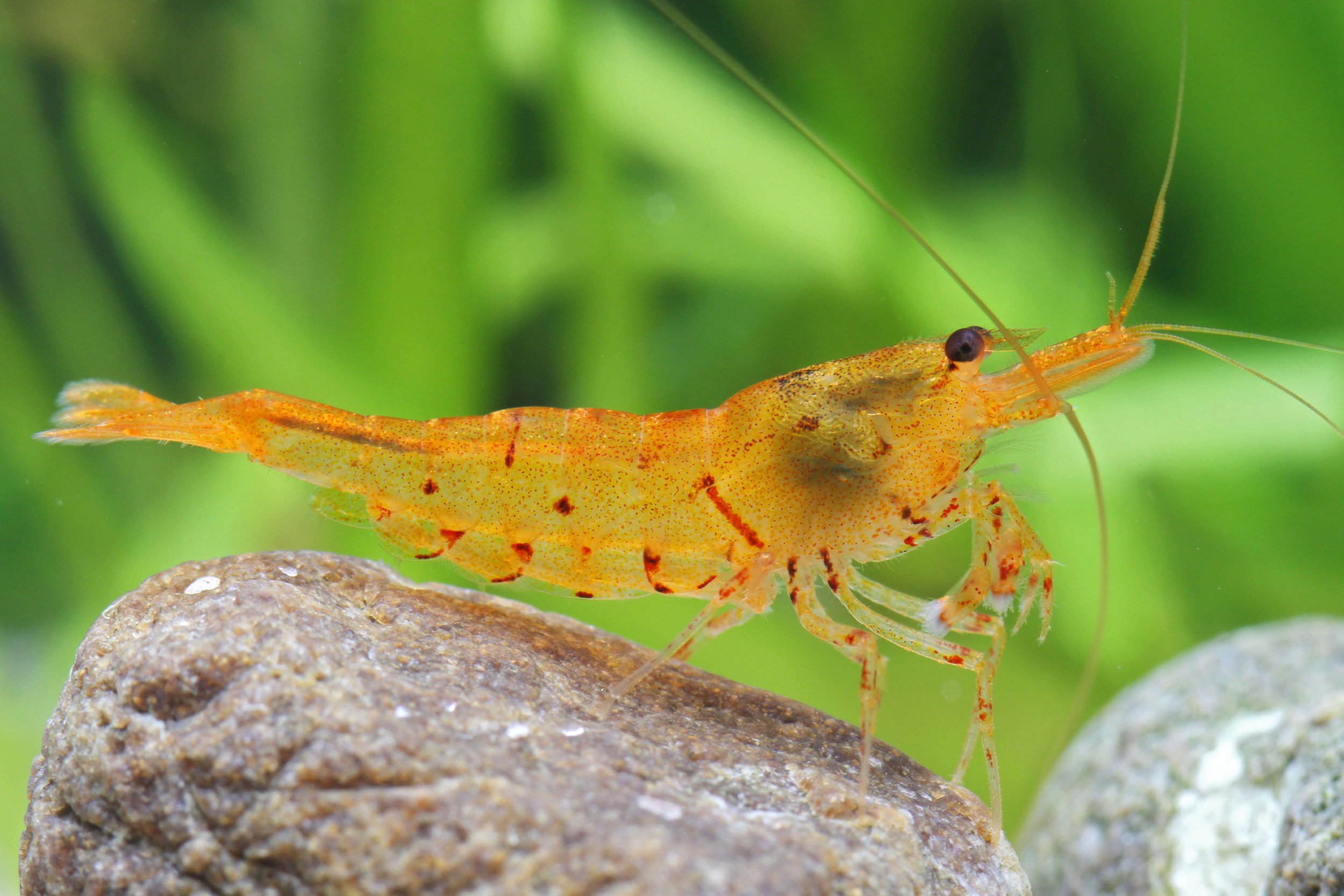
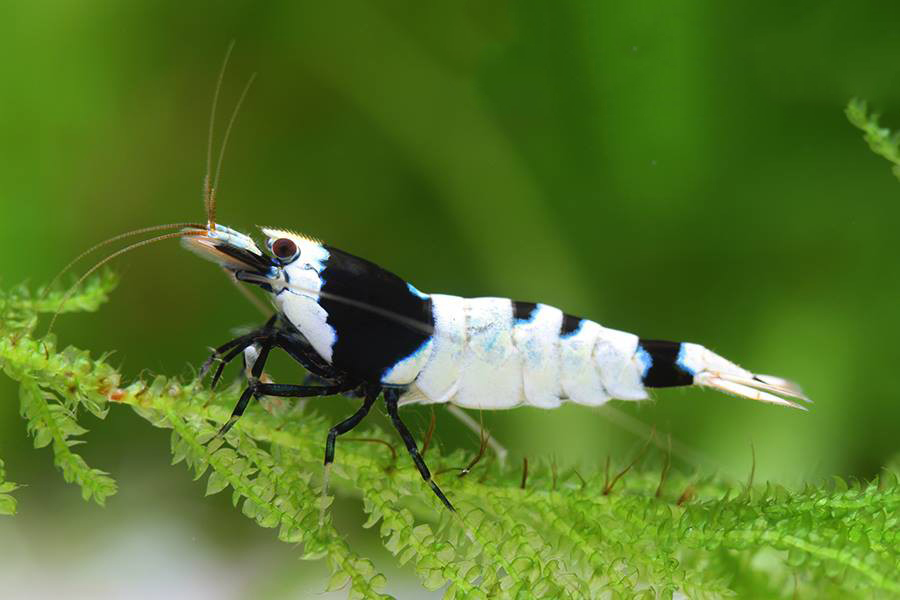
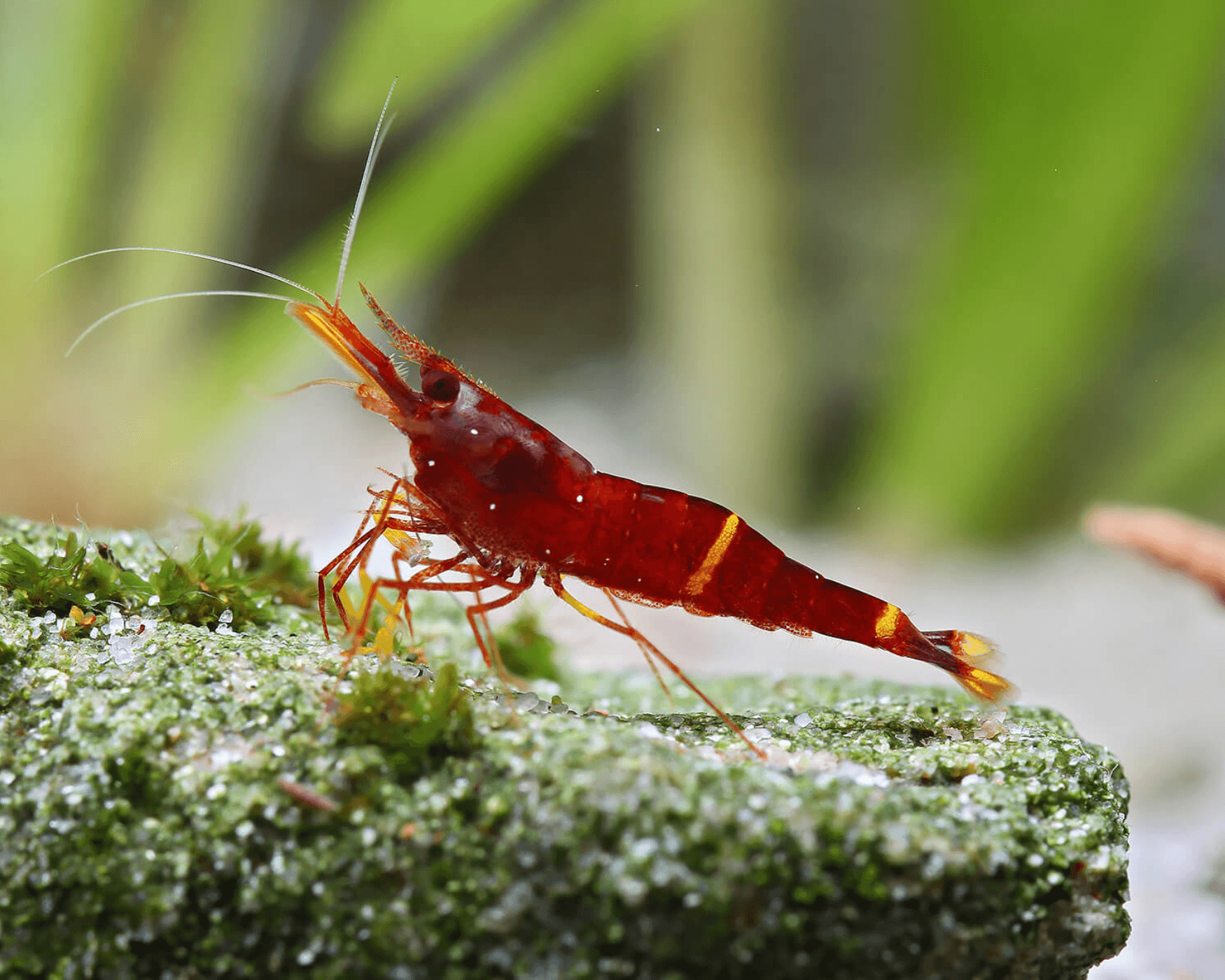
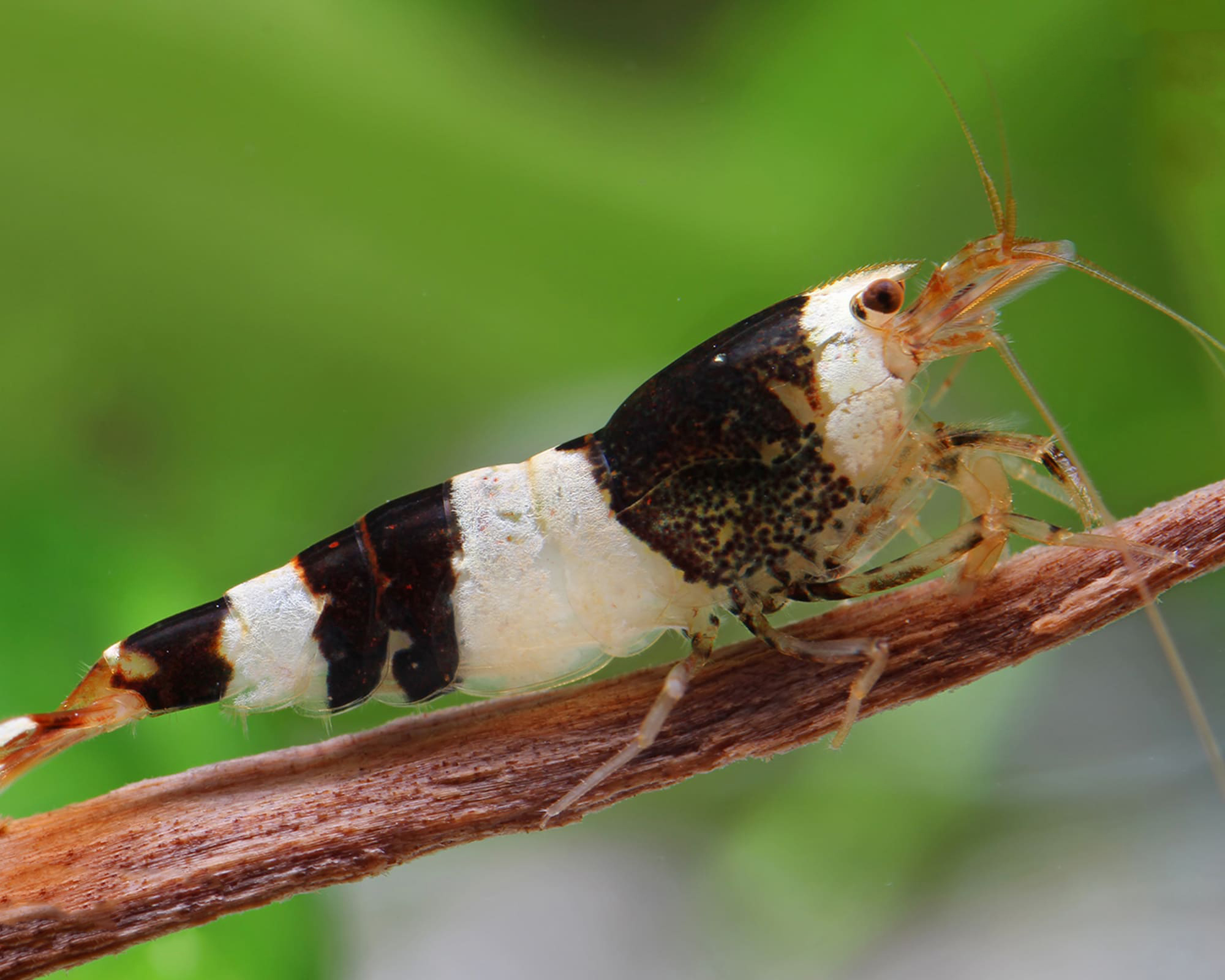
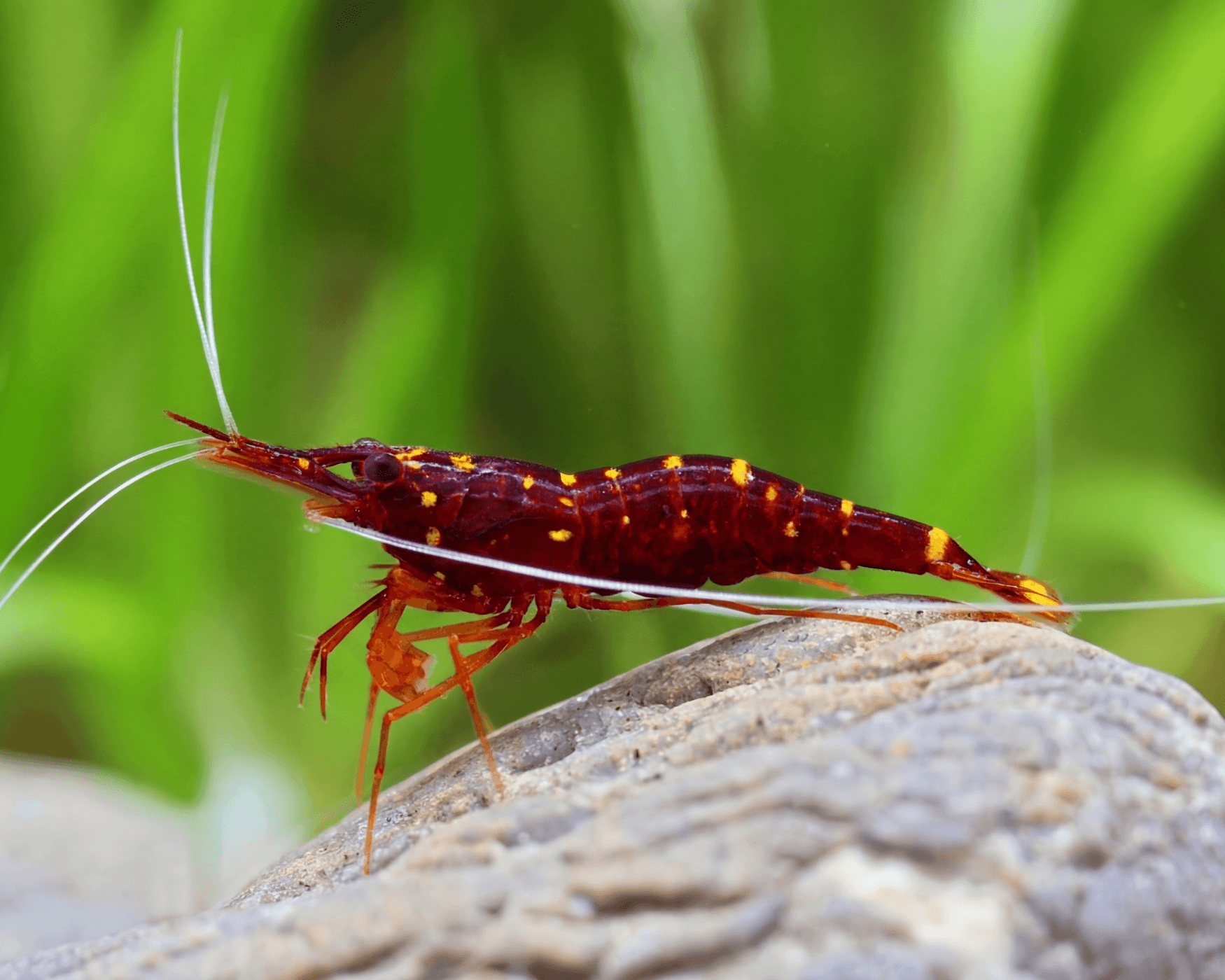
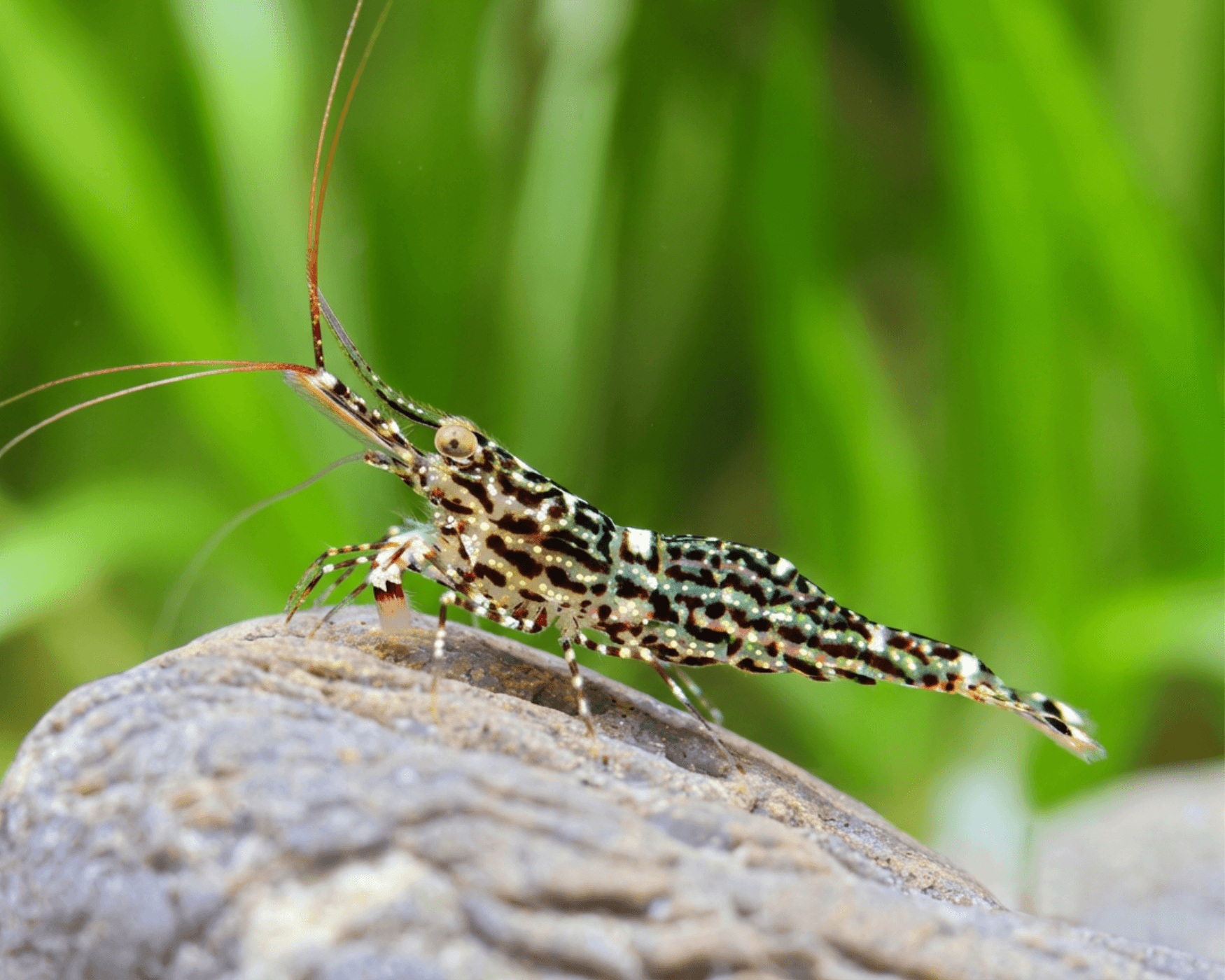
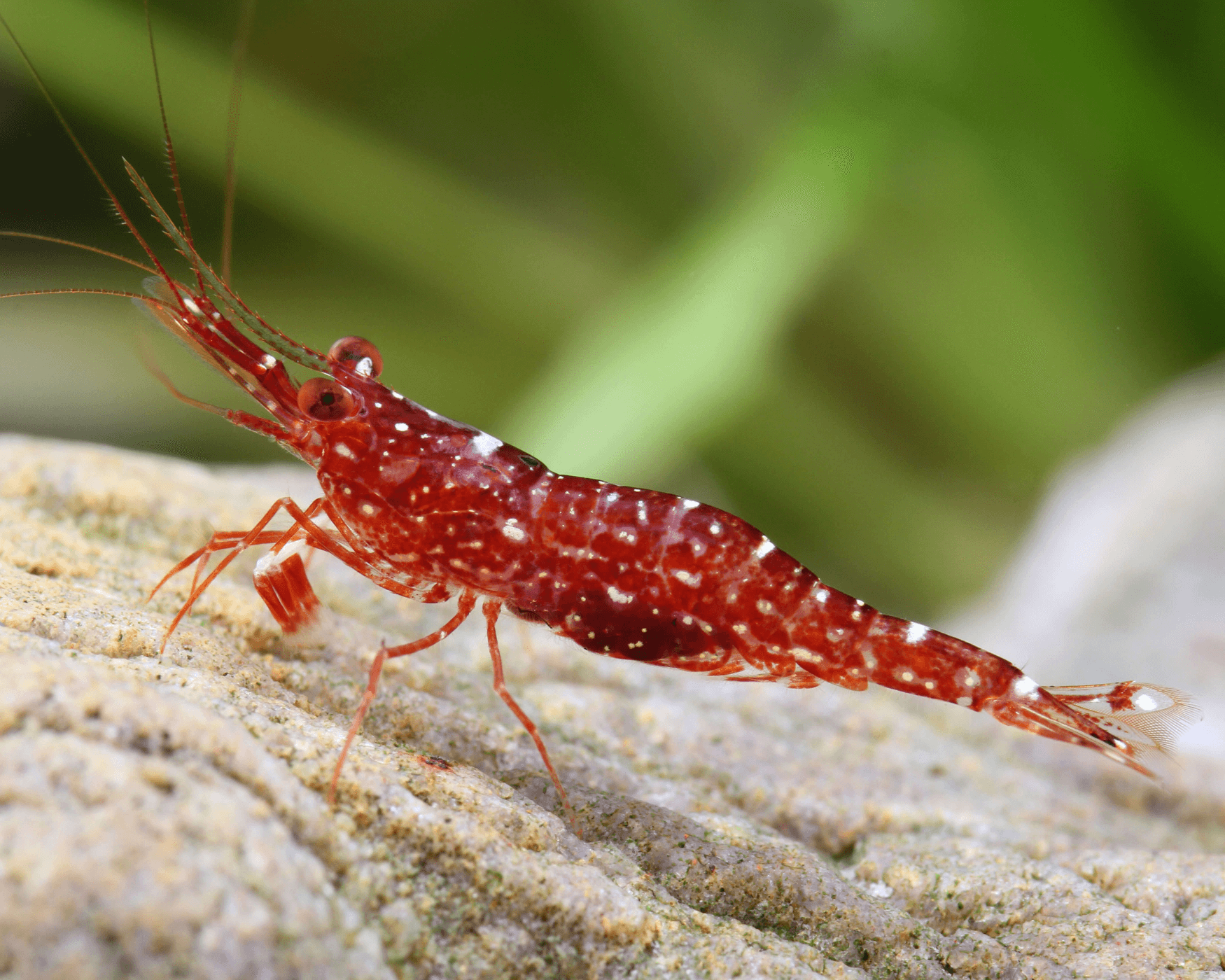
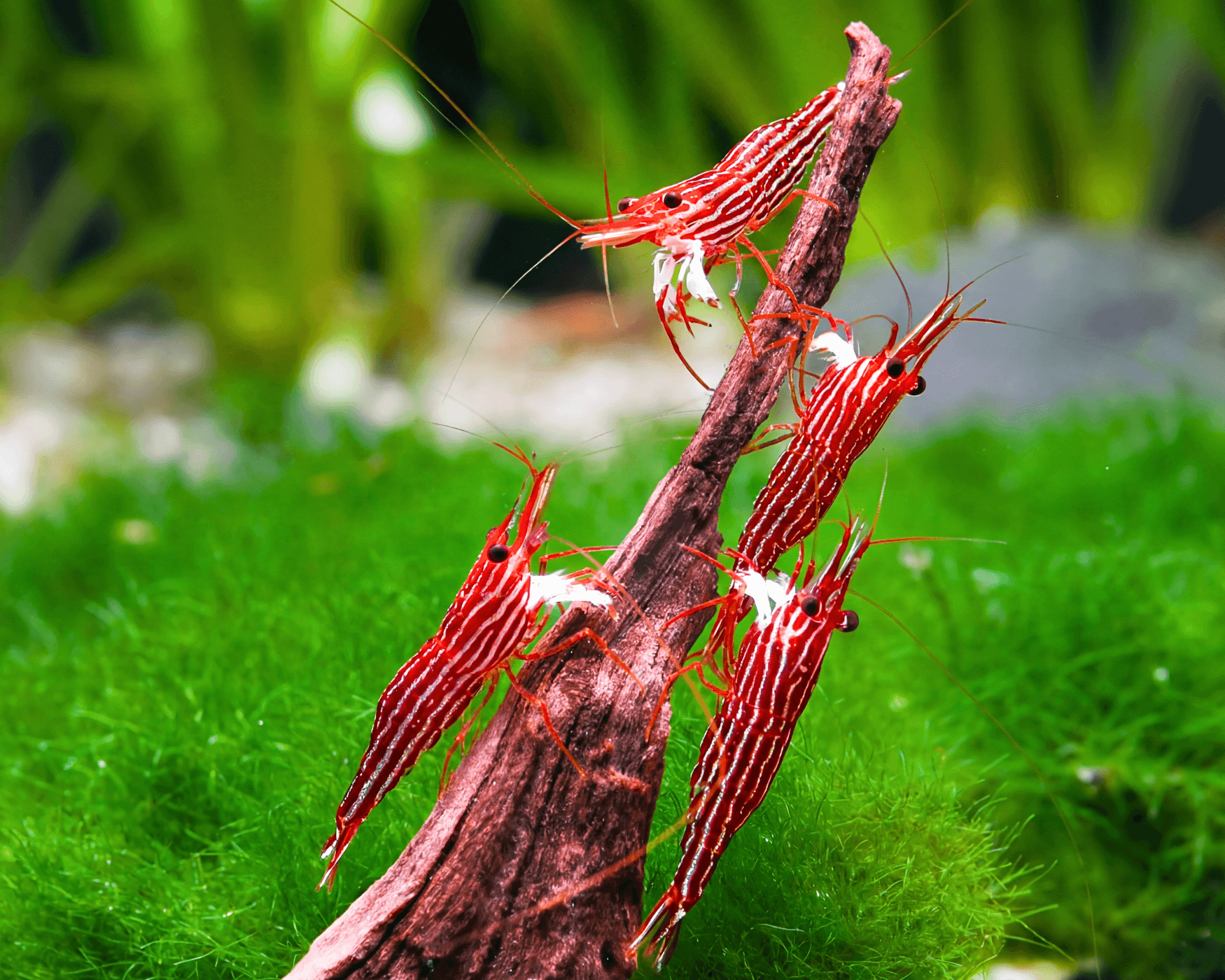
Caridina logemanni is a freshwater shrimp in the family Atyidae. Aquarium Crystal Red Shrimp are selectively bred color forms associated with the Caridina cantonensis group; modern aquarium references commonly use Caridina logemanni for this stock. The animals shown or described here appear to be red-and-white Crystal Red-type shrimp, but a precise commercial grade, genetic line, and species identity cannot be verified from the supplied source alone.
Natural habitat
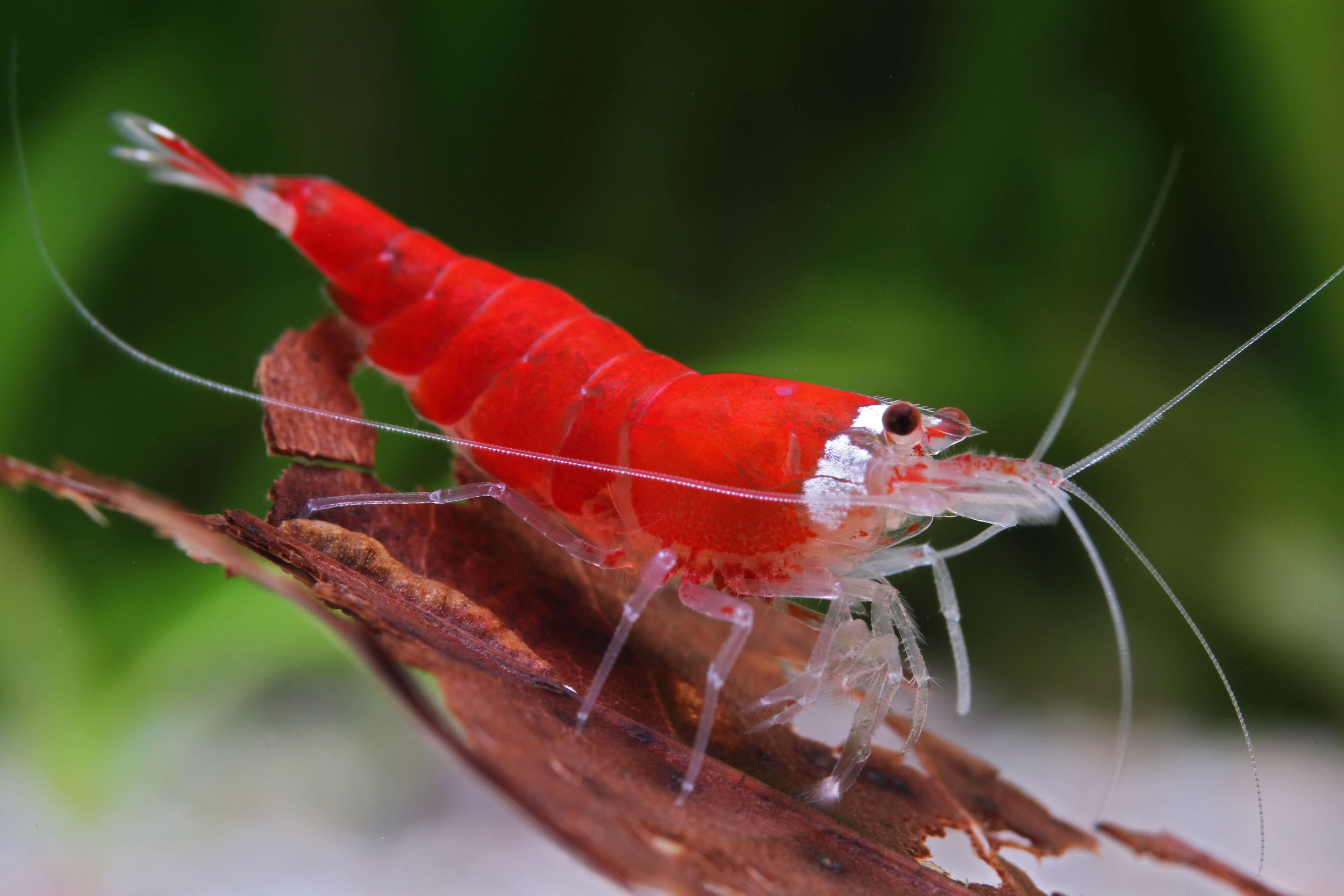
The wild ecology of aquarium Crystal Red lines is not directly represented by the commercial form. Caridina logemanni is associated with clear, cool, soft-water stream environments in southern China, where shrimp graze on biofilm and organic films on submerged surfaces. In captivity, recreate the stable conditions rather than attempting to reproduce a specific locality: use mature biological filtration, low suspended waste, gentle flow, shade or plants, and plenty of textured surfaces.
Water parameters
Aim for 20-24 °C, pH 5.8-6.8, and low general hardness with enough calcium and magnesium for successful molts. A remineralizer formulated for bee shrimp can help produce consistent mineral content. Keep ammonia and nitrite at zero and nitrate low. Stability is more important than chasing an exact number; avoid abrupt changes in temperature, pH, conductivity, or dissolved minerals. Use purified water only after it has been remineralized appropriately.
Aquarium setup
A small colony is best housed in a mature, dedicated aquarium with a large biological surface area. Sponge filters or carefully guarded low-intake filters protect young shrimp. Mosses, fine-leaved plants, wood, leaf litter, and porous hardscape provide grazing area and shelter. Avoid copper-based medications, untreated tap-water swings, strong suction, and recently established tanks that lack stable biofilm.
Feeding
Biofilm and microorganisms should form the foundation of the diet. Offer small portions of shrimp foods containing plant and microbial ingredients, and supplement occasionally with blanched vegetables or botanicals suitable for freshwater aquaria. Feed sparingly, remove uneaten food, and adjust portions to colony size. Excess food can quickly degrade water quality in a small shrimp aquarium.
Tank mates
The safest companions are other peaceful invertebrates, such as suitable freshwater snails, provided their water requirements match. Small fish may eat shrimplets and can stress adults, so a species-only aquarium is preferred for breeding or maintaining high survival. Avoid large, predatory, fin-nipping, or highly active fish. Do not mix different Caridina lines if preserving a particular Crystal Red pattern or breeding outcome matters.
Molting and health
Shrimp periodically shed their exoskeleton to grow. A recently molted individual is soft and vulnerable, so dense cover and stable water are essential. Do not remove a normal shed exoskeleton; it is often eaten and returns minerals to the system. Failed molts are commonly associated with instability, unsuitable mineral balance, poor nutrition, or chronic stress. Make water changes modest, temperature-matched, and consistent.
Breeding
Caridina logemanni is a freshwater-breeding shrimp: females carry relatively large eggs beneath the abdomen, and offspring hatch as miniature benthic shrimp rather than free-swimming marine larvae. Maintain a stable mature aquarium, gentle filtration, abundant biofilm, and a group containing both sexes. After females molt, males may search actively for them. Newly hatched young need microscopic food sources and shelter; avoid intensive cleaning that removes their grazing surfaces. Selective breeding is required to maintain or improve red-and-white pattern quality.
Leave your comments