Taxonomy and identification
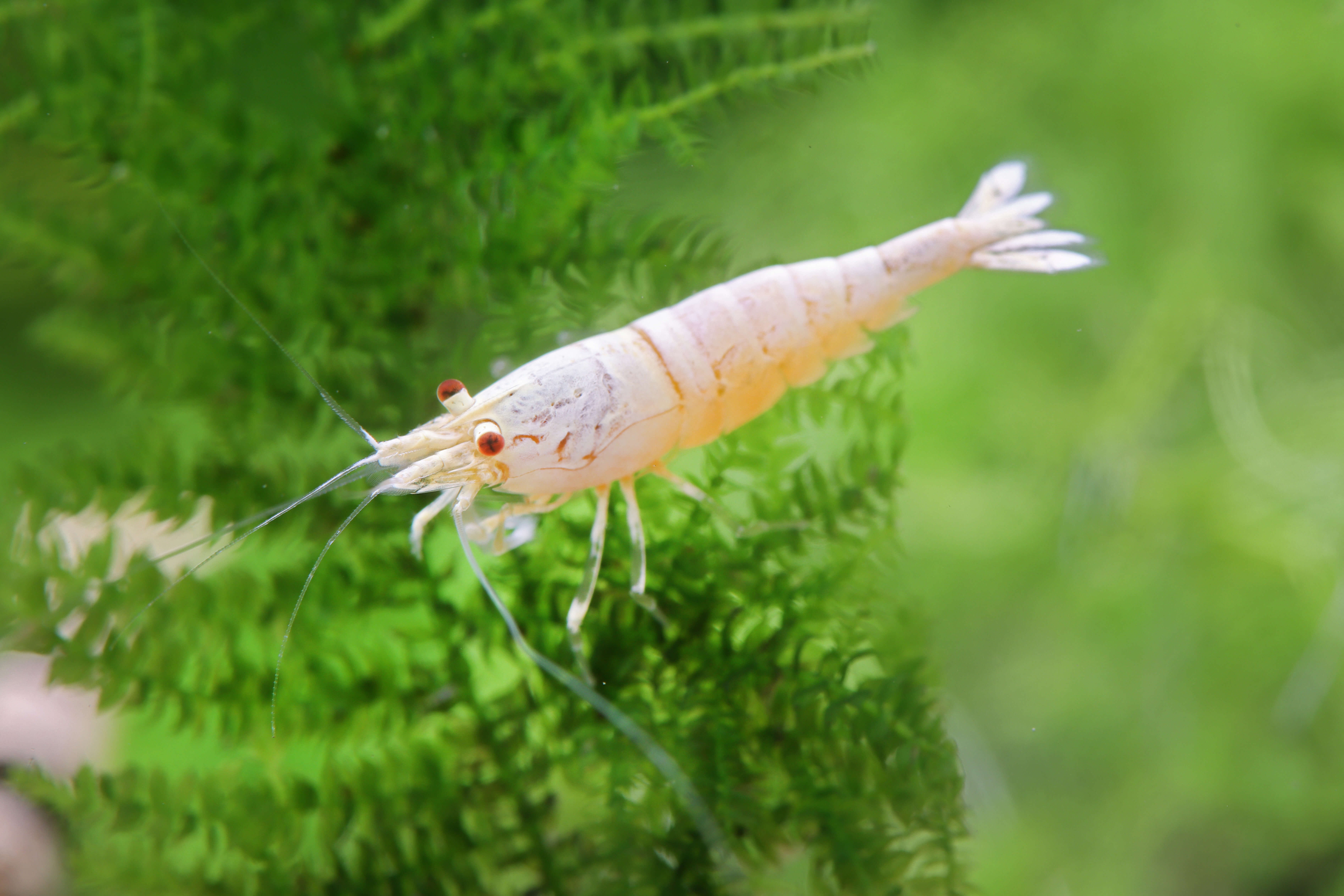
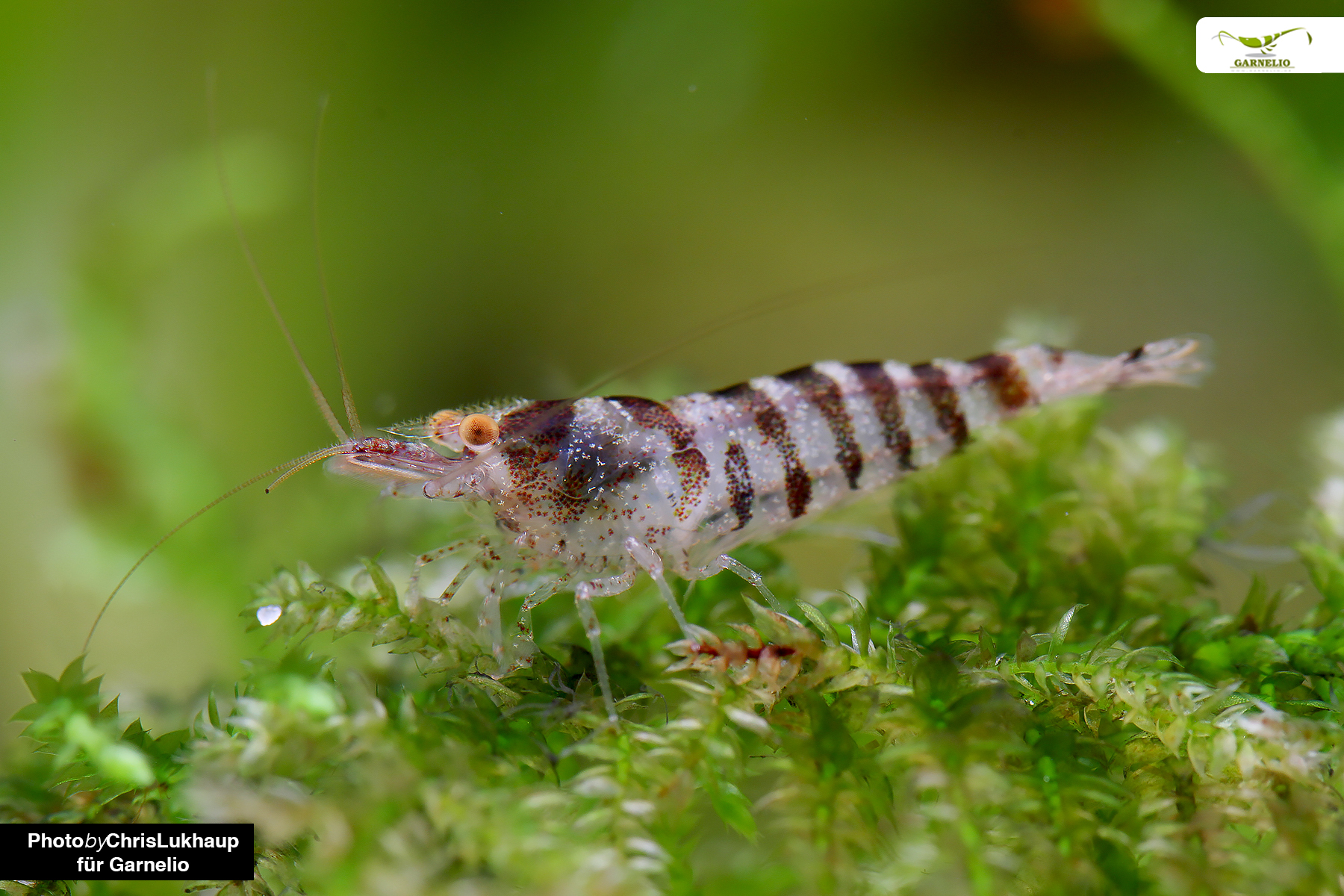
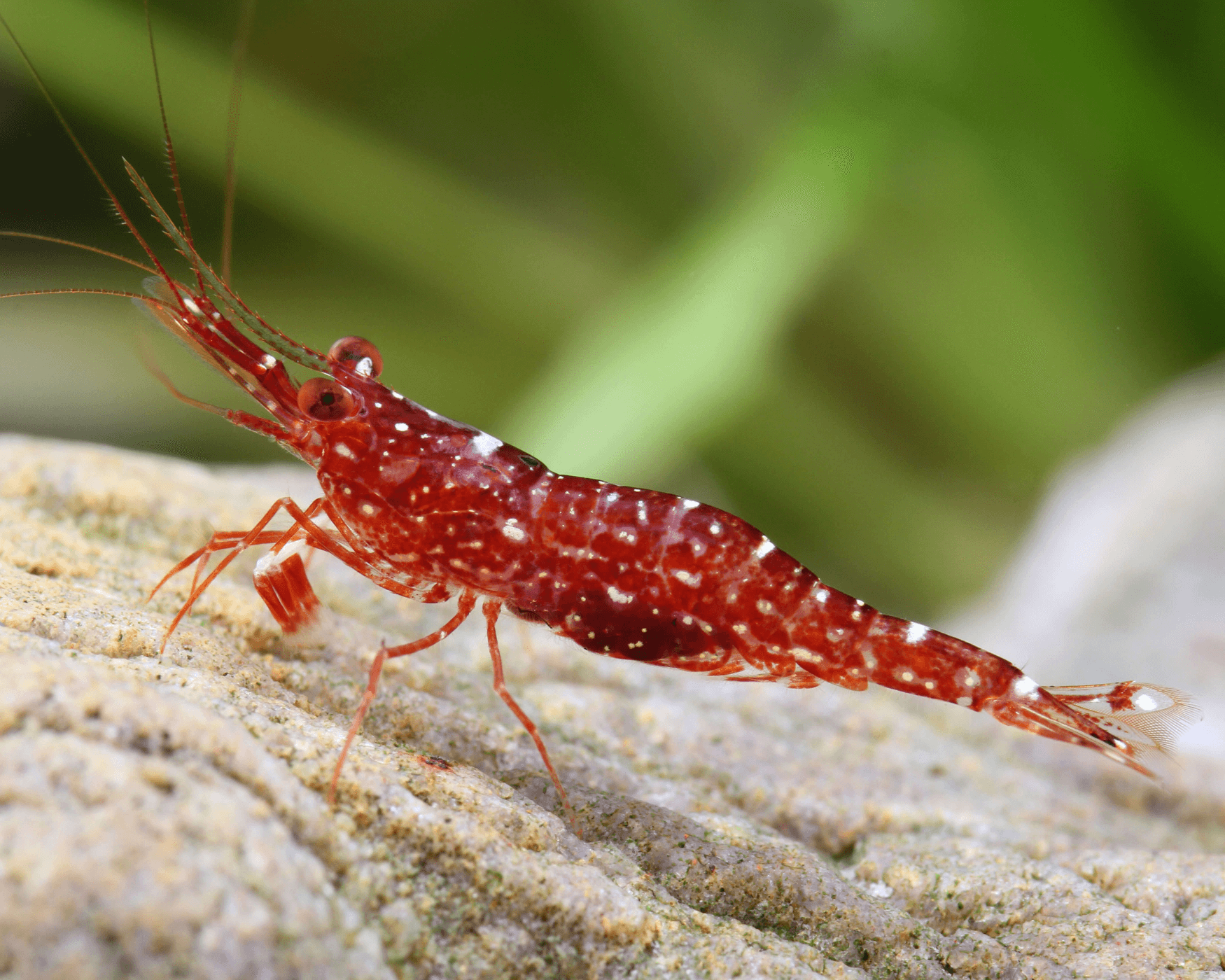
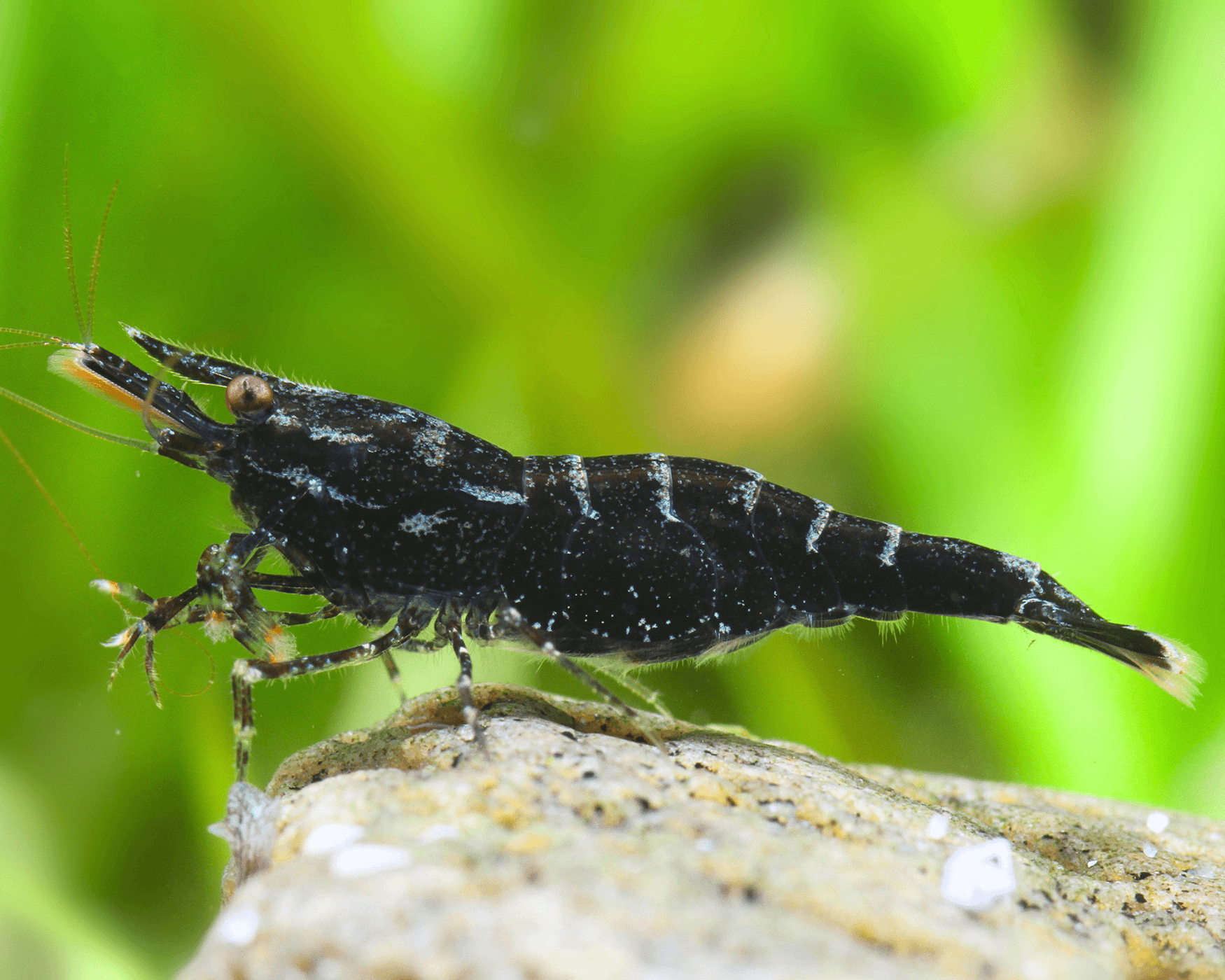
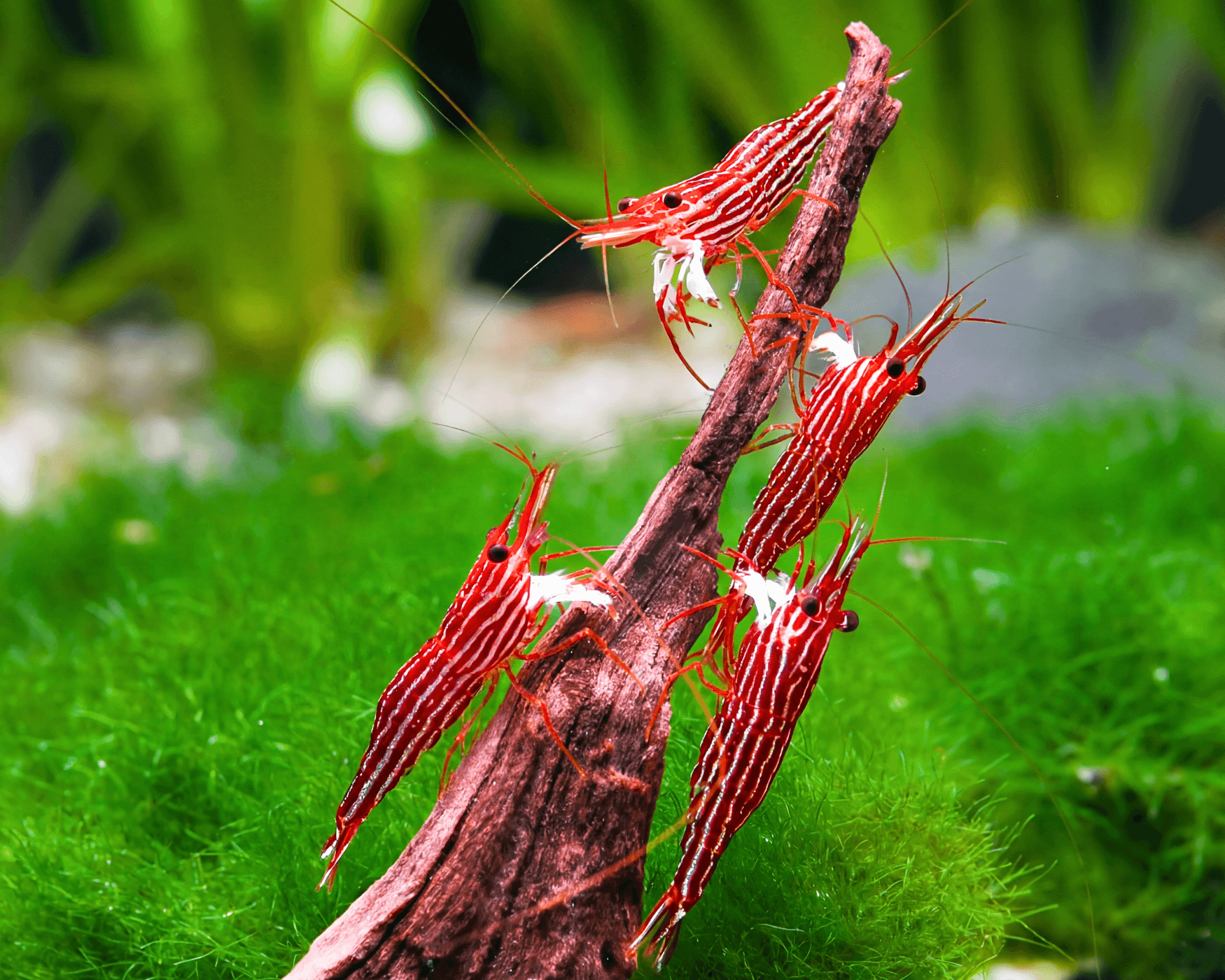
The supplied source identifies this shrimp as Caridina logemanni and calls it Snow White Bee Shrimp. It is a selectively bred ornamental form within the bee shrimp group, historically associated in the aquarium trade with Caridina cantonensis. Selective-bred names and grades are not always standardized, so a photograph cannot verify the precise strain, genetic background, or breeding grade.
Natural habitat
Caridina logemanni is associated with cool, clean freshwater hill-stream environments in southern China and nearby regions of the bee shrimp group's natural range. Such habitats typically provide clear, oxygen-rich water, smooth surfaces for grazing, leaf litter, mosses, and biofilm. Aquarium success depends more on stable conditions and mature biological growth than on strong current.
Aquarium requirements
Use a mature, fully cycled aquarium with gentle circulation, an intake sponge, and abundant moss, wood, or other grazing surfaces. Active buffering substrate is commonly used to maintain acidic conditions, while remineralized soft water supplies calcium and magnesium without excessive hardness. Avoid detectable ammonia or nitrite, large temperature swings, copper-based medications, and abrupt changes in pH, conductivity, or mineral content.
Water parameters
A practical target is 20-24 °C and pH 5.8-6.8. Keep general hardness and carbonate hardness low but not depleted; exact mineral values should follow the remineralizer and the colony's established water. Stability is more important than chasing a particular number. Perform small, temperature-matched water changes and test new water before adding it.
Feeding
These shrimp continuously graze on biofilm, microorganisms, and soft organic material on plant and hard surfaces. Offer small portions of a quality shrimp food, with occasional blanched vegetables or leaf-based foods. Remove uneaten food promptly, especially in a small aquarium. A varied diet containing appropriate plant matter and protein supports growth, molting, and reproduction without polluting the water.
Tank mates
The safest companions are other peaceful bee shrimp from a compatible line and small, non-predatory snails. Avoid fish when breeding is the priority: even peaceful fish may eat newly hatched shrimplets. Do not mix this colony with other Caridina varieties if maintaining a predictable breeding line matters, because crossbreeding may alter offspring patterns and color.
Molting and health
Shrimp periodically shed their exoskeleton to grow. A hidden, newly molted shrimp may be vulnerable, so provide dense cover and avoid disturbing it. Leave a healthy shed exoskeleton in the aquarium; the shrimp may consume it to reclaim minerals. Failed molts are commonly associated with unsuitable mineral balance, poor nutrition, rapid environmental changes, or chronic stress. A sudden loss of molts or inactivity warrants checking water quality first.
Breeding
Breeding takes place entirely in freshwater. After mating, the female carries fertilized eggs beneath her abdomen and fans them until fully formed young hatch as miniature shrimp. Dense moss and mature biofilm improve juvenile survival. Keep filtration intake covered, avoid large or sudden water changes, and feed very small amounts of powdered or finely crushed food if natural grazing is insufficient. Selective breeding requires separating compatible grades and removing unwanted offspring over successive generations.
Identification note
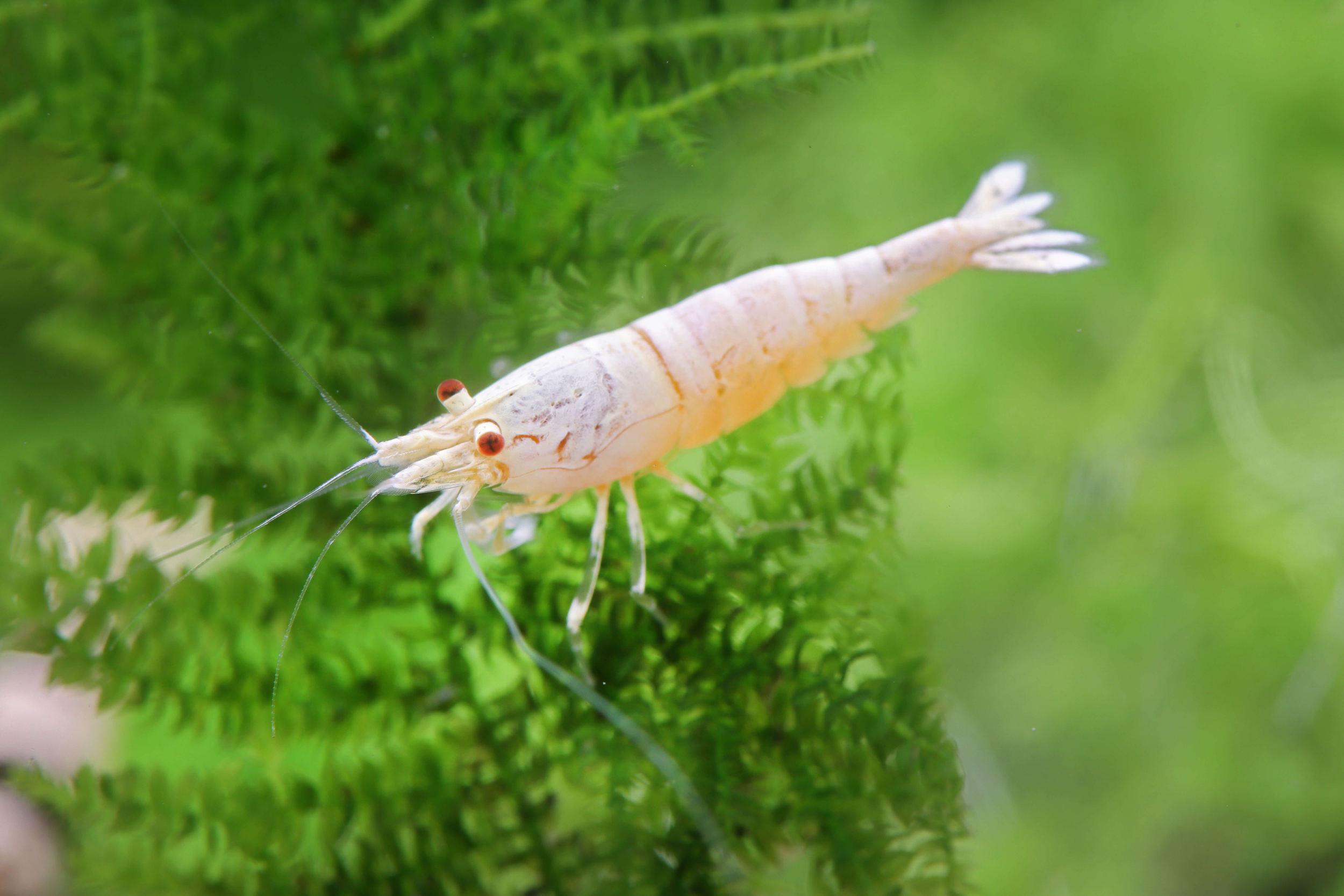
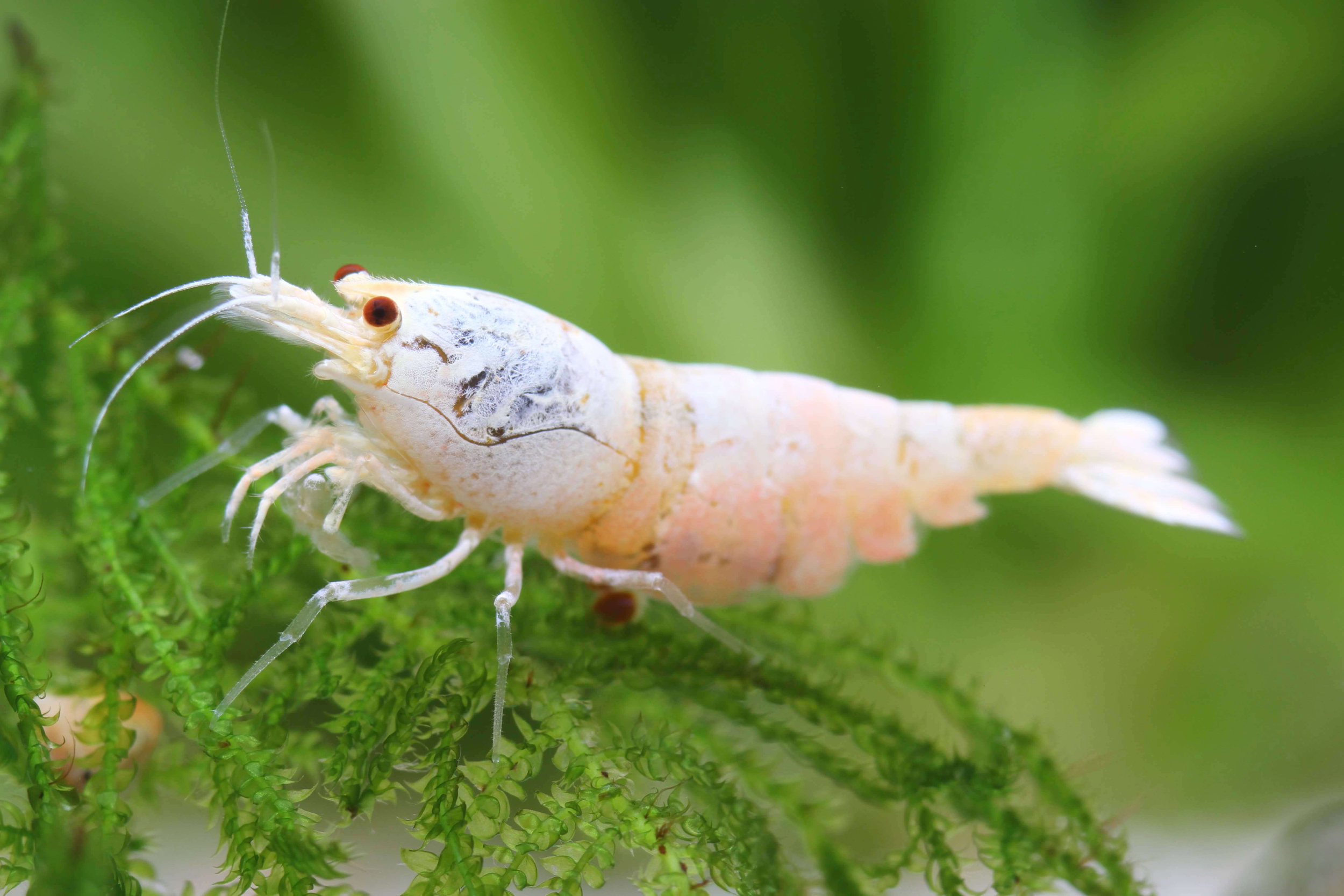
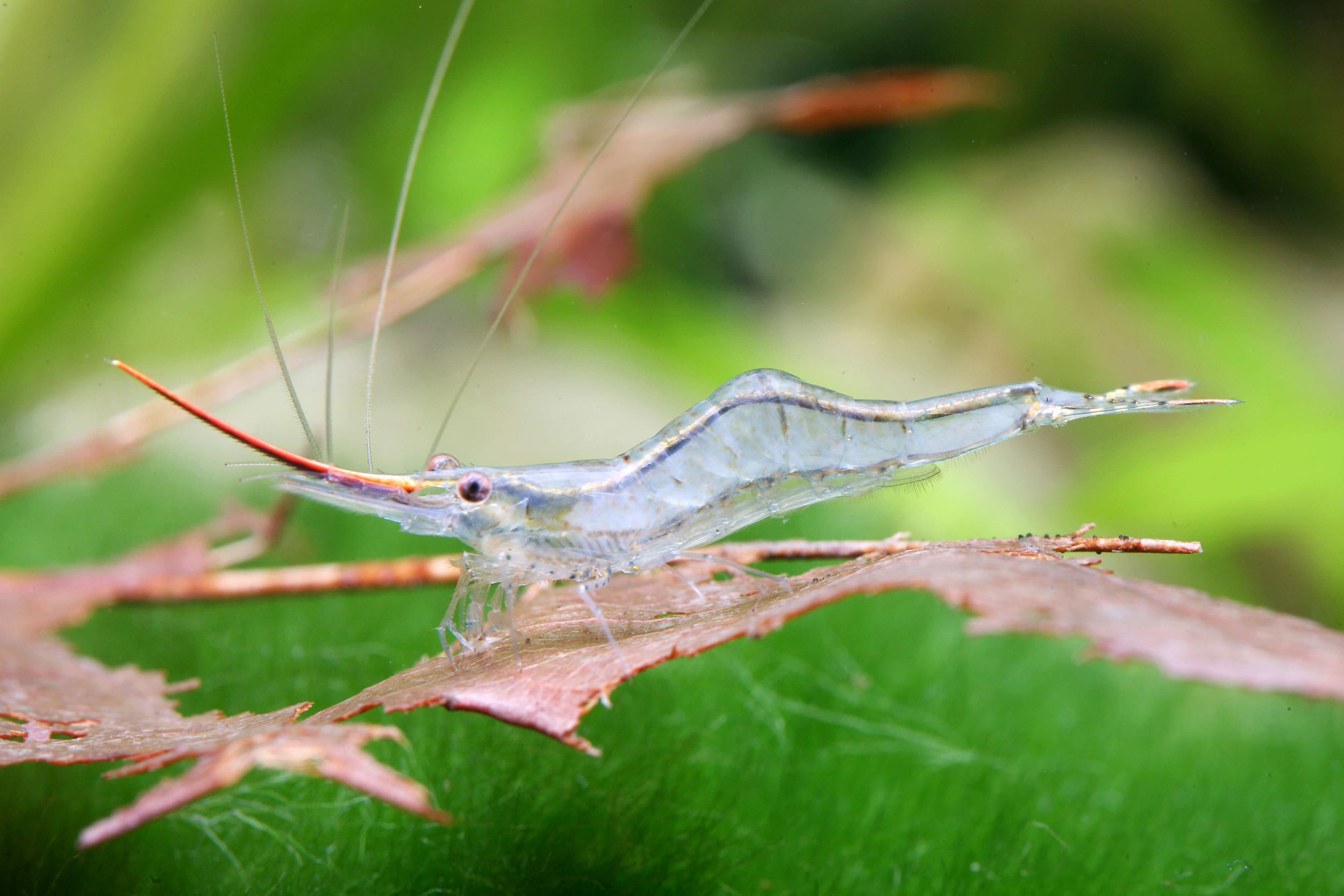
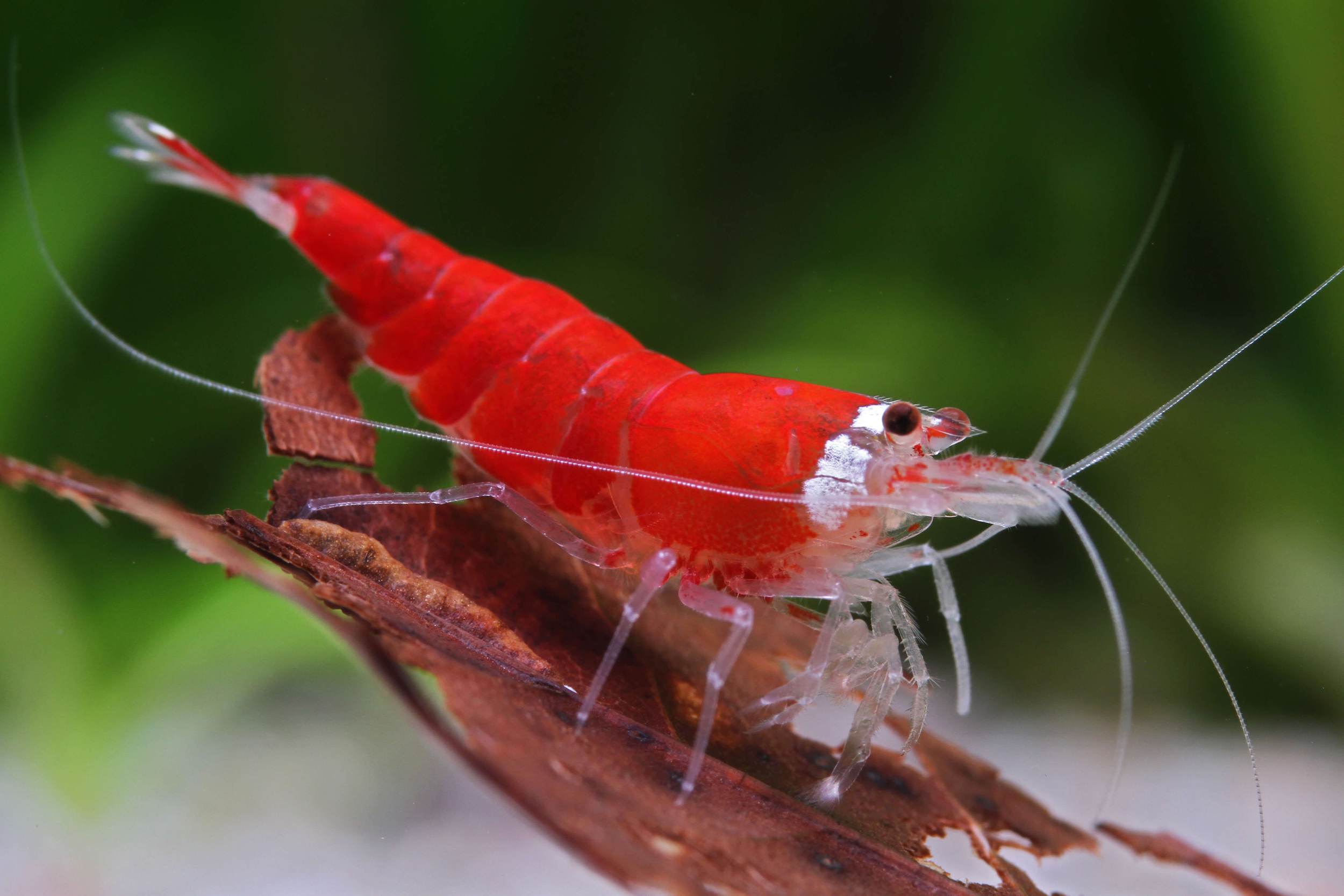
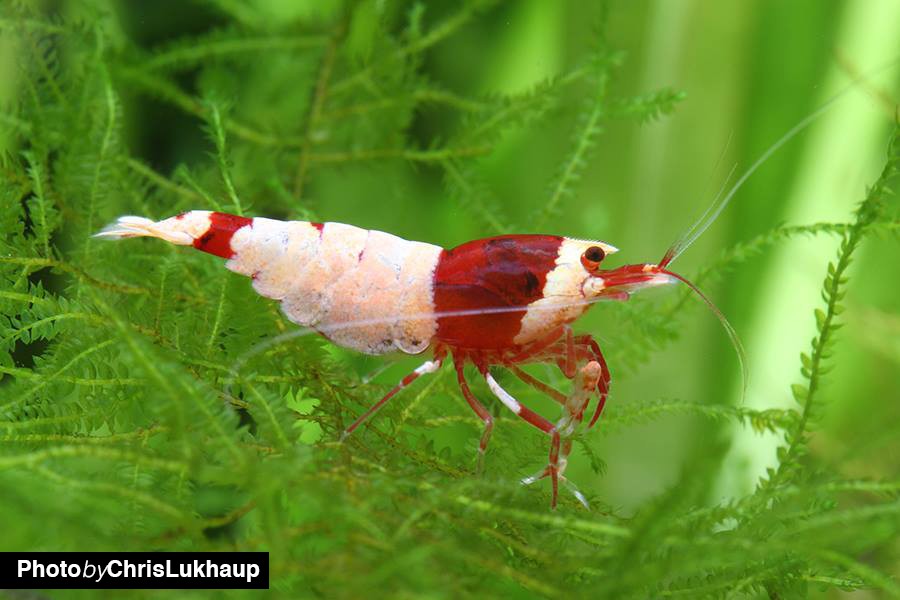
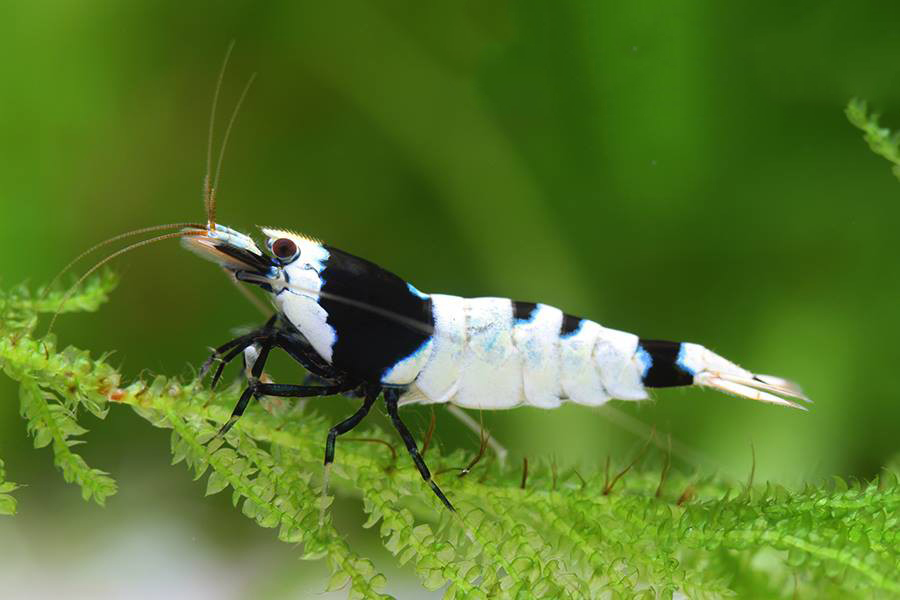
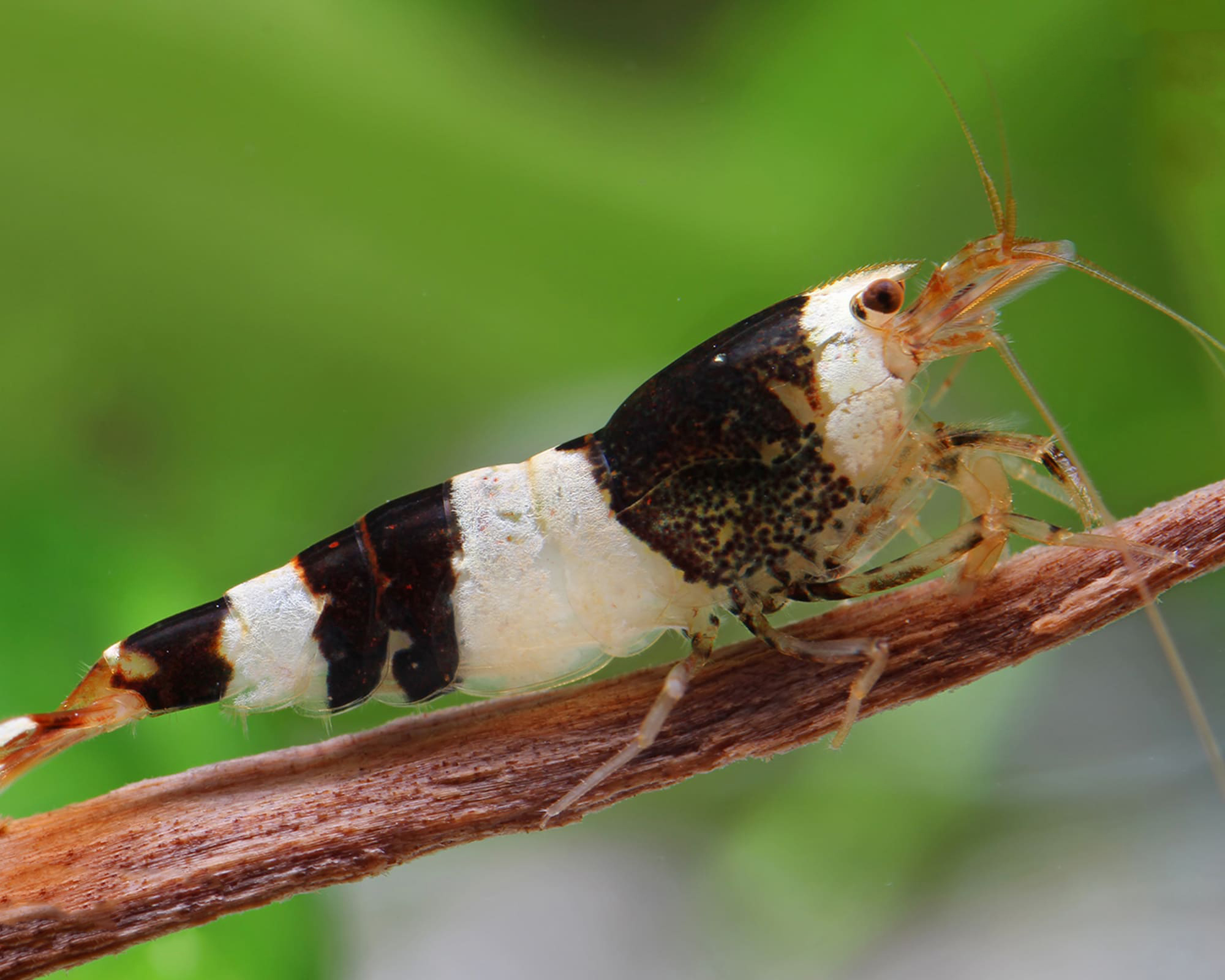
The photographs support identification as a white bee-type Caridina, but they do not independently prove the stated species or line. The visible shrimp has a pale white to cream body, slight peach coloration, and reddish eyes. Confirm the seller's lineage and water history before purchase, particularly because imported shrimp may be stressed by transport and may have been maintained in water substantially different from the destination aquarium.
Leave your comments