Identification and taxonomy
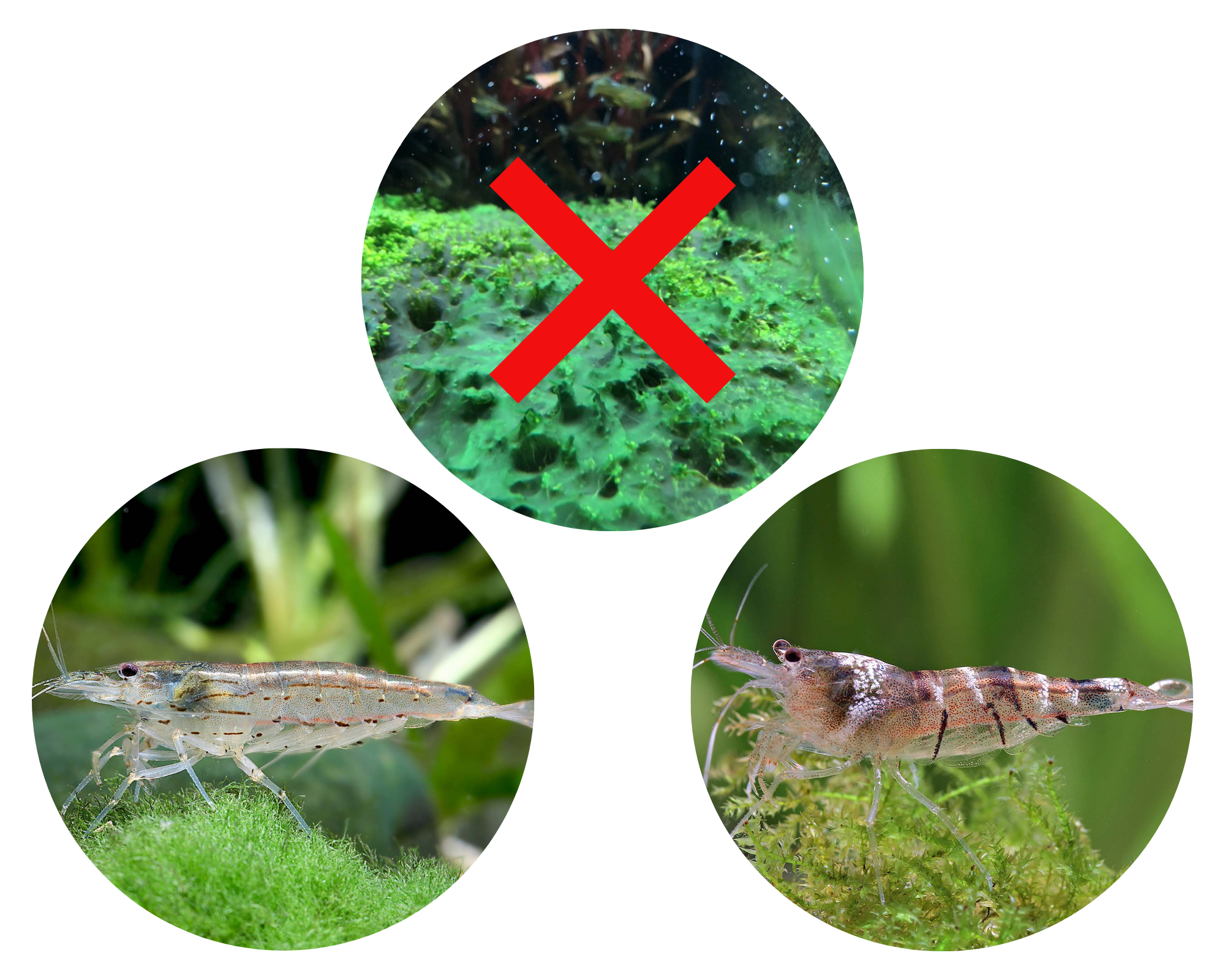
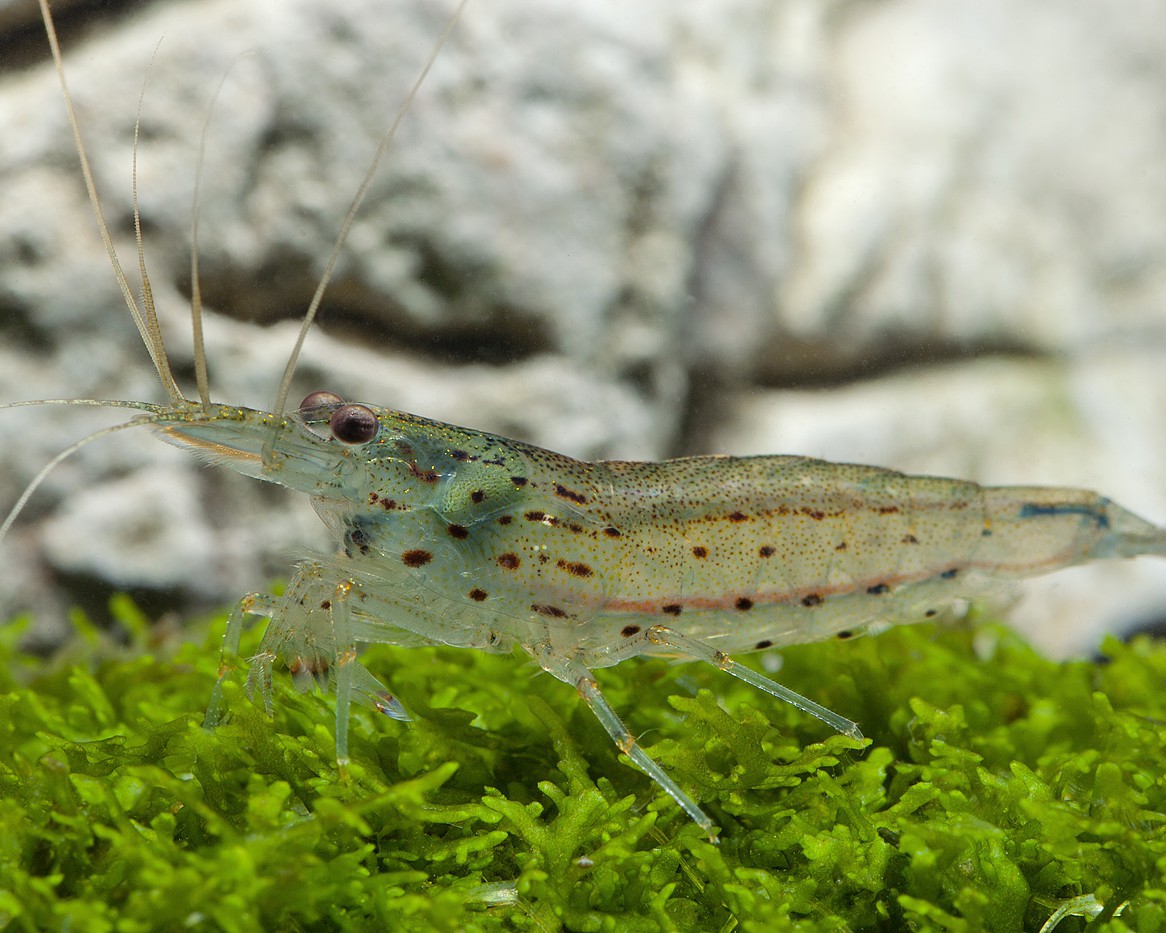
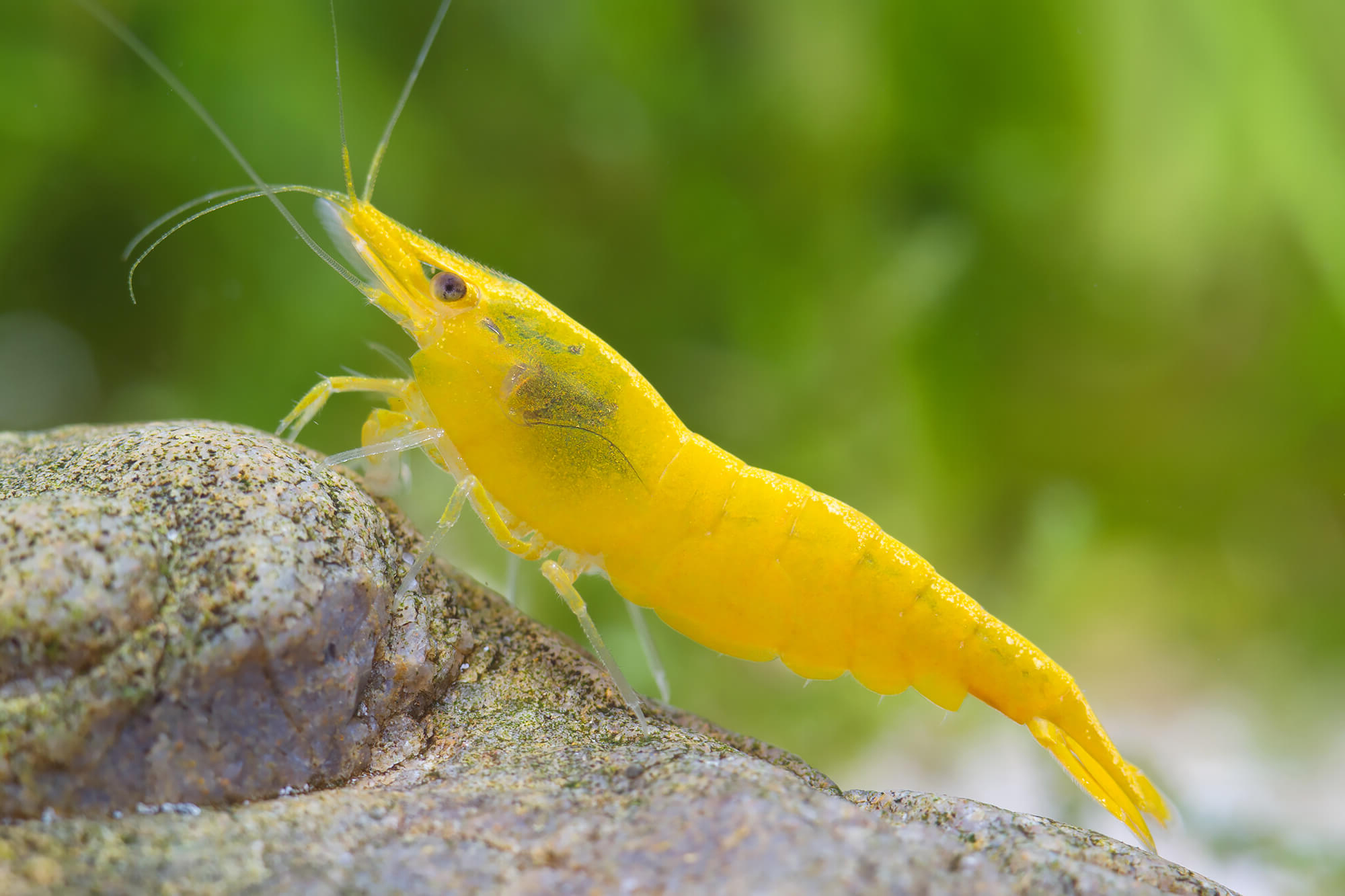
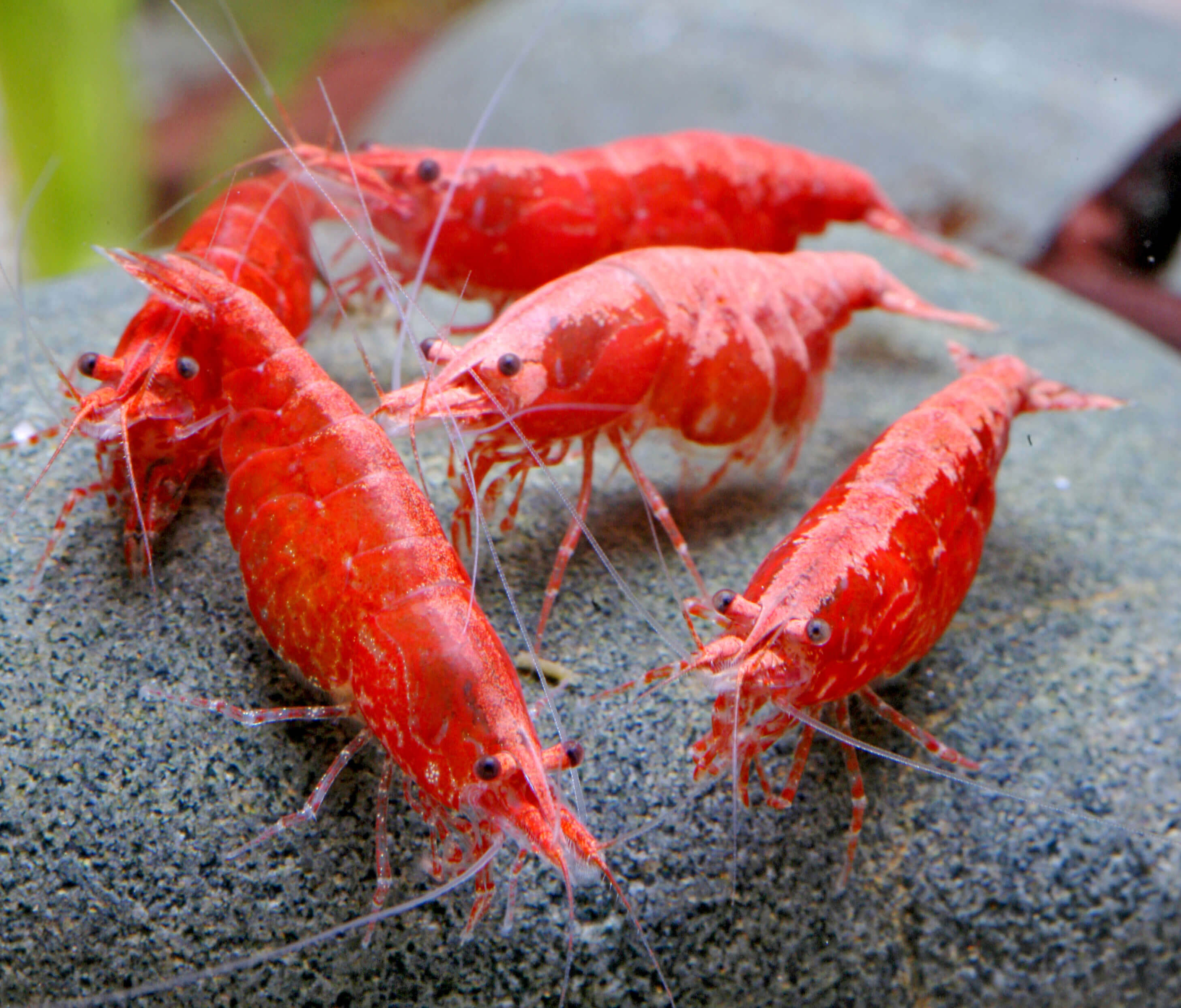
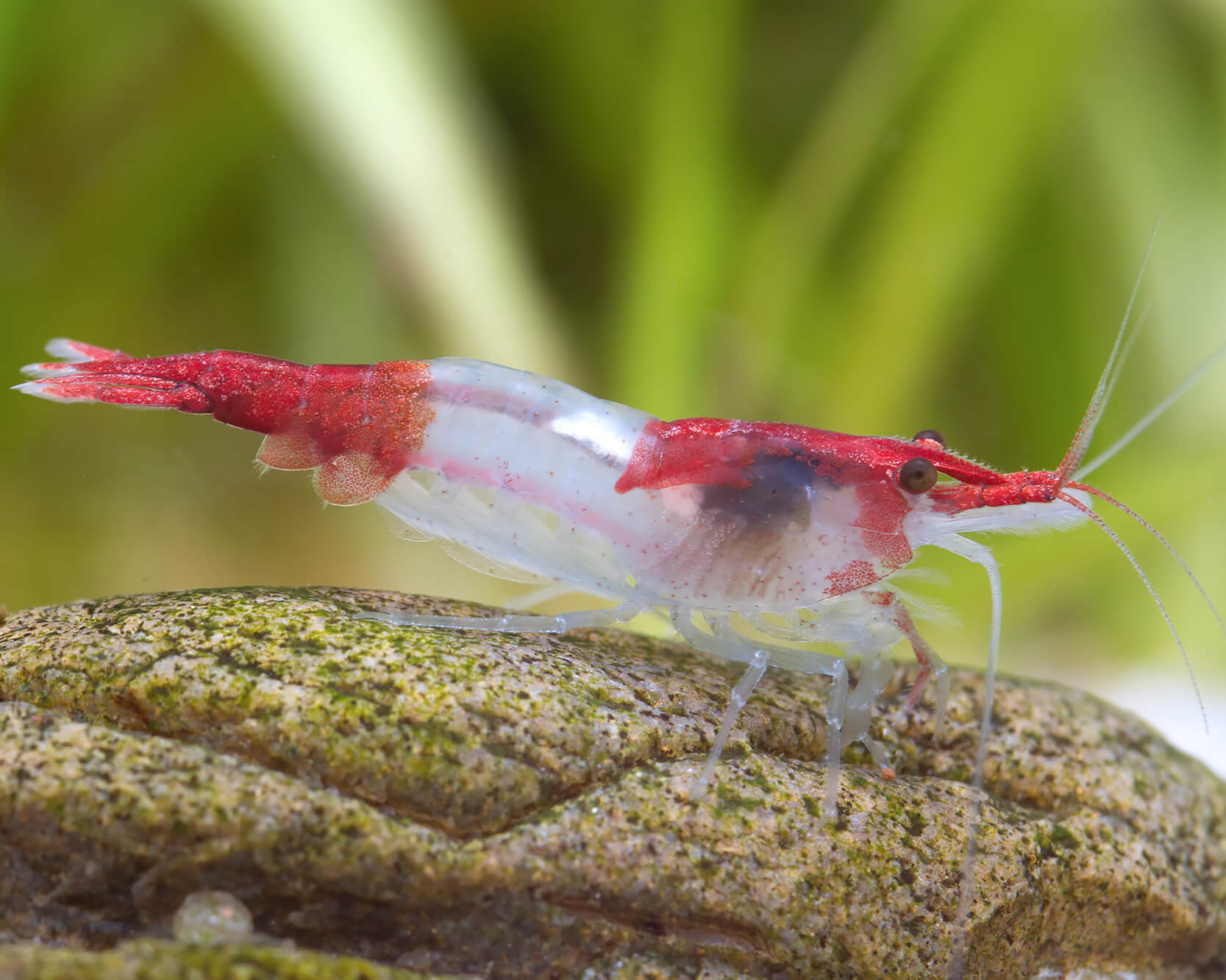
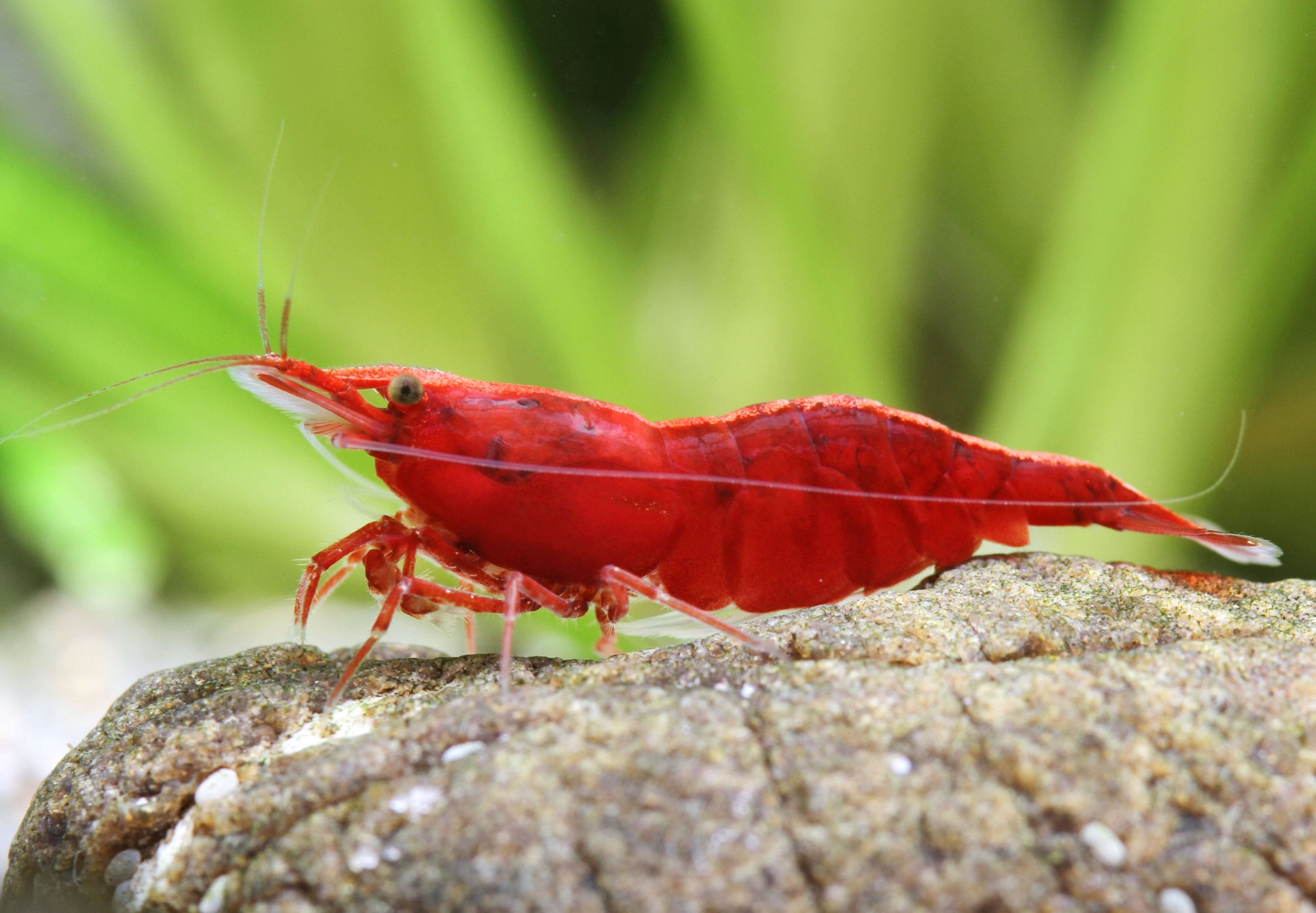
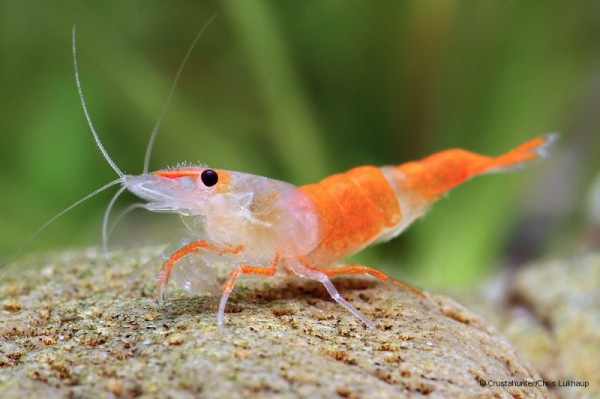
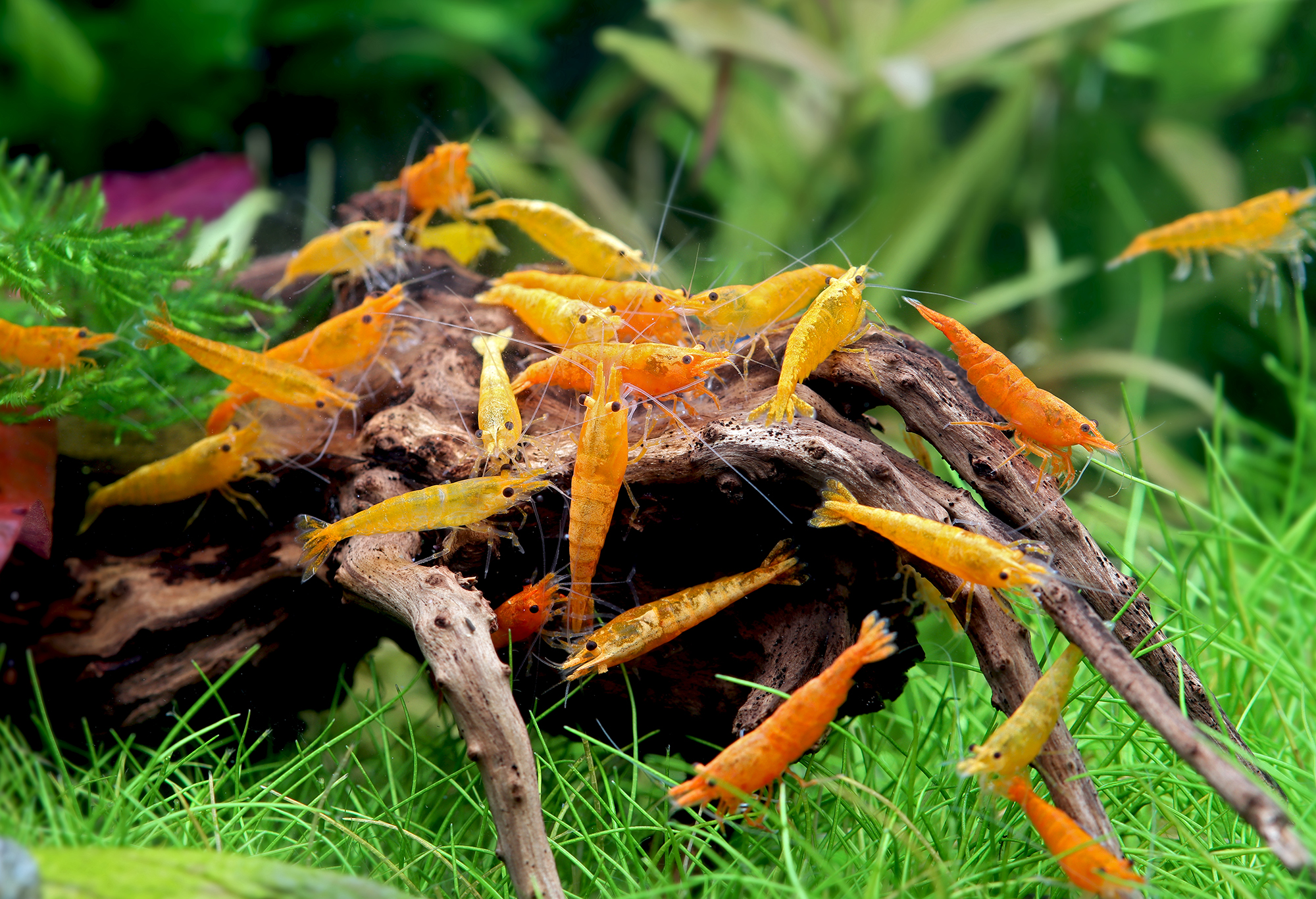
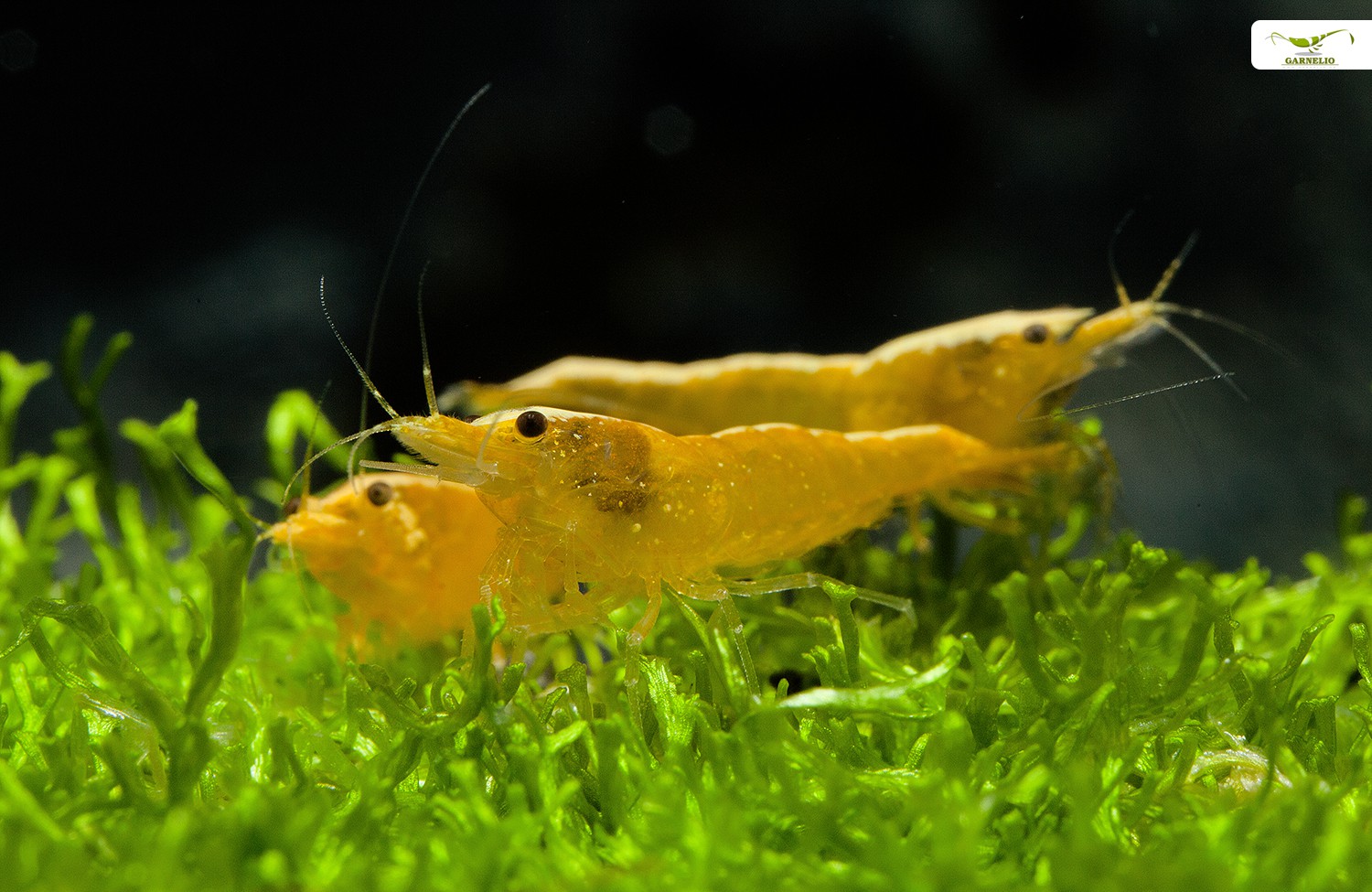
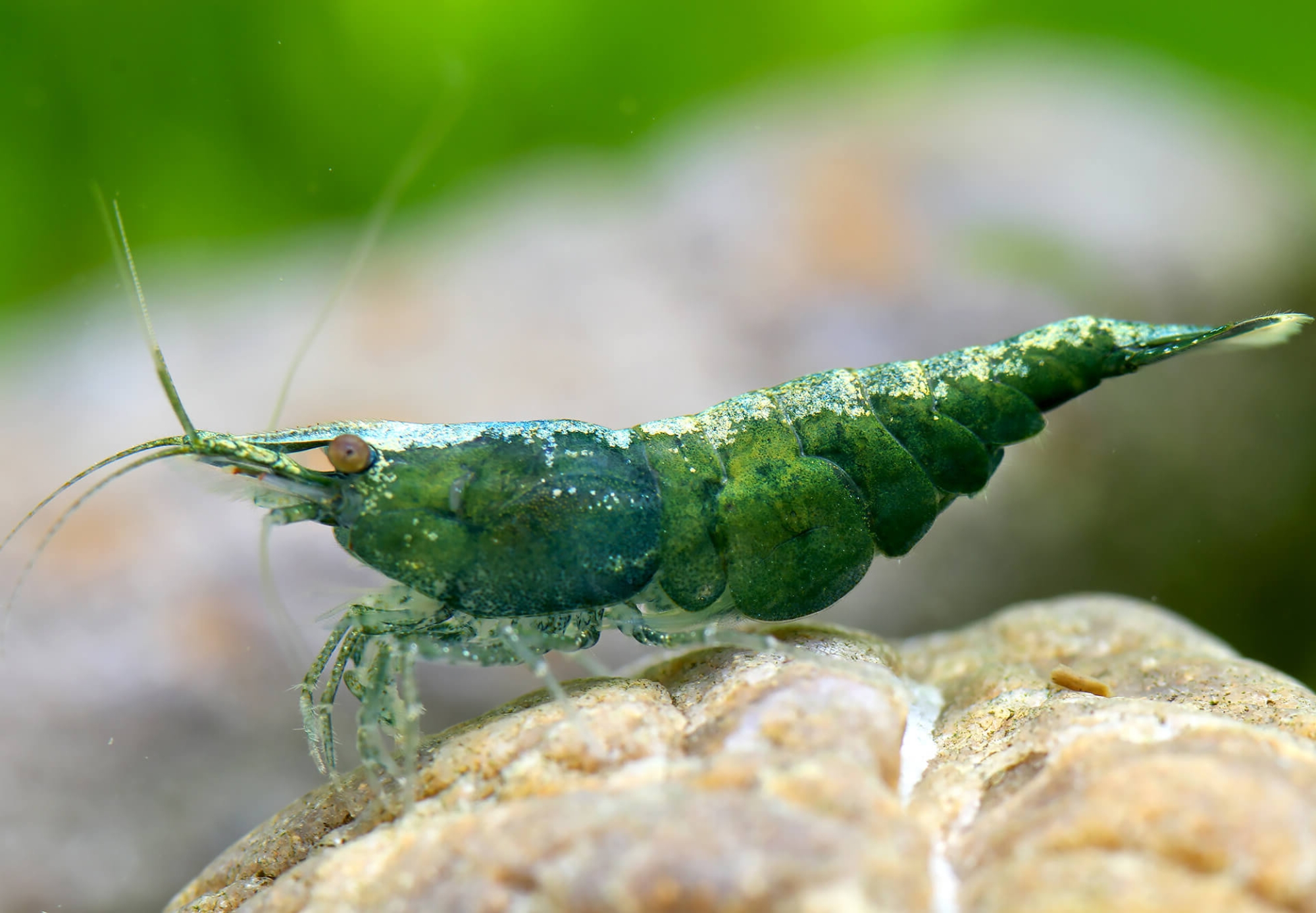
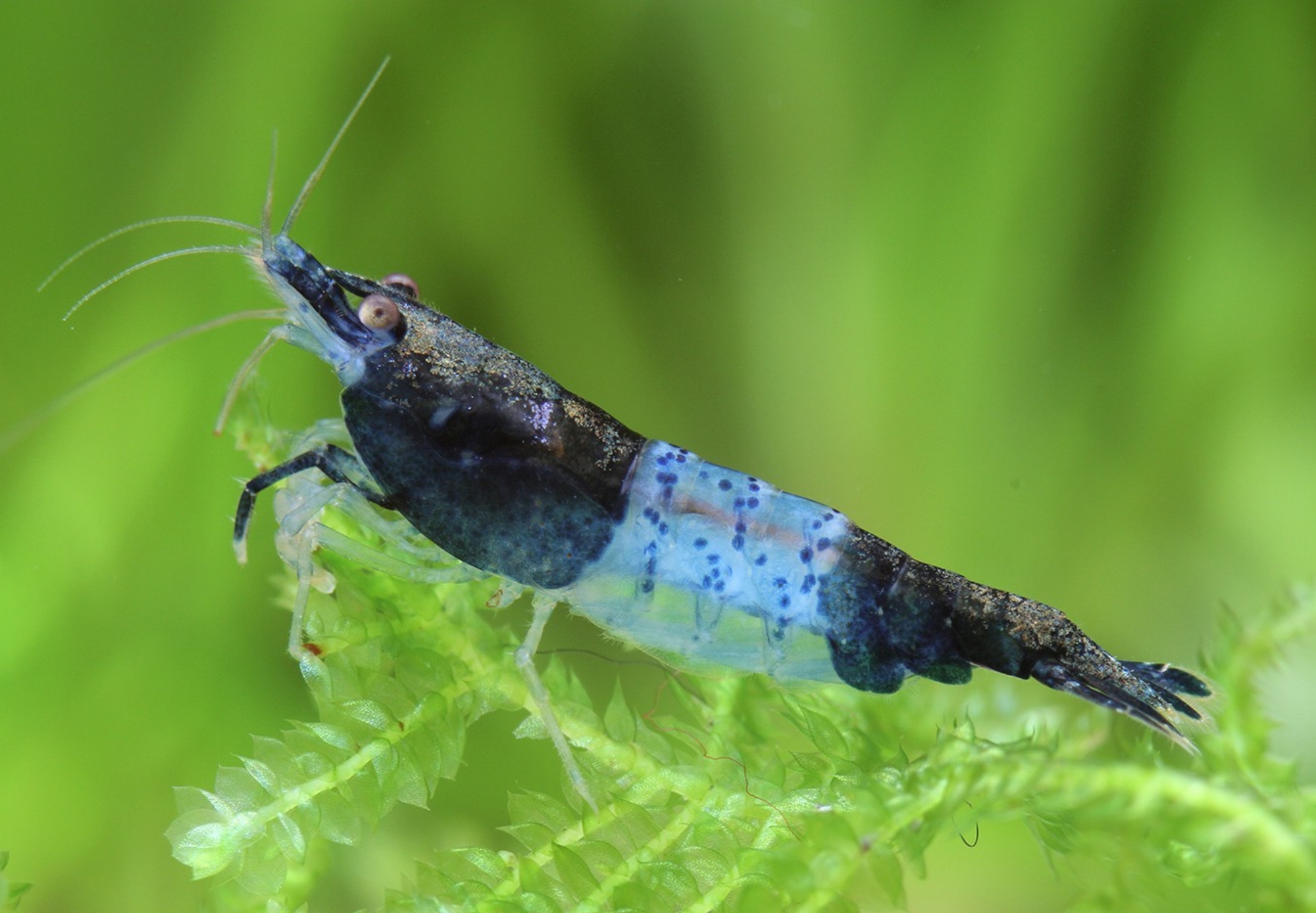
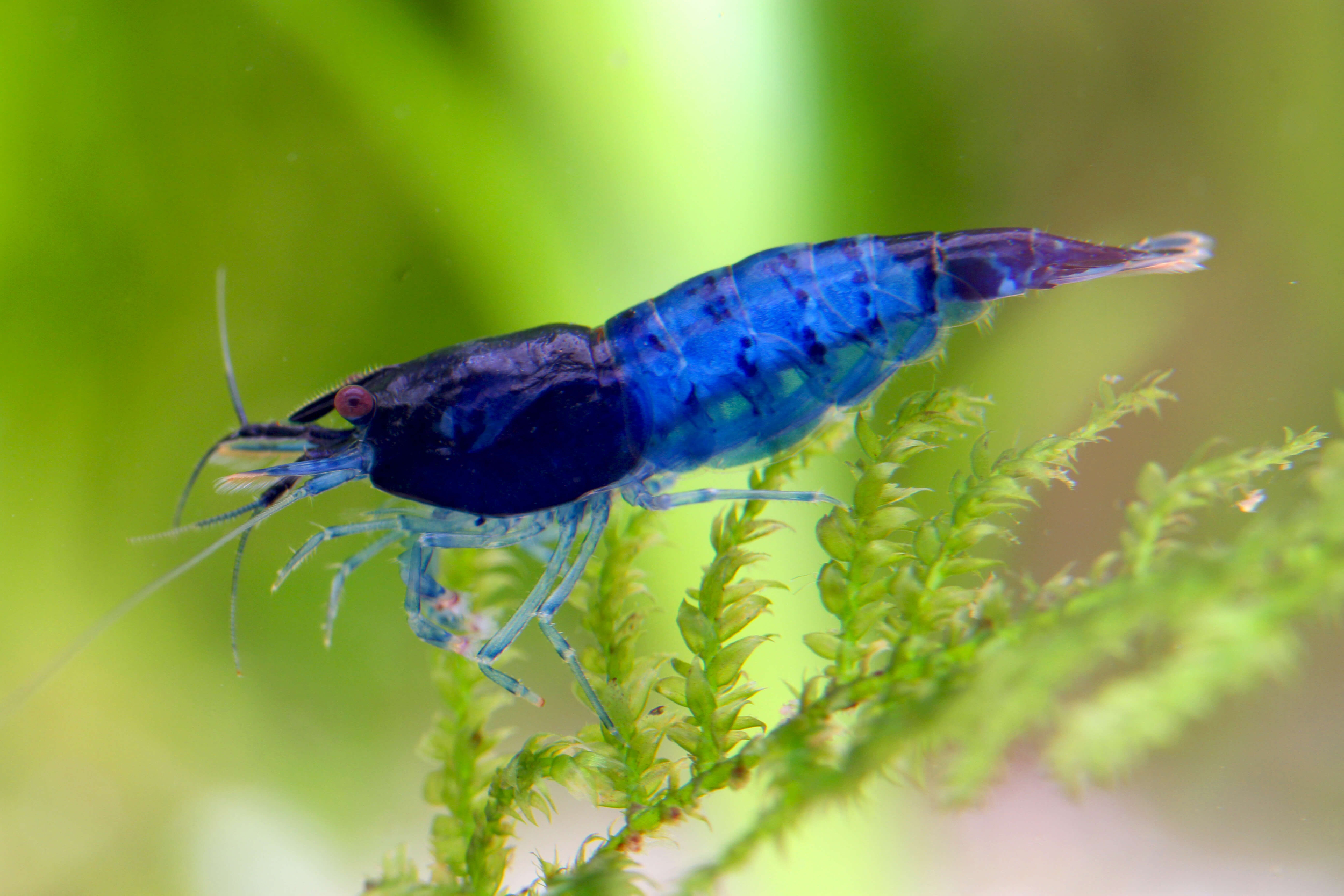
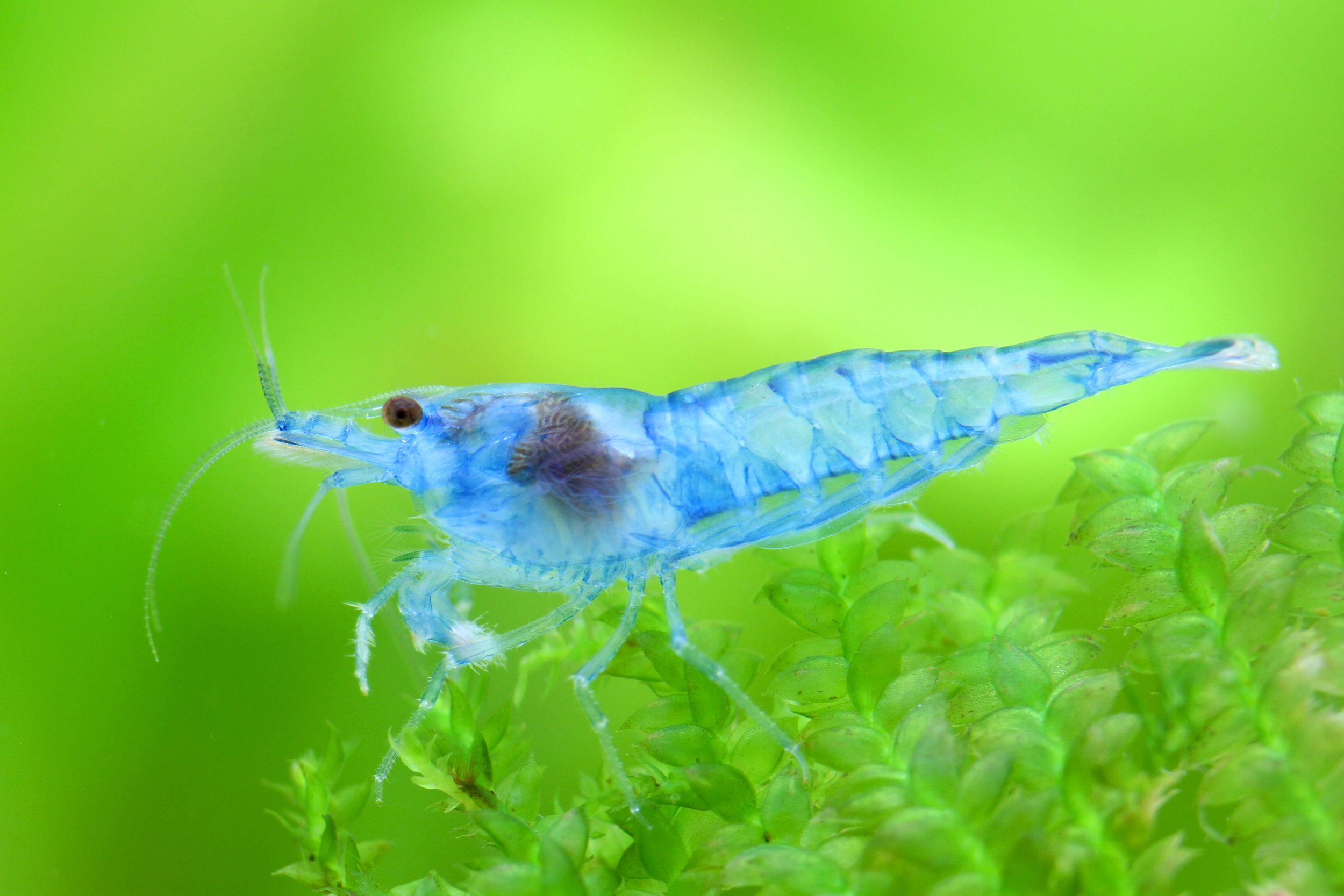
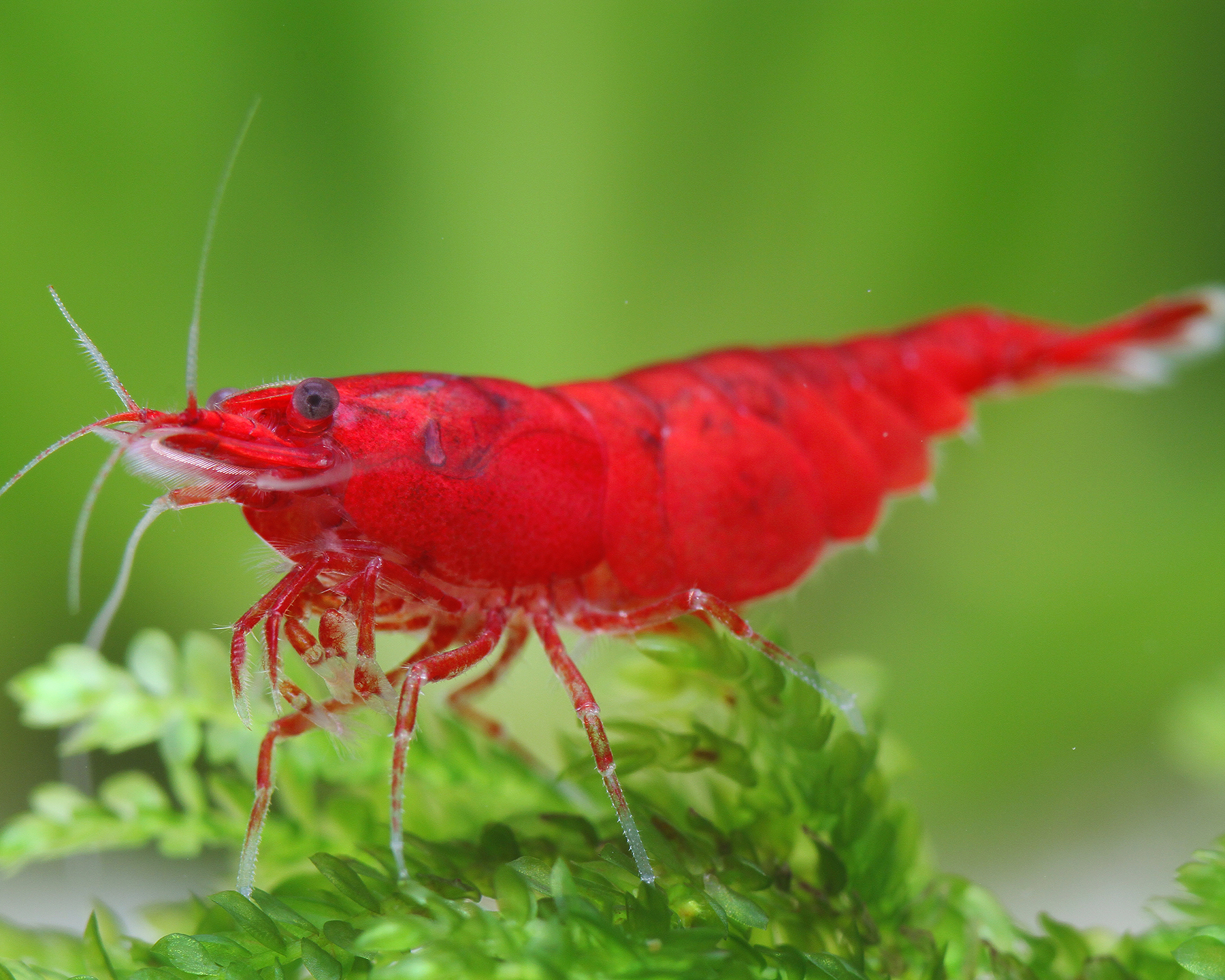
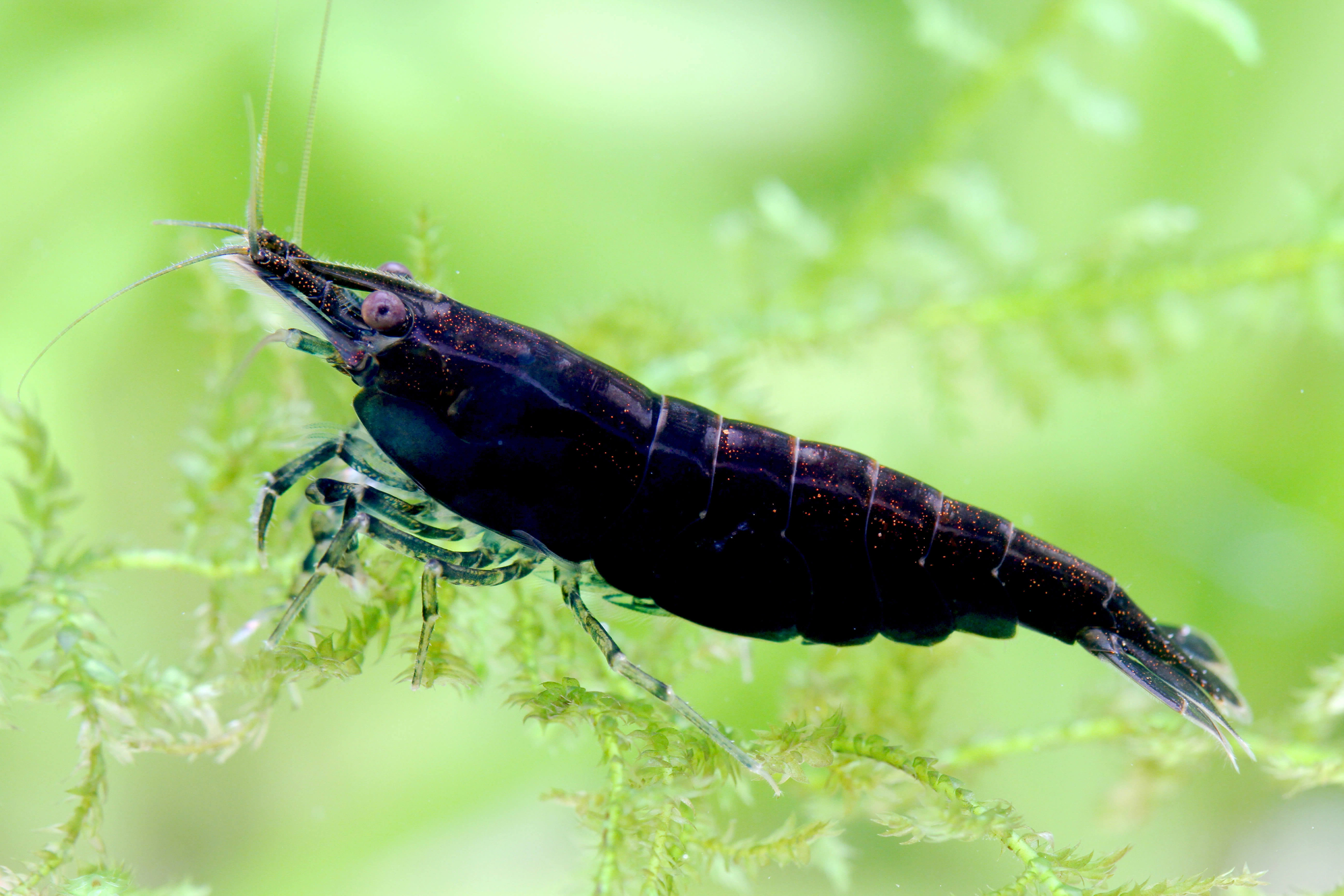
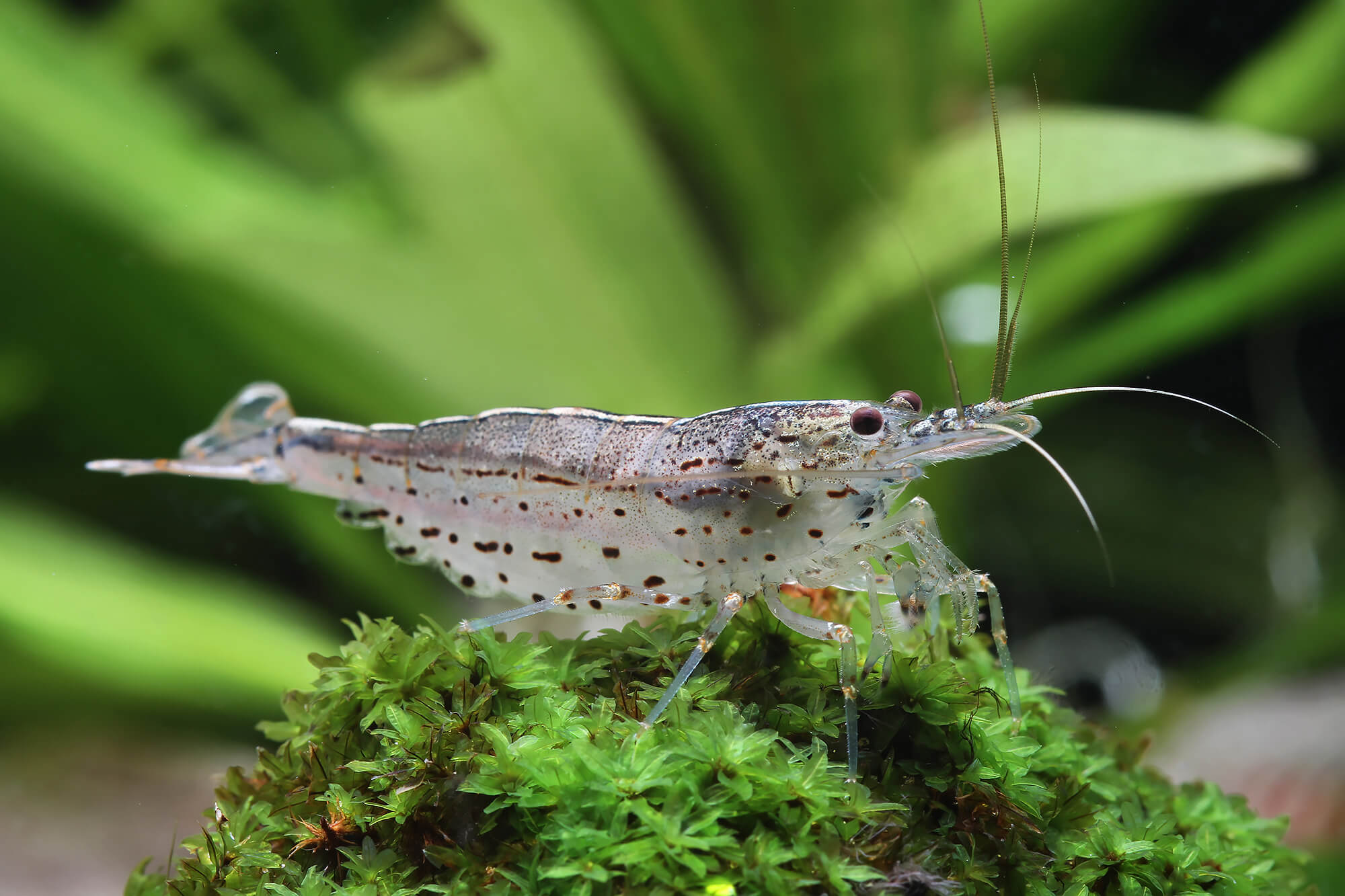
The shrimp shown resemble Amano shrimp, Caridina multidentata, a freshwater shrimp in the family Atyidae and order Decapoda. Identification is not fully certain because the supplied name, Algae-Eating Shrimp Set, is a commercial description and the images do not provide diagnostic documentation. Amano shrimp commonly have a translucent body with gray, brown, or reddish-brown speckles and a pale lateral stripe.
Natural habitat
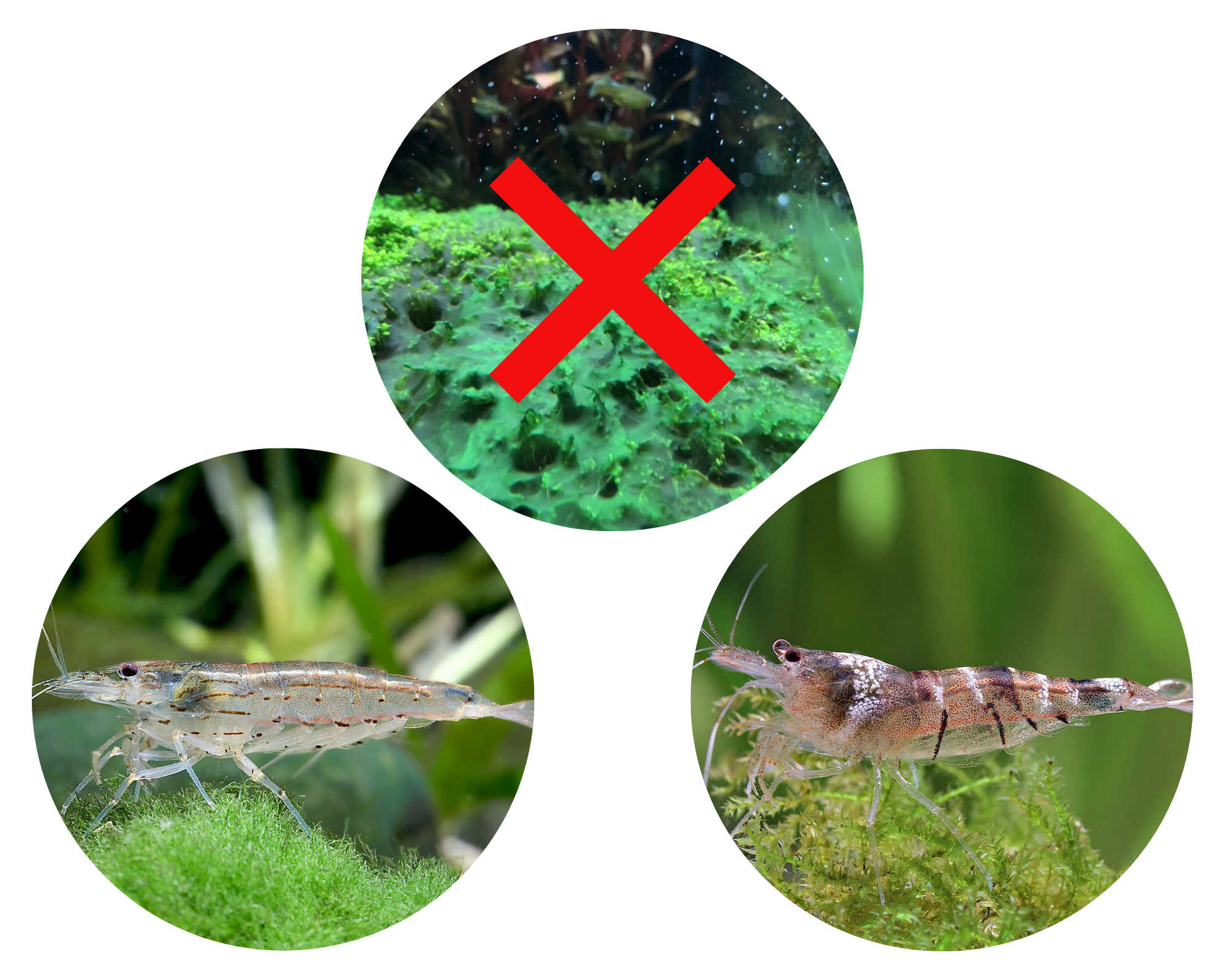
Amano shrimp are associated with clear, flowing freshwater streams and rivers in Japan and nearby parts of East Asia. Adults graze on algae, aufwuchs, and organic material on submerged surfaces. Their larvae develop in brackish water before returning to freshwater, an important feature for understanding their breeding requirements.
Aquarium and water parameters
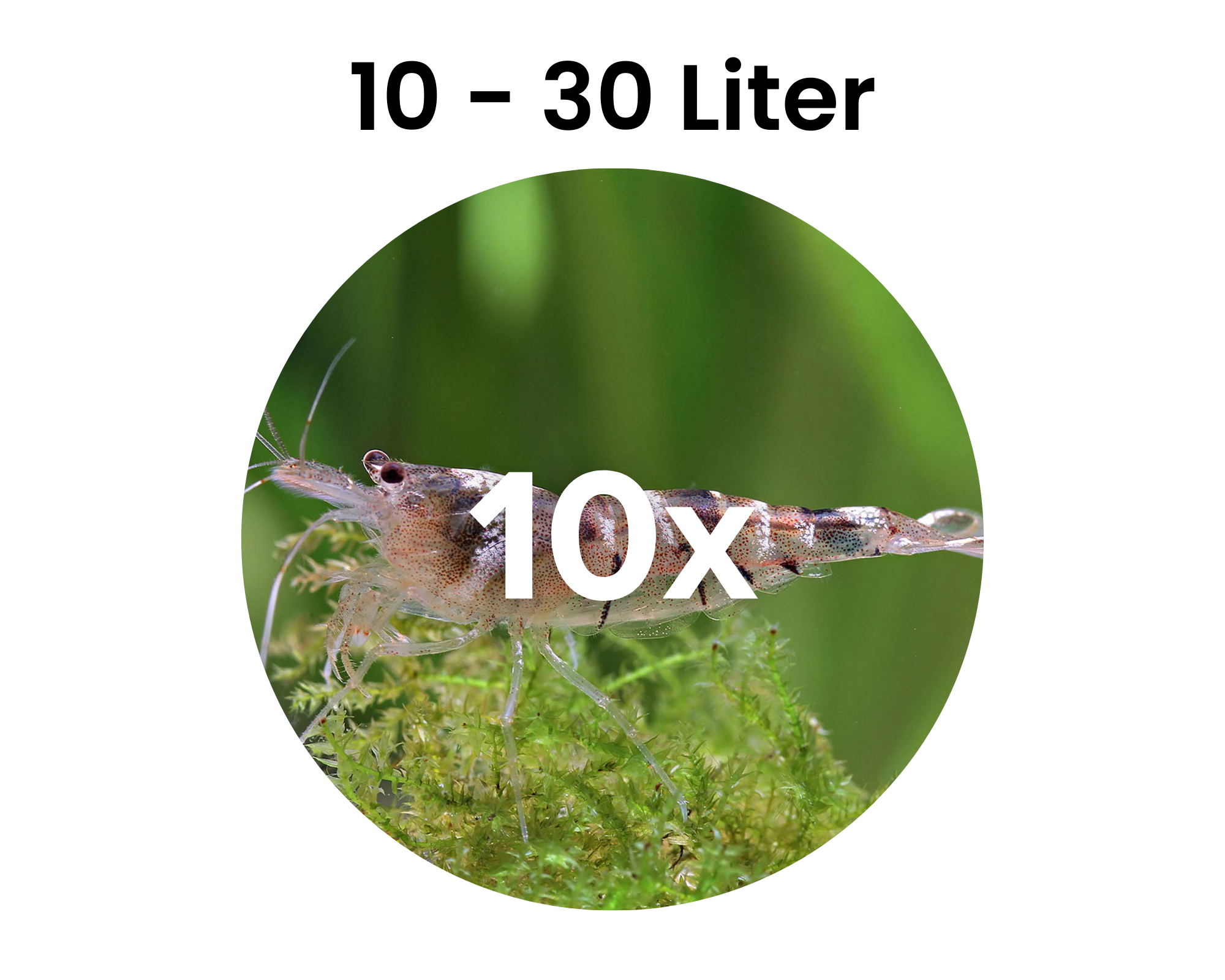
Provide a mature, well-filtered aquarium with stable conditions, plants, wood, rocks, and other surfaces that support biofilm. A practical care range is 18–28 °C and pH 6.5–7.8. Avoid sudden changes in temperature, pH, hardness, and mineral content. Use a covered intake or pre-filter sponge so shrimp and newly molted individuals are not drawn into the filter.
Feeding and algae control
Amano shrimp graze on soft algae, biofilm, microorganisms, and deposited organic matter. They should not be expected to remove all algae, especially tough or rapidly growing forms. Offer small amounts of sinking shrimp food, algae wafers, blanched vegetables, or other suitable foods when natural grazing is insufficient. Remove uneaten food promptly, because excess food can deteriorate water quality.
Tank mates
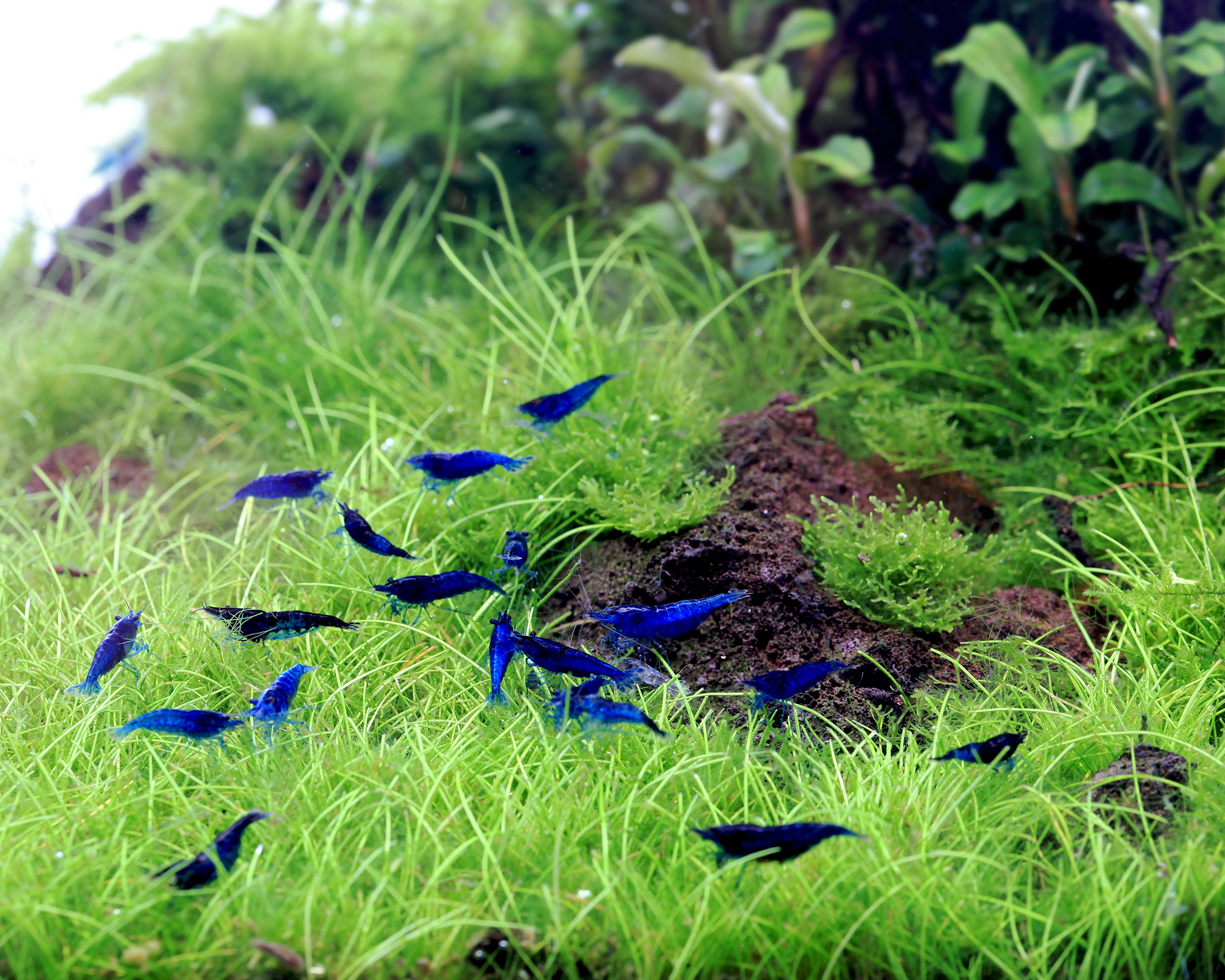
Choose peaceful community fish and invertebrates. Small, non-predatory fish may be suitable, but even peaceful fish can eat newly hatched or juvenile shrimp. Avoid large, aggressive, strongly predatory, or highly inquisitive species. Snails and other peaceful freshwater shrimp are generally compatible when their water requirements overlap. Dense moss, fine-leaved plants, and crevices provide useful refuge.
Molting and mineral needs
Shrimp periodically shed their exoskeleton as they grow. A freshly molted shrimp is soft, vulnerable, and likely to hide, so stable water and cover are essential. Do not remove a shed exoskeleton immediately; shrimp often consume it and recover minerals from it. Adequate calcium and magnesium, supplied through suitable water hardness and a balanced diet, support normal exoskeleton formation, but abrupt mineral changes are dangerous.
Breeding
Amano shrimp can reproduce in freshwater, but their larvae normally require brackish water to complete development. Females carry many small eggs beneath the abdomen, and larvae are released into the water column. Raising them generally requires a separate, carefully managed brackish rearing system, suitable food for planktonic larvae, and gradual acclimation of developed juveniles back to freshwater. In ordinary freshwater community aquariums, eggs may be carried but self-sustaining colonies are uncommon.
Care assessment
Routine adult care is suitable for a prepared beginner, provided the aquarium is mature and water conditions are stable. The difficulty increases to intermediate or advanced when breeding is attempted because the larval stage needs specialized brackish-water management. Because the exact species in the supplied set is not confirmed, verify identification and the seller’s recommended parameters before purchase or breeding.
Leave your comments