Identification
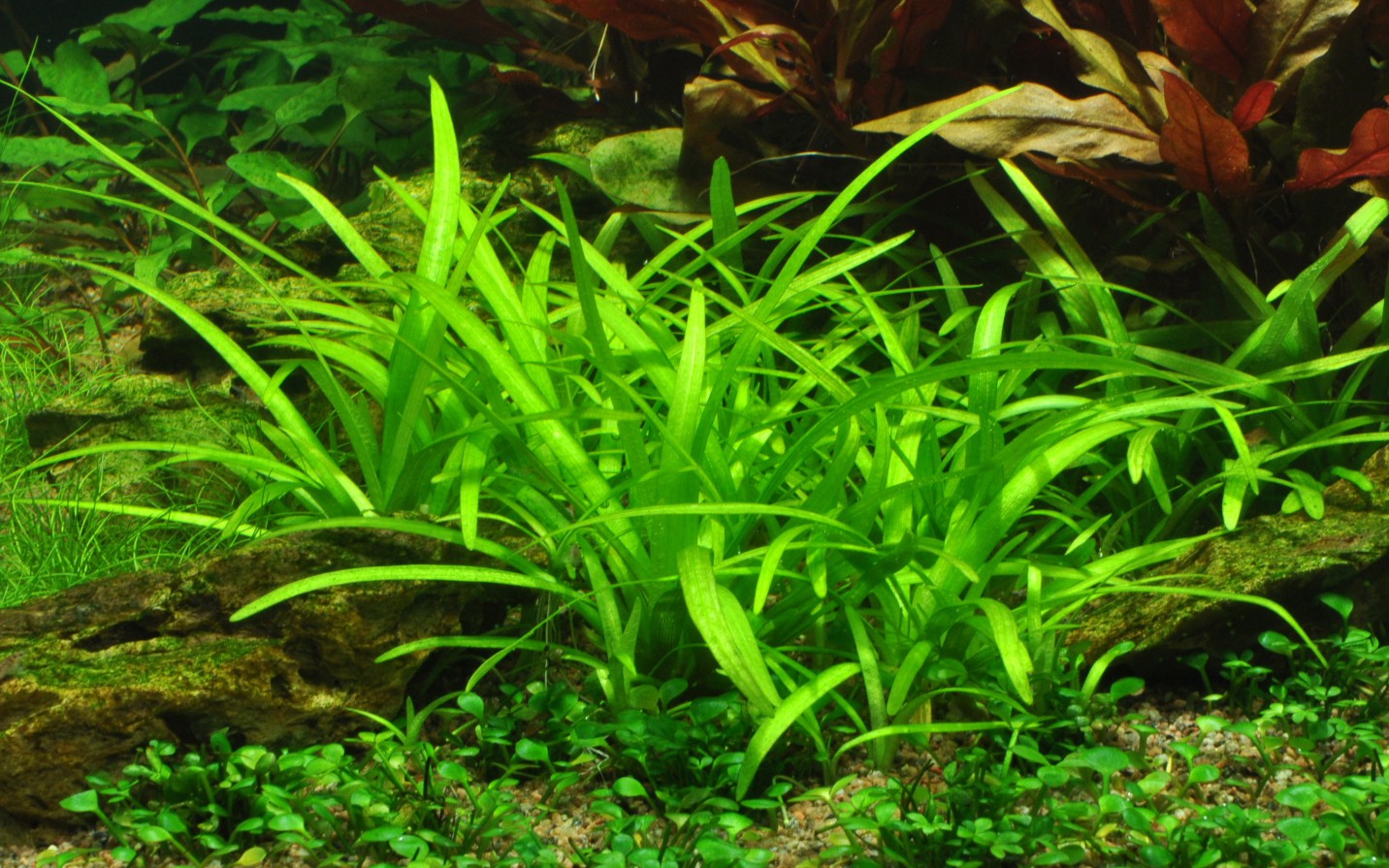
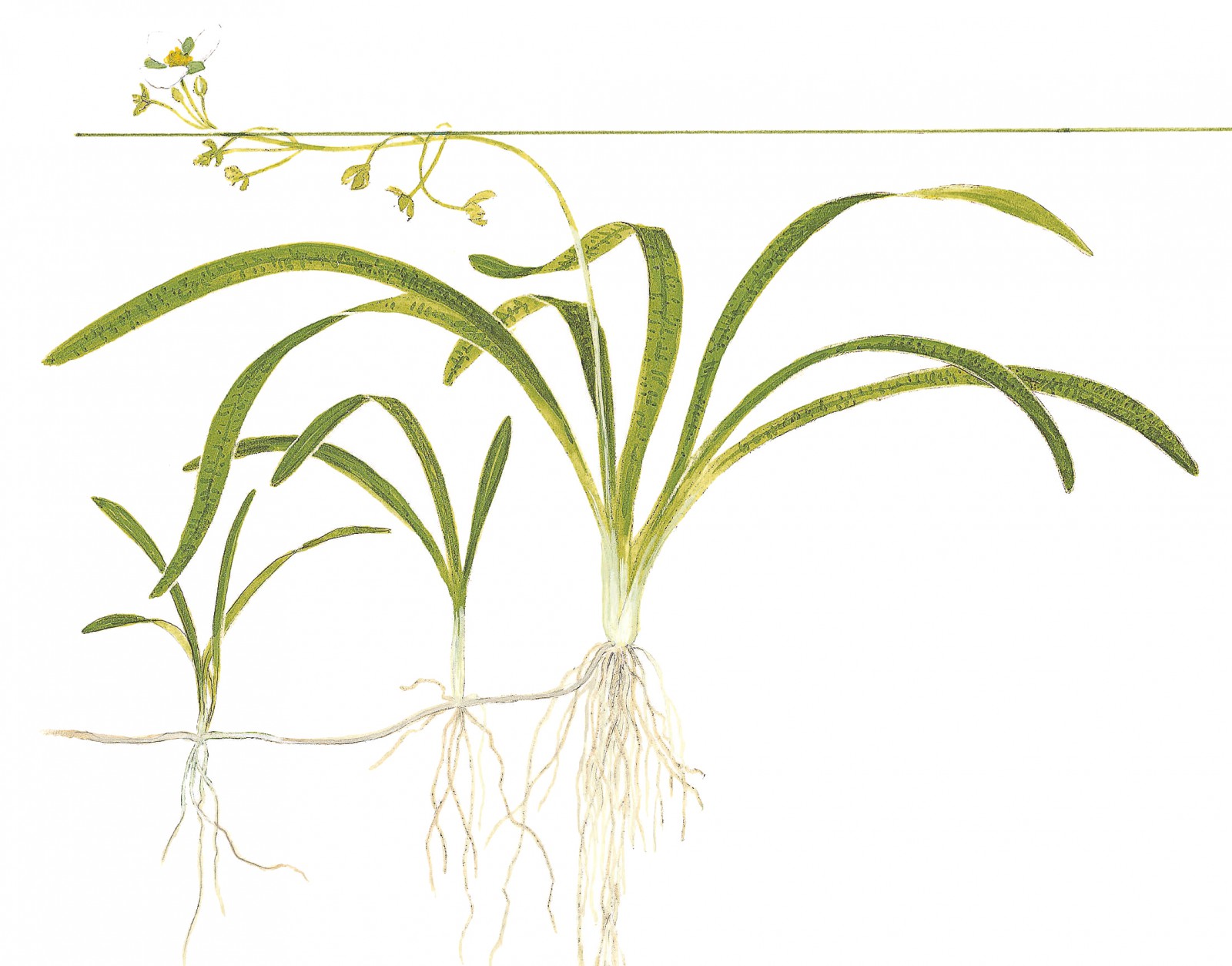
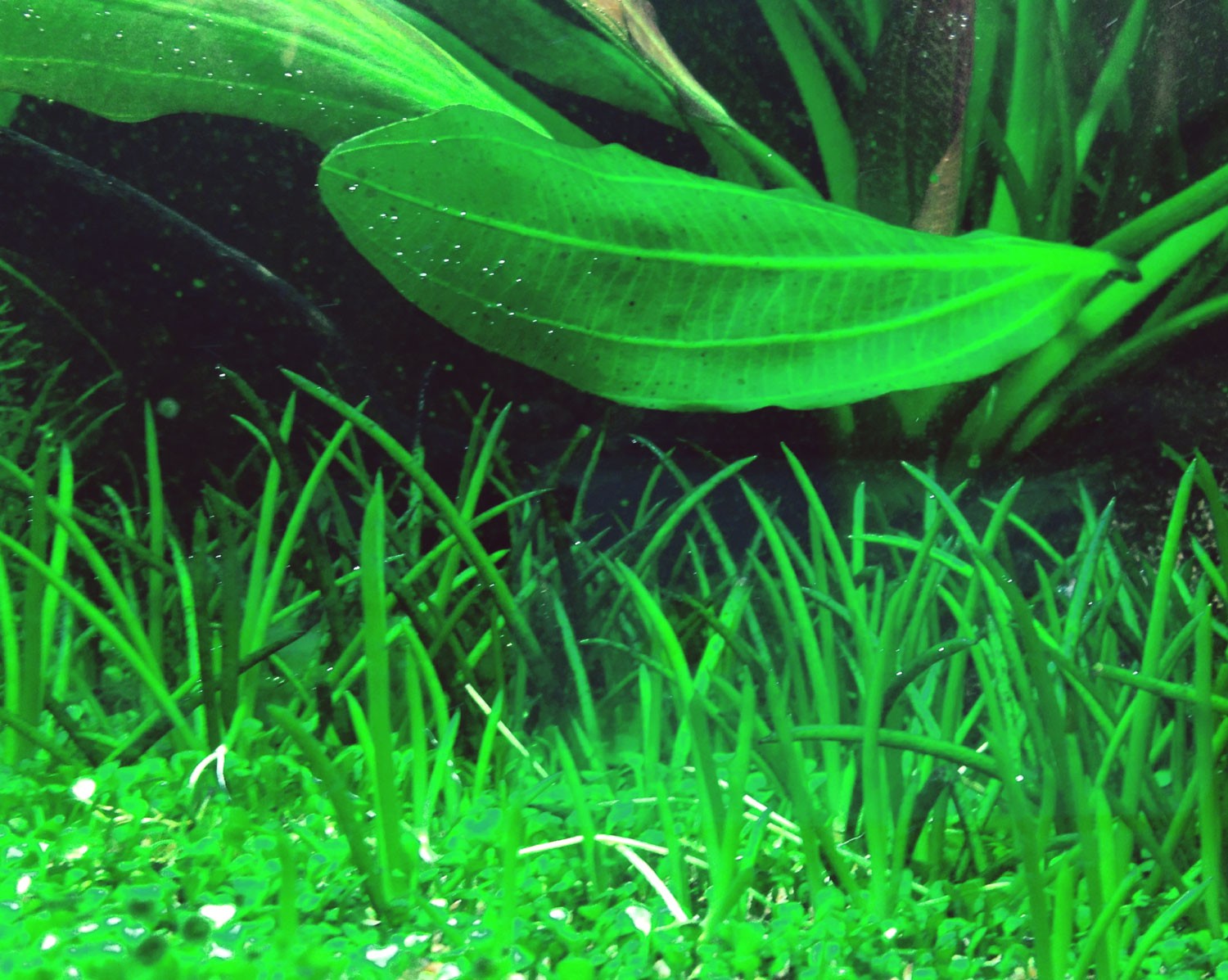
This species forms narrow, strap-shaped leaves from a basal rosette and spreads through horizontal runners that produce daughter plants. Leaf length and habit are variable: compact growth is common in strong light, while shaded or deeper specimens may produce longer leaves. The supplied images support identification as Sagittaria subulata, but they cannot confirm a particular commercial form or variety.
Placement and planting
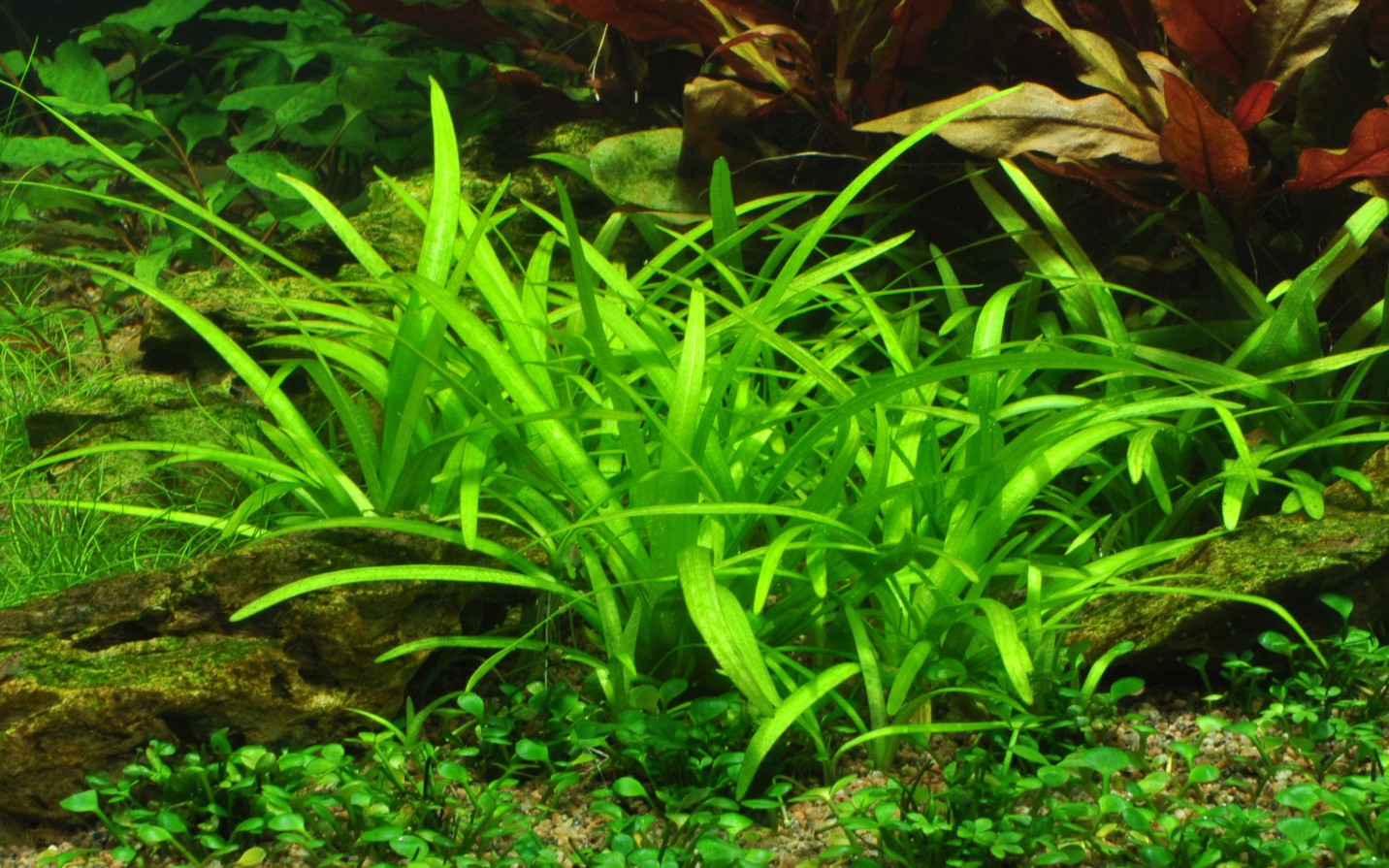
Use it in the foreground or as a transition plant between low carpeting species and taller background plants. Separate the plantlets if supplied as a dense clump, and plant each rosette with its roots covered while keeping the crown above the substrate. Space runners so new plants have room to establish.
Light and carbon
Low to moderate light is usually sufficient, although stronger light can help maintain a shorter, denser appearance. Carbon dioxide injection is not essential, but stable carbon availability may improve growth. Avoid sudden changes in lighting or carbon conditions, which can cause older leaves to deteriorate.
Substrate and nutrients
A fine to medium-grained substrate that allows roots to spread is suitable. Root-zone nutrients are useful because this is a rooted plant, particularly in an inert substrate. Regular water-column fertilization can support steady growth, but dosing should match the aquarium's plant mass and measured nutrient conditions.
Propagation and maintenance
Propagation is primarily vegetative. Established plants send out runners, and rooted daughter rosettes can be separated once they have developed their own roots. Remove damaged or excessively long leaves at the base. Thin crowded groups periodically to maintain circulation and prevent older leaves from being shaded.
Leave your comments