
Identification
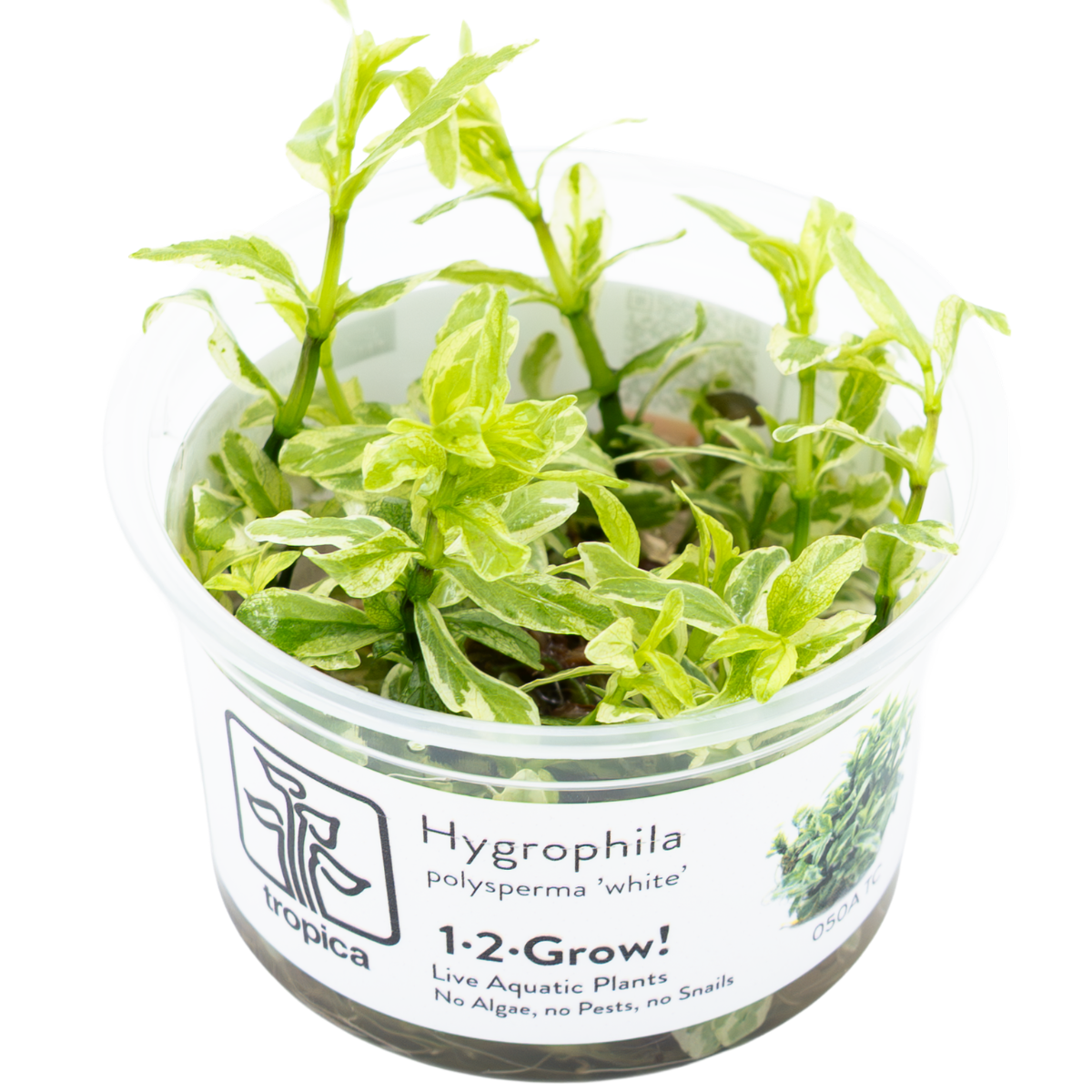
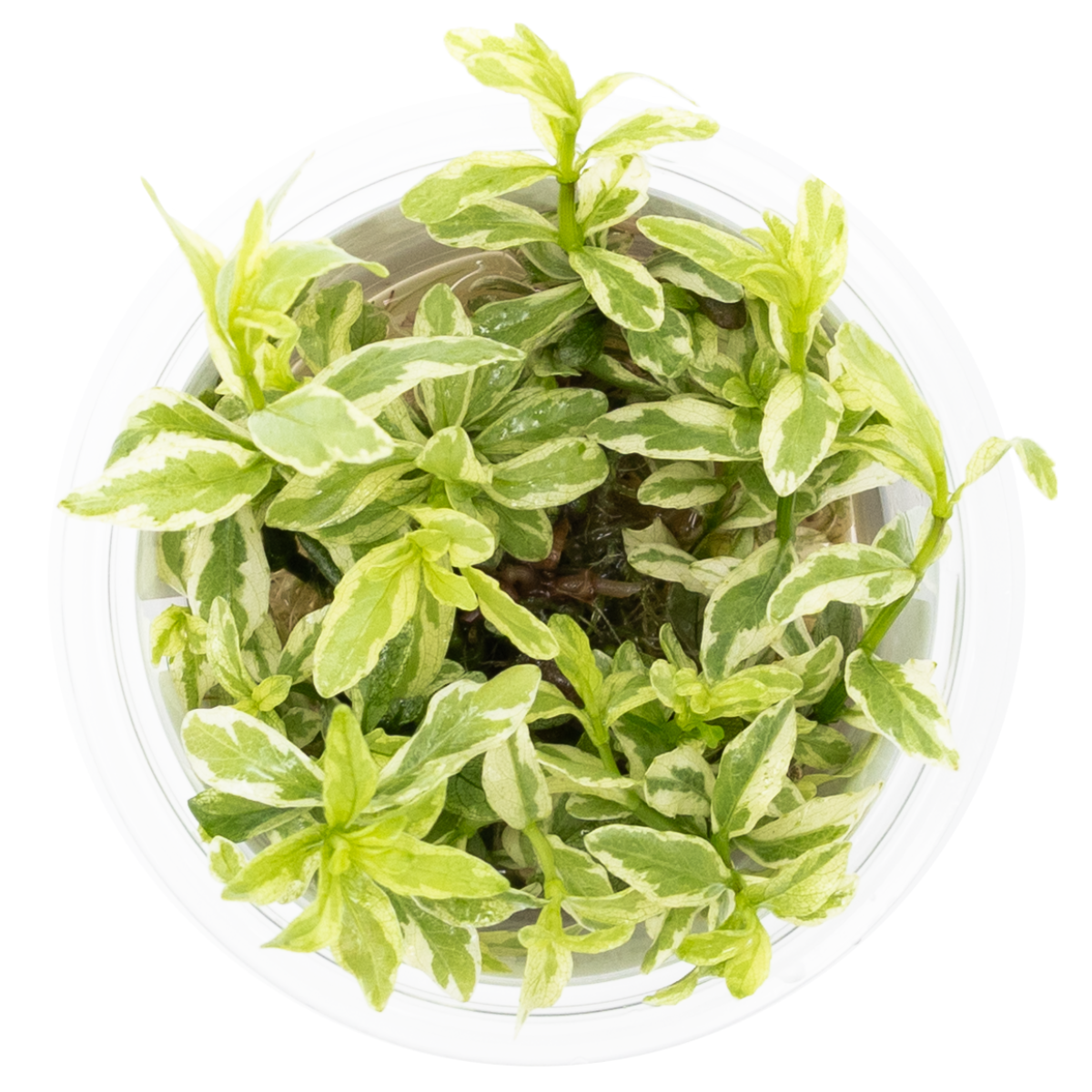
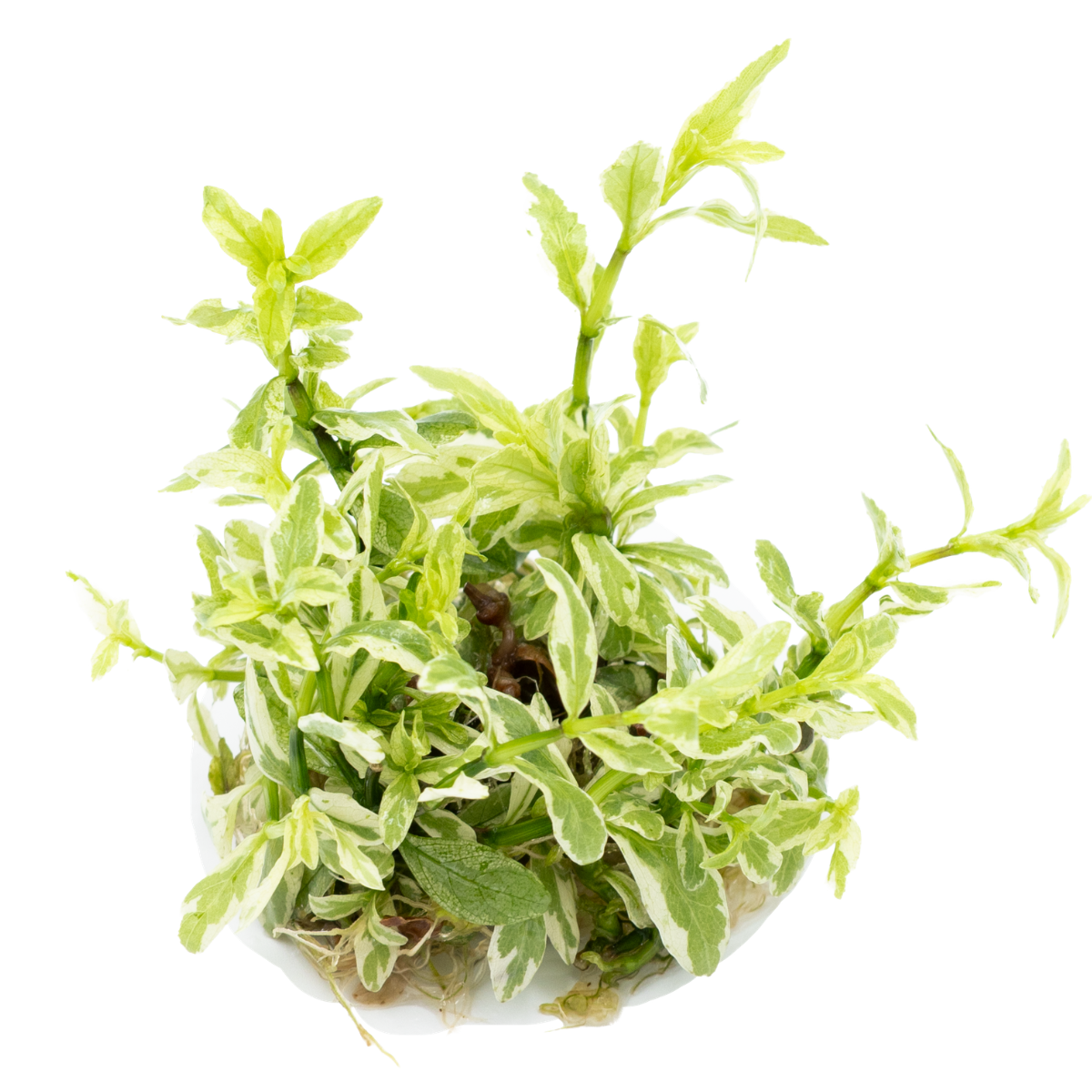
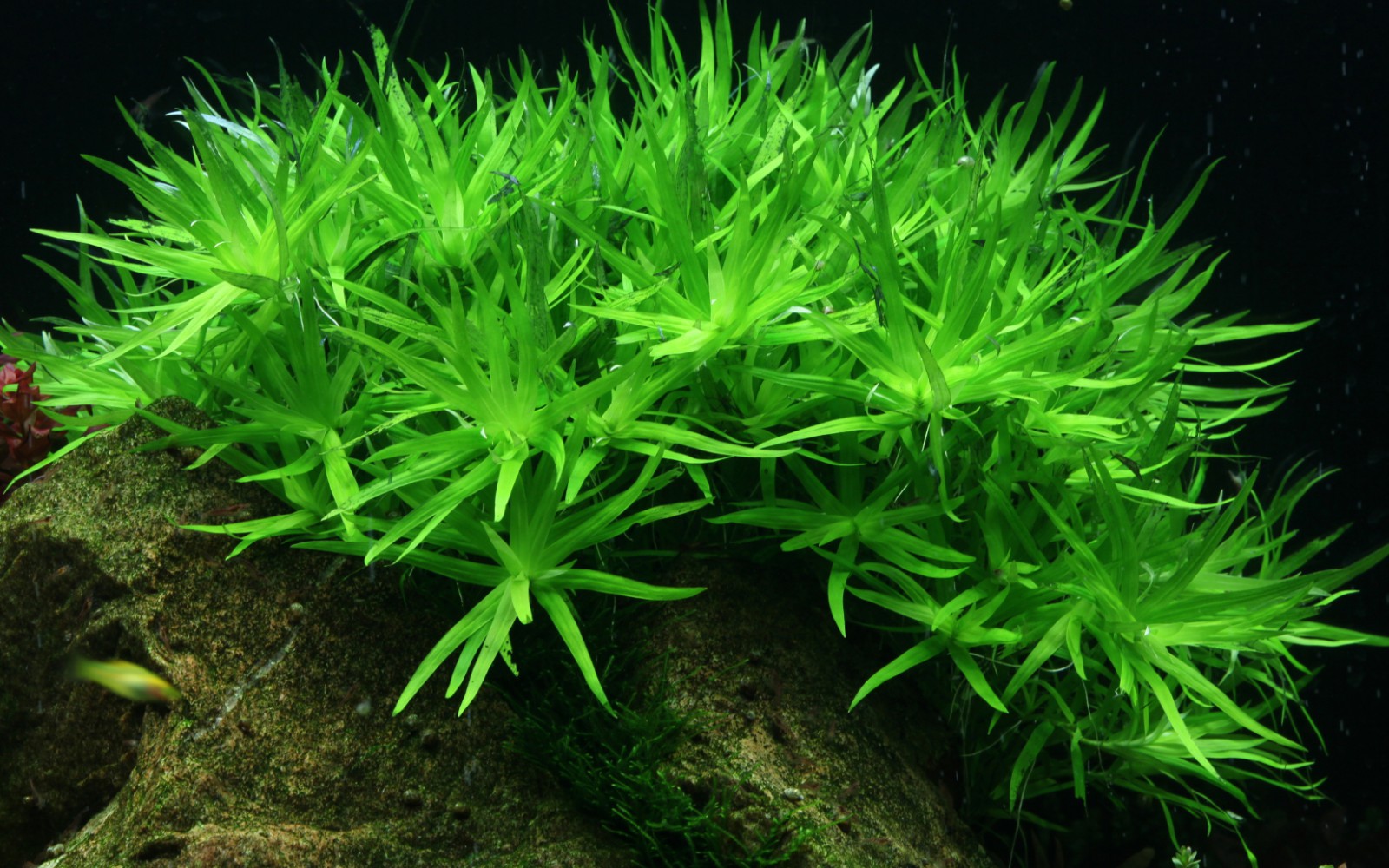
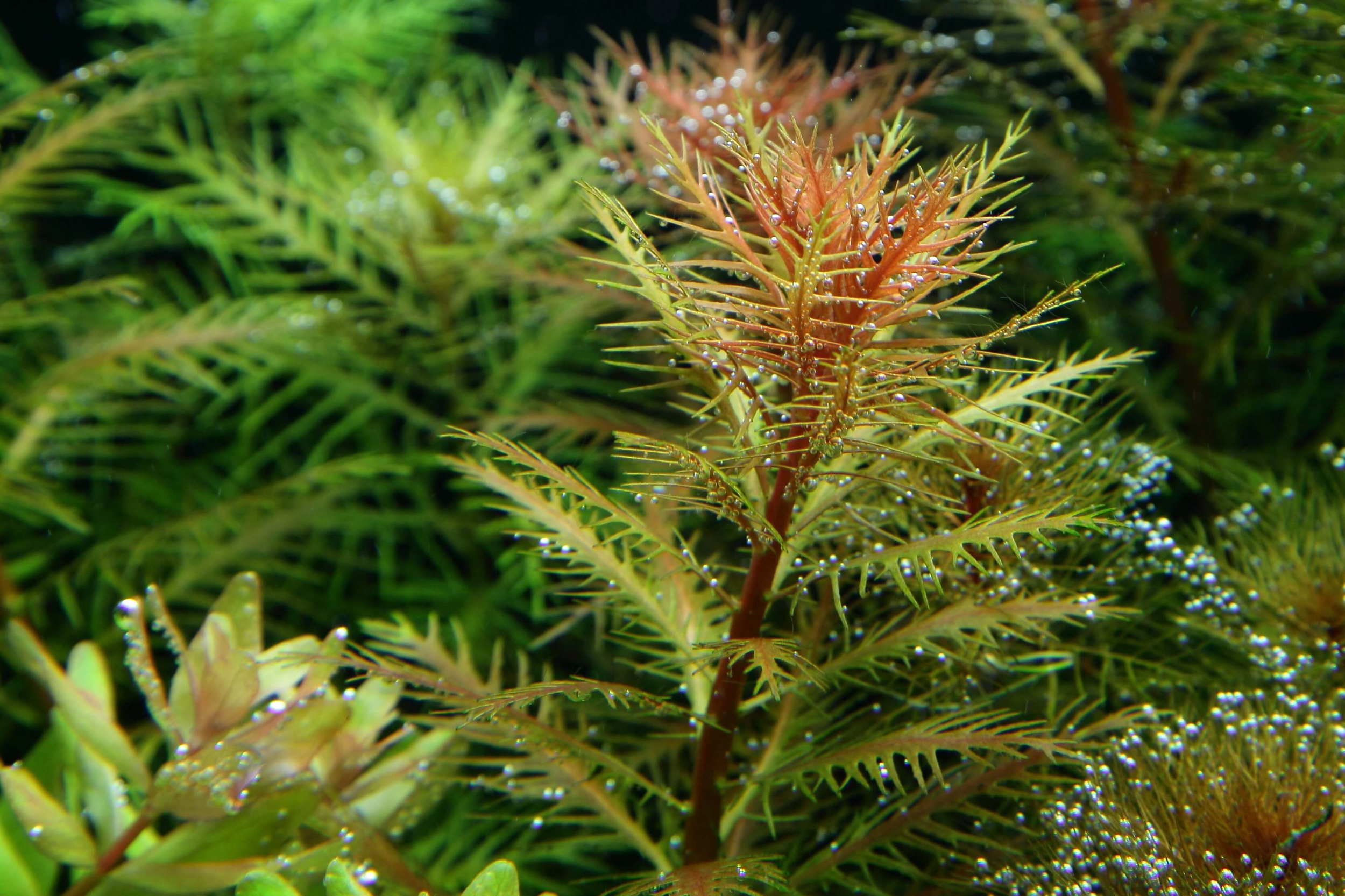
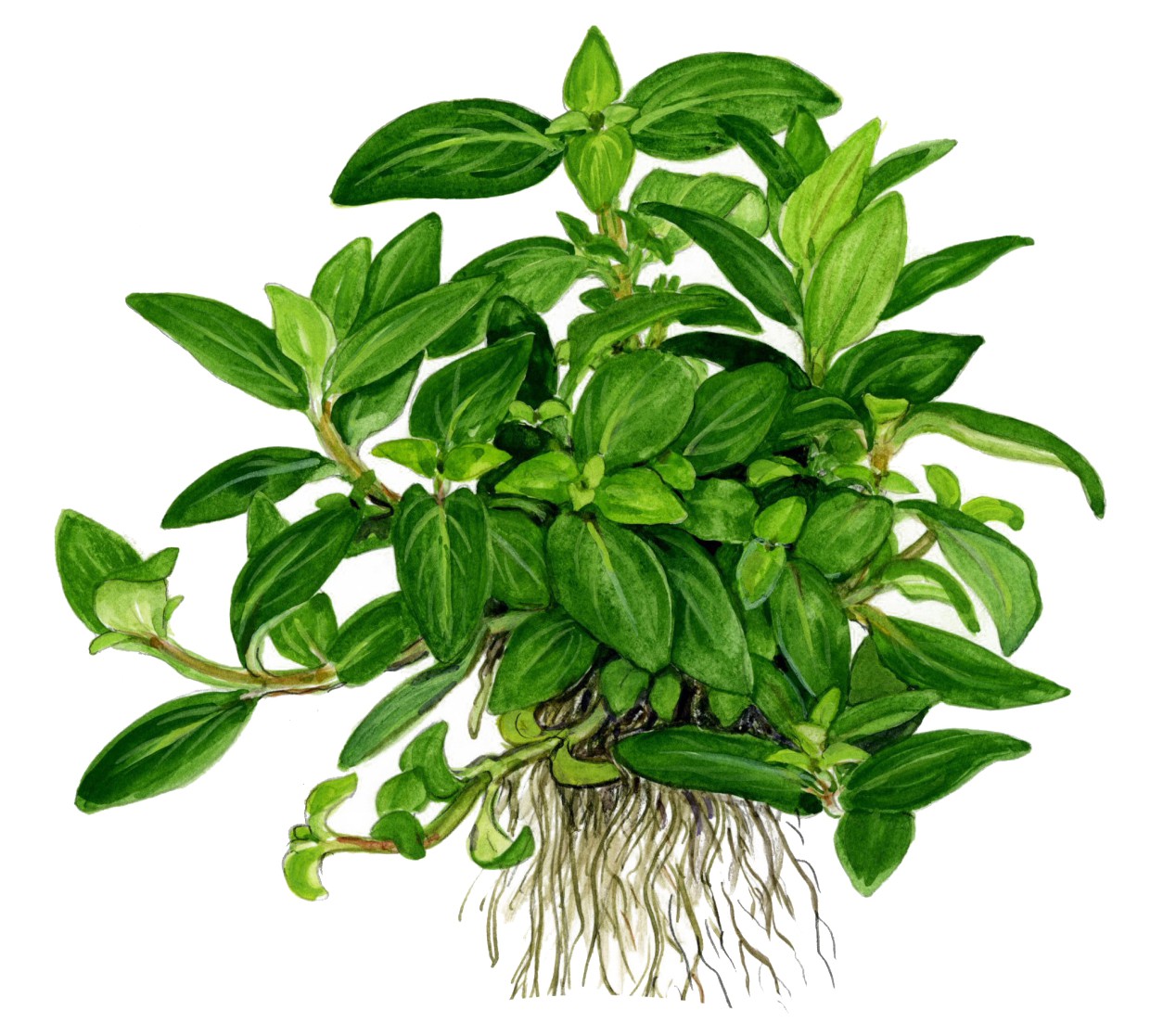
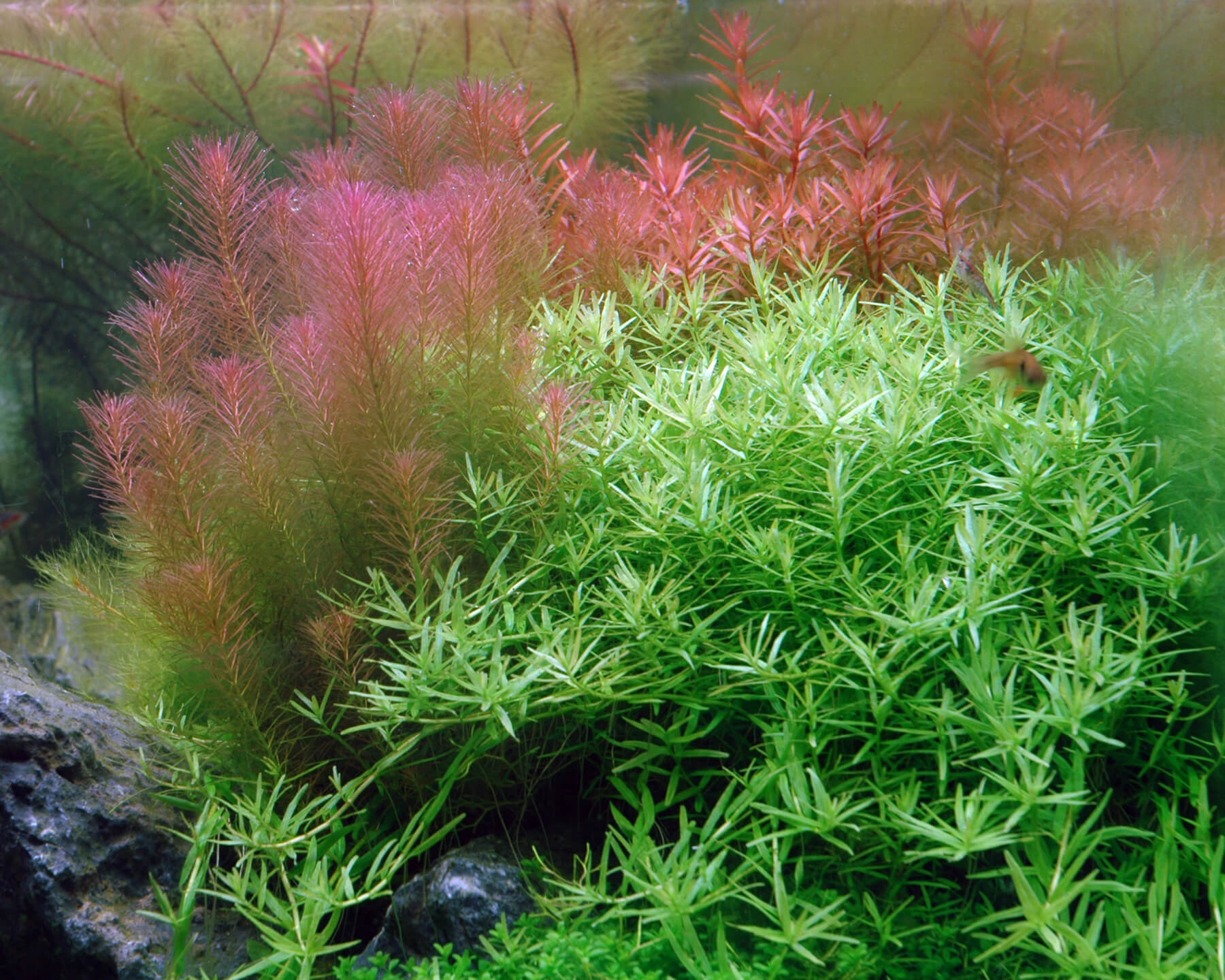
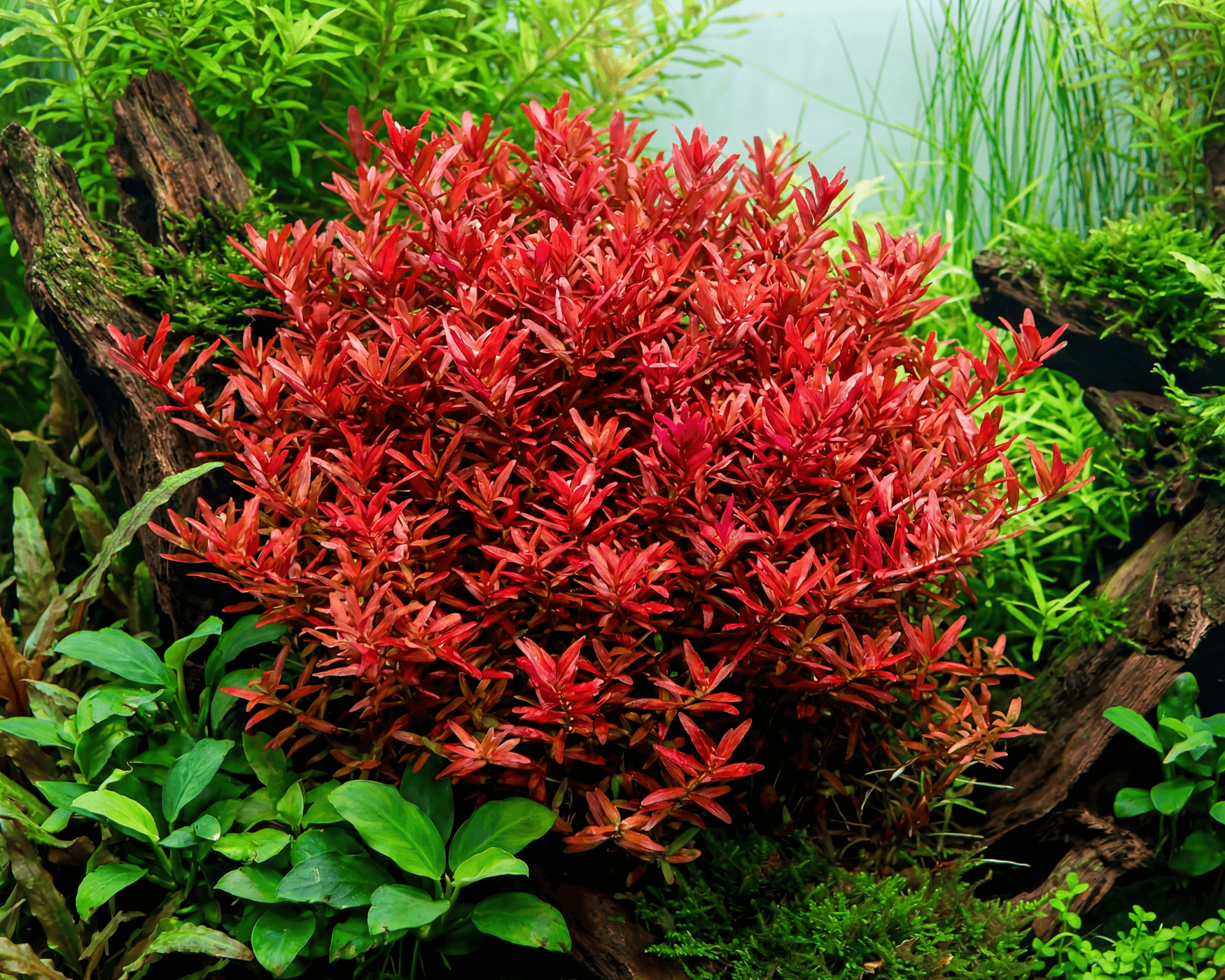
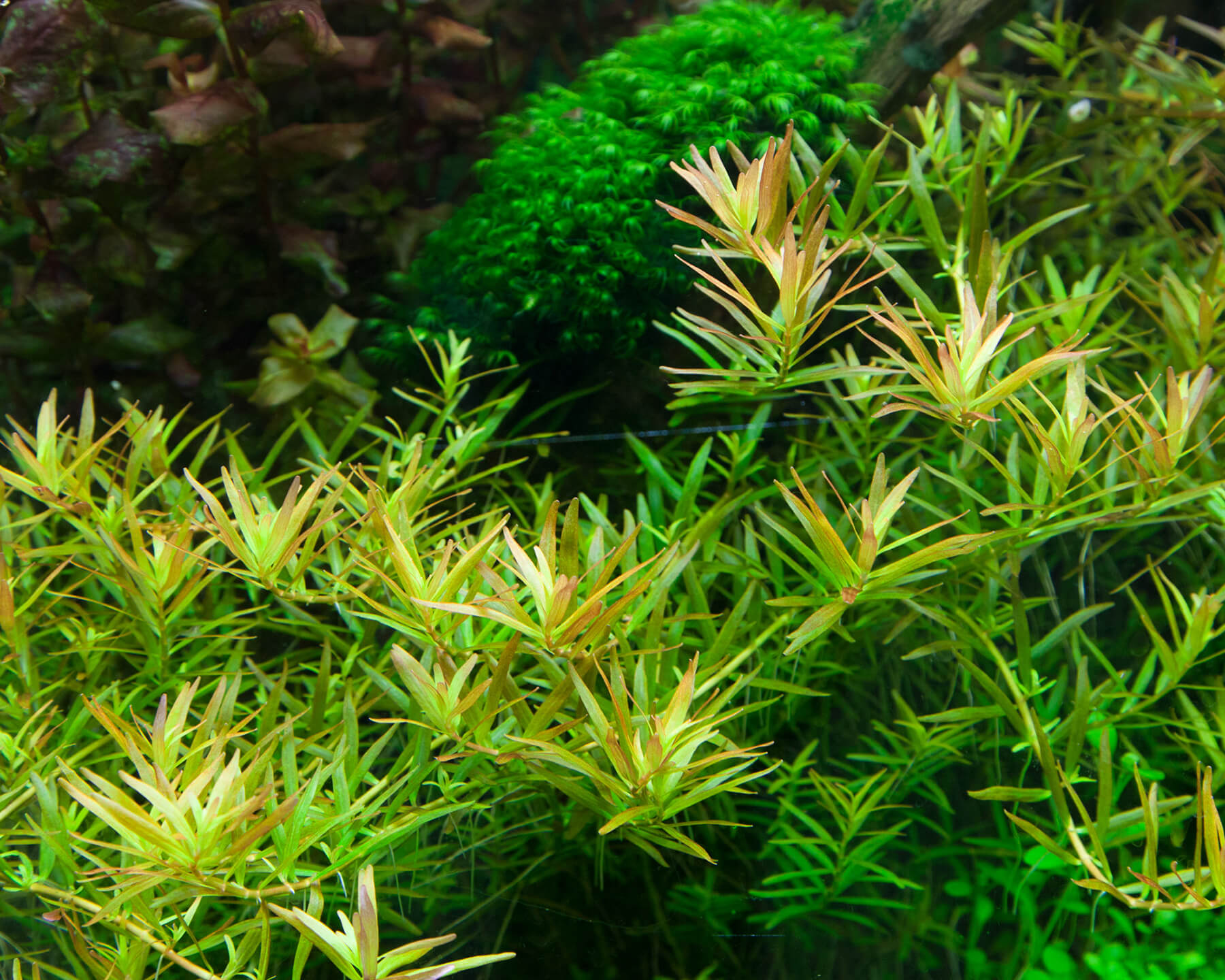
The supplied product label identifies this plant as Hygrophila polysperma 'White'. The images show an upright stem plant with opposite, lance-shaped leaves and conspicuous pale variegation. Because the cultivar cannot be confirmed from images alone, identification should be treated as a conservative trade-name identification rather than a full botanical verification.

Placement and planting
Use it in the background or as a regularly trimmed midground group. Remove the growing medium and separate the stems before planting. Insert individual stems into the substrate with space between them so light and water can reach the lower leaves. Avoid burying too much of the stem, since buried portions can decay.

Light and nutrition
Medium aquarium lighting is generally suitable. Stronger light may help preserve compact growth and visible variegation, but excessive intensity without balanced nutrients can encourage algae. Provide a consistent supply of complete plant nutrients. Root tabs are optional because this is primarily a stem-feeding plant, though healthy substrate conditions support establishment.
Growth and trimming
Growth is typically fast once established. When stems reach the desired height, cut above a leaf node. Replant vigorous tops to thicken the group and remove bare or damaged lower sections. Regular trimming prevents shading and keeps the plant from spreading across neighboring species.
Carbon dioxide and water conditions
The plant can grow without added carbon dioxide, although supplemental CO2 may improve vigor and density. Keep water parameters stable and provide adequate circulation. Newly transferred tissue-culture plants may shed emersed leaves while adapting; remove deteriorating leaves and allow submerged foliage to develop.
Propagation
Propagation is straightforward from stem cuttings. Cut healthy shoots, remove the lower leaves, and plant the cuttings in the substrate. Side shoots can also be separated when they have developed several nodes. Repeated topping and replanting produces a fuller group over time.

Leave your comments