Identification
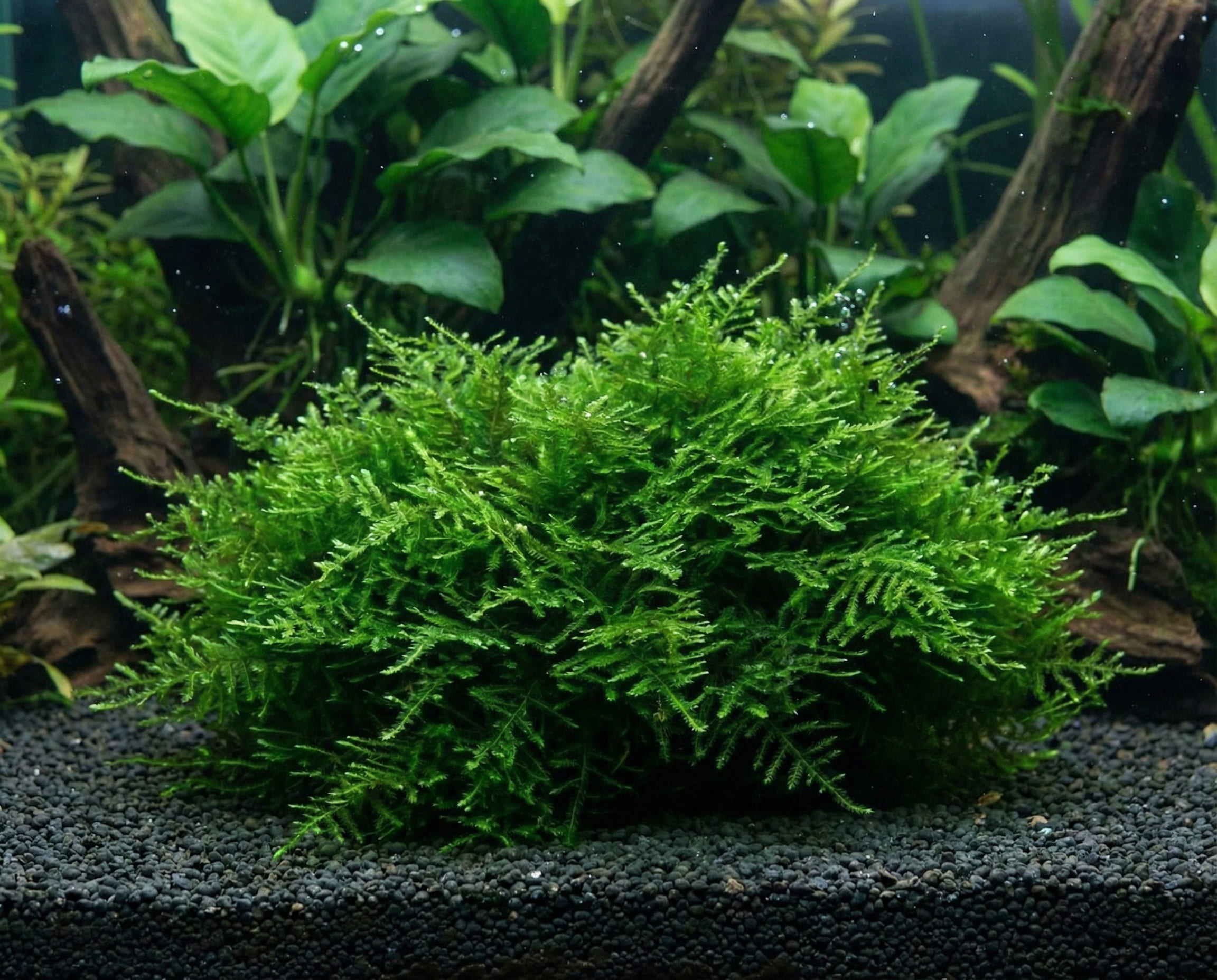
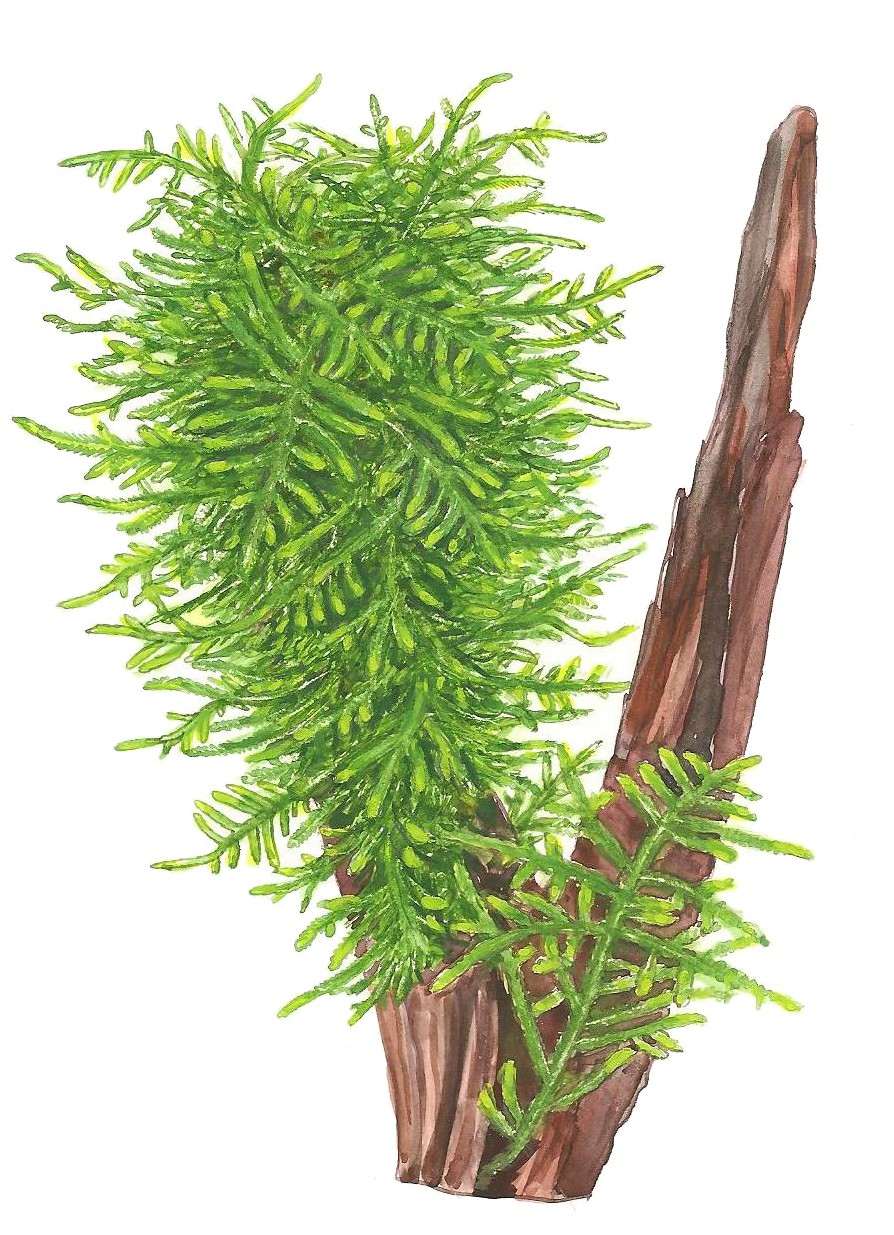
Taxiphyllum 'Spiky' is a trade or cultivar name applied to a moss with narrow, repeatedly branched shoots and a spiky, feathery appearance. The supplied name does not provide enough information to confirm a particular wild species, and aquarium mosses can be difficult to distinguish by appearance alone. It is therefore best recorded conservatively as Taxiphyllum 'Spiky' rather than assigned a more specific species name.
Placement and attachment
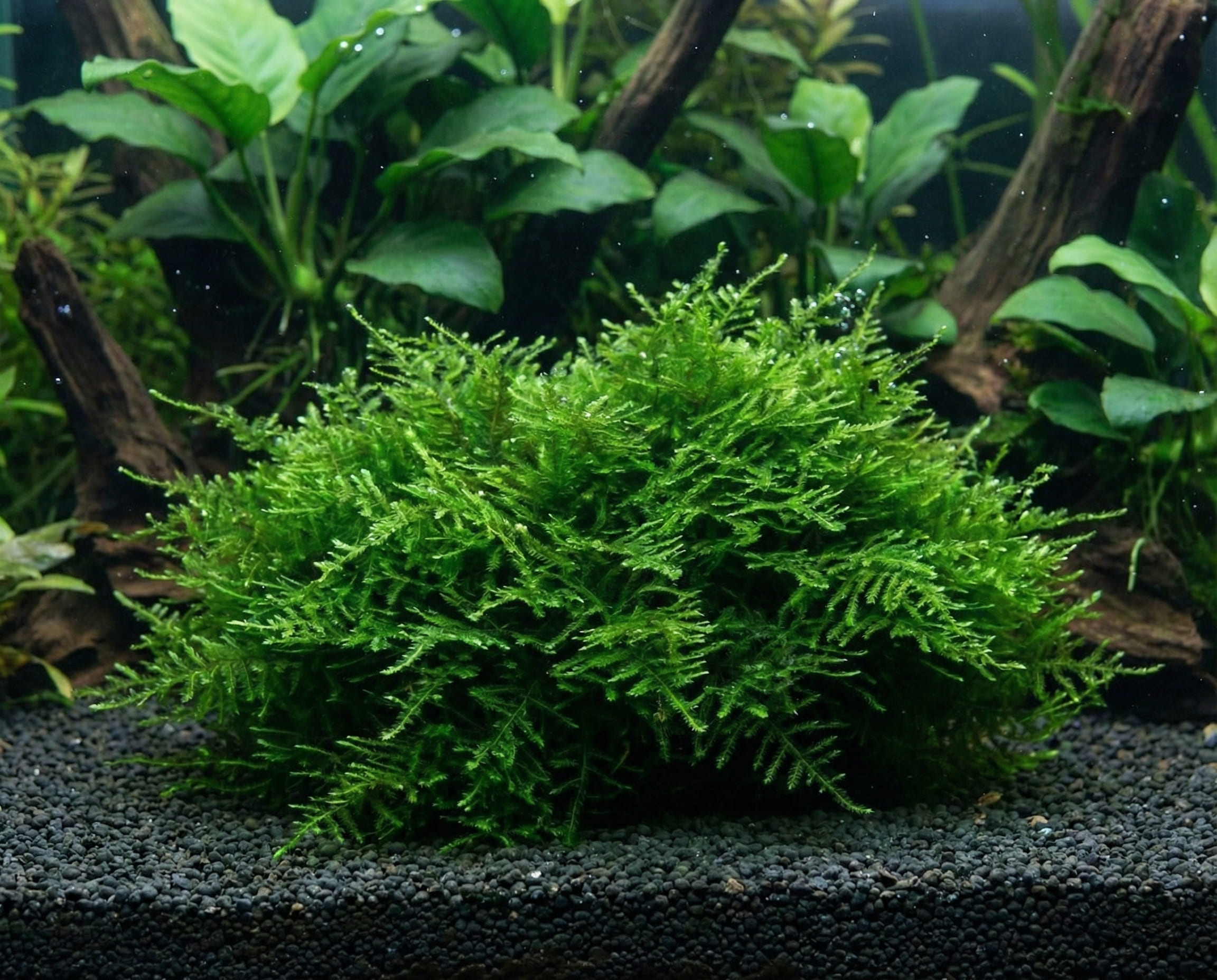
Use it primarily on driftwood, branches, stones, or other hardscape. Divide the material into small portions and secure them loosely with thread, fine mesh, or suitable aquarium-safe adhesive. Do not bury the moss in substrate; buried portions can decay. Keep the attachment layer thin so water can reach the lower shoots.
Lighting and carbon
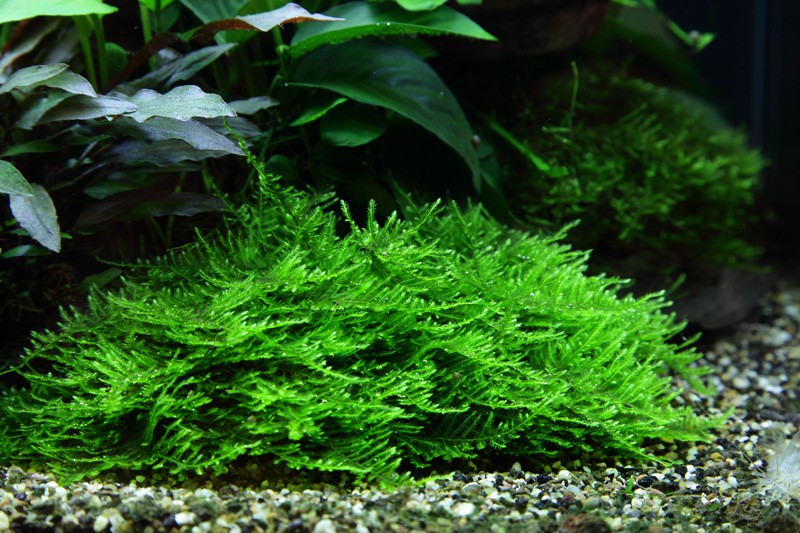
Low to medium aquarium lighting is usually adequate. Stronger light can produce denser growth but also increases the risk of algae if nutrient and carbon availability are unstable. Carbon dioxide is not essential, although a consistent supply can improve growth and branching. Avoid sudden changes in lighting or carbon conditions.
Maintenance
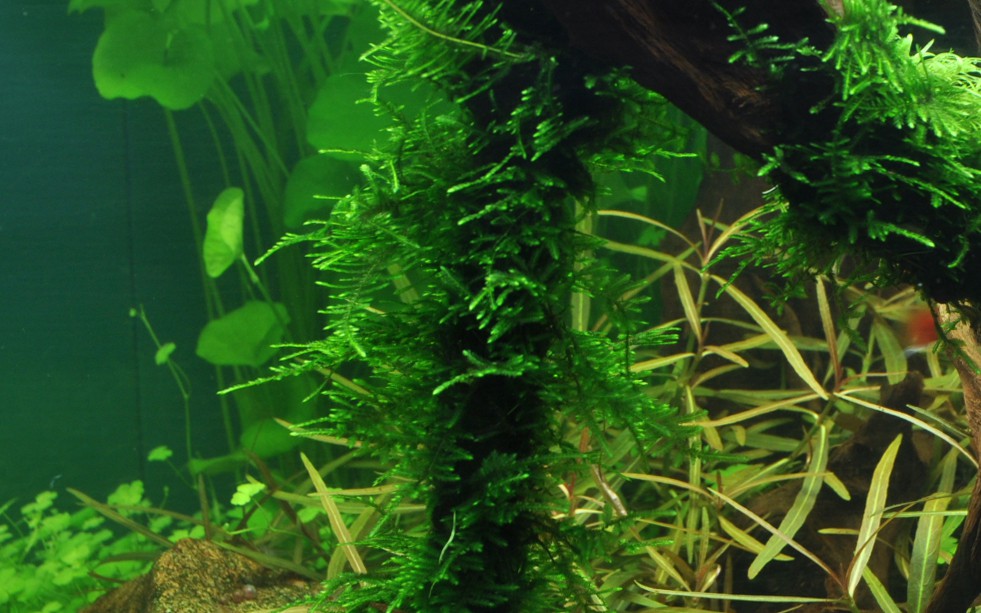
Growth is slow to moderate under typical aquarium conditions. Trim with clean scissors when the cushion becomes too thick or begins to shade its lower layers. Remove loose fragments and siphon debris from the moss during water changes. Good circulation helps keep the branches clean and reduces the likelihood of stagnant areas and algae.
Propagation
Propagation is normally by division. Cut or separate healthy strands into small portions and attach them to new hardscape. New growth gradually anchors and spreads across the surface. Avoid taking excessively large clumps, which are more likely to trap detritus and detach from the hardscape.
Leave your comments