Identification and form
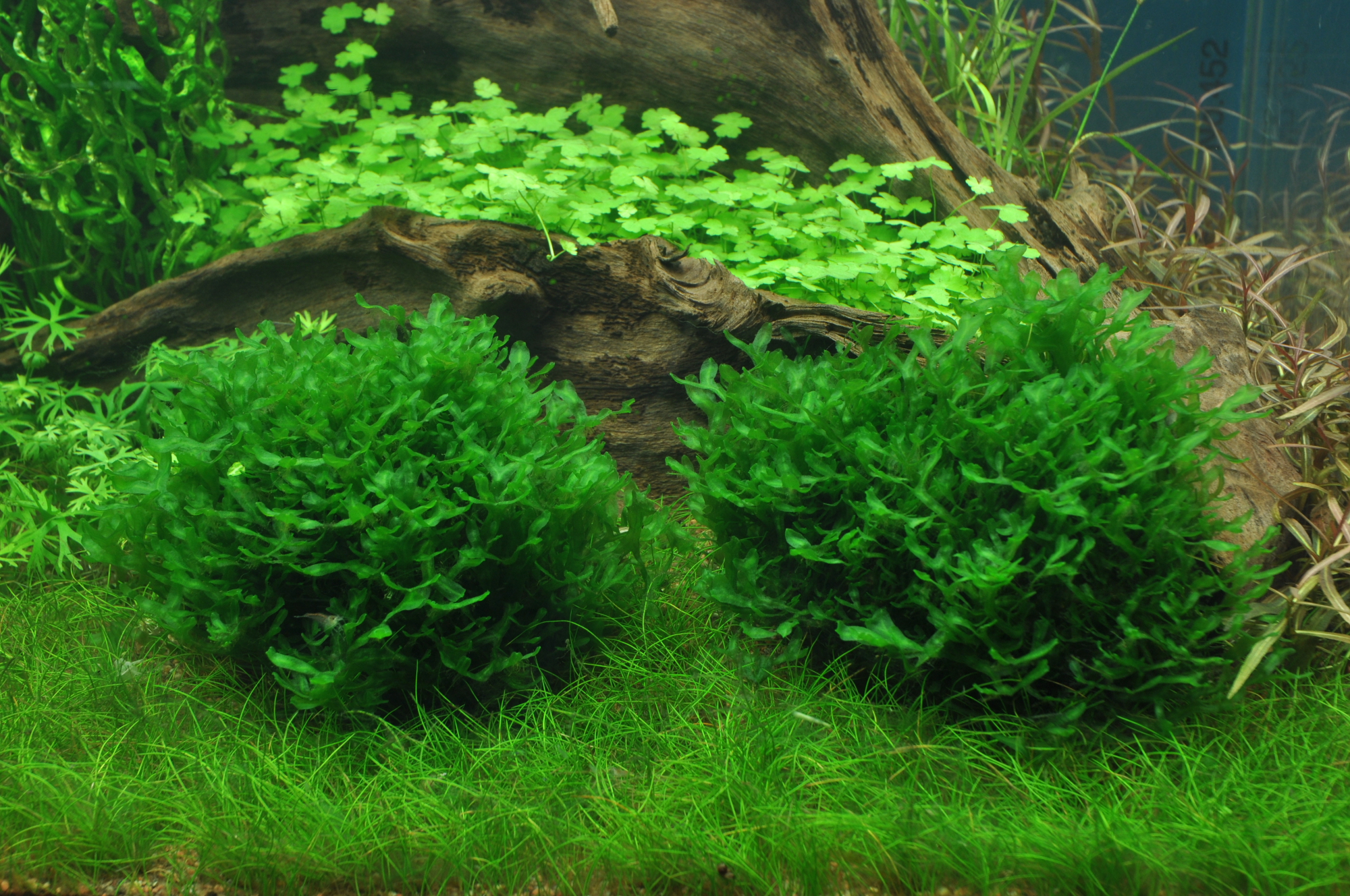
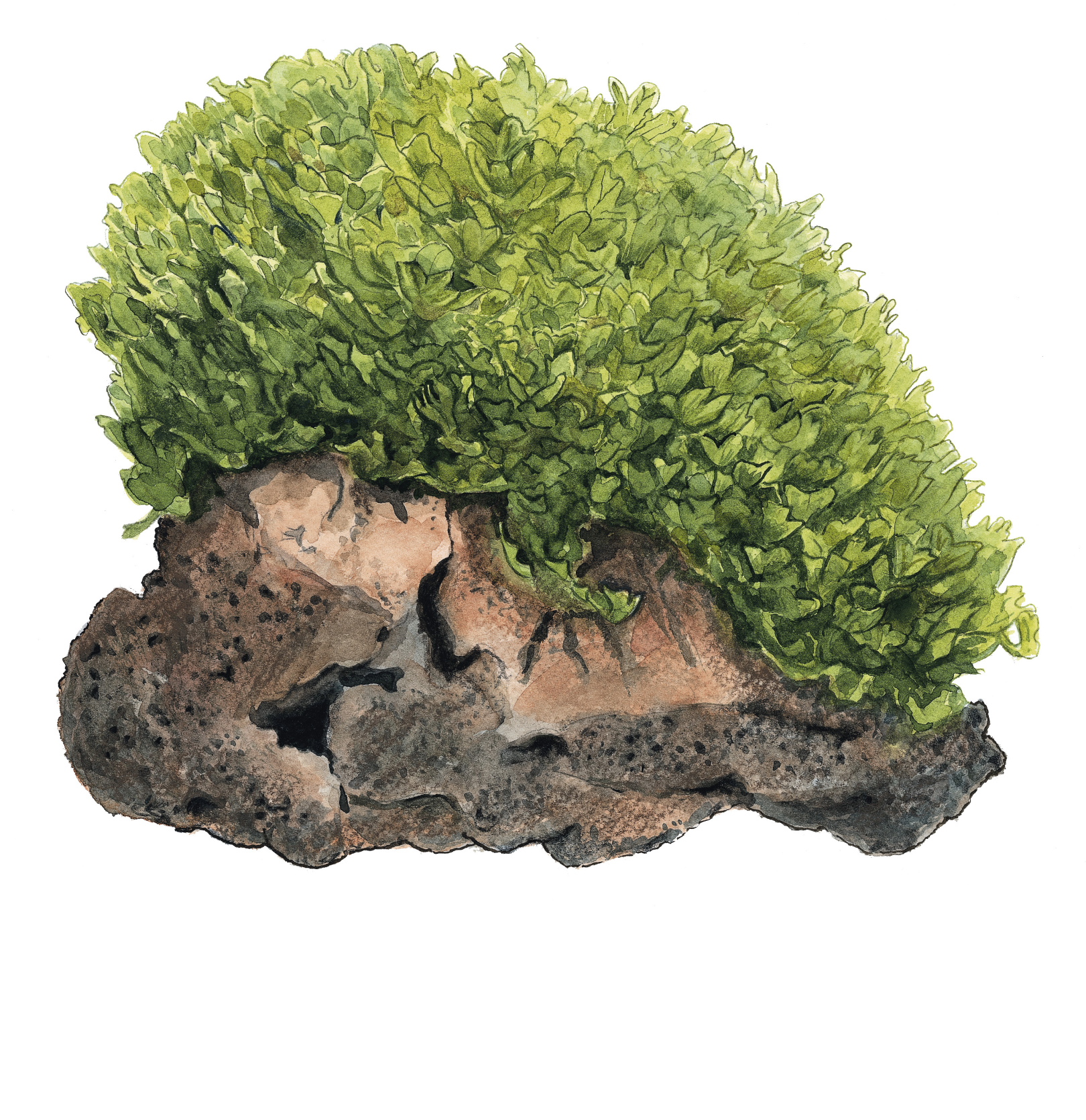
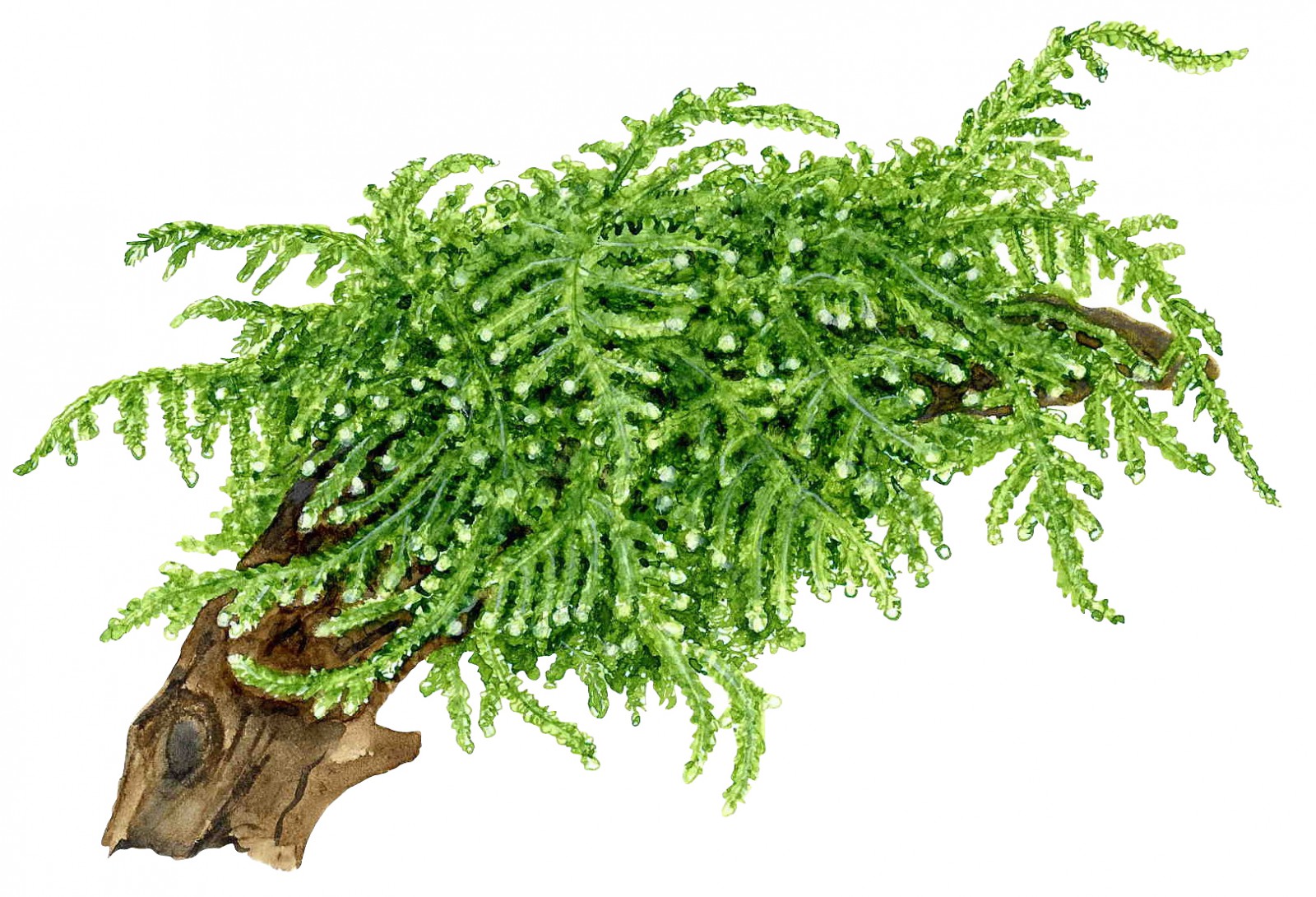
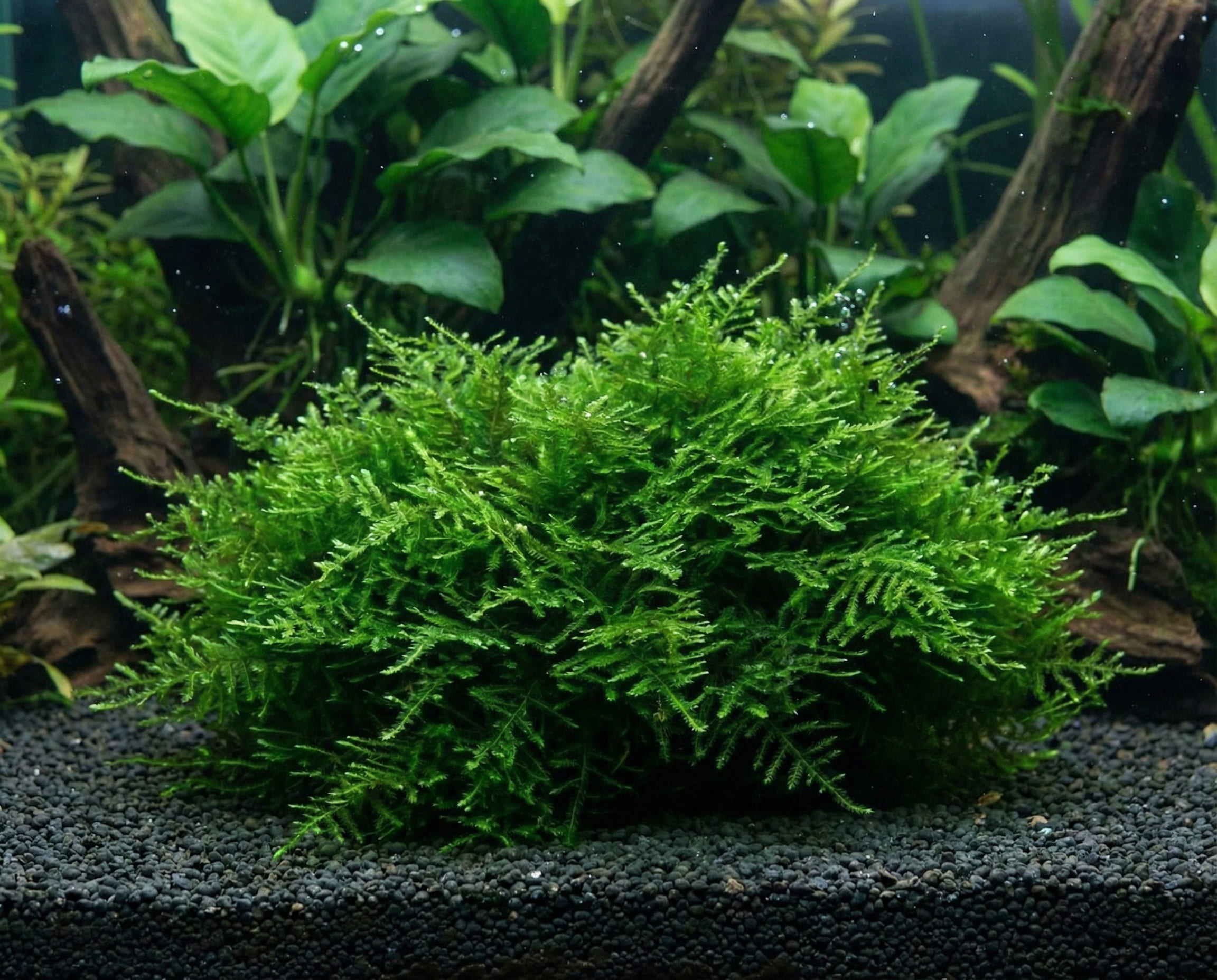
This liverwort develops flattened, translucent to fleshy thalli that branch irregularly and may become deeply divided toward the tips. It does not produce true roots, stems or leaves. In aquariums it commonly forms a loose, cushion-like mass, with older growth becoming darker and more compact. The species is often confused with other aquarium liverworts, so identification from appearance alone should be treated as provisional.
Placement
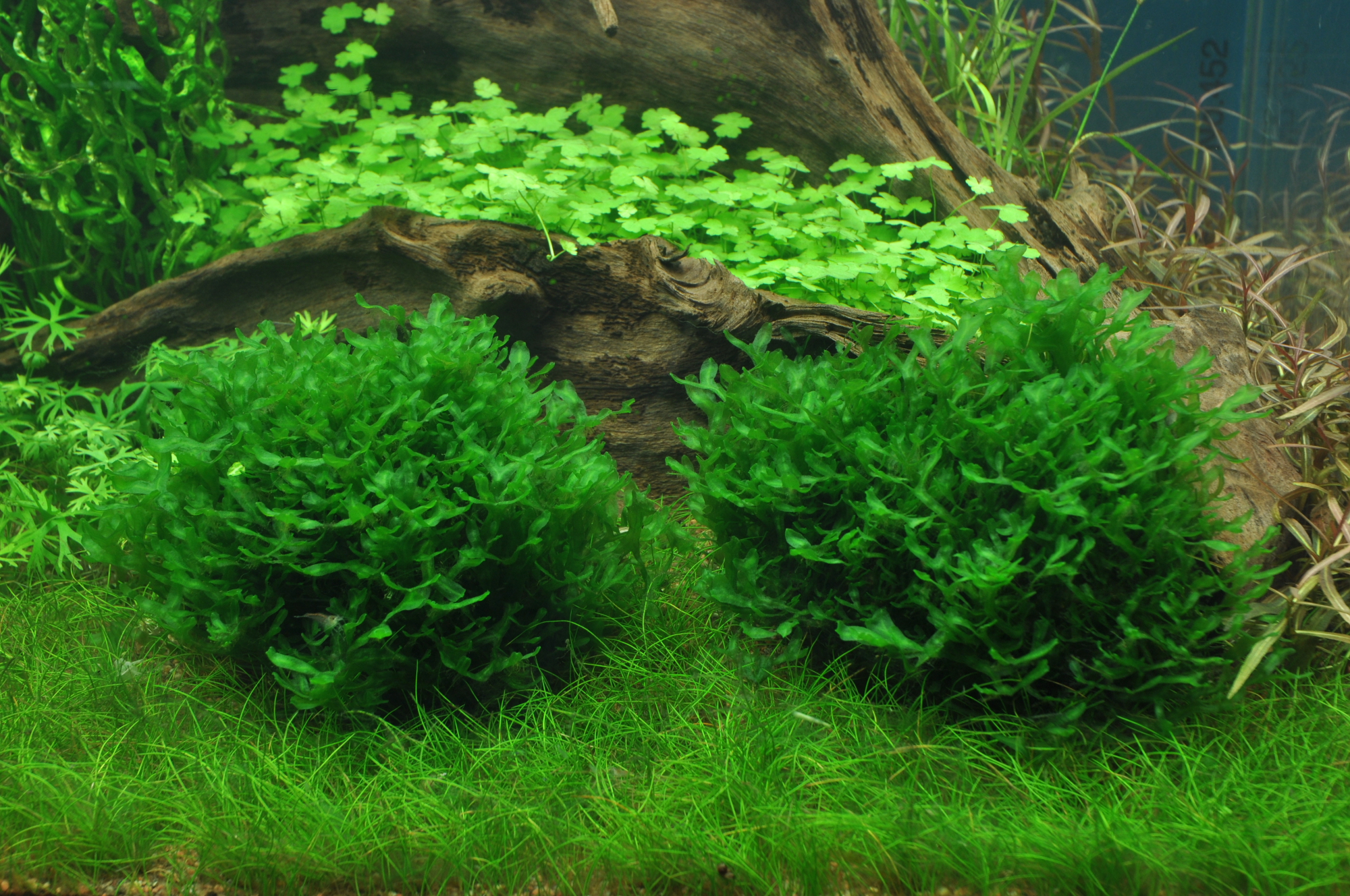
Attach small portions to rock, driftwood or another firm surface with fine thread or suitable aquarium-safe mesh. Do not bury the thallus in substrate. Keep the planting secure until it adheres or becomes entangled with the surface. Open placement with gentle circulation helps prevent debris from collecting inside the cushion.
Aquarium conditions
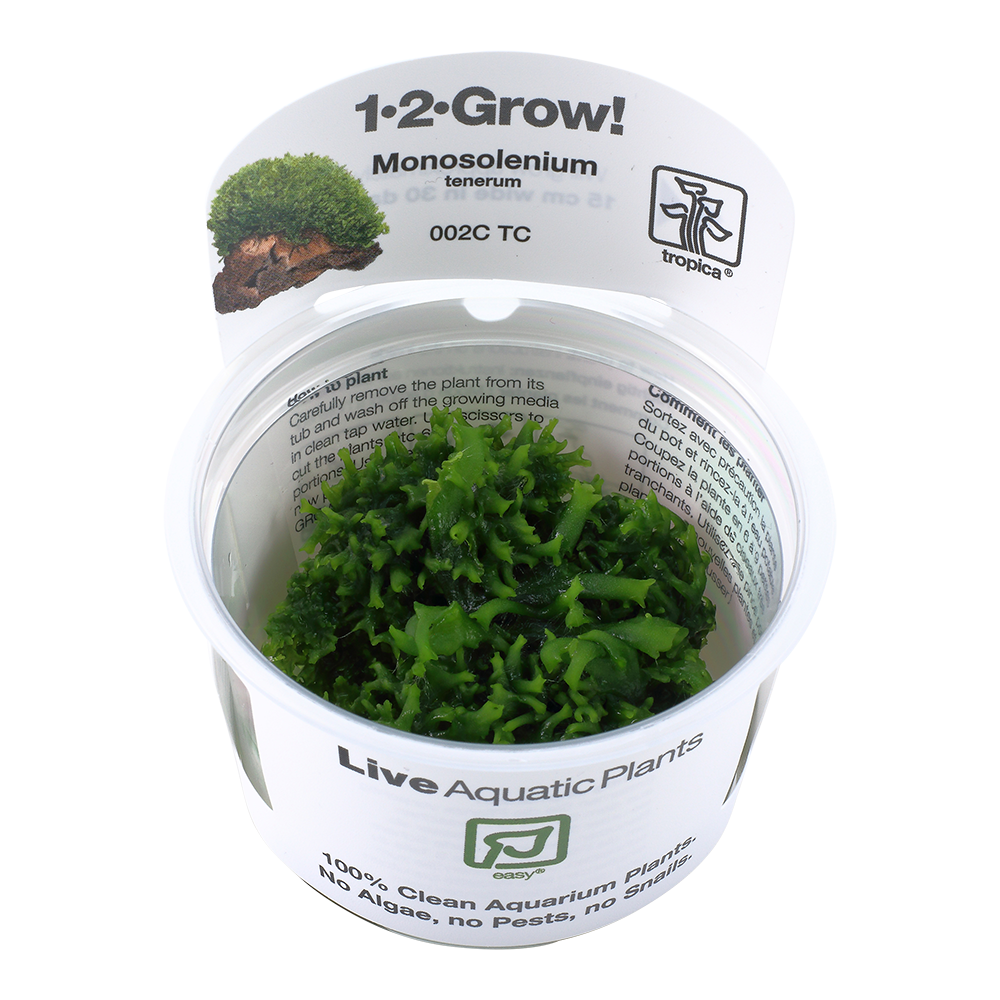
Provide stable, clean water and moderate illumination. Carbon dioxide is not essential for survival but generally improves growth and helps produce denser, more vigorous cushions. Use balanced fertilization without large, sudden dose changes. Avoid excessive flow that can dislodge the thalli, while maintaining enough circulation to prevent stagnant pockets.
Maintenance and propagation
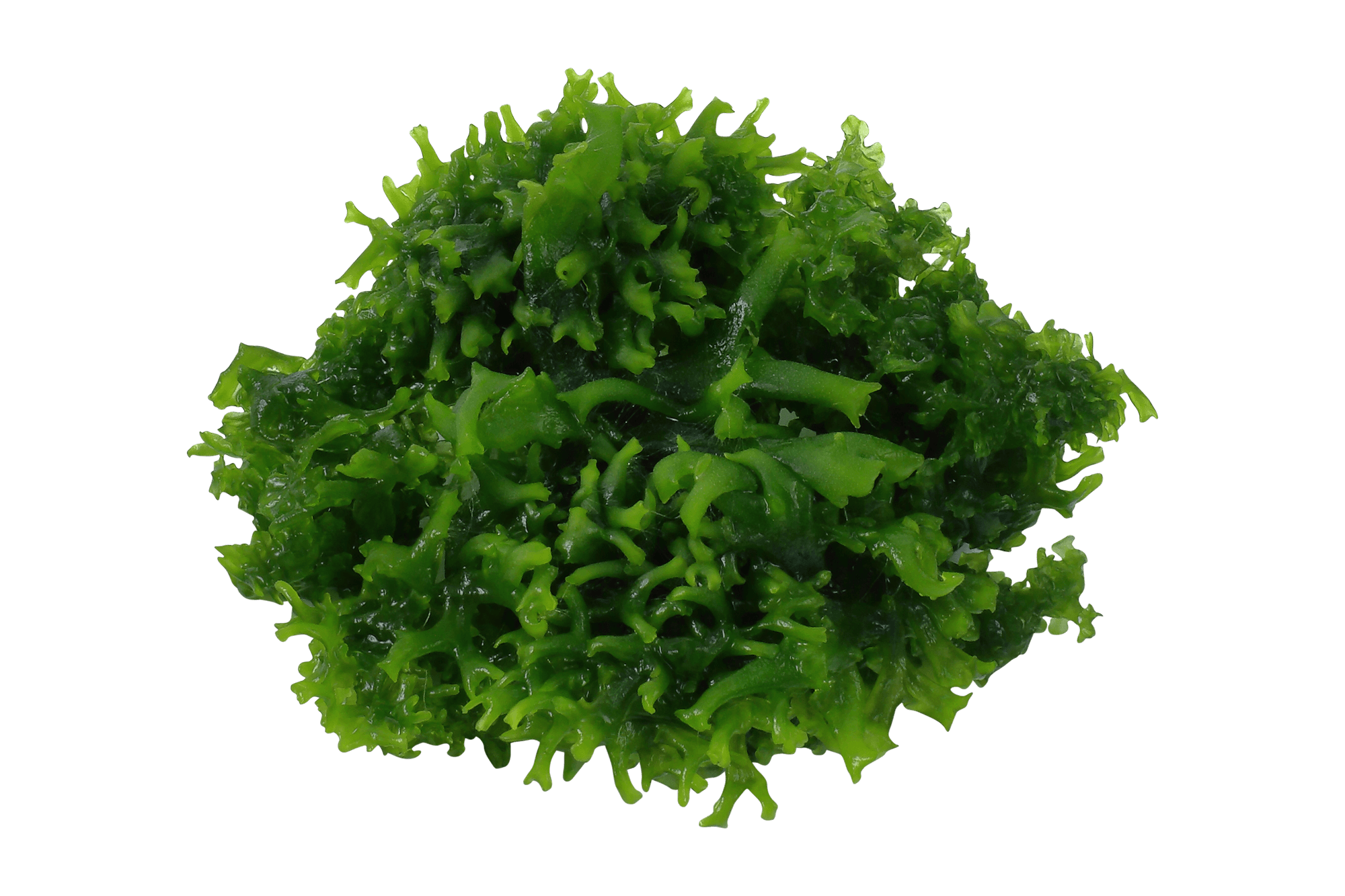
Trim by removing the overgrown outer portions with clean scissors, and remove loose fragments before they spread into filters or unwanted areas. Propagation is normally by division: separate a healthy portion and secure it to a new surface. Dense cushions should be thinned periodically because trapped detritus and shading can cause the lower material to deteriorate.
Leave your comments