Identification and form
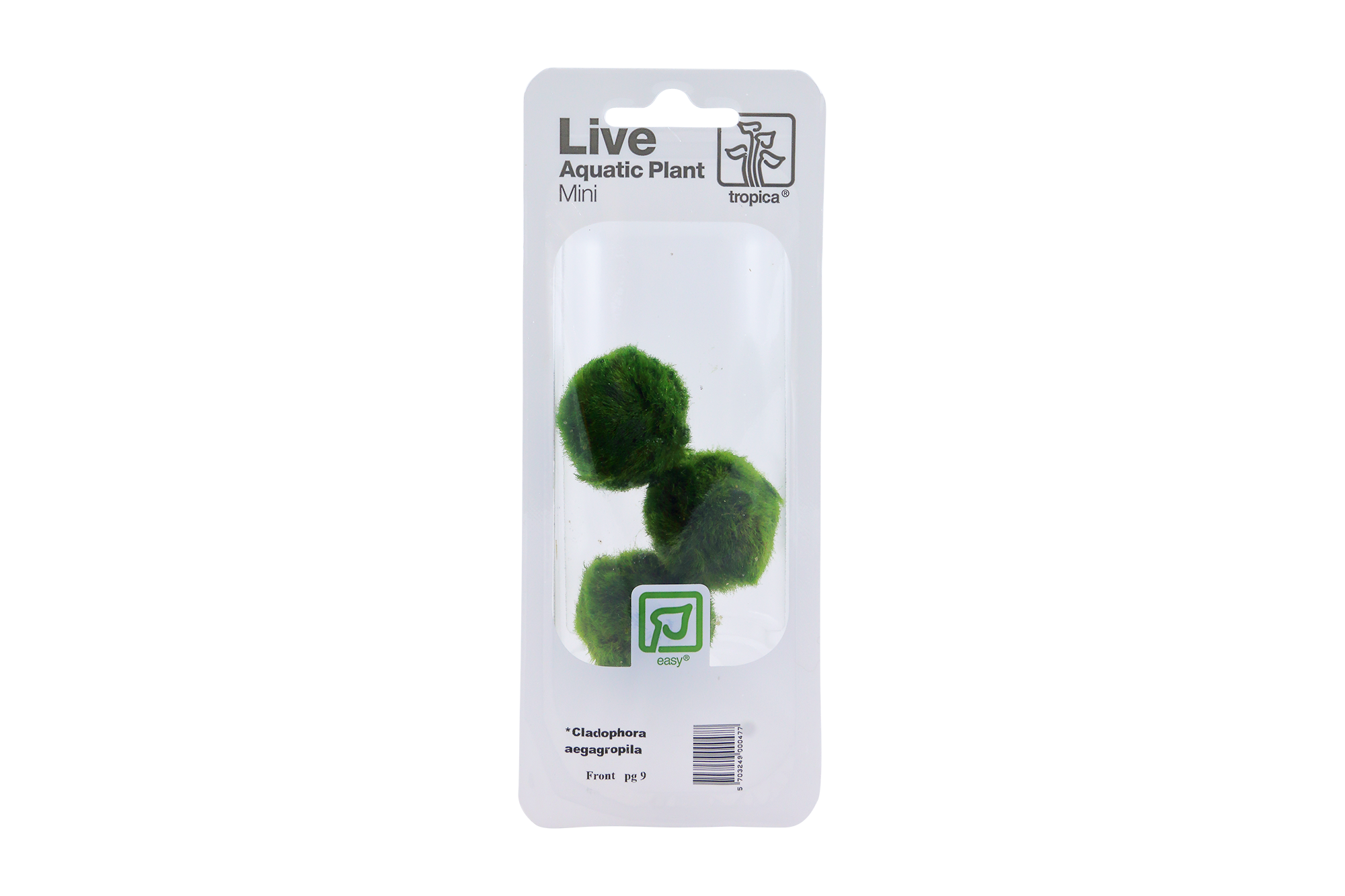
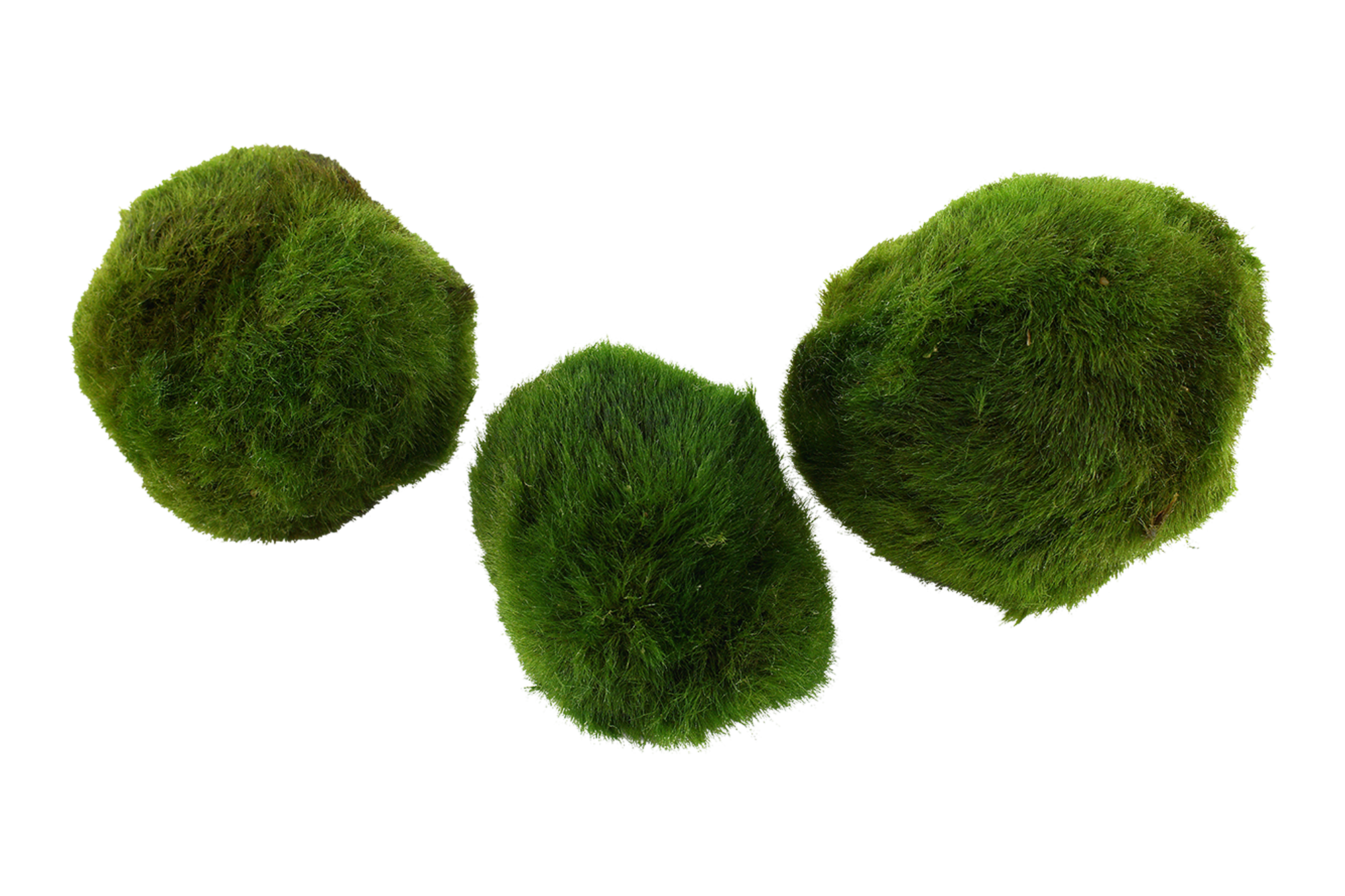
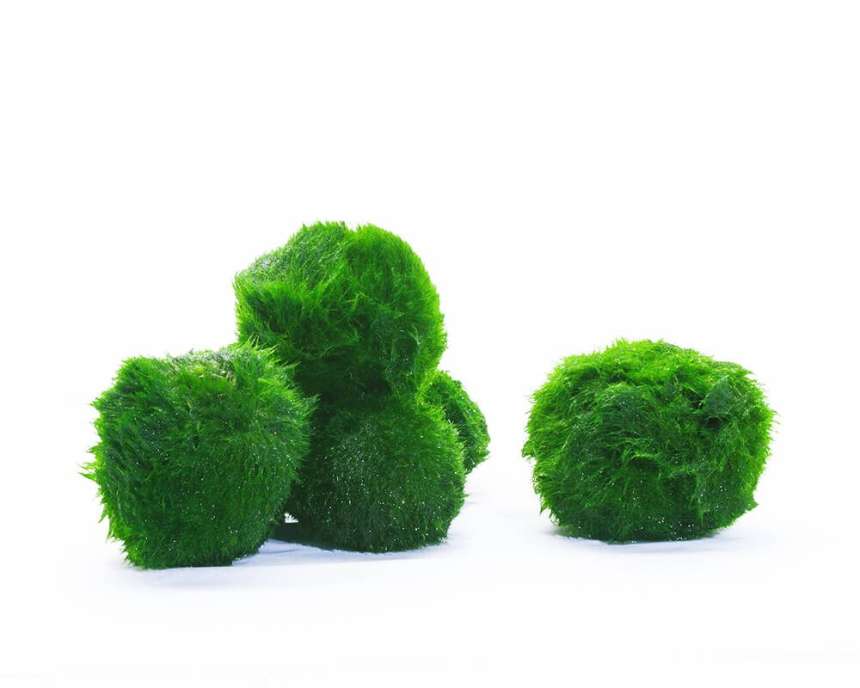
Aegagropila linnaei consists of branched, hair-like algal filaments. In suitable natural habitats, wave and water movement can roll loose growth into compact spheres. Aquarium specimens may remain rounded, become flattened, or develop irregular surfaces. The common name marimo moss ball is convenient but botanically misleading: this organism is an alga, not moss.
Placement and water movement
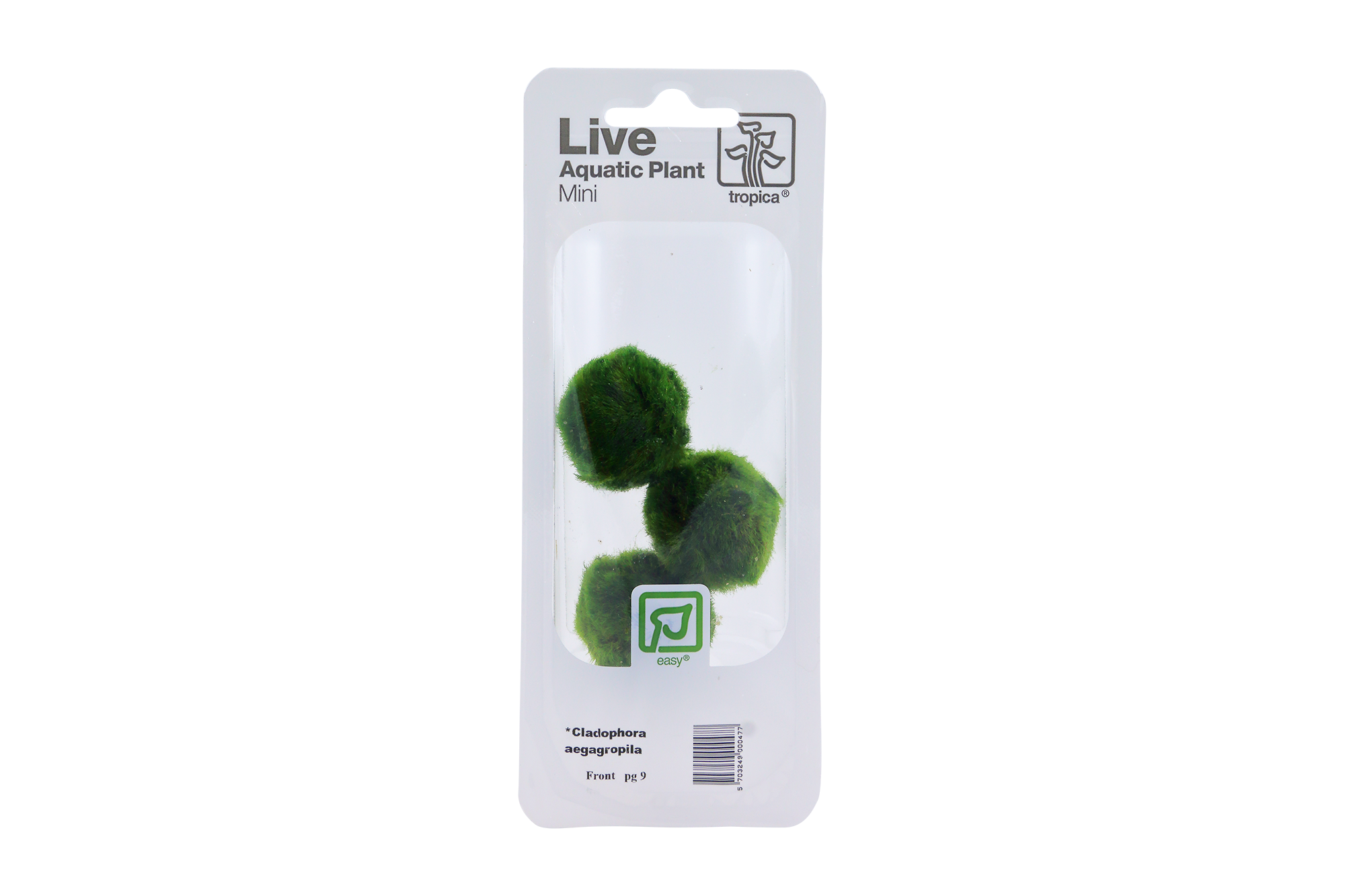
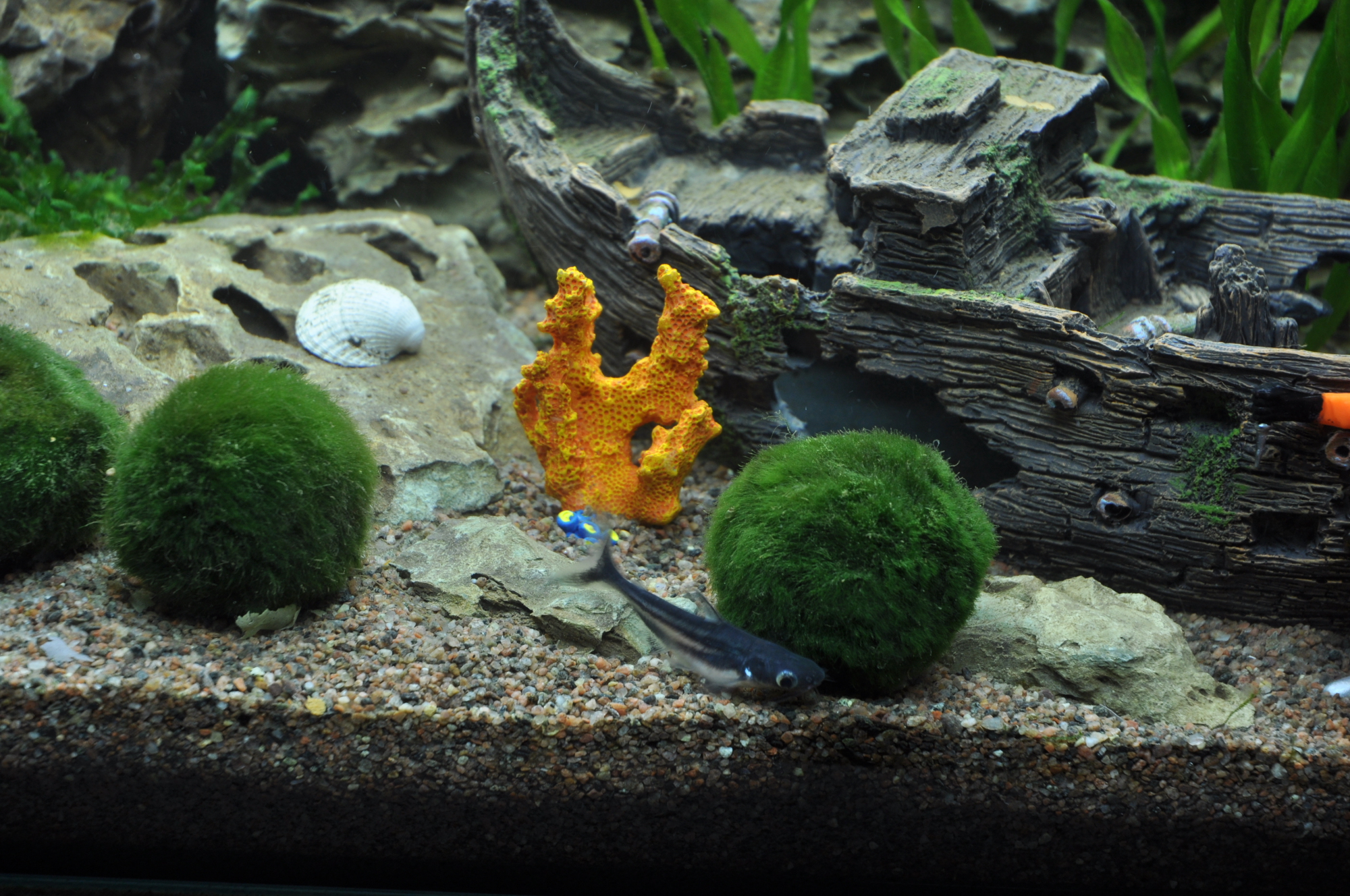
Place the ball on open substrate or among stones where it receives gentle, even circulation. Turn it occasionally so different surfaces receive light and water movement. Avoid burying it deeply or trapping it in dense debris. Strong currents can deform or break apart a colony, while stagnant areas may collect sediment and encourage decay.
Light and carbon
Low to moderate aquarium lighting is generally adequate. Excessively intense light can promote nuisance algae on the surface and may contribute to paling or deterioration if conditions are unstable. Carbon dioxide injection is not normally required. It benefits more from clean, oxygenated water and stable conditions than from high-energy planted-tank dosing.
Maintenance and propagation
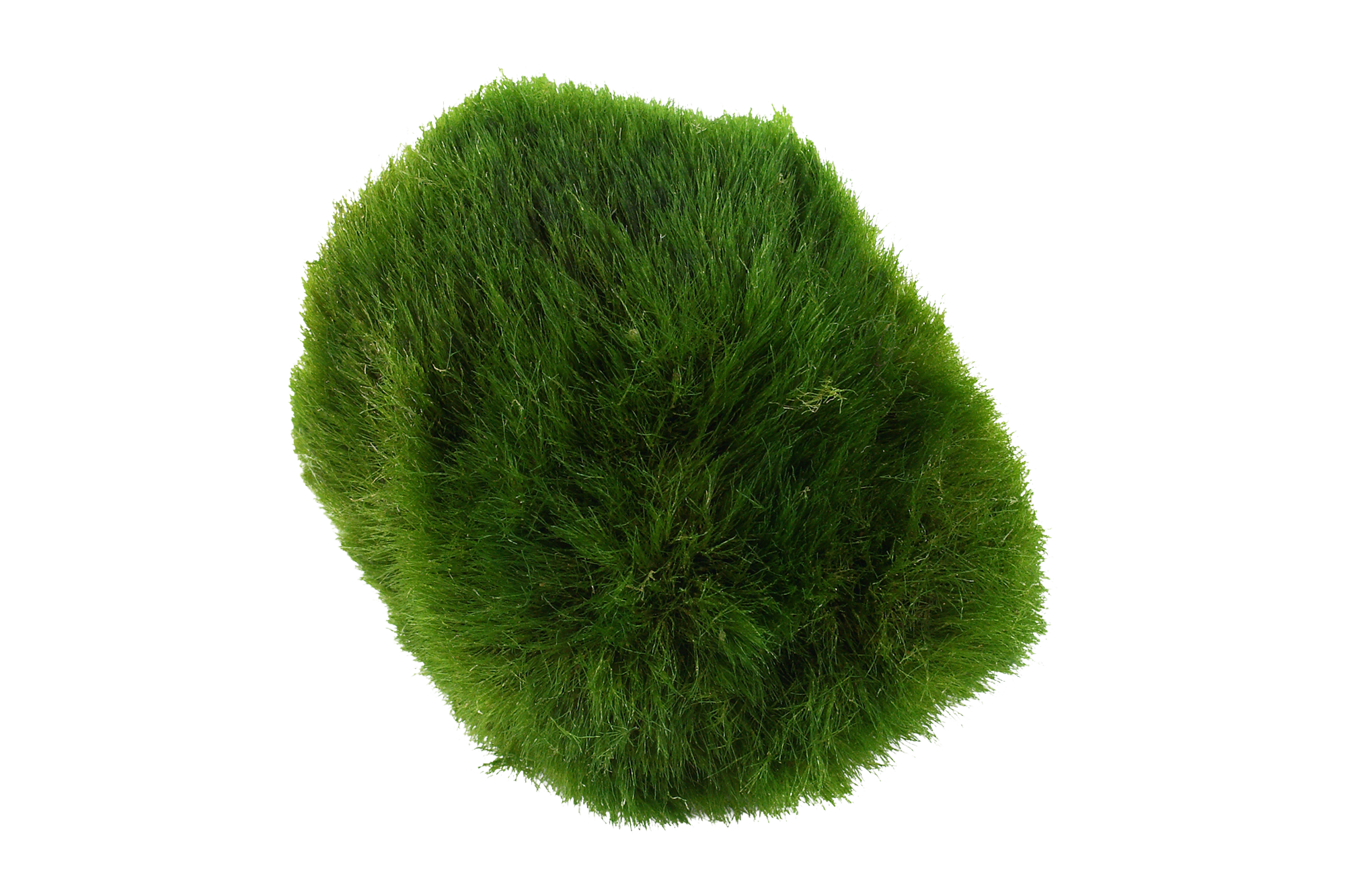
During water changes, gently rinse or roll the ball in removed aquarium water to release trapped debris; do not use untreated tap water or squeeze it harshly. Remove damaged or decomposing material promptly. Propagation is usually by fragmentation or division, after which pieces can be reshaped by gentle rolling, although new rounded colonies develop slowly.
Temperature and compatibility
Marimo is widely associated with cool to temperate freshwater and can tolerate ordinary aquarium conditions when acclimated gradually. Prolonged high temperatures may weaken it, so avoid placing it beside heaters or in overheated tanks. Most peaceful community fish and invertebrates leave it alone, but some algae-eating animals may graze or pull at the filaments.
Leave your comments