Identification and form
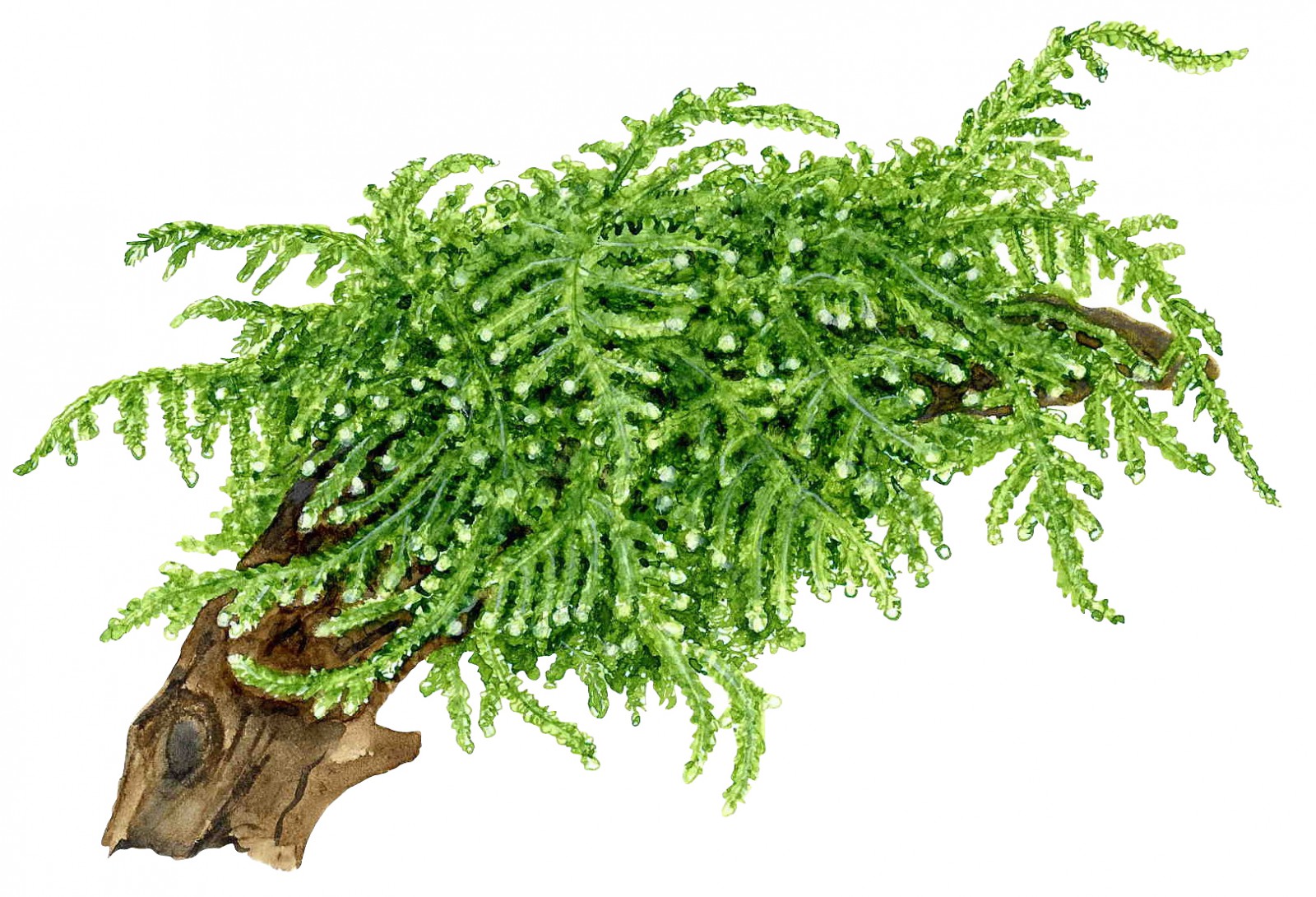
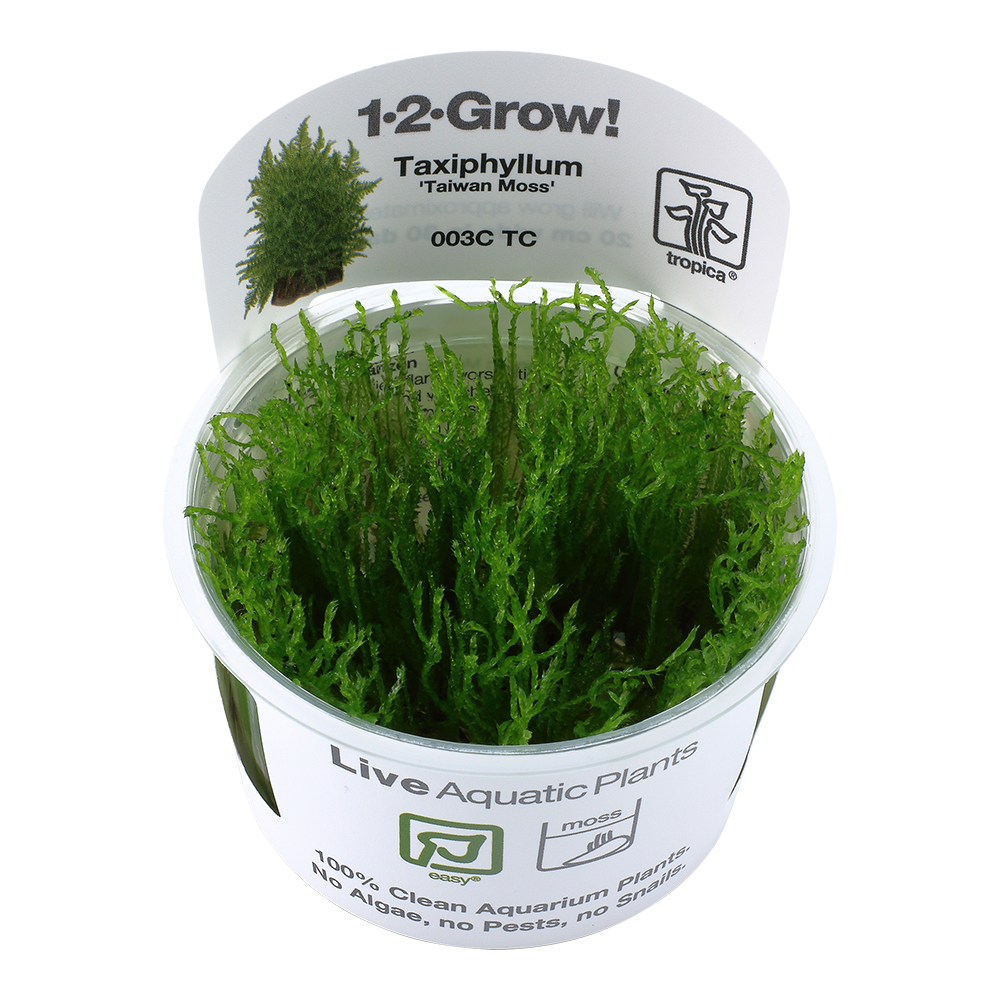
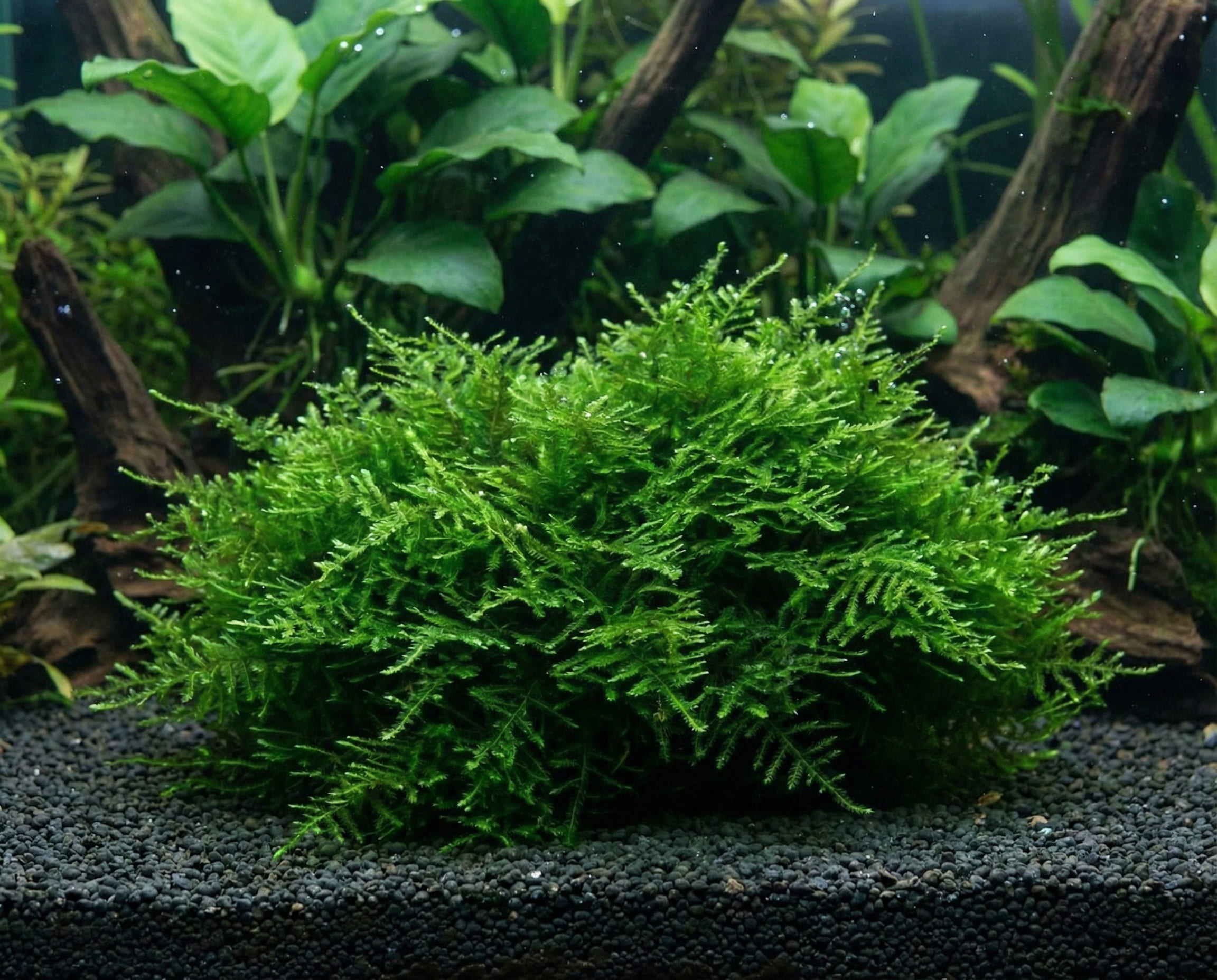
This moss develops branching, feather-like shoots that tend to hang downward as they lengthen. It is normally grown attached to hardscape rather than planted in the substrate. The supplied name identifies it as Vesicularia ferriei 'Weeping', but visual separation from other aquarium Vesicularia forms is not always certain without laboratory or specialist examination.
Placement and attachment
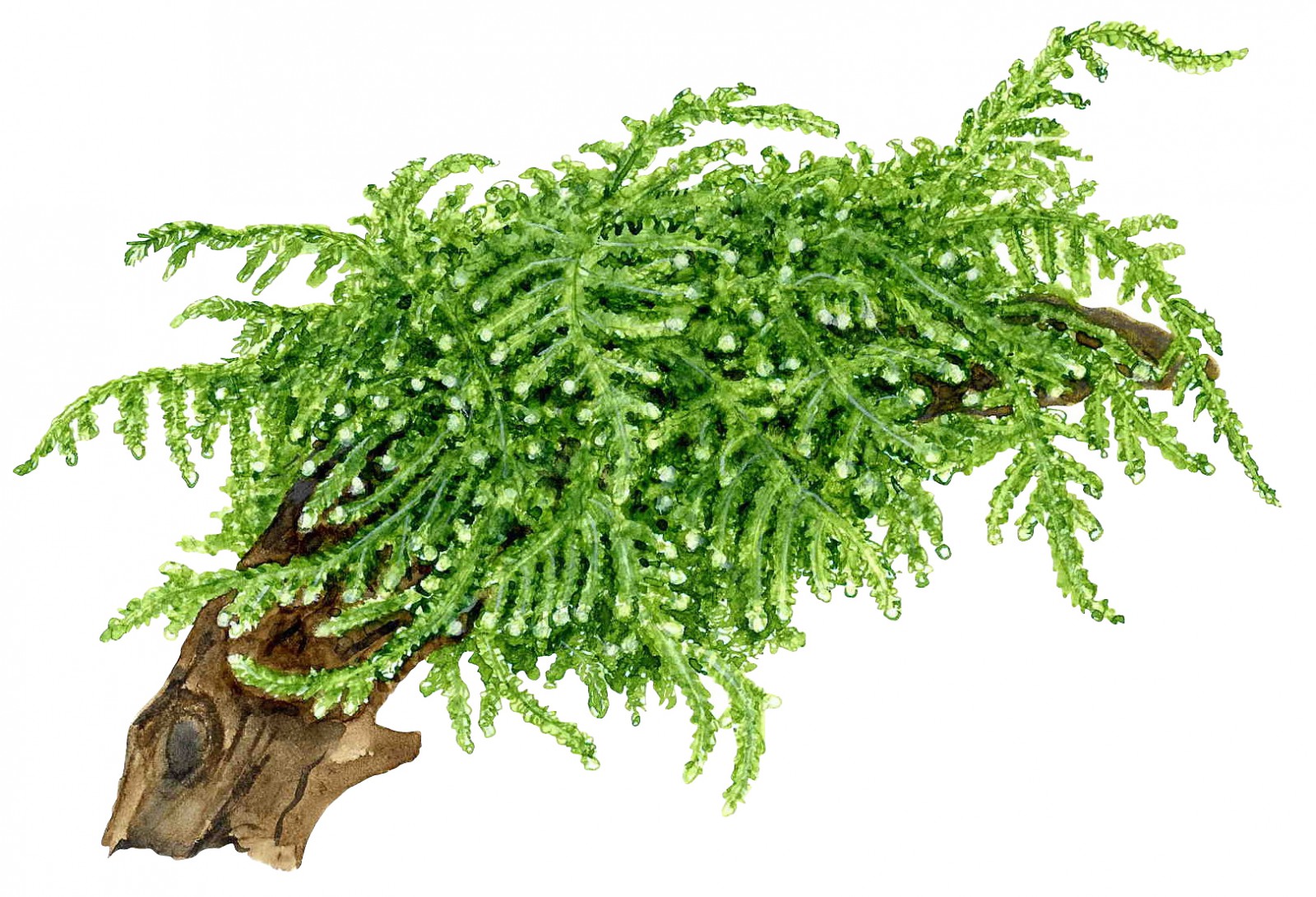
Attach small portions loosely to wood or rock with thread, suitable glue or fine mesh. Keep the moss in contact with the surface until it attaches naturally. Avoid burying it in substrate, where trapped debris can cause the lower portions to decay. Its trailing habit is especially suitable for branches, ledges and shaded sides of hardscape.
Aquarium conditions
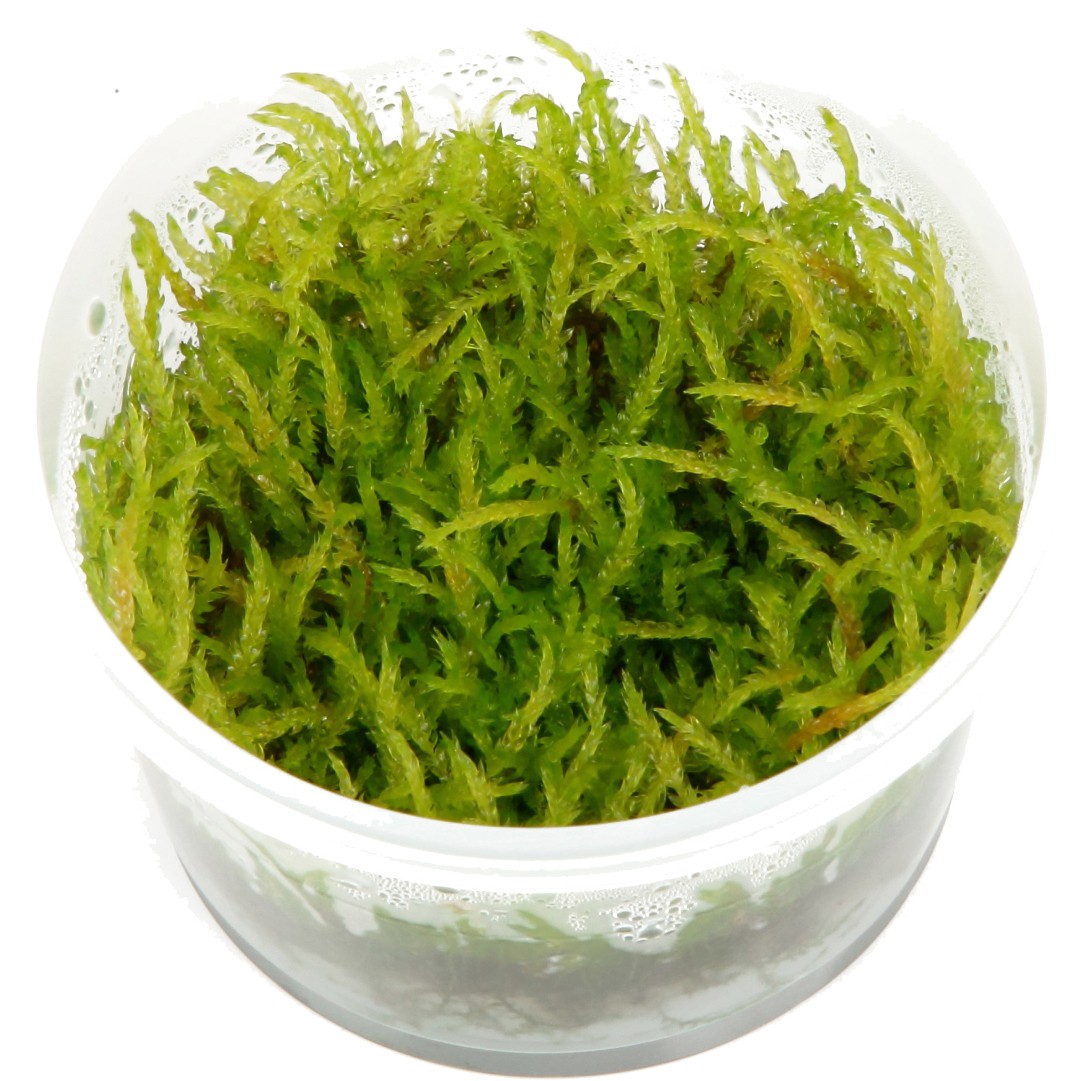
Low to moderate light is usually sufficient. Moderate water movement helps deliver nutrients and prevents debris from settling in the growth, but very strong flow can dislodge newly attached pieces. Carbon dioxide is not essential, although additional carbon dioxide and balanced fertilisation can support denser growth. Stable conditions and clean water are more important than intense lighting.
Maintenance and propagation
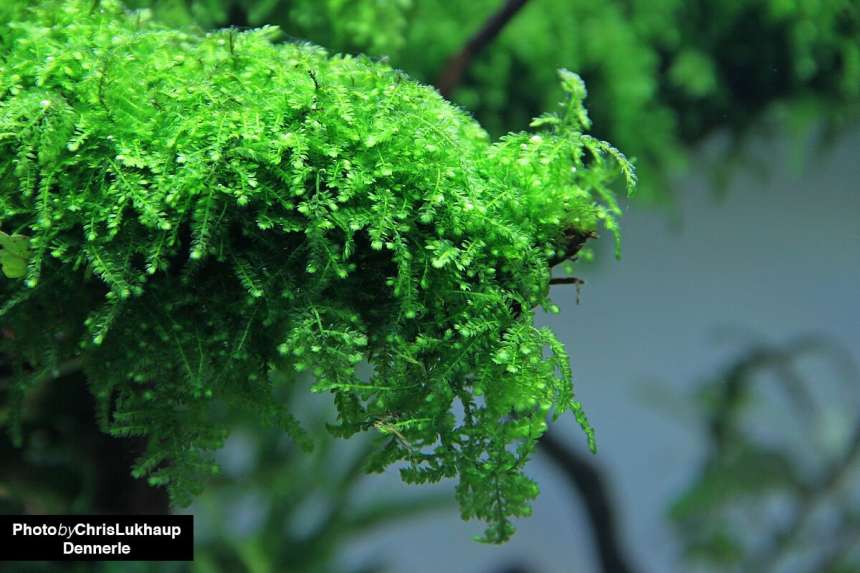
Trim long or overgrown shoots with clean scissors to preserve the desired weeping outline and improve light penetration. Remove loose trimmings so they do not spread unpredictably through the aquarium. Propagation is done by dividing healthy portions and reattaching them to new hardscape. Thin, regular trimming is preferable to allowing a dense layer to accumulate detritus.
Leave your comments