Identification
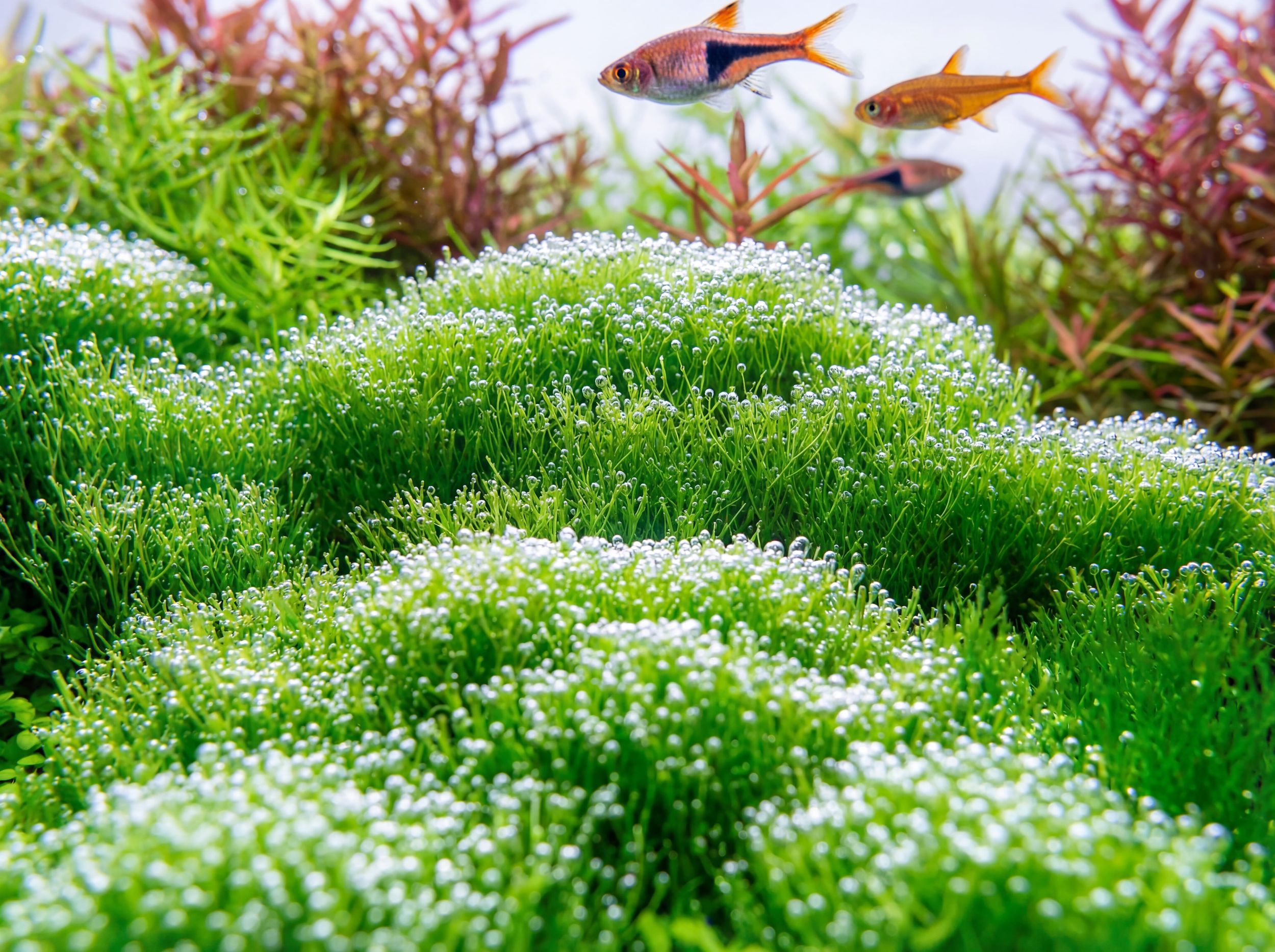
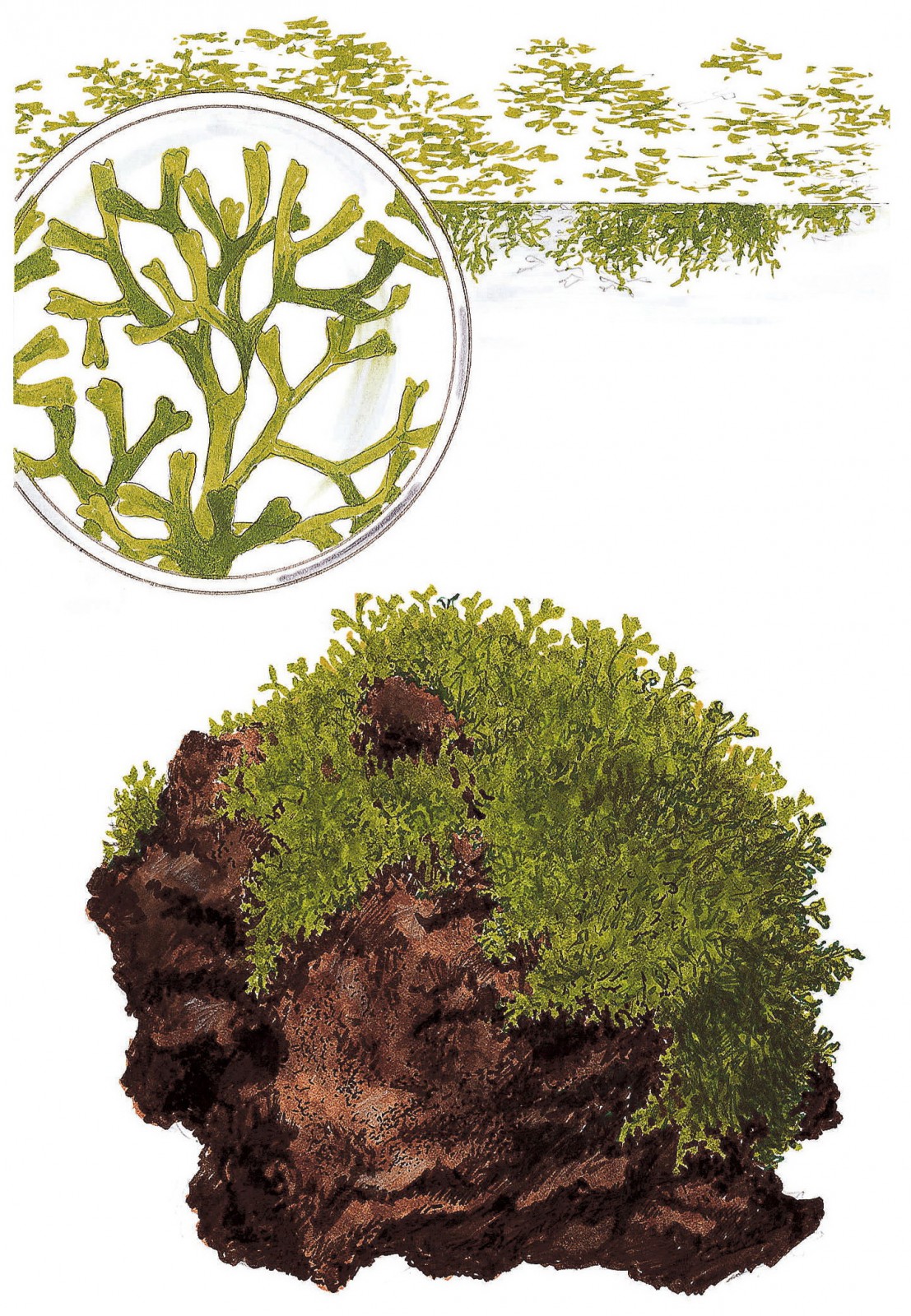
Riccia fluitans is a small aquatic liverwort with flattened, forked, ribbon-like thalli. It lacks conventional leaves, stems, and roots. In nature and in aquariums it commonly forms loose floating mats. Underwater growth may become denser and cushion-like, but it does not naturally attach permanently to hard surfaces.
Placement and securing
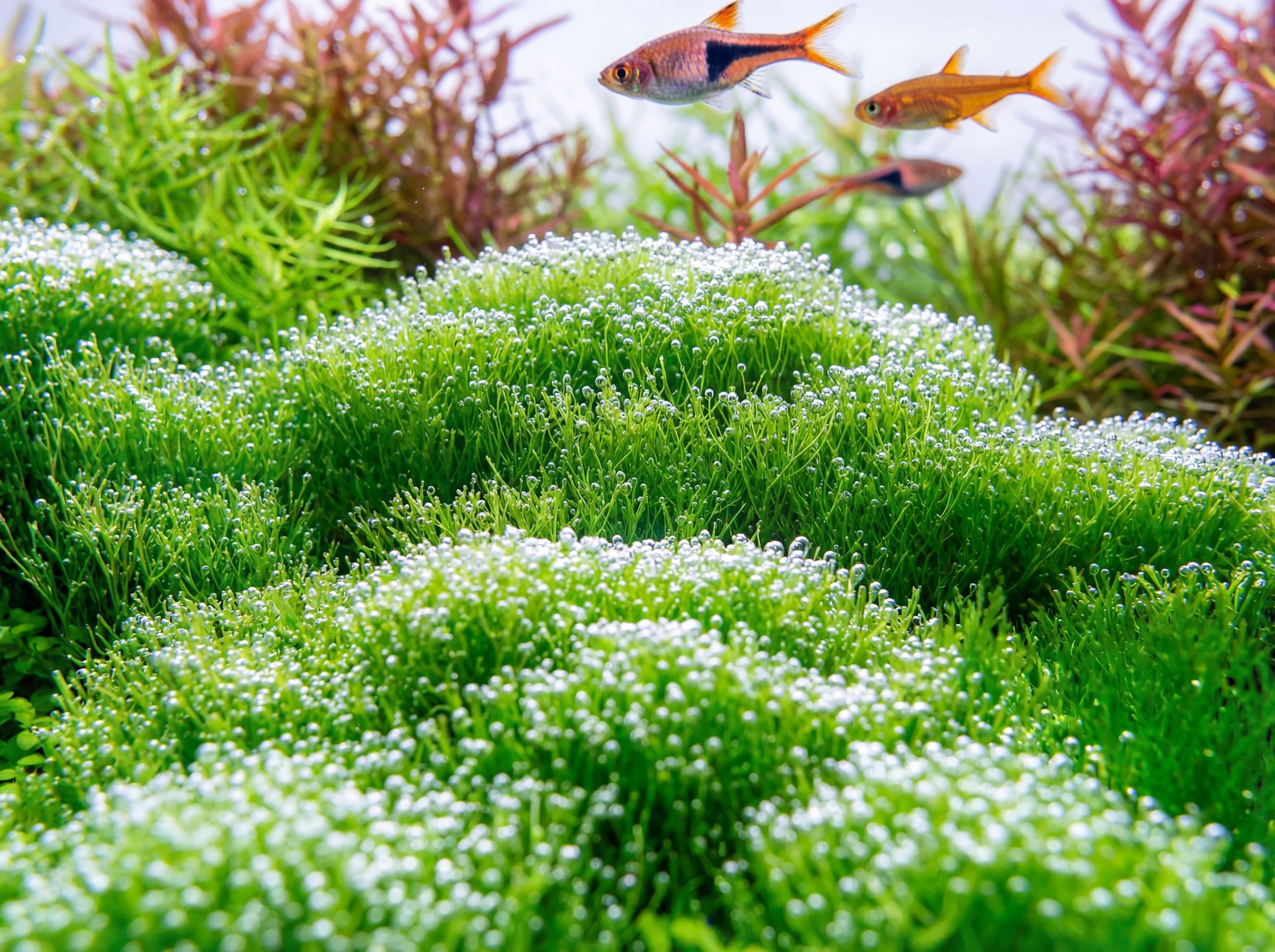
For submerged cultivation, spread small portions over fine mesh, stainless-steel mesh, or another aquarium-safe support and secure them loosely with suitable thread. Avoid packing the material too densely, since water movement and light must reach the lower layers. Without support, pieces commonly detach and float.
Light and carbon
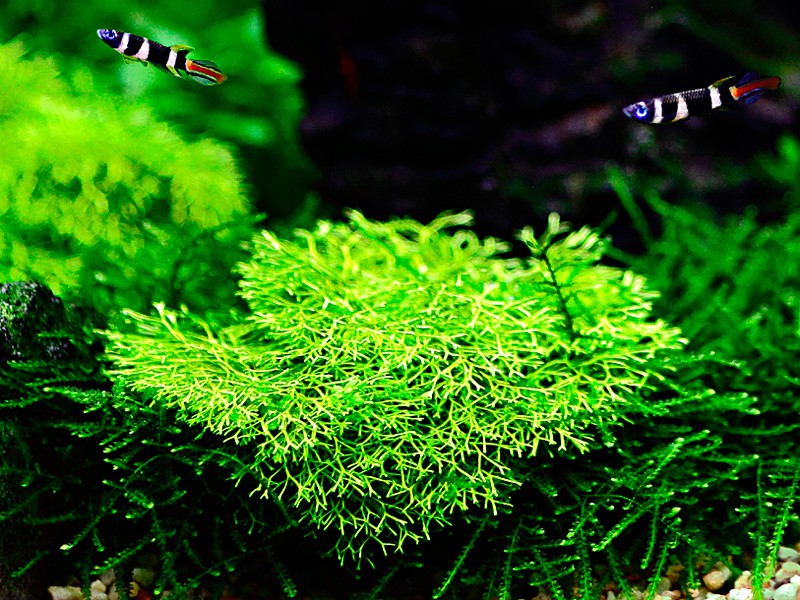
Medium to high-quality aquarium lighting helps maintain compact, green growth. Moderate water-column fertilisation supports development, while carbon dioxide supplementation usually improves underwater growth and density. It can survive with less carbon, but growth may be slower and more open.
Maintenance
Riccia grows quickly under favourable conditions and should be thinned regularly. Remove loose fragments before they cover the surface or clog equipment. Trim or divide the mat when lower portions become shaded or begin to collect debris. Gentle circulation is useful, but strong flow can tear apart unsecured portions.
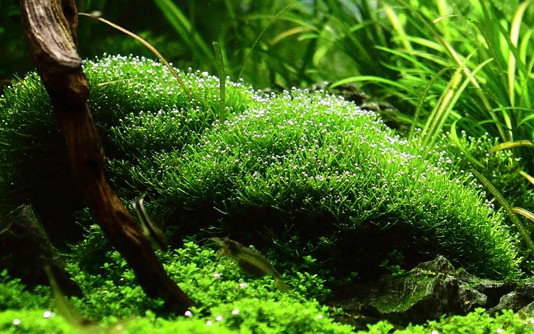
Propagation and identification note
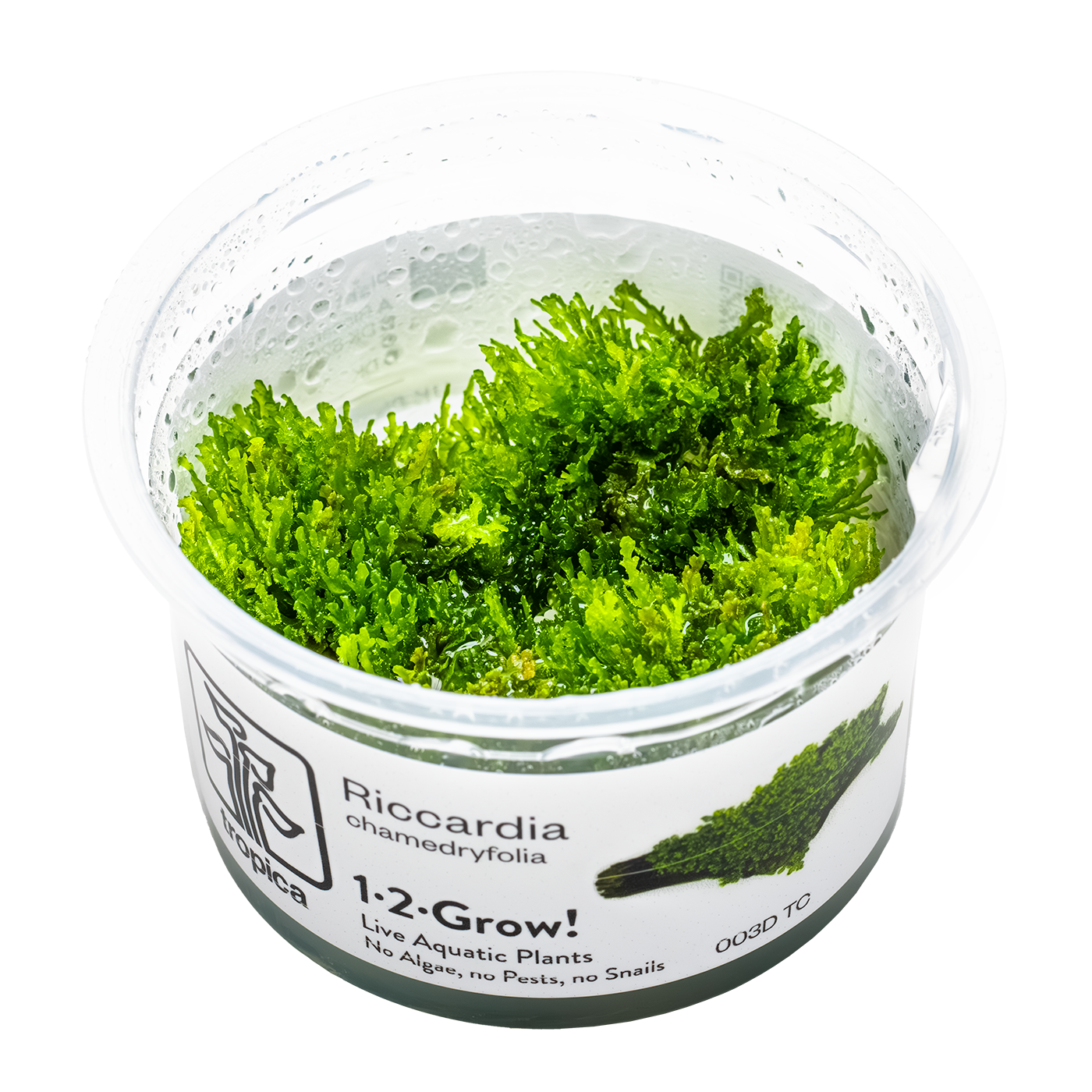
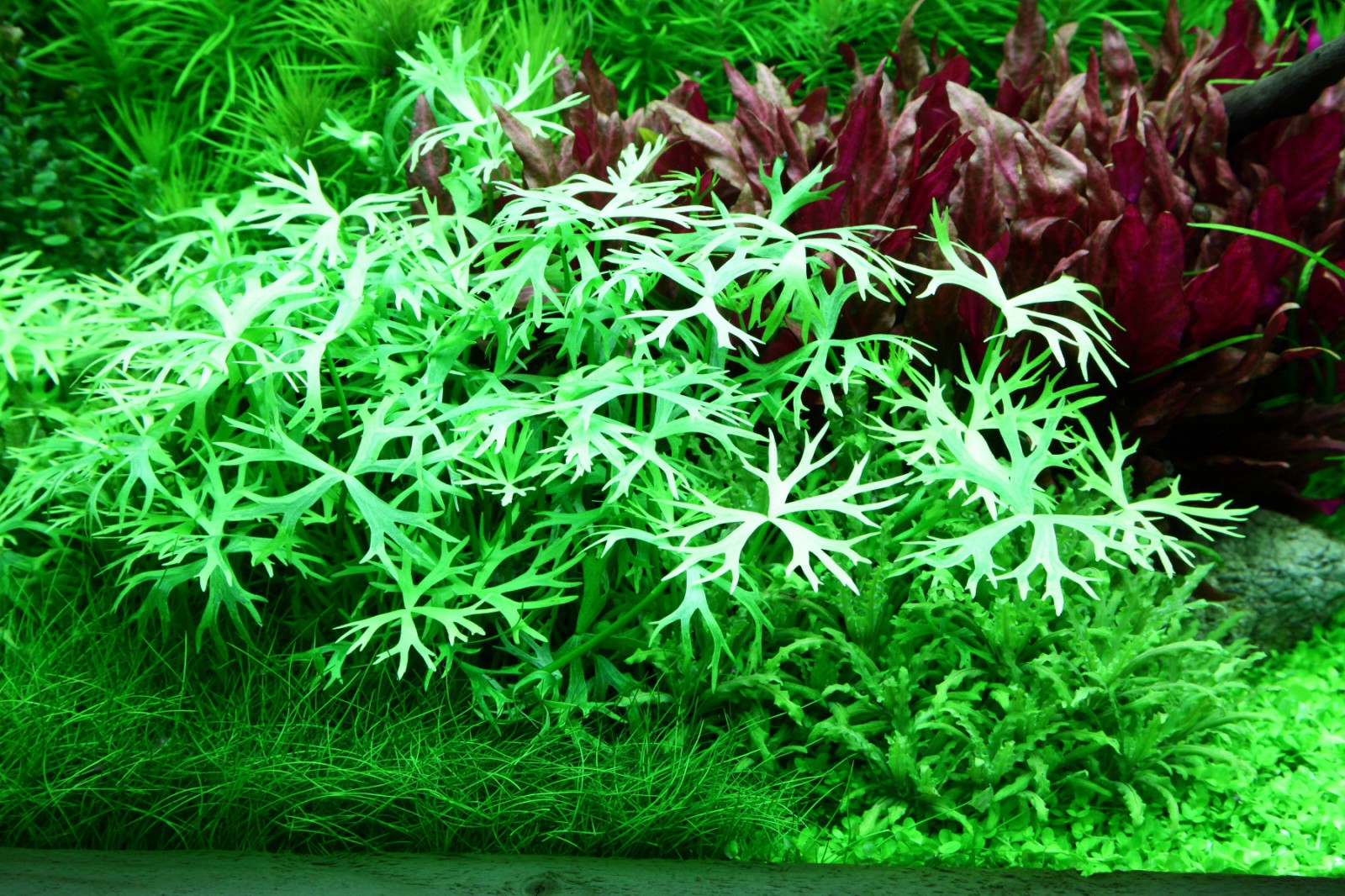
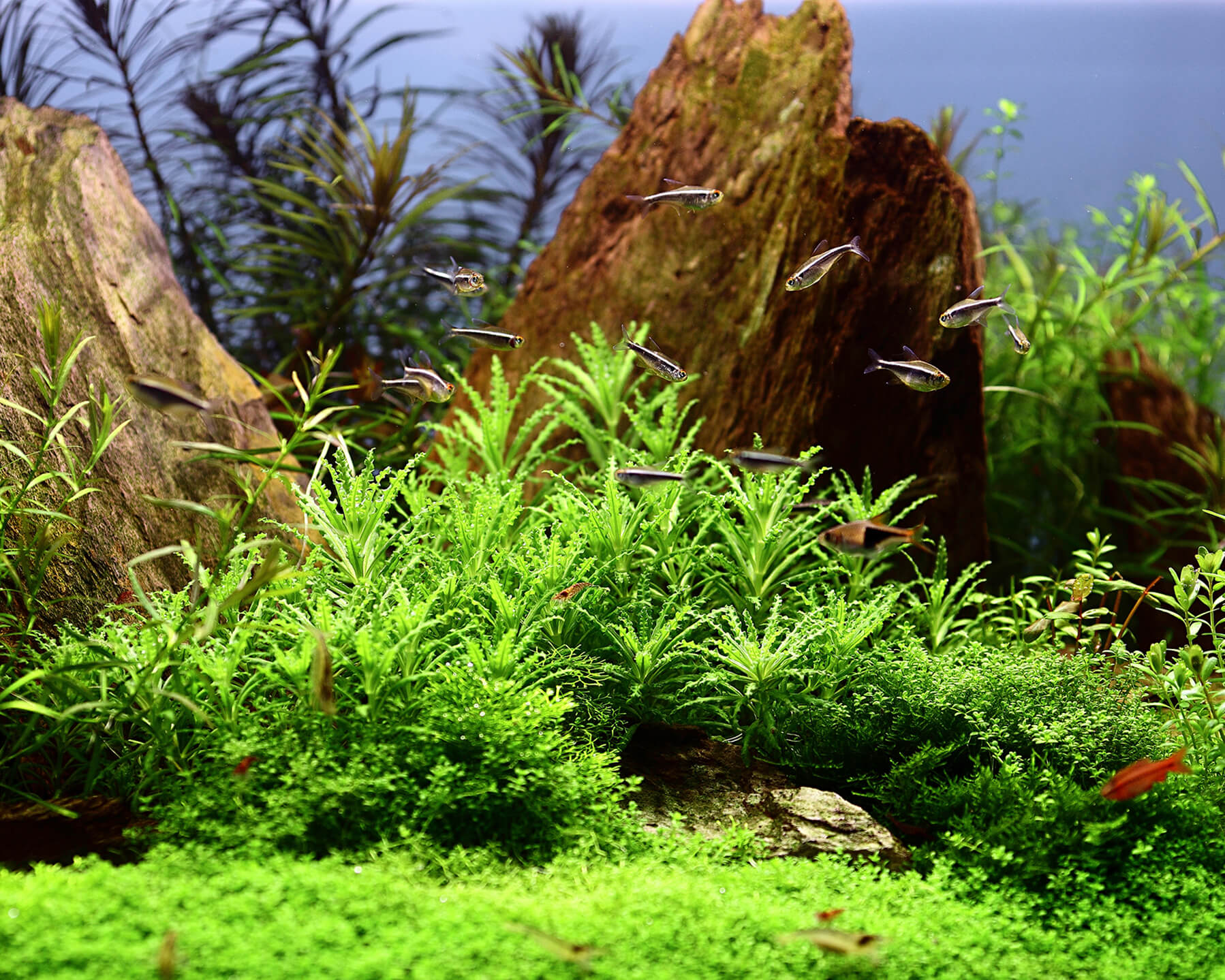
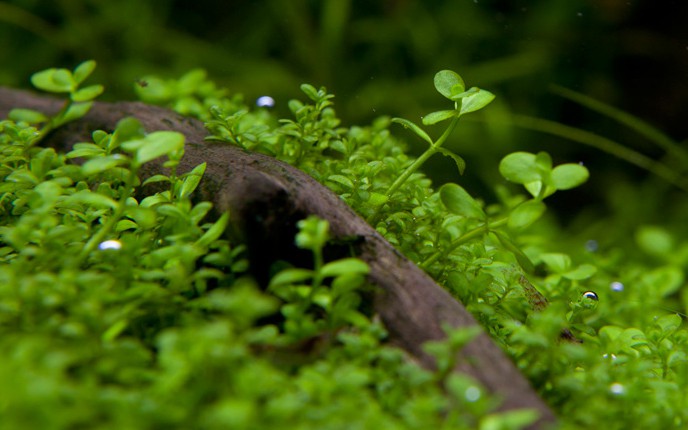
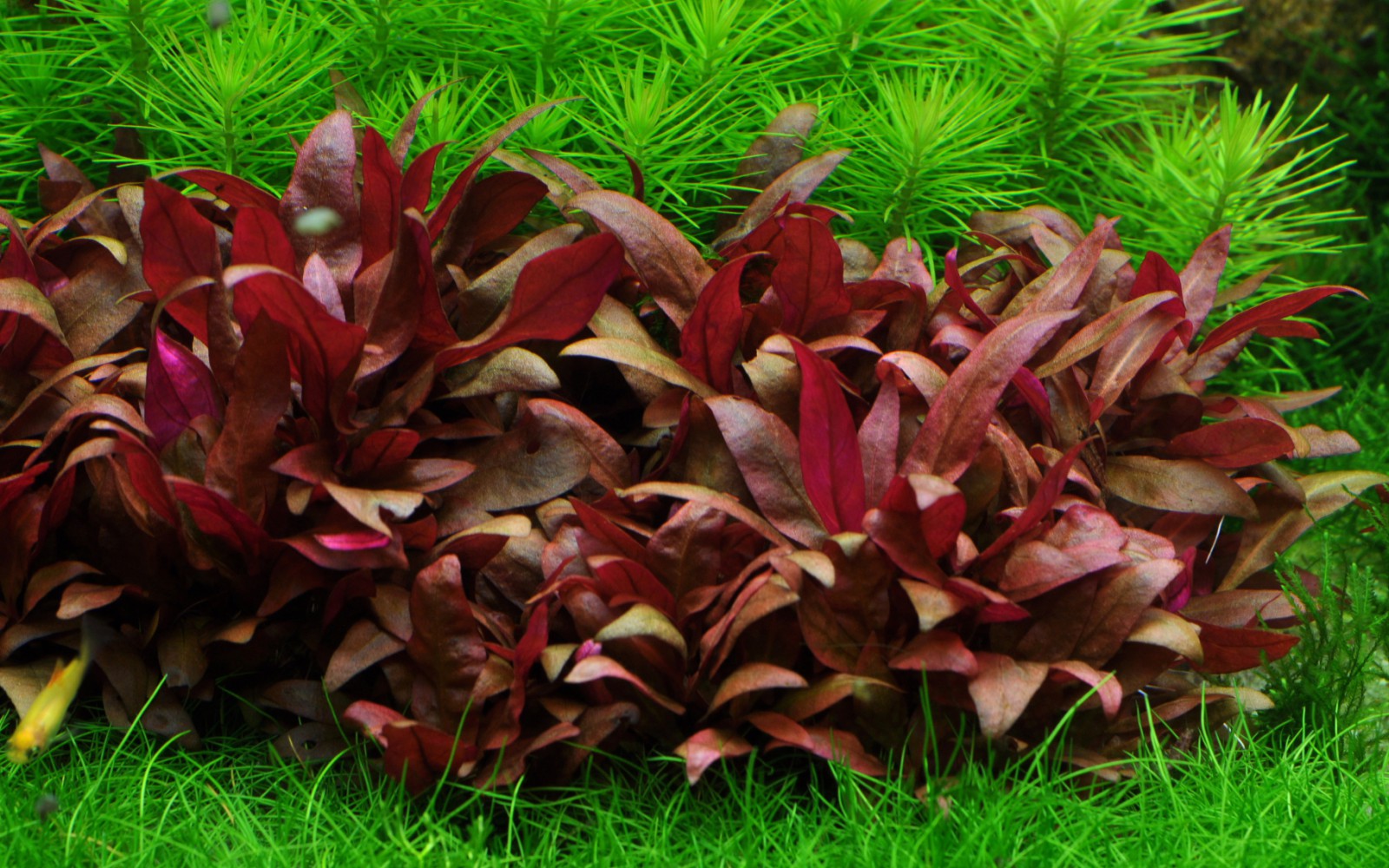
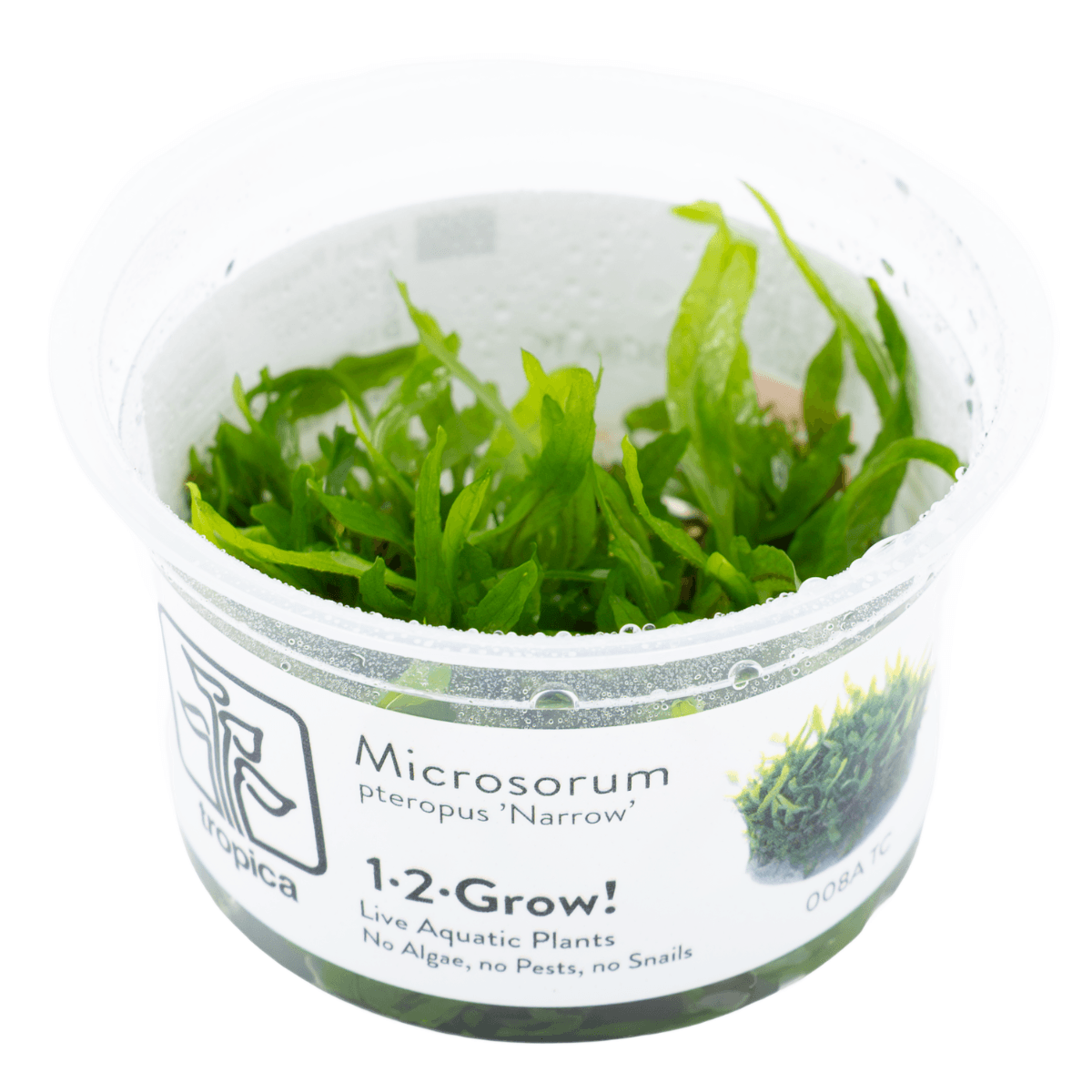
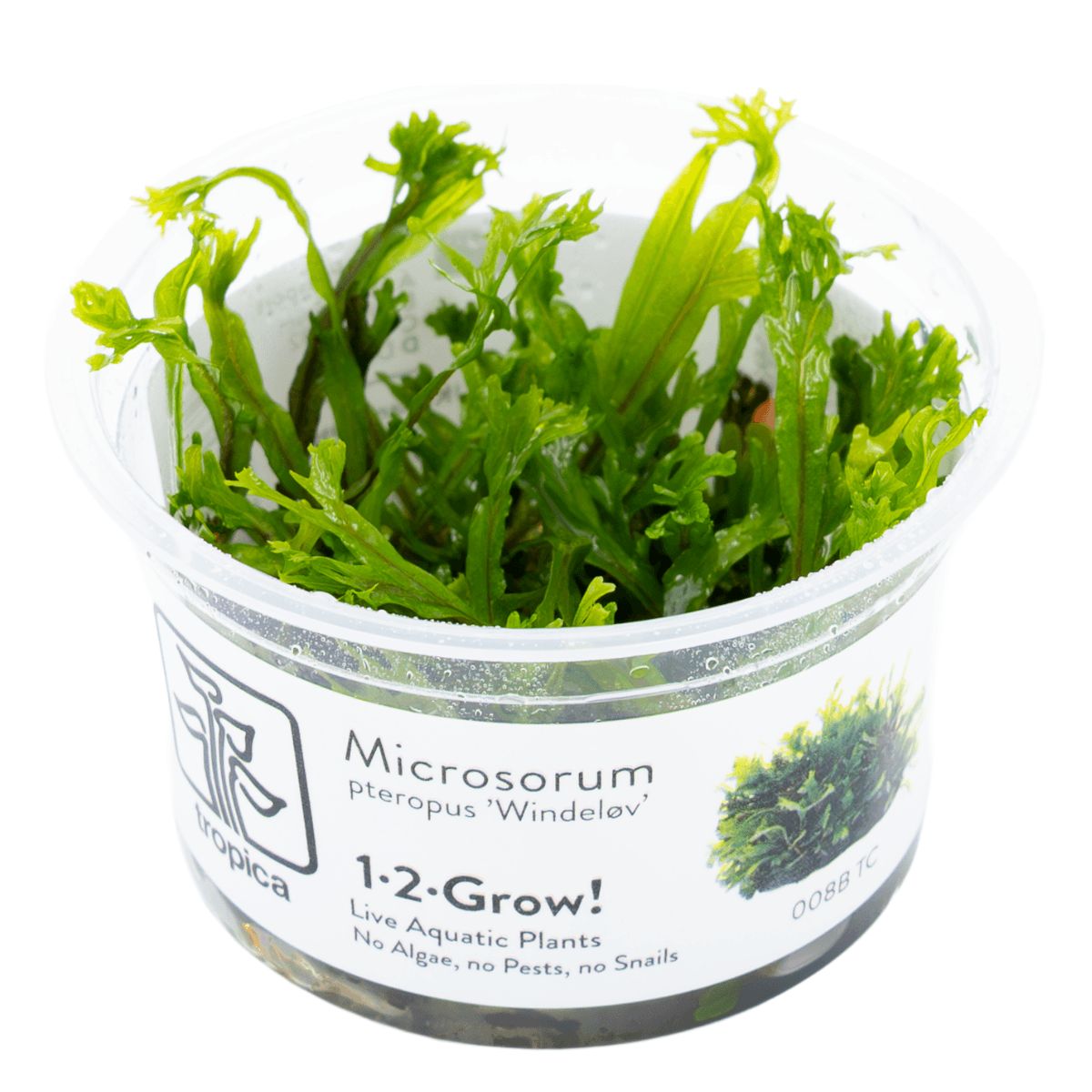
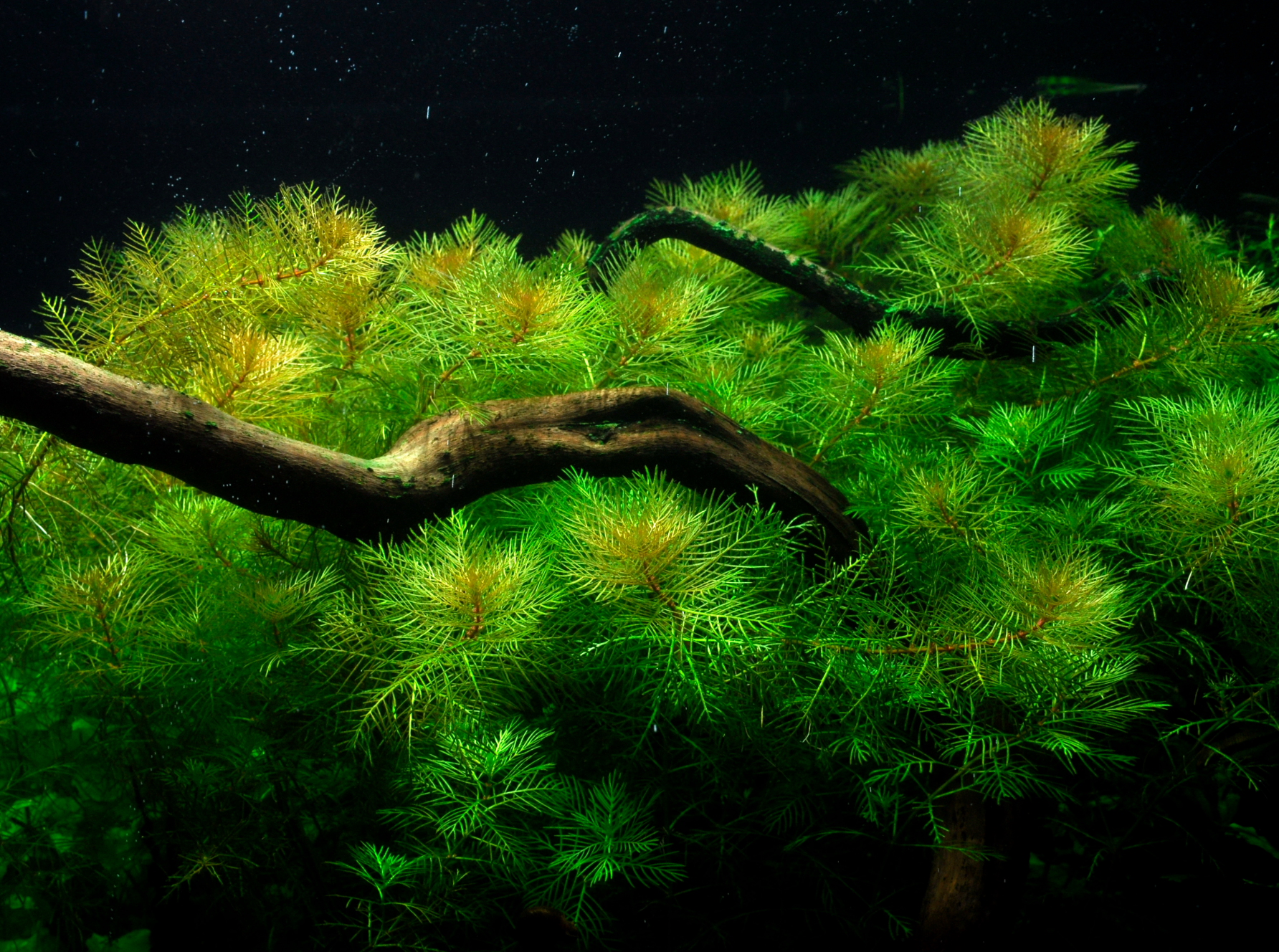
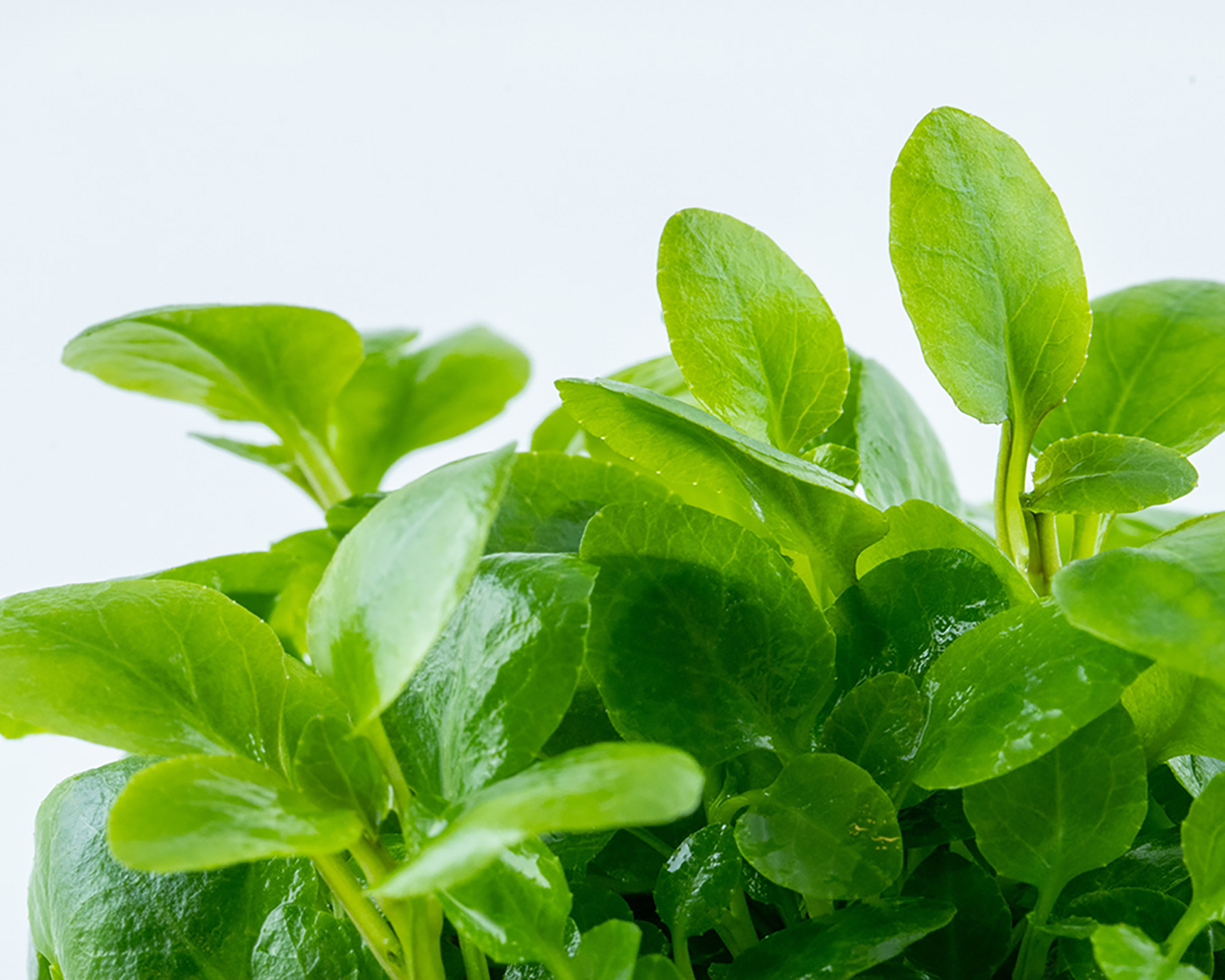
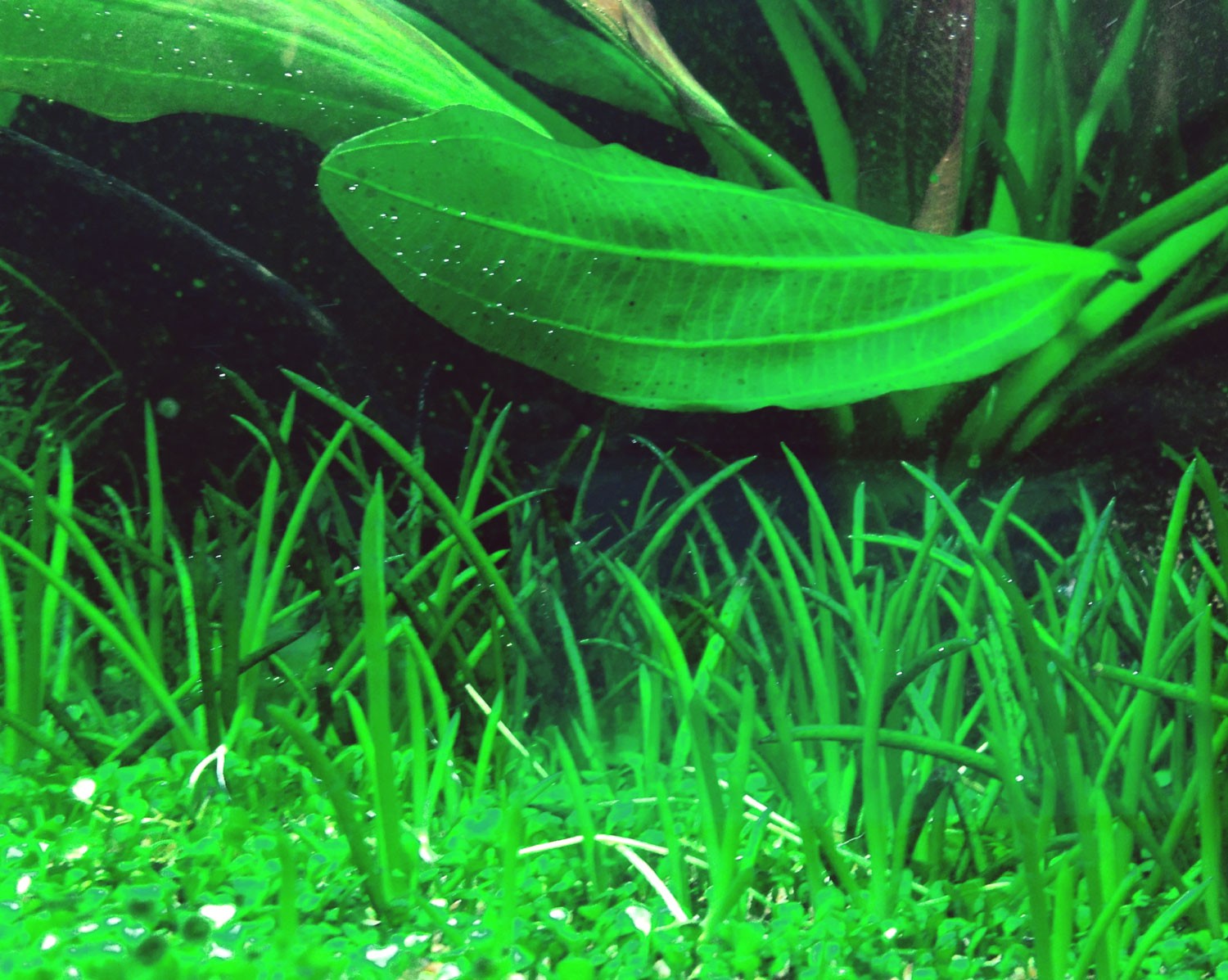
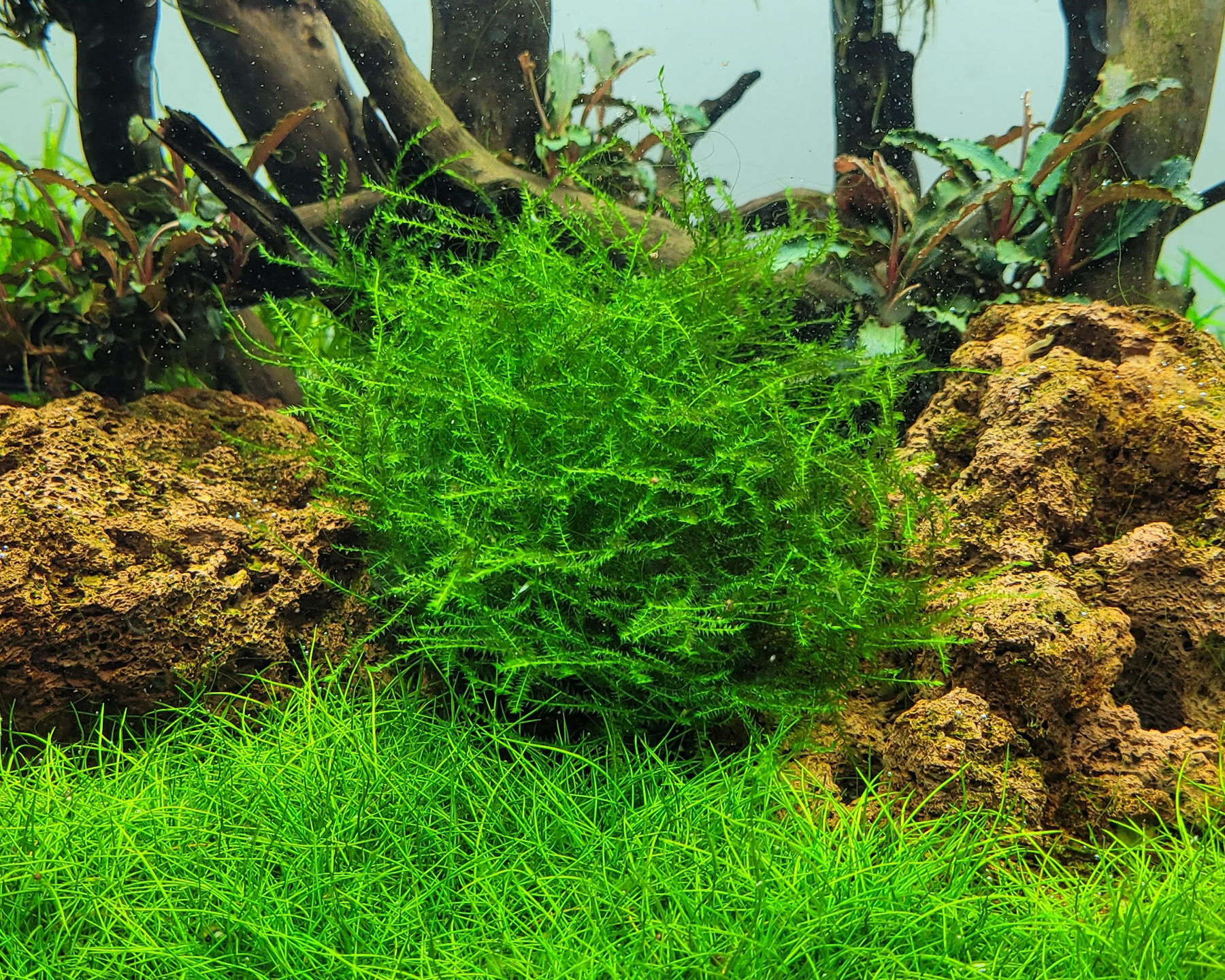
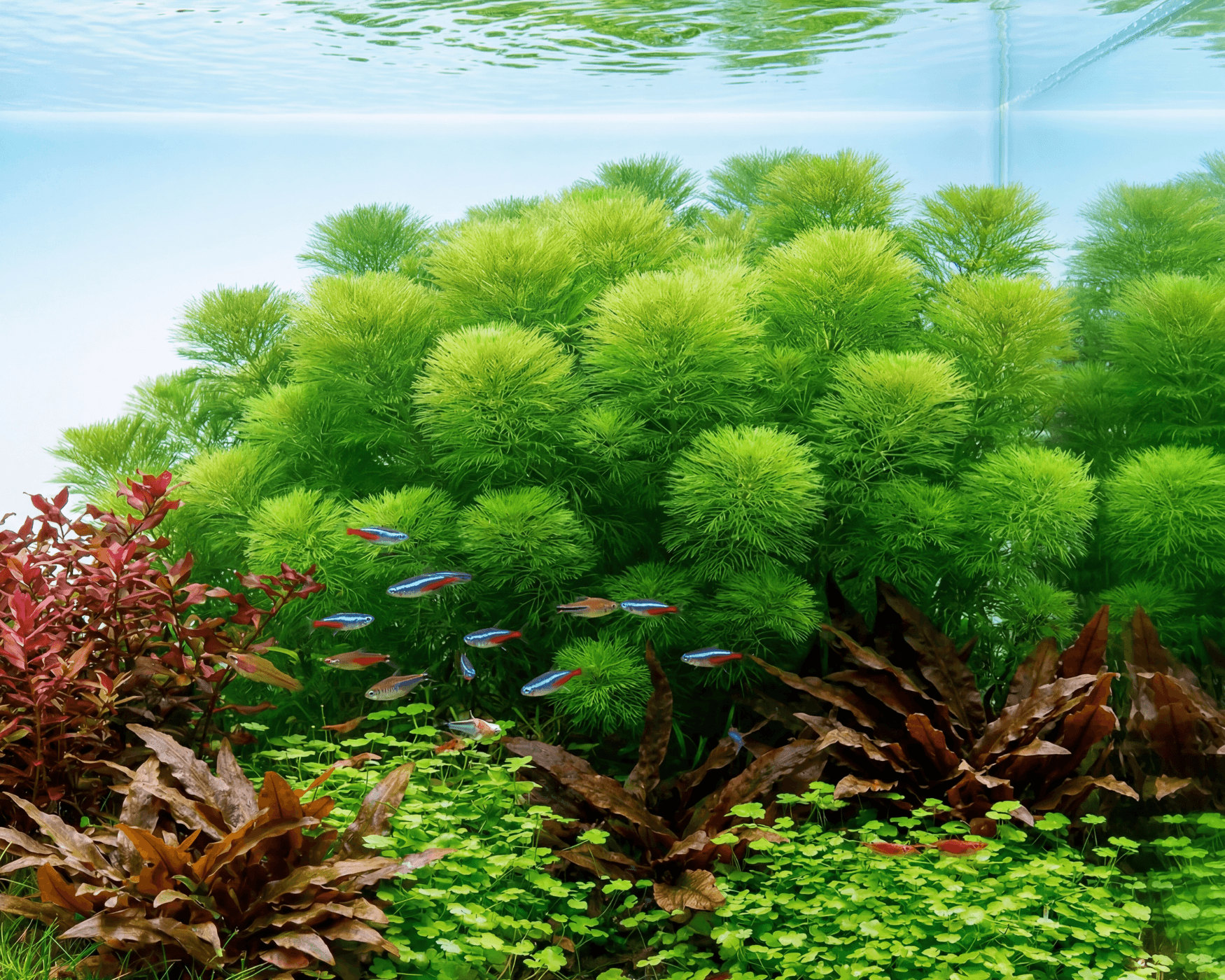
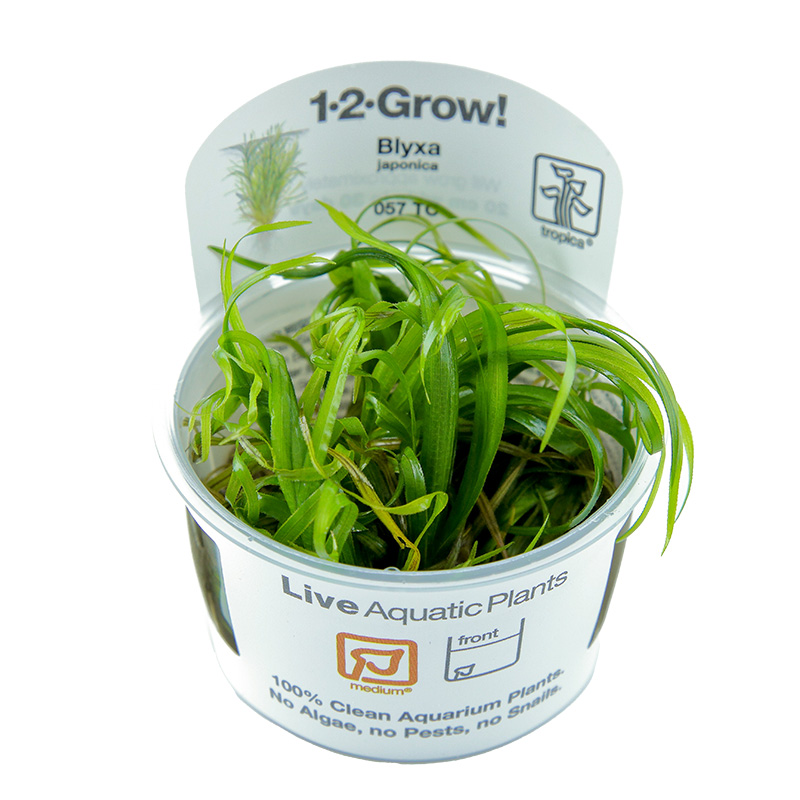
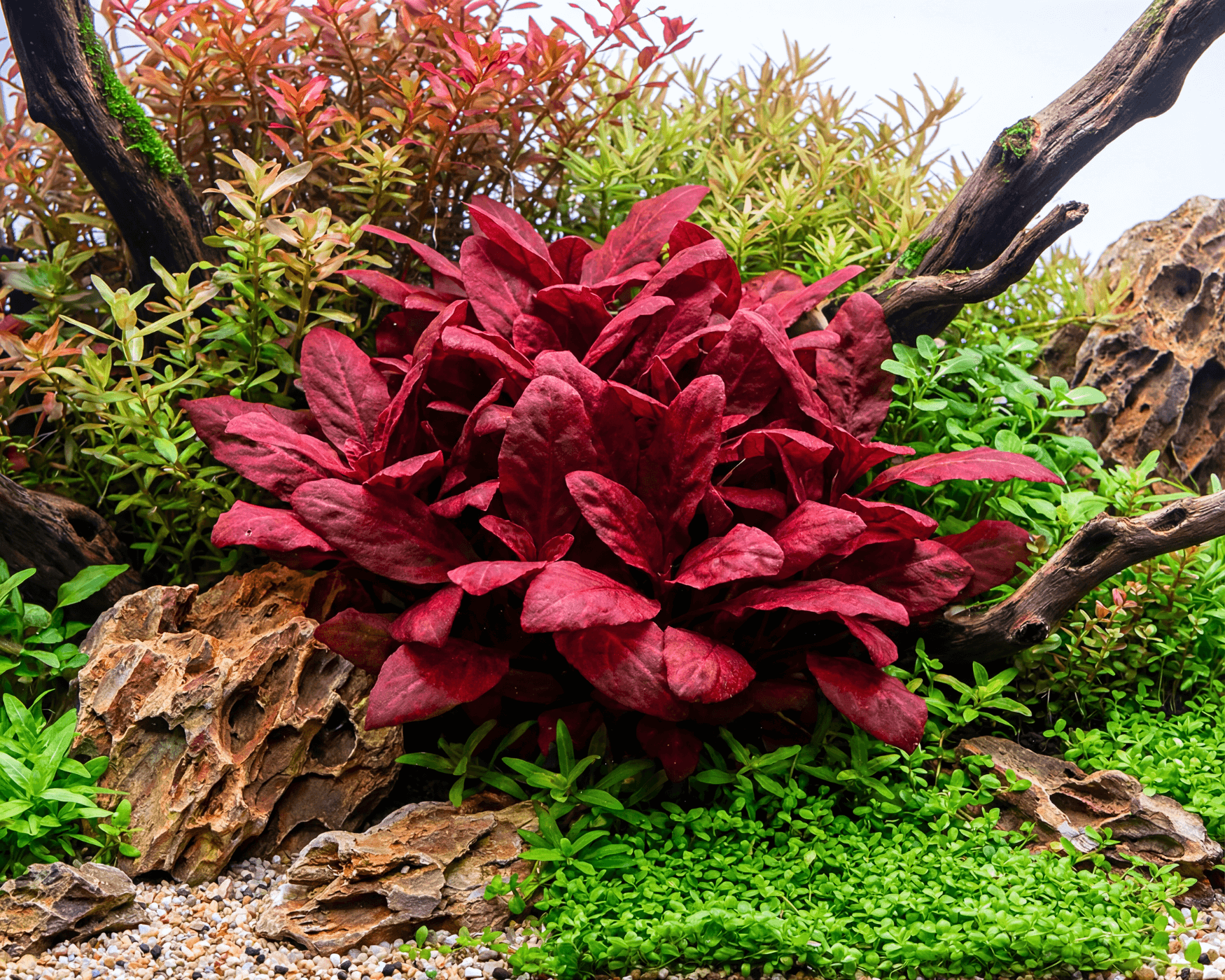
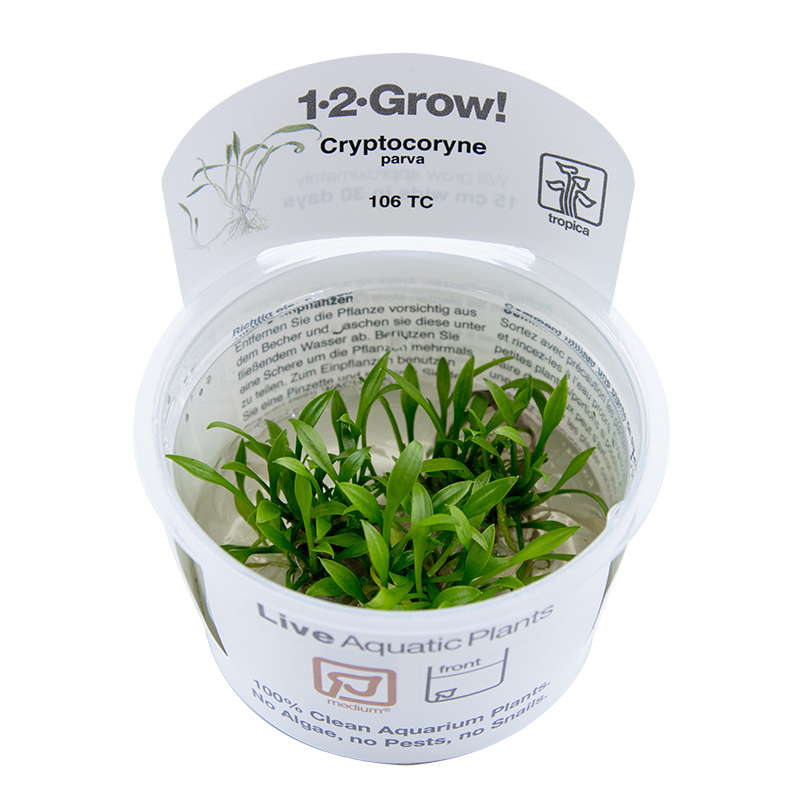
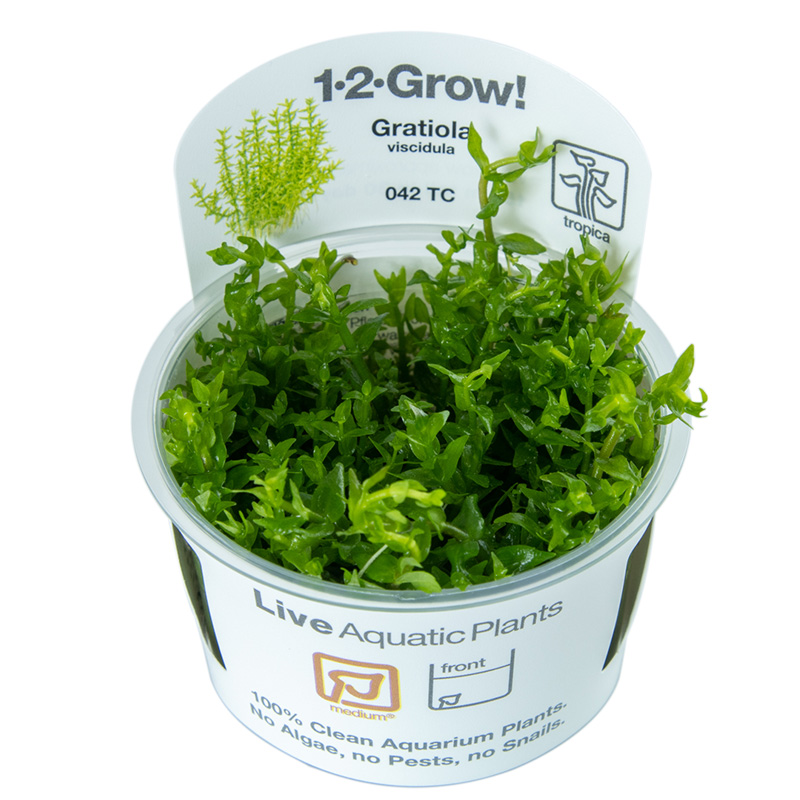
Propagation is straightforward: divide the thallus into smaller fragments and secure them again. The plant can also spread from fragments that remain floating. Because the supplied photographs appear inconsistent with a single clearly identifiable species, this article treats Riccia fluitans as the intended plant from the source label rather than relying on the images alone.
Leave your comments