Identification
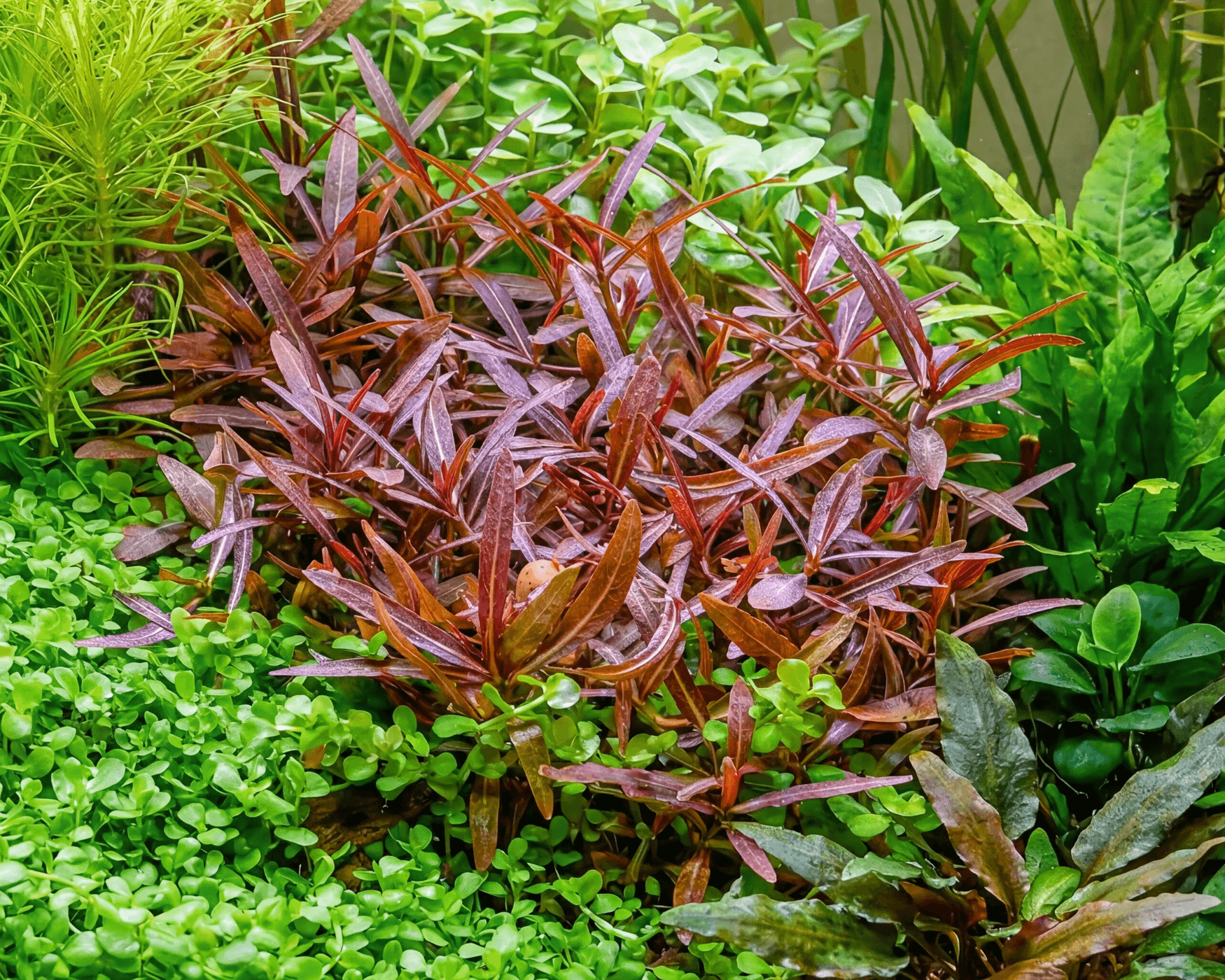
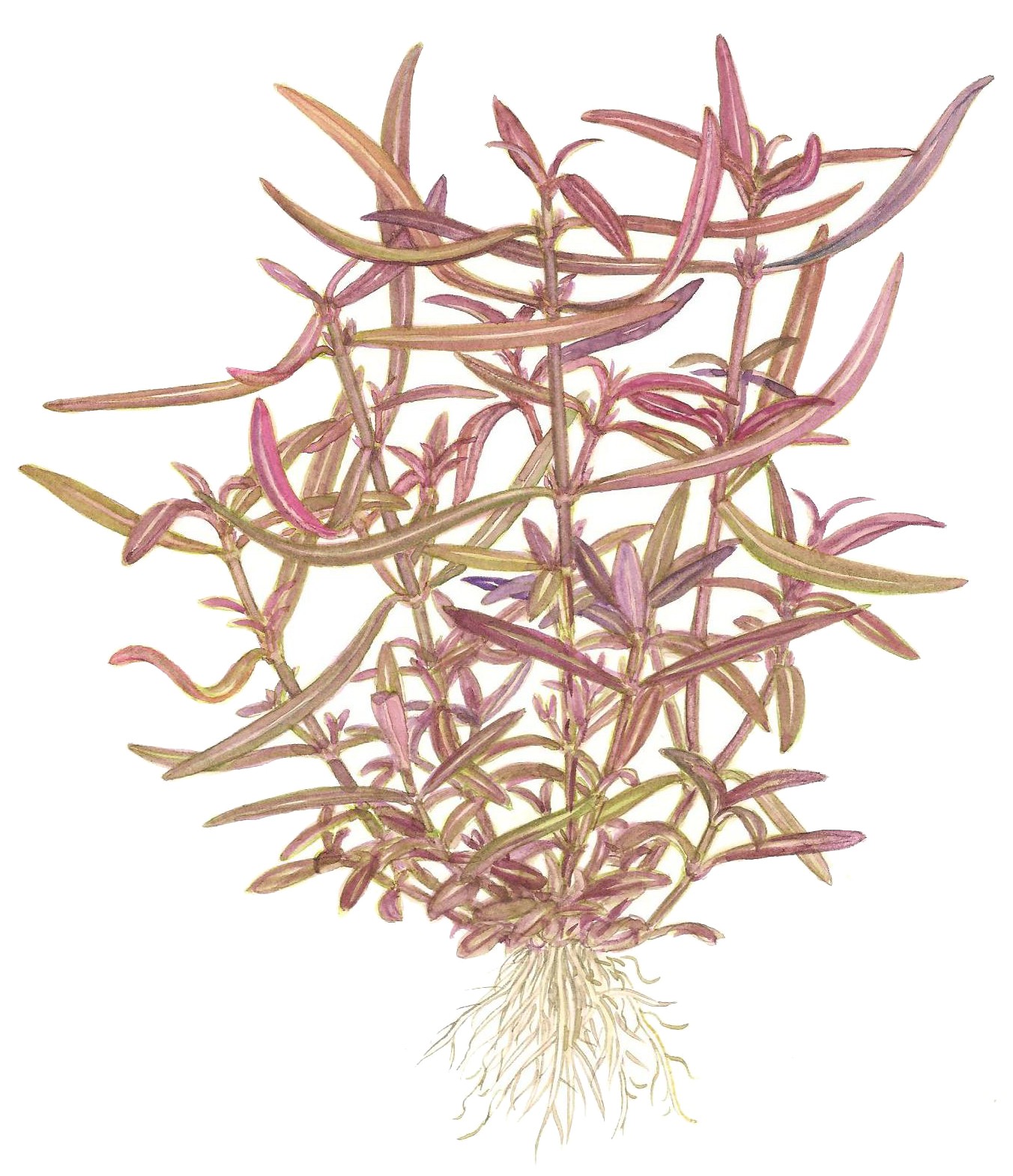
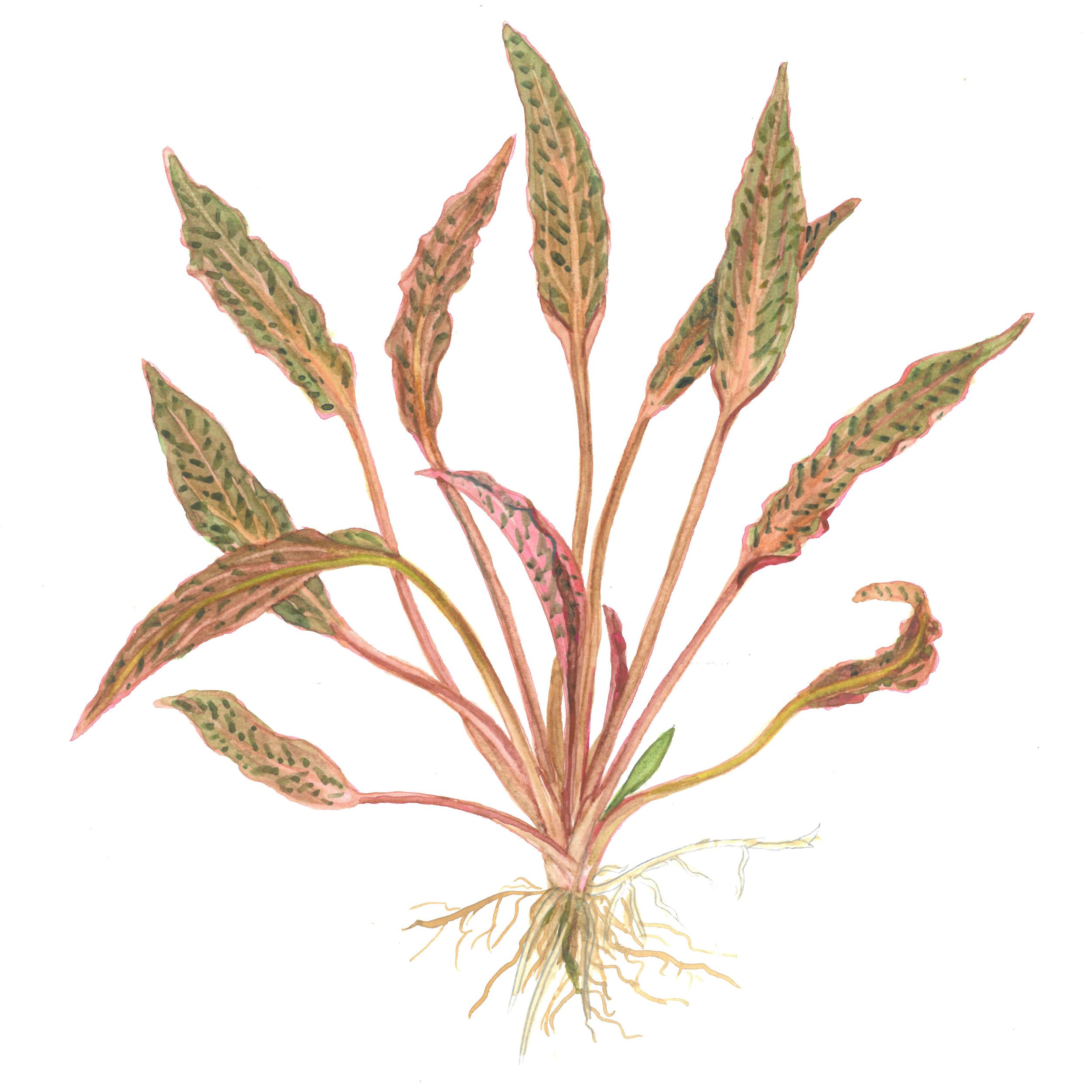
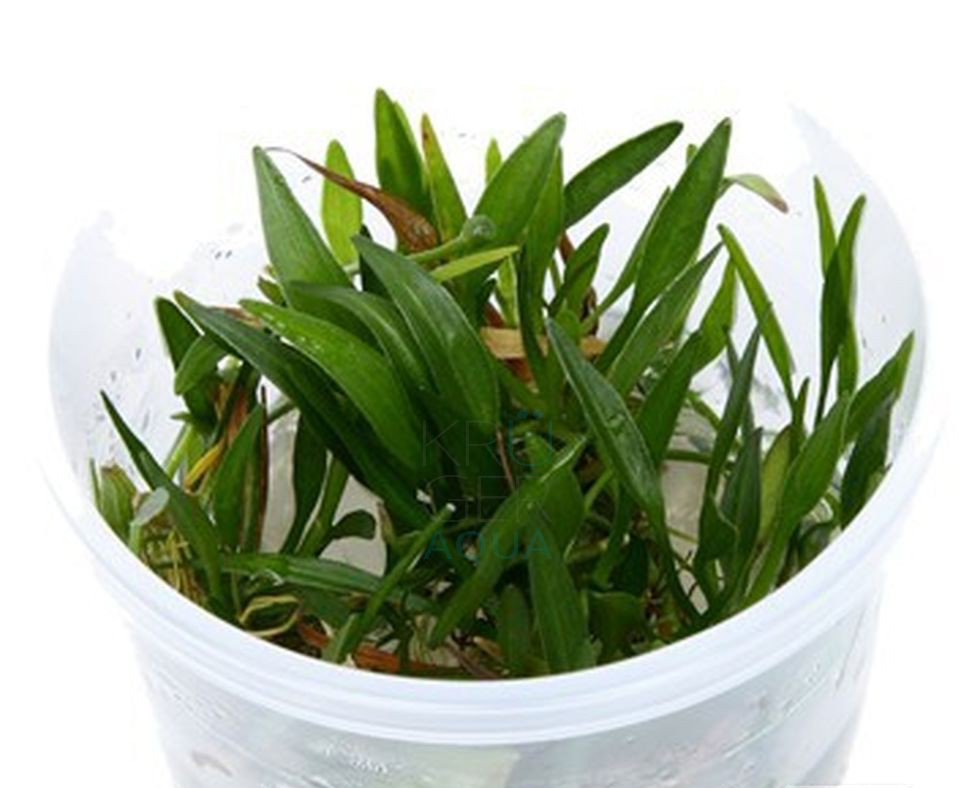
The plant is best treated as Hygrophila lancea 'Araguaia', a cultivated aquarium form sold under the trade name Araguaia. Its narrow, lance-shaped leaves are borne in opposite pairs on branching stems. Leaf color may range from green and bronze to red or pink depending on light, nutrients, and growth conditions. The cultivar designation and relationship to wild populations should not be assumed to establish a precise natural origin.

Placement and planting
Use it as a midground stem group in small to large aquariums. Separate the supplied stems and plant them individually with a small gap between plants, burying the lower nodes while keeping leaves above the substrate. Avoid planting the entire mass as one tight clump, since poor circulation around the stems can encourage decay and shading.

Light and carbon
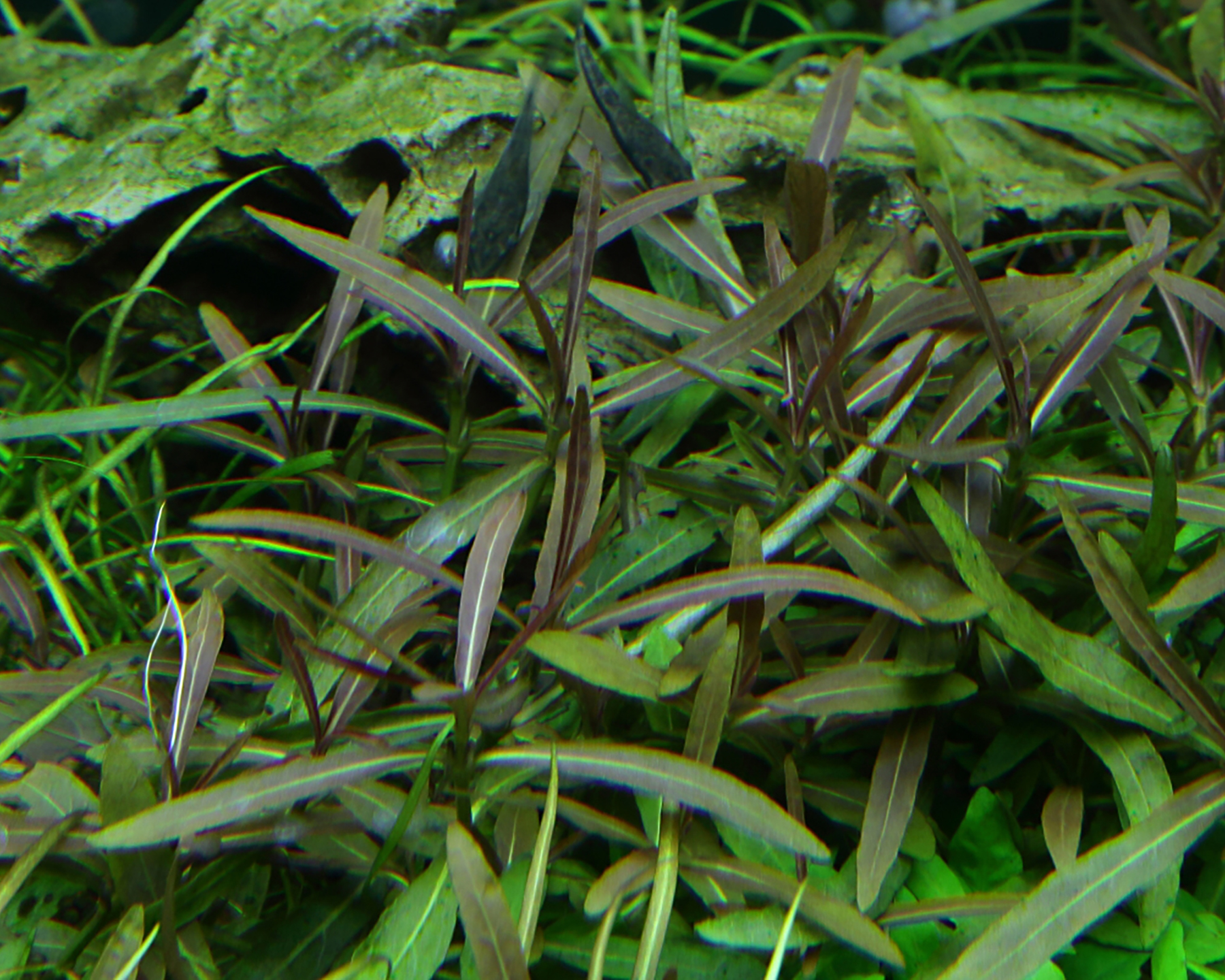
Strong aquarium lighting is generally needed to maintain the most intense red and pink tones and compact growth. Under weaker light, stems may become longer and greener. Carbon dioxide is beneficial and improves growth, color, and recovery after trimming, although the plant can survive with lower carbon availability if light and nutrient levels are kept moderate.
Substrate and nutrients
A nutrient-containing substrate or regular complete water-column fertilization supports active growth. Provide nitrogen, potassium, and trace elements without allowing nutrients to become severely depleted. Stable conditions are preferable to large fluctuations. Remove damaged or melting leaves and check that neighboring plants do not shade the lower stems.
Trimming and propagation
When stems reach the desired height, cut just above a healthy node. The remaining rooted portion can produce side shoots, while the healthy tops can be replanted as new stems. Repeated topping and replanting gradually creates a dense group. Remove weak, bare lower sections when they no longer produce useful shoots.
Identification confidence
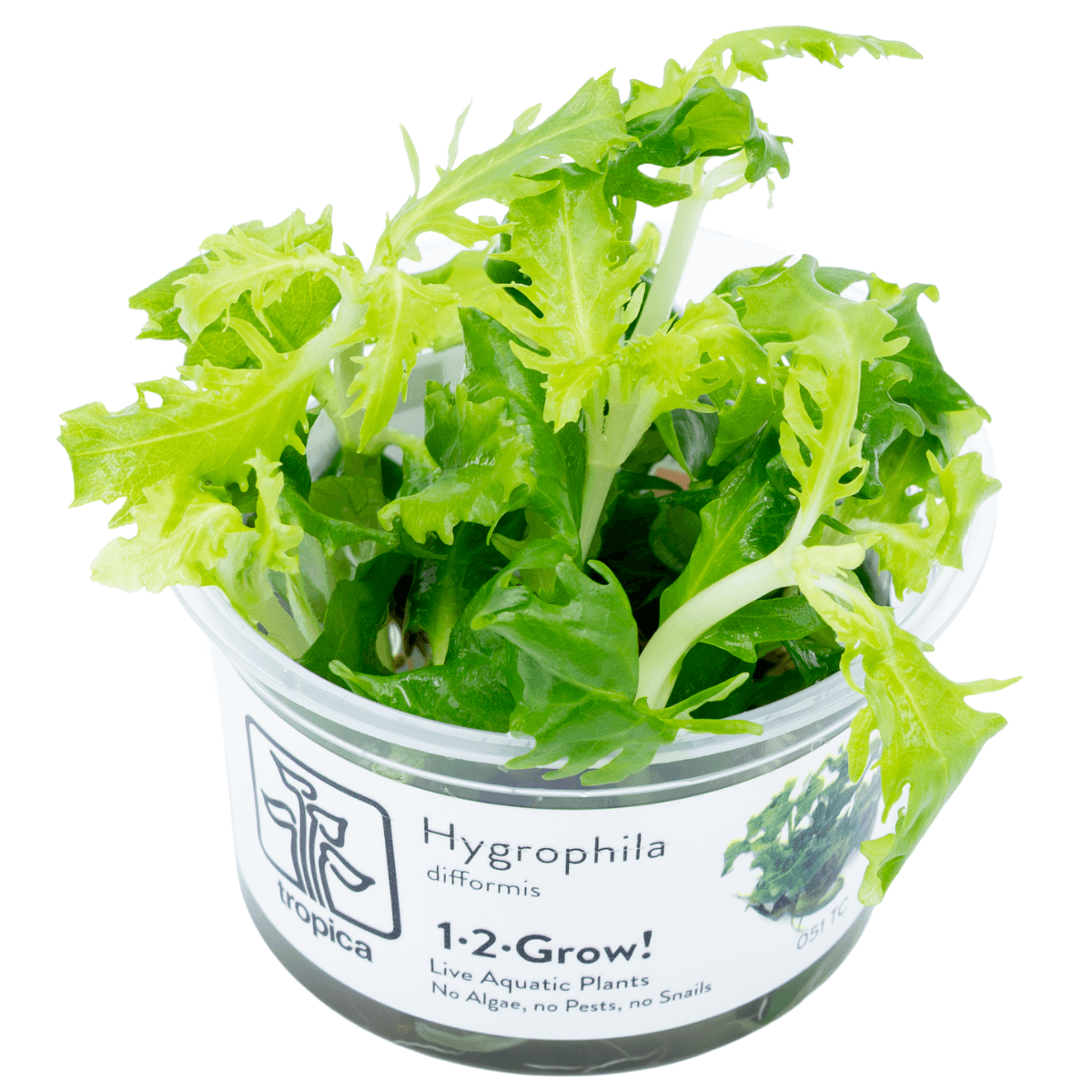
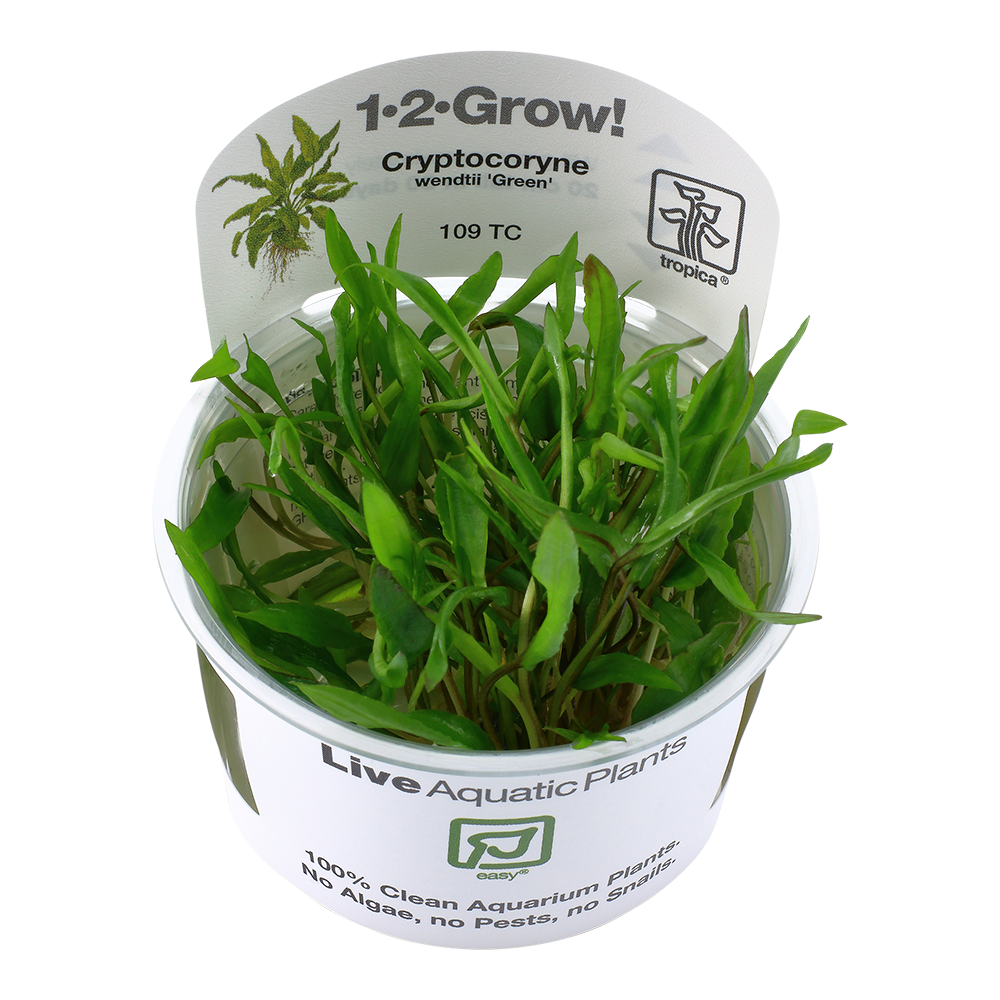
Confidence is moderate to high for the aquarium trade identity Hygrophila lancea 'Araguaia', based on the supplied label and visible narrow-leaved red stem form. The images alone cannot verify a formal cultivar description, wild provenance, or whether the trade name is applied consistently by all suppliers.
Leave your comments