Identification
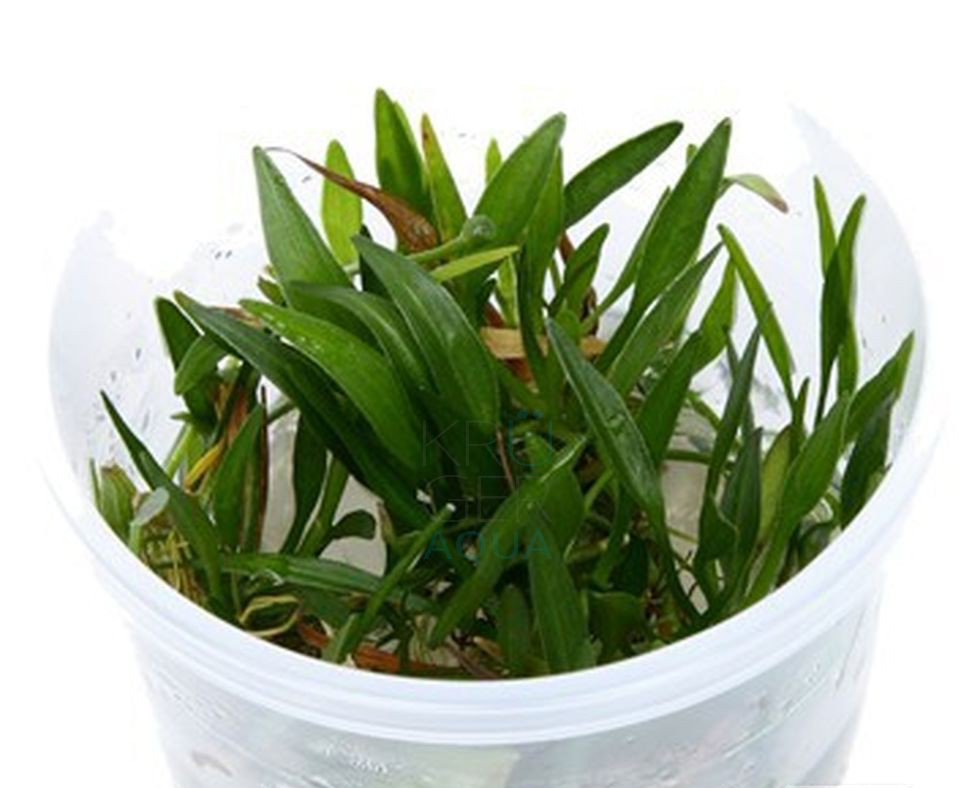
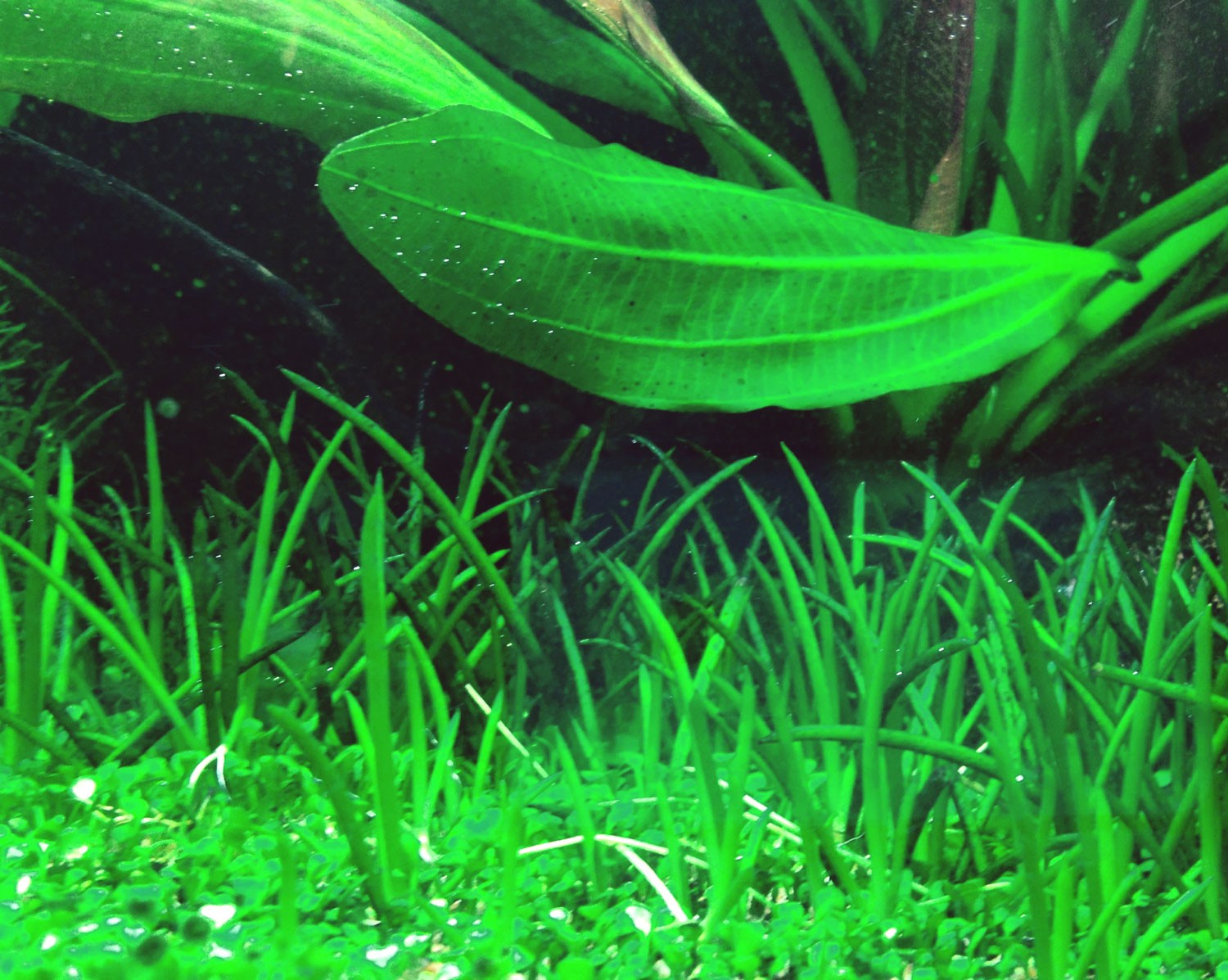
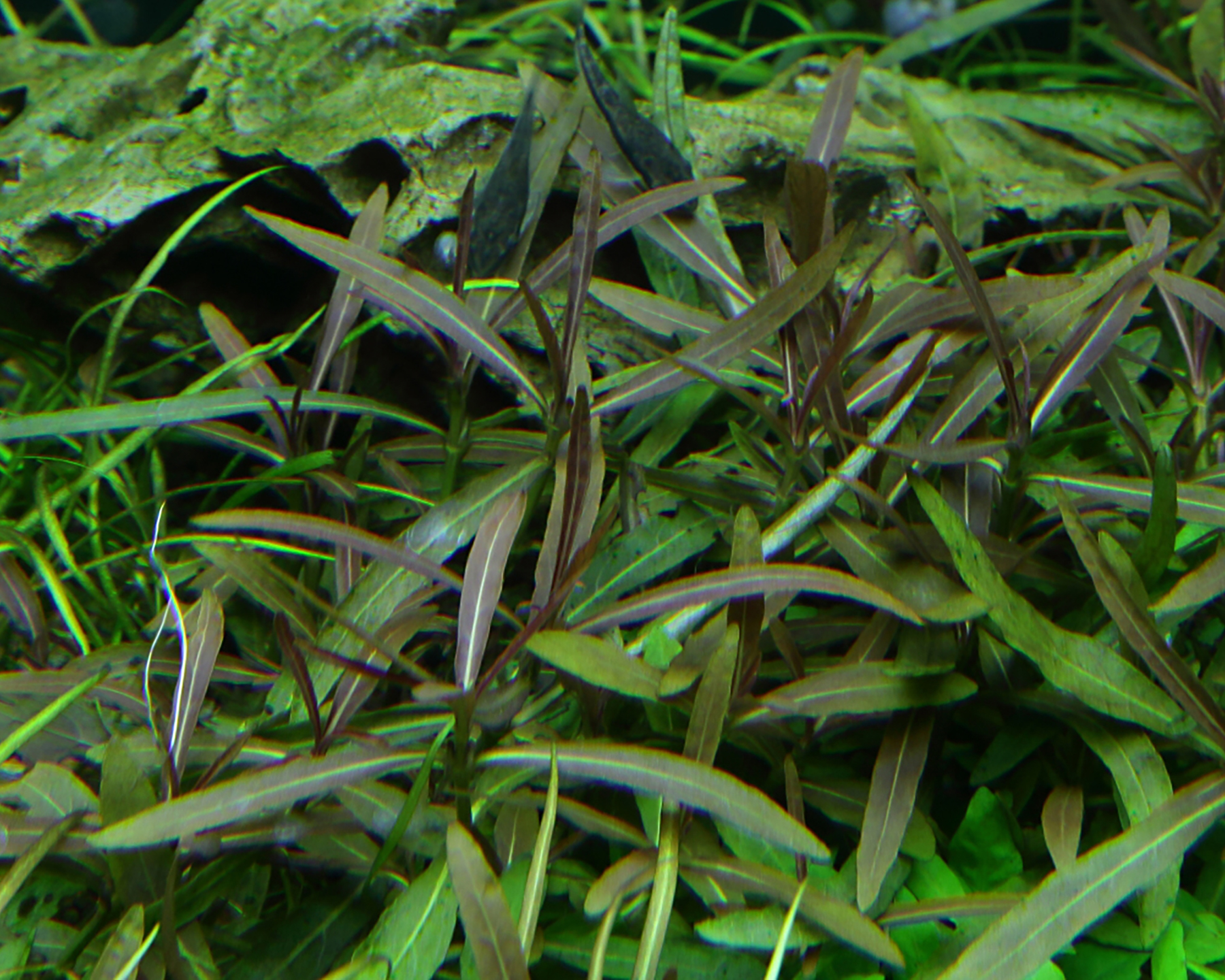
This plant forms narrow, pointed leaves from a compact basal rosette. In submerged growth, the leaves are usually green and grass-like, with form influenced by light, nutrients and carbon availability. It sends out runners that produce daughter rosettes. The supplied source names the plant Helanthium tenellum 'Green'; without provenance or flowers, cultivar-level separation from similar Helanthium forms should be treated as provisional.
Placement and planting
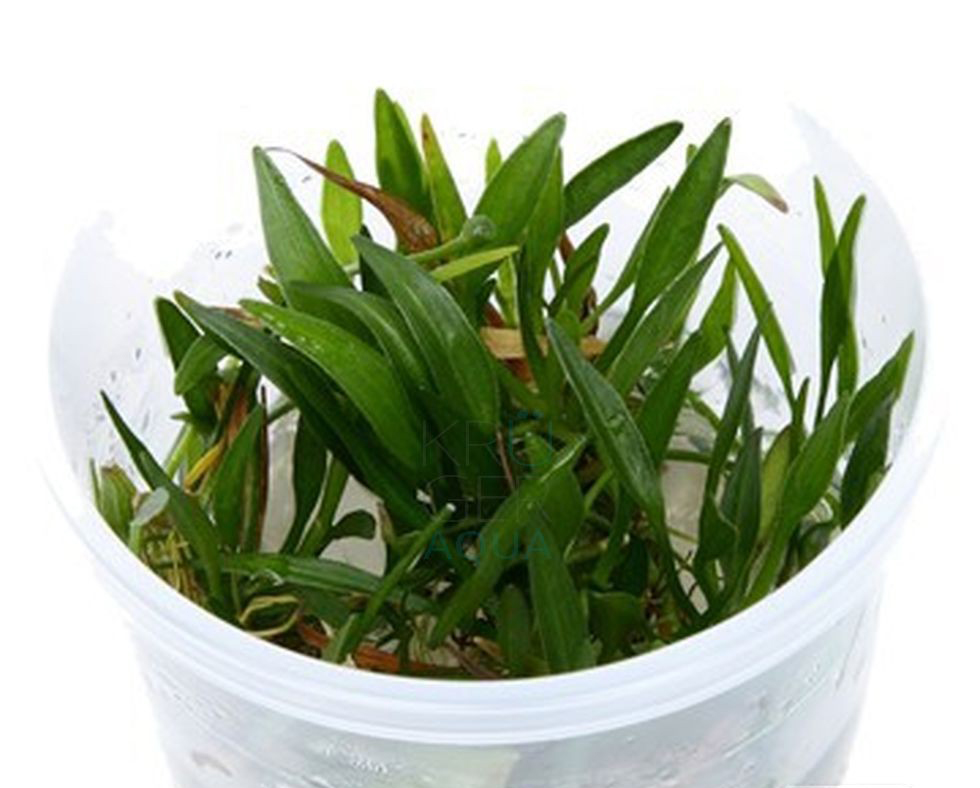
Use it as a foreground plant, leaving space between small portions so runners can spread. Plant the roots into the substrate while keeping the crown just above the surface. A nutrient-containing substrate or access to root-zone fertilisation is useful, because this is a rooted plant. Remove excess rock wool or other packing material before planting tissue-culture portions.
Light and carbon
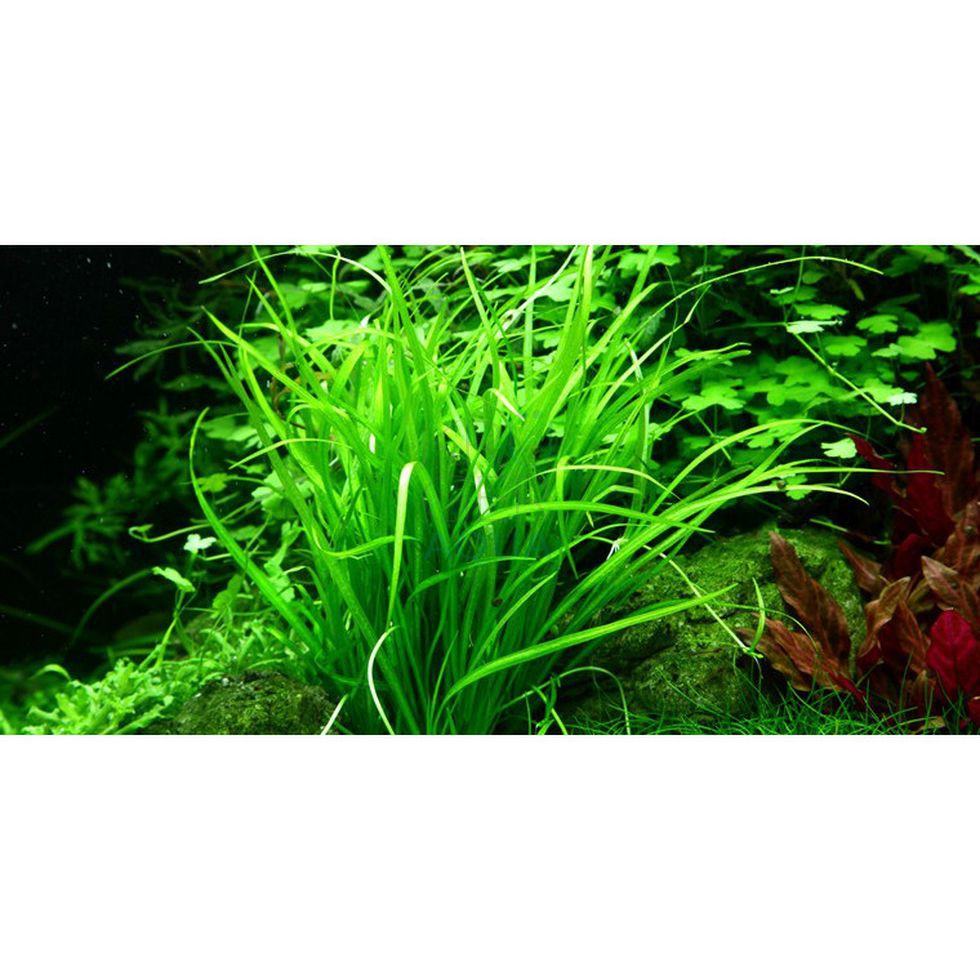
Medium light is a practical starting point. Under weaker light, growth may become taller and less compact, while strong light can encourage a denser carpet if nutrients and carbon are consistent. Carbon dioxide is not essential for survival, but a stable supply generally improves establishment and spreading. Avoid abrupt changes in light or carbon levels.
Nutrition and maintenance
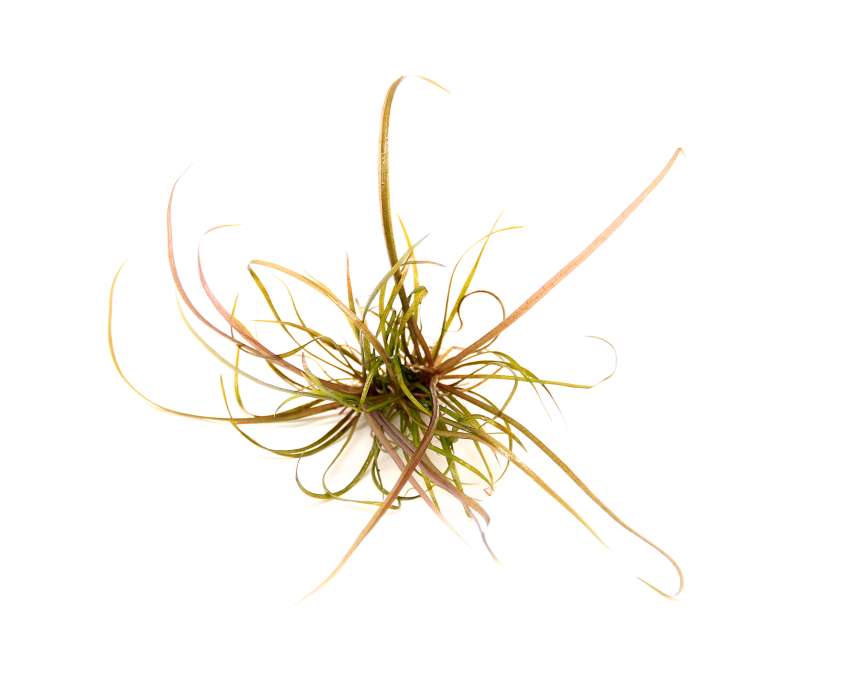
Provide a complete supply of aquarium nutrients, including adequate nitrogen, potassium and trace elements. Root feeding can help in inert substrates. Once established, separate crowded daughter plants and replant them to guide the carpet. Trim or remove older, damaged leaves at the base rather than repeatedly cutting the leaf tips.
Propagation
Propagation is primarily by runners. New rosettes develop along the runner and can be separated after they have formed several leaves and roots. Replant the daughter plants shallowly, with the crown exposed. Consistent conditions usually produce a wider patch over time, while disturbance, shading or nutrient shortages can slow runner production.
Leave your comments