Identification
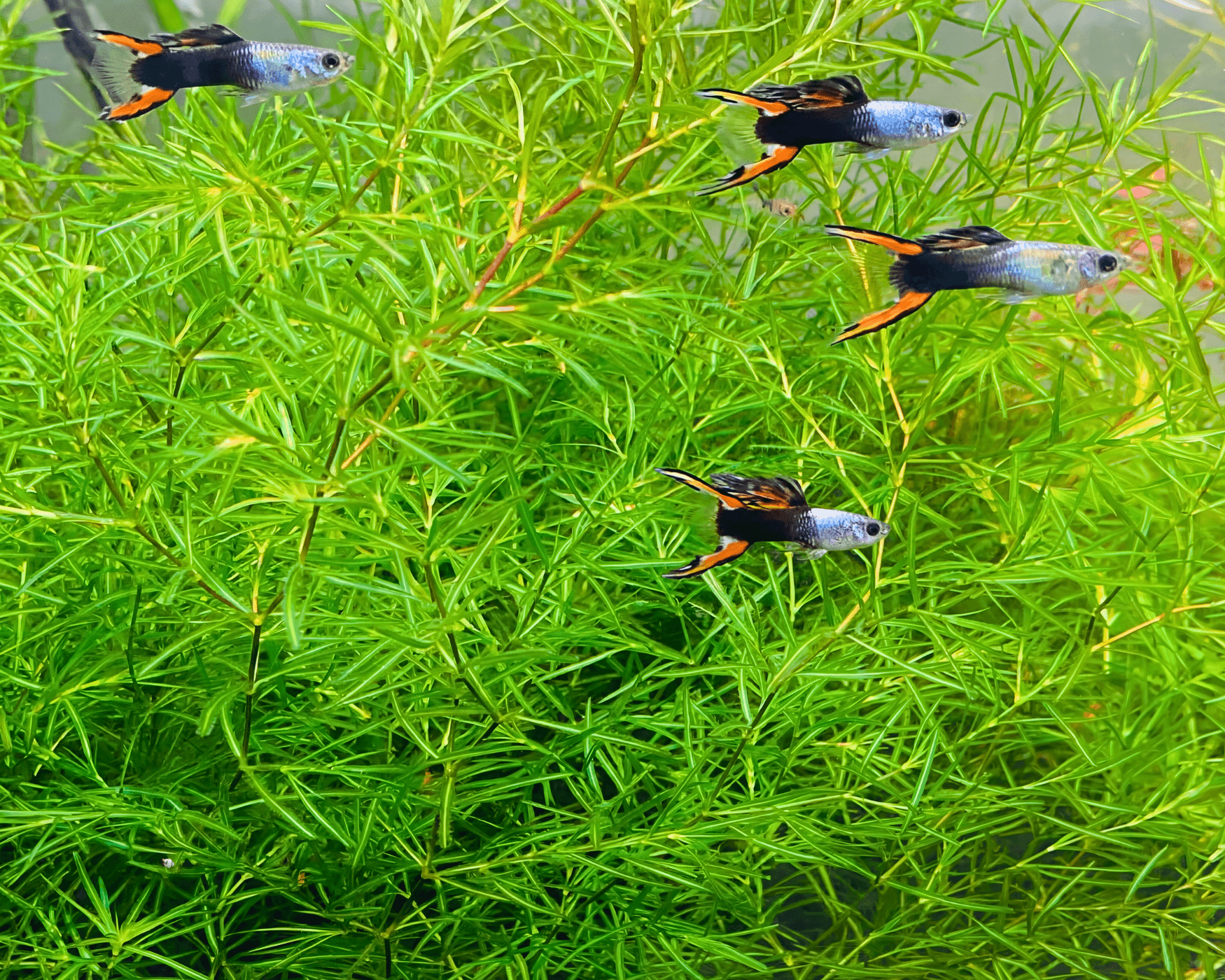
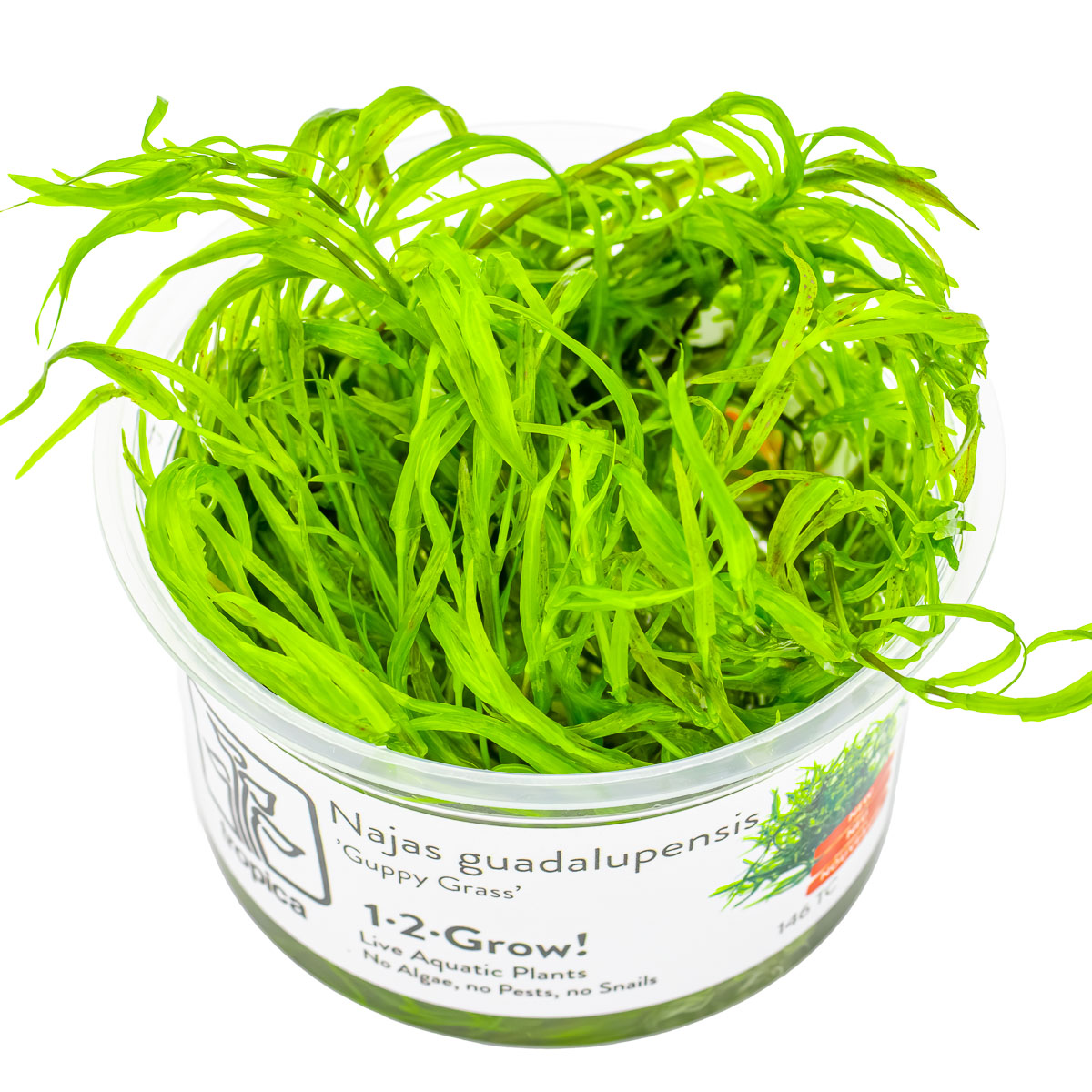
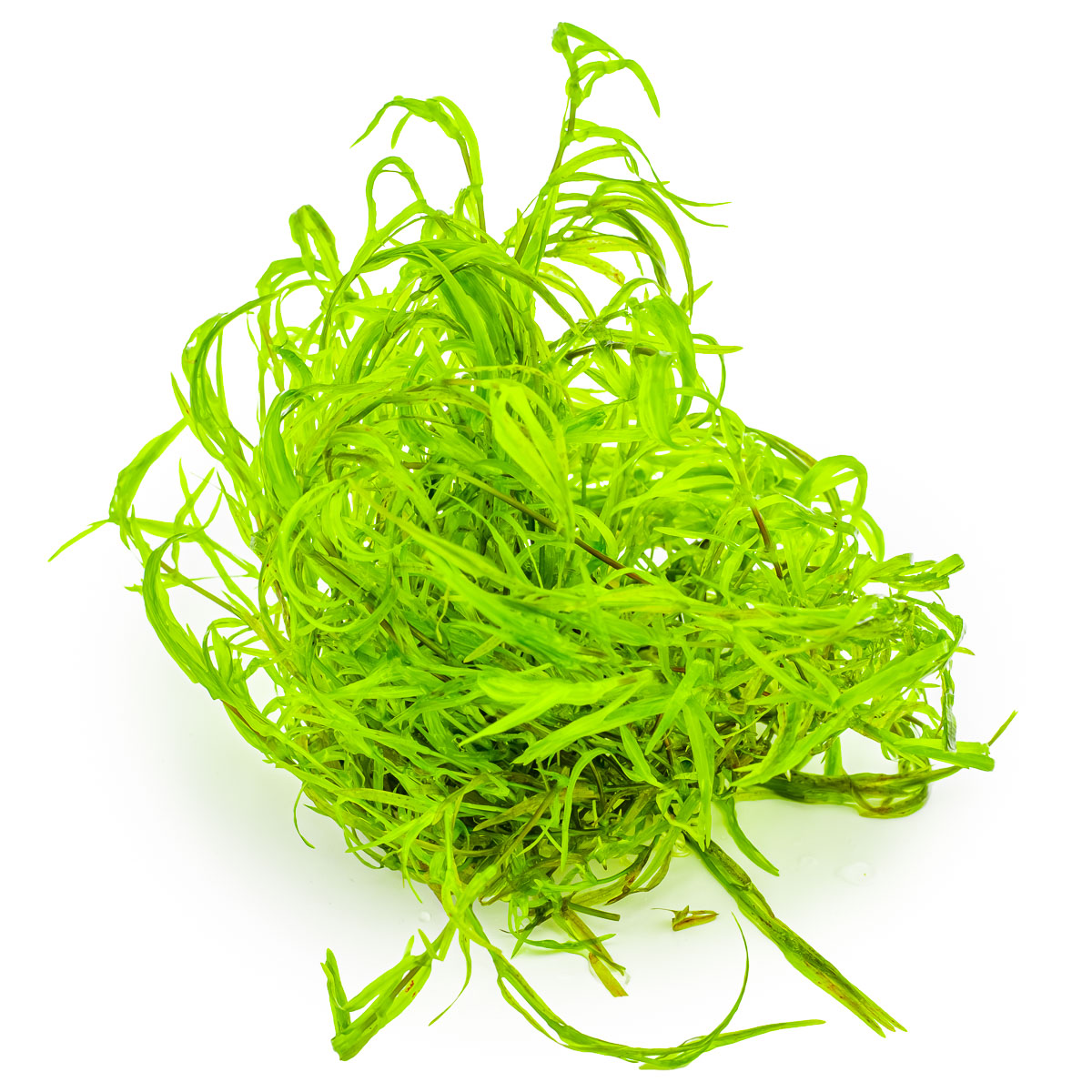
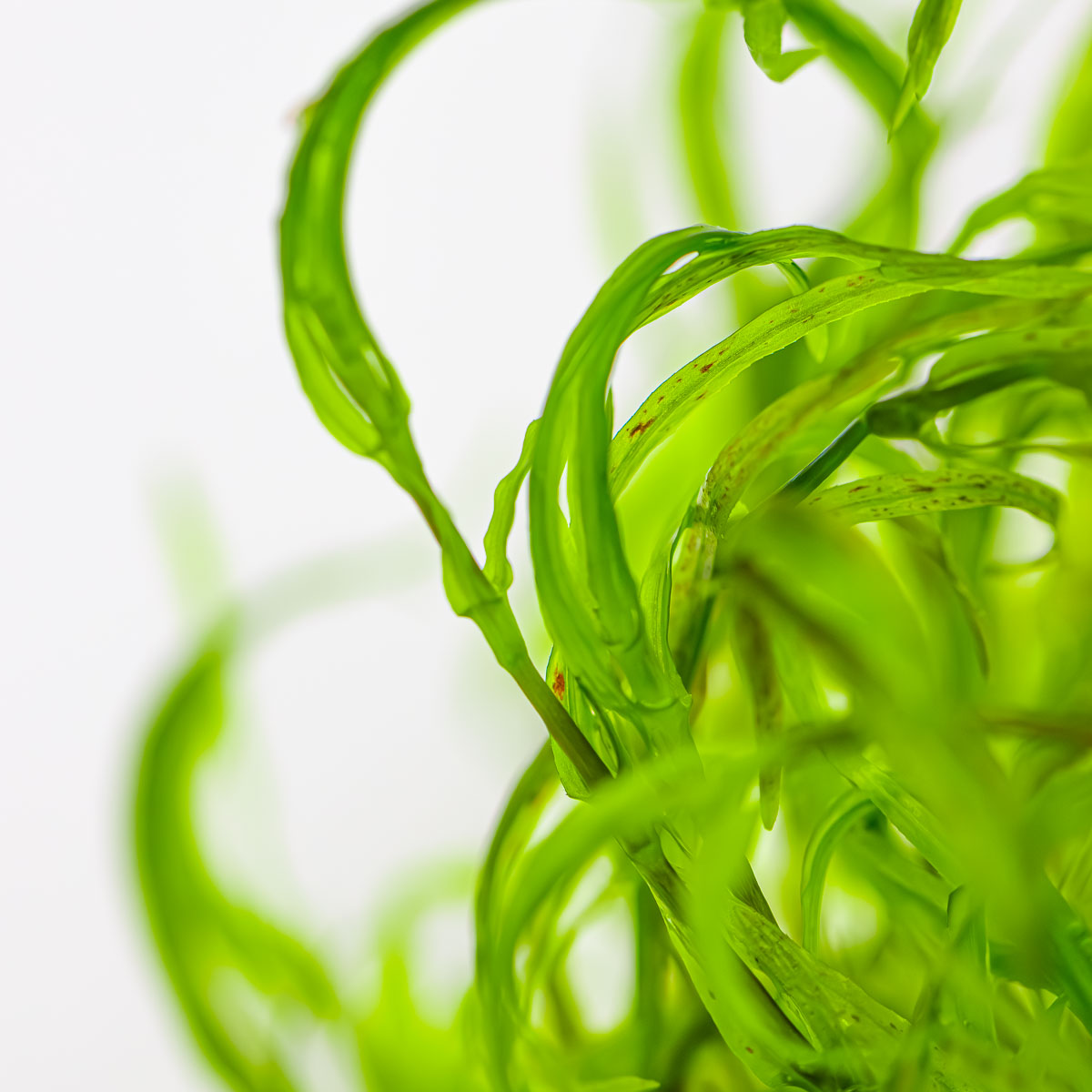
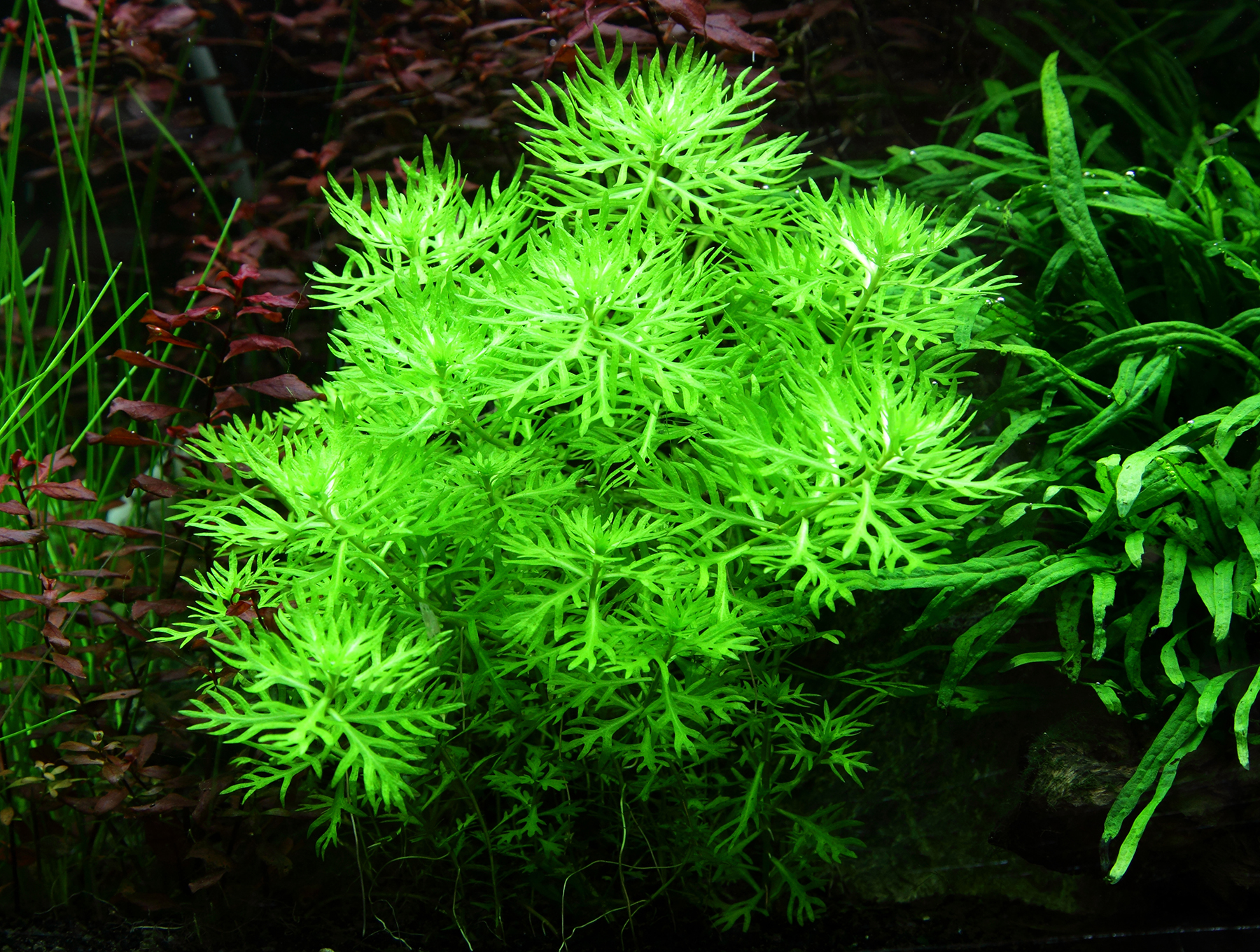
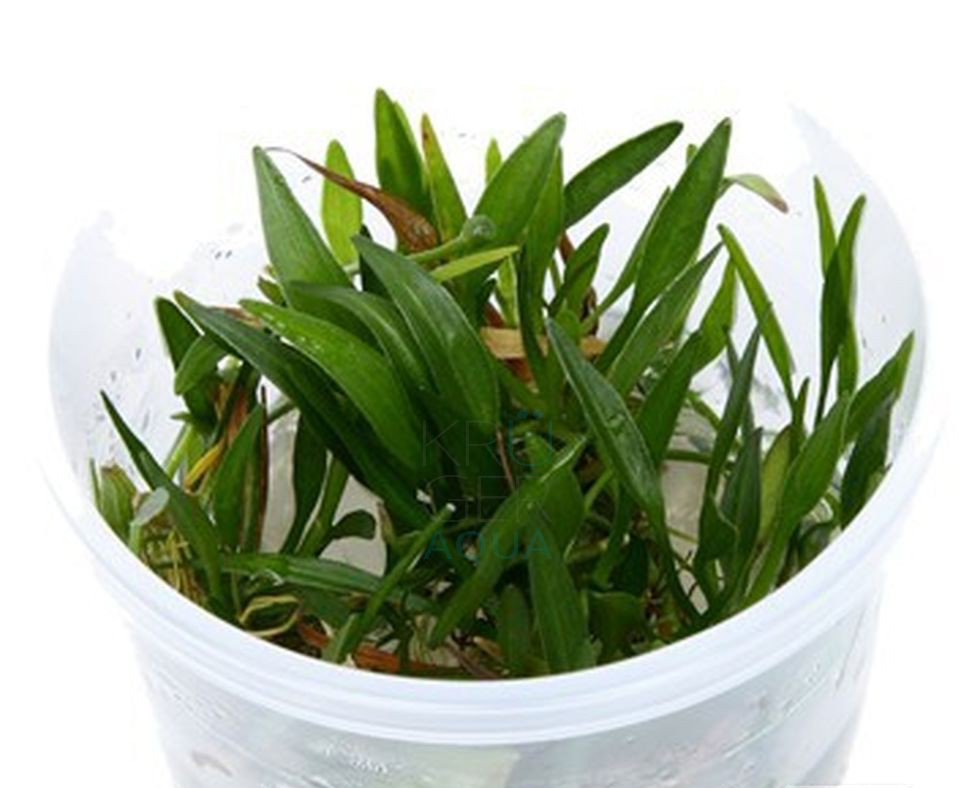
This plant is identified from the supplied source label as Najas guadalupensis 'Guppy Grass'. It has slender branching stems and narrow, soft leaves arranged along the stems. The species identification is plausible, but distinguishing a named aquarium form from ordinary Najas guadalupensis may require verified provenance or specialist examination.
Placement and growth
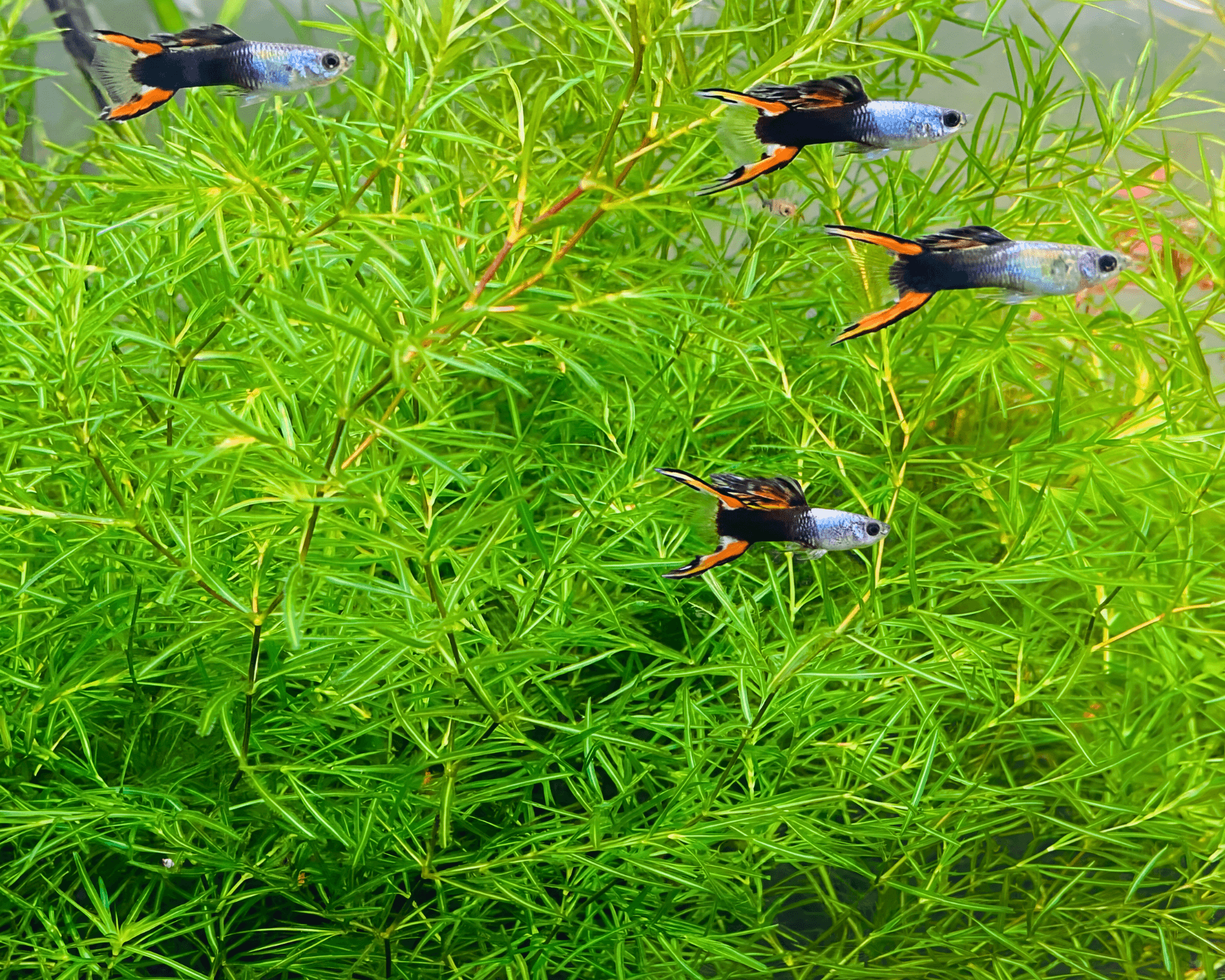
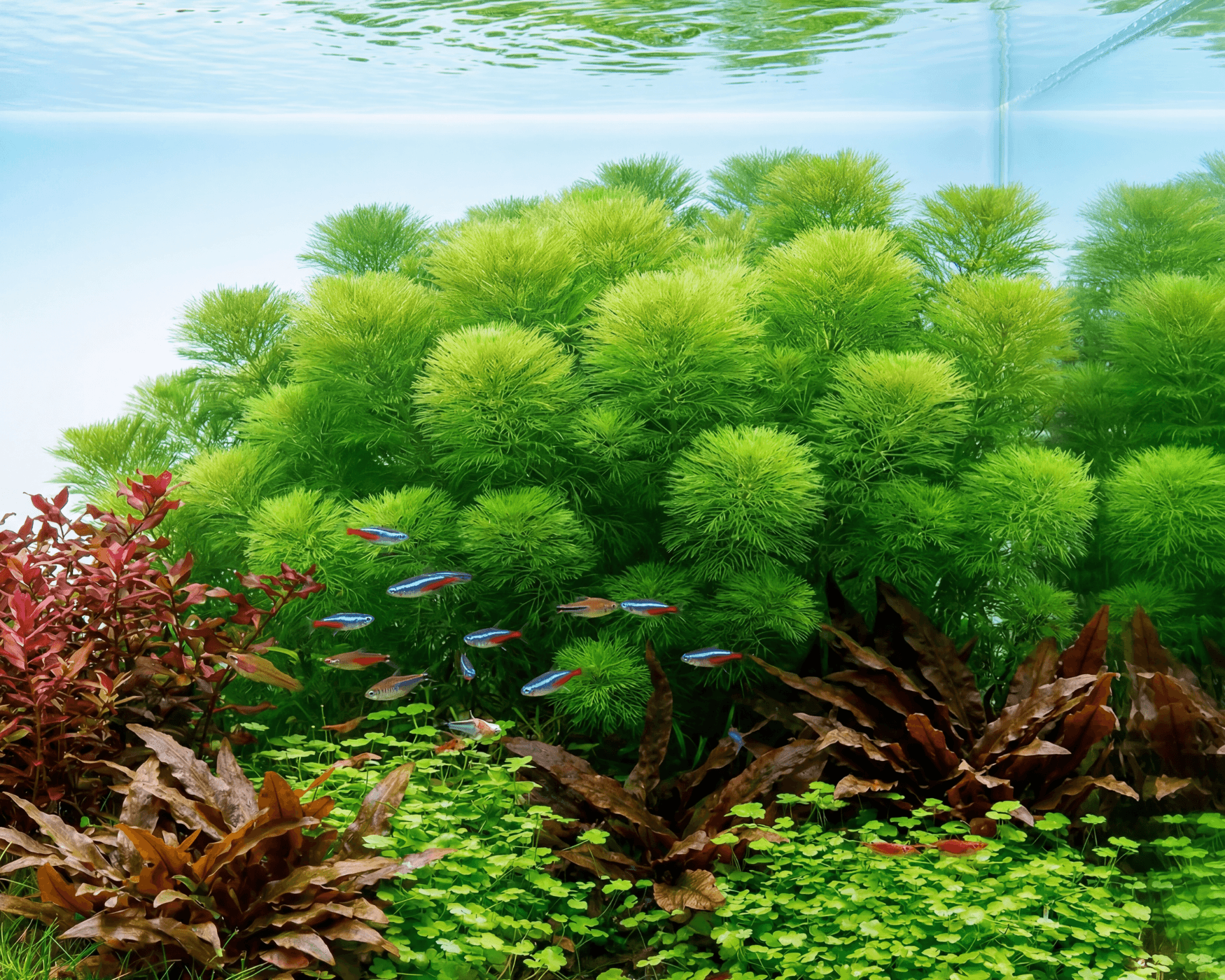
Use Guppy Grass as a background or supporting plant, or allow it to float beneath the surface. It provides dense shelter for fry and small fish. In good conditions, stems can rapidly form a loose tangle and may reach approximately 10 to 50 cm, depending on trimming and aquarium depth.
Water and lighting
Provide stable aquarium conditions, moderate light, and some water movement without excessive turbulence. Guppy Grass usually grows without added carbon dioxide, although consistent carbon availability and balanced fertilisation can increase growth. It tolerates a range of typical freshwater conditions; avoid abrupt changes and prolonged darkness.
Planting and propagation
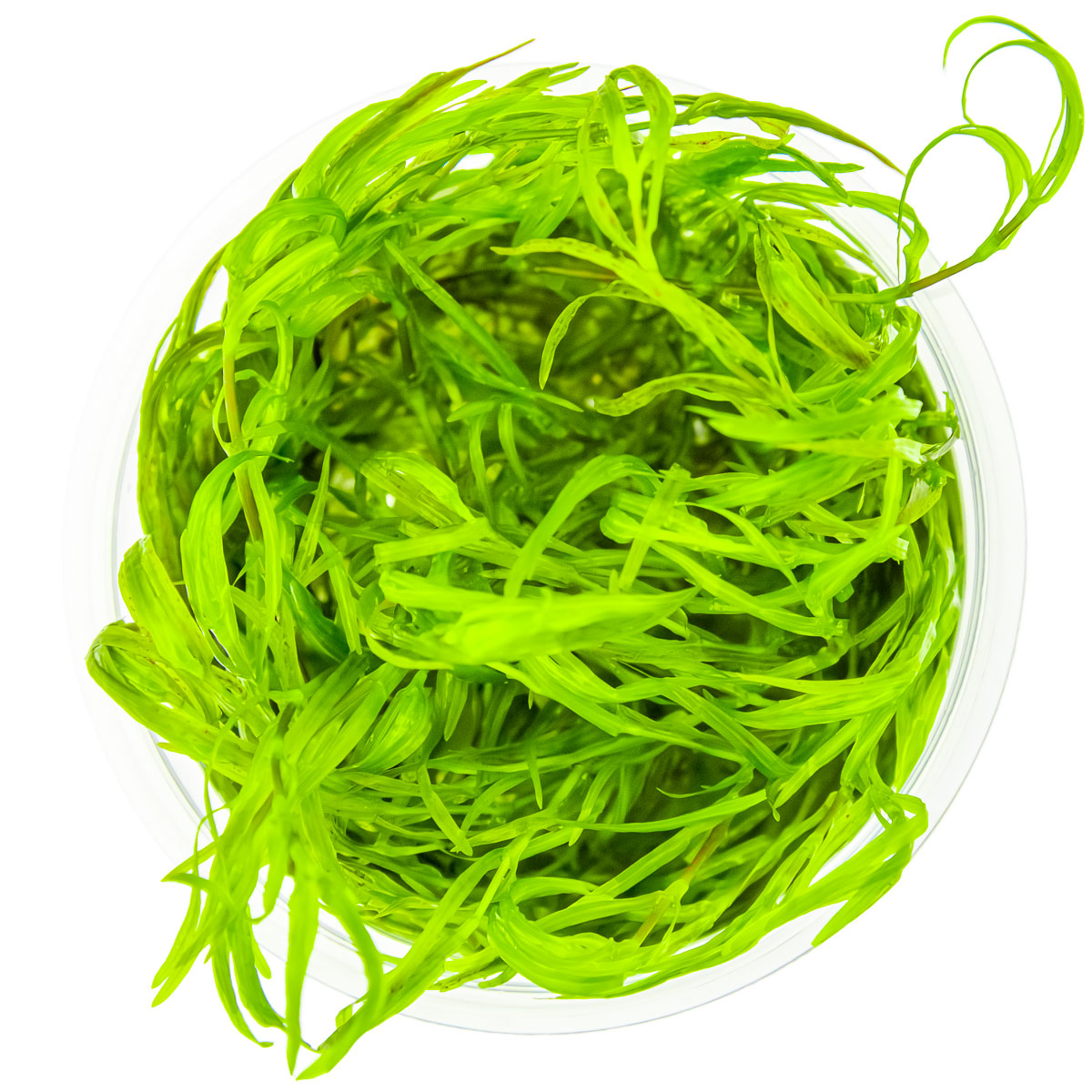
Separate the material into small stem groups and anchor the lower portions lightly in the substrate, or leave the stems floating. Propagation is straightforward: cut healthy stem sections and replant or float them. New shoots can also develop from nodes on established stems.
Maintenance
Trim regularly to prevent the plant from shading itself and blocking circulation. Remove yellowing or decaying pieces during maintenance, and thin dense clumps so fish can move through them. Loose fragments may spread around the aquarium, so collect unwanted cuttings rather than discarding them into natural waterways.
Leave your comments