Identification
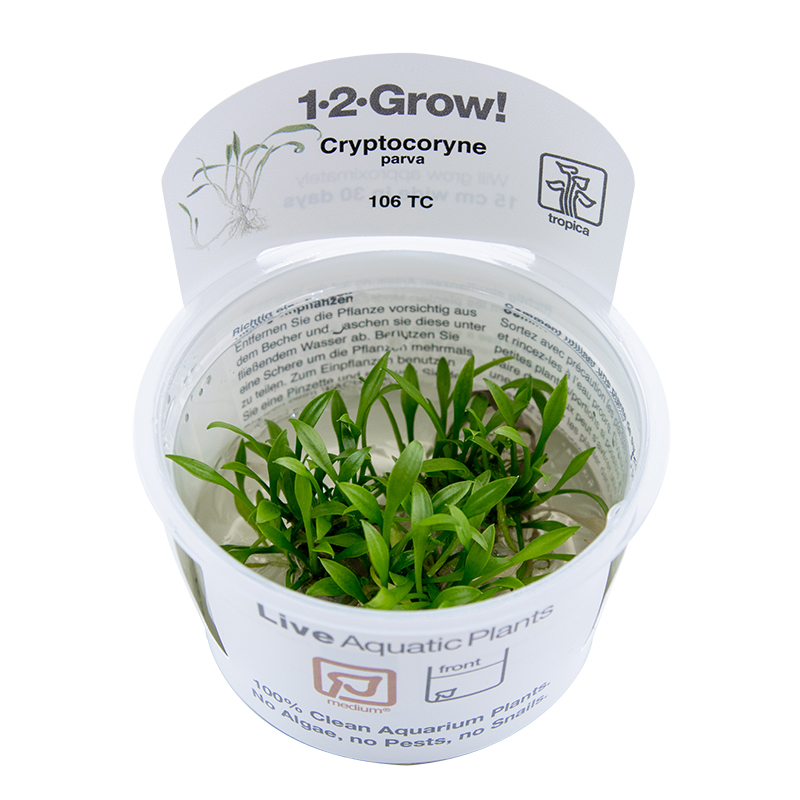
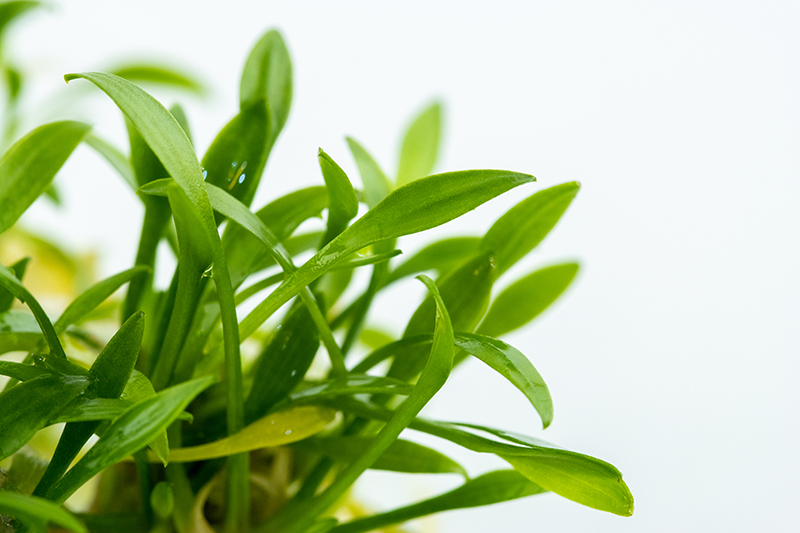
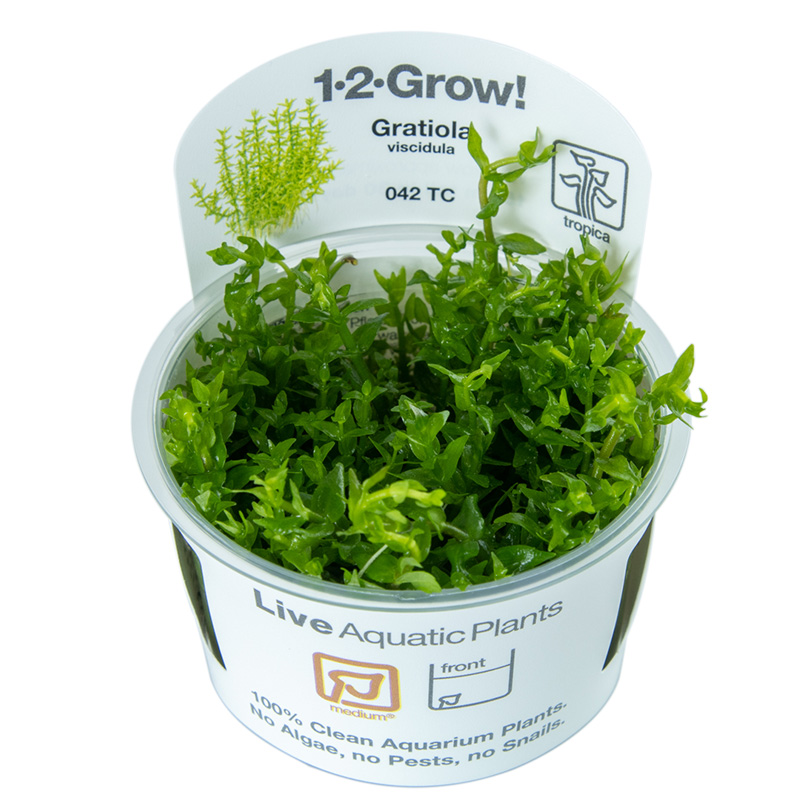
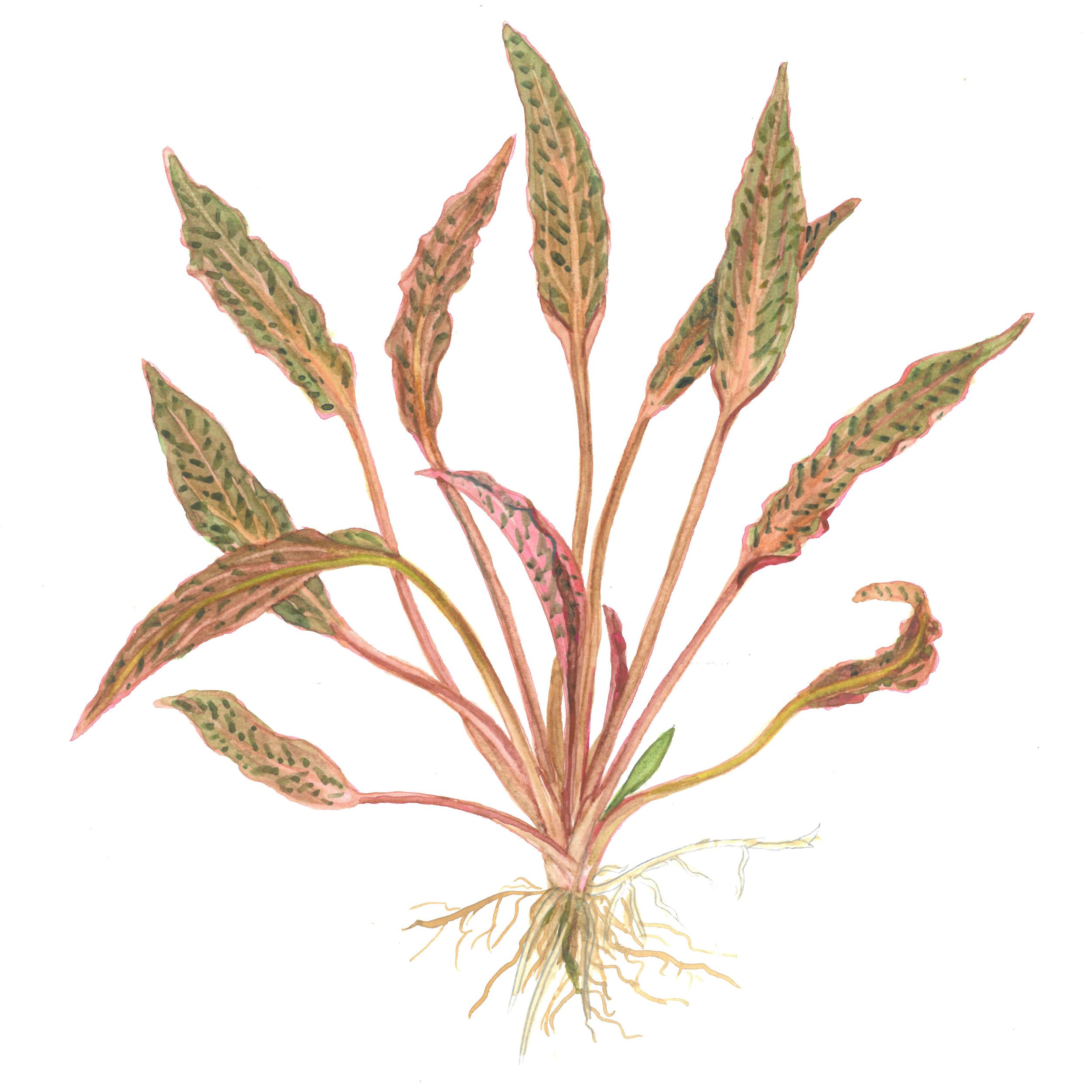
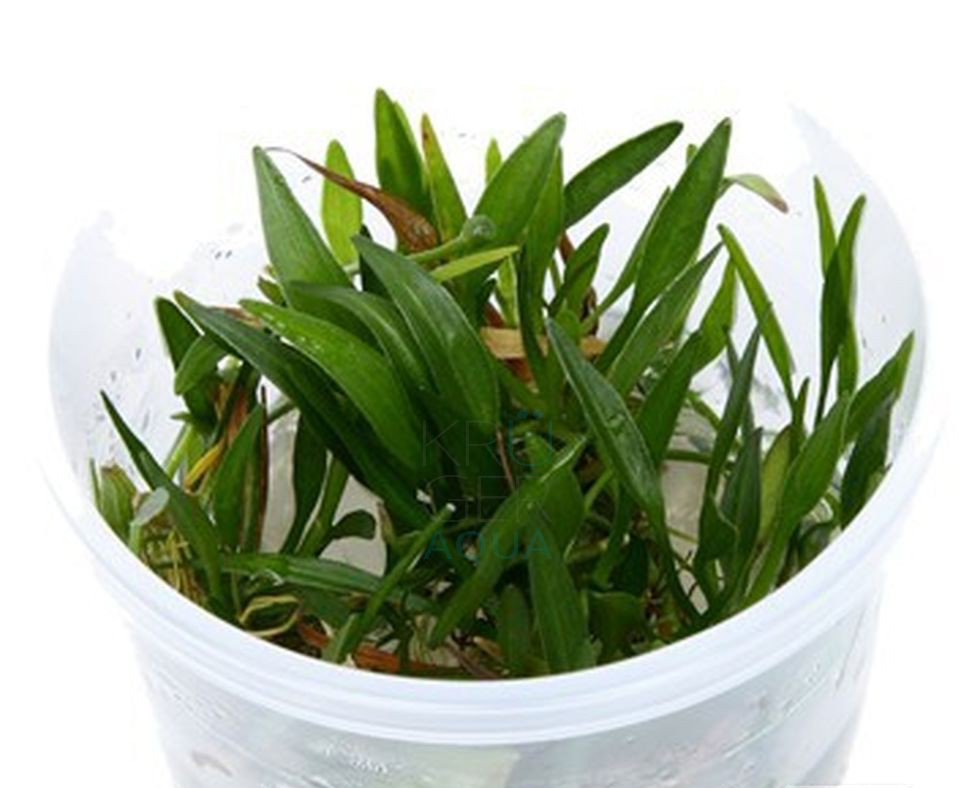
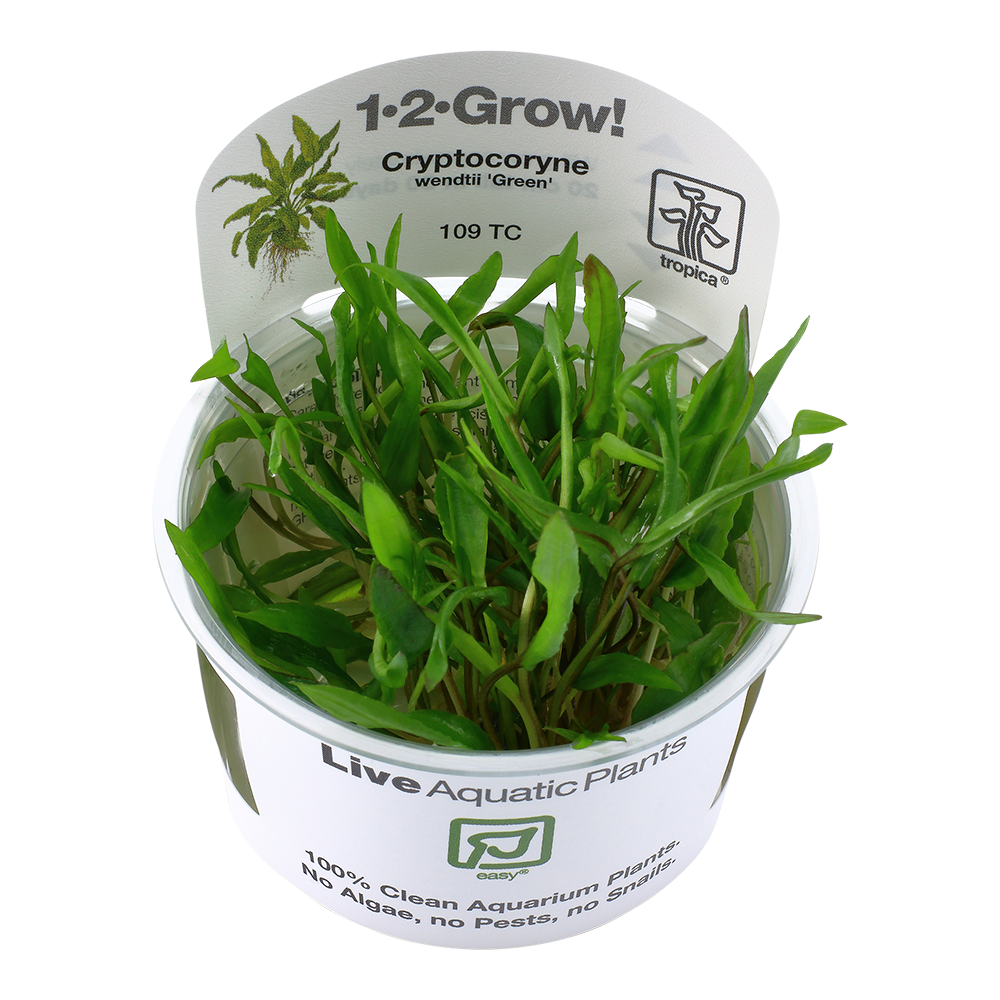
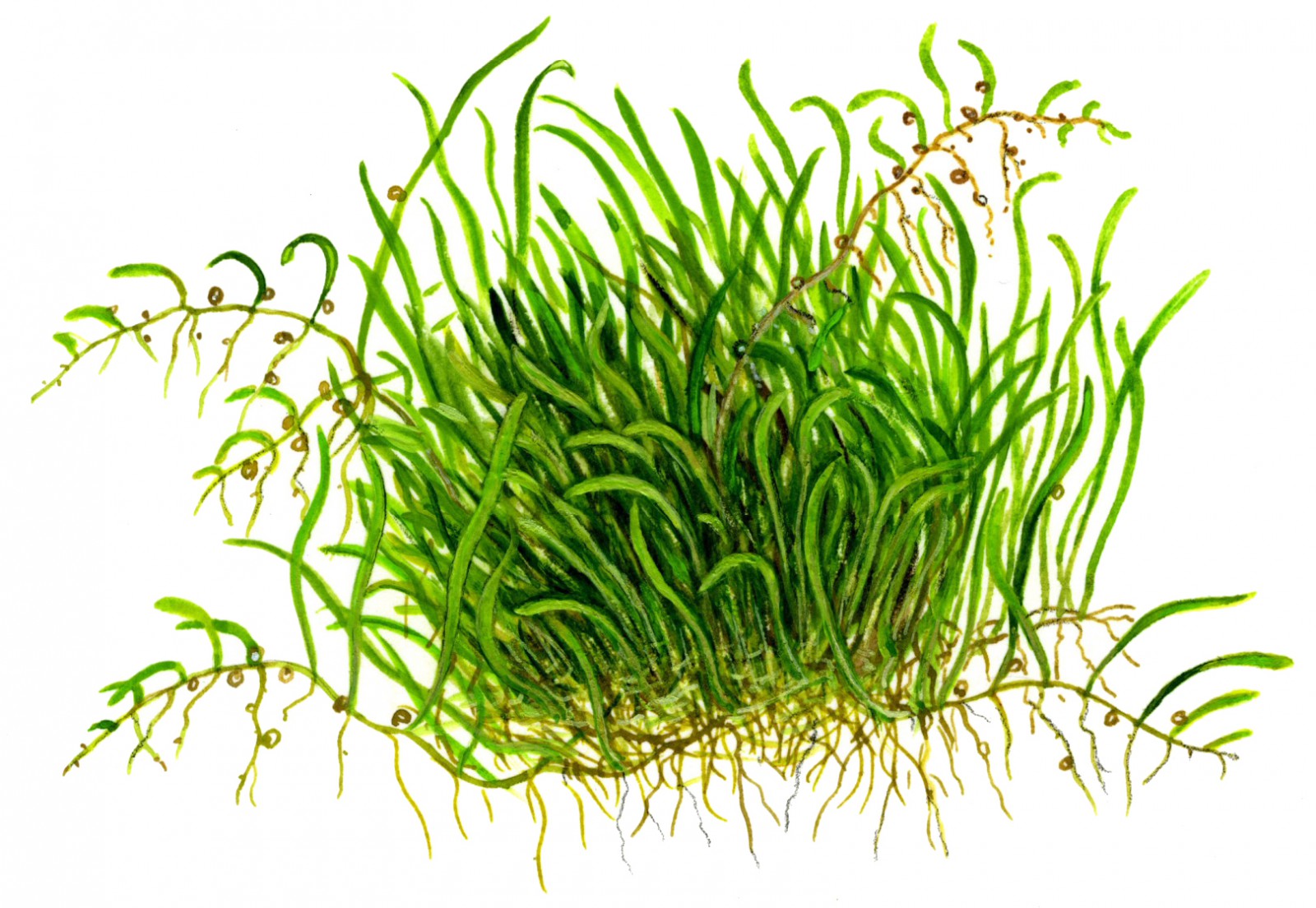
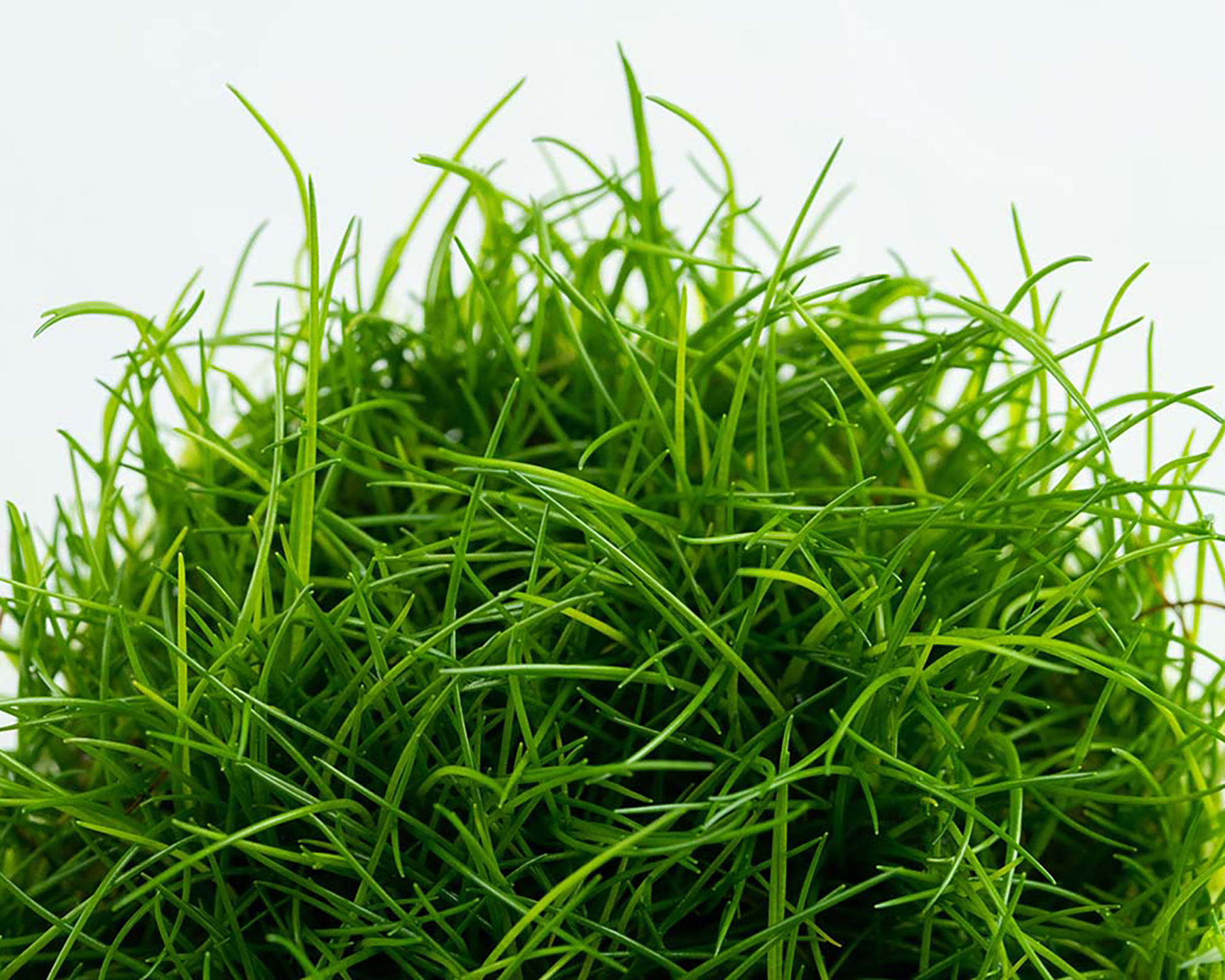
The supplied label identifies this plant as Cryptocoryne parva. It is a diminutive Cryptocoryne with narrow, lance-shaped leaves and a compact rosette. Individual specimens can vary with submerged conditions, light, nutrients and cultivation history, so exact appearance alone should not be used to distinguish it from every other small Cryptocoryne.
Placement and planting
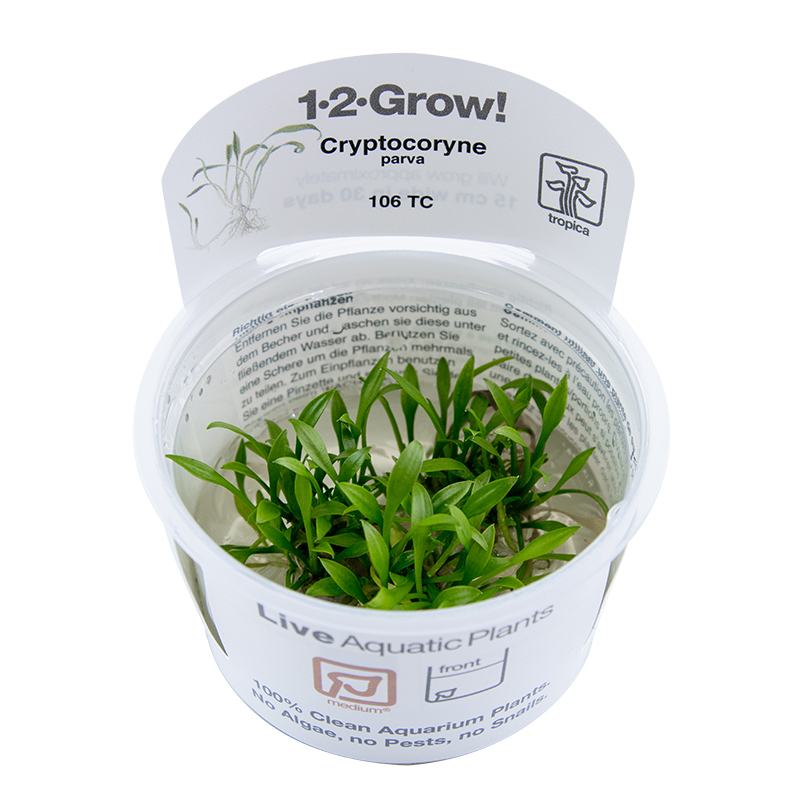
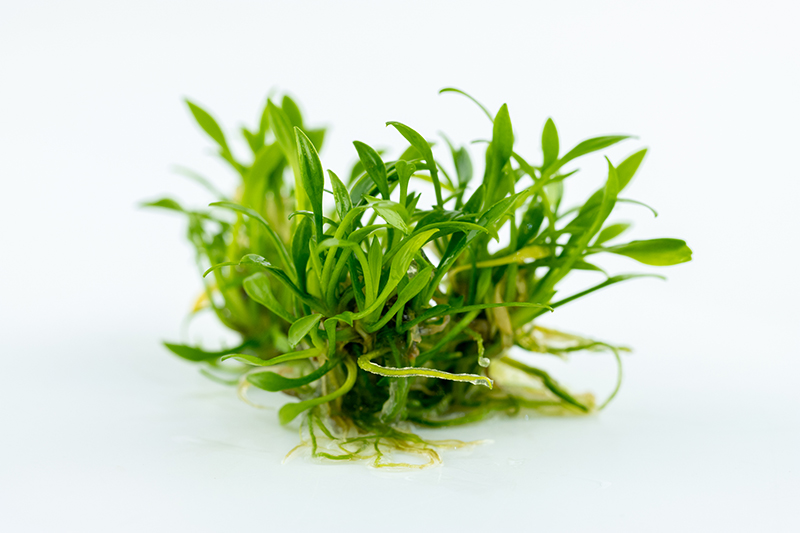
Use it in the foreground, where its short growth will not shade taller plants. Remove the culture material from the roots, rinse gently, and divide the clump into small portions if needed. Plant the roots into the substrate while keeping the crown just above the surface. Avoid burying the crown, as this can encourage rot.
Light and carbon
Low light is usually sufficient, although moderate light can support denser growth when nutrients and carbon are balanced. Added carbon dioxide is not essential, but a stable supply can improve establishment and growth. Avoid making abrupt changes to lighting, carbon dosing or water chemistry.
Substrate and nutrition
A fine to medium-grained substrate allows the roots to anchor without becoming trapped. Root-zone nutrients are useful because this plant feeds substantially through its roots. Supplementation should be conservative and matched to the aquarium’s overall nutrient supply. Remove decaying leaves and keep the crown free of debris.
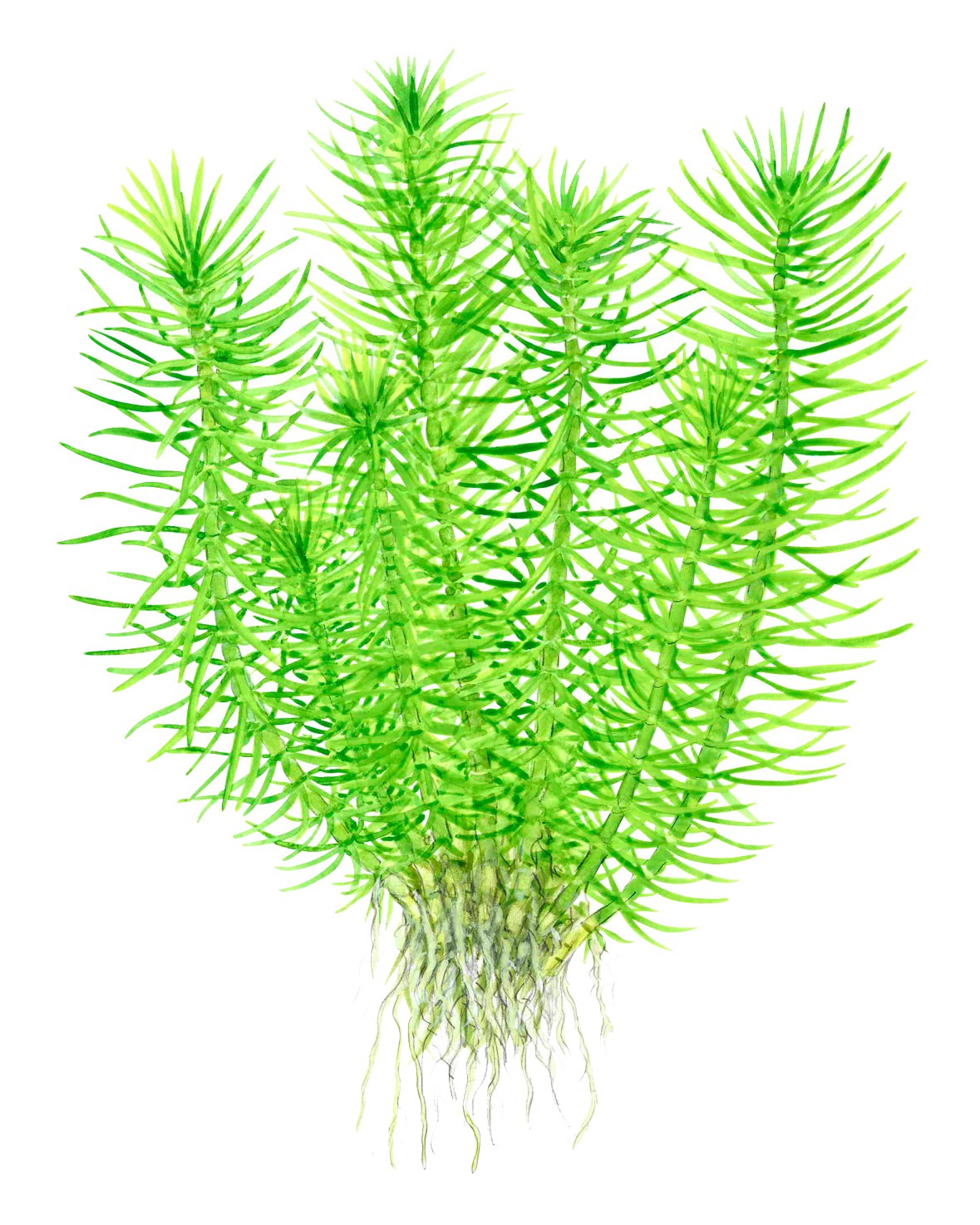
Growth and propagation
Growth is slow, particularly during the establishment period. Once settled, the plant spreads gradually by short runners, producing daughter rosettes near the parent. These can be separated carefully after developing their own roots. Temporary leaf loss after planting or disturbance is common in Cryptocoryne and does not necessarily indicate permanent failure.
Leave your comments