Identification
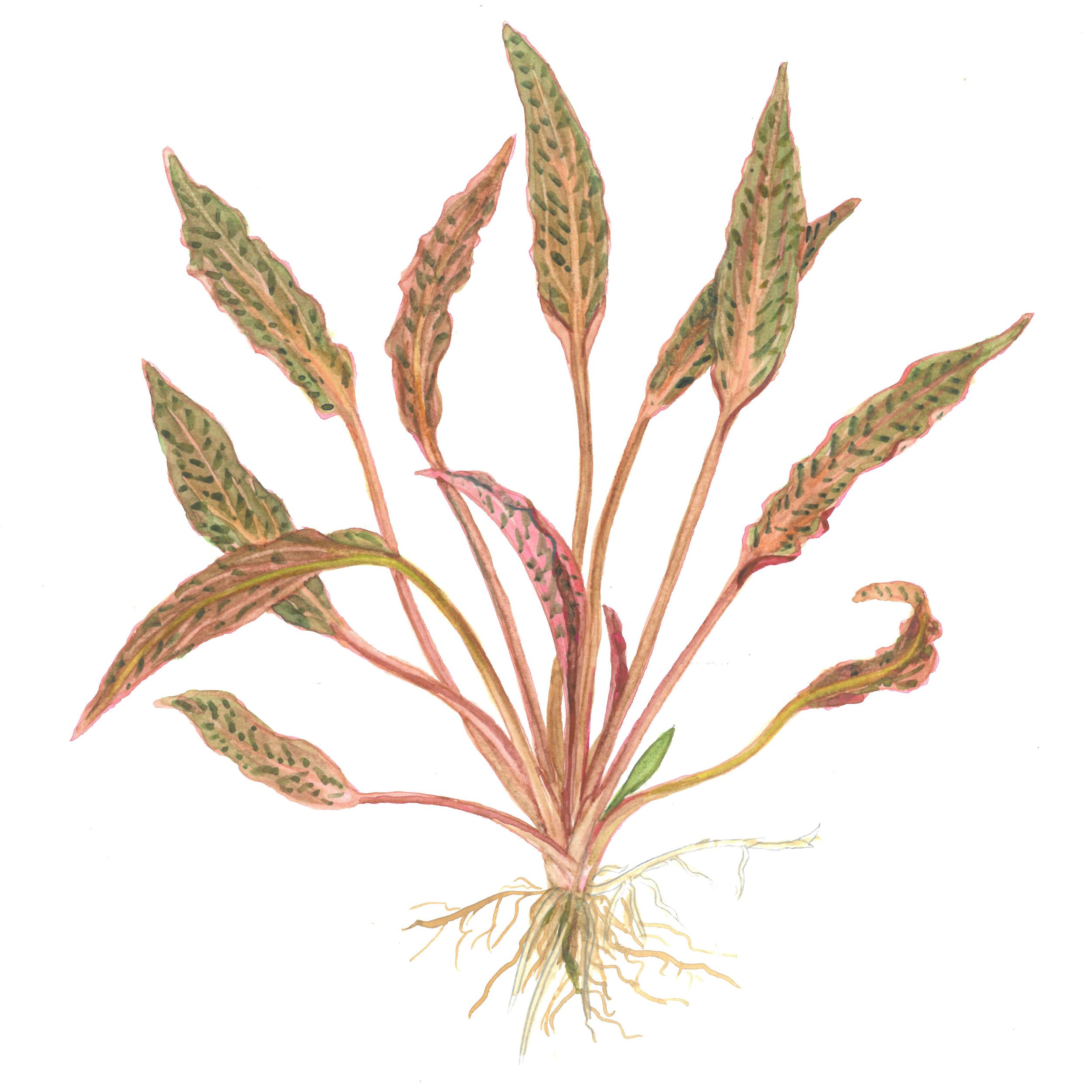
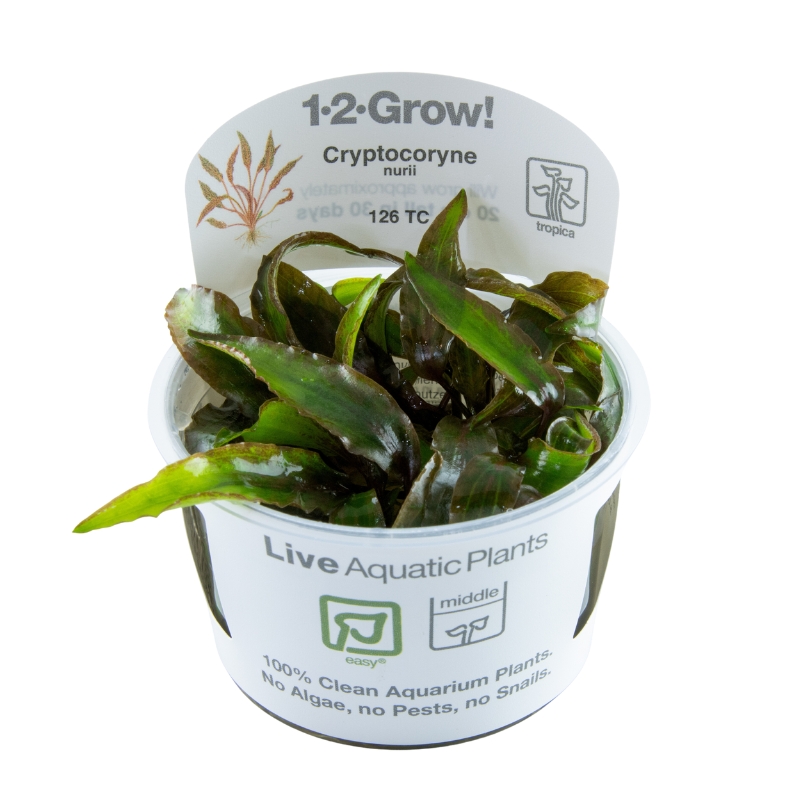
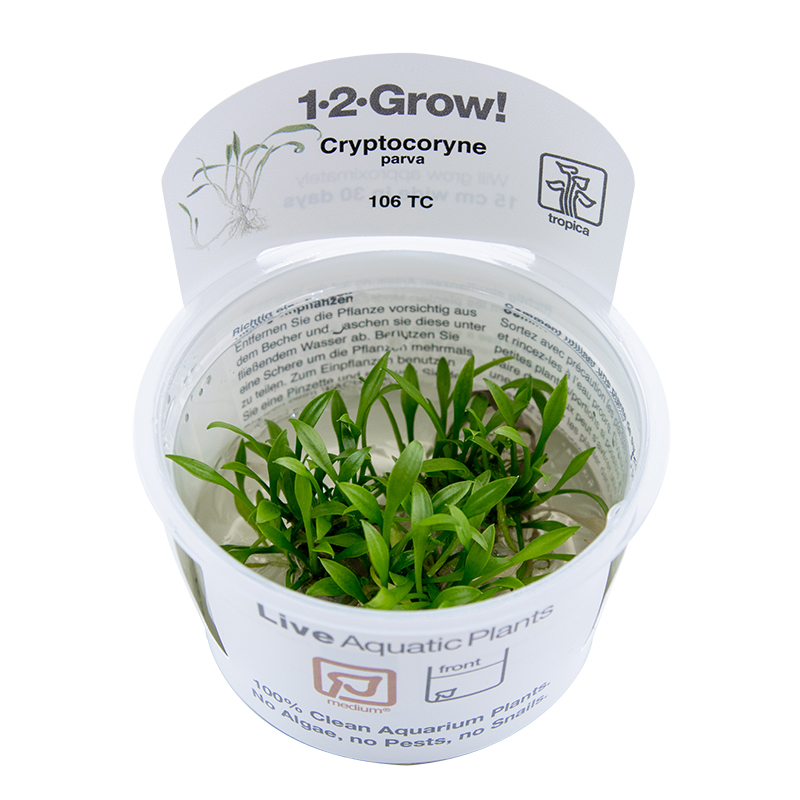
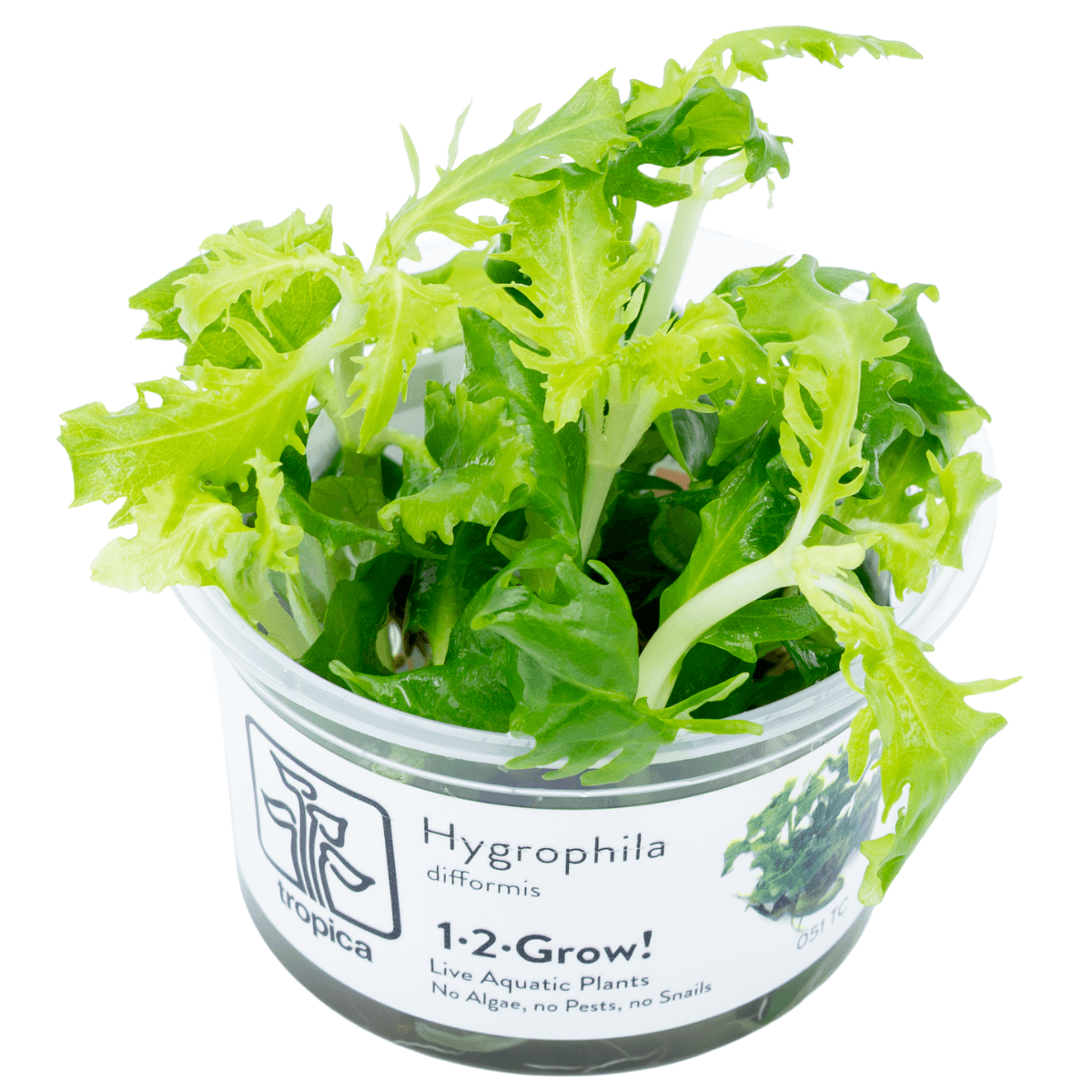
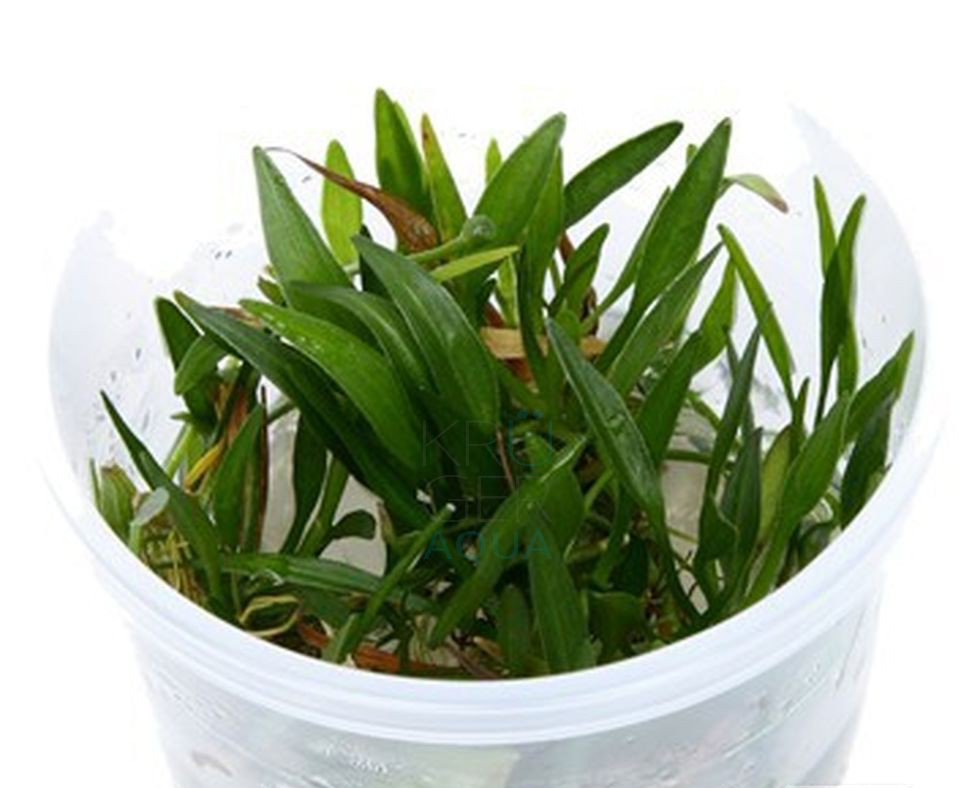
The supplied product label names the plant Cryptocoryne nurii. Its compact rosette, narrow lance-shaped leaves and strongly textured or wavy surface are consistent with that identification. Cryptocoryne species can vary substantially between populations and cultivated forms, so the precise variety or locality cannot be determined here.
Placement and planting
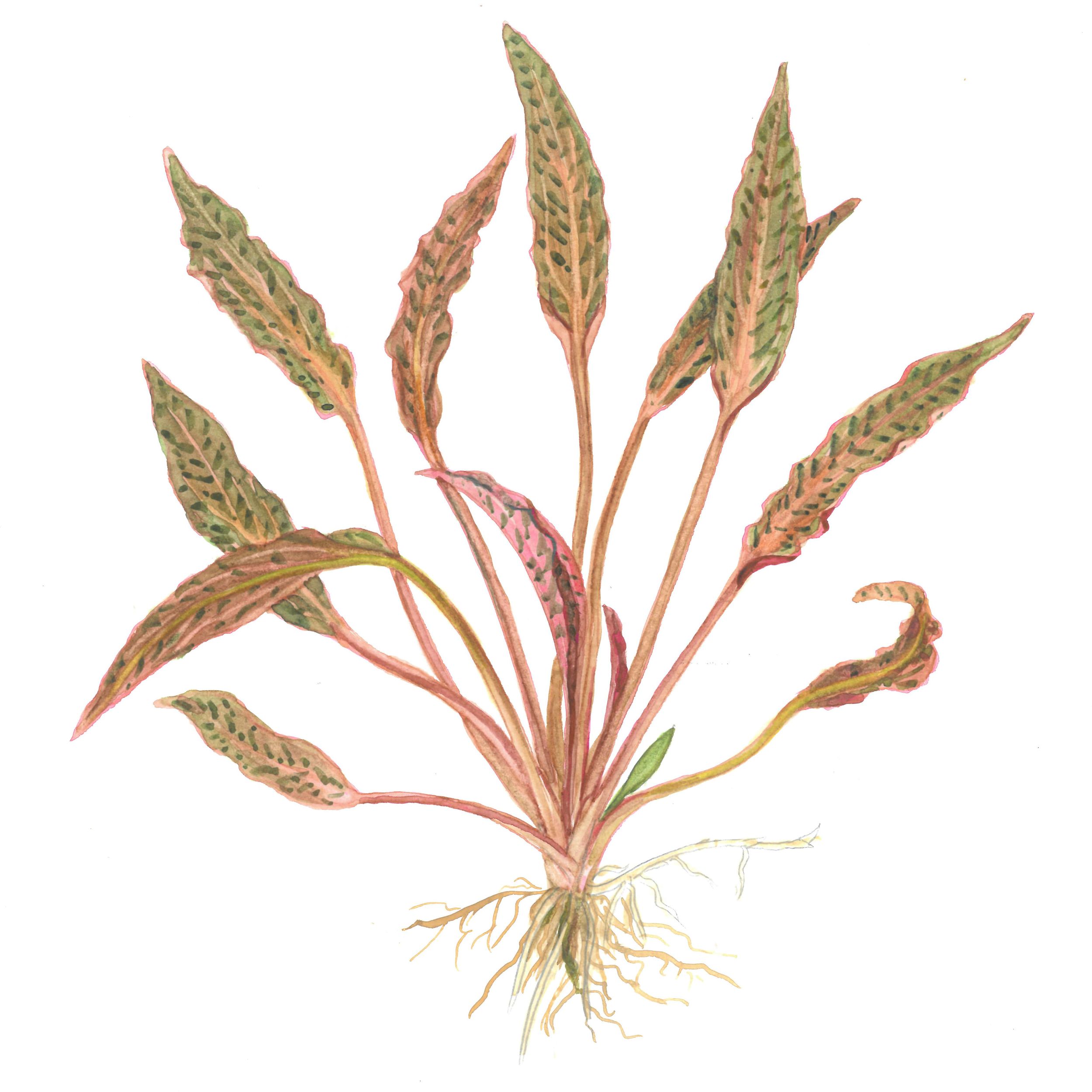
Plant the roots in nutrient-rich sand or fine gravel while keeping the crown above the substrate. A small group can form a low, structured planting in the foreground or middle ground. Avoid burying the crown, and leave enough space for the rosette to expand.
Water and lighting
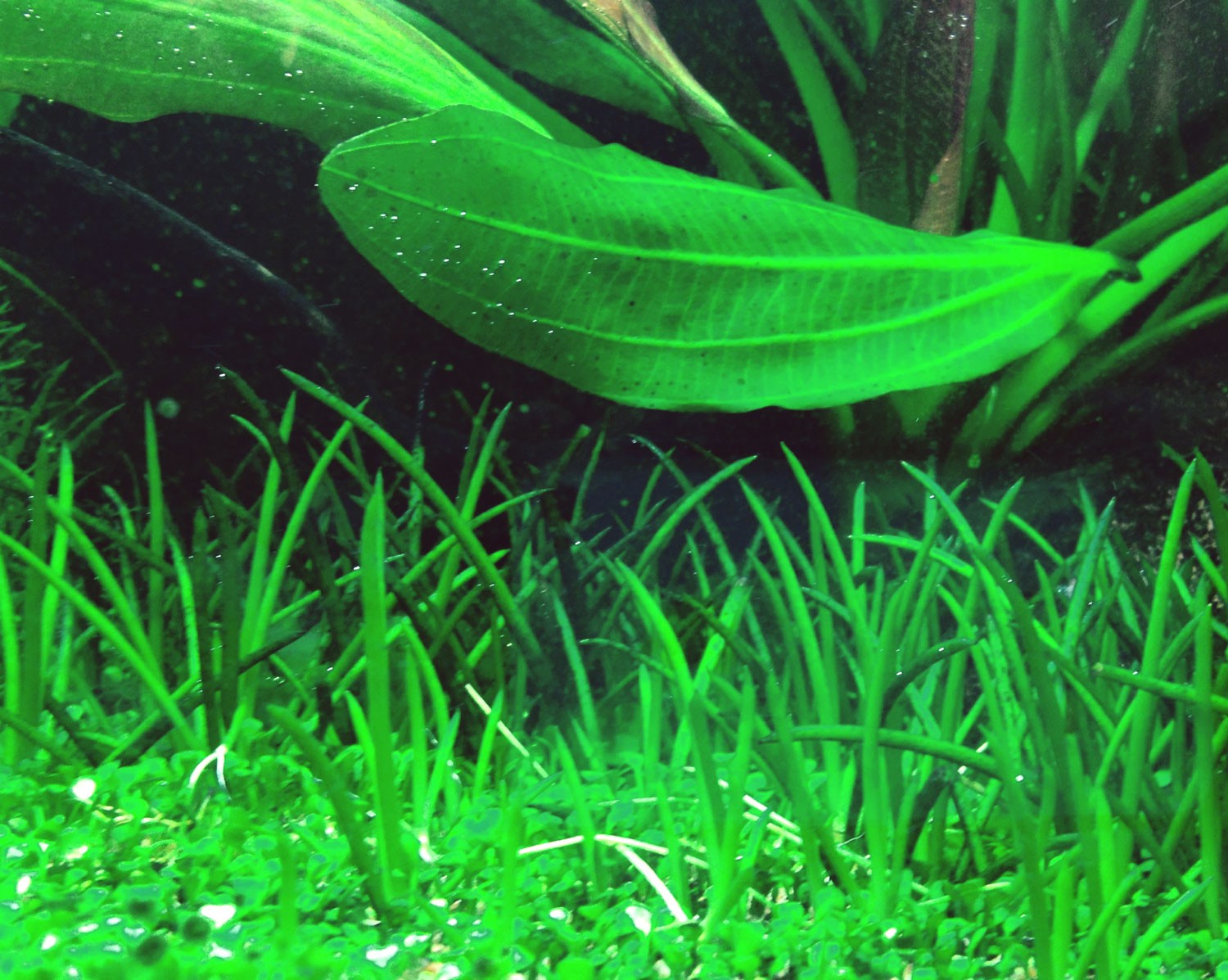
Use stable, clean aquarium water with gentle circulation and low to moderate light. It generally benefits from soft to moderately hard water and mildly acidic to neutral conditions, but gradual acclimation is more important than pursuing a narrow target range. Avoid abrupt changes in temperature or water chemistry.
Nutrition and carbon
Root-zone nutrition is useful because this plant feeds substantially through its roots. Add a controlled substrate fertilizer or root tab when growth slows, following the product instructions. Supplementary carbon dioxide is not essential, although a stable supply can improve growth and leaf development.
Growth and maintenance
Growth is usually slow. Remove damaged or melting leaves at the base and keep the filter intake from pulling on the plant. Newly planted Cryptocoryne may shed older leaves during adjustment, commonly called Cryptocoryne melt; leave the rooted plant in place and remove only decaying material.
Propagation
Propagation is normally by side shoots that develop from the rhizome or runners. Separate a young plant only after it has formed its own roots and several leaves. Replant it gently at the same depth, keeping the crown clear of the substrate.
Leave your comments