





It’s time to help contribute for biggest aquarium gallery online

SUBMIT HEREVIEW GALLERY

12 Peaceful Freshwater Fish and Invertebrates for Stunning Nano Aquariums

12 Peaceful Freshwater Fish and Invertebrates for Stunning Nano Aquariums

Creating a thriving nano aquarium is a rewarding challenge that combines artistic aquascaping with the joy of keeping small, vibrant aquatic life. When working with smaller water volumes, typically under 20 gallons (75 liters), selecting compatible s...
10 Best Aquarium Snails for Your Planted Tank

10 Best Aquarium Snails for Your Planted Tank

Aquarium snails are more than just tank inhabitants; they are the unsung heroes of the planted aquarium. These fascinating gastropods provide essential services, from keeping glass surfaces clear of algae to aerating your substrate. When selecting sn...
10 Vibrant Freshwater Shrimp for Your Planted Nano Aquarium

10 Vibrant Freshwater Shrimp for Your Planted Nano Aquarium

Freshwater shrimp are the unsung heroes of the planted aquarium hobby. Beyond their stunning colors and patterns, these tiny crustaceans are excellent at cleaning up algae and leftover food. For nano aquarium enthusiasts, shrimp offer a fascinating l...
13 Easy Aquarium Plants for a Thriving Beginner Planted Tank

13 Easy Aquarium Plants for a Thriving Beginner Planted Tank

Starting a planted aquarium can seem daunting, but it doesn't have to be! Many beautiful and beneficial freshwater plants thrive with minimal effort, making them ideal for beginners. Adding live plants not only enhances the aesthetic appeal of y...

Aquascaping Contest Schedule 2026

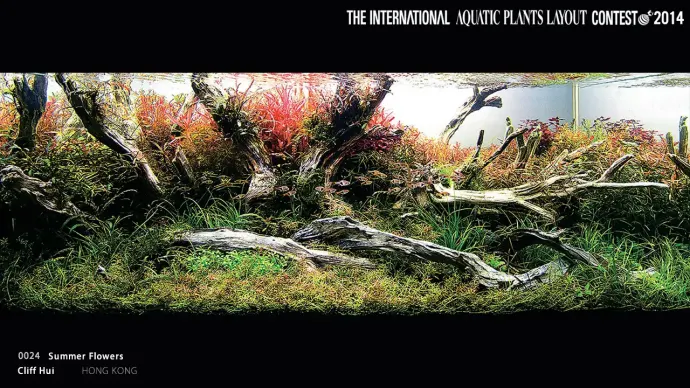
Summer Flowers - Cliff Hui / HongKong China
Cliff Hui

Summer Flowers - Cliff Hui / HongKong China

The International Aquatic Plants Layout Contest - 2014
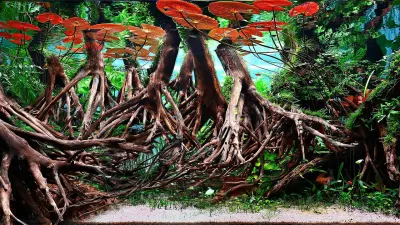
Rain Forest (Hear the Angels) - Cliff Hui / HongKong China
Cliff Hui

Rain Forest (Hear the Angels) - Cliff Hui / HongKong China

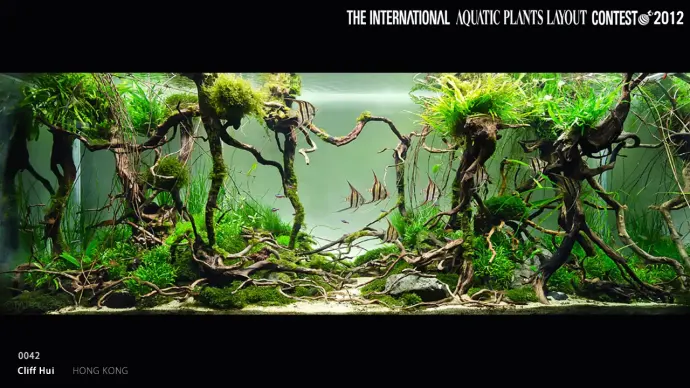
The International Aquatic Plants Layout Contest - 2012
Forever - Cliff Hui / HongKong China
Cliff Hui

Forever - Cliff Hui / HongKong China

The International Aquatic Plants Layout Contest - 2013

Aquarium Library

  • All
  • Plant
  • Fish
  • Shrimp
  • Snail

13 Easy Aquarium Plants for a Thriving Beginner Planted Tank

Starting a planted aquarium can seem daunting, but it doesn't have to be! Many beautiful and be...

12 Colorful & Compatible Freshwater Fish for Your Community Aquarium

Creating a vibrant and harmonious freshwater aquarium is a rewarding experience. The key lies in sel...

"REFLECTION" - When the weight becomes silence: Decoding the top 4 MASTERPIECE at KIAC 2025

Amidst the "earthquake" named Vietnam at KIAC 2025, the work "Reflection" by Aquascaper Long Tran Ho...

KIAC 2025 RESULTS: A record-breaking season - Vietnam dominates with 14 works in the global top 50

The organizers of the Korea International Aquascaping Contest (KIAC) 2025 have officially released t...

AGA 2025 Results Announced: Indonesia Wins Big, USA Dominates Dutch Category

The 25th AGA International Aquascaping Contest – one of the oldest and most prestigious competitio...

ITAC International Aquascaping Contest 2025 Final result

Early this morning, the global aquascaping community turned its eyes toward Italy as the organizers ...
Cliff Hui

Cliff Hui

Hong Kong / China
Dave Chow

Dave Chow

HongKong China
Caridina multidentata (Amano Shrimp)

Overview

Amano Shrimp (Caridina multidentata), also known as Yamato Shrimp, are freshwater dwarf shrimp highly valued in the aquarium hobby for their exceptional algae-eating capabilities. Unlike many other dwarf shrimp species, they are not primarily kept for their vibrant coloration, but rather for their utility in maintaining a clean and balanced aquarium environment. They are robust, peaceful, and relatively easy to care for, making them a popular choice for community tanks and planted setups.

Image of amano shrimp caridina multidentata yamato shrimp

Distribution and Habitat

Caridina multidentata originates from the Yamato River in Japan and other rivers in Japan and Taiwan. In their natural habitat, they are found in clear, flowing freshwater streams and rivers, often among submerged vegetation and rocky substrates. These environments typically have stable water parameters and a rich supply of biofilm and detritus, which form a significant part of their diet.

Image of amano shrimp caridina multidentata yamato shrimp

Description of Amano Shrimp

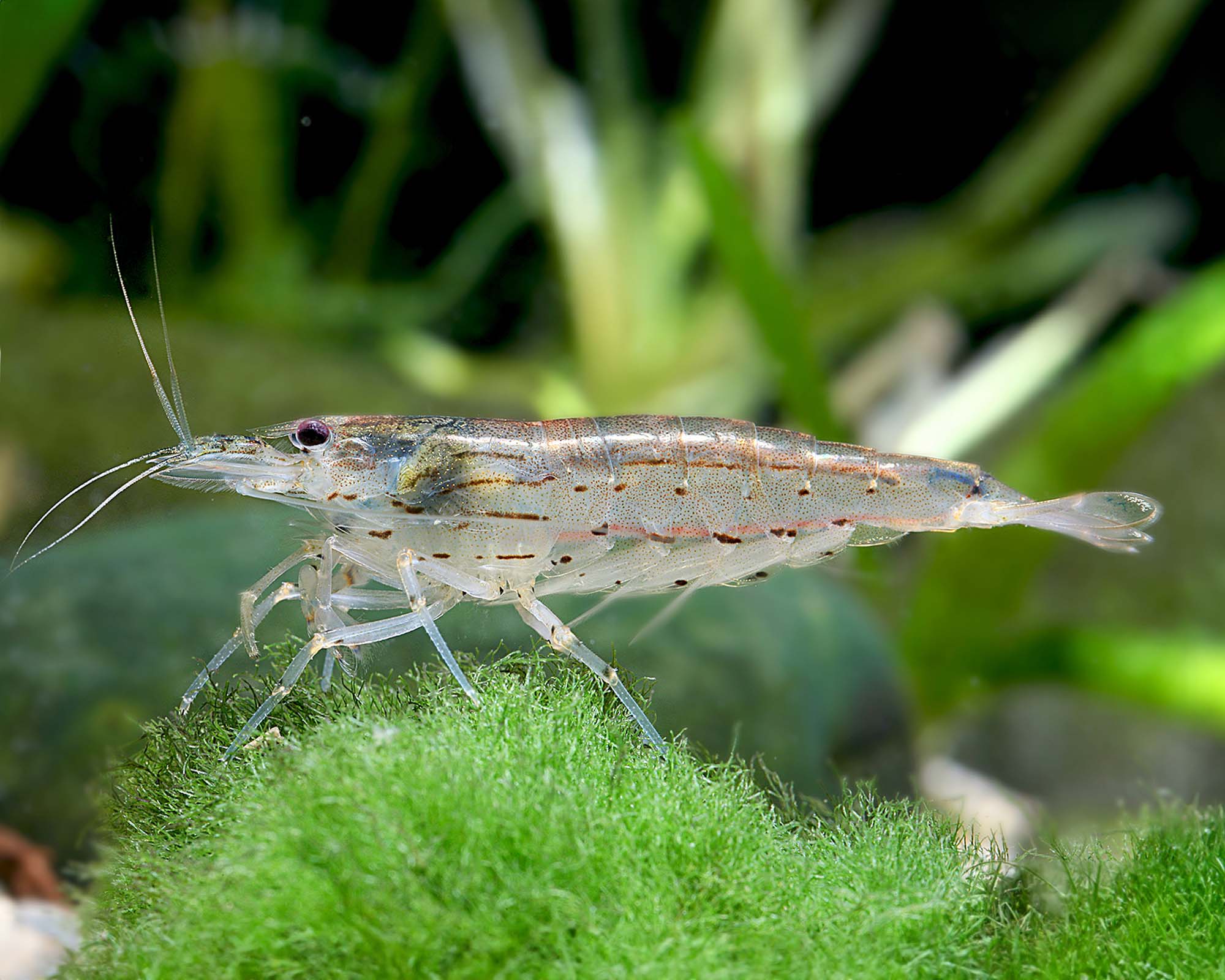
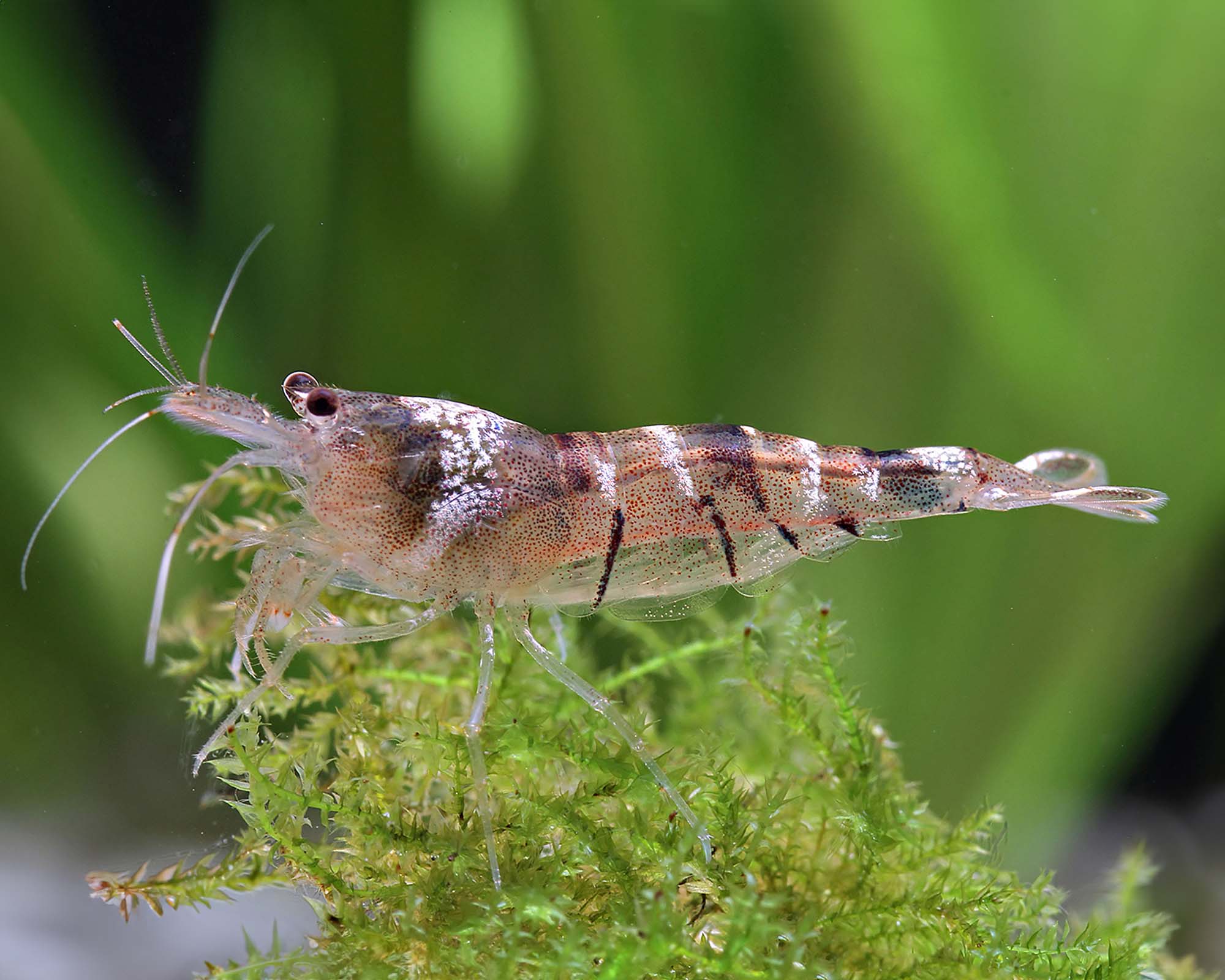
Amano Shrimp are typically translucent or light greyish-brown, often exhibiting a pattern of broken reddish-brown dashes or dots along their sides. These markings can vary in intensity and pattern depending on the individual shrimp's diet, stress levels, and environment. Females are generally larger than males, reaching up to 5 cm (2 inches), while males are usually around 3.5-4 cm (1.4-1.6 inches). They possess a distinct rostrum (snout) and numerous small legs, which they use for grazing on surfaces. Their eyes are typically dark and prominent.

Image of amano shrimp caridina multidentata yamato shrimpImage of amano shrimp caridina multidentata yamato shrimp

Keeping and Caring for Amano Shrimp

Amano Shrimp are considered one of the hardiest freshwater shrimp species, making them suitable for beginners. They are highly adaptable to a range of water conditions, provided the environment is stable and free from sudden fluctuations. A well-cycled tank is crucial for their health and longevity.

Tank size:

A minimum tank size of 10 gallons (38 liters) is recommended for a small group of Amano Shrimp. Larger tanks are always better, especially if keeping a larger colony or integrating them into a community setup.

Water Parameters:

Maintaining stable water parameters is key to the health of Amano Shrimp.

Temperature

22-26°C (72-79°F) is ideal, though they can tolerate a slightly wider range. Avoid extreme fluctuations.

pH

A pH range of 6.5-7.5 is generally suitable. They can adapt to slightly acidic or alkaline conditions, but stability is more important than hitting a precise number.

Hardness

Amano Shrimp thrive in moderately hard water. A GH (General Hardness) of 6-10 dGH and a KH (Carbonate Hardness) of 3-6 dKH are recommended. This provides essential minerals for molting.

Ammonia, Nitrite, Nitrate

Like all aquatic invertebrates, Amano Shrimp are highly sensitive to ammonia and nitrite, which should always be at 0 ppm. Nitrates should be kept below 20 ppm, ideally below 10 ppm. Regular water changes are essential to maintain low nitrate levels.

Lighting

Standard aquarium lighting suitable for plants is perfectly fine for Amano Shrimp. They do not have specific lighting requirements themselves, but adequate lighting promotes algae growth, which is a natural food source for them.

Water flow

Moderate water flow is appreciated, mimicking their natural riverine habitats. This also helps distribute nutrients and oxygen throughout the tank.

Decorations and Plants

Amano Shrimp thrive in heavily planted aquariums. Plants provide ample surface area for grazing on biofilm and algae, as well as crucial hiding spots, especially during molting when they are most vulnerable. Driftwood, rocks, and caves also offer shelter and additional surfaces for foraging.

Image of amano shrimp caridina multidentata yamato shrimp

Adding the Amano Shrimp

When introducing Amano Shrimp to a new tank, it is crucial to acclimate them slowly to the new water parameters. Drip acclimation over several hours is the preferred method to minimize stress and prevent osmotic shock.

Some Feeding Tips

While Amano Shrimp are renowned algae eaters, they also benefit from supplemental feeding. High-quality shrimp pellets, blanched vegetables (like zucchini, spinach), and algae wafers are excellent additions to their diet. They will also graze on biofilm, detritus, and leftover fish food. Ensure they get enough food, especially if the tank is very clean, to prevent them from potentially nibbling on delicate plants.

Image of amano shrimp caridina multidentata yamato shrimp

Dangers of Amano Shrimp in the Planted Aquarium

While generally beneficial, Amano Shrimp can sometimes develop a taste for certain soft-leaved or delicate plants if their primary food sources (algae, biofilm, supplemental foods) are insufficient. This is relatively rare but can occur, especially with plants like Riccia or certain mosses. Providing ample food usually mitigates this risk.

Tank mates & Compatibility

Amano Shrimp are peaceful and can be kept with other non-aggressive, small to medium-sized fish that won't view them as food. Good tank mates include small tetras, rasboras, Otocinclus catfish, peaceful dwarf cichlids (like German Blue Rams), and other dwarf shrimp species (though cross-breeding is not an issue with other Caridina or Neocaridina species). Avoid large, aggressive, or predatory fish that could eat the shrimp.

Breeding Amano Shrimp

Breeding Amano Shrimp in a home aquarium is challenging due to their complex life cycle. Females carry eggs (which are visible under their swimmerets) for about 3-4 weeks. Once hatched, the larvae are planktonic and require brackish water to survive and develop. They pass through several larval stages, feeding on microscopic organisms, before metamorphosing into miniature freshwater shrimp. Replicating the specific salinity changes and food sources needed for larval development is difficult in a typical home aquarium, making successful breeding rare without dedicated efforts.

Image of amano shrimp caridina multidentata yamato shrimp

Conclusion

The Amano Shrimp is an invaluable addition to any freshwater planted aquarium. Its unparalleled algae-eating prowess, combined with its hardy and peaceful nature, makes it a highly sought-after invertebrate. While breeding them presents a unique challenge, their contribution to tank cleanliness and overall ecosystem health is undeniable, earning them a permanent place in the hearts of aquarists worldwide.

Shrimp info

  • Size: 3-5 cm
  • Difficulty level: Beginner
  • Temperature : 22-26°C
  • pH: 6.5-7.5
  • Color Form: Brown, Clear, Grey
Leave your comments
Latest on Shrimps
  • Bloody Mary Shrimp and Christmas Moss Care

    Bloody Mary Shrimp and Christmas Moss Care

    The Bloody Mary shrimp is a vibrant, red-colored variant of the Neocaridina davidi species. These freshwater crustaceans are highly valued by hobbyists for their intense coloration and ease of care. When kept alongside Christmas Moss, they find ideal grazing grounds and shelter, creating a naturalistic, thriving environment that supports their overall health and successful reproduction in the home aquarium.
  • Caridina pareparensis parvidentata (Malawa Shrimp)

    Caridina pareparensis parvidentata (Malawa Shrimp)

    Meet the Malawa Shrimp (Caridina pareparensis parvidentata), a hardy and active freshwater invertebrate from the rivers of Sulawesi. Often called the Sulawesi Algae Shrimp, this resilient species is an exceptional algae eater and a fantastic, easy-to-breed alternative to Amano or Neocaridina shrimp for aquarists of all skill levels.
  • Neocaridina davidi (Yellow Fire Shrimp)

    Neocaridina davidi (Yellow Fire Shrimp)

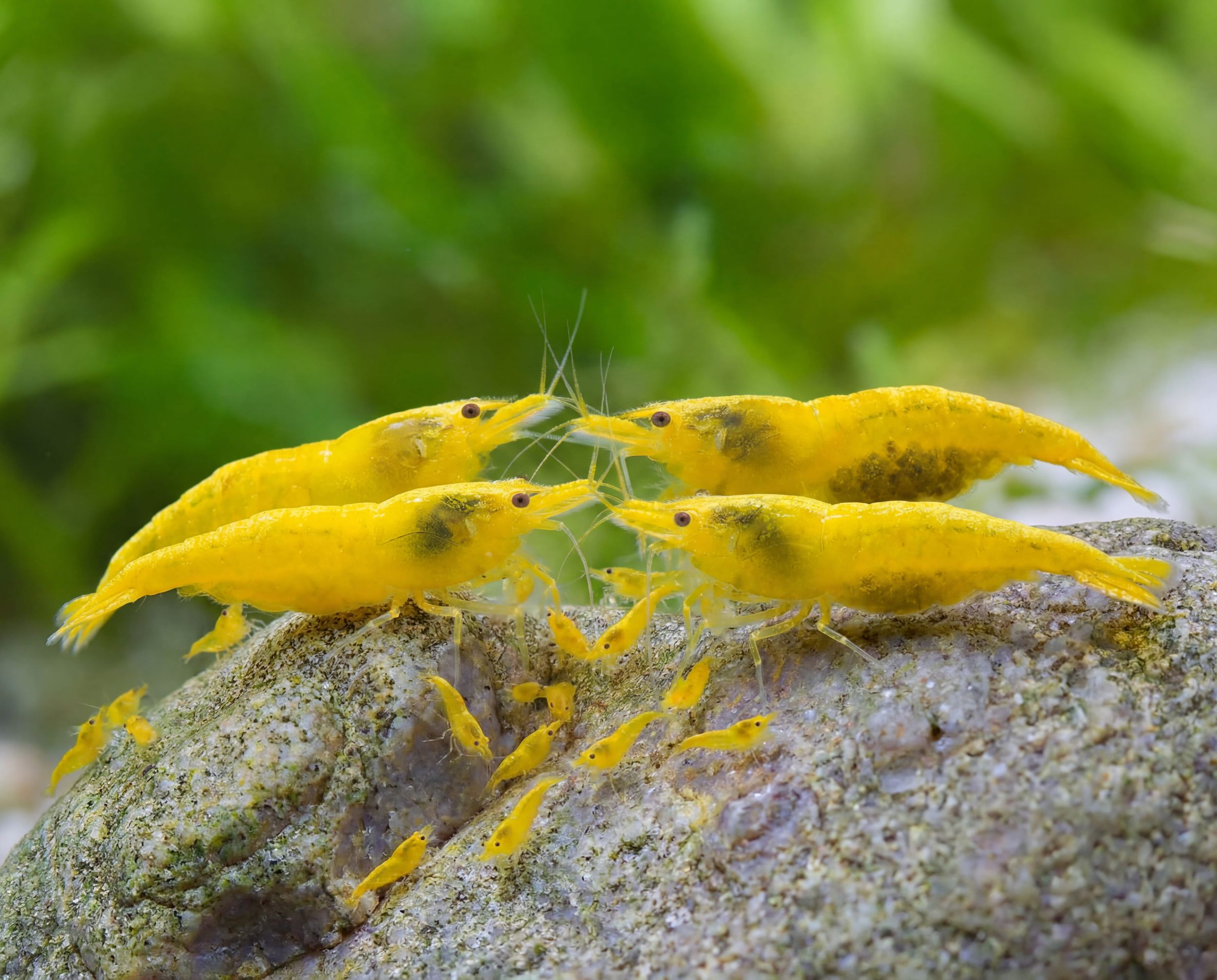
    Brighten up your freshwater aquarium with the stunning Yellow Fire Shrimp! A vibrant color morph of the hardy Neocaridina davidi, these cheerful little invertebrates are perfect for beginners. They act as excellent cleanup crews, peacefully grazing on algae and biofilm while adding a brilliant splash of sunshine to your aquascape.
  • Neocaridina davidi (Red Sakura Shrimp)

    Neocaridina davidi (Red Sakura Shrimp)

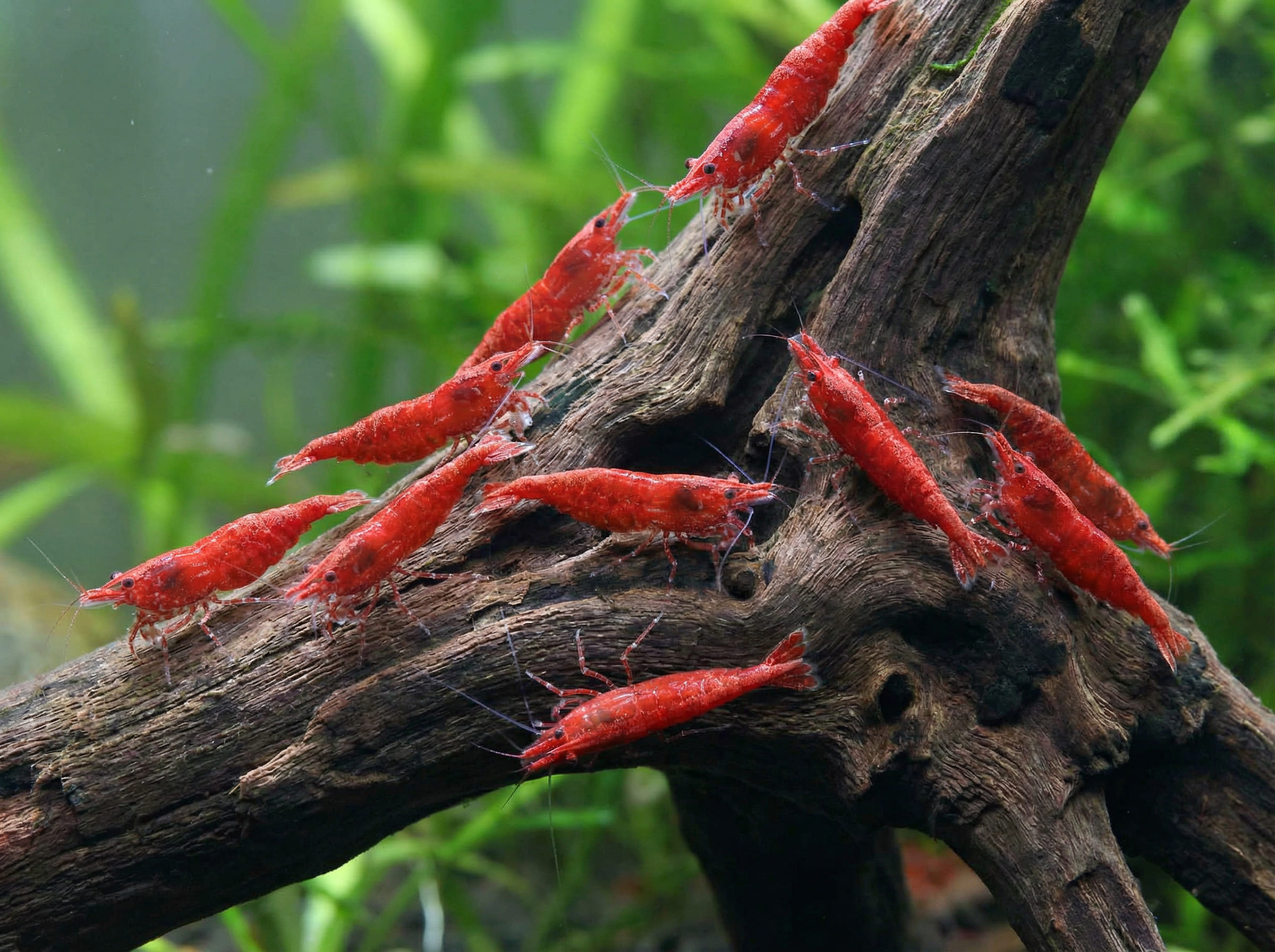
    The Red Sakura Shrimp is a striking, deeply colored variant of the popular Cherry Shrimp. Known for its nearly solid red carapace and hardy nature, this Neocaridina davidi morph is perfect for beginners. They add a vibrant pop of color to any planted tank while serving as an excellent cleanup crew.
  • Neocaridina davidi (Red Cherry Shrimp / Fire Red Shrimp)

    Neocaridina davidi (Red Cherry Shrimp / Fire Red Shrimp)

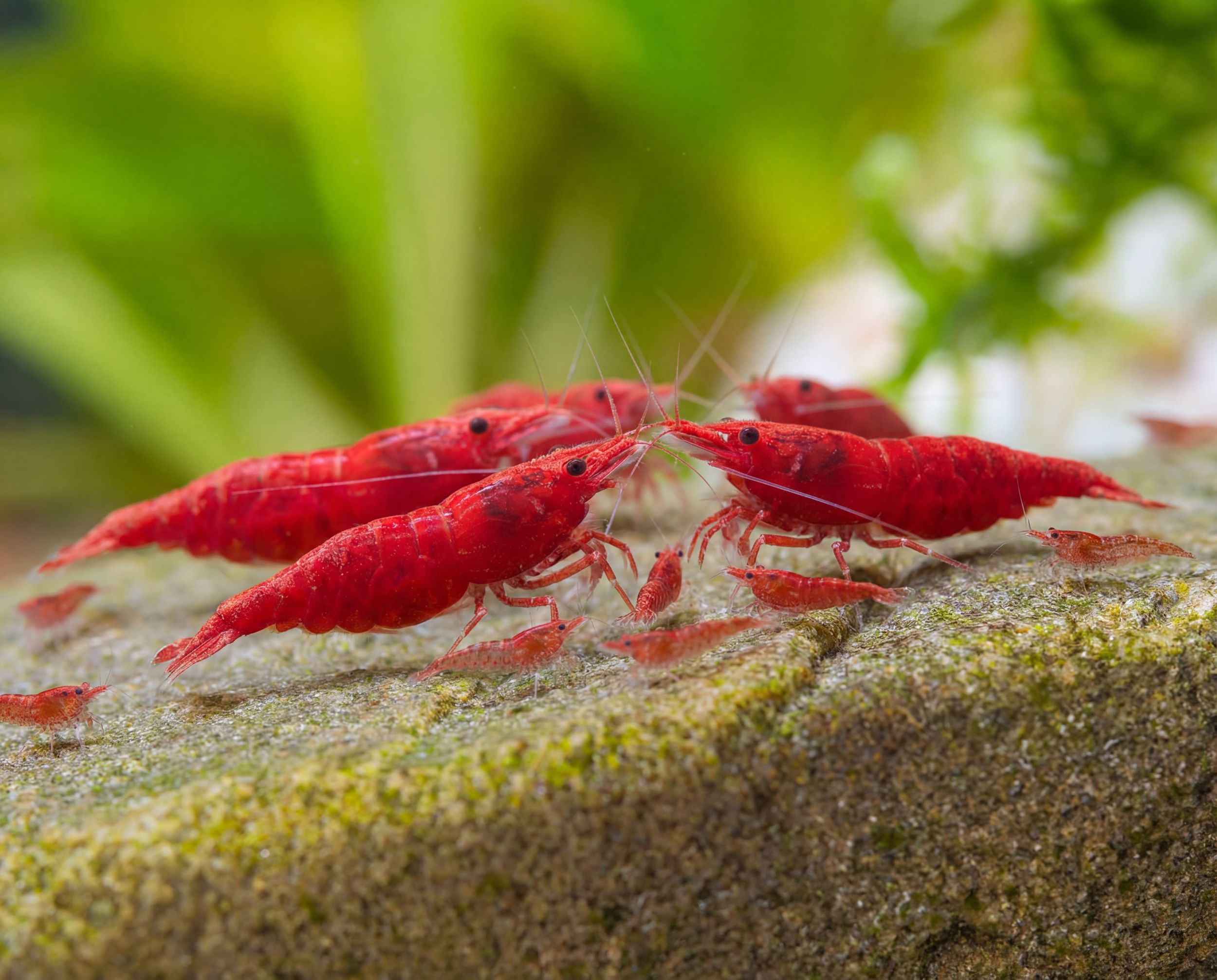
    Add a splash of vibrant color to your aquarium with the Red Cherry Shrimp! Also known as the Fire Red Shrimp, this hardy and active Neocaridina davidi morph is perfect for beginners. They are excellent algae eaters, constantly grazing and bringing lively energy to any planted freshwater tank.
  • Caridina logemanni (Red Bee Shrimp K4 DNZ)

    Caridina logemanni (Red Bee Shrimp K4 DNZ)

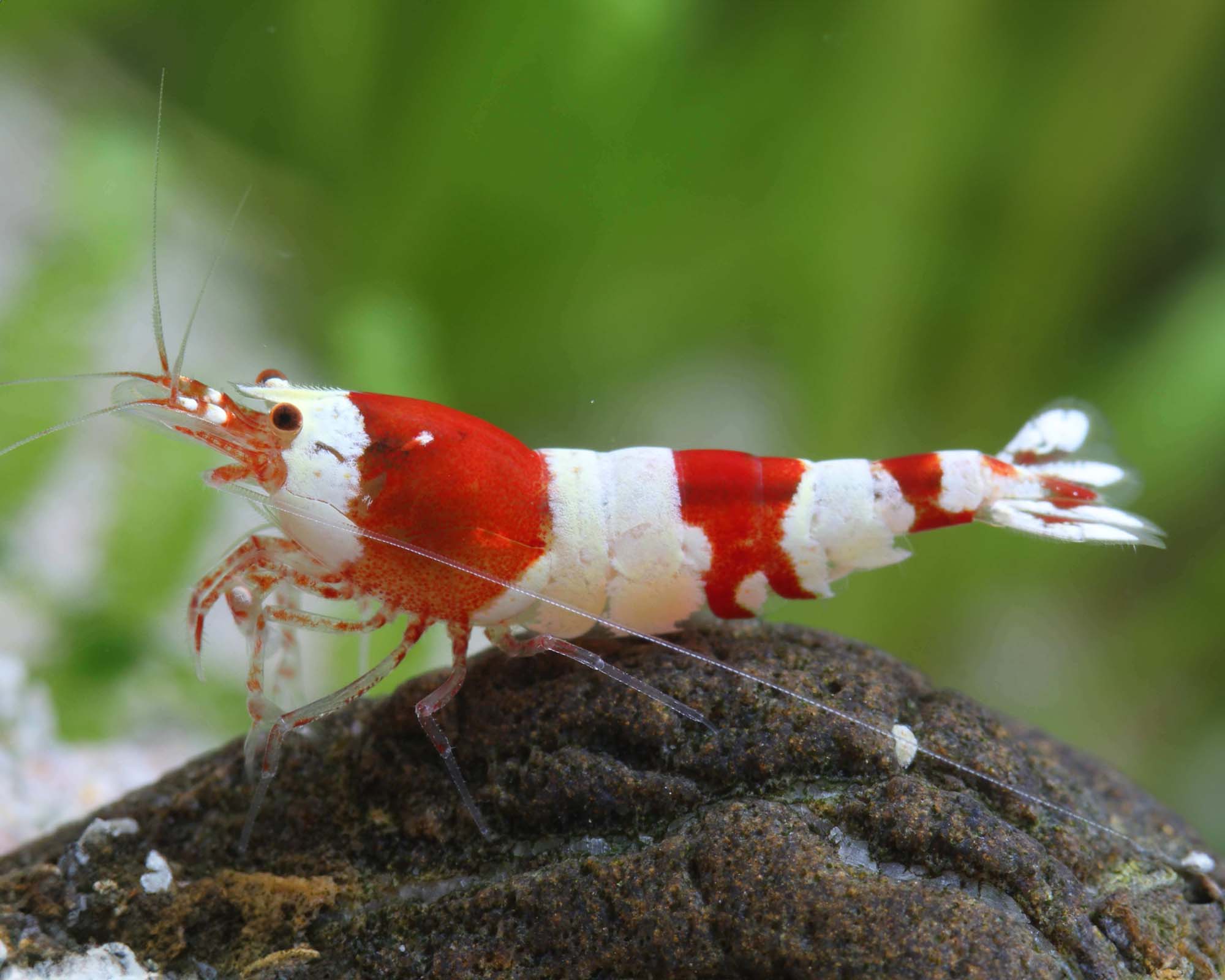
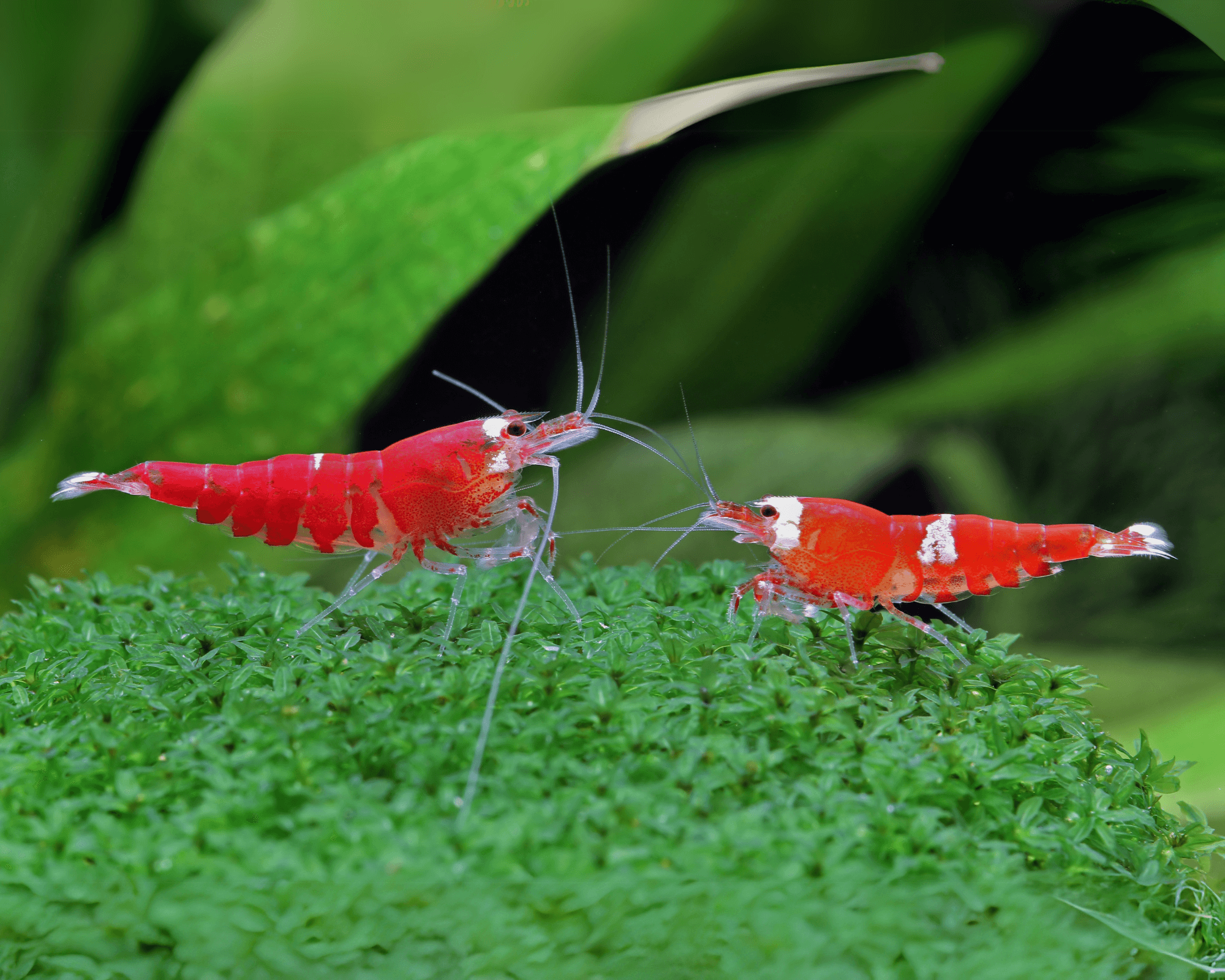
    The Red Bee Shrimp K4 (DNZ) is a stunning and highly sought-after freshwater dwarf shrimp. Known for its striking, opaque red and white bands, this German-bred Caridina logemanni variant adds vibrant contrast to planted aquariums. While slightly demanding regarding water parameters, their active nature makes them incredibly rewarding.
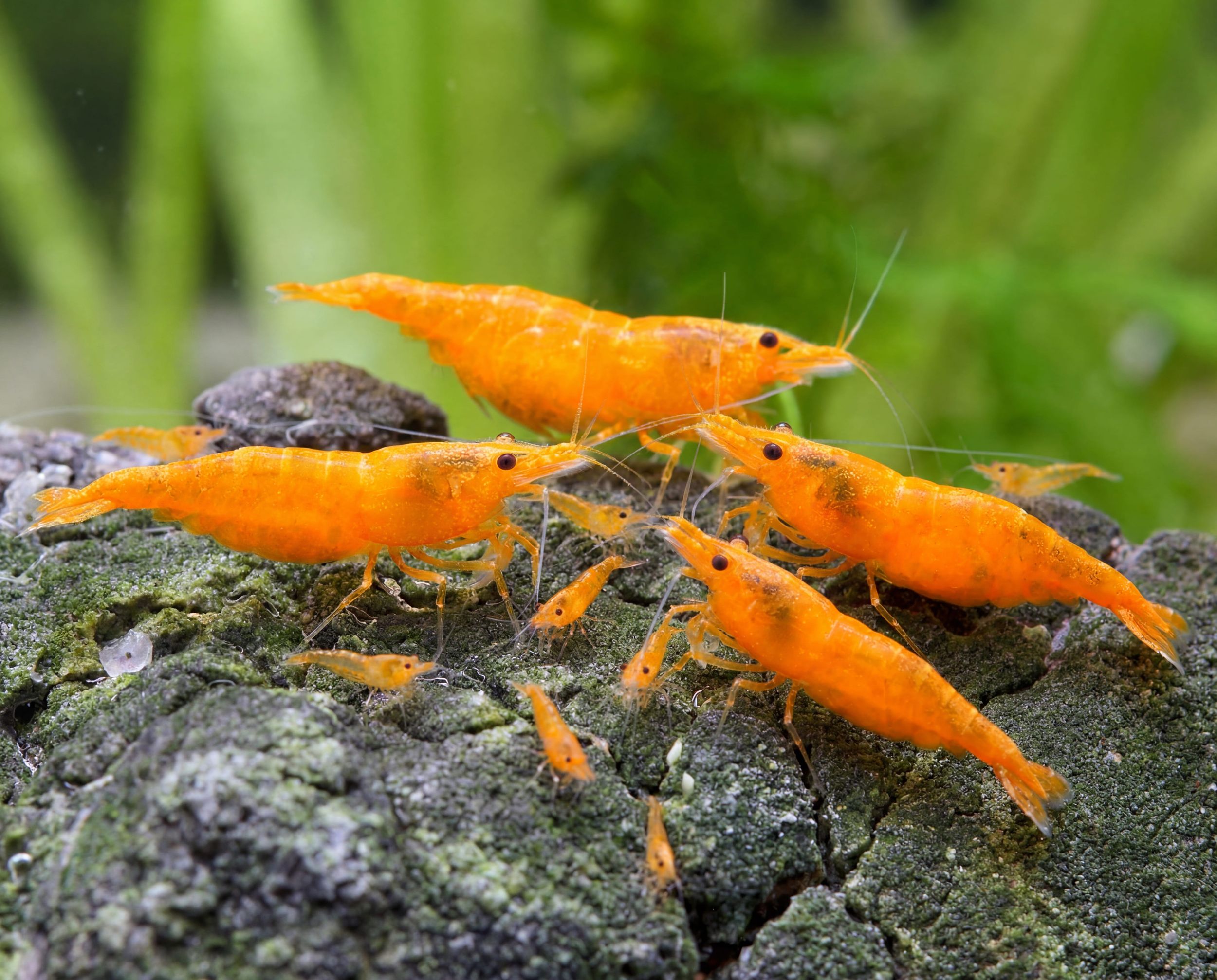
  • Neocaridina davidi (Orange Fire Shrimp)

    Neocaridina davidi (Orange Fire Shrimp)

    Add a burst of vibrant citrus color to your aquarium with the Orange Fire Shrimp, also known as the Sunkist or Sakura Orange Shrimp. These hardy, active, and peaceful Neocaridina are perfect for beginners, eagerly grazing on algae and adding lively energy to any planted freshwater setup.
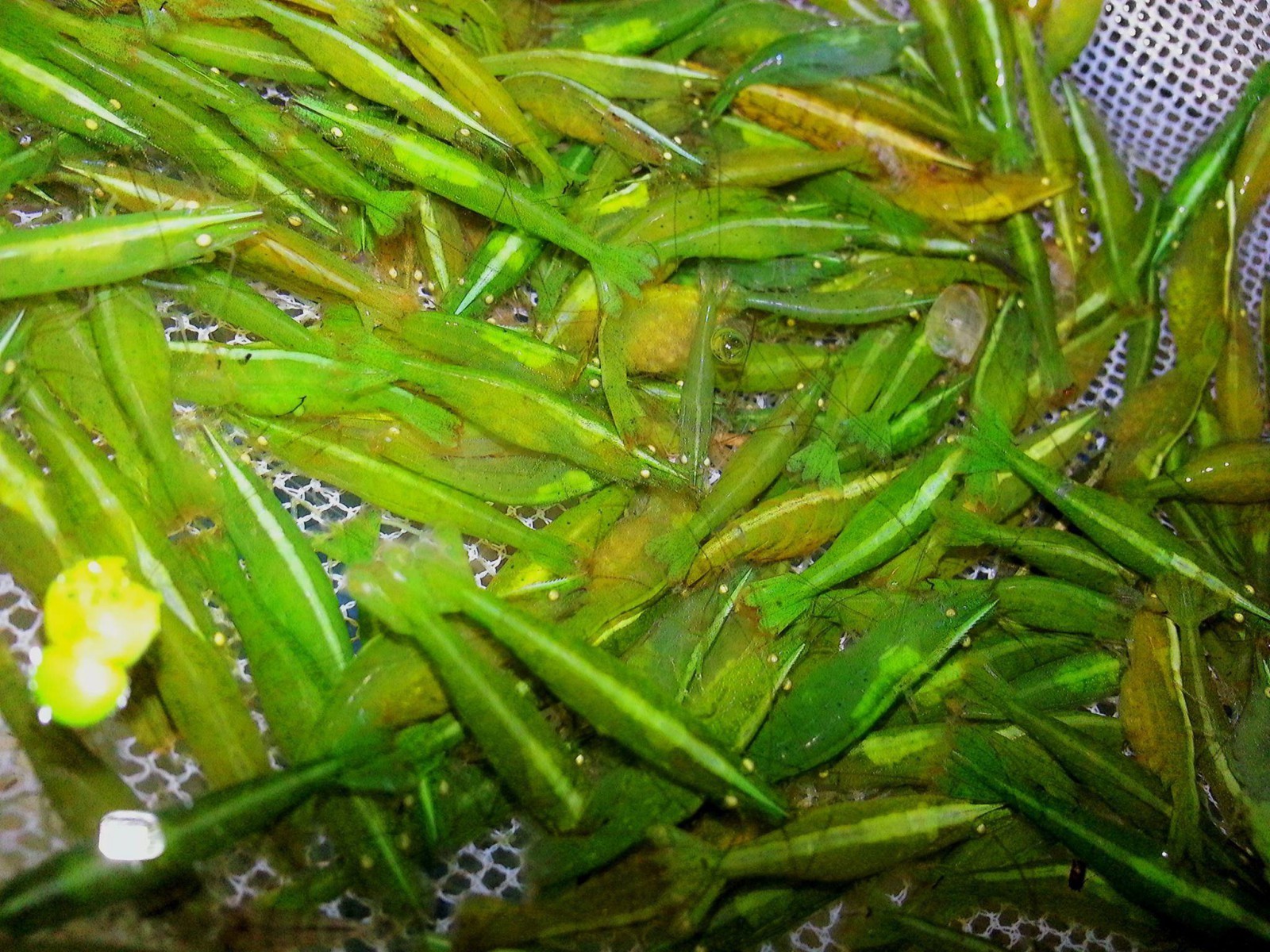
  • Caridina babaulti (Green Babaulti Shrimp)

    Caridina babaulti (Green Babaulti Shrimp)

    Add a splash of vibrant neon to your freshwater aquarium with the Green Babaulti Shrimp! Known for their striking, leaf-green coloration and active foraging behavior, these unique dwarf shrimp are a captivating choice for aquascapers looking to diversify their cleanup crew with a truly eye-catching and peaceful species.
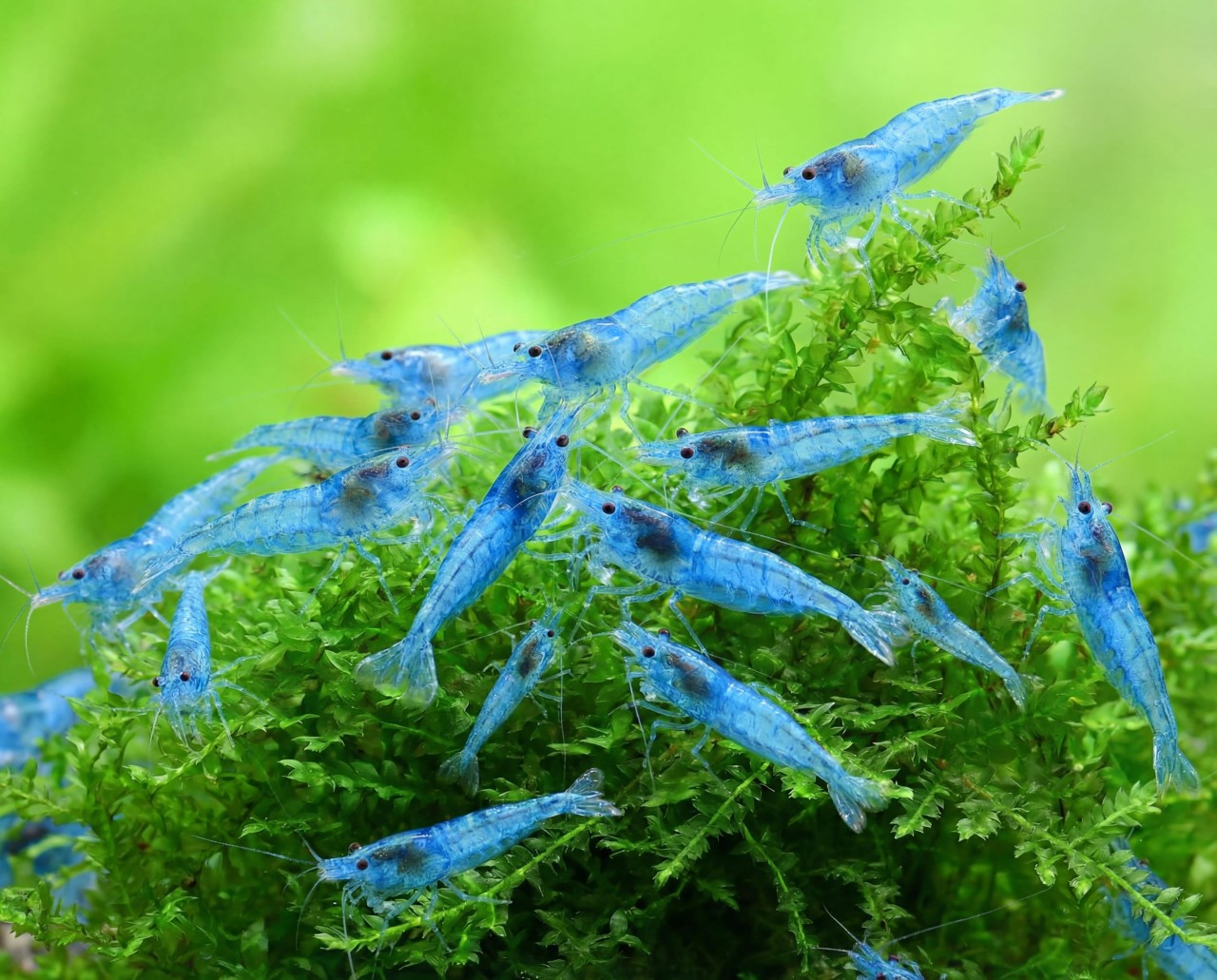
  • Neocaridina davidi var. Blue Jelly (Blue Jelly Shrimp)

    Neocaridina davidi var. Blue Jelly (Blue Jelly Shrimp)

    Dive into the mesmerizing world of the Blue Jelly Shrimp. Known for its stunning, translucent icy-blue coloration, this peaceful and hardy invertebrate is a favorite among aquarists. Perfect for beginners, the Blue Jelly adds a refreshing splash of color while tirelessly cleaning your tank's ecosystem by grazing on algae and biofilm.
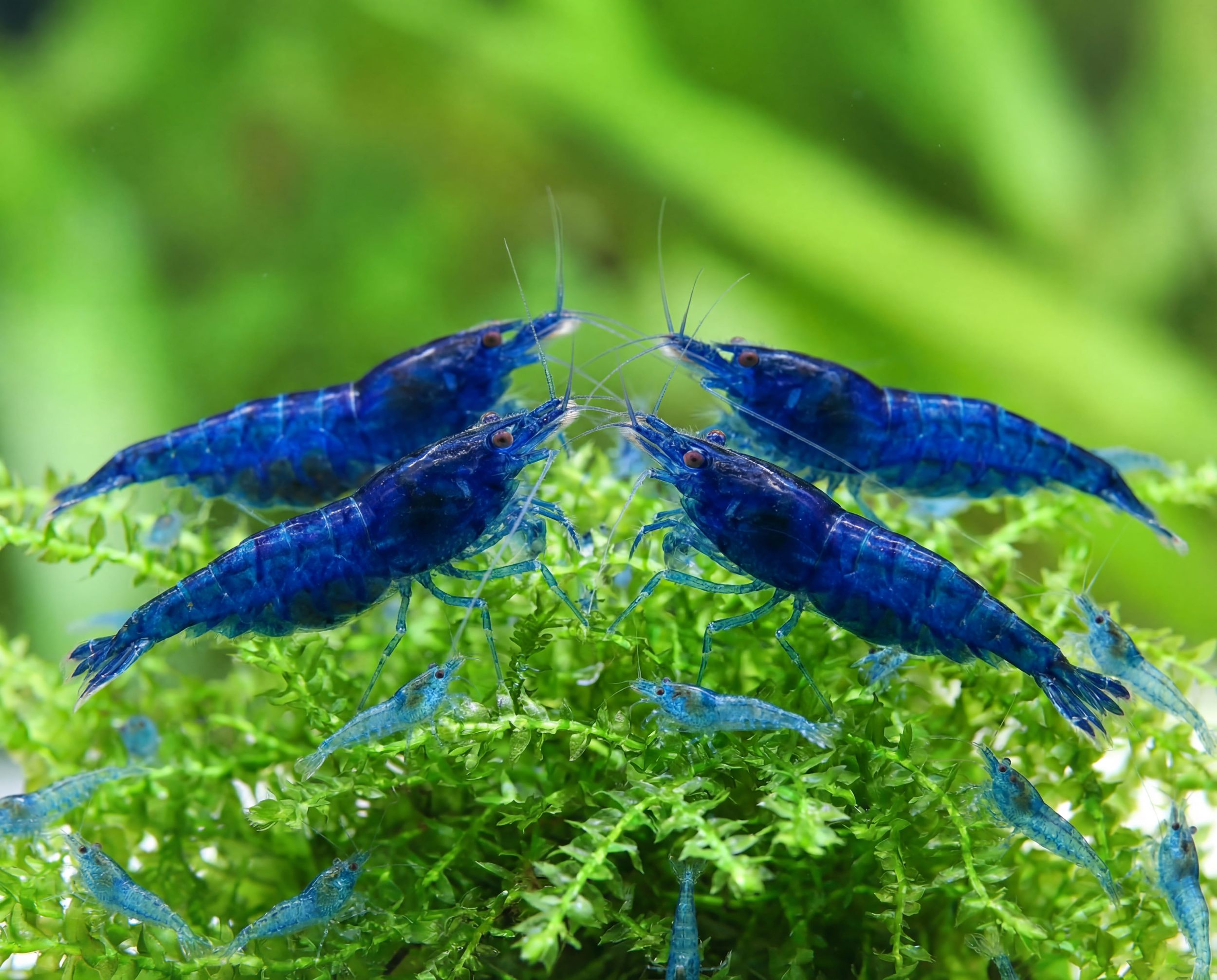
  • Neocaridina davidi (Blue Dream / Blue Velvet Shrimp)

    Neocaridina davidi (Blue Dream / Blue Velvet Shrimp)

    Dive into the mesmerizing world of Blue Dream and Blue Velvet shrimp. These stunning variations of Neocaridina davidi boast deep, captivating blue hues that instantly elevate any freshwater setup. Known for their hardiness and active nature, they are the perfect addition for both novice and experienced aquarists seeking vibrant color.
  • Neocaridina davidi (Bloody Mary Shrimp)

    Neocaridina davidi (Bloody Mary Shrimp)

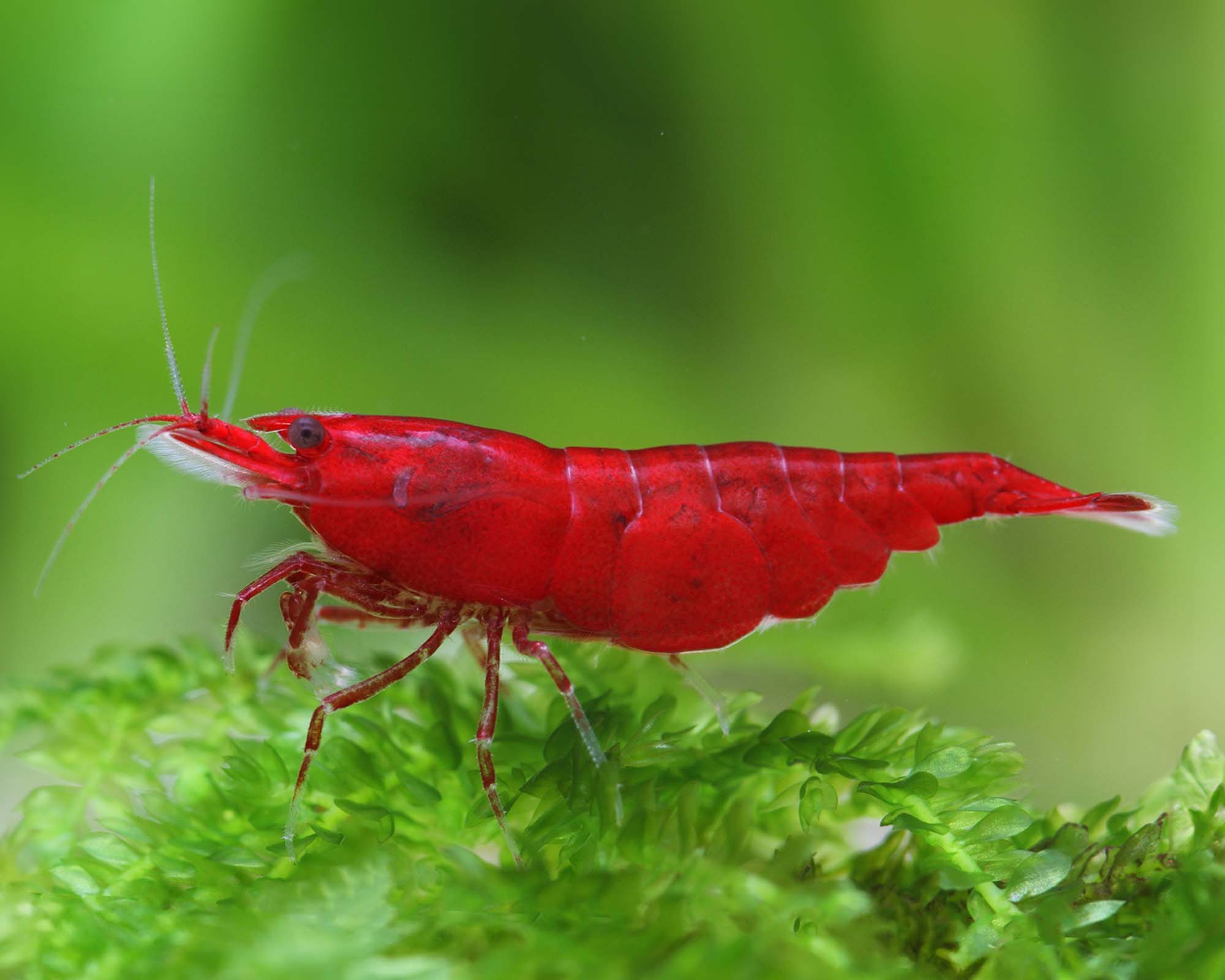
    The Bloody Mary Shrimp is a captivating variant of Neocaridina davidi, selectively bred for its intense, opaque red coloration. Originating from Taiwan, these vibrant freshwater crustaceans have quickly become a favorite among aquarists, celebrated for their striking appearance, peaceful demeanor, and relatively easy care, making them an excellent choice for both beginners and experienced shrimp keepers.
  • Ghost Shrimp

    Ghost Shrimp, also called Glass Shrimp are one of the easiest species of freshwater shrimp to keep. They are primarily translucent, small and highly active. Ghost shrimp are extremely popular due to their low price. Ghost shrimp can often be purchased en mass for as little as 20-50 cents each. This price makes them attractive to prospective owners but also as a live feeder for larger carnivorous fish. Ghost Shrimp are scavengers and do an excellent job of cleaning the aquarium of rotting debris and algae. They are effective at actively reducing nitrates within the aquarium and having a very low biomass footprint.
  • Crystal Red Shrimp

    Crystal Red Shrimp also known as CRS are a rare and unusual shrimp easily identified by their unique red and white striped markings. The CRS reportedly came to be from a single mutation involving the black bumble bee shrimp in Japan.
  • Red Cherry Shrimp

    Red Cherry shrimp or RCS are a breed of shrimp known as Neocaridina denticulata sinensis. Red Cherry shrimp exist in many colors in the wild but in the aquarium red is by far the most popular strain and this is attributed to their name. The bright red color is a result of years of selective breeding. The red cherry shrimp really stands out in the aquarium especially against plants and darker substrates.
  • Amano Shrimp

    Amano shrimp are freshwater invertebrates popular to the aquarium hobby. The name 'Amano Shrimp' is derived from the famous hobbyist Takashi Amano. Takashi Amano frequently uses these shrimp in his setup. Amano Shrimp add visual appeal and are excellent algae eaters in the aquarium. Amano Shrimp are fairly easy to maintain and care for.