
You don’t have to be a professional in this field to get started but with the right knowledge of keeping tank fish and relevant skills, nothing should stand on your way to establishing your first aquarium. And a complete aquarium is that one with live plants of different species, creating a perfect habitat for your fish.
Besides giving your aquarium that appealing look, live plants play other important roles too. The most notable function of fresh aquarium plants is to provide natural filtration, keep the fish healthy and help them breed, act as a source of oxygen, prevent the growth of algae and offering a safe haven for your small fish.
As you can see there’s more to live aquarium plants than just decoration. So, how do you choose your plants in the first place? What factors will you consider when setting up your aquarium? What level of maintenance would you prefer once your aquarium is already in use? And what types of plants are suitable for your first aquarium?
Table of contents
15 Best Aquarium Plants for Beginners
- Amazon Frogbit
- Java Moss
- Java Fern
- Anubias
- Amazon Sword
- Arrowheads
- Cryptocoryne
- Waterweeds
- Pearl Weed
- Guppy Grass
- Marimo Mossball
- Water Sprite
- Riccia Fluitans
- Hornwort
- Vallisneria
Benefits of Live Aquarium Plants
FAQ
15 Best Aquarium Plants for Beginners
If you are just starting out keeping live plants in your aquarium, here are some of the easiest plants to consider as a beginner:
Now let’s take a look to each plant in details.
1. Amazon Frogbit

Frogbit is also known as Limnobium laevigatum or sponge plant floats at the surface of the water. The leaves of the plant are rounded or heart-shaped especially when they are still young. In low light condition the leaves are darker, while in bright light they become lighter green with dots on it.
The plant develops a sponge-type structure under its leaves, which is filled with air, keeping the leaves floating. These aquatic plants are suitable for your guppies, mosquito fish, swordtails, mollies and platys. As a beginner, the plant is a perfect choice for you because it does not require special care.
- Appearance: The leaves are shiny dark green colored above with light green underneath. Also, the underside of its leaves has a disc of spongy cells.
- Tank water parameters: Frogbit grow well in water temperatures of about 74 to 79 degrees Fahrenheit.
- Light preferences: Thrive in various types of lighting that can imitate the natural light spectrum.
- Uses: To reduce the intense lighting and to provide a spawning refuge for several species of tank fish. Most importantly, they add beauty to the aquarium habitat.
2. Java Moss
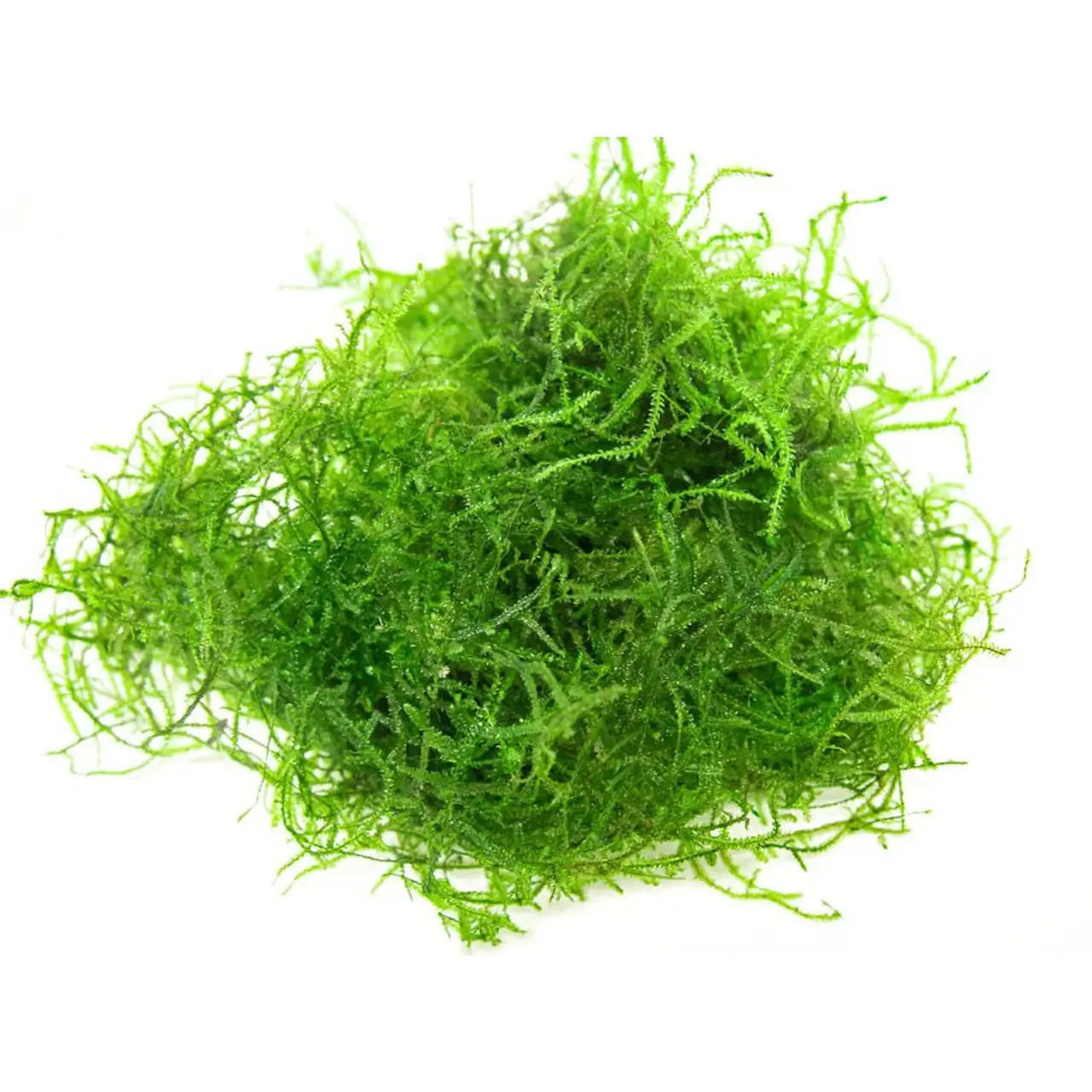
Java moss is a common type of live aquarium plant that you should never miss out on your shopping list for live plants. This is due to the fact that these plants require low maintenance, grow quickly and are difficult to kill.
When attached to a rock or any other substrate, Java moss can grow rapidly and occupy most surfaces of your tank. The plant is known for its ability to float in the aquarium, so it is advisable to prevent it from floating away by attaching it to something firm in the tank.
- Appearance: Lower, carpet-like growth patterns that look fuzzy.
- Tank water parameters: They thrive in water temperatures of between 72 and 90 degrees Fahrenheit but can grow fastest at 73 degrees Fahrenheit.
- Lighting preferences: Can grow well in any form of lighting. But it grows fastest in medium to high lighting conditions.
- Uses: Used in the decoration, covering the substrate and stabilizing it, protection, carpeting and breeding places for certain types of tank fish.
3. Java Fern
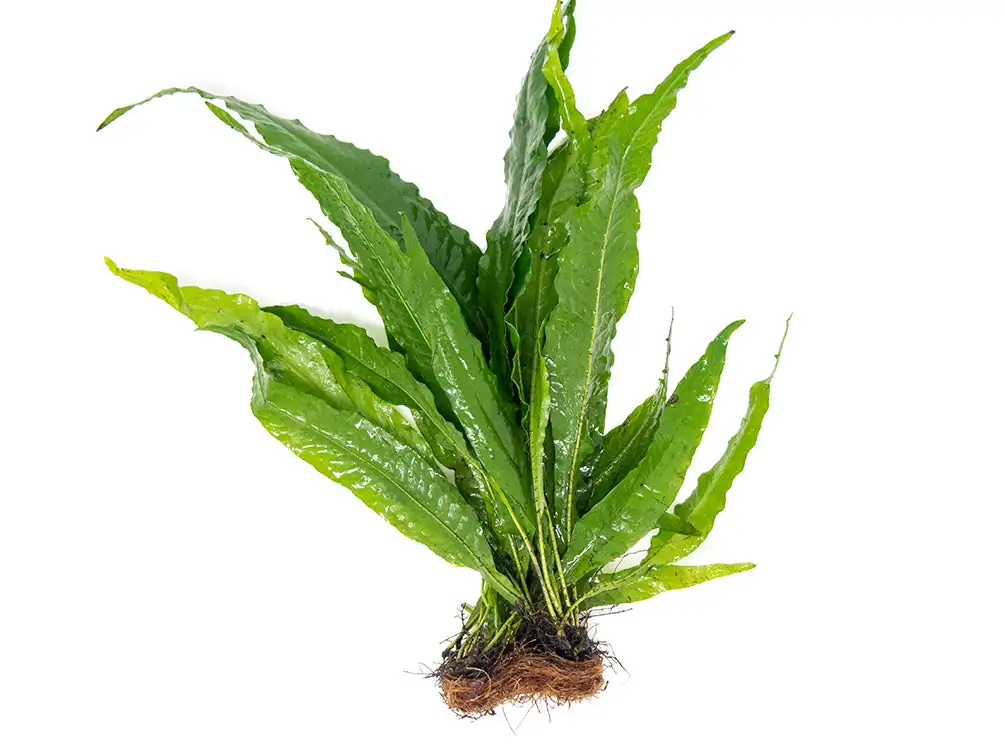
Java fern requires low maintenance hence the right choice for your aquarium if you are a newcomer in this field. In addition, the plant has a unique appearance that appeals to everyone. Java fern can be grown in any aquarium habitat and still look awesome.
- Appearance: It is semi-striped with thick leaves. Mostly, it appears in small bunches while in the tank.
- Tank water parameters: Grows rapidly in tank water temperatures of 72 to 78 degrees Fahrenheit.
- Lighting preferences: Java fern thrive under low to medium lighting conditions
- Uses: For protection and decoration purposes.
4. Anubias

Anubias comes out as one of the most appealing mid-ground aquatic plants that you should have in your aquarium. The plant is suitable mostly for aquascaping because it can tolerate nearly different types of water quality or tank environment. Anubias is characterized by their curved stems and semi-round leaves that make them a perfect match for the stone aquascaping.
- Appearance: The plant has curved stems complete with medium-sized and semi-round leaves.
- Tank water parameters: Can grow well in water temperatures ranging from 72 to 78 degrees Fahrenheit.
- Lighting preferences: Grows optimally in medium lighting conditions.
- Uses: For protection and decoration purposes. The plant looks beautiful in aquarium setup.
5. Amazon Sword
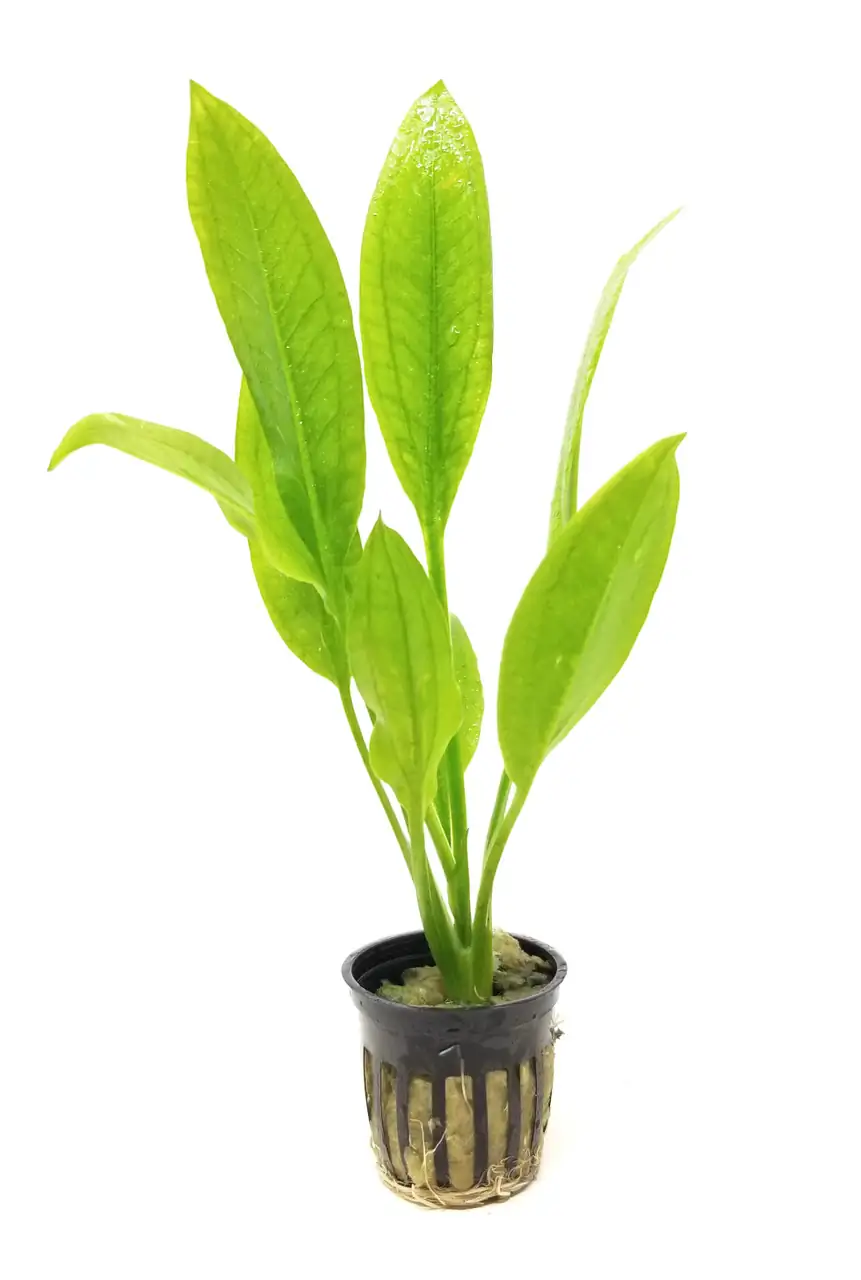
Amazon sword is a common plant in most of the aquascapes. The plant is easy to maintain especially for beginners. It looks quite beautiful when planted in an appropriate location within the tank. Amazon Sword can grow as big as 20 inches, making them the best plants for the mid-ground section of your aquarium.
- Appearance: They have large sword-like leaves, hence the name.
- Tank water parameters: Thrive in temperatures ranging from 72 to 82 degrees Fahrenheit.
- Lighting preferences: They grow well in medium lighting.
- Uses: Suitable for background decoration, concealing plumbing or hardware and protection.
6. Arrowheads (Sagittaria Subulata)
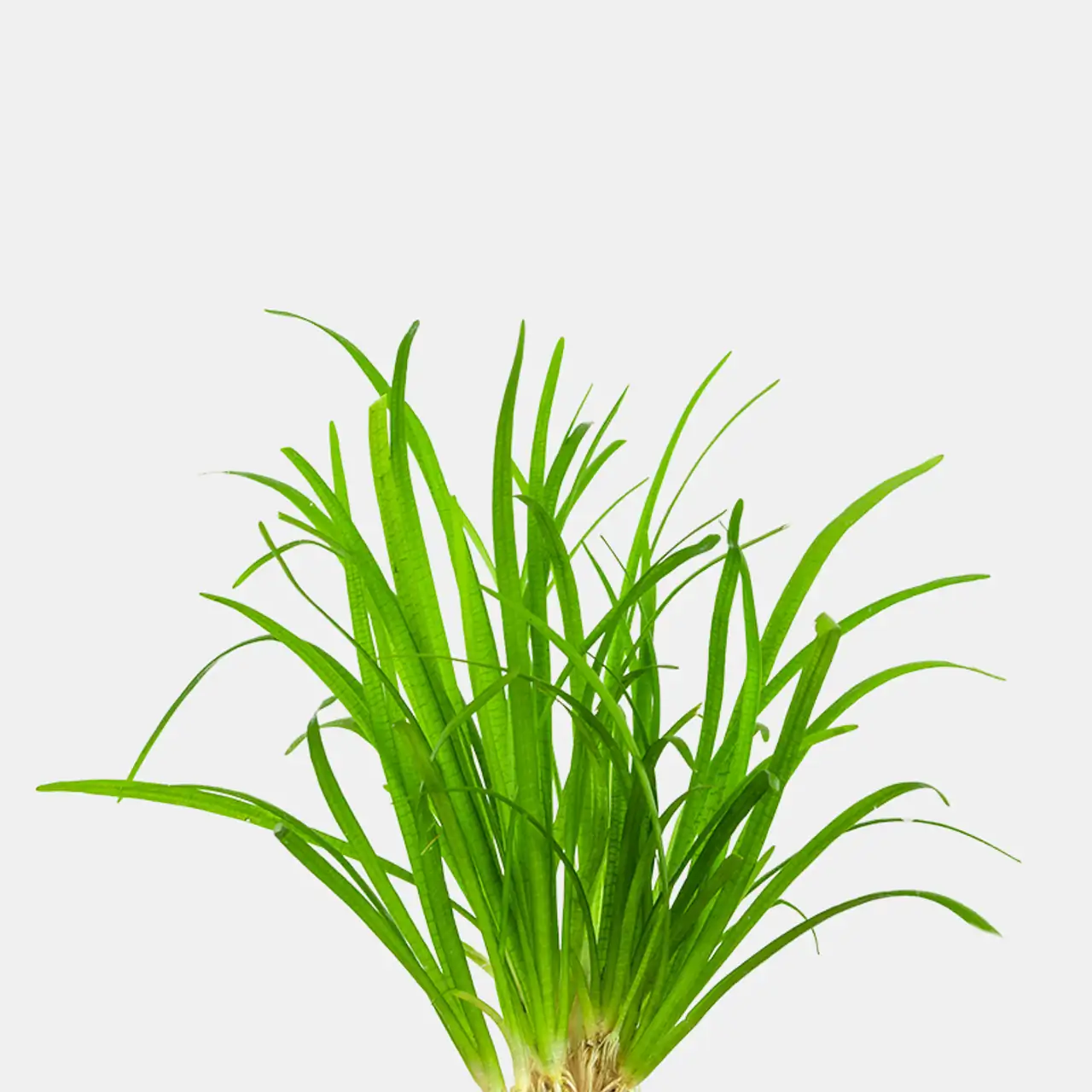
Arrowheads or Sagittaria are among the most common type of live aquarium plants for beginners. This is because the plant is simple and does not require any special maintenance.
- Appearance: Arrowheads are characterized by their bright green grass-like appearance that looks like small arrows. In fact, their green color gives an aquarium a great appearance.
- Tank water parameters: Sagittaria grows well in water temperatures of about 74 to 78 degrees Fahrenheit.
- Light preferences: They prefer low lighting for optimum growth.
- Uses: To keep your aquarium green and appealing to the eye while removing excess nutrients
7. Cryptocoryne

Cryptocoryne is a good choice for you if you are looking for mid-ground plants for your aquarium. Even though it has a slow growth rate, this plant grows well once it is established. It can also tolerate different water parameters and can thrive in low to medium light conditions.
- Appearance: The plant has wide leaves that are capable of obscuring some amounts of light in the aquarium.
- Tank water parameters: The ideal water temperature is between 72 and 82 degrees Fahrenheit.
- Lighting preferences: Cryptocoryne grow well in low to medium lighting conditions
- Uses: For decoration and protection.
8. Waterweeds (Elodea / Anacharis)

Waterweeds or Anacharis are live aquarium plants that are easy to maintain. The plants can root into the substrate but you can as well keep them free-floating in the aquarium. The best way of propagating them is by use of cuttings. From there they can grow well unassisted.
- Appearance: They are characterized by their lace-like leaves that grow to different sizes depending on the water temperature in the tank.
- Tank water parameters: Anacharis can thrive in water temperatures of between 74 and 82 degrees Fahrenheit.
- Lighting preferences: They can survive in any lighting but can grow even better in low or bright light.
- Uses: They are suitable for aerating the tank.
9. Pearl Weed (Hemianthus Micranthemoides)
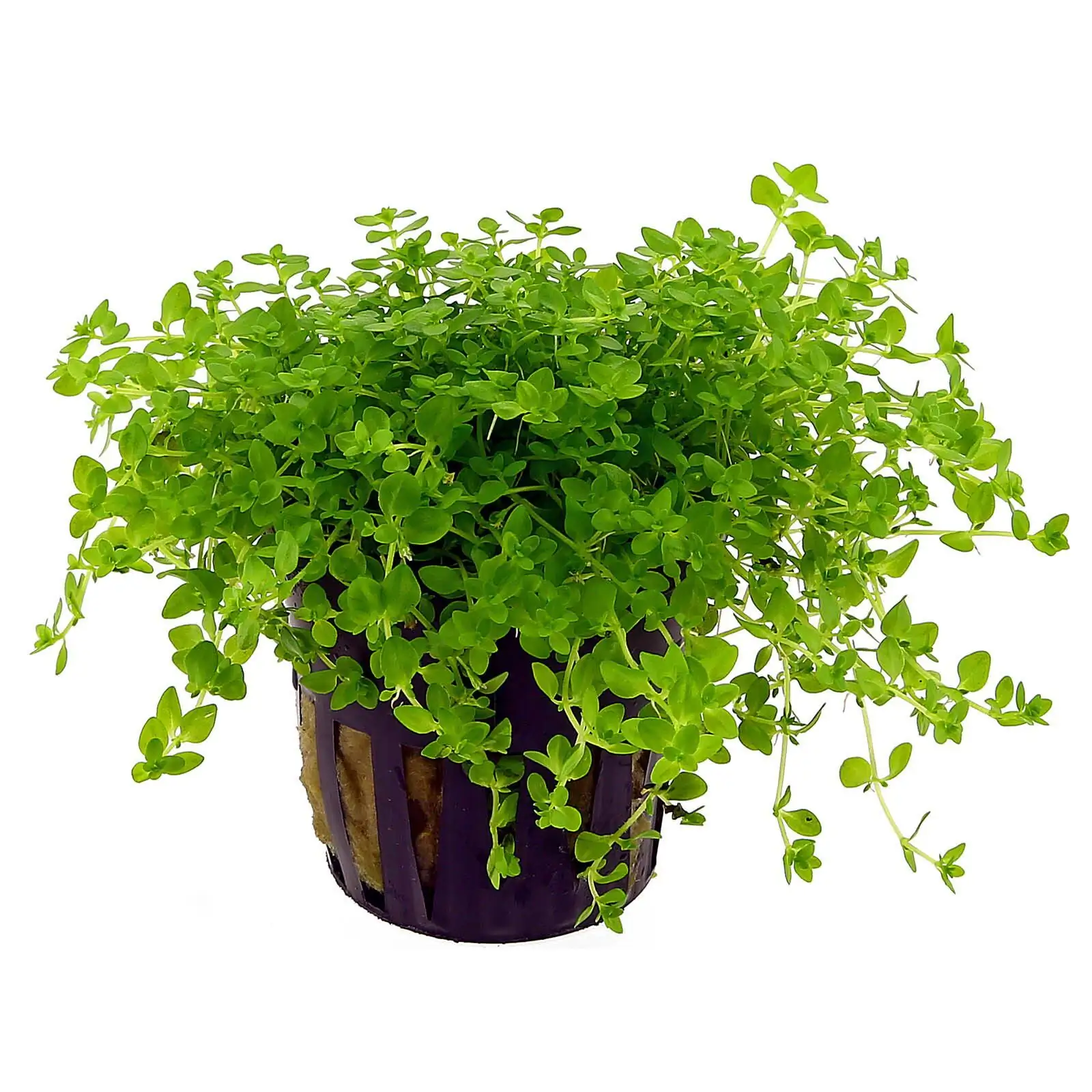
Pearl weed is scientifically known as Hemianthus micranthemoides and it’s similar to Hemianthus callitrichoides but the difference comes about in the structure of their leaves and height. Pearl weed grows taller and has bigger leaves than those of H. callitrichoides.
- Appearance: Looks like a carpet of small plants in the aquarium.
- Tank water parameters: Temperature of about 70 to 78 degrees Fahrenheit
- Lighting preferences: medium to high
- Uses: As a carpet foreground plant
10. Guppy Grass (Najas guadalupensis)
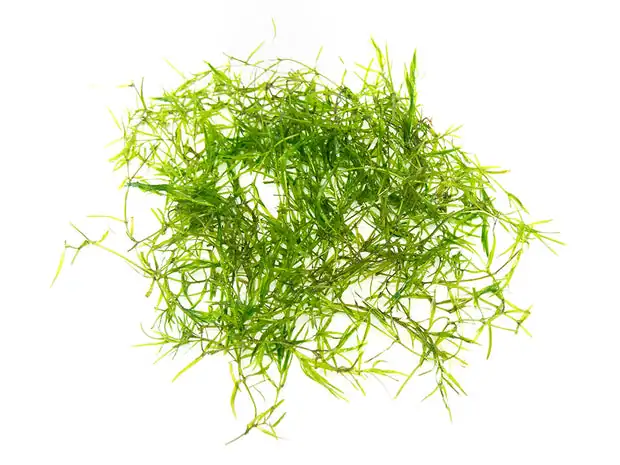
Guppy grass is a type of aquarium plant that provides a perfect hiding place for shrimp and young fish fry, especially guppies. The plant grows relatively fast especially when rooted in the substrate or left to float around.
- Appearance: It looks like a heap of grass that can be anchored into the substrate or can grow by floating around
- Tank water parameters: Temperatures of between 68 and 77 degrees Fahrenheit
- Lighting preferences: Low to medium
- Uses: Decoration, protection, and elimination of nitrites from the tank.
11. Marimo Mossball
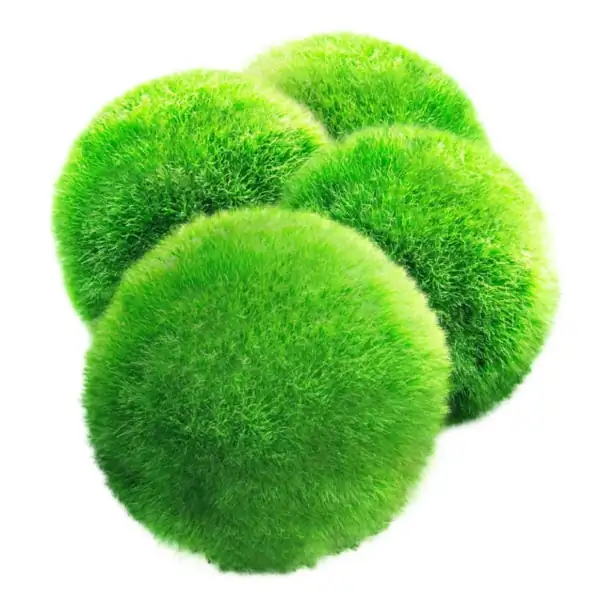
These are a rare type of spherical algae that grows radially outward. The unique thing about Marimo moss balls is that they live longer, perhaps a 100 plus years.
- Appearance: They look like a ball of algae at the bottom of the tank.
- Tank water parameters: Grow in temperatures of about 65 to 75 degrees Fahrenheit.
- Lighting preference: Low to medium light conditions
- Uses: Decoration, sucks up nitrites, provides some oxygen
12. Water Sprite
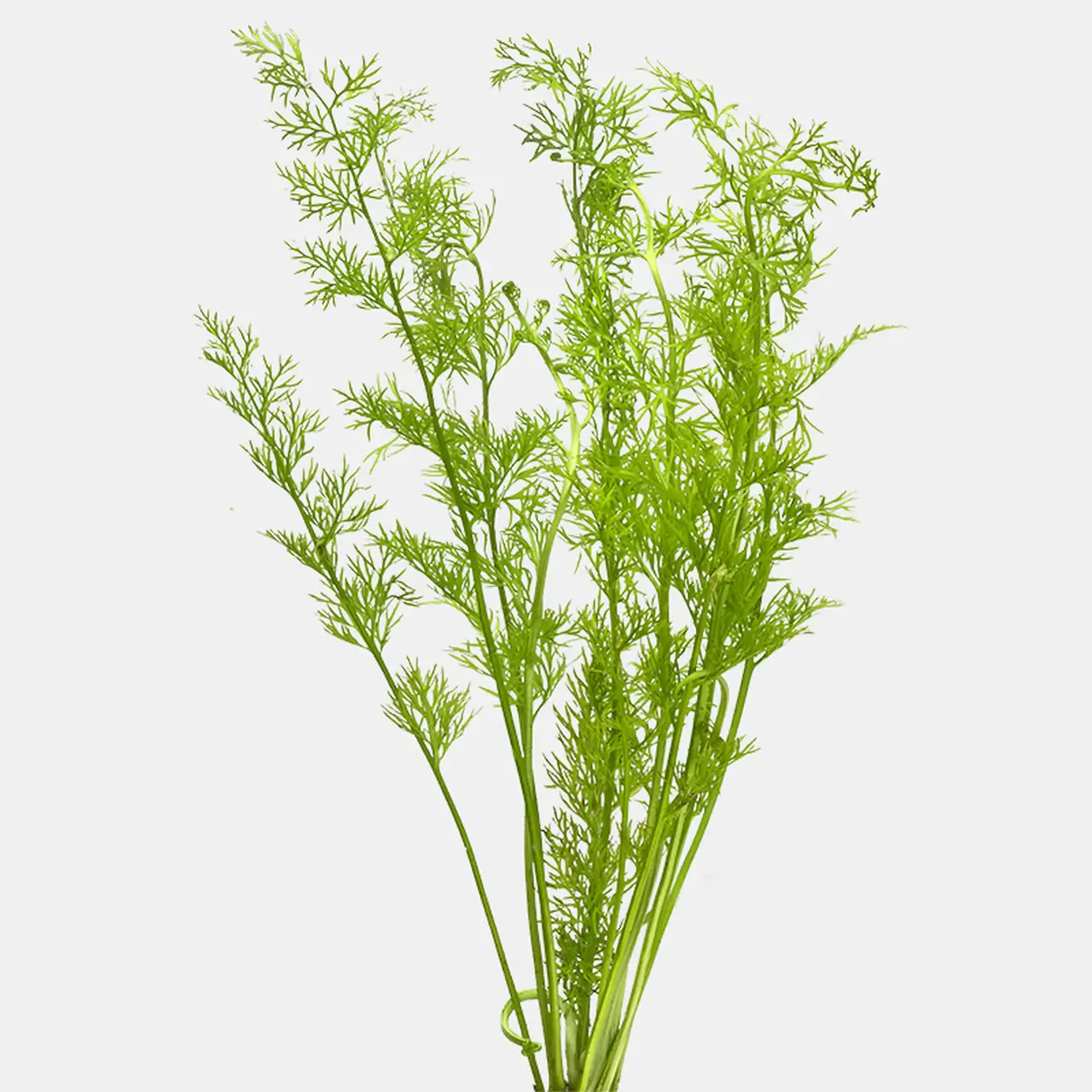
Water sprite is another type of floating plants that grow easily under the right tank conditions. This plant can be grown in the substrate and almost any tank water conditions. Additionally, the plant is hardy, meaning that it does not require any special care.
- Appearance: Water sprite appears floating on the surface of the tank and you can easily identify it from its distinctive network of leaves. It can also be anchored into the substrate
- Tank water parameters: It thrives in tank water temperatures of about 68 to 86 degrees Fahrenheit.
- Lighting preferences: Lighting is not an important factor for this plant although it will grow well in low lighting levels.
- Uses: Water sprite plays a key role in cleaning up nitrates, nitrites, and ammonia from the tank water. It also provides shade to shy fish or fry.
13. Riccia Fluitans
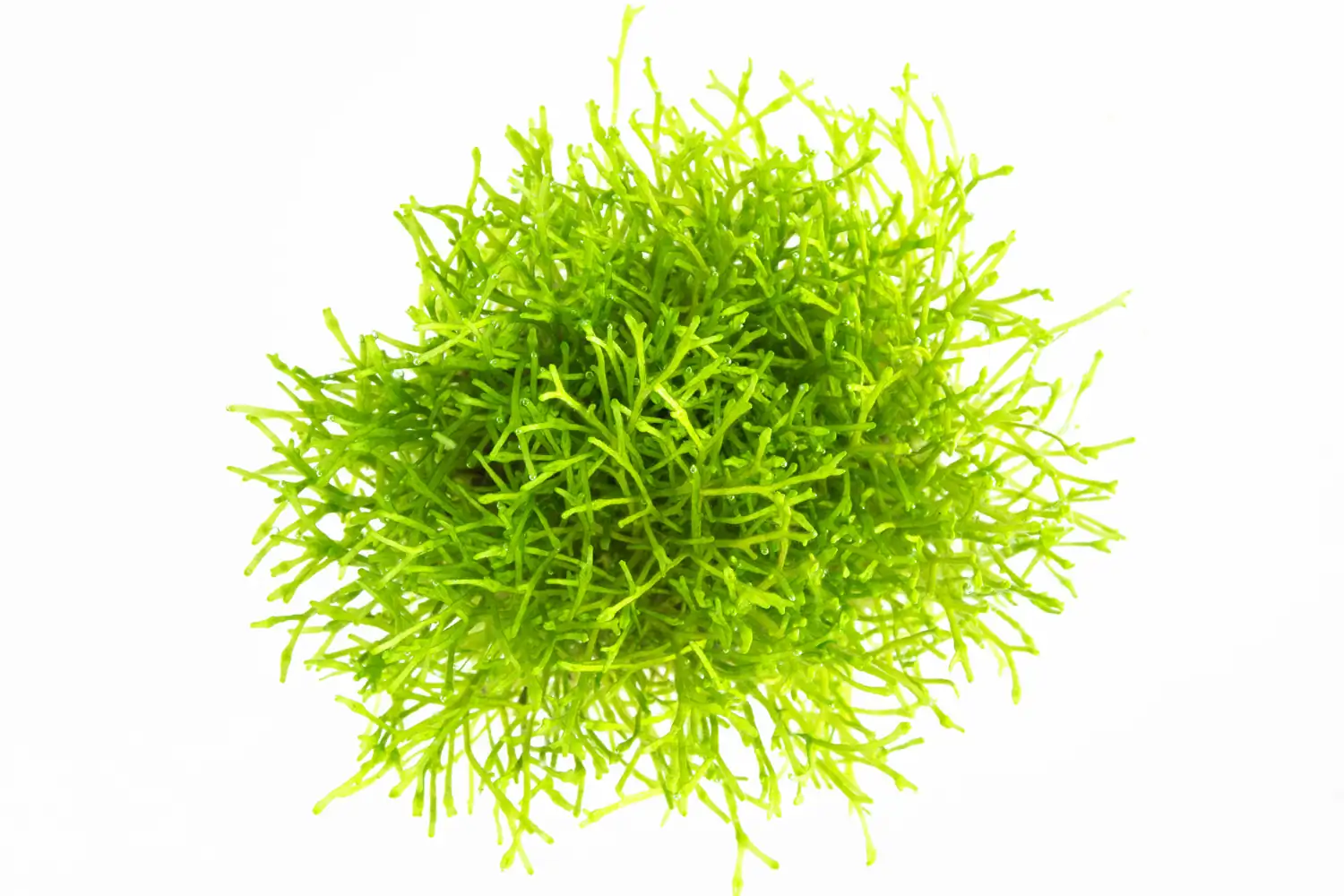
Riccia fluitans is a form of cosmopolitic moss that thrives well at the bottom of the tank. When planting it you are required to tie it to a rock using fishing net so that it grows and covers the substrate. With added carbon dioxide to the tank, Riccia fluitans can thrive best in good tank water conditions.
- Appearance: Looks like a greenish carpet at the bottom of the tank if anchored to rocks or wood, or can float at the water surface
- Tank water parameters: Riccia fluitans thrive in water temperatures of between 74 and 78 degrees Fahrenheit.
- Lighting preference: Low to medium lighting levels
- Uses: Suitable for decorating the tank and protecting young fish.
14. Hornwort

If you are looking for a floating live aquatic plant then you should not look beyond Hornwort. This is a floating aquatic plant that you can easily plant in your aquarium. Besides, it is a low maintenance aquatic plant. It grows faster and can serve as a meal for some fish species in the tank.
- Appearance: Hornwort appears floating on the water surface or can be anchored into the substrate
- Tank water parameters: Since it is a sub-tropical plant, it can grow well in water temperatures of 50 to 78 degree Fahrenheit.
- Lighting preferences: Hornwort prefers growing in low lighting conditions
- Uses: Decoration, cleaning the tank from nitrates and food for some fish species
15. Vallisneria

Vallisneria is also referred to as a One Plant Wonder and its undemanding when in the aquarium. The plant can single-handedly transform the entire look of your tank into what looks like a luscious jungle. What you need to do is to plant a single bunch and before you know it, it will have spread to other parts of the aquarium.
- Appearance: Looks like a luscious jungle in aquarium setup.
- Tank water parameters: Vallisneria prefer water temperatures ranging from 70 to 82 degrees Fahrenheit.
- Lighting preferences: low to medium lighting conditions.
- Uses: suitable for decorating the tank and protecting the substrate.
Benefits of Live Aquarium Plants
Placing a few plants in your aquarium isn’t a difficult task. With little knowledge, direction and practice, you can successfully set up your tank in just a few simple steps. However, there are different types of aquatic plants that you can add to your freshwater aquarium. Here are a few benefits of live aquarium plants that you should know:
Live Plants Provide Oxygen for Fish
The presence of aquatic plants in your aquarium helps in oxygenating tank water. These plants undergo photosynthesis process, thus releasing oxygen for the fish to breath. Also, they take in carbon dioxide as a way of keeping tank water conditions suitable for the survival or virility of fish.
Combat and Prevent Algae Growth
Algae in the aquarium create an unpleasant sight as well as irritating the fish. Luckily, there are plants that can combat and prevent the growth of algae in the aquarium. These plants compete with algae for essential nutrients such as nitrates, potassium, iron and trace elements. All these nutrients play a key role in the growth of aquatic plants and different forms of algae. But the plants take in large amounts of these nutrients, thus starving the algae and eventually eliminating them.
Good Food Source for Some Fish
These plants are a rich source of food for most tank fish. So, if your fish are herbivores, you can rest assured that they will feast on a few species of plants to supplement their daily diet. This is because a number of aquarium fish spend most of their time swimming around and eating leaves or stems from a few tank plants and this could be a perfect source of some key nutrients.
Provide Cover for Fry or Small Fish
Some tank fish are territorial and highly aggressive while others are victims of circumstances. With the presence of aquarium plants, you can trust that the less aggressive fish will find a place to hide from the territorial tank mates when the need arises. These plants provide ideal spots for breeding and laying eggs. Also, these aquatic plants provide a safe sanctuary for your fish and fry.
FAQ
How do You Choose Aquarium Plants as a Beginner?
Choosing plants for your aquarium for the first time might sound like a simple task but that is not the case. There is a lot to be done to ensure that your chosen plants thrive and serve their intended purpose. That is why you need to put more effort and thought when selecting live plants for your fish tank just in the same way you did for the fish.
Aquarium plants come in different species and sizes to choose from. Each type of plants has its own special requirements for care. Also, these plants have their strategic locations in the tank where they are meant to be placed.
For instance, there are those that occupy the foreground while others thrive in the mid-ground and the rest do well at the background. So you should know which plants to buy for each section of your aquarium. During the selection of your aquarium plants, you need the following questions at the back of your mind as your guideline:
Does Your Aquarium have Artificial Light?
Light is an important source of energy that plants in your aquarium need to survive. This is because light plays a significant role in the photosynthesis process through which carbon dioxide is converted into energy. You can use different options of light for your aquarium although all of them are not a good choice for your live plants. Apart from that, the plants in the tank require at least 8 hours of light each day to help them grow well
What Type of Fish do You Keep?
Another thing to consider when choosing live plants for your aquarium is the type of fish you want to keep. Most of the time plants in the fish tank provide some fish with essential nutrients when they feed on them. Also, these plants act as hiding places for less aggressive fish in case they feel threatened by other aggressive tank mates.
During the breeding season, live plants play a crucial role in offering a suitable platform for the fish to lay their eggs on and eventually hatch. Therefore, you should take into account the species of fish that you have in your aquarium before introducing live plants there.
What is the Size of Your Tank?
The size of your aquarium should come first as a major determinant to the type of live plants you are looking for. That is to say that your tank should be large enough to accommodate a given number of fish and plants. More often than not, your fish may require more space to swim around and even establish their own territory. Most of the tank fish species are territorial and aggressive, thus the need to provide them with enough space to avoid “conflicts” with other tank mates.
Is the Water Flow Strong or Slow?
The flow of water in the aquarium matters the most especially where live plants are concerned. This means that you need to check to know if the flow of water is strong or slow before adding plants in the tank. Some plants have weaker stems and when subjected to a stronger flow of water, they may break and die out.
As such, you need to regulate the flow of water or choose those live plants that have a stronger structure to withstand the flow of water in the aquarium regardless of whether its strong or slow.
What Level of Maintenance Do You Prefer?
Once the plants are already in the aquarium, they will need some maintenance. Whether they are fast or slow-growing, it will be upon you to keep an eye on them to ensure that they grow as required. Maintenance of your tank plants should not be a problem as long as you understand the nature of each species of plants that is in your aquarium.
That is why you should consider this factor in the first place before including any plant in your aquarium. Without proper maintenance, your plants will not survive long in that aquarium environment and consequently, your fish may be affected in one way or the other.
Do You Need to Fertilize Aquarium Plants?
Aquarium plants need to be fertilized occasionally as part of their maintenance routine. Just like other plants in the wild, these live plants require essential nutrients to survive and thrive while keeping the tank condition in check. Ensure that the type of fertilizer you use does not harm other living things in the tank.
How often do You Need to Cut Live Plants?
Trimming and hedging live plants is an essential part of maintenance to keep these plants healthy and visually appealing. Under good conditions, aquarium plants will grow faster although the rate of growth will depend on each species of plant. For that reason, you need to monitor the size of your plants in order to avoid the occurrence of any complications in the future.
To cut the long short, you are required to cut your live plants after the initial month or whenever they grow large and occupy a lot of space. There are some aquarium plants such as Marimo Moss Ball, which don’t need trimming at all.
What do you do with Plant Trimmings?
Plant trimmings come in different forms depending on the type of plants themselves. For instance, there are stem plants, potted plants, moss, Java fern, and Anubias. For the stem plants, you can trim them and use the trimmed stems as part of the substrates
This is not the case with other types of live plants. As such, it is recommended that you remove the trimmed parts of such plants and discard them elsewhere and not in the tank.
Conclusion
There is nothing difficult when choosing aquarium plants, especially for beginners. What is required of you is to have the right knowledge about the types of plants for your aquarium and the size of your aquarium. There are different types of plants to choose from and each has its own special way of maintenance that you should be aware of.
With all these useful tips on how to choose your freshwater aquarium plants, you should never have a reason to go wrong on your mission to establish a vibrant fish tank.




Leave your comments