AquaLibs presents AquaRank Discover the world’s leading aquascapers

Explore transparent rankings built from published results across the world’s leading aquascaping contests.

Why CIAC 2026 Puts Plant Condition Ahead of Aquascape Drama

Read the scoring as a preparation plan

The official CIAC 2026 page identifies growth, color, vitality, and the overall visual effect of aquatic plants as the 60-point Aquatic Plant Condition category. Maintenance Skills account for 30 points and cover information about lighting, CO2, temperature, nutrients, water quality, and algae control. Photography accounts for the remaining 10 points, including close-up plant views and overall composition.
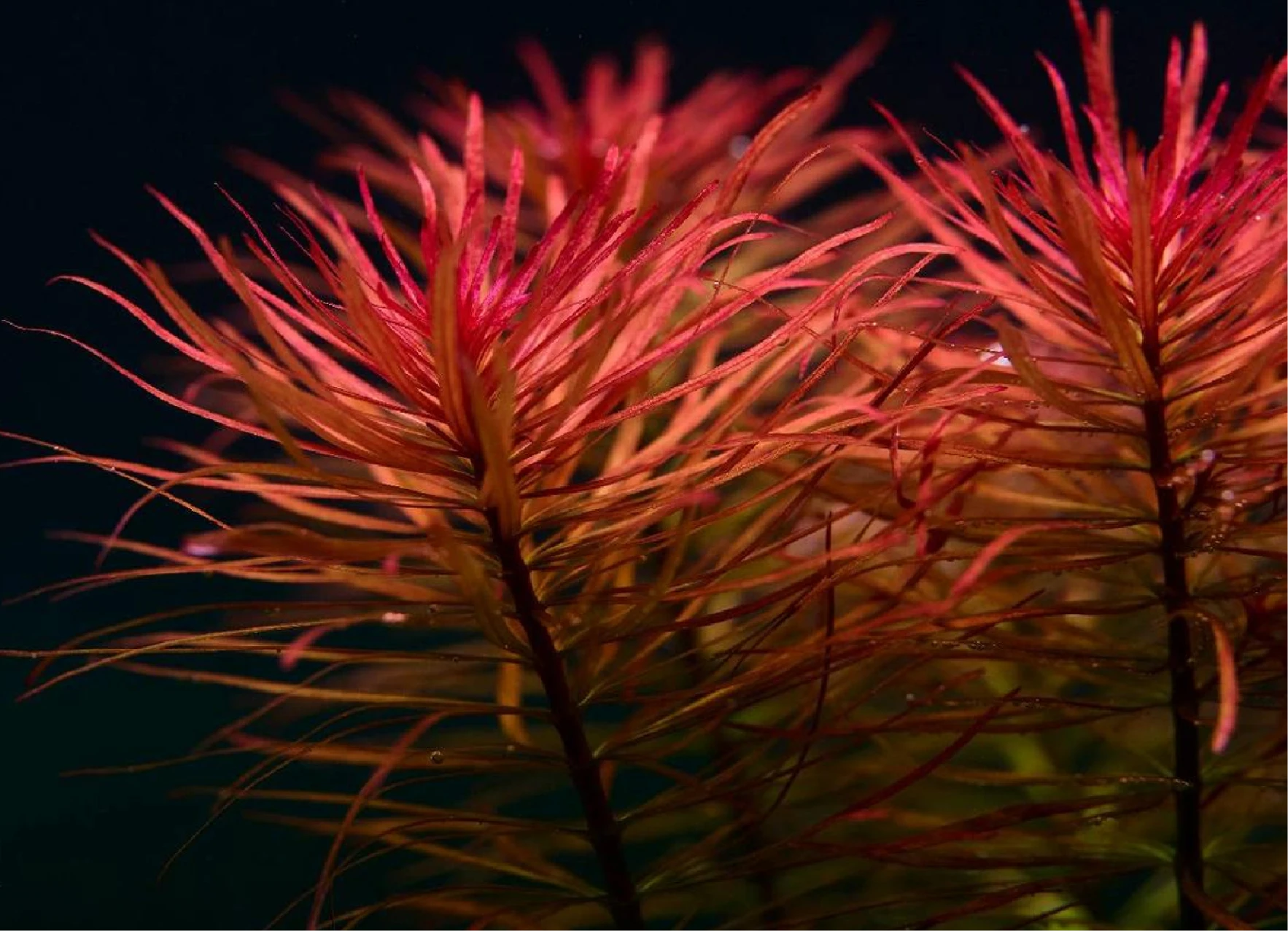
This structure does not make composition irrelevant. The plants still need to work as part of a convincing aquascape. However, it suggests that visual drama should support plant quality rather than conceal poor condition. A simple design filled with vigorous, well-colored plants may be better prepared than a highly elaborate scene showing damaged leaves, algae, or inconsistent growth.

Build plant condition before chasing the final look

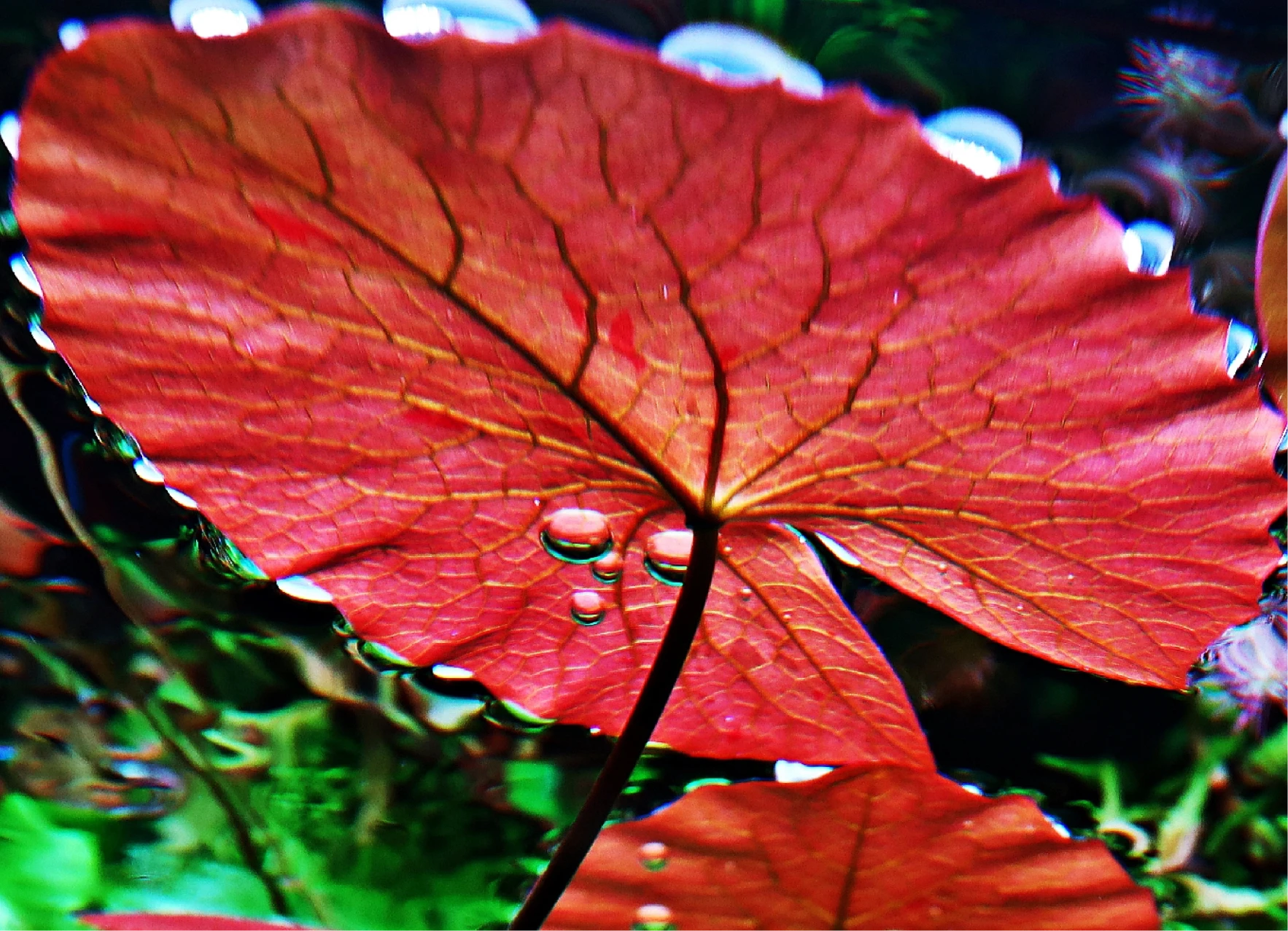
Start by identifying what each plant needs to remain healthy in the submitted aquarium. Observe new growth, color, leaf shape, density, and signs of stress instead of judging the tank only from across the room. Remove damaged leaves and trim in a way that encourages the intended shape without repeatedly disturbing plants that are still establishing.

Color should be developed steadily rather than forced through abrupt changes. Keep lighting, CO2, nutrients, temperature, and water quality consistent enough for you to understand how the plants respond. If a plant declines after a change, record what changed and adjust methodically. A controlled routine makes it easier to distinguish a genuine improvement from a short-lived visual effect.
The published rules also state that contestants must provide proof that submitted organisms were raised by themselves. Keep progress photographs and basic cultivation notes as the aquarium develops. Those records can help demonstrate ownership and give you a clearer history of the plants’ condition.

Treat maintenance records as part of the entry

The 30-point maintenance category gives contestants a reason to organize the technical story behind the aquarium. Keep a simple record of lighting settings or schedule, CO2 use, temperature, nutrient routine, water-quality observations, water changes, pruning, and algae-control measures. The goal is not to create impressive-looking paperwork; it is to show that the aquarium is being managed deliberately.
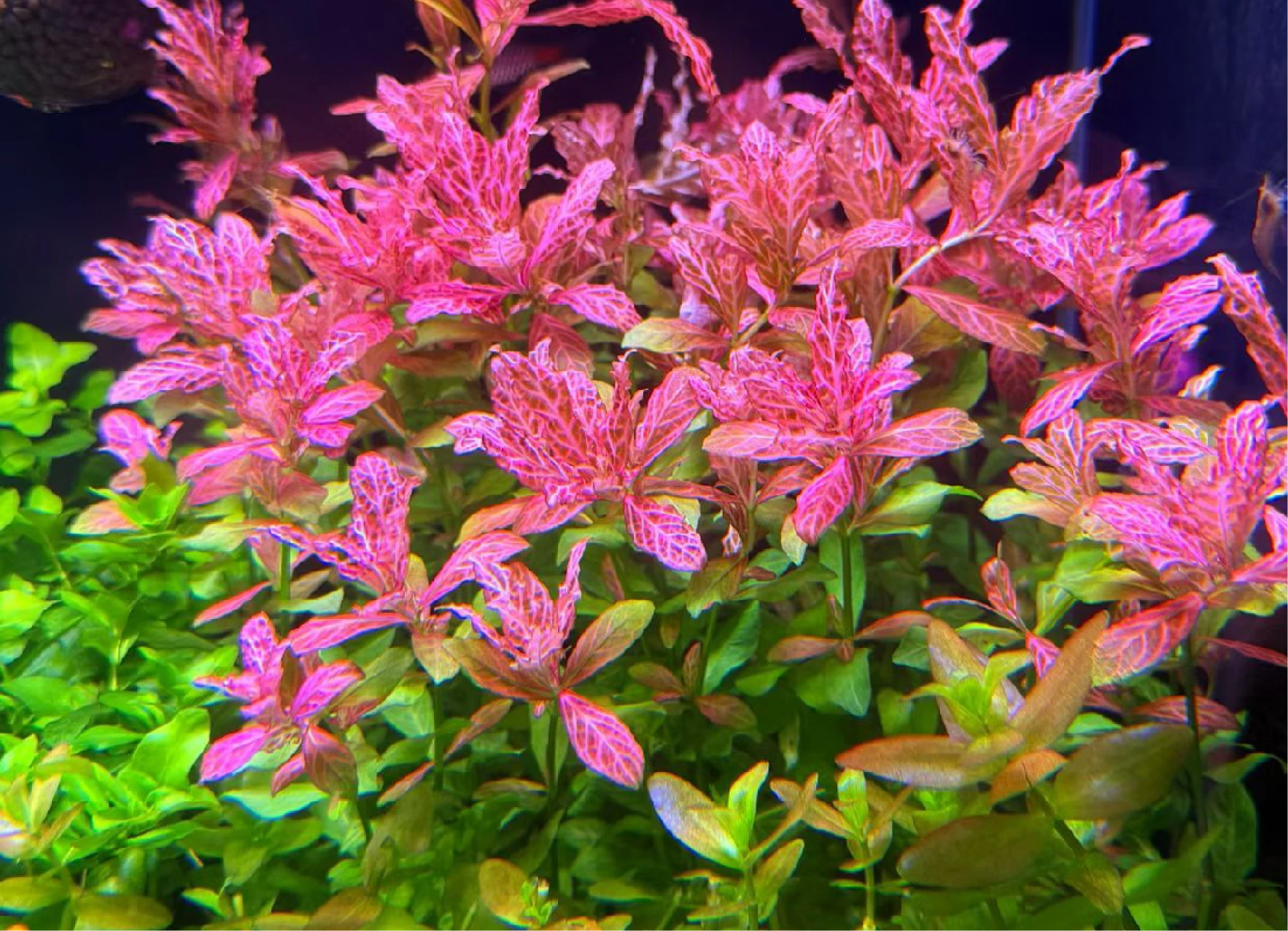
Algae control should be approached as prevention and observation, not as a last-minute cosmetic treatment. Note where algae appears, whether it follows a change in light or feeding, and how the tank responds to cleaning or plant maintenance. Avoid making several major adjustments at once, because that makes the result difficult to interpret and can destabilize the aquarium.

Before submission, review the tank as a system. Check whether the plants are growing evenly, whether older leaves are obscuring newer growth, and whether maintenance has left visible debris or damaged foliage. A final tidy-up should reveal healthy structure rather than hide ongoing problems.

Use photography to prove, not exaggerate

Photography is worth 10 points, so it should communicate the work accurately without becoming the main project. The official rules require a high-resolution, front-view image of the final aquascape; angled photographs or images showing only part of the tank are not acceptable. They also specify one aquascape photo and one photo of the aquascape with the author for each category, with JPEG files between 3 MB and 5 MB and a resolution of at least 300 DPI.
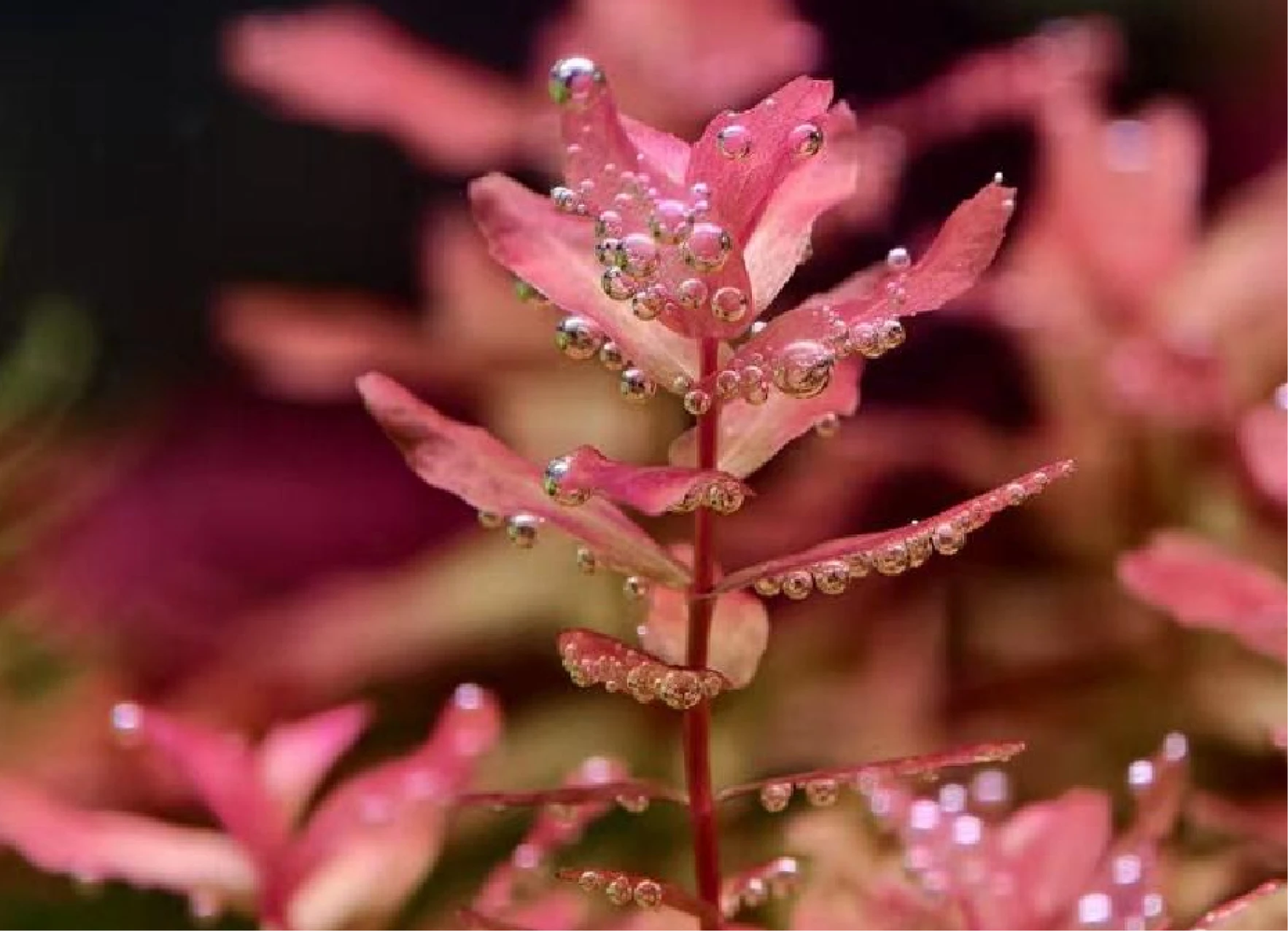
Keep the camera square to the aquarium and make sure the full composition is visible. Clean the glass, remove distracting equipment where practical, and choose lighting that shows plant color without creating glare. Close-up views can help present plant detail where appropriate, but the required final aquascape image should remain an honest front view.

The rules prohibit image editing or modification. Preserve the original high-resolution files because the organizer may compress or resize submitted images and says original files may be used for printing winning works. A careful, natural photograph is safer than an edited image that misrepresents the aquarium.

Plan around the event schedule

The official CIAC page lists the online registration system opening on April 2, a September 15 registration deadline, a September 25 judges’ scoring deadline, and results announced on October 10. It also lists an on-site International Masters Aquascaping Show and invitational tournament on November 12, followed by the CIAC 2026 Award Ceremony on November 13.

Use those milestones to work backward from the submission. Allow time for plants to settle after pruning, for any corrective maintenance to show stable results, and for photography under controlled conditions. Do not leave proof of cultivation or technical notes until the final day. The strongest preparation is a steady process in which plant health, maintenance, and presentation develop together.

The scoring structure ultimately rewards a more durable idea of aquascaping: visual impact matters, but it is most persuasive when it comes from healthy plants and disciplined care. Prepare the aquarium as a living system first, then photograph the result with restraint and accuracy.
Leave your comments
Latest on News & Press
  • The Art of Thai Aquascape 2026: What a Public Aquascaping Festival Can Teach Tank Builders

    The Art of Thai Aquascape 2026: What a Public Aquascaping Festival Can Teach Tank Builders

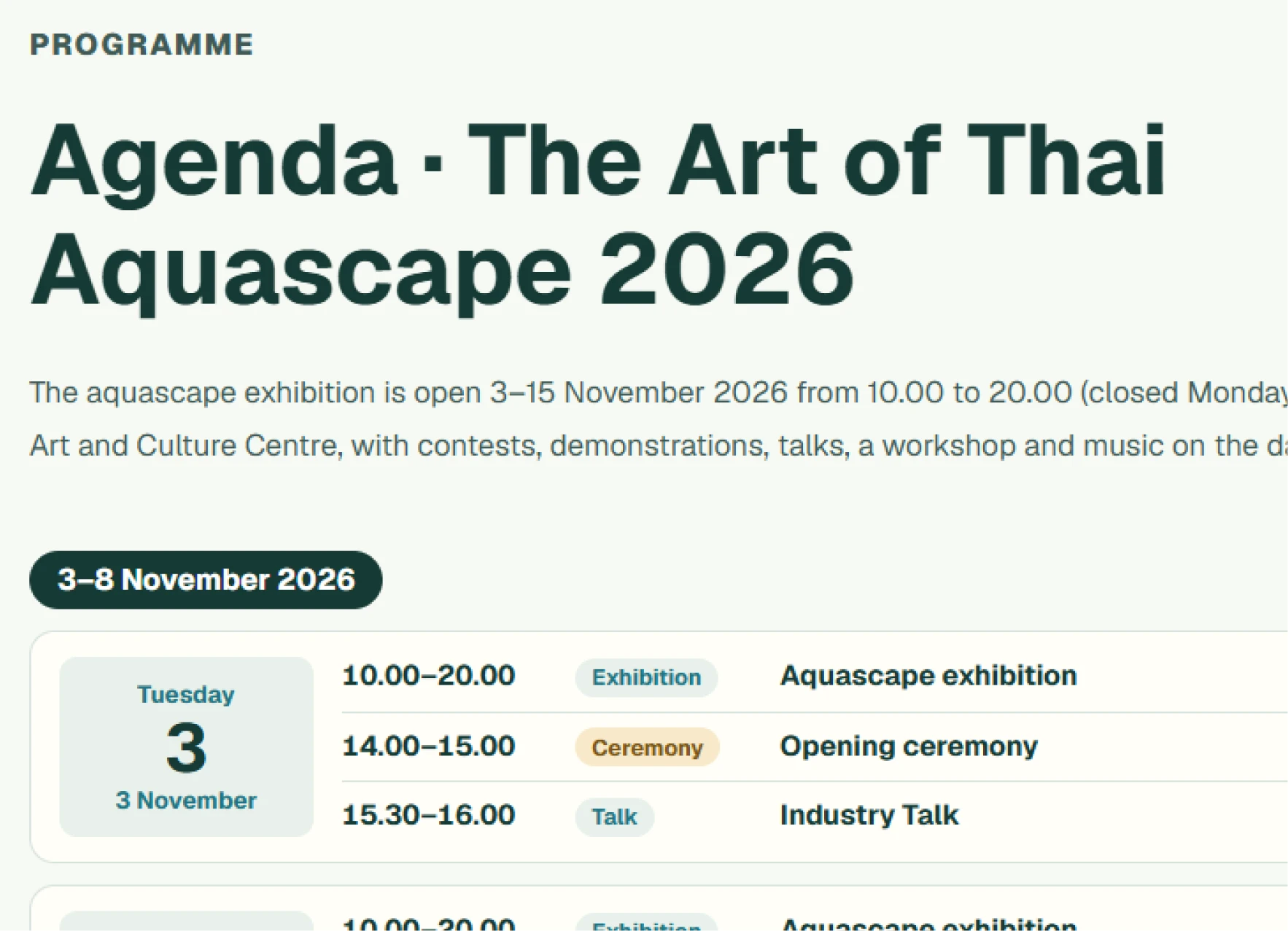
    The Art of Thai Aquascape 2026 will turn the Bangkok Art and Culture Centre into a public showcase from November 3 to 15, 2026. Its programme combines an exhibition with professional and newcomer contests, demonstrations, talks, a photography workshop and performances. For hobbyists, that mix offers more than a reason to visit: it provides a useful framework for building, refining and presenting a planted aquarium.
  • EAPLC 2026 Aquascape Lessons by Tank Size: From Nano Focal Points to Large-Scale Perspective

    EAPLC 2026 Aquascape Lessons by Tank Size: From Nano Focal Points to Large-Scale Perspective

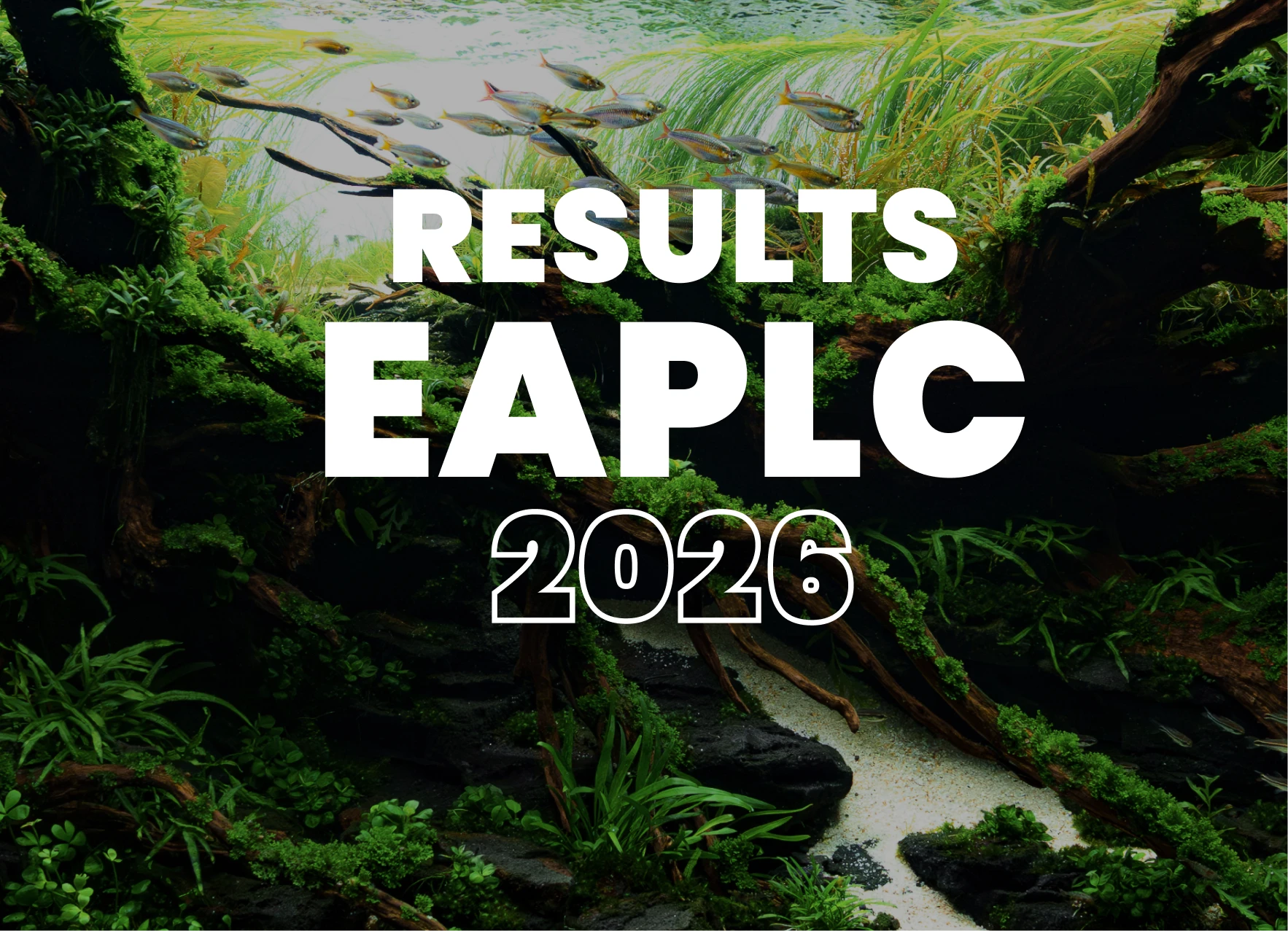
    The official EAPLC 2026 results offer more than a list of category winners. They provide useful case studies in how composition, planting, hardscape, and livestock work together at different scales. These observations are not fixed rules or mandatory formulas, but practical ideas aquascapers can adapt to their own tanks.
  • AGA 2026 Results: Chuanwei Yu Wins Best of Show

    AGA 2026 Results: Chuanwei Yu Wins Best of Show

    Chuanwei Yu (余传威) of China has won Best of Show at the 2026 AGA International Aquascaping Contest with All Begins to Nature (万物自然). The Aquatic Garden 220L+ winner also took first place in the combined Aquatic Garden standings. Announced on November 7, the official AGA 2026 results cover 422 entries from 343 contestants across 54 countries.
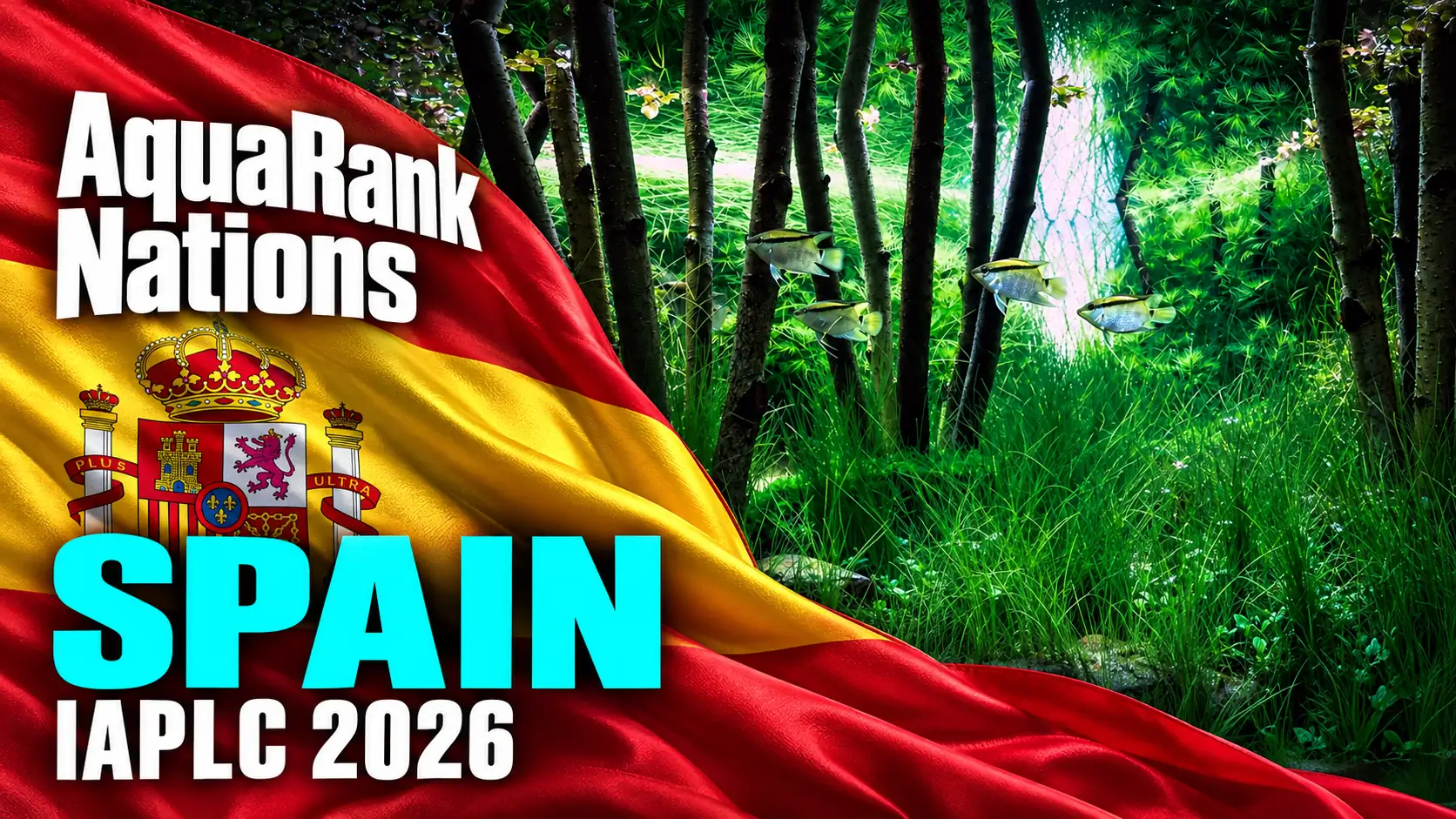
  • Analyse Spain aquascapes at IAPLC 2026, then explore the country’s results, contributing creators and competition history on AquaRank Nations.

    Spain at IAPLC 2026: Roberto Buenadicha’s Forest and the Space Between Trunks

    Roberto Buenadicha’s aquarium is the only Spanish work in the published ranks 1–300. Its slender dark trunks, fine green planting and conspicuous pale fish make it a rewarding individual study. This instalment returns to the older Spain introduction through one photograph, keeping the scope small enough for the evidence available.
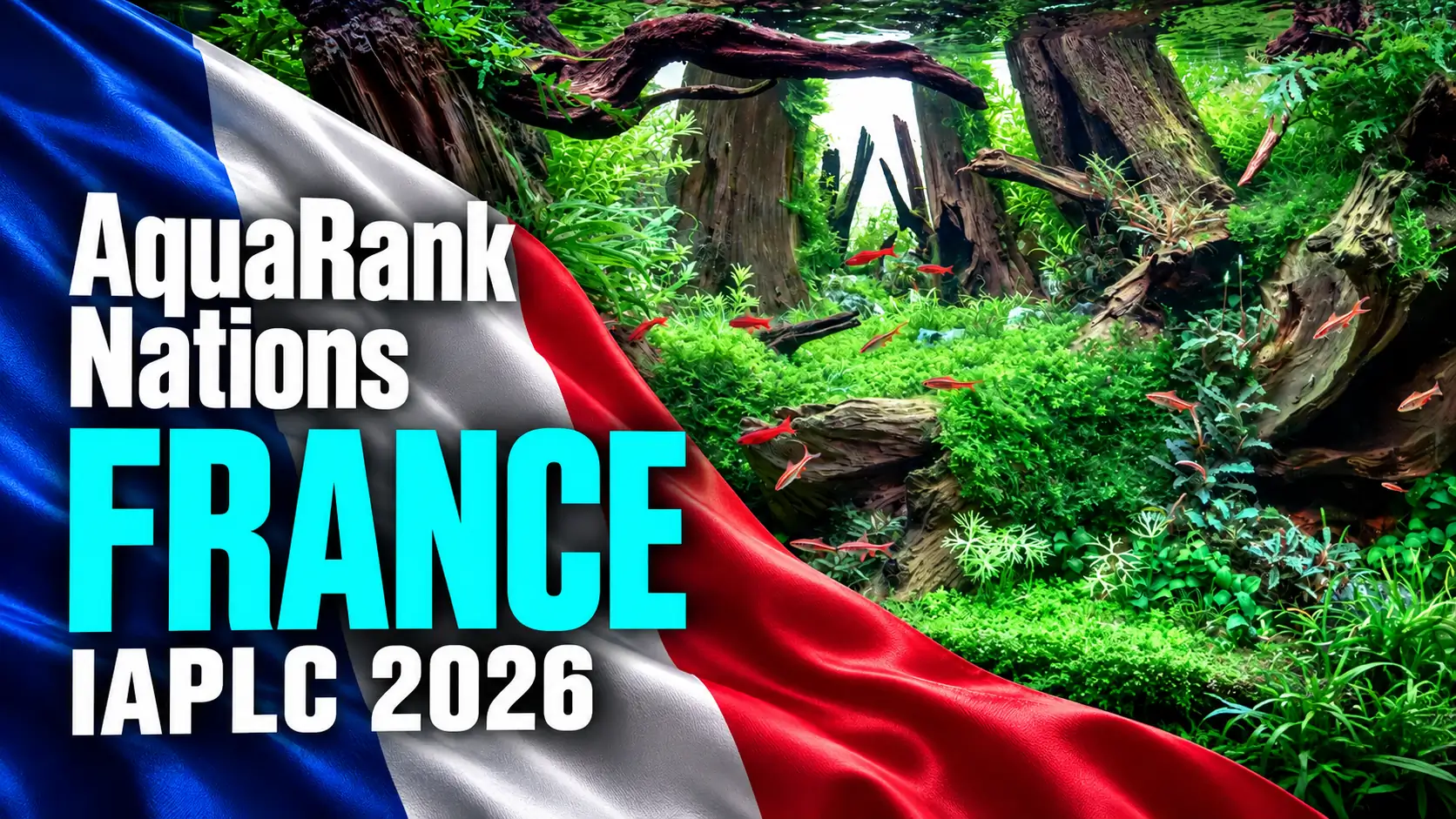
  • Analyse France aquascapes at IAPLC 2026, then explore the country’s results, contributing creators and competition history on AquaRank Nations.

    France at IAPLC 2026: A Close Reading of Jean Christophe Grosset’s Woodland

    Only one French work appears in the published ranks 1–300. That gives this instalment a different task: a close reading of Jean Christophe Grosset’s aquarium, with the older country introduction as context. The photograph deserves attention for its own wood, planting and fish relationships, rather than being made to represent every French aquascaper.
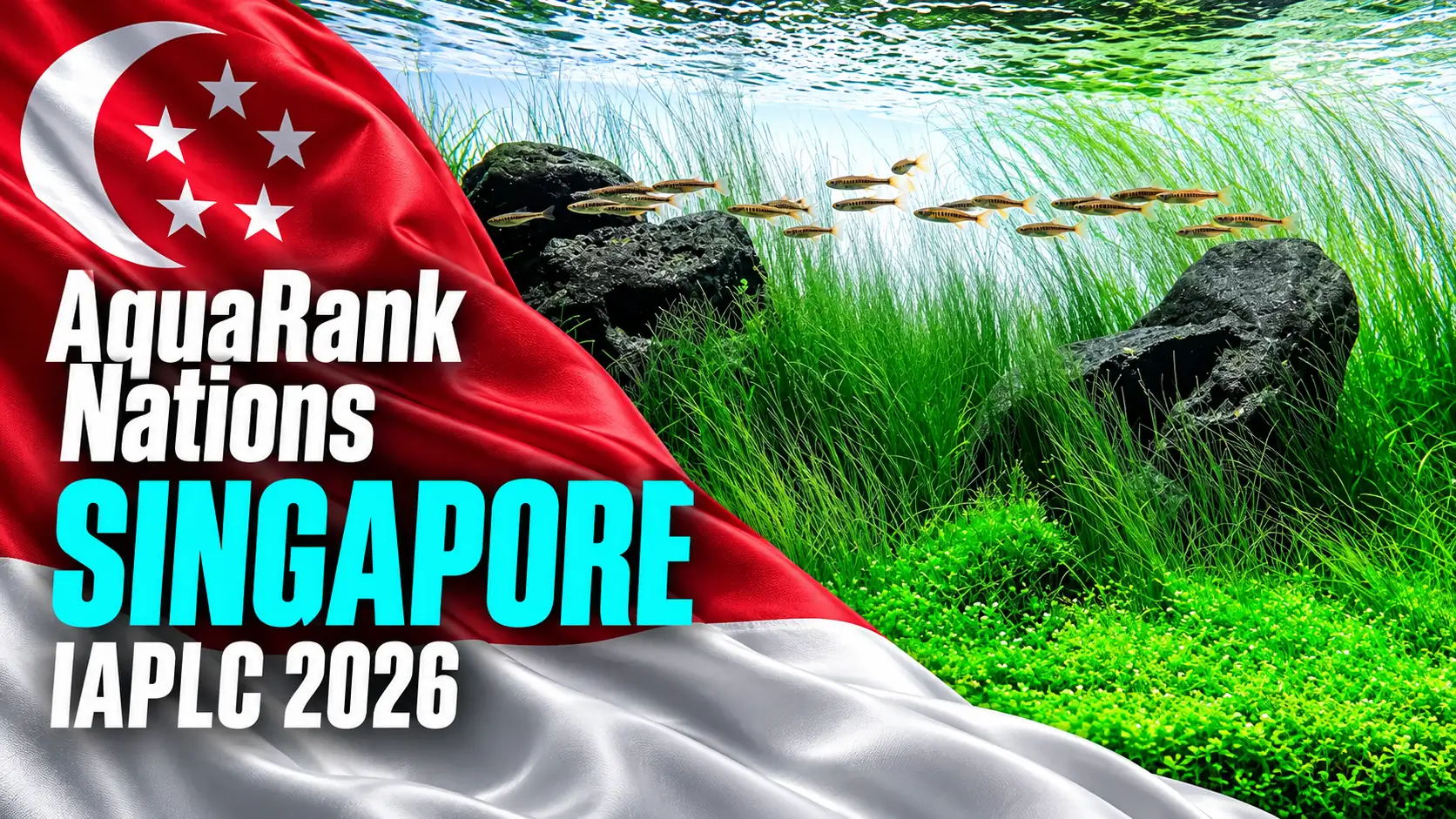
  • Analyse Singapore aquascapes at IAPLC 2026, then explore the country’s results, contributing creators and competition history on AquaRank Nations.

    Singapore at IAPLC 2026: Open Stone and an Enclosed Planted Passage

    Two Singaporean works appear in the published ranks 1–300, and they offer an unusually clear contrast. One makes open water and two main stones central; the other encloses a small rear opening within dense planting and roots. The pair is useful precisely because it does not support one simple visual label.
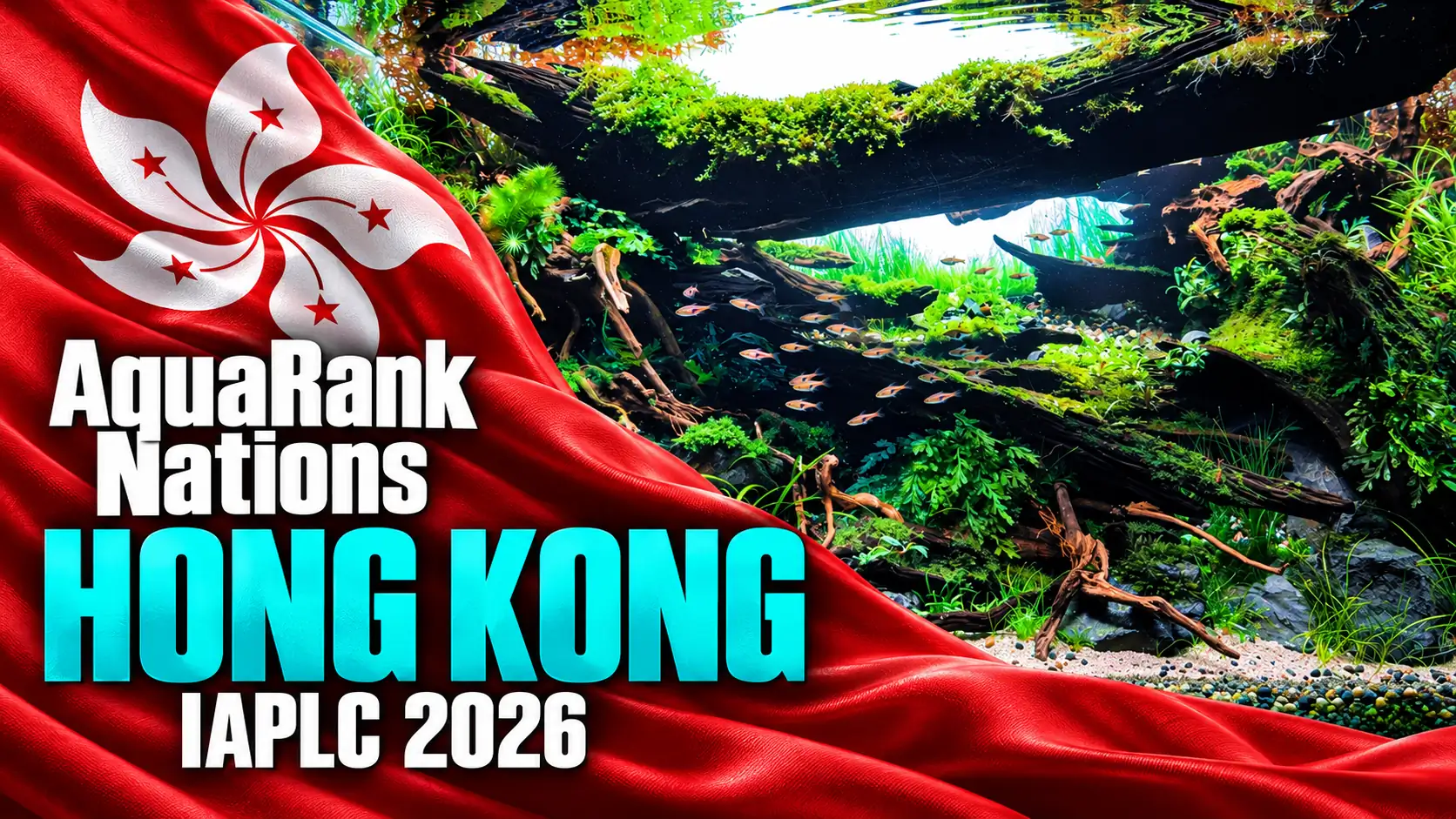
  • Analyse Hong Kong aquascapes at IAPLC 2026, then explore the country’s results, contributing creators and competition history on AquaRank Nations.

    Hong Kong at IAPLC 2026: Three Studies in Light, Layers and Visual Impact

    A low timber ceiling, blue-toned terraces and converging planted diagonals create three visibly different aquariums. Hong Kong’s represented works at ranks 1–300 offer a compact study of visual impact beyond the season’s leading awards. Looking at them closely is more informative than treating the cutoff count as a verdict on an entire aquascaping community.
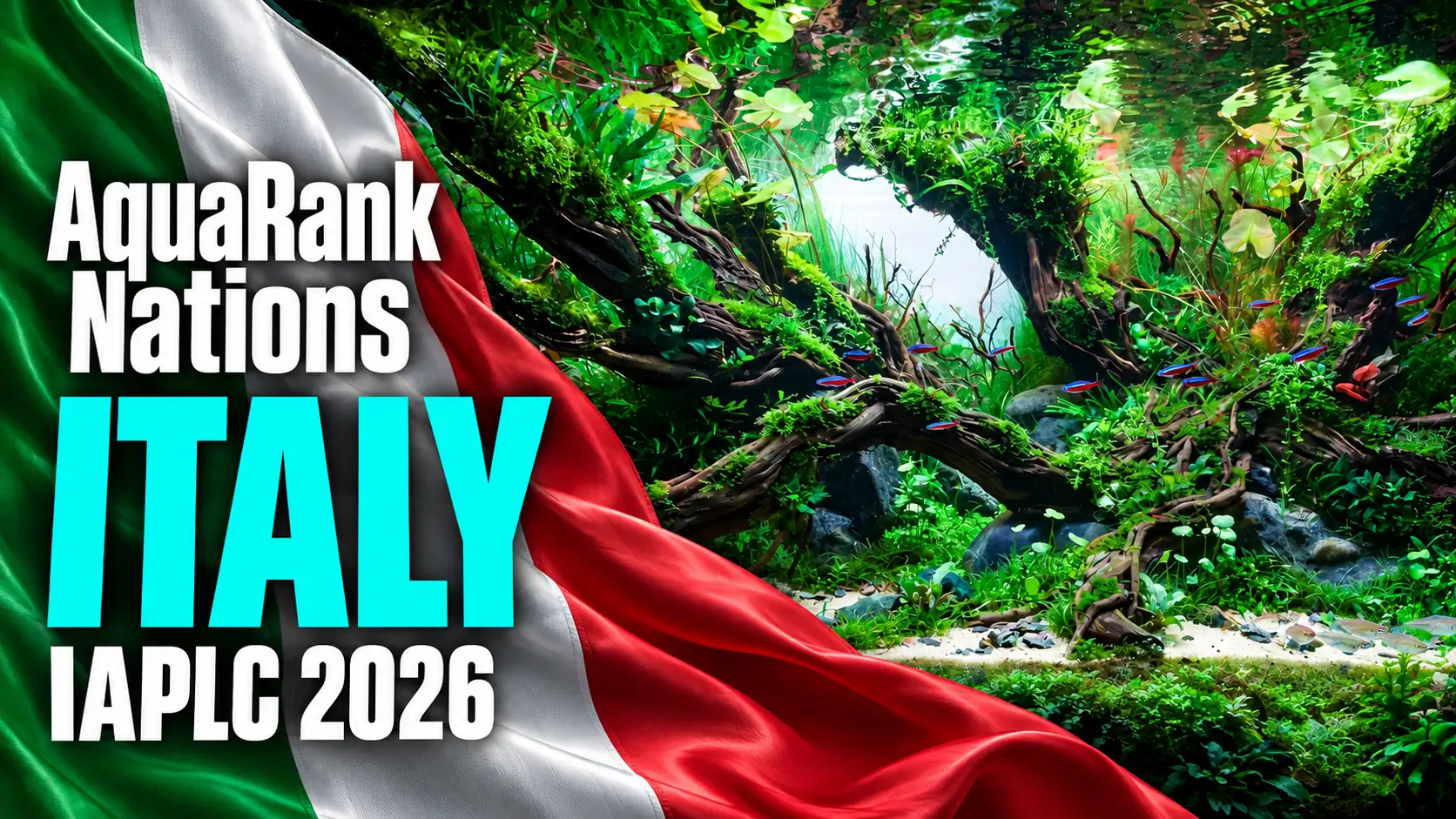
  • Analyse Italy aquascapes at IAPLC 2026, then explore the country’s results, contributing creators and competition history on AquaRank Nations.

    Italy at IAPLC 2026: Calm Routes and More Dramatic Planted Frames

    A clear route through planted banks can feel quiet; a coloured ridge beneath a dark frame can feel theatrical. The four Italian photographs selected for this study offer both experiences. Together, they make a useful contemporary comparison with an archive that once placed particular emphasis on calm, enduring-looking compositions.
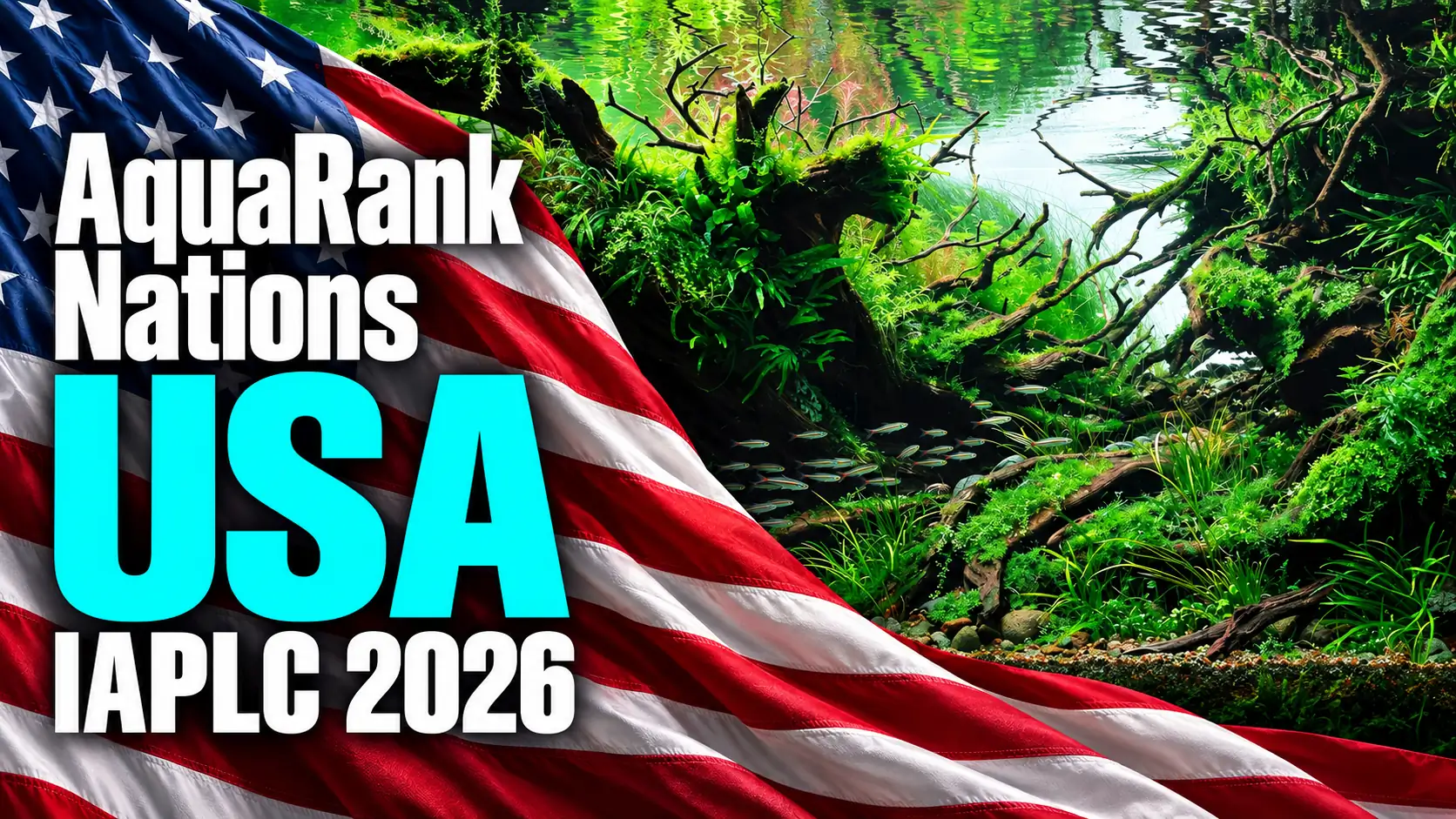
  •  Analyse United States aquascapes at IAPLC 2026, then explore the country’s results, contributing creators and competition history on AquaRank Nations.

    United States at IAPLC 2026: Four Distinct Readings of a Wooded Aquarium

    The four American photographs selected here all contain important wood structures, yet they do not produce one uniform wooded scene. A broad canopy, a low diagonal, a fine-leaved light window and an exposed timber subject organise attention differently. That variation lets us discuss design diversity through specific decisions rather than a broad national label.
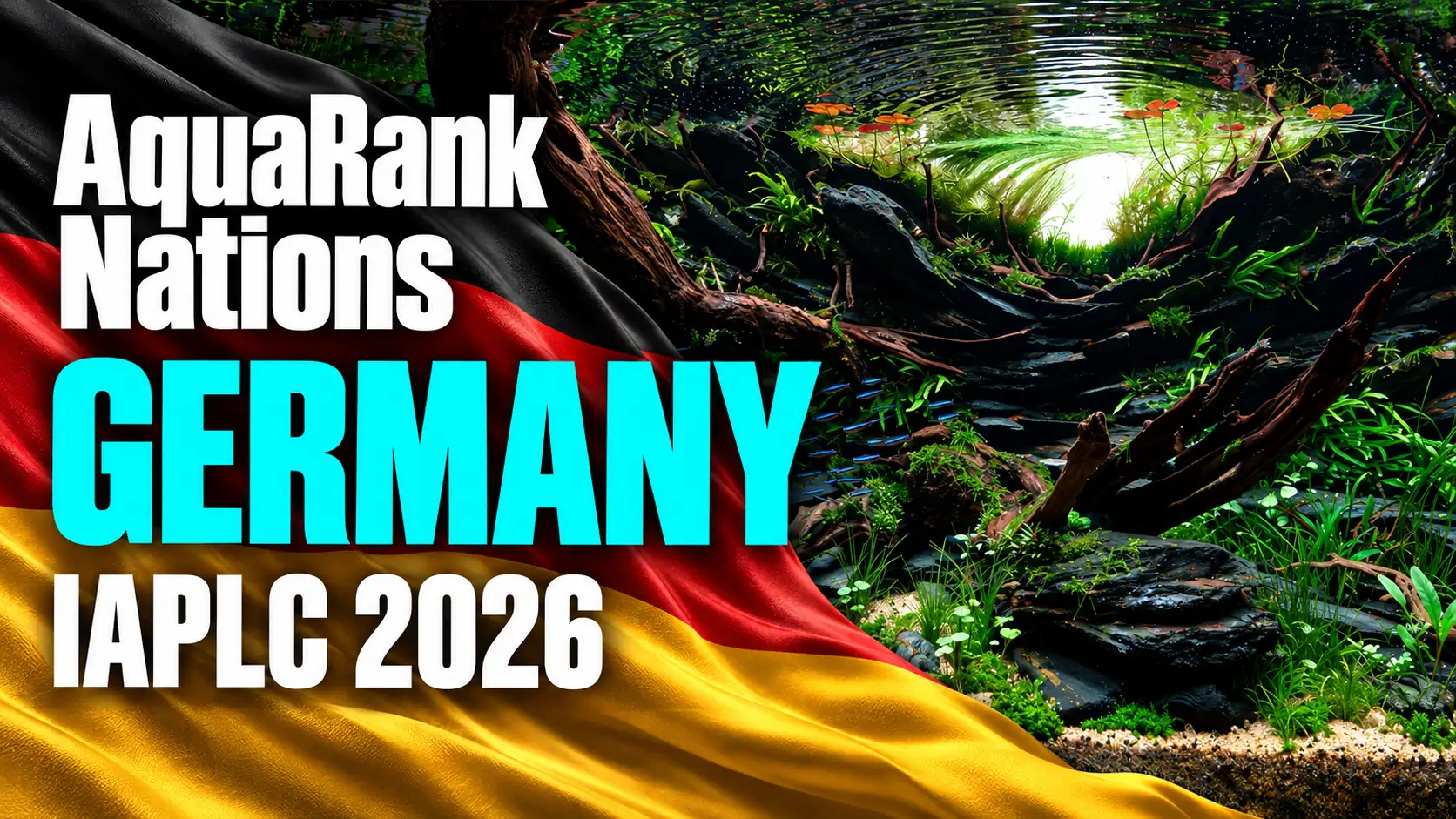
  • Analyse Germany aquascapes at IAPLC 2026, then explore the country’s results, contributing creators and competition history on AquaRank Nations.

    Germany at IAPLC 2026: Four Ways to Balance Hardscape and Open Water

    A dark wooded frame, a rocky valley, a brighter mixed scene and green-covered root contours make this German selection particularly useful for comparison. The photographs share an interest in separating materials from the water around them, but achieve it through different outlines and lighting relationships.
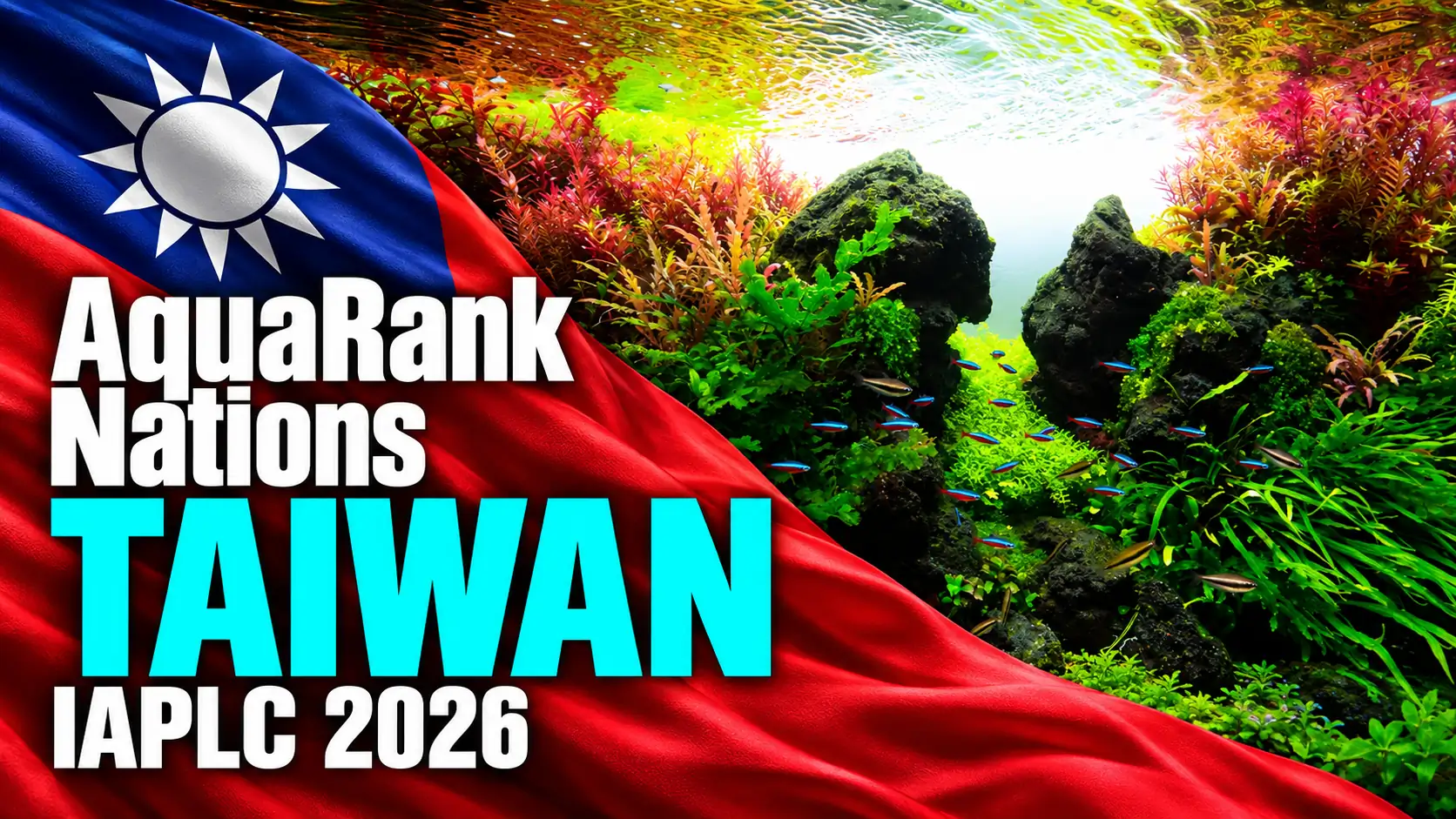
  • Analyse Taiwan aquascapes at IAPLC 2026, then explore the country’s results, contributing creators and competition history on AquaRank Nations.

    Taiwan at IAPLC 2026: Planted Contours and Changing Routes into Depth

    Dense foliage, planted wood ridges and a low central route create different senses of distance in this four-work selection. The photographs are particularly rewarding when viewed through changes in leaf shape and planting height. They offer a present-season comparison with an archive that once described both graceful composition and more contemporary experimentation.
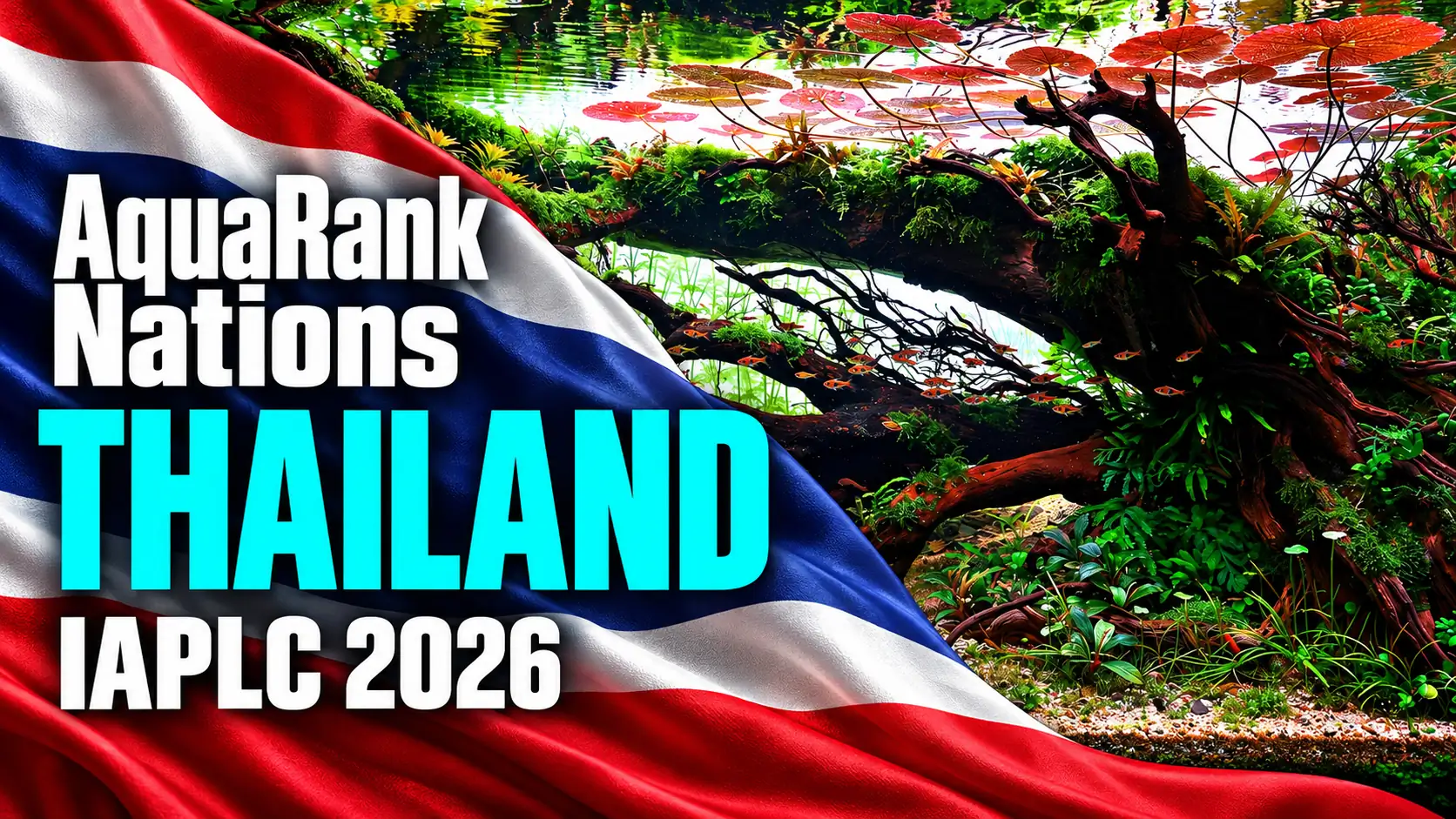
  •  Analyse Thailand aquascapes at IAPLC 2026, then explore the country’s results, contributing creators and competition history on AquaRank Nations.

    Thailand at IAPLC 2026: Surface Colour, Green Arches and Open Rockwork

    Three Thai aquariums in the published Top 300 present contrasting visual priorities. MAGIC LEAVES makes the water surface a signature; another work carries a route beneath planted arches; a third exposes rock peaks against rounded greenery. This small group gives a useful reason to look beyond the first shared award photograph.
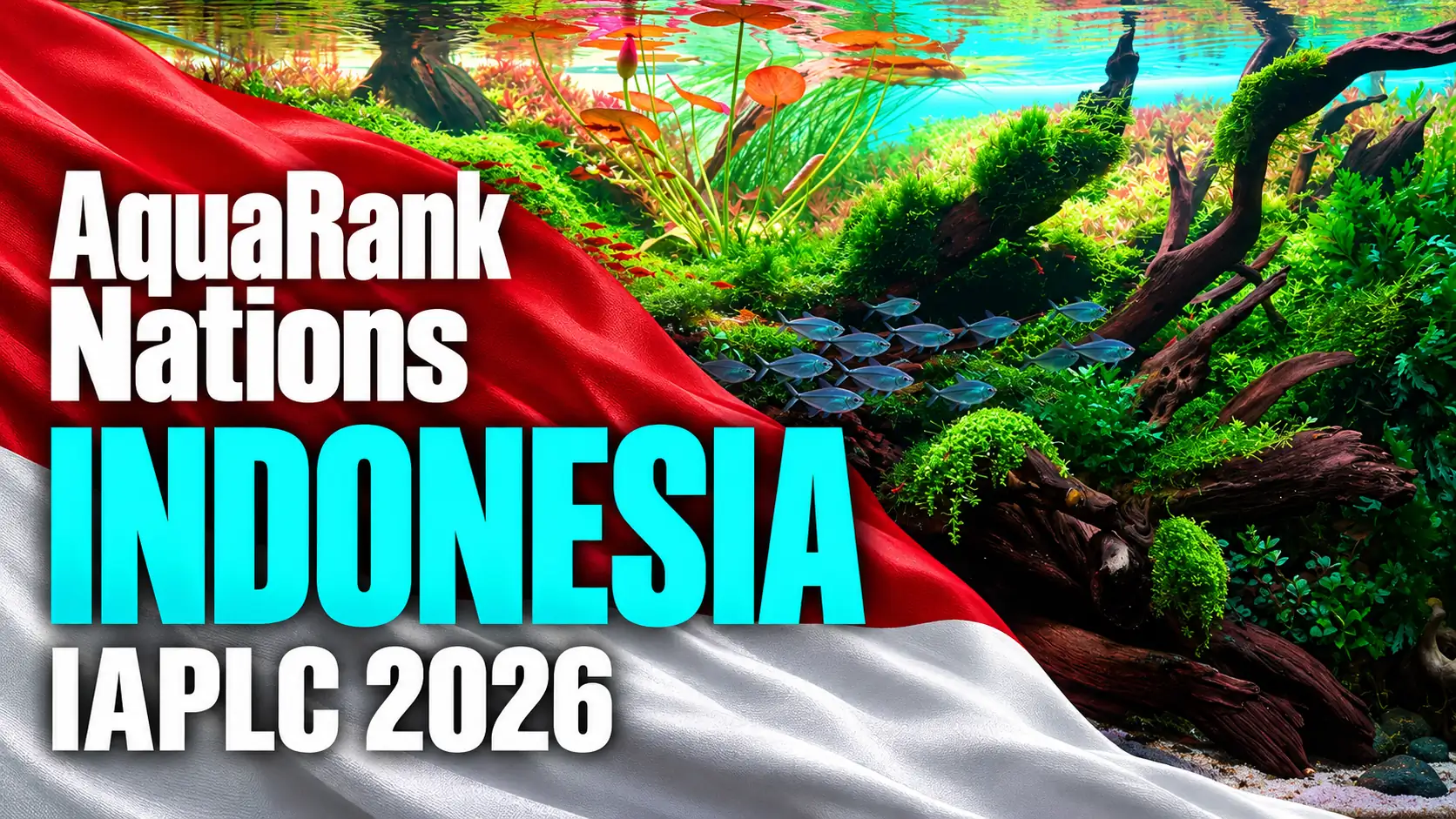
  • Analyse Indonesia aquascapes at IAPLC 2026, then explore the country’s results, contributing creators and competition history on AquaRank Nations.

    Indonesia at IAPLC 2026: Forest Craft Through Four Different Frames

    The four Indonesian works published at ranks 1–300 offer a compact comparison. A coloured surface canopy, a dominant trunk, a dense grove and a wood-and-rock opening all reward close attention. The small group makes it possible to examine every represented work in this range, while keeping the conclusions specific to this season and cutoff.
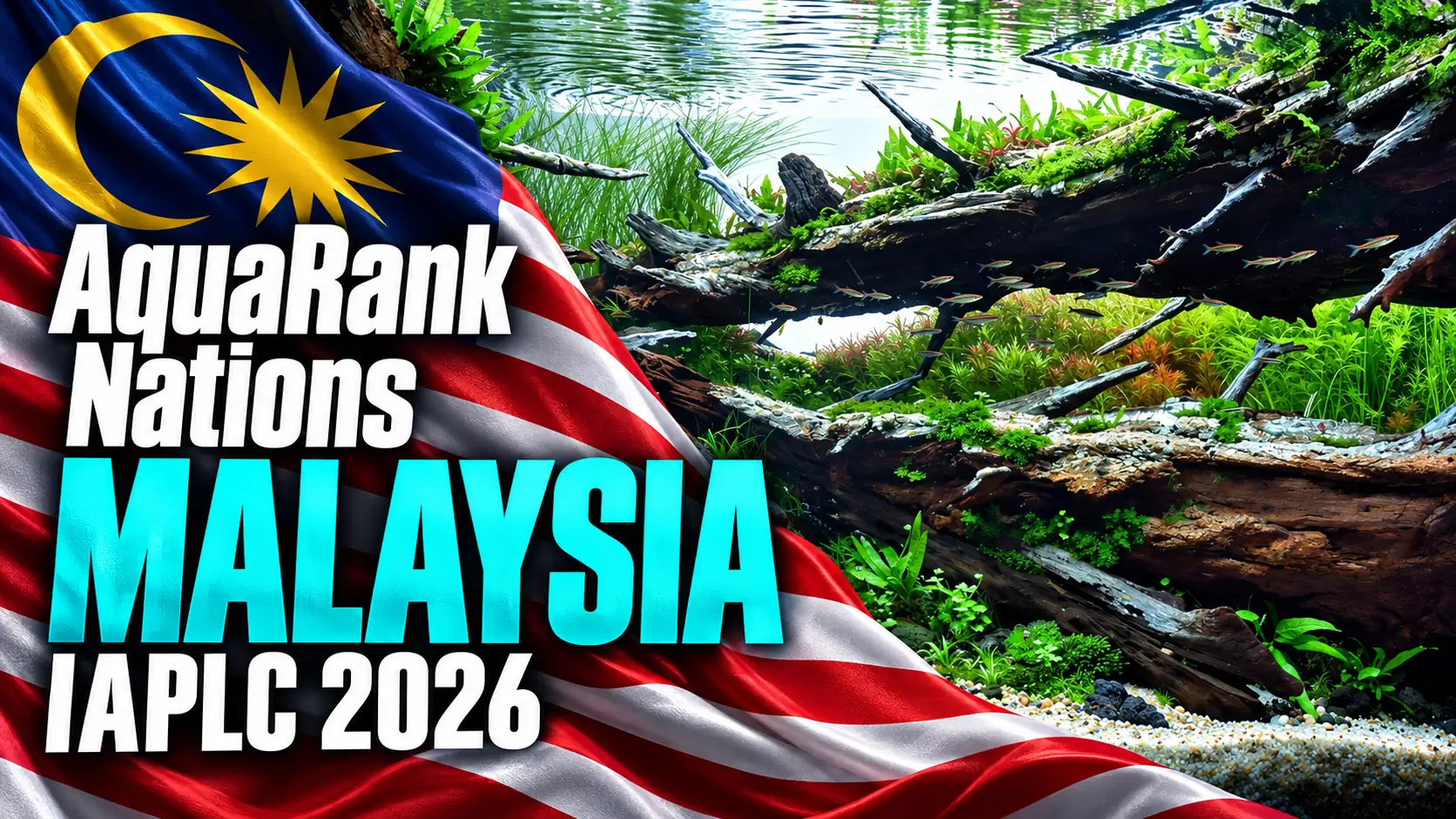
  • Analyse Malaysia aquascapes at IAPLC 2026, then explore the country’s results, contributing creators and competition history on AquaRank Nations.

    Malaysia at IAPLC 2026: Wood, Plant Texture and the Visual Role of Fish

    A bright gap between broad wood layers, a fine-leaved canopy and a conspicuous individual fish offer three different entrances to this Malaysian selection. The photographs invite attention to the space inhabited by fish as well as the hardscape around it. They also show why a creator’s reputation and a new aquarium’s visual decisions should be discussed separately.
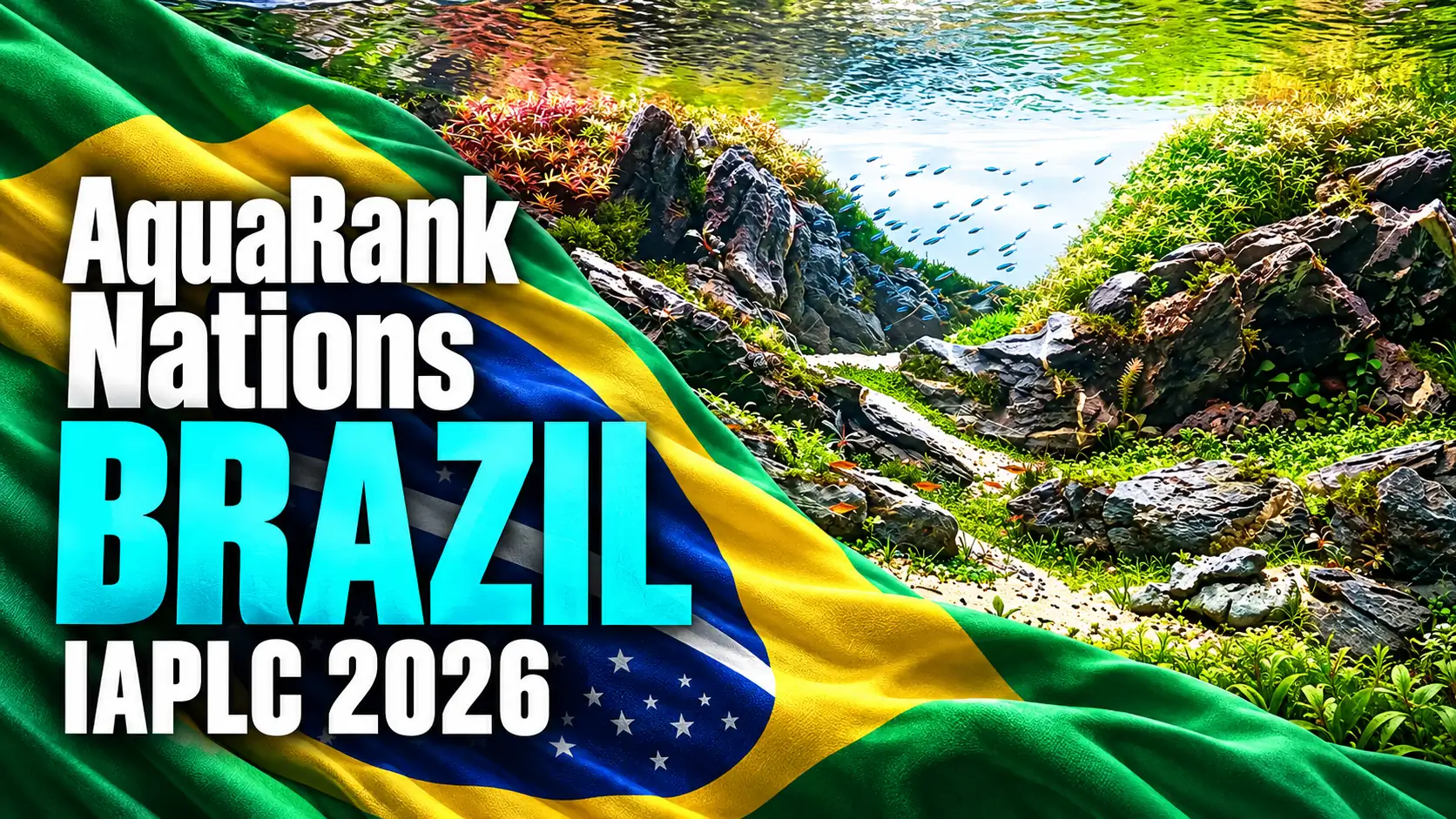
  • Analyse Brazil aquascapes at IAPLC 2026, then explore the country’s results, contributing creators and competition history on AquaRank Nations.

    Brazil at IAPLC 2026: Rock Landscapes and Wood Beyond the Familiar Label

    Enchanted Hills offers an immediately recognisable rock valley, with coloured planting and fish in bright water. Three other selected Brazilian photographs build their scenes around substantial wood. Seeing them together is a useful way to revisit a familiar label without asking individual creators to fit a single national recipe.
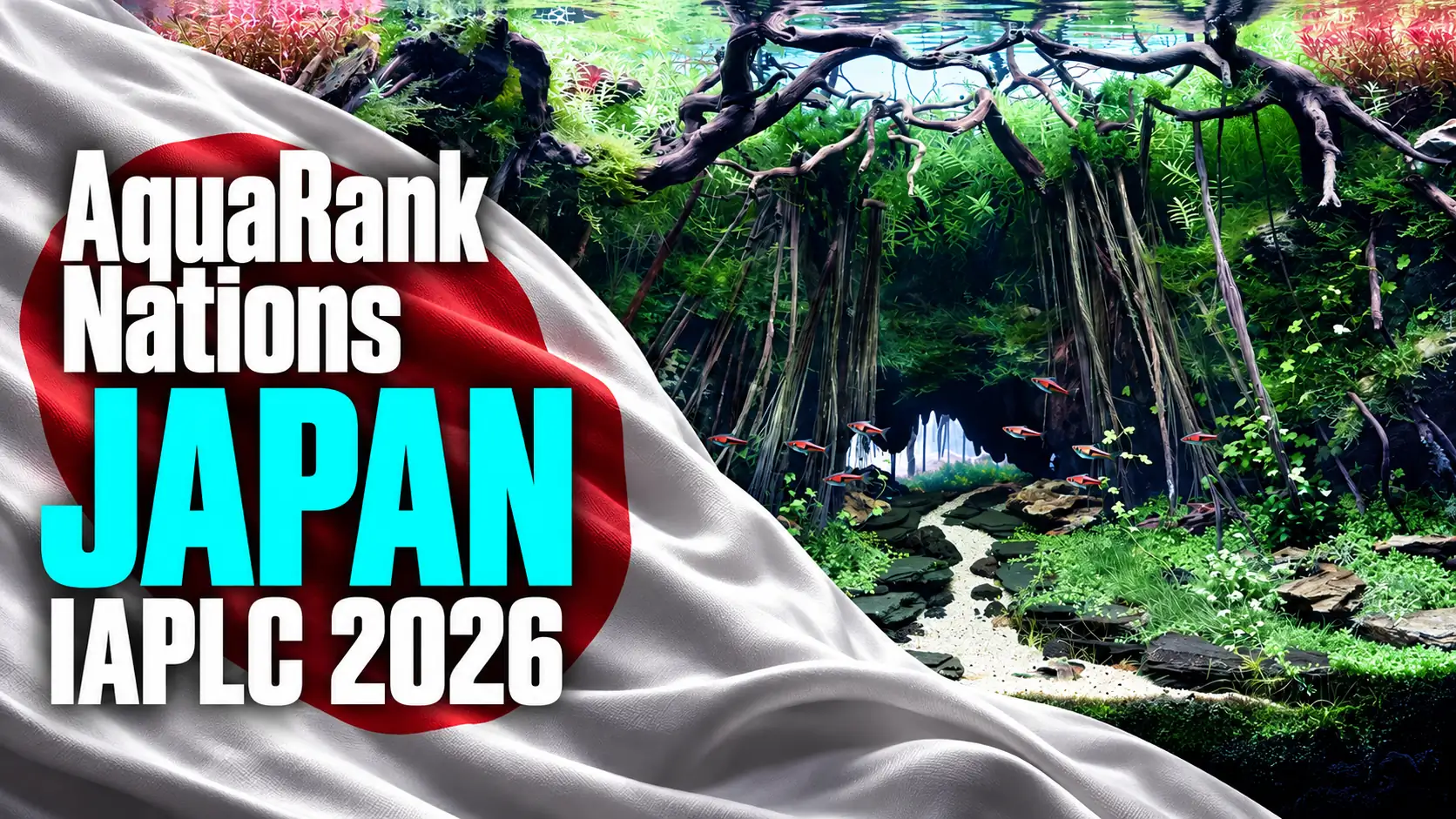
  • Analyse Japan aquascapes at IAPLC 2026, then explore the country’s results, contributing creators and competition history on AquaRank Nations.

    Japan at IAPLC 2026: Nature Aquarium and Many Contemporary Visions

    A pale path through hanging roots and a bright interval between exposed rocks can both make an aquarium feel spacious. Japan’s 2026 selection is rewarding because it places these different approaches beside richly planted foregrounds and coloured slopes. Six photographs offer a practical way to discuss variety within a familiar Nature Aquarium heritage.