AquaLibs presents AquaRank Discover the world’s leading aquascapers

Explore transparent rankings built from published results across the world’s leading aquascaping contests.

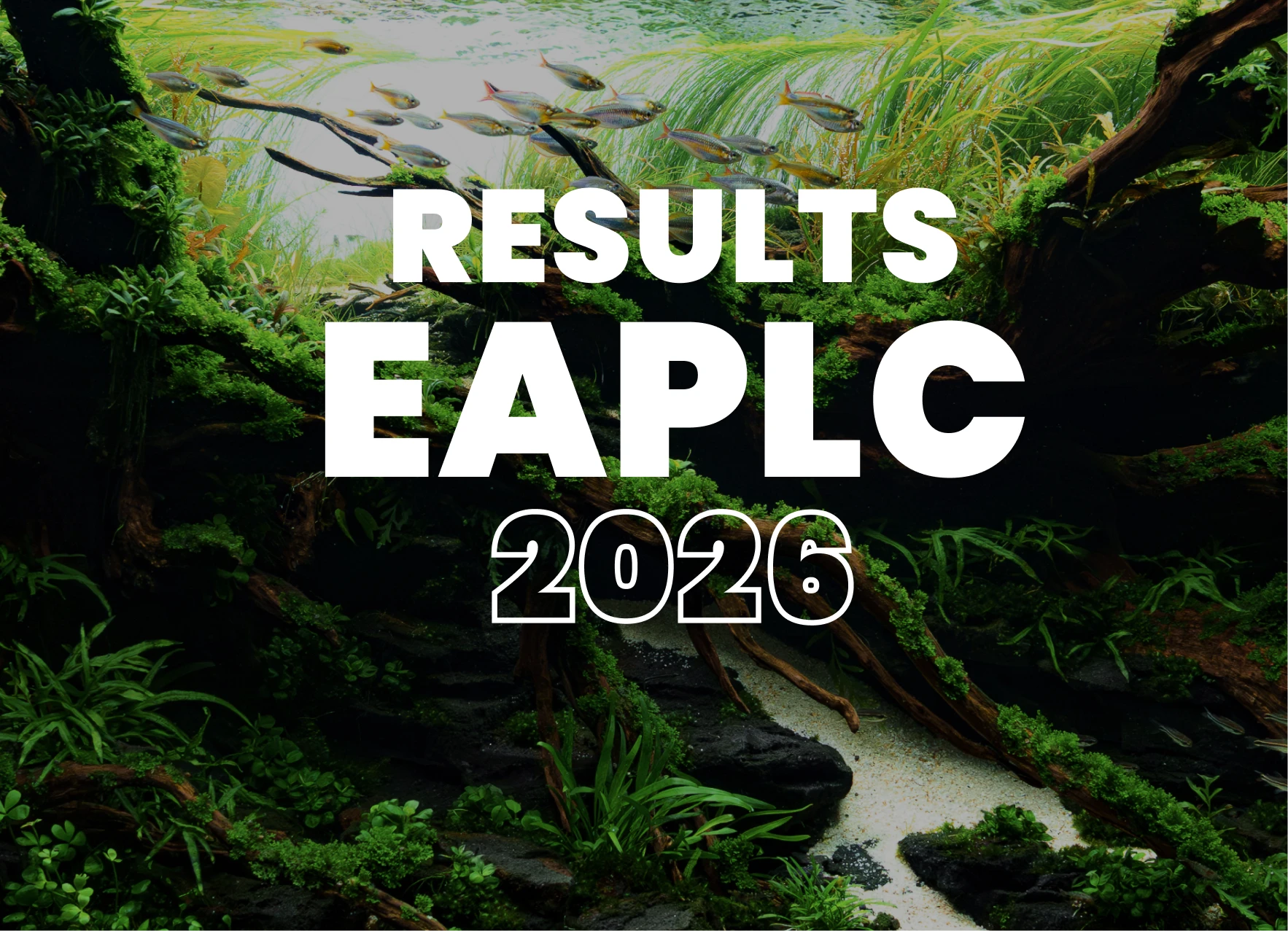
EAPLC 2026 Aquascape Lessons by Tank Size: From Nano Focal Points to Large-Scale Perspective

How to study competition layouts

Begin by looking at the composition before examining individual plants. Ask where your eye lands first, how the hardscape directs it, and whether the aquarium feels open, dense, calm, or dramatic. Then study the relationship between hardscape, plant textures, background structure, and fish.

The EAPLC 2026 jury comments repeatedly address these relationships. They praise depth, harmonious planting, healthy growth, and natural movement, while also pointing out areas where a layout might benefit from more growing time, greater breathing room, or a refined detail. That makes the results valuable as a study guide rather than a formula to copy.

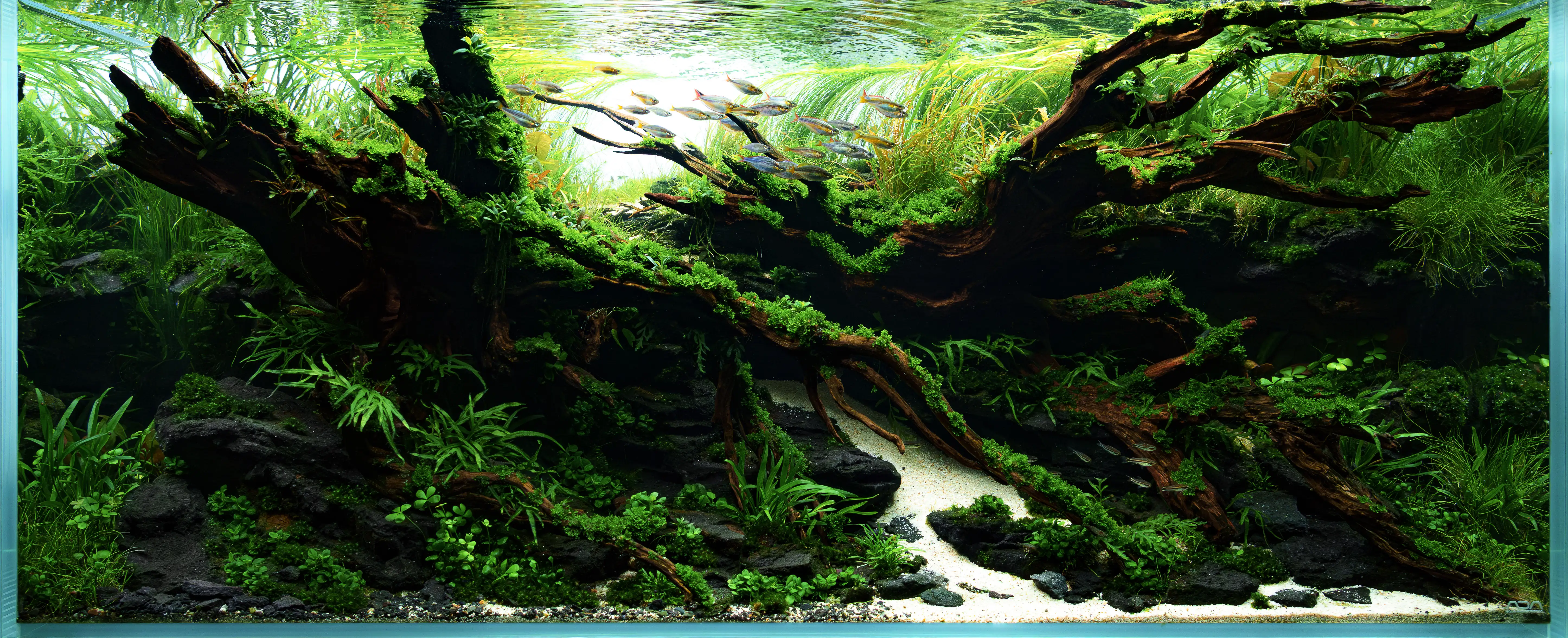
🏆 European Aquascaping Champion 2026

Florian Minnerop – Austria

Aquascape: Sundering
Title: European Aquascaping Champion 2026
Category: X-Large
Category Ranking: 1st Place
Aquarium: 120 × 50 × 50 cm
 

Nano tanks: one clear focal point and varied texture

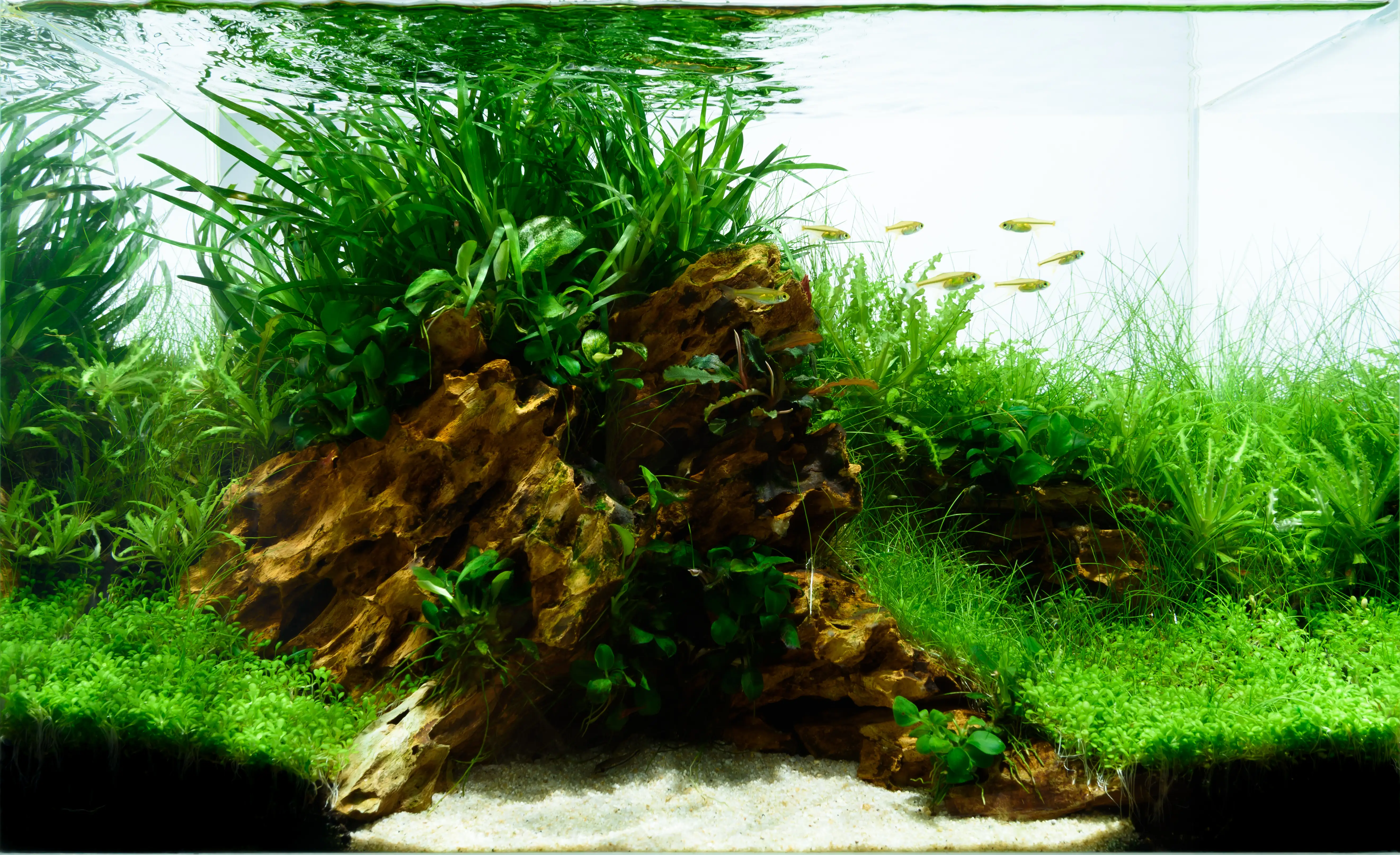
The Nano category covers aquariums from 0 to 30 litres. In this limited space, a strong focal point can help the layout remain readable. Peter Chnúrik’s first-place aquascape, Where the Stone Opens, was described in the official results as having a strong focal point and a pleasing mix of plant textures. The same comment noted that the Anubias petite appeared not to have fully grown in, showing how plant maturity can affect a small composition.

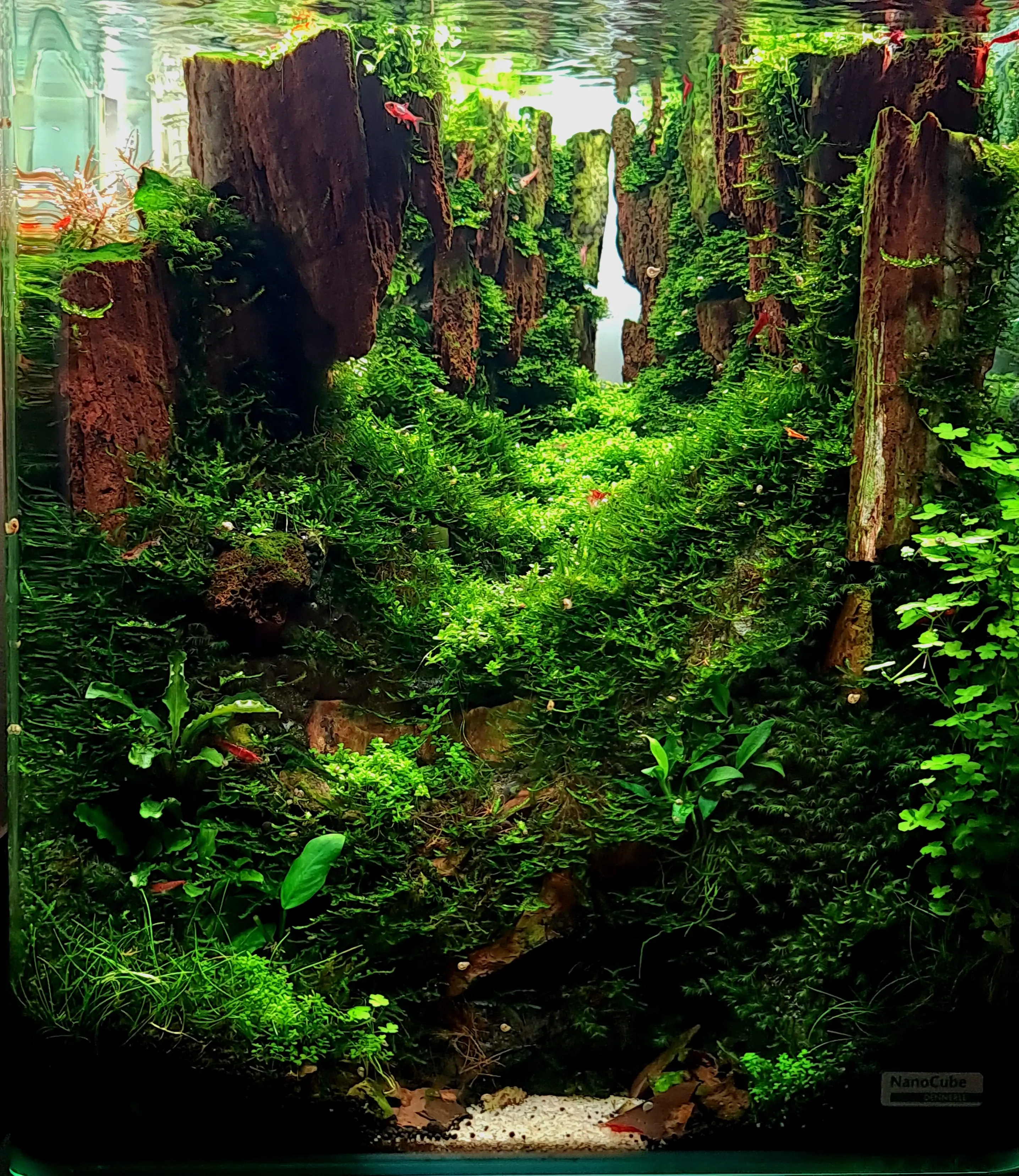
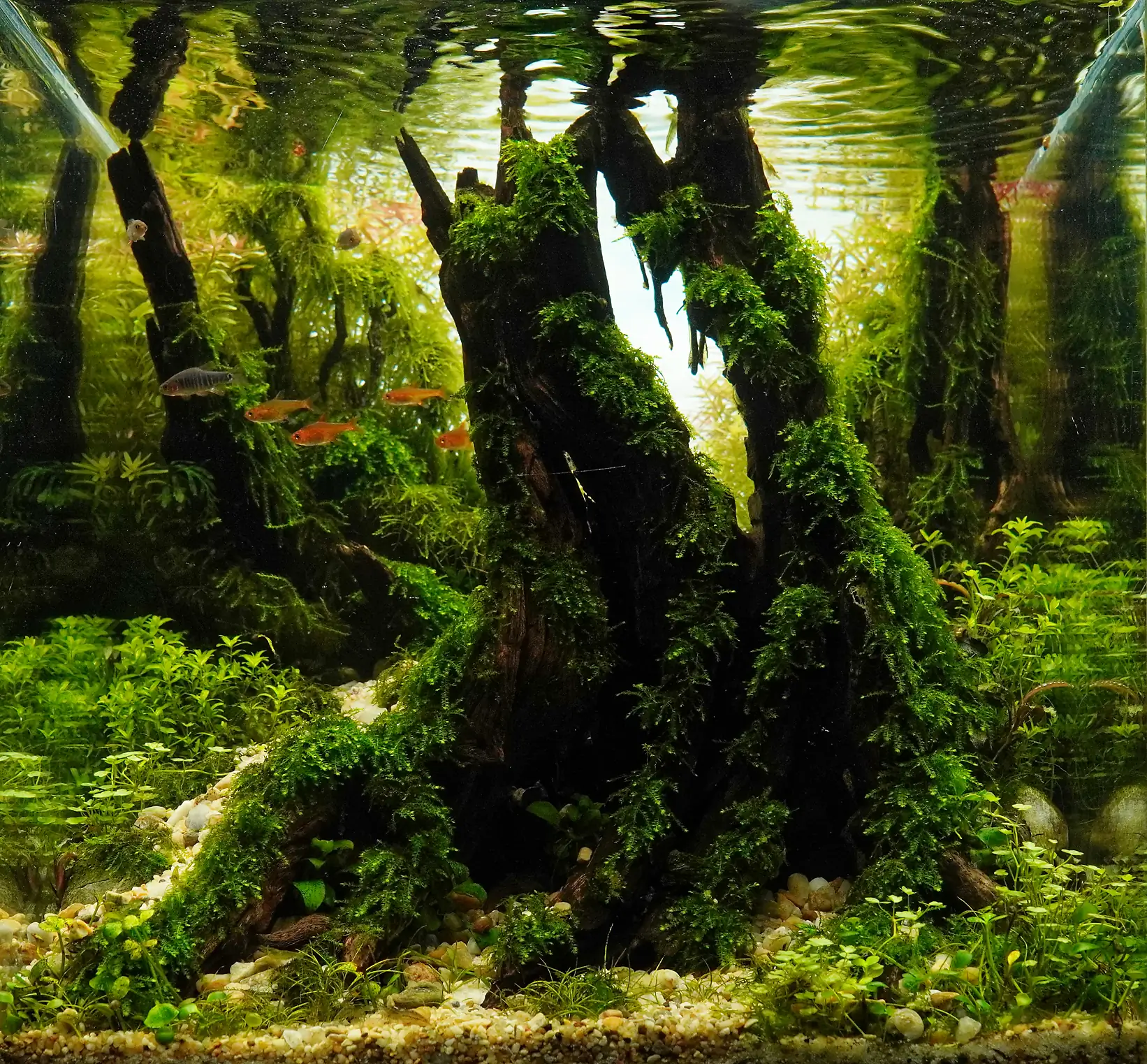
Texture is especially useful when there is little room for large changes in scale. Different leaf shapes, moss, stone surfaces, and wood can create interest without filling every area with detail. In the Nano results, Adrian Cristian Asaftei’s third-place Hide and seek was praised for its sense of depth, harmonious hardscape, and moss-covered natural appearance. Petru Dirlau’s second-place Neverland was also noted for its mountain-like wood arrangement and detailed planting plan.

For a nano project, try to establish one dominant feature first. Add supporting textures only when they strengthen that feature. Leave enough visual separation for the focal point to remain easy to recognize.

Nano Category (0–30 L)

🥇 1st Place – Peter Chnúrik

Aquascape: Where the Stone Opens
Country: Slovakia
Aquarium: 40 × 20 × 25 cm
🥈 2nd Place – Petru Dirlau

Aquascape: Neverland
Country: Romania
Aquarium: 30 × 30 × 30 cm
🥉 3rd Place – Adrian Cristian Asaftei

Aquascape: Hide and seek
Country: Romania
Aquarium: 30 × 30 × 30 cm
Small and medium tanks: build depth, then control detail

Small aquariums, defined in the results as 31 to 60 litres, can support more layered structure but still punish clutter. Tomas Eichler’s first-place Small layout, Edge of Collaps, was praised for its three-dimensional hardscape, depth, and abundance of detail. Victor Costa Barber’s second-place Dreams of Xuquer River was recognized for its forest-scape background arrangement. These examples suggest that depth can come from both physical hardscape and carefully planned planting behind it.

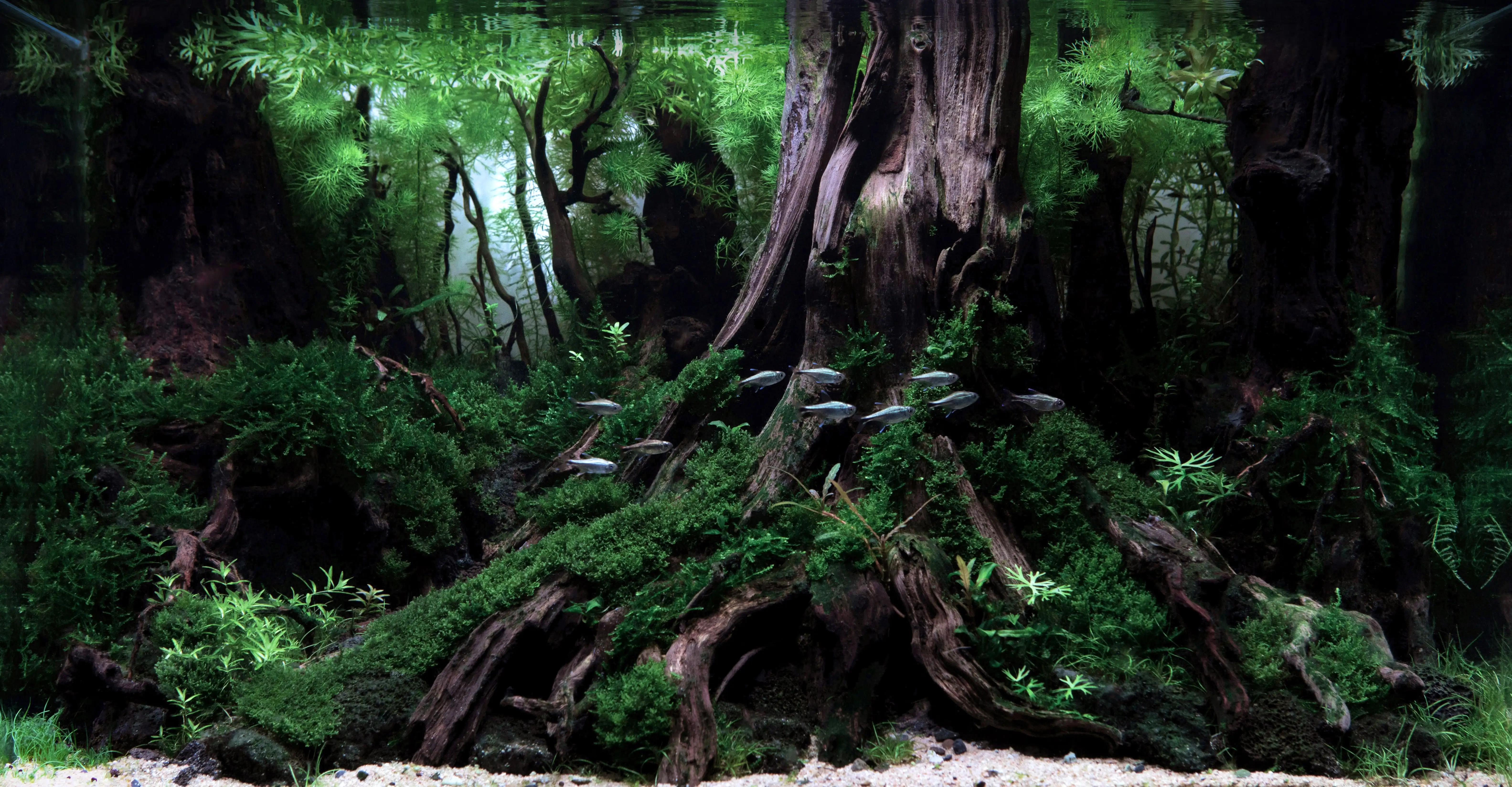
The Medium category, from 61 to 100 litres, shows the importance of controlling that complexity. Adrian Cristian Asaftei’s first-place Out of the dark was praised for using the available space and for its impressive complexity, but the jury also suggested that more open space would allow the composition to breathe. That is a useful reminder that a tank can be technically full without being visually complete.

In medium layouts, dark tones, shadows, and plant maintenance can also shape the atmosphere. The jury highlighted these qualities in Takács Zoltán’s second-place Primeval, including its striking main wood, carefully maintained moss, and fish selection. When planning a small or medium tank, create a clear background structure, use overlapping forms to suggest distance, and remove details that compete with the main route through the composition.

Small Category (31–60 L)

🥇 1st Place – Tomas Eichler

Aquascape: Edge of Collaps
Country: Czech Republic
Aquarium: 60 × 30 × 30 cm
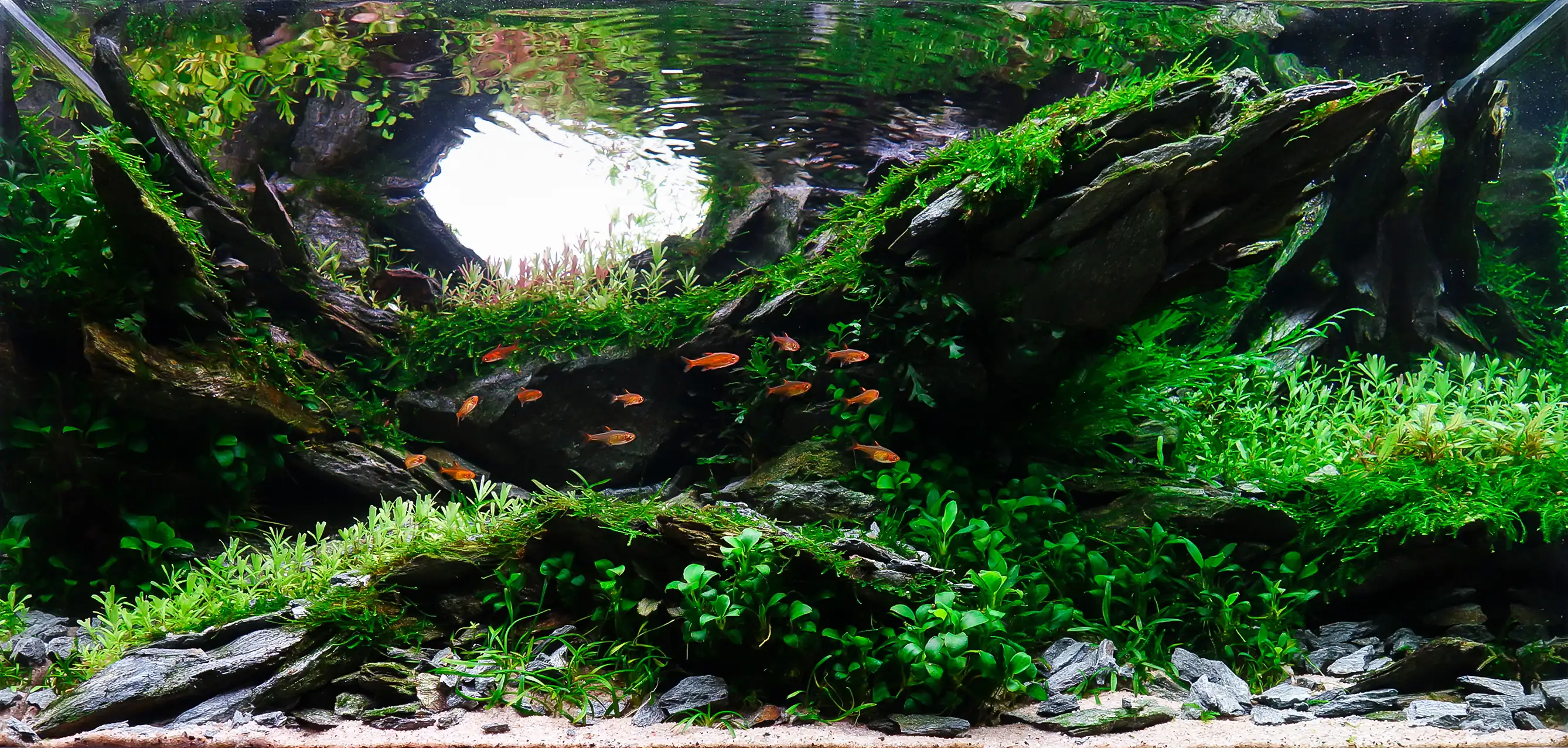
 

🥈 2nd Place – Victor Costa Barber

Aquascape: Dreams of Xuquer River
Country: Spain
Aquarium: 49 × 27 × 29 cm
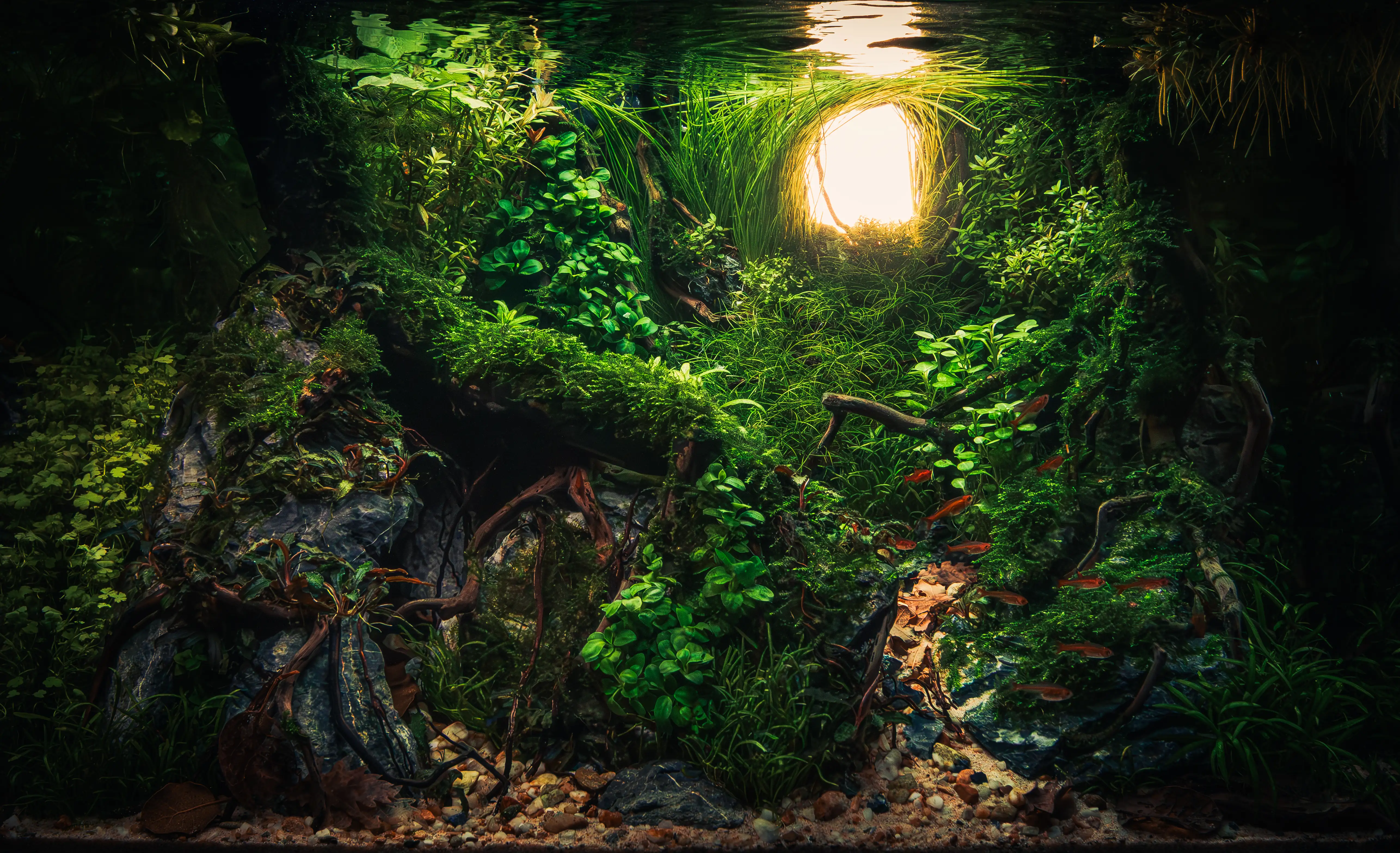
 

🥉 3rd Place – Salvatore Scifo

Aquascape: GENESIS
Country: Italy
Aquarium: 45 × 27 × 30 cm
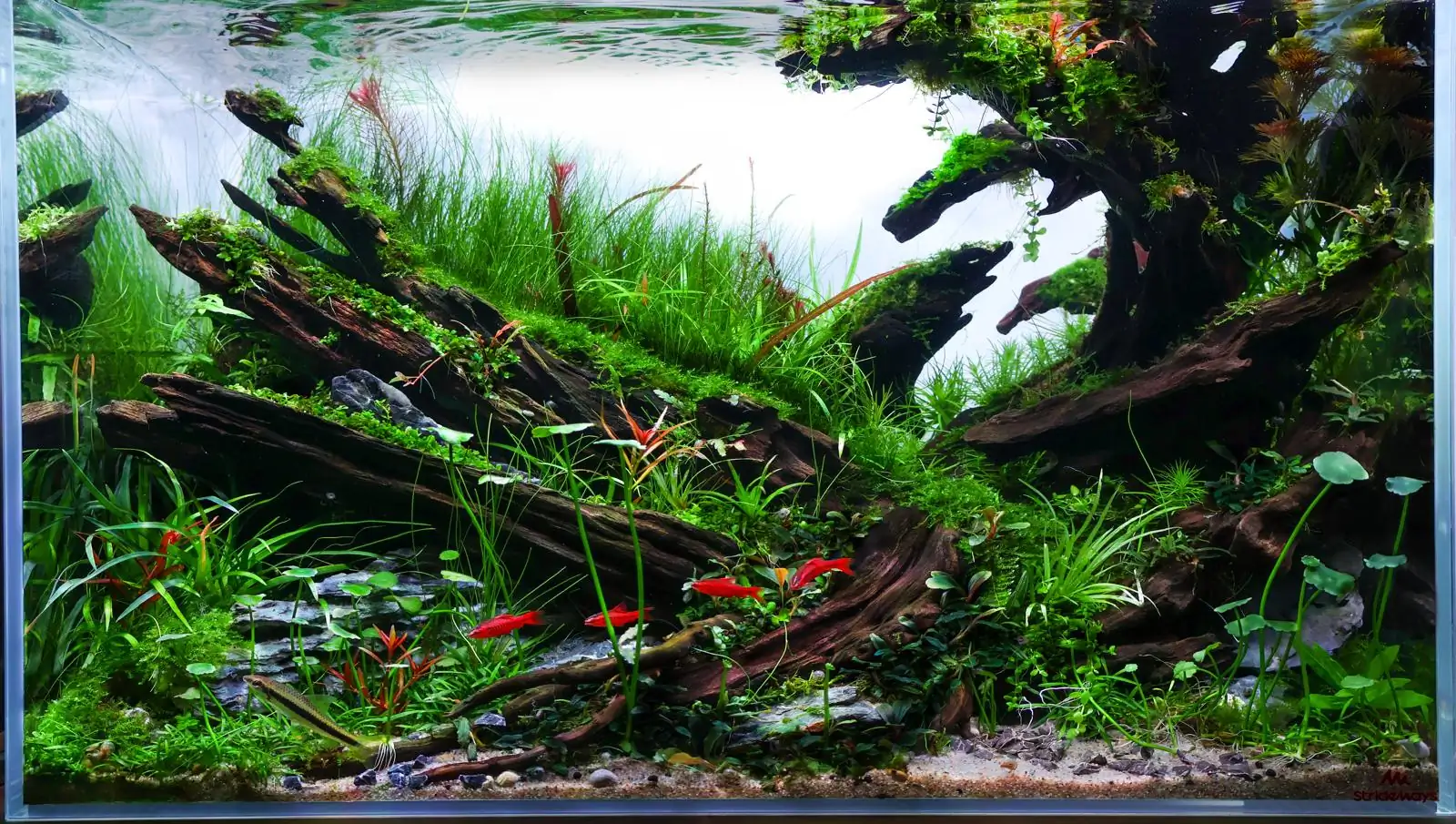
 

Medium Category (61–100 L)

🥇 1st Place – Adrian Cristian Asaftei

Aquascape: Out of the dark
Country: Romania
Aquarium: 75 × 35 × 34 cm
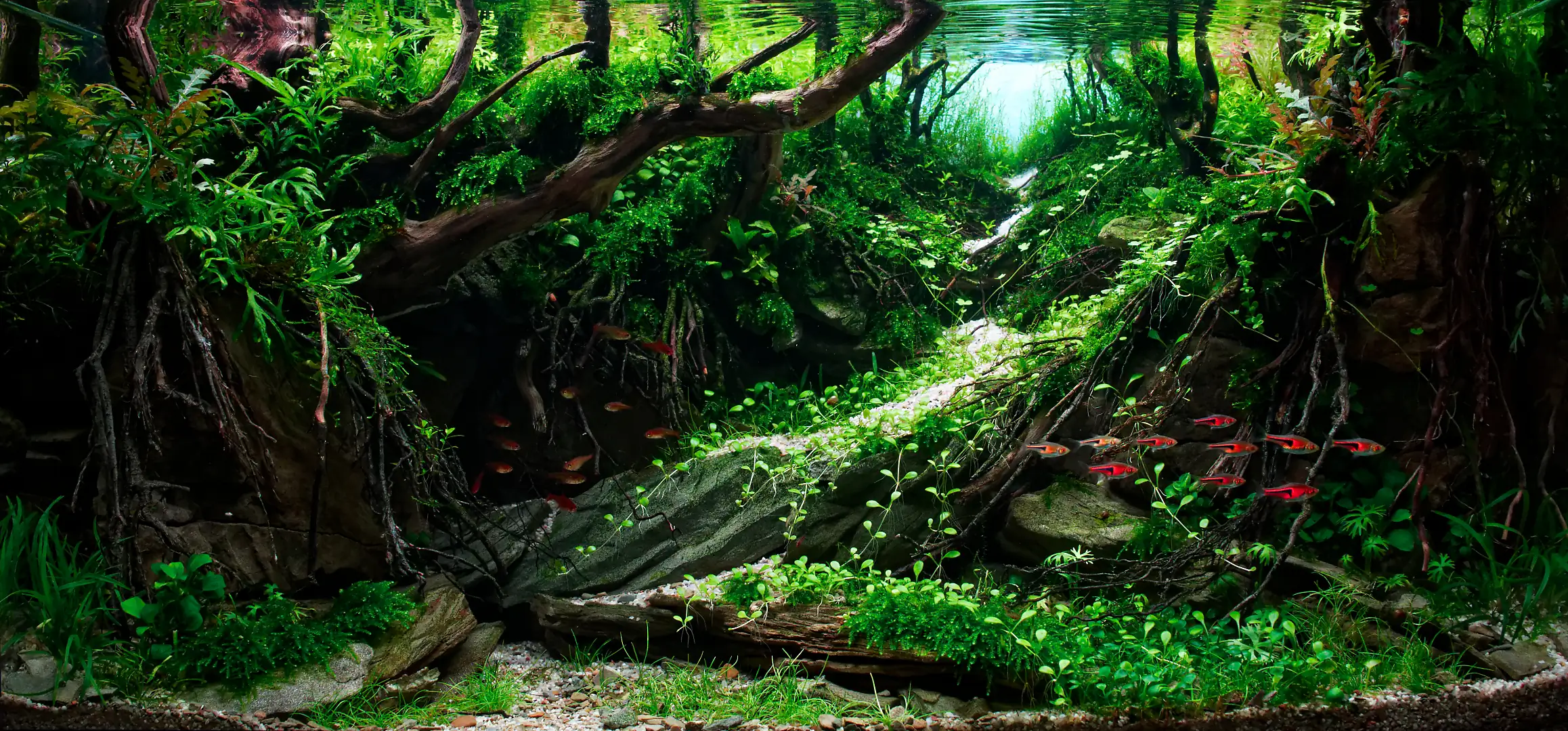
 

🥈 2nd Place – Takács Zoltán

Aquascape: Primeval
Country: Hungary
Aquarium: 60 × 35 × 35 cm
 

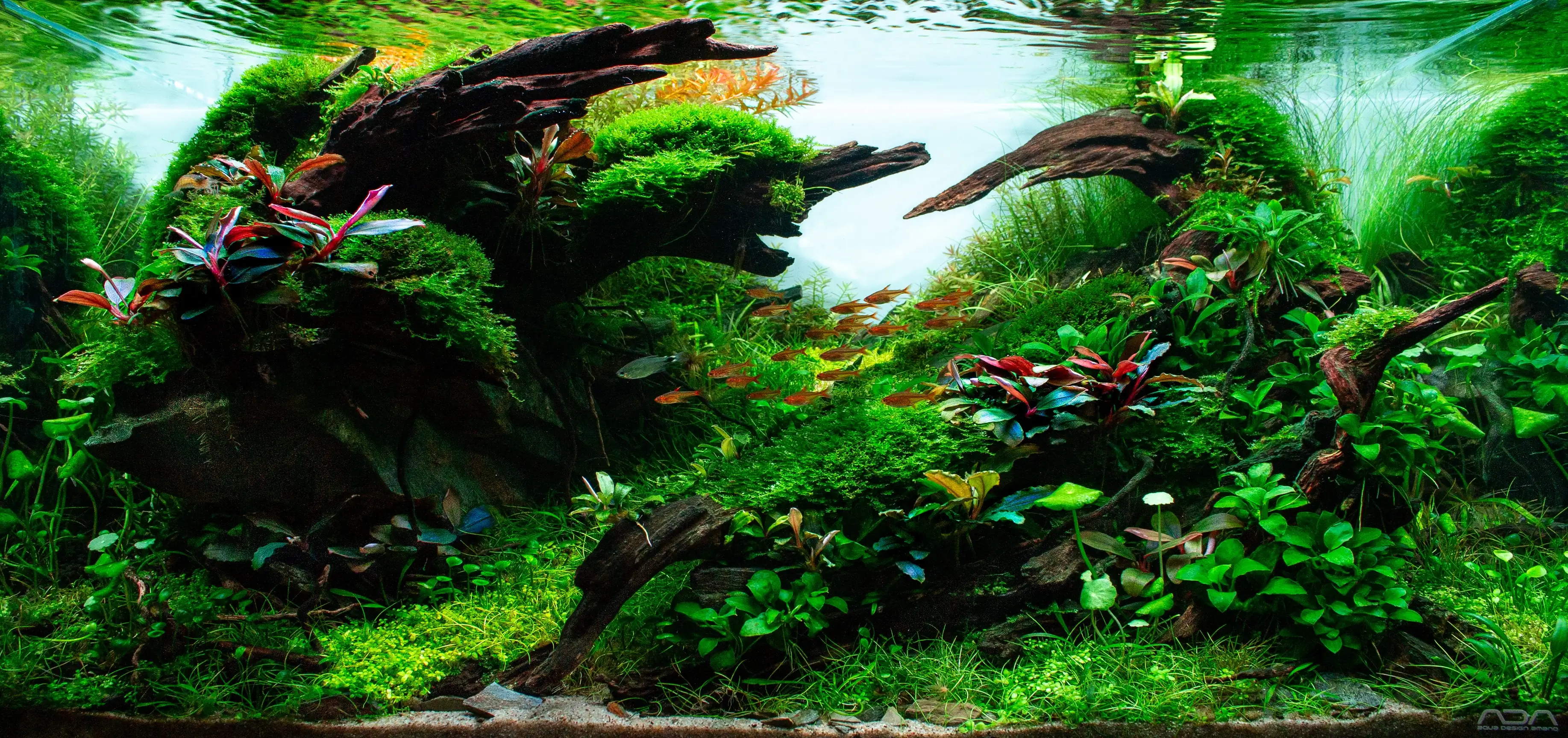
🥉 3rd Place – Francesco Giampaolo

Aquascape: Rebirth after the earthquake
Country: Italy
Aquarium: 60 × 30 × 36 cm
 

Large and X-Large tanks: perspective, space, and coordinated movement

As aquariums become larger, the challenge is not simply adding more hardscape. The layout needs a convincing sense of scale. In the Large category, the first-place Gravity was praised for its impressive hardscape and depth, with a central rock formation creating a dramatic visual effect. The results also highlighted the balanced use of leaf shapes, sizes, textures, and colors, as well as strong plant health and maintenance.

Perspective lines were an important feature in Bruno Fiorenza’s second-place Ithilien. The official comments praised its strong perspective, color accents, and lush growth despite its substantial hardscape. Agnieszka Schoeneck’s third-place Afterfall demonstrates another approach: the jury noted that its central composition worked well with moss-covered hardscape and complementary fish.

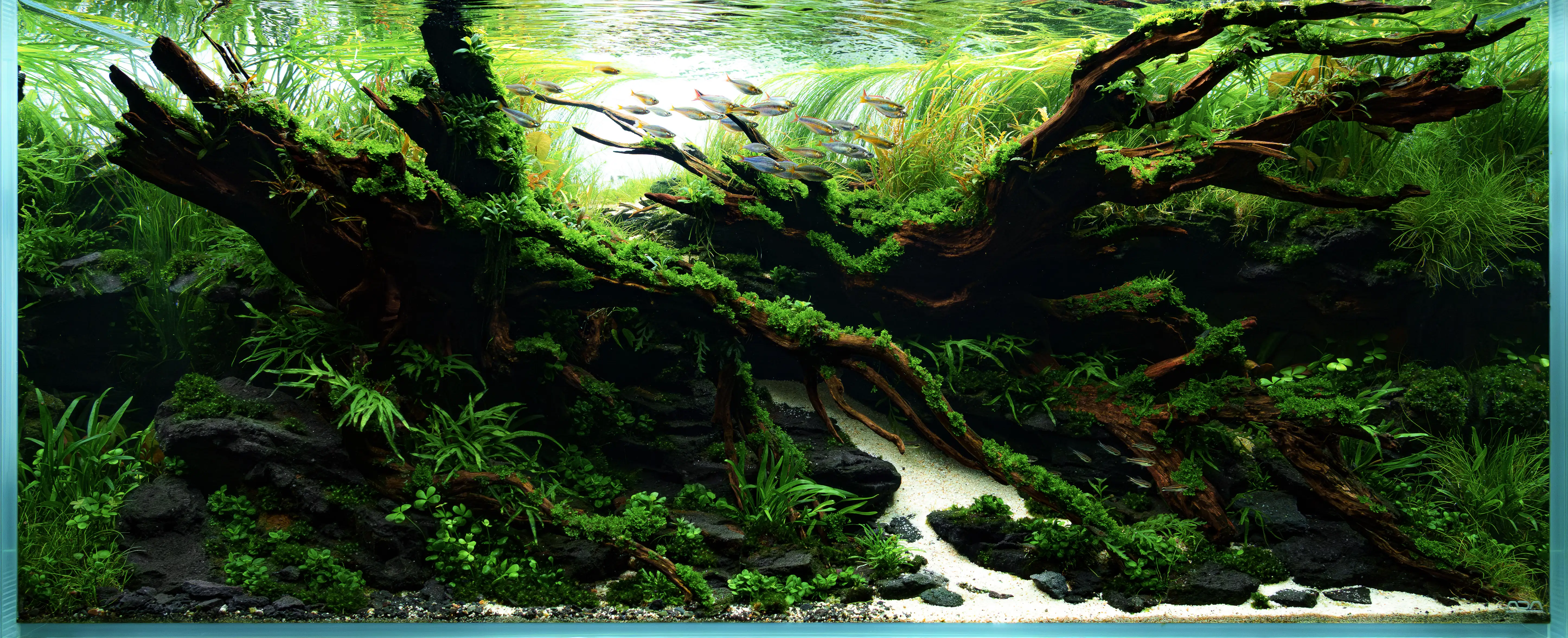
The X-Large results reinforce the value of movement through the scene. Florian Minnerop’s first-place Sundering, in a 120 × 50 × 50 cm aquarium, was praised for its balance of wood and stone, natural sand path, harmonious planting, and sense of flow. The jury described the rainbowfish as adding color without distracting from the composition, while one comment noted that the fish positioning in the final photograph could have been stronger. This is a useful distinction: fish should support the visual story, but their placement also matters when the aquarium is being presented in a single image.

For a large tank, use open areas as part of the design rather than treating them as unfinished space. Build depth with foreground, middle-ground, and background layers, then consider how fish movement will interact with the open routes and major forms.

Large Category (101–200 L)

🥇 1st Place – Adrian Cristian Asaftei

Aquascape: Gravity
Country: Romania
Aquarium: 100 × 50 × 40 cm
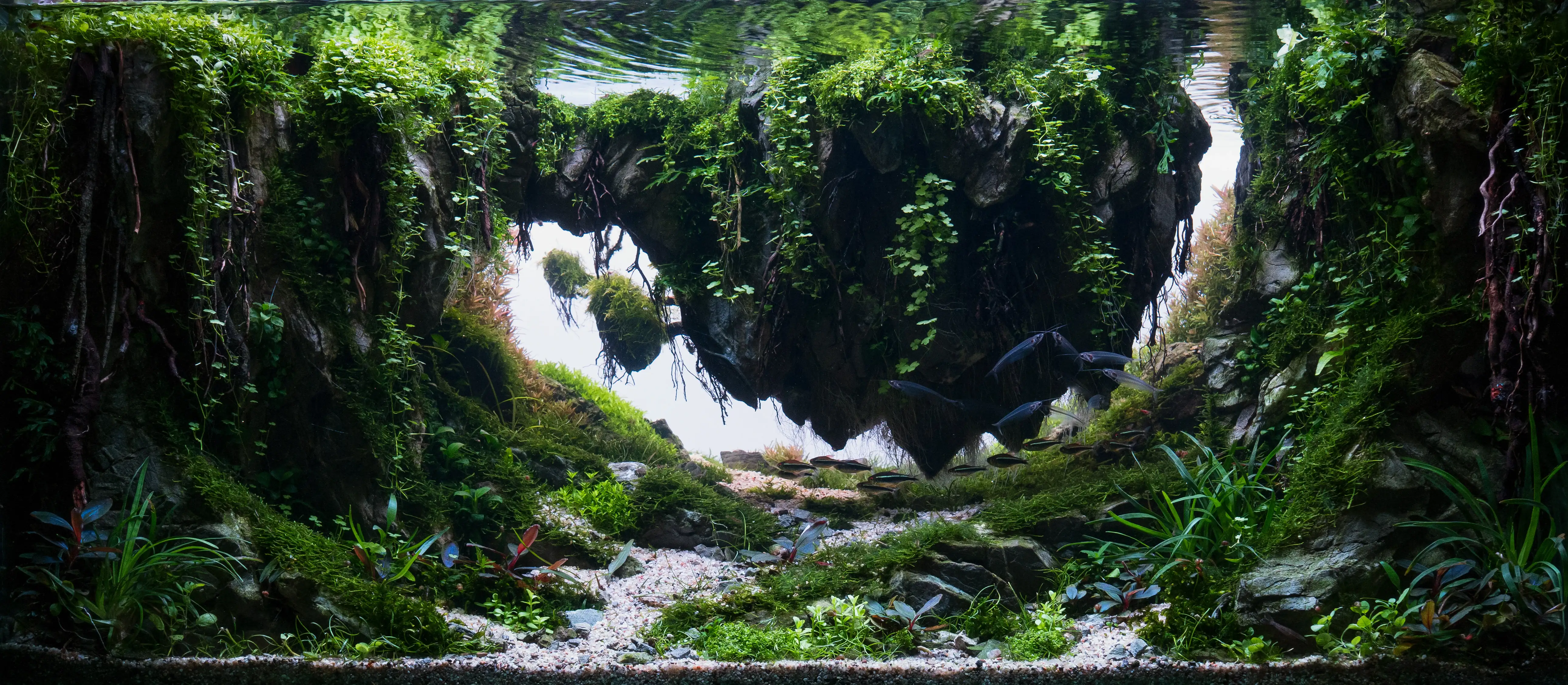
 

🥈 2nd Place – Bruno Fiorenza

Aquascape: Ithilien
Country: Italy
Aquarium: 100 × 50 × 40 cm
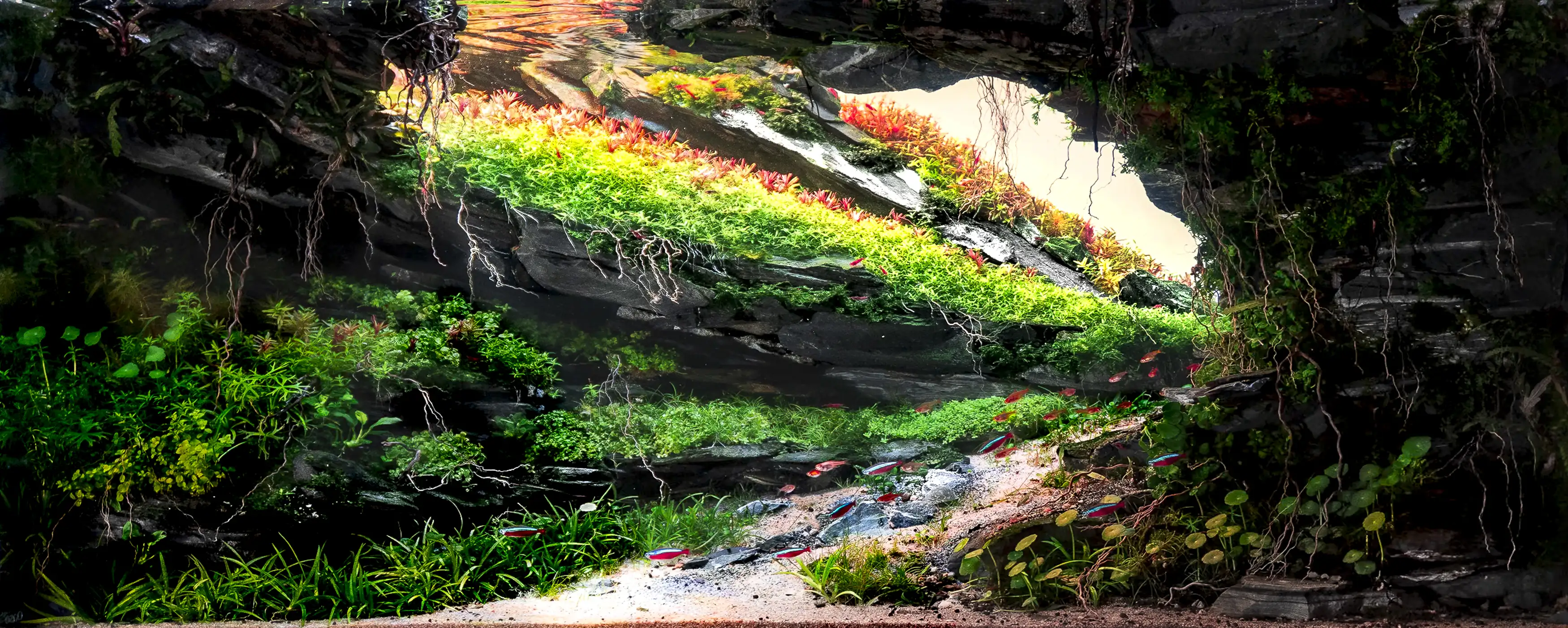
 

🥉 3rd Place – Agnieszka Schoeneck

Aquascape: Afterfall
Country: Poland
Aquarium: 90 × 45 × 45 cm


X-Large Category (201–300 L)

🥇 1st Place – Florian Minnerop

Aquascape: Sundering
Country: Austria
Aquarium: 120 × 50 × 50 cm
Special Award: European Aquascaping Champion 2026
🥈 2nd Place – Karsten Dünne

Aquascape: Unveiling
Country: Germany
Aquarium: 120 × 50 × 50 cm

🥉 3rd Place – Sławomir Szaniawski

Aquascape: Whispers of the Undergrowth
Country: Poland
Aquarium: 100 × 50 × 50 cm

2X-Large layouts: connect technical structure with restraint

The 2X-Large category covers aquariums of 301 litres or more. At this scale, hardscape construction and planting must work across a broad field of view. Marco Kowal’s first-place The Geometry of Weightlessness was recognized for technical mastery in hardscape work and refined plant layering. Luis Filipe Samora Cardoso’s second-place Beyond The Shadows was praised for its driftwood arrangement and plant selection and condition.

Pavol Kulanda’s third-place Drifting offers a strong example of how large forms can remain connected. The official comments describe an arch of elegant roots around a bright opening, with exposed stones, roots, and plants continuing one another’s shapes and directions. The layout was also praised for being rich in detail without feeling overcrowded or artificial.

That balance is central to large-scale aquascaping. A big aquarium can accommodate more layers, but every layer still needs a job. Use repeated directions to connect separate areas, preserve openings that give the eye somewhere to travel, and choose plants whose mature forms support the scale of the hardscape.

2X-Large Category (301+ L)

🥇 1st Place – Marco Kowal

Aquascape: The Geometry of Weightlessness
Country: Netherlands
Aquarium: 120 × 55 × 50 cm
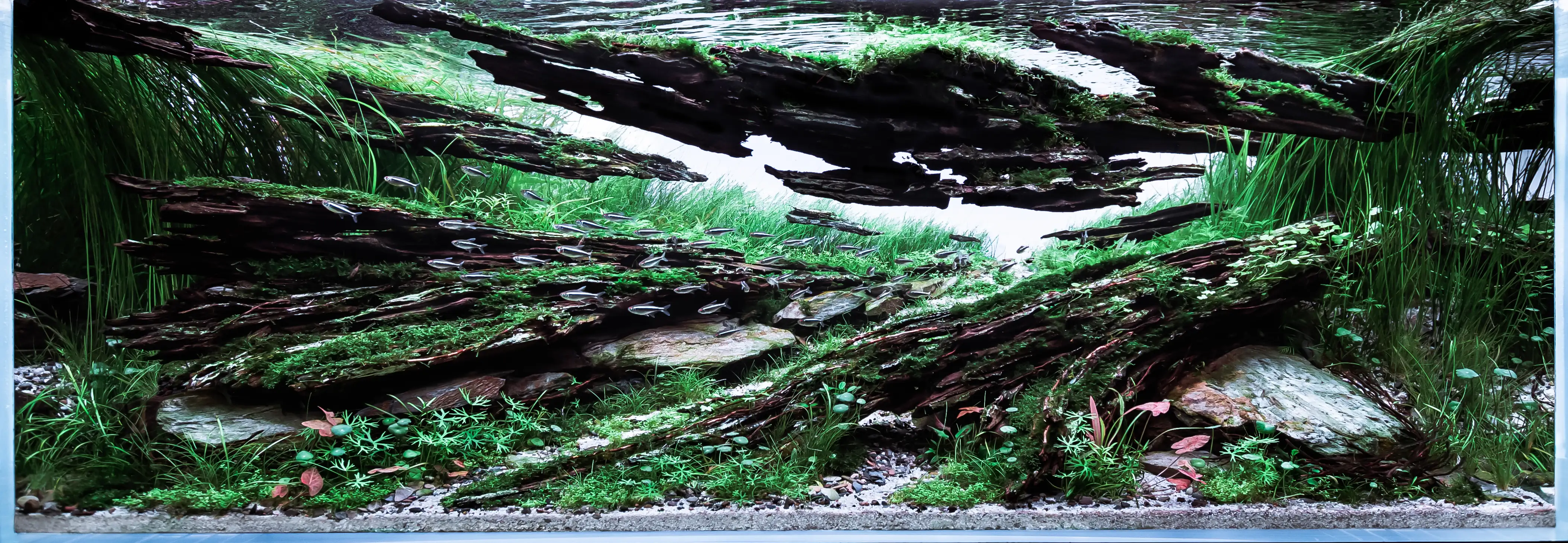
🥈 2nd Place – Luis Filipe Samora Cardoso

Aquascape: Beyond The Shadows
Country: Portugal
Aquarium: 120 × 60 × 45 cm
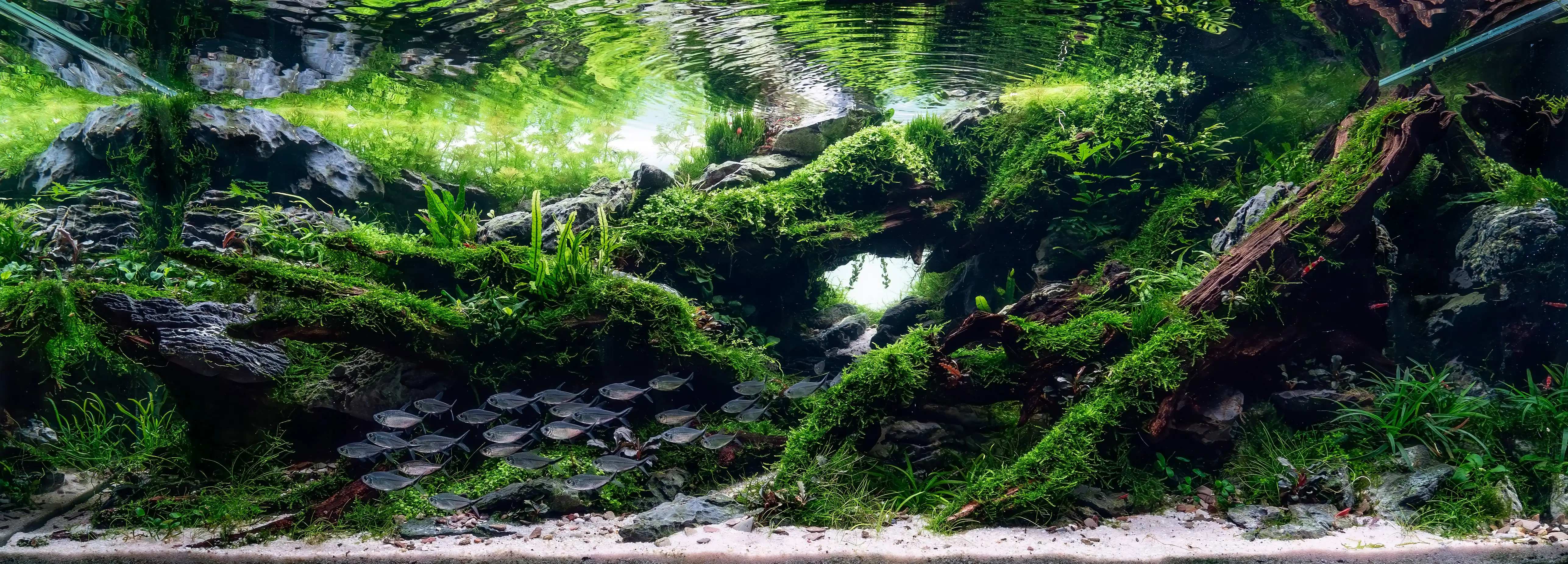
🥉 3rd Place – Pavol Kulanda

Aquascape: Drifting
Country: England
Aquarium: 120 × 60 × 45 cm
Complete EAPLC 2026 Rankings

Congratulations not only to our category winners, but to every aquascaper who participated in EAPLC 2026!

You can find the complete rankings for all six categories in our official PDF document below.
Complete EAPLC 2026 Rankings

Leave your comments
Latest on News & Press
  • AGA 2026 Results: Chuanwei Yu Wins Best of Show

    AGA 2026 Results: Chuanwei Yu Wins Best of Show

    Chuanwei Yu (余传威) of China has won Best of Show at the 2026 AGA International Aquascaping Contest with All Begins to Nature (万物自然). The Aquatic Garden 220L+ winner also took first place in the combined Aquatic Garden standings. Announced on November 7, the official AGA 2026 results cover 422 entries from 343 contestants across 54 countries.
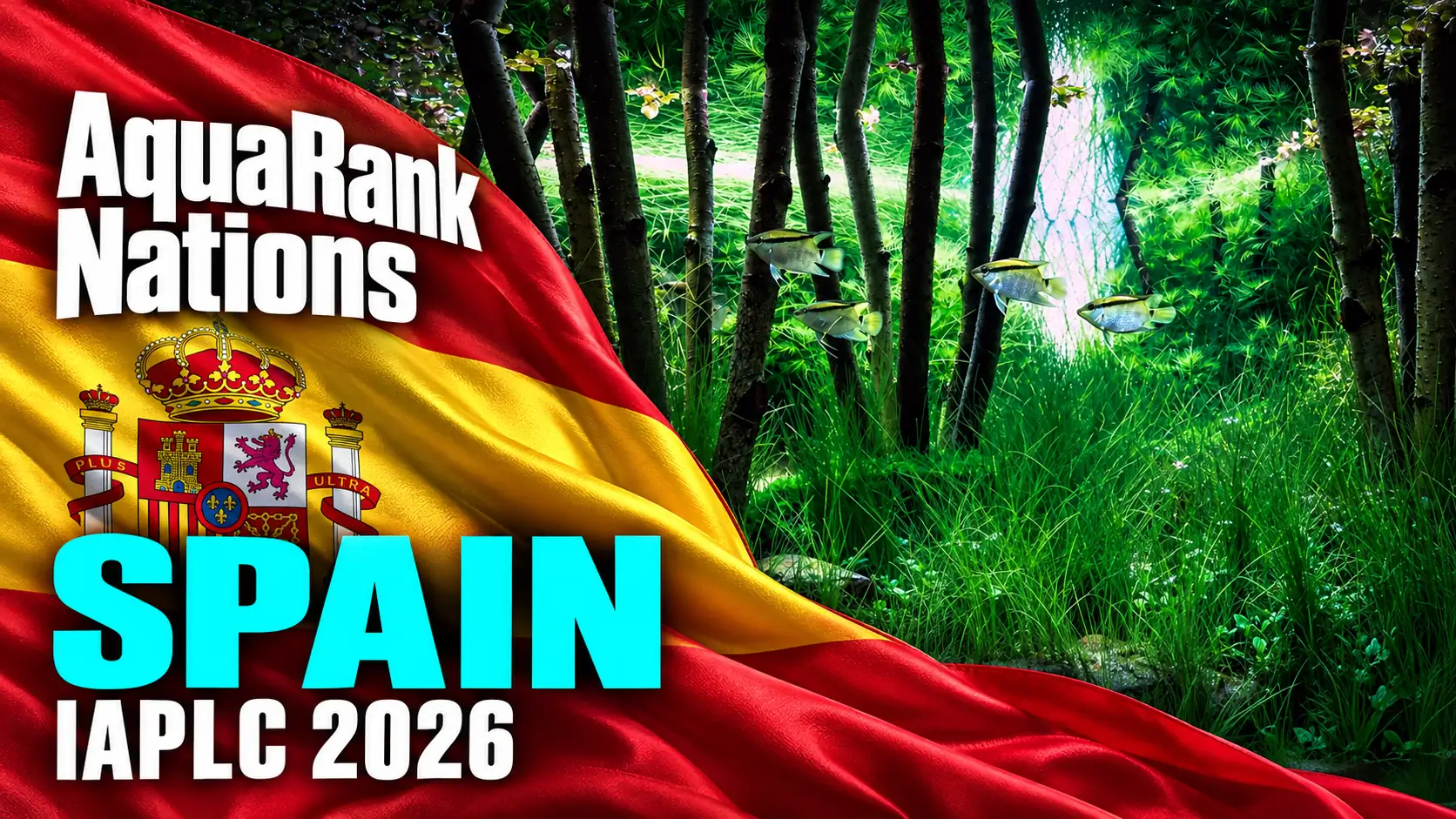
  • Analyse Spain aquascapes at IAPLC 2026, then explore the country’s results, contributing creators and competition history on AquaRank Nations.

    Spain at IAPLC 2026: Roberto Buenadicha’s Forest and the Space Between Trunks

    Roberto Buenadicha’s aquarium is the only Spanish work in the published ranks 1–300. Its slender dark trunks, fine green planting and conspicuous pale fish make it a rewarding individual study. This instalment returns to the older Spain introduction through one photograph, keeping the scope small enough for the evidence available.
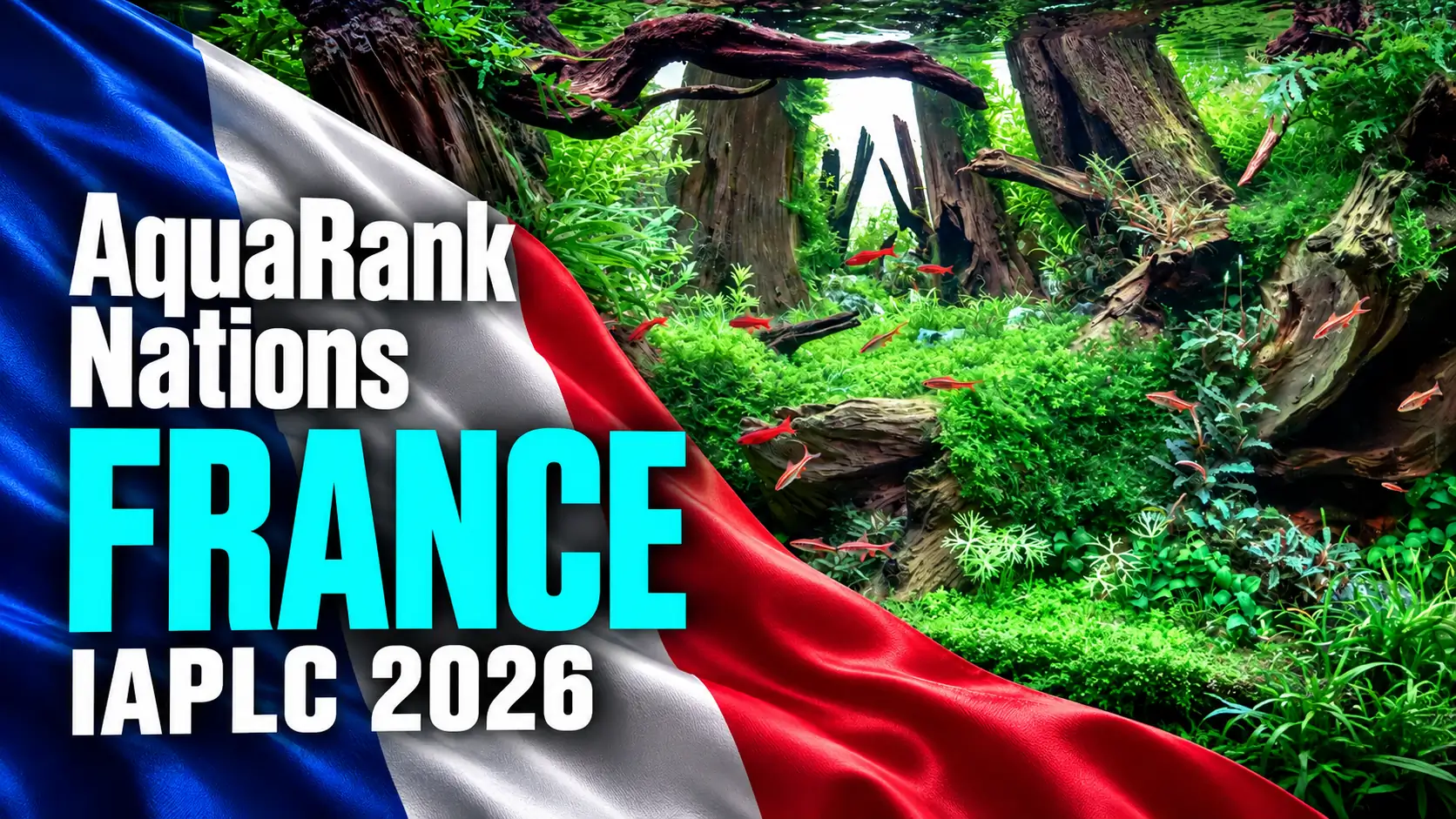
  • Analyse France aquascapes at IAPLC 2026, then explore the country’s results, contributing creators and competition history on AquaRank Nations.

    France at IAPLC 2026: A Close Reading of Jean Christophe Grosset’s Woodland

    Only one French work appears in the published ranks 1–300. That gives this instalment a different task: a close reading of Jean Christophe Grosset’s aquarium, with the older country introduction as context. The photograph deserves attention for its own wood, planting and fish relationships, rather than being made to represent every French aquascaper.
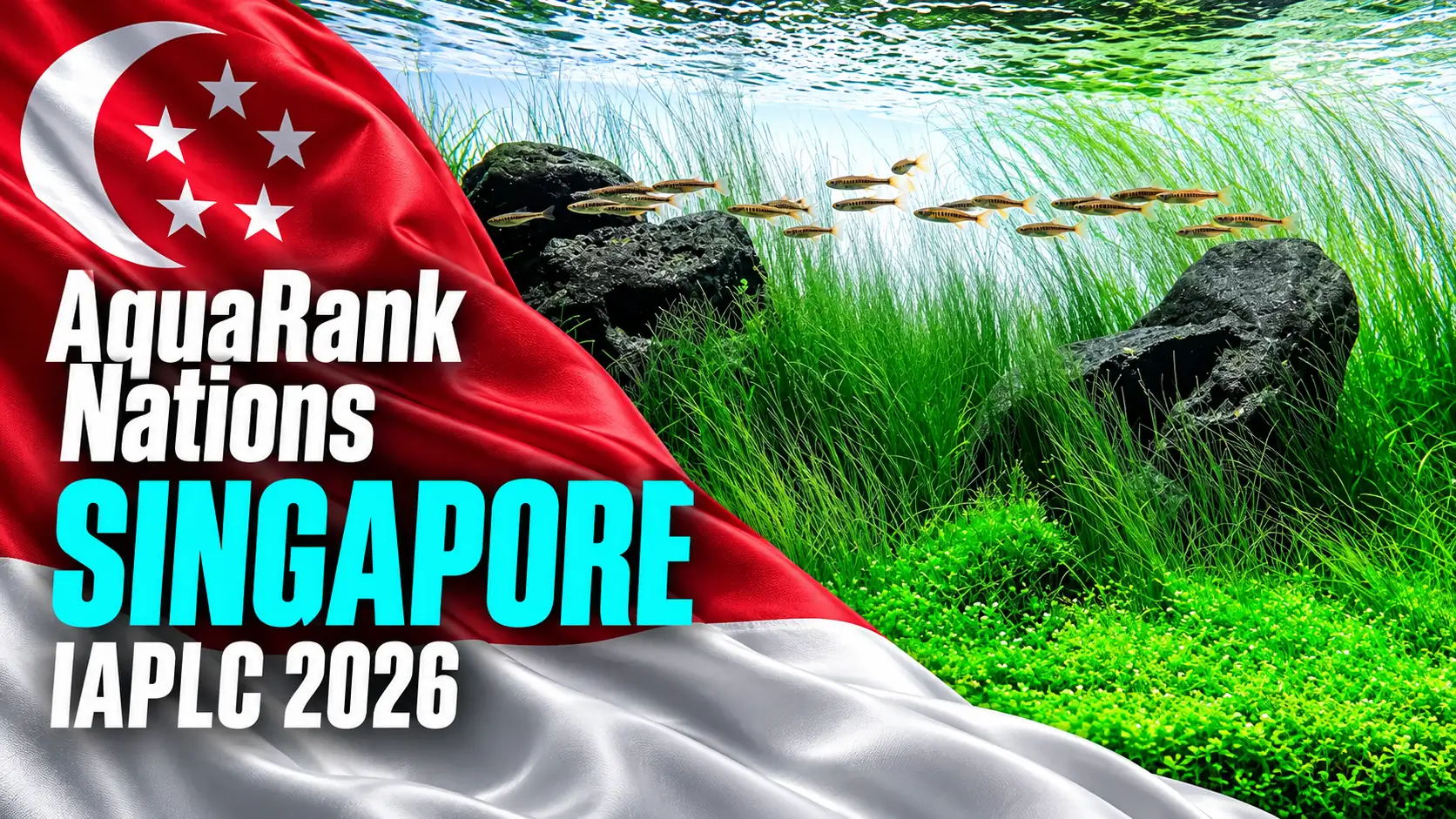
  • Analyse Singapore aquascapes at IAPLC 2026, then explore the country’s results, contributing creators and competition history on AquaRank Nations.

    Singapore at IAPLC 2026: Open Stone and an Enclosed Planted Passage

    Two Singaporean works appear in the published ranks 1–300, and they offer an unusually clear contrast. One makes open water and two main stones central; the other encloses a small rear opening within dense planting and roots. The pair is useful precisely because it does not support one simple visual label.
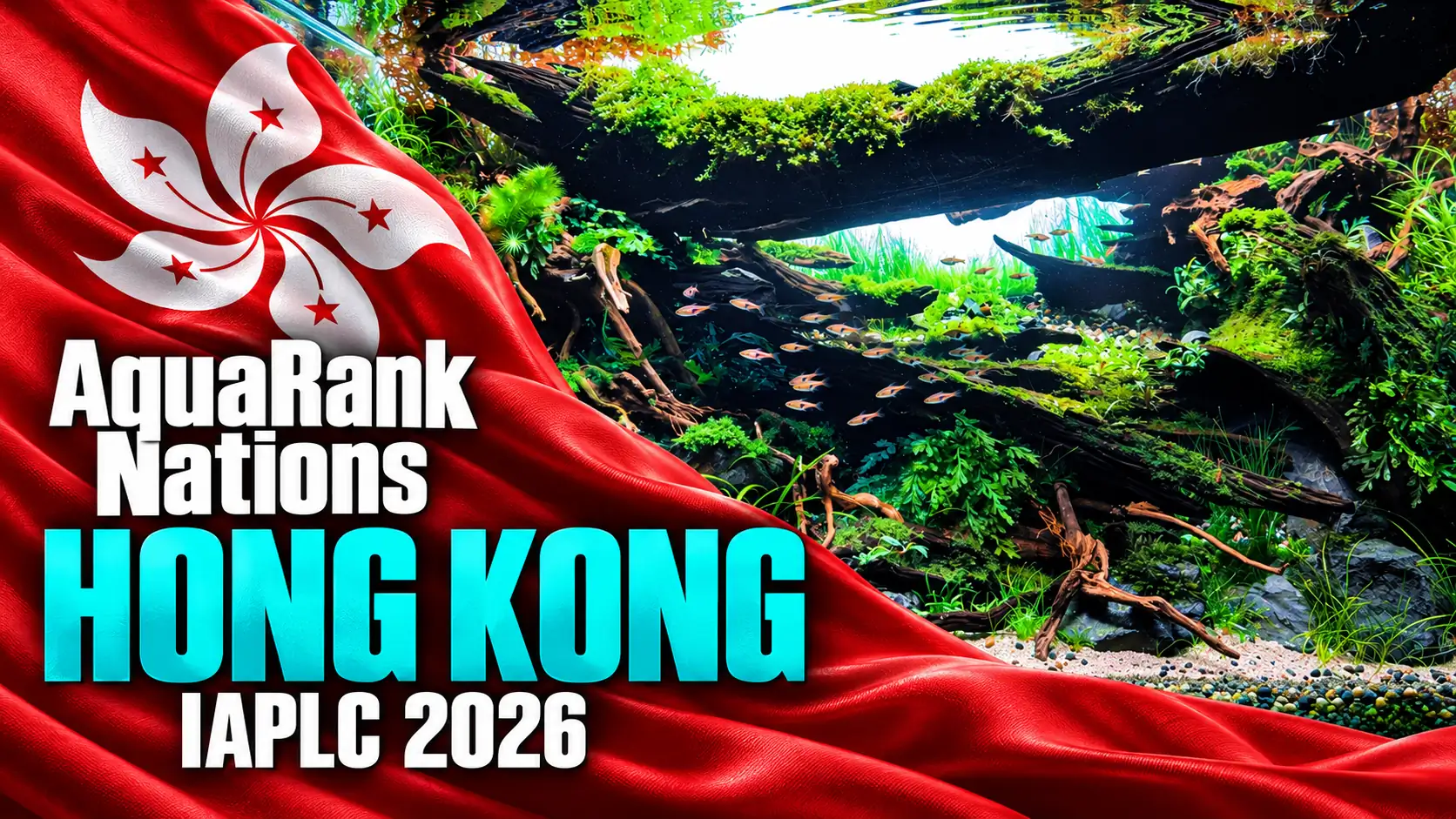
  • Analyse Hong Kong aquascapes at IAPLC 2026, then explore the country’s results, contributing creators and competition history on AquaRank Nations.

    Hong Kong at IAPLC 2026: Three Studies in Light, Layers and Visual Impact

    A low timber ceiling, blue-toned terraces and converging planted diagonals create three visibly different aquariums. Hong Kong’s represented works at ranks 1–300 offer a compact study of visual impact beyond the season’s leading awards. Looking at them closely is more informative than treating the cutoff count as a verdict on an entire aquascaping community.
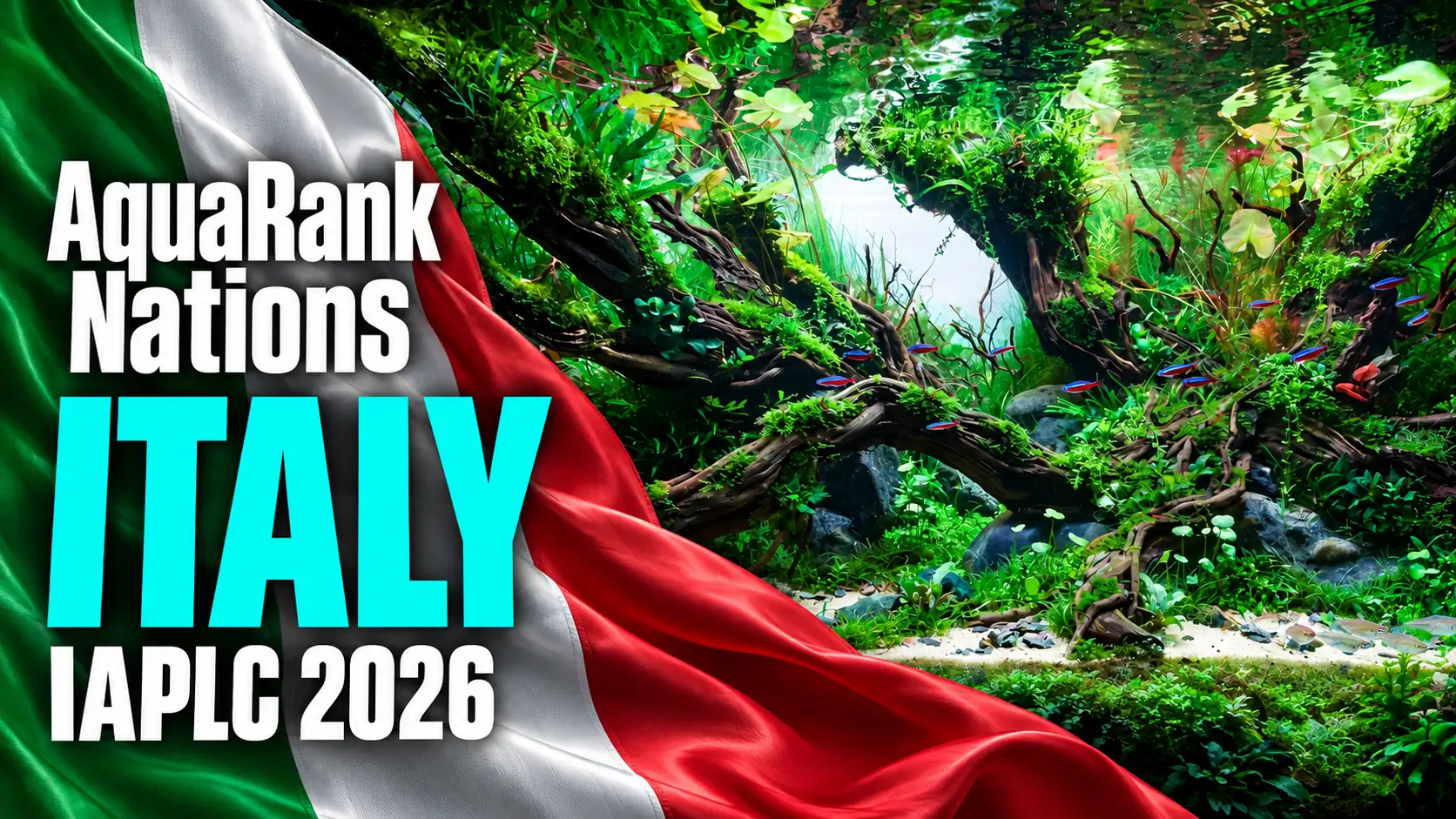
  • Analyse Italy aquascapes at IAPLC 2026, then explore the country’s results, contributing creators and competition history on AquaRank Nations.

    Italy at IAPLC 2026: Calm Routes and More Dramatic Planted Frames

    A clear route through planted banks can feel quiet; a coloured ridge beneath a dark frame can feel theatrical. The four Italian photographs selected for this study offer both experiences. Together, they make a useful contemporary comparison with an archive that once placed particular emphasis on calm, enduring-looking compositions.
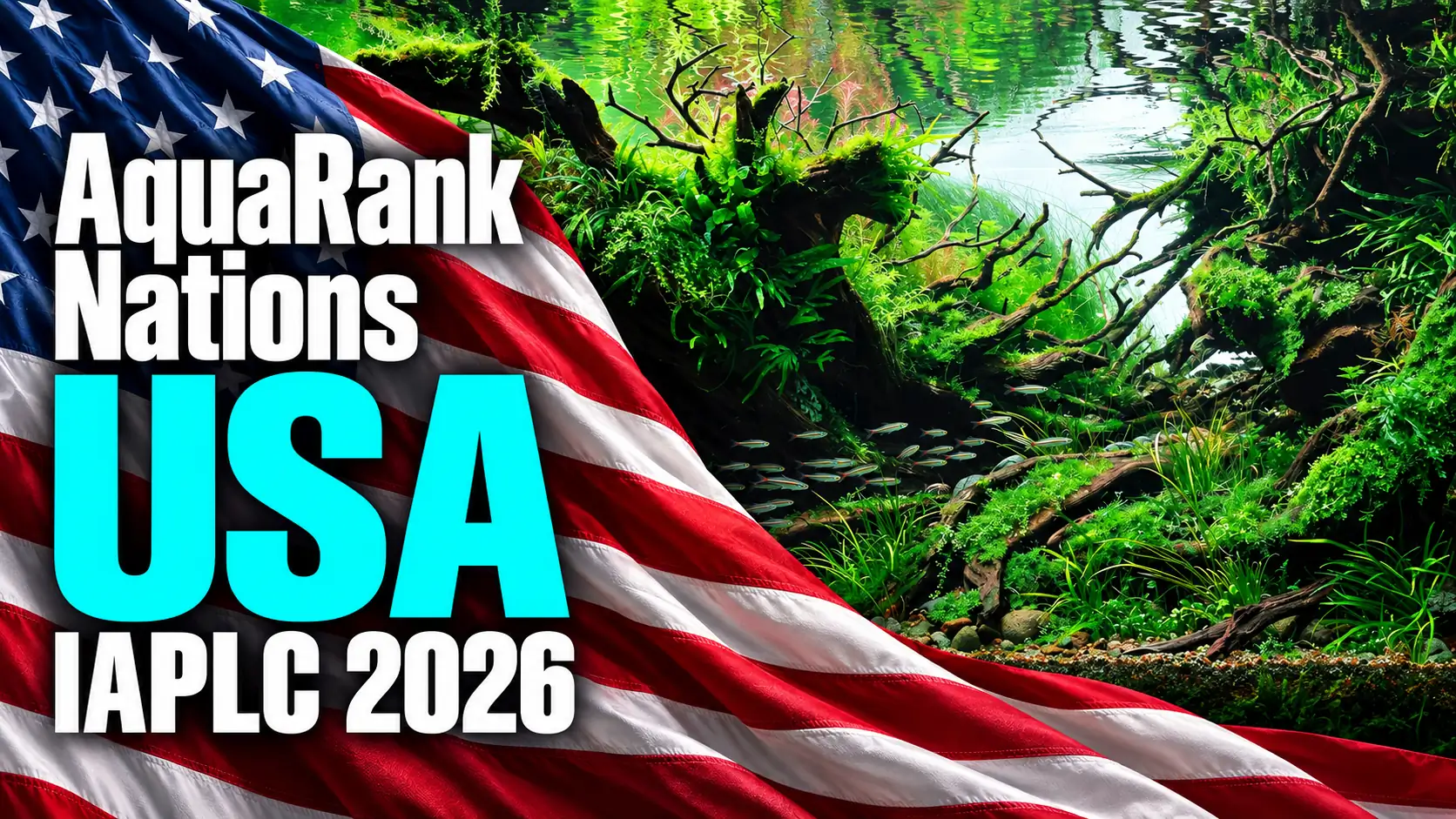
  •  Analyse United States aquascapes at IAPLC 2026, then explore the country’s results, contributing creators and competition history on AquaRank Nations.

    United States at IAPLC 2026: Four Distinct Readings of a Wooded Aquarium

    The four American photographs selected here all contain important wood structures, yet they do not produce one uniform wooded scene. A broad canopy, a low diagonal, a fine-leaved light window and an exposed timber subject organise attention differently. That variation lets us discuss design diversity through specific decisions rather than a broad national label.
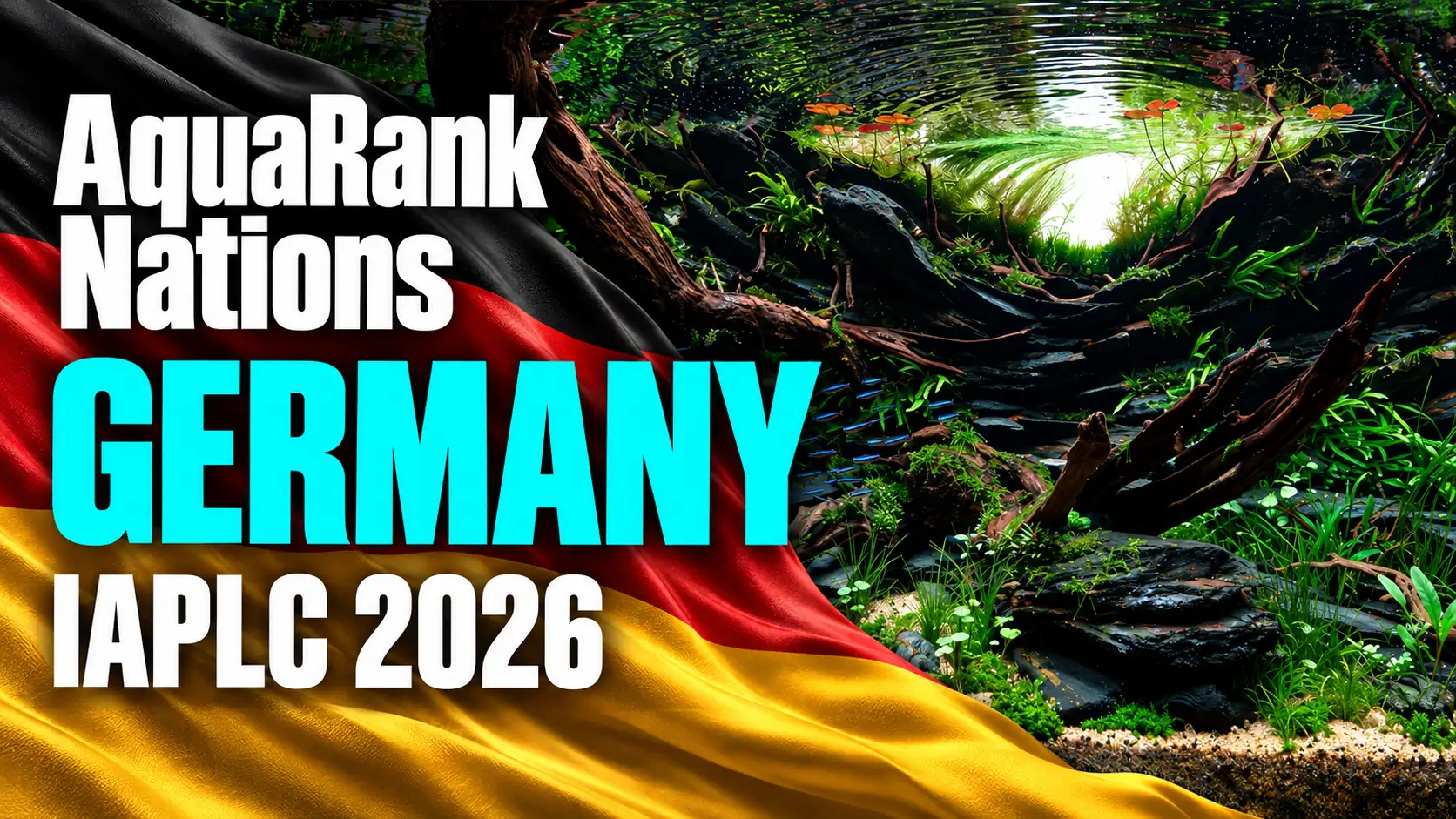
  • Analyse Germany aquascapes at IAPLC 2026, then explore the country’s results, contributing creators and competition history on AquaRank Nations.

    Germany at IAPLC 2026: Four Ways to Balance Hardscape and Open Water

    A dark wooded frame, a rocky valley, a brighter mixed scene and green-covered root contours make this German selection particularly useful for comparison. The photographs share an interest in separating materials from the water around them, but achieve it through different outlines and lighting relationships.
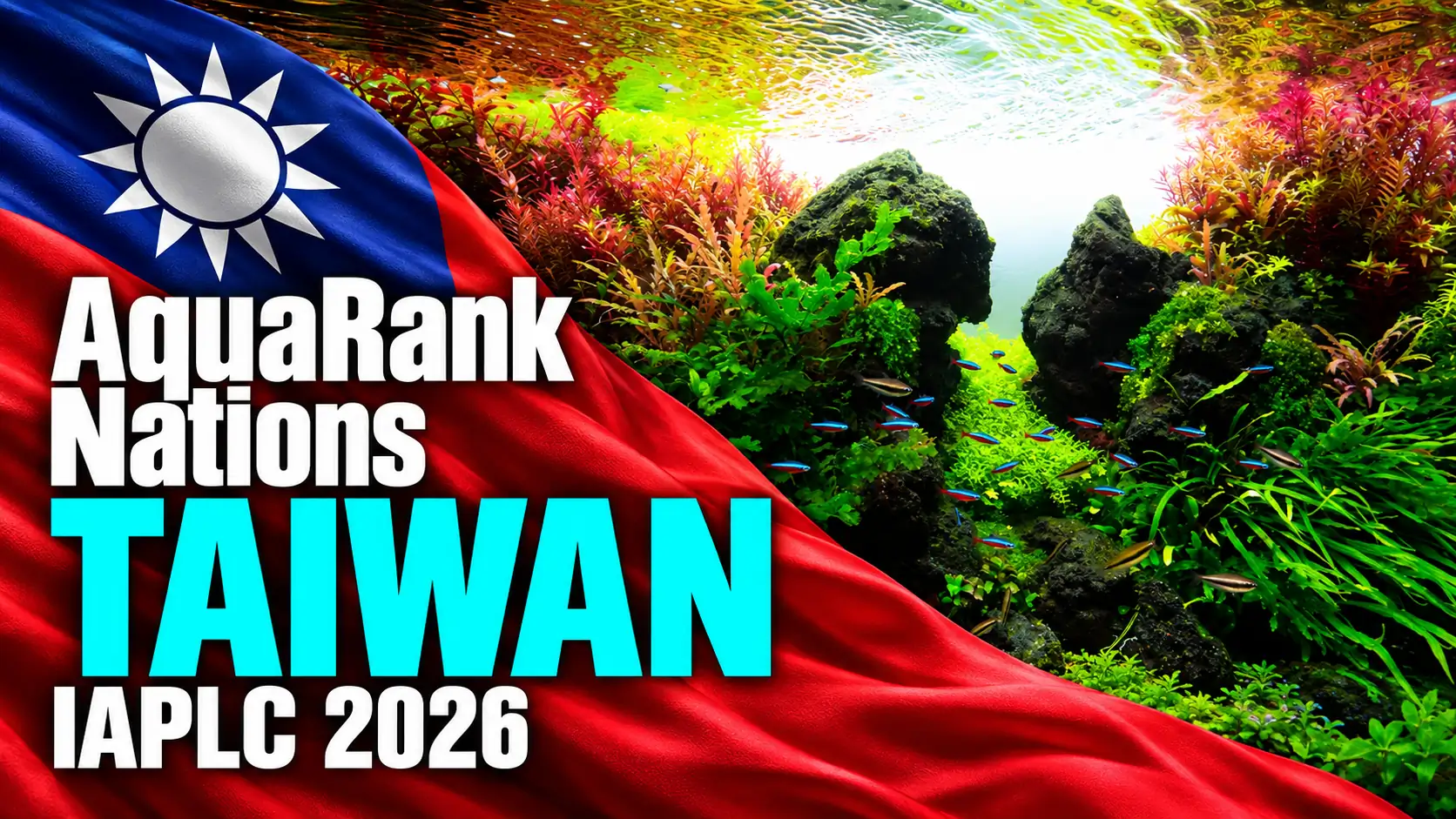
  • Analyse Taiwan aquascapes at IAPLC 2026, then explore the country’s results, contributing creators and competition history on AquaRank Nations.

    Taiwan at IAPLC 2026: Planted Contours and Changing Routes into Depth

    Dense foliage, planted wood ridges and a low central route create different senses of distance in this four-work selection. The photographs are particularly rewarding when viewed through changes in leaf shape and planting height. They offer a present-season comparison with an archive that once described both graceful composition and more contemporary experimentation.
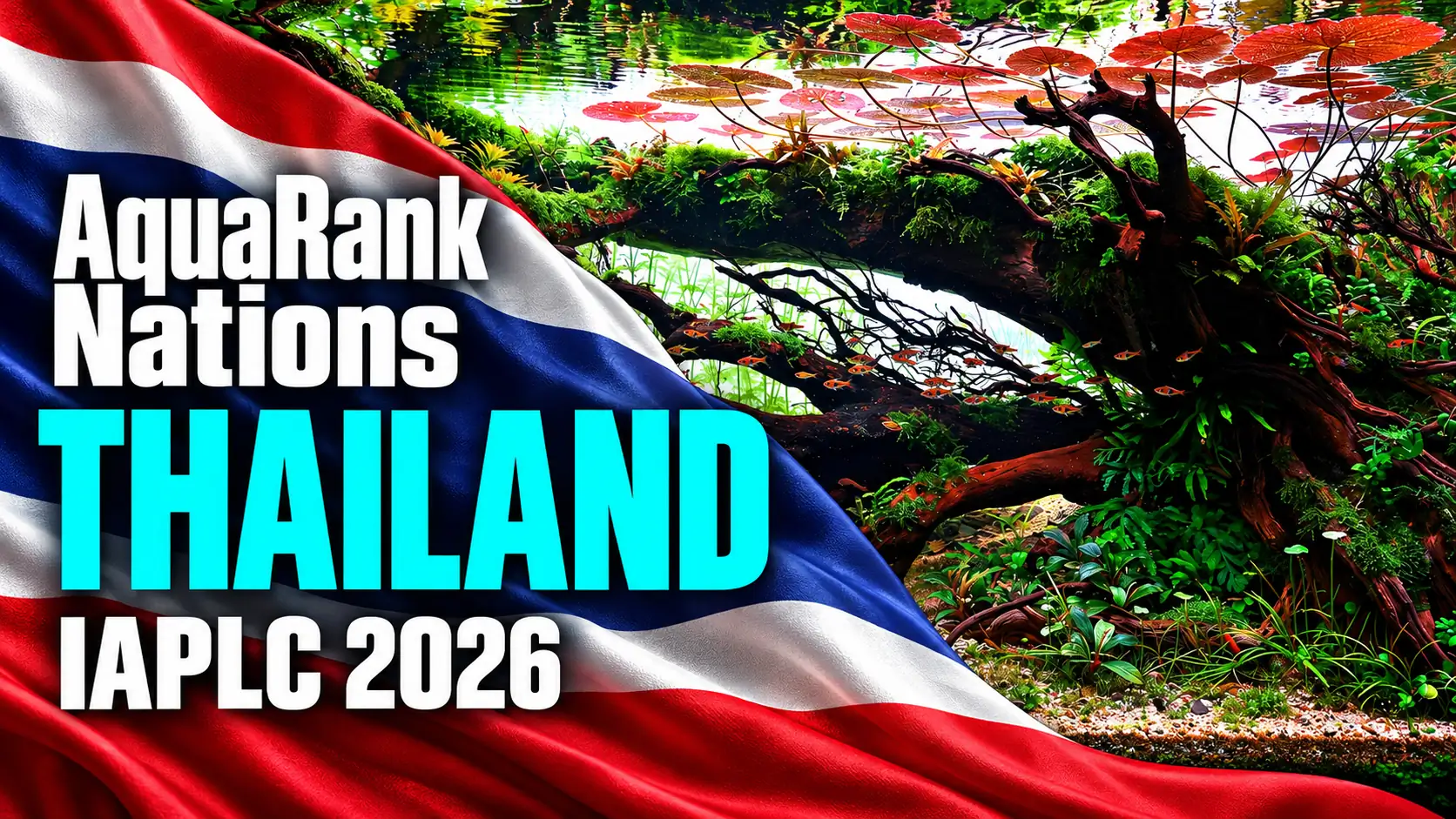
  •  Analyse Thailand aquascapes at IAPLC 2026, then explore the country’s results, contributing creators and competition history on AquaRank Nations.

    Thailand at IAPLC 2026: Surface Colour, Green Arches and Open Rockwork

    Three Thai aquariums in the published Top 300 present contrasting visual priorities. MAGIC LEAVES makes the water surface a signature; another work carries a route beneath planted arches; a third exposes rock peaks against rounded greenery. This small group gives a useful reason to look beyond the first shared award photograph.
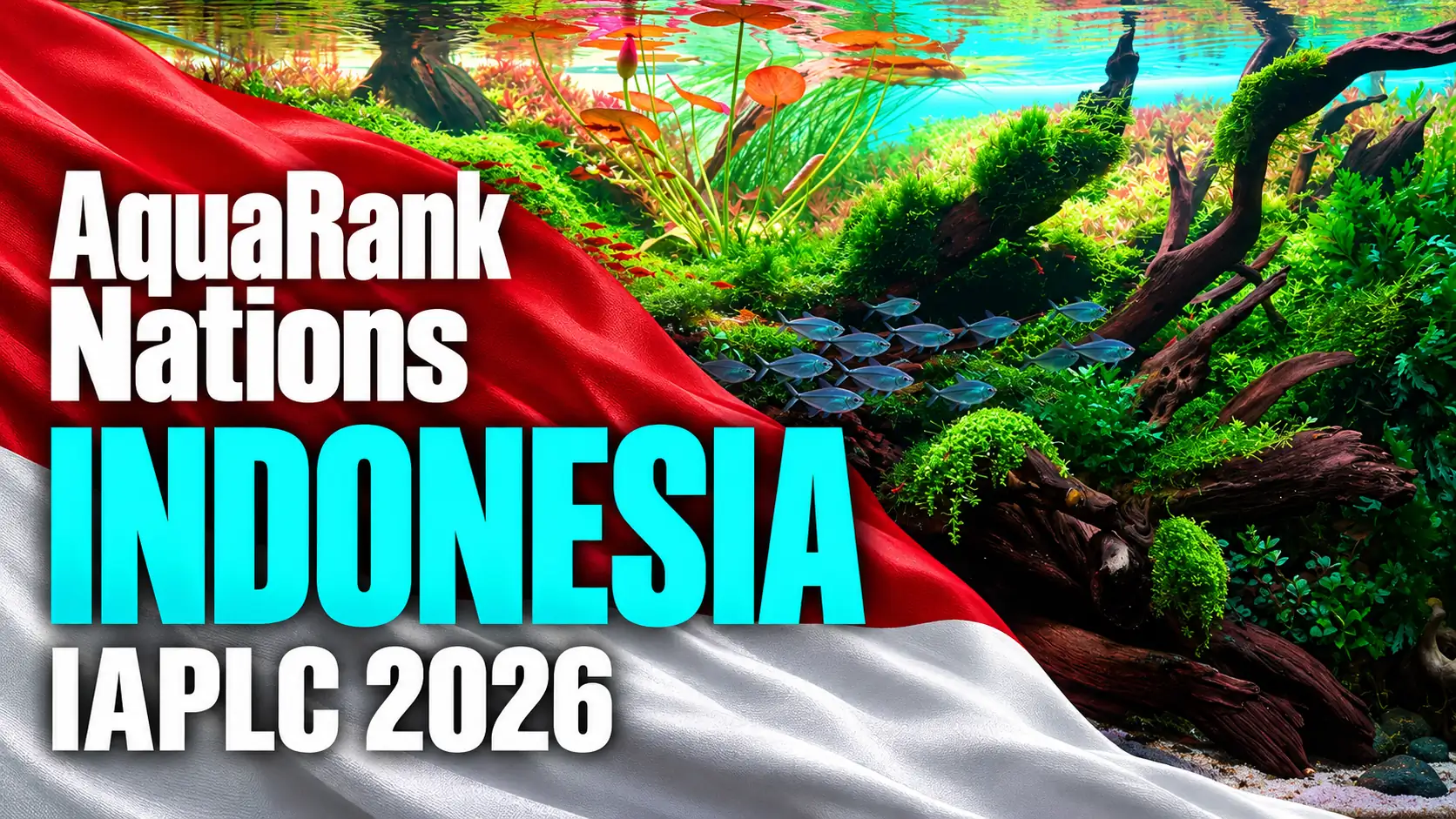
  • Analyse Indonesia aquascapes at IAPLC 2026, then explore the country’s results, contributing creators and competition history on AquaRank Nations.

    Indonesia at IAPLC 2026: Forest Craft Through Four Different Frames

    The four Indonesian works published at ranks 1–300 offer a compact comparison. A coloured surface canopy, a dominant trunk, a dense grove and a wood-and-rock opening all reward close attention. The small group makes it possible to examine every represented work in this range, while keeping the conclusions specific to this season and cutoff.
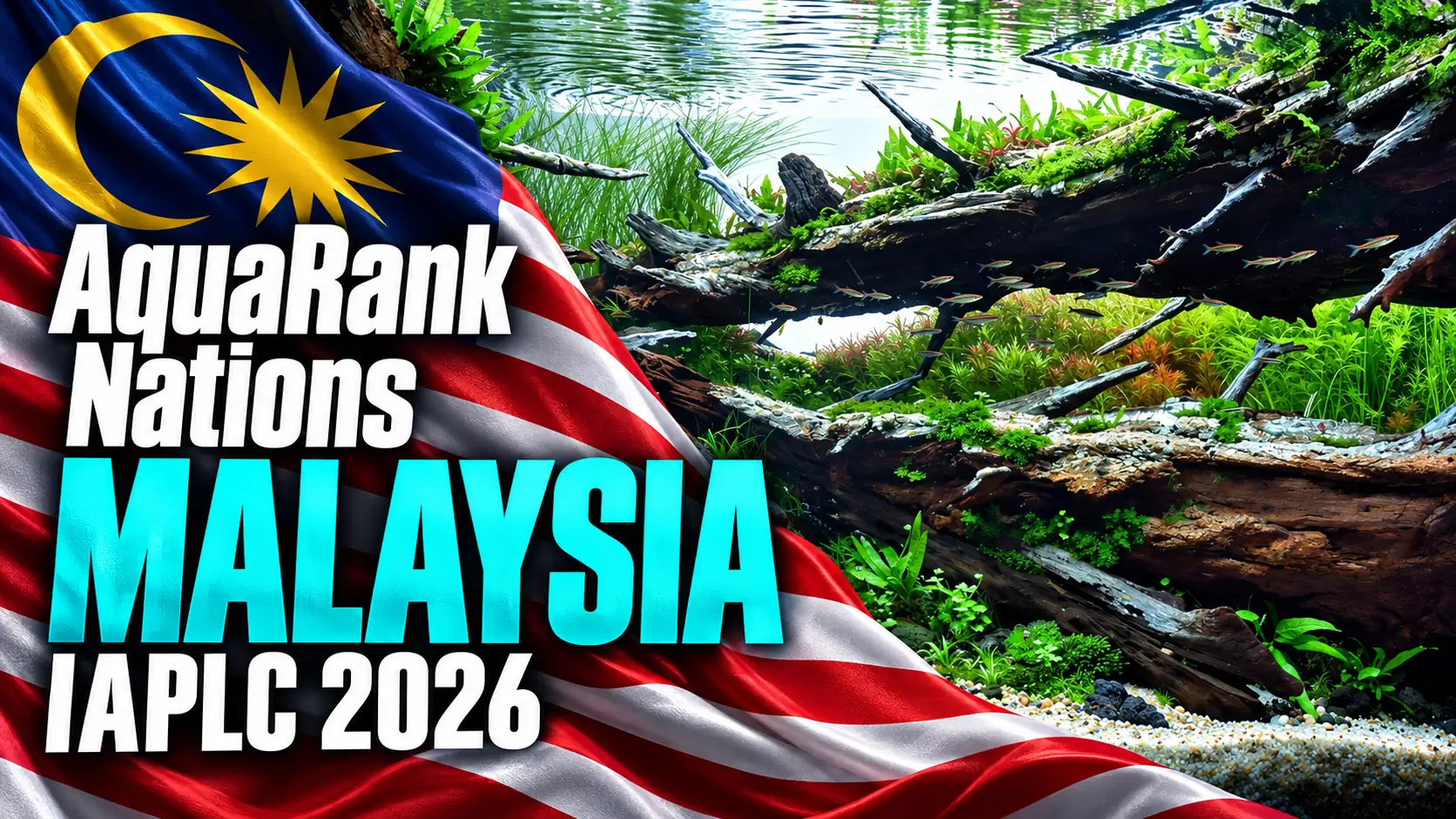
  • Analyse Malaysia aquascapes at IAPLC 2026, then explore the country’s results, contributing creators and competition history on AquaRank Nations.

    Malaysia at IAPLC 2026: Wood, Plant Texture and the Visual Role of Fish

    A bright gap between broad wood layers, a fine-leaved canopy and a conspicuous individual fish offer three different entrances to this Malaysian selection. The photographs invite attention to the space inhabited by fish as well as the hardscape around it. They also show why a creator’s reputation and a new aquarium’s visual decisions should be discussed separately.
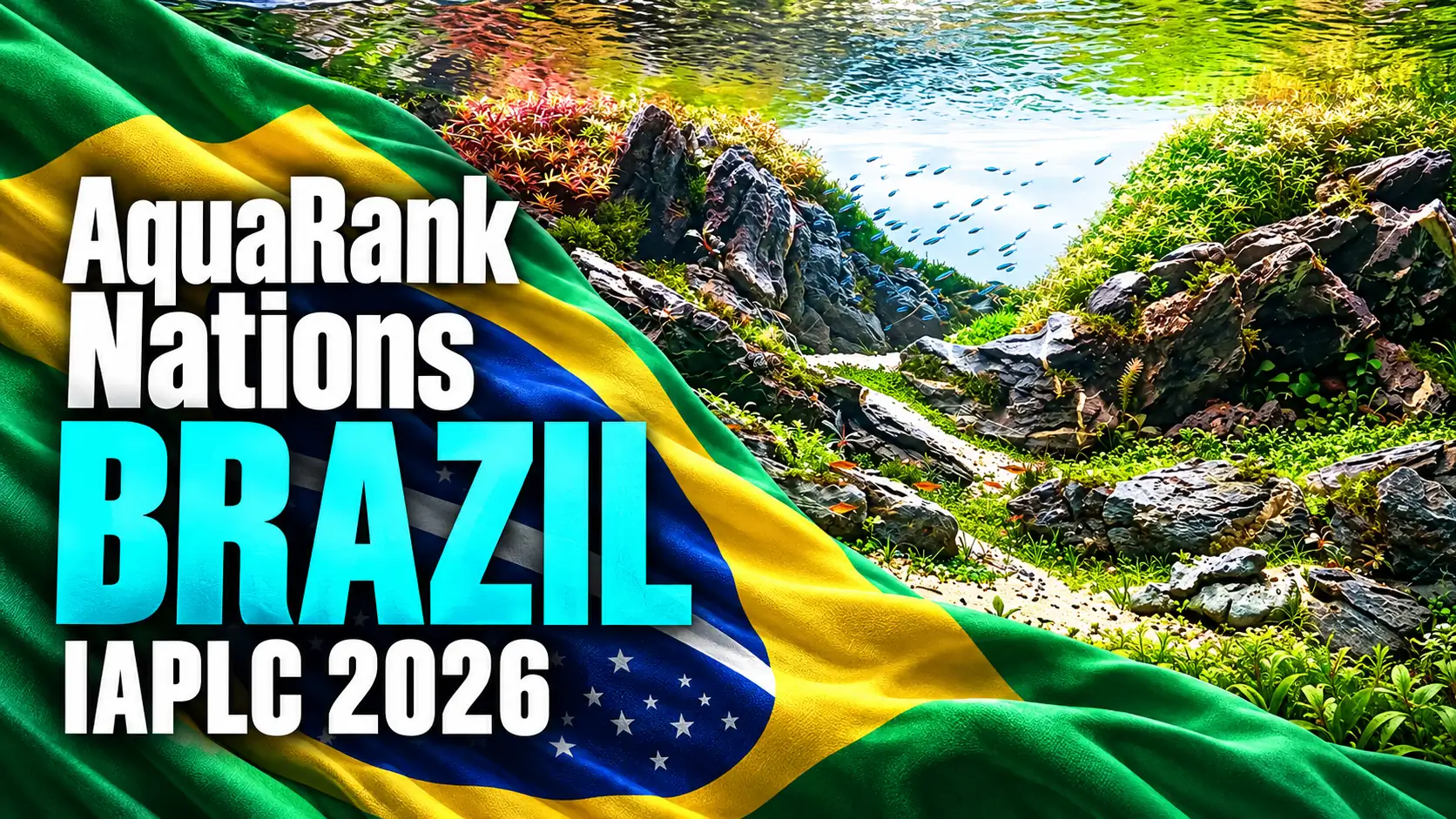
  • Analyse Brazil aquascapes at IAPLC 2026, then explore the country’s results, contributing creators and competition history on AquaRank Nations.

    Brazil at IAPLC 2026: Rock Landscapes and Wood Beyond the Familiar Label

    Enchanted Hills offers an immediately recognisable rock valley, with coloured planting and fish in bright water. Three other selected Brazilian photographs build their scenes around substantial wood. Seeing them together is a useful way to revisit a familiar label without asking individual creators to fit a single national recipe.
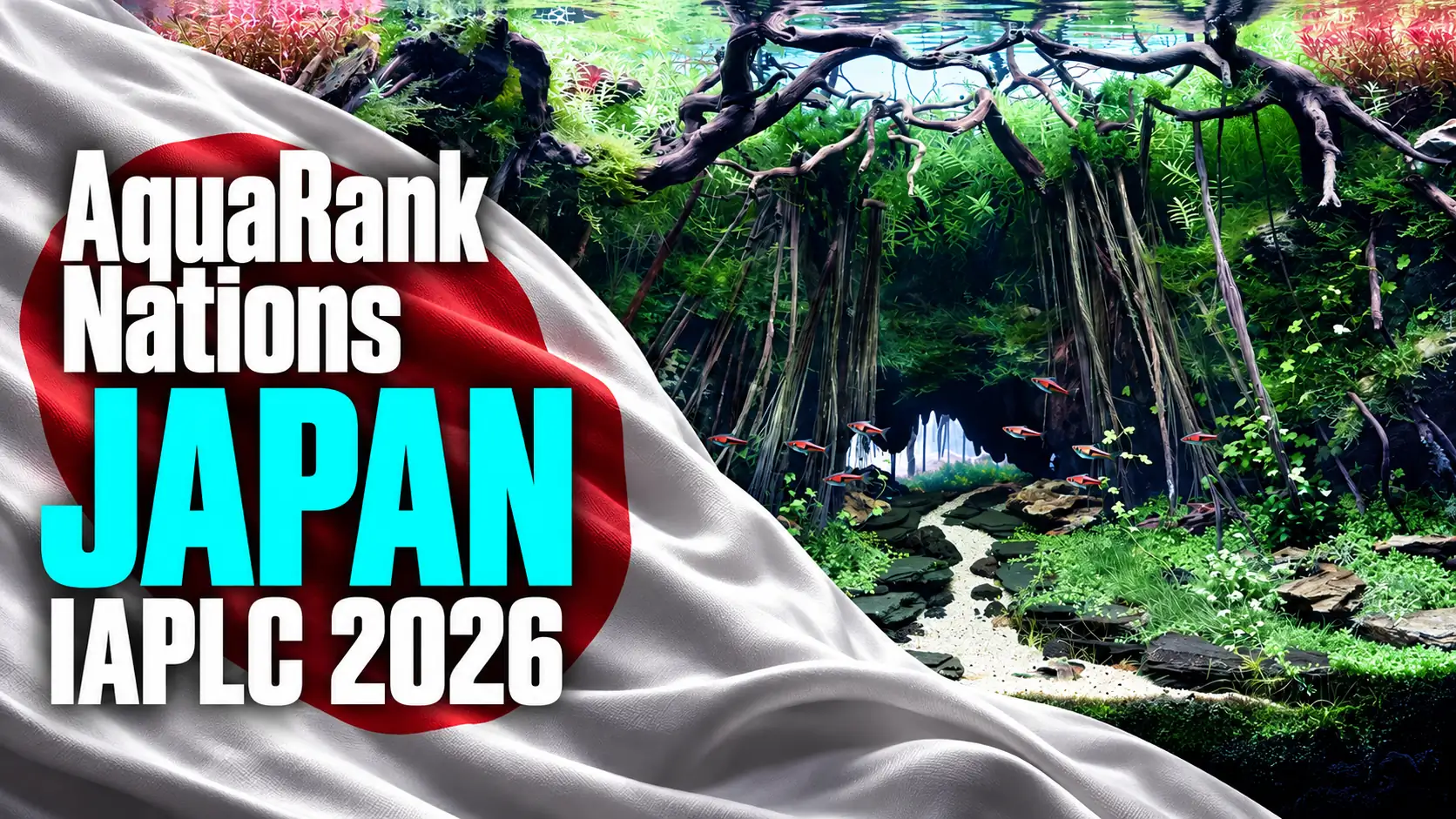
  • Analyse Japan aquascapes at IAPLC 2026, then explore the country’s results, contributing creators and competition history on AquaRank Nations.

    Japan at IAPLC 2026: Nature Aquarium and Many Contemporary Visions

    A pale path through hanging roots and a bright interval between exposed rocks can both make an aquarium feel spacious. Japan’s 2026 selection is rewarding because it places these different approaches beside richly planted foregrounds and coloured slopes. Six photographs offer a practical way to discuss variety within a familiar Nature Aquarium heritage.
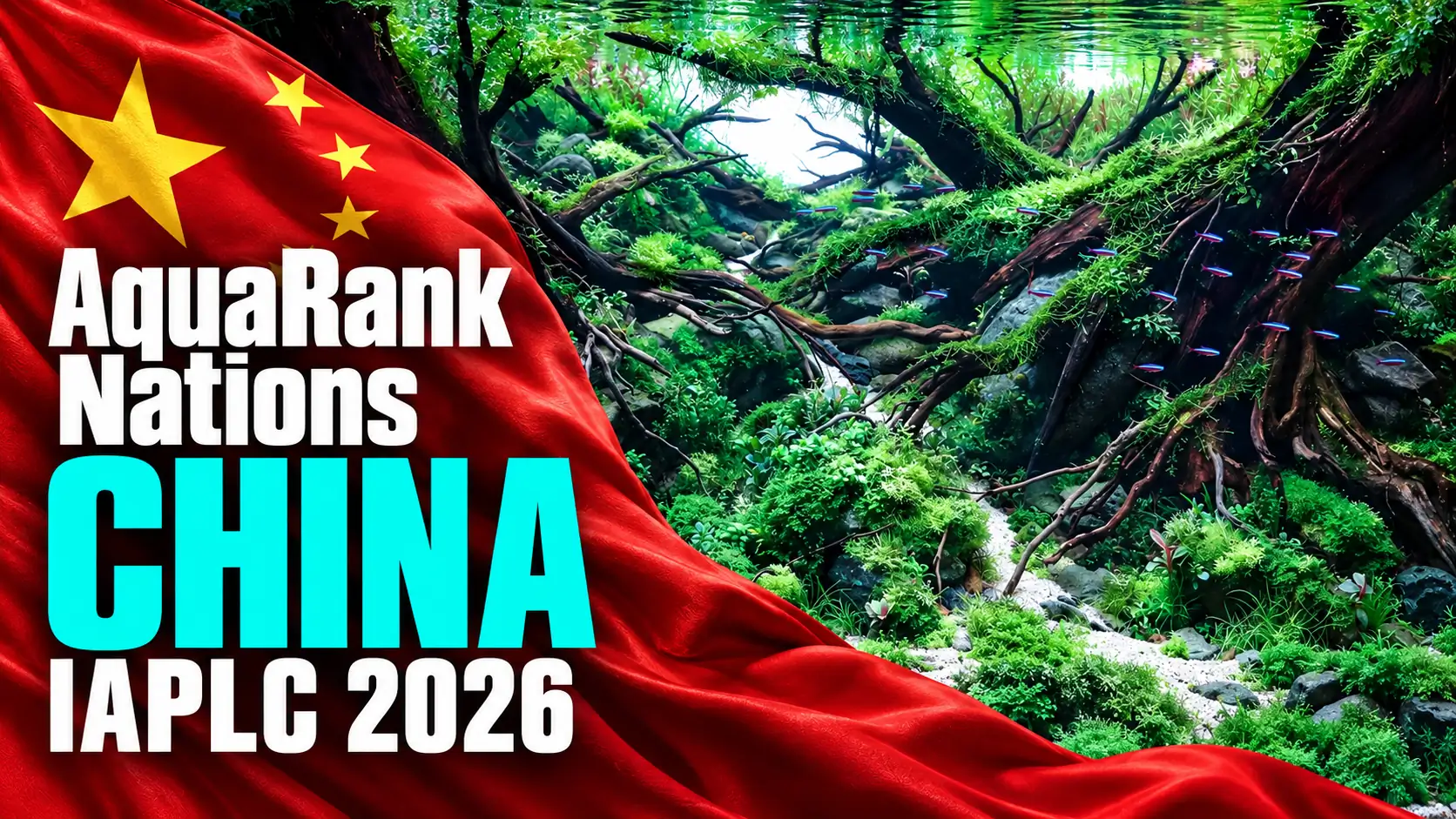
  • Analyse China aquascapes at IAPLC 2026, then explore the country’s results, contributing creators and competition history on AquaRank Nations.

    China at IAPLC 2026: How Layered Wood Creates Convincing Depth

    The Grand Prize photograph gives this study an obvious first stop, but the comparison becomes richer when it reaches beyond the winner. Six selected aquariums show different ways of framing light with wood: unequal trunks, fine leaf curtains, successive arches and repeated vertical roots. Their interest lies in how each arrangement keeps a densely constructed scene readable.
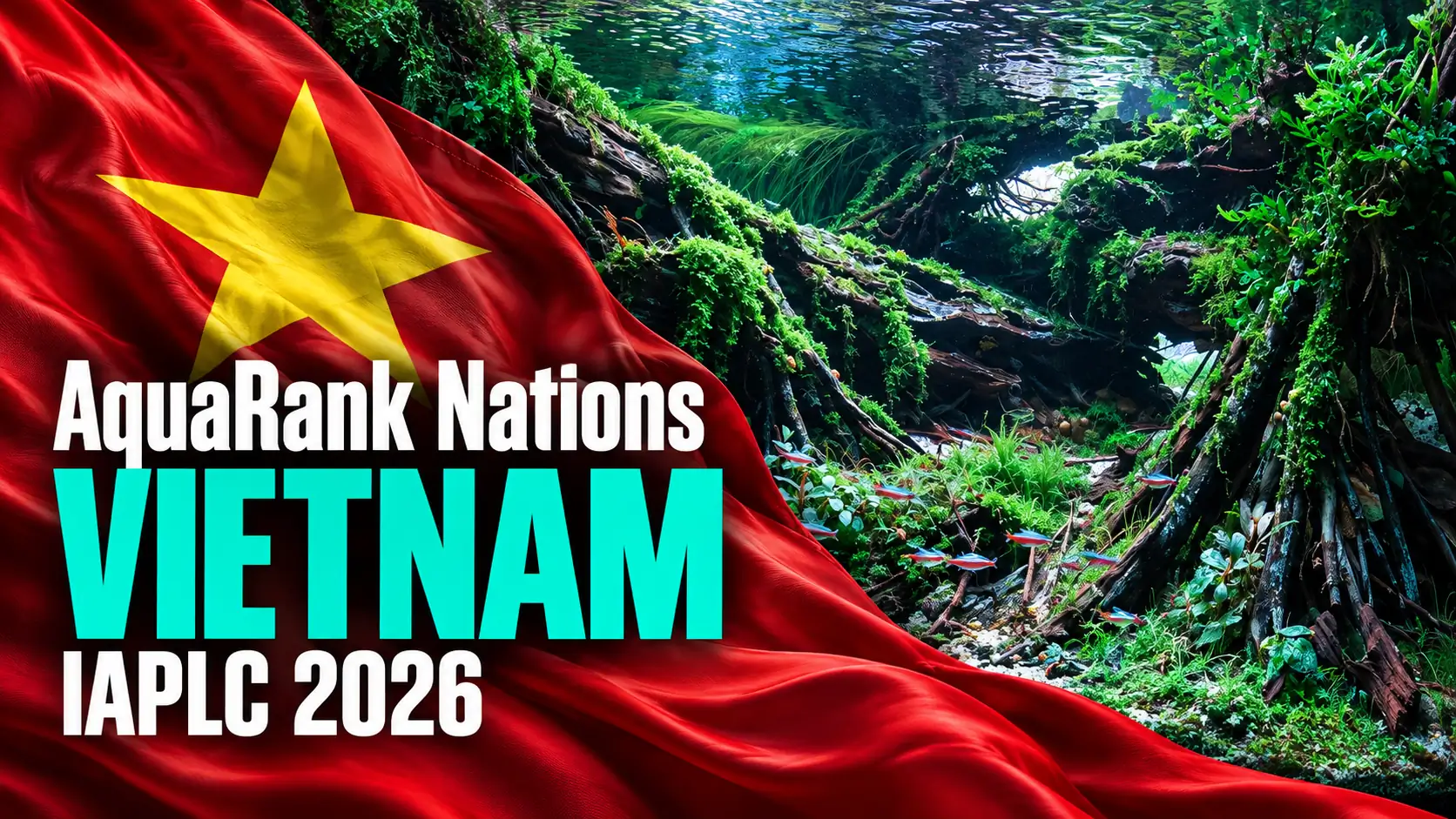
  • Vietnam at IAPLC 2026: Wood, Stone and a Broader Design Identity

    Vietnam’s two leading 2026 awards both invite us into wooded environments. That is an interesting starting point for revisiting an archive which once associated the country strongly with stone. The most useful reading is not that one material has defeated the other. Six selected photographs show several ways of organising planted ground, open water and the route into a scene.