It’s time to help contribute for biggest aquarium gallery online

SUBMIT HEREVIEW GALLERY

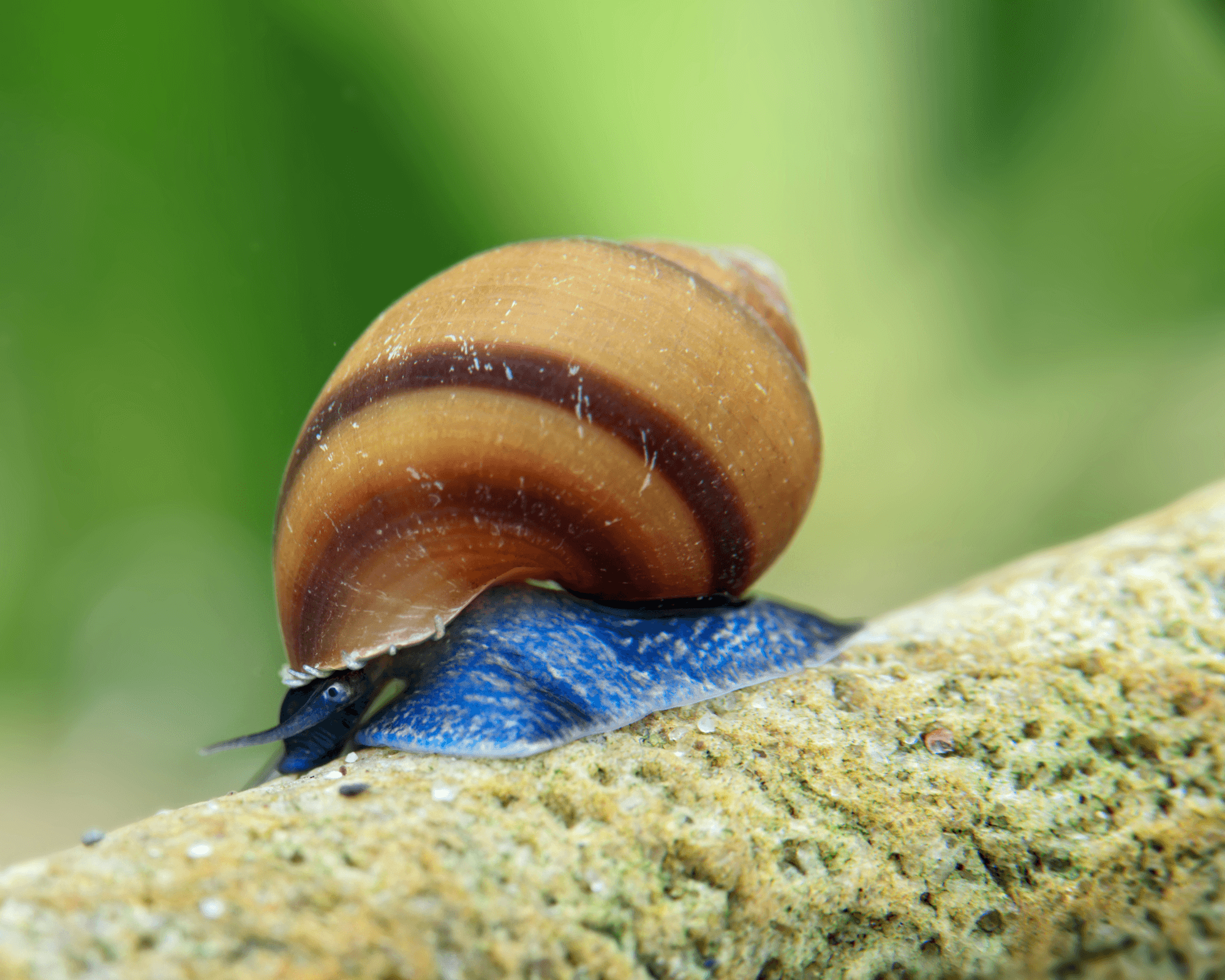
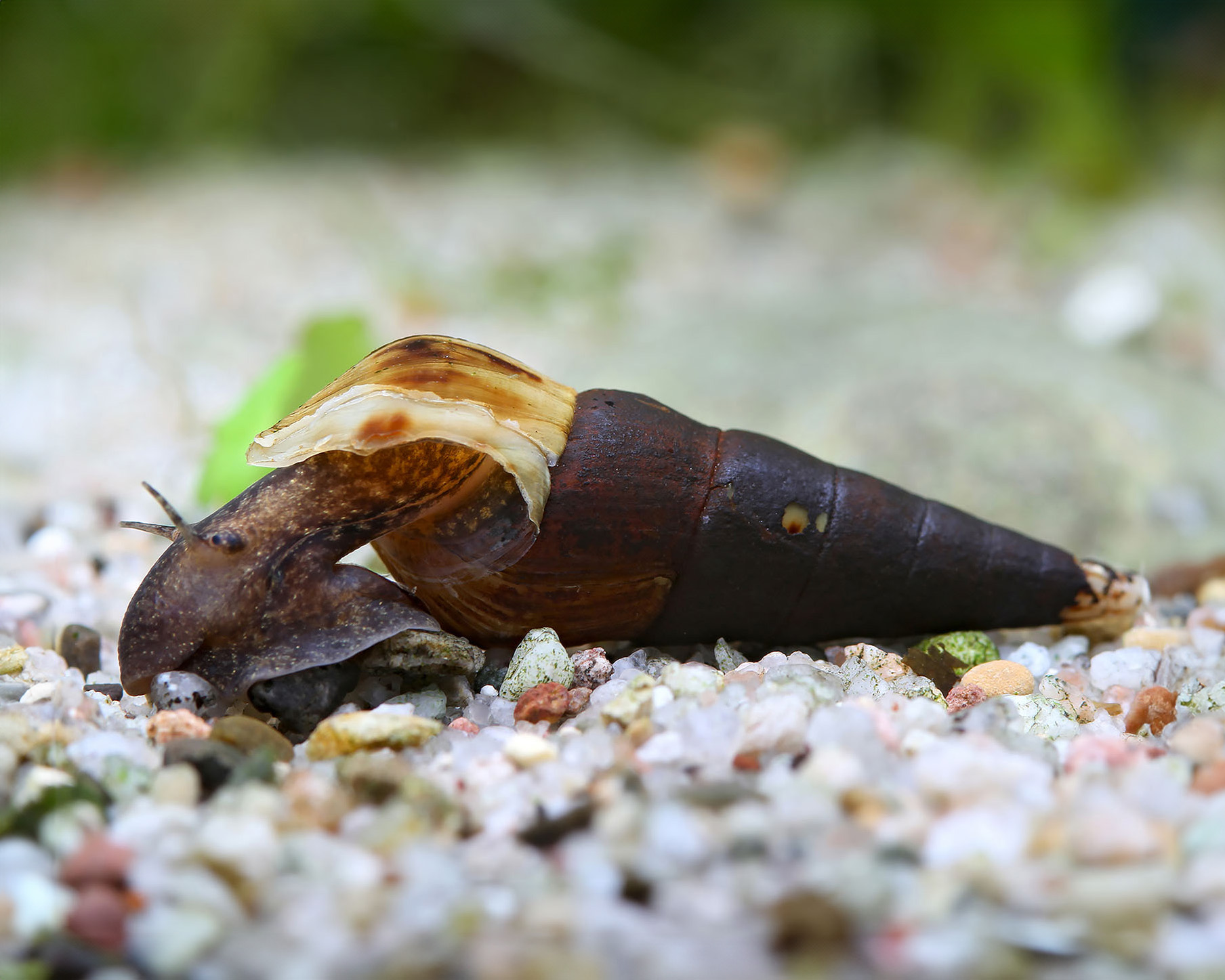
Apple Snail

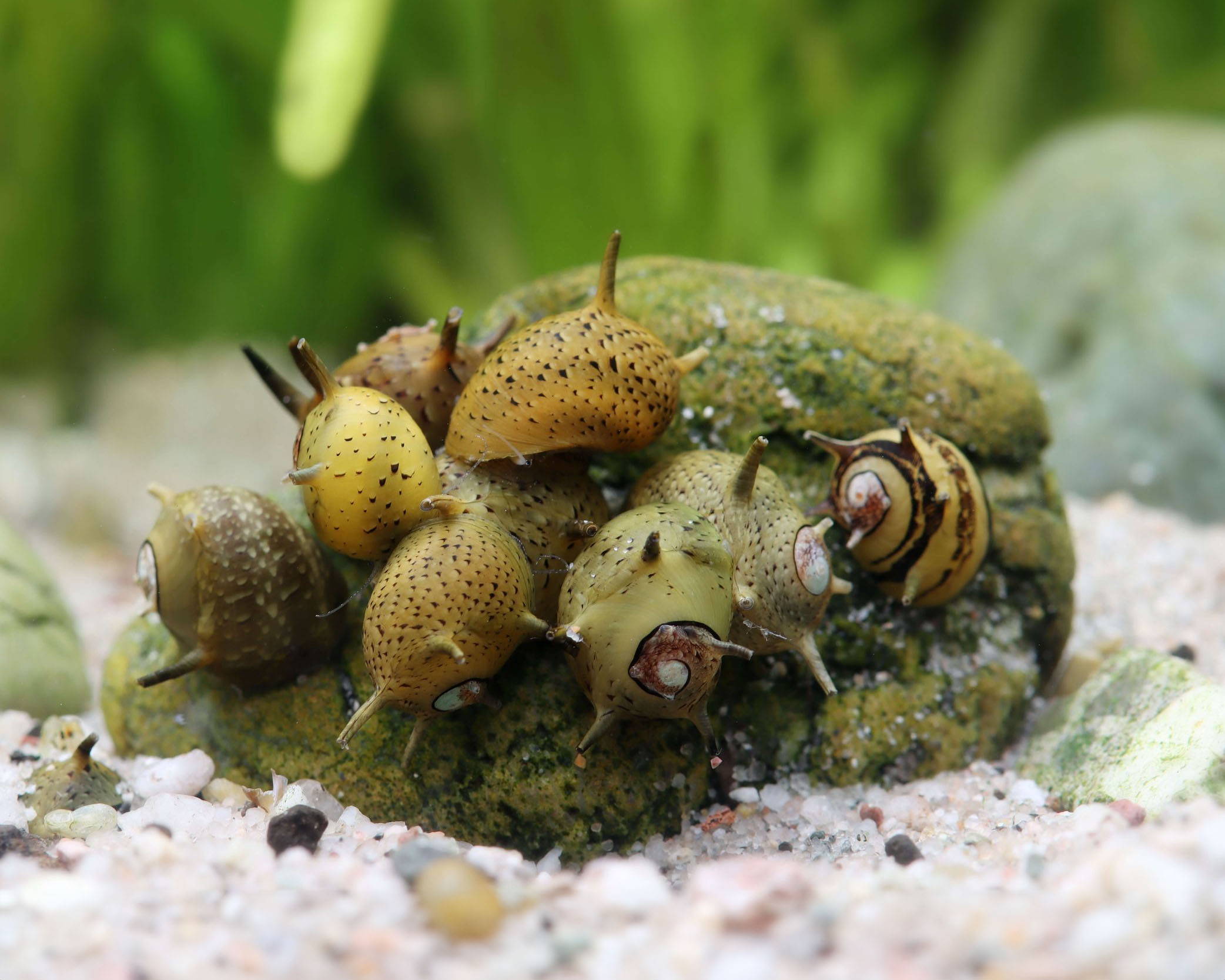
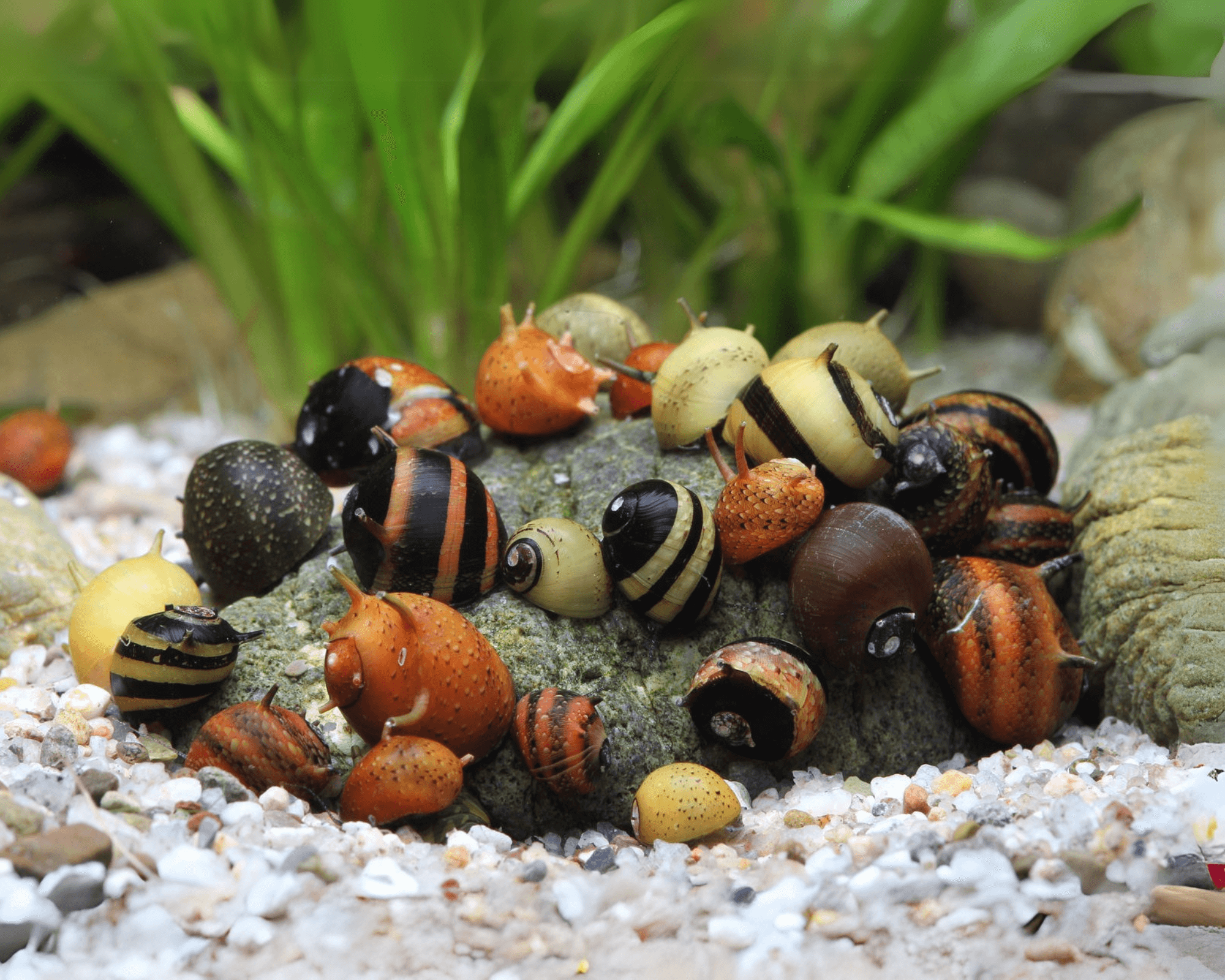
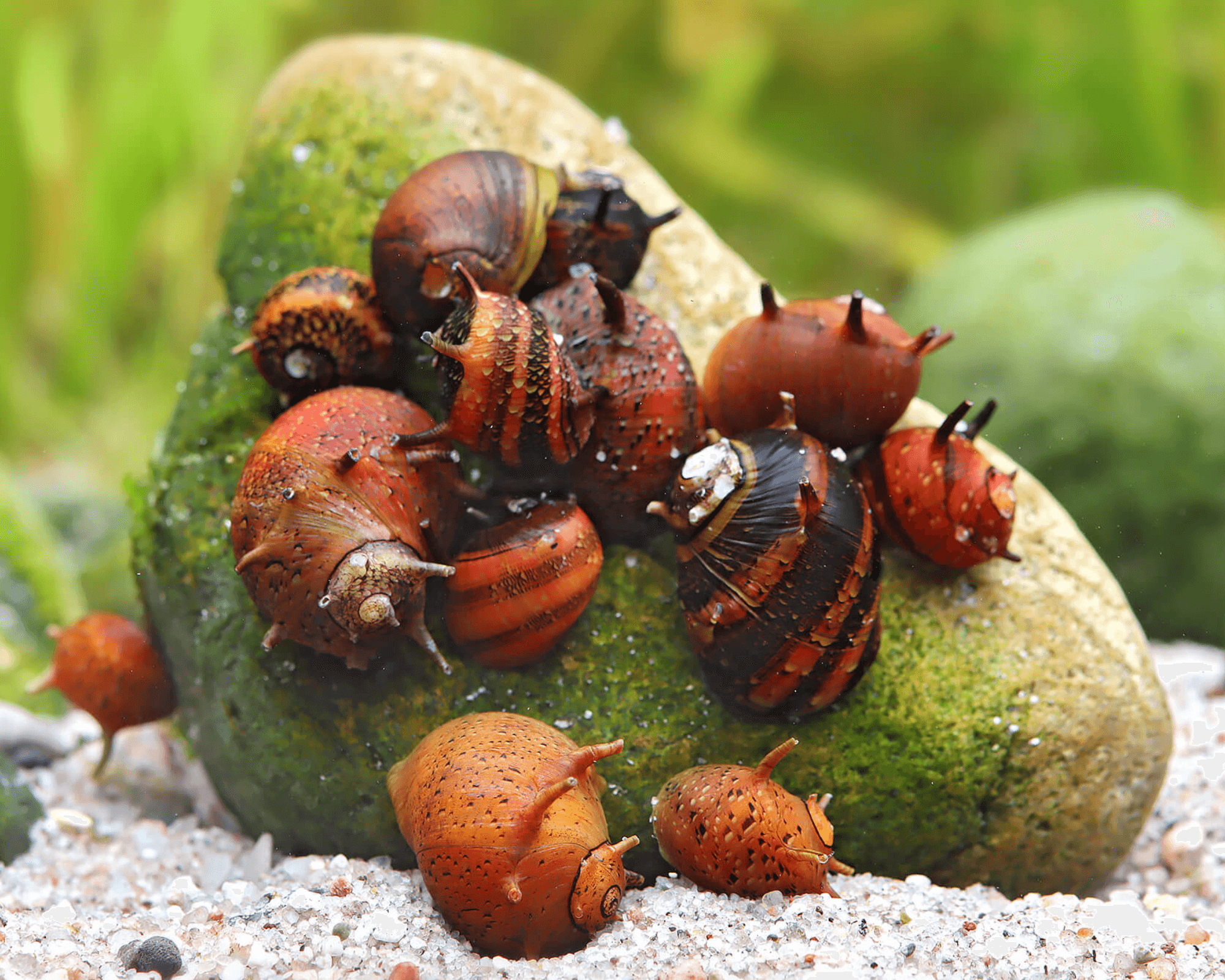
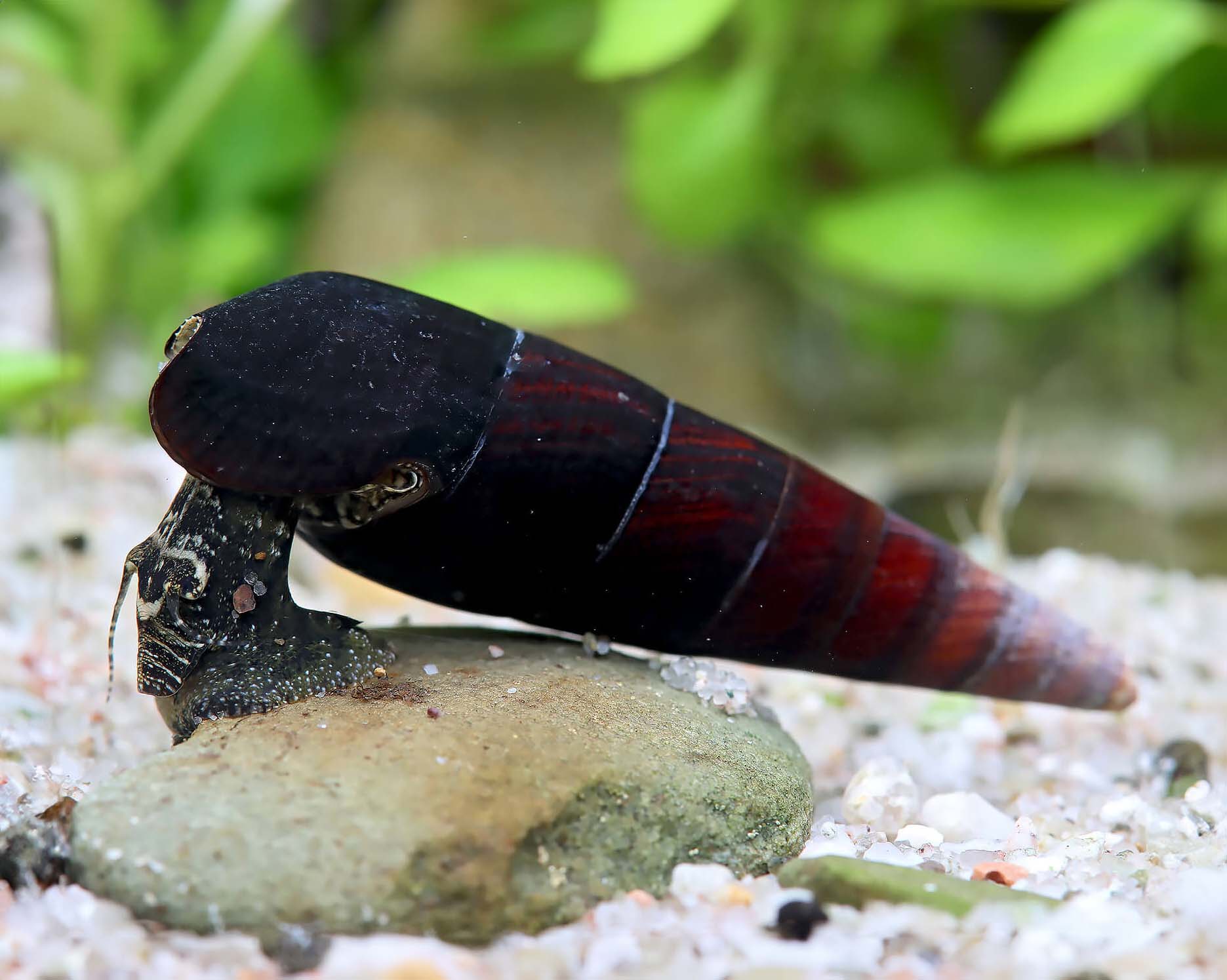
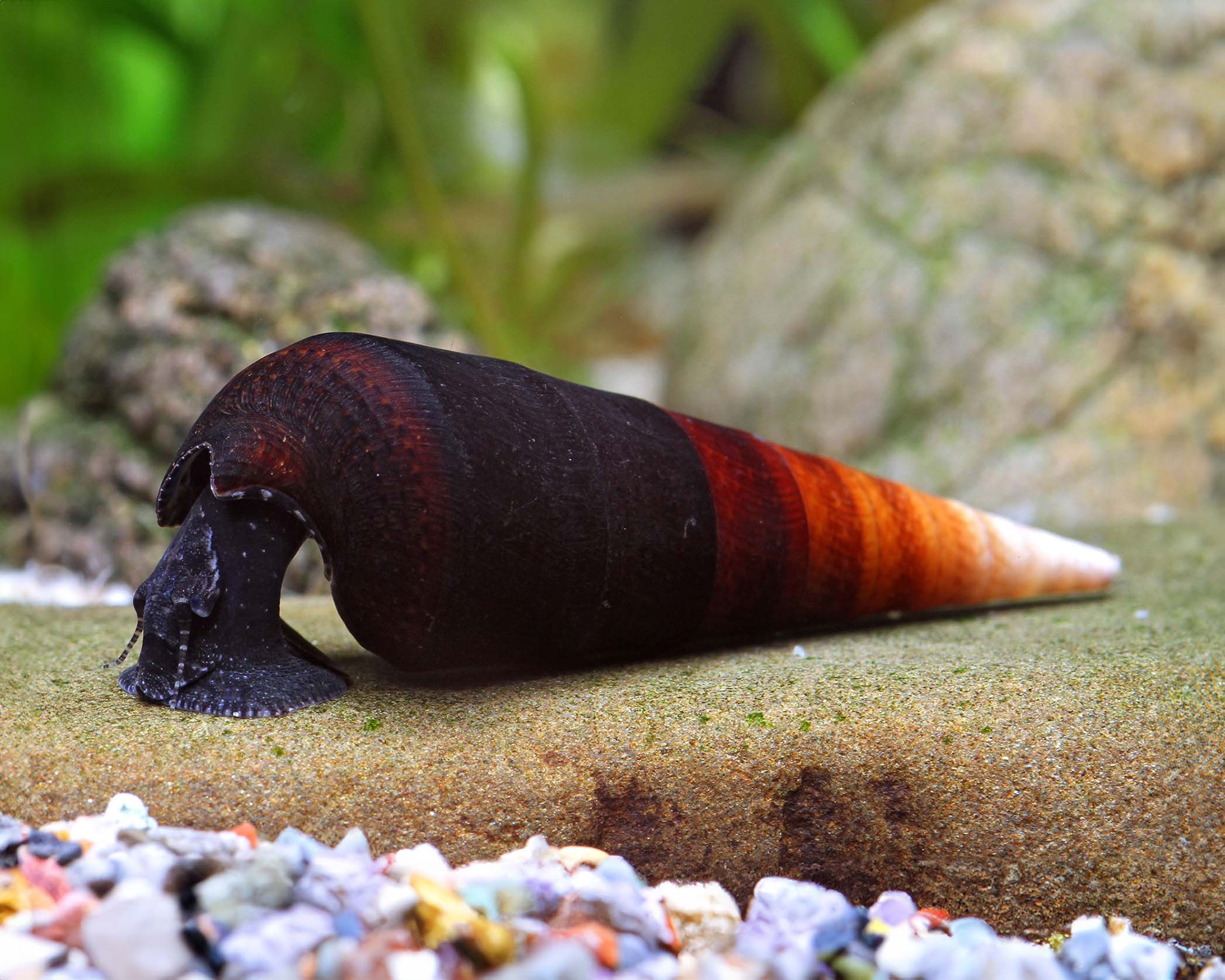
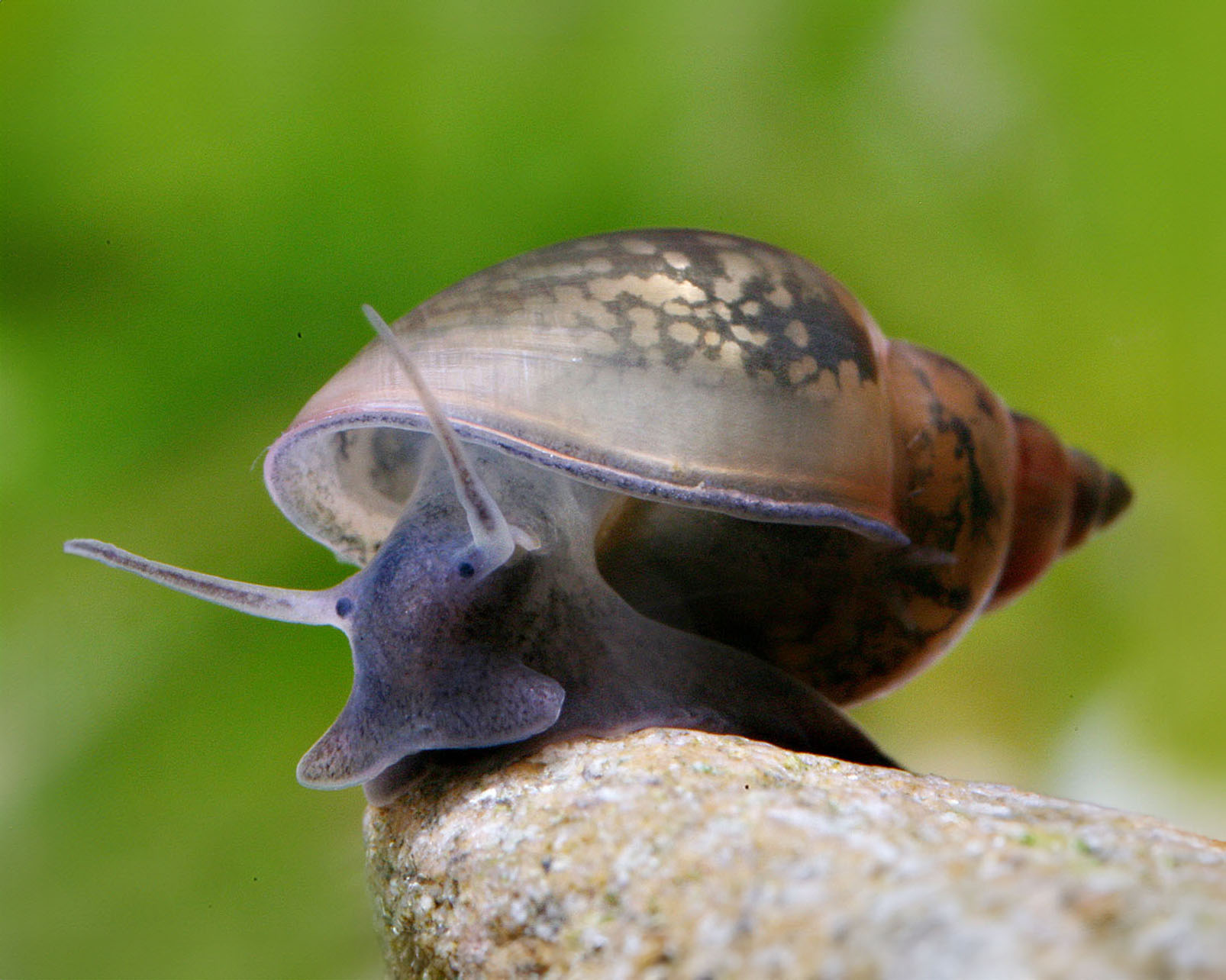
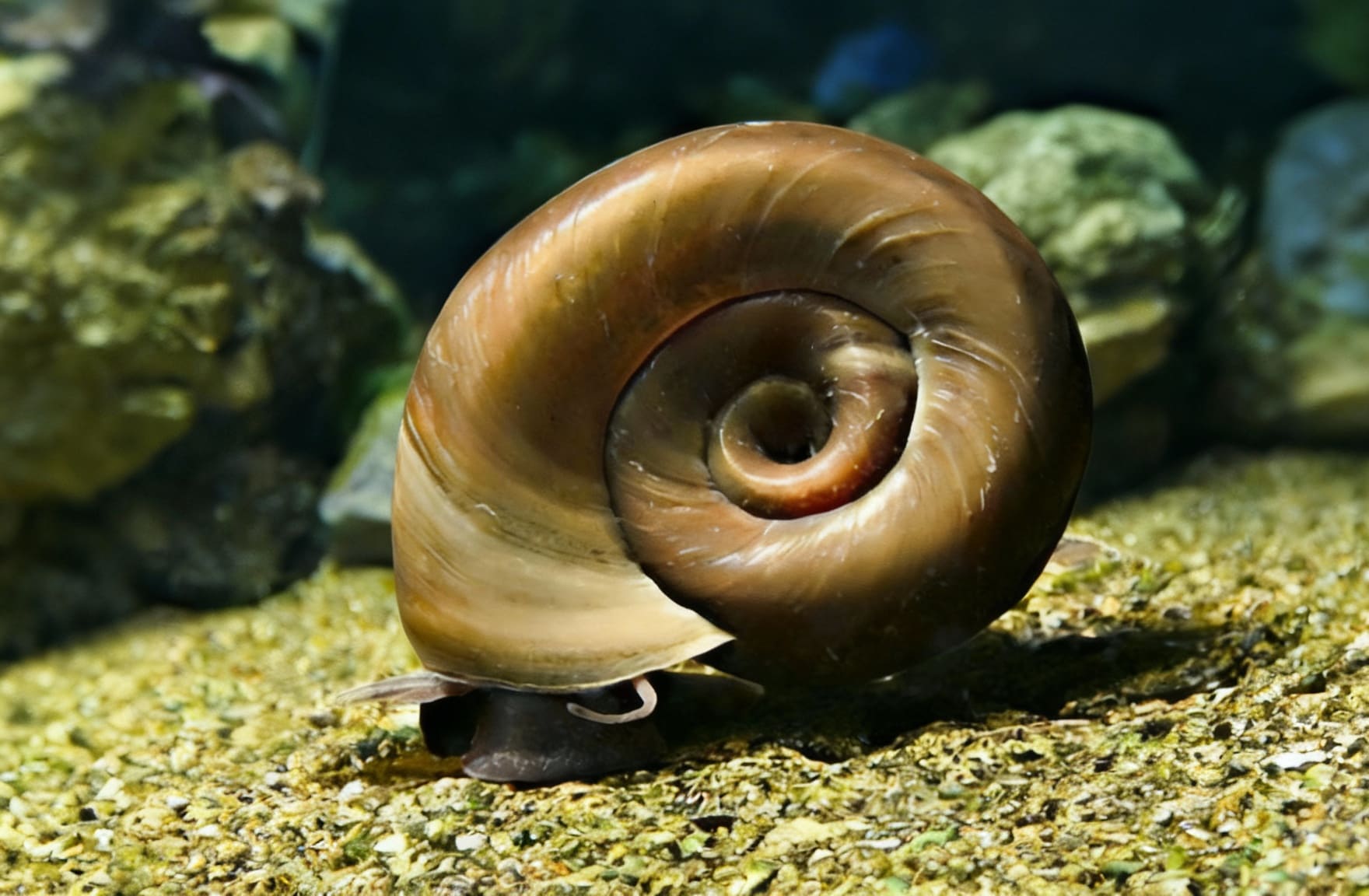
Apple Snails diet often includes aquarium plants. They can become somewhat of a pest due to their large apetite. Slow growing plants can be completely consumed to never grow back. Shrimp or other scavenging species are often starved due to the lack of food available. When keeping Apple Snails it is best to keep them in an aquarium with fake or no plants. It is also not advisable to keep them with other snails or shrimp species.

Apple Snails will breed consistently if they are given water and food. Their populations often grow out of control and are difficult to eradicate. Apple Snails lay eggs just above the water line of the aquarium. Destruction of these eggs will not prevent the species from reproducing.

Temperature ~75°F

The optimum aquarium temperature for Apple Snails is around 70°F - 80°F (21°C-27°C). Higher temperatures will increase spawning rates.

pH ~7 | Hardness 7

Apple Snails require pH between about 6.5 and 8. They are fairly adaptable to a wide range of pH in captivity.
Relative water hardness for Apple Snails should be 6-12dH. They are very adaptable to water hardness.

Max Size ~1-2"

Apple Snails can grow very large and destructive, adults can exceed 1" in diameter.

Nitrite 0ppm

Nitrite should always be 0.

Ammonia 0ppm

Apple Snails are sensitive spikes in ammonia.

Nitrate >40ppm

Nitrates should be as close to 0ppm as possible. Apple Snails can help contribute to reducing nitrates.

Deciding Appropriateness

Apple Snails are excellent scavengers in large tanks with minimal plants. Their large size helps remove large amounts on rotting debris and algae. However Apple Snails are not suitable for small aquariums. They grow very large and need a wide area to graze. As mentioned previously they will consume live plants. They need to be fed excess food and may starve other intertebrates in the aquarium.

Feeding

Apple snails will consume debris and algae within the aquarium. They eat hair algae and are effective cleaners of aquarium glass and driftwood. In smaller aquariums or with large numbers they will need to be fed extra food. Apple Snails are omnivorous and will consume boiled vegetables or commercial pellets/flakes.

Breeding

Apple Snails will breed in almost all conditions. They rapidly reproduce and can become a nuisance in the aquarium. They consume large amounts of food and grow quickly. Apple Snail eggs are laid just above the water surface visible to the human eye. Interestingly old aquariums can sometimes have these eggs left attached to the glass. When the aquarium is filled the snails reappear.
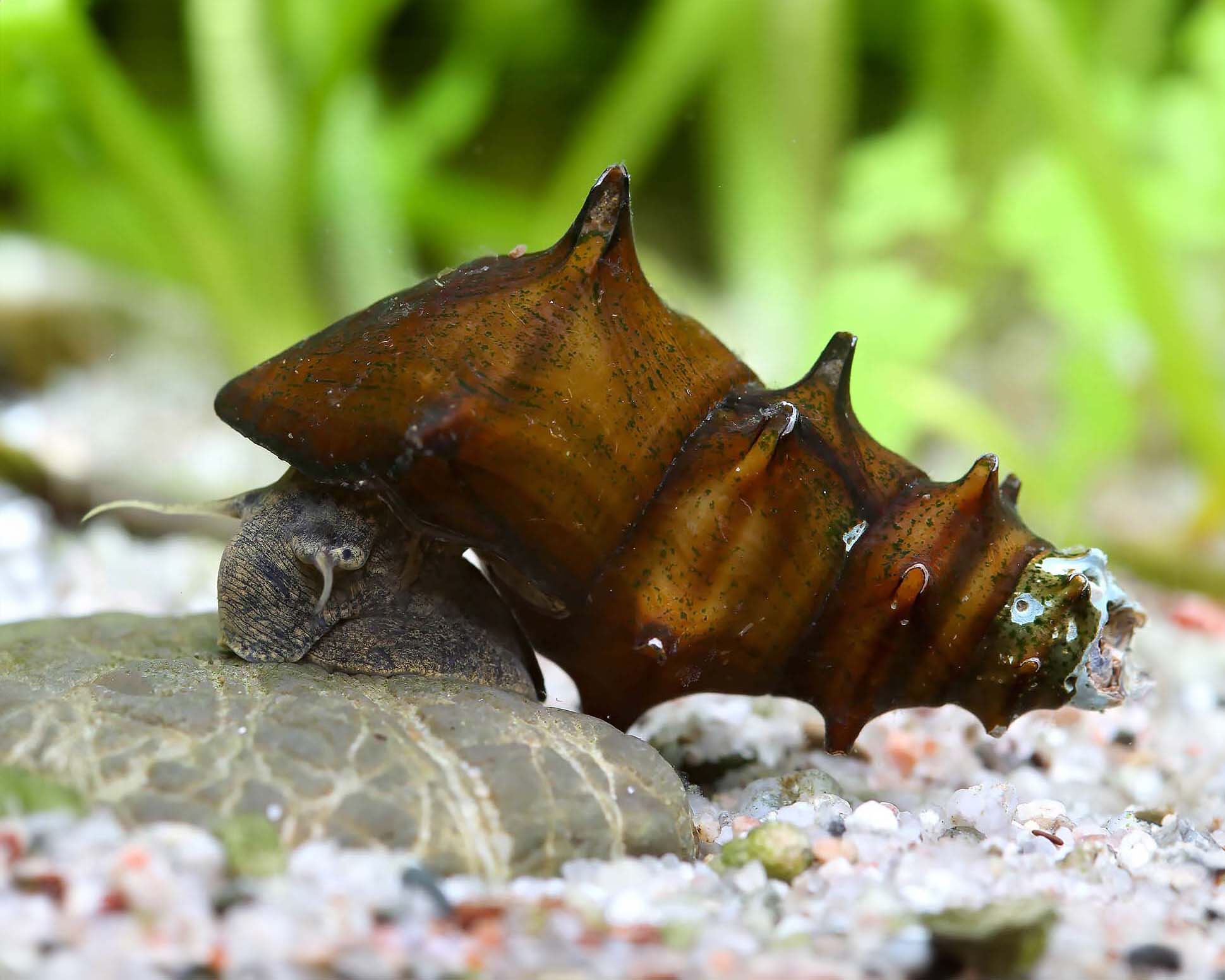
Snail info

Temperature : 21 - 27
pH: 6.5 - 8.0
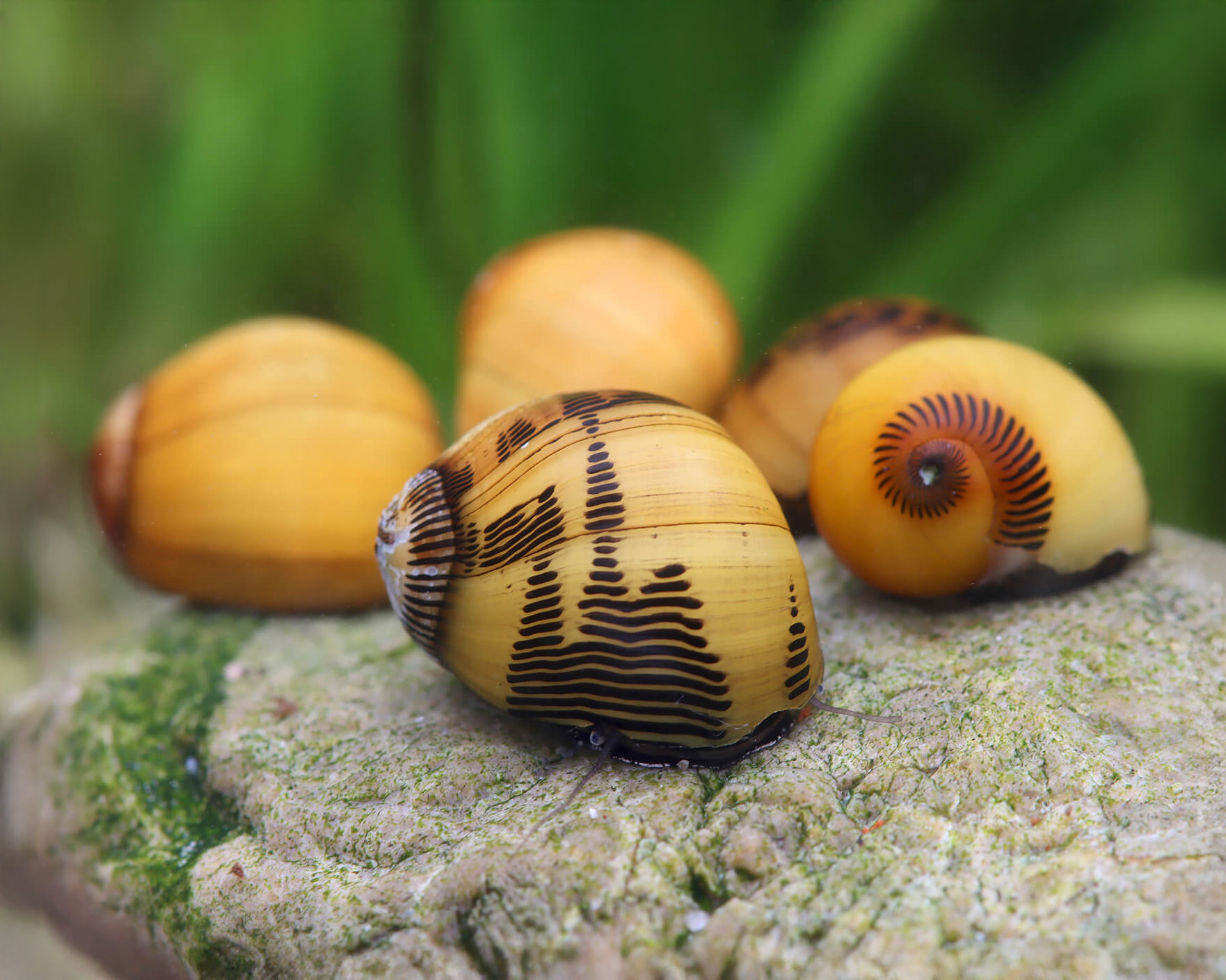
Color Form: Orange, Yellow
Leave your comments
Lastest on Snails
  • Brotia herculea (Hercules Snail)

    Meet the Hercules Snail (Brotia herculea), a gentle giant of the freshwater aquarium world. Known for its impressive, elongated, and heavily textured shell, this peaceful scavenger is an excellent addition to large setups. Despite its massive size, it is entirely plant-safe, making it a favorite among dedicated aquascapers.
  • Brotia armata (Hedgehog Snail)

    Meet the Hedgehog Snail (Brotia armata), a unique and striking freshwater invertebrate known for its heavily spiked, towering shell. Native to fast-flowing Asian rivers, this fascinating scavenger adds incredible texture and a prehistoric aesthetic to your aquarium while remaining completely peaceful and an excellent algae eater.
  • Thiara cancellata (Hairy Trumpet Snail)

    Add a touch of the exotic to your aquarium with the Hairy Trumpet Snail (Thiara cancellata). Instantly recognizable by the fascinating, hair-like spikes adorning its spiraled shell, this peaceful scavenger is a master of substrate aeration. It works tirelessly to consume detritus while remaining a visually striking, low-maintenance addition.
  • Lanistes lybicus (Grooved Apple Snail)

    Discover the fascinating Grooved Apple Snail (Lanistes lybicus), a unique freshwater species native to West Africa. Known for its distinctively banded, grooved shell and peaceful temperament, this intriguing snail makes an excellent addition to planted aquariums, offering both aesthetic appeal and effective algae-cleaning abilities for dedicated aquarists.
  • Clithon corona (Green Staghorn Snail)

    The Green Staghorn Snail (Clithon corona), also known as the Horned Nerite, is a fascinating and highly efficient algae eater. Sporting unique, crown-like spikes and stunning shell patterns, this peaceful freshwater snail adds both aesthetic appeal and practical cleaning power to any planted aquarium setup.
  • Septaria porcellana (Green Mussel Snail)

    Meet the Green Mussel Snail (Septaria porcellana), a unique, limpet-like freshwater snail renowned for its exceptional algae-clearing abilities. With its flattened, intricately patterned shell and peaceful demeanor, this fascinating gastropod is a must-have for aquarists looking to maintain spotless glass and hardscape without the risk of overpopulation.
  • Neritina sp. (Golden Limpet Snail)

    Meet the Golden Limpet Snail, a unique and highly effective algae eater for your freshwater aquarium. With its flat, striking golden-hued shell, this peaceful gastropod tightly grips surfaces, making it impervious to most predators. It’s an excellent, low-maintenance addition for keeping glass and hardscapes spotless without harming live plants.
  • Tylomelania towutensis (Gold Spotted Rabbit Snail)

    Discover the captivating Gold Spotted Rabbit Snail (Tylomelania towutensis), a rare freshwater gem from the ancient lakes of Sulawesi. With its elongated, deeply textured dark shell and a striking black body adorned with vibrant gold spots, this peaceful giant adds a touch of exotic beauty to any tropical aquarium.
  • Clithon sowerbianum (Volcano Red Horned Snail)

    Add a burst of fiery color to your aquarium with the Volcano Red Horned Snail (Clithon sowerbianum). Known for their striking red-orange shells adorned with tiny, distinct horns, these peaceful nerite snails are phenomenal algae eaters. They are perfect for nano tanks, keeping glass and hardscape spotlessly clean.
  • Clithon corona (Sun Horned Snail)

    The Sun Horned Snail (Clithon corona), known as 'Geweihschnecke' in German, is a stunning and highly efficient algae eater. Featuring striking yellow and black patterns adorned with distinctive spikes, this peaceful snail is perfect for freshwater nano tanks. It diligently cleans glass and hardscape without reproducing in freshwater.
  • Clithon sowerbianum (Red Venom Horned Snail)

    Meet the Red Venom Horned Snail (Clithon sowerbianum), a striking and highly sought-after addition to any freshwater aquarium. Known for its dramatic black shell adorned with fiery red and orange bands, this tiny algae-eating powerhouse not only keeps your tank spotless but also adds a stunning visual contrast.
  • Tarebia granifera (Quilted Melania / Nöppi Snail)

    Meet the Nöppi snail, scientifically known as Tarebia granifera. This industrious, cone-shelled scavenger is an unsung hero of the aquarium hobby. Renowned for aerating the substrate and consuming detritus, the Quilted Melania keeps your tank spotless while remaining a peaceful, hardy, and fascinating addition to any freshwater community setup.
  • Vittina waigiensis (Yellow Racer Snail)

    The Vittina waigiensis, commonly known as the Yellow Racer Snail or Gelbe Rennschnecke, is a highly sought-after freshwater nerite. Renowned for its vibrant yellow-orange shell adorned with striking black patterns, this peaceful invertebrate is both a stunning display piece and a voracious algae eater for any planted aquarium.
  • Tylomelania sp. "Yellow" (Yellow Rabbit Snail)

    Meet the Yellow Rabbit Snail, a captivating freshwater species from the ancient lakes of Sulawesi. With its striking, wrinkled yellow body and elongated, textured shell, this peaceful giant adds a touch of prehistoric charm to any aquarium. They are fascinating detritivores, perfect for dedicated aquarists seeking unique invertebrate life.
  • Clithon sowerianum (Fancy Track Snail)

    Add a splash of color and unparalleled algae-clearing power to your aquarium with the Fancy Track Snail! Scientifically known as Clithon sowerianum, these miniature marvels boast intricate, tire-track patterns on their shells. Peaceful, hardy, and incapable of overpopulating freshwater tanks, they are the perfect cleanup crew for any aquascape.
  • Clithon sowerbyanum (Fancy Antler Snail)

    Meet the Fancy Antler Snail (Clithon sowerbyanum), a tiny but mighty algae-eating powerhouse. Known for their breathtaking variety of shell colors and patterns, these peaceful nerite snails are perfect for keeping nano tanks spotless. They are plant-safe and won't overpopulate your freshwater aquarium, making them an ideal cleanup crew.