It’s time to help contribute for biggest aquarium gallery online

SUBMIT HEREVIEW GALLERY

Taia naticoides (Piano Snail)

Overview

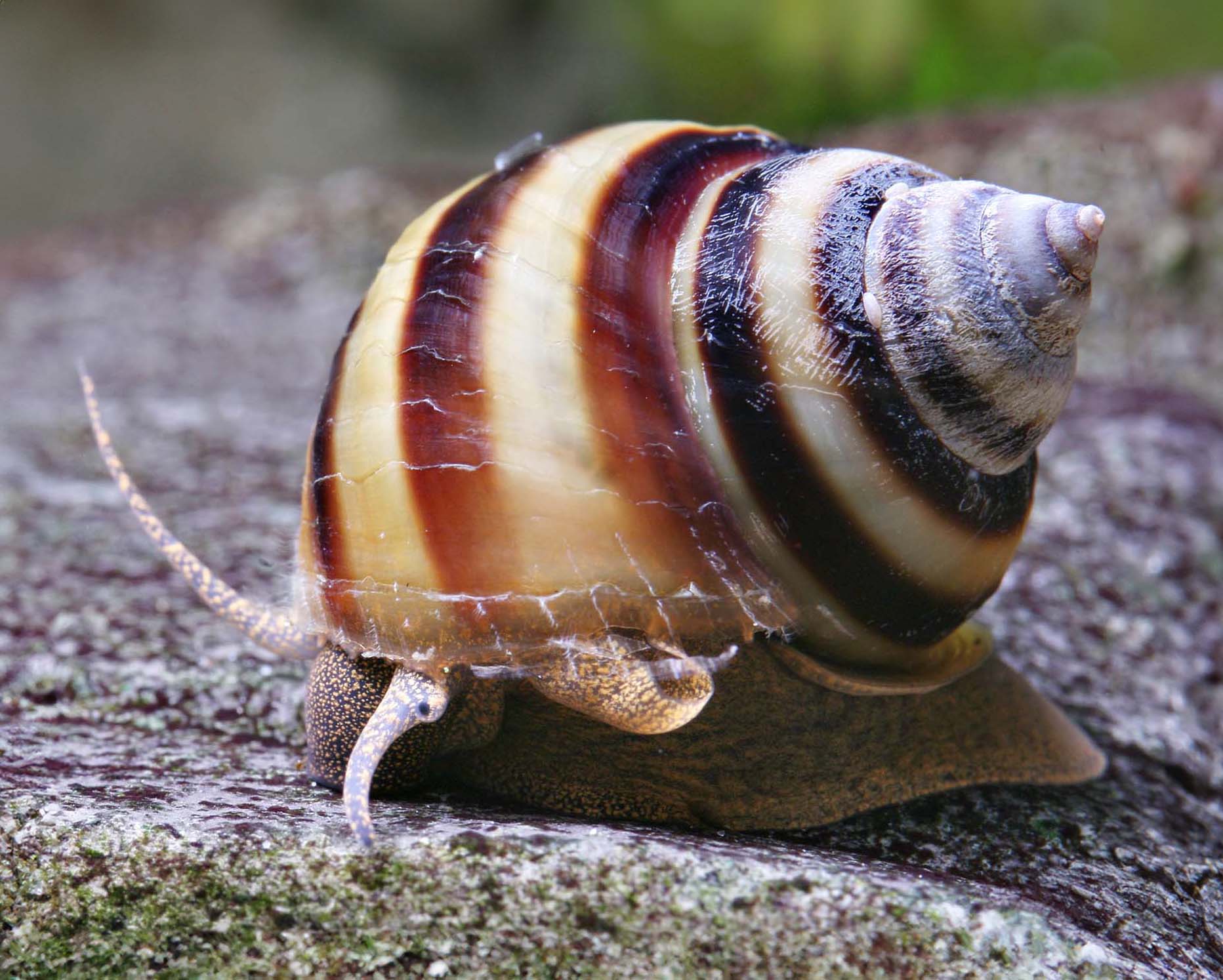
Image of brush algae snail taia naticoides

The Taia naticoides, widely celebrated in the aquarium hobby as the Piano Snail, is a striking and highly sought-after freshwater snail. Often referred to as the Brush Algae Snail due to its reputation for grazing on stubborn algae types, this species offers both aesthetic appeal and functional cleaning benefits. Unlike many pest snails, the Piano Snail reproduces slowly and is completely peaceful, making it an ideal candidate for community tanks and planted aquascapes.

Distribution and Habitat

Native to Southeast Asia, particularly the river systems and streams of Myanmar (Burma) and parts of Thailand, the Taia naticoides thrives in slow-moving to moderately flowing waters. In their natural habitat, they are typically found on sandy or muddy substrates, grazing on rocks, submerged wood, and decaying leaf litter. These waters are generally warm, well-oxygenated, and rich in the minerals necessary for proper shell development.

Description of Taia naticoides

Image of brush algae snail taia naticoides

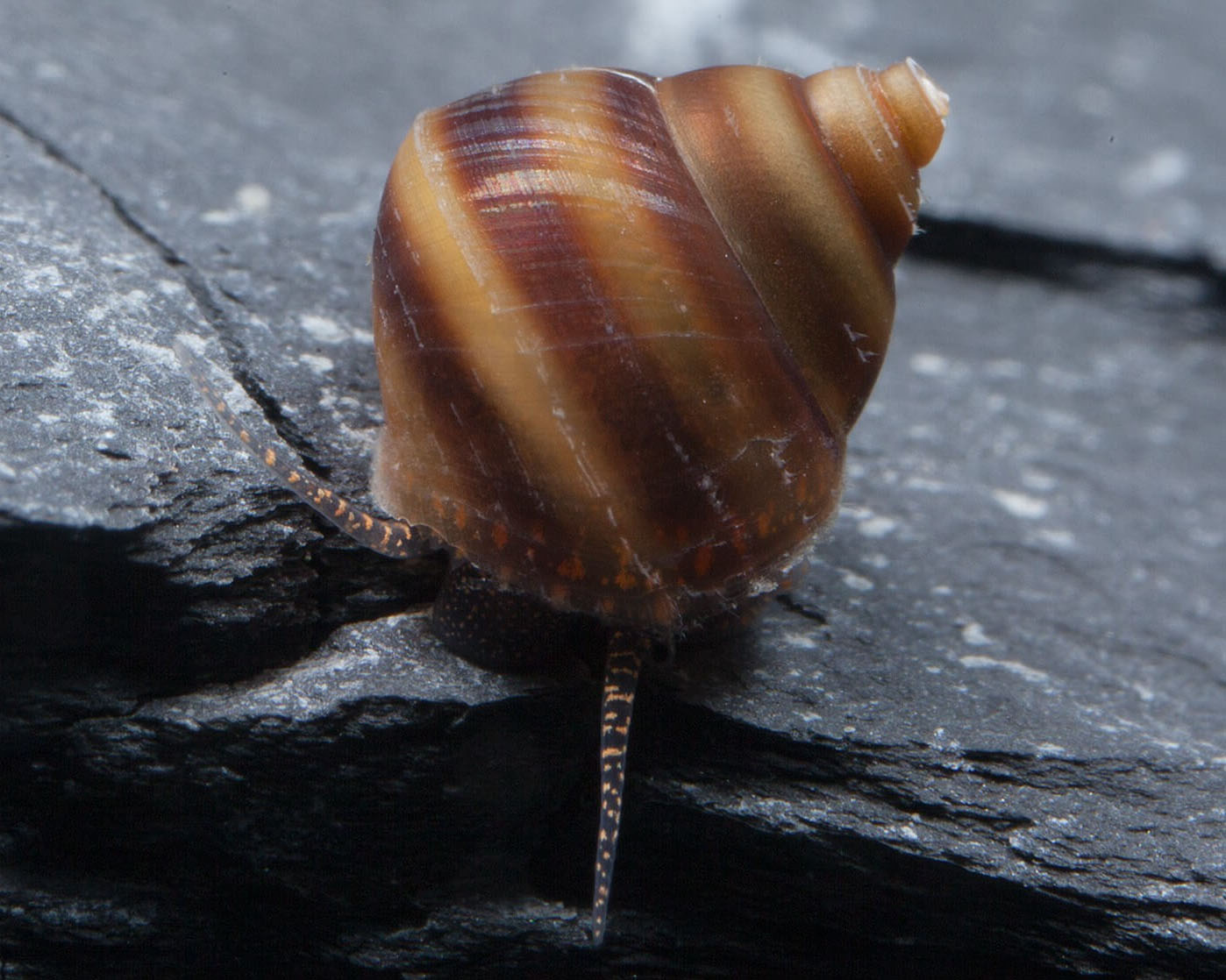
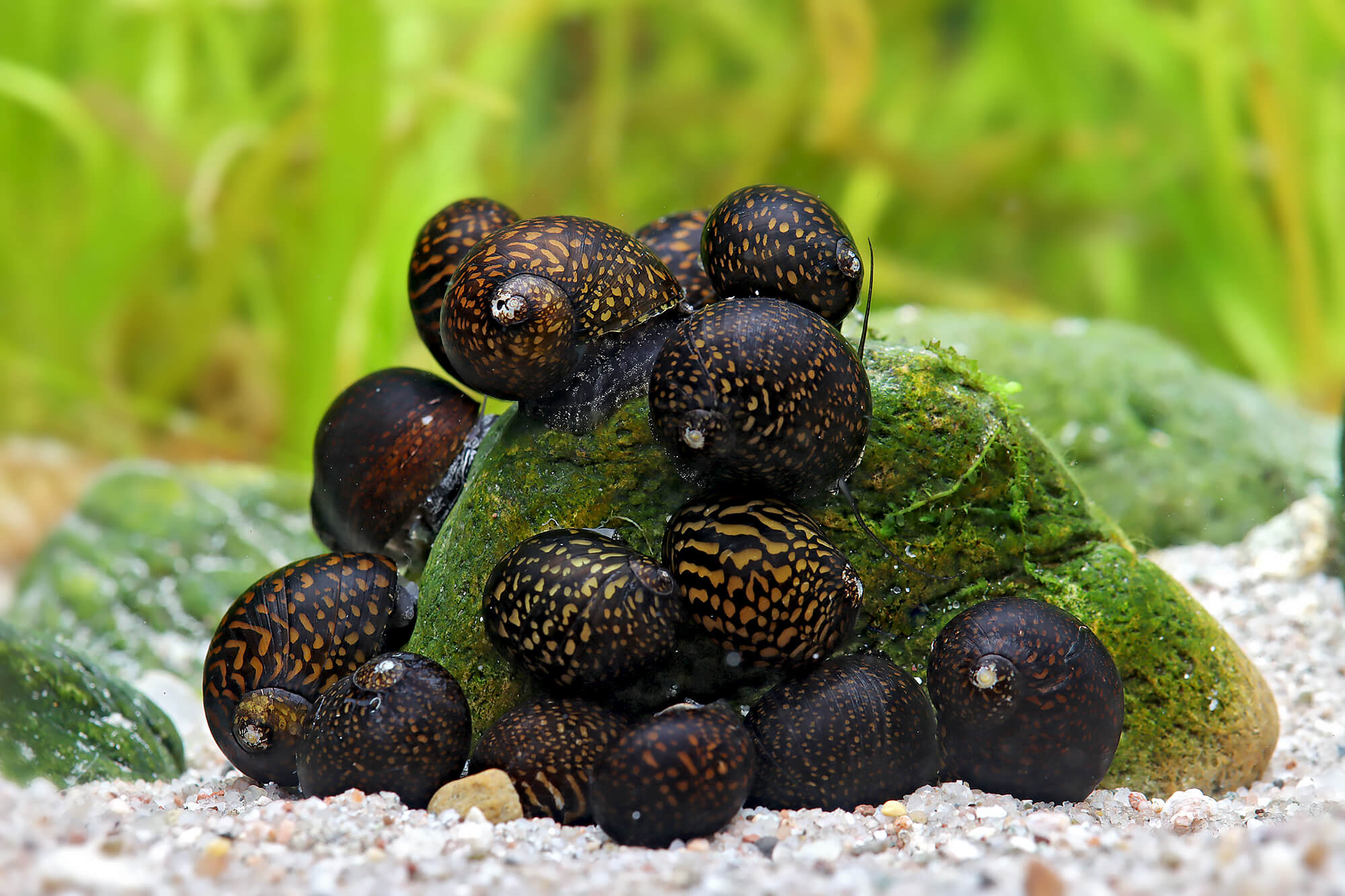
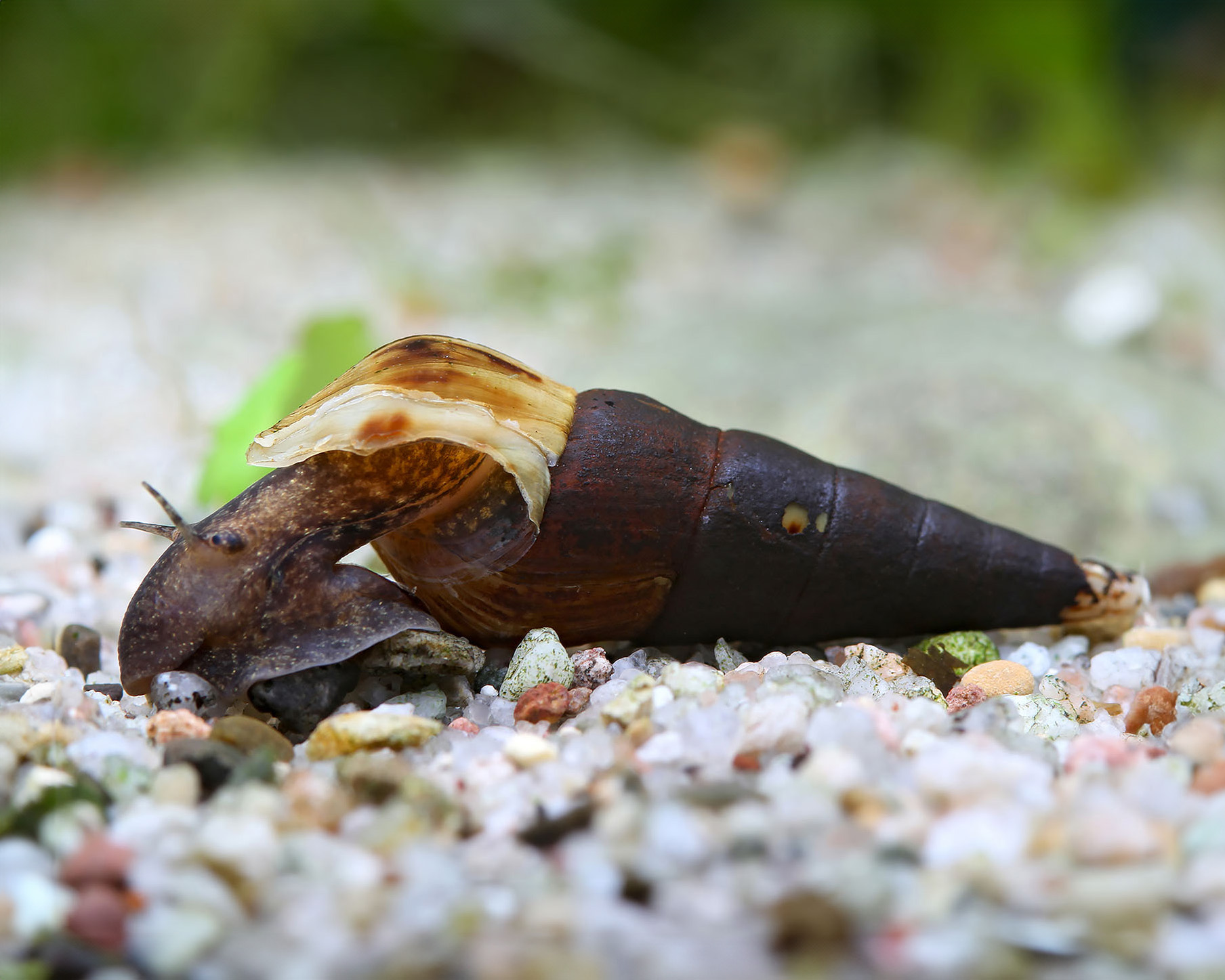
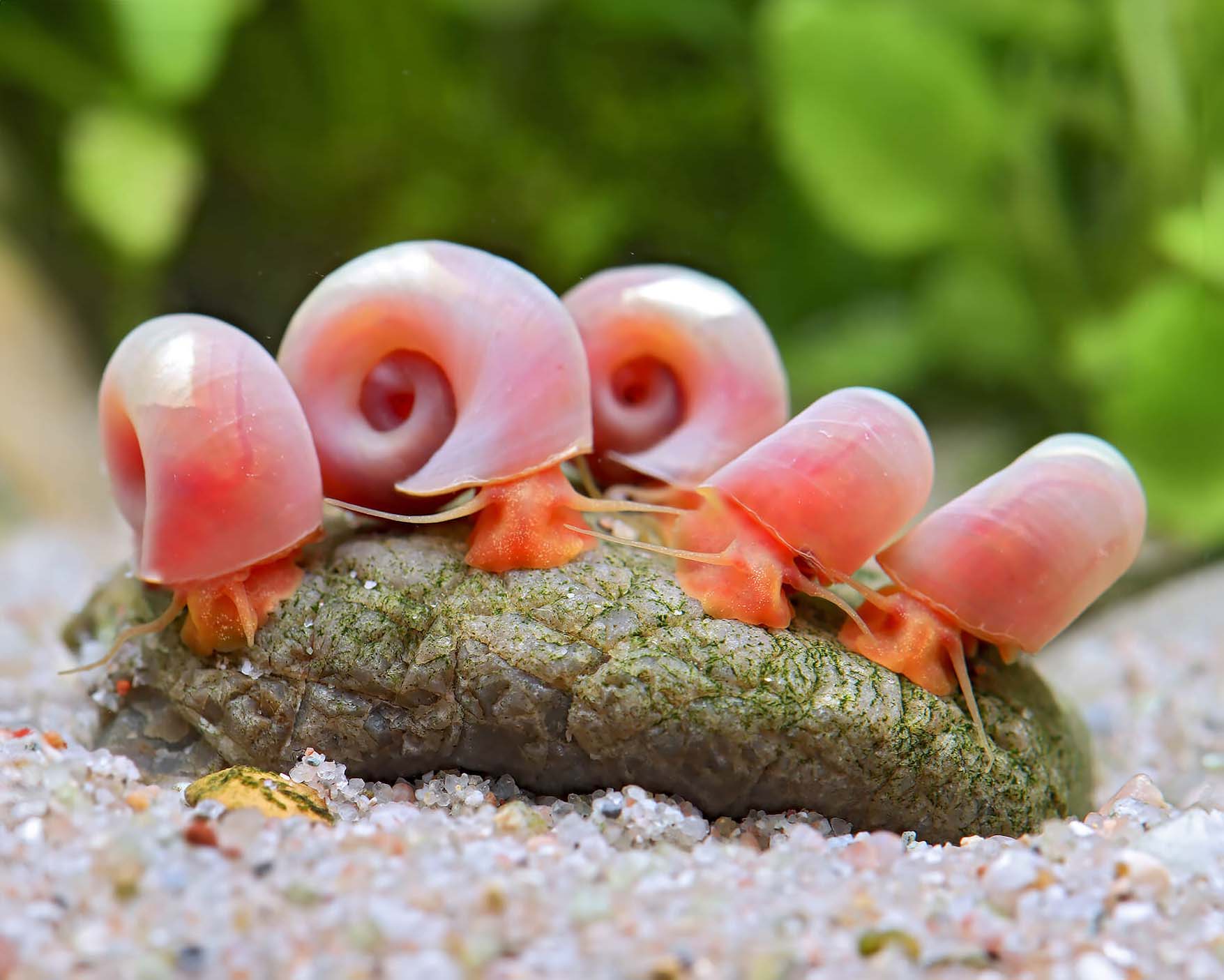
The physical appearance of the Piano Snail is truly its standout feature. They possess a thick, heavily ridged spiral shell that features alternating bands of dark brown, reddish-brown, and creamy yellow or white—bearing a strong resemblance to the keys of a piano. The shell has a slightly textured, ribbed feel. The snail's body is equally fascinating, typically exhibiting a dark grey or brownish base color heavily speckled with yellow or orange dots. They grow to a modest size of about 1.2 to 1.5 inches (3 to 4 cm) in diameter.

Keeping and Caring for Taia naticoides

Caring for the Piano Snail is relatively straightforward, provided their specific water parameter needs are met. They are entirely peaceful and will not bother fish, shrimp, or other snails. Because they are native to mineral-rich waters, providing a stable environment with adequate calcium is the most critical aspect of their care to prevent shell erosion.

Tank size:

A minimum tank size of 10 gallons is recommended for a small group of Piano Snails. This ensures they have enough surface area to graze on natural biofilms and algae between supplemental feedings.

Water Parameters:

Temperature

They prefer tropical temperatures ranging from 72°F to 82°F (22°C - 28°C).

pH

A neutral to alkaline pH is required to maintain shell health. Aim for a pH between 7.0 and 8.0. Acidic water will cause their shells to pit and degrade over time.

Hardness

Moderate to hard water is essential. Maintain a General Hardness (GH) of 8 to 15 dGH. If your water is too soft, consider adding crushed coral or cuttlebone to the filter or substrate to boost calcium levels.

Ammonia, Nitrite, Nitrate

Like all aquatic life, they require 0 ppm of Ammonia and Nitrite. Nitrates should be kept as low as possible, ideally below 20 ppm, through regular water changes and live plants.

Feeding the Taia naticoides

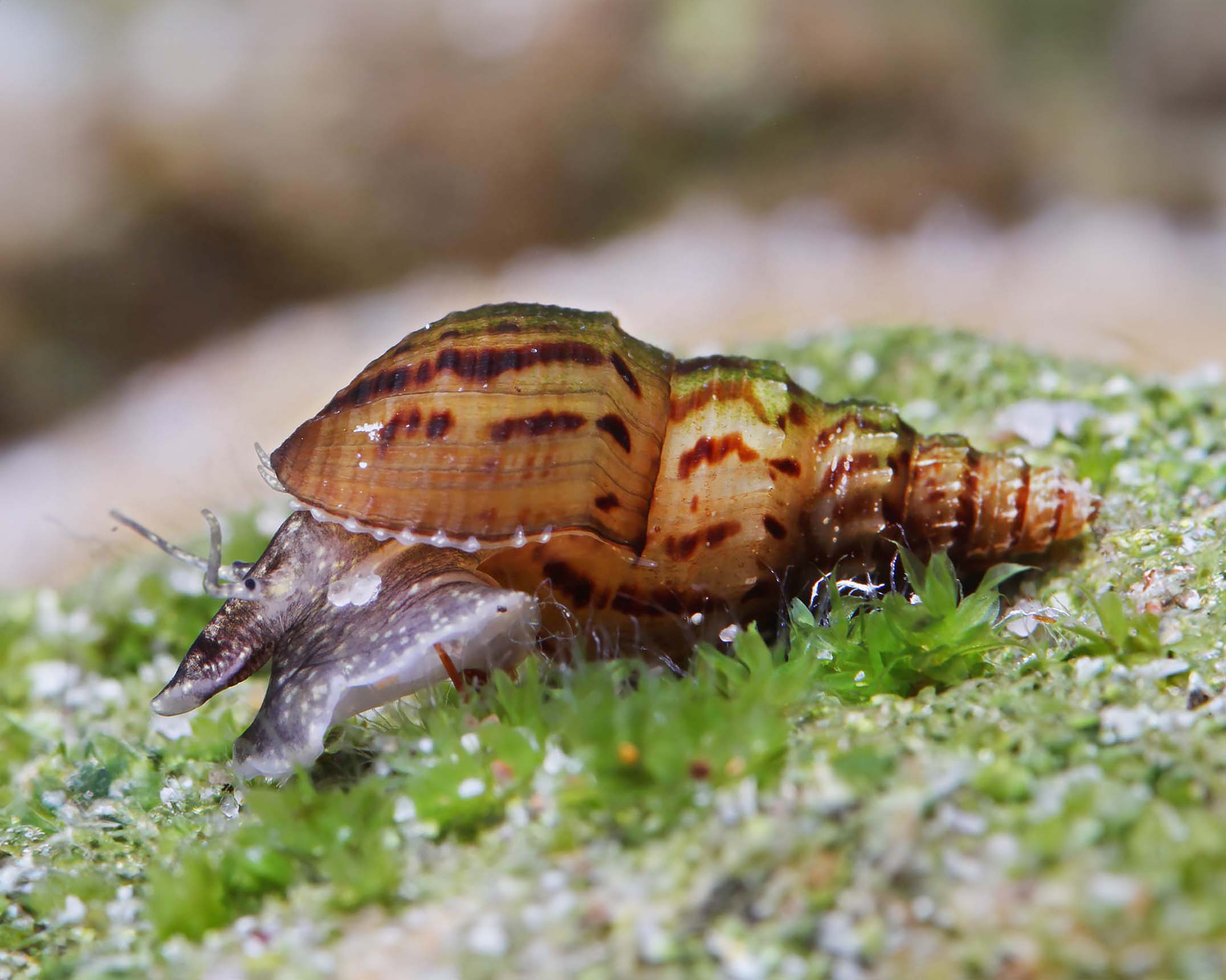
Image of brush algae snail taia naticoides

While they are marketed as Brush Algae Snails, their diet should not rely solely on algae in the aquarium. They are excellent scavengers that will consume diatoms, soft green algae, and biofilms. To ensure they receive adequate nutrition, their diet must be supplemented with high-quality sinking pellets, algae wafers, and blanched vegetables such as zucchini, spinach, or cucumber. Providing calcium-enriched foods or specialized snail blocks will greatly benefit their shell growth and overall vitality.

Breeding Taia naticoides

One of the most appealing aspects of the Taia naticoides is its breeding behavior. Unlike many aquatic snails that lay massive clutches of eggs, the Piano Snail is viviparous (a livebearer). The females incubate the eggs internally and give birth to fully formed, miniature versions of themselves. They reproduce at a very slow rate, typically dropping only one or two babies at a time every few weeks. This makes them incredibly easy to manage, as they will never overrun an aquarium like bladder or ramshorn snails might.

Conclusion

The Taia naticoides is a phenomenal addition to the freshwater aquarium. With its beautiful, piano-key patterned shell, fascinating speckled body, and peaceful nature, it offers endless viewing pleasure. Coupled with their manageable, livebearing reproduction and their helpful algae-eating habits, Piano Snails are an excellent choice for aquarists looking for a unique and beneficial invertebrate.
Snail info

Temperature : 72°F - 82°F (22°C - 28°C)
pH: 7.0 - 8.0
Color Form: Brown, Cream
Leave your comments
Lastest on Snails
  • Neritina sp. (Golden Limpet Snail)

    Meet the Golden Limpet Snail, a unique and highly effective algae eater for your freshwater aquarium. With its flat, striking golden-hued shell, this peaceful gastropod tightly grips surfaces, making it impervious to most predators. It’s an excellent, low-maintenance addition for keeping glass and hardscapes spotless without harming live plants.
  • Tylomelania towutensis (Gold Spotted Rabbit Snail)

    Discover the captivating Gold Spotted Rabbit Snail (Tylomelania towutensis), a rare freshwater gem from the ancient lakes of Sulawesi. With its elongated, deeply textured dark shell and a striking black body adorned with vibrant gold spots, this peaceful giant adds a touch of exotic beauty to any tropical aquarium.
  • Clithon sowerbianum (Volcano Red Horned Snail)

    Add a burst of fiery color to your aquarium with the Volcano Red Horned Snail (Clithon sowerbianum). Known for their striking red-orange shells adorned with tiny, distinct horns, these peaceful nerite snails are phenomenal algae eaters. They are perfect for nano tanks, keeping glass and hardscape spotlessly clean.
  • Clithon corona (Sun Horned Snail)

    The Sun Horned Snail (Clithon corona), known as 'Geweihschnecke' in German, is a stunning and highly efficient algae eater. Featuring striking yellow and black patterns adorned with distinctive spikes, this peaceful snail is perfect for freshwater nano tanks. It diligently cleans glass and hardscape without reproducing in freshwater.
  • Clithon sowerbianum (Red Venom Horned Snail)

    Meet the Red Venom Horned Snail (Clithon sowerbianum), a striking and highly sought-after addition to any freshwater aquarium. Known for its dramatic black shell adorned with fiery red and orange bands, this tiny algae-eating powerhouse not only keeps your tank spotless but also adds a stunning visual contrast.
  • Tarebia granifera (Quilted Melania / Nöppi Snail)

    Meet the Nöppi snail, scientifically known as Tarebia granifera. This industrious, cone-shelled scavenger is an unsung hero of the aquarium hobby. Renowned for aerating the substrate and consuming detritus, the Quilted Melania keeps your tank spotless while remaining a peaceful, hardy, and fascinating addition to any freshwater community setup.
  • Vittina waigiensis (Yellow Racer Snail)

    The Vittina waigiensis, commonly known as the Yellow Racer Snail or Gelbe Rennschnecke, is a highly sought-after freshwater nerite. Renowned for its vibrant yellow-orange shell adorned with striking black patterns, this peaceful invertebrate is both a stunning display piece and a voracious algae eater for any planted aquarium.
  • Tylomelania sp. "Yellow" (Yellow Rabbit Snail)

    Meet the Yellow Rabbit Snail, a captivating freshwater species from the ancient lakes of Sulawesi. With its striking, wrinkled yellow body and elongated, textured shell, this peaceful giant adds a touch of prehistoric charm to any aquarium. They are fascinating detritivores, perfect for dedicated aquarists seeking unique invertebrate life.
  • Clithon sowerianum (Fancy Track Snail)

    Add a splash of color and unparalleled algae-clearing power to your aquarium with the Fancy Track Snail! Scientifically known as Clithon sowerianum, these miniature marvels boast intricate, tire-track patterns on their shells. Peaceful, hardy, and incapable of overpopulating freshwater tanks, they are the perfect cleanup crew for any aquascape.
  • Clithon sowerbyanum (Fancy Antler Snail)

    Meet the Fancy Antler Snail (Clithon sowerbyanum), a tiny but mighty algae-eating powerhouse. Known for their breathtaking variety of shell colors and patterns, these peaceful nerite snails are perfect for keeping nano tanks spotless. They are plant-safe and won't overpopulate your freshwater aquarium, making them an ideal cleanup crew.
  • Faunus ater (Devil's Thorn Snail)

    Meet the Devil's Thorn Snail (Faunus ater), a striking and peaceful addition to your freshwater or brackish aquarium. Known for its sleek, elongated shell and deep, mysterious coloration, this active scavenger works tirelessly to consume detritus and algae while remaining completely safe for your live aquatic plants.
  • Vittina waigiensis (Deadpool Rennschnecke)

    Meet the Deadpool Rennschnecke (Vittina waigiensis), an incredibly striking variant of the Red Racer Nerite Snail. Boasting vibrant crimson shells adorned with intricate black and gold racing stripes, this peaceful algae-eater is as functional as it is beautiful. A perfect, non-reproducing cleanup crew member for any freshwater aquarium!
  • Faunus ater (Cappuccino Snail)

    The Cappuccino Snail (Faunus ater morph) is a striking, peaceful addition to the freshwater aquarium. Known for its elongated, conical shell featuring a beautiful gradient from deep espresso black to warm amber and white, this excellent scavenger tirelessly cleans the substrate while adding a touch of elegance to your tank.
  • Planorbella duryi duryi (Brown Ramshorn Snail)

    Add a pop of natural beauty and incredible cleaning power to your aquarium with the Brown Ramshorn Snail (Planorbella duryi duryi). Known for their classic coiled shells and voracious appetite for algae, these peaceful scavengers are perfect for keeping planted tanks pristine while adding a charming, rustic aesthetic.
  • Celetaia persculpta (Blue Turbo Snail)

    Discover the captivating Blue Turbo Snail (Celetaia persculpta), often called the Blueberry Snail. Hailing from the ancient lakes of Sulawesi, this rare freshwater gem boasts a mesmerizing blue-speckled body and a beautifully ridged shell. Perfect for dedicated aquarists, it adds an exotic, peaceful presence to any specialized setup.
  • Taia sp. (Blue Jelly Snail)

    Meet the Blue Jelly Snail (Taia sp.), a captivating freshwater addition known for its stunning, translucent blue foot and beautifully banded conical shell. Native to Southeast Asia, these peaceful, live-bearing scavengers are excellent glass cleaners that add both vibrant color and practical cleaning benefits to any planted aquarium.