Overview
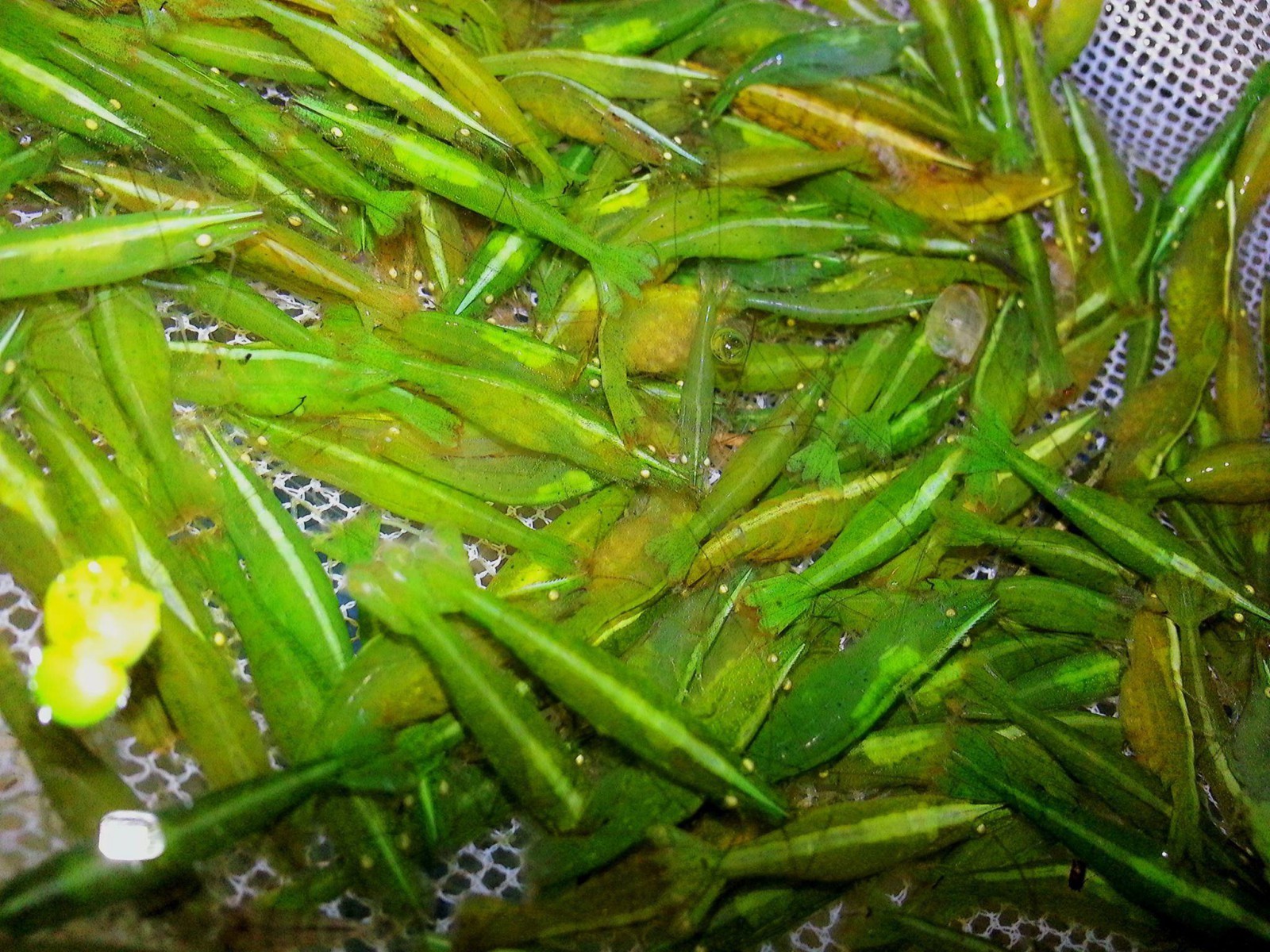
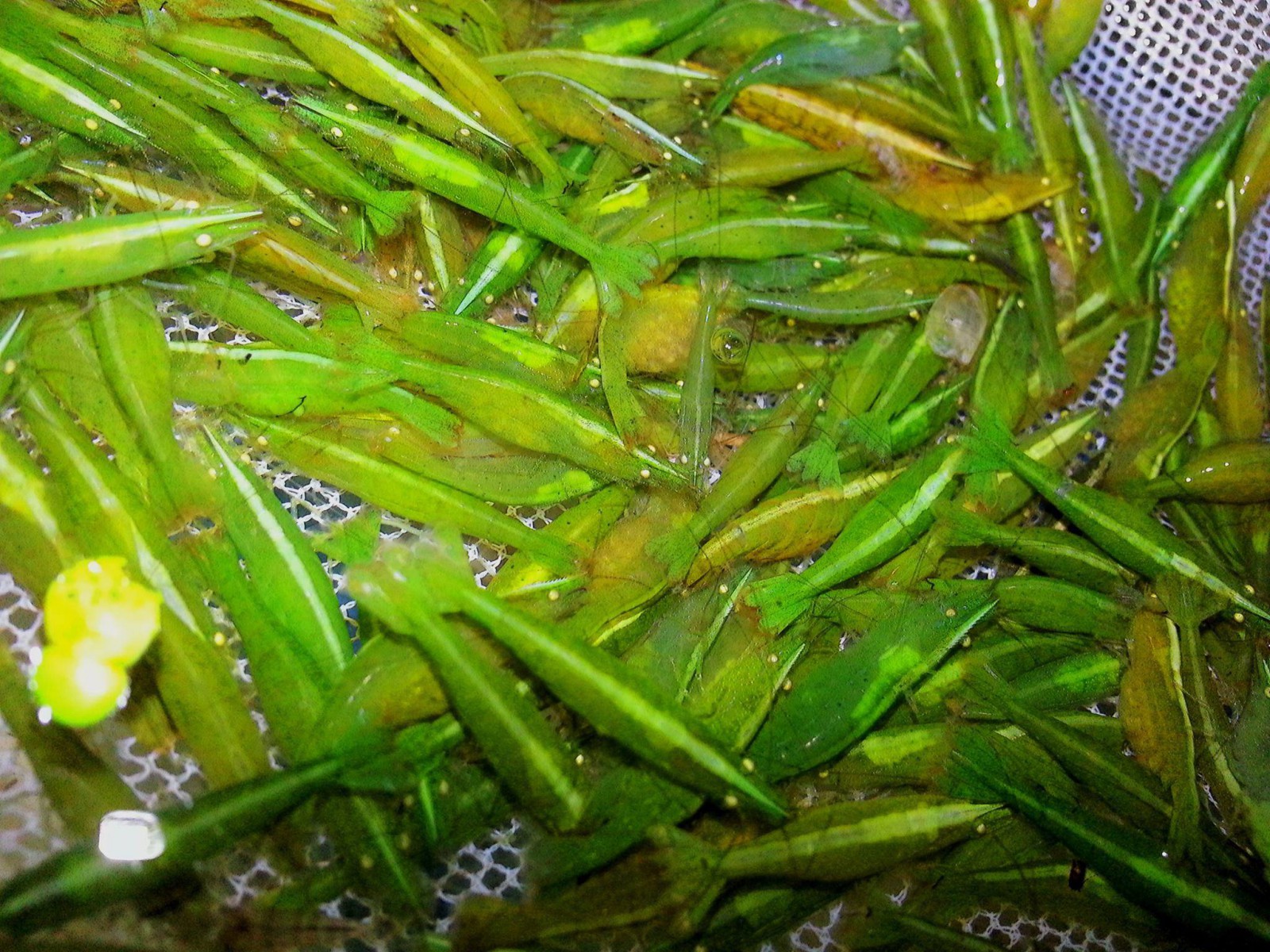
The Green Babaulti Shrimp, often referred to in the hobby by its German name Giftgrüne Zwerggarnele, is a stunning freshwater dwarf shrimp. Renowned for its brilliant, leaf-green coloration, this species is highly sought after by aquascapers who want a shrimp that perfectly blends with aquatic vegetation while still standing out against dark substrates. They are excellent algae eaters and bring a unique aesthetic to any planted tank.

Distribution and Habitat
Originally hailing from the freshwater streams, ponds, and rivers of India and other parts of Southeast Asia, the Caridina babaulti thrives in heavily vegetated environments. In the wild, they spend their days foraging among leaf litter, submerged roots, and dense aquatic plants. Their natural habitat is characterized by slow-moving waters rich in biofilm and decaying organic matter.

Description of Green Babaulti Shrimp
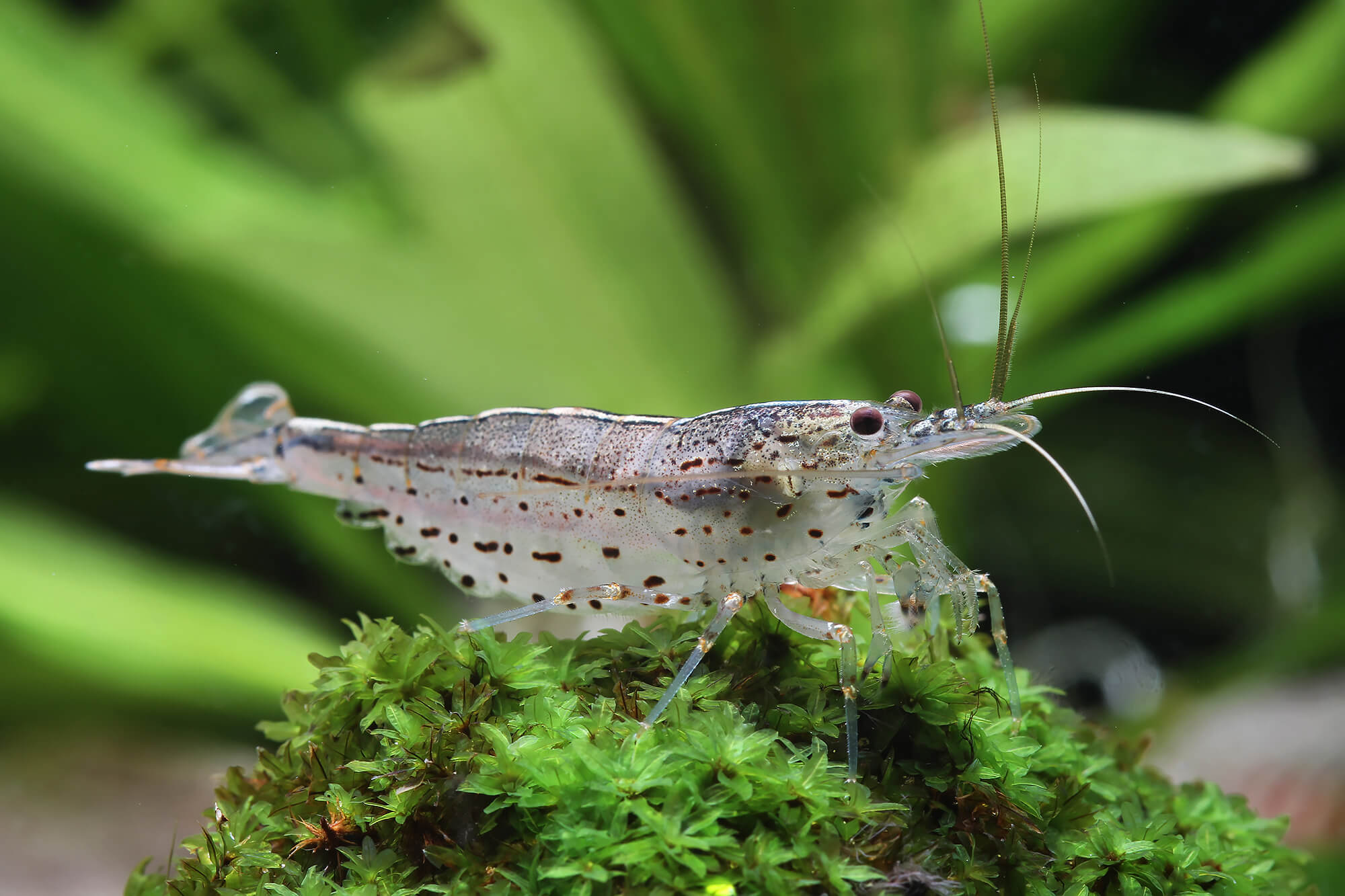
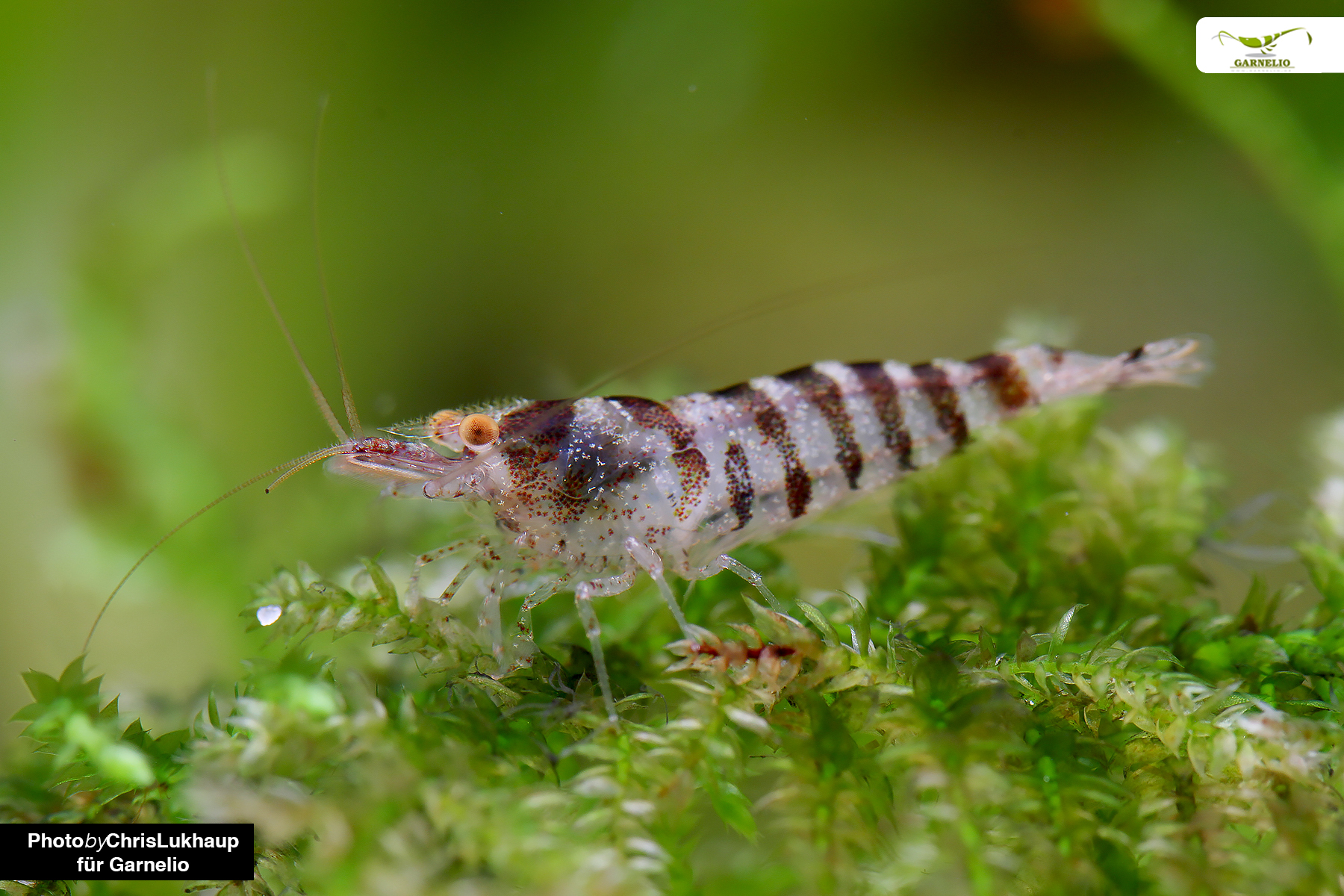
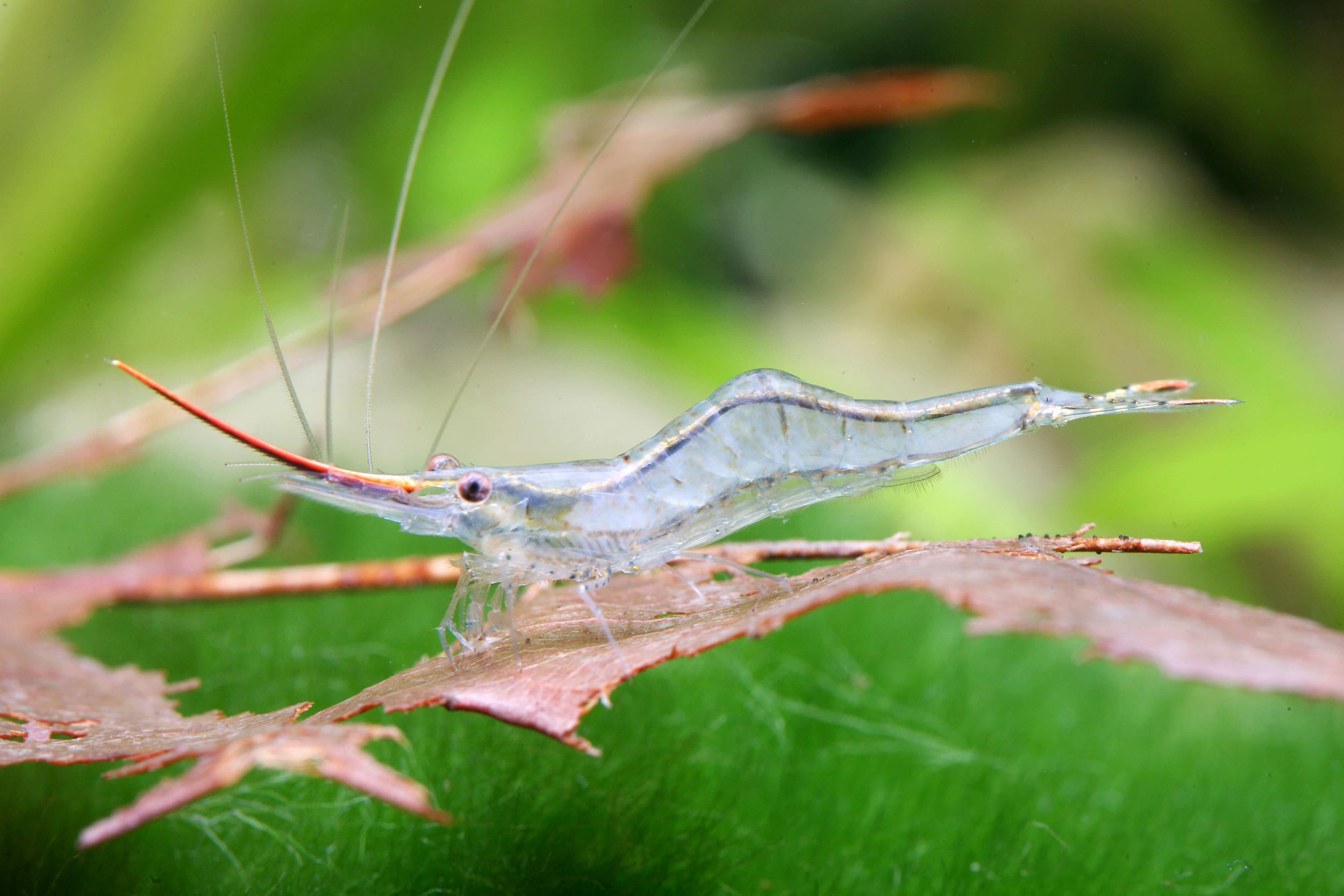
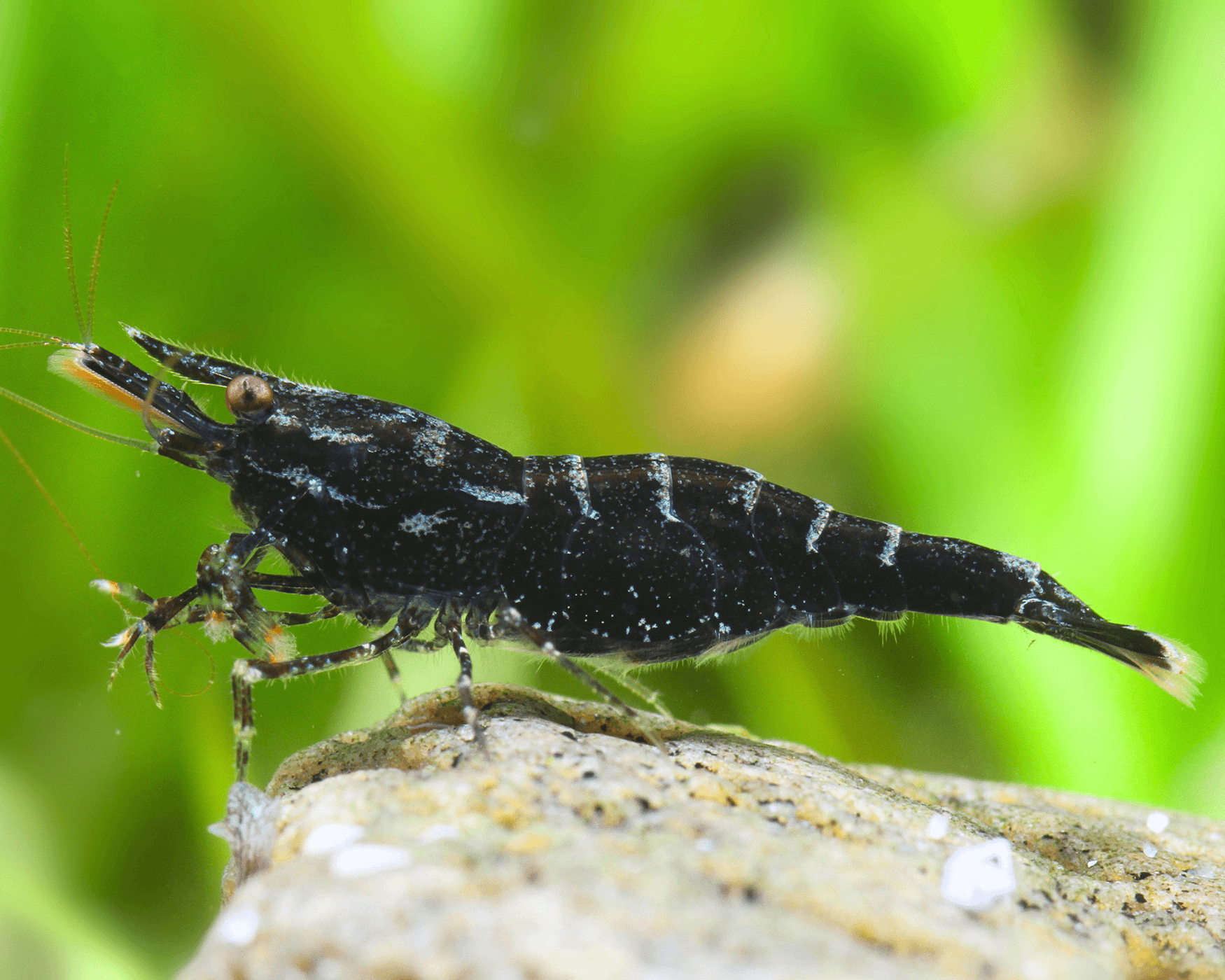
The Green Babaulti Shrimp is easily identifiable by its vibrant green hue, which can range from a pale yellow-green to a deep, almost neon "poison green" (Giftgrün). One fascinating trait of this species is its ability to slightly alter its coloration based on its mood, diet, and surroundings. They possess a distinctive, elongated rostrum (the beak-like projection on their head) and typically reach a maximum size of about 1.5 inches. Females are generally larger and more robust than males.

Keeping and Caring for Green Babaulti Shrimp
Caring for Green Babaulti Shrimp is relatively straightforward, making them suitable for beginners who have a basic understanding of aquarium cycling, as well as intermediate keepers. They are slightly more adaptable to varying water parameters than some other sensitive Caridina species, but they still require a mature, stable ecosystem to truly thrive and display their best colors.

Tank size:
A minimum tank size of 5 gallons is acceptable for a small colony, but a 10-gallon aquarium or larger is highly recommended. Larger water volumes help maintain the stable water parameters that dwarf shrimp need to stay healthy.
Water Parameters:
Consistency is key. While they can adapt to a range of parameters, sudden fluctuations can be fatal.
Temperature
They prefer temperatures between 68°F and 82°F (20°C - 28°C). A heater is recommended to prevent sudden temperature drops, especially in cooler climates.
pH
Aim for a slightly acidic to slightly alkaline pH, ideally between 6.5 and 7.8. They are quite adaptable as long as the pH remains stable.

Hardness
They do well in moderately hard water. A General Hardness (GH) of 4-15 dGH and a Carbonate Hardness (KH) of 0-10 dKH is ideal for proper molting and shell development.
Ammonia, Nitrite, Nitrate
Like all invertebrates, they are highly sensitive to nitrogenous waste. Ammonia and Nitrite must always be at 0 ppm. Nitrates should be kept as low as possible, ideally below 20 ppm, through regular water changes and the use of live plants.
Lighting
Standard aquarium lighting is sufficient. Moderate to high lighting is often preferred not for the shrimp themselves, but to support the lush plant growth and natural algae/biofilm accumulation they rely on for food.
Water flow
Gentle water flow is best. Sponge filters are the gold standard for shrimp tanks as they provide gentle filtration, oxygenation, and a massive surface area for shrimp to graze on without the risk of sucking up tiny shrimplets.

Decorations and Plants
A heavily planted tank is paradise for the Green Babaulti Shrimp. Use fine-leaved plants, mosses (like Java Moss), and floating plants. Adding Indian Almond leaves (Catappa leaves) or cholla wood provides excellent hiding spots and promotes the growth of essential infusoria and biofilm.
Adding the Green Babaulti Shrimp
Never rush the introduction process. Use the drip acclimation method over a period of 1.5 to 2 hours to slowly introduce your shrimp to the temperature and chemistry of their new home. This drastically reduces osmotic shock and ensures a higher survival rate upon introduction.

Some Feeding Tips
Green Babaulti Shrimp are omnivorous scavengers. While they will constantly graze on naturally occurring algae and biofilm, their diet should be supplemented. Feed them high-quality shrimp pellets, blanched vegetables (like zucchini, spinach, or cucumber), and specialized powdered foods. Remove uneaten food after a few hours to prevent water degradation.
Dangers of Green Babaulti Shrimp in the Planted Aquarium
There are absolutely no dangers to keeping these shrimp in a planted aquarium. They are 100% plant-safe. They will only consume dead or decaying plant matter and algae, leaving your healthy aquatic plants completely untouched. In fact, they are highly beneficial for keeping plant leaves clean of algae.

Tank mates & Compatibility
Because of their small size and peaceful nature, they should only be kept with other peaceful, nano-sized tank mates. Excellent companions include small rasboras, neon tetras, otocinclus catfish, and various aquarium snails. They can also be housed with Neocaridina shrimp (like Cherry Shrimp) without the risk of crossbreeding, allowing you to create a multi-colored shrimp display.

Breeding Green Babaulti Shrimp
Breeding the Green Babaulti Shrimp is entirely possible in freshwater, but it is slightly different from breeding standard Neocaridina. Females will carry eggs under their abdomen (pleopods). However, instead of hatching as perfect miniature adults, the eggs hatch into very tiny, slightly underdeveloped larvae. These larvae are incredibly small and require abundant microscopic food (infusoria, biofilm, or powdered baby shrimp food) to survive their first few days. A mature tank with lots of moss and leaf litter is crucial for high survival rates among the fry.
Conclusion
The Green Babaulti Shrimp is a fantastic, active, and visually striking invertebrate that adds immense value to any freshwater planted aquarium. With their voracious appetite for algae, their peaceful demeanor, and their brilliant green coloration, they are a rewarding species to keep and breed for both novice and experienced aquarists alike.
Leave your comments