Overview
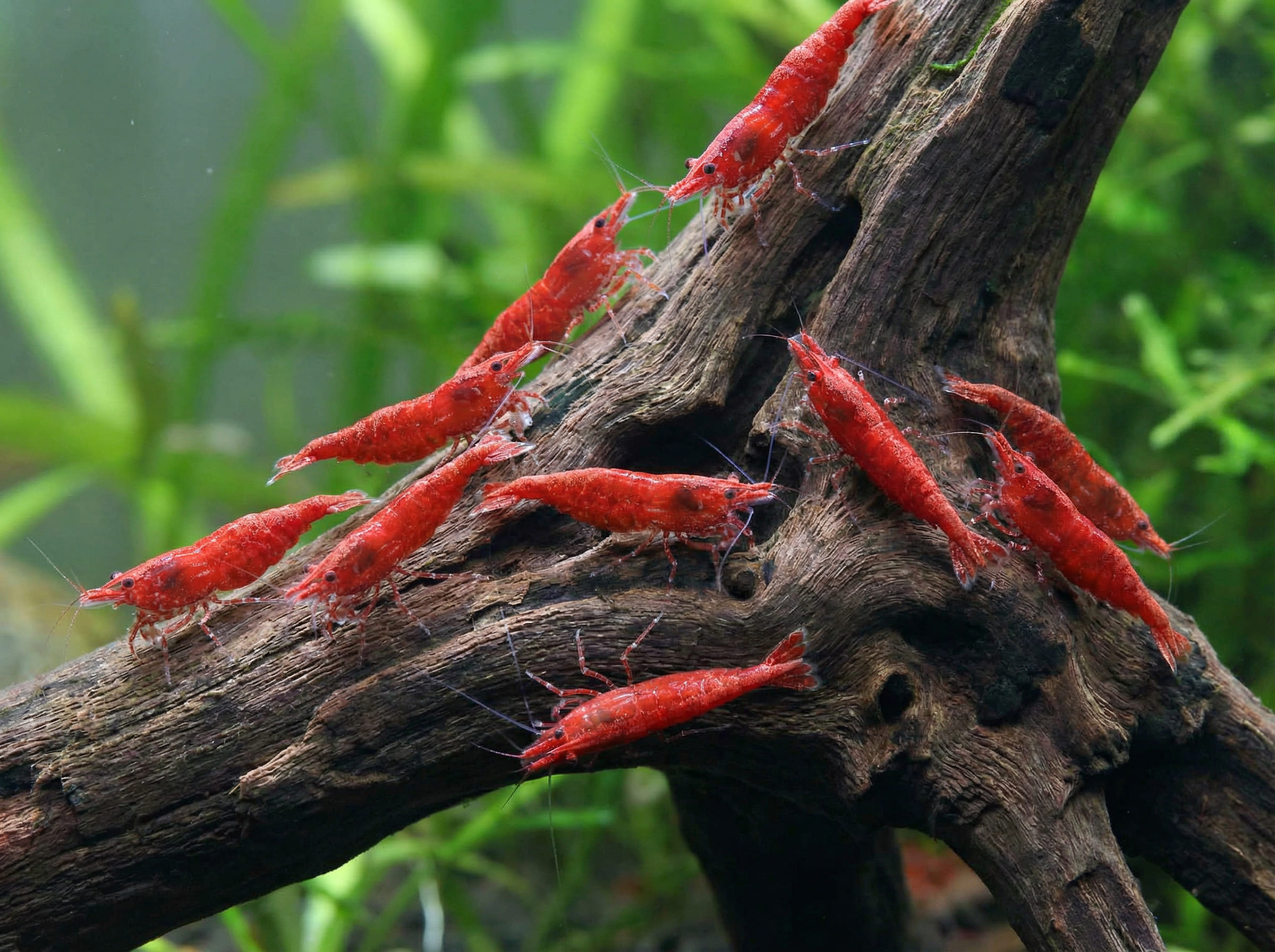
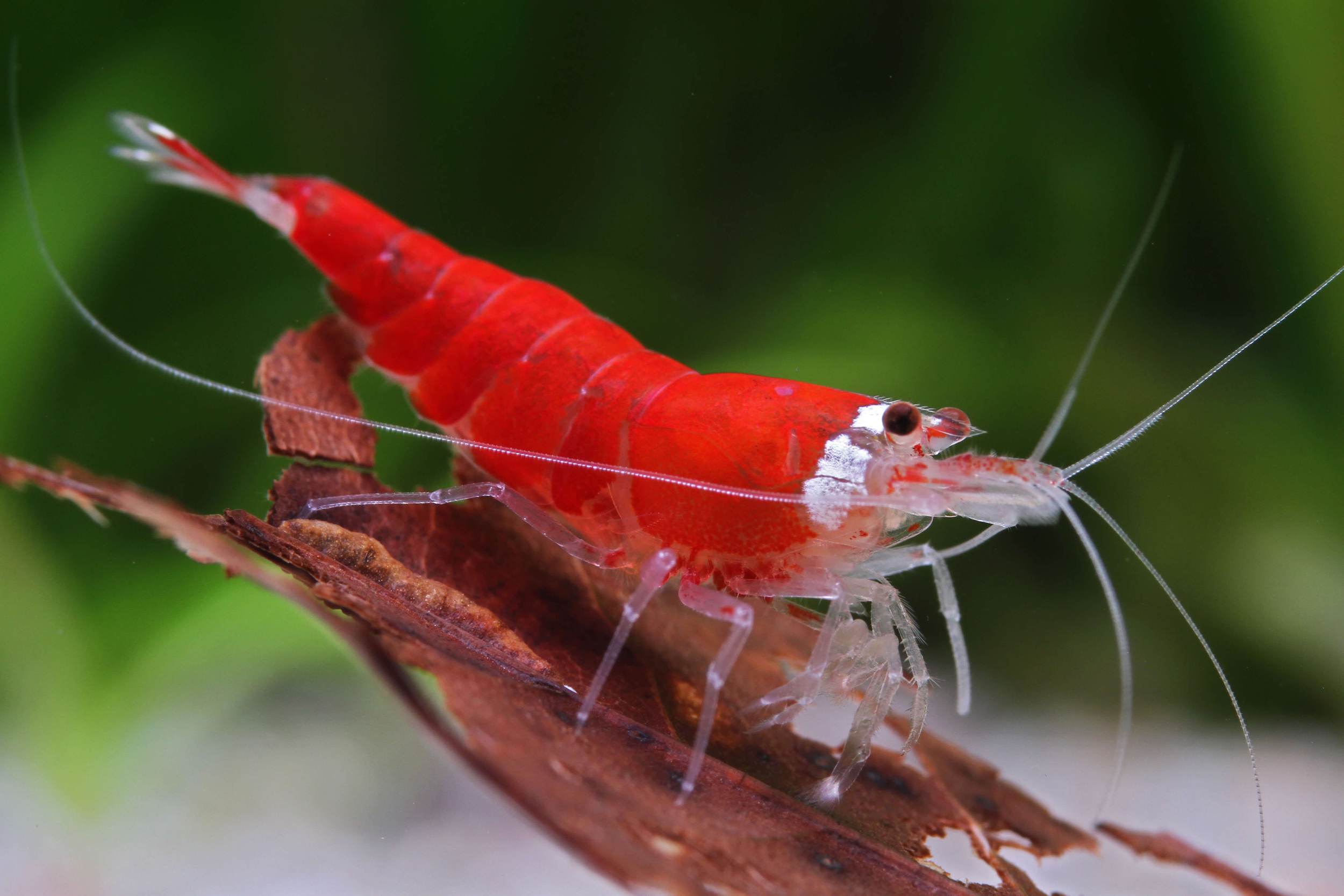
Red Cherry Shrimp (Neocaridina davidi) are arguably the most popular freshwater aquarium shrimp in the hobby. Known for their striking red coloration and incredible hardiness, these invertebrates are perfect for both novice and experienced aquarists. They act as a fantastic clean-up crew, constantly foraging for algae and detritus, bringing life and movement to the lower levels of the tank.

Distribution and Habitat
Originally, the wild type of Neocaridina davidi is found in the slow-moving streams and ponds of Taiwan. The vibrant red morphs, including the "Fire Red" and "Painted Fire Red" grades, were selectively bred in captivity for the aquarium trade and are not found naturally in the wild. In their natural habitat, they live among dense vegetation, leaf litter, and submerged wood.
Description of Red Cherry Shrimp
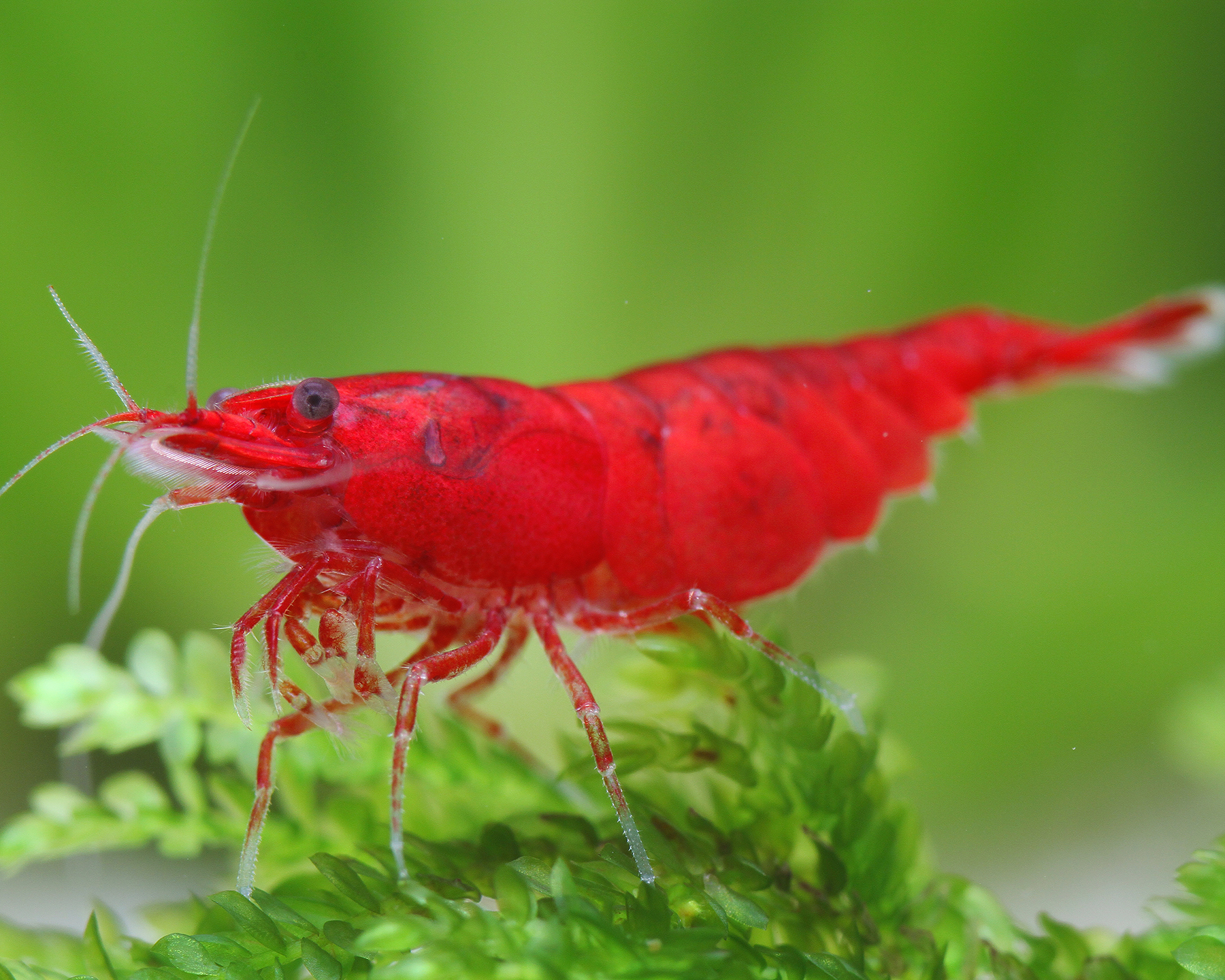
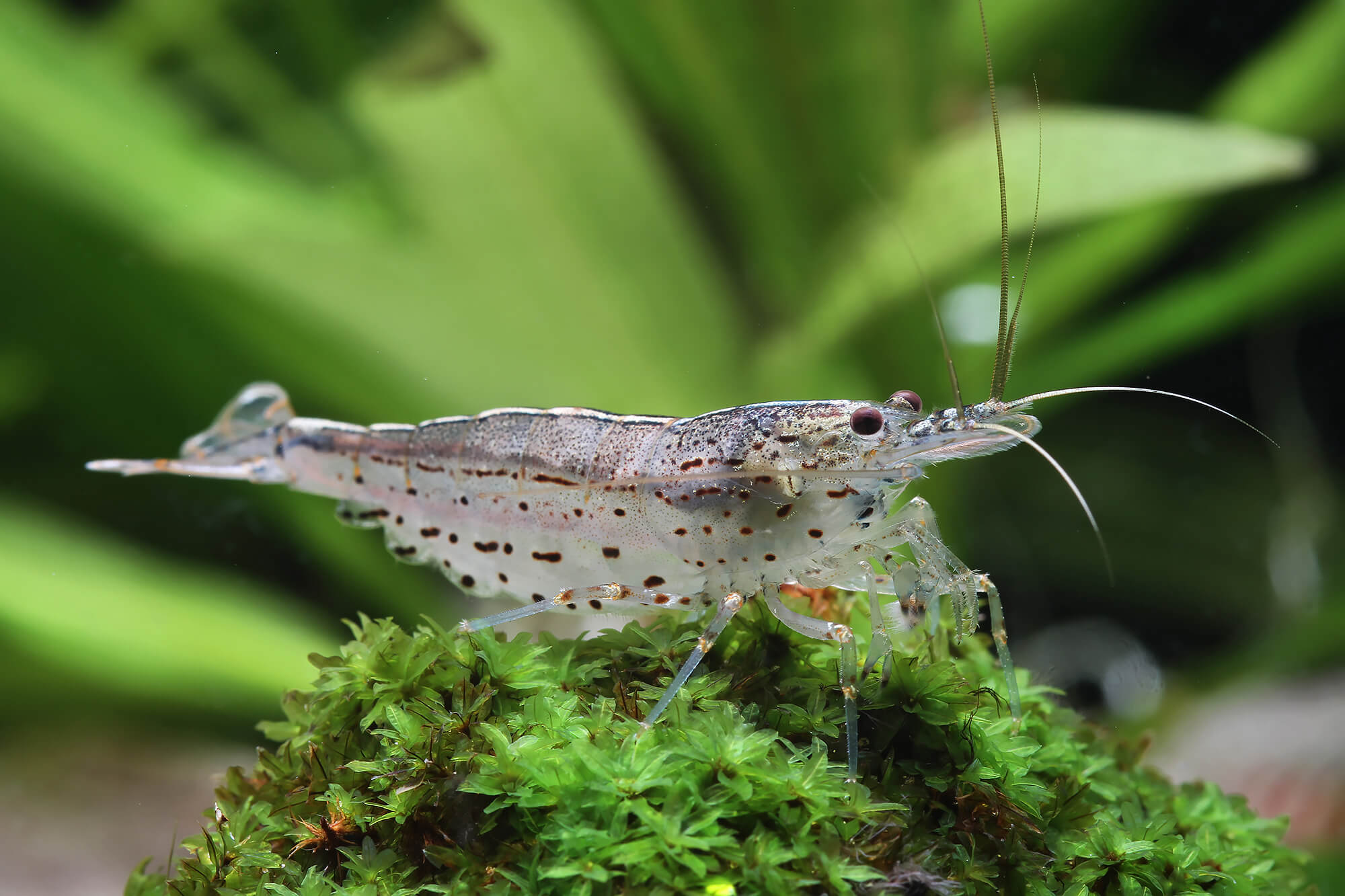
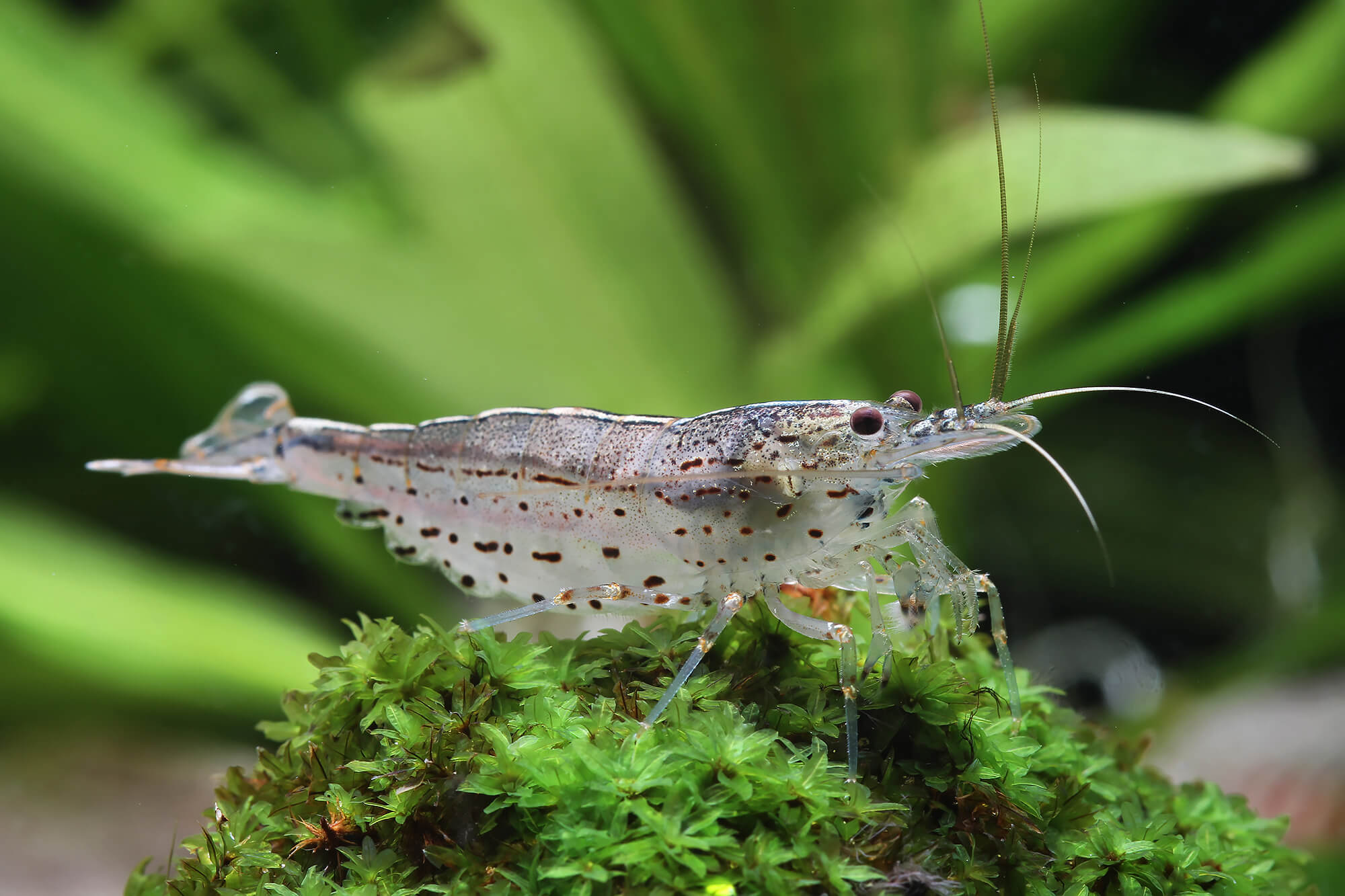
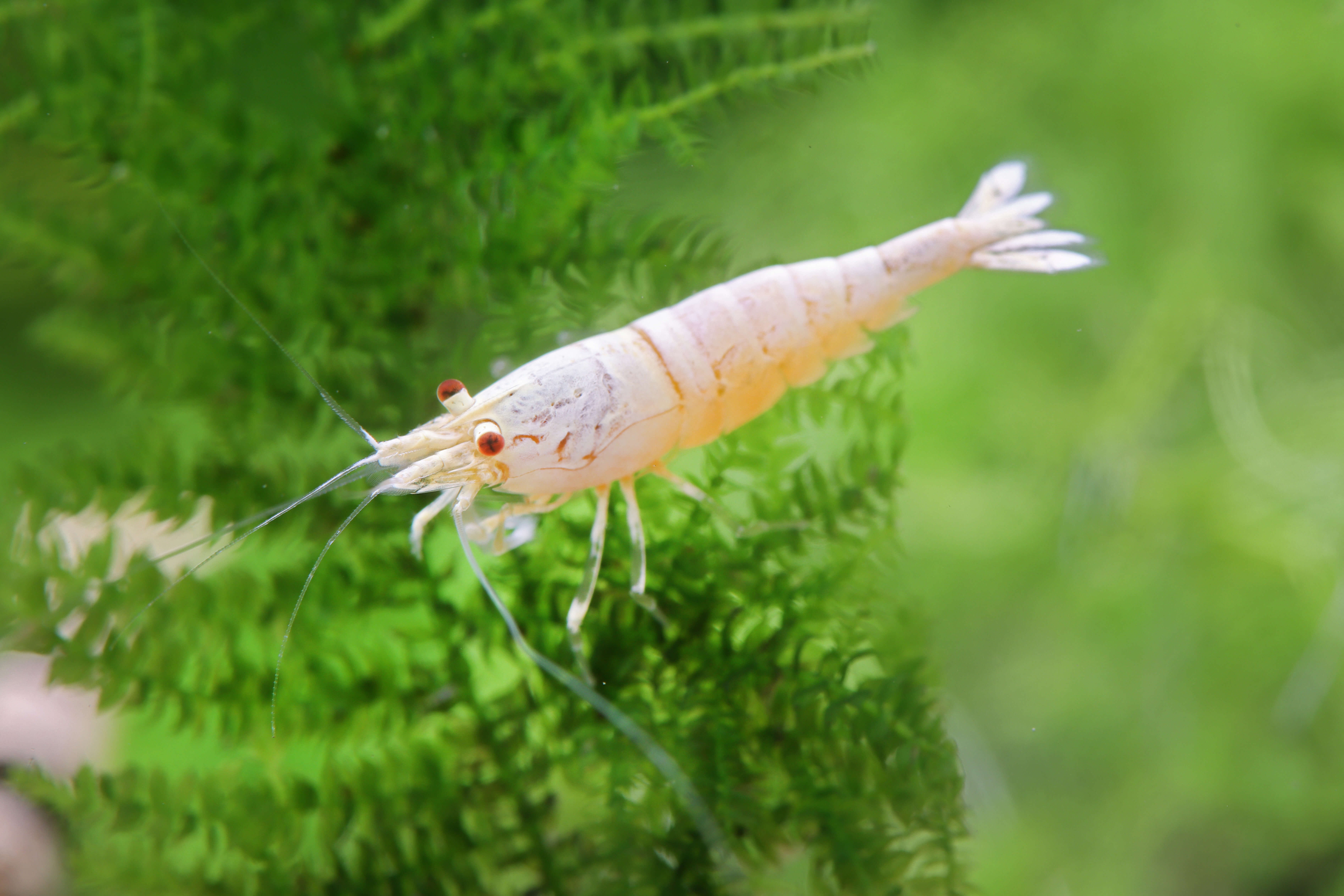
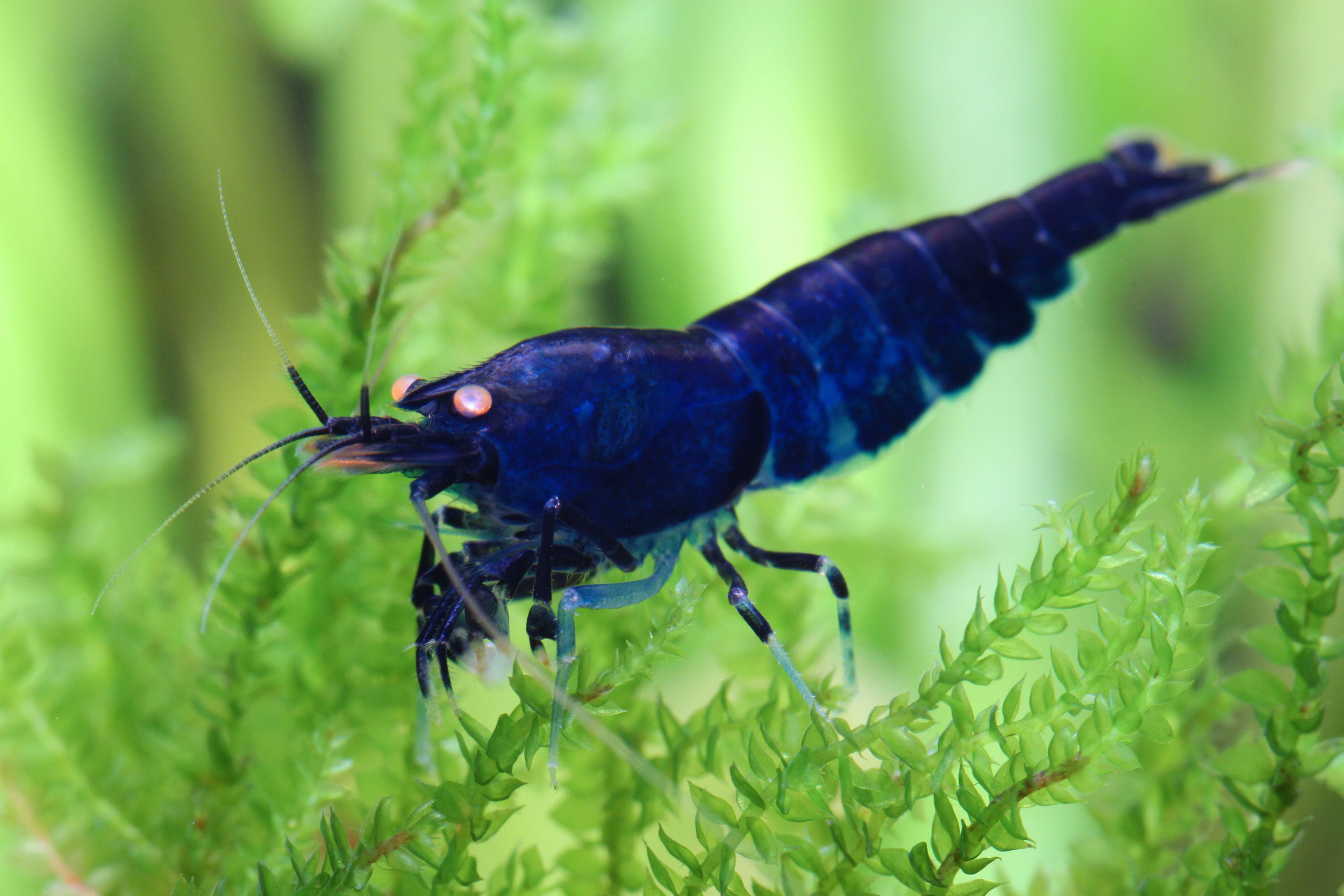
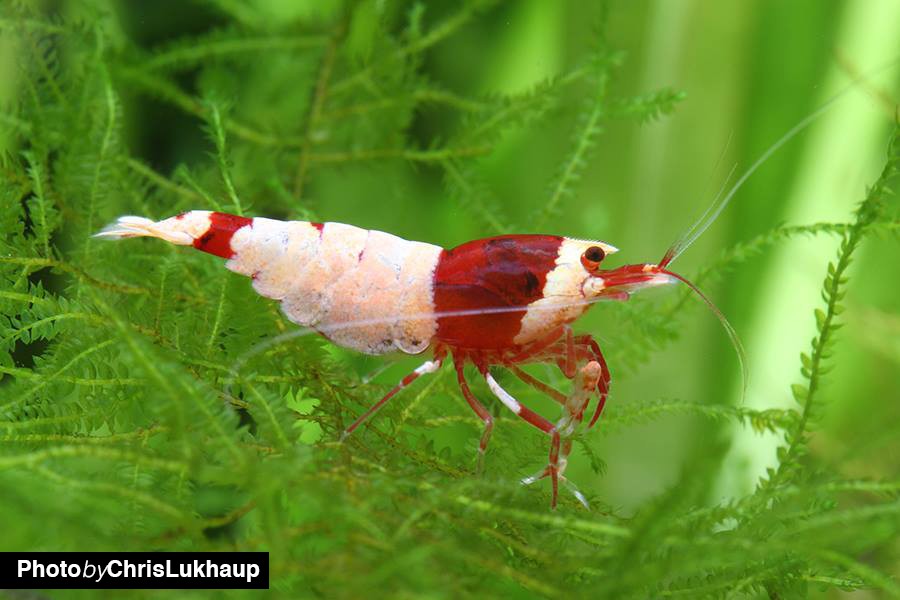
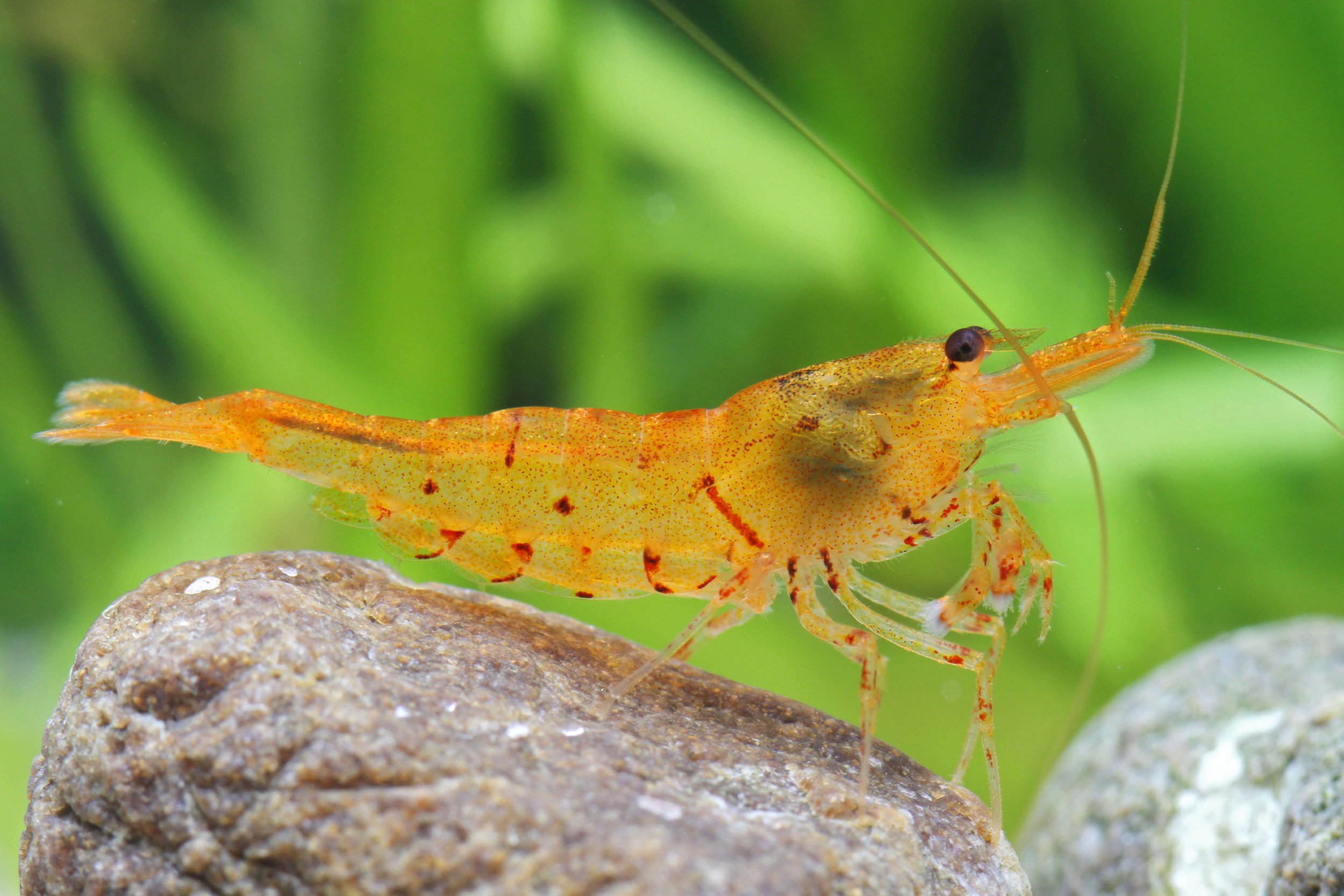
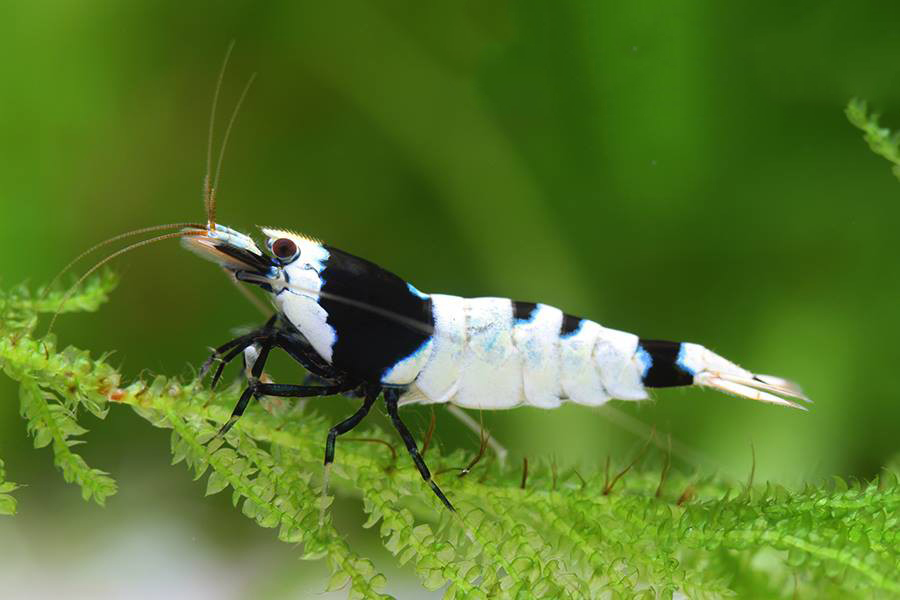
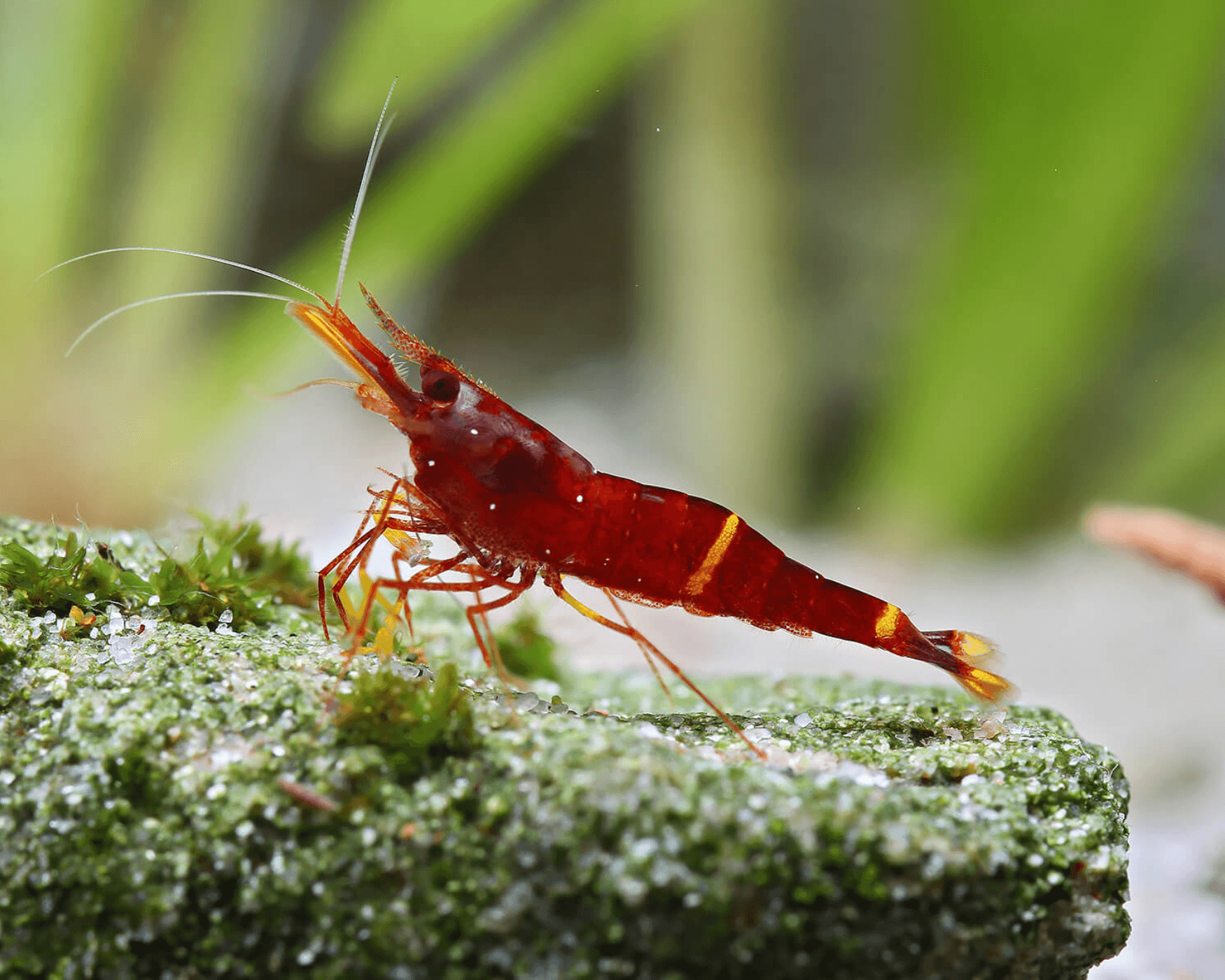
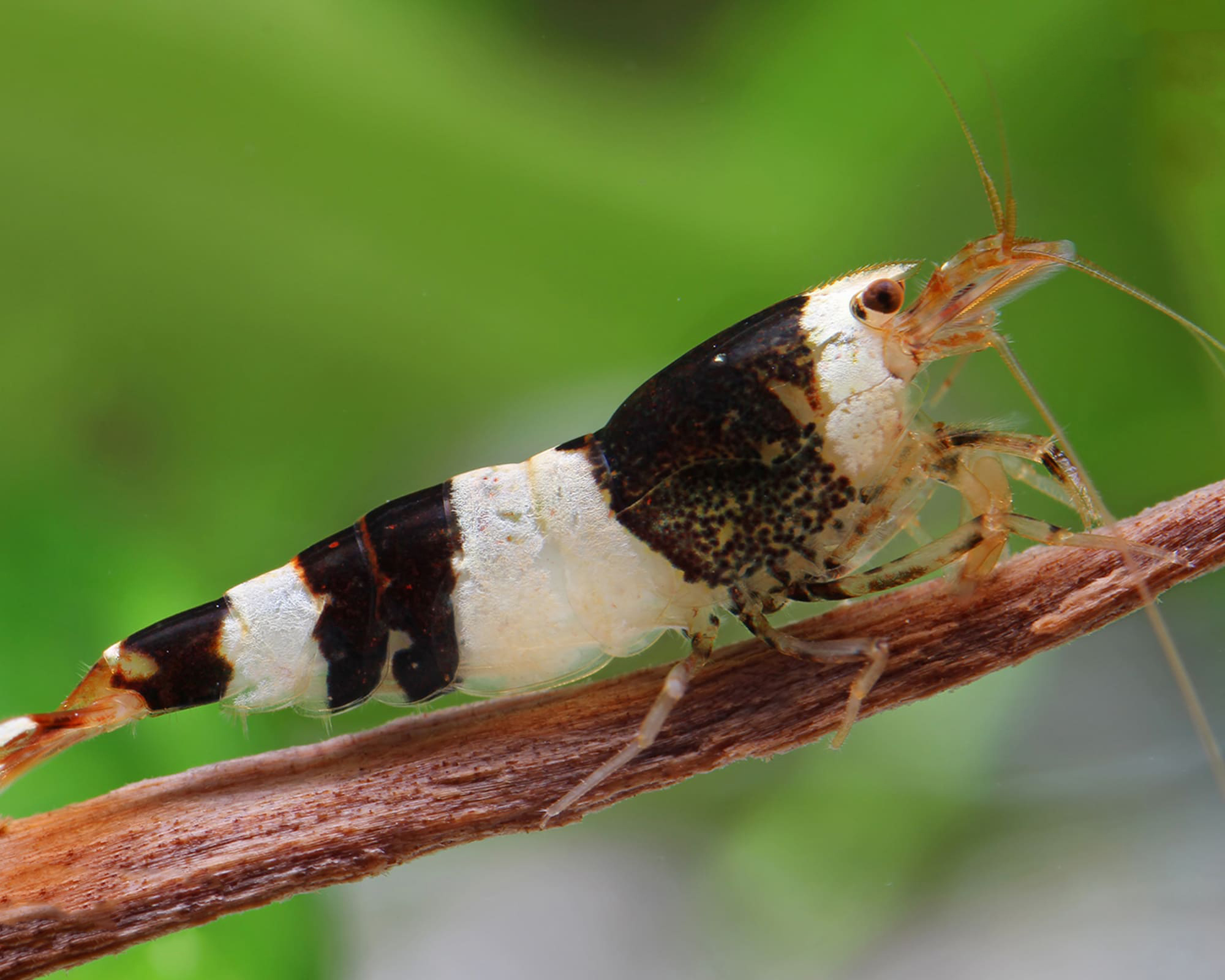
These dwarf shrimp typically reach about 1 to 1.5 inches in length. Females are generally larger and display a much deeper, more opaque red coloration, especially in higher grades like Fire Red or Painted Fire Red. Males are usually smaller and slightly more translucent. They feature a classic shrimp anatomy with a rostrum, long antennae, and a fan-like tail, making them fascinating to observe up close.

Keeping and Caring for Red Cherry Shrimp
Caring for these shrimp is incredibly straightforward, provided their basic needs are met. They are adaptable to a wide range of water conditions, making them ideal for beginners learning the ropes of invertebrate care. Stability is much more important than chasing exact water parameters.

Tank size:
A minimum of 5 gallons is recommended for a small colony, though a 10-gallon or larger tank provides more water stability and room for the population to grow and thrive.
Water Parameters:
While Red Cherry Shrimp are hardy, they still require a fully cycled tank and stable conditions to prevent molting issues and stress.
Temperature
They thrive comfortably between 65°F and 80°F (18°C - 27°C). Room temperature is often sufficient without a heater in warmer climates.
pH
A slightly acidic to alkaline pH of 6.5 to 8.0 is perfectly suitable for this species.
Hardness
They need minerals in the water for proper molting. Aim for a General Hardness (GH) of 4-8 dGH and a Carbonate Hardness (KH) of 3-15 dKH.
Ammonia, Nitrite, Nitrate
Ammonia and Nitrite must be strictly 0 ppm. Nitrates should be kept as low as possible, ideally under 20 ppm, through regular water changes and live plants.
Lighting
Standard aquarium lighting is fine. Lighting is more for the benefit of live plants and viewing the shrimp's vibrant colors than for the shrimp themselves.
Water flow
Gentle flow is preferred. Sponge filters are highly recommended as they provide excellent biological filtration, gentle aeration, and a safe grazing surface full of biofilm for shrimplets.
Decorations and Plants
Planted tanks are highly recommended. Mosses (like Java Moss), floating plants, and fine-leaved stem plants offer excellent hiding spots and surface area for biofilm to grow. Driftwood, almond leaves, and rocks also provide great natural decor and grazing spots.

Adding the Red Cherry Shrimp
Always use the drip acclimation method over 1 to 2 hours to slowly introduce them to the new water parameters and temperature. This gradual process prevents osmotic shock and ensures a smooth transition into your aquarium.
Some Feeding Tips
They are omnivorous scavengers. Supplement their natural biofilm and algae diet with high-quality shrimp pellets, blanched vegetables (like zucchini and spinach), and occasional protein-rich treats like frozen bloodworms. Remove any uneaten food after a few hours to prevent water fouling.
Dangers of Red Cherry Shrimp in the Planted Aquarium
Red Cherry Shrimp pose absolutely no danger to live plants; in fact, they help keep them clean by eating algae off the leaves. The real danger in the planted aquarium comes from external sources. Fertilizers containing high levels of copper, or pesticides hitchhiking on newly purchased plants, are highly toxic and can quickly wipe out a shrimp colony. Always quarantine and wash new plants carefully.

Tank mates & Compatibility
Keep them with small, peaceful nano fish like neon tetras, chili rasboras, or otocinclus catfish. Snails make excellent companions. Avoid large or aggressive fish like cichlids, goldfish, or bettas, which will likely view the shrimp as an expensive snack.
Breeding Red Cherry Shrimp
Breeding is incredibly easy. If you have both males and females in a stable, well-fed environment without predators, they will breed rapidly. Females will carry yellow or greenish eggs (becoming "berried") under their tails for about 3 to 4 weeks until fully formed, miniature shrimplets hatch. No special breeding tank is required if there is plenty of moss for the babies to hide in.

Conclusion
The Red Cherry Shrimp is a delightful, low-maintenance addition to the freshwater aquarium. Their bright red coloration, active personalities, and algae-eating habits make them a rewarding pet for any aquarist looking to explore the wonderful world of freshwater invertebrates.
Leave your comments