Overview
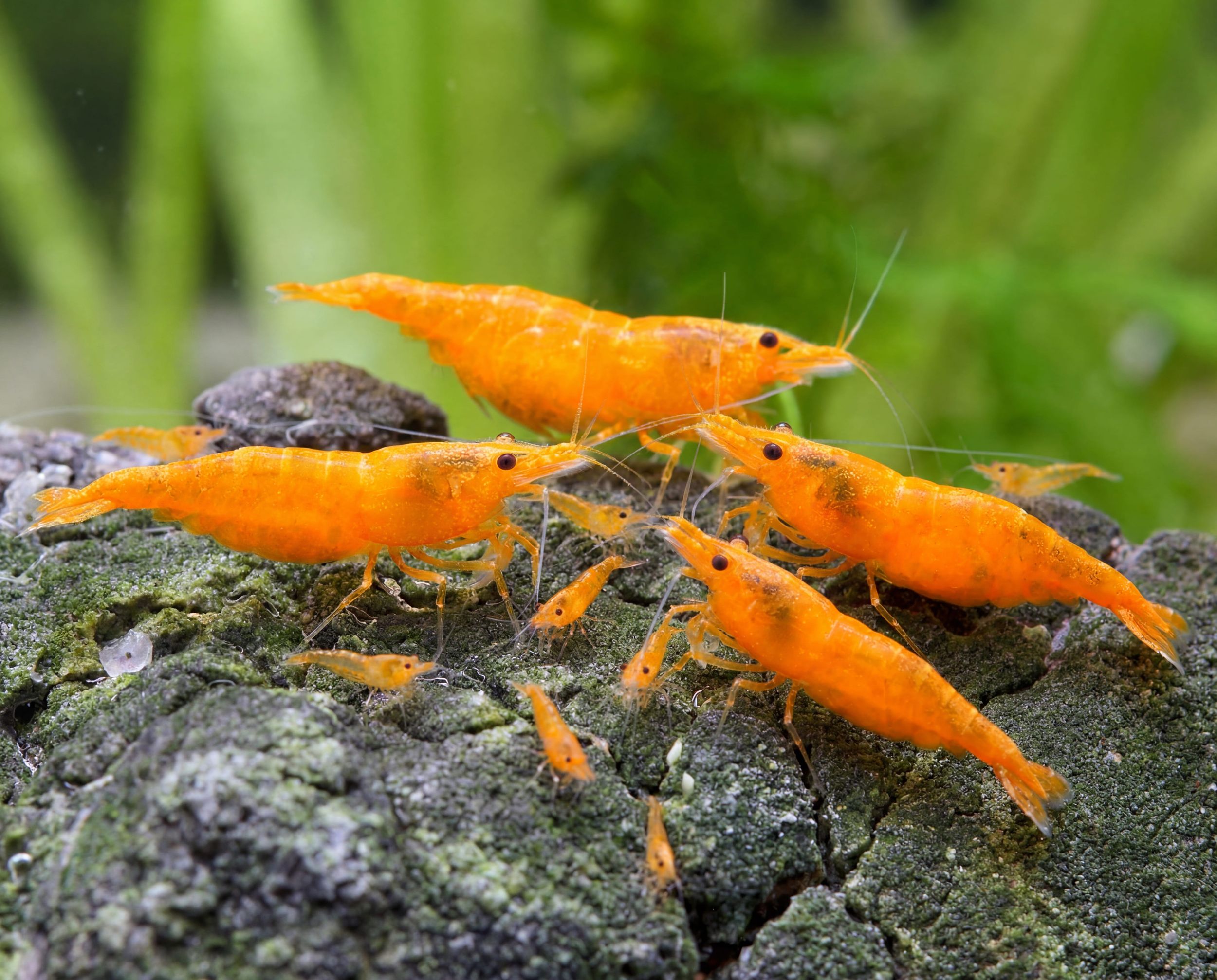
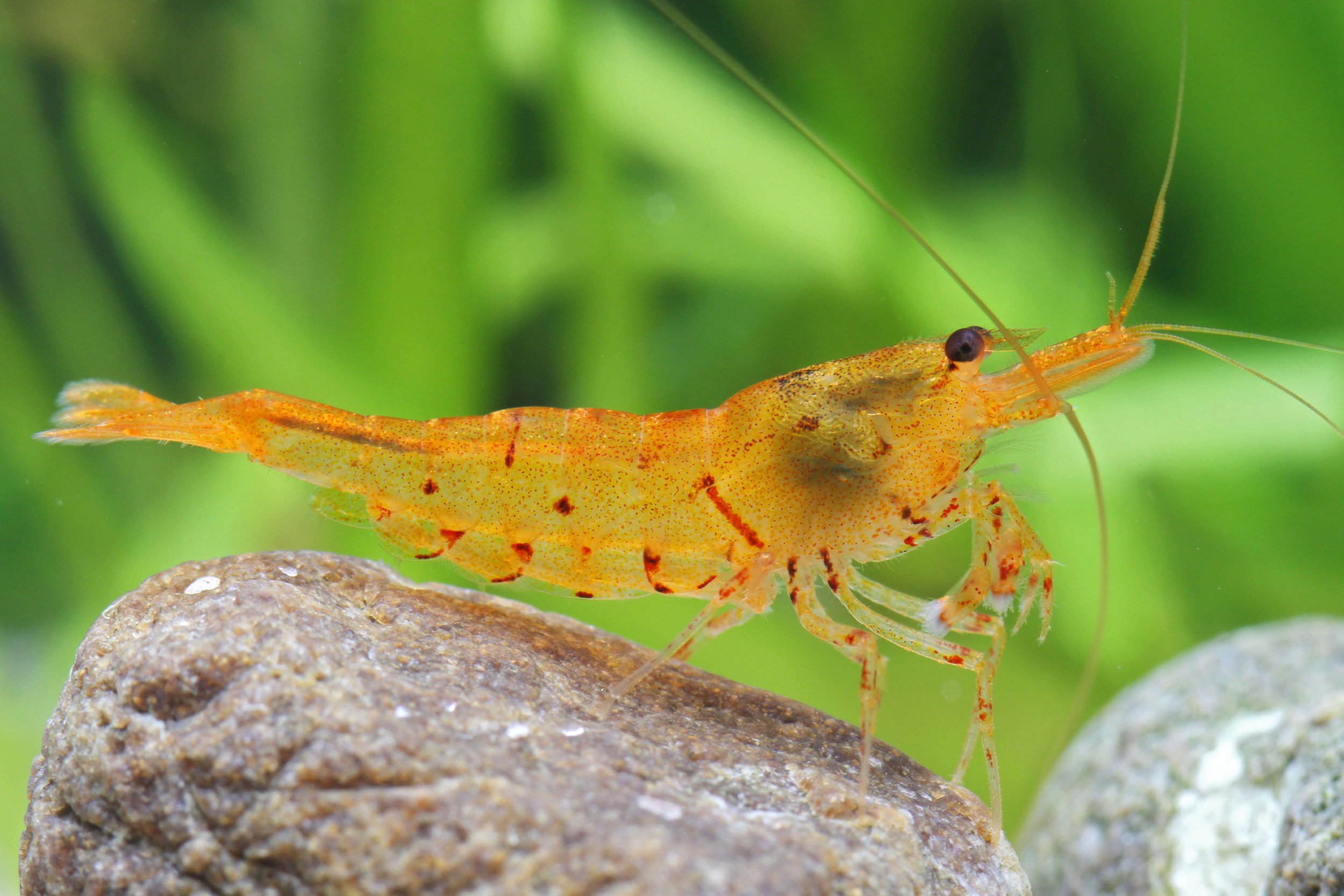
The Orange Fire Shrimp, often sold under names like Sunkist Shrimp or Sakura Orange Shrimp, is a spectacular color morph of the widely popular Neocaridina davidi species. Loved for their bright, eye-catching citrus hues, these dwarf shrimp are a fantastic addition to freshwater aquariums. They are incredibly hardy, making them an ideal choice for aquarists of all skill levels, especially beginners looking to step into the rewarding world of shrimp keeping.

Distribution and Habitat
While the wild type of Neocaridina davidi originates from the freshwater streams and ponds of Taiwan and parts of China, the Orange Fire Shrimp does not exist in the wild. This vibrant orange coloration is the result of years of careful selective breeding in the aquarium hobby. In their natural, ancestral habitats, these shrimp thrive in densely planted waters with moderate flow, utilizing fallen leaves, driftwood, and rocks as both shelter and grazing grounds for biofilm.

Description of Orange Fire Shrimp
The Orange Fire Shrimp boasts a stunning, solid orange coloration that ranges from a translucent tangerine to a deep, opaque pumpkin orange depending on its grade (such as Sakura or Fire). They typically grow to a maximum size of 1 to 1.5 inches. As with most Neocaridina, the females are generally larger, more robust, and exhibit a much deeper and more solid coloration than the slightly smaller, often more translucent males. A healthy female may also display a visible "saddle" (developing eggs) on her back.

Keeping and Caring for Orange Fire Shrimp
Caring for the Orange Fire Shrimp is straightforward, provided their environment is kept stable. They are highly adaptable but thrive best when their basic needs for clean water and ample grazing surfaces are met.
Tank size:
A minimum tank size of 5 gallons is recommended for a small colony of Orange Fire Shrimp. However, a 10-gallon tank or larger is ideal as it provides greater water volume, which helps maintain more stable water parameters and offers more surface area for biofilm to grow.

Water Parameters:
Stability is the golden rule when keeping dwarf shrimp. While they tolerate a wide range of parameters, sudden fluctuations can be fatal.
Temperature
They prefer temperatures between 65°F and 80°F (18°C - 27°C). Room temperature is often sufficient, but a reliable heater can prevent dangerous temperature drops during colder months.
pH
A slightly acidic to slightly alkaline pH is perfect. Aim for a pH range of 6.5 to 8.0.
Hardness
They require some minerals in the water to successfully molt and build their exoskeletons. A General Hardness (GH) of 4-8 and Carbonate Hardness (KH) of 3-15 are ideal.
Ammonia, Nitrite, Nitrate
Ammonia and Nitrite must always be at 0 ppm. Nitrates should be kept as low as possible, ideally below 20 ppm, through regular maintenance and the use of live plants.
Lighting
Low to moderate lighting is sufficient for the shrimp themselves. The lighting in your tank should primarily be dictated by the needs of the live plants you choose to keep with them.
Water flow
Gentle water flow is best. A sponge filter is highly recommended as it provides gentle filtration, prevents baby shrimp from being sucked in, and offers a massive surface area for them to graze on.

Decorations and Plants
A heavily planted tank is a paradise for Orange Fire Shrimp. Mosses (like Java Moss), floating plants, and leafy greens provide excellent hiding spots, especially for vulnerable molting shrimp and babies. Driftwood and dried botanicals (like Indian Almond leaves) are also highly recommended as they promote biofilm growth and release beneficial tannins.
Adding the Orange Fire Shrimp
When introducing your Orange Fire Shrimp to a new tank, drip acclimation is crucial. This process slowly introduces the new water chemistry and temperature to the shrimp over 1.5 to 2 hours, preventing shock. Never rush this step, as sudden changes in water parameters are a leading cause of early mortality.

Some Feeding Tips
Orange Fire Shrimp are excellent scavengers. While they constantly graze on naturally occurring biofilm and algae, their diet should be supplemented 2-3 times a week. Offer them high-quality shrimp pellets, algae wafers, and occasional treats of blanched vegetables (like spinach, zucchini, or carrots). Remove uneaten food after a few hours to prevent water fouling.
Dangers of Orange Fire Shrimp in the Planted Aquarium
There are absolutely no dangers posed by Orange Fire Shrimp to your planted aquarium. They are entirely peaceful and will not eat healthy, living plant tissue. They only consume decaying plant matter and algae, making them excellent cleanup crews. The real danger in a planted tank lies in the use of certain plant fertilizers or medications that contain copper, which is highly toxic and lethal to all invertebrates.
Tank mates & Compatibility
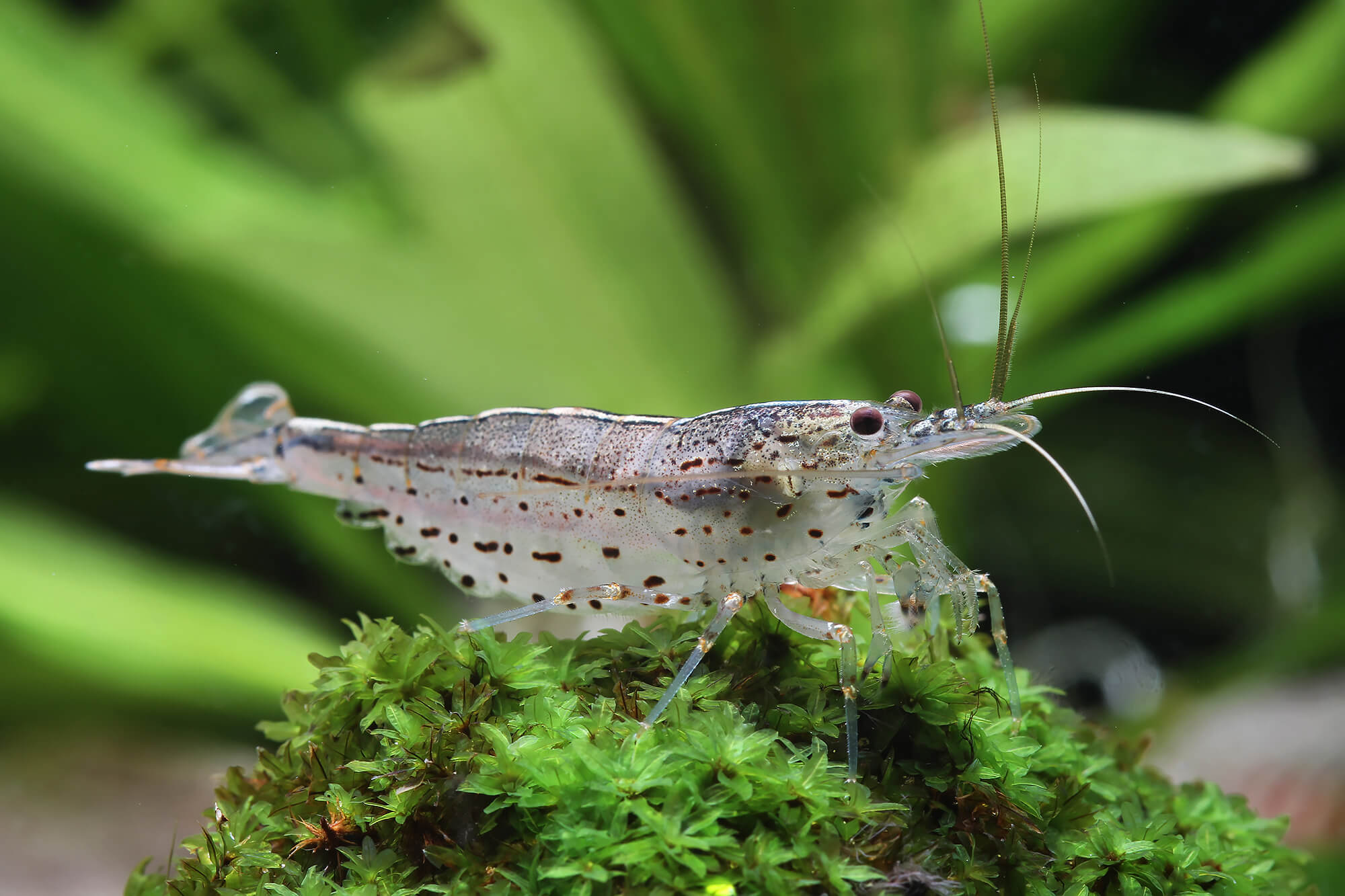
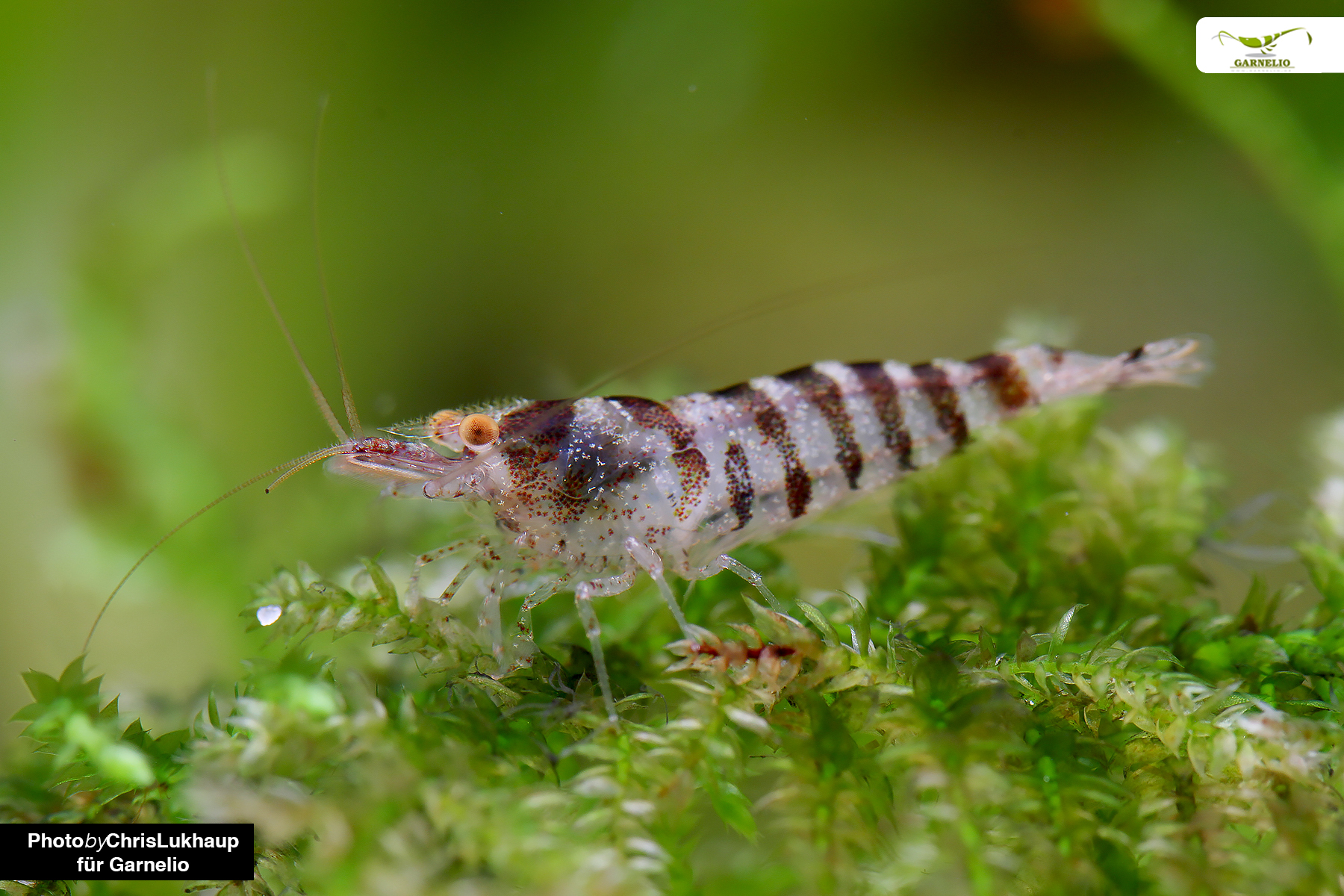
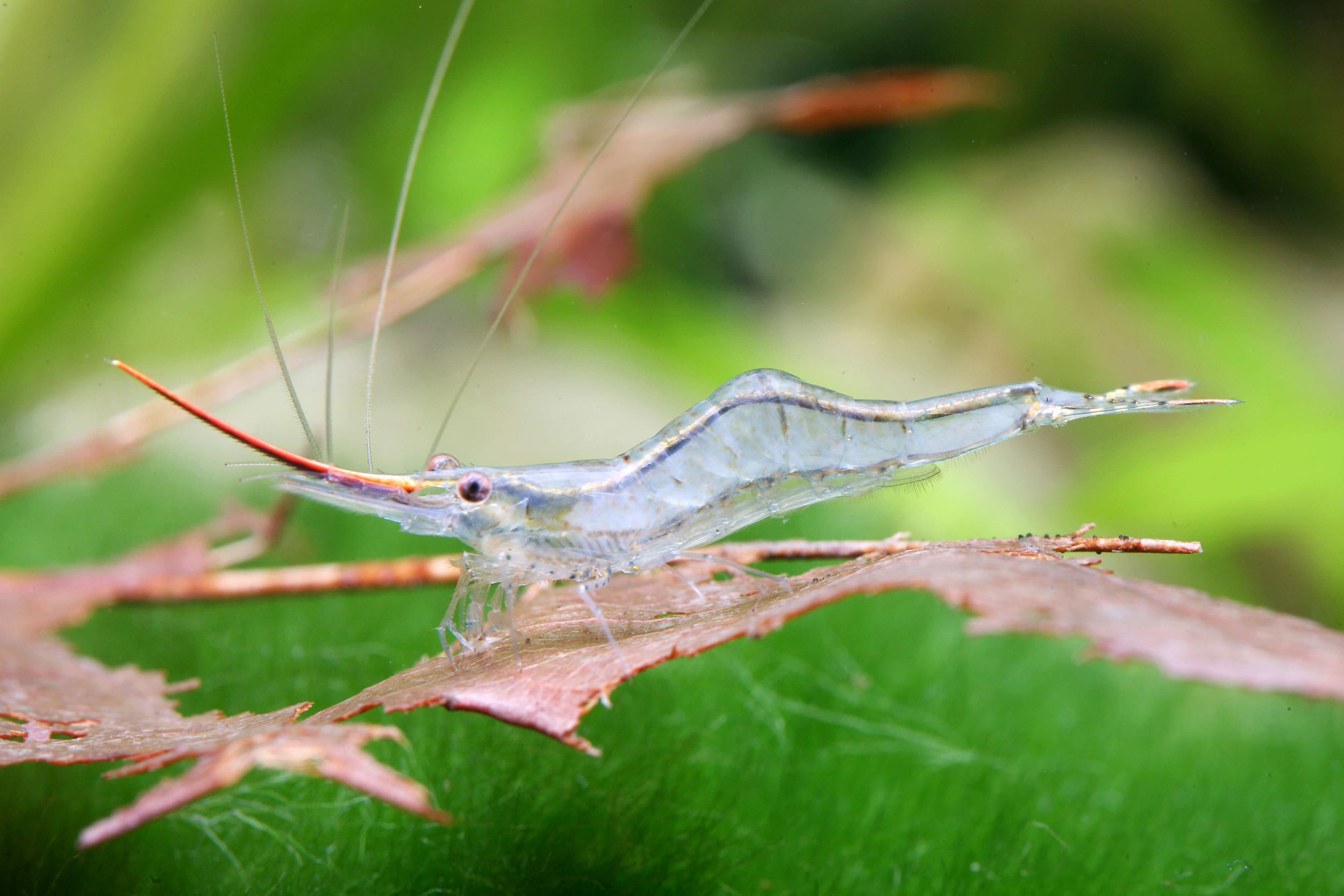
Because of their small size and peaceful nature, Orange Fire Shrimp are vulnerable to predation. The best tank mates are other peaceful invertebrates like mystery snails or nerite snails. If you wish to keep them with fish, choose small, peaceful nano fish such as Otocinclus catfish, Pygmy Corydoras, or small rasboras (like Chili Rasboras). Avoid any aggressive or large fish, such as cichlids, goldfish, or bettas, which will view the shrimp as a quick snack.

Breeding Orange Fire Shrimp
Breeding these shrimp is incredibly easy and usually happens without any intervention, provided the water parameters are stable and food is plentiful. Females will carry eggs under their tails (becoming "berried") for about 30 days before releasing fully formed, miniature shrimplets. To ensure the survival of the babies, provide plenty of hiding spots using dense mosses and ensure your filter intake is covered with a fine sponge.
Conclusion
The Orange Fire Shrimp is a dazzling, low-maintenance invertebrate that brings life, color, and utility to the freshwater aquarium. Whether you are a beginner setting up your first nano tank or an experienced aquarist looking for a striking cleanup crew, the Sunkist Shrimp is an incredibly rewarding species to observe and breed.
Leave your comments