Taxonomy and identification
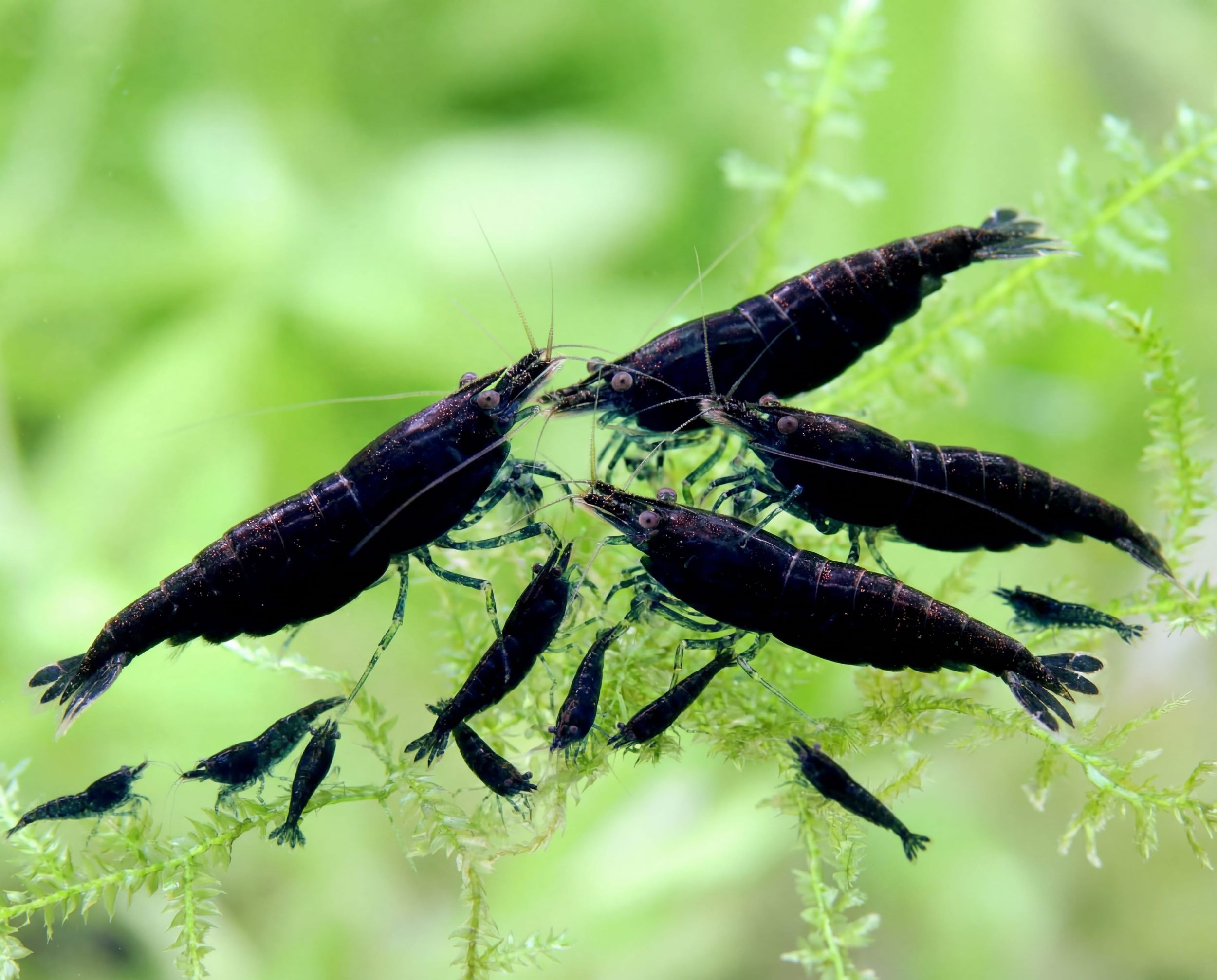
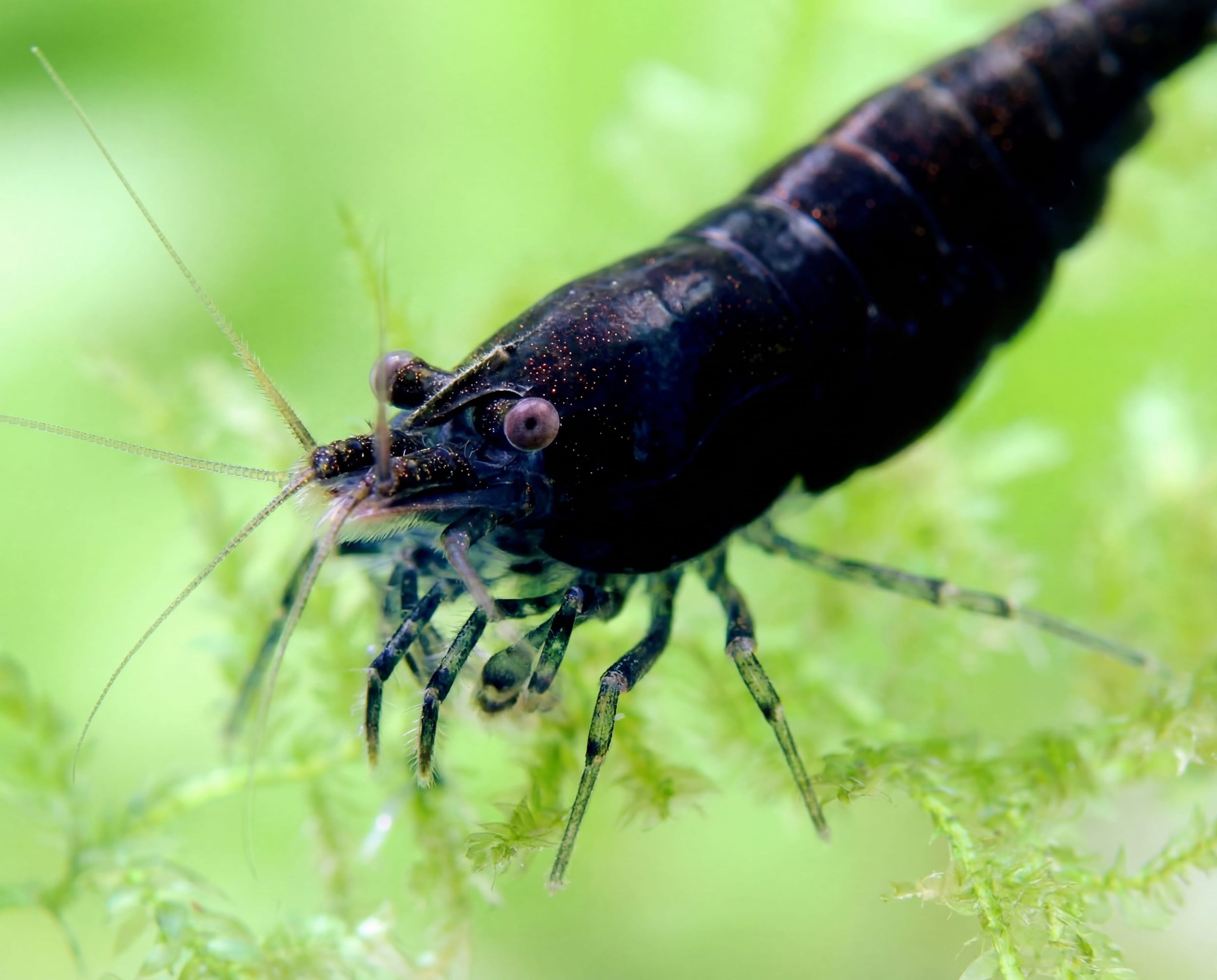
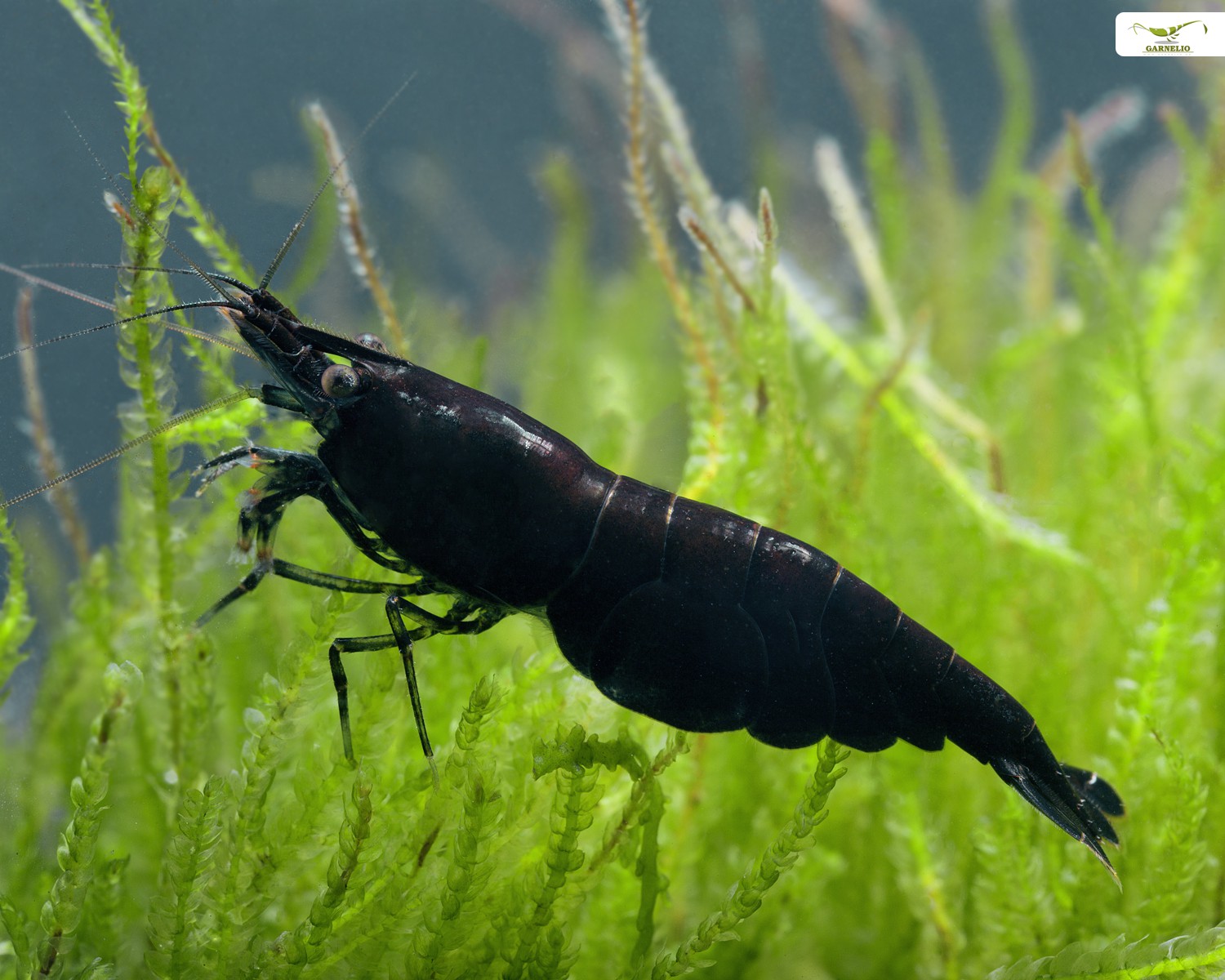
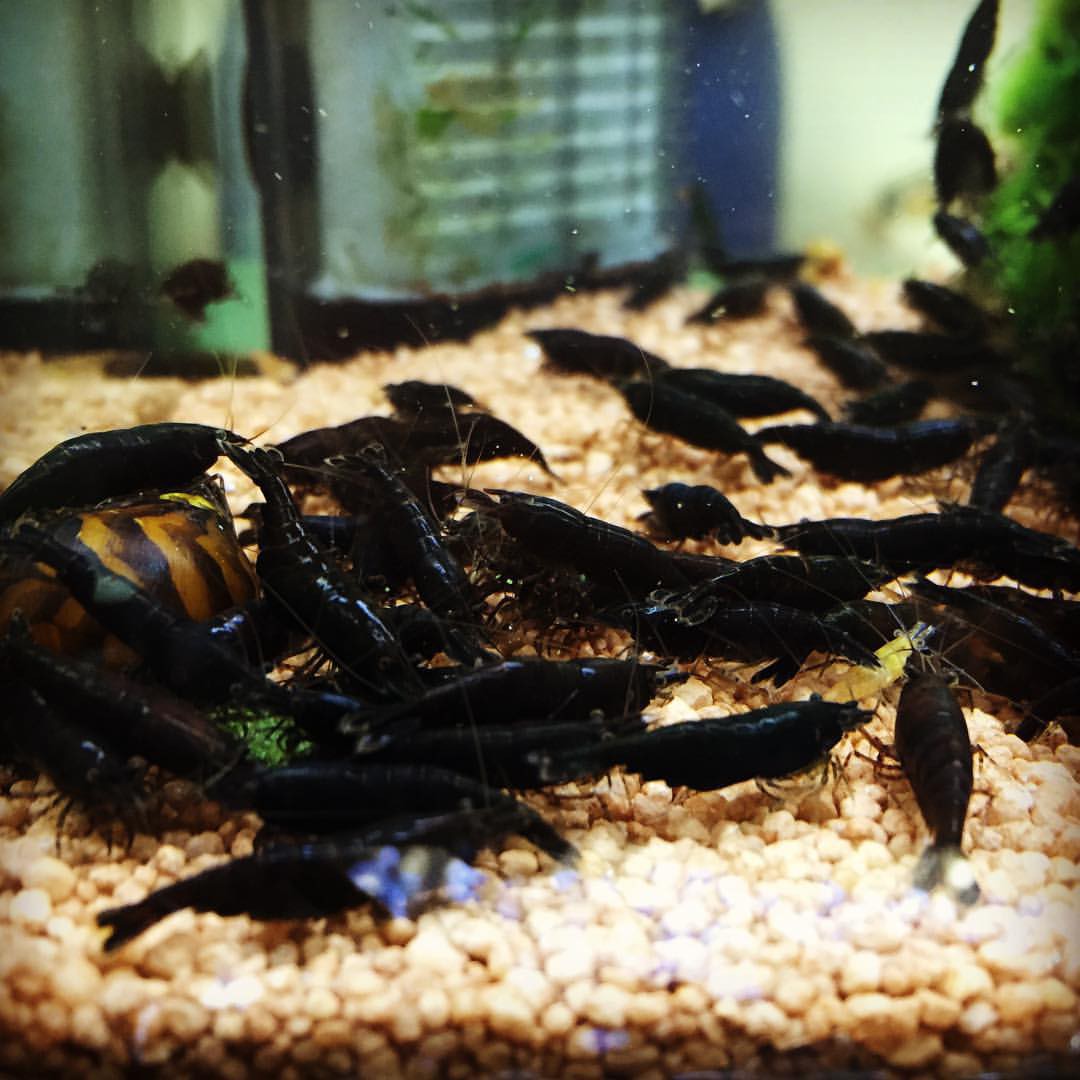
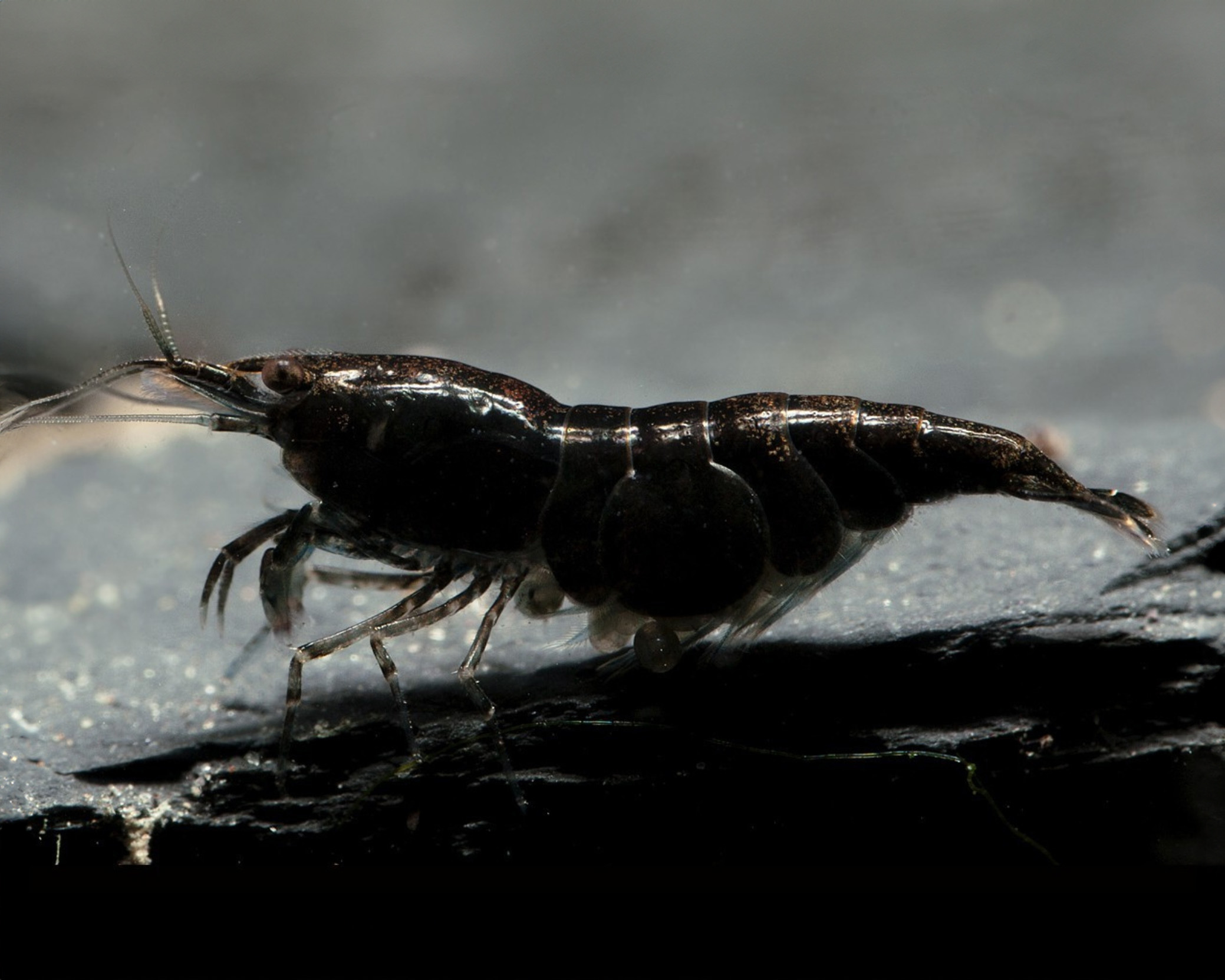
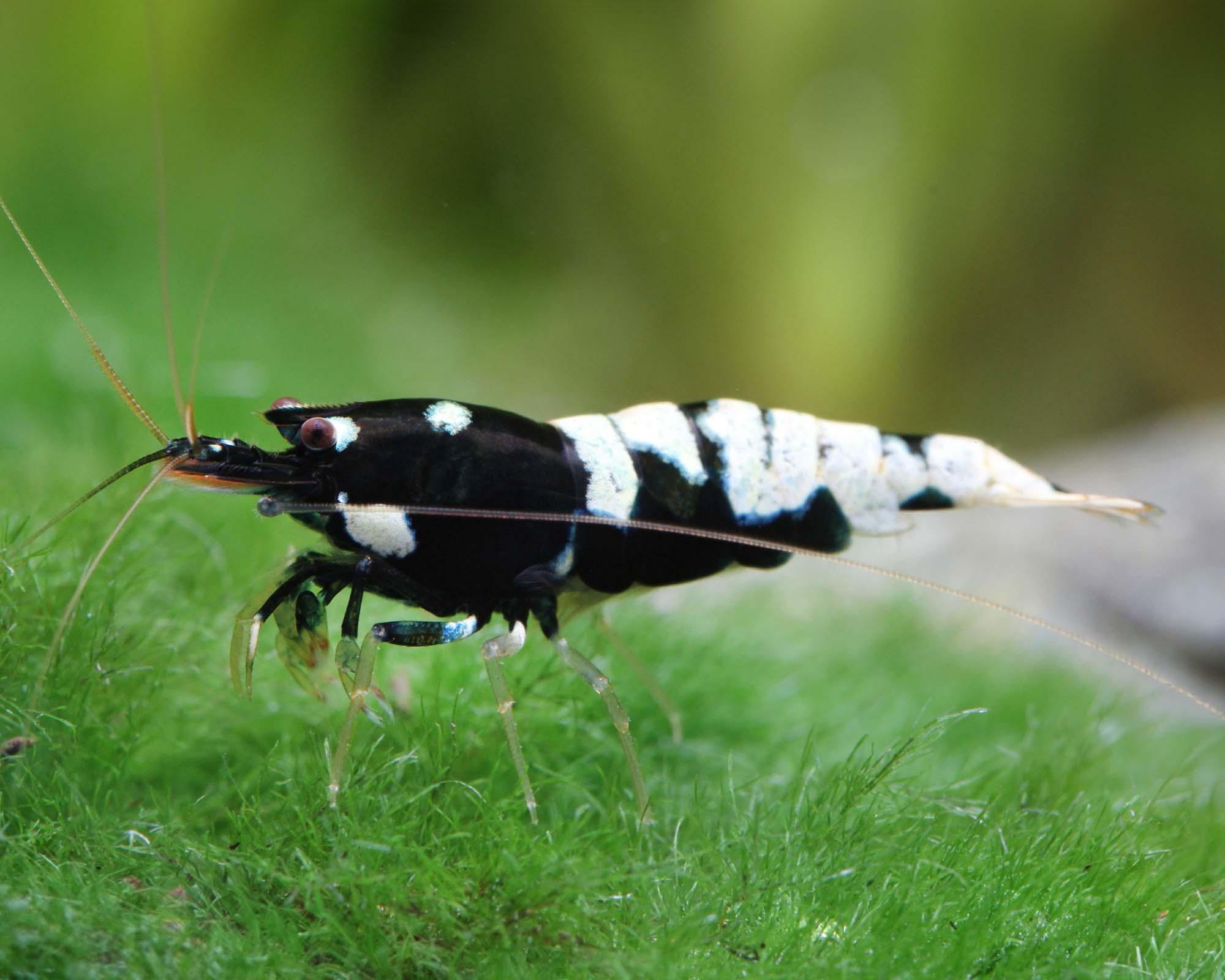
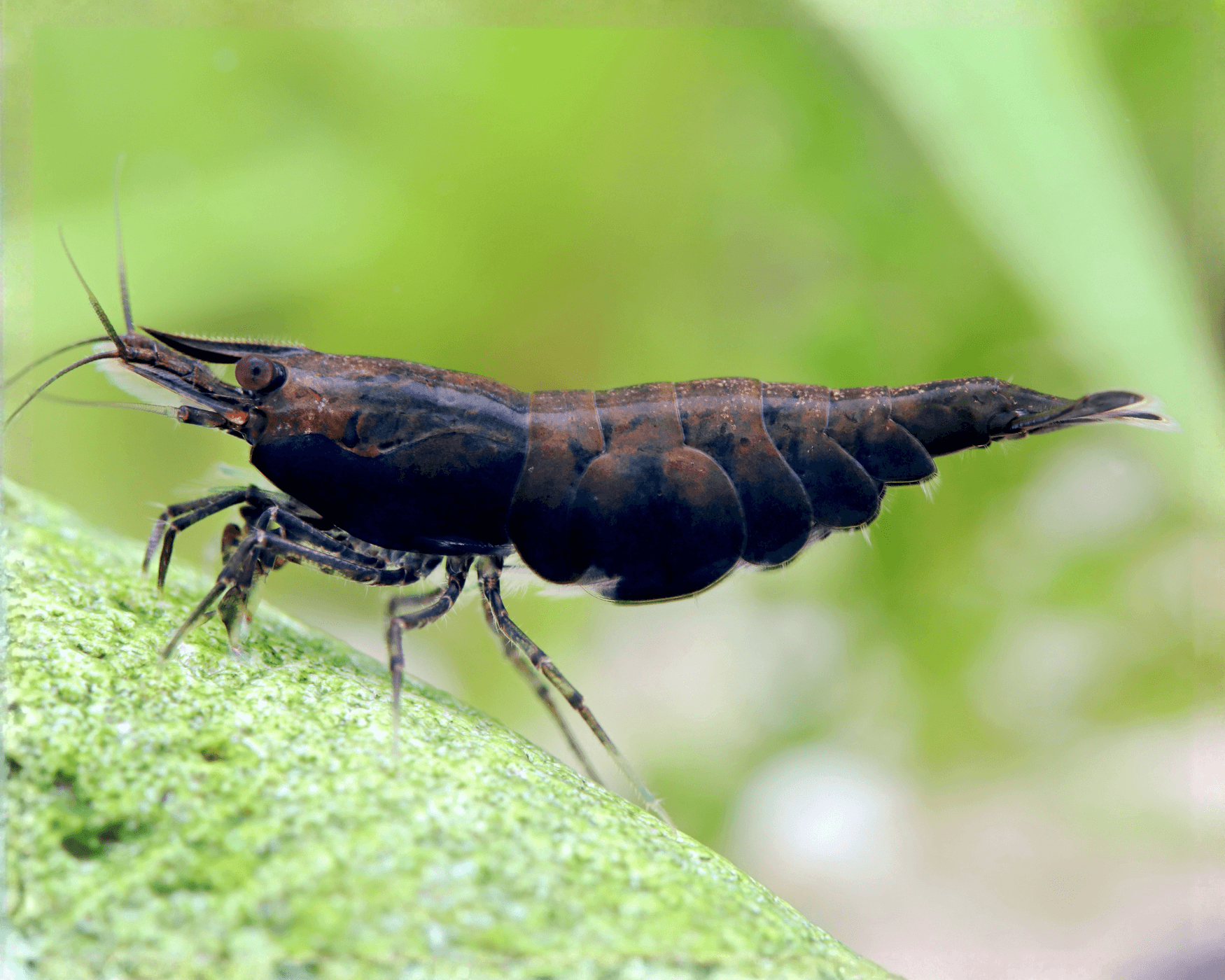
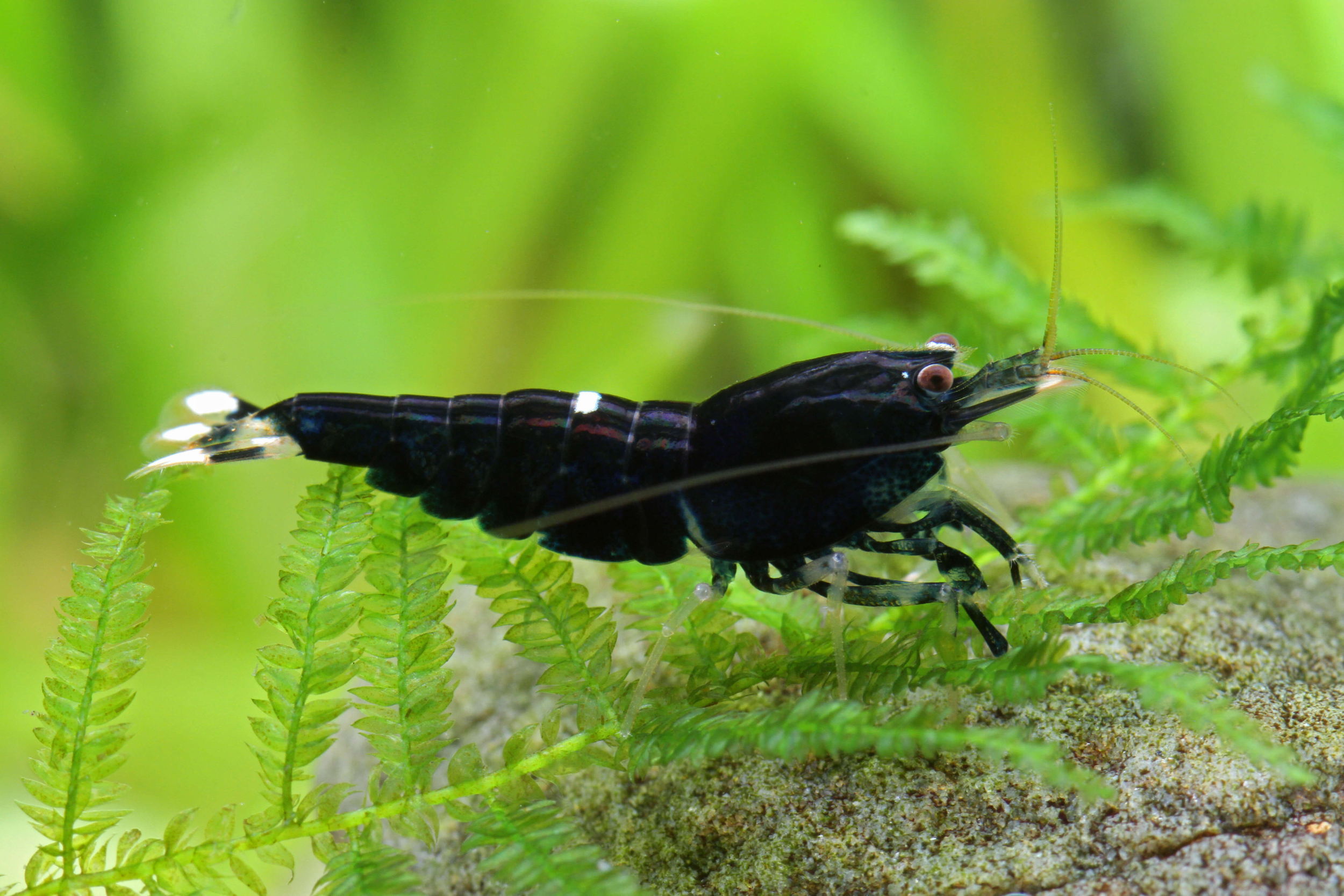
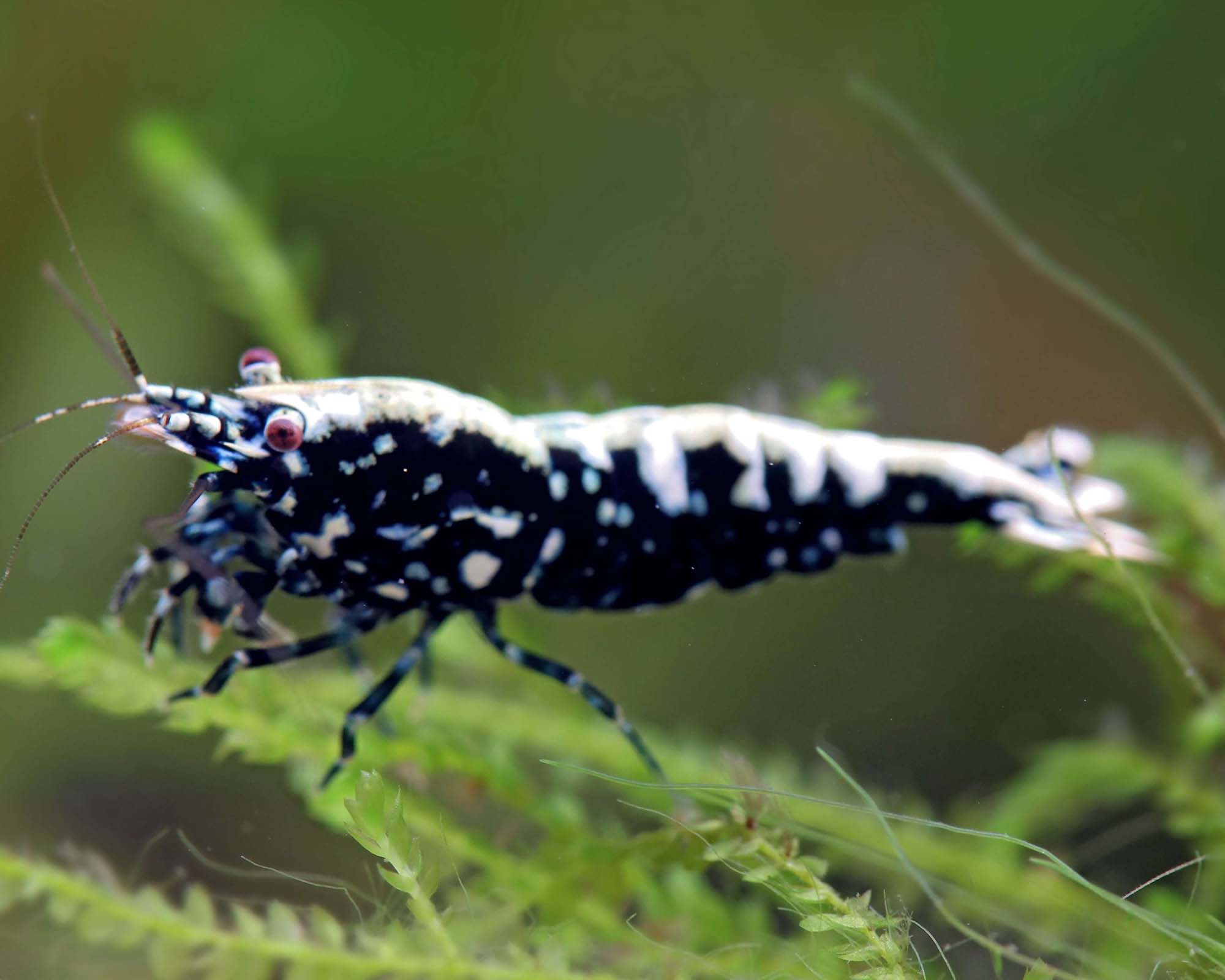
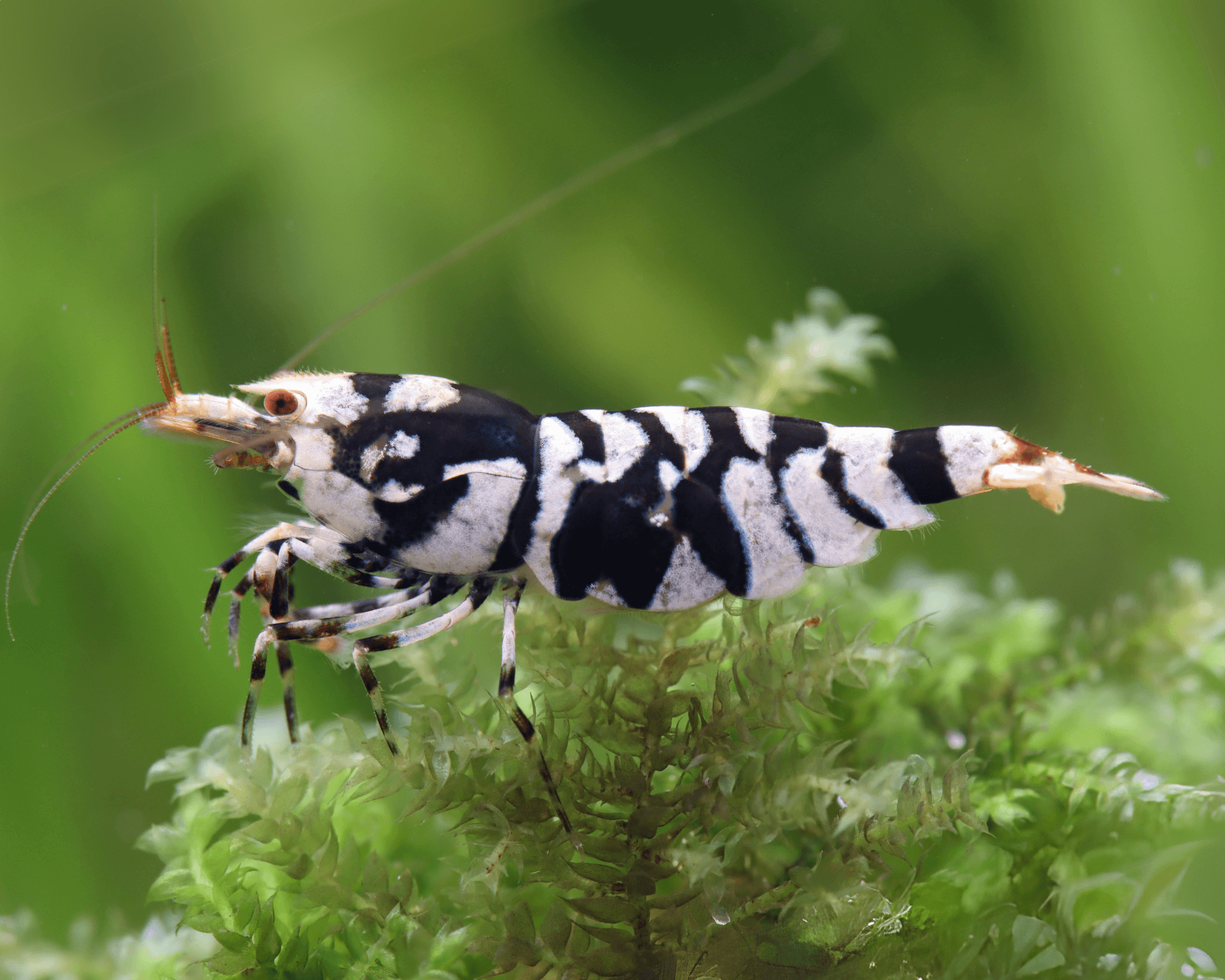
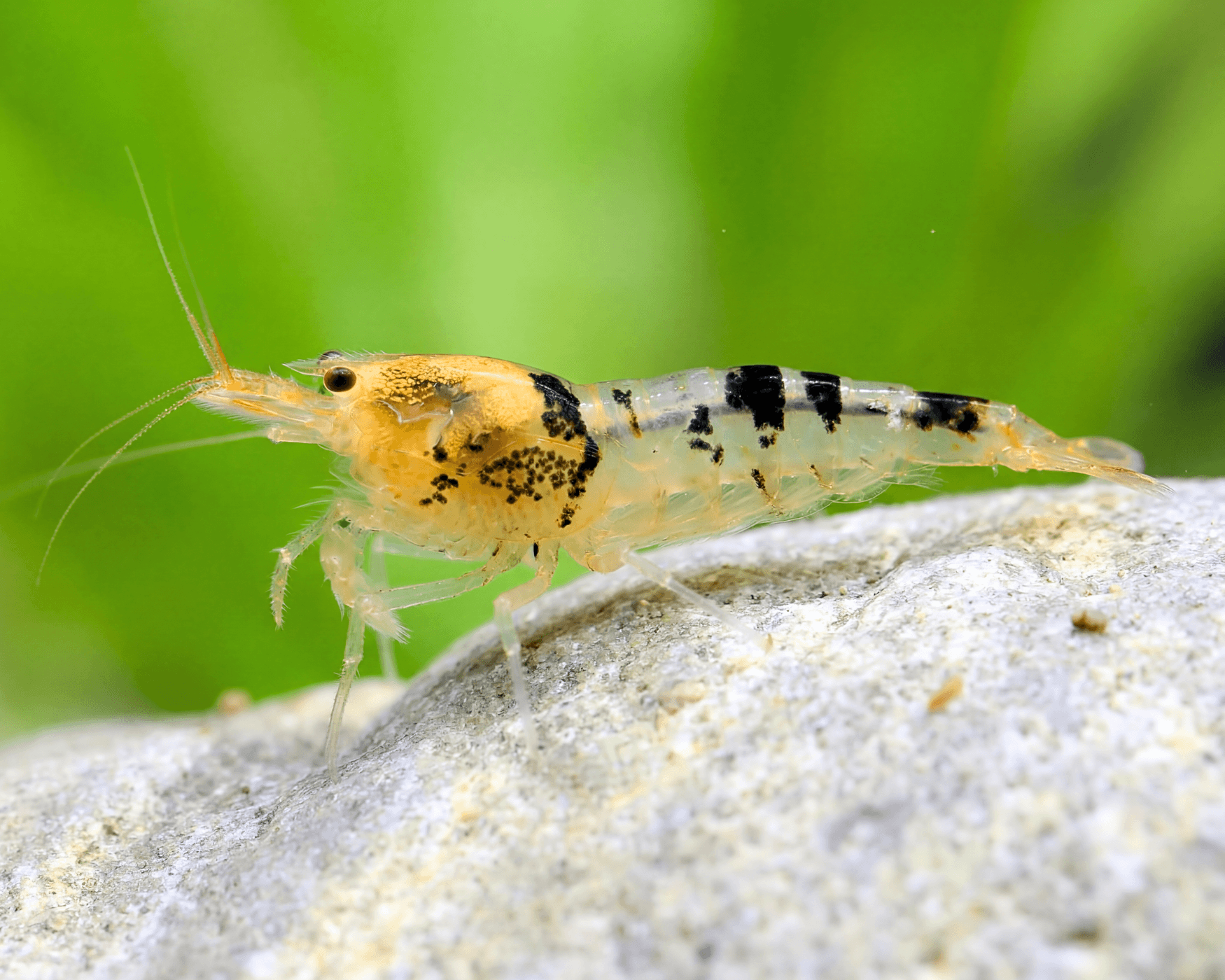
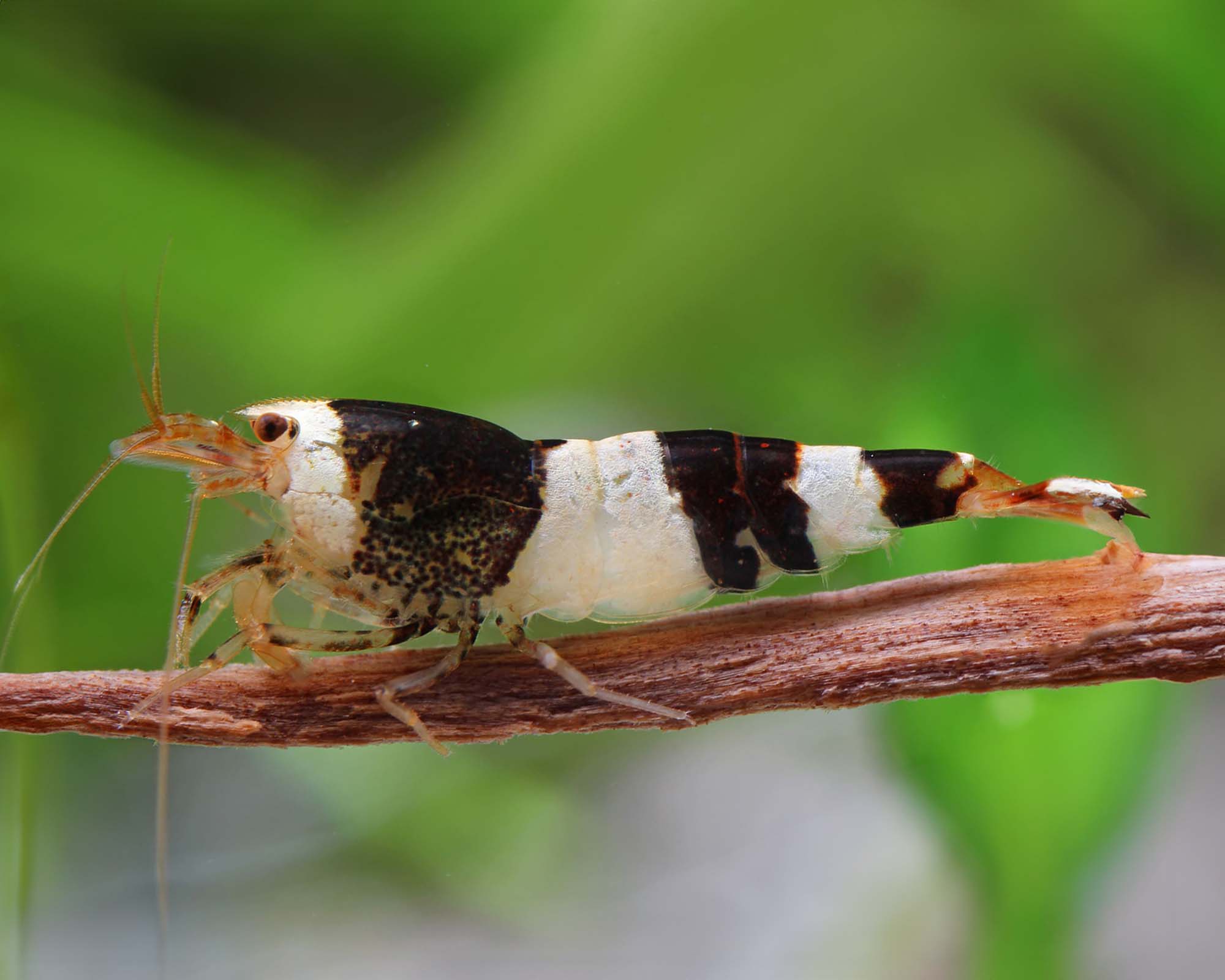
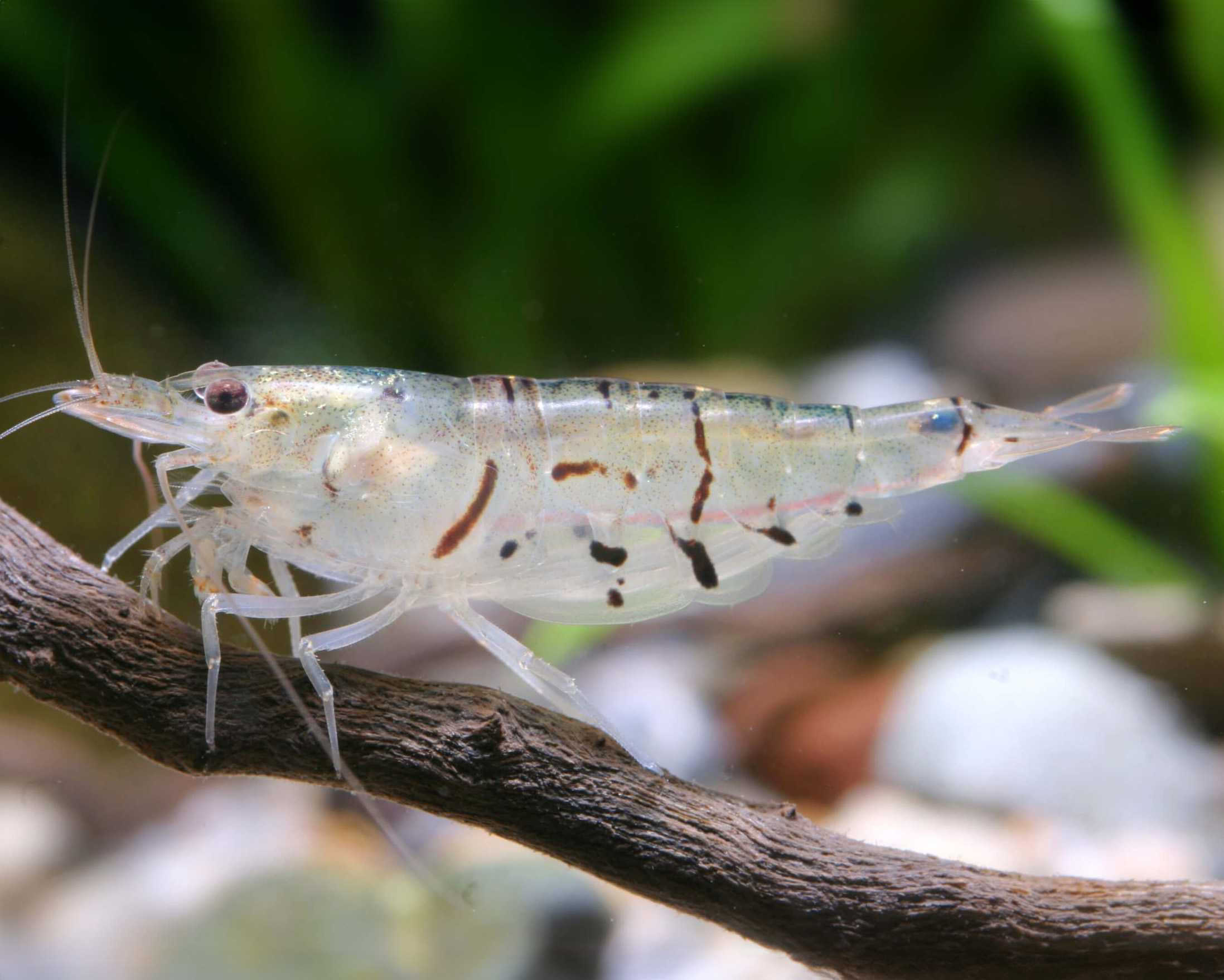
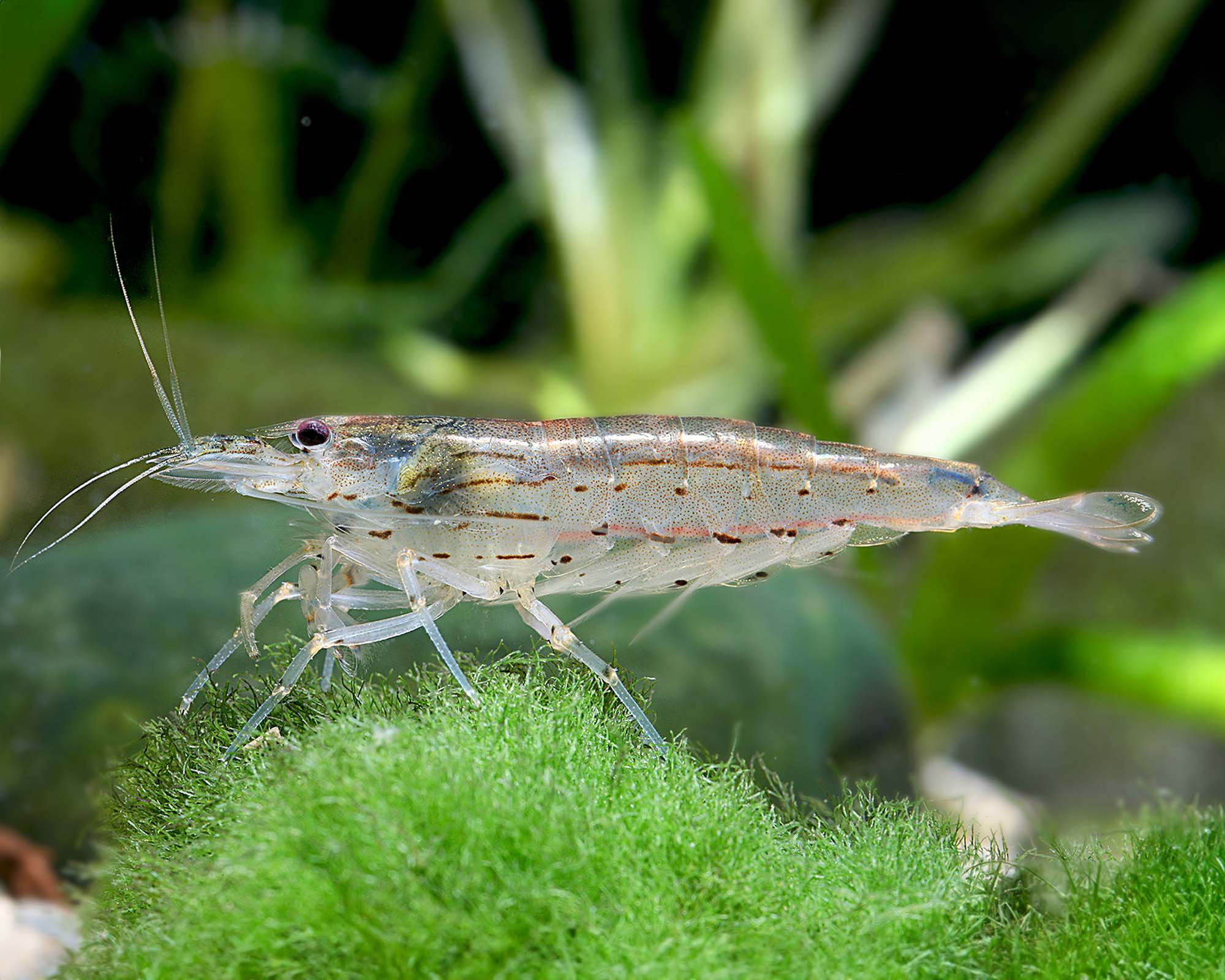
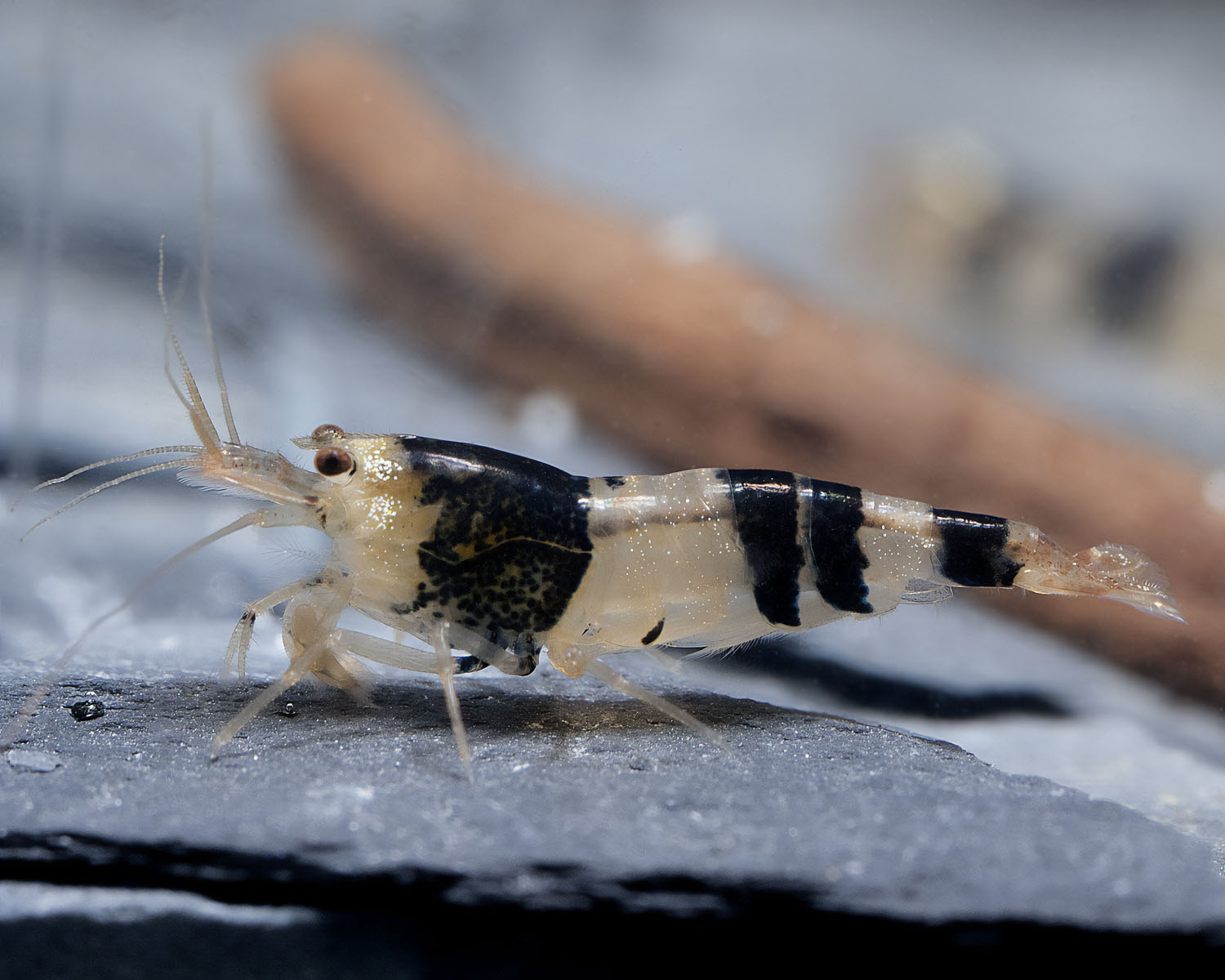
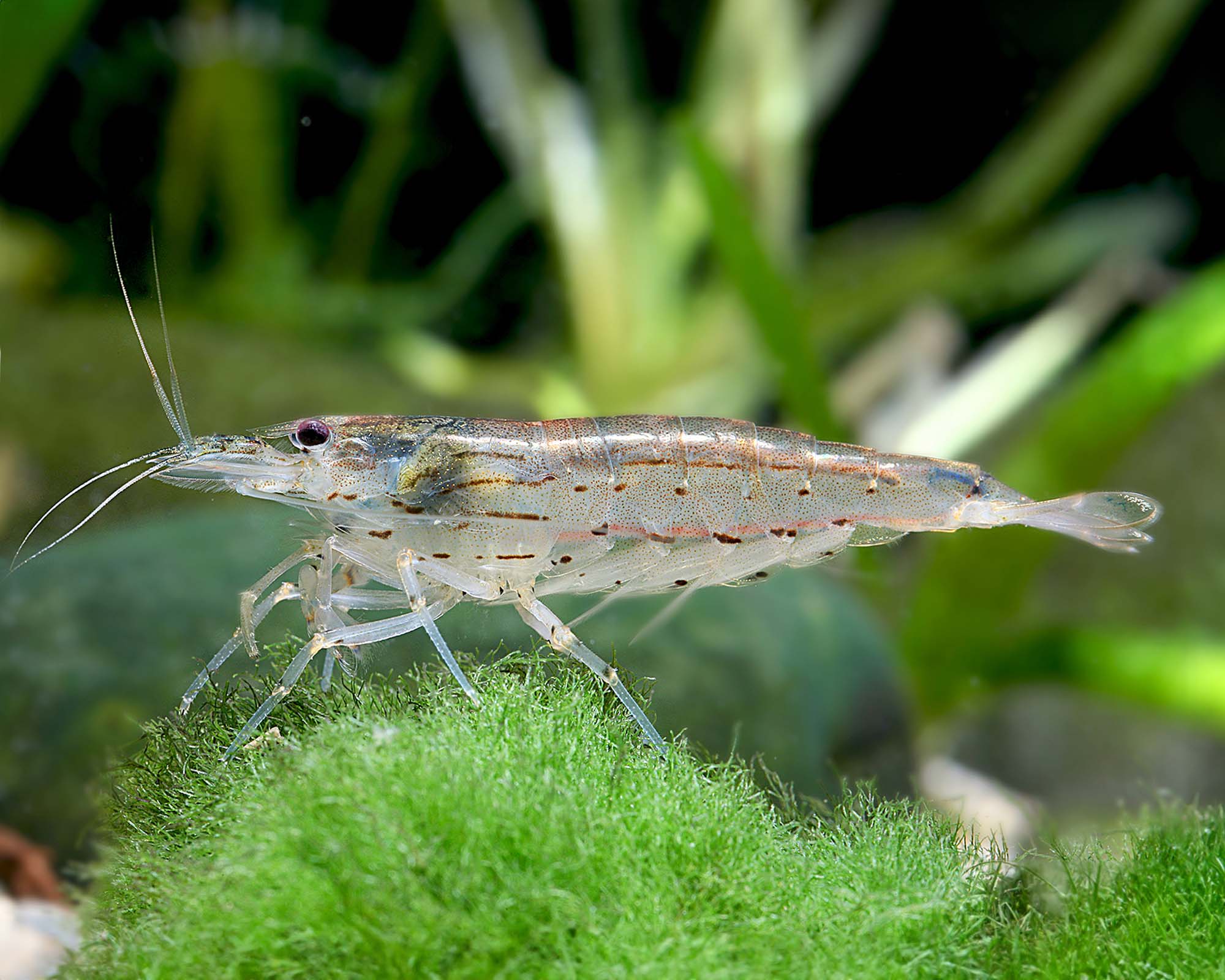
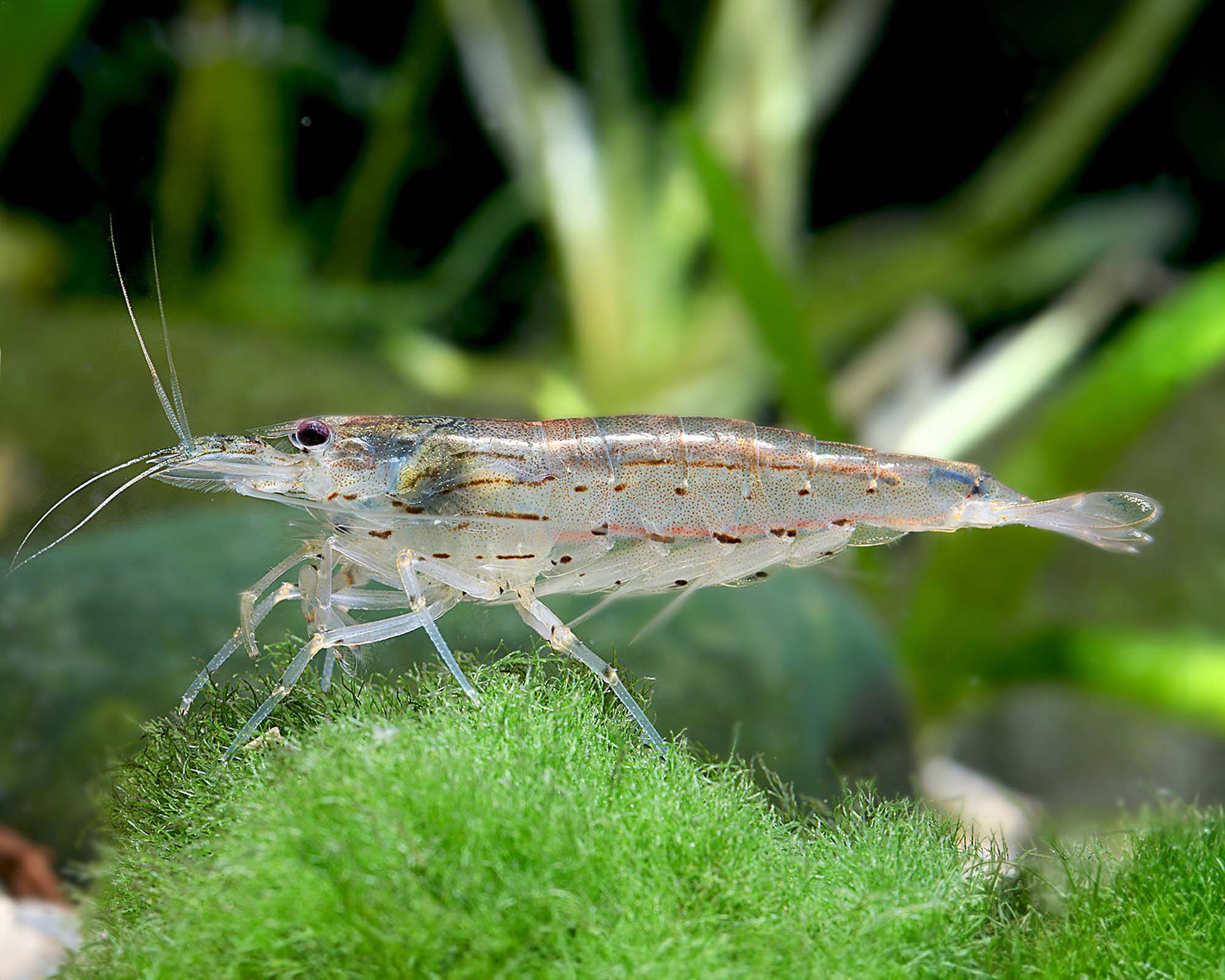
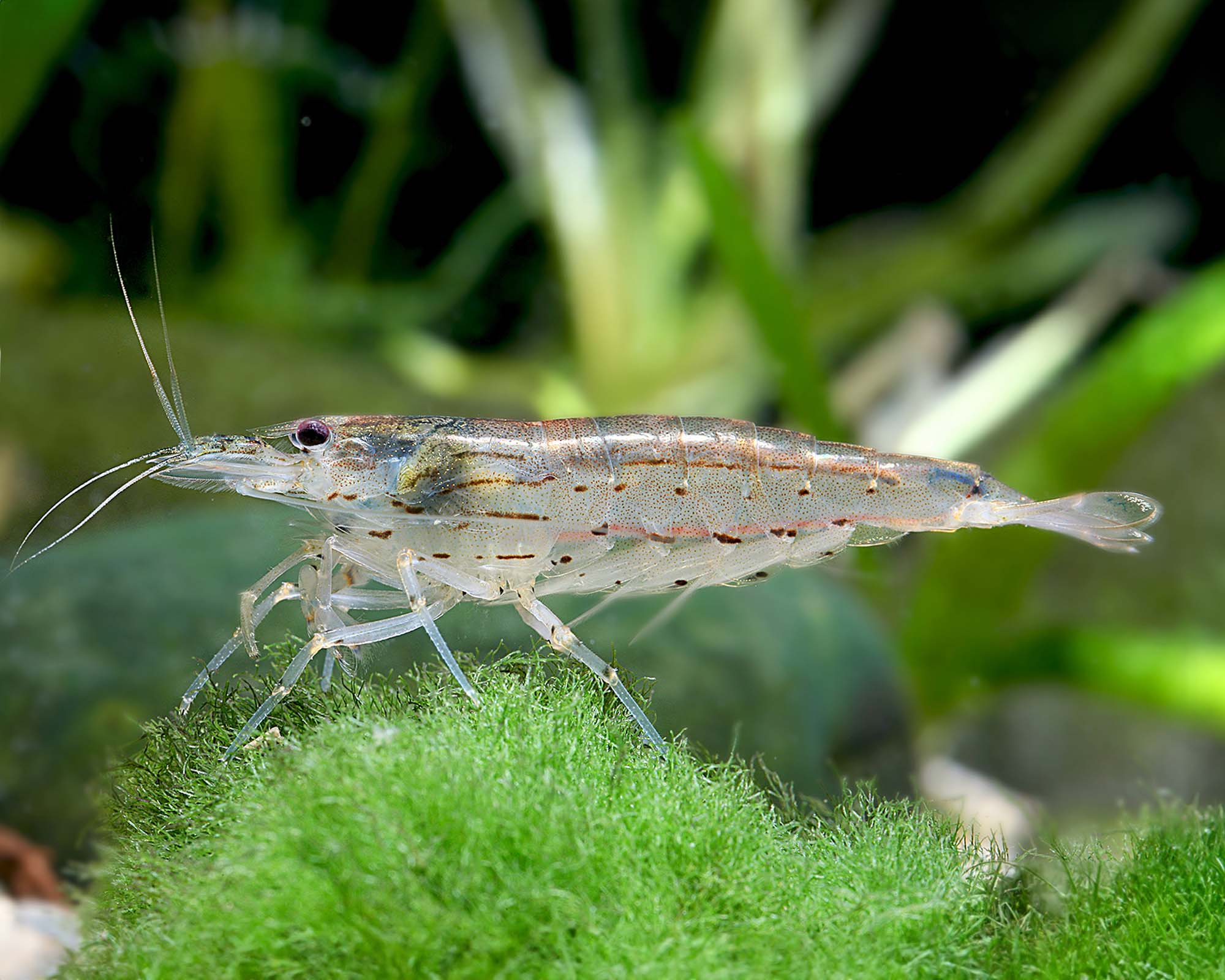
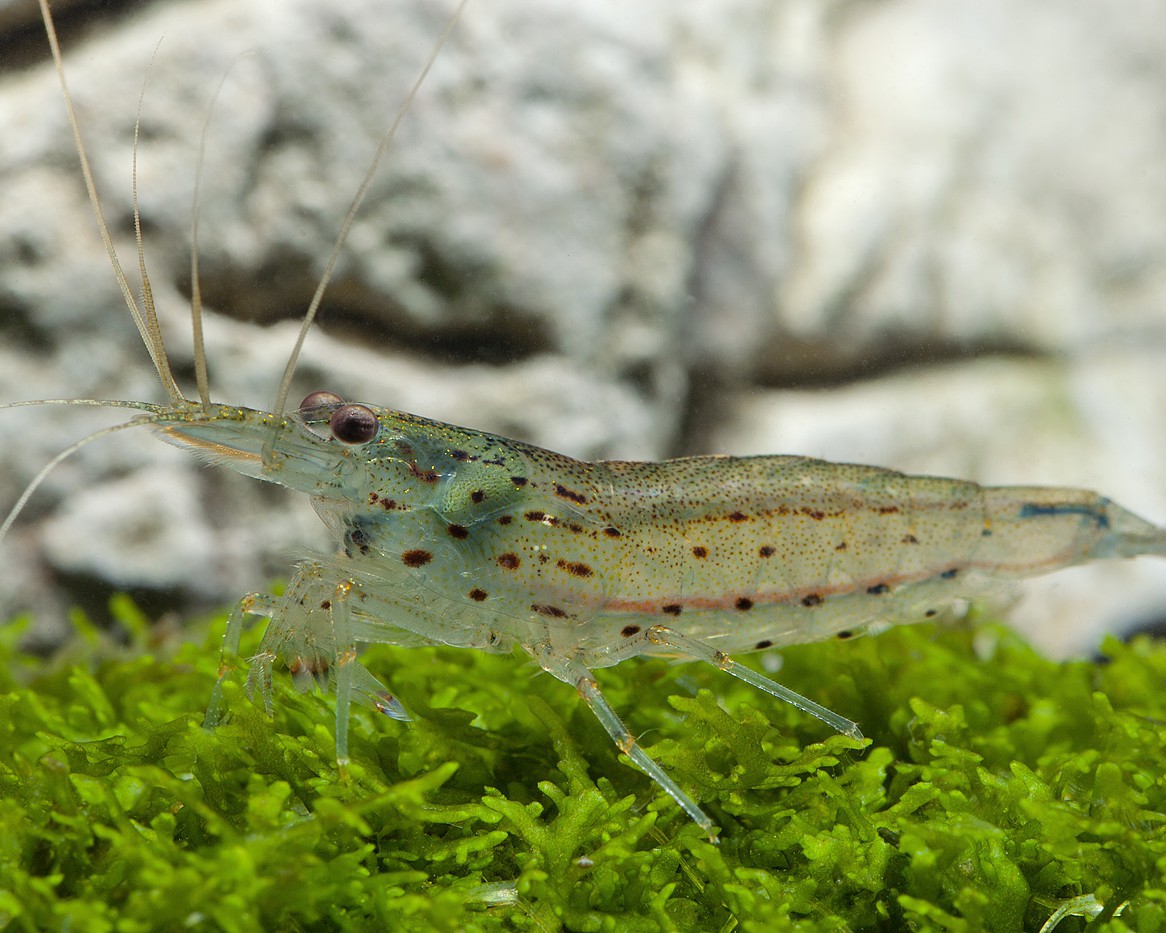
The accepted scientific name is Neocaridina davidi. Older aquarium literature may use Neocaridina heteropoda or Neocaridina denticulata sinensis for related or formerly used names. Black Sakura is a trade name for a selectively bred color line, not a separate species. The shrimp in the supplied images appear consistent with a dark Neocaridina color form, although photographs alone cannot verify grade or lineage.
Natural habitat
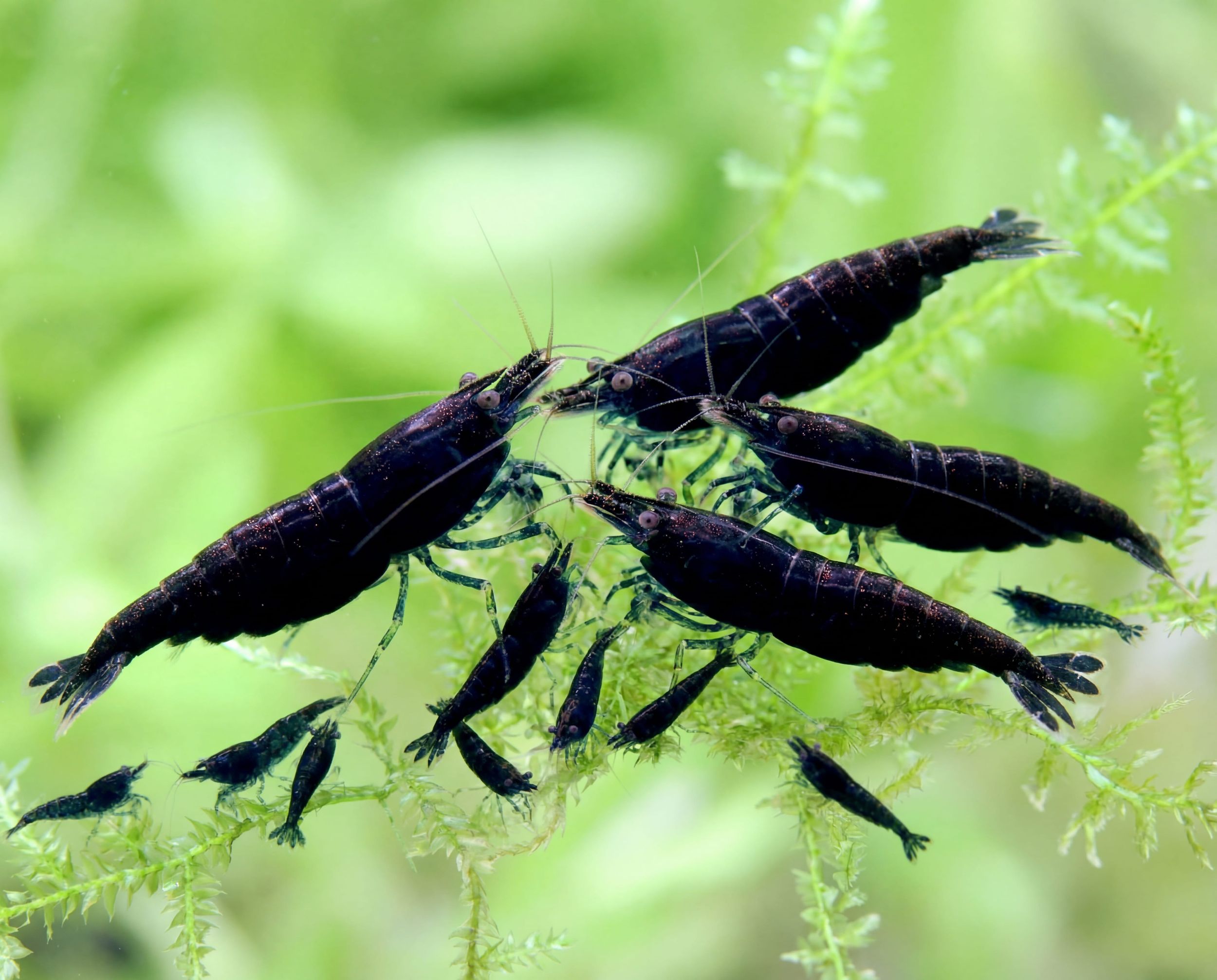
Neocaridina davidi is associated with freshwater habitats in East Asia, including streams, ponds and slow-moving waters. It uses vegetation, leaf litter, stones and other surfaces for shelter and grazing. Aquarium specimens adapt well to planted freshwater aquariums with mature biological filtration, gentle circulation and plenty of cover.
Aquarium and water parameters
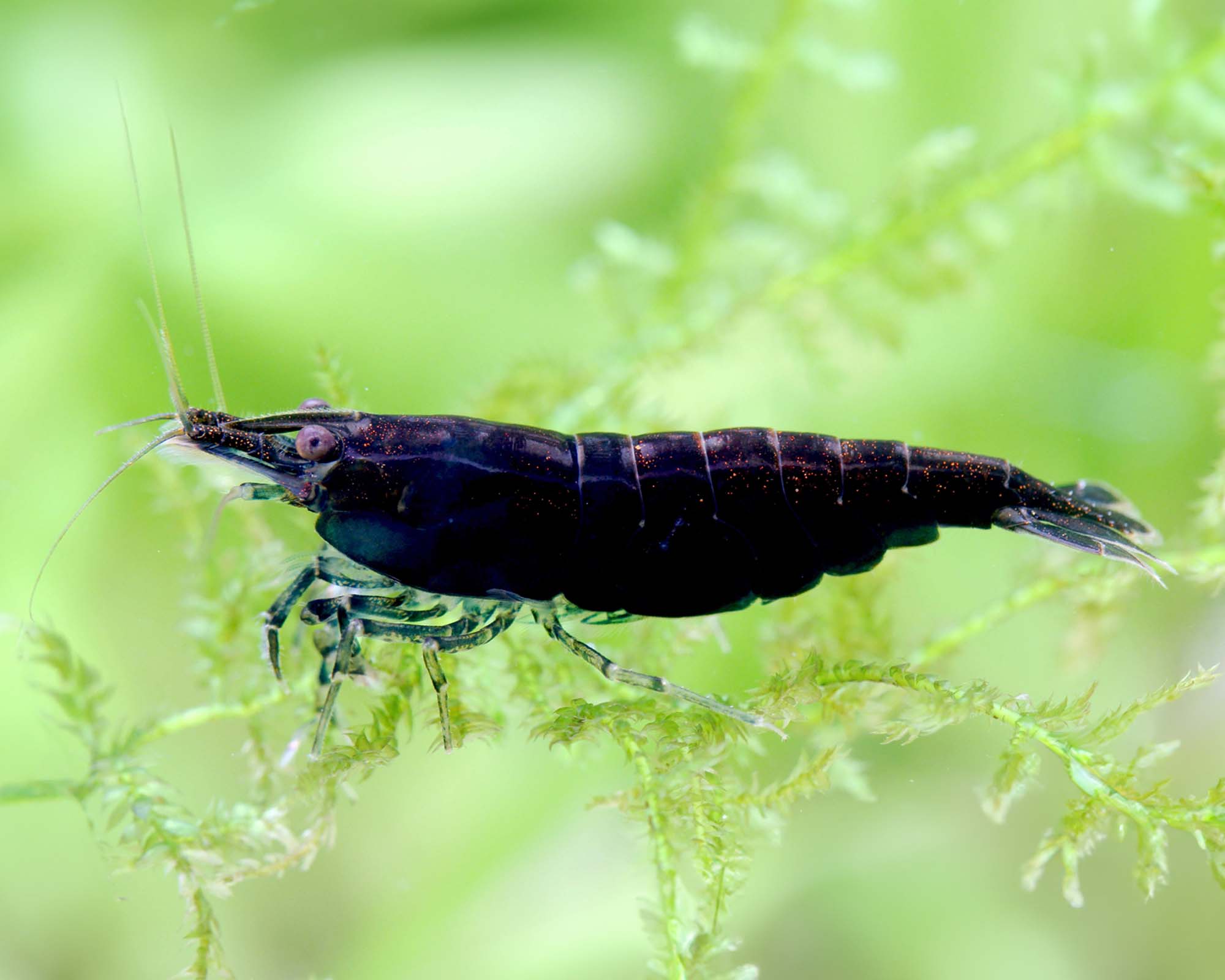
Use a fully cycled aquarium with stable conditions, an inert or shrimp-safe substrate, hiding places and fine-leaved plants or moss. A sponge filter or a protected filter intake prevents young shrimp from being drawn in. Aim for 18–26 °C and pH 6.5–8.0. Moderate general and carbonate hardness are useful, particularly because shrimp need dissolved minerals for successful molts. Avoid ammonia and nitrite, keep nitrate low, and make water changes gradual so temperature and mineral content do not shift abruptly.
Feeding
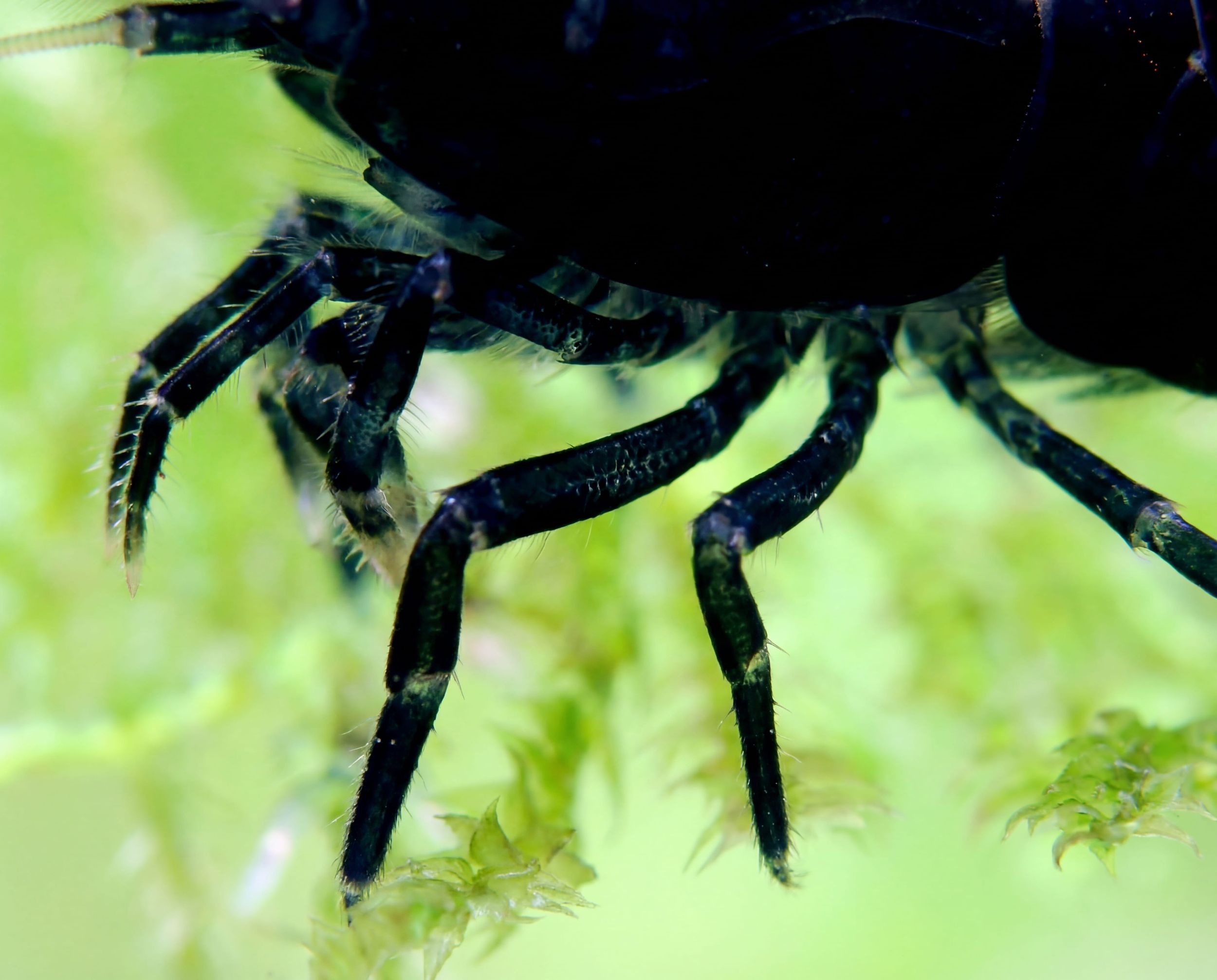
Black Sakura shrimp graze continuously on biofilm, algae and fine organic material. Supplement this natural grazing with small portions of a quality shrimp food containing plant matter and suitable protein. Blanched vegetables, such as spinach or courgette, can be offered occasionally. Remove uneaten food promptly, especially in a small aquarium. A varied diet and access to mineral-rich foods support growth and reproduction, but excess food can damage water quality.
Tank mates
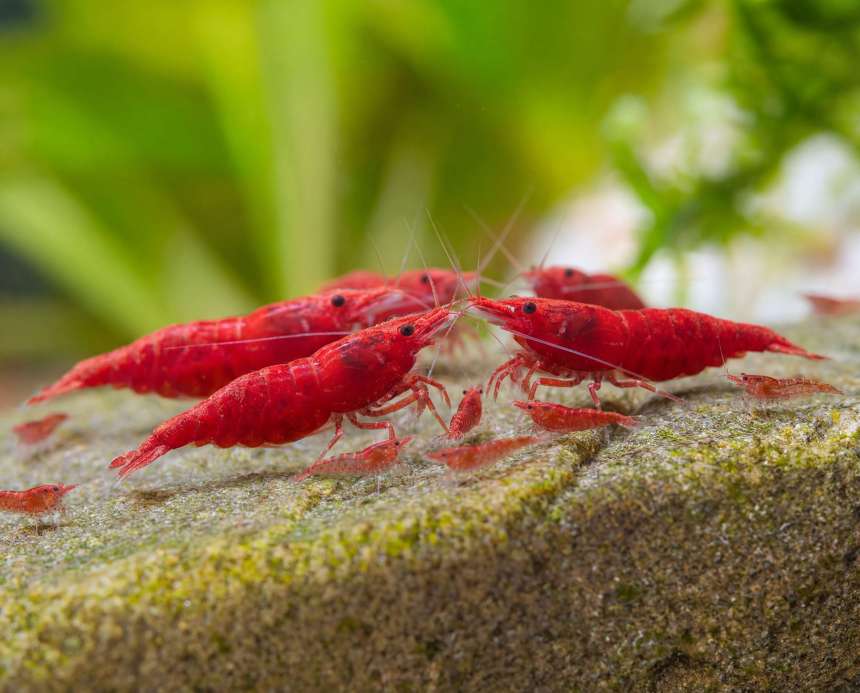
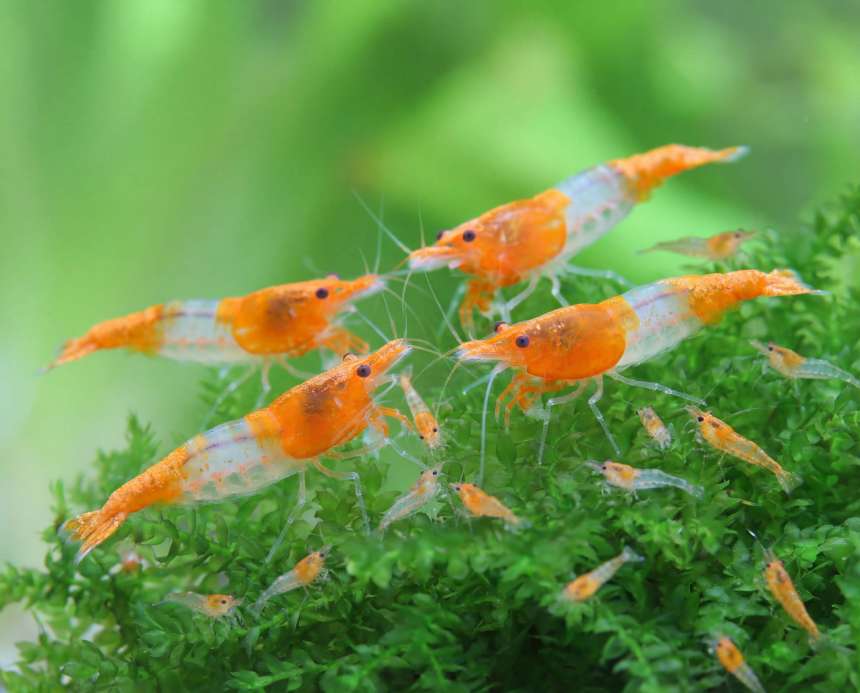
The safest companions are other peaceful Neocaridina, small peaceful snails and similarly non-predatory invertebrates. Many fish will eat shrimplets, and even relatively peaceful species may consume newly hatched young. If fish are kept, provide dense moss, plants and other refuges, and expect lower juvenile survival. Do not combine different Neocaridina color lines if maintaining a consistent black breeding line is important, because offspring may show mixed or reduced coloration.
Molting and health
Shrimp periodically shed their exoskeleton as they grow. A freshly molted shrimp is soft and vulnerable, so stable water, cover and peaceful tank mates are important. Do not remove a normal shed exoskeleton immediately; shrimp often eat it and recycle its minerals. Problems such as failed molts are commonly associated with rapid parameter changes, unsuitable hardness, poor nutrition, pollutants or chronic stress. Copper-containing medications can be dangerous to shrimp.
Breeding
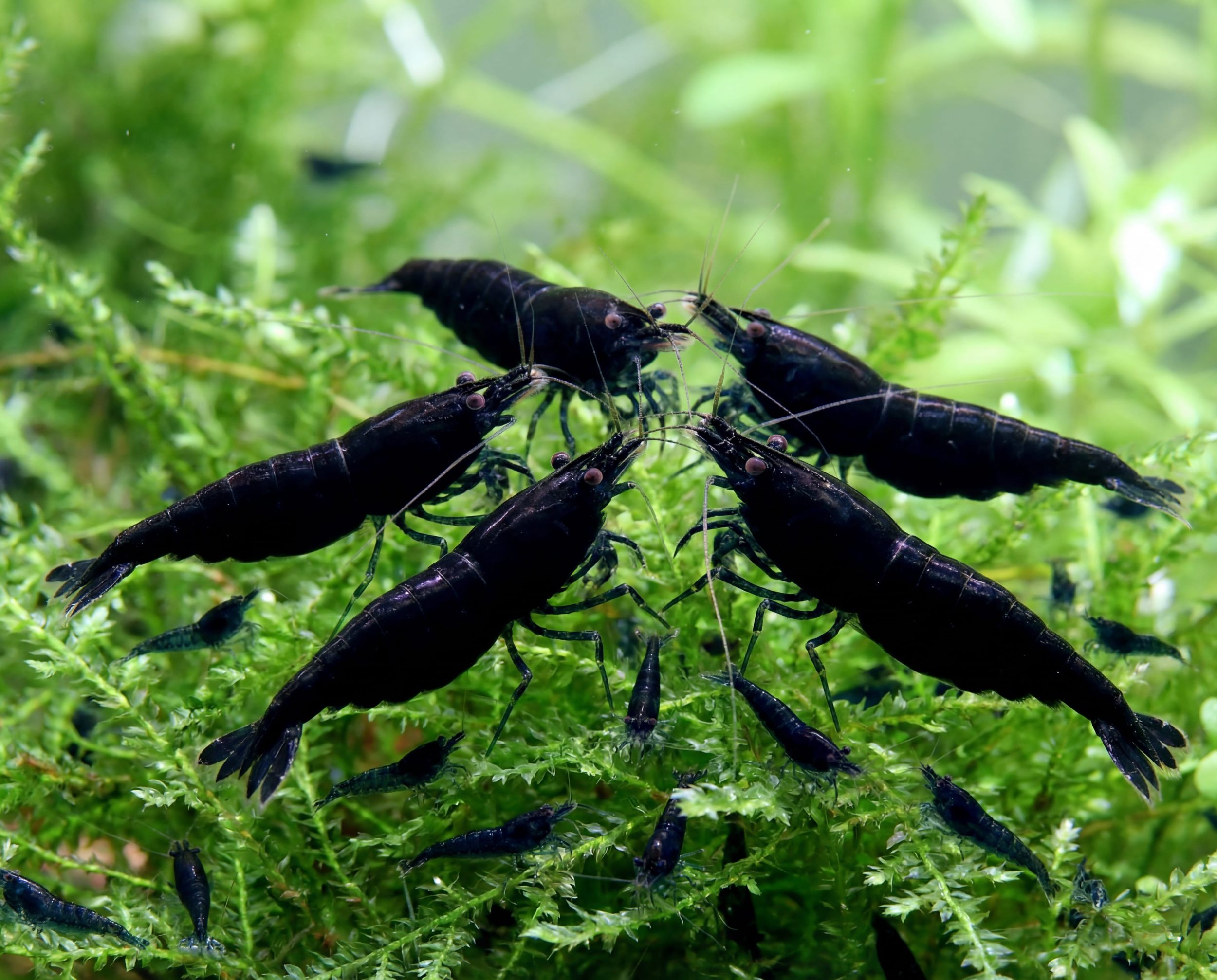
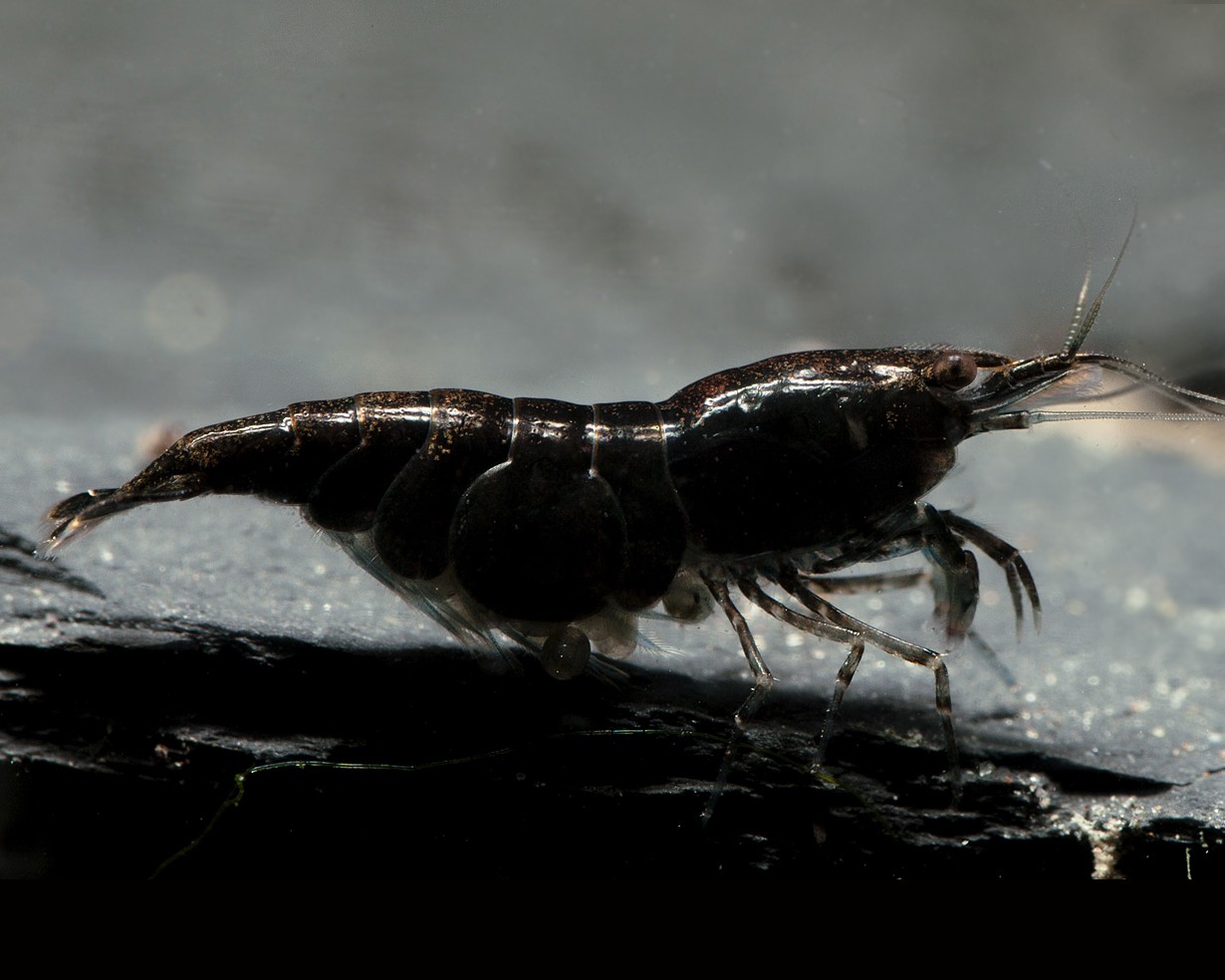
Breeding occurs readily in a mature aquarium when both sexes are present and conditions remain stable. Females are generally larger and broader-bodied; after mating, a female carries fertilized eggs beneath her abdomen and regularly fans them. The eggs hatch as miniature crawling shrimp, with no free-swimming larval stage requiring salt water. Dense moss and stable filtration improve survival of young. Feed lightly but consistently, avoid major changes while a female is carrying eggs, and remove predators if maximum recruitment is desired.
 - 1.webp)
Leave your comments