Appearance and placement
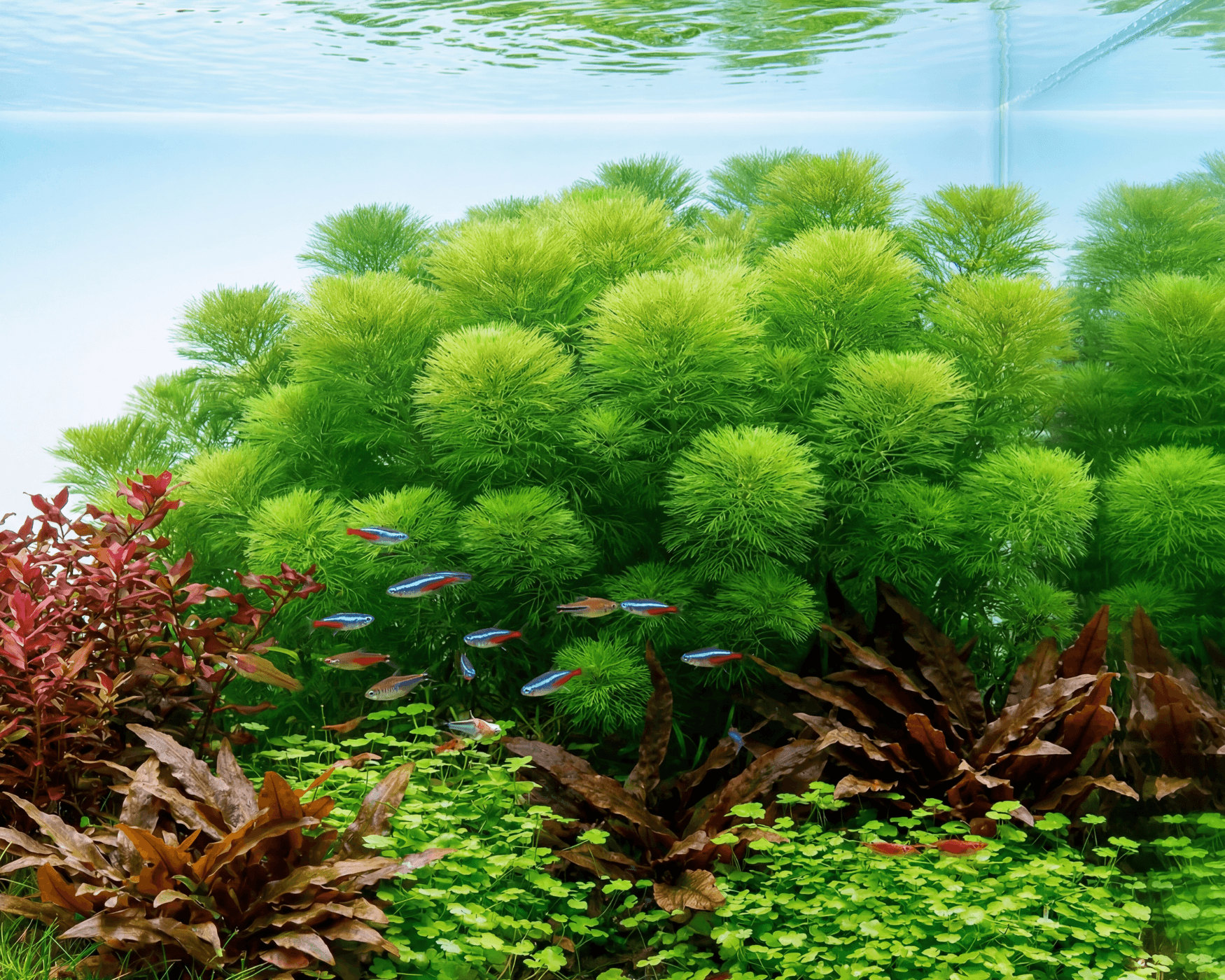
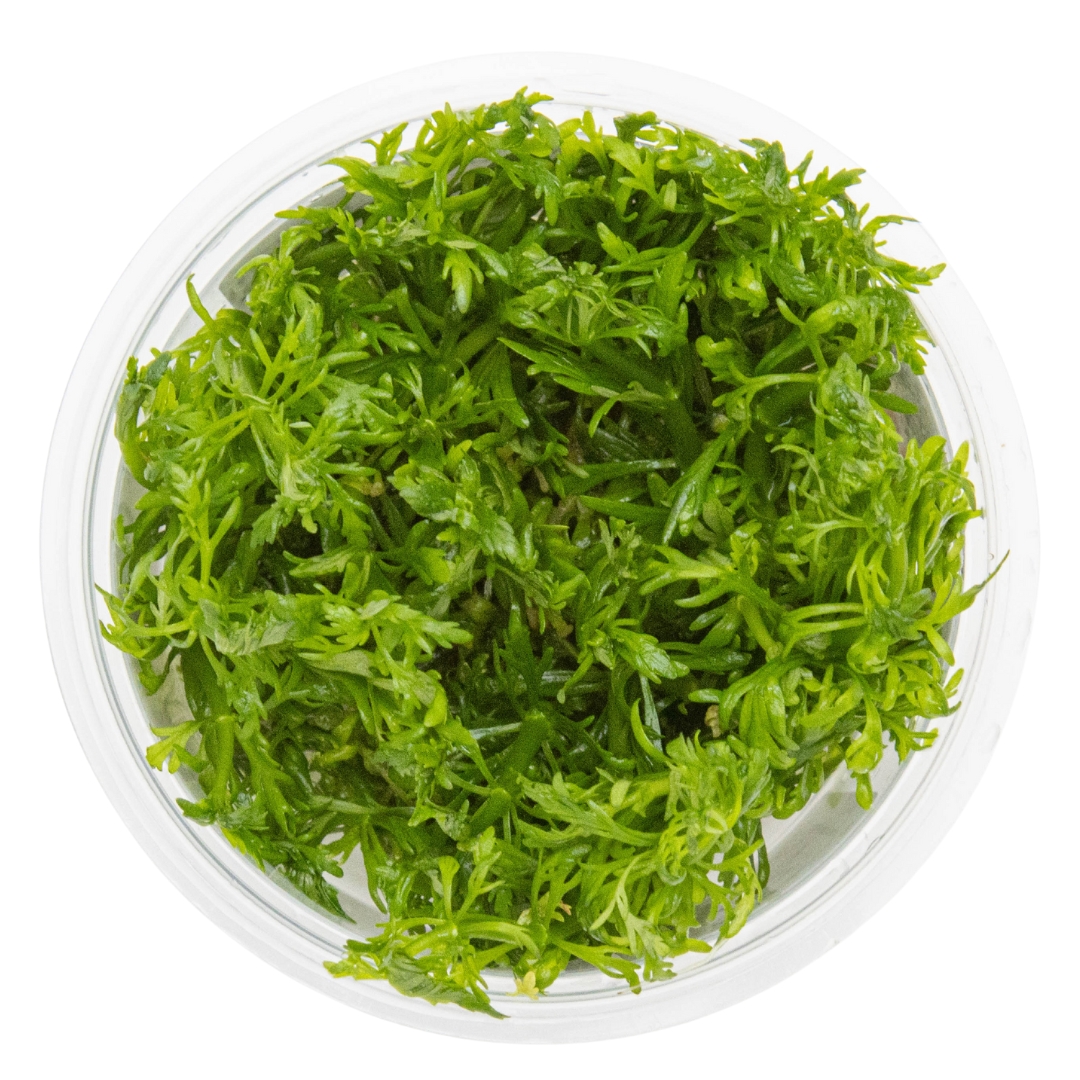
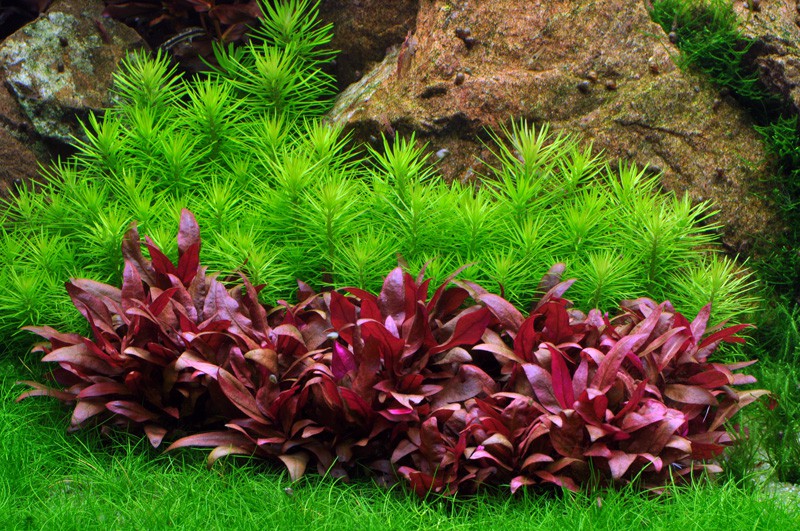
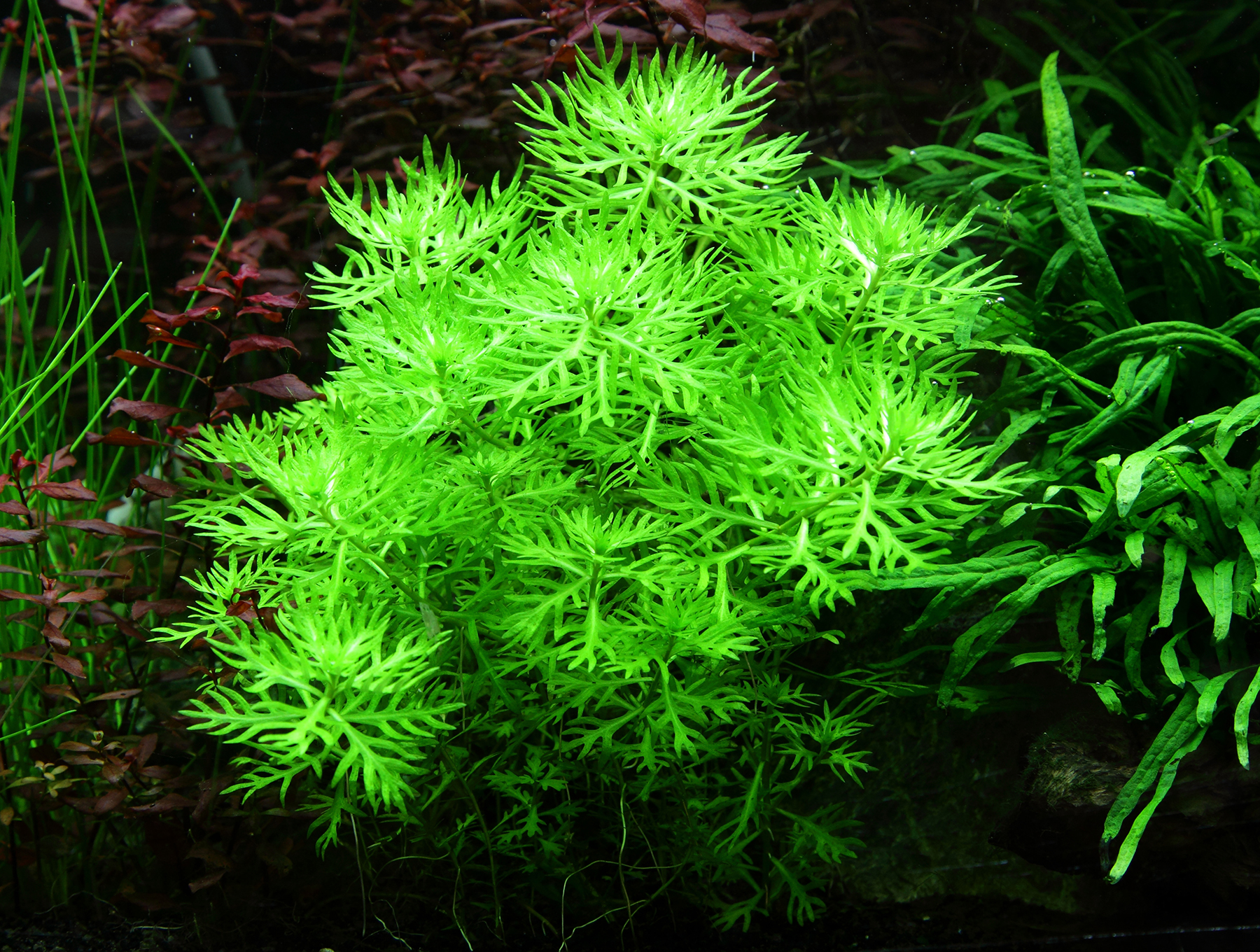
This species forms upright stems bearing whorls of finely divided, feathery leaves. In an aquarium it can develop a full, bushy appearance and is generally most useful in the background. Leave space between the stems so lower leaves receive light and water can circulate through the group.
Planting
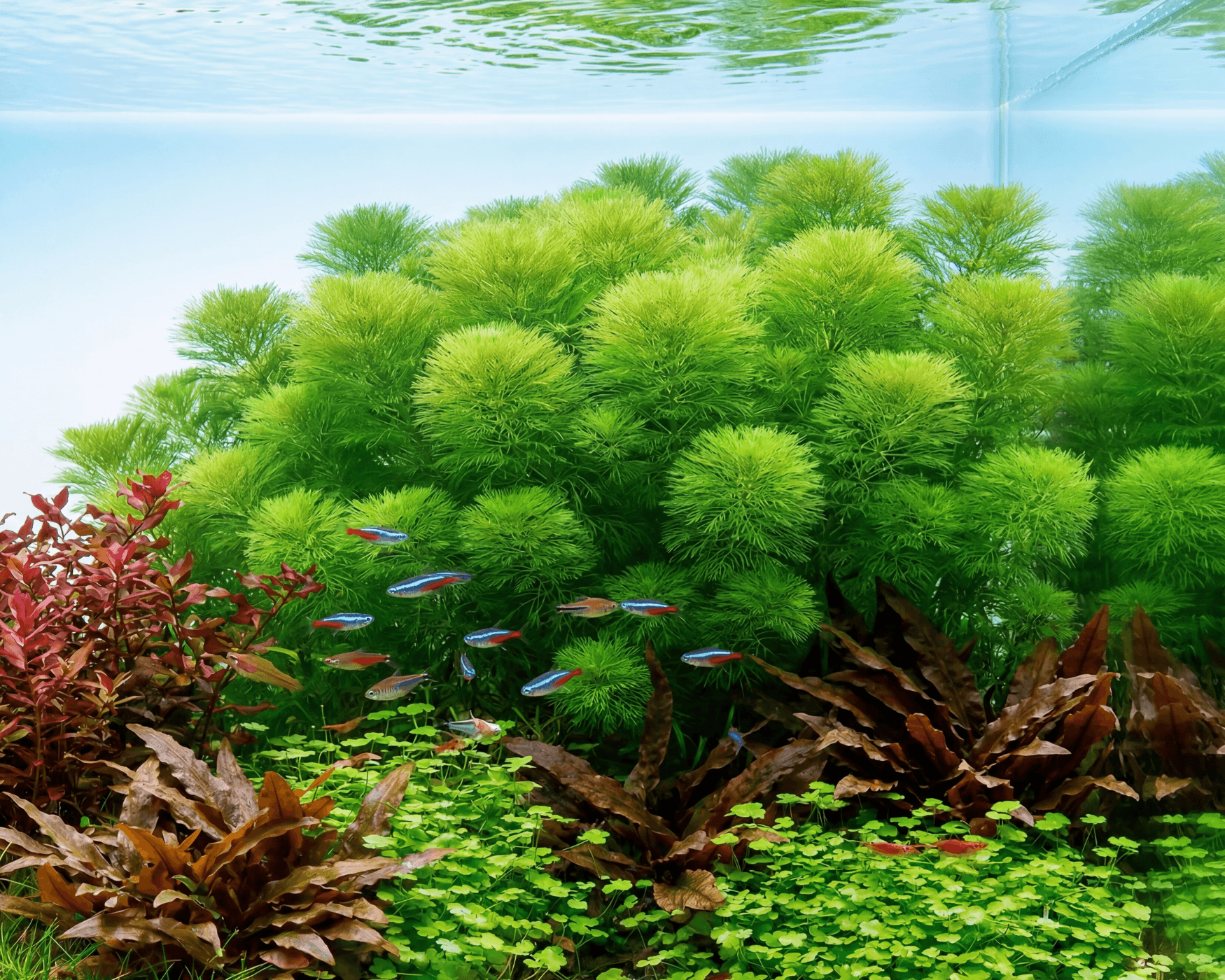
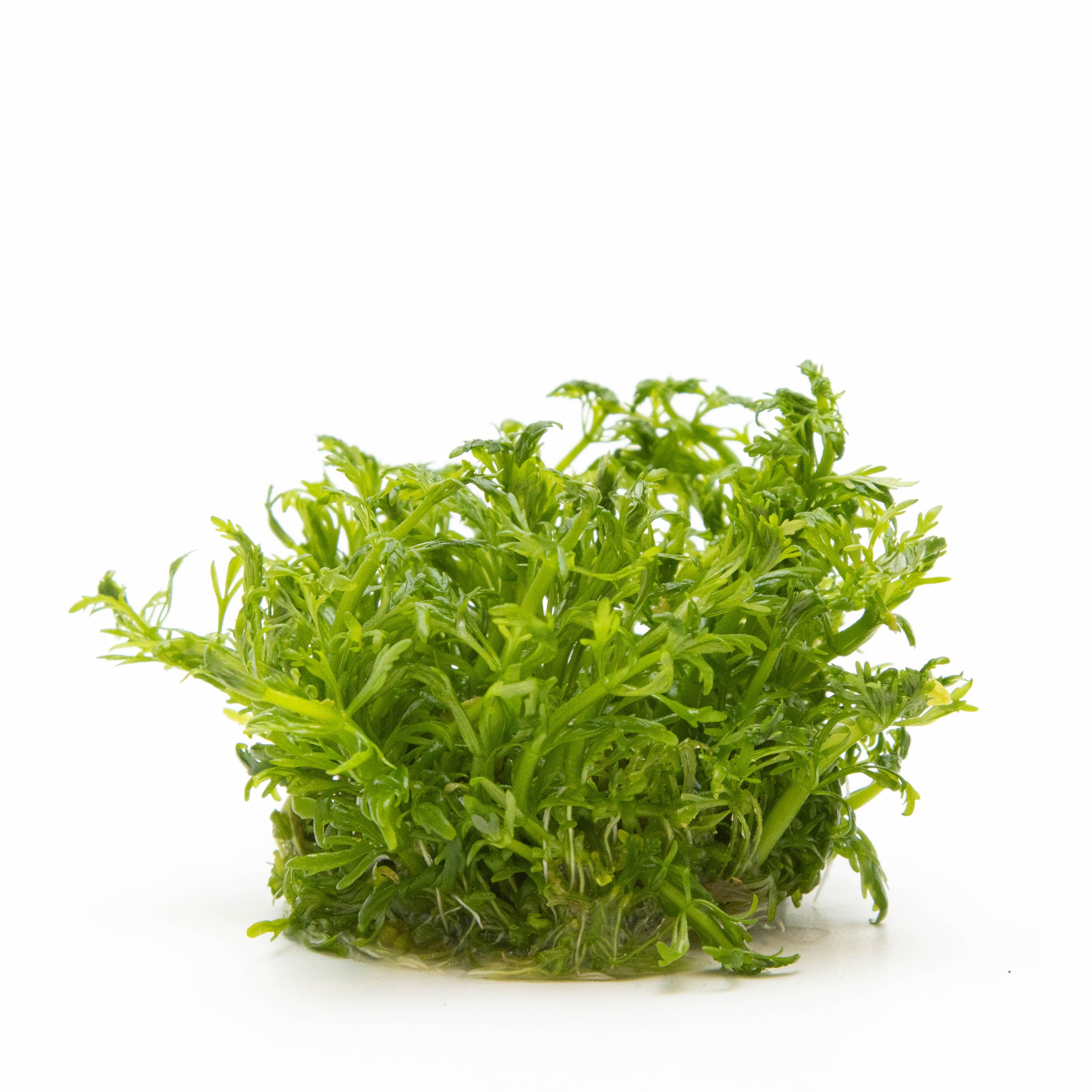
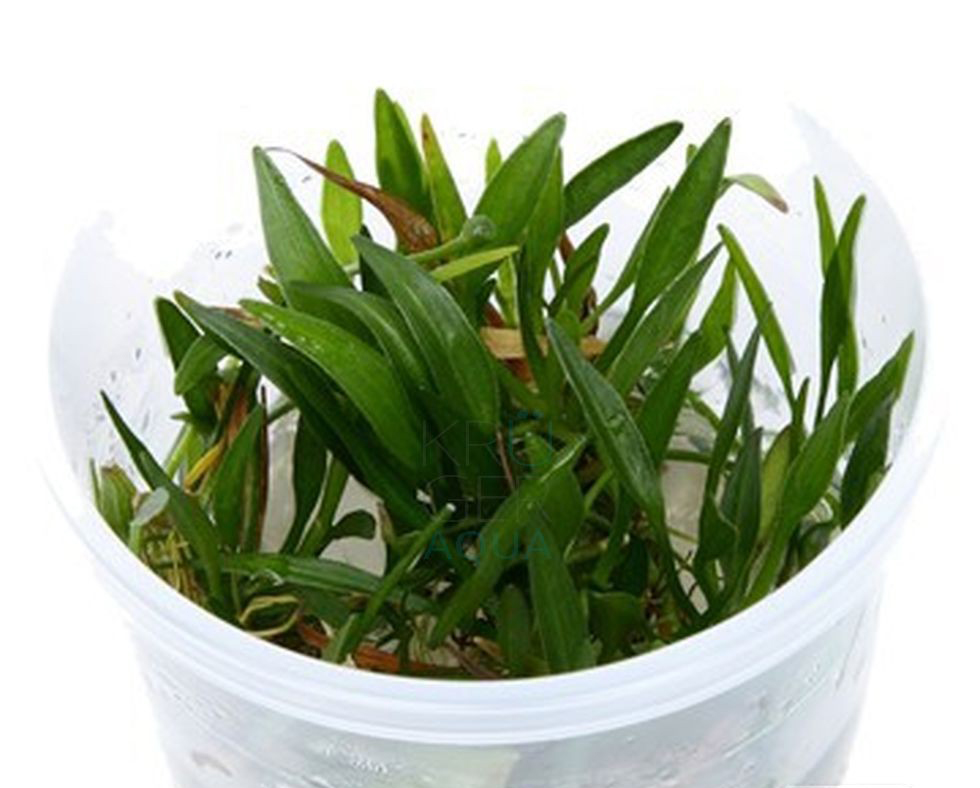
Separate a tissue-culture portion into small groups, rinse away the growing medium, and plant the stems individually or in small clusters. Insert only the lower portion into the substrate; burying too much stem can encourage decay. Keep the plant securely rooted while it establishes.
Light and carbon
Bright lighting helps maintain compact growth and good color. Carbon dioxide supplementation is beneficial, particularly in strongly lit aquariums, and also supports faster growth. Keep lighting, carbon availability, and fertilization reasonably consistent rather than changing them abruptly.
Nutrients and water quality
Provide a complete aquarium fertilizer containing both macronutrients and trace elements. Pale new growth, stalled tips, or loss of lower leaves can indicate inadequate nutrition or insufficient light. Stable water conditions, regular maintenance, and moderate circulation help limit algae on the delicate foliage.
Trimming and propagation
Trim the stems above a healthy node when they reach the desired height. Replant healthy cuttings to expand the group, while older shaded lower sections can be removed. Frequent trimming encourages branching and prevents the plant from blocking light from shorter species.
Identification note
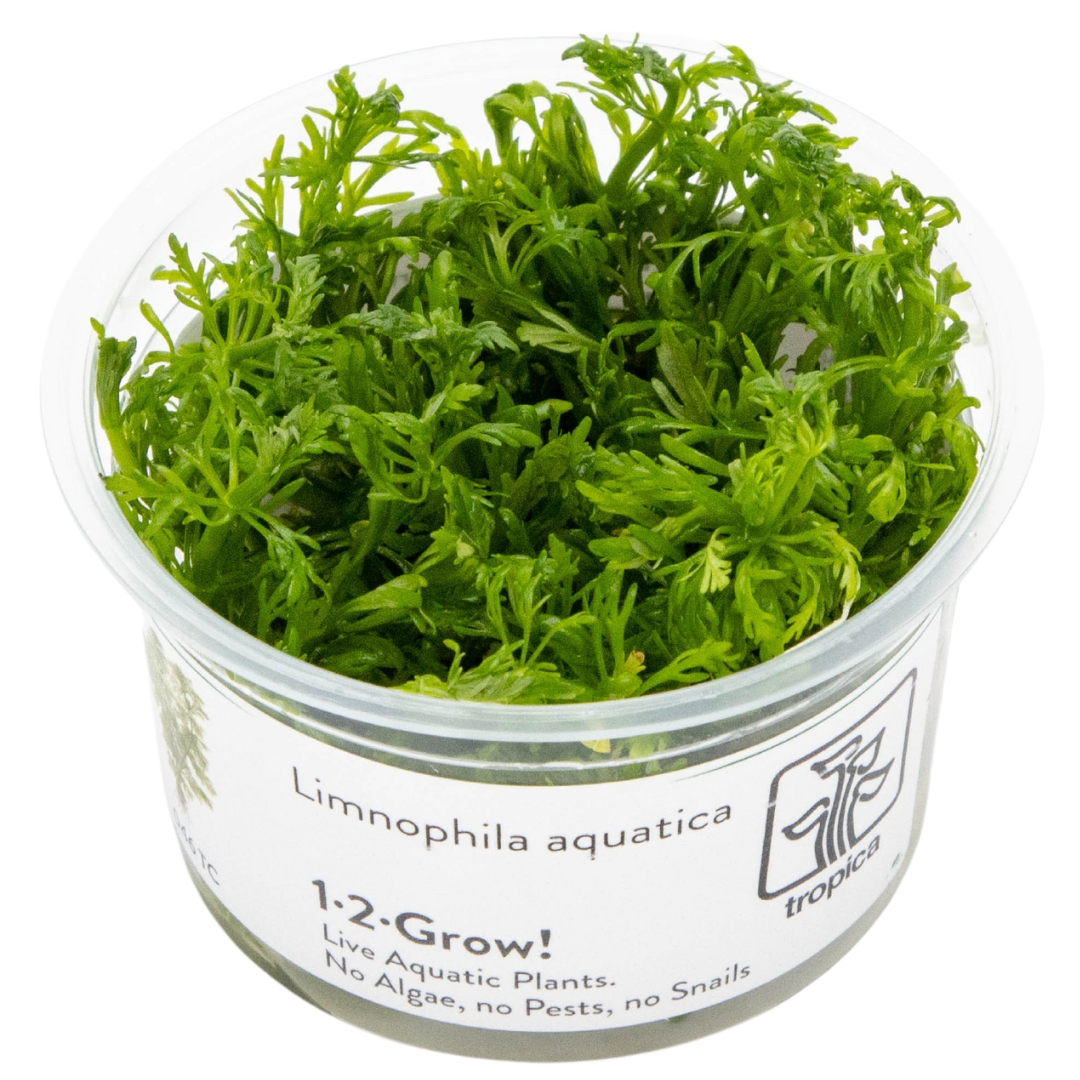
The supplied source labels the plant Limnophila aquatica, and the feathery stem-plant form is compatible with that identification. Limnophila species can be difficult to distinguish in juvenile or emersed material, so identification should remain provisional until characteristic mature submerged growth is observed.
Leave your comments