Identification
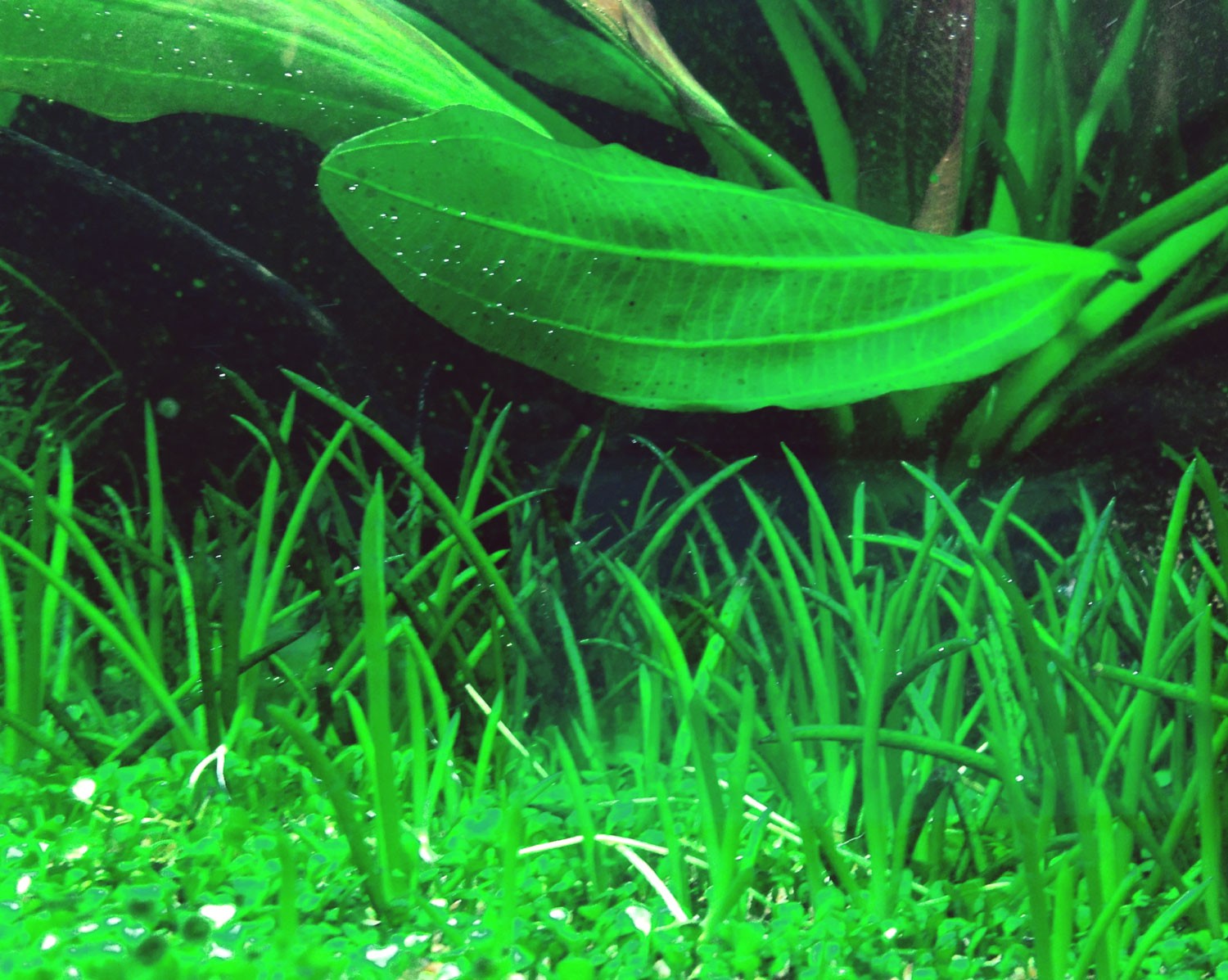
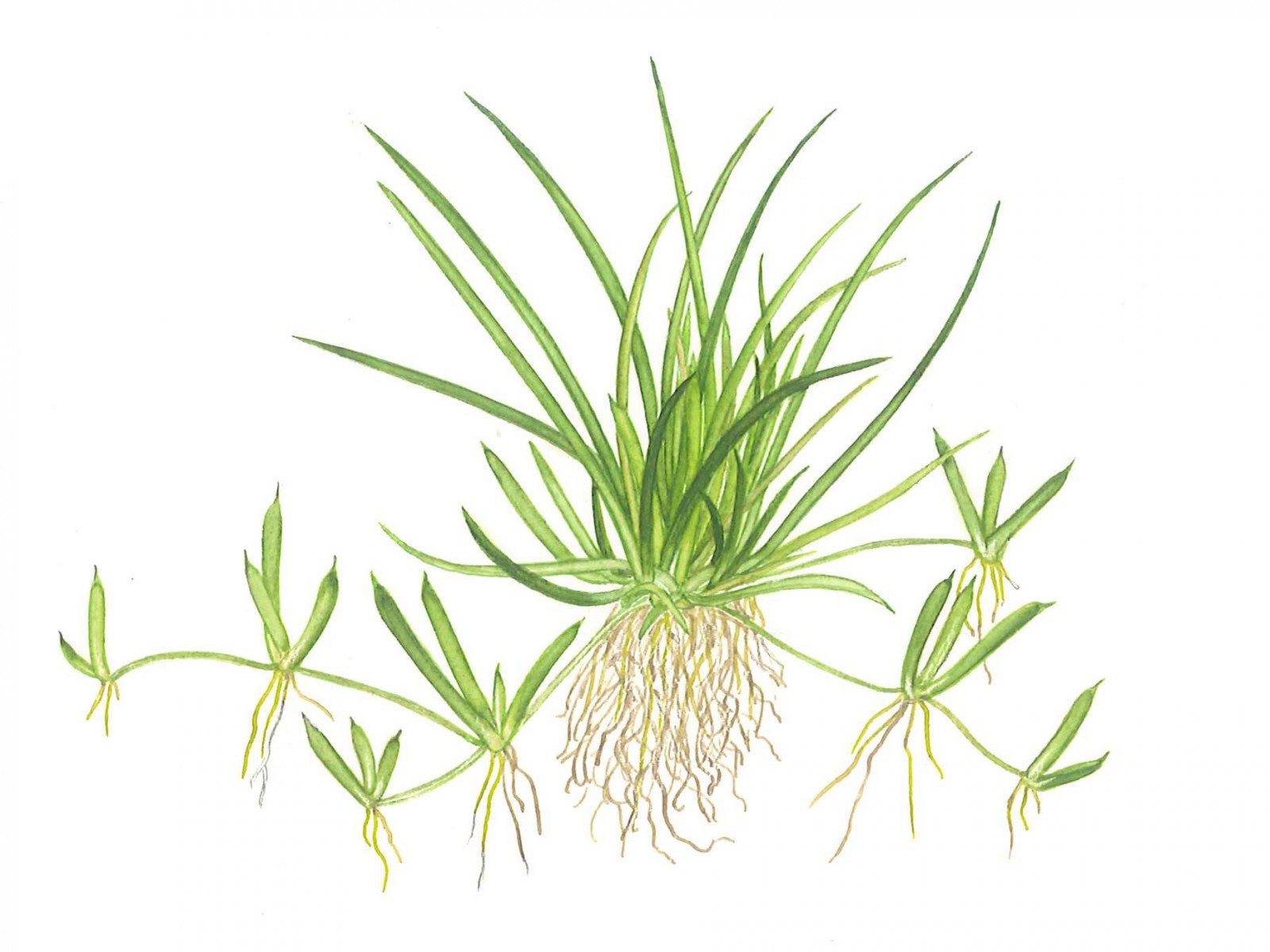
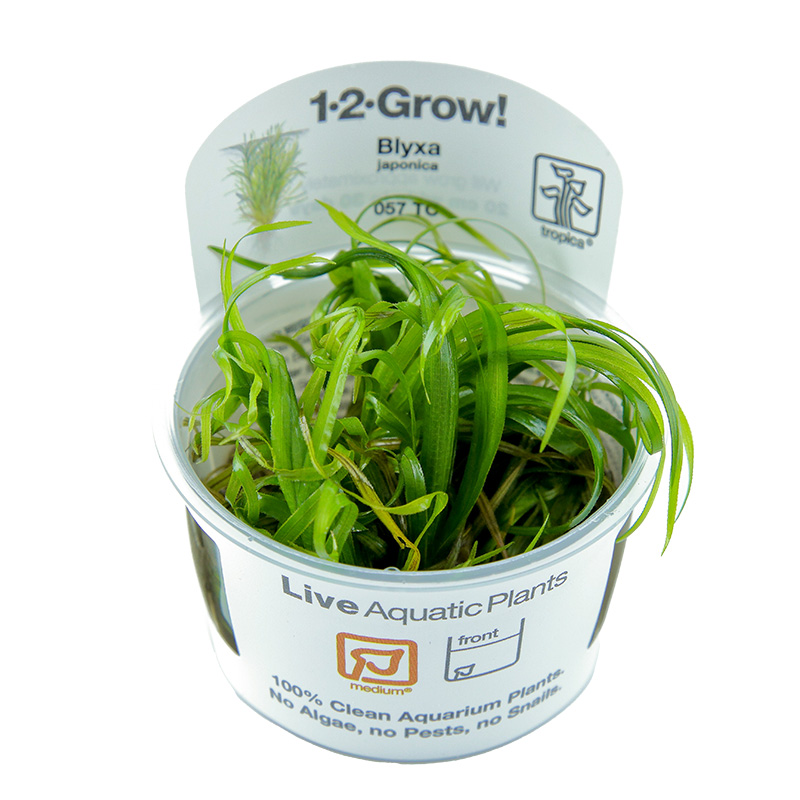
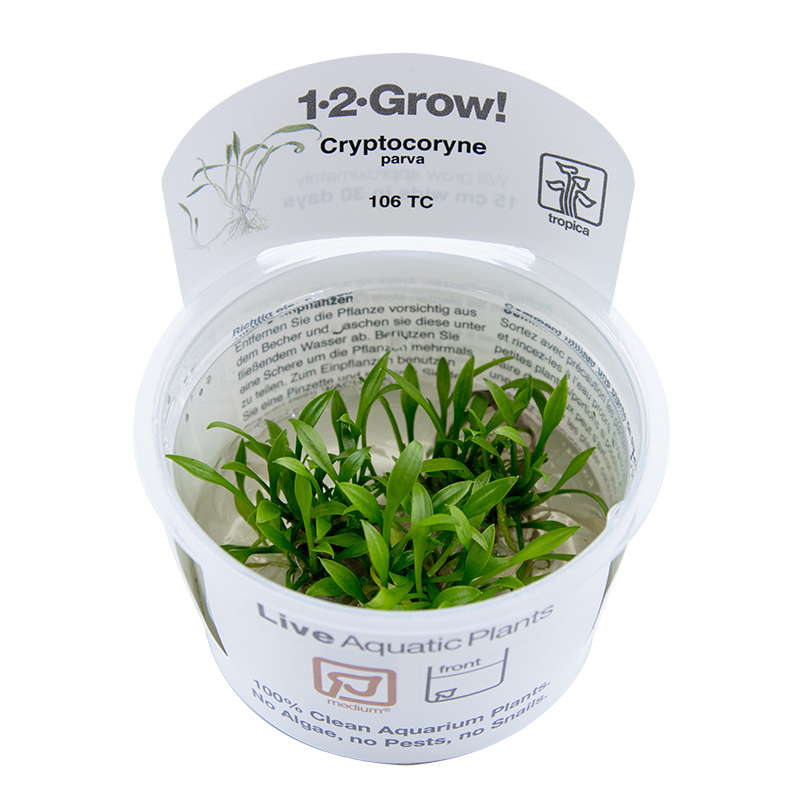
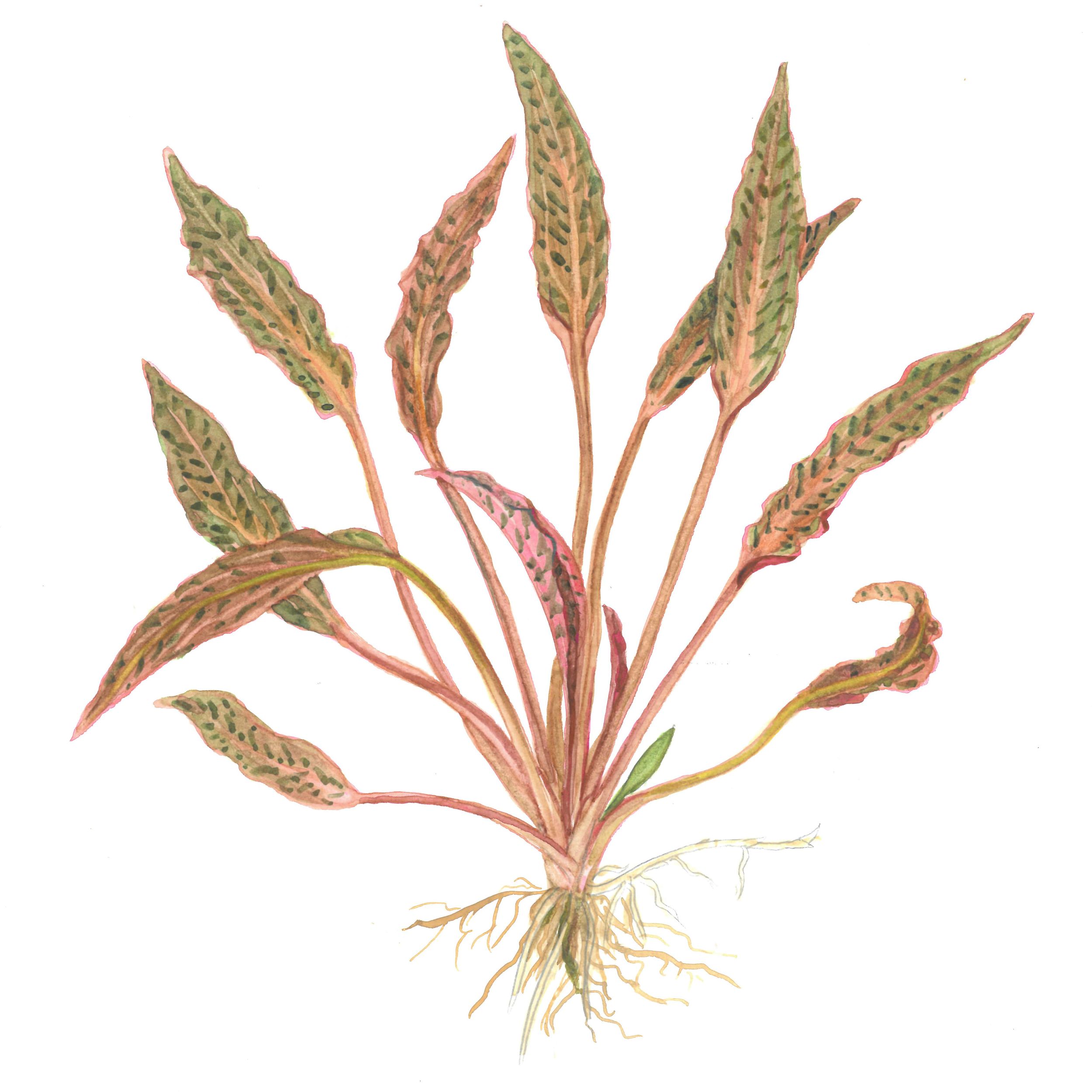
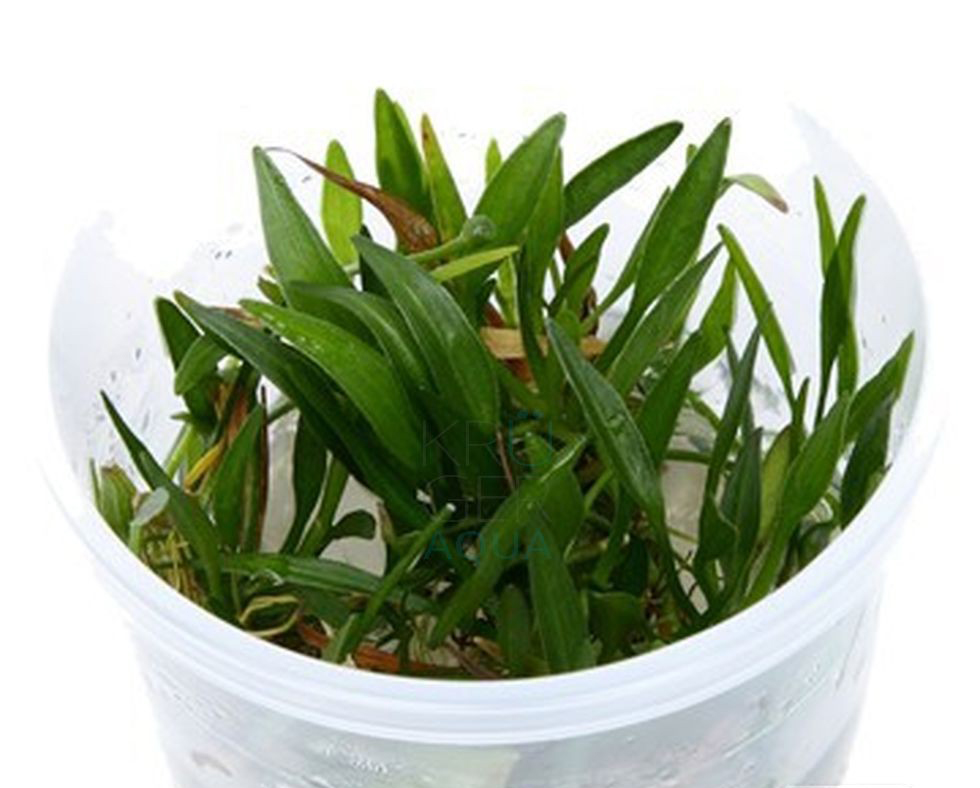
Littorella uniflora forms a basal rosette of narrow, pointed, grass-like leaves. Submerged leaves are generally longer and more flexible than leaves produced in exposed or emersed conditions. It may produce slender runners that develop small daughter rosettes. The supplied images are consistent with this general appearance, but photographs alone cannot confirm a specimen-level identification.
Placement and planting
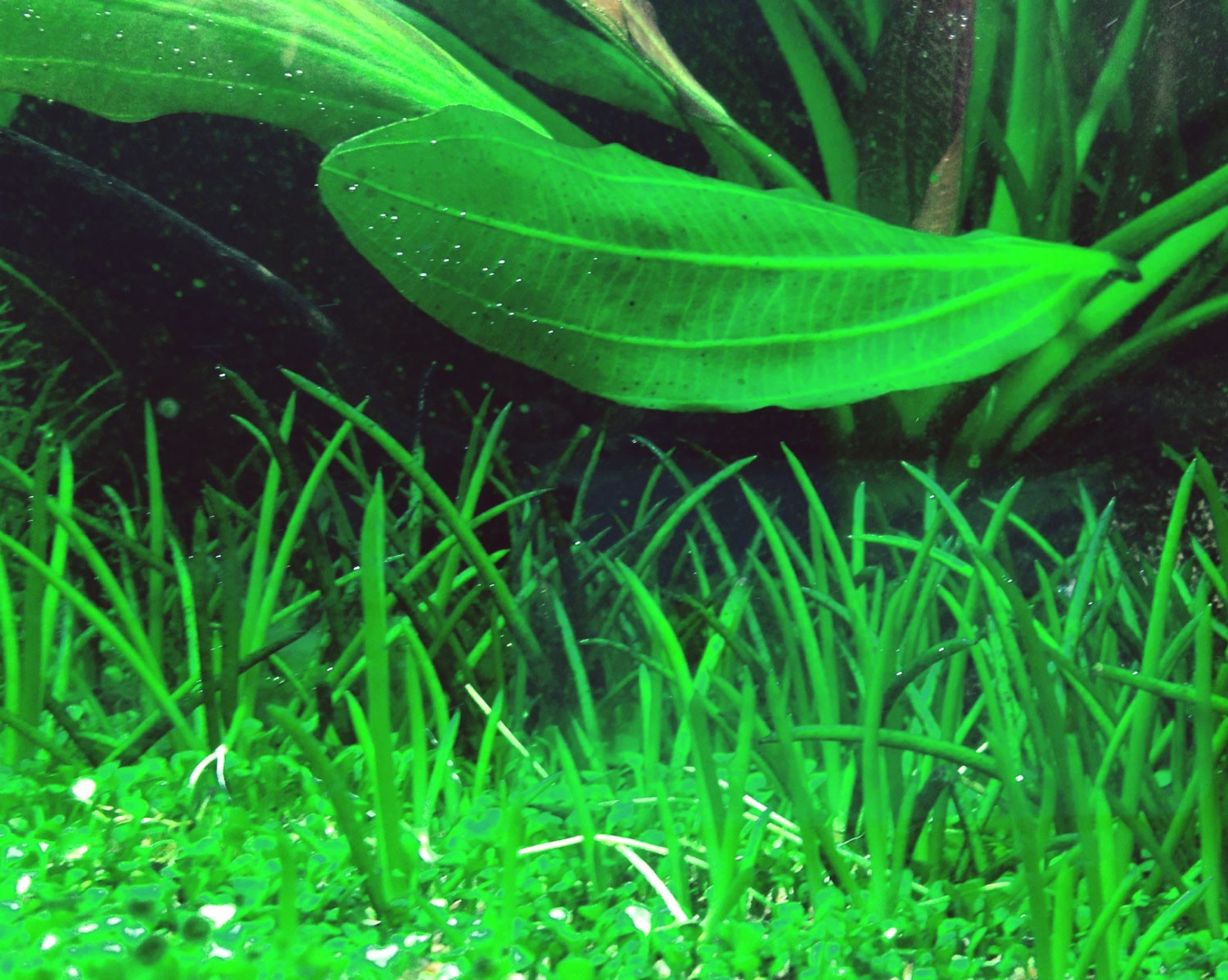
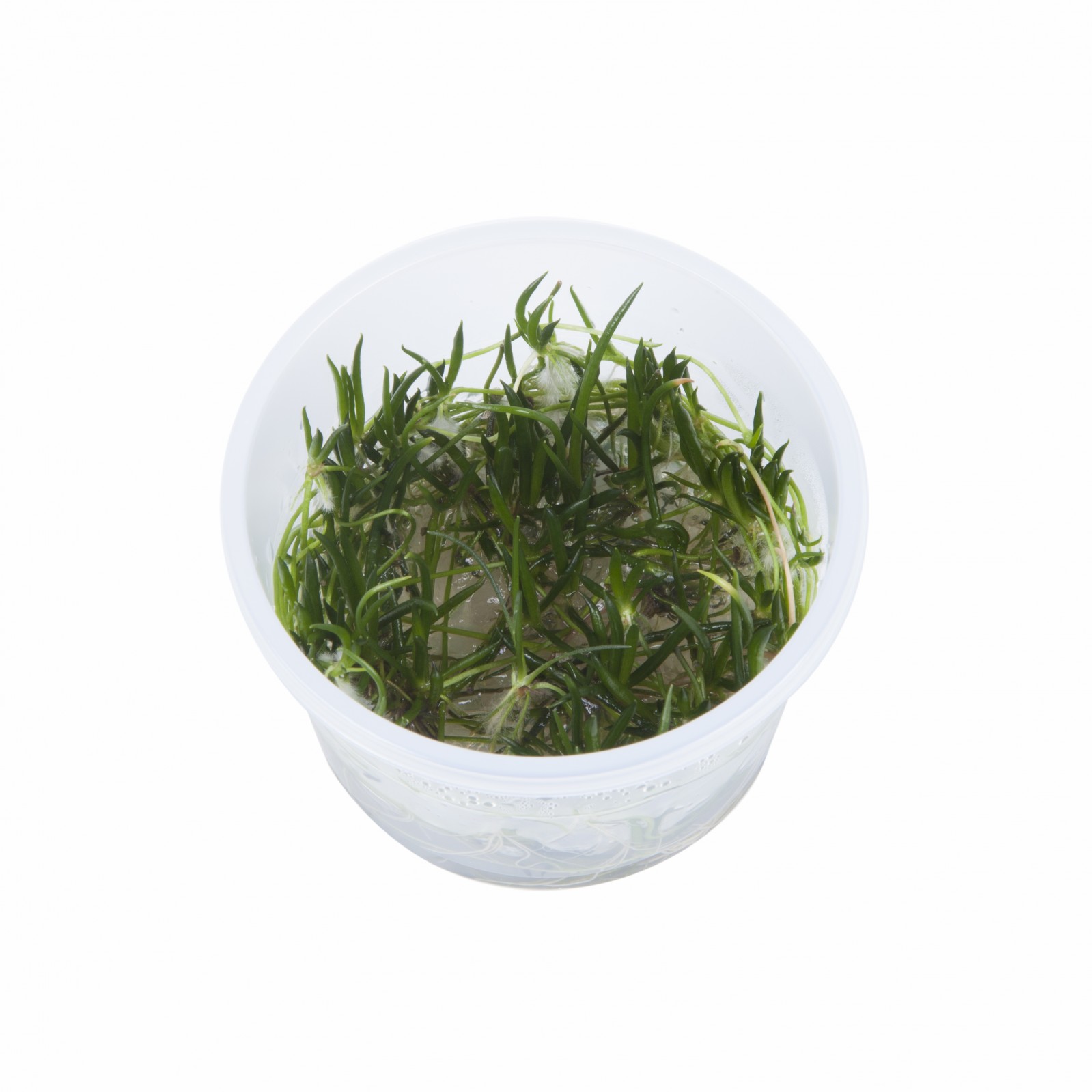
Use it as a foreground plant in an open area where its low rosettes will not be shaded by taller species. Separate a tissue-culture portion or clump into small groups, then plant the roots into the substrate while keeping the crown above the surface. Space portions slightly apart to allow room for runners and airflow around the leaves.
Light and carbon
Strong light helps maintain compact growth and encourages spreading. Stable carbon availability, including injected CO2 where used, usually improves establishment and growth, although exact requirements depend on the aquarium and planting density. Avoid sudden changes in lighting or carbon supply, which can trigger leaf decline while new submerged growth develops.
Substrate and nutrients
A fine to moderately fine substrate that permits root development is suitable. The plant benefits from access to nutrients through the substrate, so a nutrient-containing aquasoil or carefully placed root fertiliser can be useful in an otherwise inert bottom. Remove decaying leaves and keep detritus from accumulating around the crown.
Propagation and maintenance
Propagation is mainly by runners that form daughter rosettes. Once a daughter plant has developed roots and several leaves, it can be separated and replanted. Growth is slow, so avoid frequent disturbance. Trim damaged leaves at the base and leave healthy new growth intact; a stable environment is more beneficial than aggressive pruning.
Leave your comments