Identification
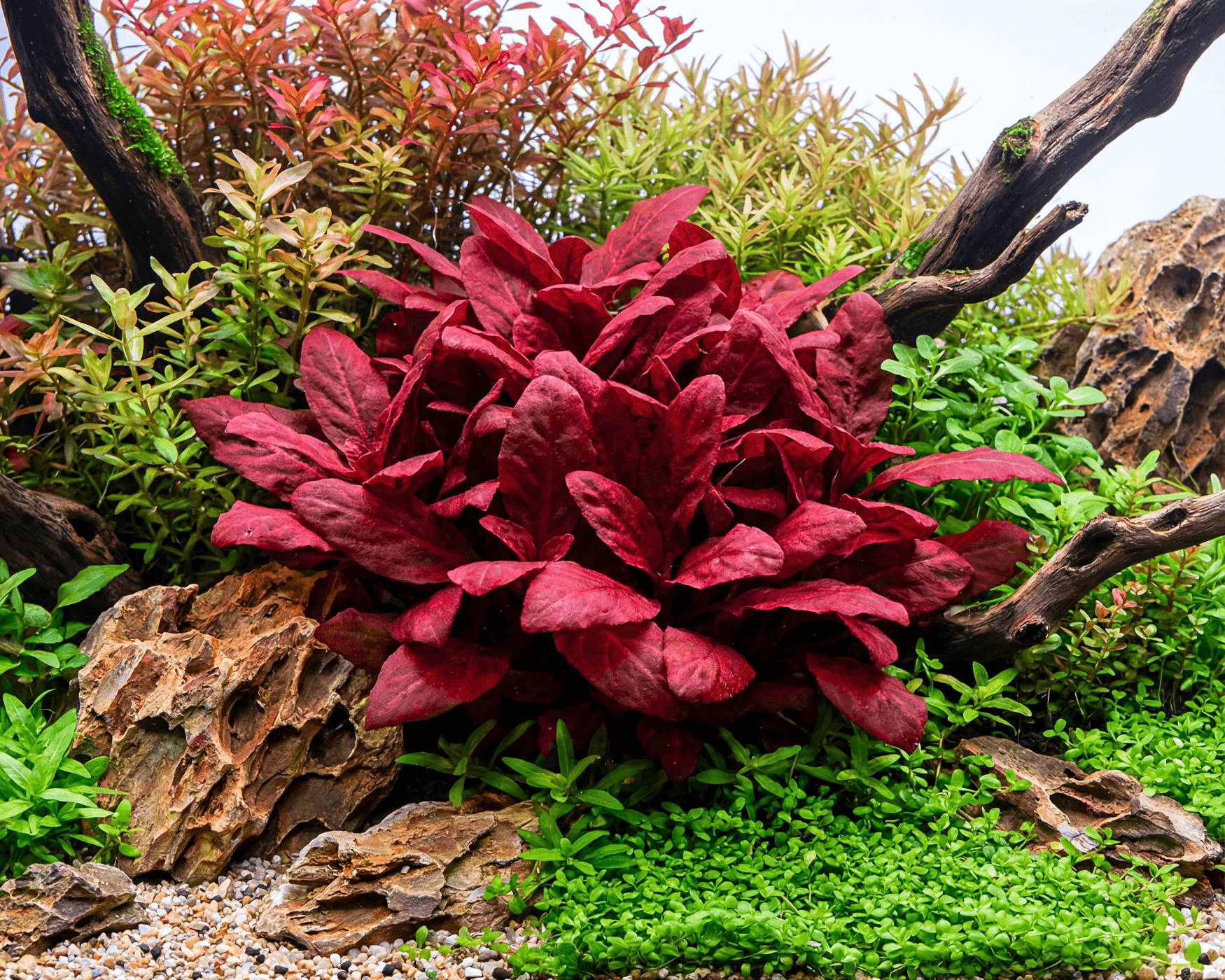
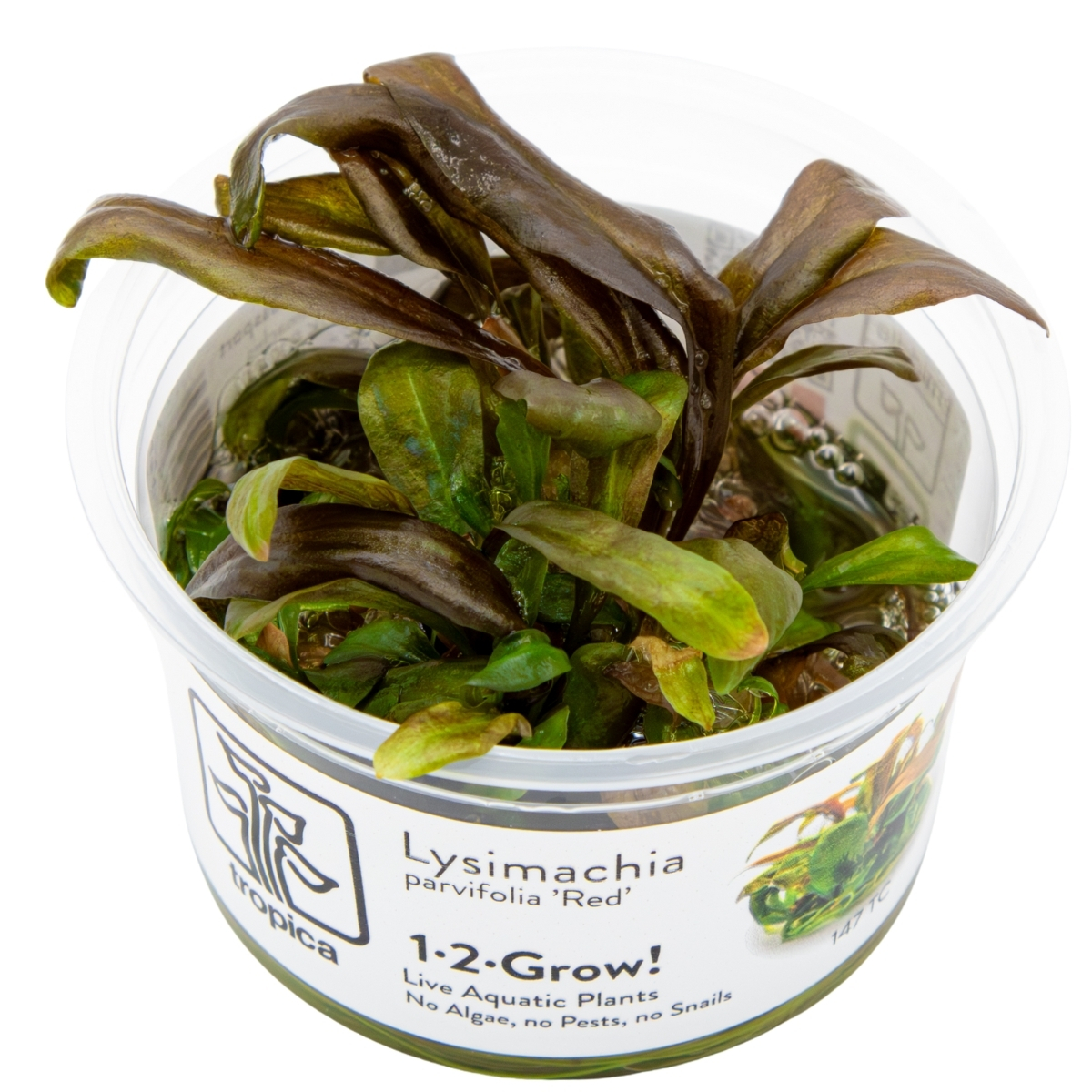
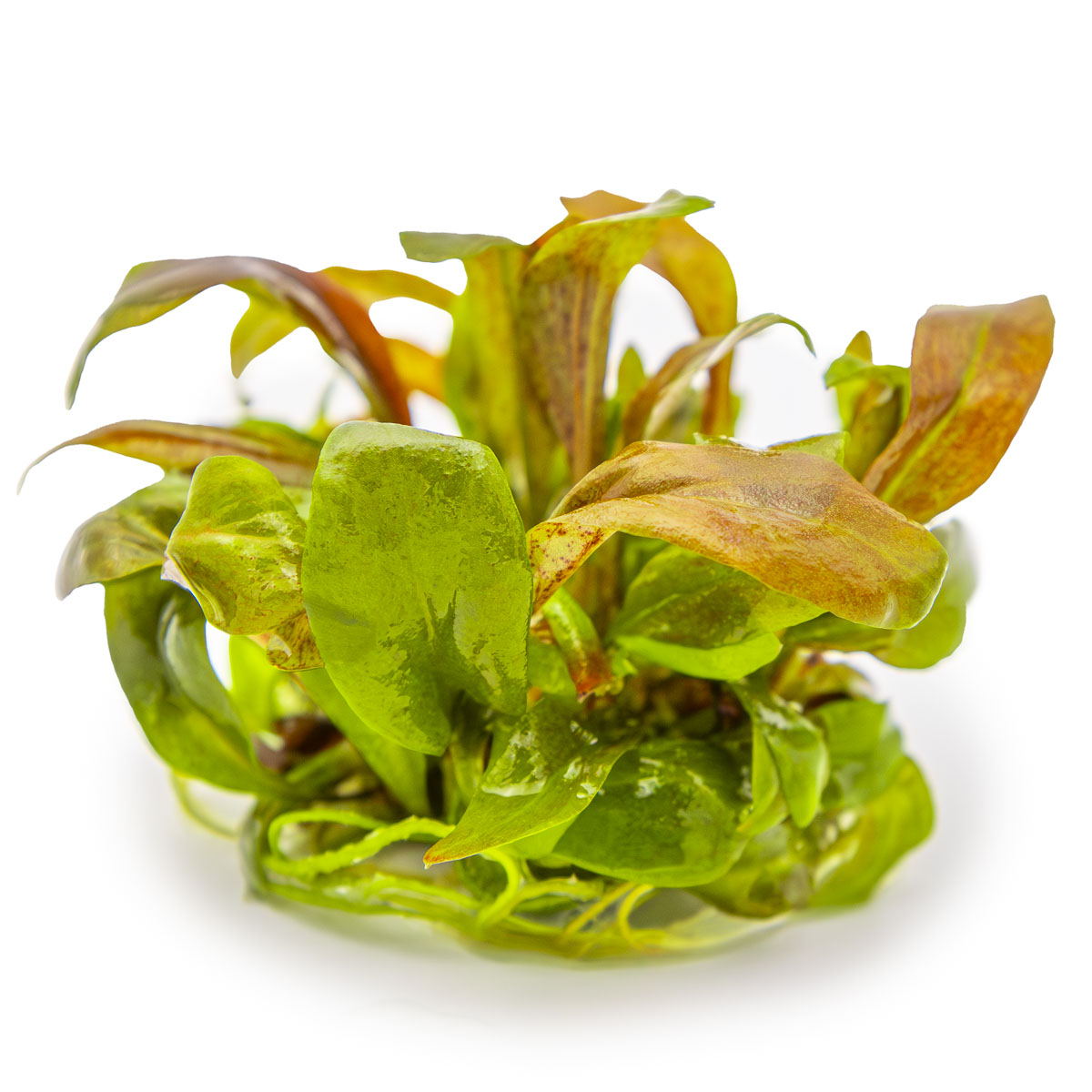
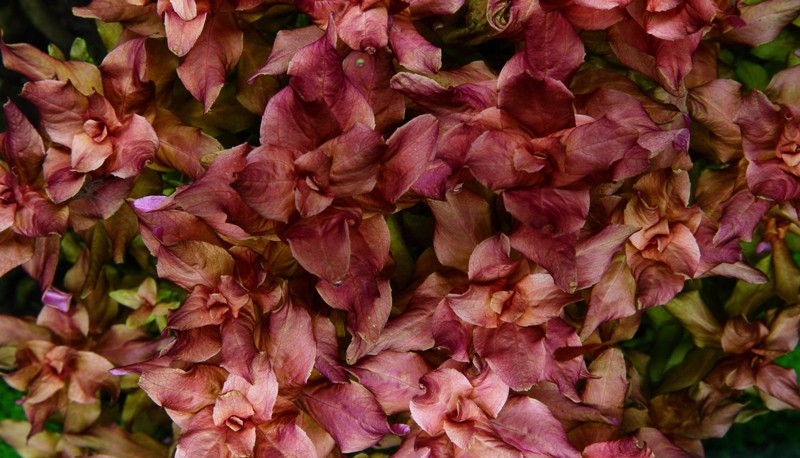
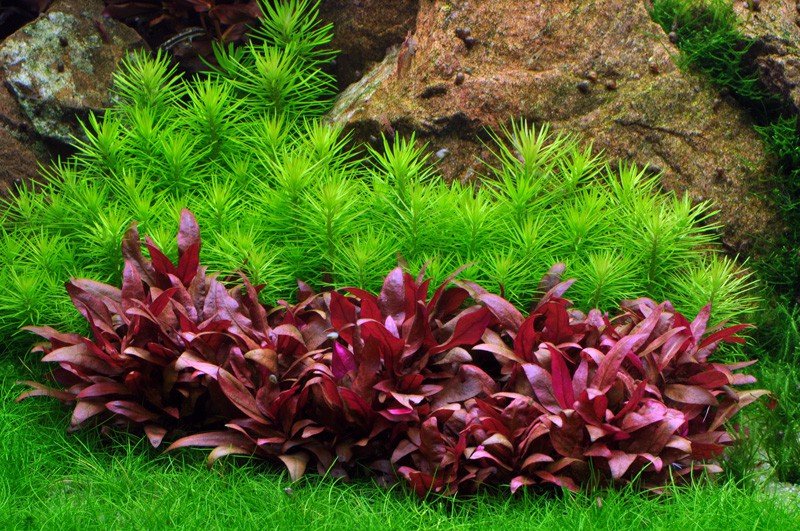
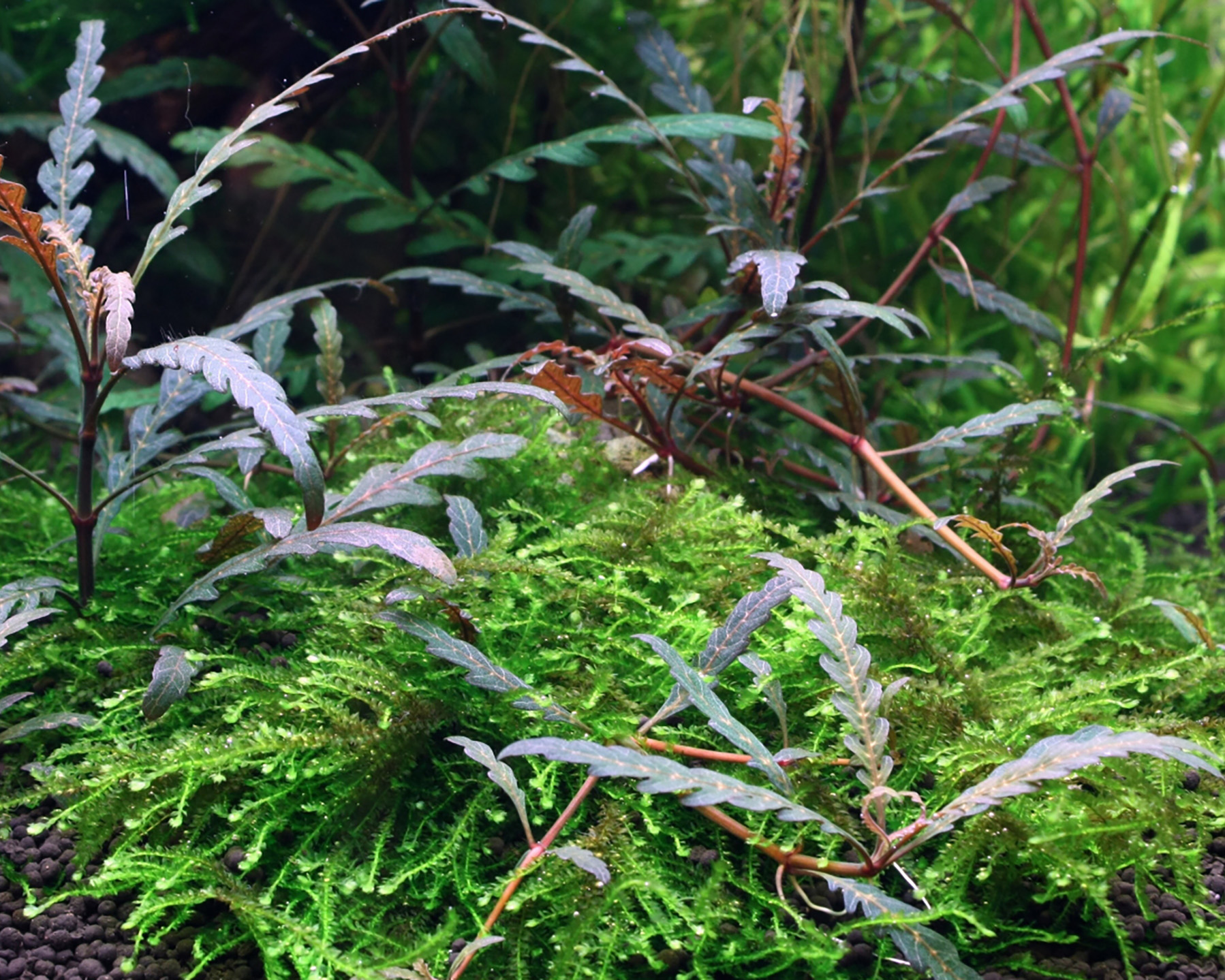
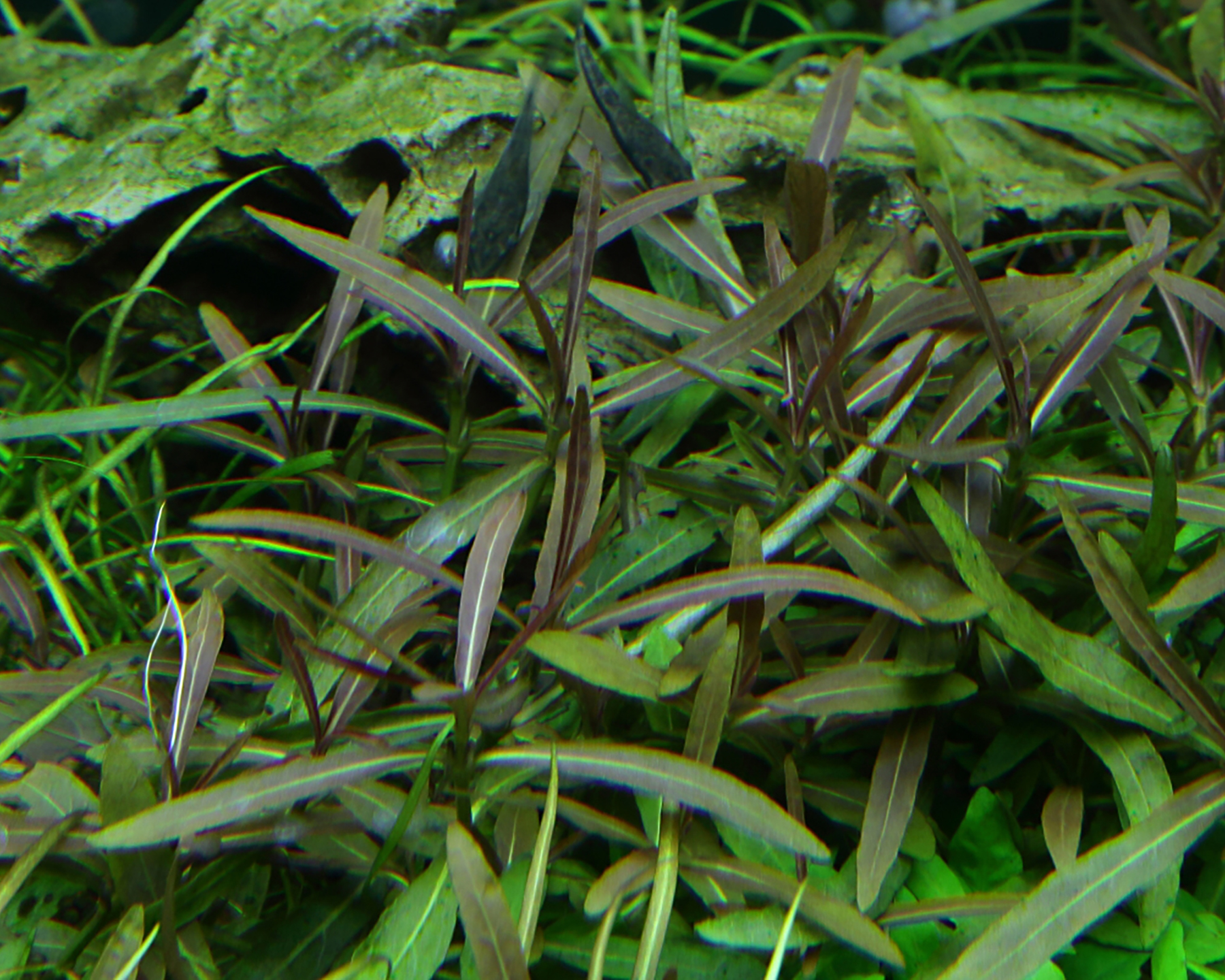
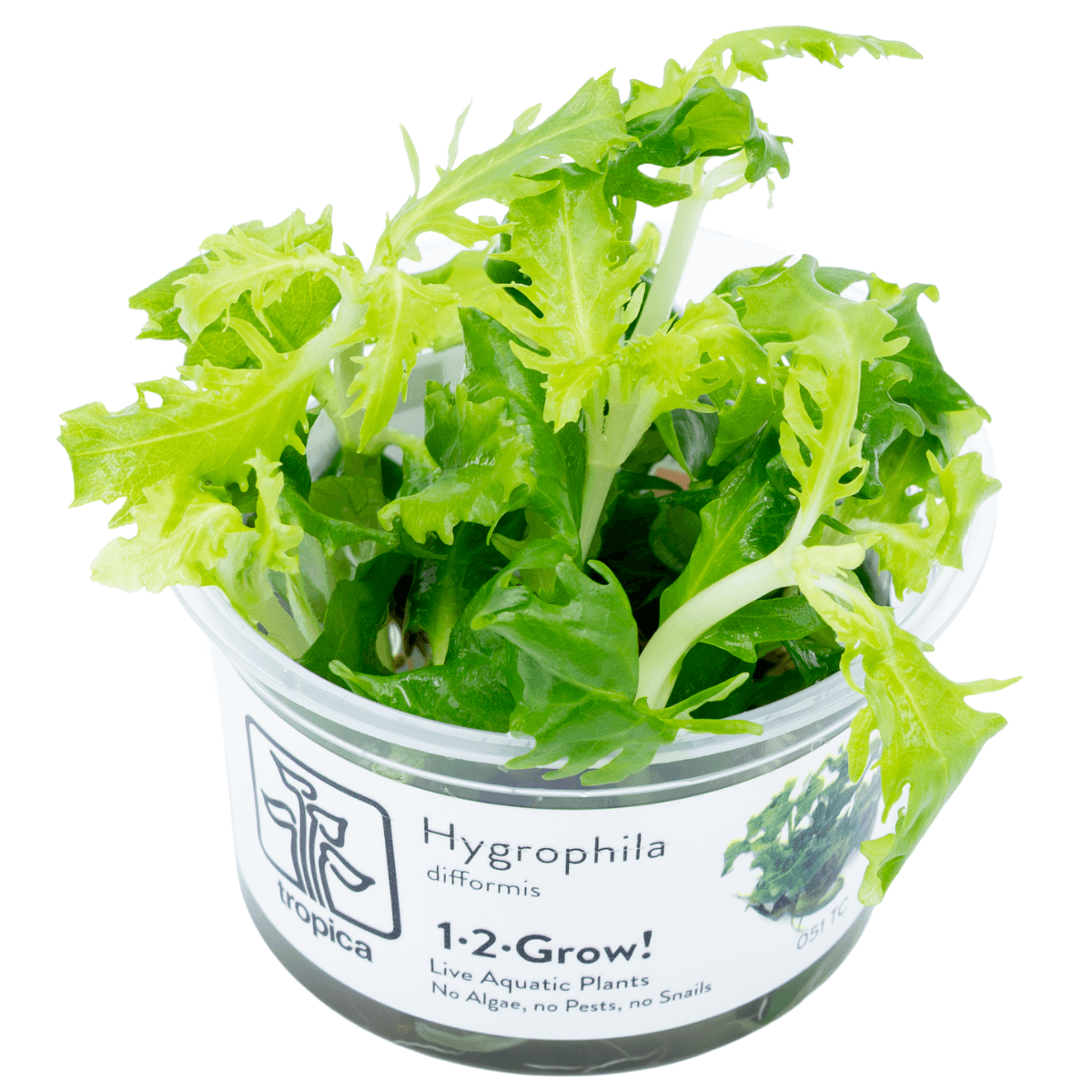
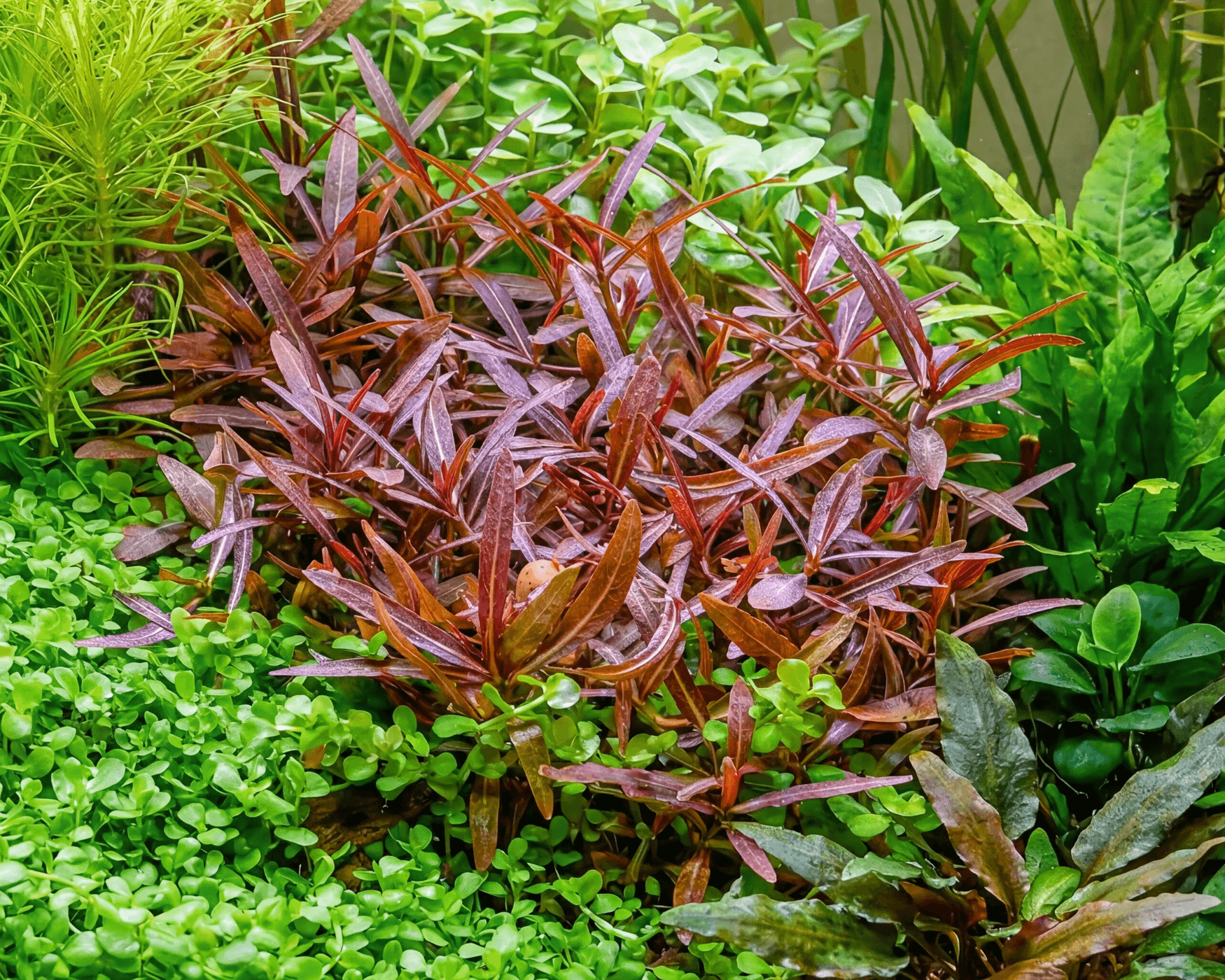
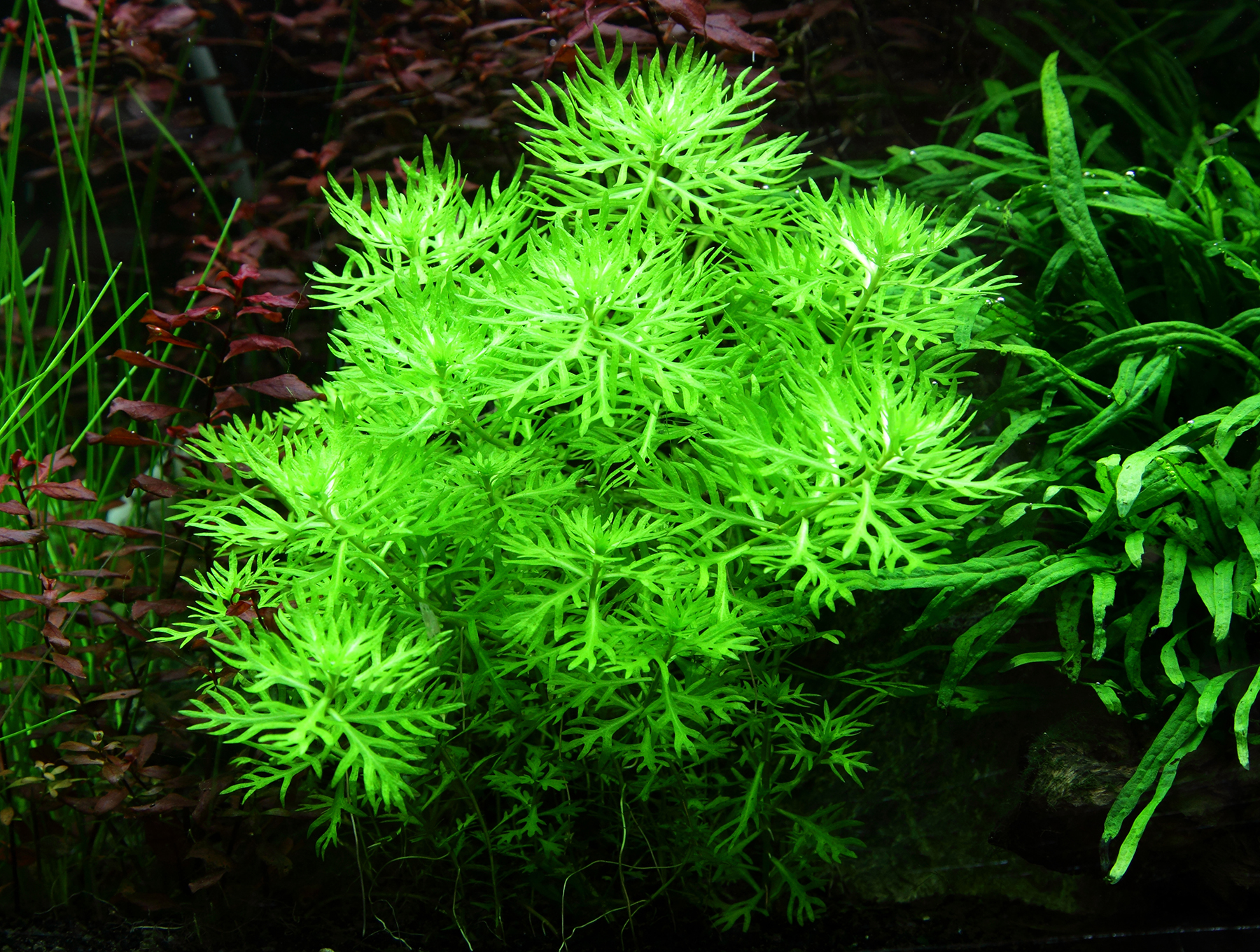
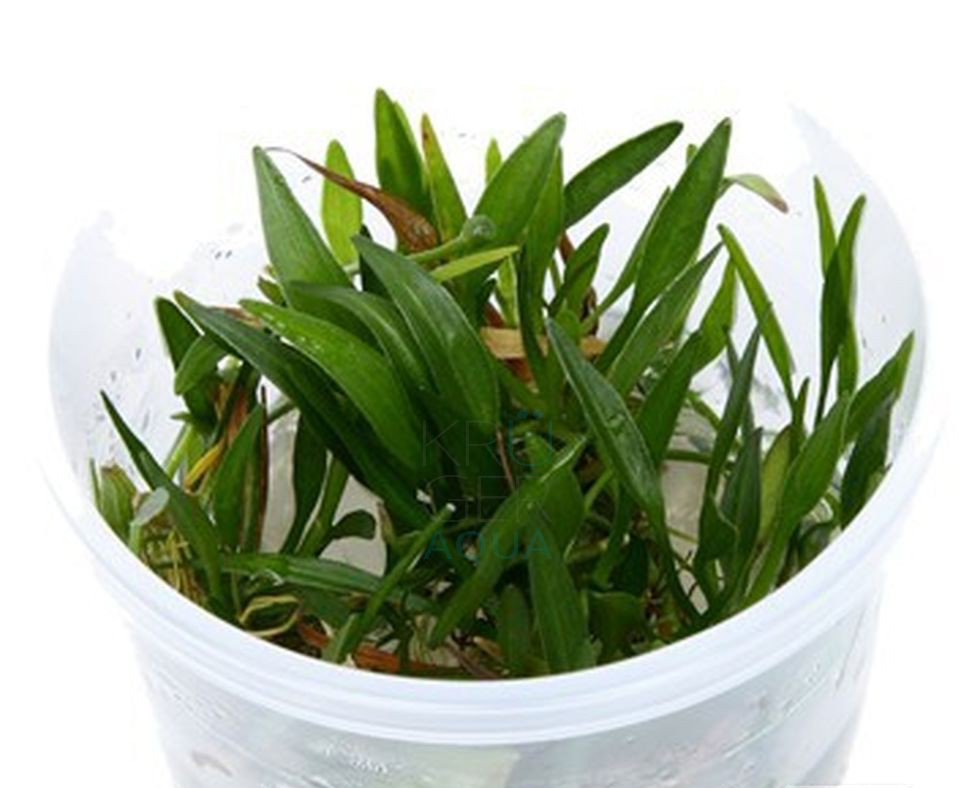
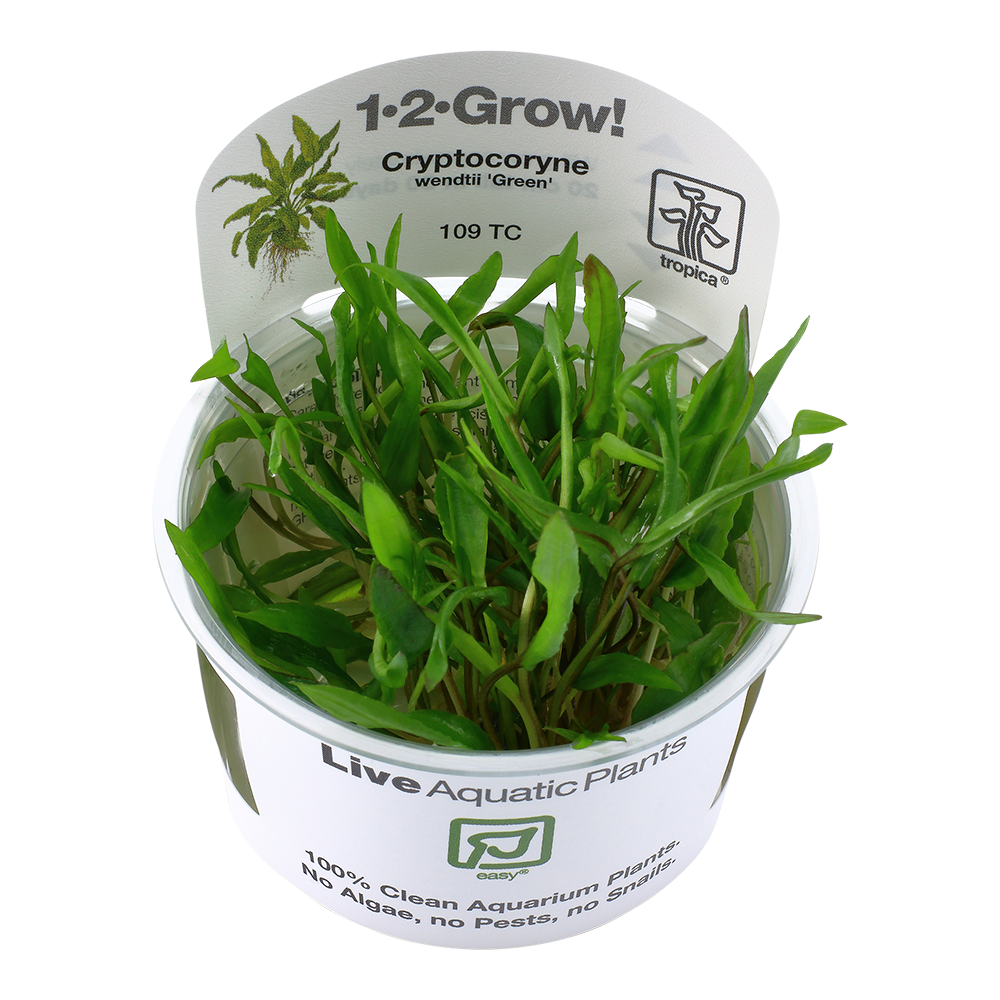
The supplied label identifies this plant as Lysimachia parvifolia ‘Red’. The plant is associated with the common name small-leaved loosestrife. Because cultivated aquarium forms can differ in leaf shape and coloration, identification beyond the supplied trade name should be regarded as provisional.

Placement and planting
Use it as a focal or supporting plant in the middle ground. Remove the pot, growing medium and any gel from a tissue-culture portion, then divide it into small groups. Plant the roots in the substrate while keeping the central growing point exposed. Leave space around each group so new leaves receive light and water movement.

Light and carbon
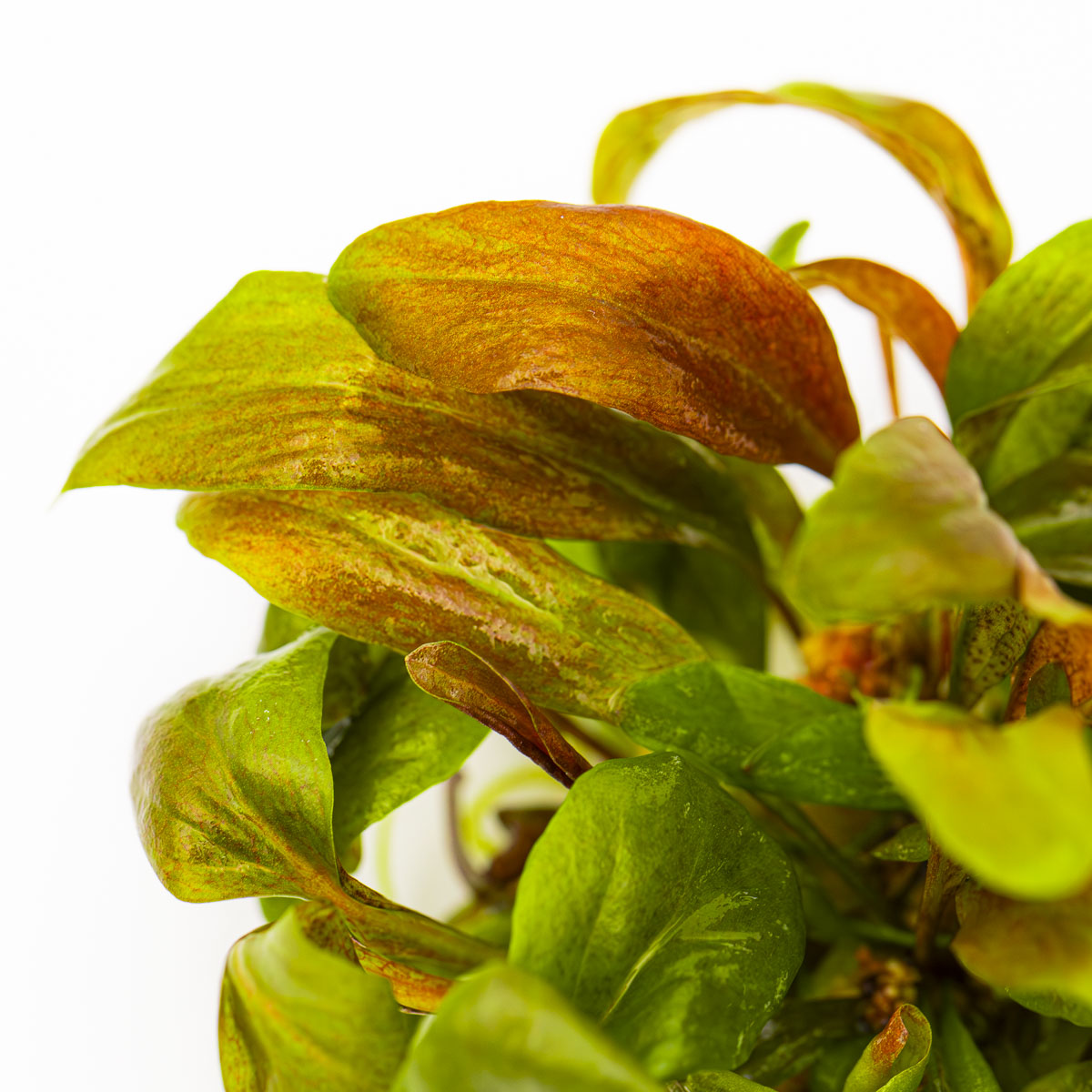
Strong, consistent light generally gives the best color development, while insufficient light can produce greener, more open growth. Stable carbon dioxide availability is beneficial for compact growth and coloration. If carbon dioxide is not used, provide moderate nutrient availability, good circulation and a gradual acclimation period.
Substrate and nutrition
A fine to medium-grained substrate is suitable. The plant benefits from a complete aquarium fertilizer supplying nitrogen, potassium and trace elements. If growth is pale or slow despite adequate light, review both water-column fertilization and root-zone nutrition rather than increasing light abruptly.
Maintenance and propagation
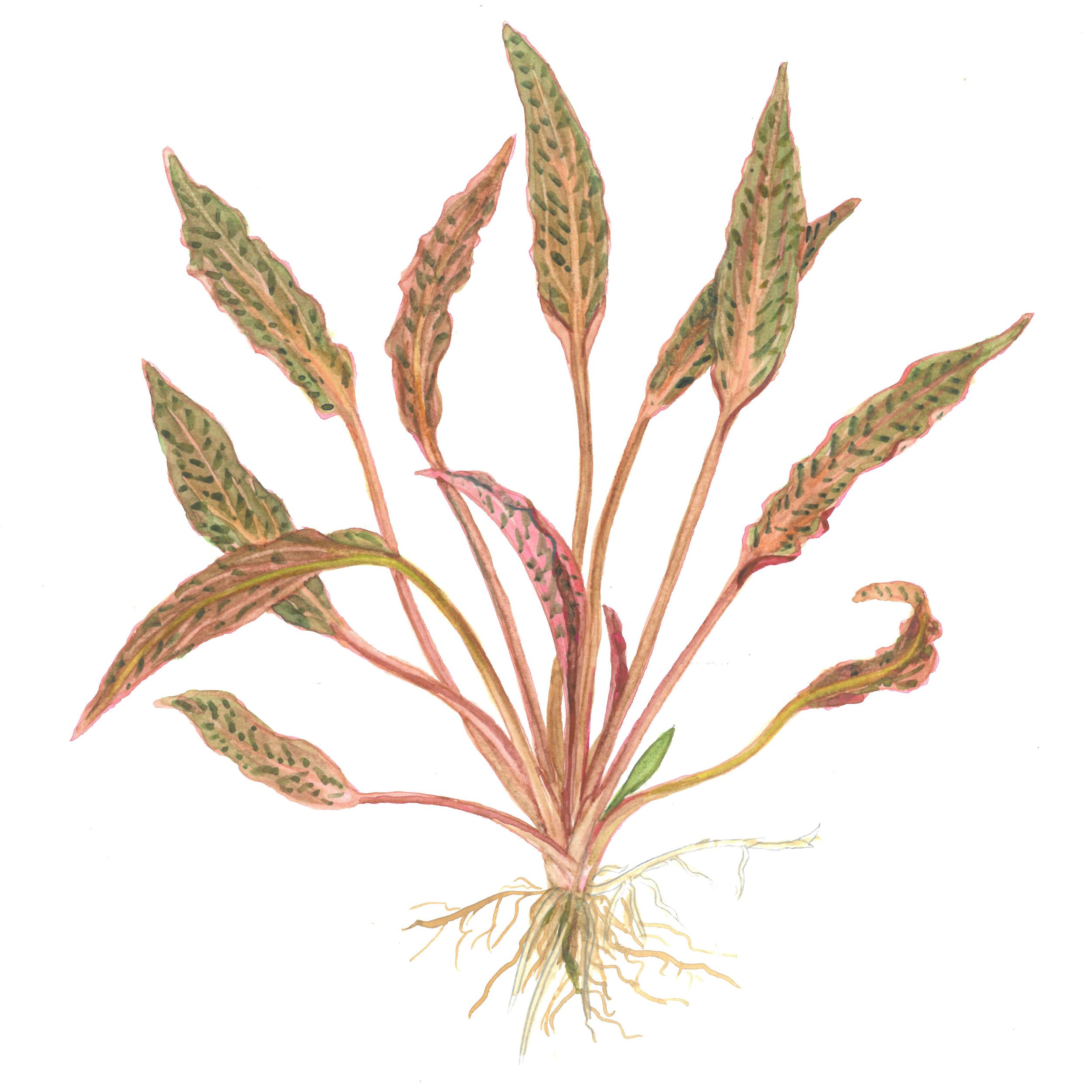
Remove damaged or algae-covered leaves at the base with clean scissors. Keep taller neighboring plants from shading the rosette. Propagation is most practically done by separating established side growth or dividing a mature clump, provided each division retains healthy roots and a growing point.
Acclimation
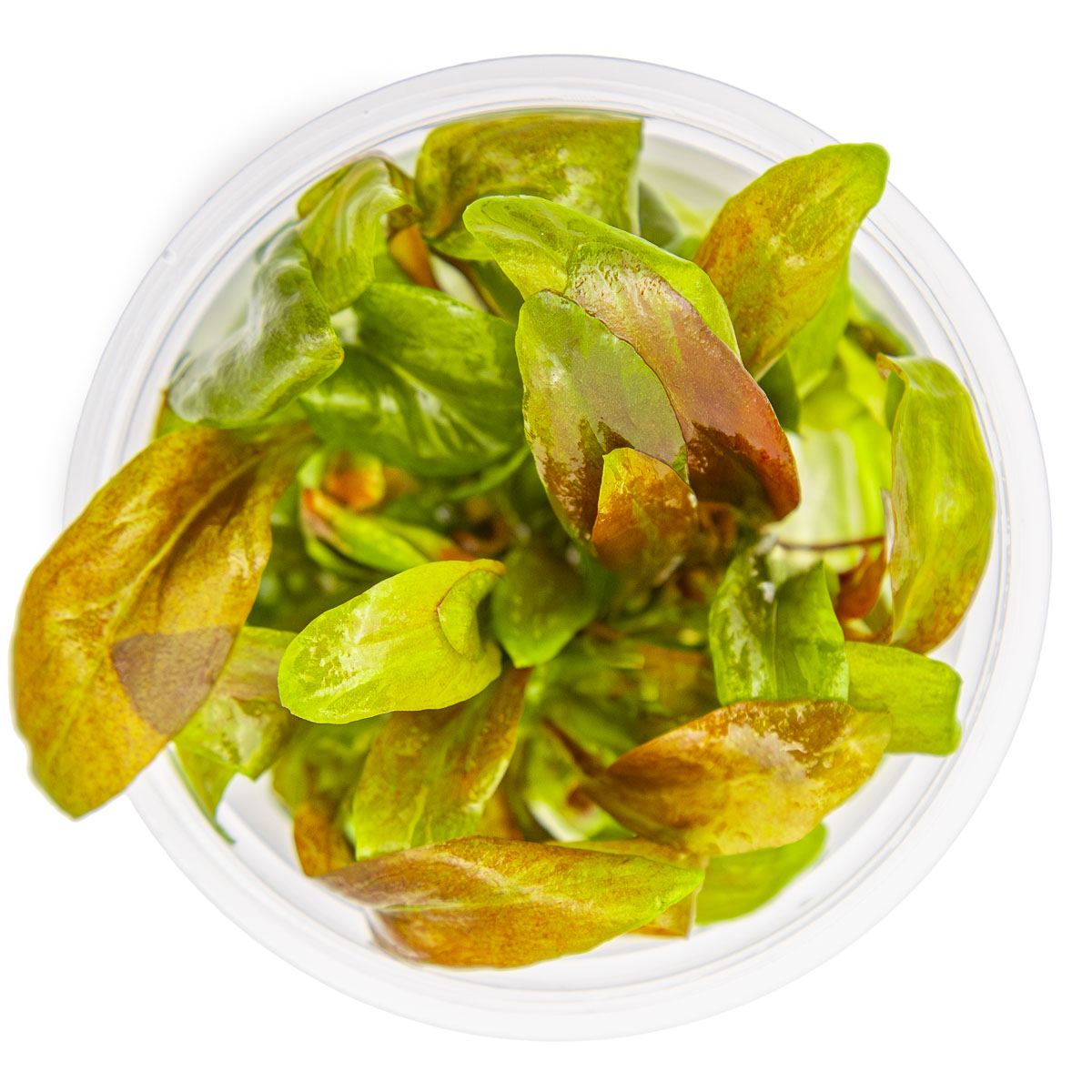
Fresh tissue-culture material may initially produce different leaves as it changes from emersed to submerged growth. Discard older deteriorating leaves only after new submerged leaves begin to appear. Maintain stable water conditions and avoid burying the crown, which can encourage decay.
Leave your comments