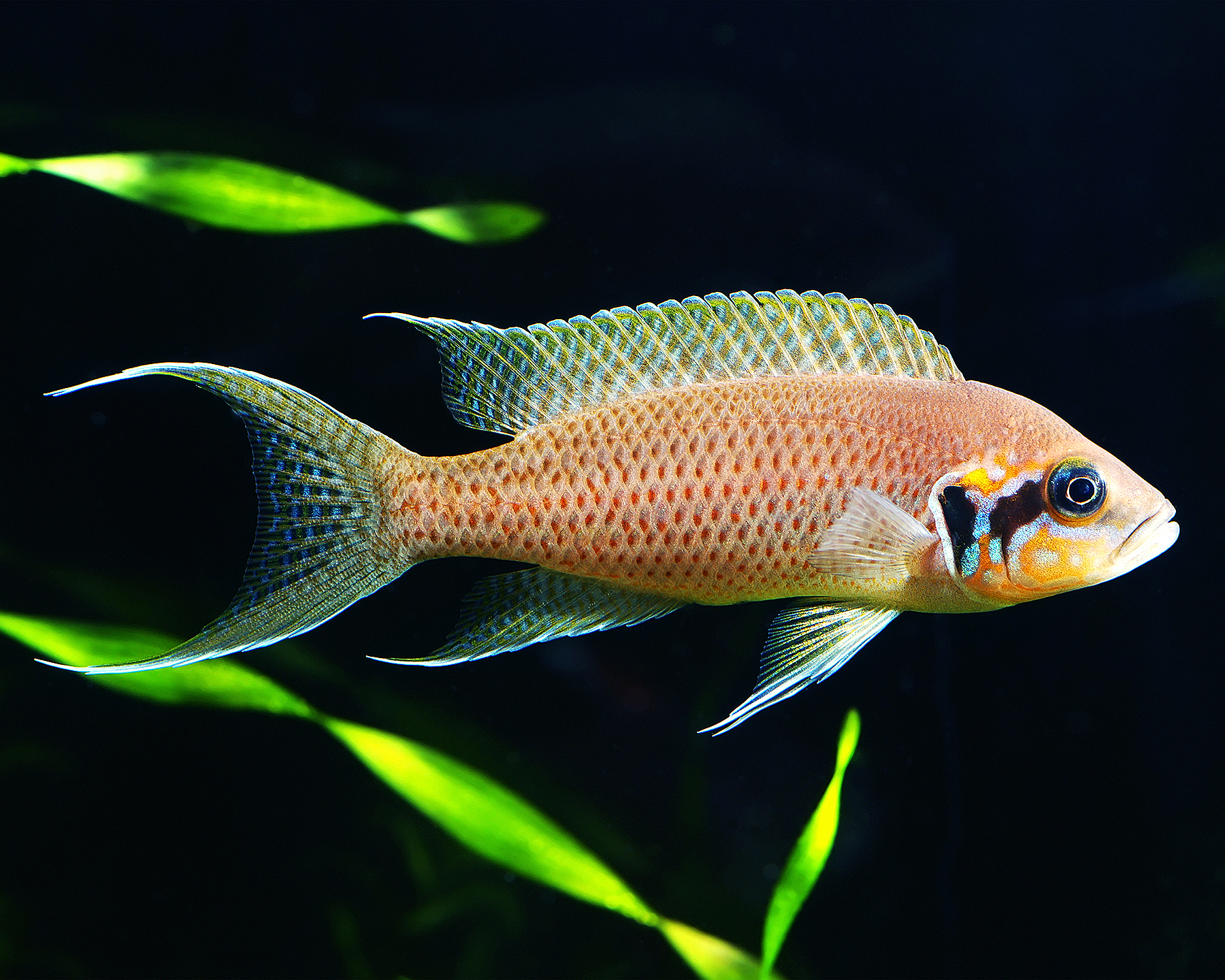
Distribution and Habitat
This species is endemic to Lake Tanganyika in East Africa, where it inhabits rocky shorelines and intermediate zones. They prefer areas with significant rock formations that provide numerous crevices and caves, which they use for shelter and breeding purposes. They are typically found in large colonies in their natural environment.
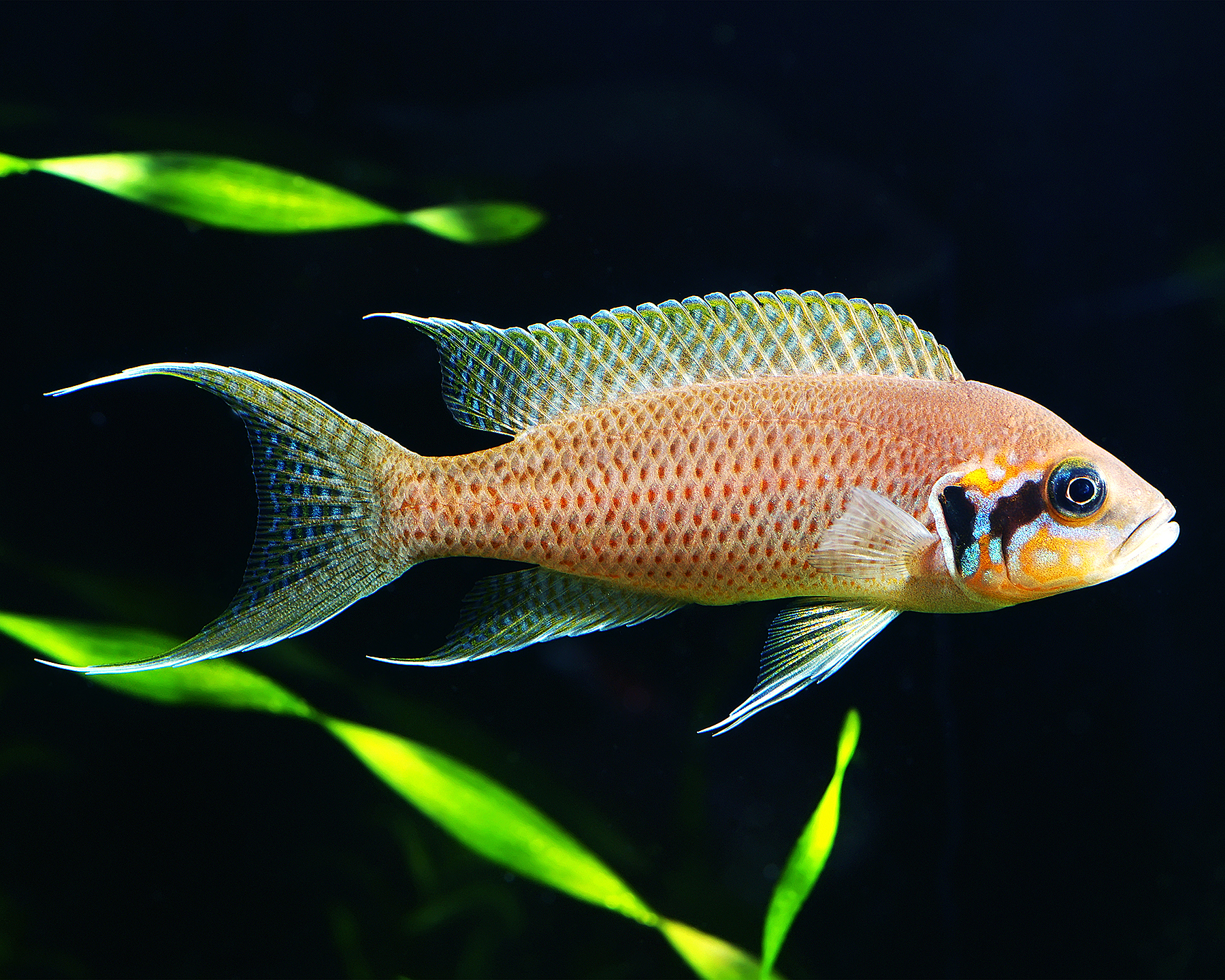
Tank Requirements and Compatibility
A minimum tank size of 150 liters is recommended for a pair. The aquarium should be decorated with plenty of rocks arranged to create caves and territories. While they can be kept in community settings with other robust Tanganyikan species, they are highly territorial, especially during breeding. Avoid housing them with small, timid fish that cannot escape their defense zones.
Diet and Feeding
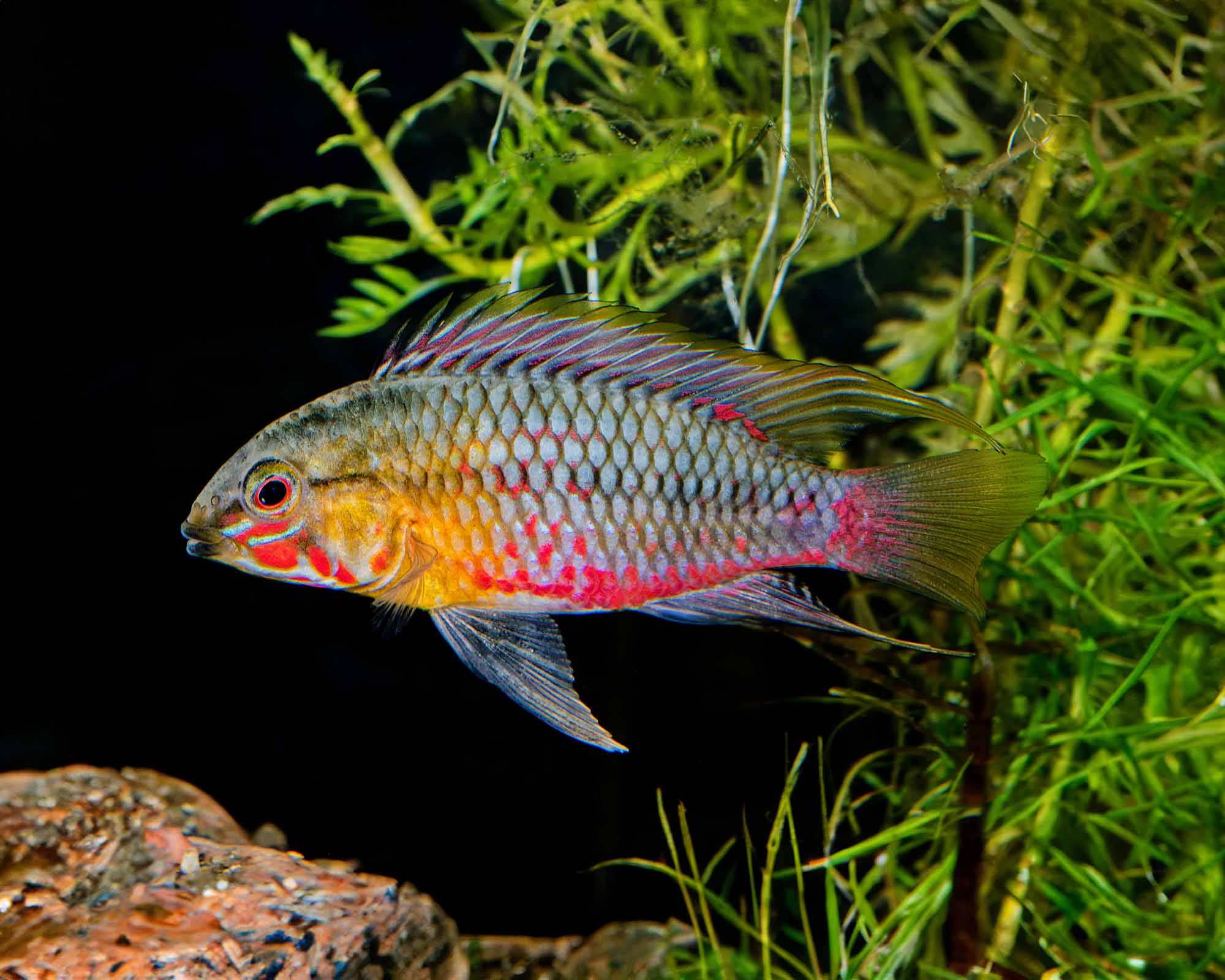
Neolamprologus brichardi are omnivorous in nature, feeding on small crustaceans, insect larvae, and zooplankton. In the aquarium, they readily accept high-quality flake or pellet food supplemented with live or frozen items such as brine shrimp, daphnia, or bloodworms. Providing a varied diet ensures optimal health and coloration.
Breeding Behavior
These fish are substrate spawners and are famous for their cooperative breeding system. The pair will lay eggs in a hidden crevice or cave. Unlike many other cichlids, the older fry remain with the parents to help guard the territory and defend new clutches. This creates a multi-generational family structure that is highly engaging to observe.
 - pair - 1.webp)
Leave your comments