It’s time to help contribute for biggest aquarium gallery online

SUBMIT HEREVIEW GALLERY

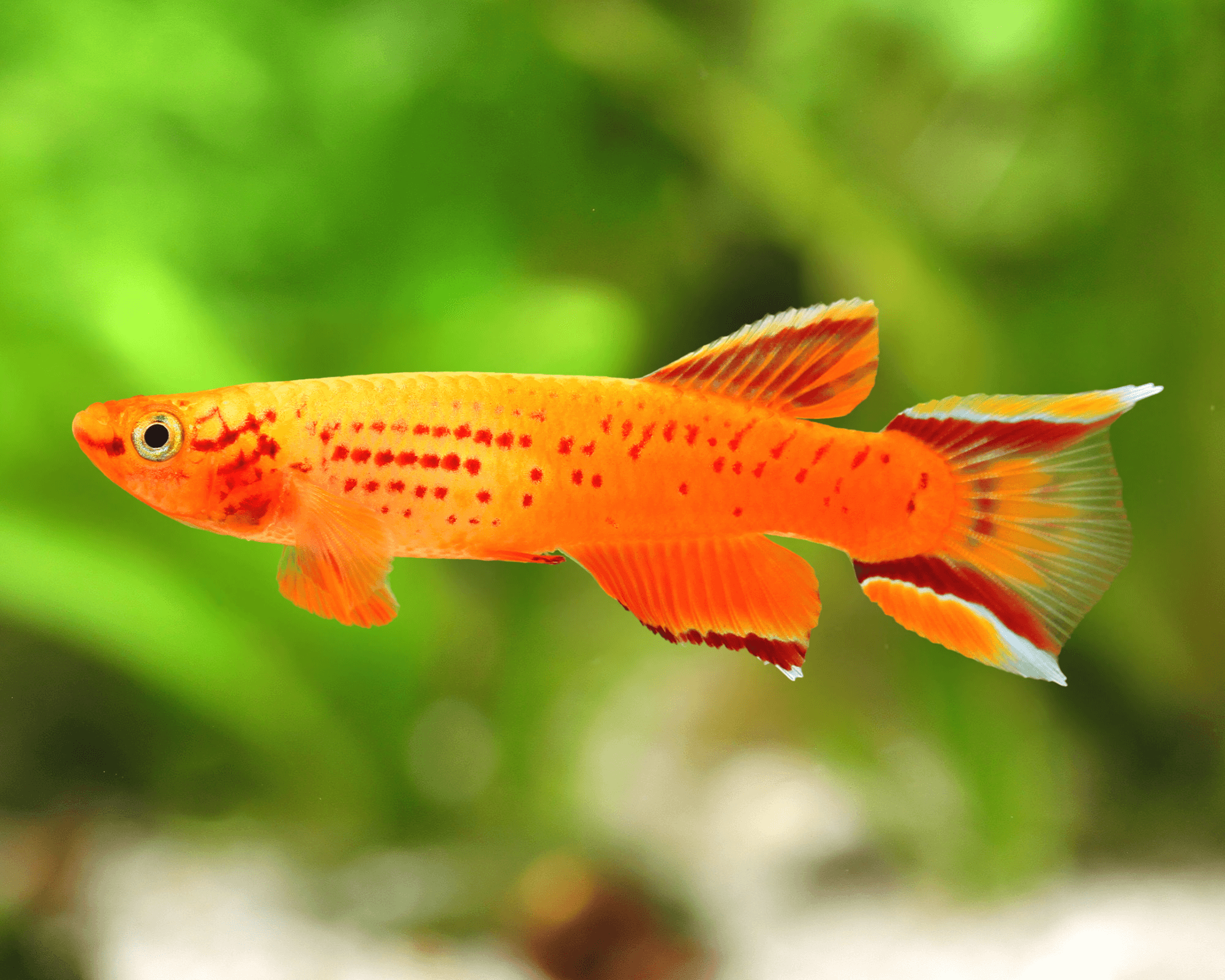
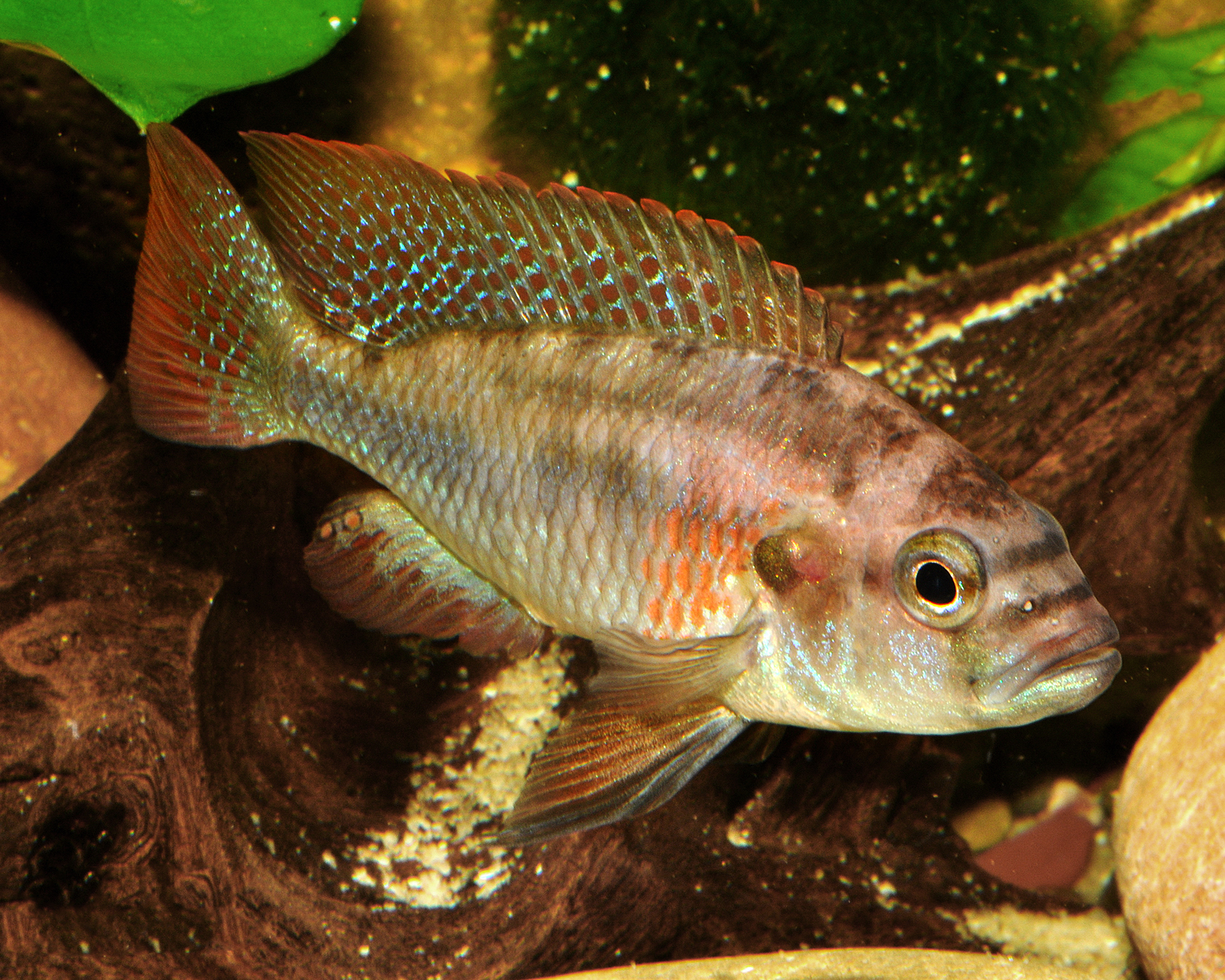
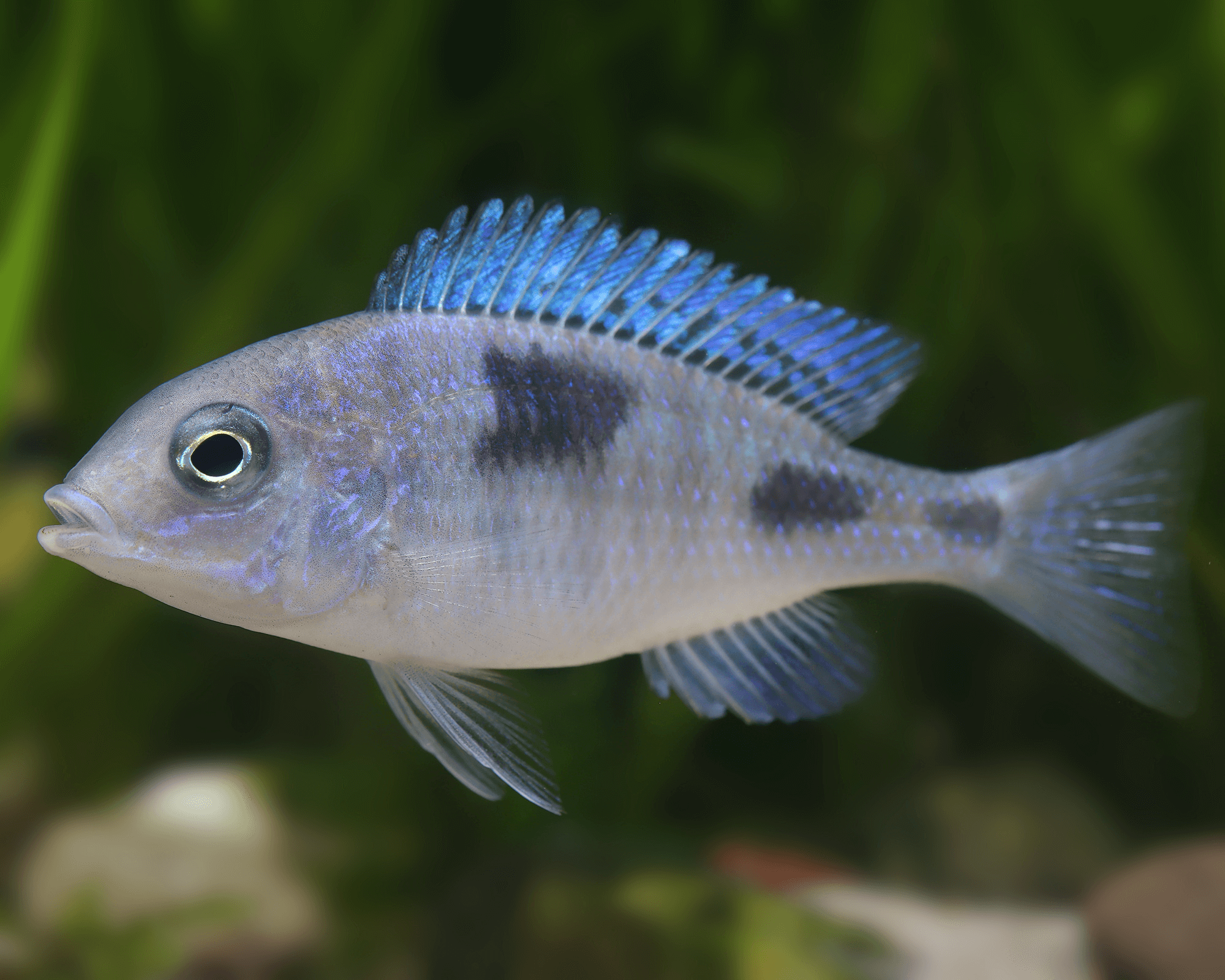
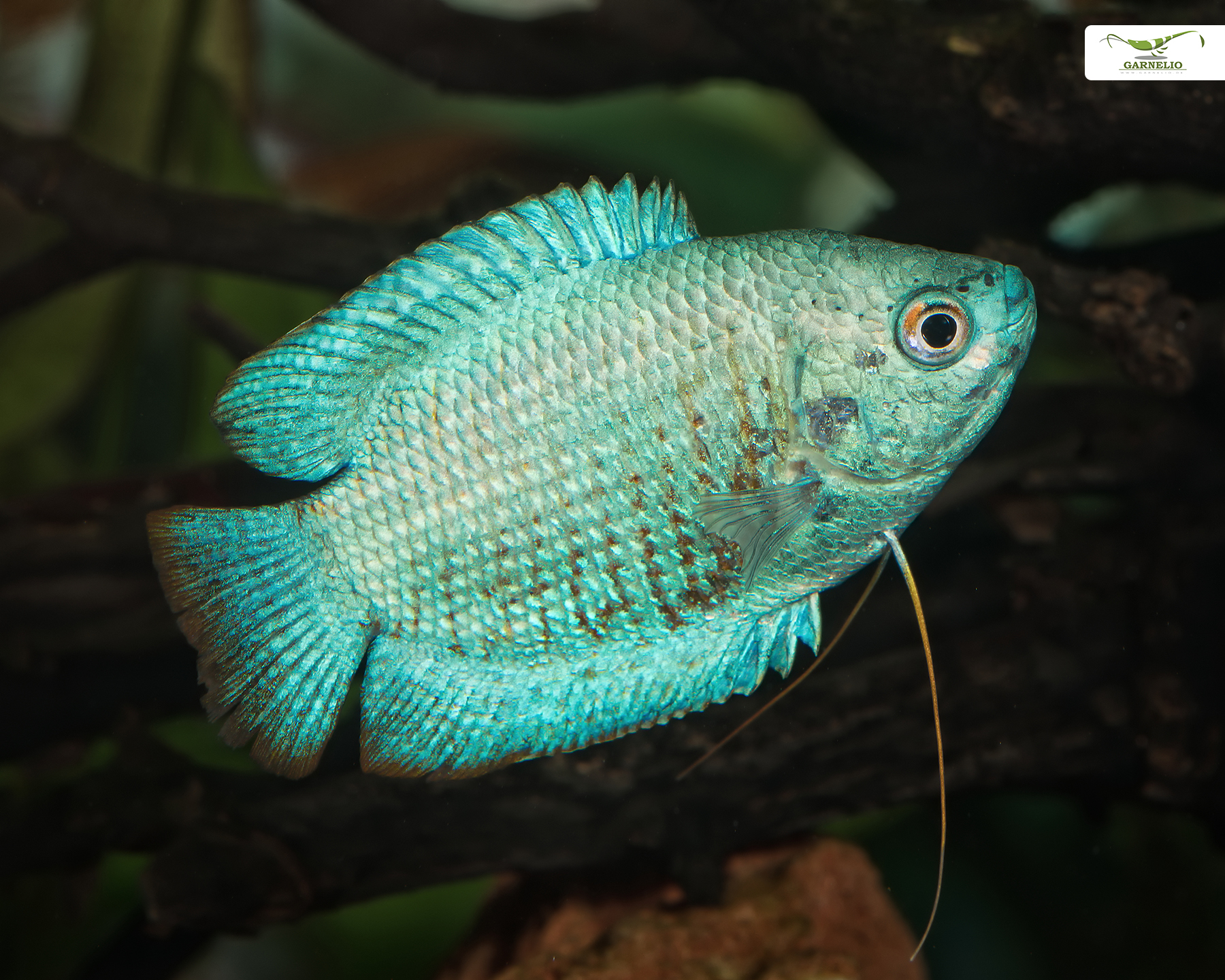
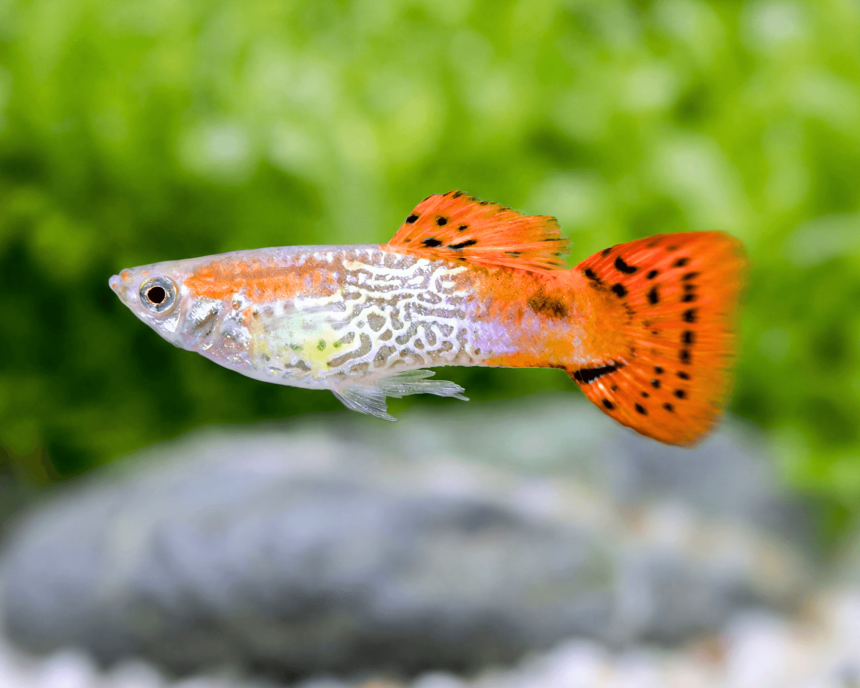
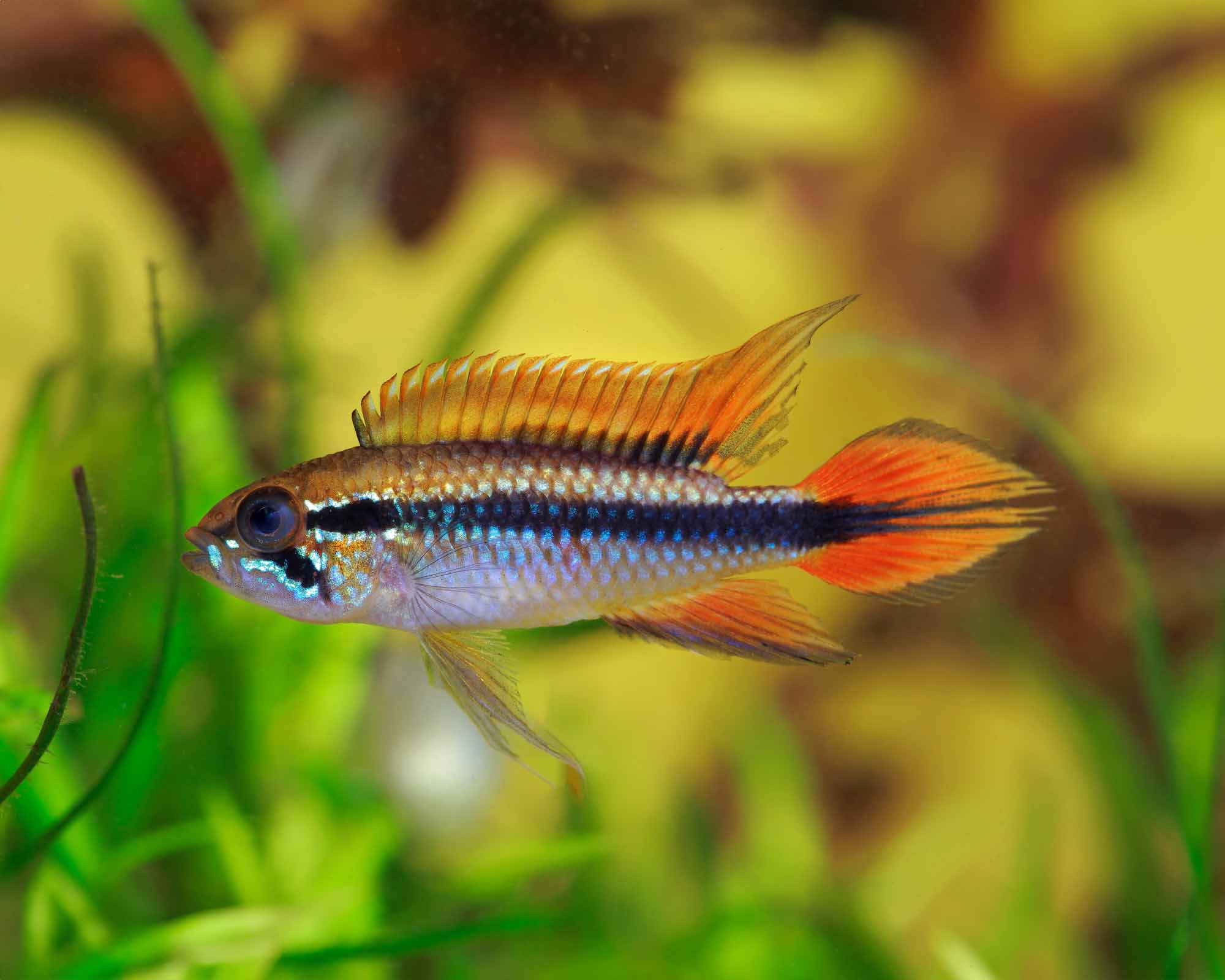
Dumbo Ear Dragon Guppy, Male

Like all guppies, the Dumbo Ear Dragon Guppy is a busy swimmer that adds color and movement to the freshwater community aquarium. One of the many color variations of Poecilia reticulata, the farm-raised Dumbo Ear Dragon Guppy requires an aquarium of at least 10 gallons. Because of its hardiness, it is tolerant of small changes in water parameters. However, care should be taken to keep temperature, pH, and nutrient levels in check. The Dumbo Ear Dragon Guppy is a very peaceful fish and should be housed with freshwater tankmates of similar temperament.

Guppies are relatively easy to breed even for the beginning aquarists. If you are interested in breeding guppies, the ideal aquarium should have a covering of floating plants and a breeding box to protect the fry. Adults may eat the fry if left to fend for themselves without the breeding box. The fry should be fed brine shrimp, micro food and pulverized flakes.

The Dumbo Ear Dragon Guppy is an omnivore and requires both algae-based foods as well as meaty foods. An algae-based flake food, along with freeze-dried bloodworms, tubifex, and brine shrimp will provide guppies with the proper nutrition.
Fish info

Care level: Easy
Temperament: Peaceful
Adult size: 5.08
Life expectancy: 3
Fish type: Poeciliidae
Color Form: Blue, Green, Orange
Leave your comments
Lastest on Fishs
  • Hemigrammus stictus (Blood Tail Tetra)

    Easy - Moderate
    Poeciliidae
    Originating from the slow-moving, tannin-stained waters of South America, the Blood Tail Tetra is a peaceful and active schooling fish. Known for its striking red caudal peduncle and distinct black humeral spot, this hardy species adds a subtle yet captivating splash of color to any planted community aquarium.
  • Astyanax mexicanus (Blind Cave Tetra)

    Easy
    Poeciliidae
    The Blind Cave Tetra is a fascinating oddball fish that has evolved without eyes or pigmentation to survive in pitch-black subterranean caves. Relying on an advanced lateral line system to navigate and find food, this hardy, active schooling fish makes a captivating and unique addition to the home aquarium.
  • Chilatherina bleheri (Bleher's Rainbowfish)

    Easy - Moderate
    Poeciliidae
    Chilatherina bleheri, commonly known as Bleher's Rainbowfish, is a stunning freshwater species native to Lake Holmes in Papua, Indonesia. Known for its striking split coloration—featuring a greenish-blue front and a vibrant red-orange back—this active, peaceful schooling fish is highly prized by aquarists for adding dynamic movement and color.
  • Trigonostigma truncata (Truncate Harlequin Rasbora)

    Easy
    Poeciliidae
    The Truncate Harlequin Rasbora, often referred to as the Blaustrich Keilfleckbarbe, is a captivating and peaceful schooling fish native to Southeast Asia. Known for its distinct black wedge-shaped marking and vibrant orange hues, this active cyprinid is highly popular among aquarists for its hardiness and striking appearance in planted aquariums.
  • Channa andrao (Blue Snakehead)

    Moderate
    Poeciliidae
    The Blue Snakehead (Channa andrao) is a captivating dwarf species highly sought after by aquarium enthusiasts. Originating from the swamps of India, this rare gem boasts mesmerizing blue hues and fascinating behaviors. Despite its predatory nature, its manageable size makes it an incredible centerpiece for dedicated keepers.
  • Moenkhausia sp. (Blue-Eye Kogal Tetra)

    Easy - Moderate
    Poeciliidae
    The Blue-Eye Kogal Tetra, an undescribed Moenkhausia species, is a stunning and active schooling fish prized for its striking bright blue eyes and shimmering golden-silver body. Originating from South America, this peaceful yet energetic tetra adds a captivating gleam and dynamic movement to any well-planted community aquarium.
  • Carnegiella marthae (Blackwing Hatchetfish)

    Moderate
    Poeciliidae
    The Blackwing Hatchetfish is a fascinating, peaceful surface-dweller native to the slow-moving, acidic waters of South America. Known for its uniquely deep, keeled belly and remarkable ability to leap from the water to catch insects, this distinctive schooling fish adds captivating upper-level activity to any well-covered community aquarium.
  • Hyphessobrycon wadai (Blackberry Tetra)

    Easy - Moderate
    Poeciliidae
    Hailing from the clear waters of Brazil's Rio Tapajós basin, the Blackberry Tetra (Hyphessobrycon wadai) is a stunning, recently described species. Known for its striking deep purple-blue coloration and peaceful schooling nature, it has quickly become a highly sought-after gem among aquarists looking to add vibrant contrast to planted aquariums.
  • Megalamphodus megalopterus (Black Phantom Tetra)

    Easy
    Poeciliidae
    The Black Phantom Tetra, native to the Guaporé and Paraguay river basins, is a striking and peaceful schooling fish. Known for its elegant, contrasting black and silver appearance and elongated fins in males, it is a highly popular and hardy choice for planted community aquariums.
  • Hyphessobrycon herbertaxelrodi (Black Neon Tetra)

    Easy
    Poeciliidae
    Originating from the Paraguay basin in South America, the Black Neon Tetra is a peaceful, schooling fish beloved by aquarists. Known for its striking black and iridescent greenish-white lateral stripes, this hardy species adds vibrant contrast and active, dynamic movement to any well-planted community aquarium.
  • Nematobrycon palmeri (Black Emperor Tetra)

    Easy - Moderate
    Poeciliidae
    The Black Emperor Tetra is a striking, captive-bred melanistic variety of the classic Emperor Tetra. Originating from Colombian lineages, this peaceful, active fish is highly prized in the aquarium hobby for its deep, velvety black coloration and iridescent purple sheen, adding dramatic elegance to any planted community tank.
  • Puntius titteya (Albino Fire Red Cherry Barb)

    Easy
    Poeciliidae
    The Albino Fire Red Cherry Barb is a stunning, selectively bred variation of the classic Cherry Barb. Originating from Sri Lanka's shaded streams, this peaceful cyprinid boasts vibrant red-orange hues and striking red eyes. Its hardy nature and active schooling behavior make it highly popular among freshwater aquarists.
  • Puntius titteya (Cherry Barb)

    Easy
    Poeciliidae
    Native to the shaded streams of Sri Lanka, the Cherry Barb (Puntius titteya) is a remarkably peaceful and hardy schooling fish. Renowned for the male's vibrant, deep red breeding coloration, this active cyprinid is a highly popular, easy-to-care-for addition to heavily planted community aquariums worldwide.
  • Channa pulchra (Peacock Snakehead)

    Moderate
    Poeciliidae
    Native to the fast-flowing streams of Myanmar, the Peacock Snakehead (Channa pulchra) is a stunning, subtropical species highly prized by aquarists. Known for its vibrant blue hues, striking black spots, and relatively peaceful demeanor for a snakehead, it makes a captivating and hardy addition to specialized predator setups.
  • Sawbwa resplendens (Sawbwa Barb)

    Moderate
    Poeciliidae
    Endemic to Lake Inle in Myanmar, the Sawbwa Barb (or Asian Rummynose) is a striking, completely scaleless micro-cyprinid. Males boast a bright red head and tail tips against a silvery-blue body. Their peaceful schooling nature and unique appearance make them highly sought after by nano aquarium enthusiasts.
  • Channa bangkanensis (Bangka Snakehead)

    Moderate - Difficult
    Poeciliidae
    The Bangka Snakehead (Channa bangkanensis) is a captivating, medium-sized predator native to the blackwater peat swamps of Southeast Asia. Known for its striking reddish-brown coloration and aggressive ambush behavior, this species is highly sought after by experienced aquarists looking for a unique, specialized, and interactive predatory fish.