Begin with a movement map, not a species list
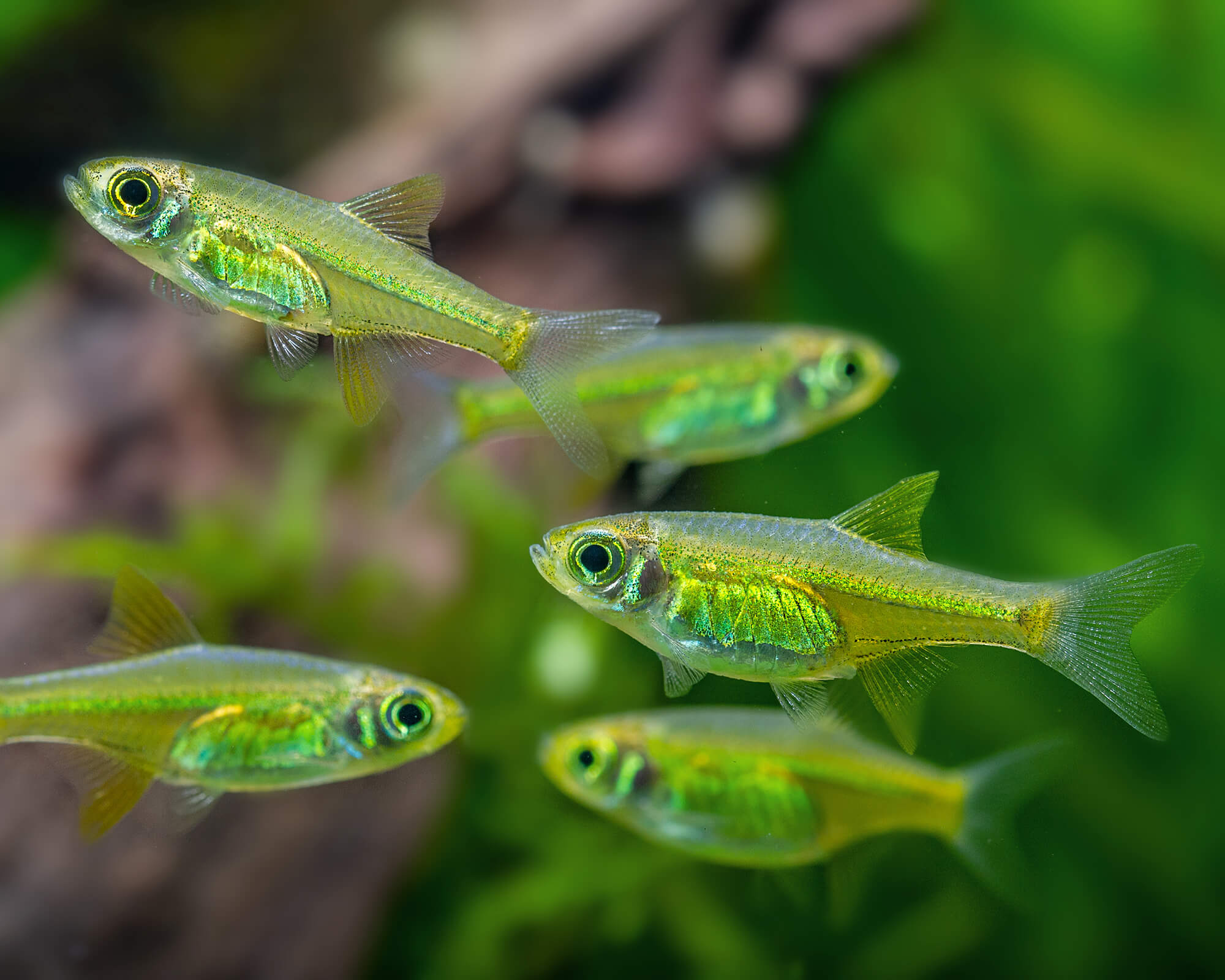
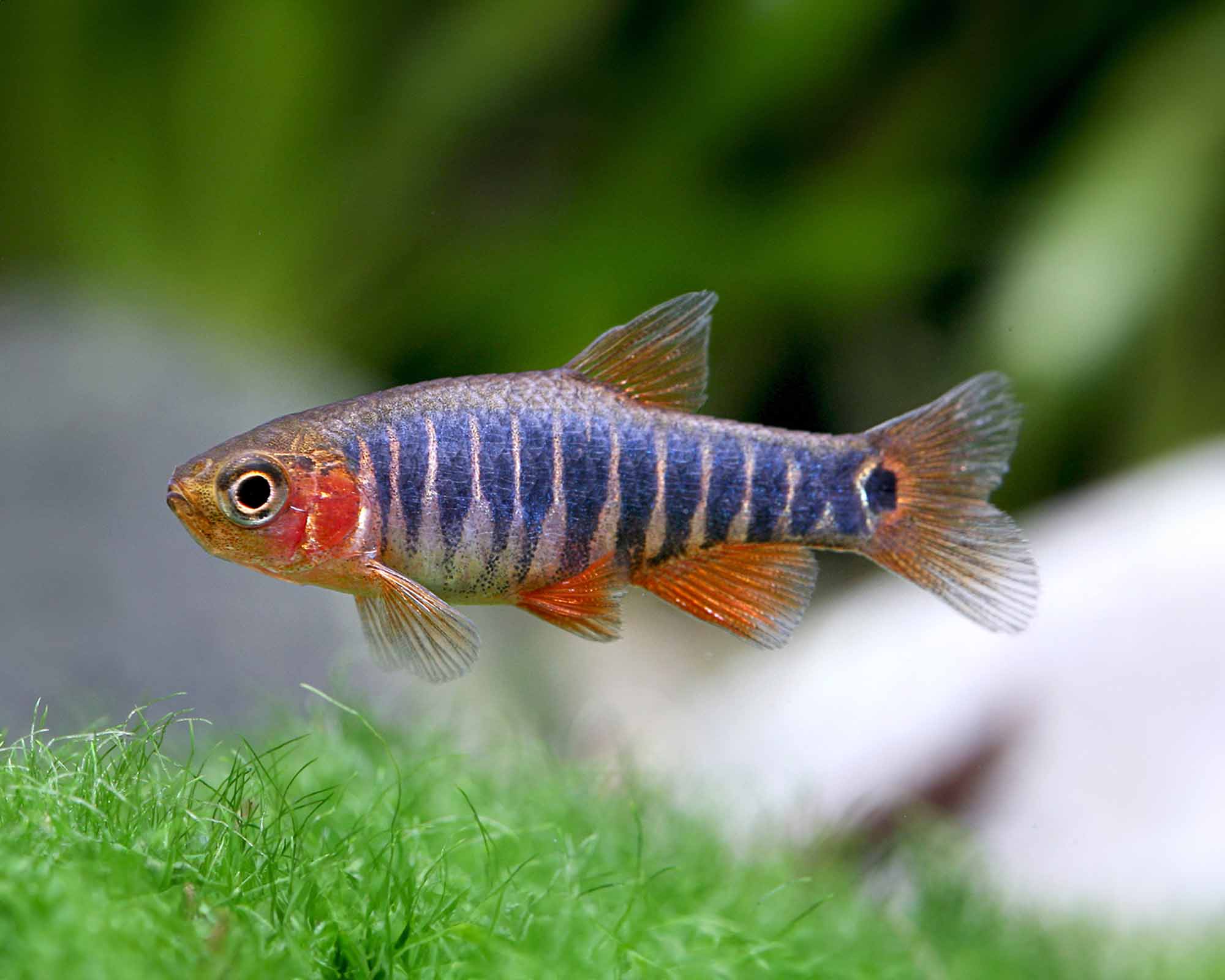
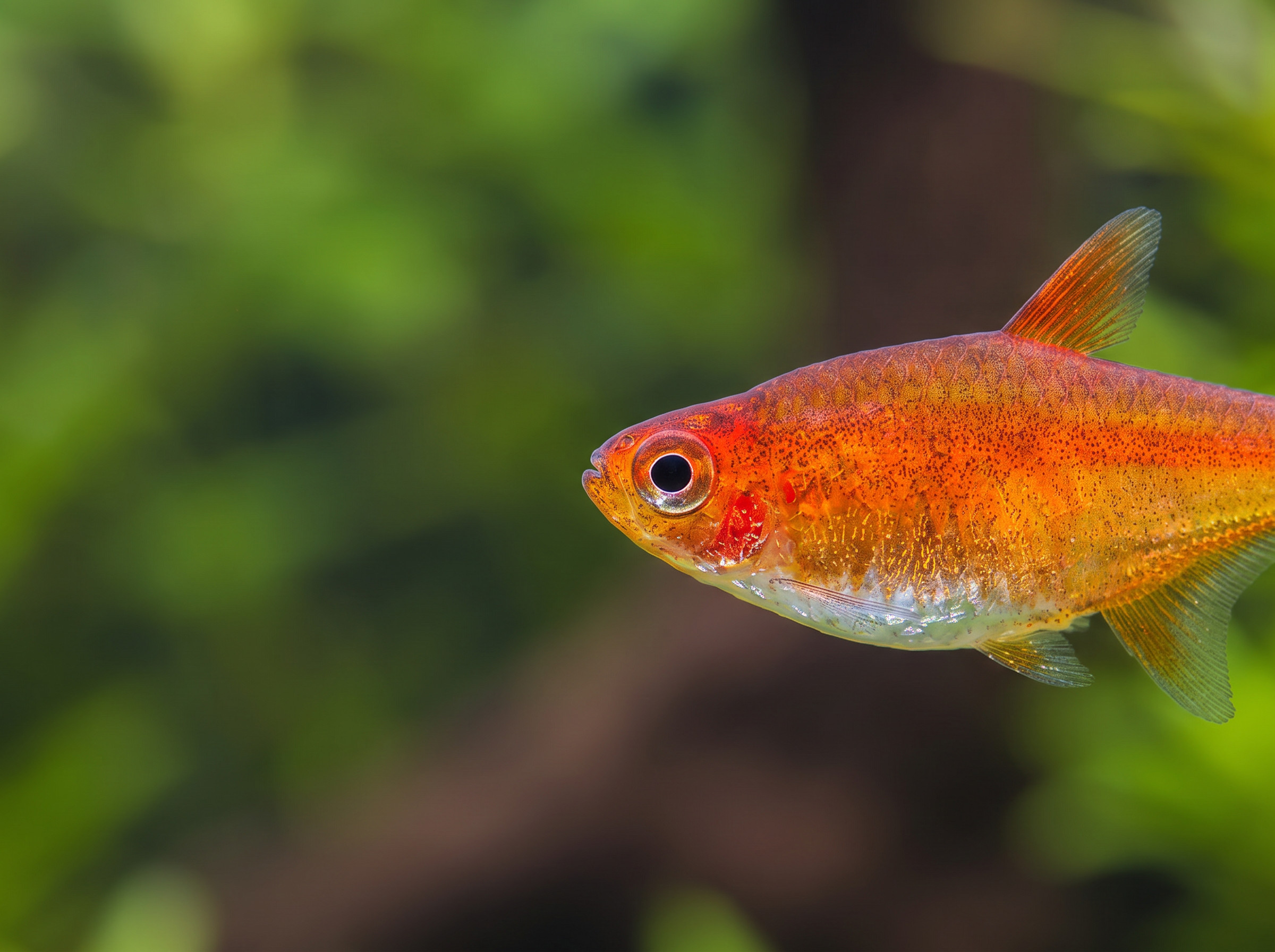
Before buying livestock, divide the aquarium into three practical zones: open swimming water, structured cover, and bottom access. Then ask which zone your intended animals will use most. A group of Microdevario kubotai usually benefits from a clear middle-water route bordered by fine-leaved plants. A bottom-oriented fish needs a visible substrate area rather than a dense wall of stems. Shrimp and small snails use the plant surfaces, wood, glass, and leaf litter that fish may ignore. If every zone is occupied by dense planting or hardscape, the tank can become visually busy but behaviorally cramped. Compatibility begins with providing separate usable spaces, not merely matching peaceful labels.
Choose fish by swimming style and adult footprint
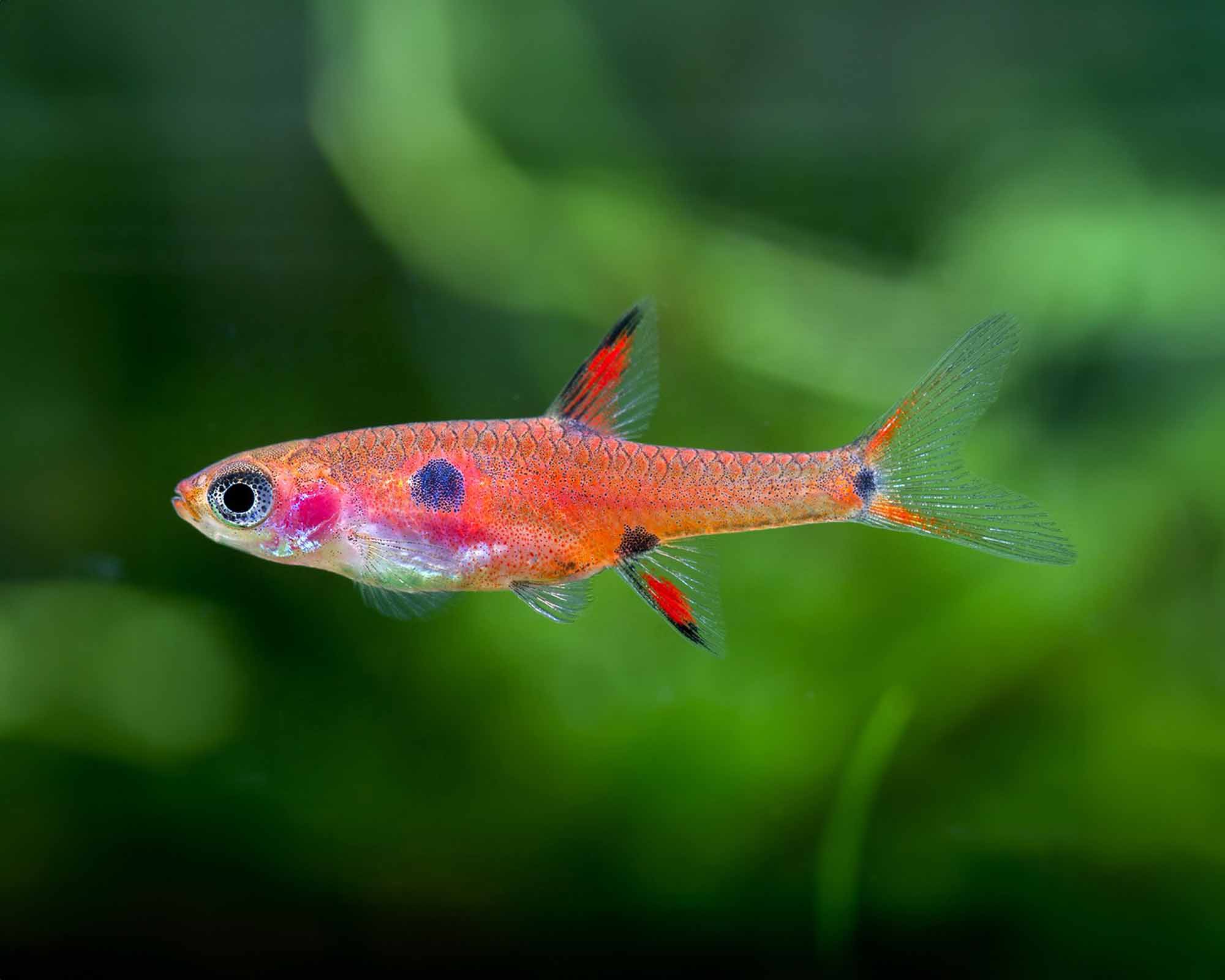
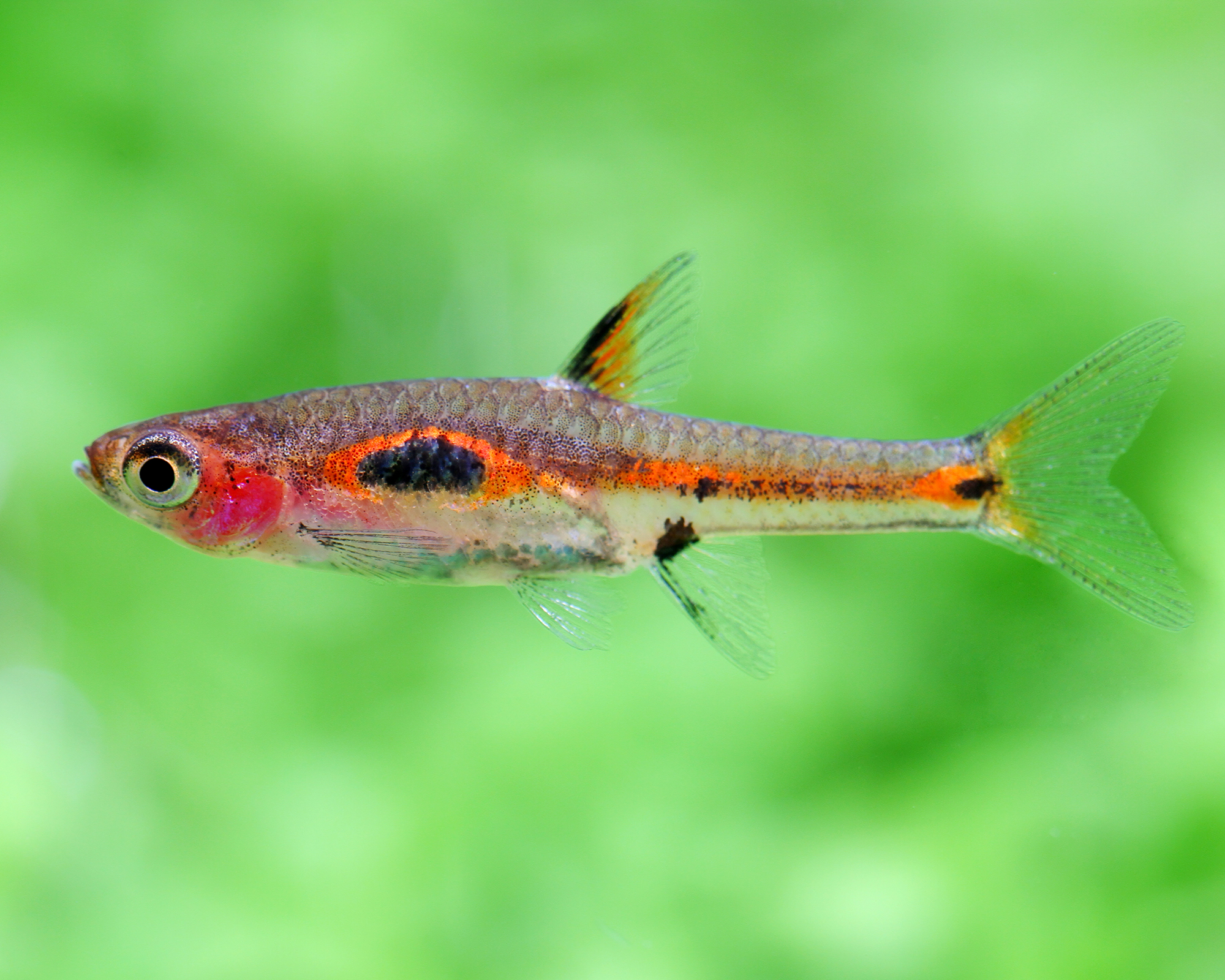
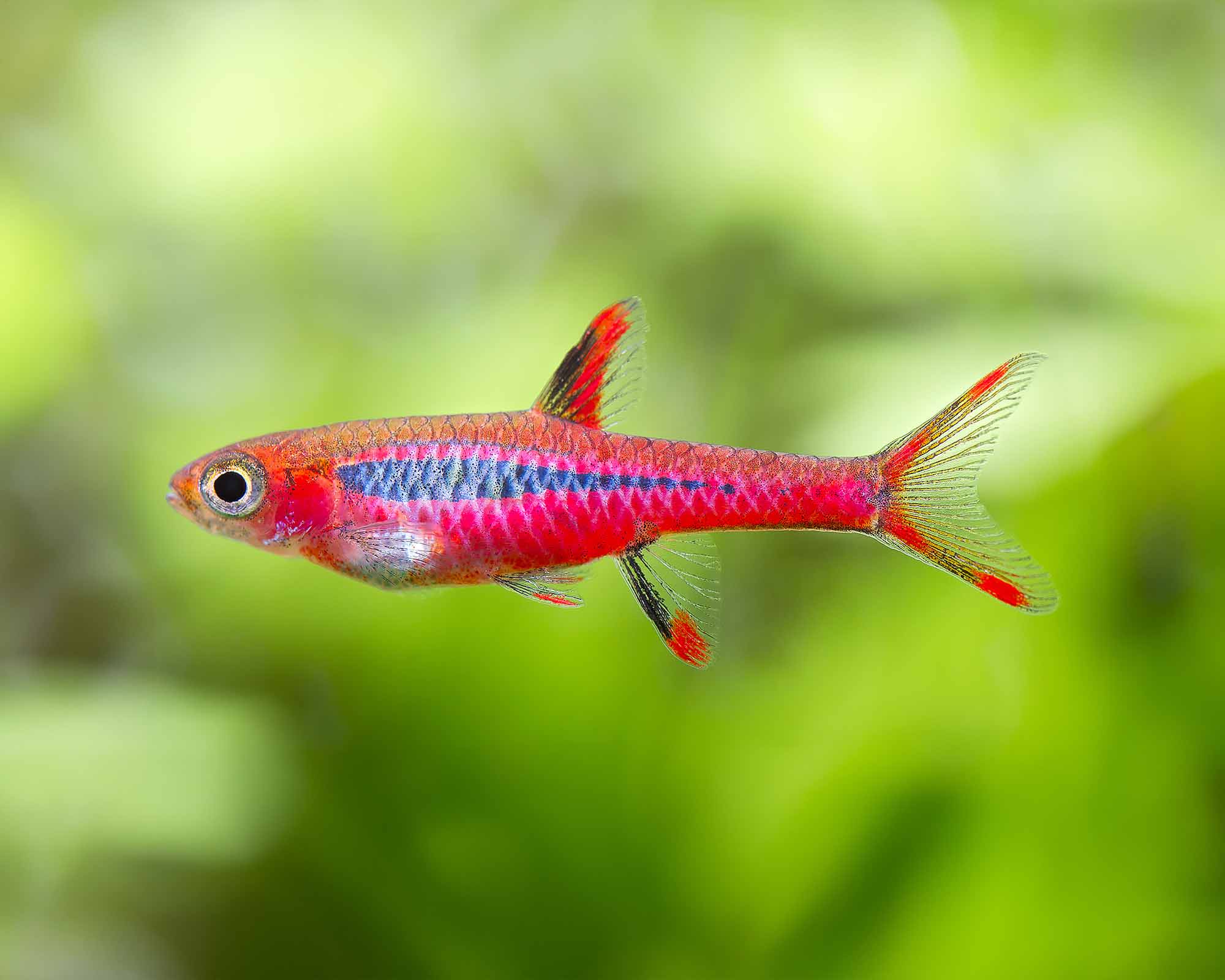
Tiny fish are not automatically suitable for every nano aquarium. A species that cruises constantly needs more uninterrupted length than a slow, cover-loving fish of similar size. Boraras maculatus can suit a planted layout with shaded edges, low plants, and a calm central area, while faster or more restless fish may make a short tank feel restrictive. Consider adult body length, group size, activity level, and whether the fish turns sharply or travels continuously across the tank. A useful test is to leave a continuous route from one end to the other before planting. If the fish cannot make that route without weaving through leaves and décor, reduce the hardscape or choose a less active stocking plan.
Use plant height to separate swimming lanes
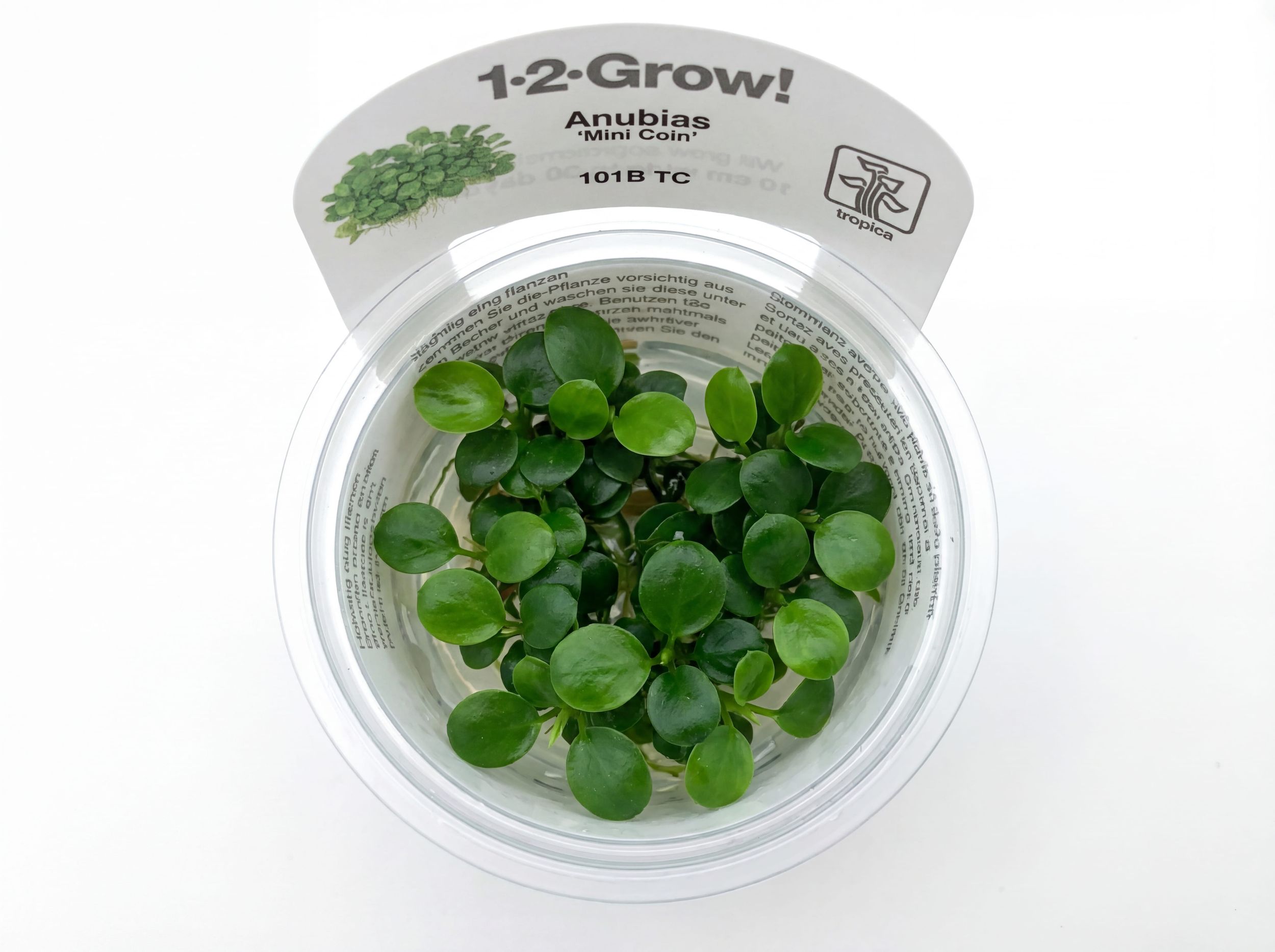
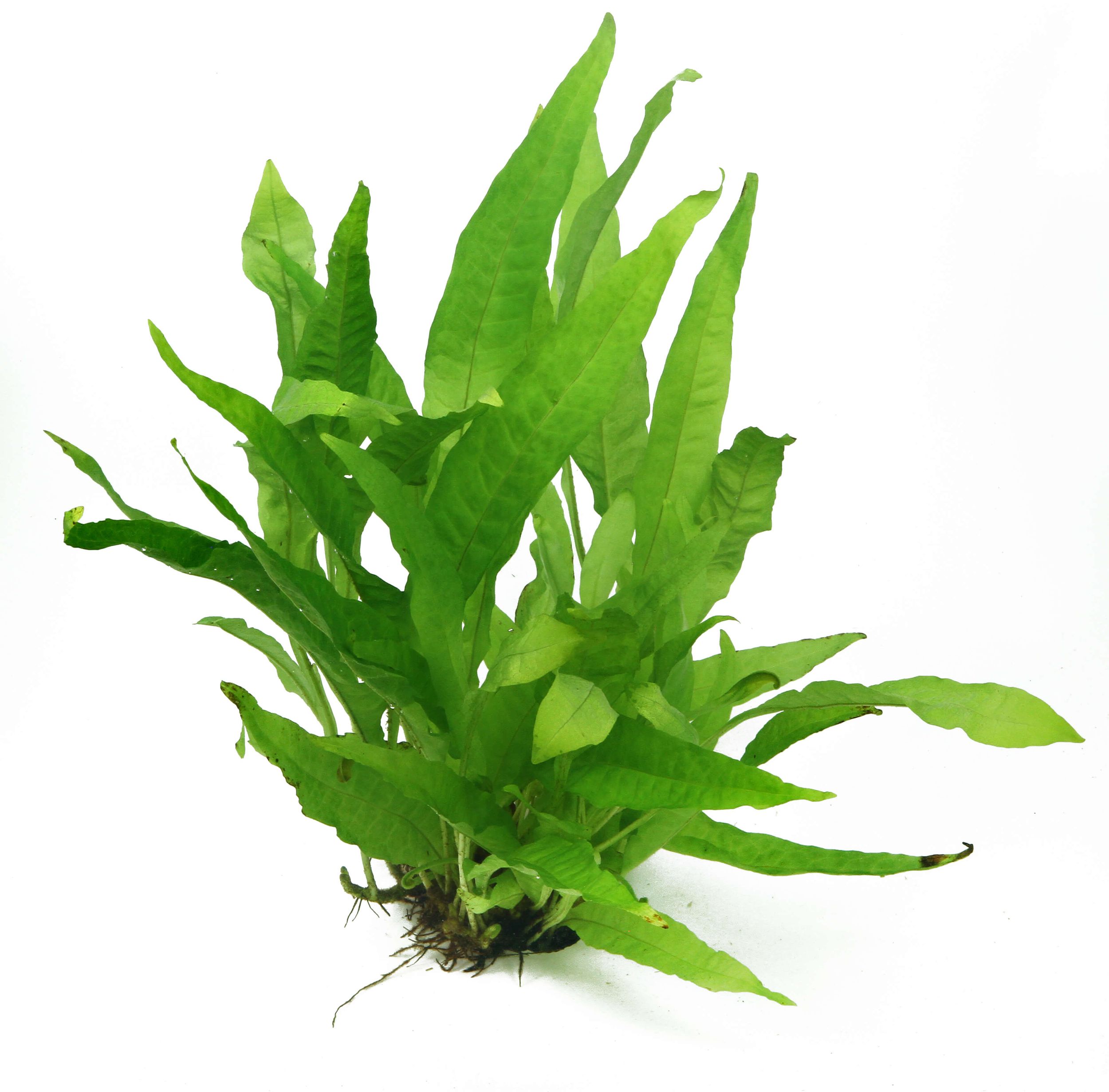
Easy plants are most useful when they shape behavior rather than simply occupy empty space. Java fern and Anubias can anchor shaded wood or rock without consuming the entire water column. Cryptocoryne can create a low boundary between open water and a sheltered corner. Stem plants can form a background screen, but trim them so they do not block the school’s turning route. Floating plants provide security for surface-oriented fish and can reduce glare, although they should leave some open surface for gas exchange and feeding. In a small aquarium, plant height matters as much as plant volume: low cover protects shy livestock, midground plants break sightlines, and a clear foreground preserves visual depth.
Build a fish school around one main route
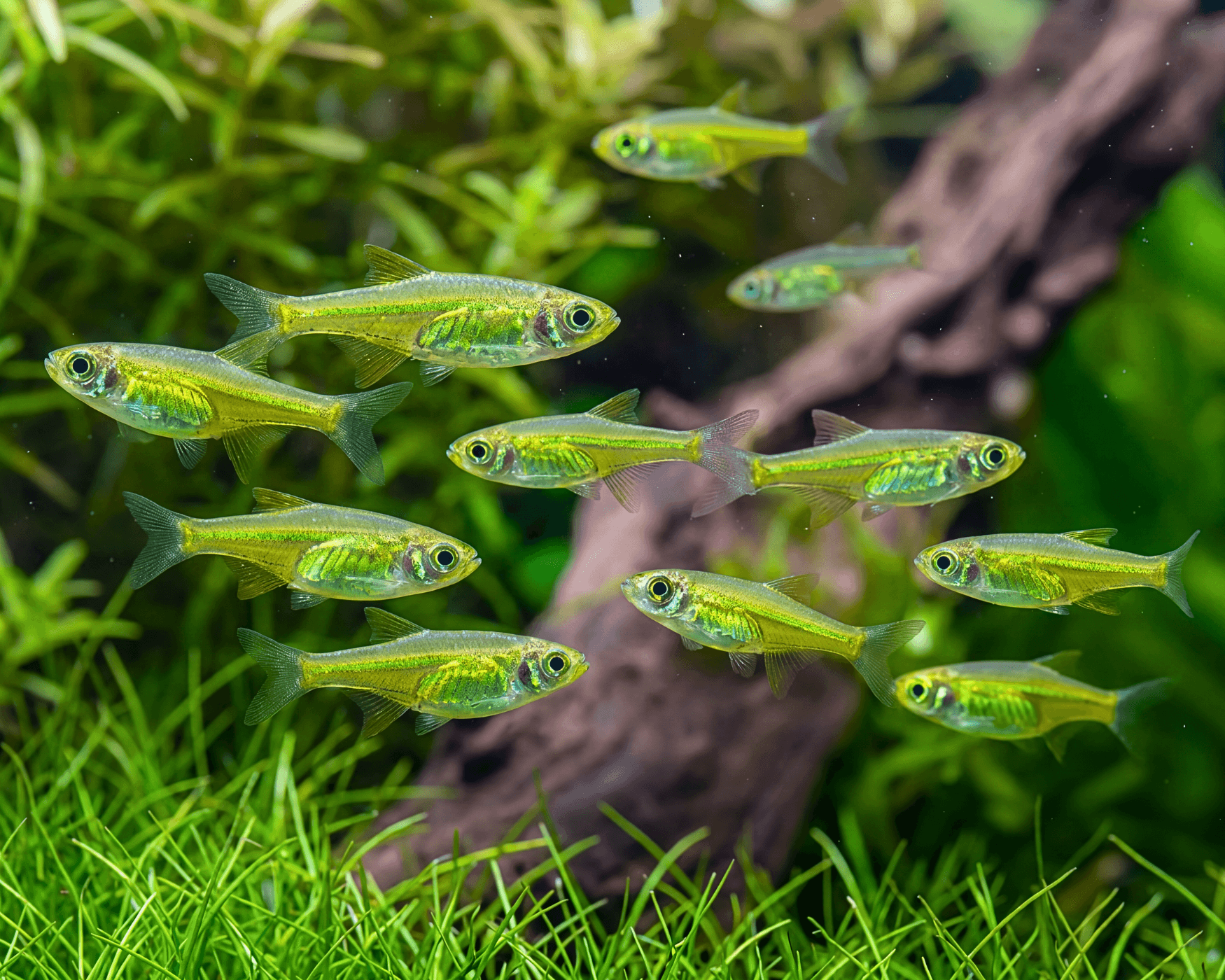
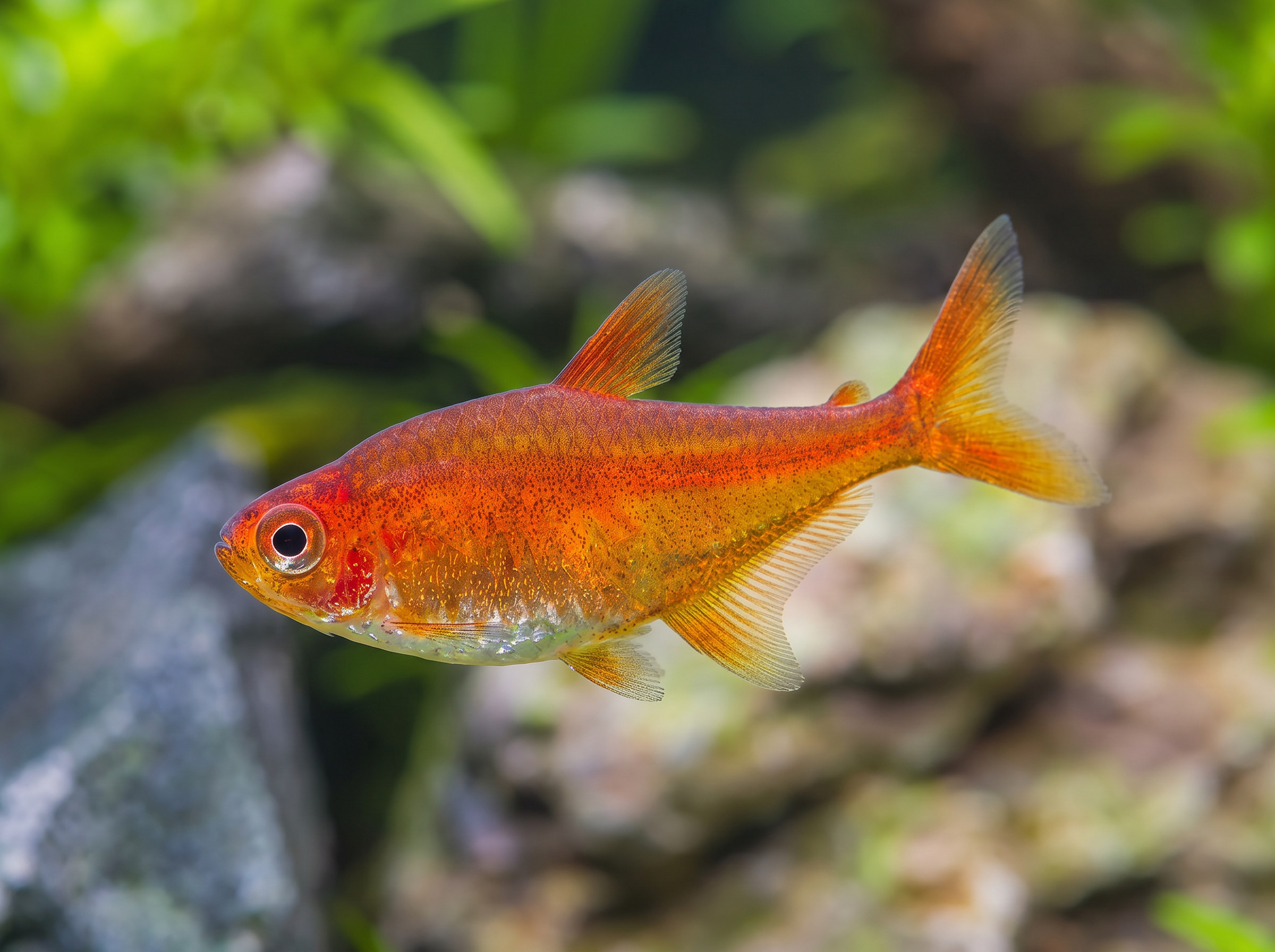
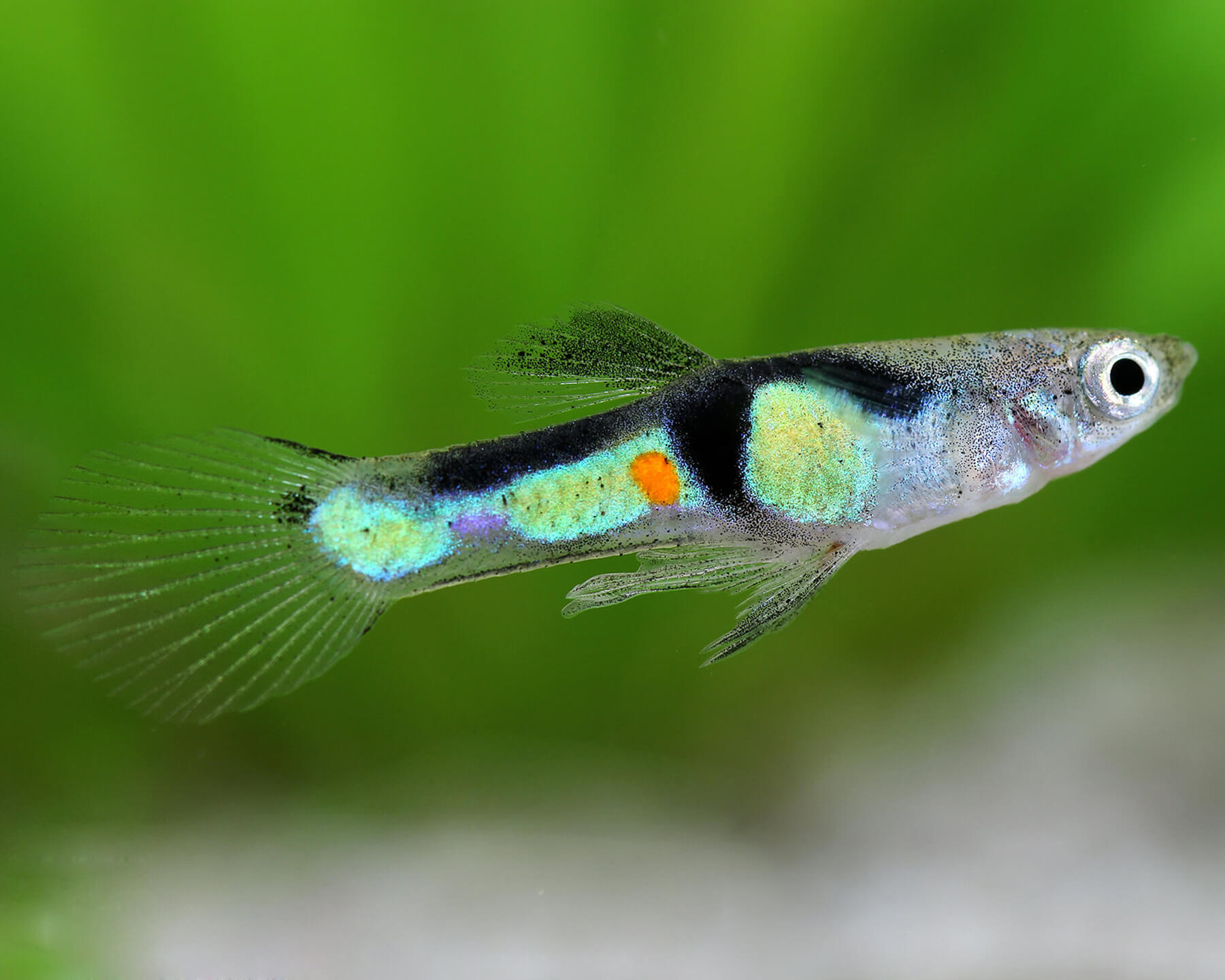
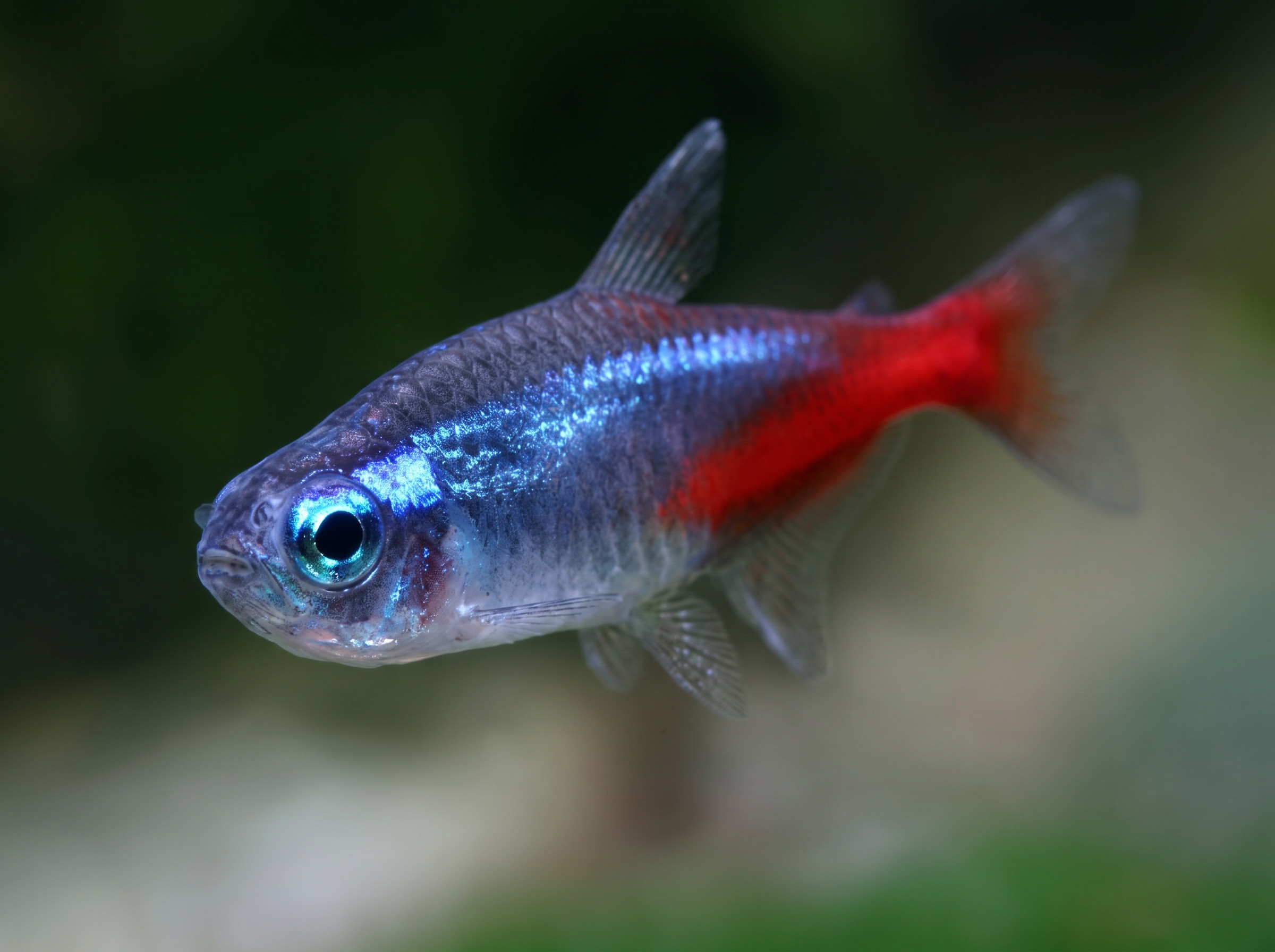
A peaceful community is easier to manage when one fish group provides the main movement pattern. For example, a school of small rasboras or tetras can occupy the middle water while bottom dwellers use the substrate and shrimp work through cover. Avoid combining several active schooling species in a short aquarium simply because each one is individually small. Their routes overlap, feeding becomes competitive, and the open area disappears. A single well-sized school often looks more natural than several undersized groups. Leave the strongest current along an open lane, but provide slower pockets behind plants. This lets fish choose between cruising and resting instead of being pushed continuously around the tank.
Treat bottom space as habitat, not decoration
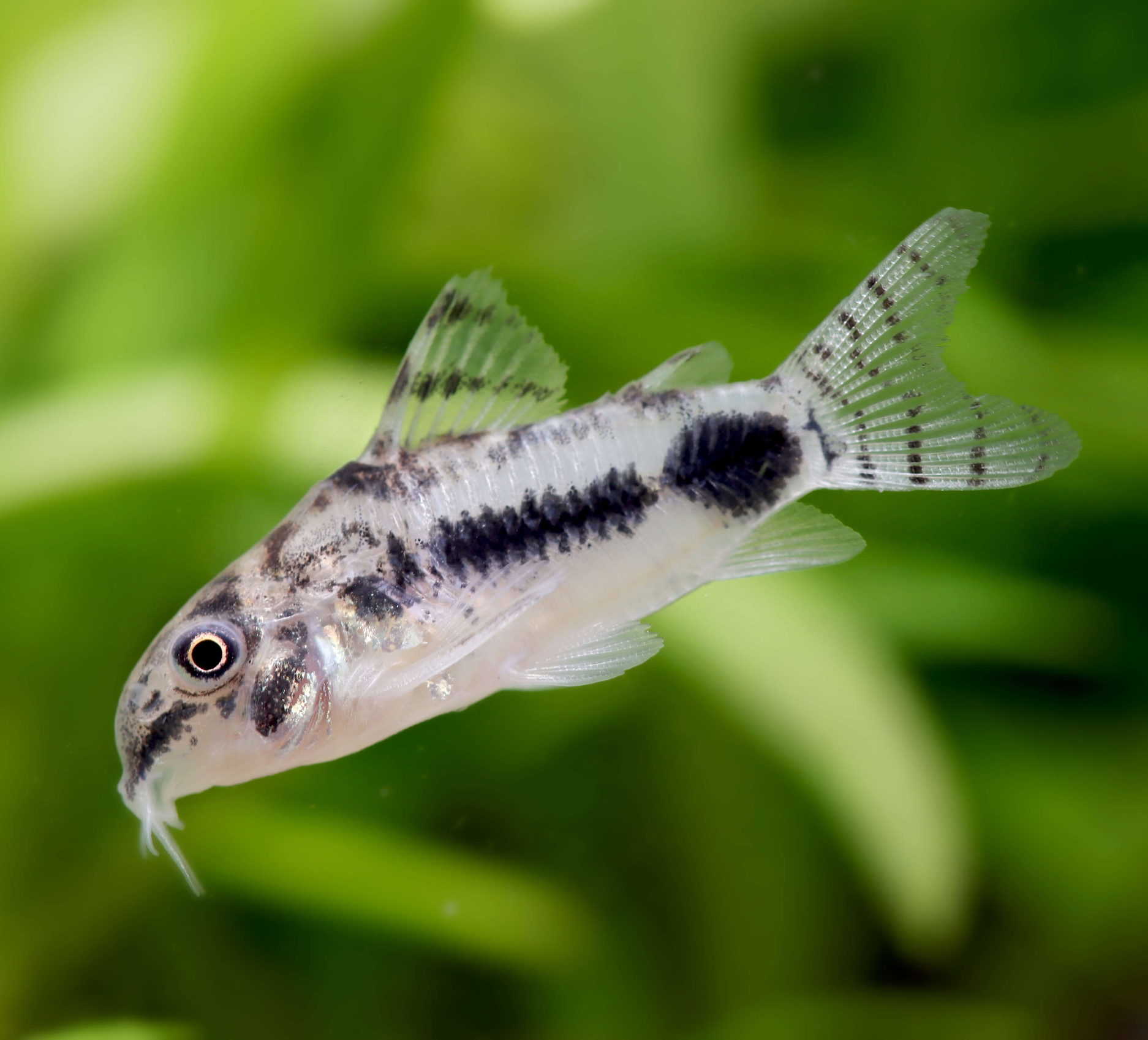
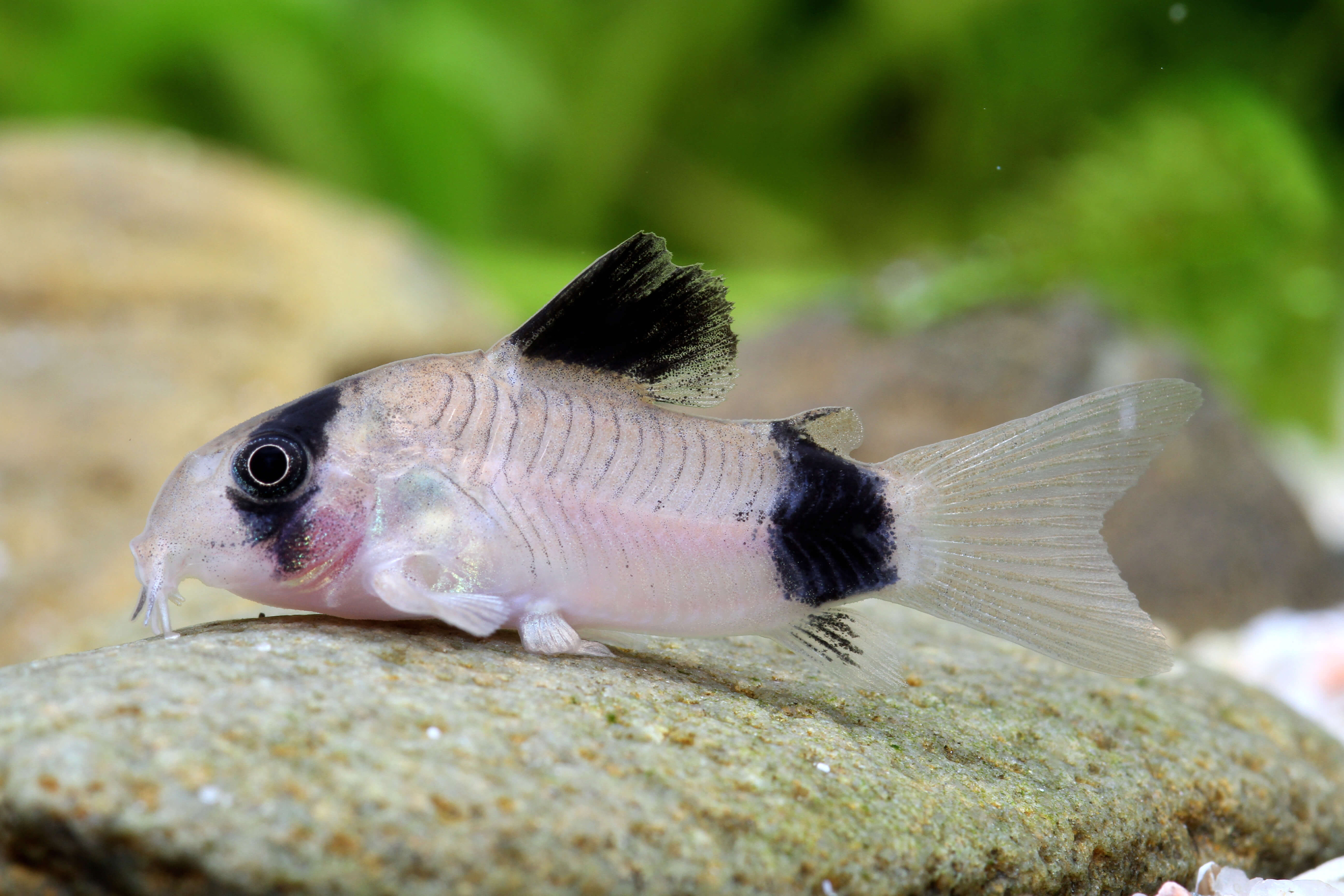
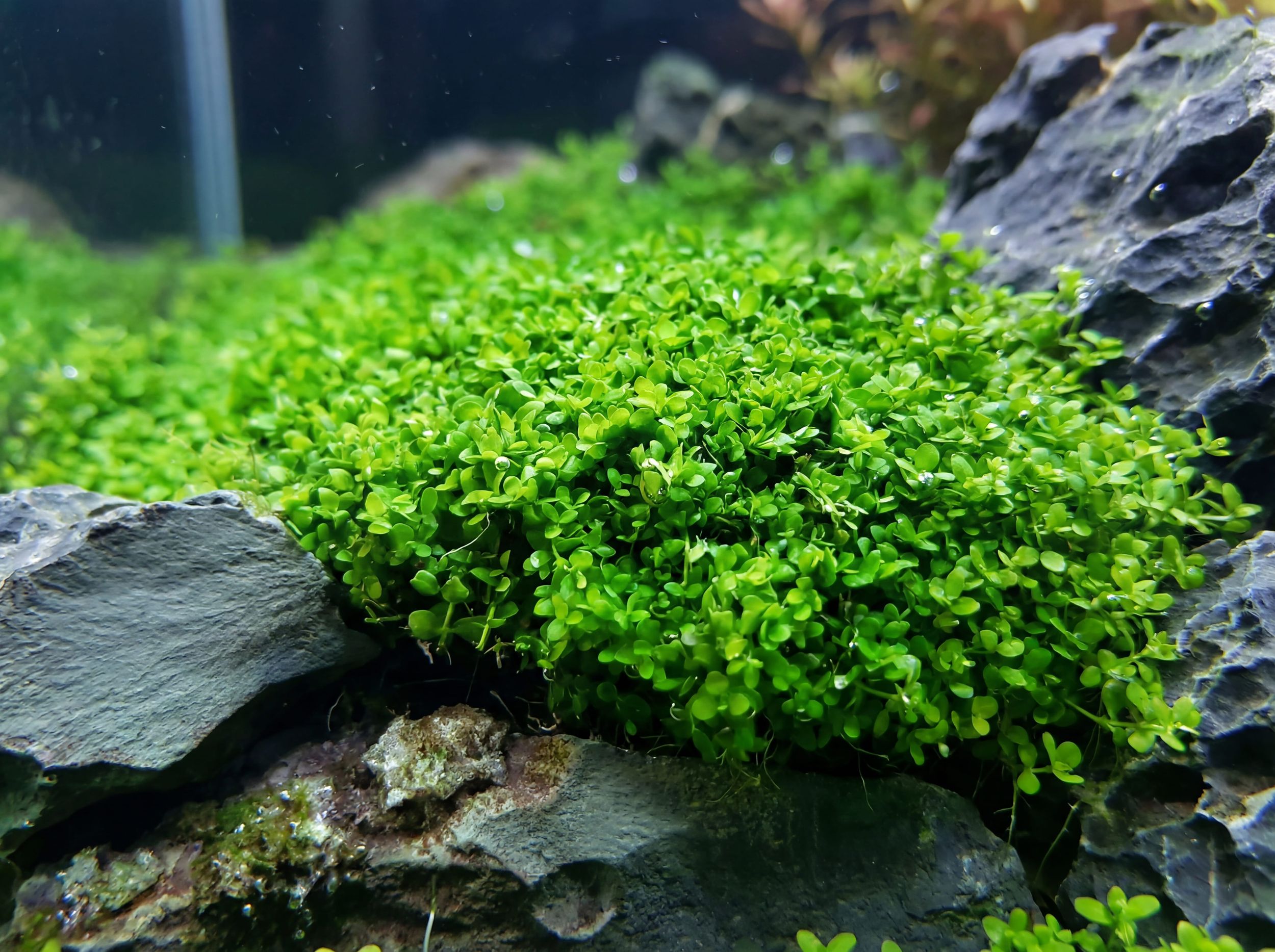
Corydoras and other bottom-oriented fish need more than a decorative strip of sand at the front glass. They investigate the substrate, search between surfaces, and use the lower water column as a social area. Corydoras habrosus can work in a planted community when the floor remains open, the substrate is suitable, and the group is not crowded by large ornaments. Place rooted plants toward the rear and sides, leaving several connected feeding patches in front. Use smooth wood or rounded stones rather than sharp structures that interrupt movement. If you add shrimp, avoid covering every bottom surface with dense moss; leave enough open area for fish to forage without constantly disturbing the colony.
Add shrimp only when cover survives the fish plan
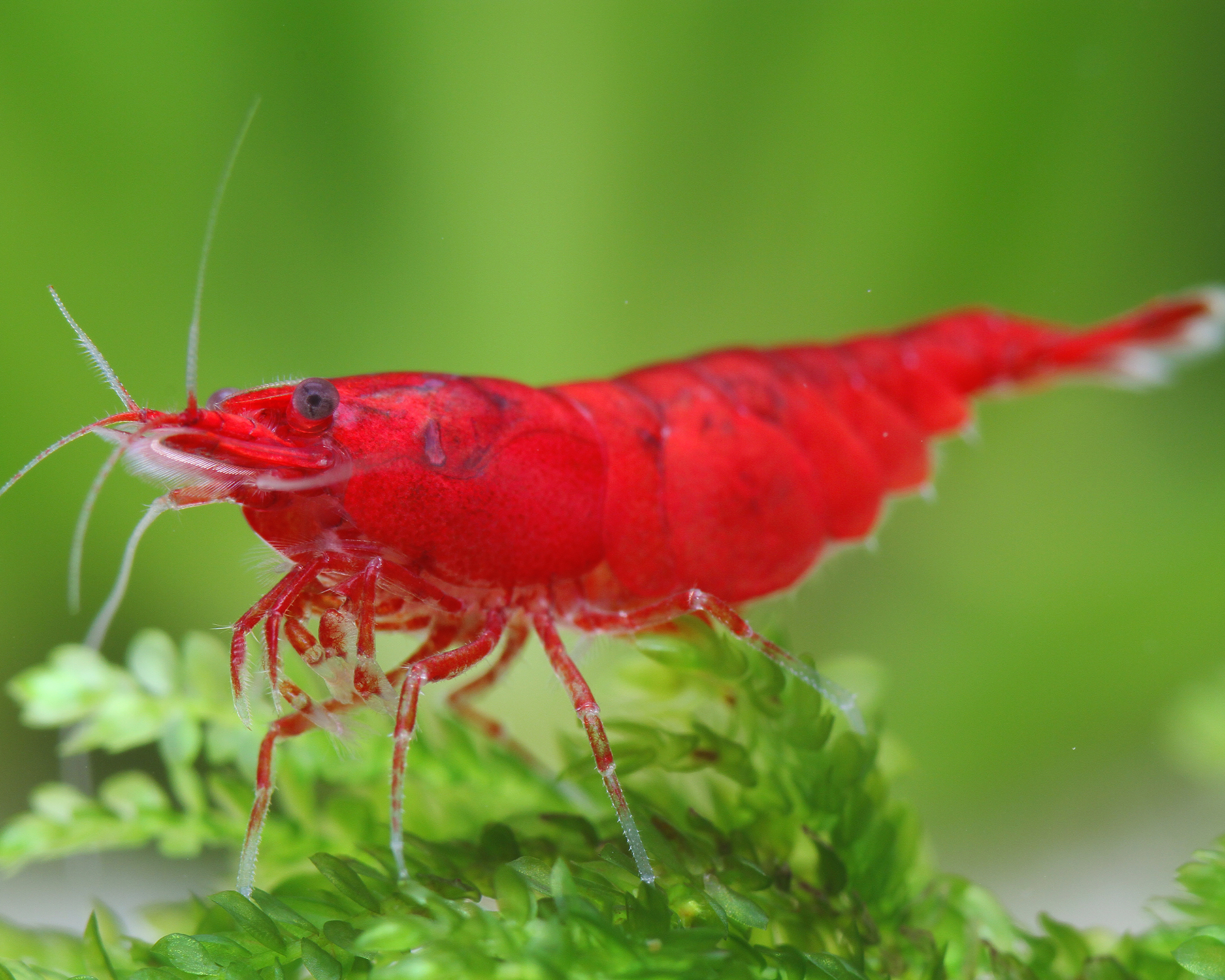
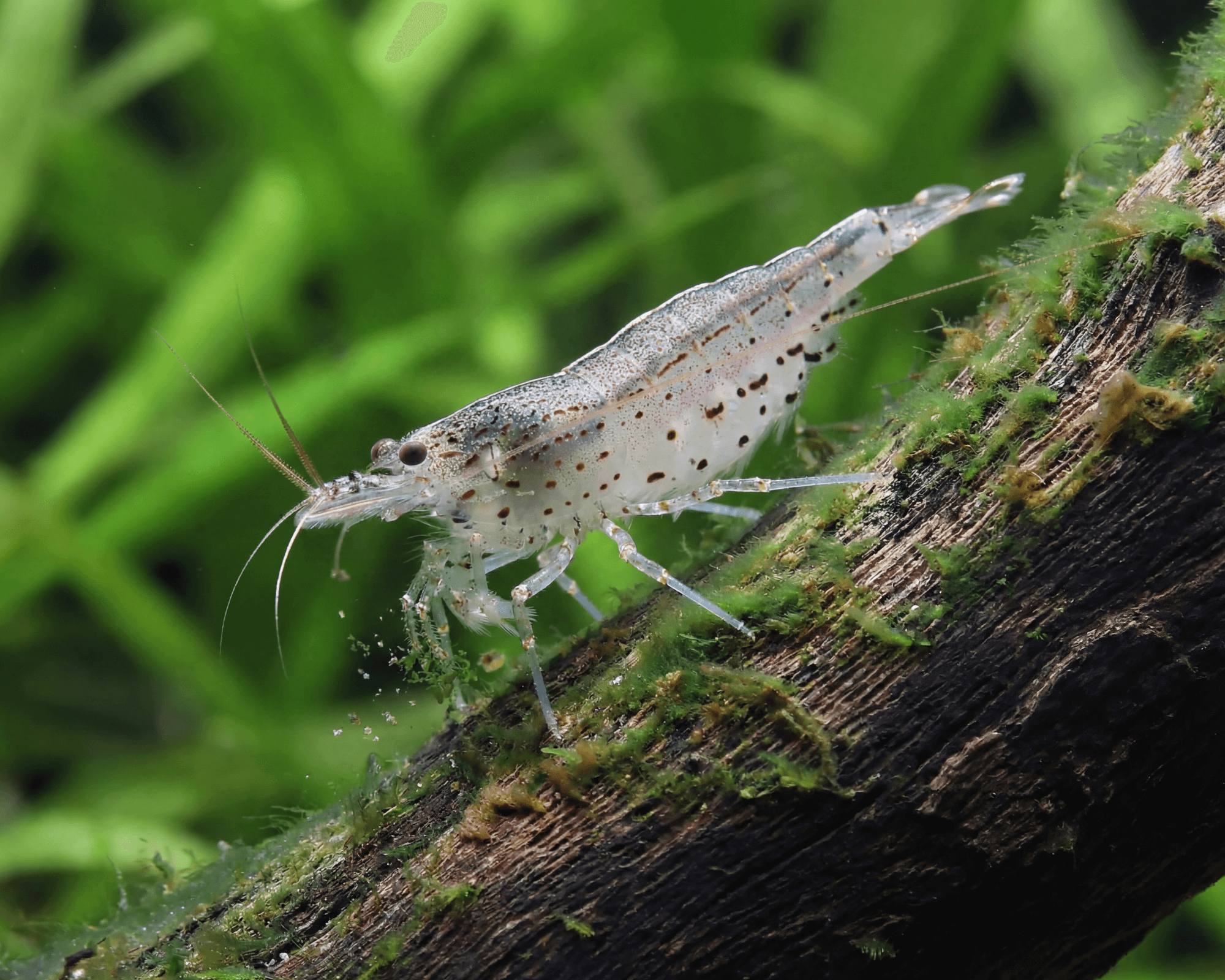
Colorful Neocaridina shrimp can fit a planted aquarium, but their compatibility depends on size, hunting behavior, and cover. Adult shrimp may coexist with very small, peaceful fish, while newly hatched shrimplets are vulnerable to almost any fish that can investigate plant gaps. Moss, fine-leaved stems, leaf litter, and dense roots create refuge, but cover must remain connected rather than forming one exposed clump. If shrimp reproduction matters, design a shrimp-first layout with multiple hidden zones and a restrained fish population. If display fish are the priority, accept that the colony may remain smaller and that young shrimp may rarely be visible. Shrimp should be added to a mature, stable aquarium rather than a freshly planted setup.
Use a betta layout differently from a schooling-fish layout
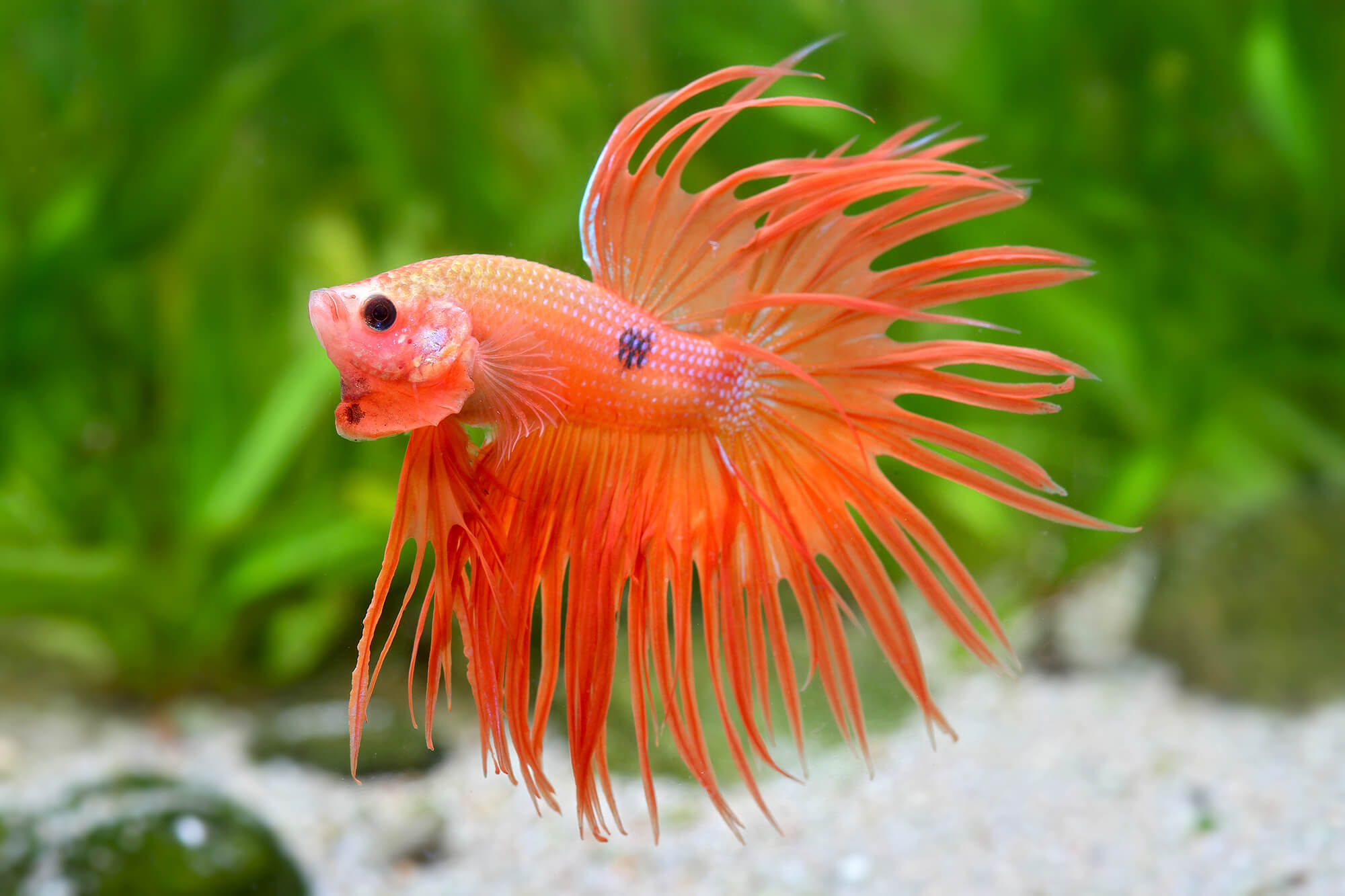
A betta may use the whole aquarium but often prefers a series of resting points near the surface and sheltered edges rather than a long, uninterrupted racing lane. Broad-leaved plants, floating cover, and low-flow areas can make the layout more usable. Keep some open water so the fish can reach the surface easily and patrol without forcing its fins through dense stems. Tank-mate risk is individual: some bettas ignore shrimp and snails, while others hunt or harass them. A betta plan should therefore include a backup arrangement, such as a divider or separate mature tank. Do not add schooling fish merely to fill unused water if their movement conflicts with the betta’s temperament.
Let flow create choices instead of one constant current
Water movement changes how much swimming space fish can actually use. A strong current may leave only sheltered corners available to slow fish, while a stagnant layout can reduce oxygen exchange and allow waste to settle among dense plants. Aim for varied flow: an open, gently moving route for schooling fish; calmer pockets behind wood or broad leaves; and enough circulation around the substrate for bottom dwellers. Position the filter outlet along the length of the aquarium rather than directly into a plant thicket. Floating plants and tall stems may redirect flow as they grow, so reassess the layout after trimming. Good design gives livestock choices instead of forcing every animal into the same water movement.
Select snails by space use and food access
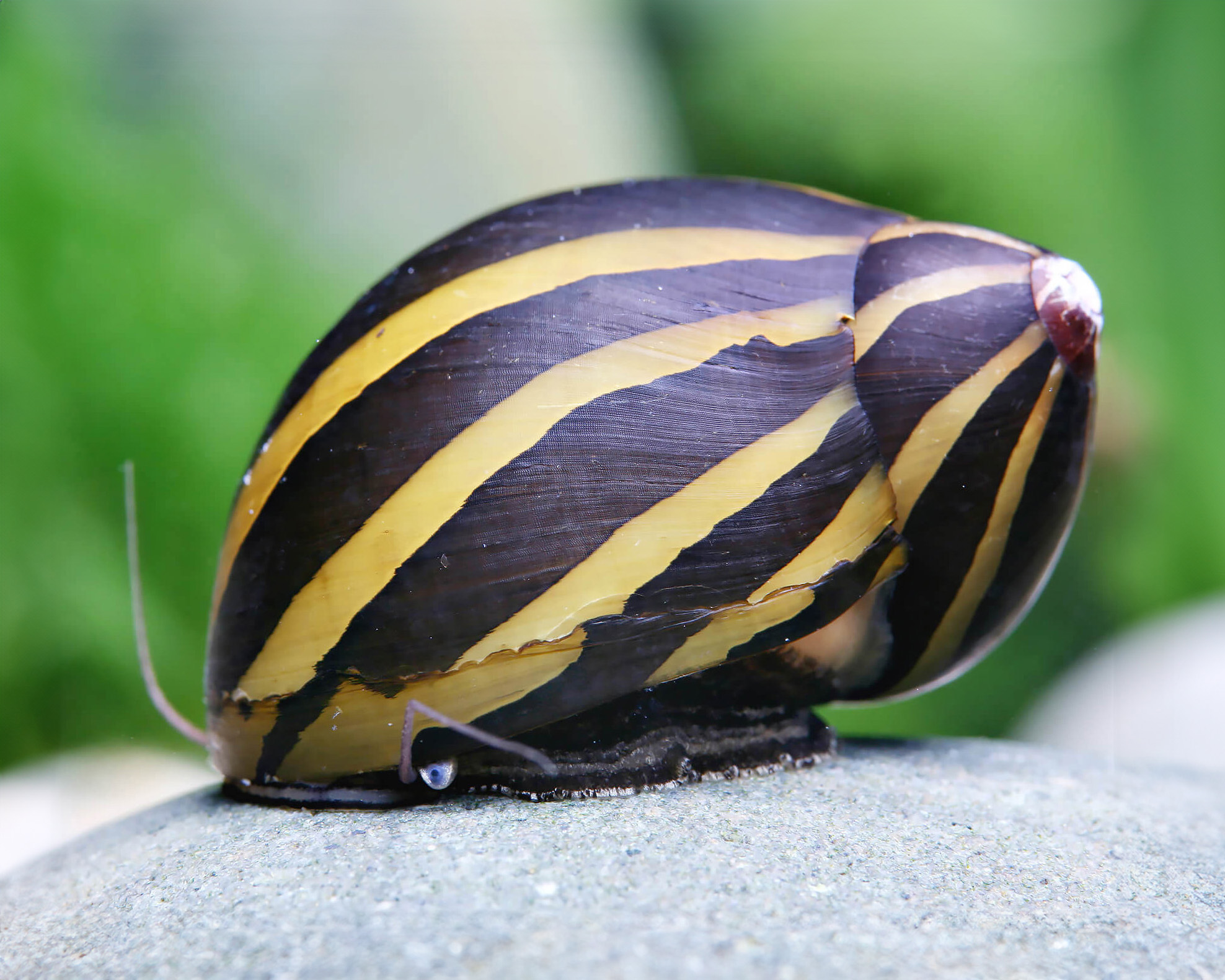
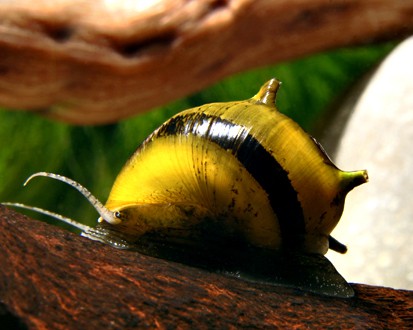
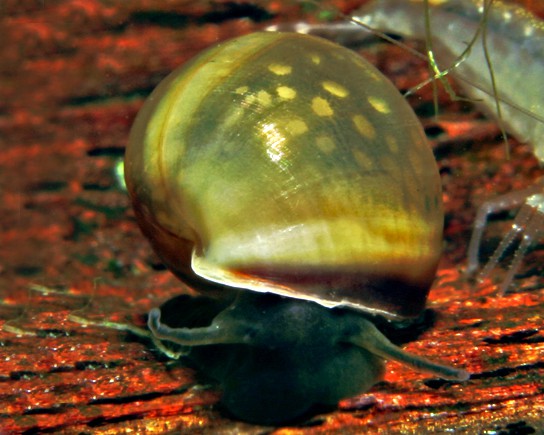
Aquarium snails change a planted layout less through swimming and more through surface use, feeding, and body size. Nerite snails spend much of their time on glass, rock, and plant leaves, so they need accessible surfaces and a steady food source. Ramshorn and bladder snails can occupy crevices and multiply when excess food is available. Larger mystery snails need more floor and climbing room than their slow pace suggests, and they may knock into delicate stems while moving. Do not add a snail as a substitute for maintenance. Match the species to the aquarium’s available surfaces, water chemistry, food supply, and population goals, then leave clear routes around plant bases and hardscape.
Use a final layout audit before adding livestock
Once the plants and hardscape are in place, imagine a full day of movement. Can the school cross the tank without constant collisions? Can bottom fish reach several feeding areas? Are there shaded retreats for timid animals? Can shrimp disappear into cover during a molt? Can snails reach glass, rocks, and leaves without being trapped behind décor? Also check the adult size and social needs of every planned species, because a tank that works for juveniles may fail as fish mature. Add livestock gradually and watch for persistent hiding, chasing, gasping, clamped fins, or food competition. These behaviors are layout feedback. Replant, thin, or remove décor before adding more animals.
Frequently Asked Questions
What is the most important open space in a planted aquarium?
For most small community tanks, preserve one continuous middle-water route from end to end. The exact route depends on the fish, but active schooling species need room to turn and travel without weaving through dense plants. Keep additional open areas near the substrate if bottom fish are part of the plan.
Can colorful freshwater shrimp live with small community fish?
Sometimes. Small, peaceful fish may leave adult shrimp alone, but many will eat shrimplets when they find them. Dense moss, fine-leaved plants, leaf litter, and mature biofilm improve survival. A shrimp colony is more likely to expand in a shrimp-first aquarium than in a fish-heavy community layout.
Which beginner plants help create useful swimming space?
Java fern, Anubias, Cryptocoryne, mosses, floating plants, and many undemanding stem plants are useful because they can create cover without filling every zone. Place them by function: low plants for refuge, taller plants for sightline breaks, and open foreground or midwater space for movement.
How does stocking change aquarium layout over time?
Fish may grow, plants may spread, shrimp colonies may increase, and snails may compete for food. A layout that is spacious at purchase can become crowded after several months. Plan for adult livestock, trim plants before routes disappear, and treat repeated hiding, chasing, or poor feeding response as signs that the design needs adjustment.
 - 2.webp)
 - 2.webp)
Leave your comments