AquaLibs presents AquaRank Discover the world’s leading aquascapers

Explore transparent rankings built from published results across the world’s leading aquascaping contests.

Which Nano School Should Lead Your Planted Aquarium? A Side-by-Side Fish Selection Guide

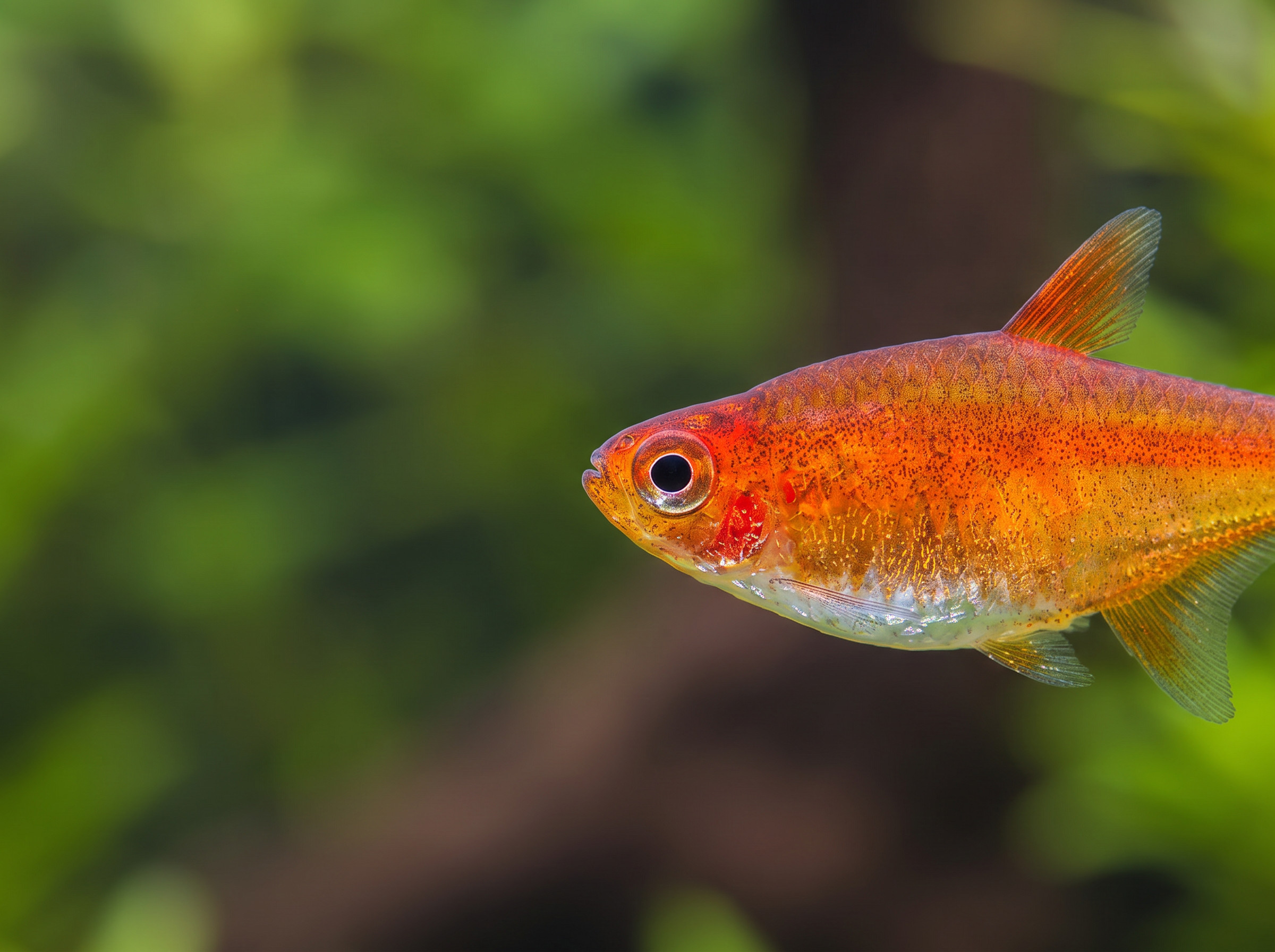
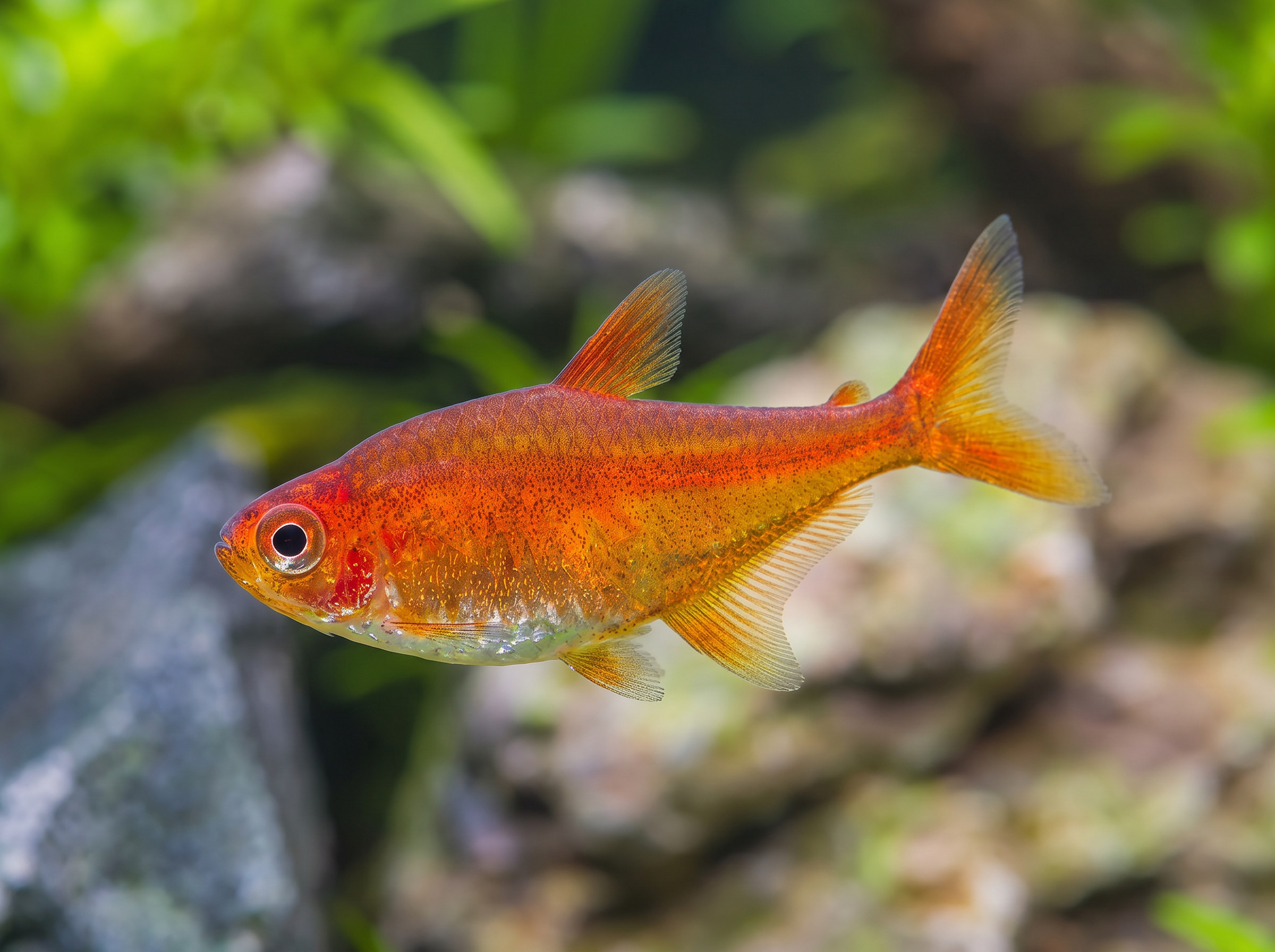
Start with the aquarium’s visual job

Before comparing species, decide what you want the fish to do in the aquascape. A warm orange school can become the focal point against green plants, while green or silver fish may look better in bright, open layouts. Fish that stay close to cover suit densely planted tanks with wood, moss, and shaded edges. More active open-water species need a clear horizontal swimming lane and can make a sparse aquascape feel intentional. This distinction is more useful than choosing by color alone. In a small aquarium, select one school that occupies the main visual zone rather than combining several species that each remain too few to behave naturally.
Start with the aquarium’s visual job

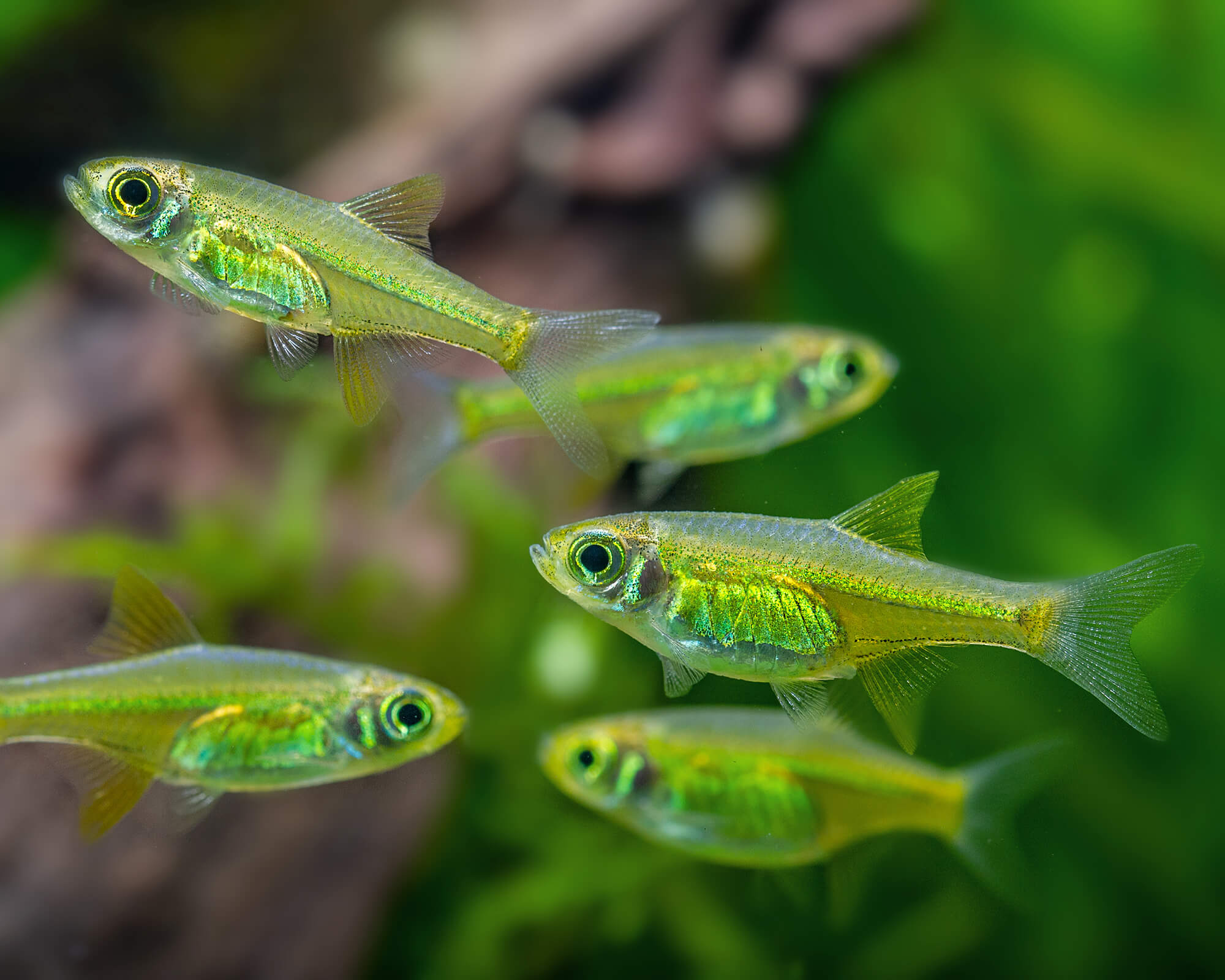
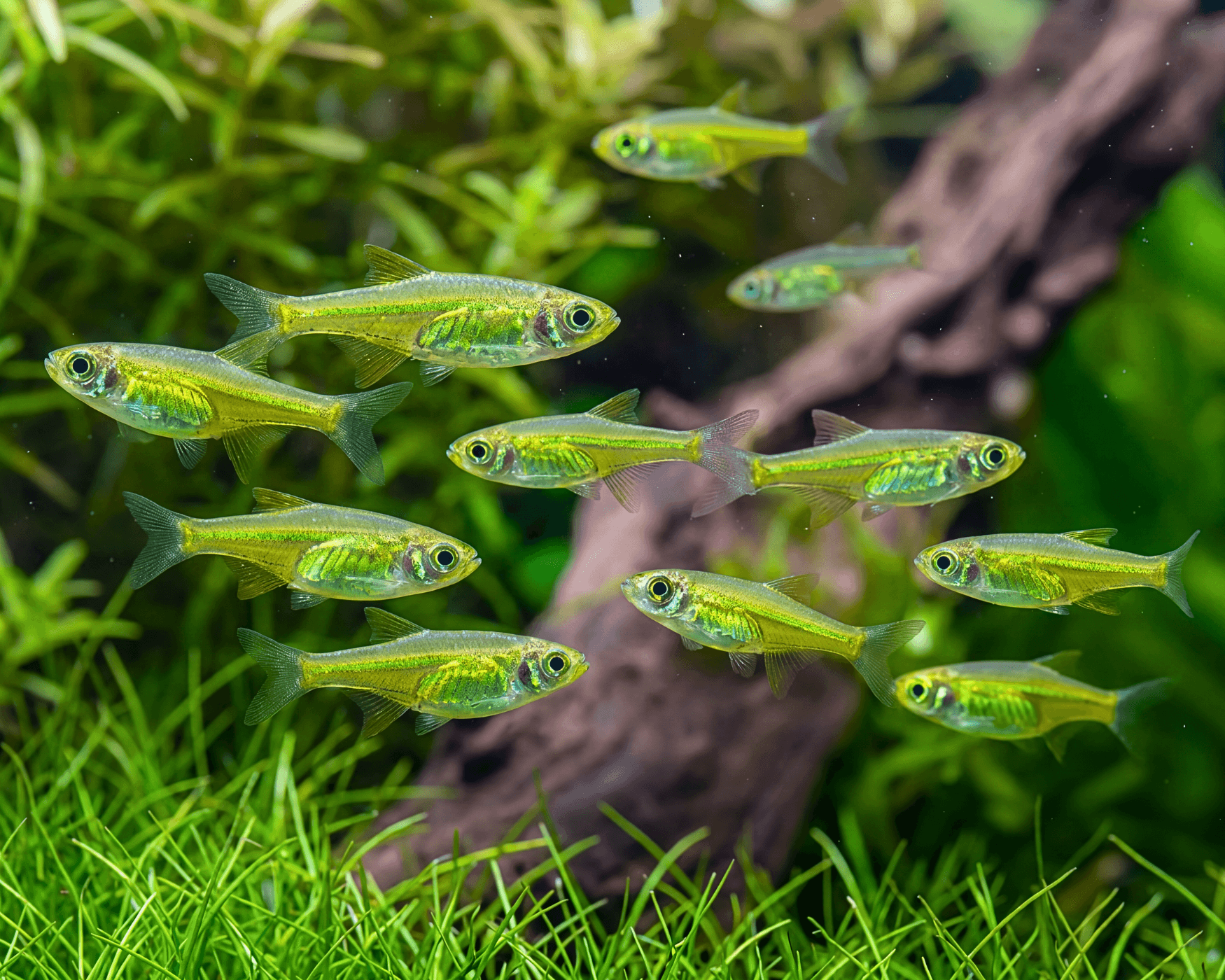
Green kubotai rasbora: the high-contrast movement choice

Kubotai rasboras suit aquariums built around movement and contrast. Their green-yellow sheen stands out against red, bronze, or deep green foliage, and their active schooling can make a long nano aquarium appear larger. Choose them when you can provide open midwater space bordered by plants rather than filling every inch with vegetation. Their small mouths make them less threatening to adult shrimp, although no fish should be treated as completely safe for shrimplets. They are a better match for a mature, well-filtered aquarium than a newly planted setup that is still fluctuating. Gentle flow, a secure lid, and a full social group help them behave confidently.
Green kubotai rasbora: the high-contrast movement choice

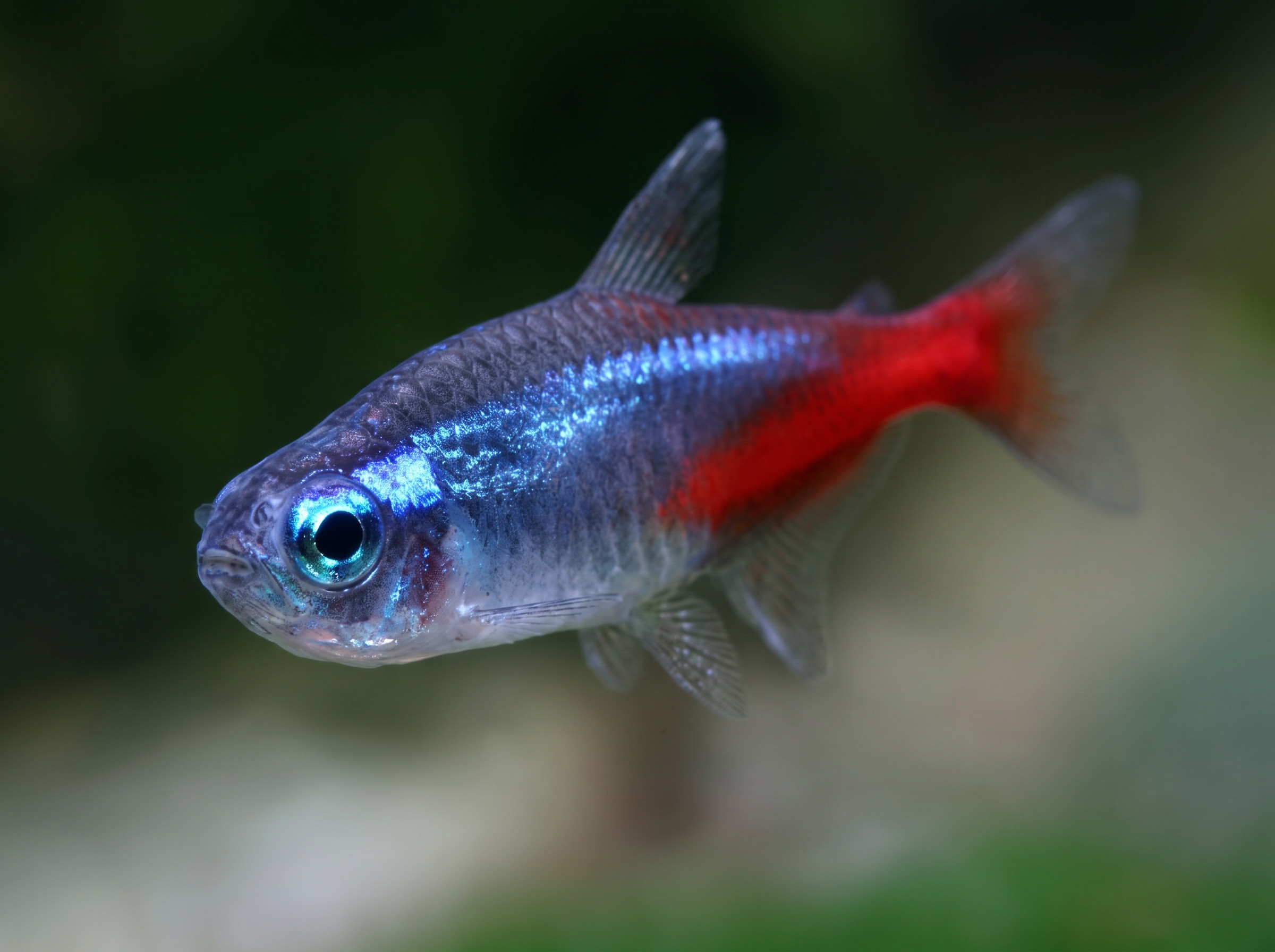
Neon tetra: the classic blue-and-red alternative

Neon tetras make sense when you want a stronger horizontal color stripe and a more traditional community-aquarium appearance. They are larger and visually bolder than ember tetras, so they generally need more swimming length and look less proportionate in very small tanks. A planted aquarium with an open center, shaded sides, and a group large enough to reduce skittishness gives them the best presentation. Their peaceful reputation does not eliminate compatibility limits: avoid slow, delicate fish that may be outcompeted at feeding time, and do not expect a neon school to protect a shrimp colony’s young. Choose neons when the fish, not the invertebrates, should lead the display.
Neon tetra: the classic blue-and-red alternative

Red neon or cardinal-type fish: the saturated-color choice

Red neon and cardinal-type tetras are for aquarists who want a more saturated blue-and-red effect across the middle of the aquarium. Compared with ember tetras, they create a larger visual presence and benefit from a longer tank with uninterrupted swimming room. They are most convincing as one substantial school rather than as a few colorful additions to several other schools. Dense plants at the back and sides provide security, while an open foreground prevents the layout from feeling crowded. Their adult size and active feeding response make them less suitable for a shrimp-first nano tank than the smallest rasboras. Pair them with peaceful, similarly sized fish in a stable community aquarium.
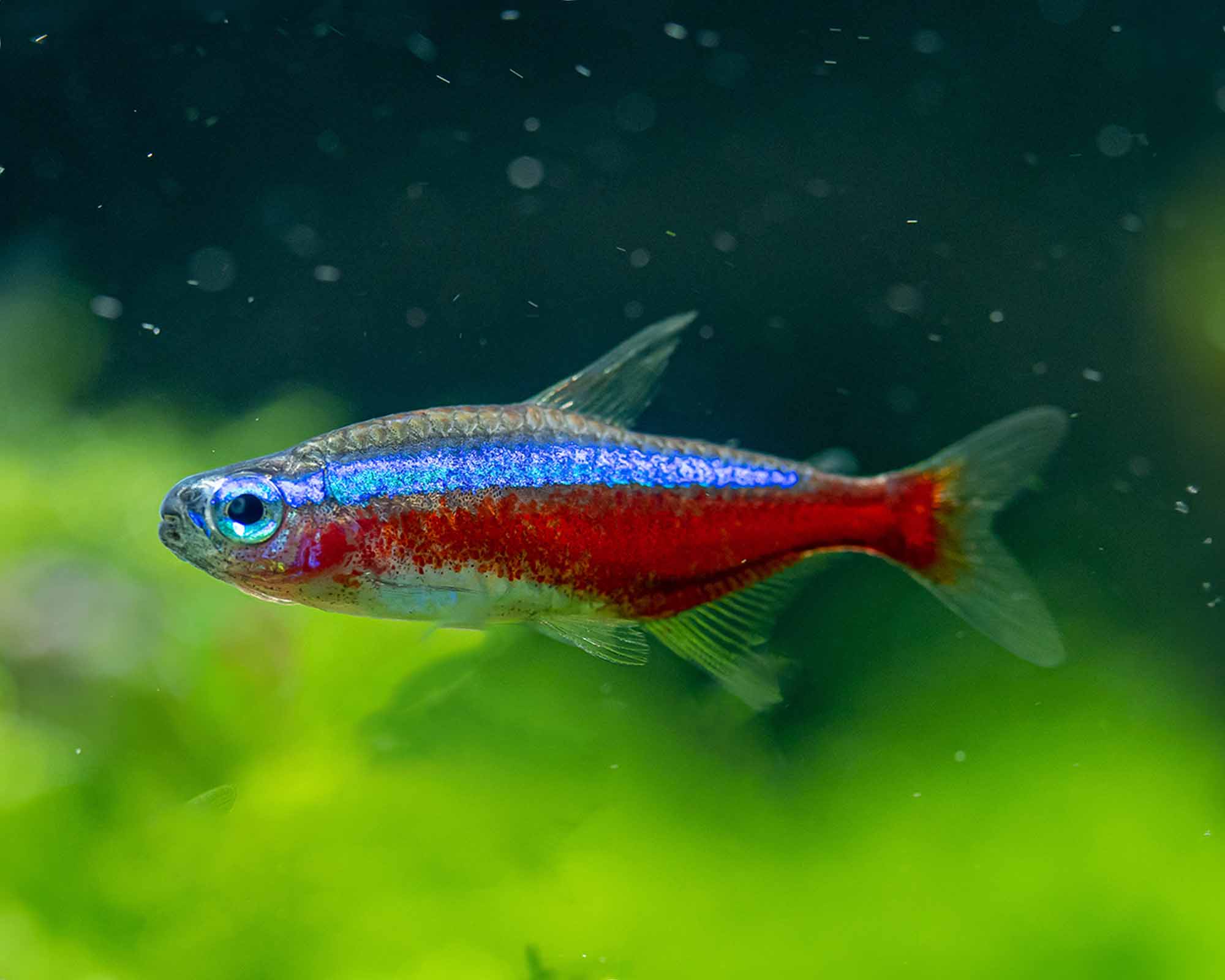
Red neon or cardinal-type fish: the saturated-color choice

Tiny Boraras: choose delicacy over constant motion

Boraras maculatus, represented by the dwarf danio group, works when the aquarium is designed around small scale and subdued behavior. These fish look best in a mature planted tank with fine-leaved plants, leaf litter, moss, and gentle circulation. They may appear underwhelming in a bright, open aquarium because their bodies are small and their colors are more easily lost at a distance. Their tiny size improves compatibility with adult dwarf shrimp, but it does not guarantee survival for every shrimplet. Choose them when you value a delicate natural display and can keep larger or boisterous tank mates out of the plan.
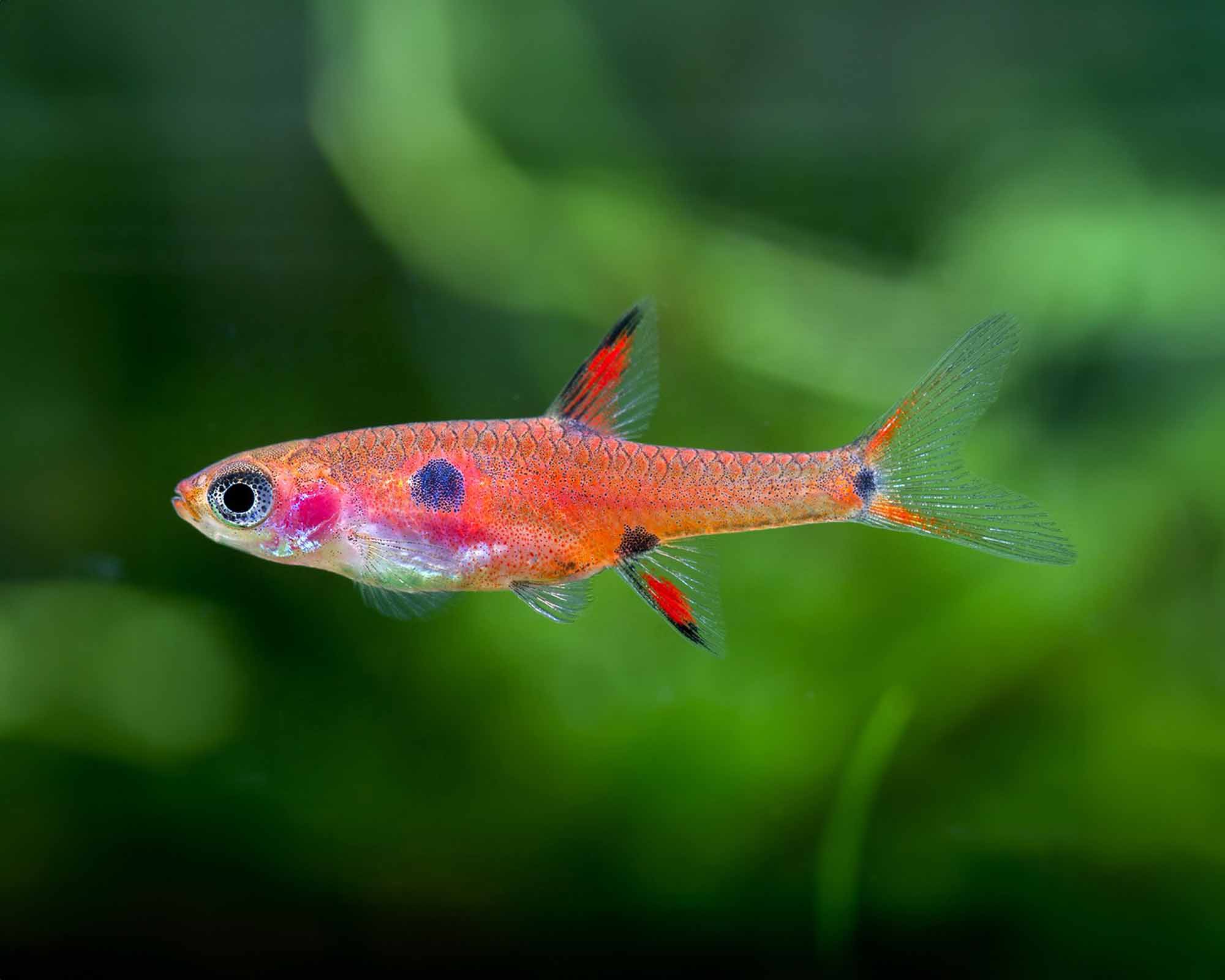
Tiny Boraras: choose delicacy over constant motion

Boraras merah: the warm speckled middle ground

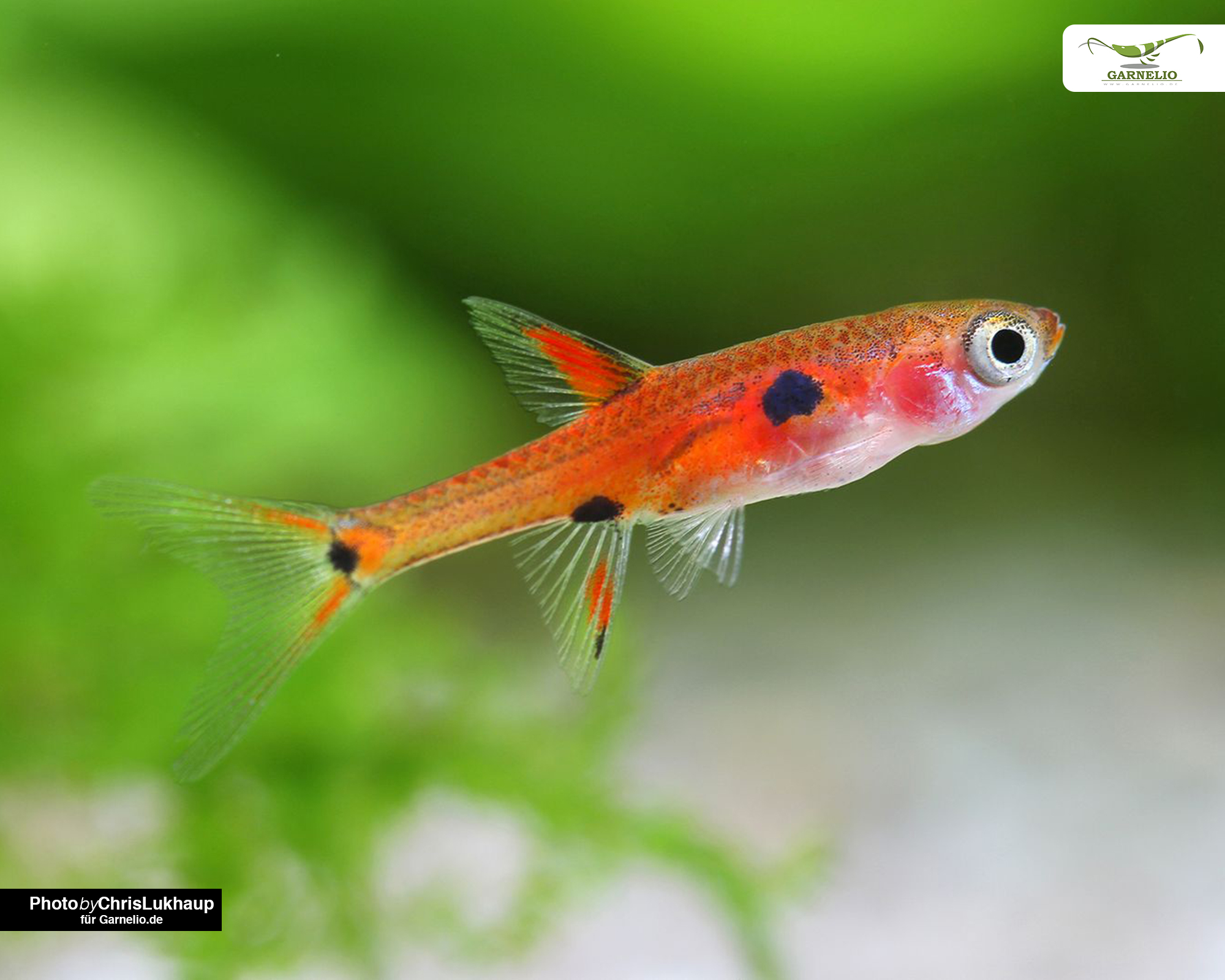
Boraras merah can bridge the gap between a shrimp-focused layout and a fish-led nano display. They are small enough to suit planted aquariums built with moss, floating plants, and low foreground cover, yet their warm markings can remain visible under moderate lighting. They are a better choice for a quiet species-focused aquarium or carefully selected micro-community than for a busy mixed tank. Keep the hardscape and plant growth from breaking the aquarium into too many blind corners, because tiny schooling fish need visual contact with their group. Their presence is subtle, so use a dark background and restrained livestock list if you want the school to read clearly.
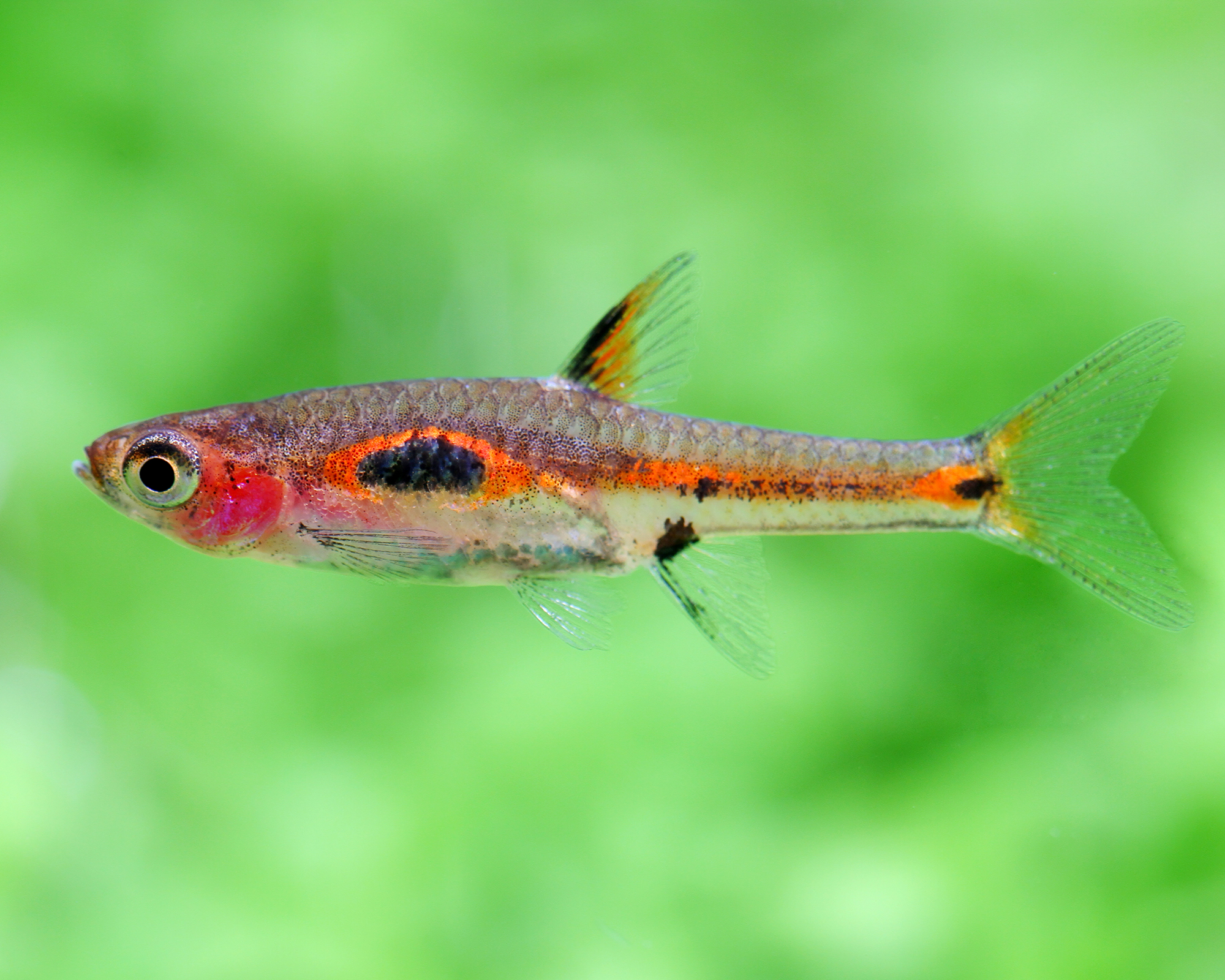
Boraras merah: the warm speckled middle ground

Boraras micros: the smallest-scale decision

Boraras micros is appropriate when the entire aquarium is planned around miniature proportions. Select this type only if you are comfortable with a less dramatic fish display and can provide mature biological filtration, gentle flow, and abundant cover. Their small size makes them appealing for shrimp-oriented planted aquariums, but their feeding needs require appropriately tiny foods and careful observation. They should not be placed with larger tetras, gouramis, cichlids, or active bottom fish that may intimidate them or consume them. The main trade-off is visibility: they reward close viewing, not a bold room-filling display.
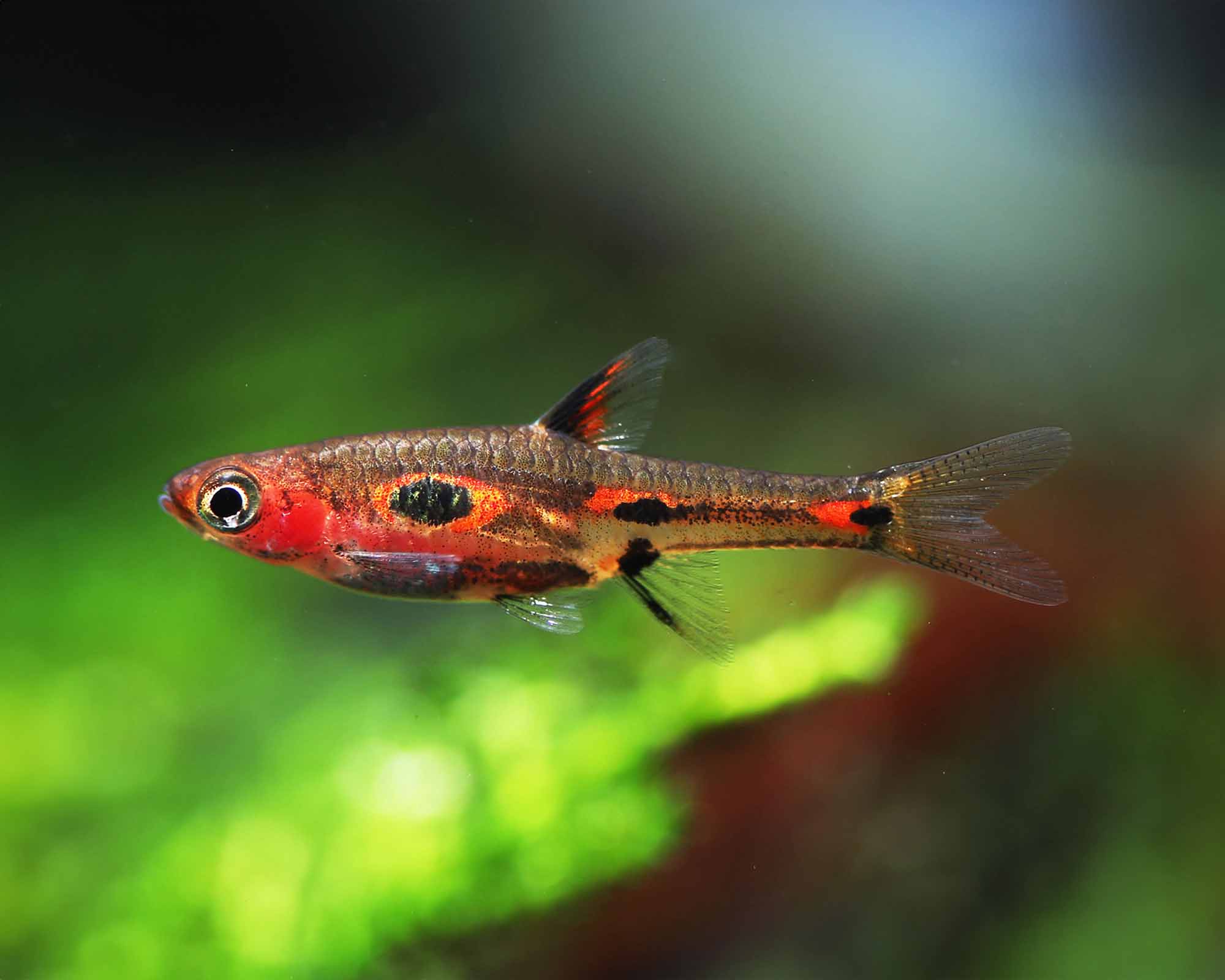
Boraras micros: the smallest-scale decision

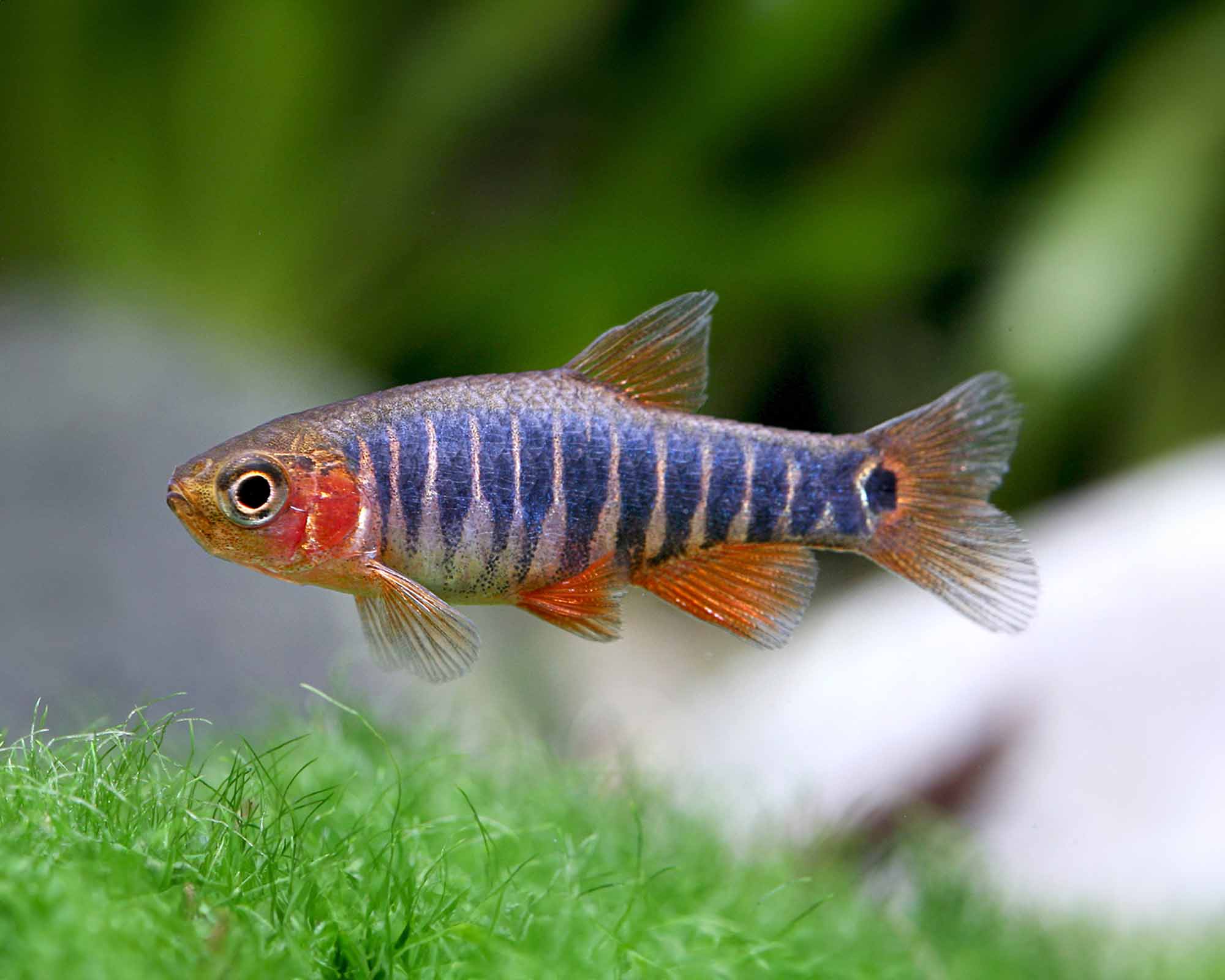
Celestial-style danios: pattern and behavior over size

The transverse-striped dwarf danio offers a different visual effect from solid-bodied tetras and rasboras. Its patterned body adds interest among moss, fine stems, and dark hardscape, while its small size keeps the aquarium’s proportions balanced. Choose this fish when you want individual markings to reward close inspection rather than a single glowing color mass. It is not automatically the best companion for the tiniest shrimp because active micro-predation and competition can still affect young shrimp. Provide plant cover, avoid oversized tank mates, and keep the group socially appropriate. This choice works best in a calm, species-focused planted aquarium with stable maintenance.
Celestial-style danios: pattern and behavior over size

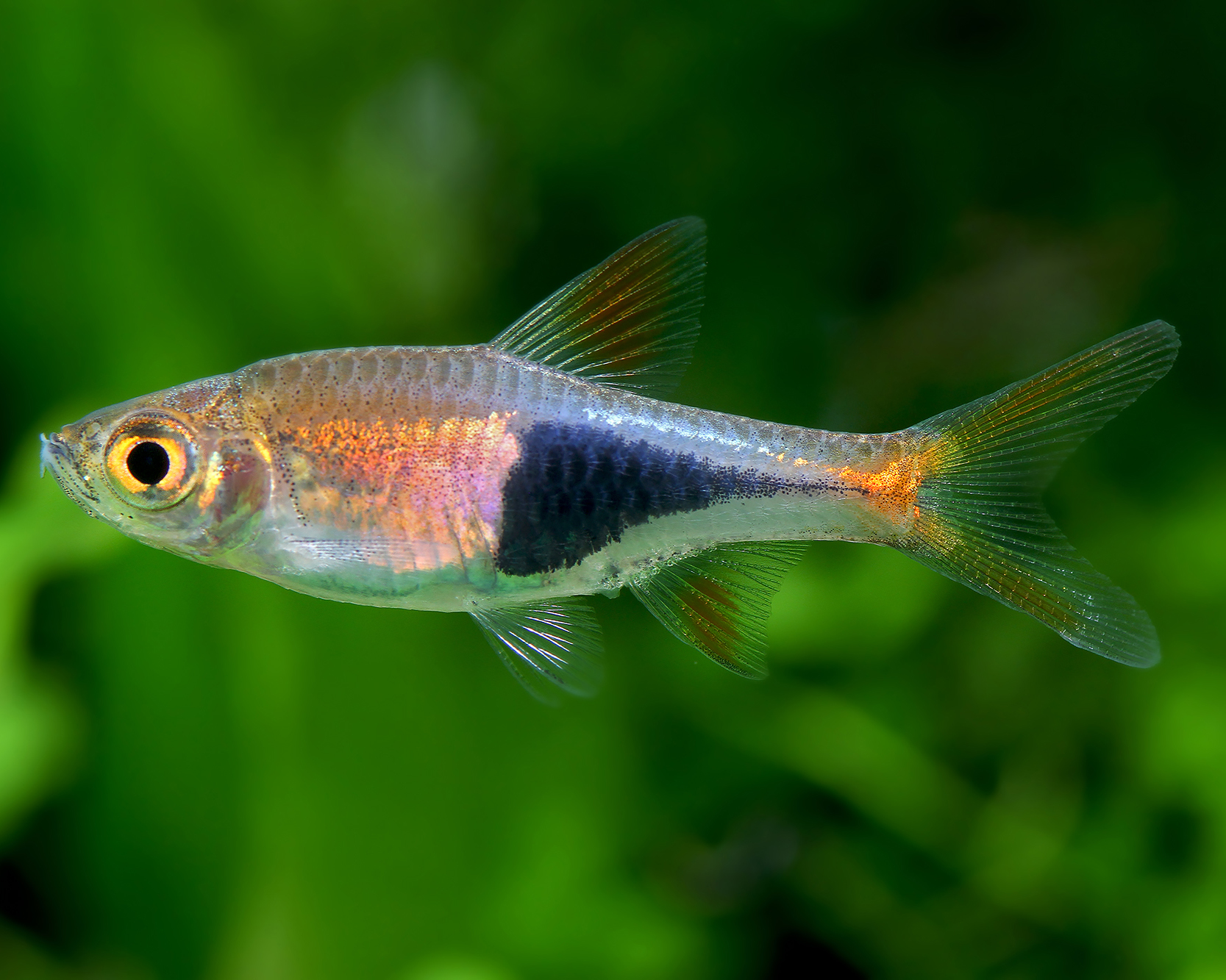
Harlequin rasbora: the larger community compromise

Spotted or harlequin-type rasboras are useful when the aquarium is moving beyond the nano scale and you want a fish with more body presence. Their darker wedge pattern contrasts well with bright green plants and gives an open-water school a clear shape. They are generally more suitable for a medium planted community than a compact desktop aquarium, especially when kept in a proper group with room to turn. They can share space with peaceful bottom dwellers and plant-safe snails, but their larger mouths make them a weaker choice for a breeding shrimp colony. Choose them when community visibility matters more than maximum shrimp survival.
Harlequin rasbora: the larger community compromise

A practical compatibility test before purchase

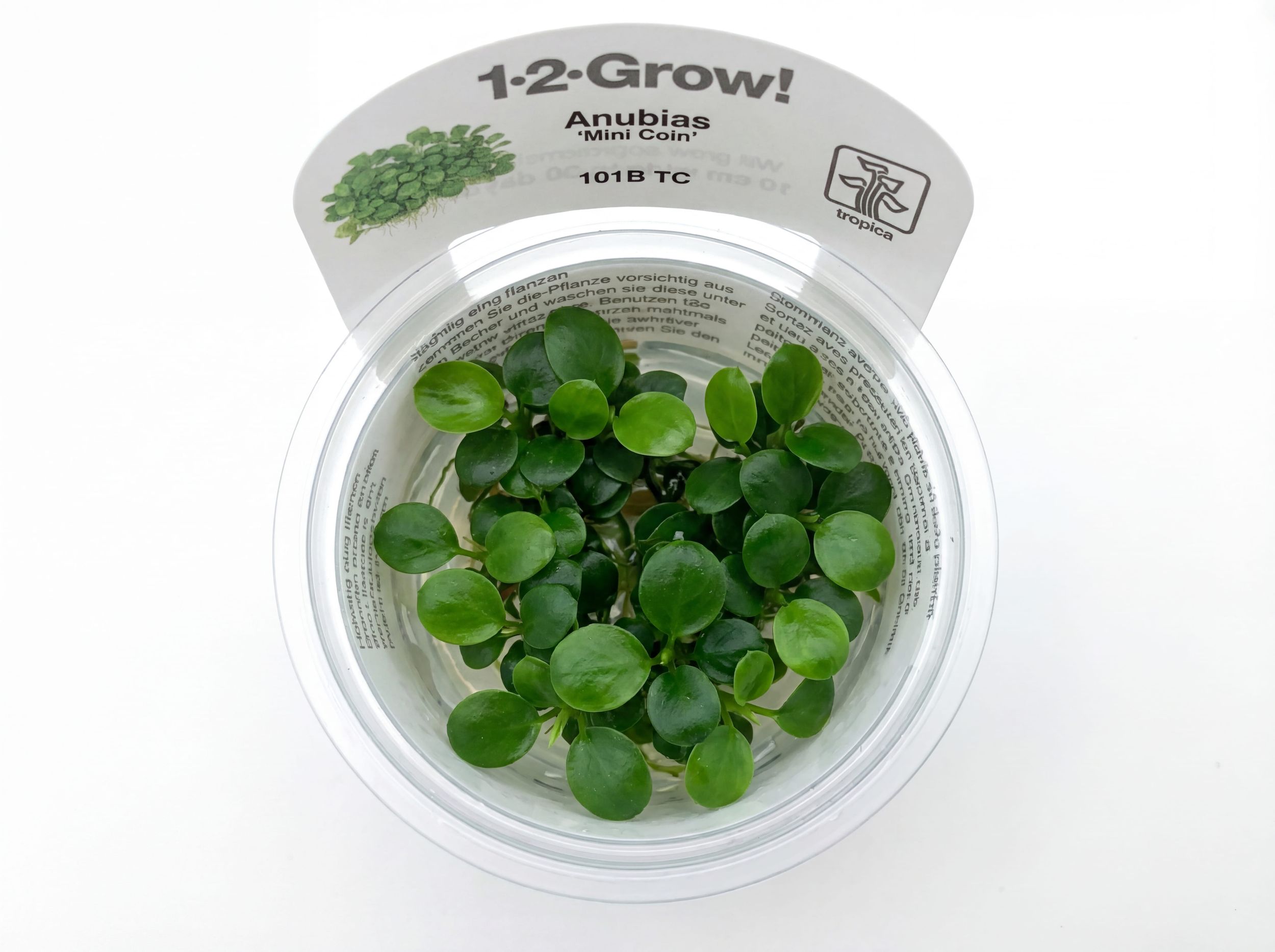
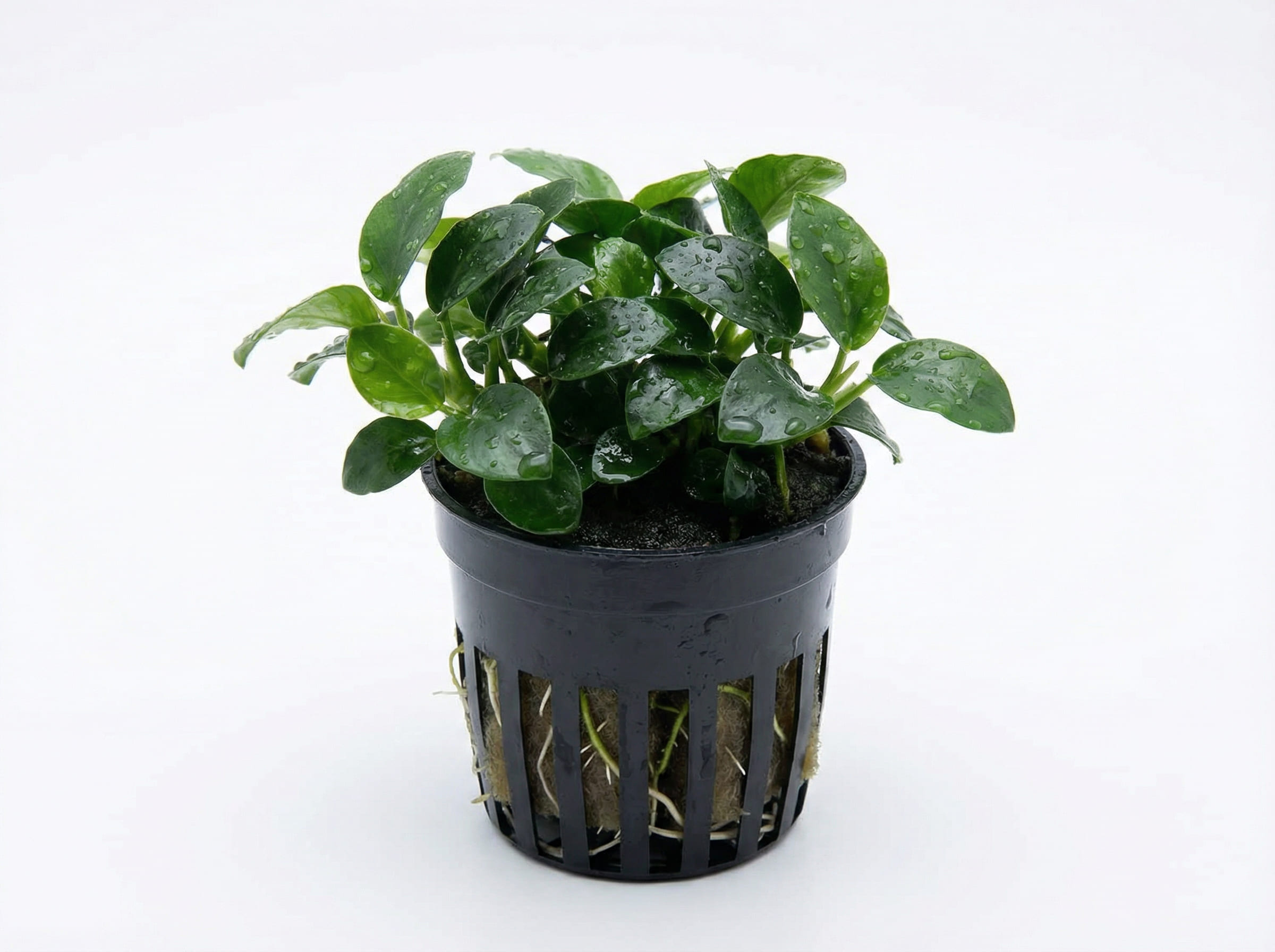
Compare each candidate against five questions: Can the tank provide a proper social group? Is there enough uninterrupted swimming length? Does the fish’s adult size fit the aquarium, not just the store specimen? Will its feeding speed and mouth size threaten shrimp young? Does its preferred activity level match the planned tank mates? If any answer is uncertain, choose one school instead of adding several species. In planted aquariums, easy plants such as Java fern, Anubias, crypts, mosses, and floating plants can create cover, but they cannot compensate for incompatible adult size or insufficient swimming space.
A practical compatibility test before purchase

The simplest stocking decision for most planted tanks

For a fish-led nano display, choose ember tetras or kubotai rasboras according to the color and movement you prefer. For a traditional community aquarium with more swimming length, consider neon, red neon, or harlequin-type fish. For a shrimp-first aquarium, select one of the smallest Boraras options and accept that the display will be subtle. Avoid dividing a small aquarium among multiple species unless it is large enough to support proper groups and distinct swimming zones. Add snails only after confirming shell-safe water chemistry and an appropriate food supply. The best choice is not the most colorful fish; it is the school that leaves enough space for natural behavior.
The simplest stocking decision for most planted tanks

Frequently Asked Questions

Which small schooling fish is usually easiest to see in a planted aquarium?

Ember tetras, kubotai rasboras, neon tetras, and red neon-type tetras are generally easier to see than the smallest Boraras species. Dark substrate, moderate lighting, and a contrasting background improve visibility without forcing overly bright light on the fish.

Can schooling fish live with freshwater shrimp?

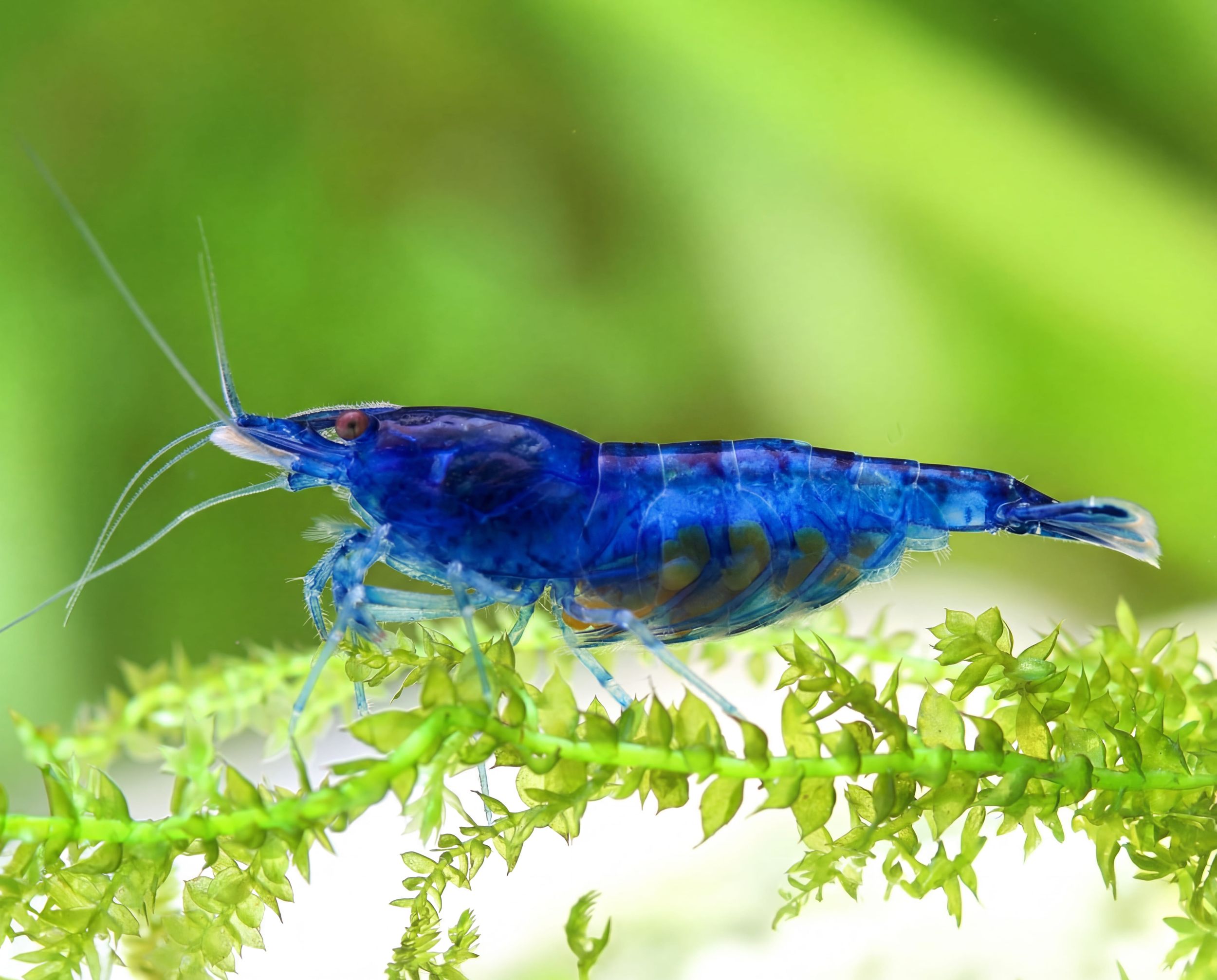
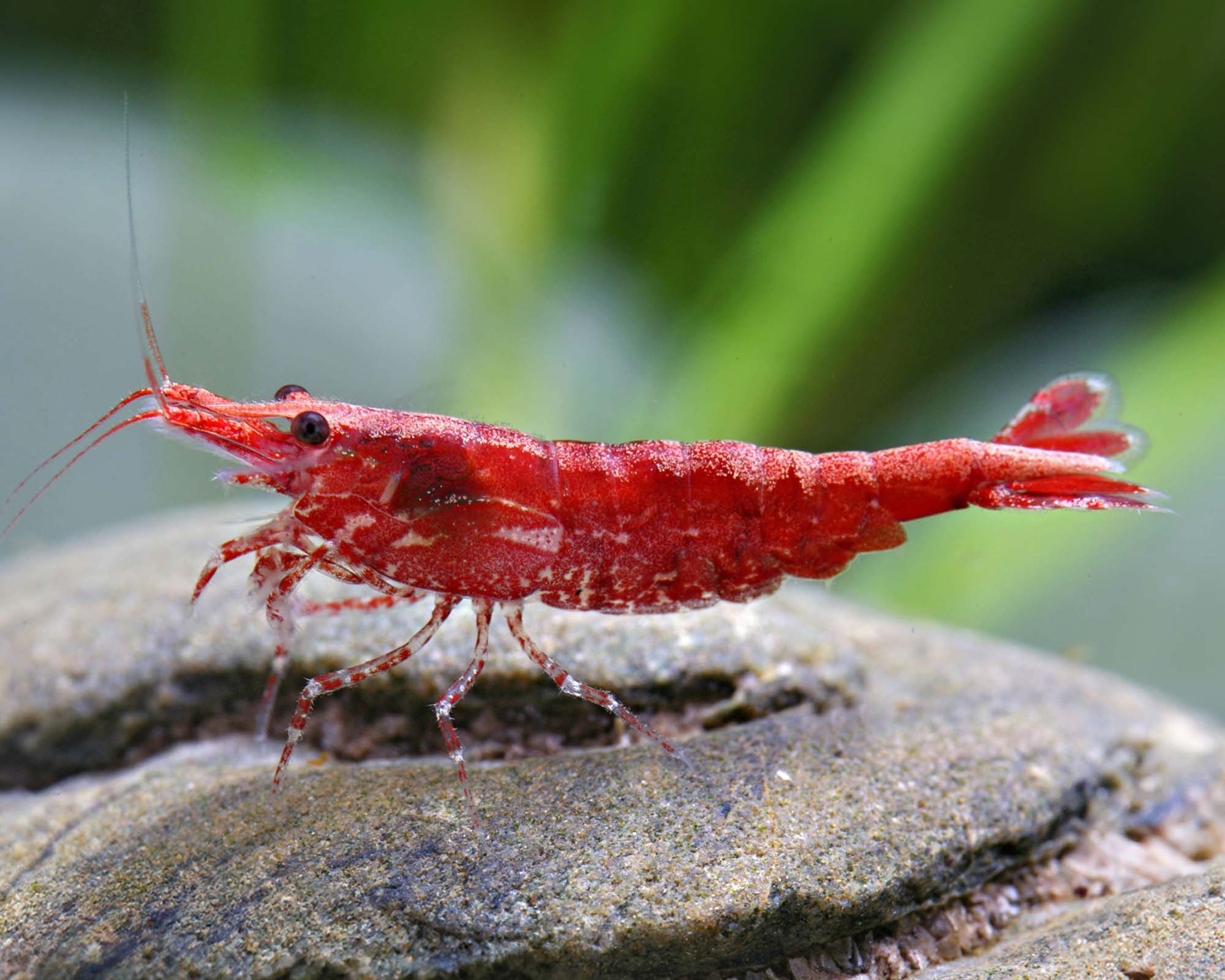
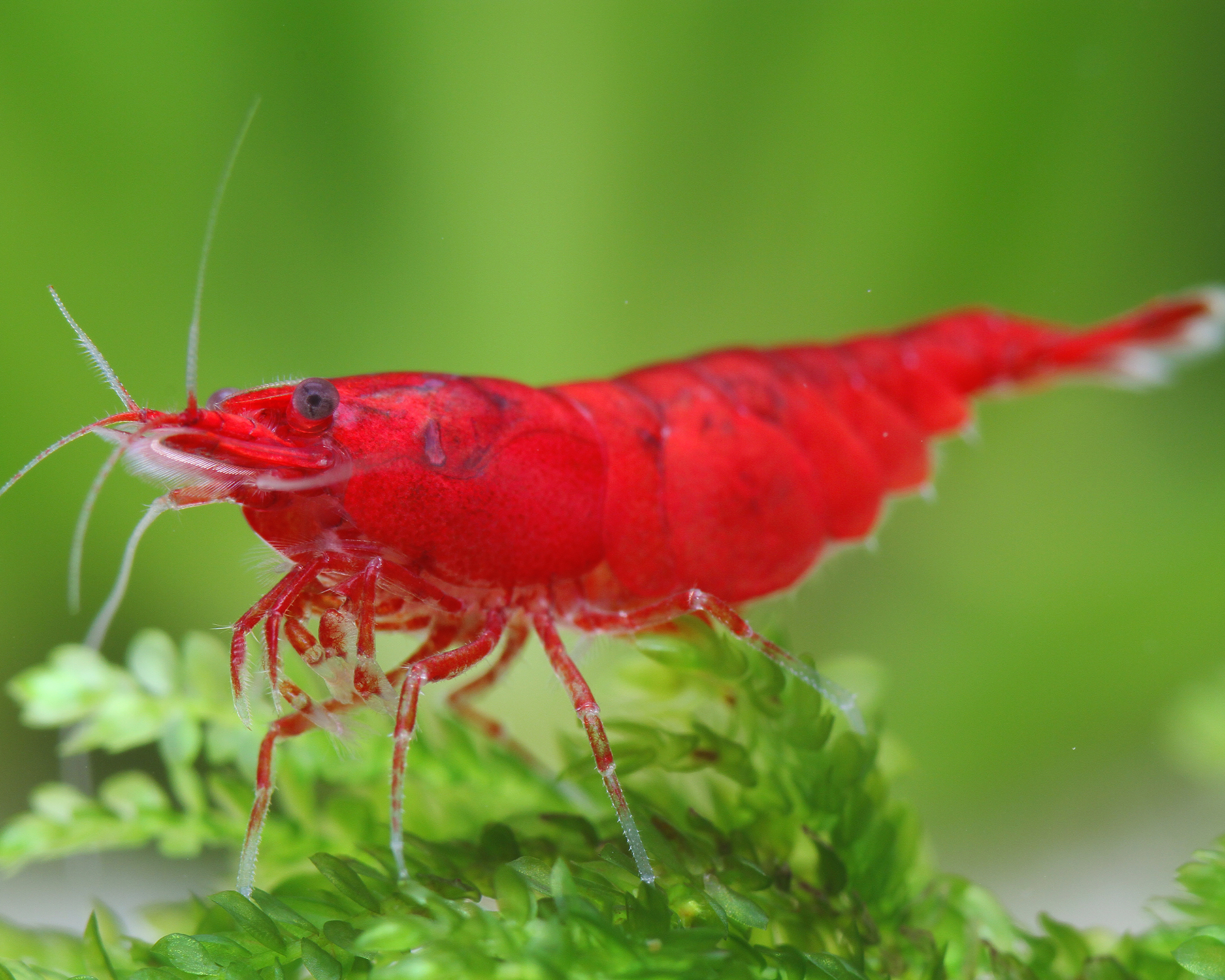
Many small peaceful fish can live with adult Neocaridina shrimp, but no fish guarantees survival of shrimplets. The smaller the fish and the denser the plant cover, the better the odds, yet a shrimp colony will usually reproduce more successfully in a fish-free or carefully managed aquarium.

Should I mix two schooling fish species in a nano aquarium?

Usually not. Two undersized groups often create less natural behavior and more feeding competition than one properly sized school. Mix species only when the aquarium has enough swimming length, filtration capacity, and visual separation to support both groups.

Are aquarium snails compatible with these fish?

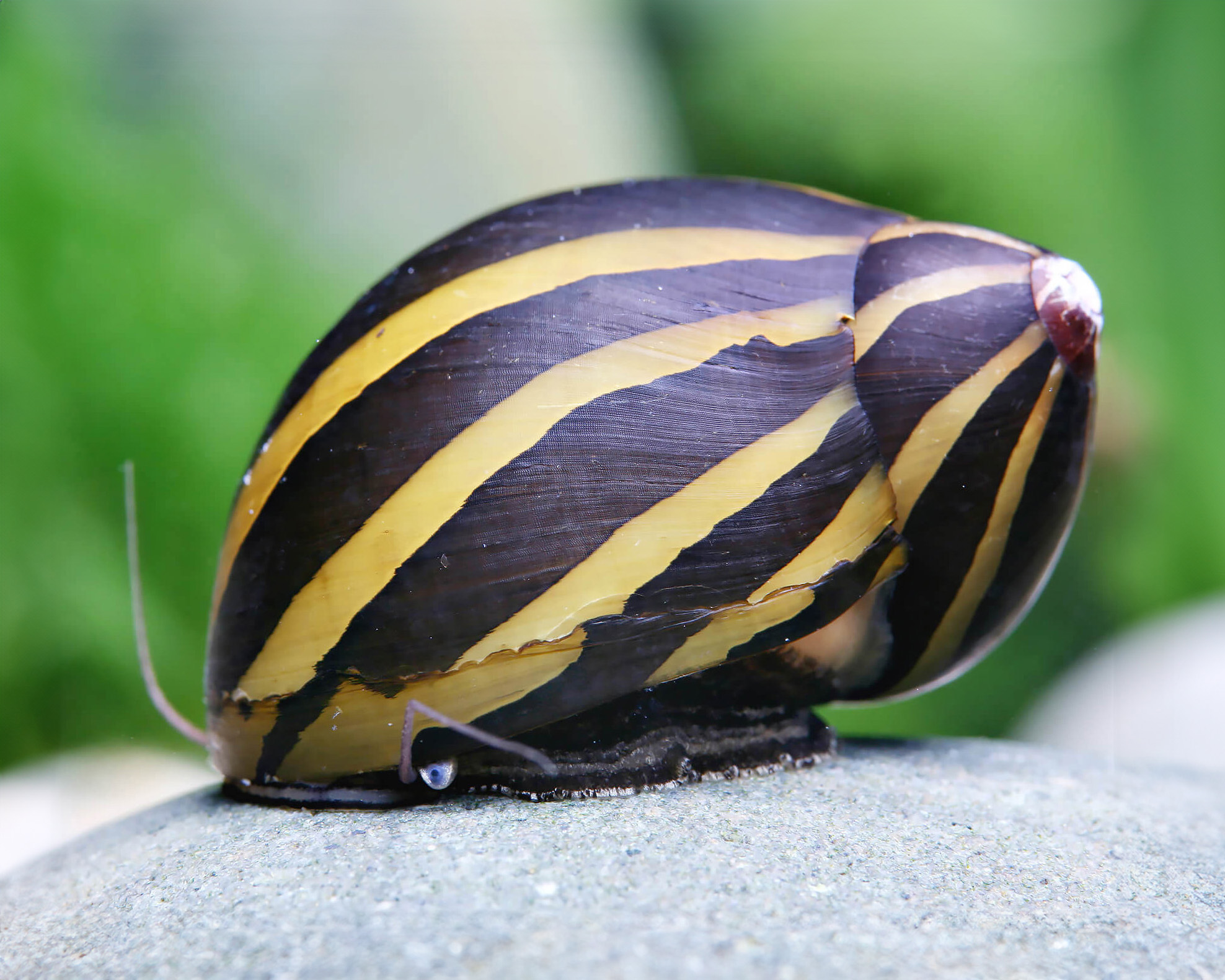
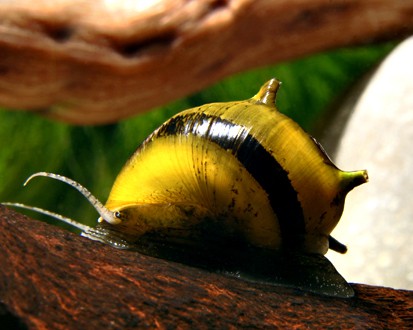
Plant-safe snails such as nerites and many mystery snails are generally compatible with peaceful nano fish. The important checks are shell-safe mineral availability, sufficient food, and whether the fish can harass small snail species or newly hatched juveniles.

What plants help small schooling fish feel secure?

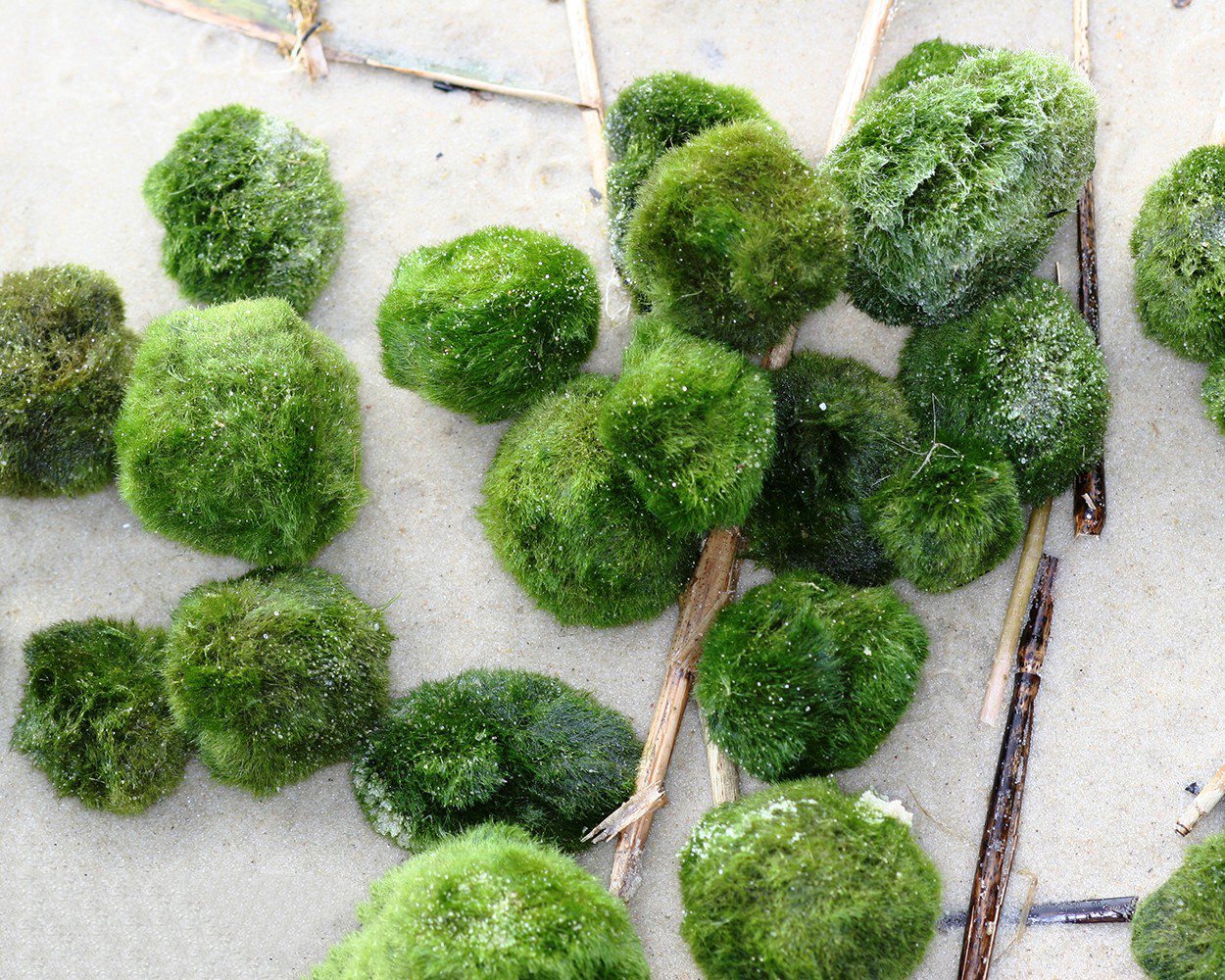
Easy choices include Java fern, Anubias, cryptocoryne, Java moss, floating plants, and dense stem plants. Arrange cover along the back and sides while preserving an open central swimming lane so the school remains visible and active.
Leave your comments
Latest on Aquarium Base
  • A Planted Tank’s Snail Shift: Compare Grazers, Burrowers, Scavengers, and Predators

    A Planted Tank’s Snail Shift: Compare Grazers, Burrowers, Scavengers, and Predators

    Aquarium snails do not all perform the same cleanup job. One type may polish hardscape and glass, another may disappear into the substrate, while a third can reduce a population of unwanted snails. The useful question is not simply which snail eats algae. It is what kind of work you want done, how visible you want the animal to be, and whether you can manage its breeding or feeding demands. This guide compares common freshwater snail behaviors for planted aquariums, with special attention to nano tanks, shrimp compatibility, plant safety, shell care, and the trade-offs that are easy to miss at the store.
  • Design the Scape Around the Shrimp: A Color-Contrast Guide for Planted Aquariums

    Design the Scape Around the Shrimp: A Color-Contrast Guide for Planted Aquariums

    A shrimp can look brilliant in a store photograph and nearly disappear in your aquarium. The difference is often not the animal but the visual field around it: substrate tone, background, plant color, rock texture, driftwood, and open viewing space. Designing around shrimp color does not mean sacrificing water quality or plant health. It means choosing a compatible shrimp group first, then building contrast that makes its markings readable. This guide compares practical color-line choices and shows how hardscape can either frame a colony or camouflage it. Use the visual recommendations as a design tool, while treating water chemistry, stability, cover, and tank mates as non-negotiable care requirements.
  • Why Your Planted Aquarium Looks Flat—and How to Rebuild Its Depth

    Why Your Planted Aquarium Looks Flat—and How to Rebuild Its Depth

    A planted aquarium can contain plenty of color and still look surprisingly flat. The missing ingredient is usually visual layering: fine leaves need a broad counterpoint, small plants need a larger form behind them, and bright livestock need calmer areas that let them stand out. This approach helps you choose easy aquarium plants, colorful freshwater fish, shrimp, and snails as parts of one readable composition rather than as unrelated purchases. The goal is not to fill every gap. It is to create a foreground, middle distance, background, and open-water route that remain attractive as plants grow and livestock move through the layout.
  • Which Livestock Plan Leaves Room to Swim? A Nano-to-Medium Planted Aquarium Guide

    Which Livestock Plan Leaves Room to Swim? A Nano-to-Medium Planted Aquarium Guide

    A planted aquarium can look spacious while offering less usable room than its glass dimensions suggest. Substrate, driftwood, rocks, dense stems, floating plants, and territories all reduce the space livestock can actually use. The safest approach is not to count colorful animals one by one, but to choose a movement pattern and leave capacity for adult size, social needs, feeding, and maintenance. This guide compares practical stocking directions for nano and medium planted tanks, including small shoals, centerpiece fish, bottom dwellers, shrimp, and snails. Use the image-led choices below to decide what your aquarium should do before you decide what to buy.
  • What Will This Snail Eat When the Algae Is Gone? A Planted-Tank Compatibility Guide

    What Will This Snail Eat When the Algae Is Gone? A Planted-Tank Compatibility Guide

    Aquarium snails are often sold as cleanup animals, but that description hides the decisions that matter most in a planted tank. A snail can be plant-safe yet starve in a spotless aquarium, coexist with adult shrimp yet compete with them for sinking food, or remain peaceful while multiplying because the tank is overfed. The better question is not which snail cleans best. It is what the snail will eat, whether your plants are healthy enough to withstand grazing, and whether its behavior fits your fish, shrimp, substrate, and maintenance routine. Use this guide to choose a snail by food chain and compatibility rather than by appearance alone.
  • Build the Water Before You Buy the Shrimp: A Planted Aquarium Readiness Guide

    Build the Water Before You Buy the Shrimp: A Planted Aquarium Readiness Guide

    A planted aquarium can look ready for shrimp long before it is biologically ready. Clear water, healthy plants, and a working filter are useful signs, but they do not prove that ammonia and nitrite are controlled, minerals support molting, or the tank has developed enough biofilm for grazing. The safest approach is to build the environment first and choose shrimp that fit the water you can maintain consistently. This guide separates beginner-friendly Neocaridina from more demanding Caridina and larger Amano shrimp, then turns the decision into a practical setup sequence for a stable, colorful planted tank.
  • How to Make a Low-Tech Nano Community Tank Look Intentional, Not Overgrown

    How to Make a Low-Tech Nano Community Tank Look Intentional, Not Overgrown

    A small planted aquarium can contain many attractive plants and still look visually confused. The solution is not always more trimming or a larger shopping list. Start with a specific tank style, then choose a limited plant palette that repeats the same colors, leaf shapes, and growth habits. This guide uses a low-tech nano community aquarium as its design brief: easy plants, modest equipment, open swimming space, hiding places for freshwater shrimp, and enough structure for a peaceful snail. The goal is a tank that feels planned from the first month, not a collection of unrelated specimens competing for attention.
  • Can These Nano Fish Share One Planted Aquarium? A Temperature, Water, and Tank-Mate Reality Check

    Can These Nano Fish Share One Planted Aquarium? A Temperature, Water, and Tank-Mate Reality Check

    A planted nano aquarium can combine movement, color, shrimp, snails, and easy plants, but compatibility is not created by choosing small animals alone. The most common failures begin with three shortcuts: assuming room temperature suits every fish, chasing a “perfect” pH without understanding hardness, and adding tank mates that are peaceful toward adults but dangerous to young shrimp. Use this guide as a pre-purchase decision check. It separates species that may share a general freshwater setup from combinations that need different temperatures, mineral levels, swimming space, or feeding plans.
  • Small Glass, Deep Substrate, Big Display: Assign the Right Snail to Your Planted Tank

    Small Glass, Deep Substrate, Big Display: Assign the Right Snail to Your Planted Tank

    The right aquarium snail is not simply the one that eats the most algae. A good match depends on the tank’s footprint, available food, substrate, livestock, and the amount of population control you are willing to perform. A small shrimp nano may need one restrained algae grazer, while a larger planted aquarium may benefit from burrowing snails or a visible feature species. This guide treats snails as specialized maintenance partners rather than interchangeable cleaners. Use the tank-size sections to narrow your choices, then compare breeding behavior, feeding needs, plant safety, and compatibility before buying.
  • Will Your Shrimp Colony Reproduce? A Tank-Mate Risk Test for Planted Aquariums

    Will Your Shrimp Colony Reproduce? A Tank-Mate Risk Test for Planted Aquariums

    A planted aquarium can keep adult freshwater shrimp visible, colorful, and active while quietly losing every newborn shrimp. The problem is rarely a single aggressive attack. More often, tiny shrimplets disappear because a fish patrols open ground, a filter intake stays exposed, or the aquascape lacks dense cover at baby-shrimp scale. This guide uses a practical risk test: decide whether you want a self-sustaining colony, occasional surviving young, or simply attractive adult shrimp. Then match tank mates, plants, feeding, and layout to that goal. No fish is completely safe for newborn dwarf shrimp, but some choices make survival much more likely.
  • The Growth-Control Plan for a Planted Aquarium: Prune, Propagate, or Remove?

    The Growth-Control Plan for a Planted Aquarium: Prune, Propagate, or Remove?

    A planted aquarium rarely fails because plants grow too slowly. More often, a stem plant blocks the light, a runner crosses the foreground, floating plants cover the surface, or moss turns a carefully designed nano tank into a dense thicket. The solution is not to cut everything on the same schedule. Each plant type responds differently to pruning, propagation, division, or removal. This guide gives you a growth-control plan for common beginner plants, with special attention to colorful community fish, freshwater shrimp, aquarium snails, and small planted tanks. The goal is simple: keep enough plant mass for shelter and water quality without allowing mature growth to erase swimming space or overwhelm livestock.
  • Where Should the Open Water Go? A Behavior-First Stocking Plan for Planted Freshwater Aquariums

    Where Should the Open Water Go? A Behavior-First Stocking Plan for Planted Freshwater Aquariums

    A planted aquarium can look full long before it is properly stocked. Every stem, rock, cave, floating plant, fish, shrimp, and snail changes how the tank is used. The practical question is not simply which species can share water, but where each animal will swim, feed, rest, hide, and defend space. Start with behavior, then let stocking determine the layout. A school of active midwater fish needs an open route. Bottom dwellers need unobstructed floor area. Shrimp need fine cover, while snails need access to surfaces and food. This approach produces a calmer aquarium and makes a small tank feel more spacious.
  • Algae on Glass, Mulm in Substrate, or Leftover Food? Assign the Right Snail Job

    Algae on Glass, Mulm in Substrate, or Leftover Food? Assign the Right Snail Job

    Aquarium snails are often sold as cleanup crews, but that phrase hides several different jobs. One snail may scrape soft algae from glass, another may consume leftover food and decaying plant matter, while a burrowing species mainly moves through the substrate where waste collects. None of them removes nutrients from the aquarium permanently, and no snail can keep pace with excessive light, overfeeding, or a neglected filter. The useful question is not “Which snail cleans the tank?” It is “What material is accumulating, where is it accumulating, and which snail can realistically use it?” This guide matches common freshwater snail types to those specific planted-tank problems.
  • When Aquarium Shrimp Keep Dying: A Failure-Diagnosis Plan for Planted Tanks

    When Aquarium Shrimp Keep Dying: A Failure-Diagnosis Plan for Planted Tanks

    Repeated shrimp losses are rarely solved by adding another product at random. The useful question is not simply why one shrimp died, but what happened before the loss, which shrimp were affected, and whether the same trigger is still present. A planted aquarium can provide biofilm, cover, and stable surfaces, yet it can also hide ammonia spikes, trap uneaten food, or expose shrimp to sudden changes during maintenance. This image-led guide uses common failure patterns to help you separate water-quality emergencies from molting problems, predation, acclimation stress, and unsuitable tank mates. The goal is a repeatable diagnosis that prevents the next loss rather than a temporary rescue.
  • The Four-Filter Plant Plan: Match Aquarium Plants to Your Setup and Schedule

    The Four-Filter Plant Plan: Match Aquarium Plants to Your Setup and Schedule

    A plant can be labeled easy and still fail in your aquarium if it needs more light, stronger circulation, richer substrate, or more pruning than your routine allows. The better approach is to filter every plant through four practical questions: How much light reaches it? How much flow can it tolerate? Where will its nutrients come from? How often are you willing to trim, replant, or remove excess growth? This image-led guide uses those questions to build compatible plant groups for shrimp, snails, colorful freshwater fish, and nano aquariums without treating every tank as if it has identical conditions.
  • What Should Your Fish Do in the Aquascape? A Color-and-Scale Plan for Planted Tanks

    What Should Your Fish Do in the Aquascape? A Color-and-Scale Plan for Planted Tanks

    A planted aquarium can contain beautiful fish and still look visually confused. The problem is often not compatibility alone, but design: too many similar colors, too much movement in one zone, or livestock that overwhelms the plants and available swimming space. A better approach is to treat each animal as part of the aquascape. Choose fish for a movement pattern, shrimp for close-up detail, snails for a slower focal accent, and plants for the scale and contrast that make those animals easy to see. This guide builds that decision from the front glass backward, with compatibility and animal welfare setting the limits.