Start With the Outcome You Want From the Tank
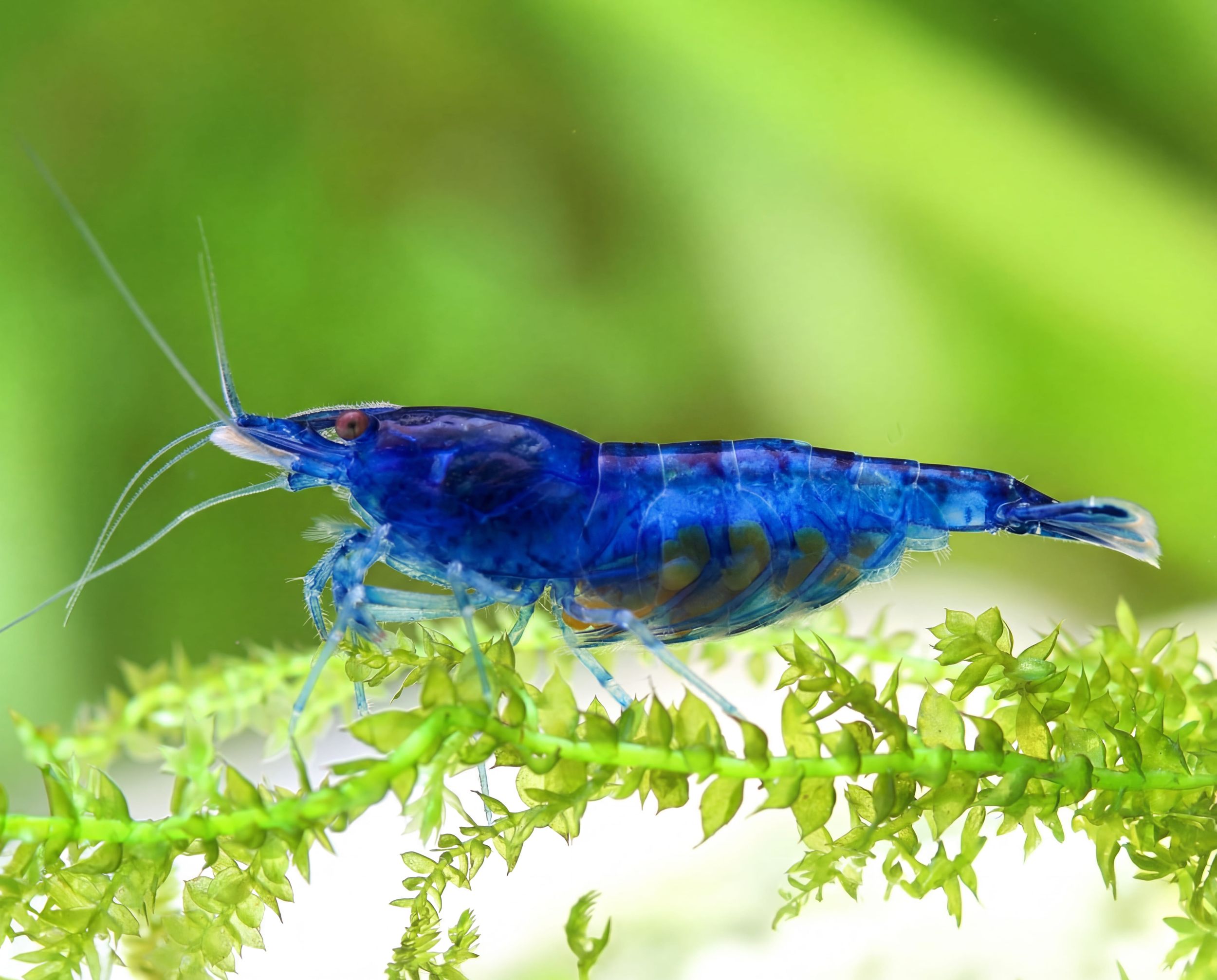
Before choosing tank mates, decide whether surviving young shrimp is essential. A display aquarium with a few Blue Dream or Red Cherry Shrimp can tolerate more risk than a breeding colony. If you want regular population growth, treat every animal that can investigate a newly hatched shrimplet as a possible predator. If adults are your priority, carefully selected nano fish may be acceptable, but expect some losses. This distinction prevents a common mistake: calling a fish “peaceful” and assuming it is harmless to baby shrimp. Peaceful usually means it does not attack similarly sized tank mates. It does not mean it will ignore tiny moving food in dense plants.
Use a Risk Ladder Instead of a Safe-or-Unsafe Label
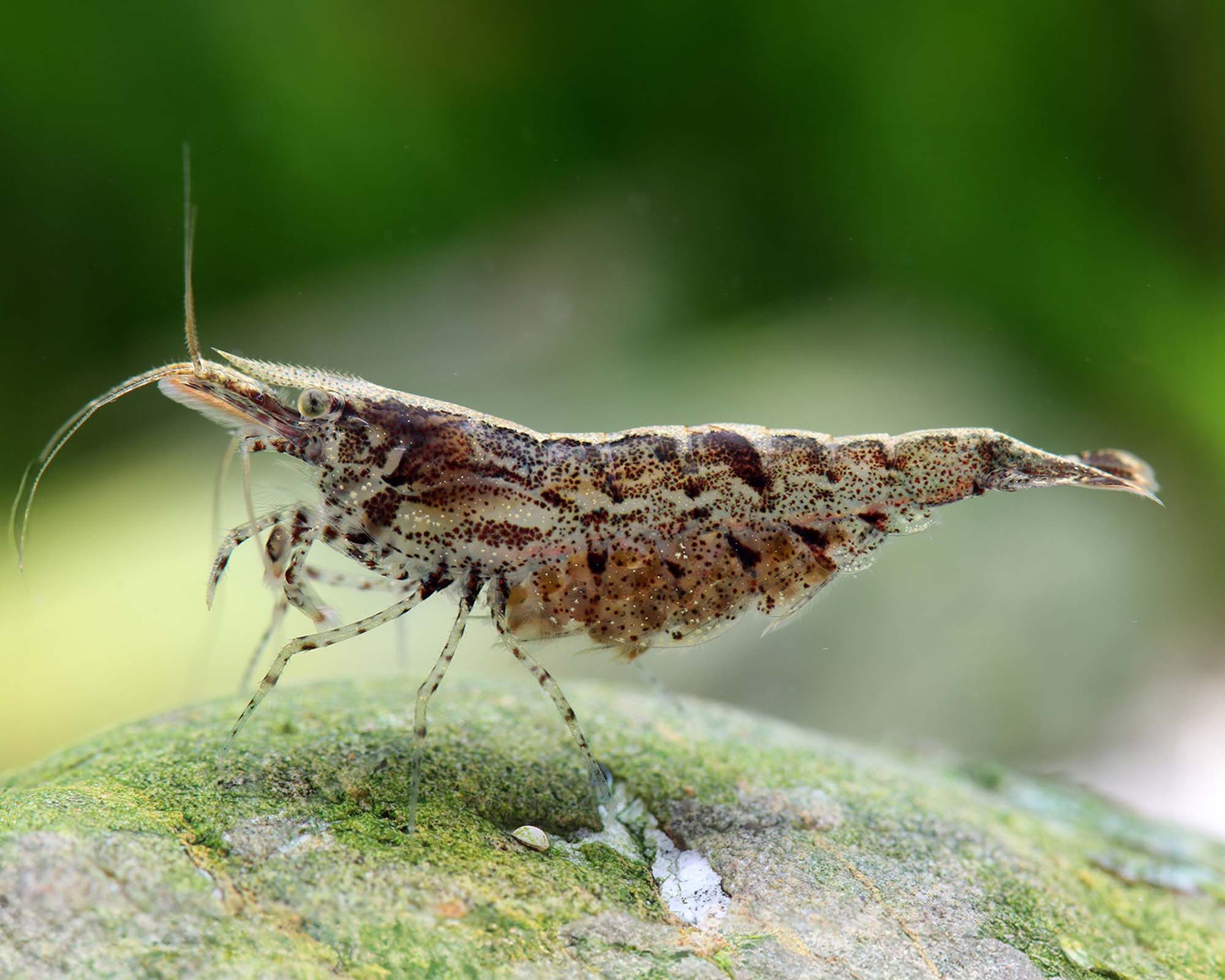
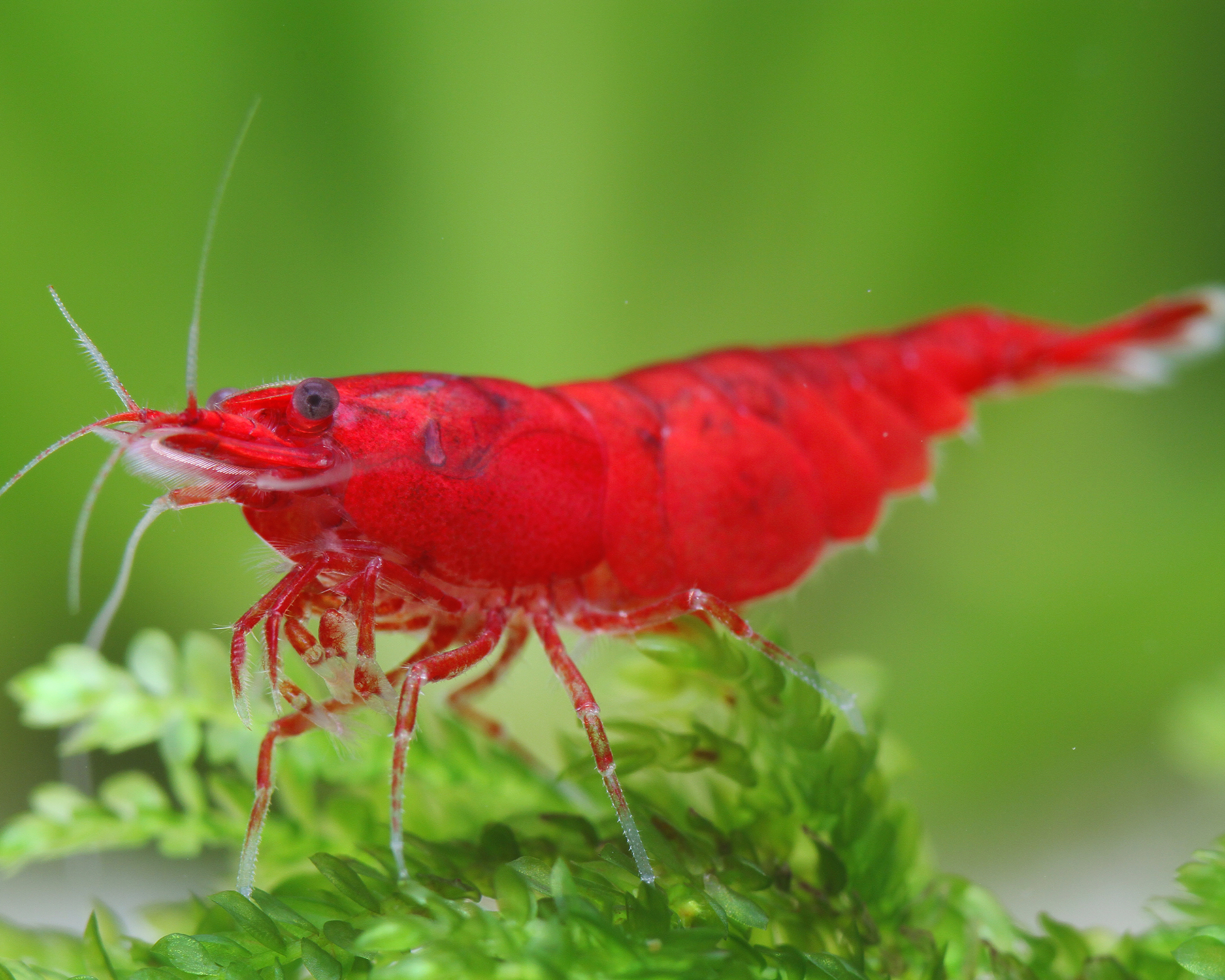
Freshwater shrimp tank mates fit into practical risk levels. A shrimp-only aquarium offers the highest shrimplet survival. Nonpredatory snails and similarly sized dwarf shrimp usually create less risk, although competition for food still matters. Larger Amano Shrimp are generally compatible with adult Neocaridina but may take food from smaller shrimp and can opportunistically consume weak or exposed young. Tiny fish, including small rasboras and tetras, sit in the middle: their small mouths reduce the risk to adults but do not eliminate hunting of newborns. Bettas, gouramis, larger livebearers, cichlids, loaches, and predatory Macrobrachium shrimp belong in the high-risk category.
Choose Snails Carefully When You Want the Lowest Predation Risk
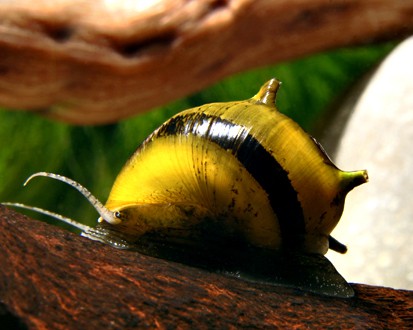
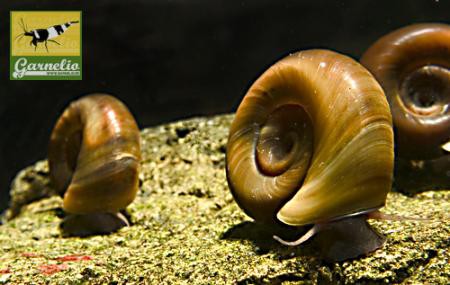
Nerite, ramshorn, and Malaysian trumpet snails are often more suitable than fish for a shrimp-first planted tank. They graze surfaces, process leftover food, or work through the substrate without actively hunting shrimplets. Their presence still changes maintenance: snails add waste, reproduce when food is abundant, and may compete for sinking foods. Mystery snails are peaceful but larger and more demanding, so they are not automatically the best choice for a very small aquarium. Avoid predatory snails when young shrimp are the priority. Also remember that no snail replaces water changes, algae management, or removal of uneaten food.
Treat Small Community Fish as Managed Risk, Not Shrimp-Safe Guarantees
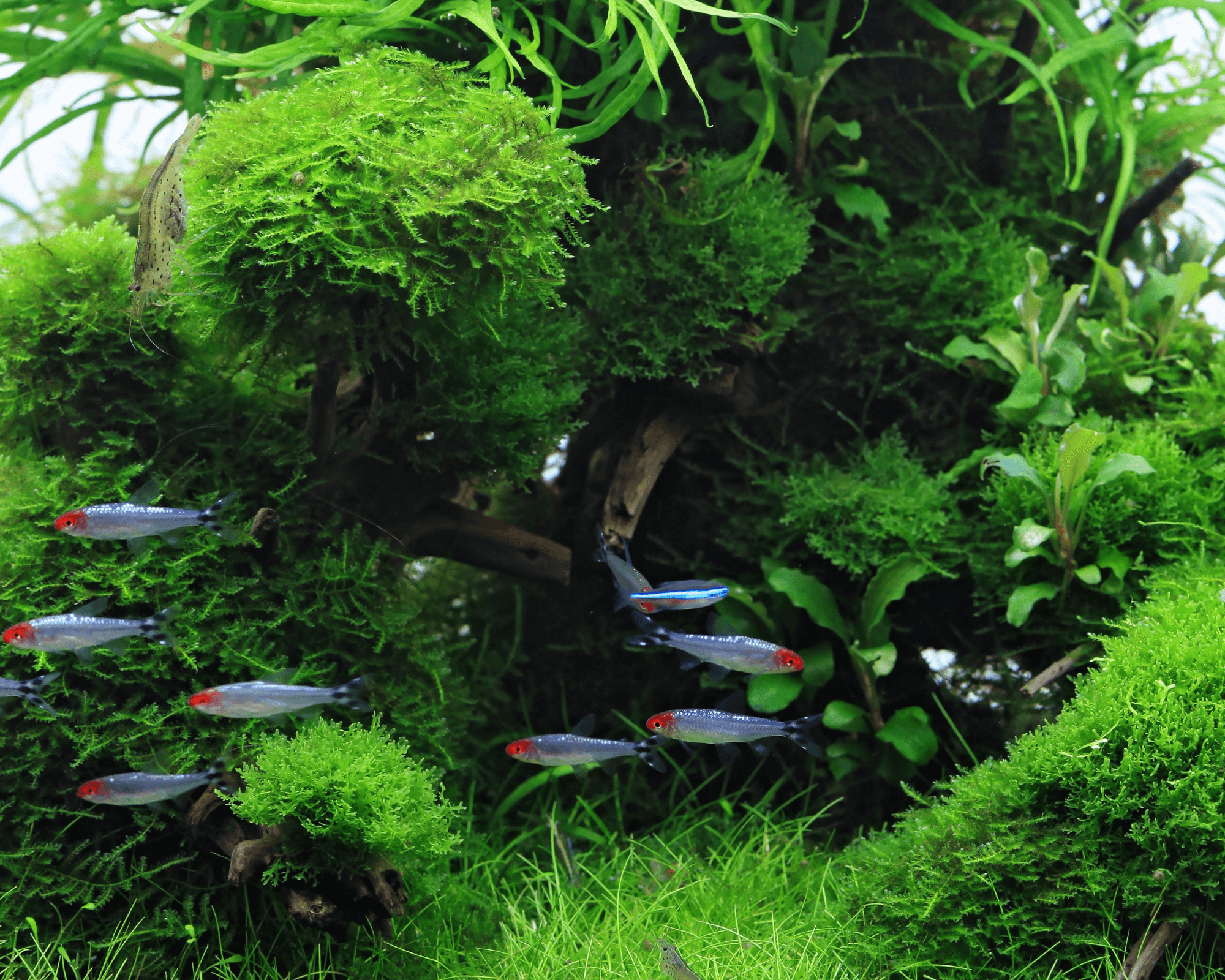
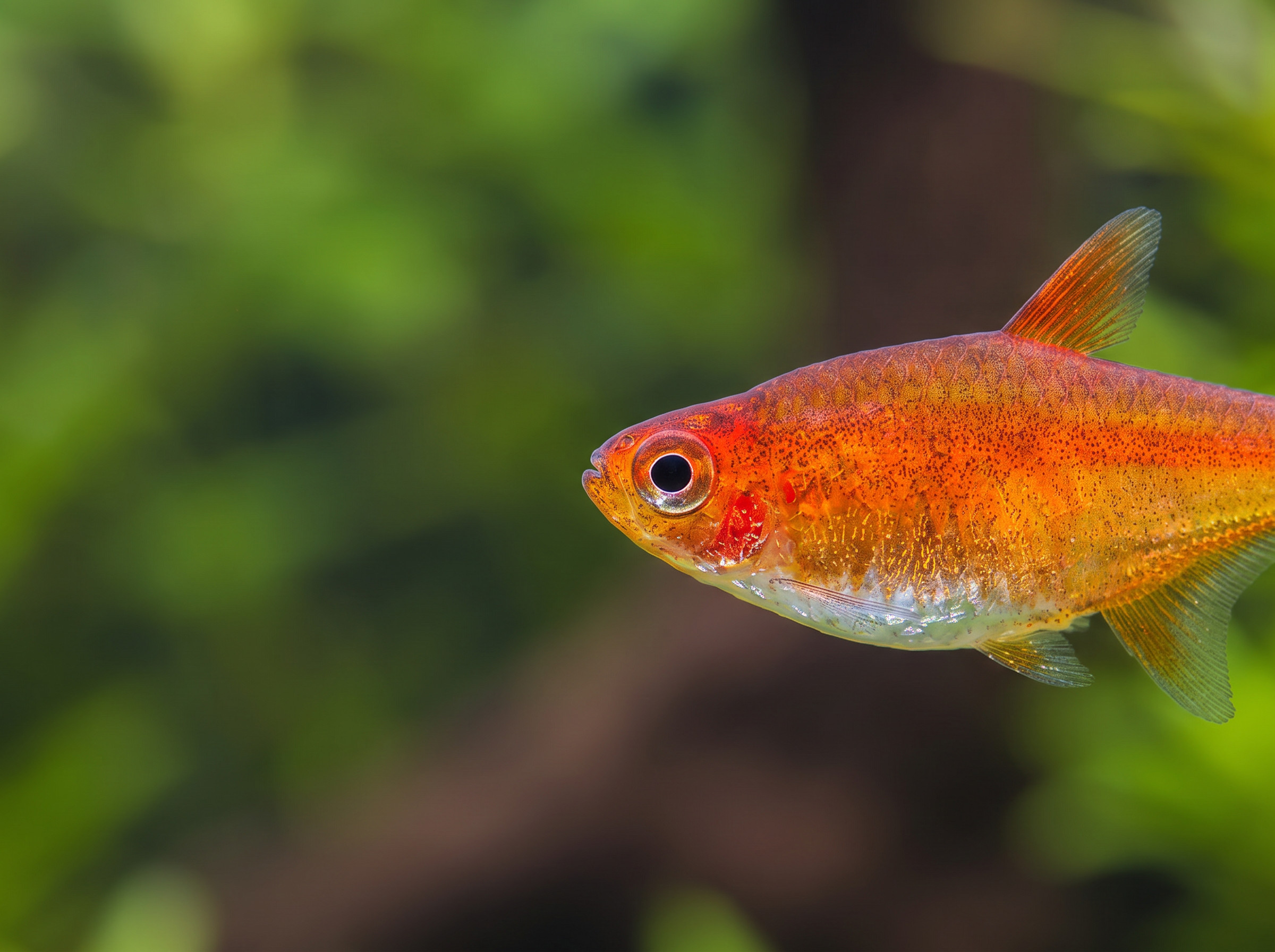
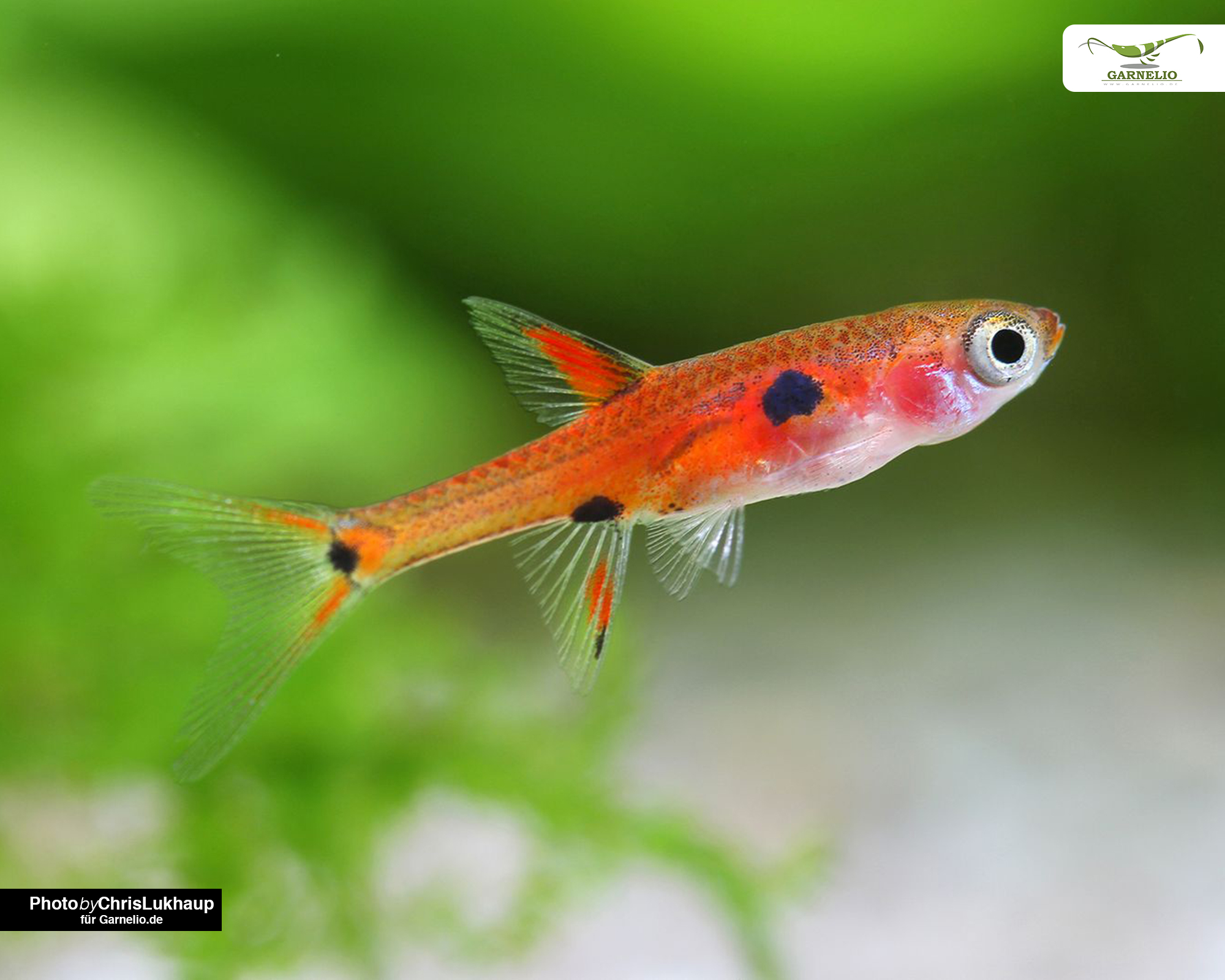
Otocinclus and pygmy Corydoras are often lower-risk choices than active hunters, but they are not a promise of complete shrimplet survival. Chili rasboras, ember tetras, and other tiny schooling fish may leave adult shrimp alone while picking off young that venture into open water. Dense moss and mature biofilm improve the odds, especially in a larger planted aquarium with broken sight lines. Avoid adding fish simply because they are labeled peaceful. Ask whether they spend time searching leaves, substrate, and plant thickets for small prey. If the answer is yes, plan for a colony that grows slowly rather than one that keeps every shrimplet.
Build a Nursery Inside the Aquascape With Fine Cover
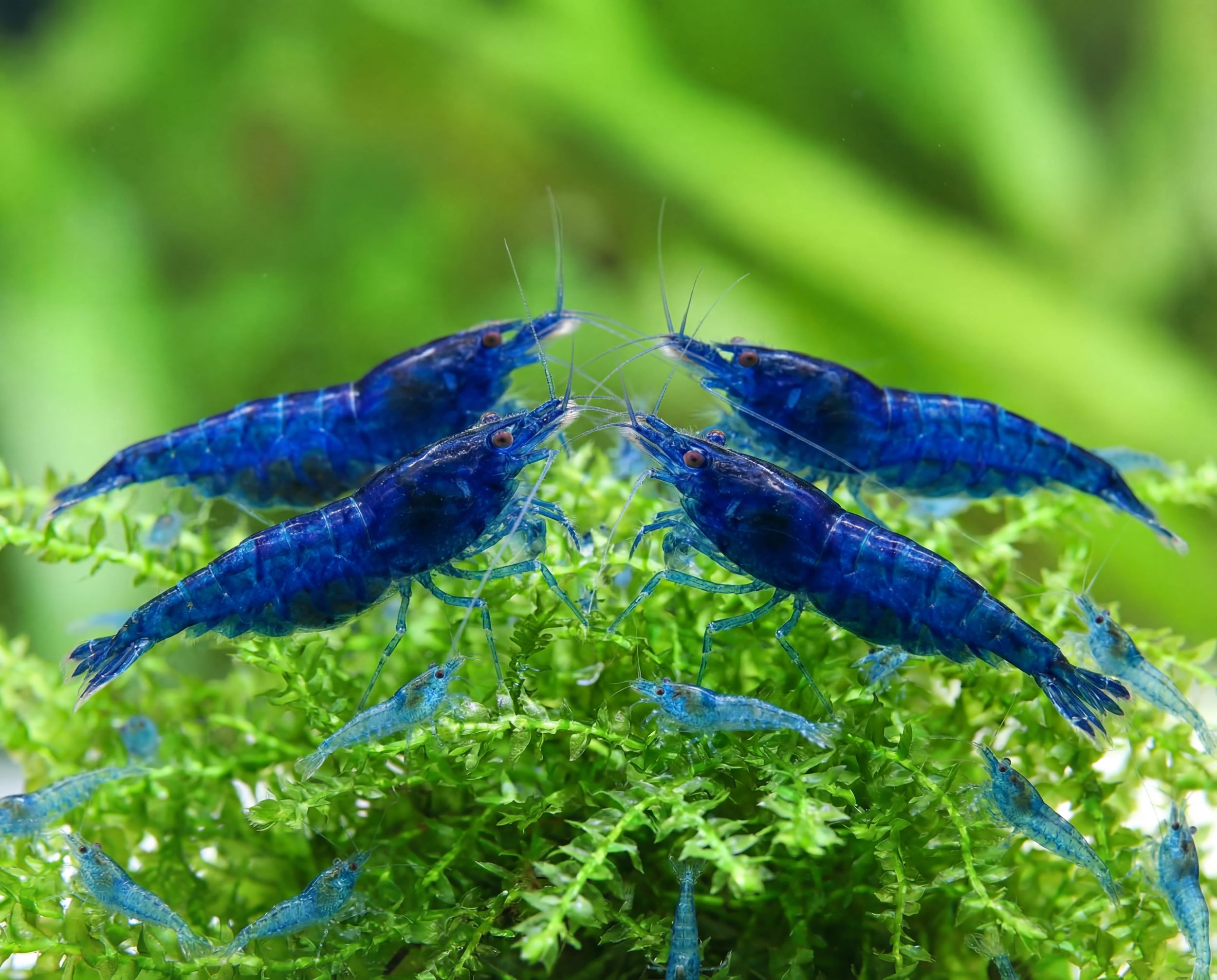
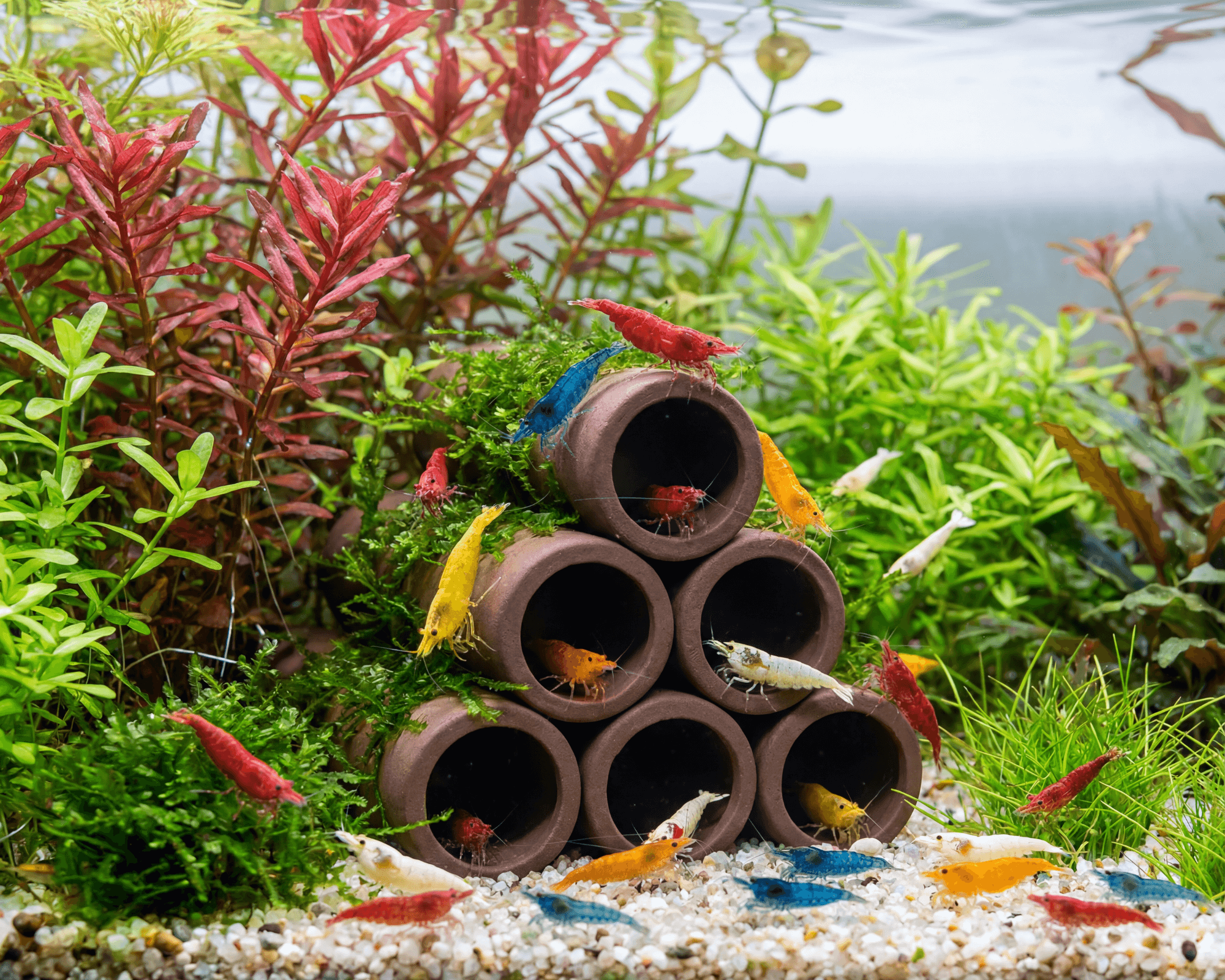
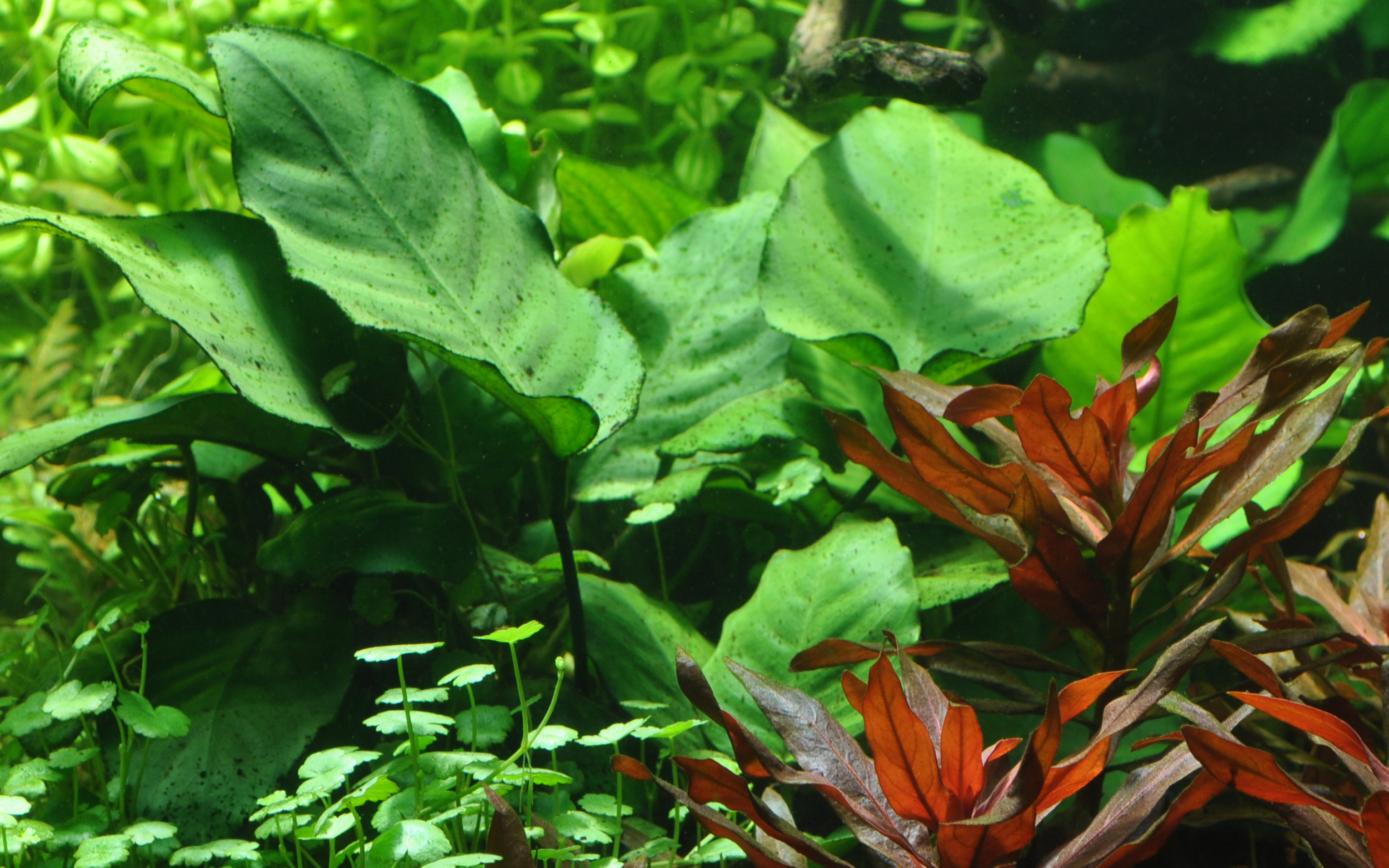
Plants cannot make a risky fish community completely safe, but they can give young shrimp more places to disappear. Christmas moss, Java moss, subwassertang, guppy grass, and dense fine-leaved stems create narrow spaces that adult fish search less efficiently. A prefilter sponge also protects small shrimp from being pulled into the intake. Leave some mature surfaces lightly coated with biofilm instead of keeping every leaf spotless. Shrimplets need grazing territory soon after release. Combine thick cover in the back and corners with a small open feeding area so you can monitor adults without stripping away their shelter.
Match the Tank Mate to the Shrimp’s Water Requirements
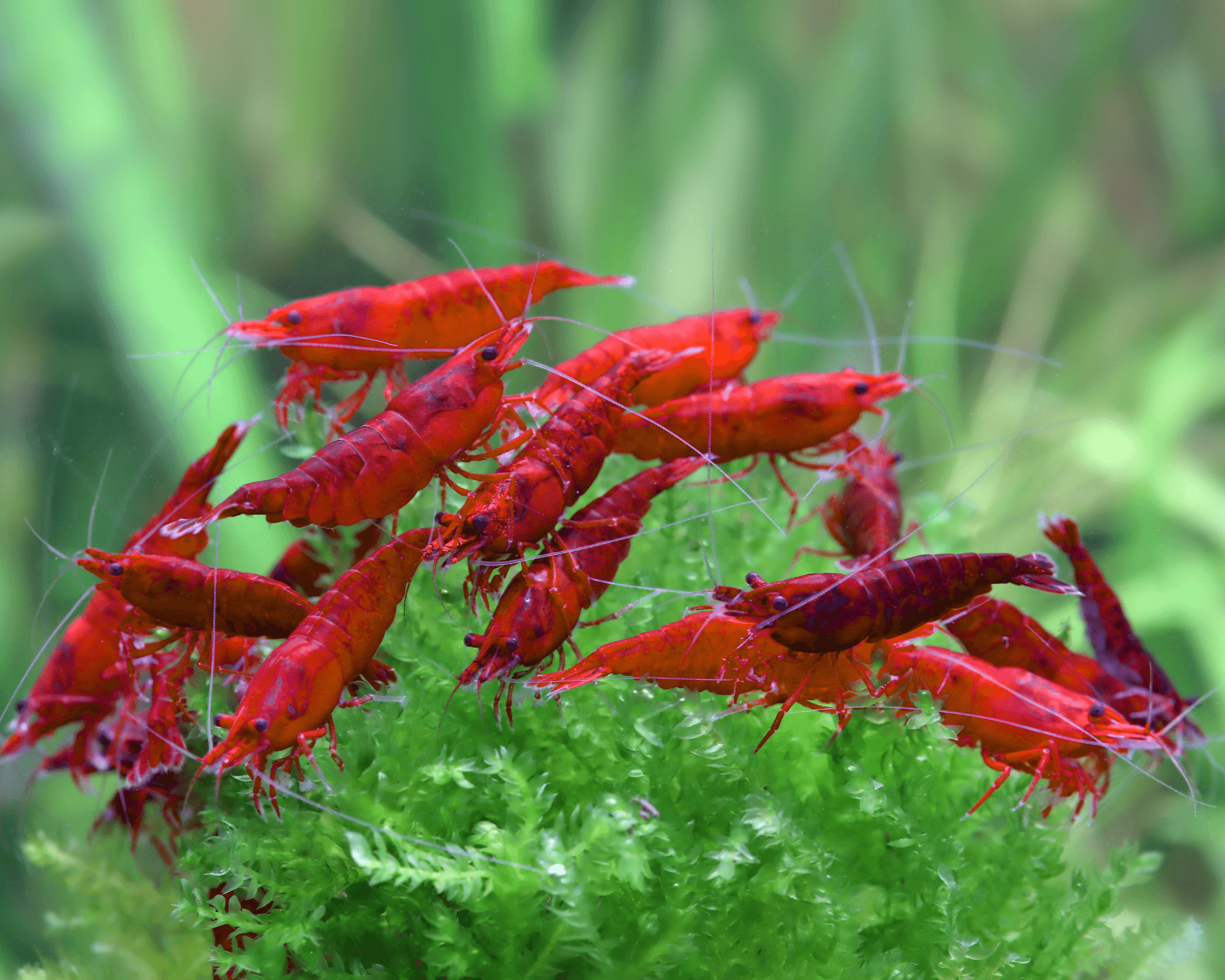
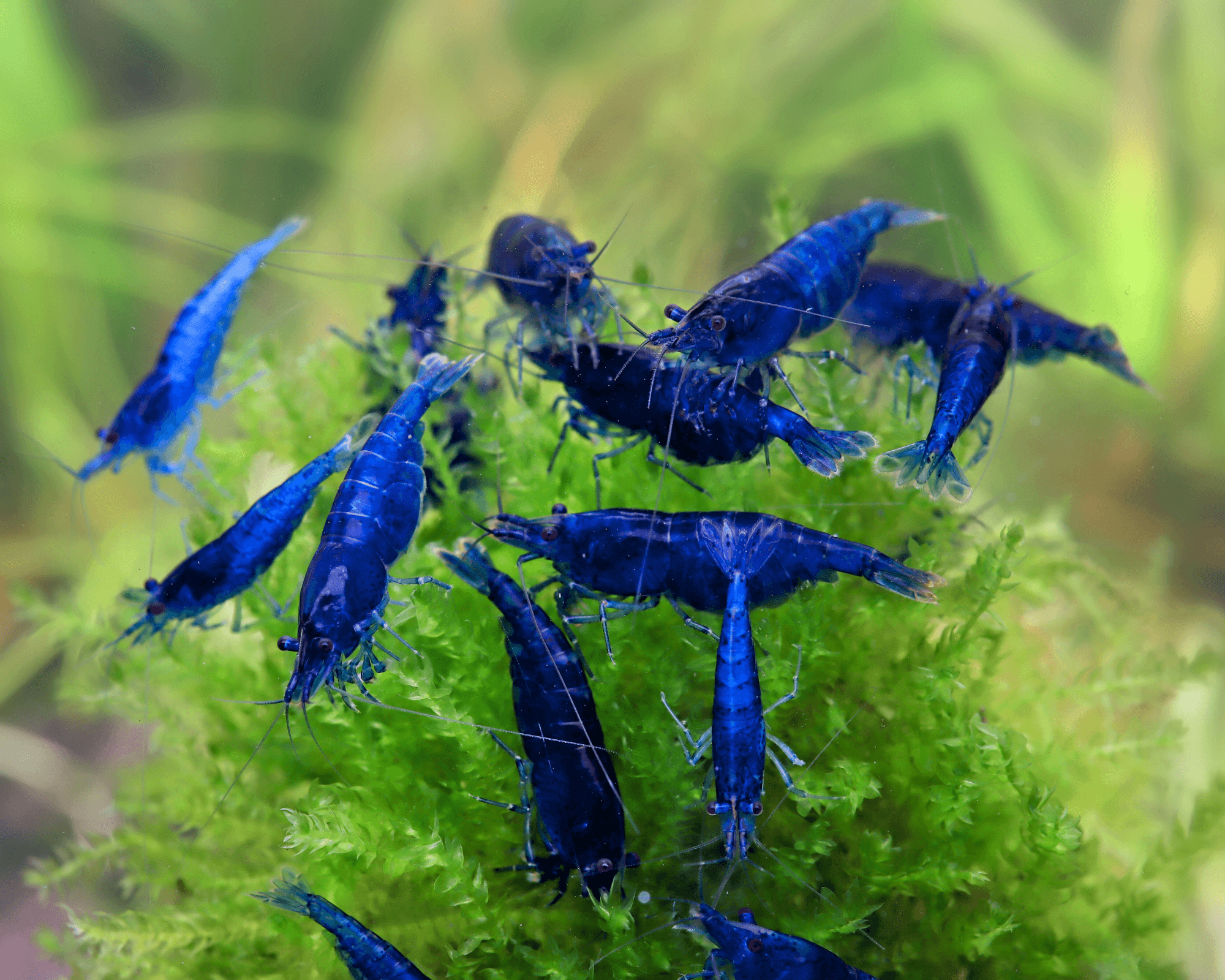
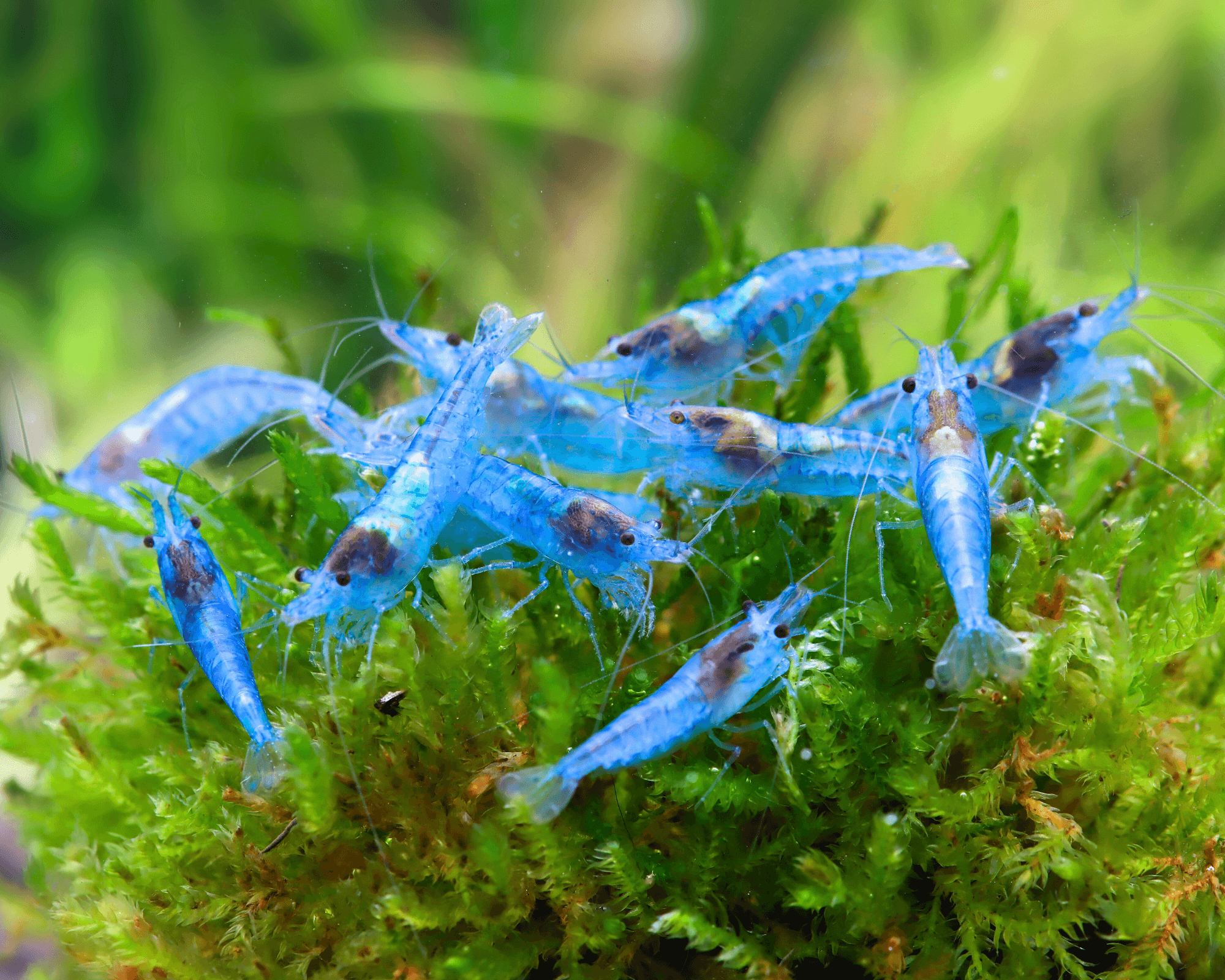
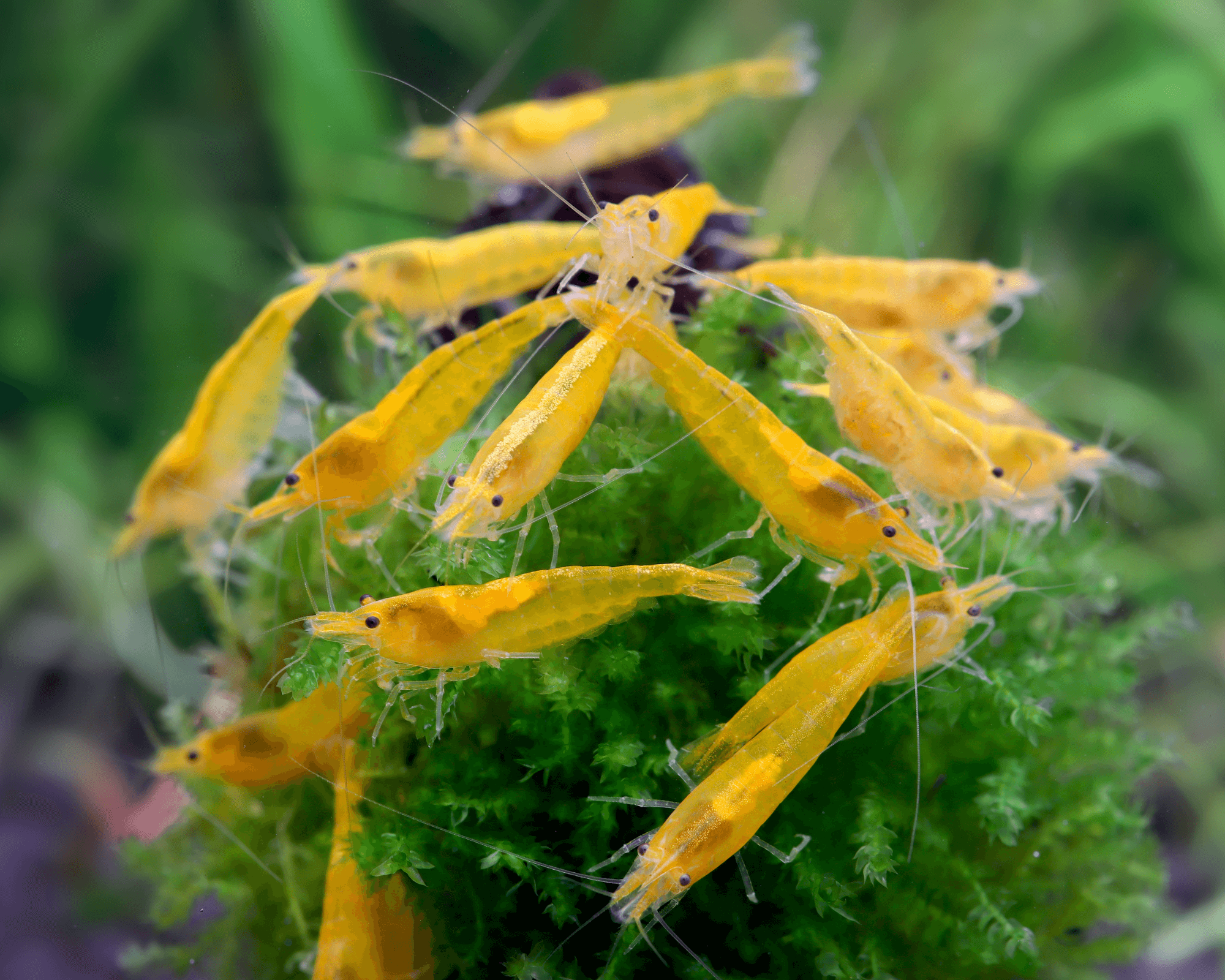
Compatibility is not only about behavior. Neocaridina varieties such as Blue Dream, Yellow Fire, Red Cherry, and Bloody Mary Shrimp are commonly kept in established freshwater aquariums with moderate mineral content, while many bee shrimp need softer, more carefully controlled water. Sulawesi shrimp require a different warm, alkaline approach and should not be added to a typical Neocaridina community simply because both are freshwater species. Amano Shrimp can share a suitable community aquarium, but their adult size, appetite, and activity can change feeding dynamics. Choose tank mates only after checking temperature, pH, hardness, acclimation needs, and medication safety.
Feed in a Way That Limits Competition and Opportunistic Hunting
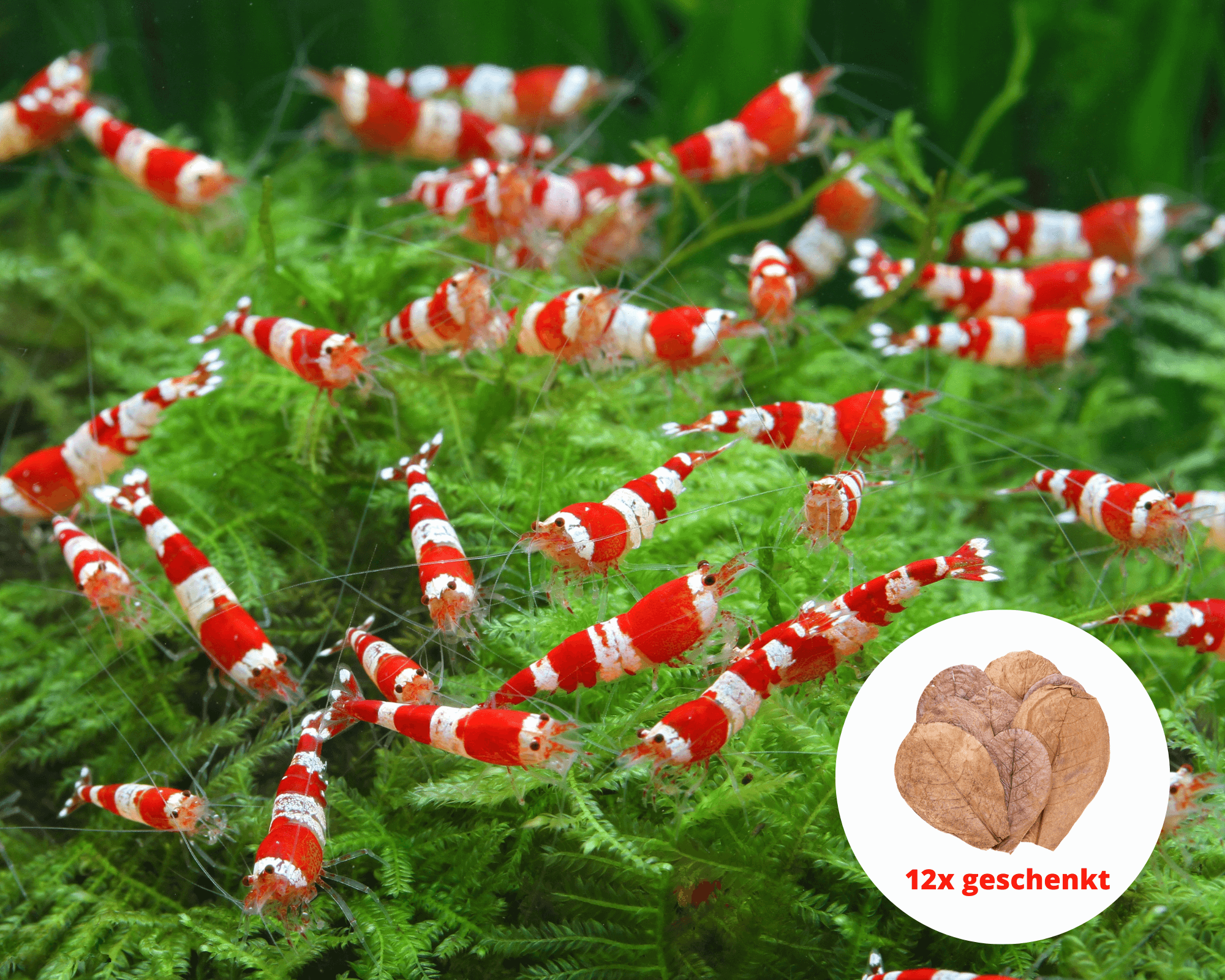
Hungry tank mates are more likely to investigate anything that moves, including newly released shrimplets. Feed fish first when possible, then place a small shrimp food portion near moss, wood, or another protected area. Use sinking foods sparingly and remove leftovers before they decay. Powdered foods can help young shrimp access nutrition, but excessive feeding quickly increases waste and snail numbers. Amano Shrimp may rush to food and push smaller shrimp away, so spread food across more than one location. Good feeding reduces competition; it does not turn a predatory fish into a safe companion.
Add Livestock in an Order That Protects the Colony
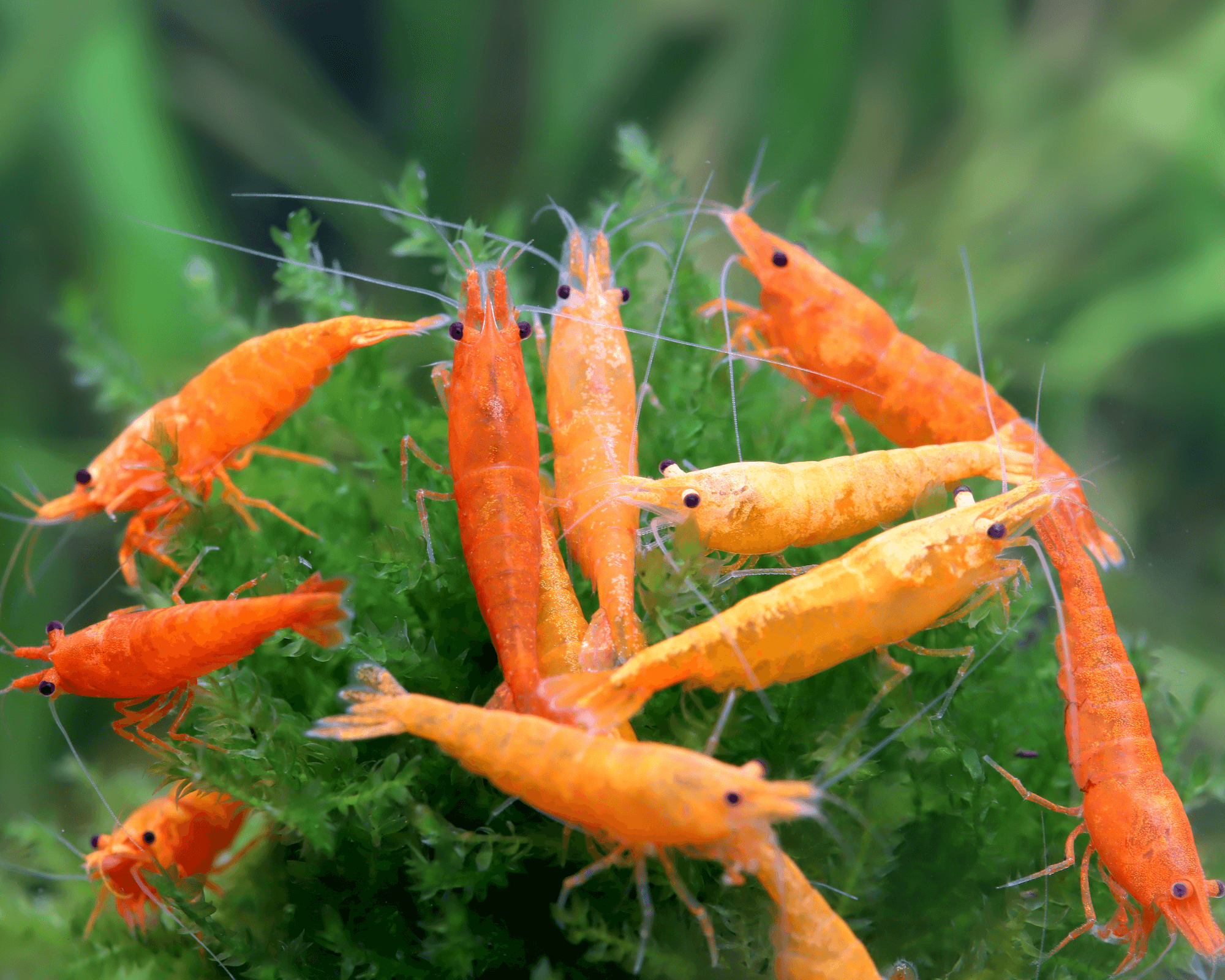
For the best chance of raising young shrimp, establish the planted aquarium first and let surfaces develop biofilm before adding livestock. Add the shrimp colony before fish so the adults can settle, molt, and reproduce without immediate pressure. If fish are part of the plan, add them only after the plants are dense and the shrimp are feeding confidently. Use a slow acclimation process for animals coming from different water conditions, and cover filter intakes before release. Watch the first several days for constant chasing, shrimp hiding all day, failed molts, or fish repeatedly inspecting moss. Those signs justify changing the stocking plan.
Know When a Separate Shrimp Tank Is the Better Answer
A separate grow-out aquarium is the honest solution when maximum shrimplet survival matters more than community variety. This is especially useful for selective breeding, rare color lines, or Caridina that need tightly controlled water. It also avoids forcing a fish community to live around excessive feeding and dense cover. A small, mature shrimp-only tank does not need to look empty: moss, floating plants, wood, leaf litter, and a sponge filter can create a rich habitat. You can still keep a community display elsewhere, but separating goals makes both aquariums easier to manage and more predictable.
Make the Final Decision With a Simple Colony Test
Before buying a tank mate, ask four questions. Can it fit a shrimplet in its mouth? Does it actively search plants or substrate? Will it compete aggressively for sinking food? Does it require water conditions that conflict with the shrimp? One “yes” does not automatically rule out the animal, but several yes answers indicate a poor choice for colony growth. For a shrimp-first planted aquarium, select nonpredatory snails or peaceful invertebrates first, add only carefully chosen nano fish if you accept losses, and reserve larger or hunting species for tanks without breeding goals. Survival is the compatibility result that matters most.
Frequently Asked Questions
What are the safest tank mates for baby freshwater shrimp?
A shrimp-only aquarium offers the highest survival rate. Among common companions, nonpredatory snails are usually the lowest-risk choice. Adult Amano Shrimp can coexist with adult Neocaridina but may compete for food and can occasionally take very small or weakened shrimp. No fish should be treated as completely safe for shrimplets.
Will neon tetras eat baby cherry shrimp?
They may. Even small, peaceful schooling fish can prey on newborn shrimp when they find them in open water or on exposed plant surfaces. Dense moss, mature biofilm, and a heavily planted layout can improve survival, but a colony will usually reproduce more successfully without fish.
Are Amano Shrimp safe with Neocaridina babies?
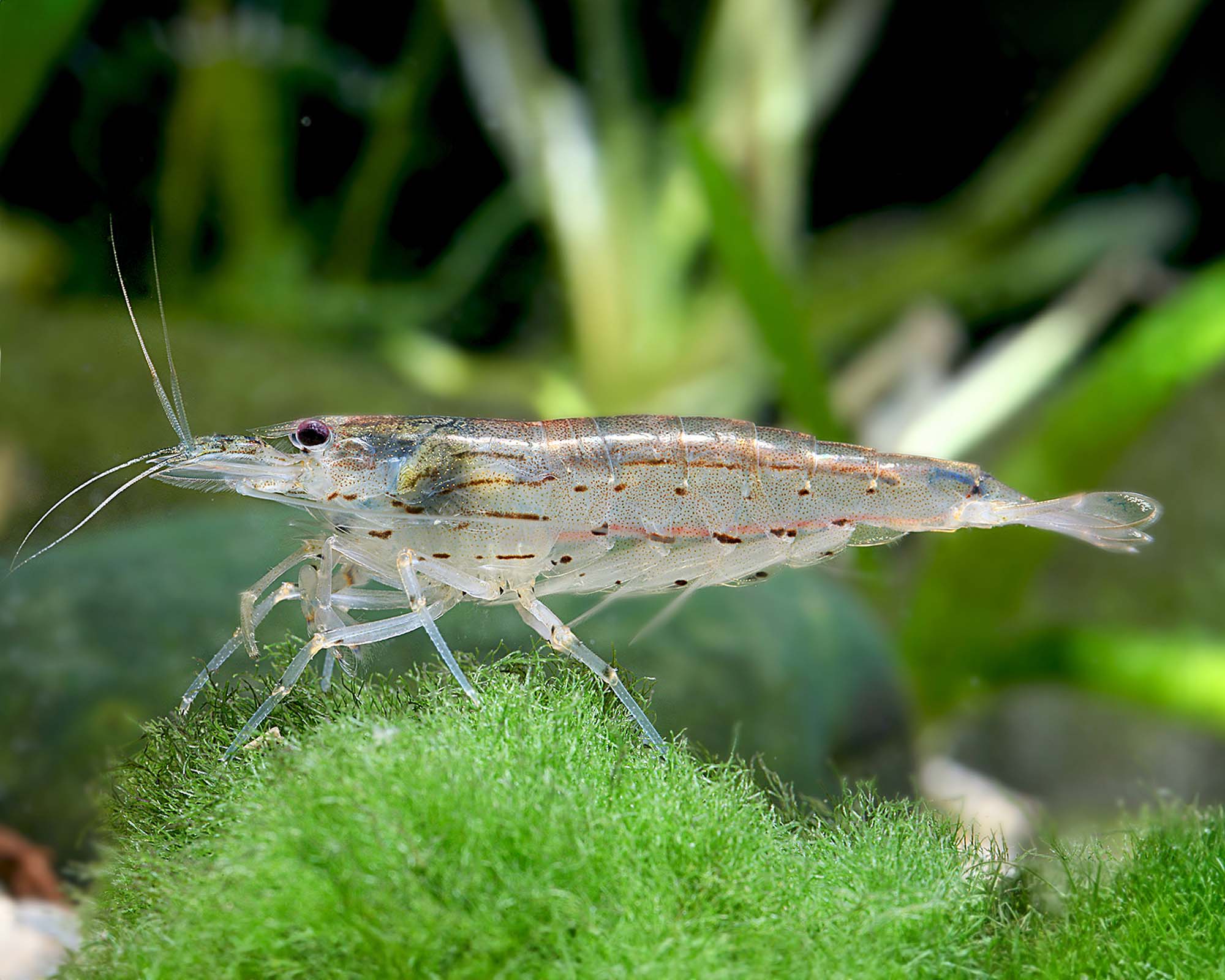
Amano Shrimp are often compatible with adult Neocaridina, but they are larger, active feeders and opportunistic scavengers. They may outcompete dwarf shrimp at feeding time and could consume a weak or exposed shrimplet. Keep them well fed, spread food around the tank, and do not use them when maximum baby survival is the main goal.
Can aquarium plants protect young shrimp from fish?
Plants improve the odds by breaking sight lines and creating narrow spaces, especially fine mosses, floating roots, and dense stem growth. They cannot guarantee safety because fish may still hunt among the leaves. A sponge prefilter and mature biofilm provide additional protection.
Should I move a berried shrimp to another aquarium?
Usually, avoid moving a berried shrimp unless the destination aquarium has matching, stable water. Sudden changes can cause stress or premature egg loss. If you need high shrimplet survival, prepare a mature shrimp-only tank before breeding begins rather than relocating the female at the last moment.
 - 2.webp)
Leave your comments