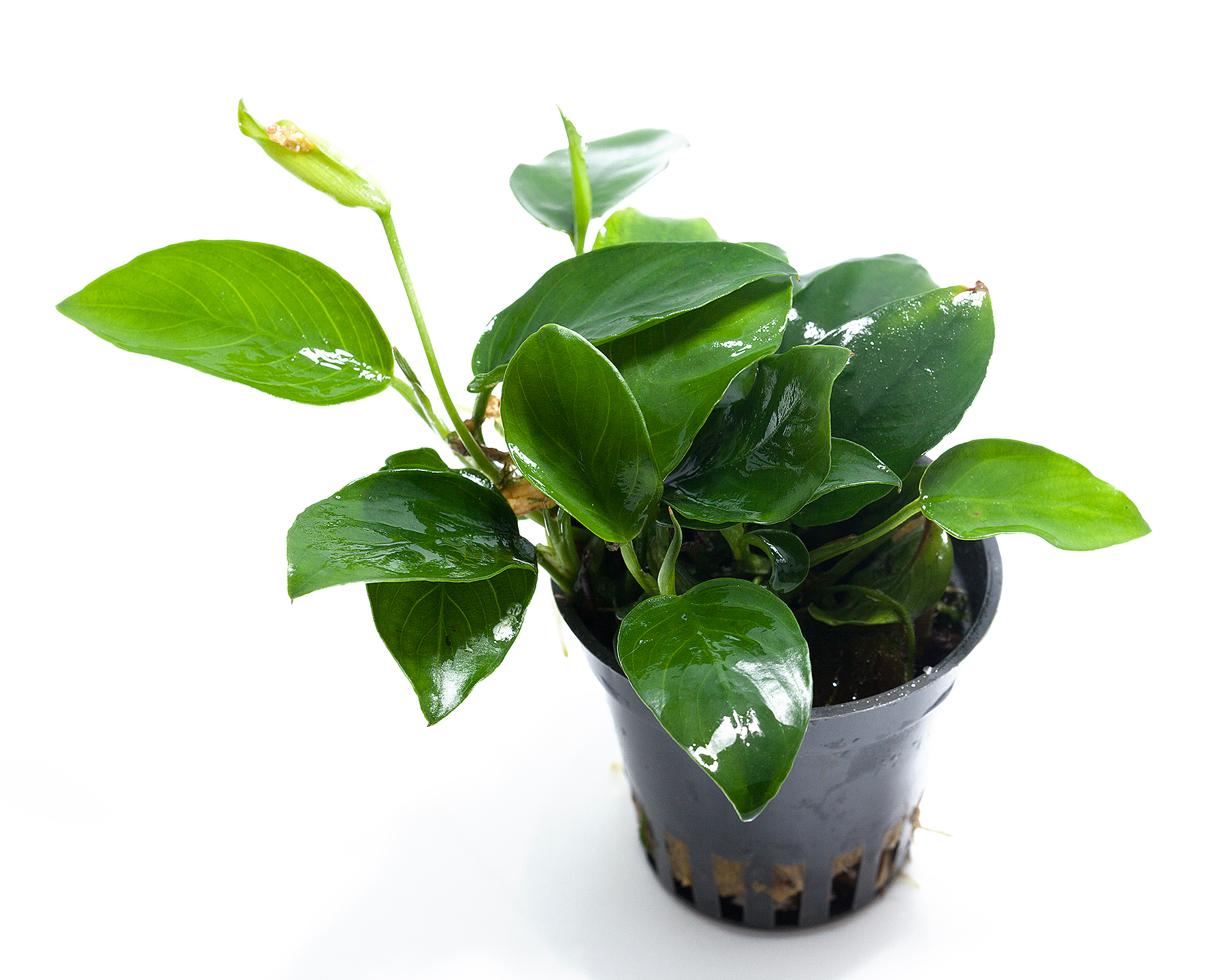
Start with a leaf-size contrast, not a color contrast
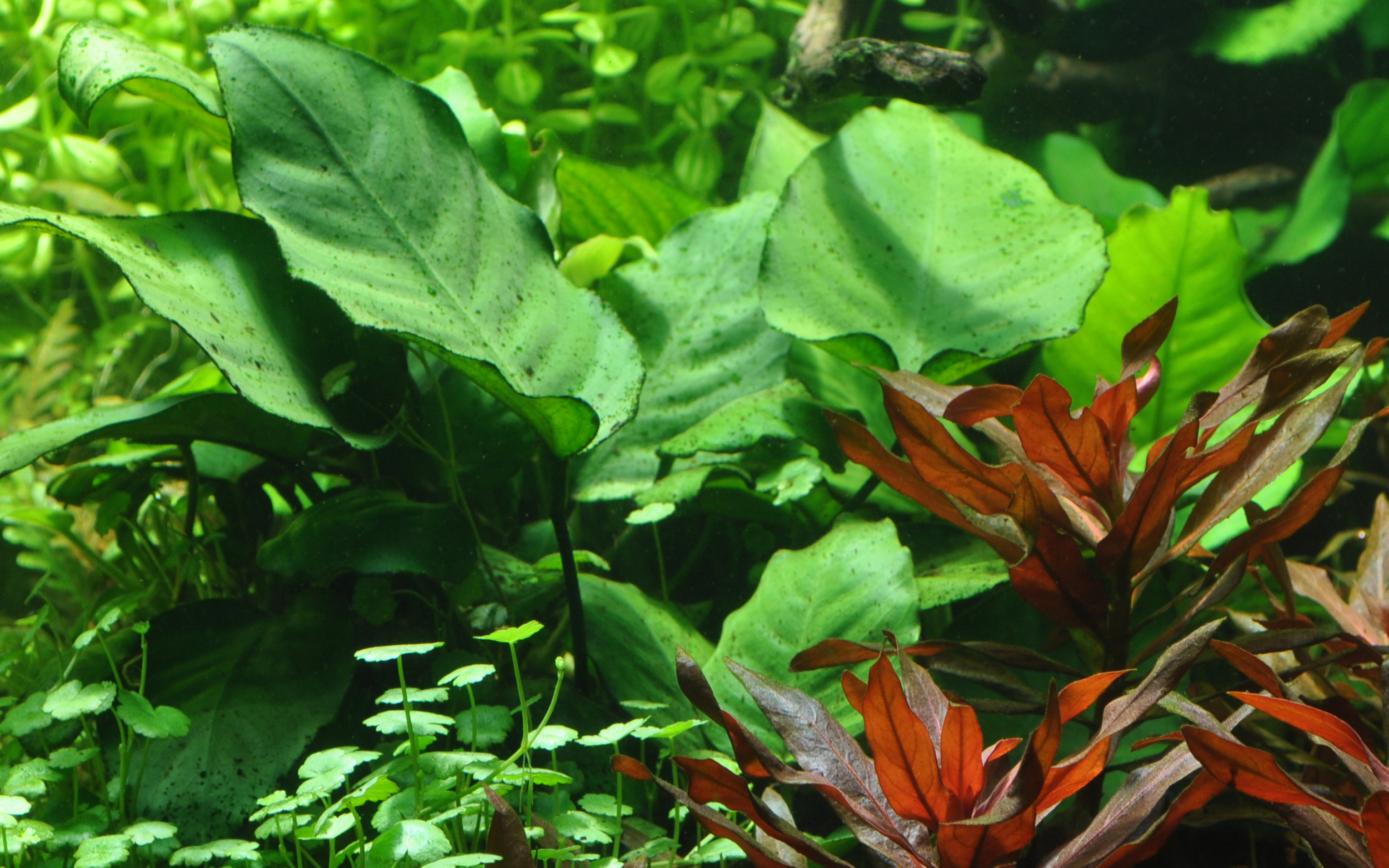
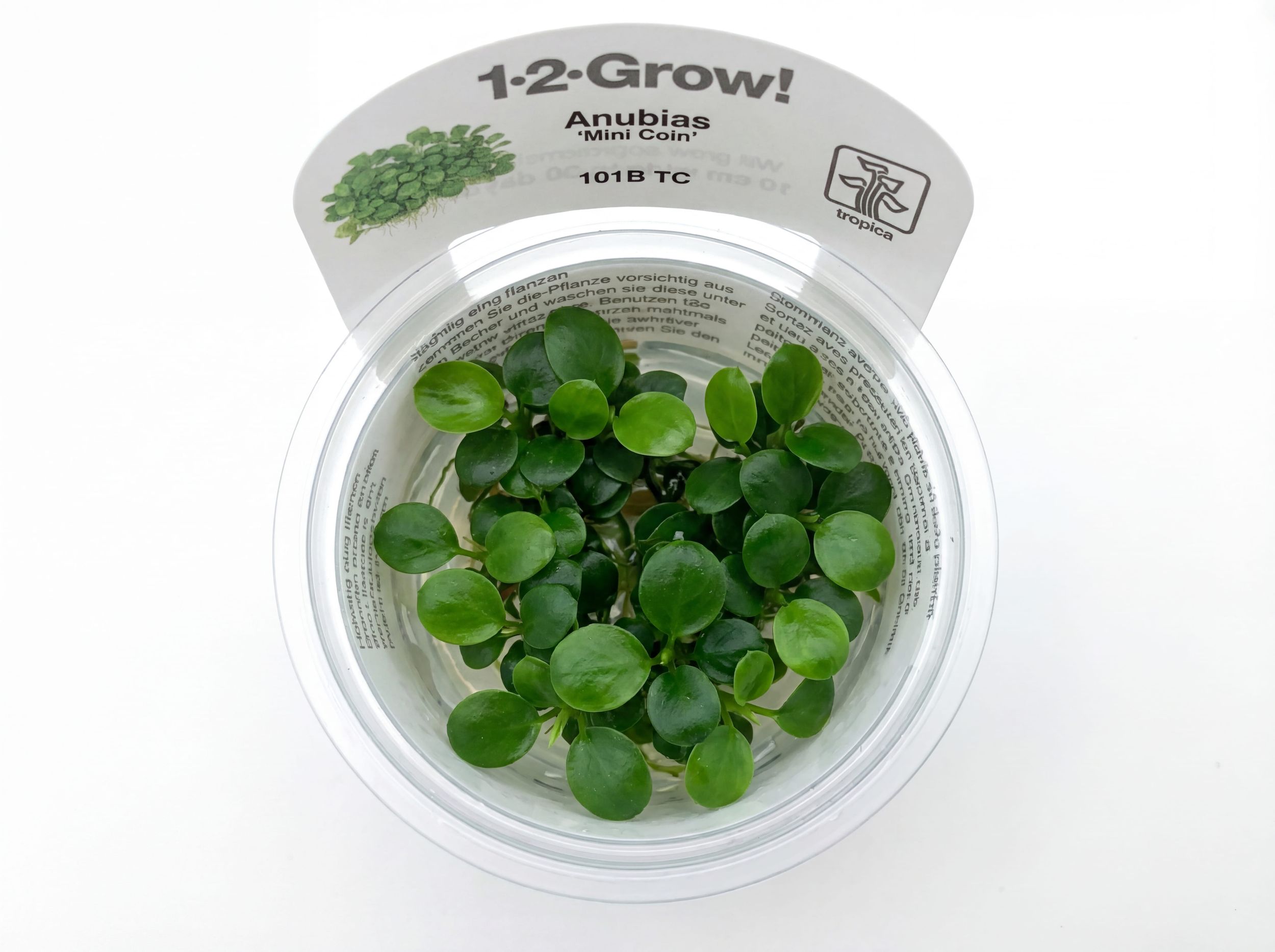
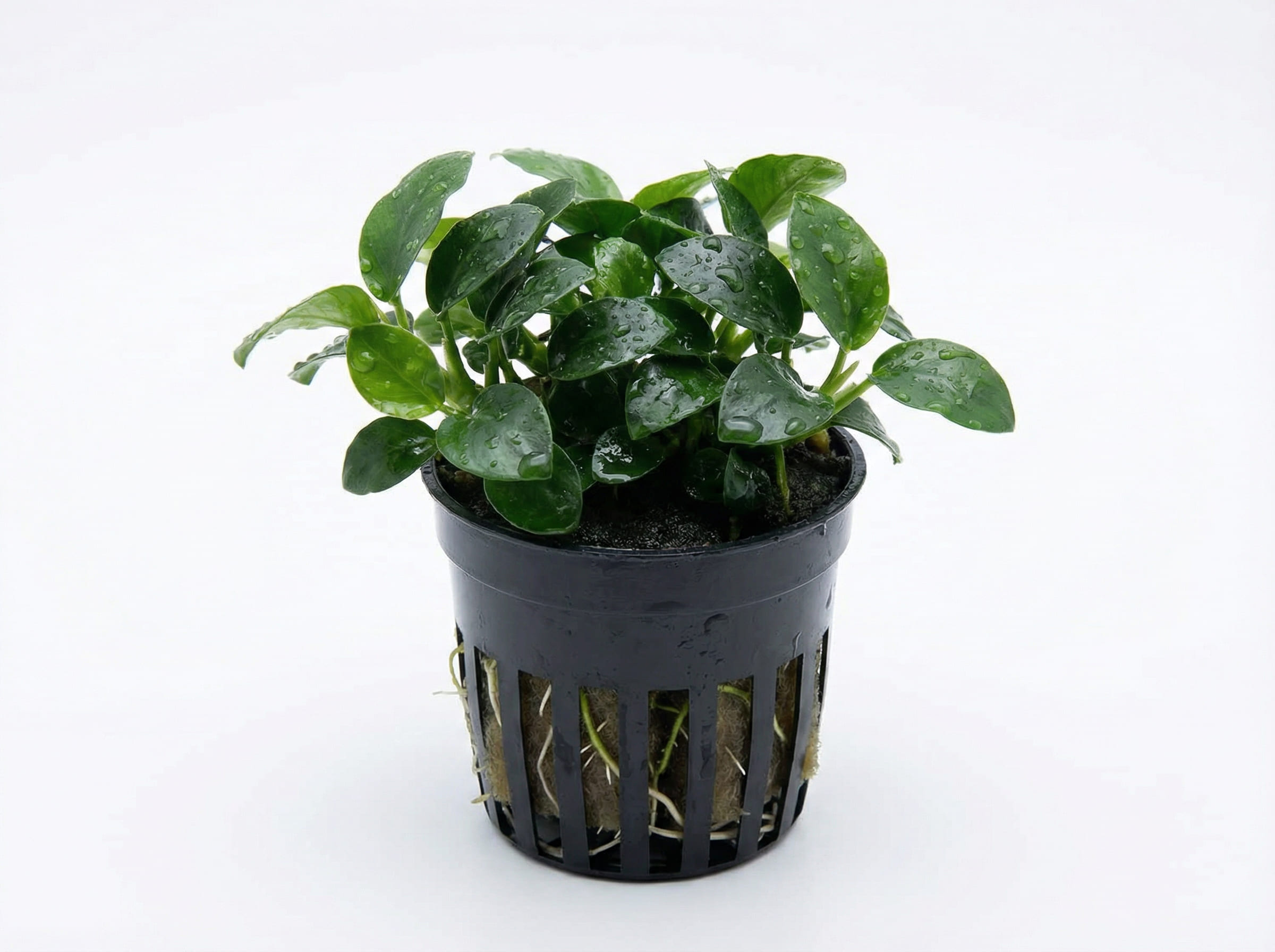
The fastest way to make a planted aquarium look deeper is to place different leaf sizes beside one another. A compact Anubias nana has broad, slow-growing leaves that read as a solid foreground or midground shape. That makes it useful beside finer plants, open sand, or narrow stems. Keep the rhizome above the substrate and attach it to wood or stone rather than burying it. In a shrimp tank, its sturdy leaves also become grazing surfaces and resting places. Use one or two broad-leaf clusters as visual anchors, then leave space around them so the aquarium does not become a wall of identical green.
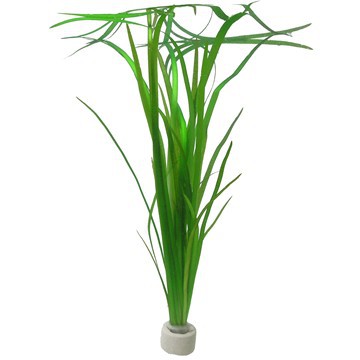
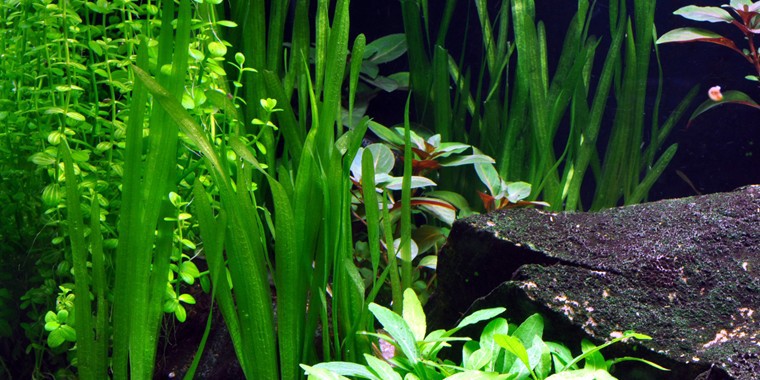
Build the rear layer with vertical rhythm
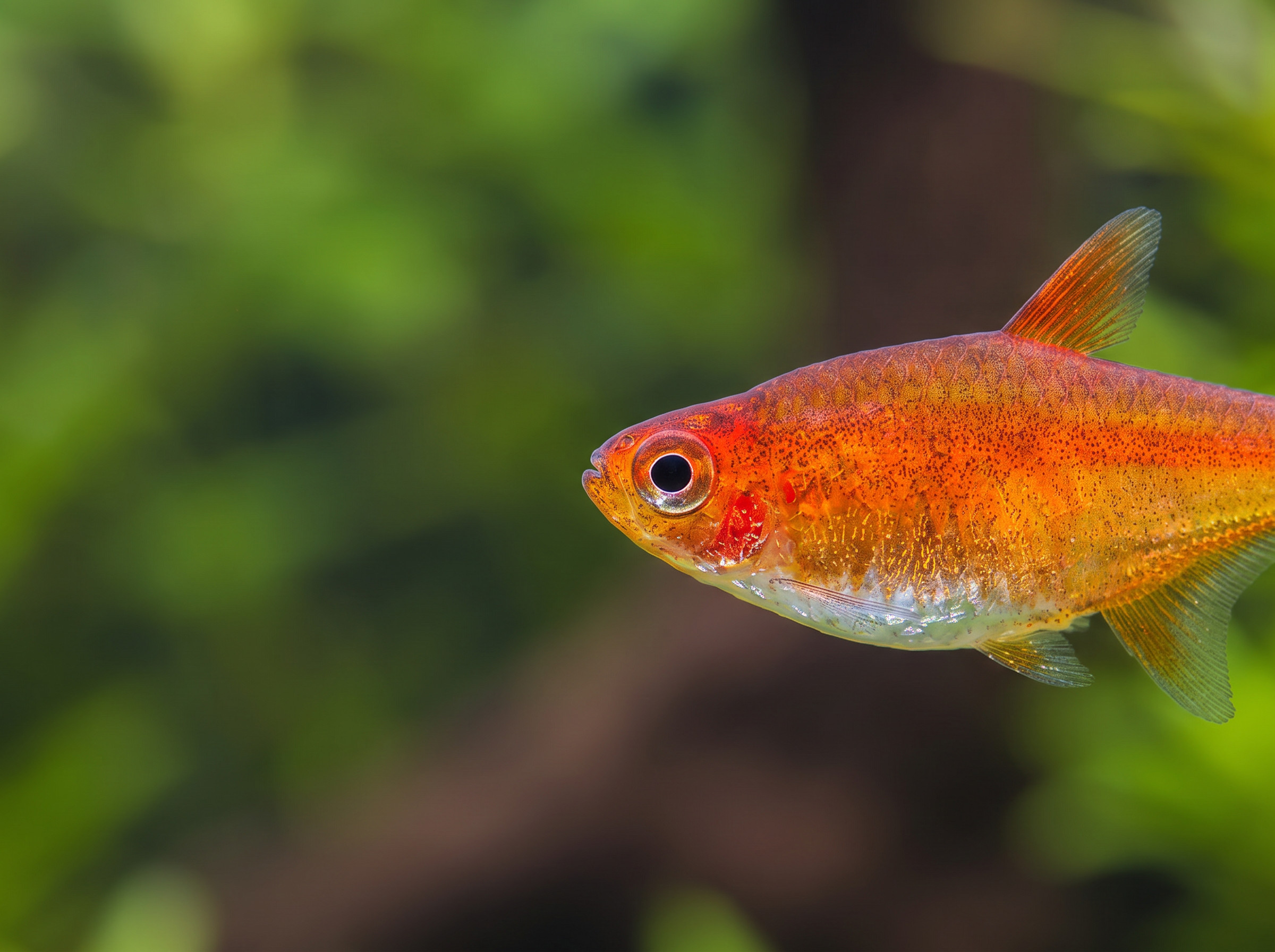
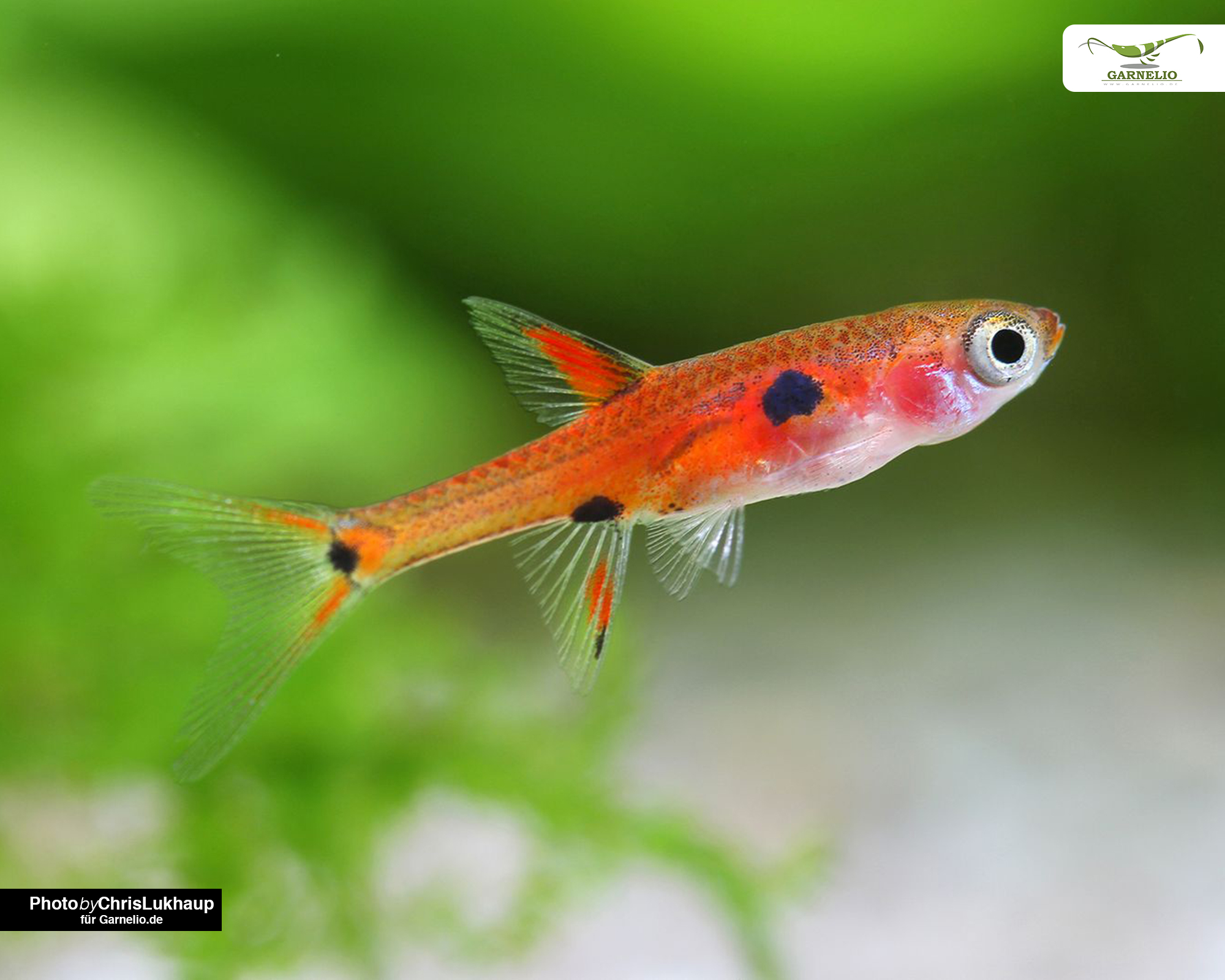
Tall, narrow plants create distance because they lead the eye upward and backward. Vallisneria americana, sold in forms such as Natans, can form a moving background curtain, but it should be planted in separated groups rather than one dense row. Leave gaps between clusters so fish can pass behind and through the leaves. This open structure works well with a single peaceful school, such as ember tetras or small rasboras, provided the tank size, temperature, water chemistry, and group requirements match. In a nano aquarium, use fewer plants and trim runners before they cover the entire rear pane.
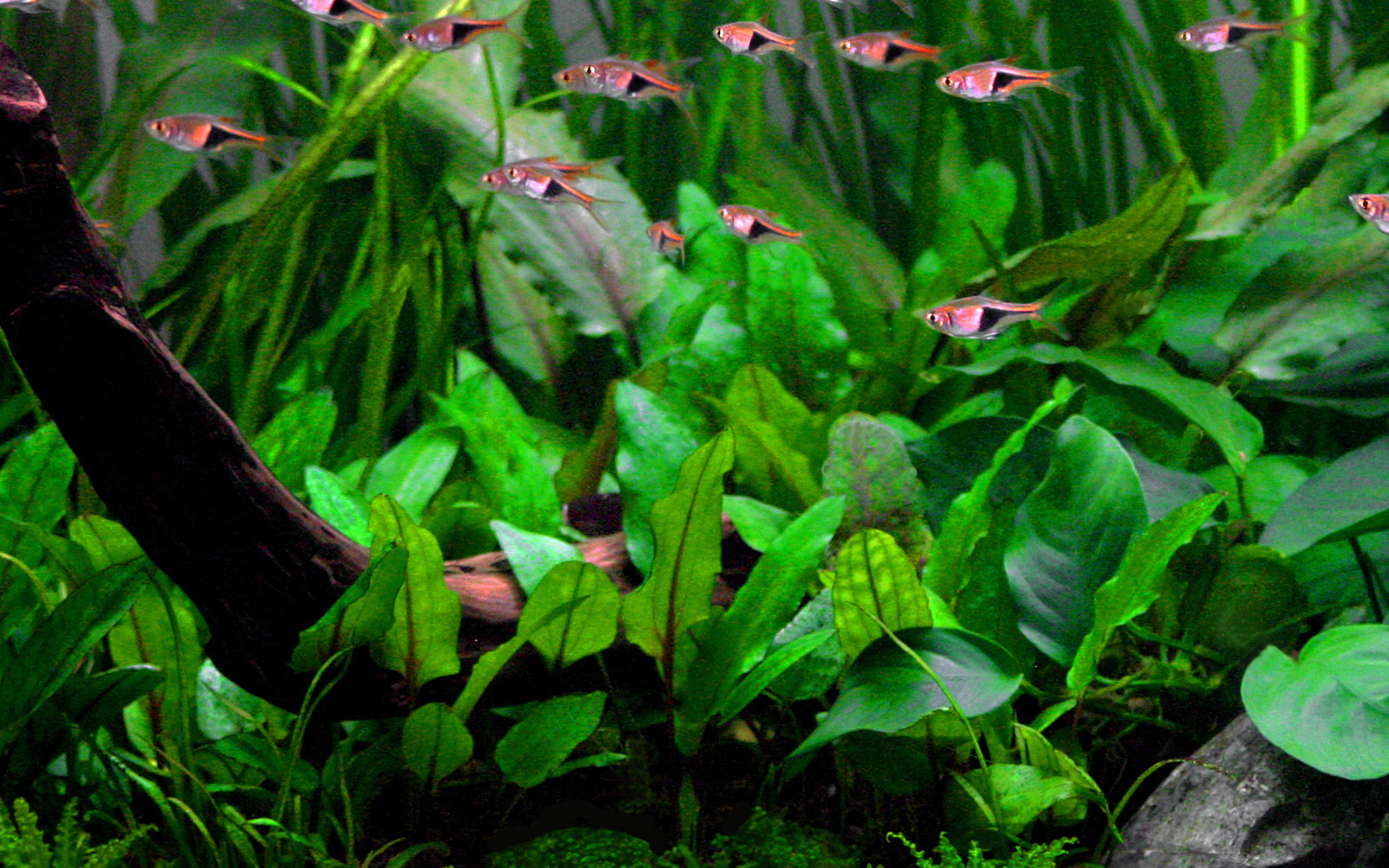
Use midground plants to soften the transition
A midground plant should connect the hardscape and the background without hiding both. Cryptocoryne wendtii Green is useful for this job because its broader, slightly ruffled leaves contrast with fine stems and grassy plants. Plant it in small groups with visible gaps between crowns. Cryptocoryne may shed older leaves after planting or environmental changes, so avoid tearing it out too quickly; remove decaying leaves and allow new growth to establish. Its dense base gives shrimp cover while still leaving a clear front path for snails and bottom-oriented livestock. The goal is a layered edge, not a continuous hedge.
Make the foreground quiet enough to show scale
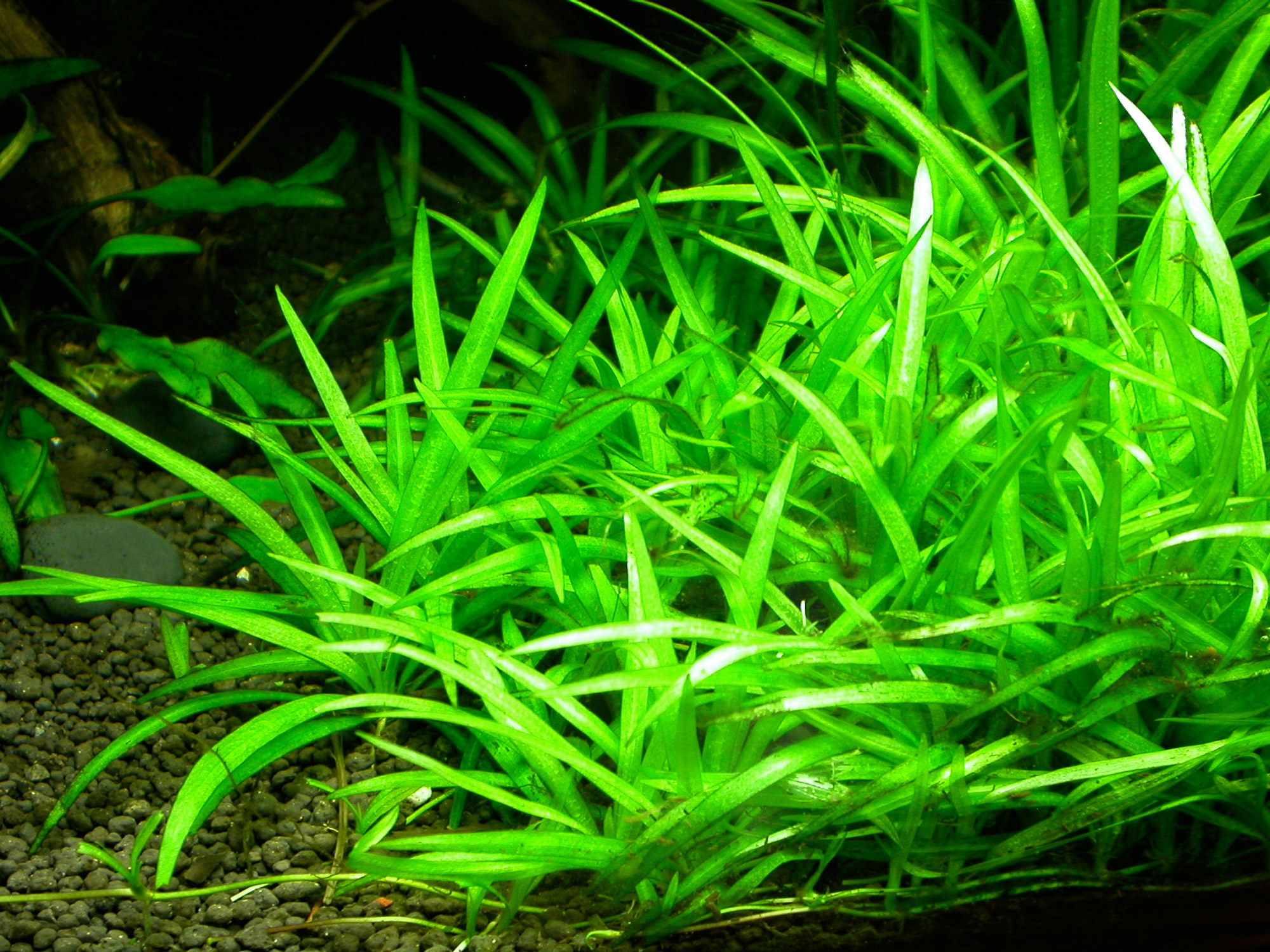
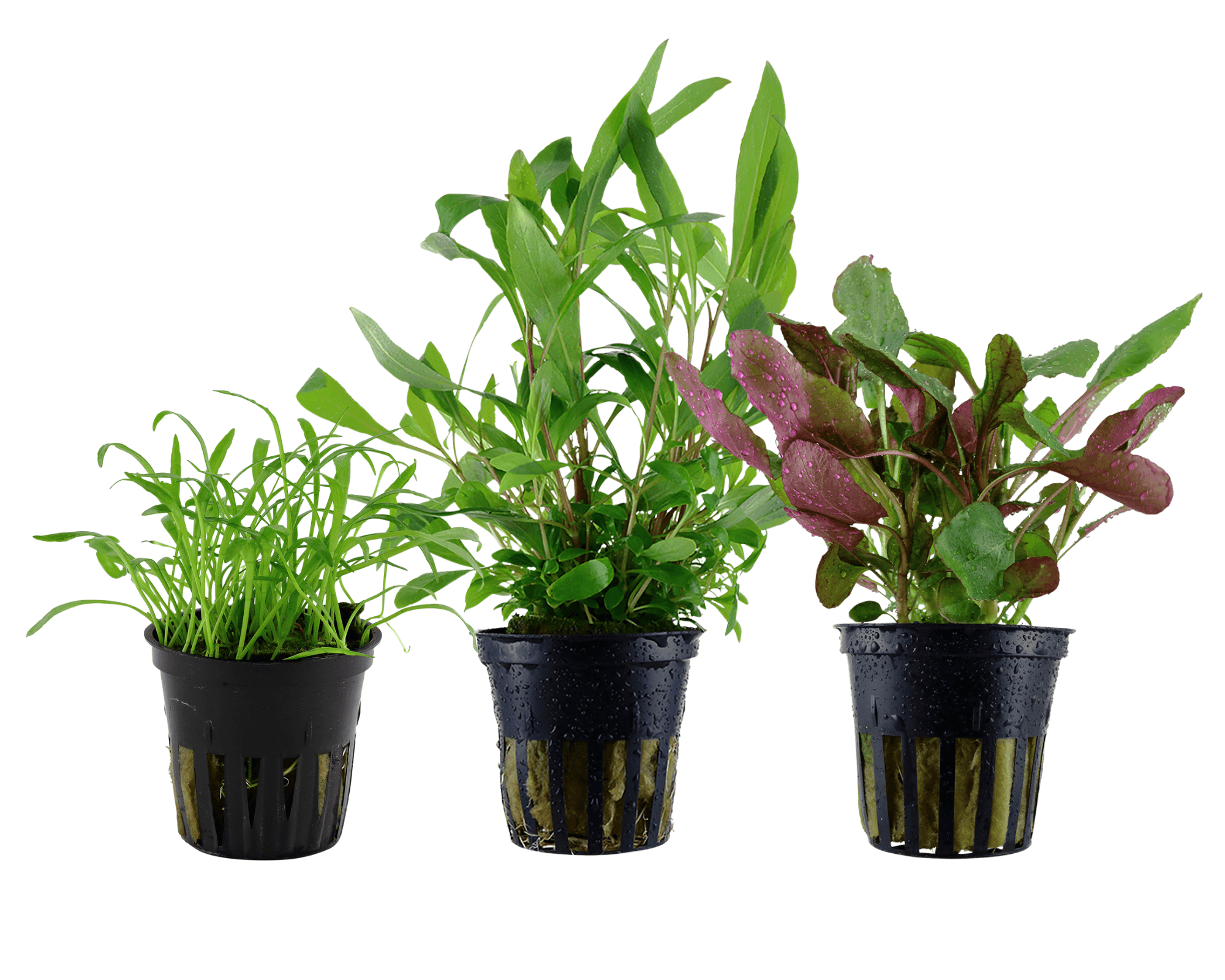
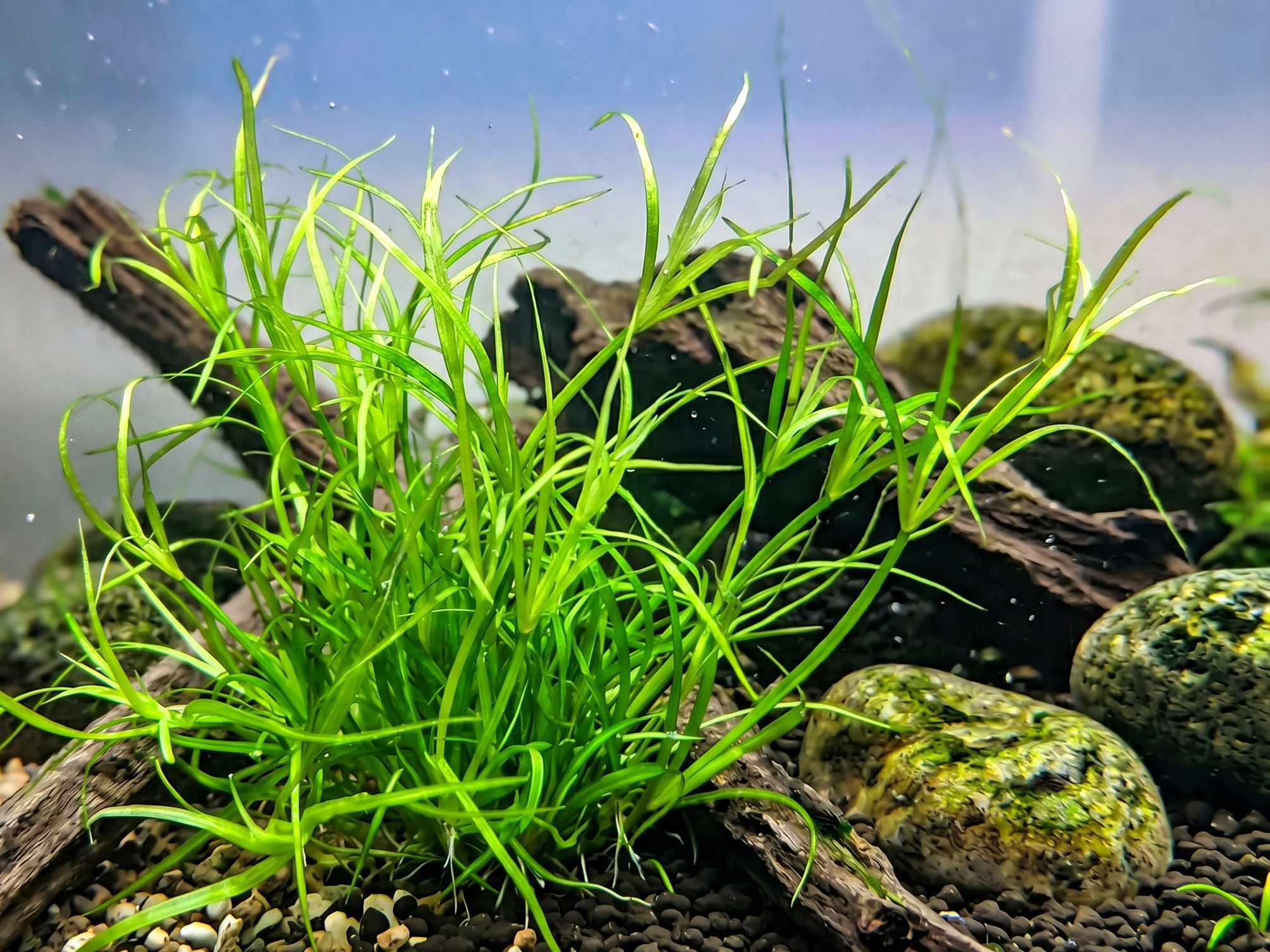
A low foreground plant gives the eye a reference point for judging the size of everything behind it. Helanthium bolivianum creates a grassy texture that can suggest a meadow without demanding the tight, maintenance-heavy look of a perfect carpet. Plant small plugs with space between them and expect the area to fill gradually under suitable light and nutrients. Keep some substrate visible, especially in a shrimp-focused nano aquarium, because empty space makes a colony easier to observe. A foreground that reaches only partway across the tank often creates more depth than covering every inch with one plant.
Add a rough surface where shrimp can disappear
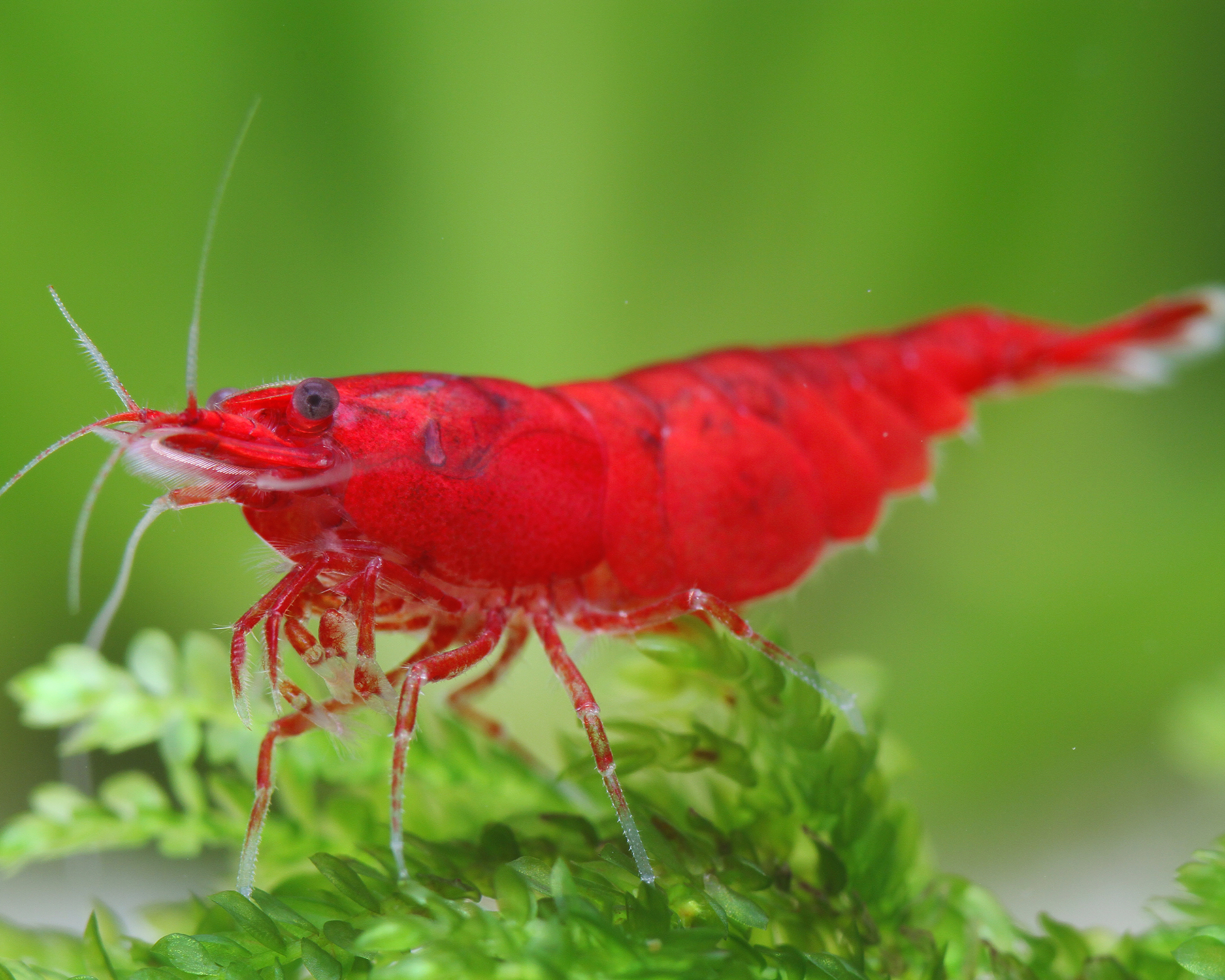
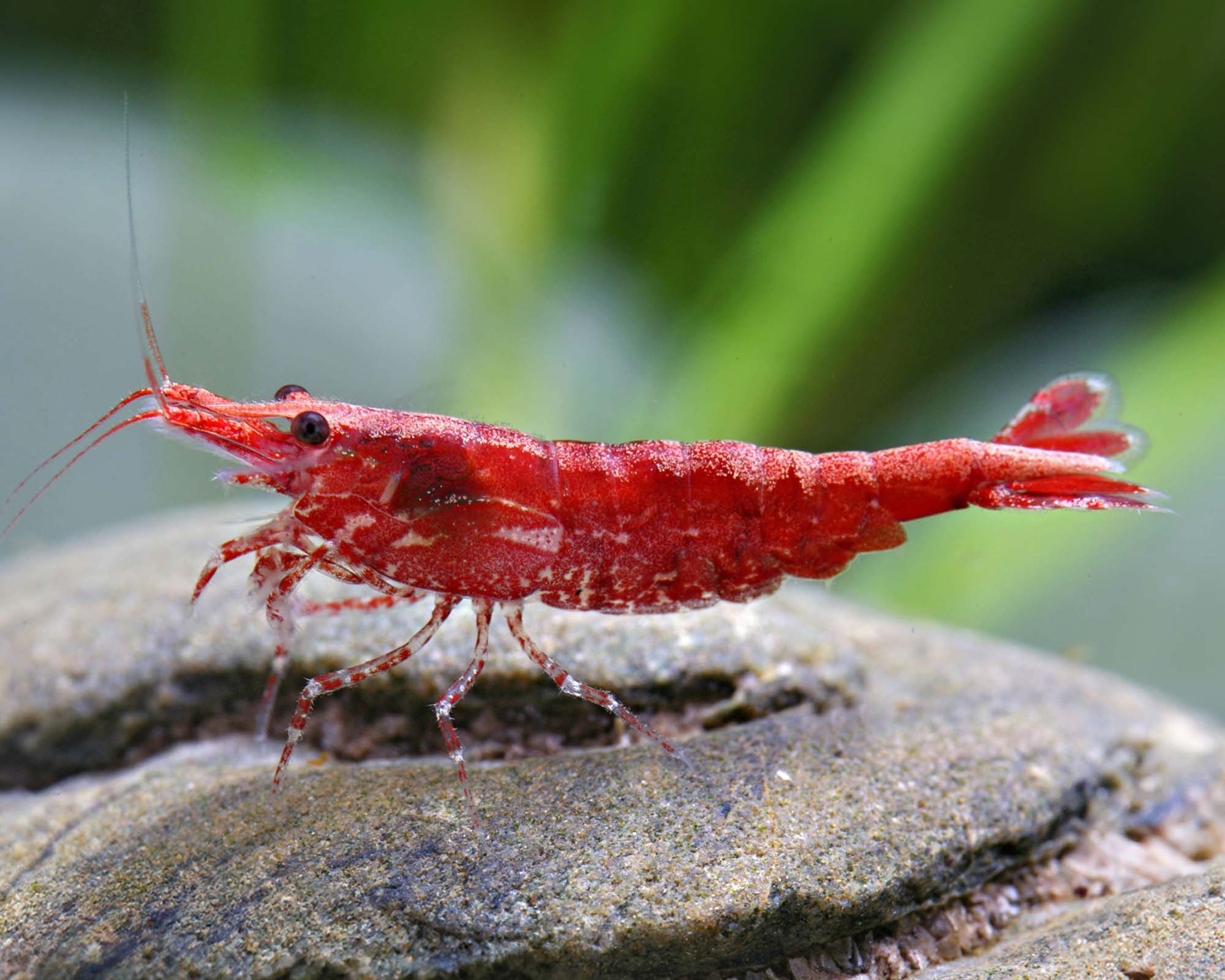
Fine texture is not only decorative; it changes how livestock use the aquarium. Bucephalandra Kedagang can be attached to wood or rock, where its small leaves and uneven growth create a detailed surface for grazing shrimp. It is a better visual partner for large-leaf plants than another broad plant would be. Keep the rhizome exposed, provide moderate flow, and avoid burying the plant. Neocaridina shrimp may share a planted community with peaceful nano fish, but fish can still eat shrimplets. If colony growth matters, use dense plant and hardscape cover or choose a shrimp-focused setup instead.

Use moss as a scale marker, not a filler
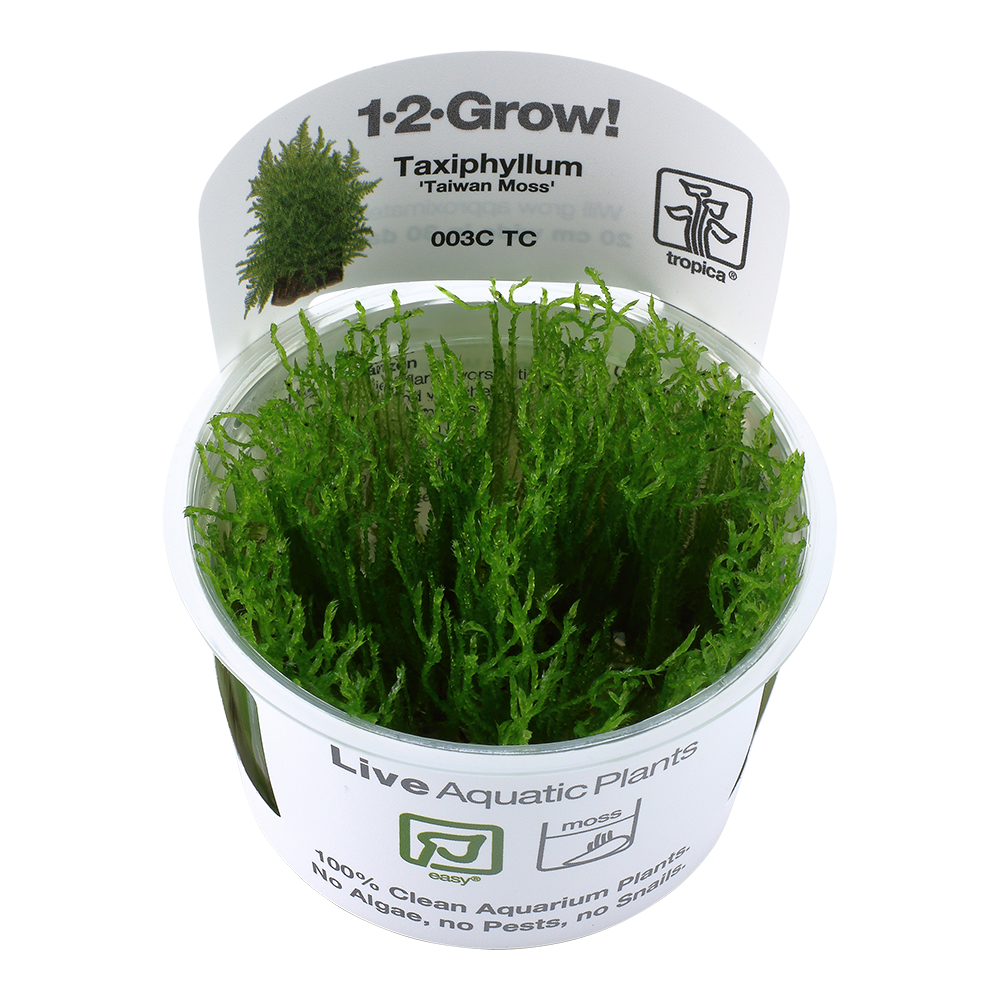
Taiwan moss gives hardscape a soft, finely branched texture that makes nearby leaves and livestock appear larger. Attach a thin layer to wood or stone instead of creating a thick, uncontrolled cushion. Trim it when it begins to trap debris or shade the surface beneath it. Moss is especially valuable for young shrimp because it increases the number of small surfaces where biofilm can develop, but it does not eliminate the need for appropriate feeding and water maintenance. Pair one moss zone with smoother leaves elsewhere. Too much fine texture everywhere can make a small aquarium look visually noisy rather than deep.
Reserve strong color for one deliberate focal zone
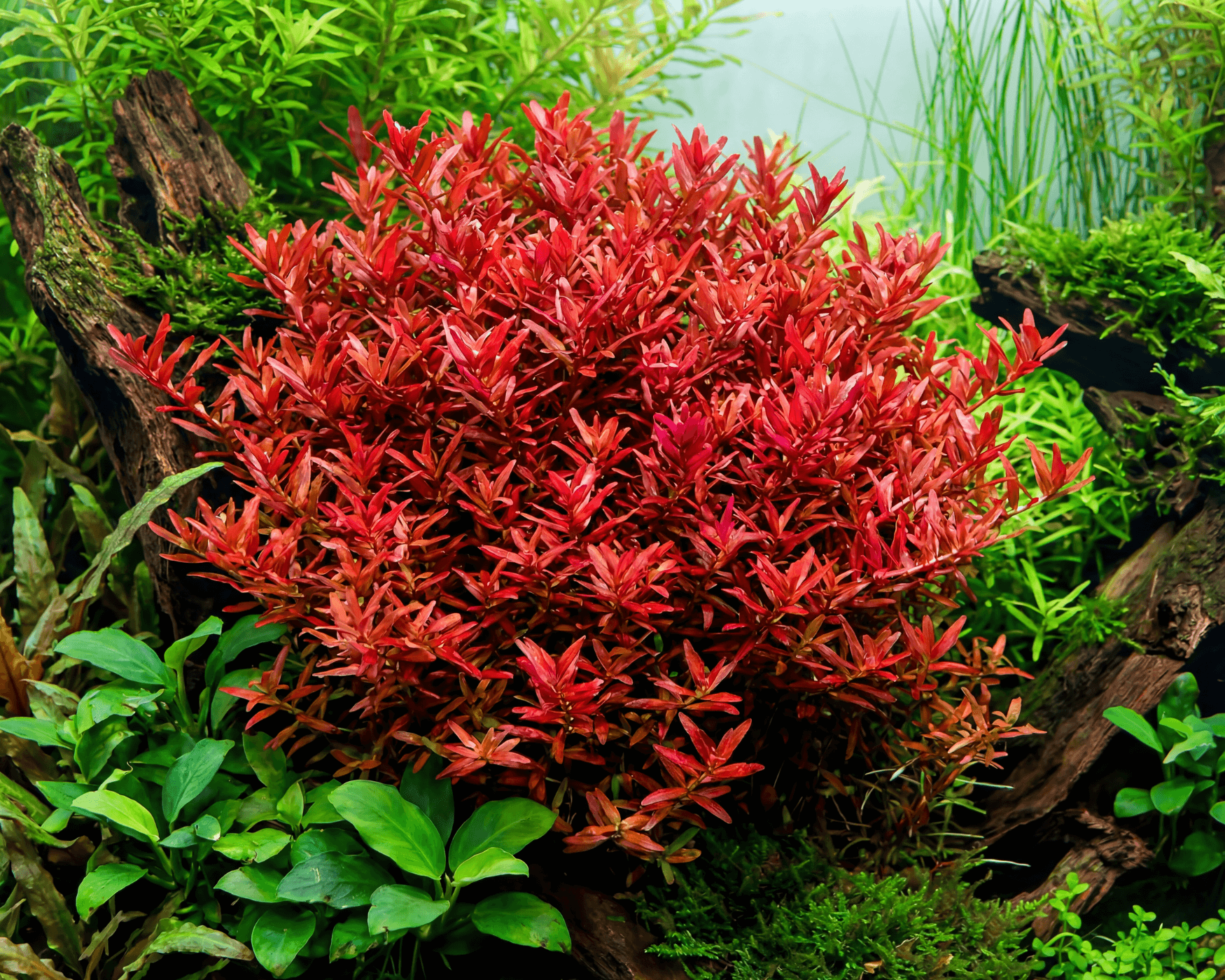
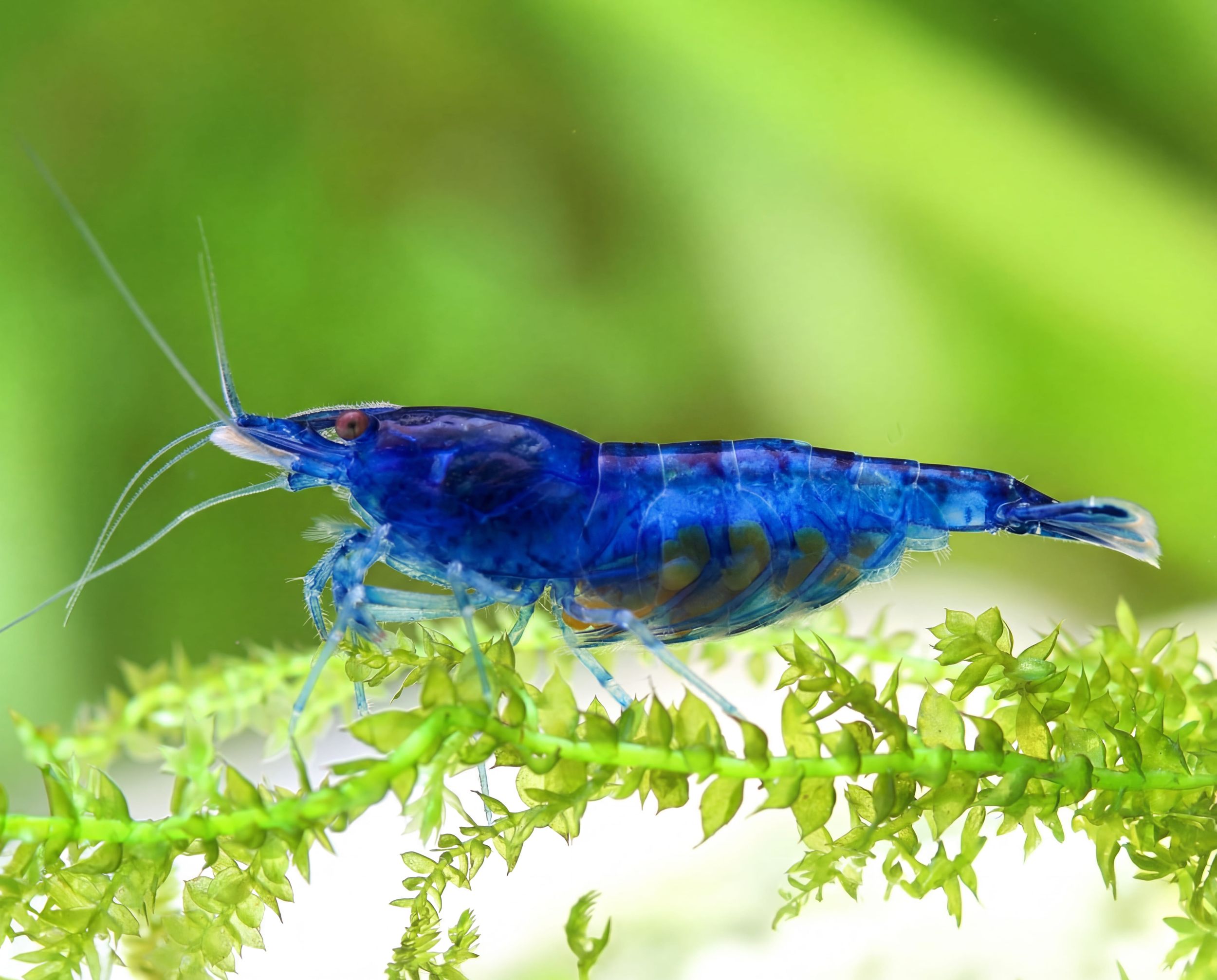
Red plants work best as punctuation. Rotala rotundifolia Blood Red can draw attention toward a rear corner or a transition behind green midground plants, but its color depends on growth conditions and should not be treated as an automatic beginner result. Keep the red group compact and prune it so it does not shade lower plants. A single warm accent can make orange, red, or yellow shrimp easier to see, while blue shrimp may stand out more clearly against green foliage and dark wood. Choose livestock color after considering the background behind it, not in isolation at the store.
Use floating plants to create a ceiling and open-water contrast
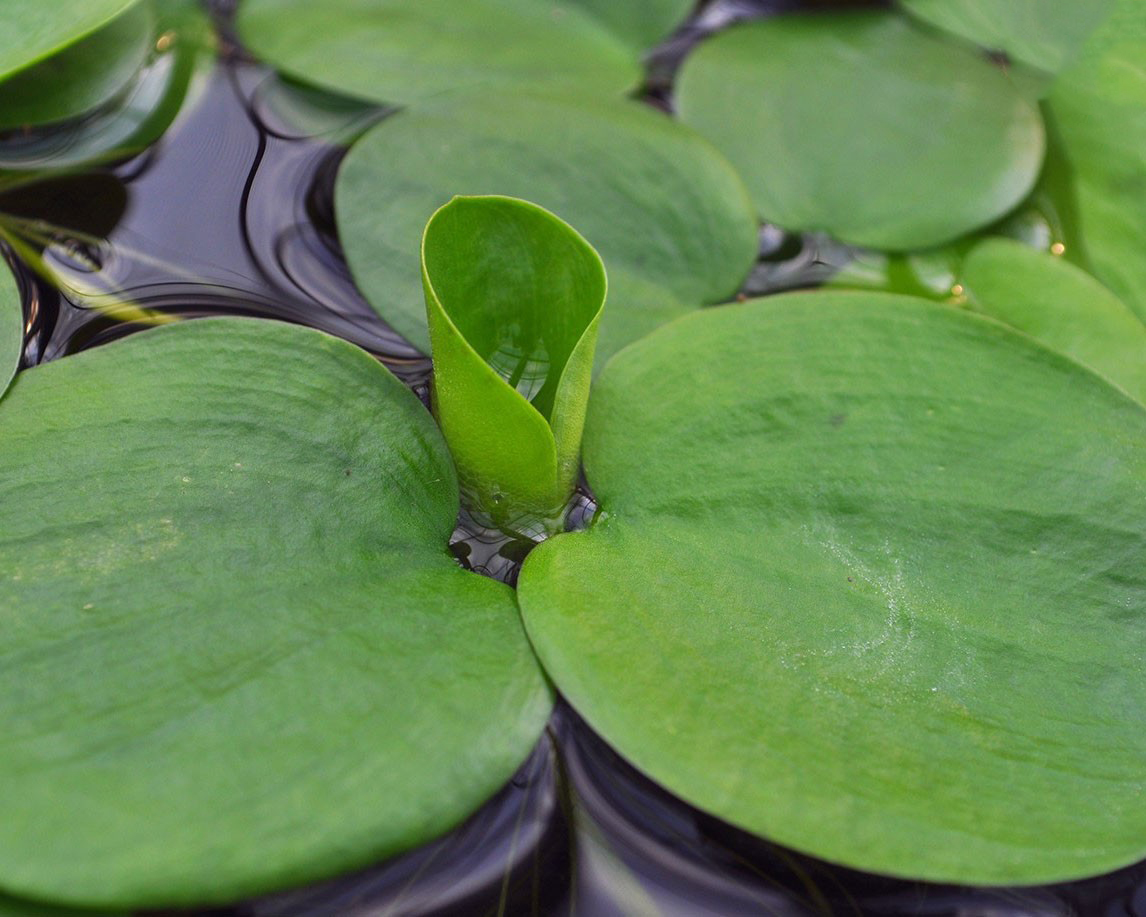
A small amount of frogbit can add a second visual plane above the planted layout. Limnobium laevigatum creates roots that hang into the water column, giving shrimp and shy fish additional cover while making the aquarium feel taller. Do not allow it to cover the entire surface: open water is essential for viewing schooling fish and for maintaining useful gas exchange at the surface. Floating plants also reduce light below them, so keep shade-tolerant plants such as Anubias or Java fern underneath and reserve brighter areas for plants that need stronger illumination.
Choose livestock that completes the layers instead of filling every gap
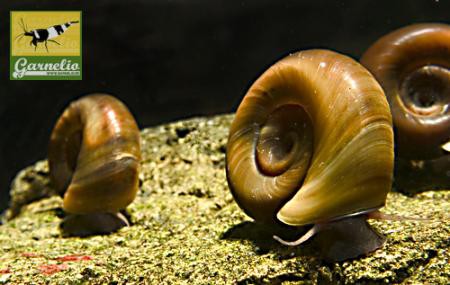
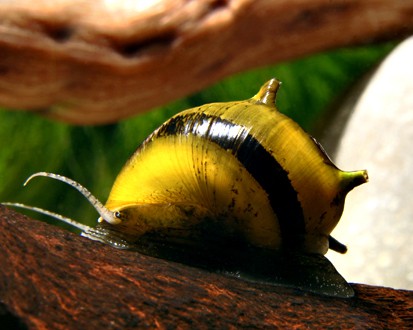
A convincing nano community usually needs one main movement pattern, not several competing groups. A school of ember tetras, chili rasboras, or green kubotai rasboras may provide upper and middle-water movement, but do not assume that all small fish share identical temperature or water preferences. Amano shrimp are larger and more visible than many Neocaridina varieties, while nerite snails are useful for grazing surfaces but may require mineral availability for shell health. Ramshorn and Malaysian trumpet snails can be valuable scavengers, yet their numbers respond to available food. Match livestock to the layout, then preserve empty swimming space.
Finish with a three-zone maintenance plan
Depth disappears when every plant grows into the same messy mass, so assign each zone a different maintenance job. Trim background stems and Vallisneria to protect the rear outline. Thin midground crowns when they block the hardscape. Remove damaged foreground leaves and lift trapped debris before it spreads. Check moss and floating plants more often because both can collect waste or shade neighboring plants. Feed shrimp and snails sparingly, especially in a small aquarium, because excess food can encourage unwanted snail growth and algae. The best planted design is not the one with the most species; it is the one whose texture and scale remain readable over time.
Frequently Asked Questions
Can colorful freshwater fish, shrimp, and snails live together in one planted aquarium?
Sometimes, but compatibility depends on adult size, temperament, water conditions, temperature, and the survival goal for the shrimp. Peaceful nano fish may coexist with adult shrimp and snails in a heavily planted aquarium, yet many fish will eat shrimplets. A species-only shrimp tank gives the best chance of colony growth. Choose one suitable fish group rather than combining several colorful schools in a small aquarium.
Which aquarium plants are easiest for building depth as a beginner?
Anubias, Java fern, Cryptocoryne, Vallisneria, mosses, and some Hygrophila varieties are practical starting points when their light and planting requirements match the aquarium. Use broad leaves for anchors, fine leaves for background rhythm, moss for microtexture, and low plants for scale. Easy does not mean maintenance-free: light duration, nutrients, pruning, and water changes still affect growth.
How many colors should a planted aquarium use?
Start with a dominant green palette, then add one warm or cool accent. Too many unrelated colors can flatten the layout because the eye jumps between highlights instead of reading the foreground, midground, and background. Consider livestock color as part of the palette. Red shrimp, orange fish, or blue shrimp may disappear against plants with similar tones, so place them where leaf texture and background color provide contrast.
Do aquarium snails help create a deeper-looking planted tank?
They can contribute movement and scale, but snails do not replace planting or maintenance. Nerites may graze hard surfaces, while ramshorn and Malaysian trumpet snails also consume detritus and leftover food. Their population can increase when excess food is available. Select snails for a specific role, provide suitable mineral conditions for shell health, and keep open surfaces where their movement can be seen.
 - 2.webp)
Leave your comments