Start With the Shrimp Line, Not the Color
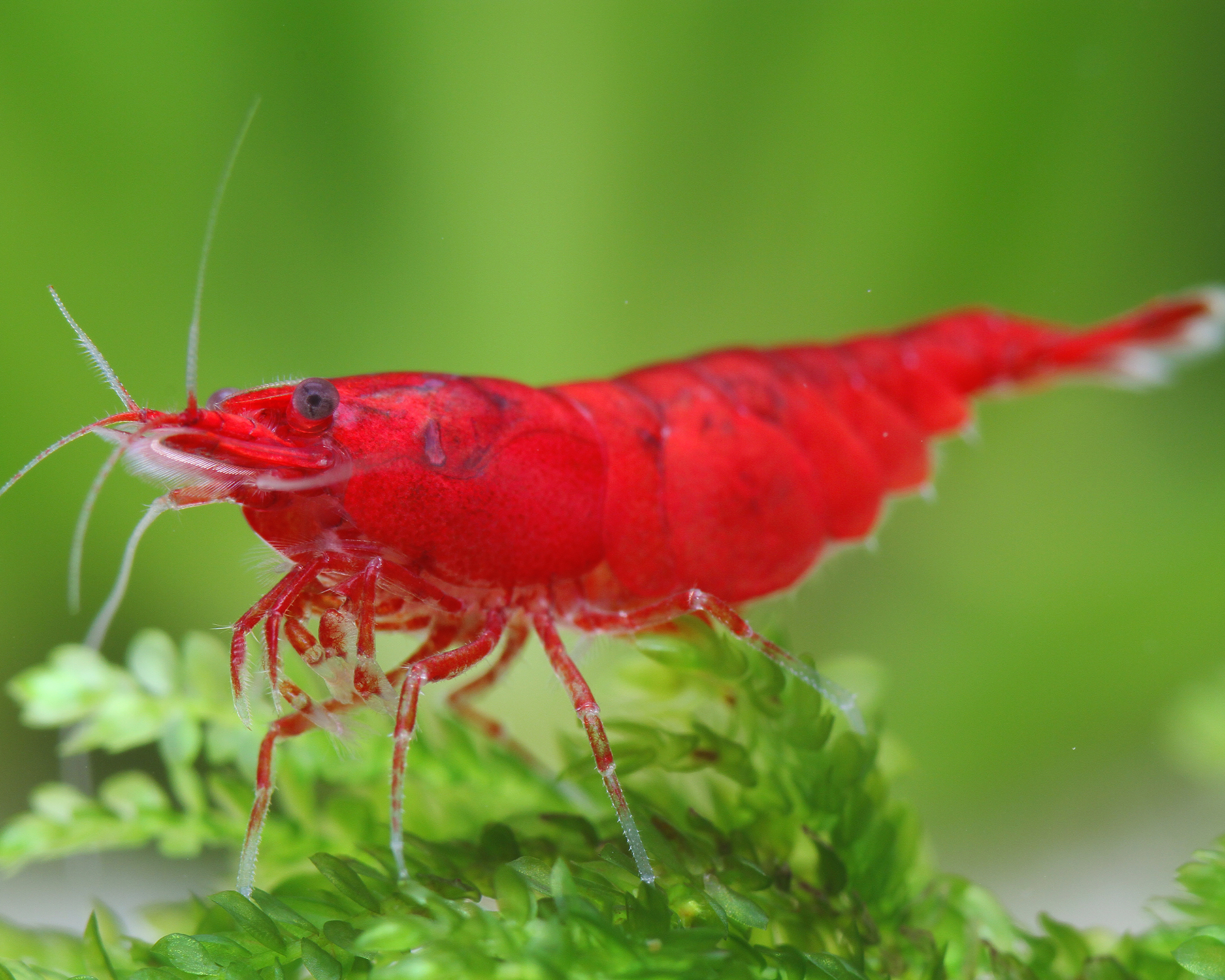
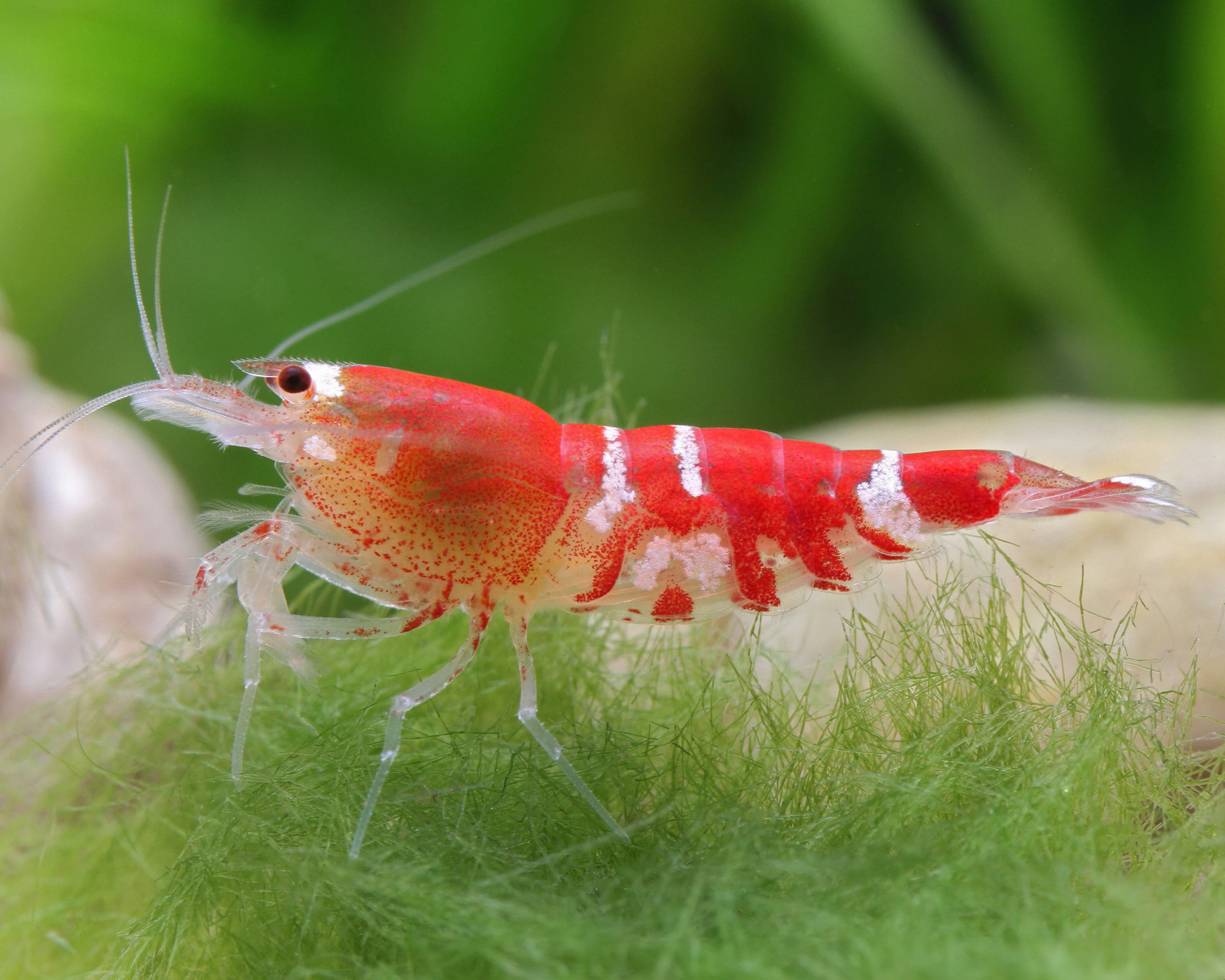
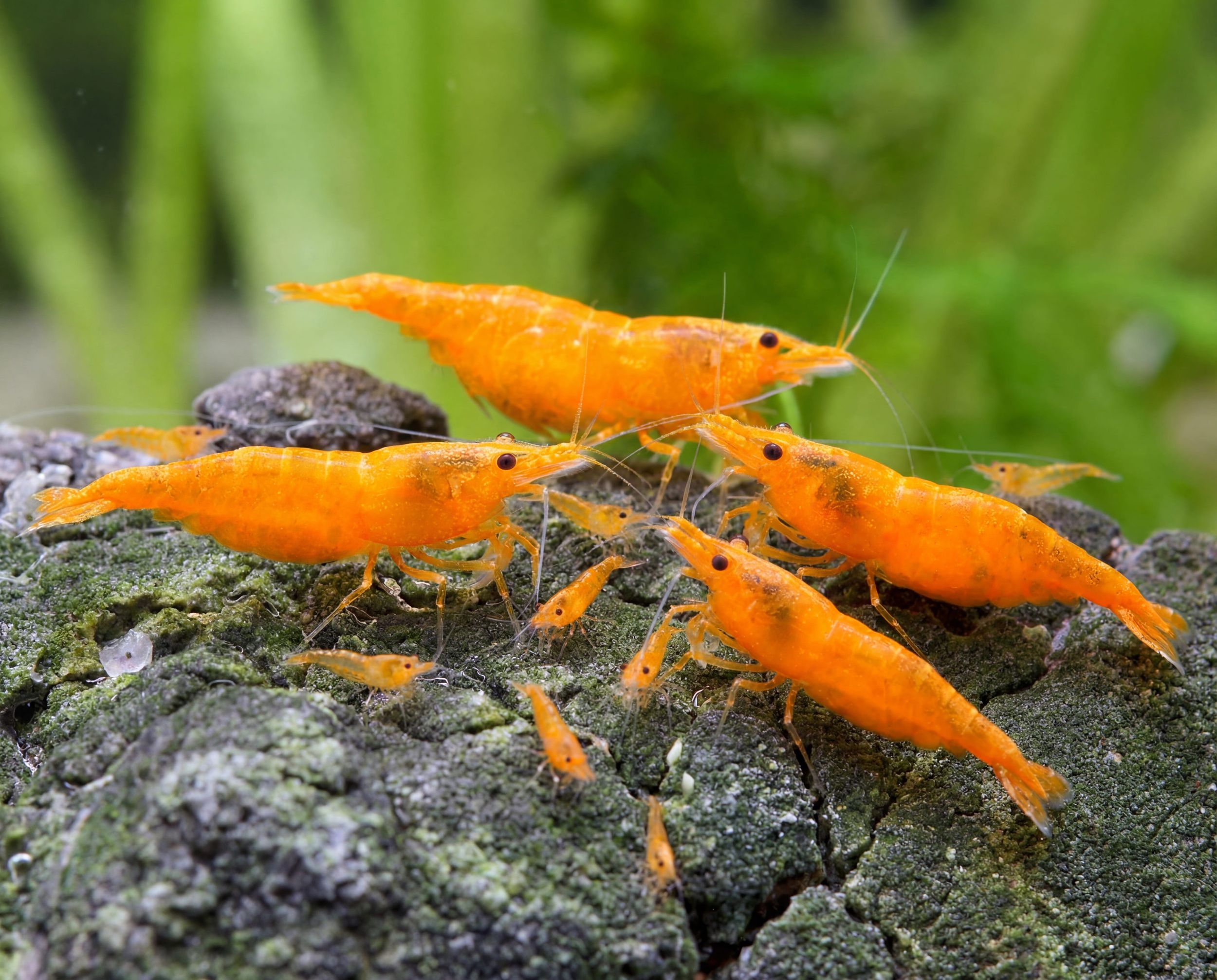
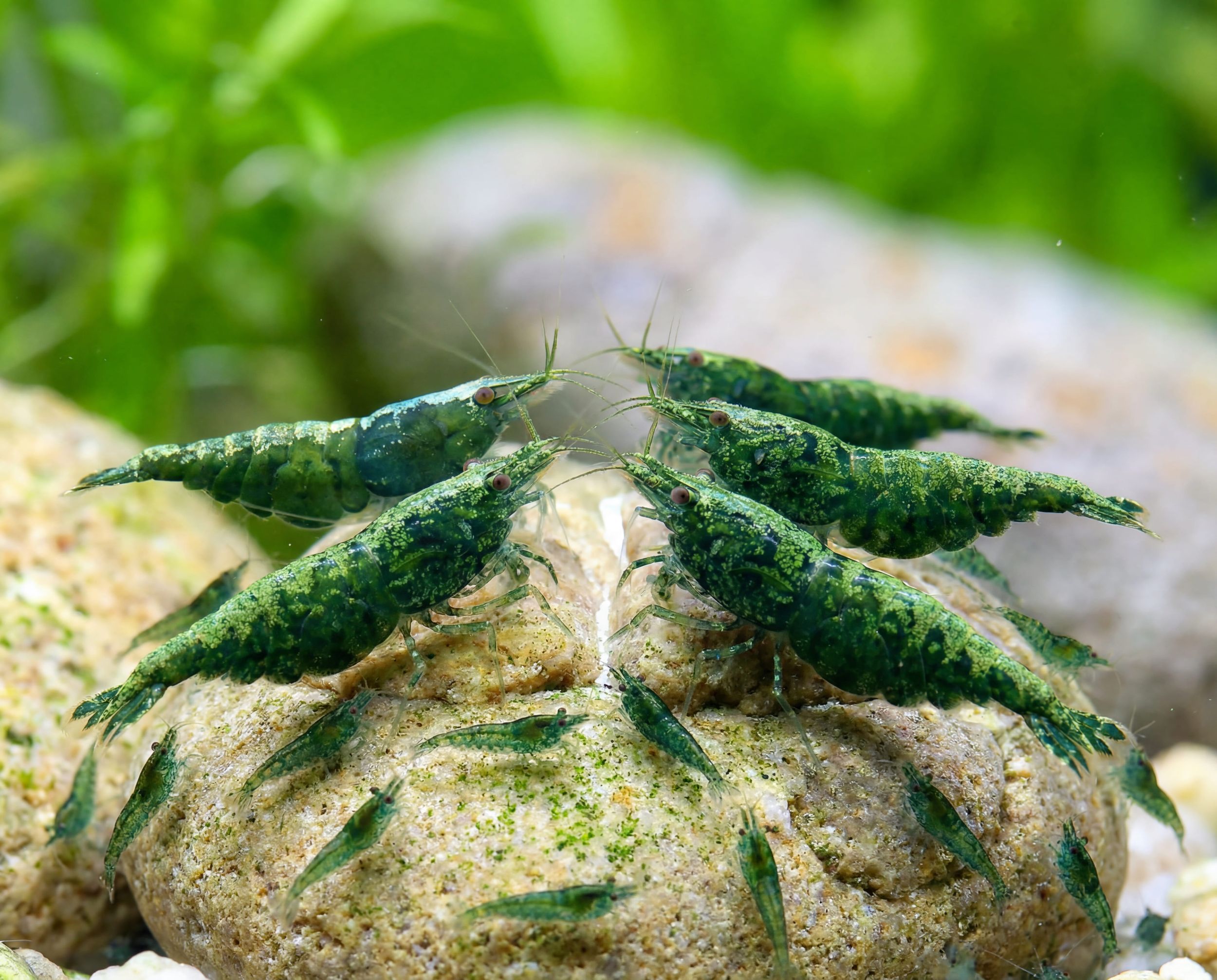
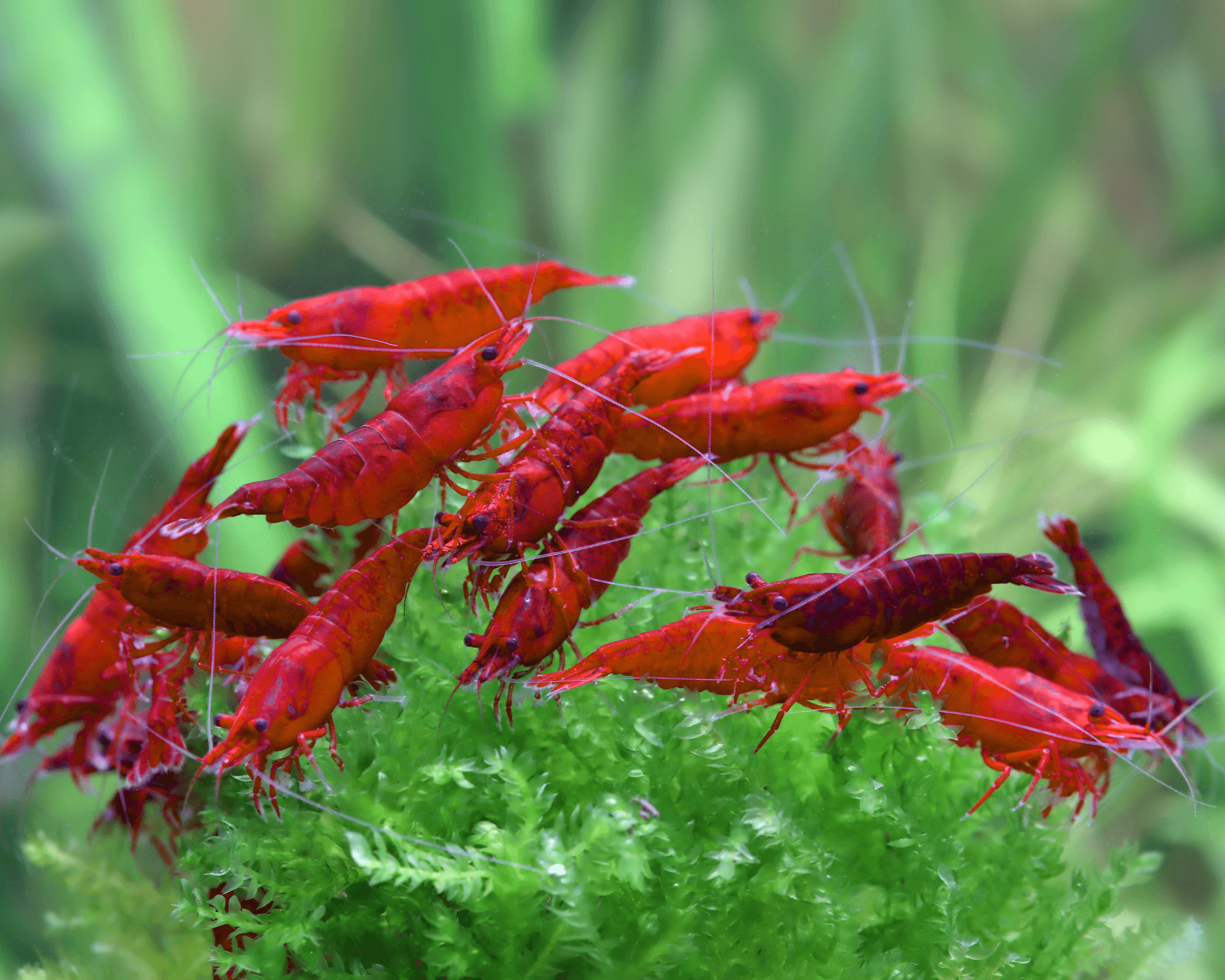
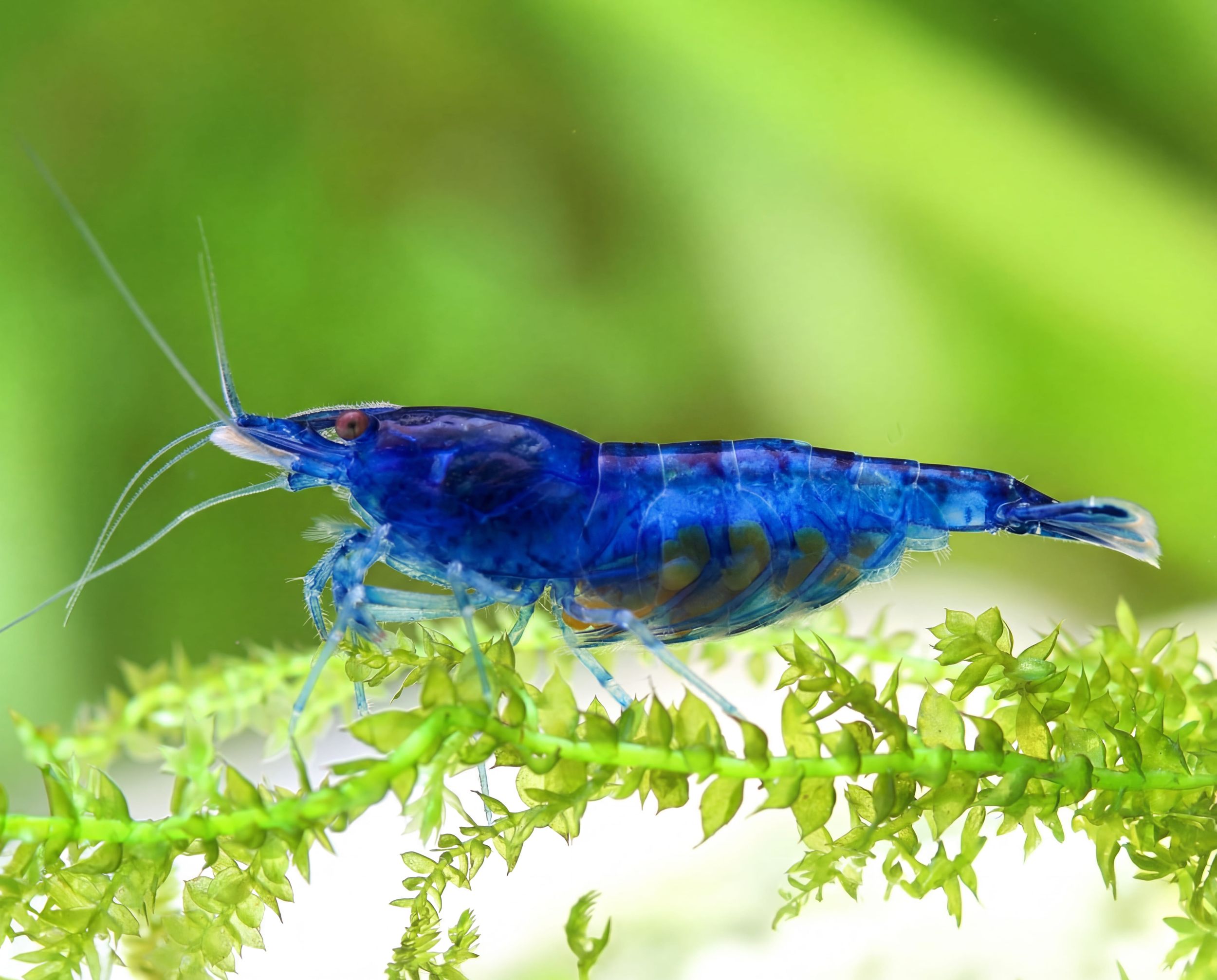
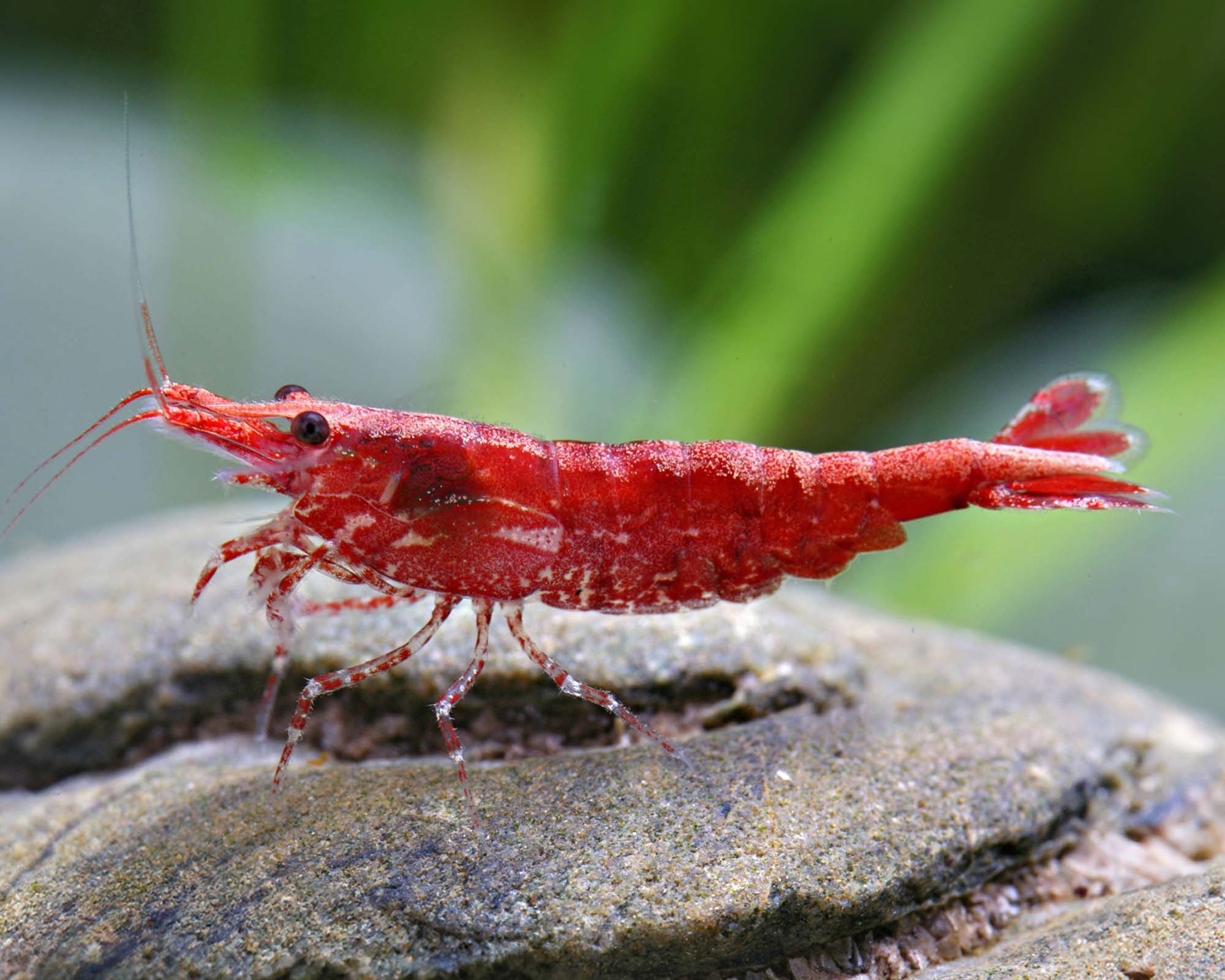
Red, blue, yellow, and green shrimp may look interchangeable in a planted aquarium, but color is not a care category. Bloody Mary and other Neocaridina davidi varieties are generally the more forgiving choice for mineralized tap water, while Crystal Red, Snow White Bee, and other Caridina logemanni types usually need softer, more carefully prepared water. Before buying, identify the scientific name or at least the shrimp group, then compare it with your source water. A beautiful shrimp that needs soft, acidic conditions is not automatically compatible with a hard, alkaline aquarium just because both are freshwater species.
GH Supplies the Minerals a New Shell Needs
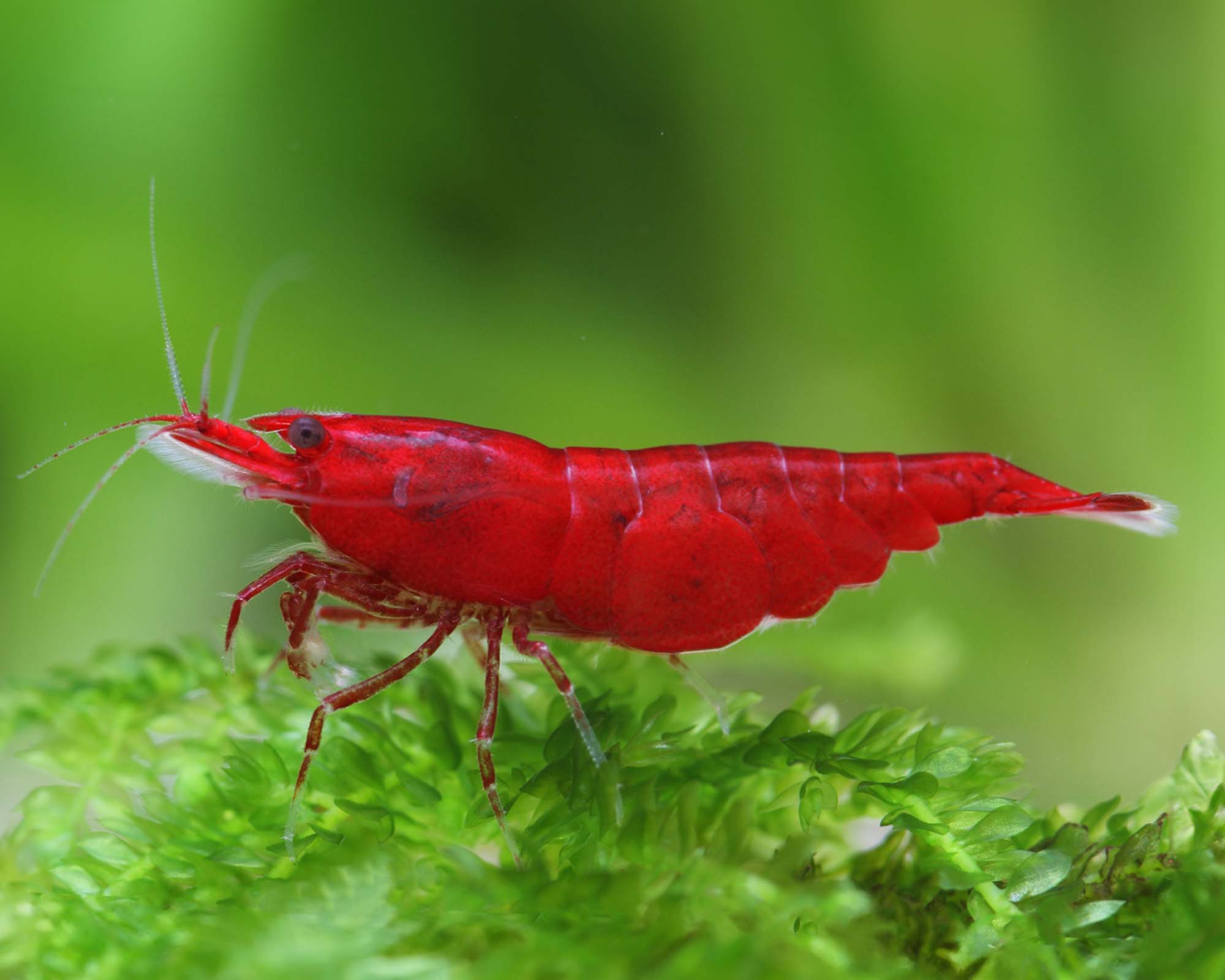
General hardness, or GH, represents important dissolved minerals, especially calcium and magnesium. Shrimp use these minerals while building and hardening a new exoskeleton after molting. A very low GH can leave Neocaridina short of available minerals, while an excessively hard setup may be unsuitable for many Caridina. Test GH rather than guessing from a TDS reading. For many Neocaridina aquariums, a moderate hardness around 6–12 dGH is a useful starting range; many bee-type Caridina are kept closer to roughly 4–6 dGH. The correct range depends on the species, source water, and the breeder’s established conditions.
KH Stabilizes pH, but It Is Not a Universal Mineral Fix
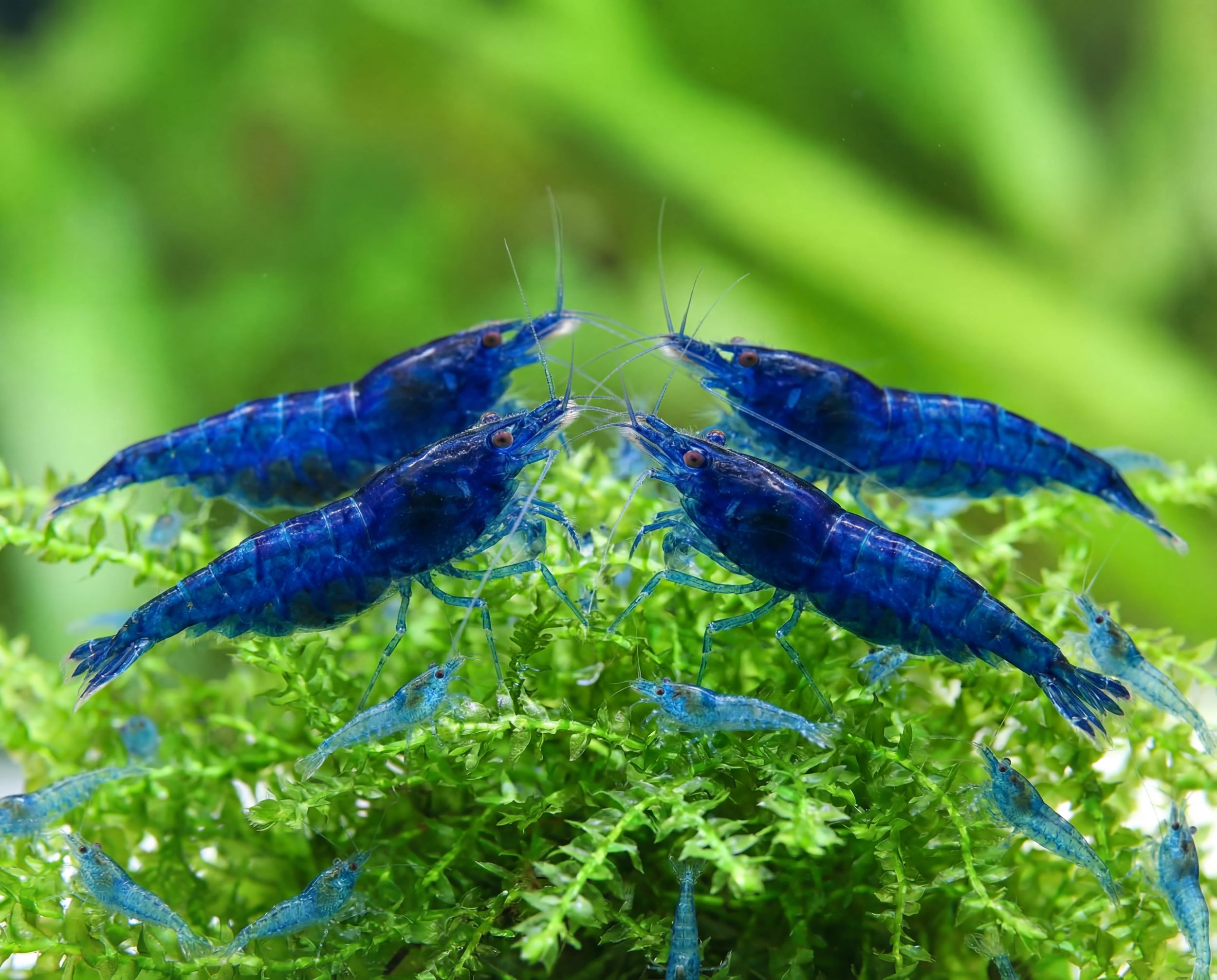
Carbonate hardness, or KH, helps resist pH swings. That stability matters because sudden chemistry changes can stress shrimp around a molt. Neocaridina often tolerate and benefit from measurable KH, especially in aquariums using ordinary tap water. Many bee-type Caridina, however, are maintained with very low KH and an active substrate that supports a lower, steadier pH. Do not raise KH simply because a shrimp has molting trouble. First identify the species and determine whether the problem is low GH, unstable pH, an abrupt water change, contamination, or poor acclimation. GH and KH solve different problems and should be tested separately.
Use TDS as a Change Detector, Not a Complete Care Plan
TDS measures the total conductivity of dissolved substances, but it does not tell you which minerals are present. Two aquariums can show a similar TDS while having very different GH, KH, fertilizers, or unwanted contaminants. Use TDS to notice drift and to prepare replacement water consistently, then confirm the cause with GH, KH, pH, ammonia, nitrite, and nitrate tests. A sudden TDS jump from evaporation top-offs, heavy mineral dosing, or a large water change can be more dangerous than a stable reading that is not perfect. Consistency is especially important for small tanks with little water volume.
Plan the Water Change Around the Next Molt
Large, cold, or chemically different water changes can create stress just when shrimp are preparing to shed. Match replacement-water temperature closely, dechlorinate it, and adjust its mineral content before it enters the aquarium. Smaller, regular changes are usually easier to control than occasional dramatic corrections. Never use pure reverse-osmosis water without remineralizing it for shrimp. When topping off evaporation, remember that minerals remain behind while water leaves, so topping off with mineralized water can slowly raise hardness. Use plain water for evaporation replacement when appropriate, and use prepared mineralized water for actual water changes.
A Molt Is Also a Tank-Mate Test
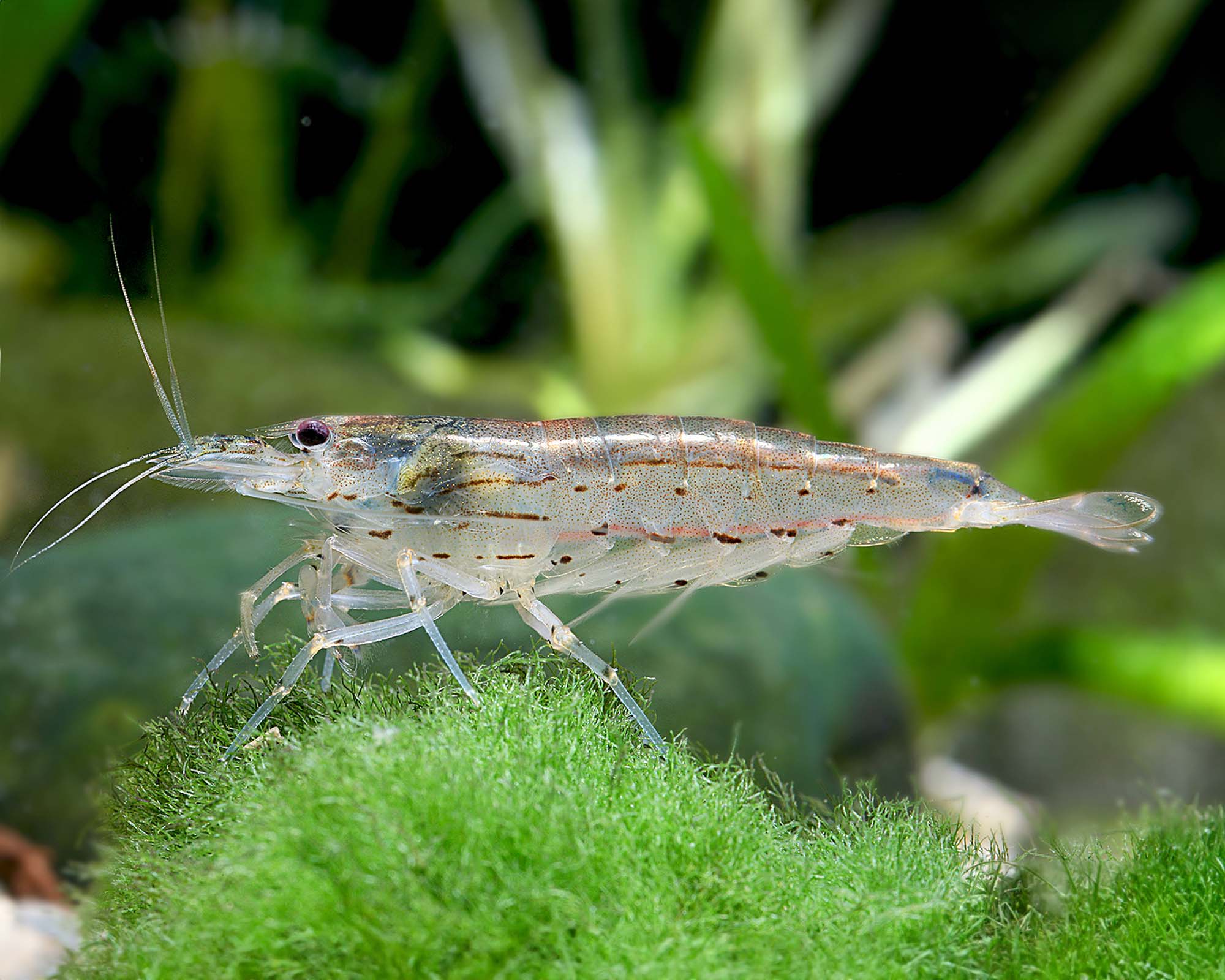
A freshly molted shrimp is soft, pale, and vulnerable. Peaceful Amano shrimp and adult Neocaridina usually create less risk than predatory or highly active fish, but even small community fish may eat shrimplets or a weak shrimp during the vulnerable period. Dense moss, fine-leaved plants, leaf litter, rock gaps, and shrimp shelters provide escape routes. If breeding is the goal, choose a shrimp-only or carefully planned invertebrate aquarium. If fish are already present, judge compatibility by the survival of juveniles, not by whether adults appear calm during the first week.
Plants Help Only When They Support Stability
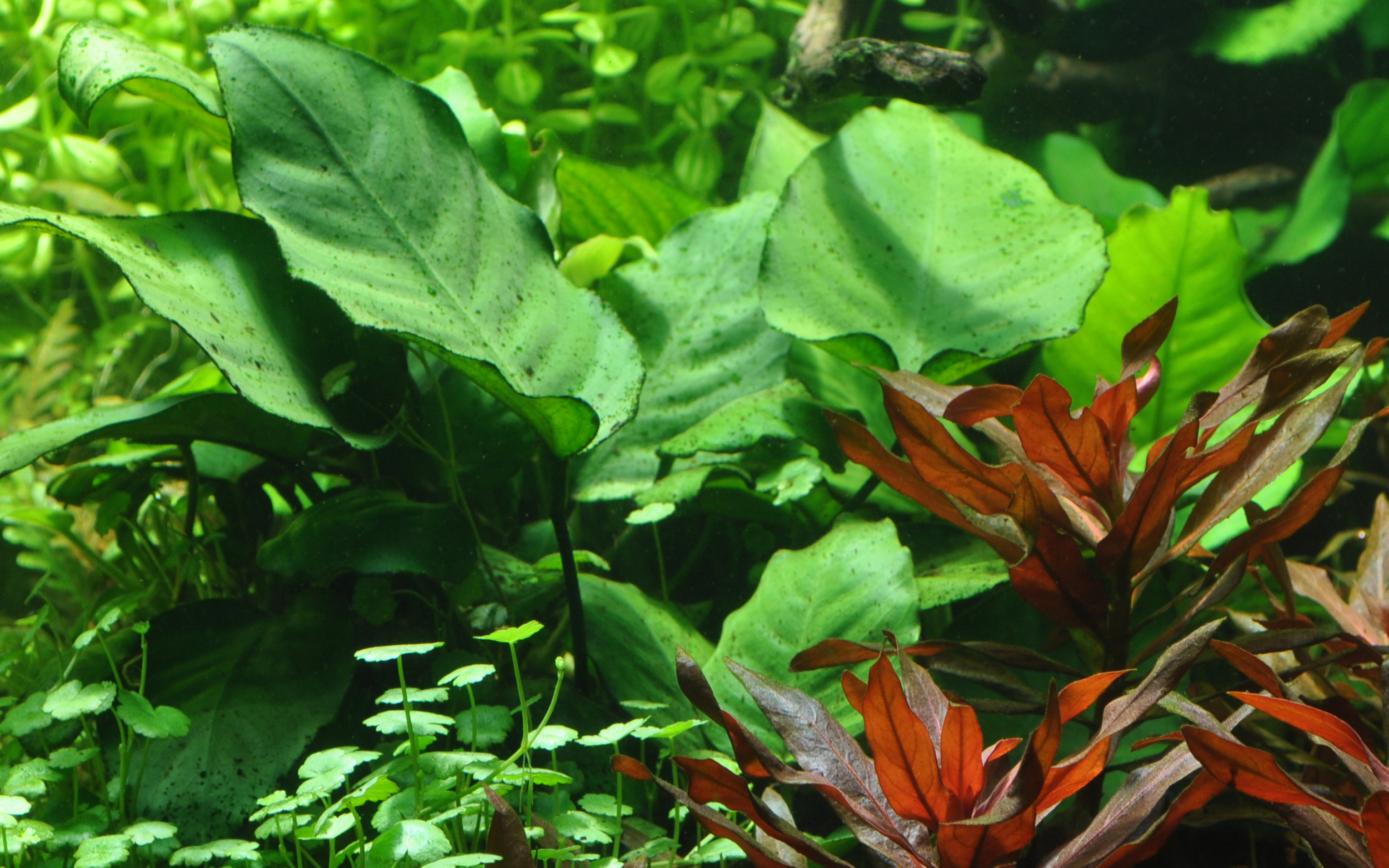
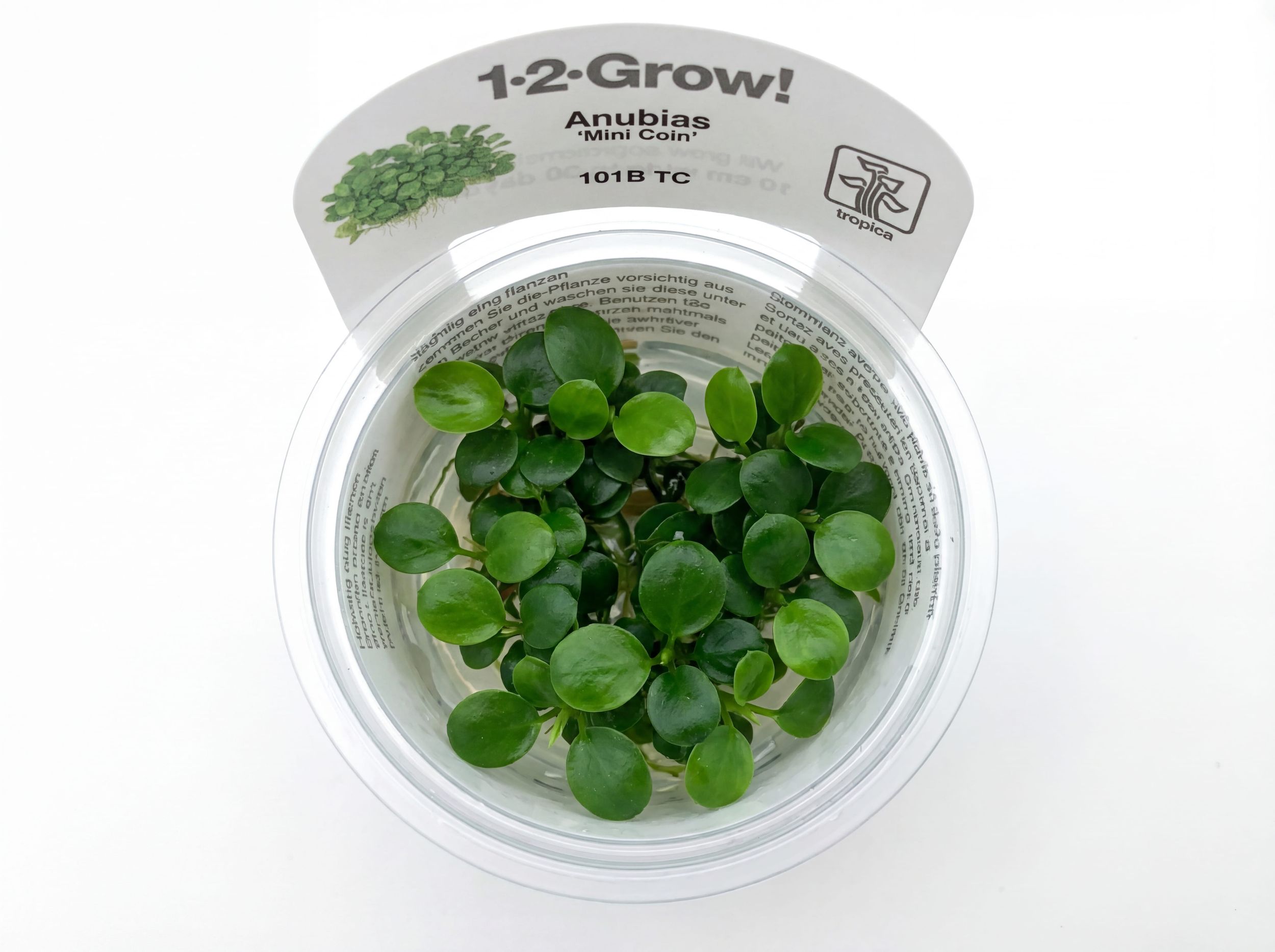
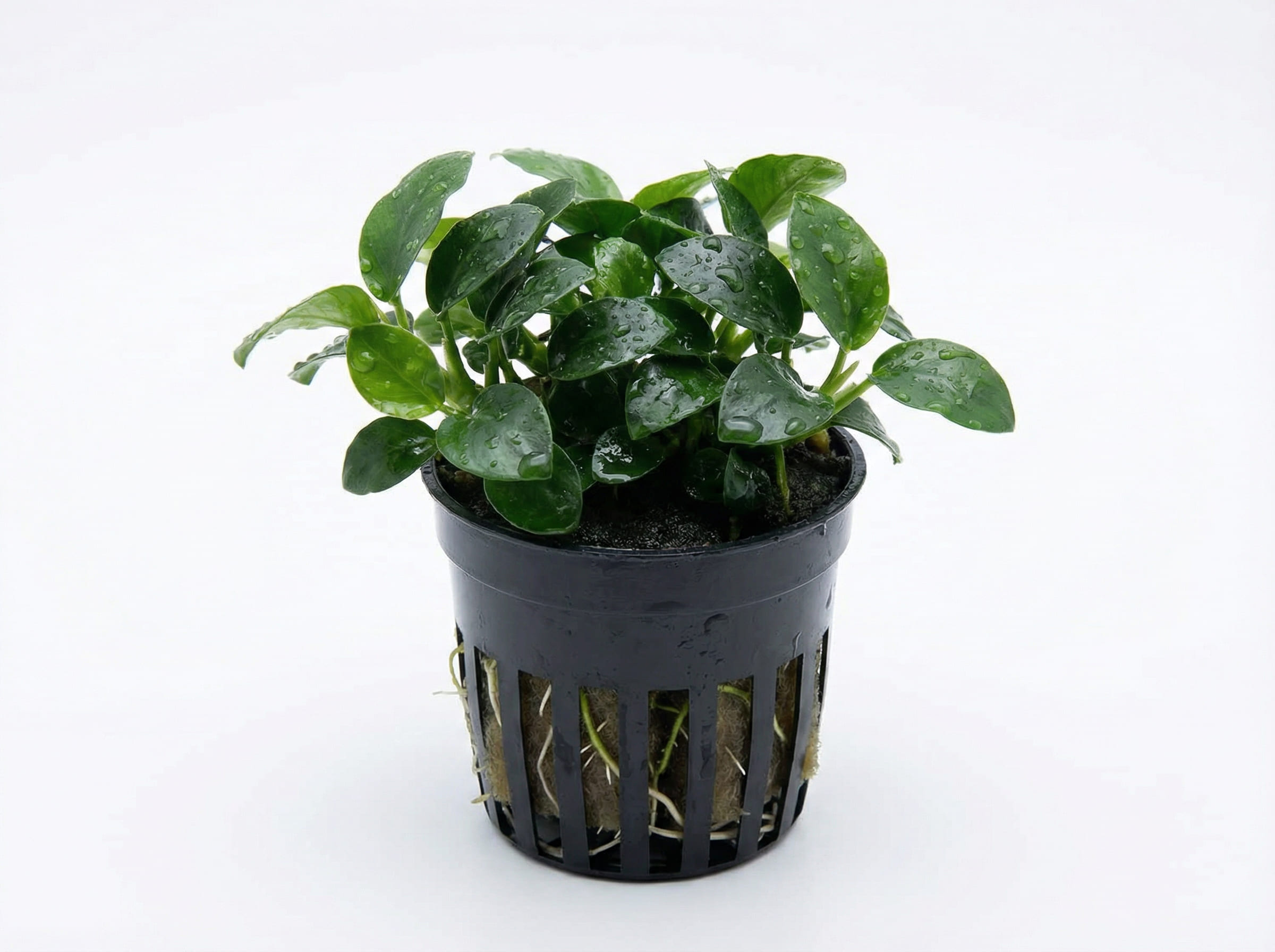
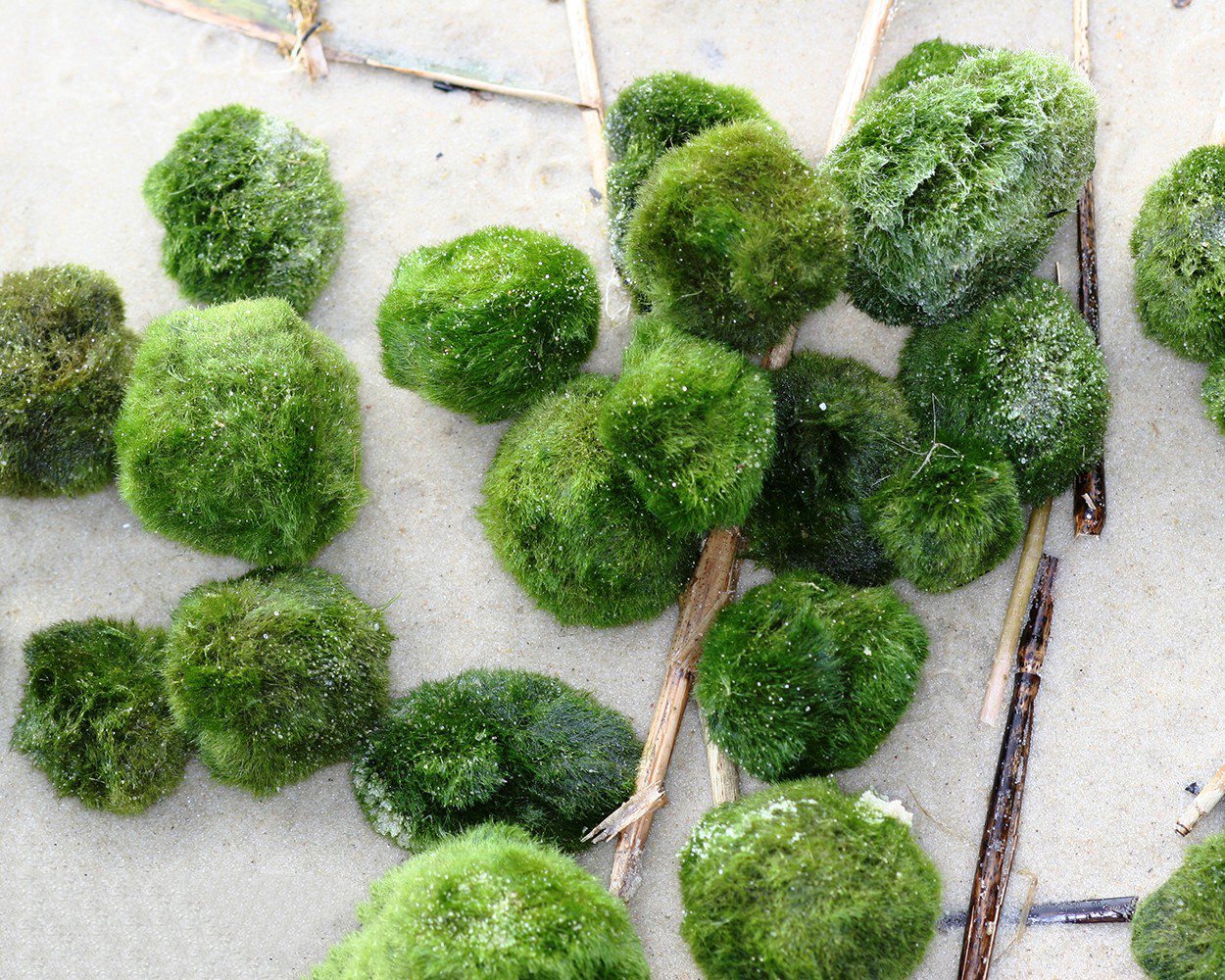
Easy planted-tank species can improve shrimp survival by growing biofilm, trapping edible particles, and creating cover. Christmas moss, Java moss, Anubias, Java fern, floating plants, and dense stems can all contribute useful structure, but plants do not correct poor mineral balance or ammonia. Avoid adding large amounts of fertilizer, liquid carbon, or algae treatments without checking the label for shrimp safety. Copper-based medications and some algaecides are especially dangerous. Rinse new plants, quarantine when practical, and let the aquarium mature so surfaces develop natural grazing material before adding a full shrimp colony.
Feed the Molt, Not the Algae Problem
Shrimp need more than visible algae. They graze biofilm, plant surfaces, leaf litter, and tiny food particles, while occasional prepared foods can support a growing colony. Overfeeding, however, raises waste and can destabilize a small planted aquarium. Offer a small portion that disappears within a few hours, then remove leftovers. Mineral blocks or foods may be useful when a measured deficiency exists, but they are not substitutes for correct GH and stable water. A shrimp that repeatedly molts unsuccessfully needs testing and diagnosis before extra supplements are added. More minerals are not always better minerals.
Know the Difference Between a Normal Shed and a Failed Molt
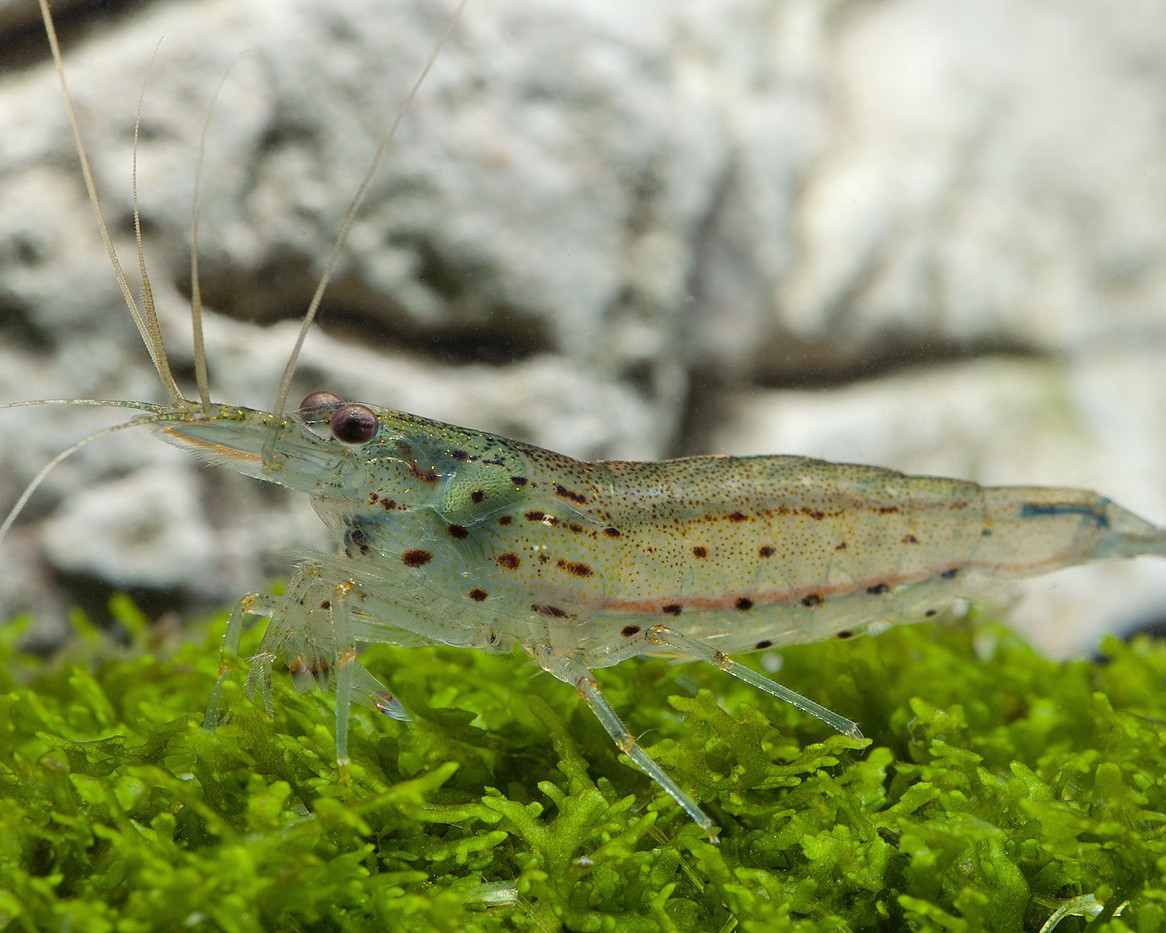
An intact, translucent exoskeleton left behind is usually a normal molt and should generally remain in the tank so shrimp can recycle its minerals. A shrimp hiding briefly after molting is not automatically sick. Warning signs include repeated deaths shortly after molts, a visible pale band that does not split cleanly, lethargy, erratic swimming, or multiple shrimp becoming weak after a water change. Test ammonia and nitrite immediately, then check temperature, GH, KH, pH, and TDS against the aquarium’s normal records. Correct one problem at a time instead of making several large chemistry changes during a crisis.
Treat Sulawesi Shrimp as a Separate Water-Quality Project
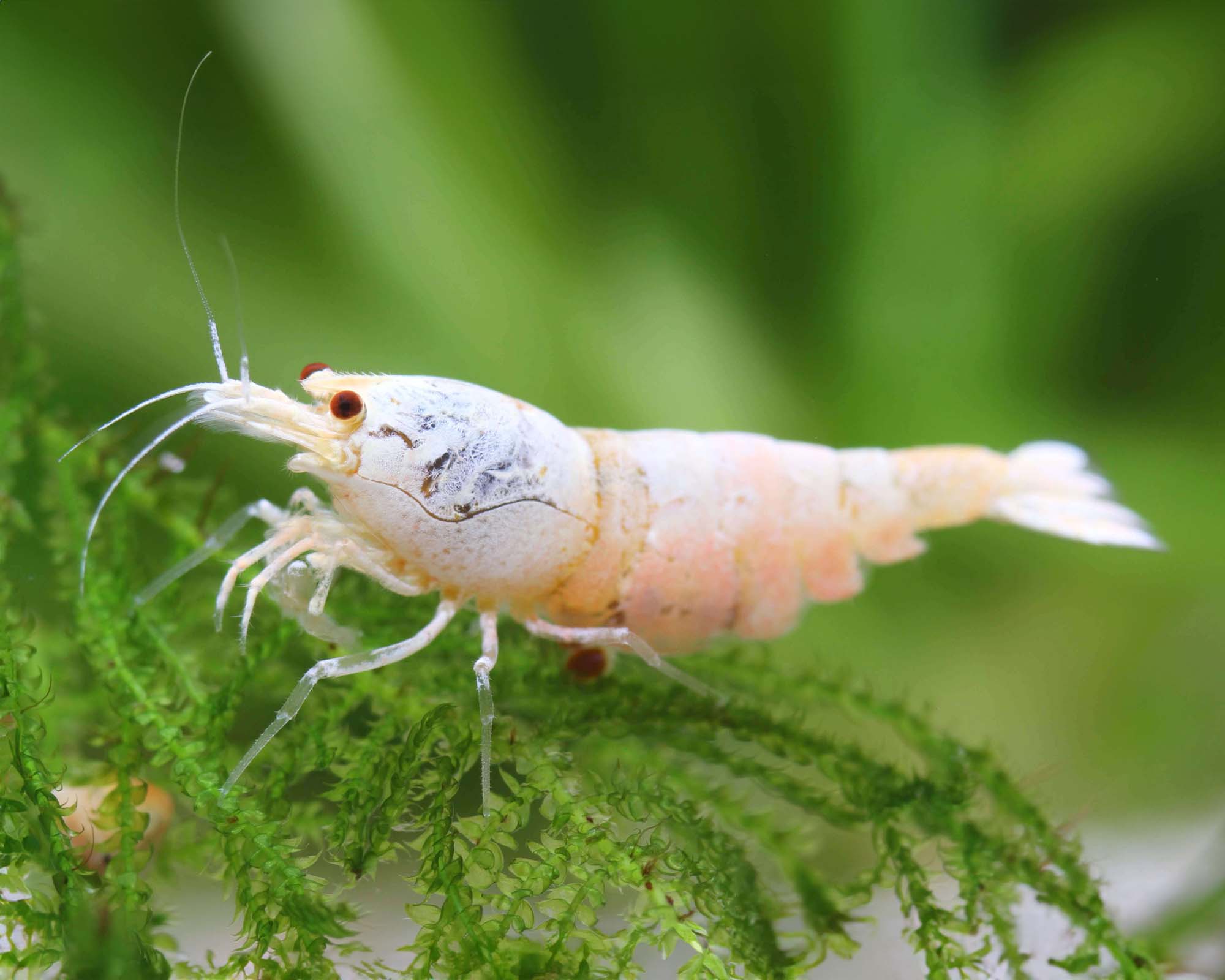
Sulawesi shrimp are attractive, but they should not be used as a casual alternative to Neocaridina or bee shrimp. Many Sulawesi types are maintained in warm, alkaline, mineral-rich water with different feeding and stability priorities. Their needs can conflict with the soft, acidic conditions preferred by bee-type Caridina and with the cooler ranges commonly used for many community aquariums. If you choose a Sulawesi species, build the aquarium around that species before purchase, including temperature control, mature biofilm, stable alkalinity, and careful acclimation. Do not mix care targets simply because several shrimp share the same freshwater label.
Frequently Asked Questions
What GH is suitable for freshwater shrimp?
Many Neocaridina aquariums work well around 6–12 dGH, while many bee-type Caridina aquariums are kept around 4–6 dGH. Use the species and established source water as your starting point, then prioritize stability over chasing a perfect number.
Can a water change cause a shrimp molt?
A sudden change in temperature, GH, KH, pH, or TDS can stress shrimp and may trigger an ill-timed molt. Prepare replacement water in advance, match its temperature, and make smaller, consistent changes rather than dramatic corrections.
Does TDS tell me whether shrimp water is healthy?
No. TDS shows the total amount of dissolved material, not its composition. Pair it with GH, KH, pH, ammonia, nitrite, and nitrate testing, and use it mainly to detect changes in a previously stable aquarium.
Should I remove a shrimp molt from the aquarium?
Usually not. A clean, empty exoskeleton is generally safe to leave in place because shrimp may consume it and reclaim minerals. Remove it only if it is trapping waste or you are certain it is a dead shrimp rather than a shed shell.
Are colorful Neocaridina shrimp suitable for a beginner planted tank?
They are often a forgiving choice when the aquarium is mature, ammonia and nitrite are zero, minerals are measurable, temperature is stable, and tank mates are peaceful. Choose one color line if you want predictable offspring, because mixed Neocaridina lines may produce less uniform colors over time.
 - 2.webp)
Leave your comments