Start with the waste, not the snail
Before choosing a snail, identify the material you want to control. Green film or brown diatoms on glass and hardscape call for a surface grazer. Uneaten flakes, sinking pellets, and damaged leaves call for a general scavenger. Mulm trapped between gravel grains is a different problem again; a burrowing snail may redistribute it, but it will not make the waste disappear. Hair algae, cyanobacteria, heavy green dust, or an algae bloom usually indicate a lighting, nutrient, flow, or maintenance imbalance that livestock cannot correct alone. Treat snails as processors of available food, not replacements for scraping, pruning, water changes, and sensible feeding.
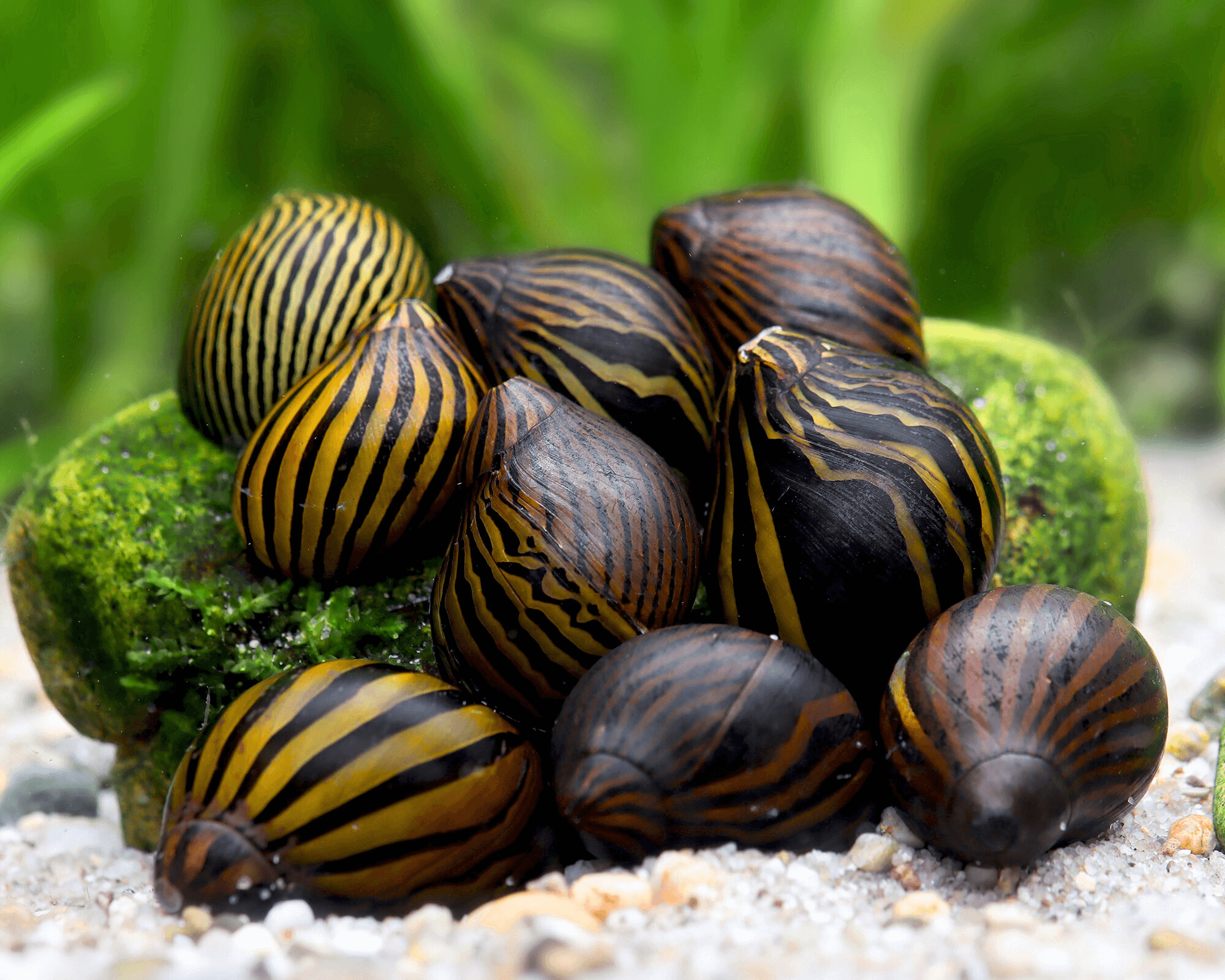
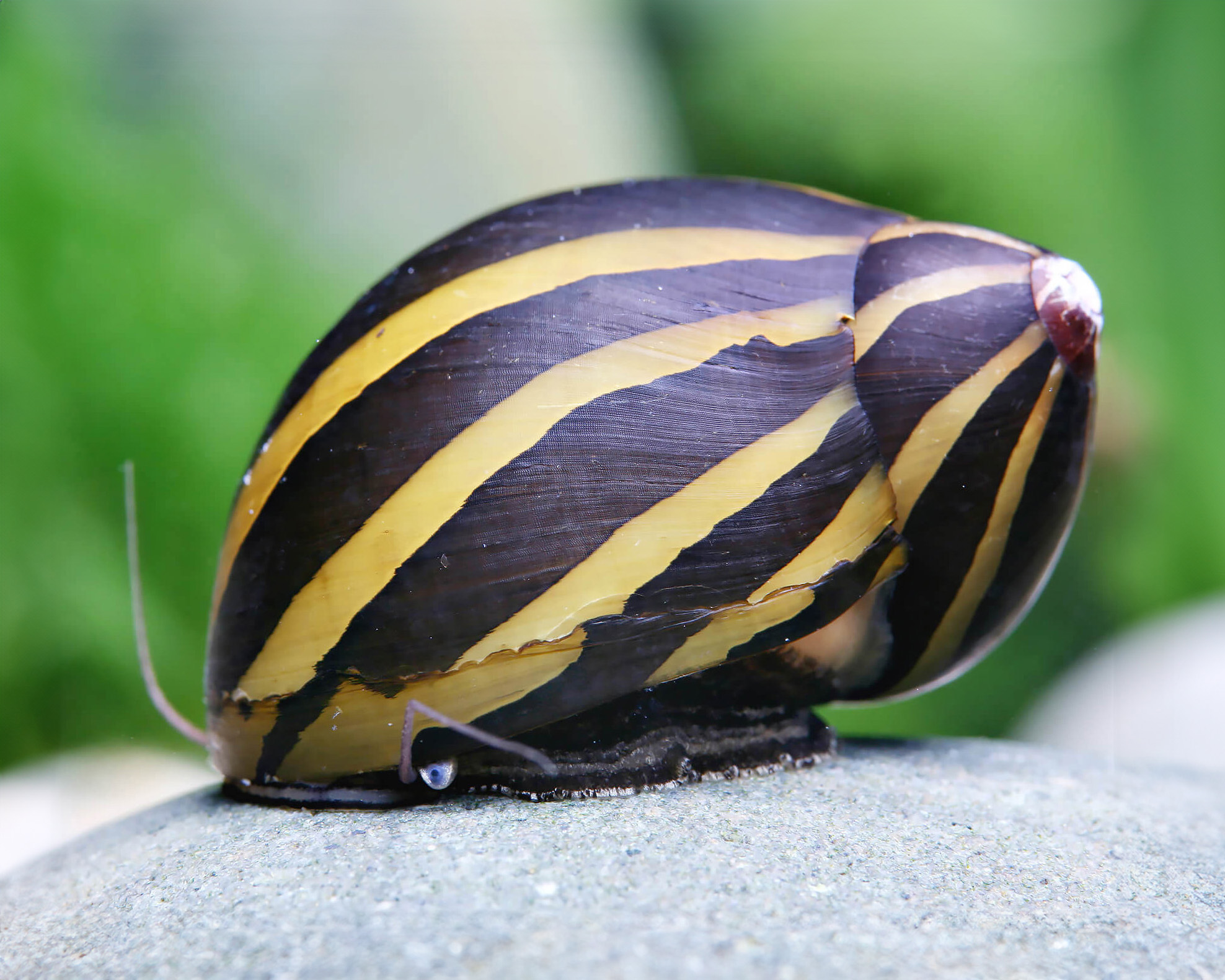
For glass and hardscape film, choose a surface grazer
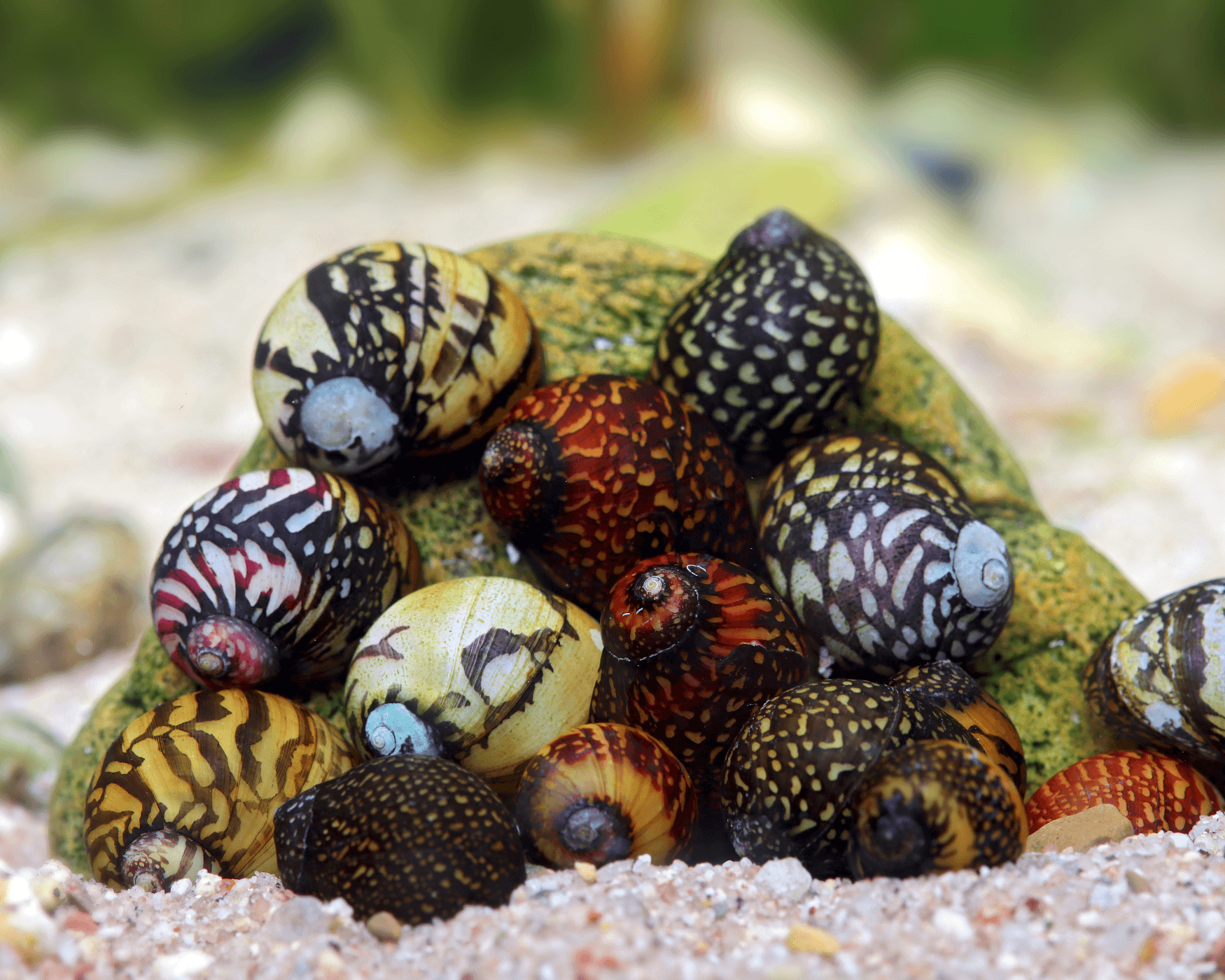
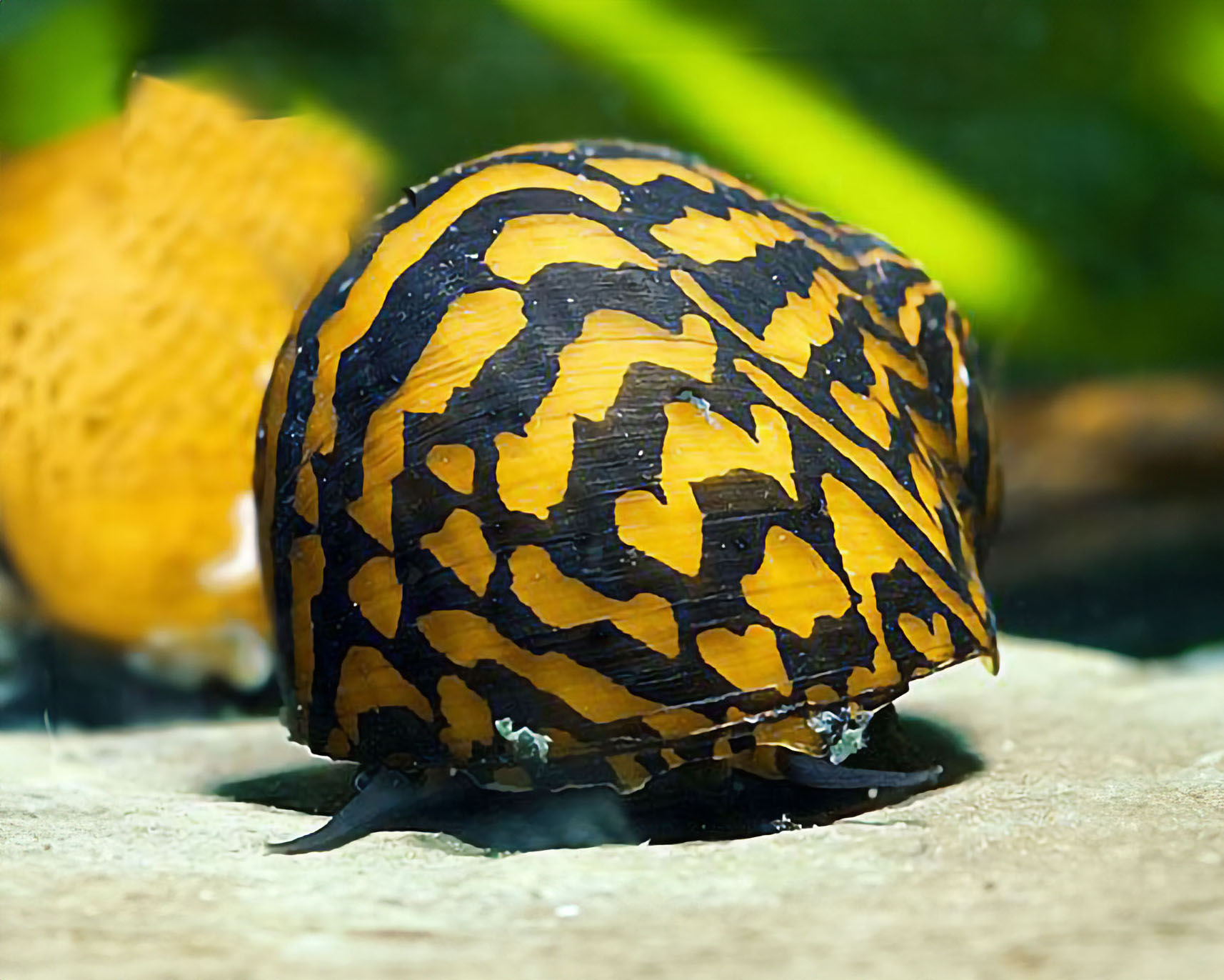
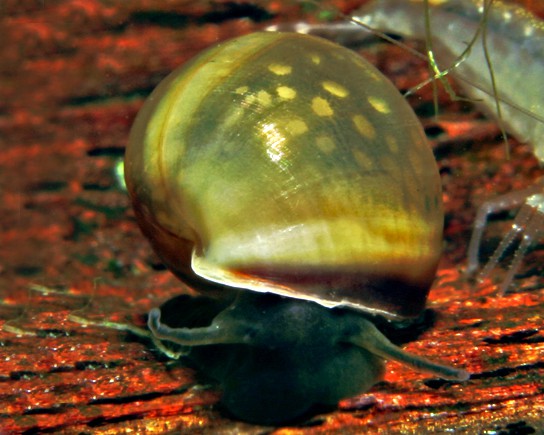
Nerite-type snails are most useful when the visible problem is attached film on glass, rocks, wood, and sturdy plant leaves. Their grazing can reduce soft algae and diatom buildup, especially in established aquariums with enough natural growth to support them. They are not a reliable answer for long hair algae, thick mats, or algae that keeps returning faster than they can graze. They also may leave pale egg capsules on hard surfaces, even when successful freshwater reproduction is unlikely. A spotless tank can be a poor home because a nerite may run short of food, so do not add one simply because the aquarium looks clean.
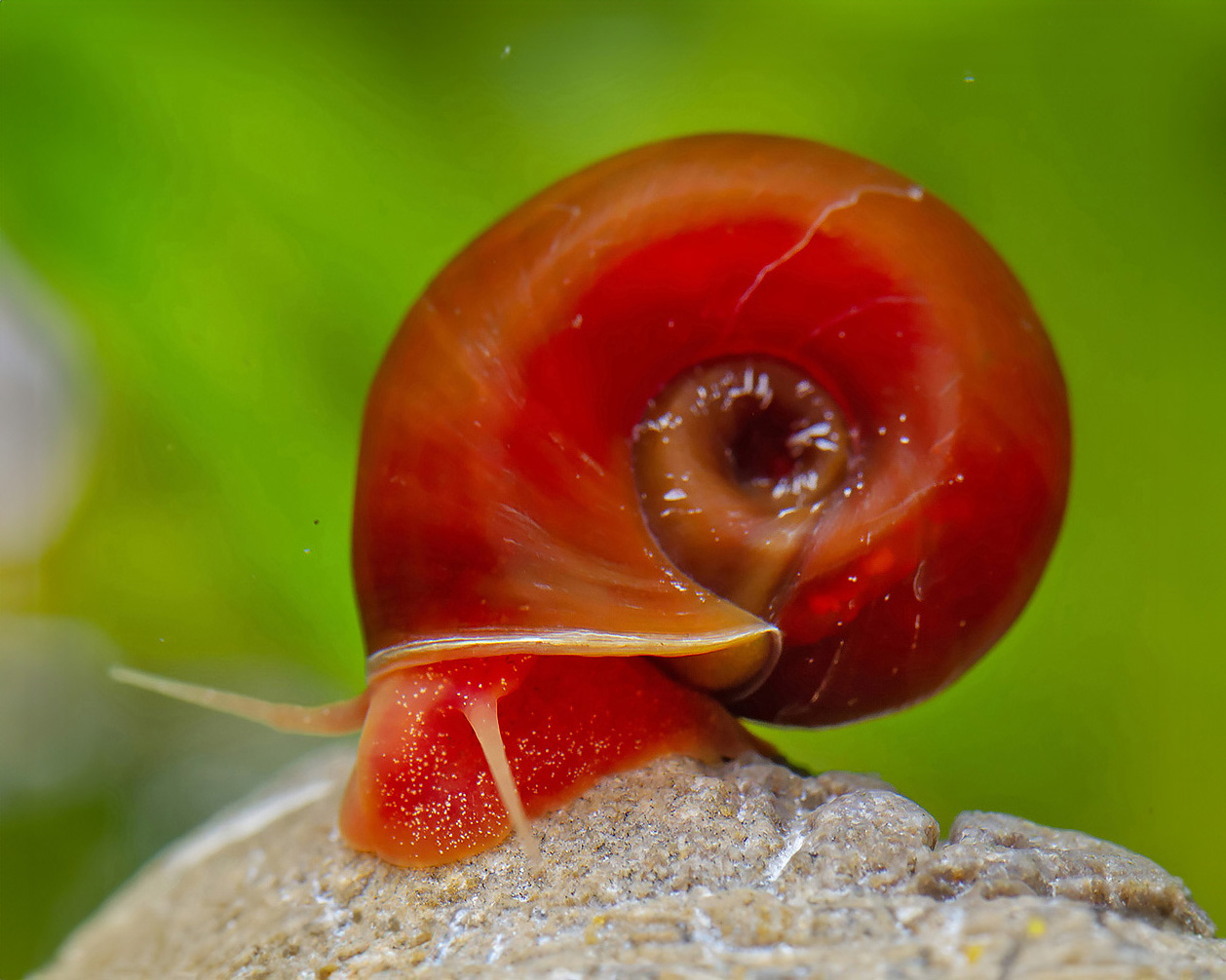
For leftover food and soft detritus, consider small scavengers
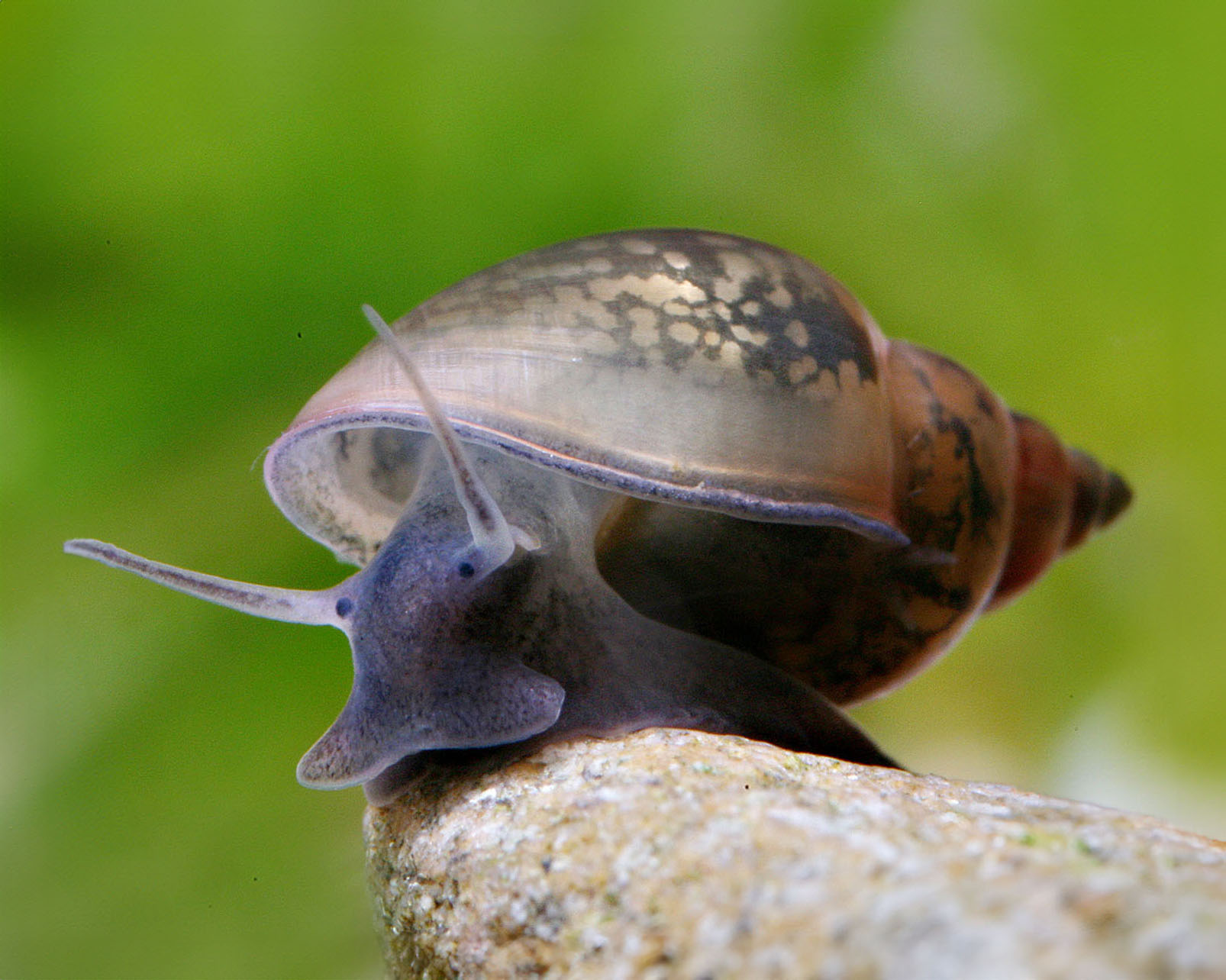
Ramshorn and bladder-type snails often contribute more as opportunistic scavengers than as dedicated algae specialists. They pick at biofilm, soft algae, uneaten fish food, dead leaves, and other organic material that settles around plants and hardscape. In a shrimp aquarium, a controlled population can help process small leftovers that would otherwise decay unnoticed. Their numbers also provide information: a sudden increase commonly means the tank is receiving more food than the existing livestock can use. Removing snails without reducing the food supply treats the symptom only. If their population becomes excessive, feed less, remove dead plant matter, and improve routine substrate and filter maintenance.
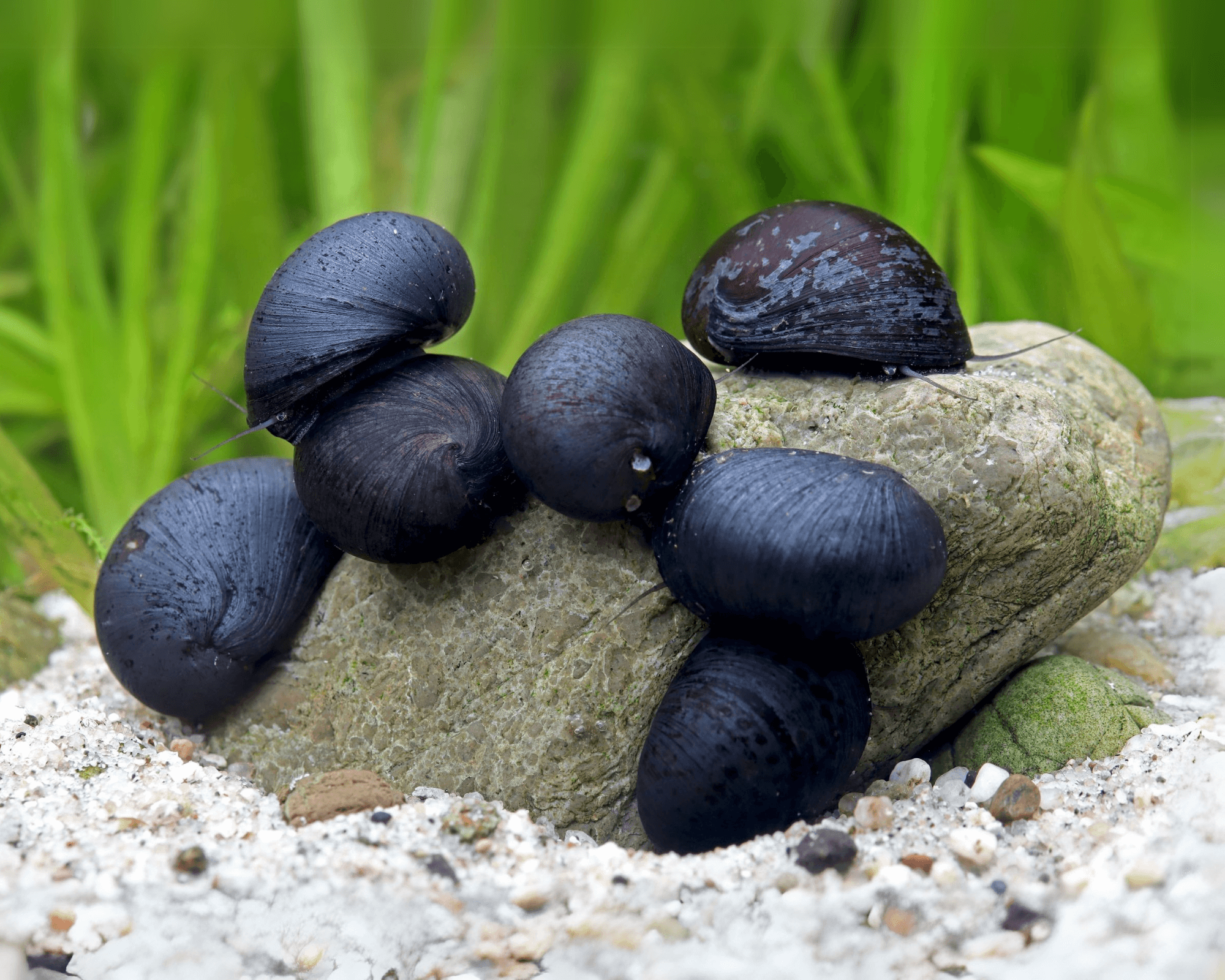
For substrate activity, use burrowers with realistic expectations
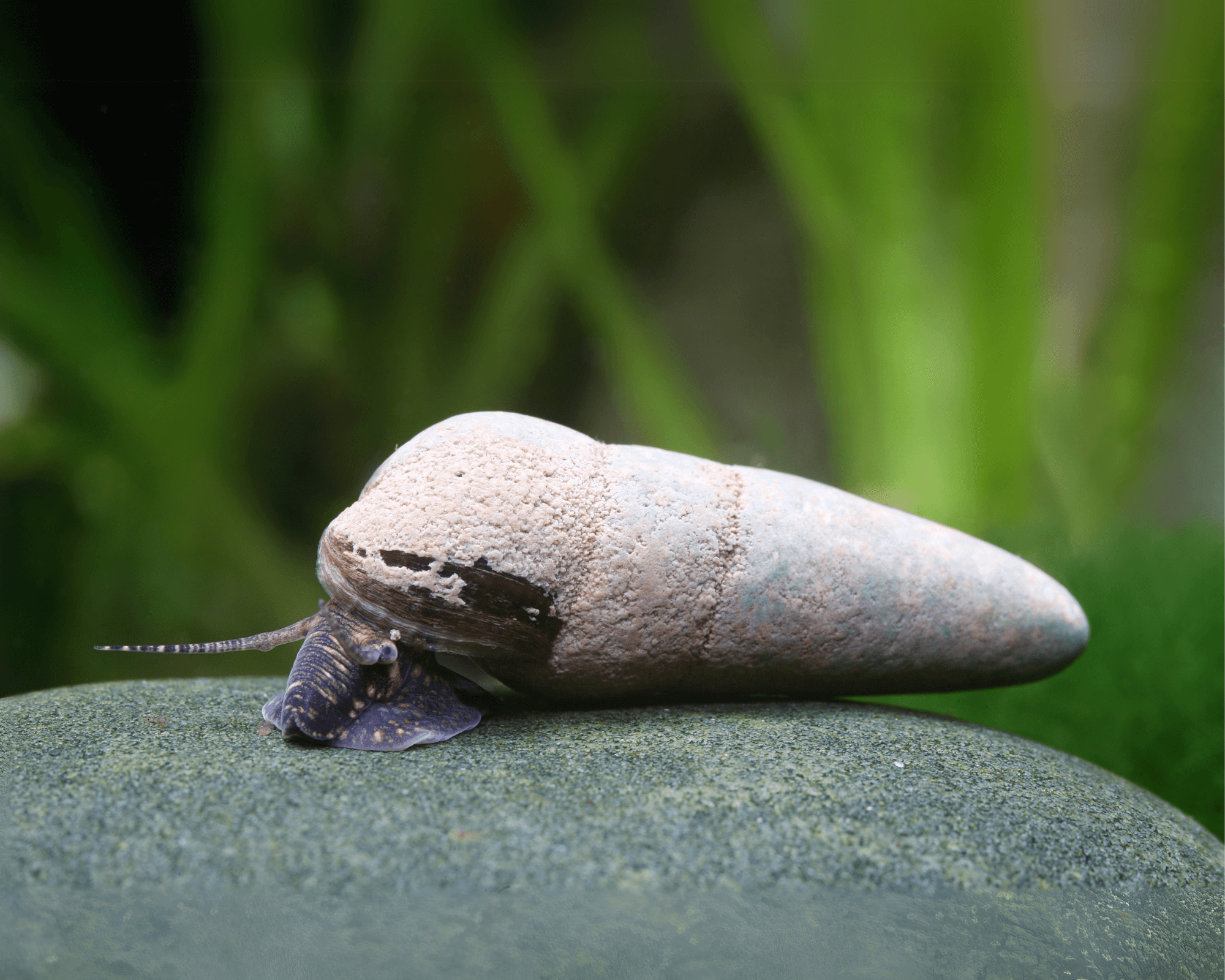
Malaysian trumpet and related tower snails spend much of their time in or on the substrate, especially in darker hours. Their movement can disturb the upper layer, reach food hidden among grains, and expose some organic material to water flow and microbial breakdown. That is useful in planted tanks where dense roots make aggressive vacuuming difficult. However, burrowing does not equal waste removal. Snail feces and redistributed mulm remain part of the aquarium’s nutrient cycle and still require filtration, plant uptake, or occasional siphoning. They are a poor choice if you want a snail population that stays visually small without careful feeding control.
Large scavengers are not automatically better cleaners
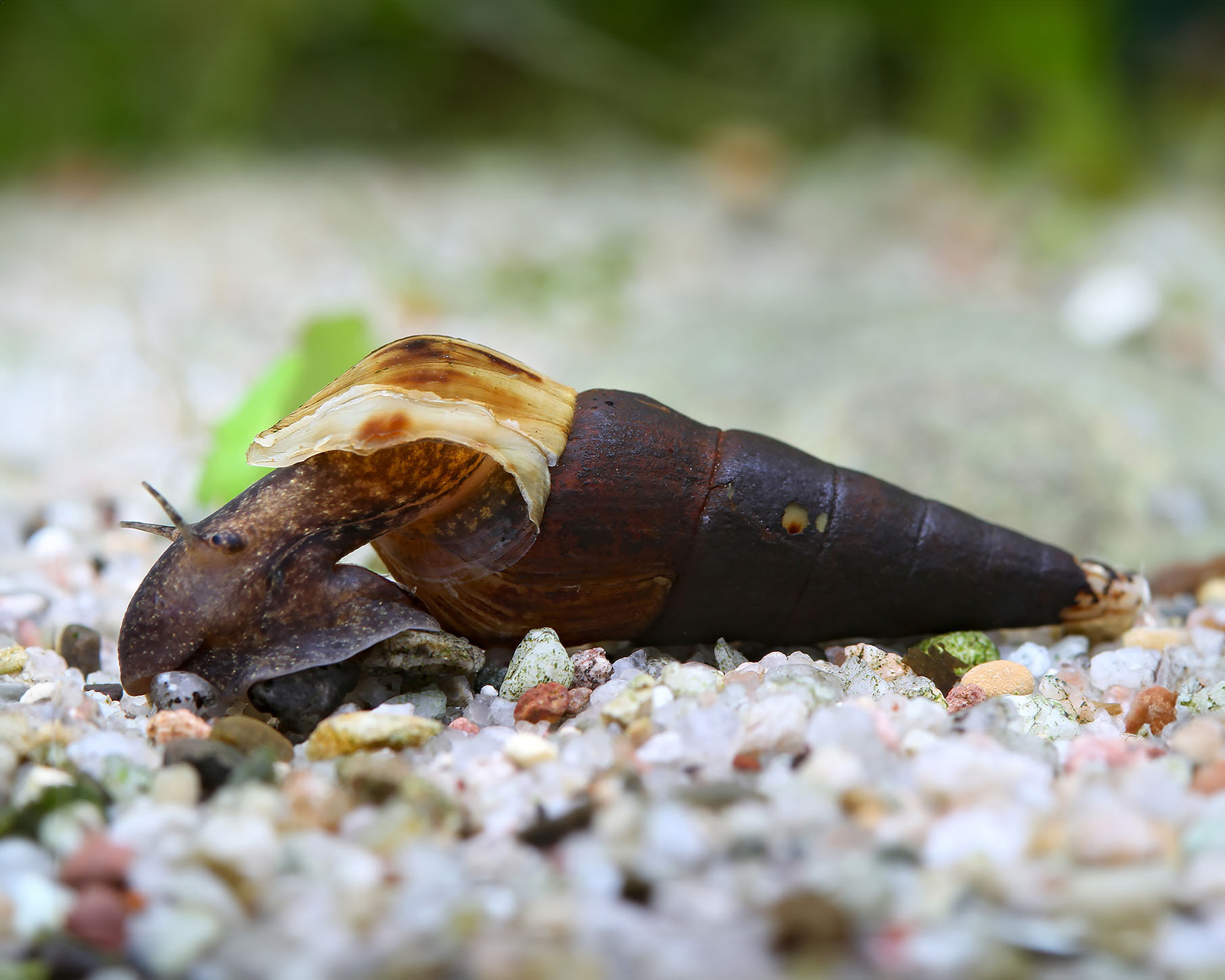
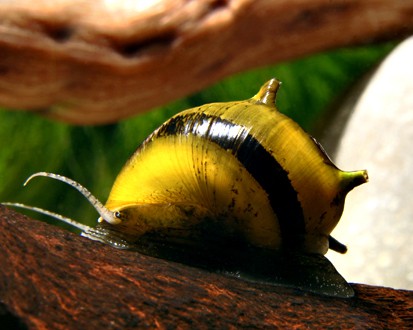
Large-bodied snails such as Tylomelania can be engaging planted-tank inhabitants and may consume prepared foods, biofilm, soft algae, and decaying organic matter. Their size gives them a noticeable presence, but it also means a greater food requirement and a larger contribution of waste. They should be selected as animals you want to keep, not as a shortcut for a dirty aquarium. Provide a secure lid, stable water quality, suitable minerals for shell growth, and enough food without allowing leftovers to accumulate. Their role is broad scavenging; they are not a substitute for a specialist surface grazer or for correcting excess nutrients.
Some snails are better at processing than polishing
Not every useful snail will make the glass look cleaner. Some species spend more time on the bottom, among plants, or in the substrate, where they encounter food particles and decomposing material that a glass-focused grazer may ignore. This distinction matters in planted nano aquariums, where a single snail may be expected to handle algae, leftover food, leaf litter, and substrate mulm. Decide which result matters most: clearer viewing panels, fewer food remnants, less visible debris around plants, or more substrate activity. Then choose one role and handle the remaining tasks with a scraper, siphon, tweezers, filter maintenance, and better feeding discipline.
Predatory snails solve a population problem, not an algae problem
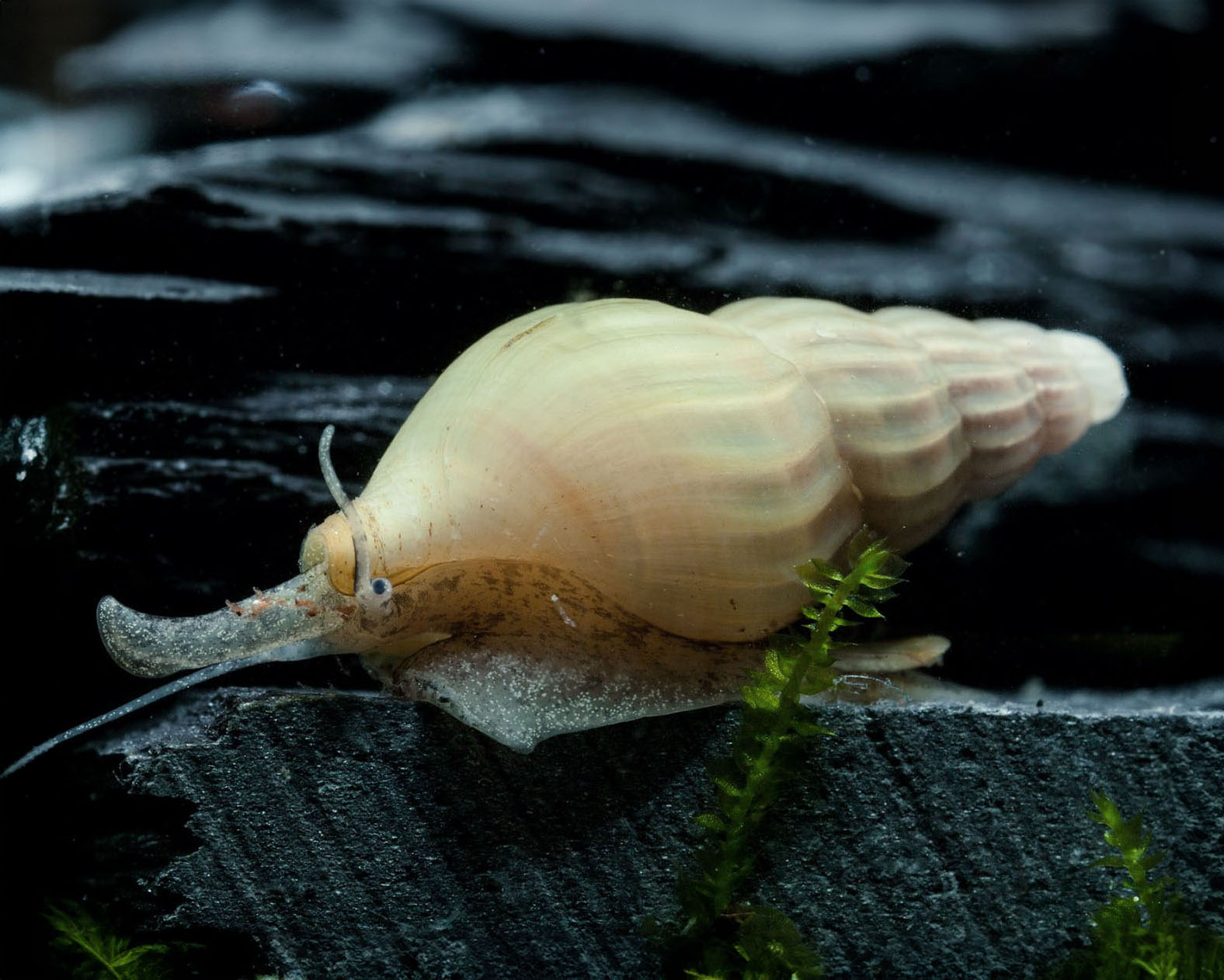
Assassin snails are a different category from algae and detritus grazers. They hunt and consume other snails, making them relevant when a planted aquarium has an unwanted population of smaller species. They should not be purchased as general cleanup animals, because their primary food is animal prey rather than algae or plant debris. Their presence can also change the long-term balance of a mixed snail community. Before adding one, ask whether you can house it after the nuisance population declines and whether its prey-control role fits your invertebrate plans. Manual removal and reduced feeding may be simpler when the outbreak is modest.
Match the snail to fish, shrimp, plants, and tank scale
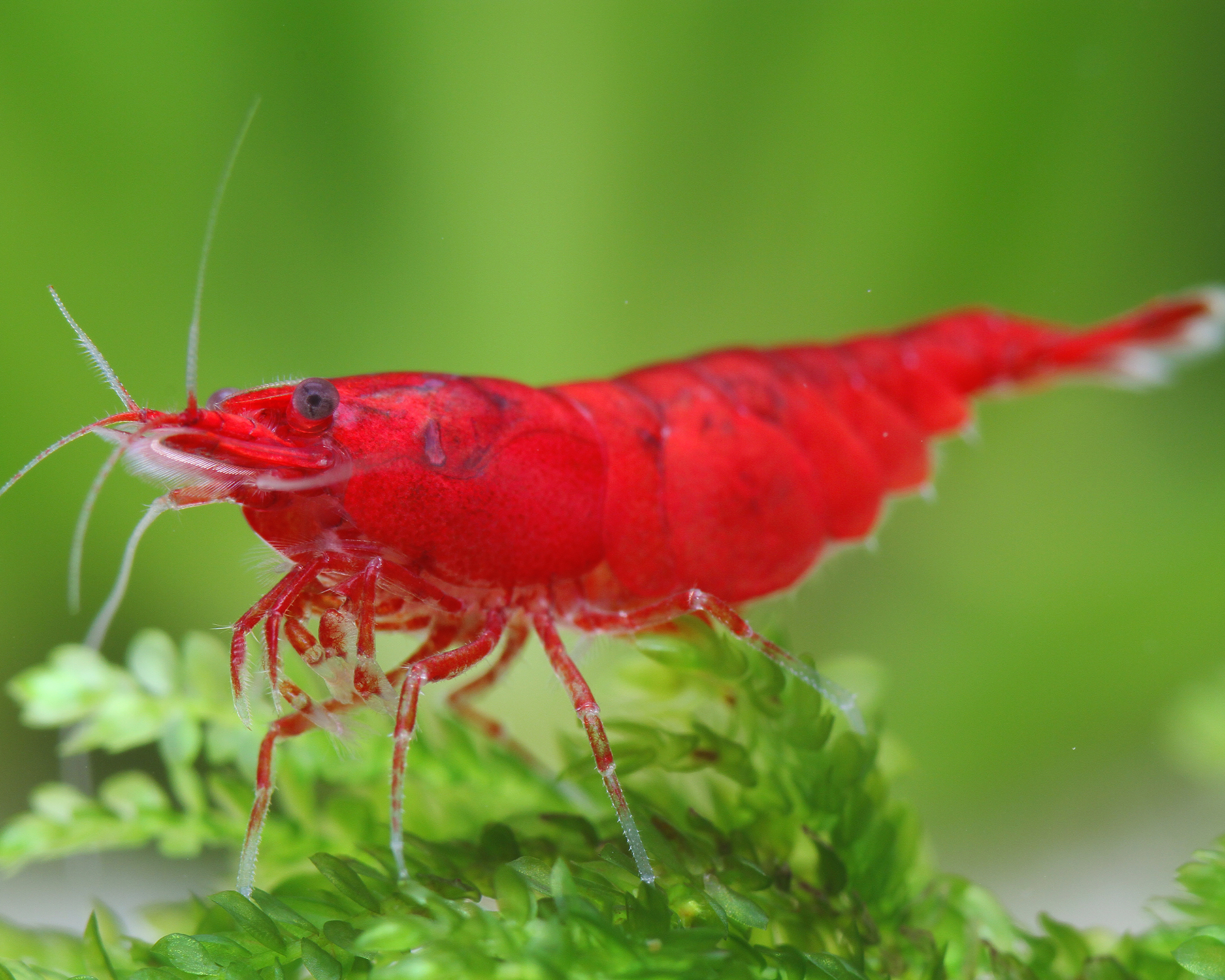
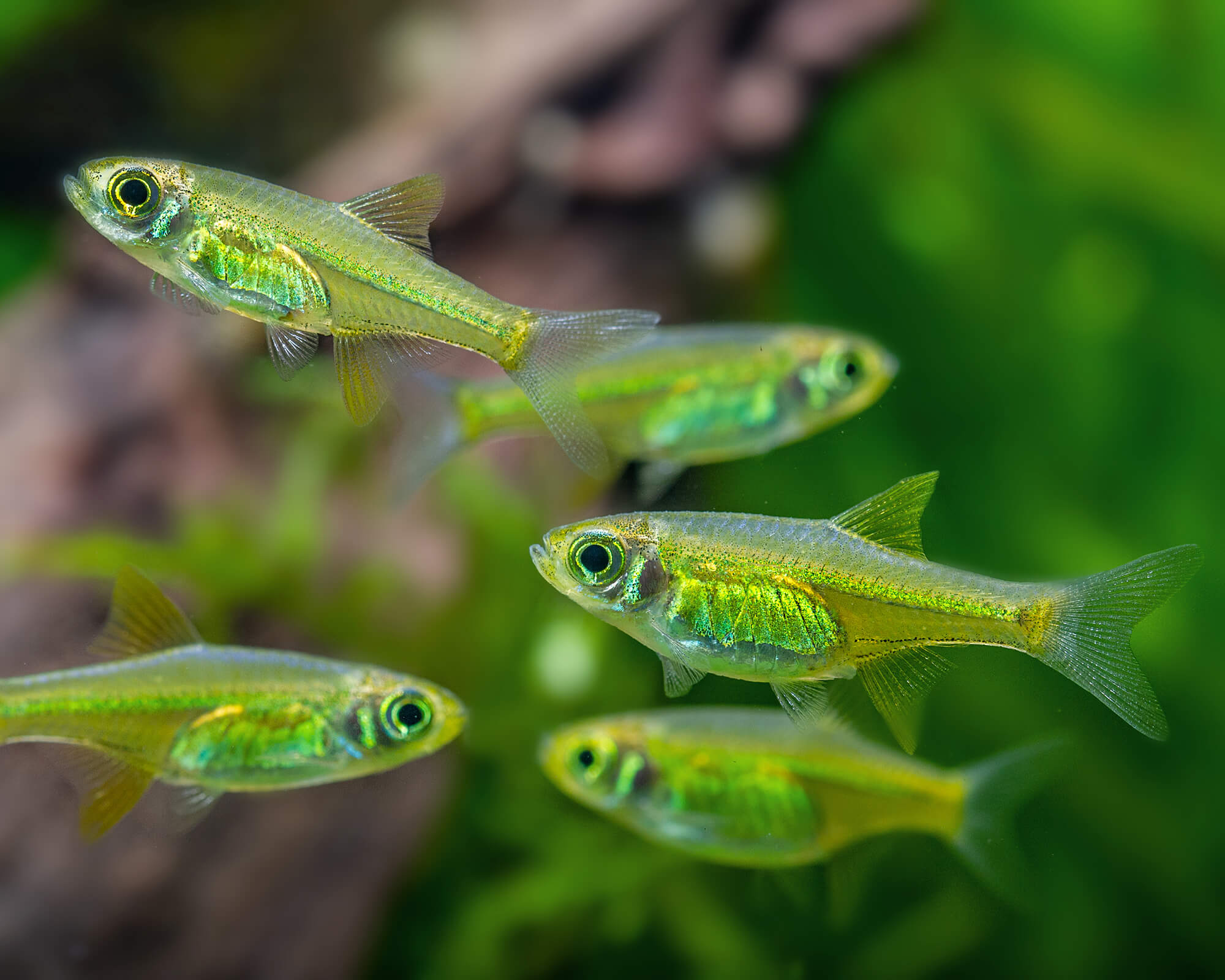
Compatibility is about more than whether a snail eats algae. Many peaceful community fish ignore adult snails but may investigate small juveniles or exposed feelers. Loaches, puffers, some cichlids, and other snail-eating fish can make even a well-chosen species unsuitable. Shrimp are generally compatible with peaceful snails, although both compete for biofilm and supplemental foods in a small aquarium. Protect shell health with appropriate mineral availability and avoid medications containing copper unless the product is confirmed safe for your invertebrates. In a nano tank, one or two appropriately sized snails may be enough; adding several species can create more waste than the tank can process.
Use snail activity as feedback, not as permission to stop maintenance
A snail can convert algae, food fragments, and decaying material into its own biomass and waste, but it does not erase those nutrients. If algae continues spreading, shorten or rebalance the lighting period, improve circulation, remove heavily affected leaves, and check feeding. If detritus keeps collecting, inspect dead zones, clean mechanical media, and siphon accessible areas. If snail numbers rise quickly, reduce excess food before reaching for chemical treatments, which can harm shrimp, plants, fish, and beneficial organisms while creating a mass die-off. The most successful planted tanks use snails as small workers within a maintenance system, not as the system itself.
Frequently Asked Questions
Do aquarium snails remove algae permanently?
No. They graze some algae and may slow its visible buildup, but the nutrients remain in the aquarium through snail tissue and waste. Persistent algae requires attention to light, feeding, flow, plant growth, and maintenance.
Which aquarium snail is best for algae on glass?
Nerite-type snails are commonly chosen for soft film algae and diatoms on glass and hardscape. They may struggle in an overly clean tank and are not a dependable solution for thick hair algae or recurring blooms.
Do burrowing snails clean the substrate?
They can consume accessible food and move through the upper substrate, which may improve contact with water flow. They do not remove all mulm, and their own waste still needs to be processed or removed.
Why did my snails suddenly multiply?
A population increase usually means the aquarium is offering more food, such as uneaten fish food, dead leaves, or organic debris. Reduce feeding, remove decaying material, and improve maintenance before adding a predator or treatment.
 - 2.webp)
 - 2.webp)
Leave your comments