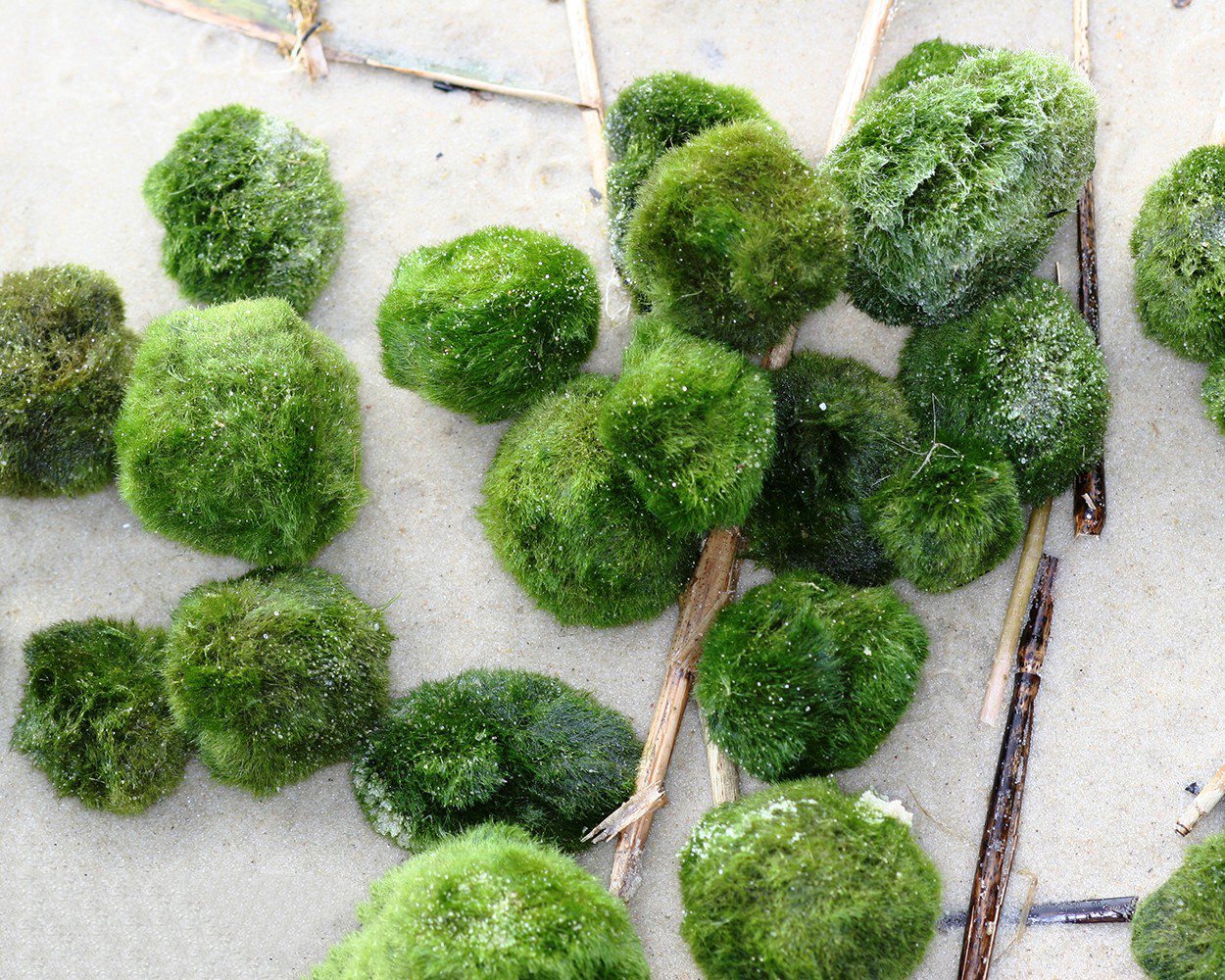
Start by Identifying How the Plant Grows
Before reaching for scissors, identify whether the plant is a stem, rhizome, rosette, runner-forming plant, moss, or floater. Stem plants such as Rotala, Hygrophila, and Ludwigia are usually topped and replanted. Anubias and Bucephalandra grow from a rhizome that should not be buried or casually cut. Cryptocoryne and many grass-like plants expand from crowns or runners, so thinning is safer than repeatedly shortening leaves. Mosses can be divided or trimmed, while floaters are controlled mainly by removing excess surface coverage. This classification prevents the most common beginner mistake: treating every aquarium plant like a hedge.
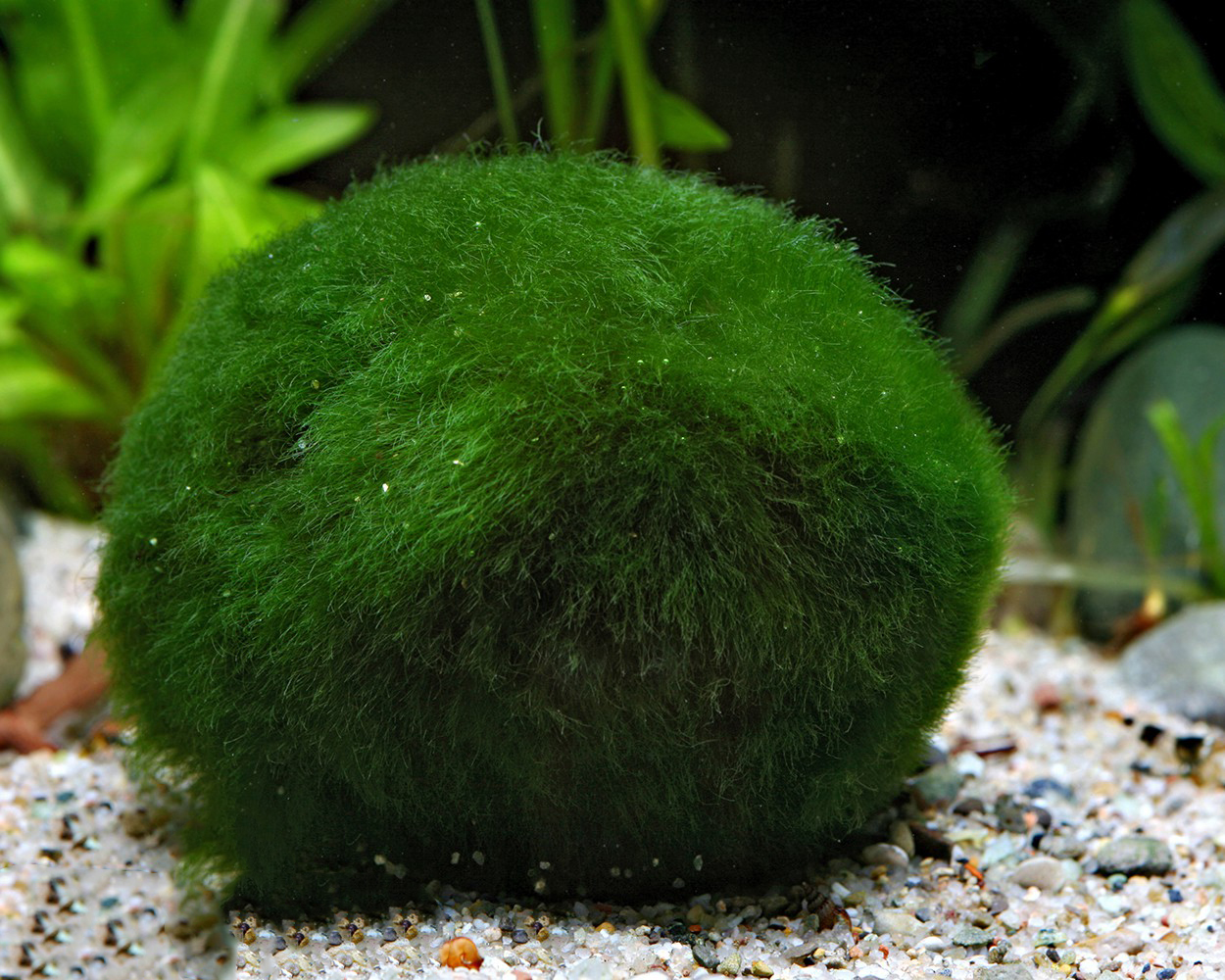
Use Stem-Plant Trimming to Make Groups Denser
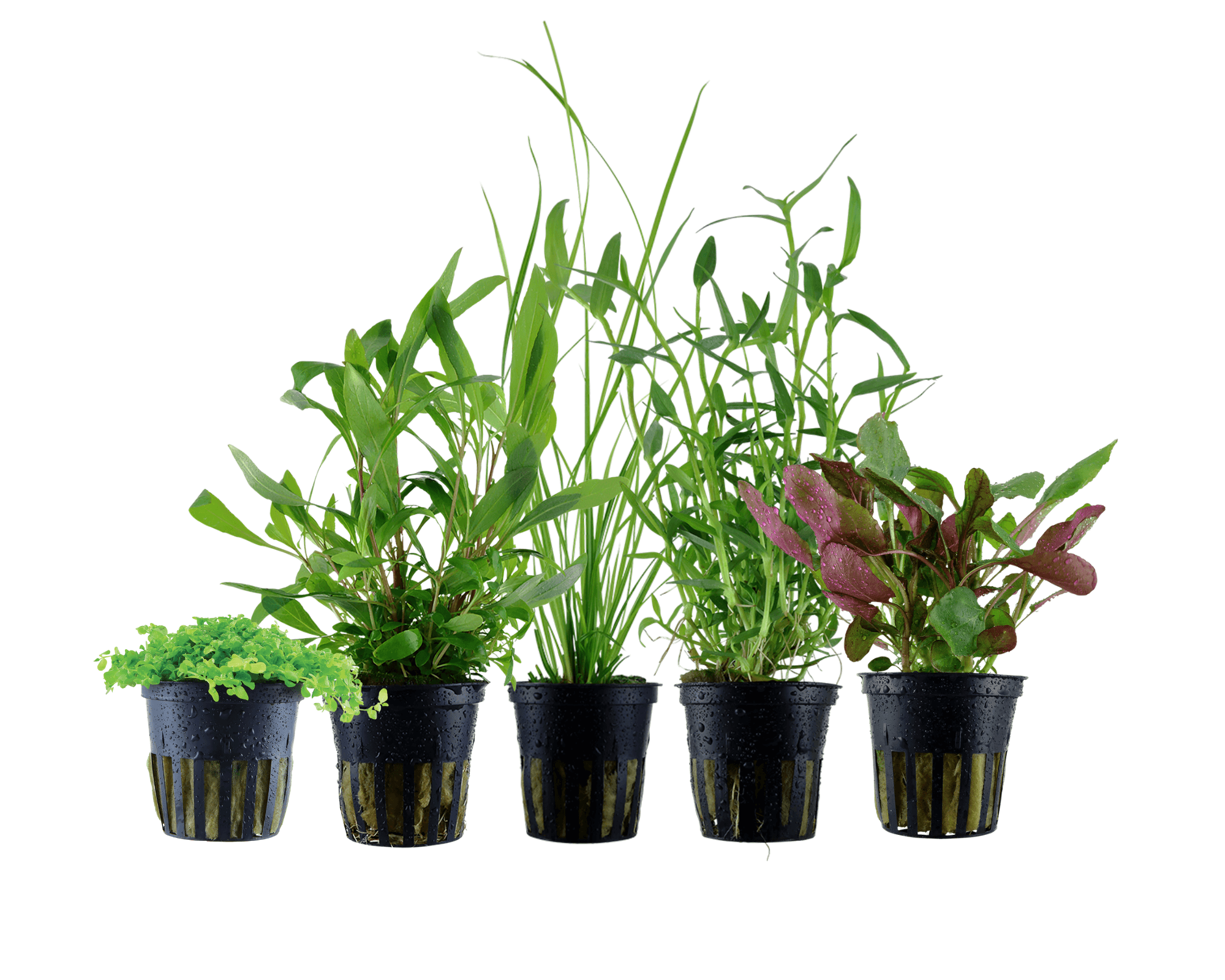
Fast-growing stem plants are usually the easiest plants to propagate because a healthy top cutting can become a new plant. When a stem reaches the surface or begins shading lower leaves, cut it above a leaf node and replant the healthy upper portion. Leave enough lower stem for new side shoots to develop, but remove bare, damaged, or algae-covered sections if they no longer improve the group. Replant several cuttings together with small gaps between them so water can circulate. Hygrophila, Rotala, Limnophila, and Ludwigia can provide color and background height, but their quick growth makes small, regular trims safer than one severe haircut.
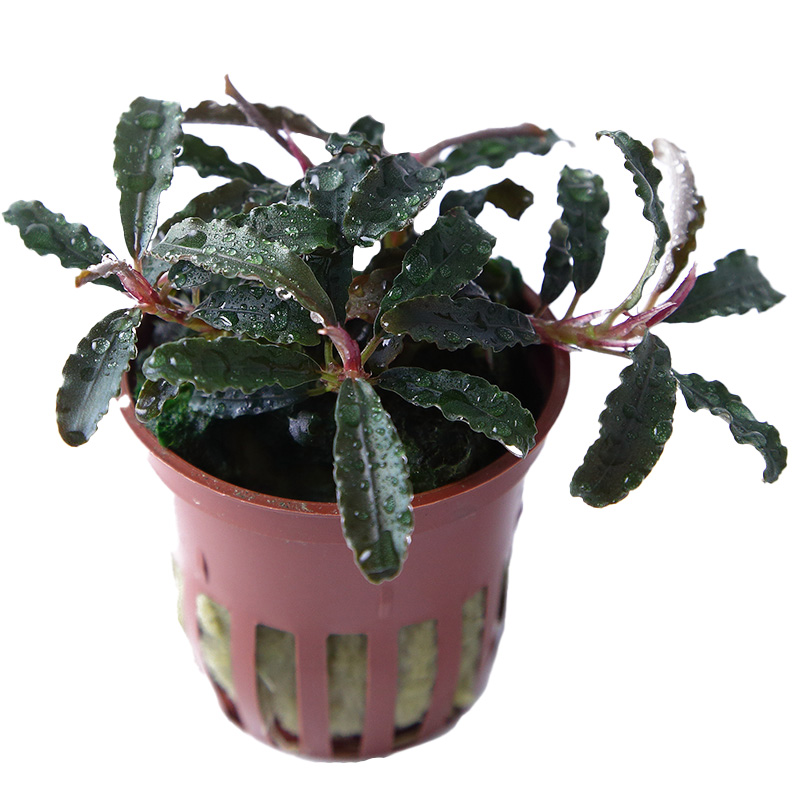
Keep Rhizome Plants Compact Without Burying the Growing Point
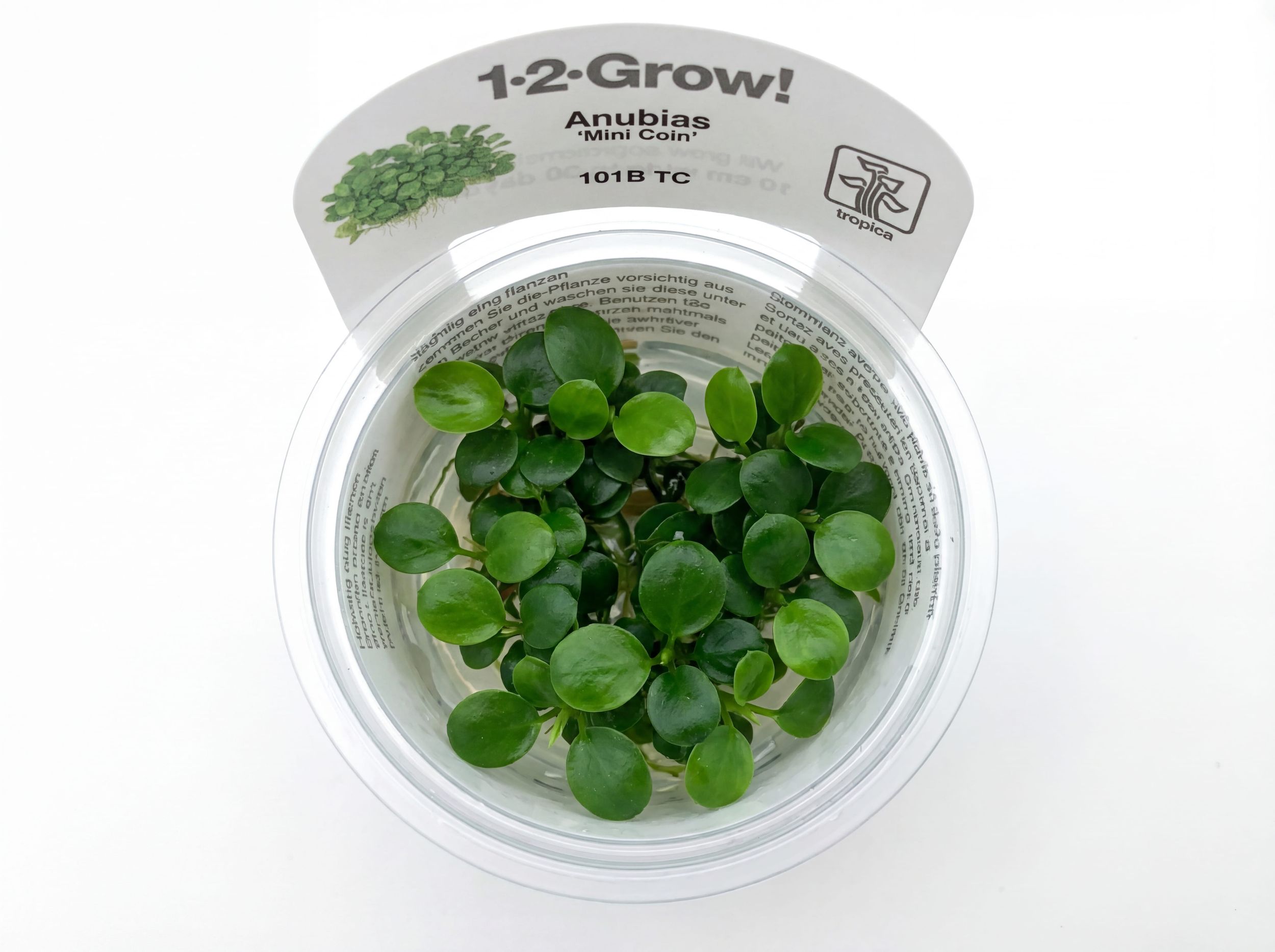
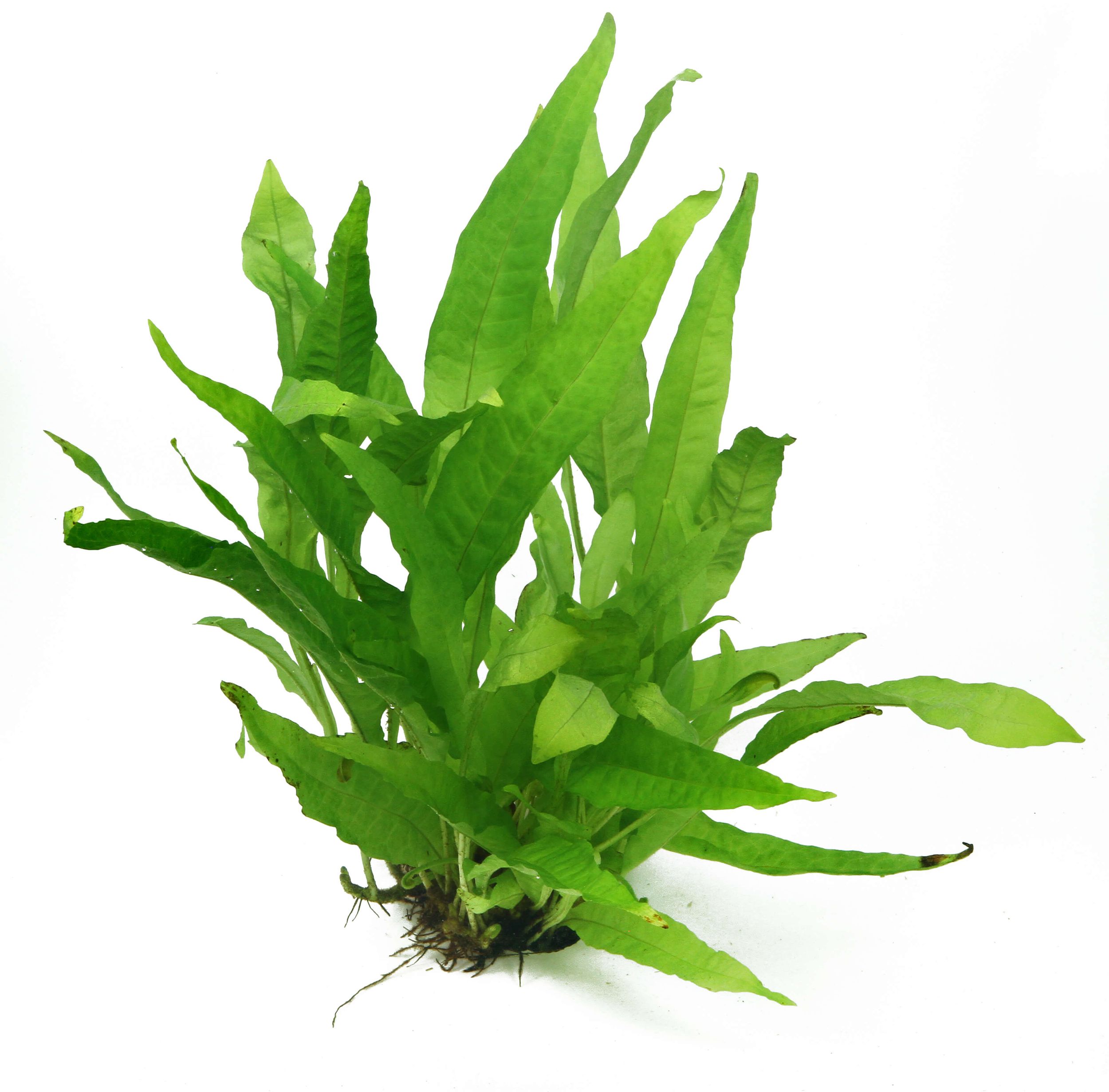
Anubias and Bucephalandra are useful in shrimp tanks and low-maintenance aquariums because they grow slowly and tolerate attachment to wood or rock. Their thick horizontal rhizome produces leaves and roots, so burying it deeply can lead to decline. Control size by removing older or damaged leaves at the base, shortening loose roots, or dividing a large rhizome with a clean blade. Each new section needs healthy leaves and an intact growing portion. Do not repeatedly cut small pieces from a weak plant. A better approach is to let the clump mature, then divide it when it clearly occupies more hardscape than intended.
Thin Rosette Plants and Runners Instead of Mowing Them
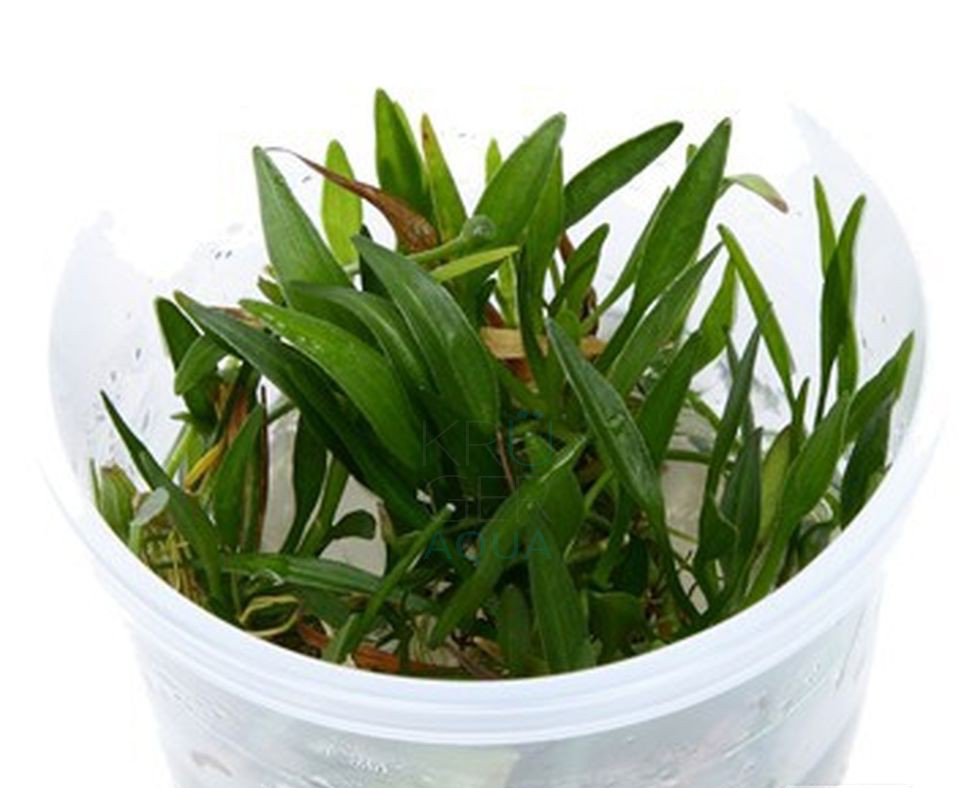
Cryptocoryne, Sagittaria, Helanthium, and similar plants do not respond well to being treated like stem plants. Cutting individual leaves usually creates short-term tidiness rather than a smaller plant. Remove yellowing leaves close to the crown and thin crowded groups by separating established plantlets or cutting connecting runners. Keep the strongest plants in the composition and relocate extras to open areas or a nursery container. In a nano aquarium, runner control is especially important because a single foreground plant can gradually cross into feeding areas, cover shrimp shelters, or hide the front glass. Thin from the edges before the planting becomes difficult to untangle.
Trim Moss Before It Traps Waste and Hides Shrimp
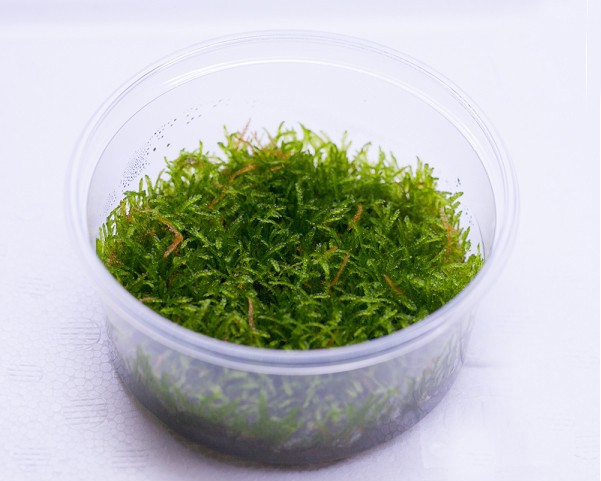
Java moss, flame moss, Christmas moss, and other aquarium mosses can create valuable grazing surfaces for freshwater shrimp, but an unchecked mat can trap food, mulm, and shed leaves. Trim moss with sharp scissors above the hardscape, then remove loose fragments with a net or siphon. Save clean pieces for propagation by attaching them thinly to another stone, mesh pad, or piece of wood. Avoid creating a thick blanket in a nano tank; a thin layer receives better flow and remains easier to inspect. Keep some mature moss for grazing, while shaping the outer edge so it does not cover caves, filter intakes, or swimming lanes.
Control Floating Plants by Managing Surface Coverage
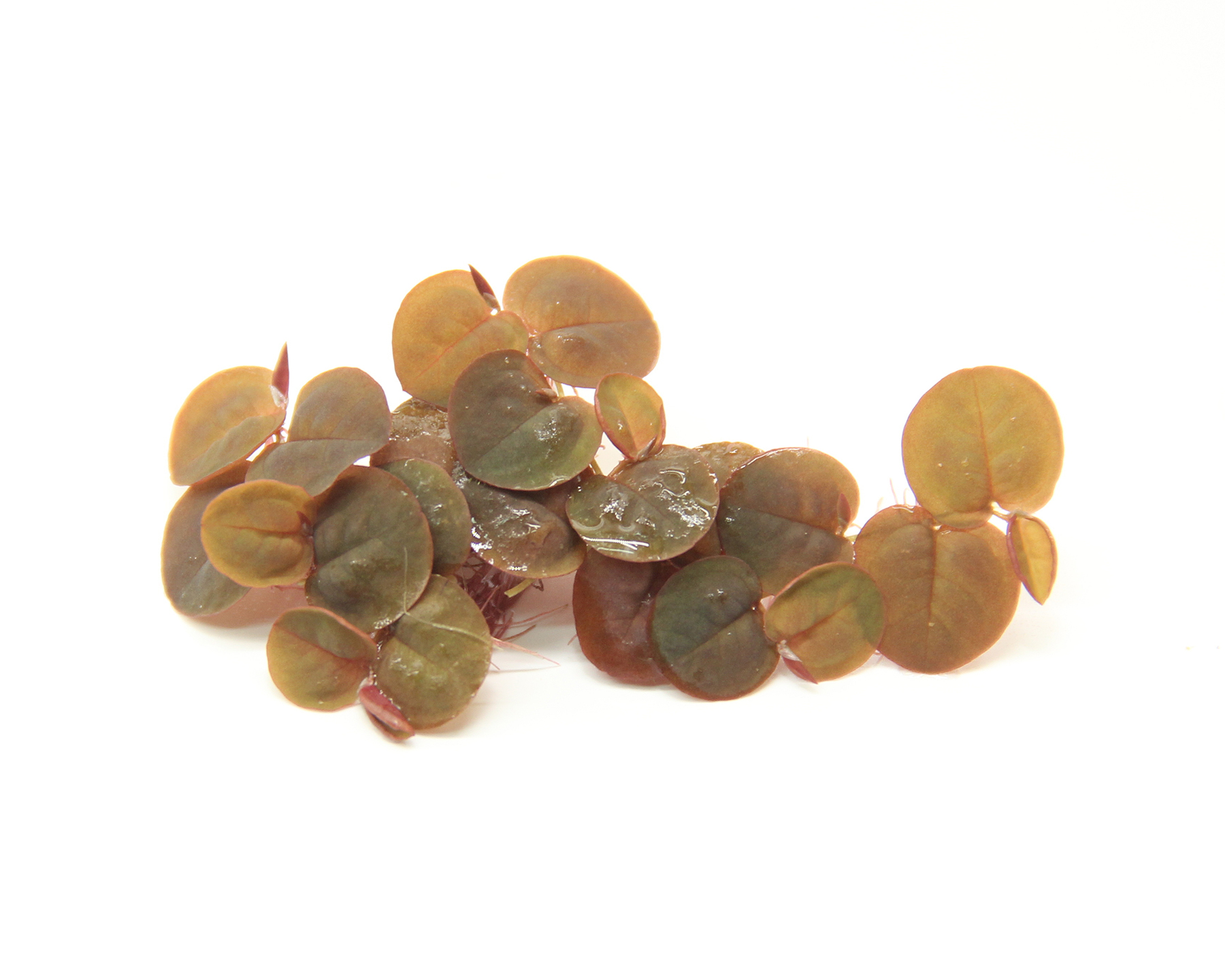
Floating plants are not pruned in the same way as rooted plants. Their main control point is surface coverage. Remove enough duckweed, frogbit, or floating liverwort to leave open areas for gas exchange, feeding, and light penetration. In a small aquarium, floating roots can also shade the plants below and make it harder to see fish behavior or shrimp activity. Use a cup or fine net to remove excess growth during routine maintenance, and keep a separate container if you want to propagate a surplus. Avoid allowing floaters to form a complete ceiling unless the livestock and submerged plants are clearly suited to dimmer conditions.
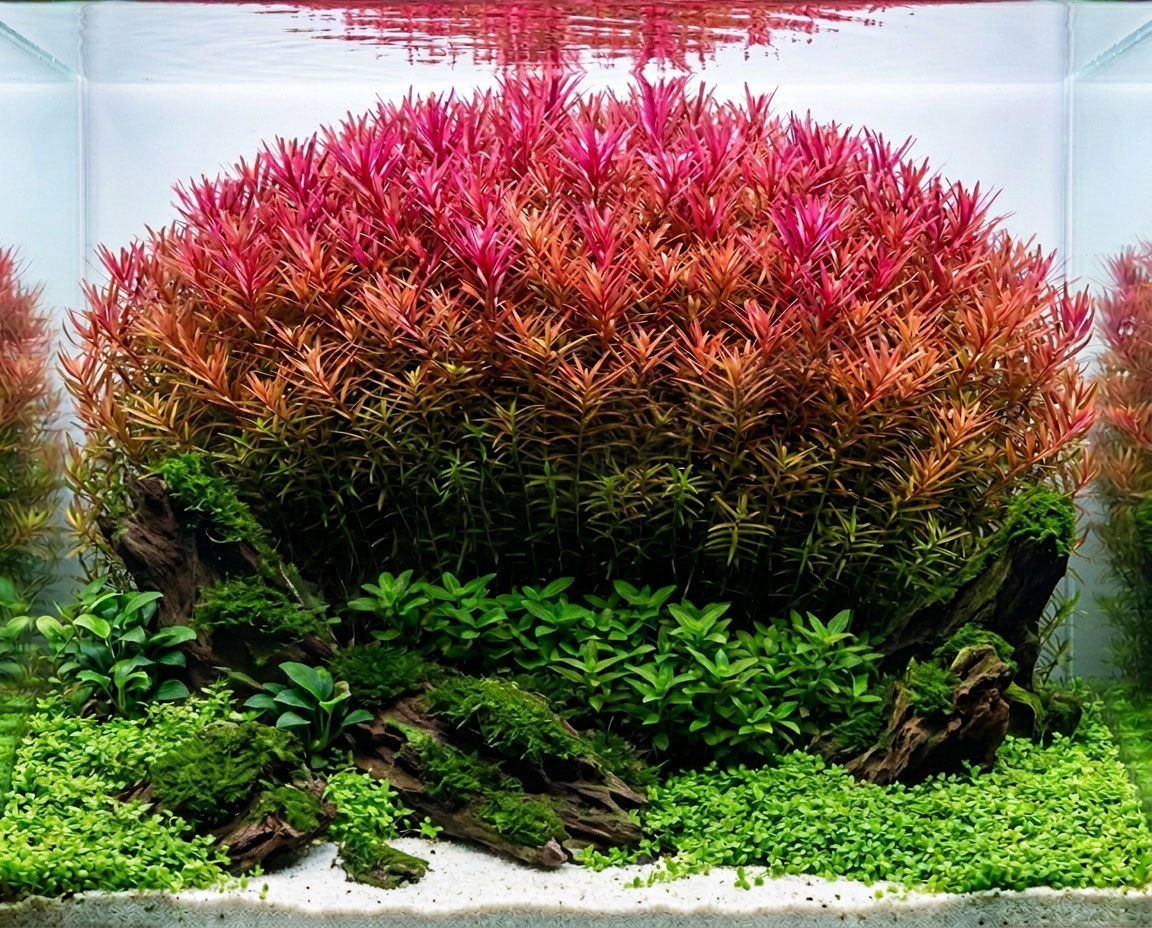
Preserve Color by Pruning Red Plants Without Over-Harvesting
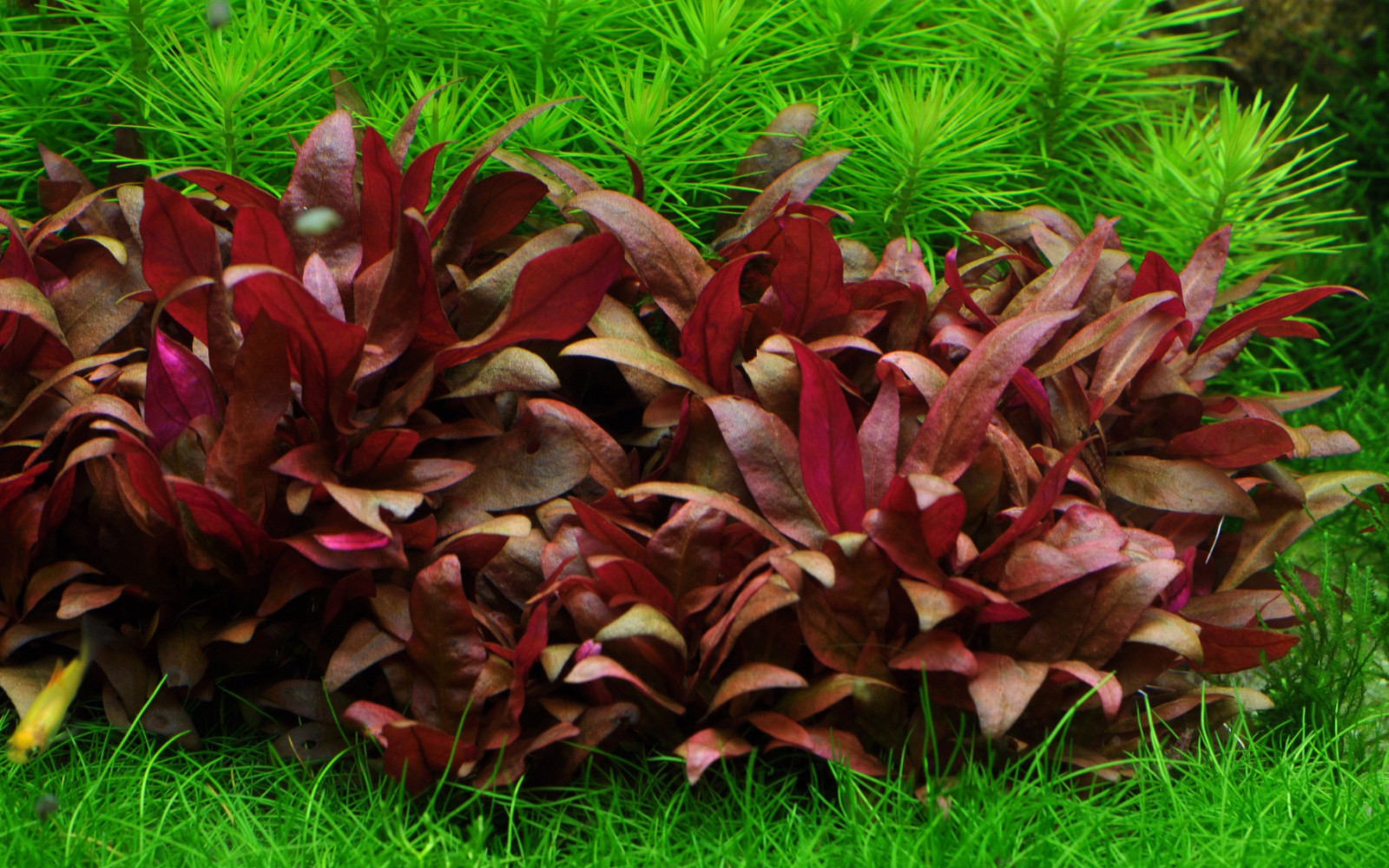
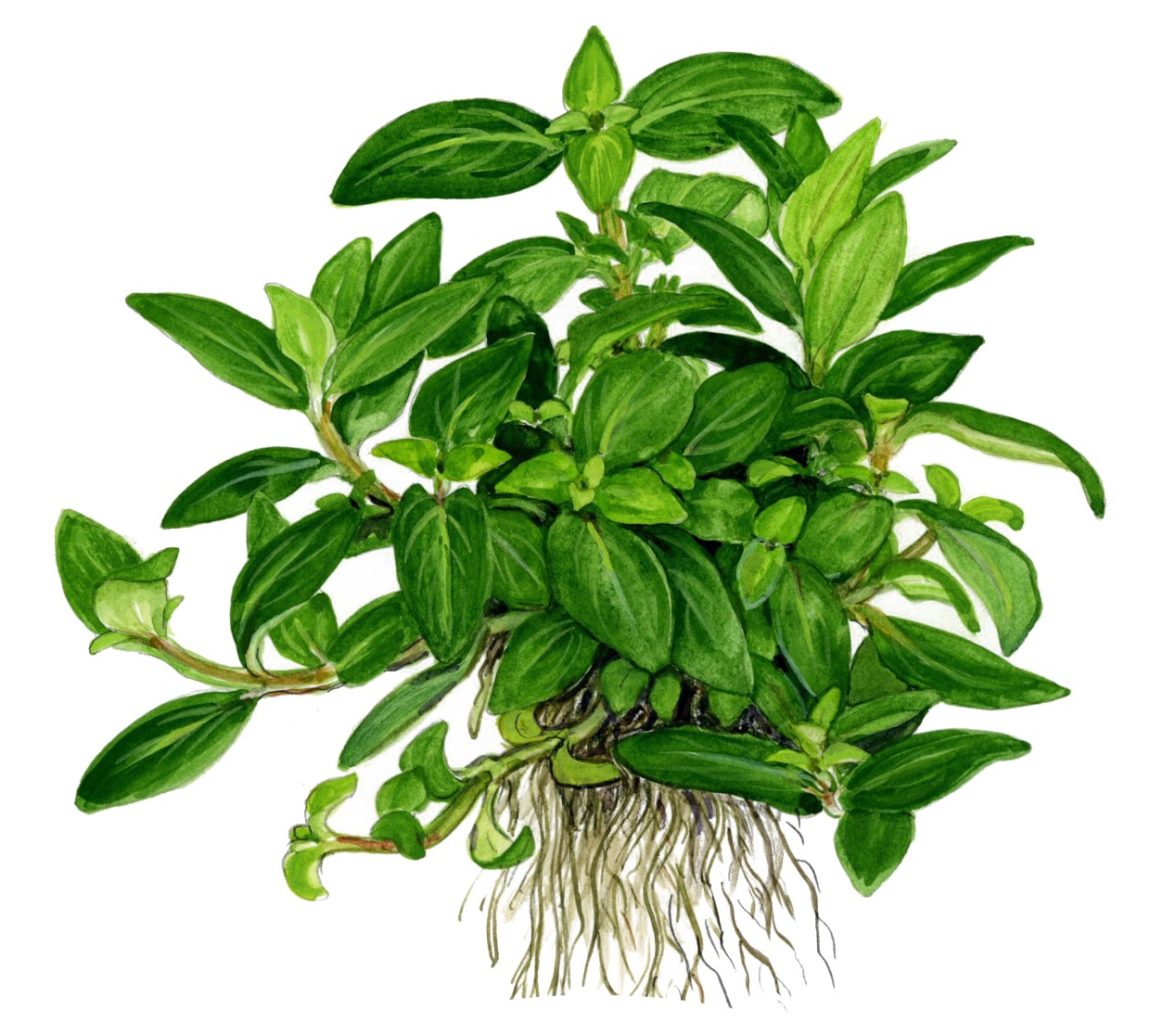
Red plants such as Alternanthera reineckii and Rotala varieties often look best when their growing tips remain close to the light, but constant heavy cutting can leave the lower portions sparse. Remove the longest shoots first and replant healthy tops to refresh the group. If the base has become bare, discard or separate the weak lower section rather than forcing it to remain as permanent structure. Red color depends on the plant’s overall growing conditions, so pruning cannot compensate for unsuitable light, carbon availability, nutrients, or unstable maintenance. Use red stems as accents, then keep enough green foliage around them to prevent the scape from becoming visually crowded.
Treat Carpet Plants as a Surface to Thin, Not a Lawn to ScalP
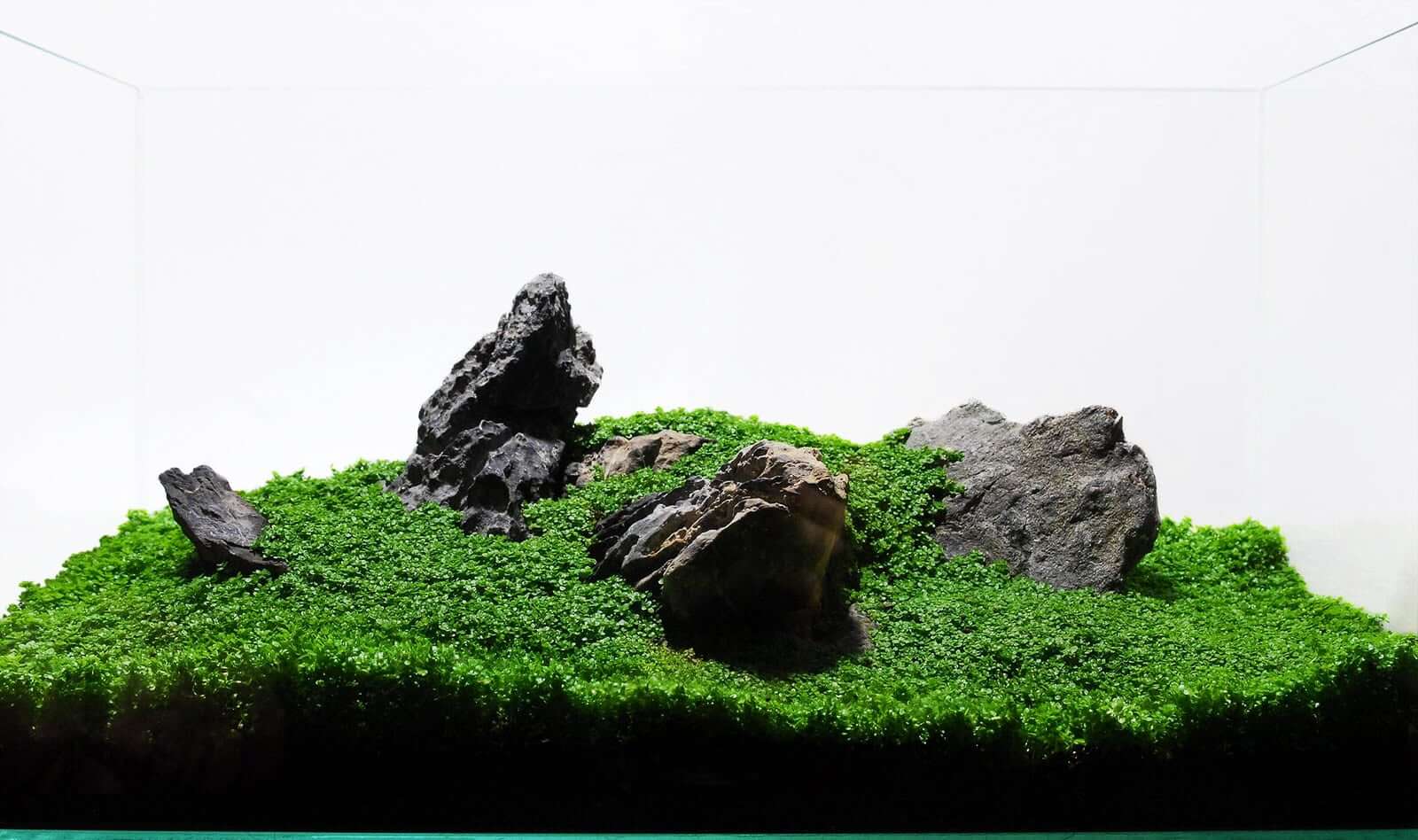
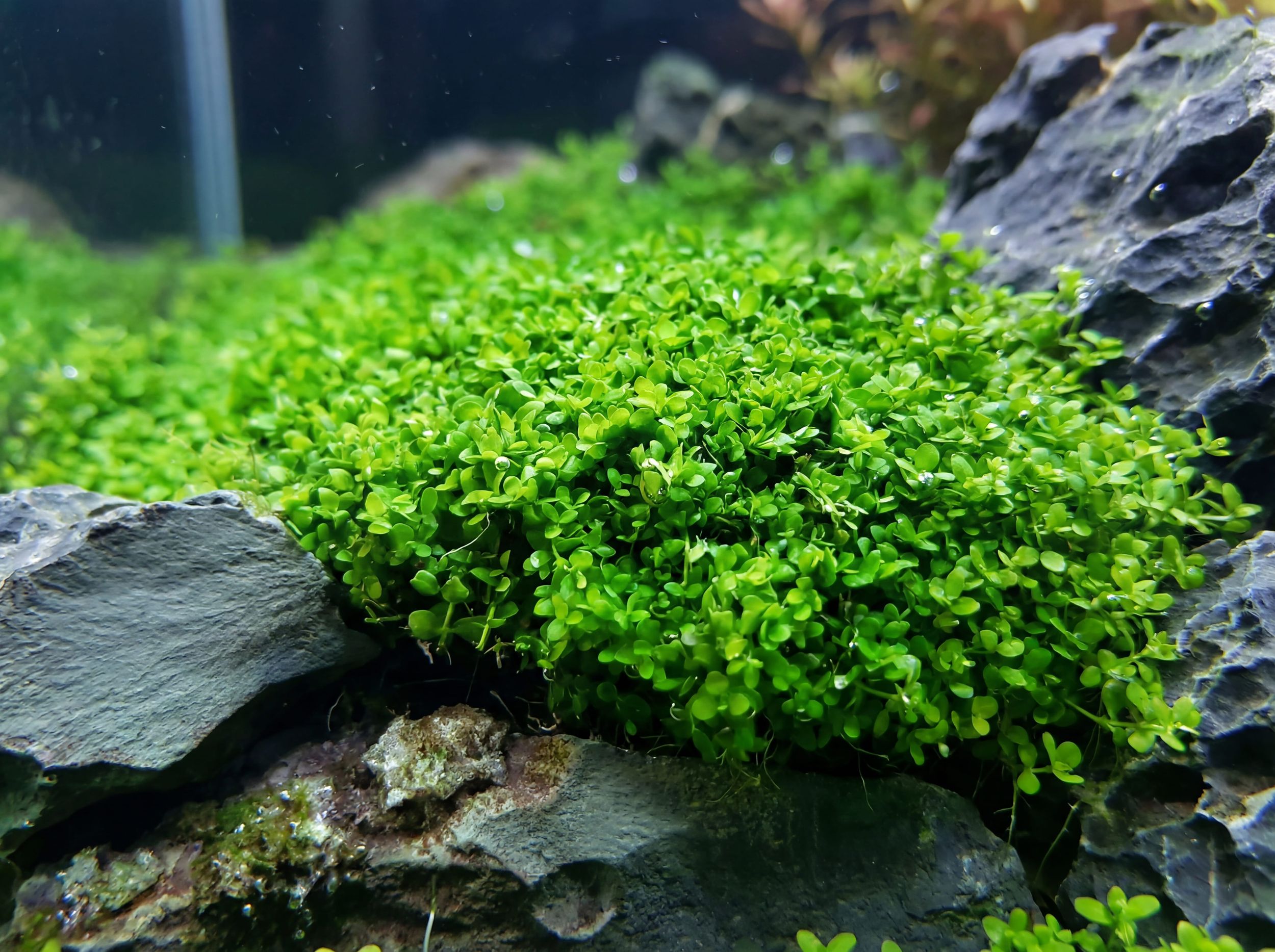
Dwarf pearlwort, Monte Carlo, and grass-like foreground plants need occasional thinning when the mat lifts, traps debris, or climbs into taller planting zones. Use scissors to remove the highest sections, then gently lift loose pieces and replant only healthy portions. Do not bury a thick layer of trimmings, because shaded lower growth can decay. In shrimp-focused tanks, leave some low, open cover for grazing but create clear paths around feeding dishes and shelters. A carpet should support the layout, not seal the substrate. If the plant repeatedly lifts, review planting depth, flow, light, and the size of each planted plug.
Match Plant Density to Fish, Shrimp, and Snail Behavior
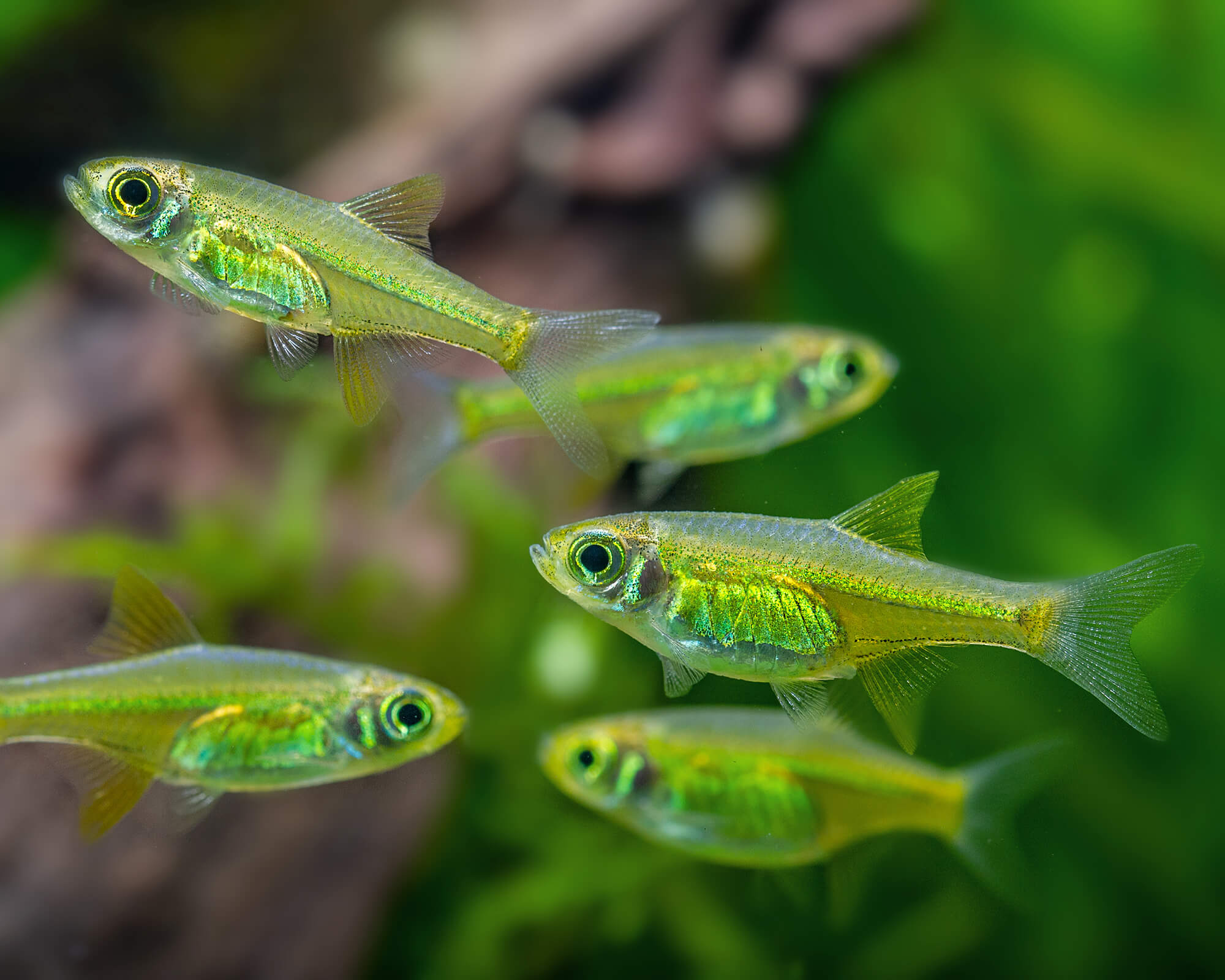
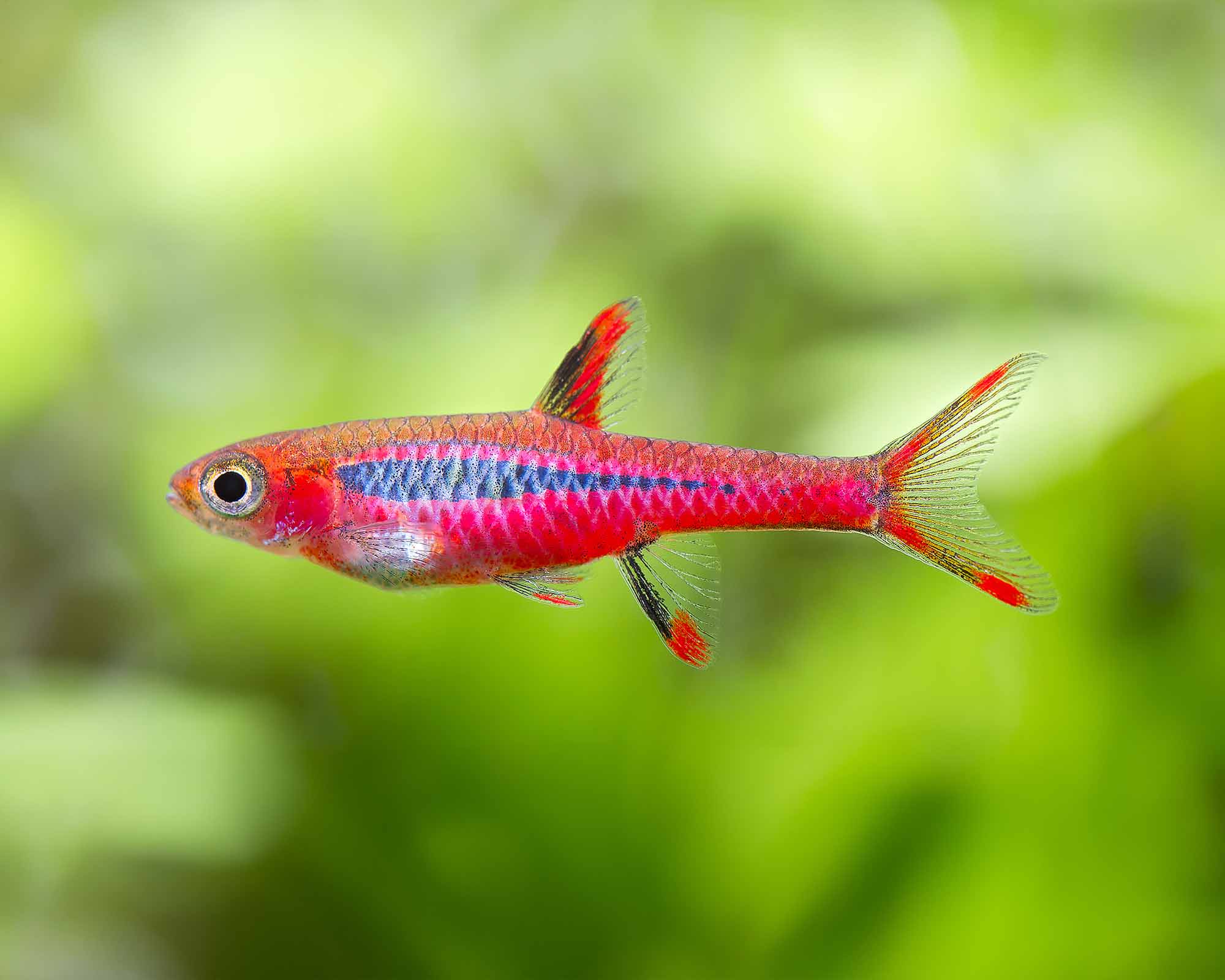
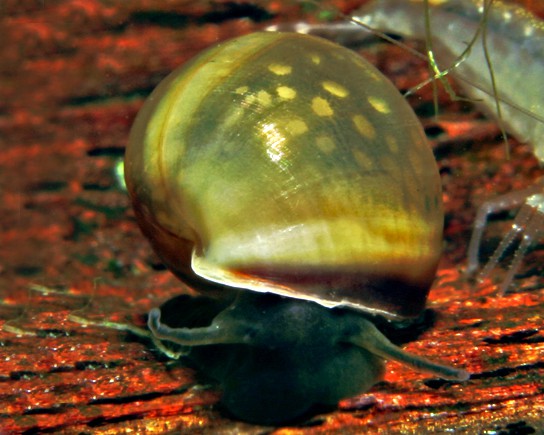
Pruning is also livestock management. Colorful schooling fish need an uninterrupted route across the open middle of the aquarium, while shy fish and shrimp benefit from dense cover near wood, moss, or plant bases. Snails can move through most foliage, but dense growth may hide uneaten food and make population control harder. Keep a visible feeding zone, a shaded refuge, and at least one open viewing area. In a nano aquarium, remove plants that repeatedly block the filter outlet, heater, intake, or front glass. The correct mature shape is not the fullest possible shape; it is the shape that lets every inhabitant use the tank safely.
Use a Simple Pruning, Propagation, and Removal Workflow
During maintenance, work in this order: remove dead leaves, clear equipment, trim the plants that block light or swimming space, collect healthy cuttings, then replant only what fits the design. Keep a small bowl of aquarium water nearby so cuttings and moss do not dry out. Make clean cuts with sharp scissors and avoid uprooting large groups unless thinning requires it. After a major session, remove floating debris and monitor the tank rather than making several additional changes immediately. If you have more healthy plants than the aquarium can hold, offer them to another aquarist or discard them responsibly. Propagation is useful only when it does not create a second overgrown tank.
Frequently Asked Questions
How often should aquarium plants be pruned?
Prune when growth blocks light, covers equipment, reduces swimming space, or becomes bare at the base. Fast stem plants may need frequent small trims, while Anubias, Bucephalandra, and many Cryptocoryne varieties may need attention only occasionally.
Can I replant every aquarium plant cutting?
No. Healthy stem tops usually replant well, while rhizome plants require intact rhizome sections and rosette plants are better divided through established offsets or runners. Discard soft, algae-covered, or badly damaged material.
How do I prune aquarium plants in a shrimp tank?
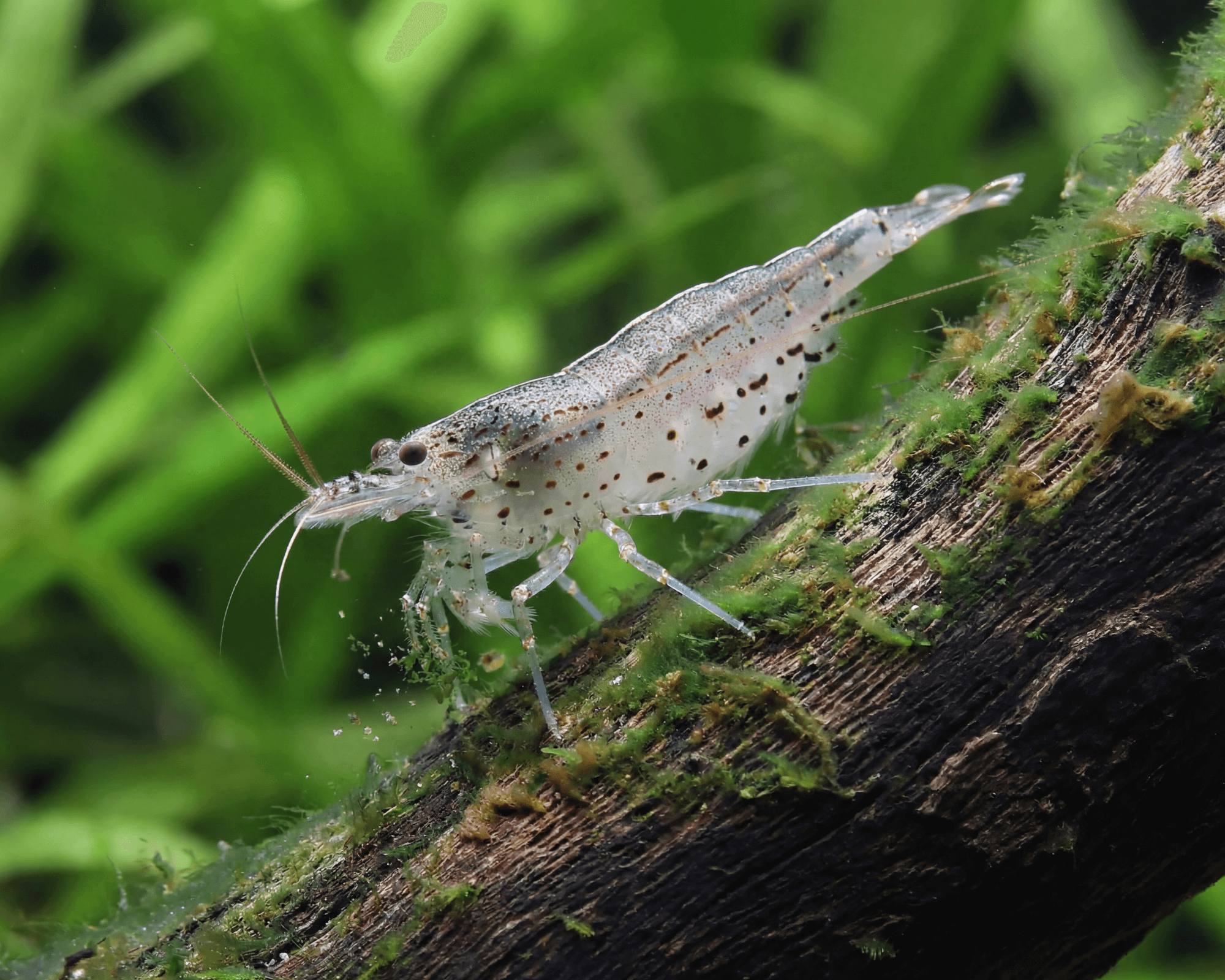
Trim gradually, remove loose fragments, and preserve some moss or fine foliage for grazing and shelter. Avoid exposing the entire tank at once, and check that cuttings have not covered feeding areas, filter intakes, or shrimp refuges.
What should I do when aquarium plants outgrow a nano tank?
First decide whether the plant should be shortened, divided, relocated, or removed. Stem tops can often be replanted, runners can be separated, and moss can be divided. Slow rhizome plants may need hardscape repositioning or careful division rather than frequent leaf cutting.
 - 2.webp)
 - 2.webp)
Leave your comments