AquaLibs presents AquaRank Discover the world’s leading aquascapers

Explore transparent rankings built from published results across the world’s leading aquascaping contests.

A Snail Census for Planted Tanks: Match Reproduction to Food, Space, and Tank Mates

Start with the shell and the egg pattern

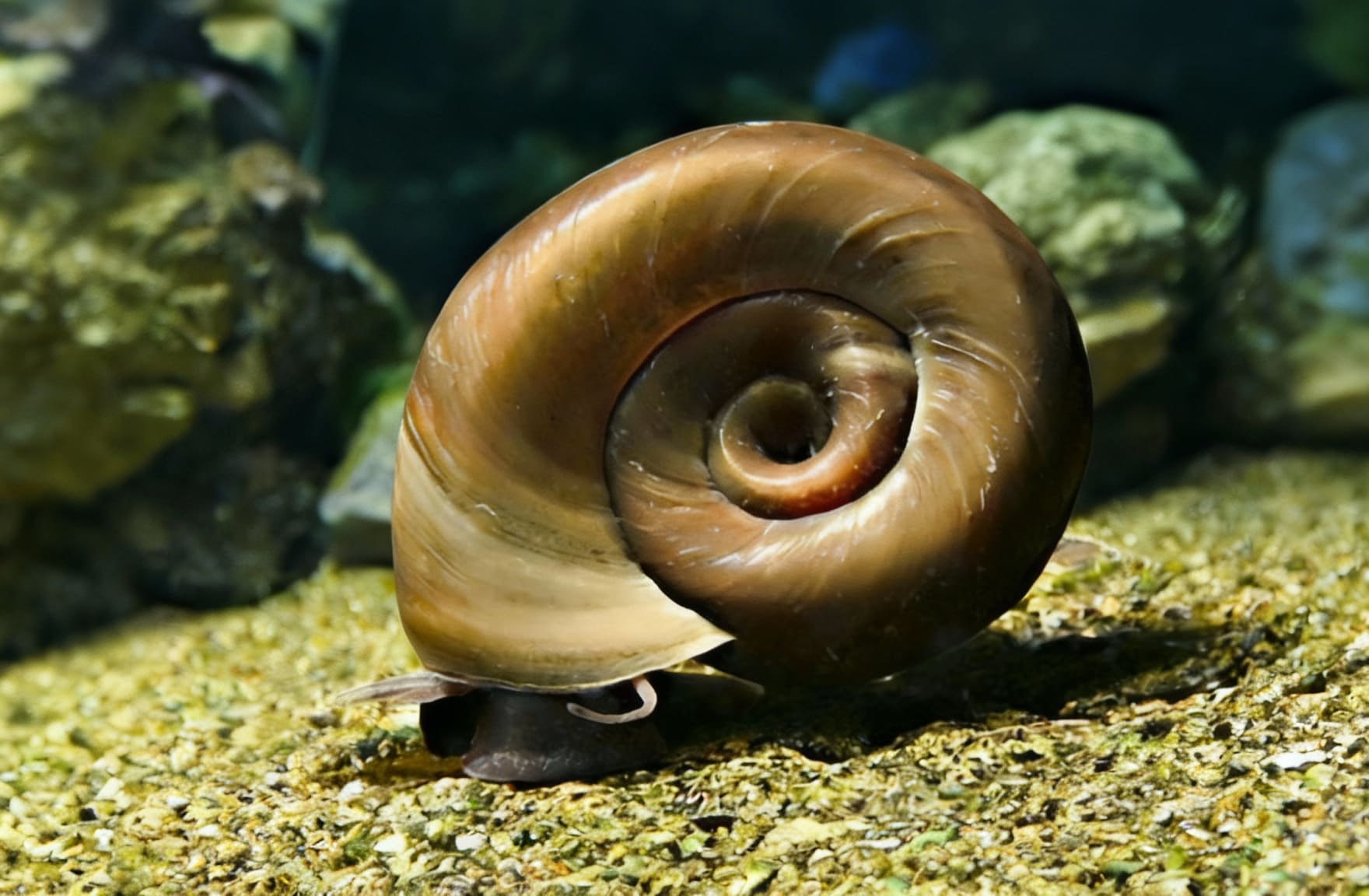
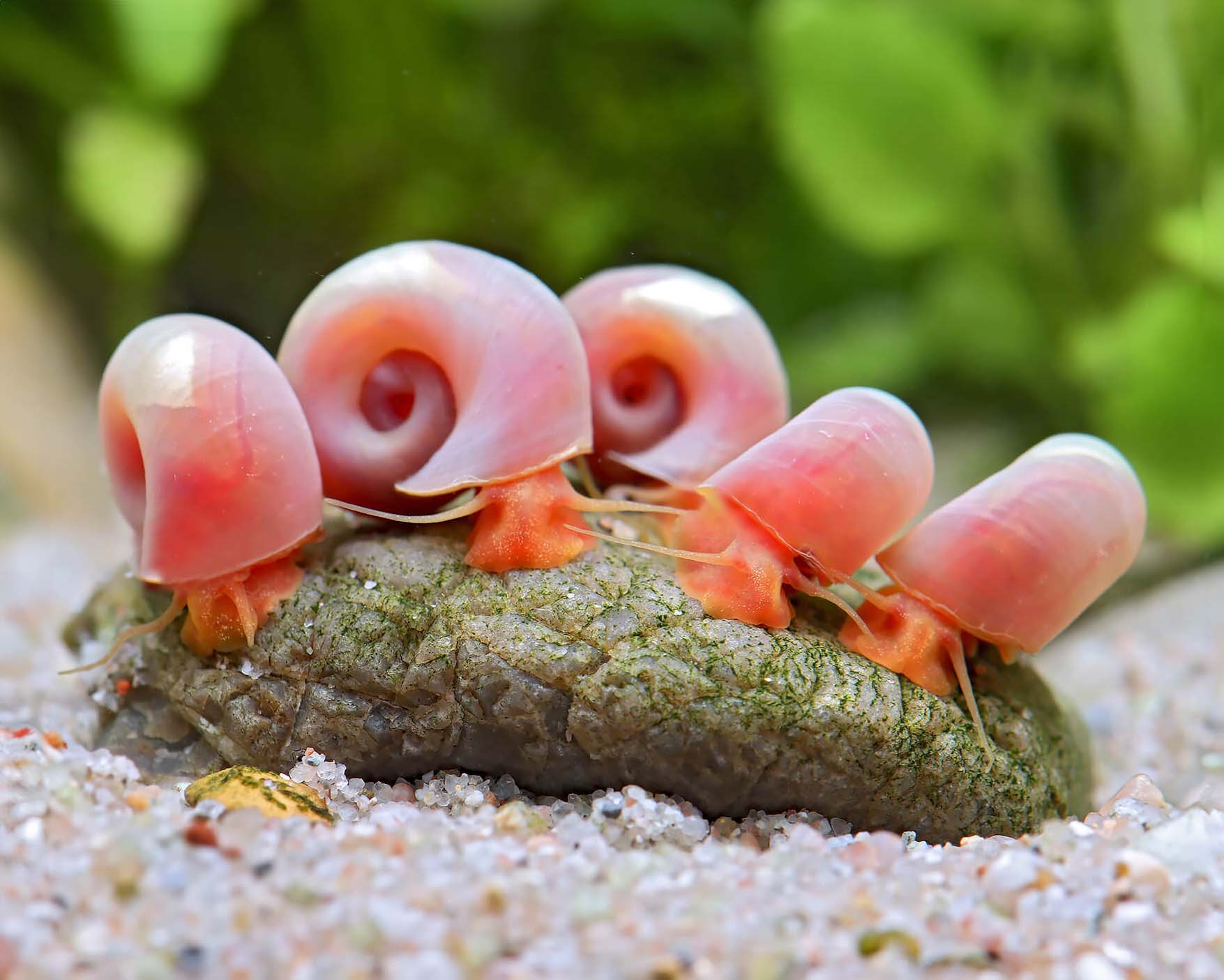
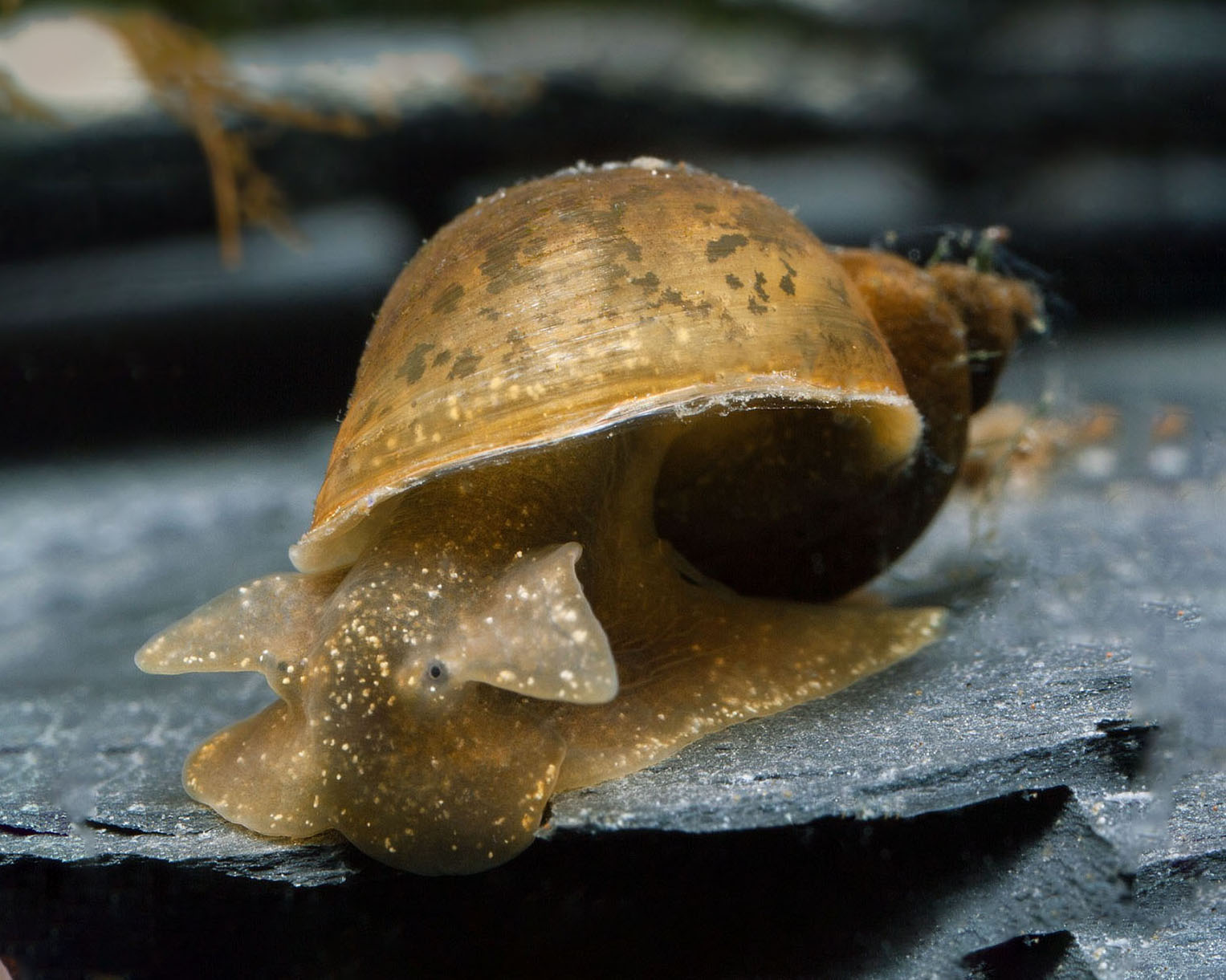
Before changing the aquarium, identify how the snails reproduce. Ramshorn and bladder-type hitchhikers commonly leave clear jelly-like egg masses on glass, leaves, wood, and equipment, so a rising juvenile count usually points to plentiful food and successful egg laying. Nerite-type algae grazers may leave hard white capsules, but those capsules generally do not produce a growing freshwater population. Live-bearing or larger display snails follow a different pattern and may add young without obvious egg patches. Watch the tank after lights out, inspect plant undersides, and photograph shells before choosing a control method. Misidentification can lead to unnecessary predators, poor feeding decisions, or the removal of useful grazers.
Start with the shell and the egg pattern

Treat food as the population-control dial

Snail numbers usually reflect the amount of edible material available, not a sudden desire to overrun the aquarium. Uneaten flakes, sinking wafers, fish waste, algae films, dead leaves, and trapped mulm can all support reproduction. Feed fish only what they finish promptly, break wafers into smaller portions, and avoid adding extra food simply because the snails are visible. Do not starve shrimp or fish to control snails; instead, distribute appropriate food more carefully and remove leftovers. If the snail population rises after a new fish, plant, or feeding routine is introduced, compare those changes with the timing of the increase. The goal is a smaller food surplus, not a biologically empty tank.
Treat food as the population-control dial

Use manual removal before adding a predator

For a planted aquarium with shrimp, manual removal is often the safest first response. Place a small vegetable bait or sinking food tablet in the tank after lights out, then remove it with the gathered snails the next morning. Scrape visible egg masses from glass and hardscape, and inspect dense plant growth where juveniles hide. Repeat the process several times rather than expecting one dramatic cleanup to solve the problem. This approach reduces the breeding population while preserving fish, shrimp, beneficial microorganisms, and non-target snails. It also reveals whether your feeding routine is still supplying enough food for rapid recovery. Keep a separate container ready if you want to relocate healthy specimens instead of discarding them.
Use manual removal before adding a predator

Quarantine plants before they enter the display

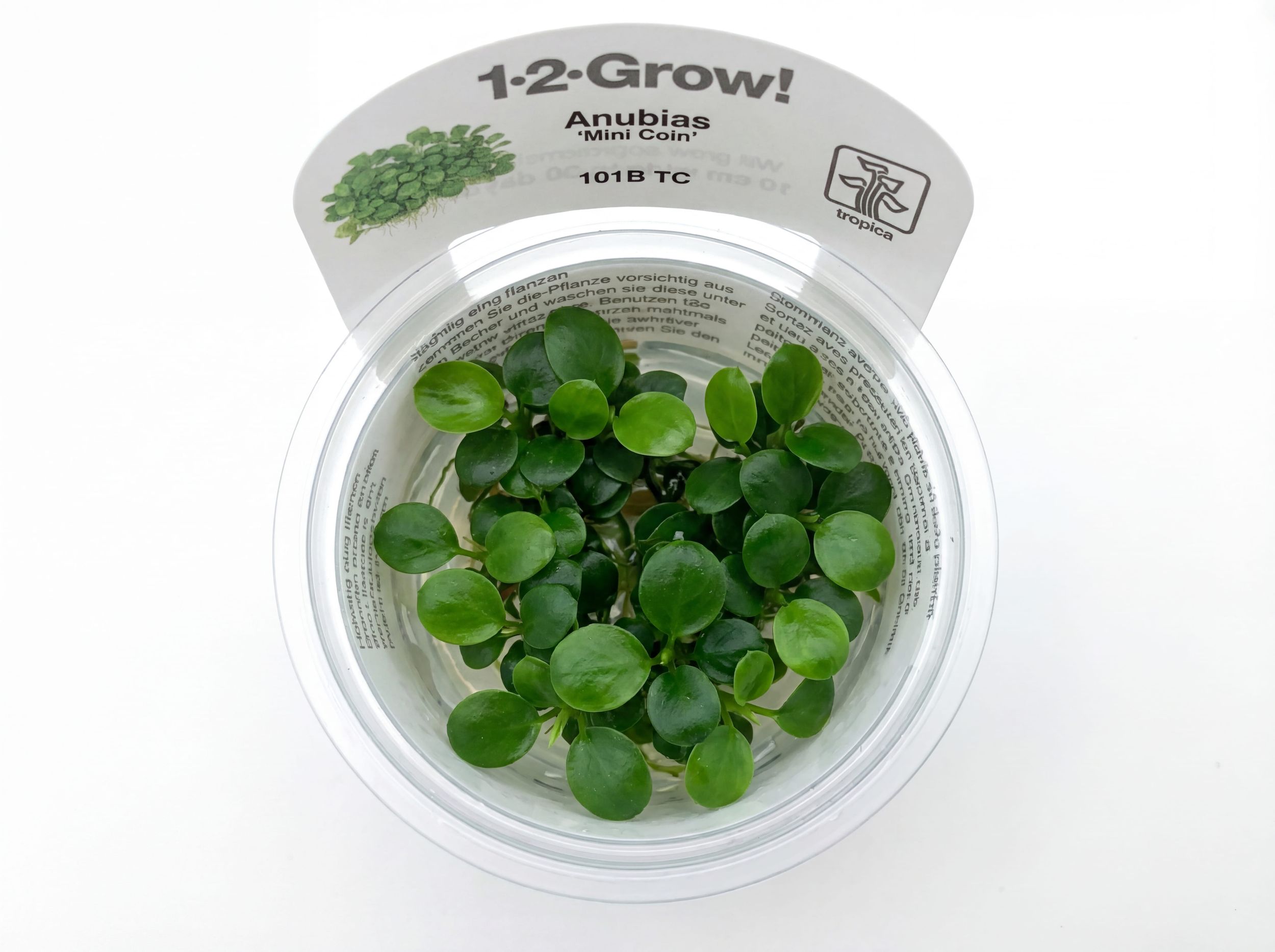
A population-control plan works better when new snails and egg masses are not continually reintroduced. Inspect leaves, stems, floating plants, pots, hardscape, and filter equipment before adding them to the aquarium. A short quarantine period in a separate container makes hidden juveniles easier to spot, especially when the plants came from an established aquarium. Tissue-culture plants can reduce hitchhiker risk, but no method should be treated as an absolute guarantee unless the supplier explains the production process. Avoid harsh treatments when the plant, shrimp, or beneficial bacteria may be damaged. Prevention is especially important in a small planted tank, where a few unnoticed eggs can become visually dominant faster than the keeper expects.
Quarantine plants before they enter the display

Choose algae grazers when reproduction control is the priority

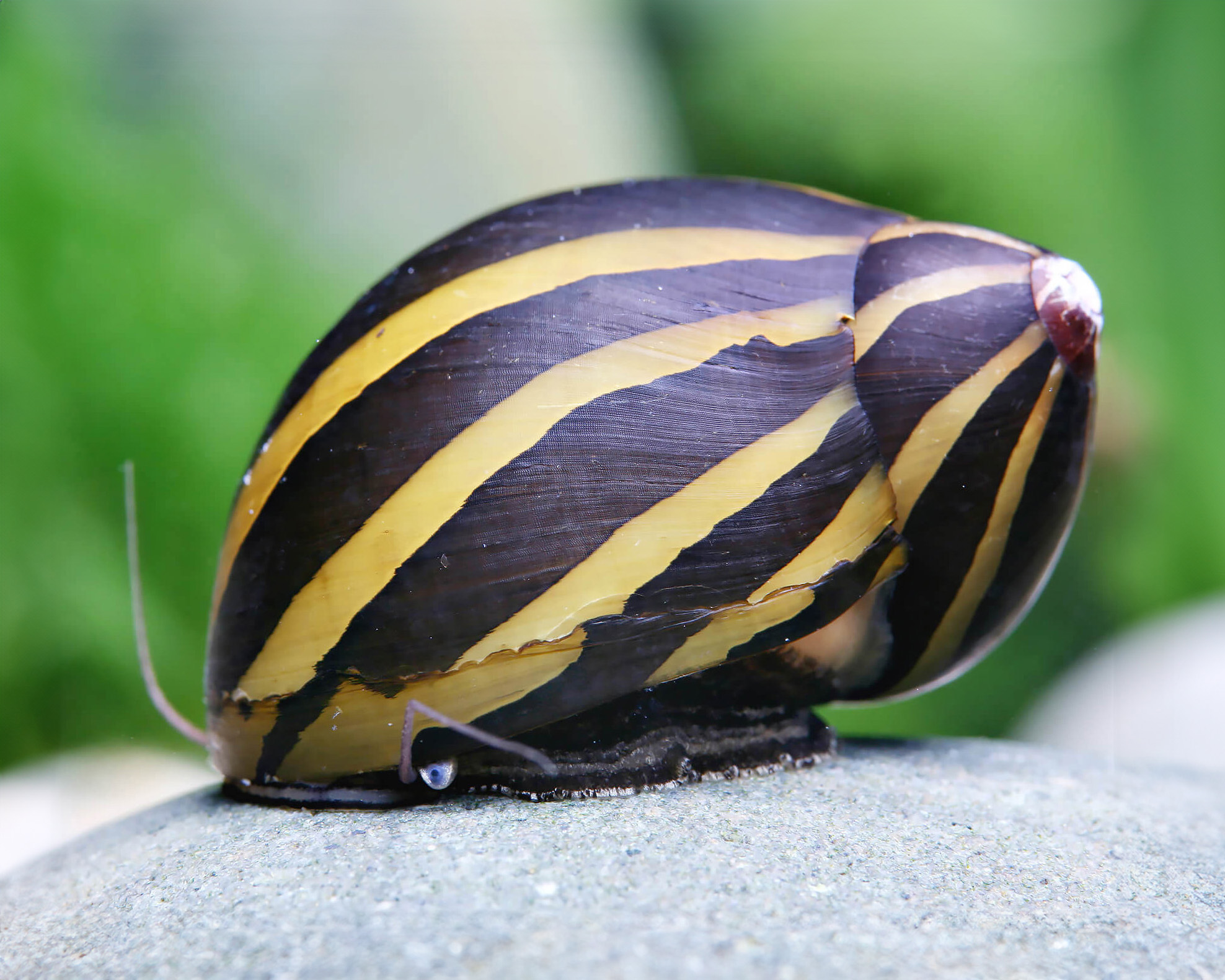
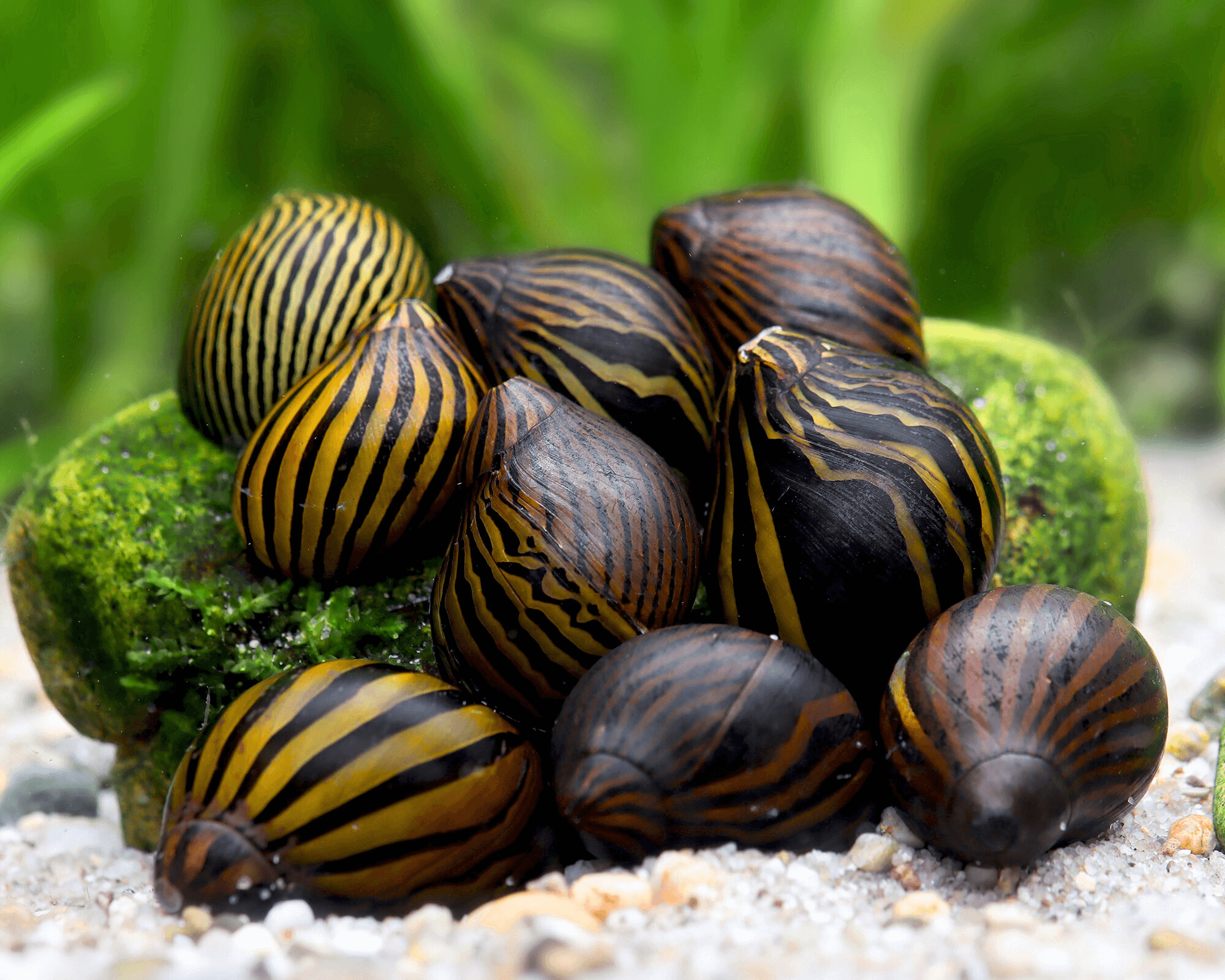
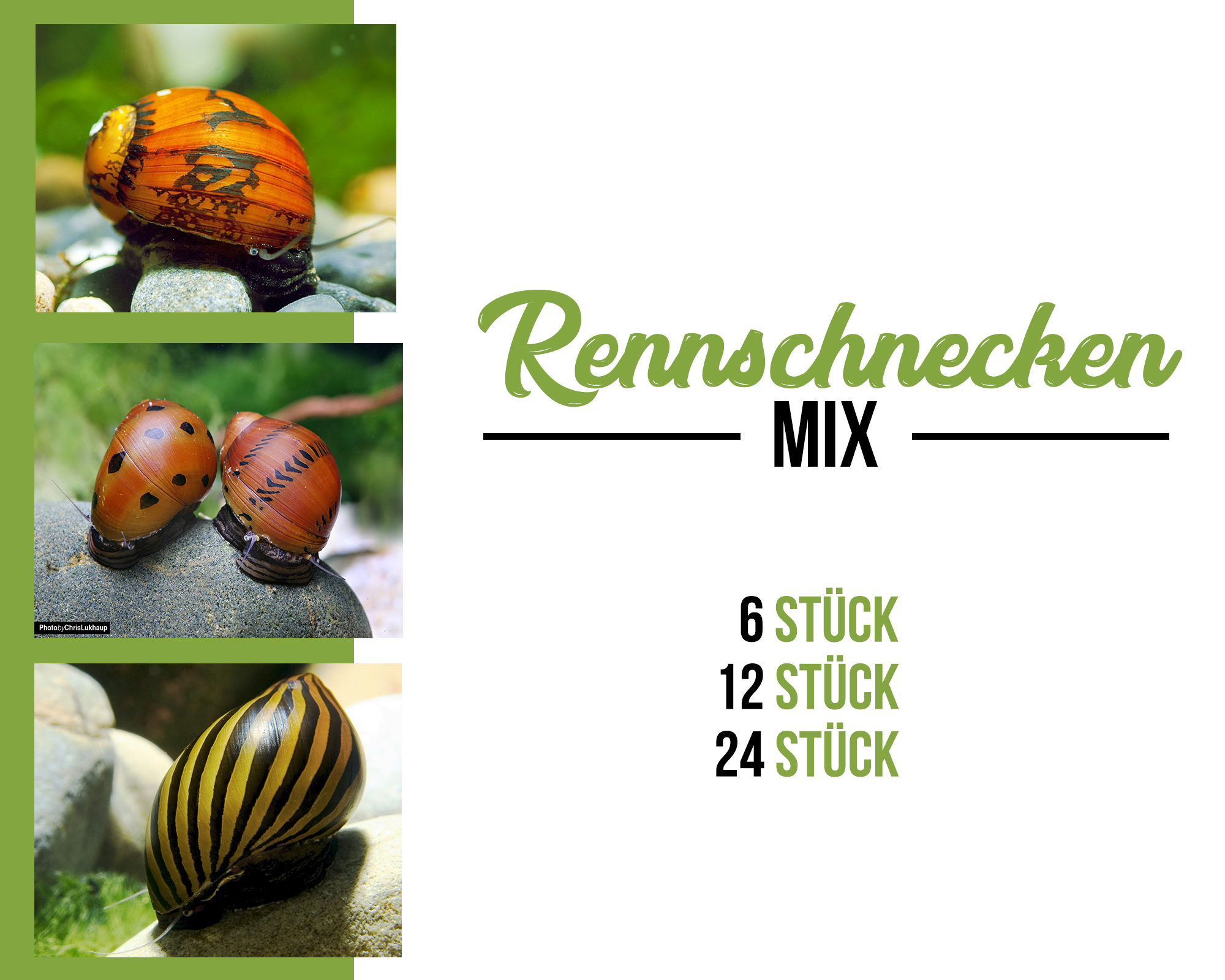
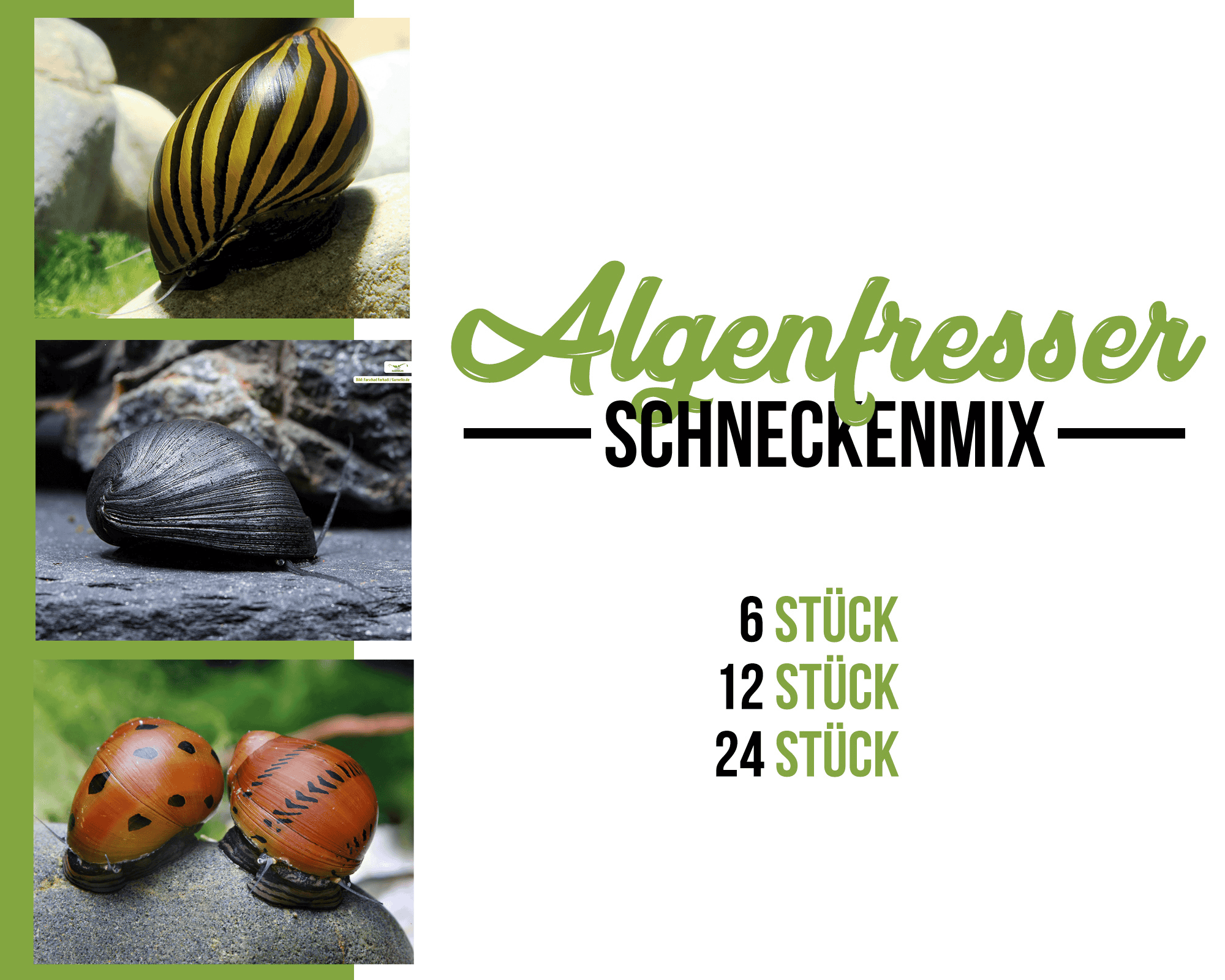
If you want snail behavior without a rapidly expanding freshwater population, consider an algae-grazing type that is less likely to complete its life cycle in ordinary freshwater. Racing and nerite-style snails can be useful on glass, rock, and hardscape, but they still need enough natural algae or supplemental food. A spotless aquarium may not provide enough to sustain them. They can also leave pale egg capsules on dark decorations, which is a cosmetic issue rather than the same population explosion caused by common hitchhikers. Do not buy several large grazers for a lightly stocked nano aquarium simply because they are marketed as algae cleaners. Match the number of snails to the available food surface.
Choose algae grazers when reproduction control is the priority

Keep shrimp safety ahead of fast solutions

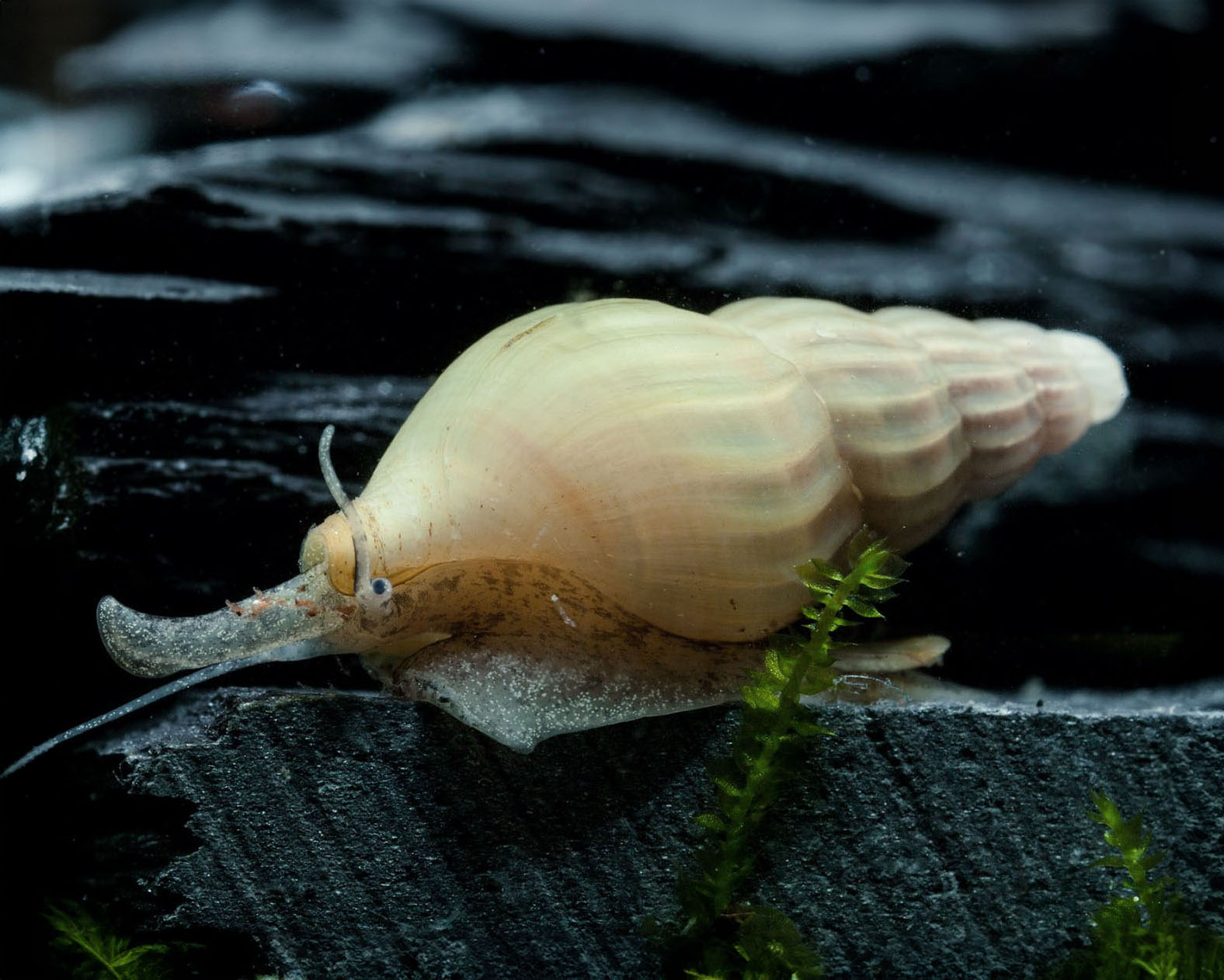
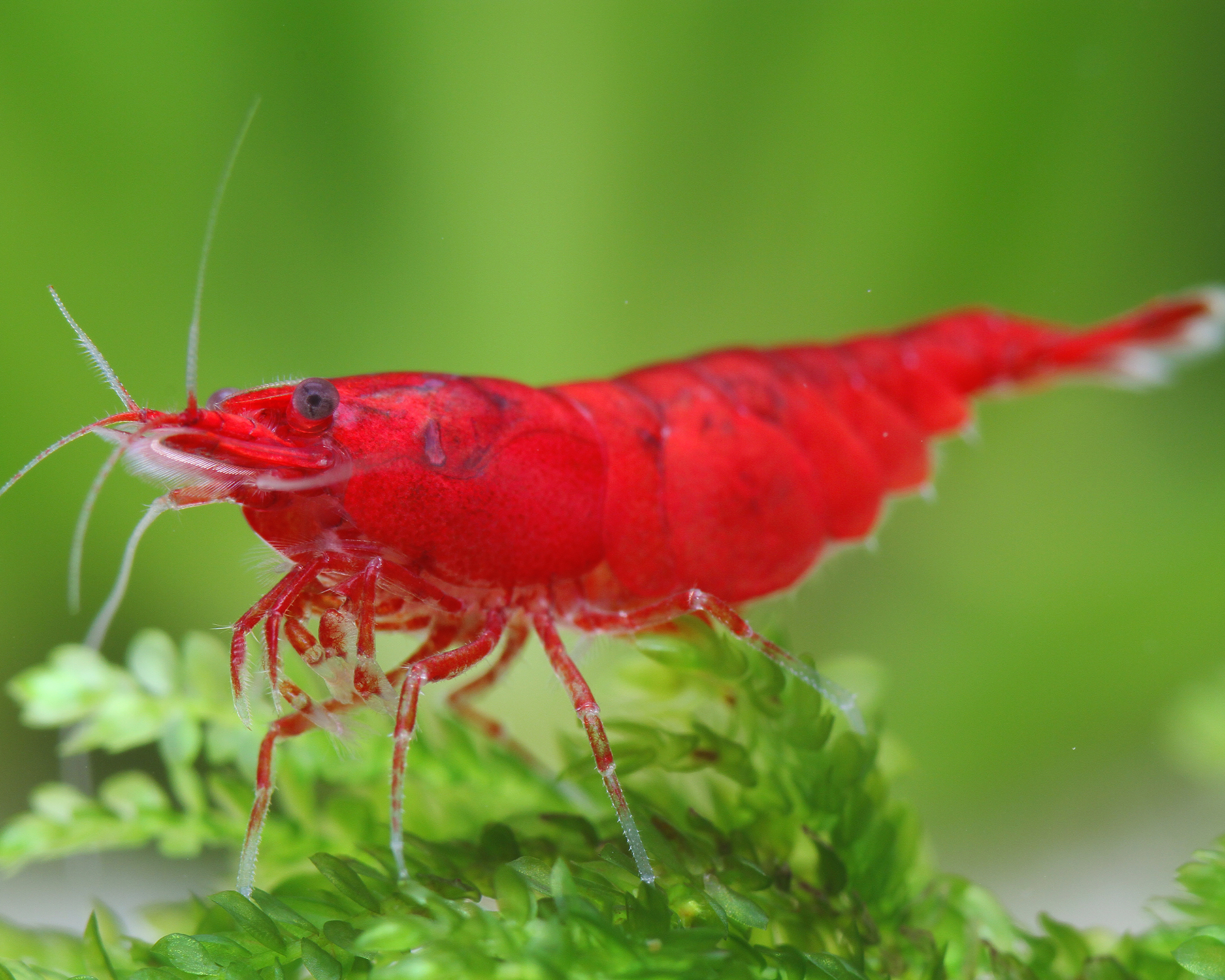
Most small detritus-eating snails are peaceful around adult freshwater shrimp, but a crowded tank can still create competition for prepared foods and biofilm. Shrimp also need stable water chemistry and low-stress shelter, so avoid turning population control into a series of abrupt cleanouts or chemical treatments. Remove snails gradually, preserve moss and plant cover, and check that young shrimp still have access to fine foods and grazing surfaces. If the aquarium contains fish, remember that reducing snails may alter how those fish find food, while adding a snail-eating species can create a new stocking problem. In a shrimp-first tank, measured feeding and hand removal are usually easier to control than introducing another predator.
Keep shrimp safety ahead of fast solutions

Let burrowing snails work only when the substrate can support them

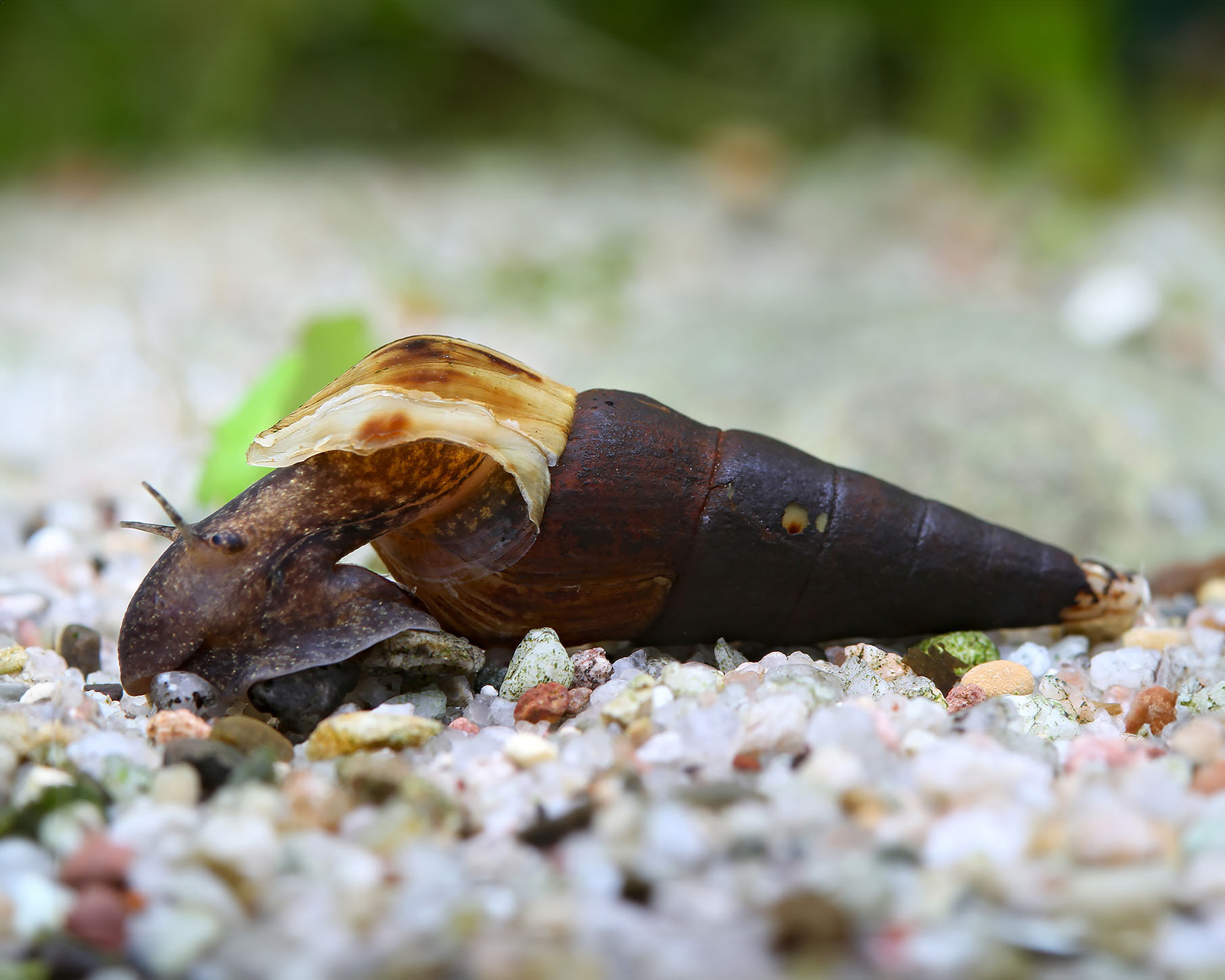
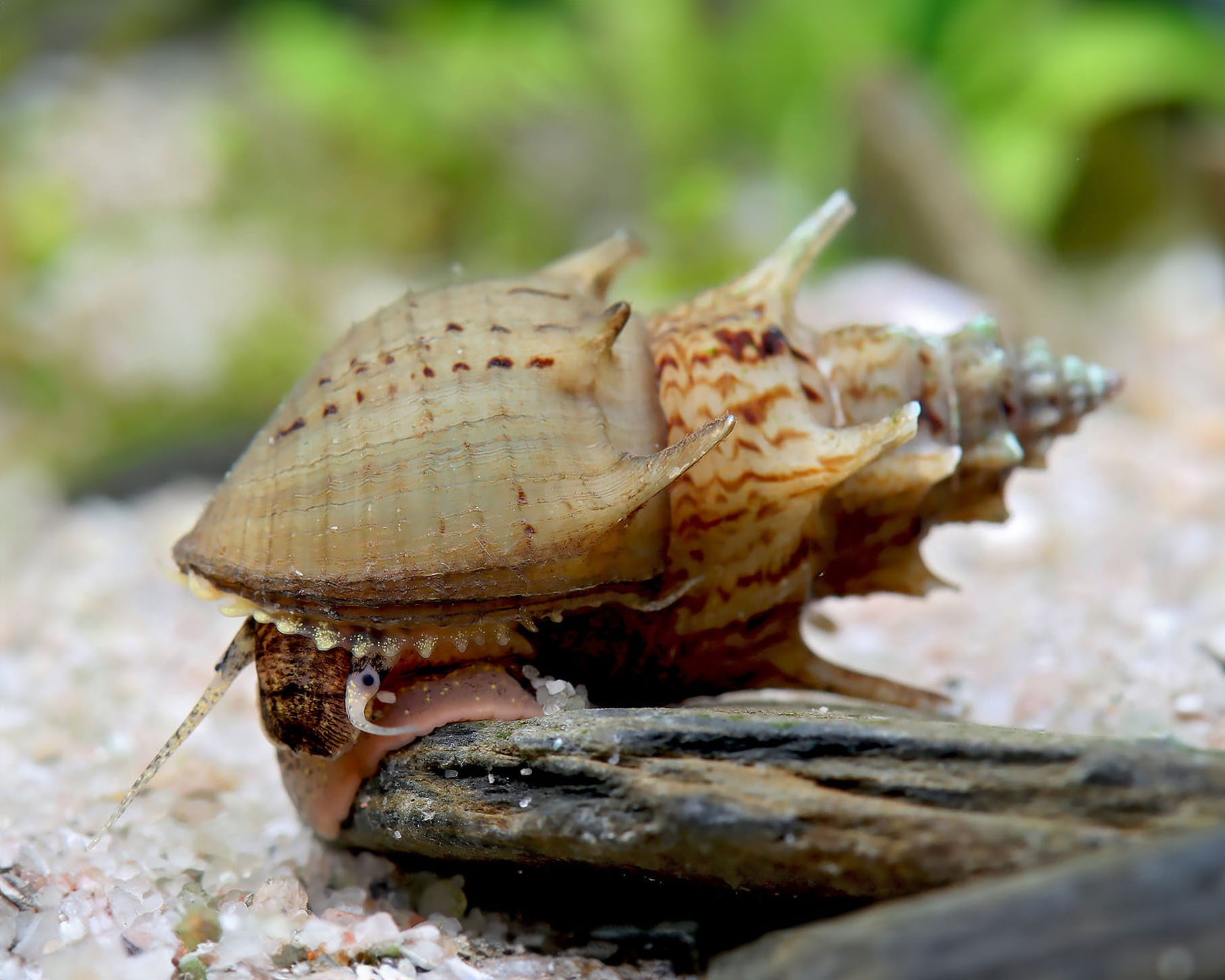
Burrowing trumpet-style snails can be useful in planted aquariums because they spend time below the surface, where they encounter leftover food and fine organic debris. Their hidden lifestyle also makes population estimates difficult: a tank may appear stable during the day and look crowded after dark. Use them only when the substrate, food supply, and total bioload can support their activity. A sudden increase may signal excess food or accumulating waste rather than a need for more livestock. Avoid deep, uncontrolled substrate disturbances in a mature planted tank, especially around delicate roots. If numbers become excessive, reduce the food source first, then remove visible adults and juveniles during maintenance.
Let burrowing snails work only when the substrate can support them

Reserve large live-bearing snails for a planned display role

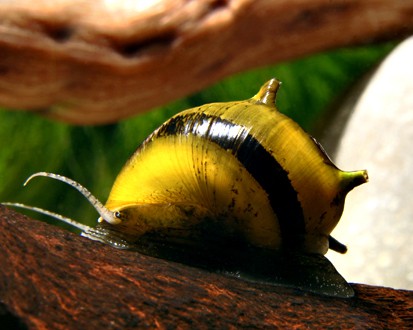
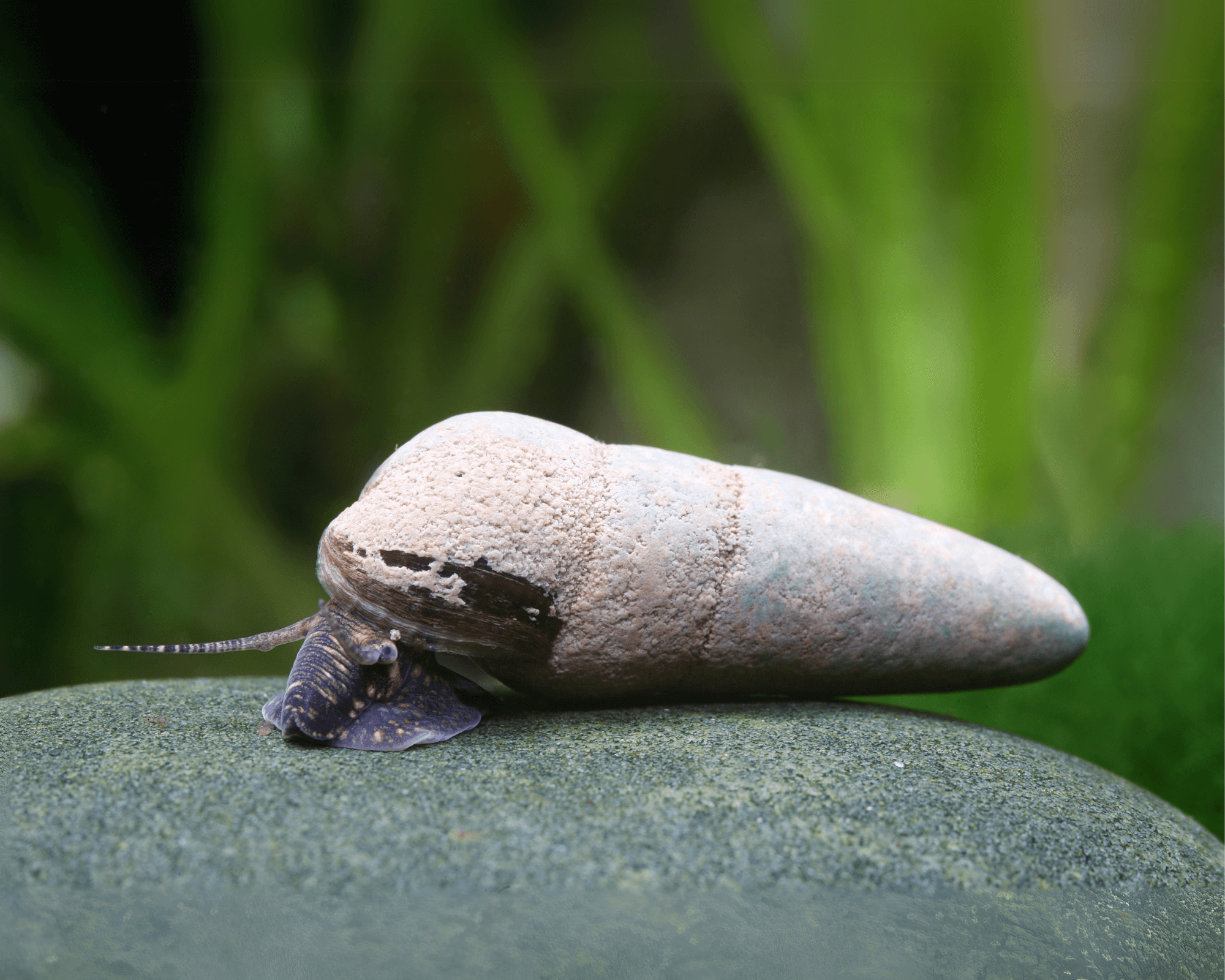
Large ornamental snails can become the centerpiece of a planted aquarium, but they should not be selected as interchangeable cleanup workers. Their adult size, feeding needs, waste production, and reproduction pattern may be very different from those of tiny hitchhikers. Provide enough floor space, smooth surfaces, and calcium availability for shell maintenance without assuming that a mineral-rich decoration solves every water-quality issue. Check whether the species produces live young, requires a mate, or needs conditions unlike those of your fish and shrimp. In a small aquarium, one or two display snails may already represent a meaningful bioload. Choose them because you want the animal itself, not because you expect them to eliminate algae.
Reserve large live-bearing snails for a planned display role

Use predators only when the whole stocking plan allows it

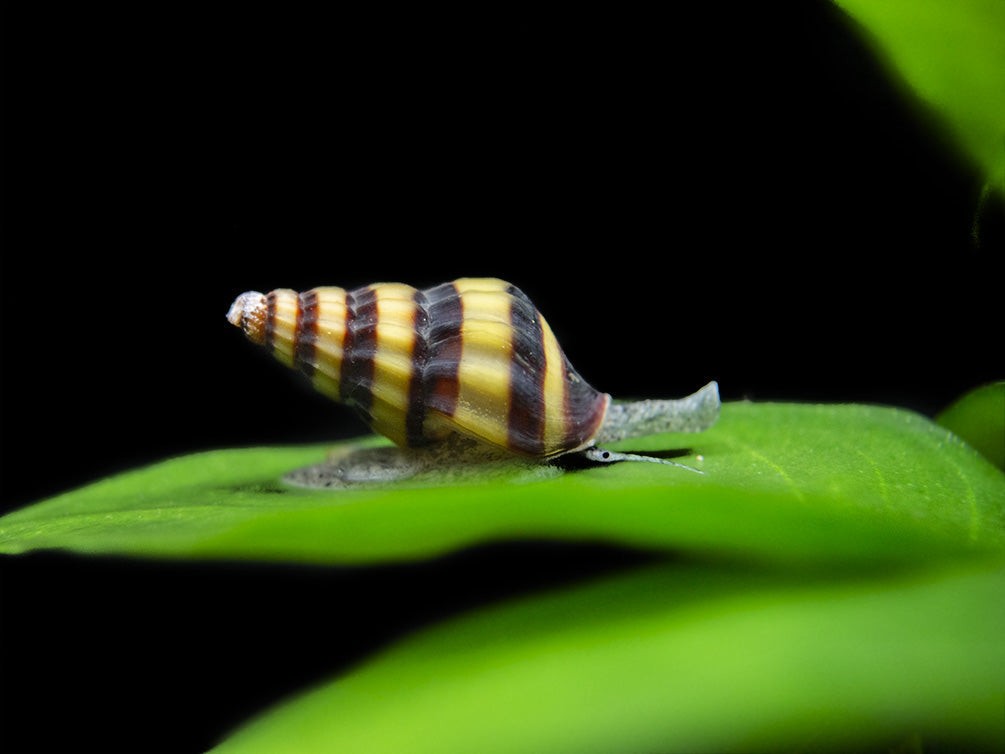
A predatory snail can reduce smaller snail populations, but it is not a neutral control tool. It may consume the very snails you wanted to keep, compete with shrimp for food, and remain in the aquarium after the original problem is gone. Before adding one, identify the target species, estimate how many prey animals are present, and decide what happens when the food supply declines. Never use a predator to compensate for chronic overfeeding. In a community aquarium, also consider whether fish will harass it or whether the predator will affect a breeding project. Predation can be useful in a deliberate plan, but manual removal and food control should usually come first.
Use predators only when the whole stocking plan allows it

Build a weekly census instead of waiting for a visible outbreak

Population control becomes easier when you measure trends rather than react to a dramatic overnight appearance. Once a week, inspect the front glass after dark, count visible adults in a consistent area, check for new egg patches, remove dead leaves, and review how much food remains after feeding. Note whether shrimp, fish, and plants look normal before making changes. If numbers are stable and the aquarium is healthy, leave the snails alone. If juveniles increase for several weeks, reduce surplus food and begin manual removal. If shells look damaged or many snails die at once, investigate water quality instead of treating the event as a population problem. A simple record turns guesswork into maintenance.
Build a weekly census instead of waiting for a visible outbreak

Know when the aquarium needs a reset

A reset is justified when snail numbers remain high despite corrected feeding, visible egg removal, and repeated manual collection, or when decaying material and poor circulation are sustaining the population. Remove livestock to temporary heated containers, inspect plants and equipment, siphon accessible waste, and clean the filter without destroying all biological media. Do not strip a planted aquarium aggressively if shrimp or fish depend on its established biofilm. Rebuild the feeding routine before returning animals, and quarantine replacement plants or hardscape. Chemical snail killers can create additional risks through sudden die-off, oxygen demand, or harm to invertebrates. A controlled reset should solve the food and introduction problem, not merely erase the visible snails.
Know when the aquarium needs a reset

Frequently Asked Questions

Why are aquarium snails suddenly multiplying in my planted tank?

The most common reason is increased food availability. Extra fish food, algae, decaying leaves, fish waste, and trapped mulm can support more adults and juveniles. New plants or hardscape may also have introduced eggs or small snails. Reduce waste without starving fish or shrimp, then remove egg masses and excess snails manually.

Will reducing feeding eliminate aquarium snails?

It can slow reproduction and gradually reduce numbers, but it may not eliminate an established population. Snails can use algae, biofilm, dead plant material, and hidden waste. Feed livestock appropriately, remove obvious leftovers, improve maintenance, and collect excess snails over several weeks.

Which aquarium snails are least likely to overpopulate freshwater?

Many nerite and racing-type snails are less likely to create a growing population in ordinary freshwater, although they may leave visible egg capsules. Their food supply still matters, and they should not be added to an aquarium that cannot produce enough algae or biofilm.

Can aquarium snails live with freshwater shrimp?

Common peaceful grazers and detritus eaters can often share a planted aquarium with adult freshwater shrimp. The main concerns are competition for food, unsuitable water chemistry, overcrowding, and predators that may threaten vulnerable shrimp or juveniles. Keep shelter, feeding, and maintenance appropriate for the shrimp first.

Should I add an assassin snail to control pest snails?

Only if you accept the trade-offs. A predatory snail may reduce target snails, but it can also remove species you want to keep and create a new long-term stocking responsibility. Correct feeding and manual removal first, then consider predation as a deliberate choice rather than an emergency purchase.
Leave your comments
Latest on Aquarium Base
  • Read the Shell, Not the Color: A Mineral and Water-Change Guide to Freshwater Shrimp Survival

    Read the Shell, Not the Color: A Mineral and Water-Change Guide to Freshwater Shrimp Survival

    A freshwater shrimp can look healthy, graze actively, and still fail during its next molt. The danger is often hidden in the water: insufficient hardness, unstable pH, sudden TDS changes, depleted minerals, or a tank mate that finds a freshly molted shrimp before its shell hardens. This guide turns molting into a practical aquarium decision. You will learn how to match shrimp types to water chemistry, read the warning signs around a failed molt, plan safer water changes, and build a planted tank where adults, juveniles, snails, and easy plants can coexist without competing for stability.
  • The Planting Map for a Planted Aquarium: Give Every Cluster a Visual Job

    The Planting Map for a Planted Aquarium: Give Every Cluster a Visual Job

    A planted aquarium can contain good plants and still look disorganized if every cluster is asked to do the same job. The more useful question is not simply “Which plant should I buy?” but “What should this plant do from the front glass?” Assign some plants to create a low visual floor, others to frame the focal point, soften equipment, or provide cover for shrimp and snails. This approach works especially well in nano and beginner aquariums, where a single fast-growing stem or oversized rosette can dominate the entire view. Use the planting map below to connect plant height, texture, color, swimming space, and livestock behavior before you start digging in the substrate.
  • Which Nano School Should Lead Your Planted Aquarium? A Side-by-Side Fish Selection Guide

    Which Nano School Should Lead Your Planted Aquarium? A Side-by-Side Fish Selection Guide

    Choosing between small schooling fish is harder than comparing colors at the store. Ember tetras, kubotai rasboras, neon tetras, dwarf rasboras, and other nano species may all look suitable for a planted aquarium, yet they create very different displays. Some are calm and warm-toned, some flash across open water, and some are so tiny that larger tank mates become a serious risk. This practical comparison focuses on the decision that matters: which school best fits your aquarium’s size, planting style, water conditions, and invertebrate plans? Use the guide to choose one strong centerpiece school instead of mixing several undersized groups.
  • A Planted Tank’s Snail Shift: Compare Grazers, Burrowers, Scavengers, and Predators

    A Planted Tank’s Snail Shift: Compare Grazers, Burrowers, Scavengers, and Predators

    Aquarium snails do not all perform the same cleanup job. One type may polish hardscape and glass, another may disappear into the substrate, while a third can reduce a population of unwanted snails. The useful question is not simply which snail eats algae. It is what kind of work you want done, how visible you want the animal to be, and whether you can manage its breeding or feeding demands. This guide compares common freshwater snail behaviors for planted aquariums, with special attention to nano tanks, shrimp compatibility, plant safety, shell care, and the trade-offs that are easy to miss at the store.
  • Design the Scape Around the Shrimp: A Color-Contrast Guide for Planted Aquariums

    Design the Scape Around the Shrimp: A Color-Contrast Guide for Planted Aquariums

    A shrimp can look brilliant in a store photograph and nearly disappear in your aquarium. The difference is often not the animal but the visual field around it: substrate tone, background, plant color, rock texture, driftwood, and open viewing space. Designing around shrimp color does not mean sacrificing water quality or plant health. It means choosing a compatible shrimp group first, then building contrast that makes its markings readable. This guide compares practical color-line choices and shows how hardscape can either frame a colony or camouflage it. Use the visual recommendations as a design tool, while treating water chemistry, stability, cover, and tank mates as non-negotiable care requirements.
  • Why Your Planted Aquarium Looks Flat—and How to Rebuild Its Depth

    Why Your Planted Aquarium Looks Flat—and How to Rebuild Its Depth

    A planted aquarium can contain plenty of color and still look surprisingly flat. The missing ingredient is usually visual layering: fine leaves need a broad counterpoint, small plants need a larger form behind them, and bright livestock need calmer areas that let them stand out. This approach helps you choose easy aquarium plants, colorful freshwater fish, shrimp, and snails as parts of one readable composition rather than as unrelated purchases. The goal is not to fill every gap. It is to create a foreground, middle distance, background, and open-water route that remain attractive as plants grow and livestock move through the layout.
  • Which Livestock Plan Leaves Room to Swim? A Nano-to-Medium Planted Aquarium Guide

    Which Livestock Plan Leaves Room to Swim? A Nano-to-Medium Planted Aquarium Guide

    A planted aquarium can look spacious while offering less usable room than its glass dimensions suggest. Substrate, driftwood, rocks, dense stems, floating plants, and territories all reduce the space livestock can actually use. The safest approach is not to count colorful animals one by one, but to choose a movement pattern and leave capacity for adult size, social needs, feeding, and maintenance. This guide compares practical stocking directions for nano and medium planted tanks, including small shoals, centerpiece fish, bottom dwellers, shrimp, and snails. Use the image-led choices below to decide what your aquarium should do before you decide what to buy.
  • What Will This Snail Eat When the Algae Is Gone? A Planted-Tank Compatibility Guide

    What Will This Snail Eat When the Algae Is Gone? A Planted-Tank Compatibility Guide

    Aquarium snails are often sold as cleanup animals, but that description hides the decisions that matter most in a planted tank. A snail can be plant-safe yet starve in a spotless aquarium, coexist with adult shrimp yet compete with them for sinking food, or remain peaceful while multiplying because the tank is overfed. The better question is not which snail cleans best. It is what the snail will eat, whether your plants are healthy enough to withstand grazing, and whether its behavior fits your fish, shrimp, substrate, and maintenance routine. Use this guide to choose a snail by food chain and compatibility rather than by appearance alone.
  • Build the Water Before You Buy the Shrimp: A Planted Aquarium Readiness Guide

    Build the Water Before You Buy the Shrimp: A Planted Aquarium Readiness Guide

    A planted aquarium can look ready for shrimp long before it is biologically ready. Clear water, healthy plants, and a working filter are useful signs, but they do not prove that ammonia and nitrite are controlled, minerals support molting, or the tank has developed enough biofilm for grazing. The safest approach is to build the environment first and choose shrimp that fit the water you can maintain consistently. This guide separates beginner-friendly Neocaridina from more demanding Caridina and larger Amano shrimp, then turns the decision into a practical setup sequence for a stable, colorful planted tank.
  • How to Make a Low-Tech Nano Community Tank Look Intentional, Not Overgrown

    How to Make a Low-Tech Nano Community Tank Look Intentional, Not Overgrown

    A small planted aquarium can contain many attractive plants and still look visually confused. The solution is not always more trimming or a larger shopping list. Start with a specific tank style, then choose a limited plant palette that repeats the same colors, leaf shapes, and growth habits. This guide uses a low-tech nano community aquarium as its design brief: easy plants, modest equipment, open swimming space, hiding places for freshwater shrimp, and enough structure for a peaceful snail. The goal is a tank that feels planned from the first month, not a collection of unrelated specimens competing for attention.
  • Can These Nano Fish Share One Planted Aquarium? A Temperature, Water, and Tank-Mate Reality Check

    Can These Nano Fish Share One Planted Aquarium? A Temperature, Water, and Tank-Mate Reality Check

    A planted nano aquarium can combine movement, color, shrimp, snails, and easy plants, but compatibility is not created by choosing small animals alone. The most common failures begin with three shortcuts: assuming room temperature suits every fish, chasing a “perfect” pH without understanding hardness, and adding tank mates that are peaceful toward adults but dangerous to young shrimp. Use this guide as a pre-purchase decision check. It separates species that may share a general freshwater setup from combinations that need different temperatures, mineral levels, swimming space, or feeding plans.
  • Small Glass, Deep Substrate, Big Display: Assign the Right Snail to Your Planted Tank

    Small Glass, Deep Substrate, Big Display: Assign the Right Snail to Your Planted Tank

    The right aquarium snail is not simply the one that eats the most algae. A good match depends on the tank’s footprint, available food, substrate, livestock, and the amount of population control you are willing to perform. A small shrimp nano may need one restrained algae grazer, while a larger planted aquarium may benefit from burrowing snails or a visible feature species. This guide treats snails as specialized maintenance partners rather than interchangeable cleaners. Use the tank-size sections to narrow your choices, then compare breeding behavior, feeding needs, plant safety, and compatibility before buying.
  • Will Your Shrimp Colony Reproduce? A Tank-Mate Risk Test for Planted Aquariums

    Will Your Shrimp Colony Reproduce? A Tank-Mate Risk Test for Planted Aquariums

    A planted aquarium can keep adult freshwater shrimp visible, colorful, and active while quietly losing every newborn shrimp. The problem is rarely a single aggressive attack. More often, tiny shrimplets disappear because a fish patrols open ground, a filter intake stays exposed, or the aquascape lacks dense cover at baby-shrimp scale. This guide uses a practical risk test: decide whether you want a self-sustaining colony, occasional surviving young, or simply attractive adult shrimp. Then match tank mates, plants, feeding, and layout to that goal. No fish is completely safe for newborn dwarf shrimp, but some choices make survival much more likely.
  • The Growth-Control Plan for a Planted Aquarium: Prune, Propagate, or Remove?

    The Growth-Control Plan for a Planted Aquarium: Prune, Propagate, or Remove?

    A planted aquarium rarely fails because plants grow too slowly. More often, a stem plant blocks the light, a runner crosses the foreground, floating plants cover the surface, or moss turns a carefully designed nano tank into a dense thicket. The solution is not to cut everything on the same schedule. Each plant type responds differently to pruning, propagation, division, or removal. This guide gives you a growth-control plan for common beginner plants, with special attention to colorful community fish, freshwater shrimp, aquarium snails, and small planted tanks. The goal is simple: keep enough plant mass for shelter and water quality without allowing mature growth to erase swimming space or overwhelm livestock.
  • Where Should the Open Water Go? A Behavior-First Stocking Plan for Planted Freshwater Aquariums

    Where Should the Open Water Go? A Behavior-First Stocking Plan for Planted Freshwater Aquariums

    A planted aquarium can look full long before it is properly stocked. Every stem, rock, cave, floating plant, fish, shrimp, and snail changes how the tank is used. The practical question is not simply which species can share water, but where each animal will swim, feed, rest, hide, and defend space. Start with behavior, then let stocking determine the layout. A school of active midwater fish needs an open route. Bottom dwellers need unobstructed floor area. Shrimp need fine cover, while snails need access to surfaces and food. This approach produces a calmer aquarium and makes a small tank feel more spacious.
  • Algae on Glass, Mulm in Substrate, or Leftover Food? Assign the Right Snail Job

    Algae on Glass, Mulm in Substrate, or Leftover Food? Assign the Right Snail Job

    Aquarium snails are often sold as cleanup crews, but that phrase hides several different jobs. One snail may scrape soft algae from glass, another may consume leftover food and decaying plant matter, while a burrowing species mainly moves through the substrate where waste collects. None of them removes nutrients from the aquarium permanently, and no snail can keep pace with excessive light, overfeeding, or a neglected filter. The useful question is not “Which snail cleans the tank?” It is “What material is accumulating, where is it accumulating, and which snail can realistically use it?” This guide matches common freshwater snail types to those specific planted-tank problems.