AquaLibs presents AquaRank Discover the world’s leading aquascapers

Explore transparent rankings built from published results across the world’s leading aquascaping contests.

Will Your Colorful Planted Aquarium Stay Manageable? Count Food, Waste, and Work First

Start With the Chore Budget, Not the Color Chart

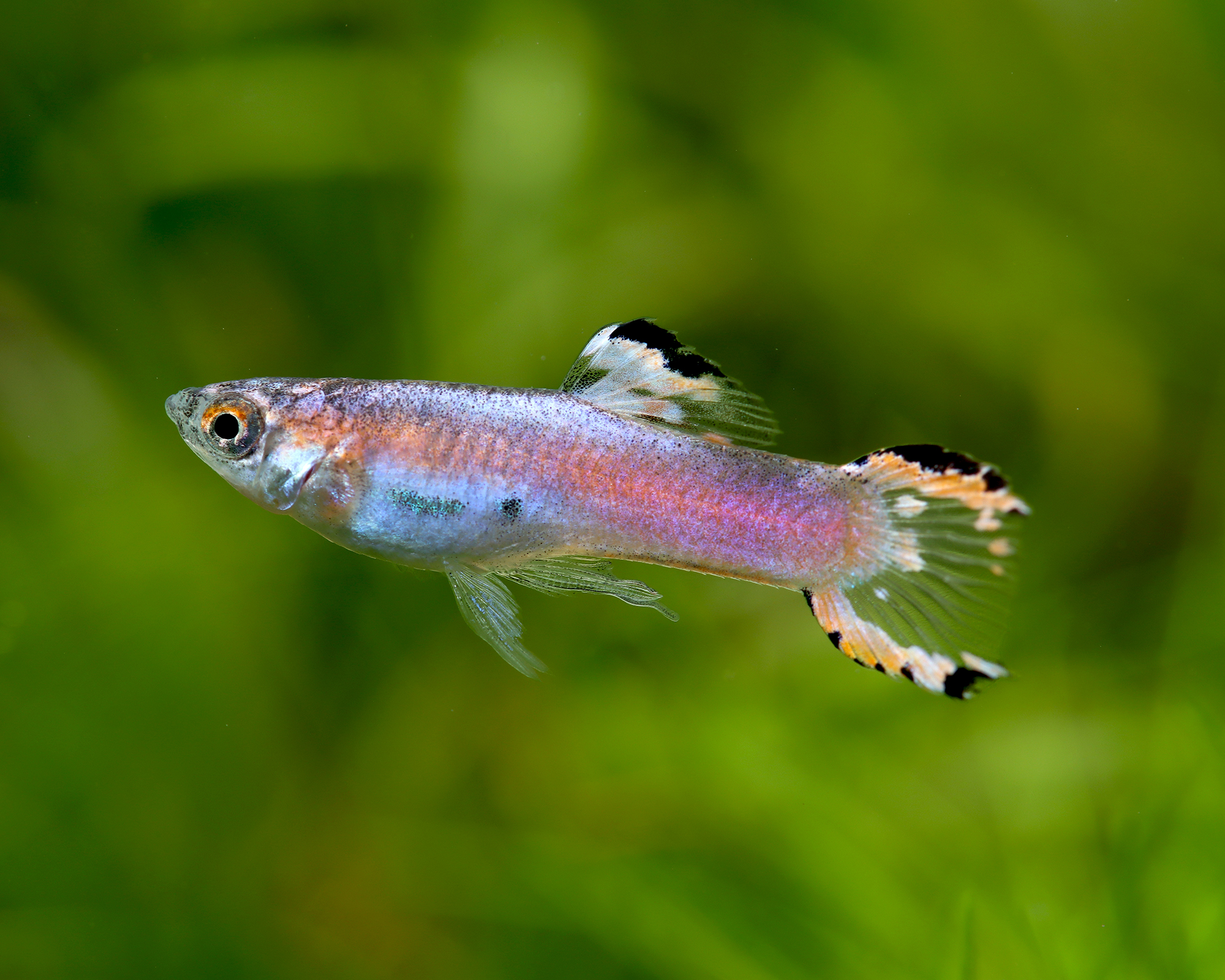
A colorful fish is only one part of its long-term cost. Before purchase, estimate the daily feeding routine, weekly observation, water testing, partial water changes, filter care, plant trimming, and population control the tank will need. A small group of peaceful schooling fish may create a predictable routine, while livebearers can increase stocking pressure through frequent breeding. Shrimp and snails often eat natural growth in a mature planted tank, but they still add waste and may need supplemental food. Choose livestock that fits the attention you can give the aquarium every week, not just the appearance you want on day one.
Start With the Chore Budget, Not the Color Chart

Compare Fish by Feeding Footprint

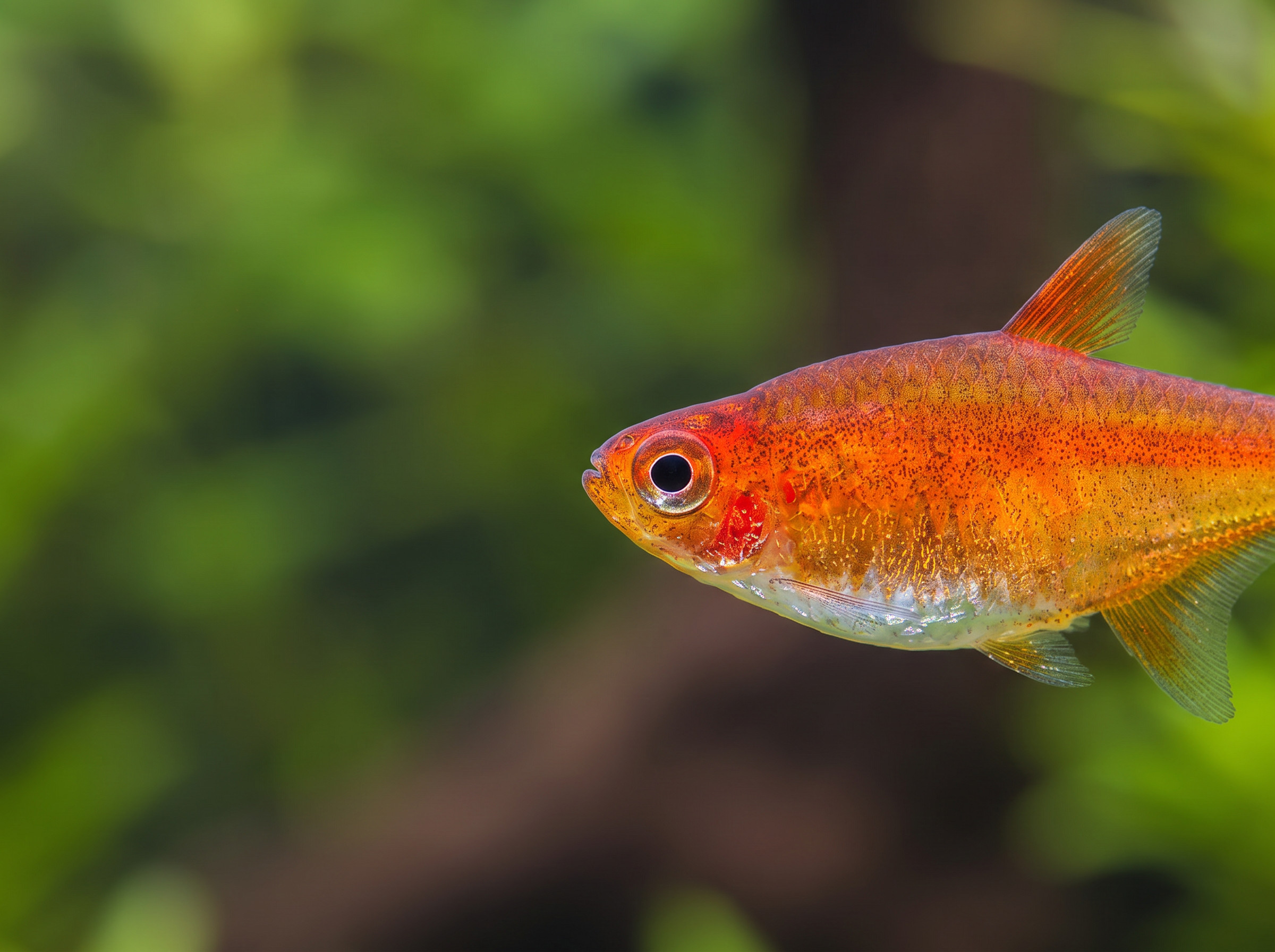
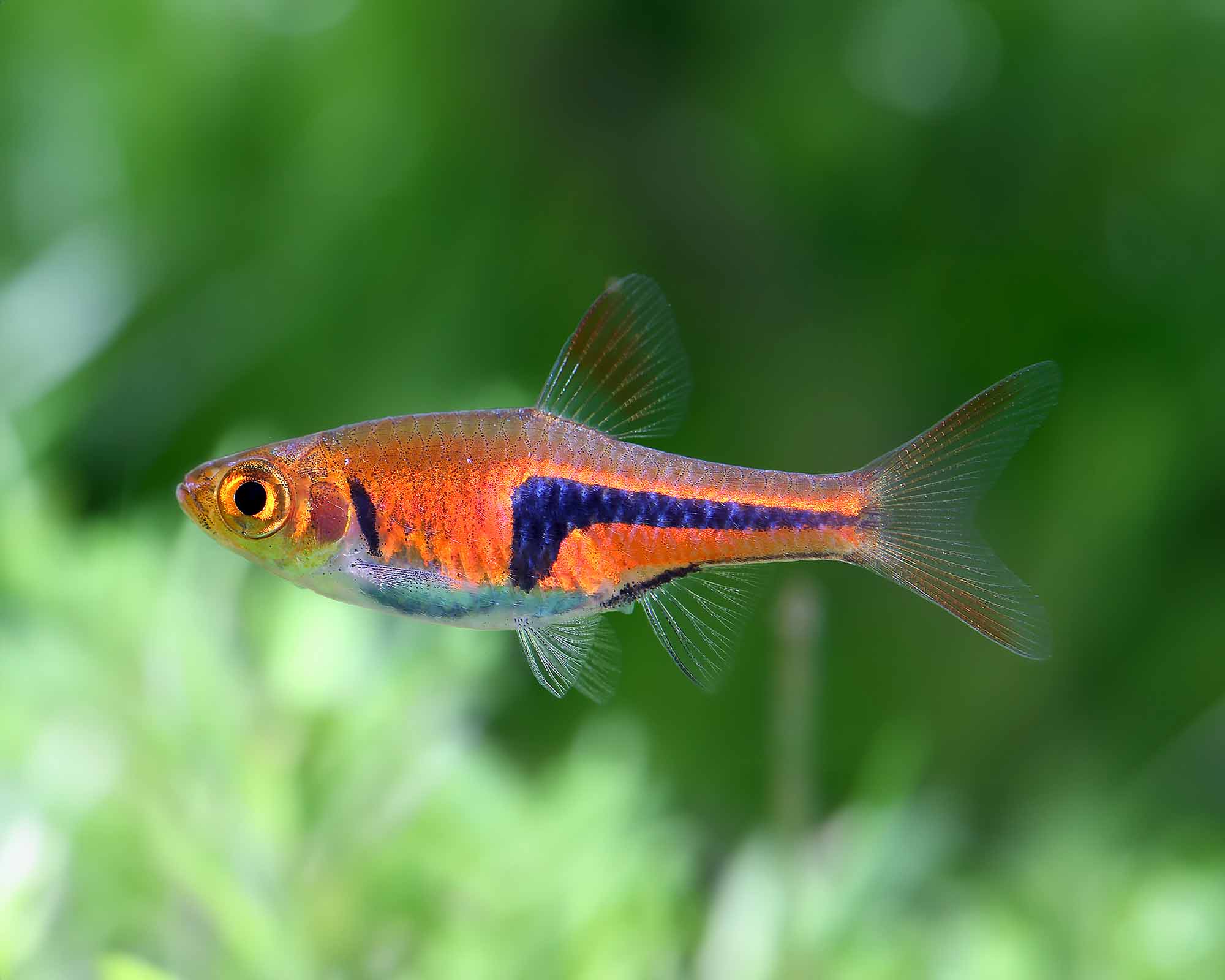
Two fish groups of similar size can produce different maintenance demands because feeding behavior matters as much as body length. Active midwater fish may consume prepared foods efficiently, leaving less behind when the group is correctly sized. Slow, shy, or highly competitive feeders can require targeted feeding, extra observation, or more frequent removal of leftovers. Start with one feeding style rather than buying several species with conflicting habits. A small school of peaceful rasboras can be easier to manage than a mixed collection that needs floating food, sinking food, frozen treats, and separate feeding zones.
Compare Fish by Feeding Footprint

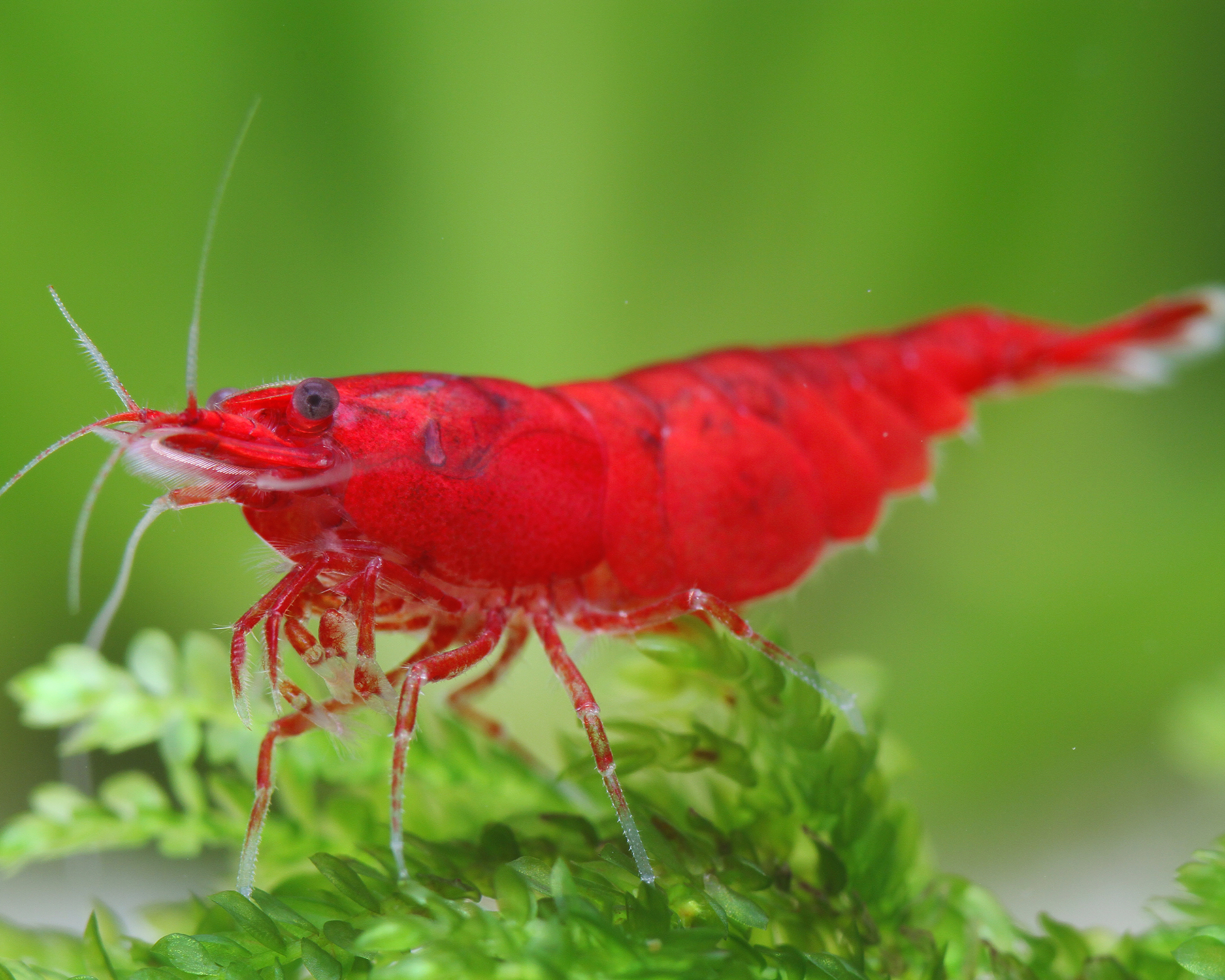
A Fish-and-Shrimp Tank Is a Trade-Off, Not a Guarantee

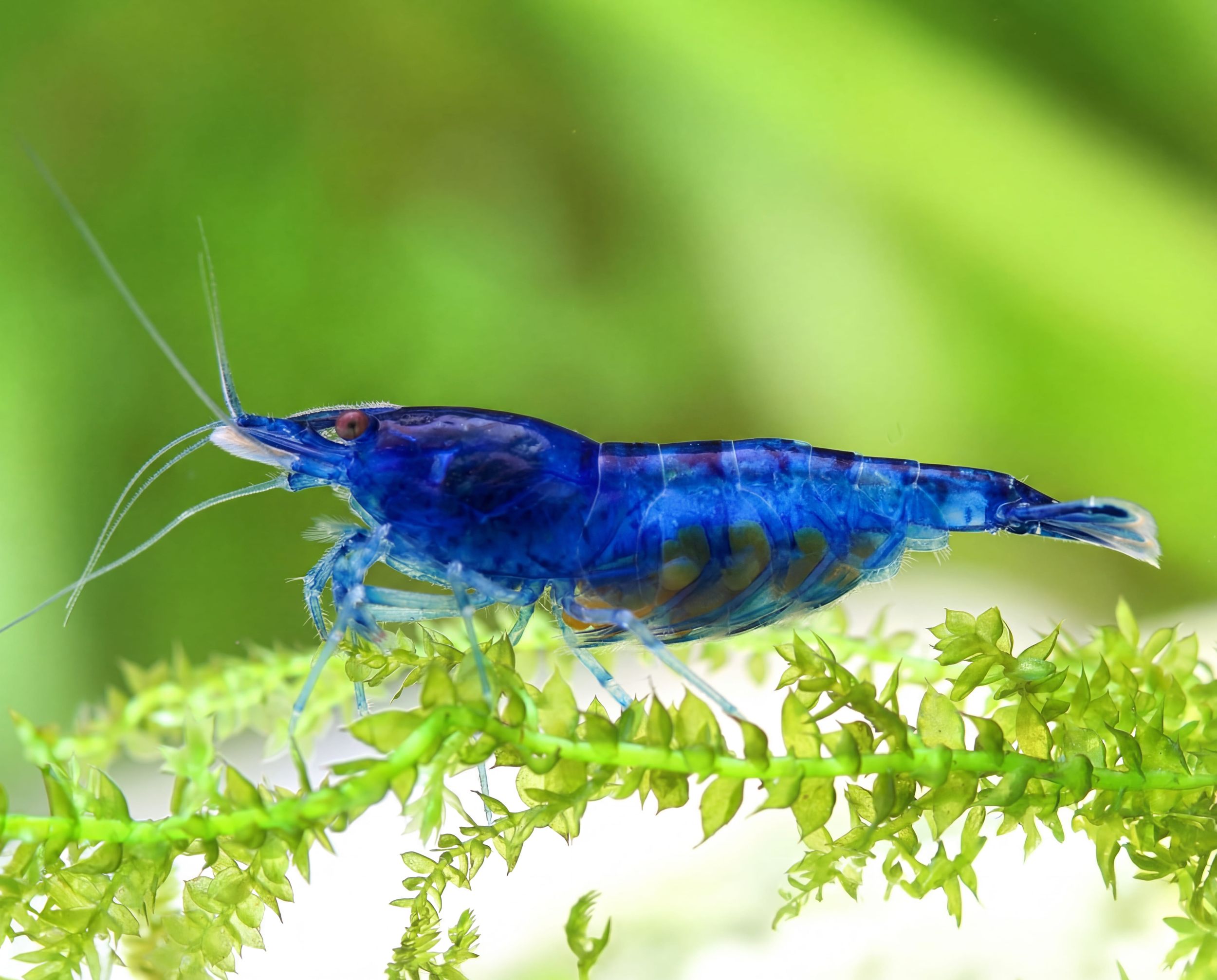
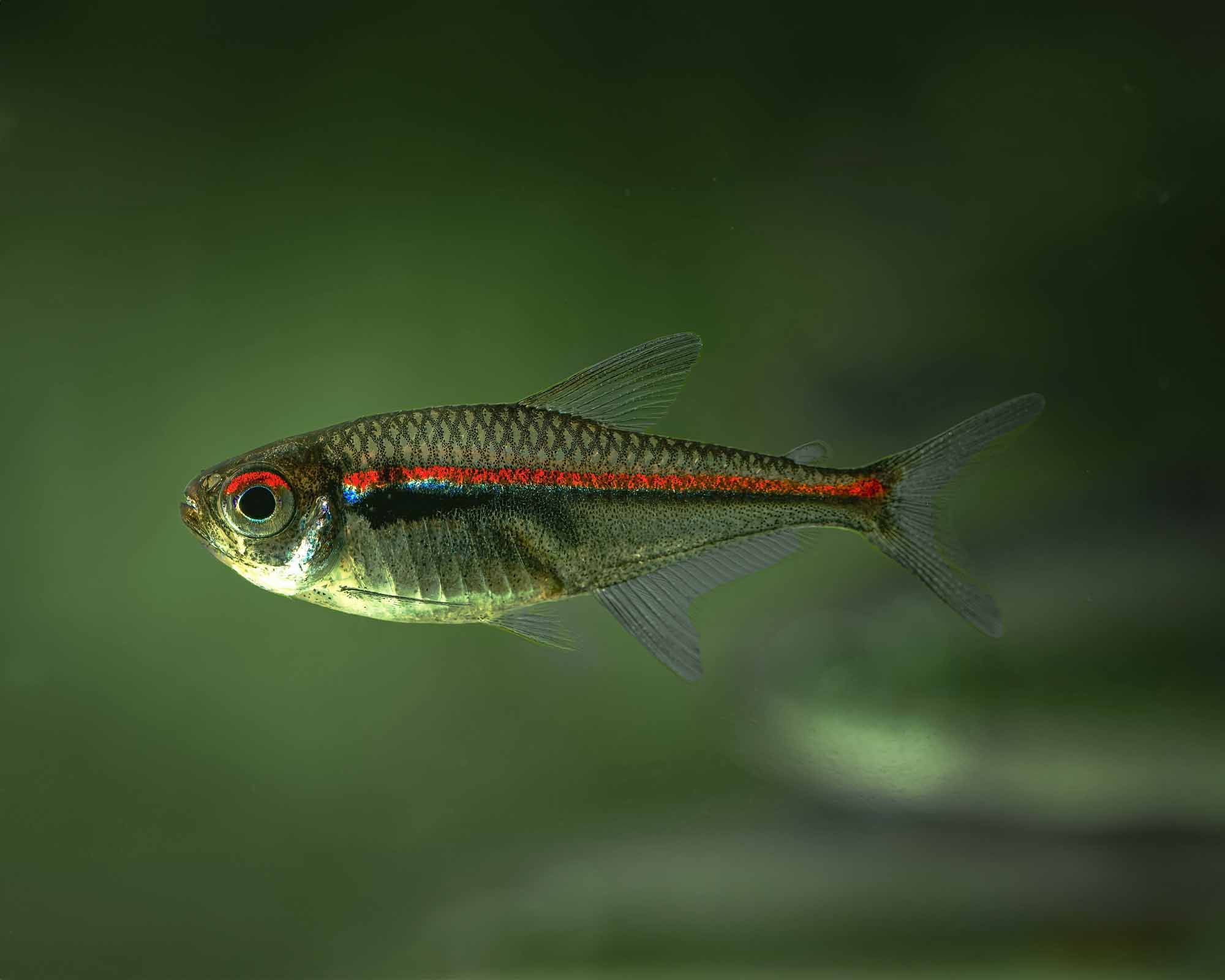
Colorful community fish and freshwater shrimp can share a planted aquarium, but adult shrimp survival and shrimplet survival are different goals. Dense moss, fine-leaved plants, wood, and shaded crevices give young shrimp places to hide, yet many small fish will still investigate anything they can fit in their mouths. If the priority is a visible breeding colony, a shrimp-first aquarium with snails may be more predictable than a fish community. If the priority is open-water movement, accept that shrimp may function mainly as occasional grazers rather than a population that steadily expands.
A Fish-and-Shrimp Tank Is a Trade-Off, Not a Guarantee

Do Not Buy a Snail as a Substitute for Feeding Control

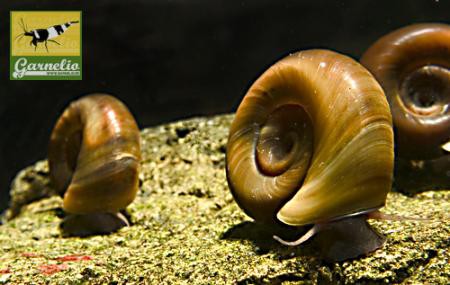
Aquarium snails can graze algae, consume soft debris, and locate food that fish miss, but they do not remove nutrients from the system. A snail that receives too much leftover food may reproduce rapidly, while a snail added to a spotless tank may lack enough natural food. Choose the snail only after identifying the actual problem: glass algae, surface film, decaying leaves, or excess food. In a planted aquarium, modest feeding and regular maintenance matter more than adding a larger cleanup crew. Snails are useful participants, not a license to overstock or overfeed.
Do Not Buy a Snail as a Substitute for Feeding Control

Easy Plants Shift the Workload; They Do Not Remove It

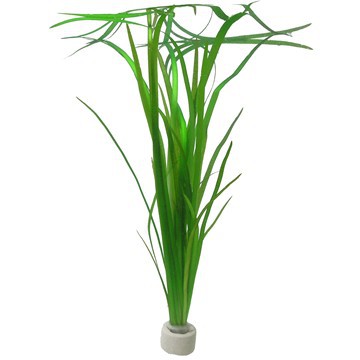
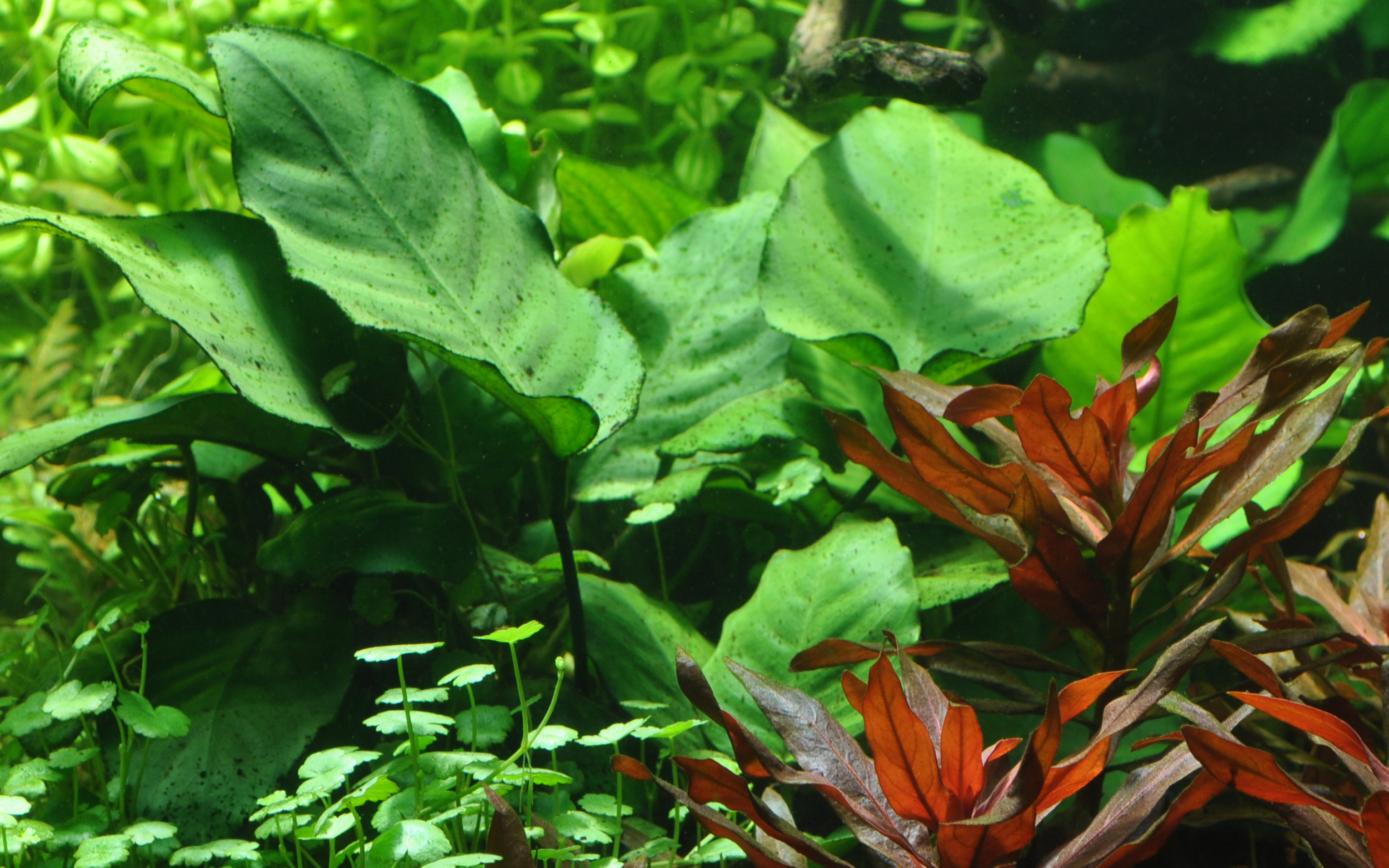
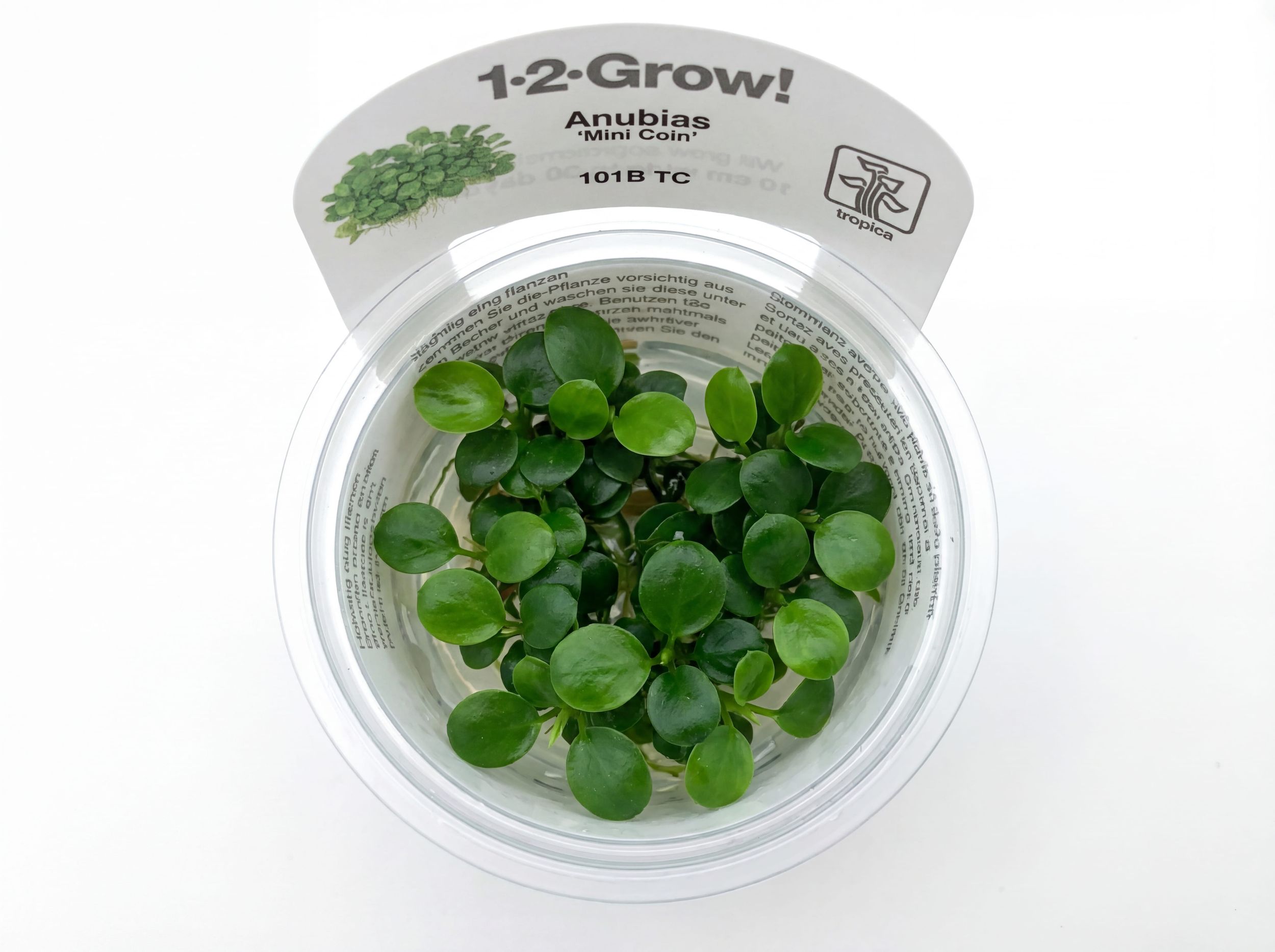
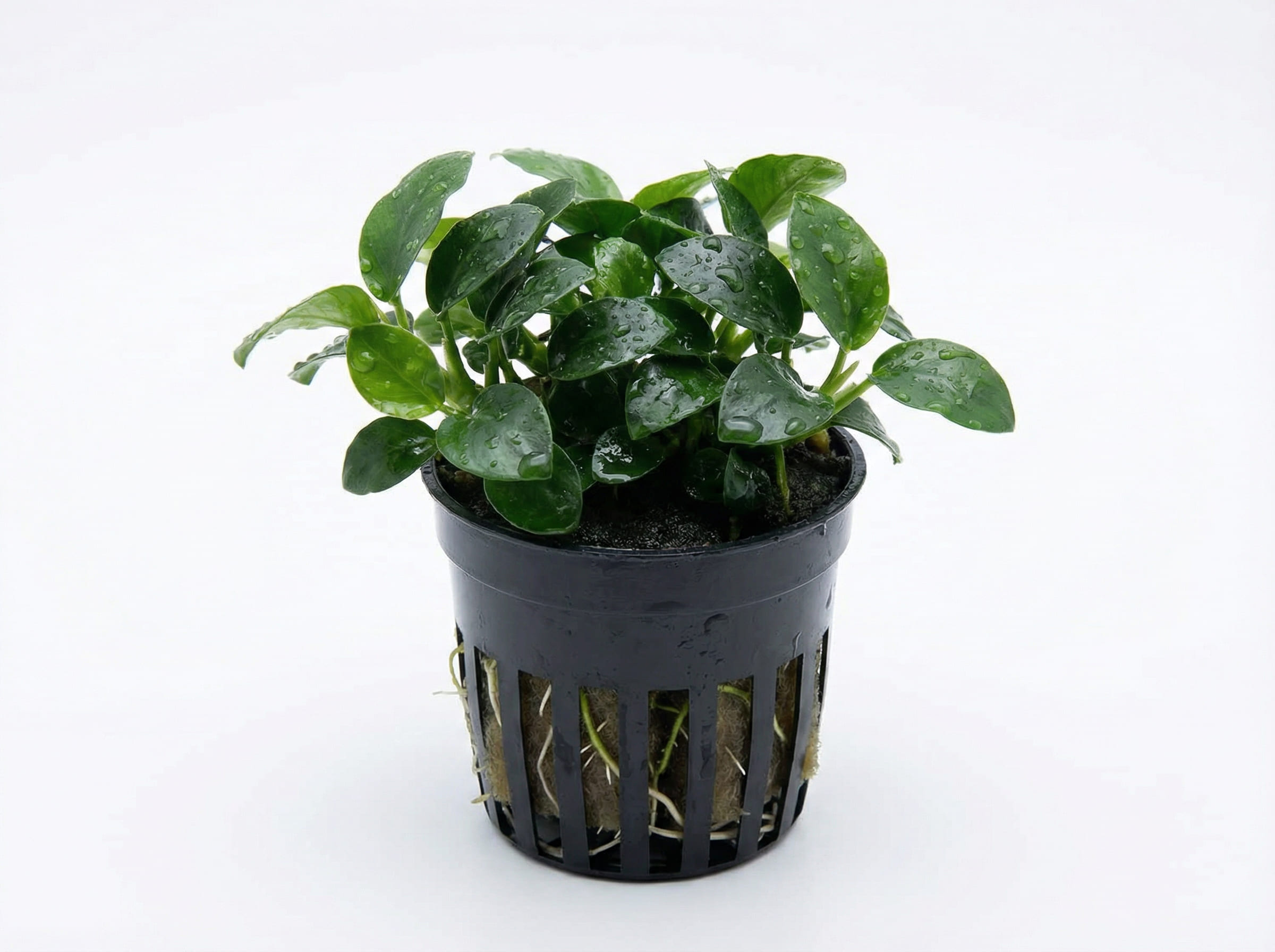
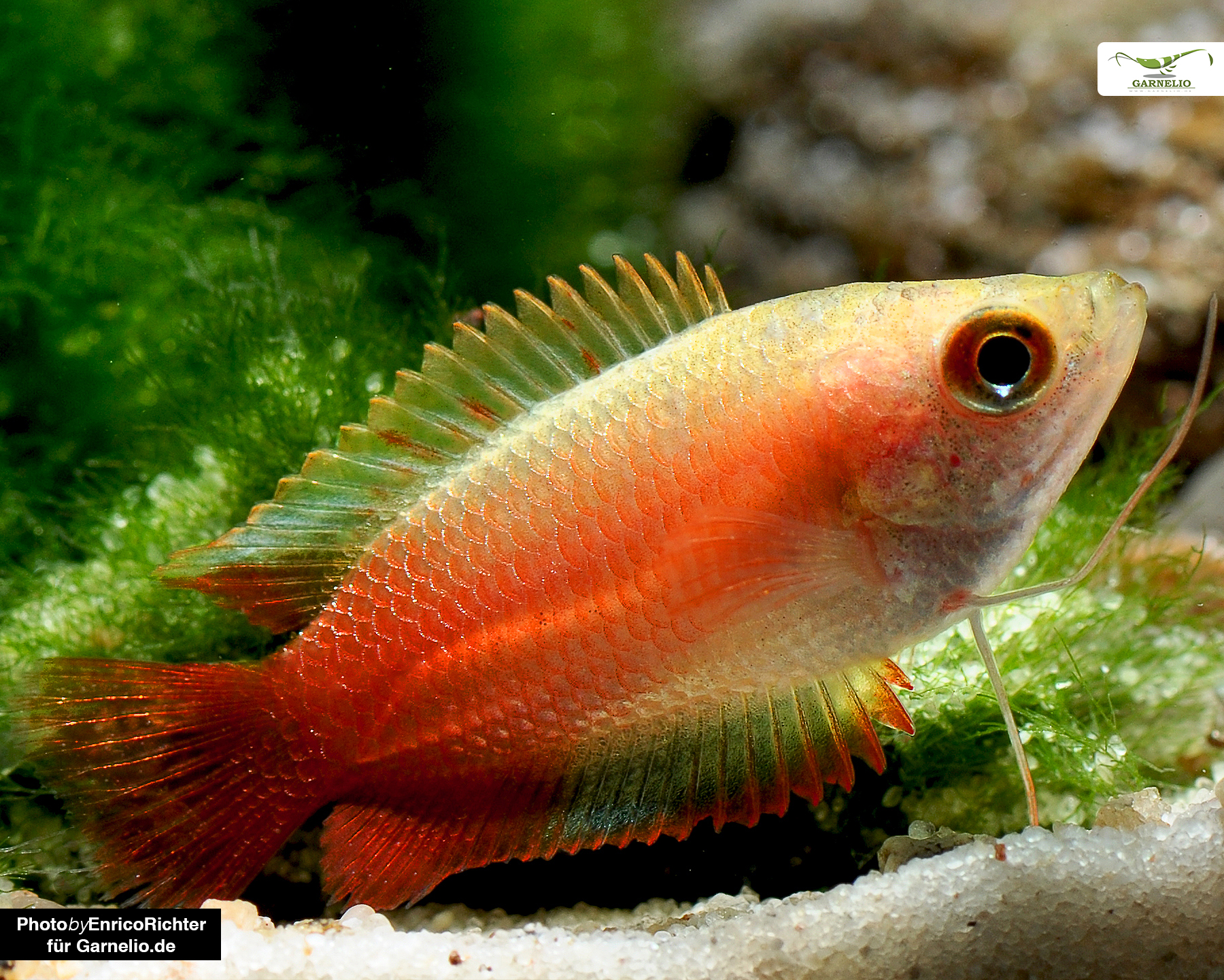
Beginner plants such as Anubias, Java fern, Java moss, and many Cryptocoryne varieties can make a low-tech aquarium more forgiving when light and nutrients are kept moderate. Their value is practical: dense growth creates shelter, captures some nutrients, and gives shrimp and small fish more usable structure. They still need dead leaves removed, excessive growth trimmed, and attached rhizomes kept above the substrate when appropriate. Fast-growing stems can absorb nutrients quickly but may require frequent cutting. Build a plant palette around the time you have for pruning, not only around the speed at which the tank fills in.
Easy Plants Shift the Workload; They Do Not Remove It

The Pea Puffer Changes the Entire Stocking Plan

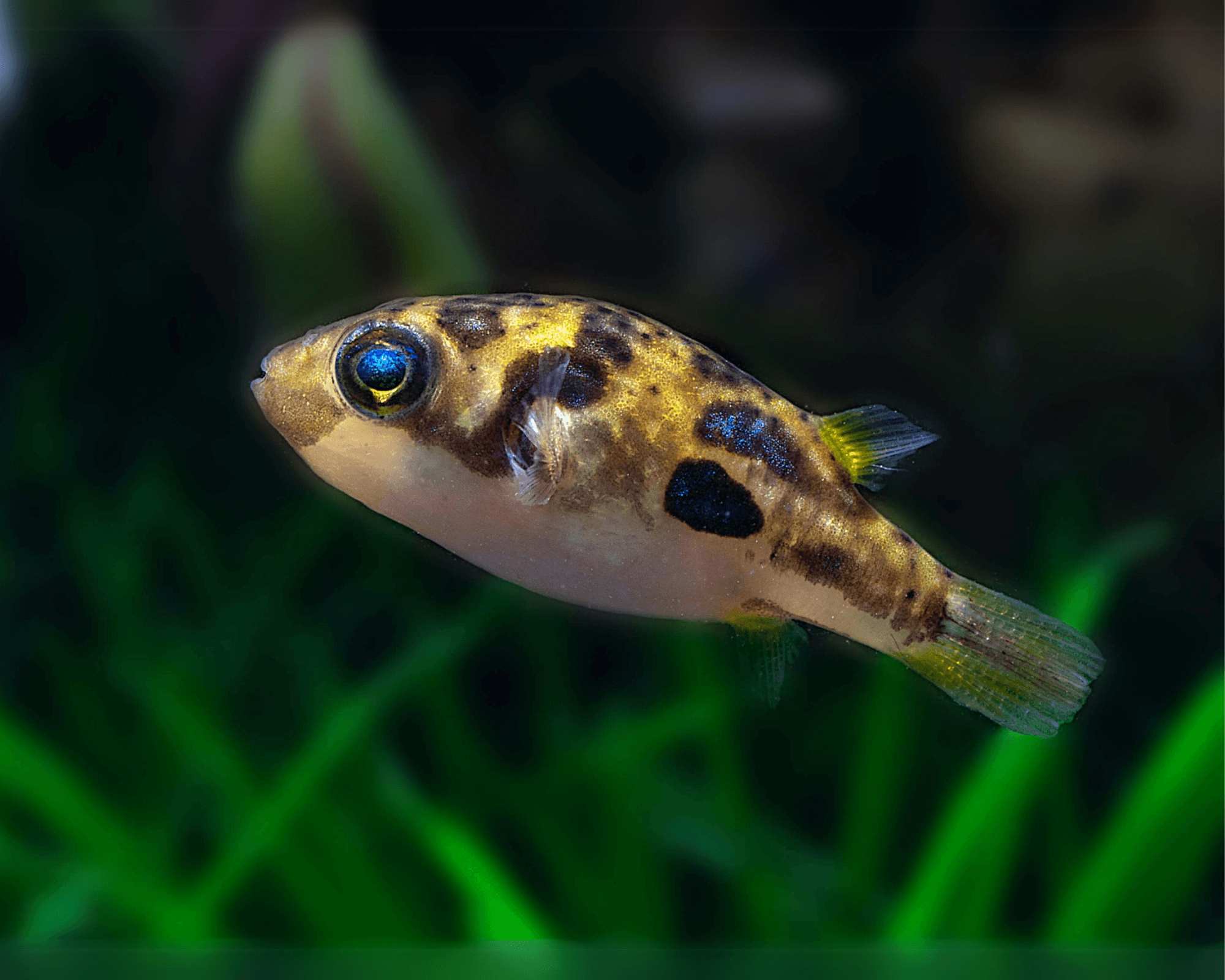
Pea puffers are colorful and small, but their size does not make them a simple community choice. Their feeding needs, hunting behavior, and tendency to investigate snails or other small invertebrates can conflict with a planted tank designed around shrimp and peaceful cleanup animals. They also require a more deliberate plan for diet and social arrangement than a casual mixed community. Treat a pea puffer setup as a species-focused decision rather than adding one to an existing nano aquarium because it looks compatible in the store. A beautiful planted layout cannot cancel incompatible feeding and predation patterns.
The Pea Puffer Changes the Entire Stocking Plan

Cooler-Water Fish Can Be Easier Only If the Plants Agree

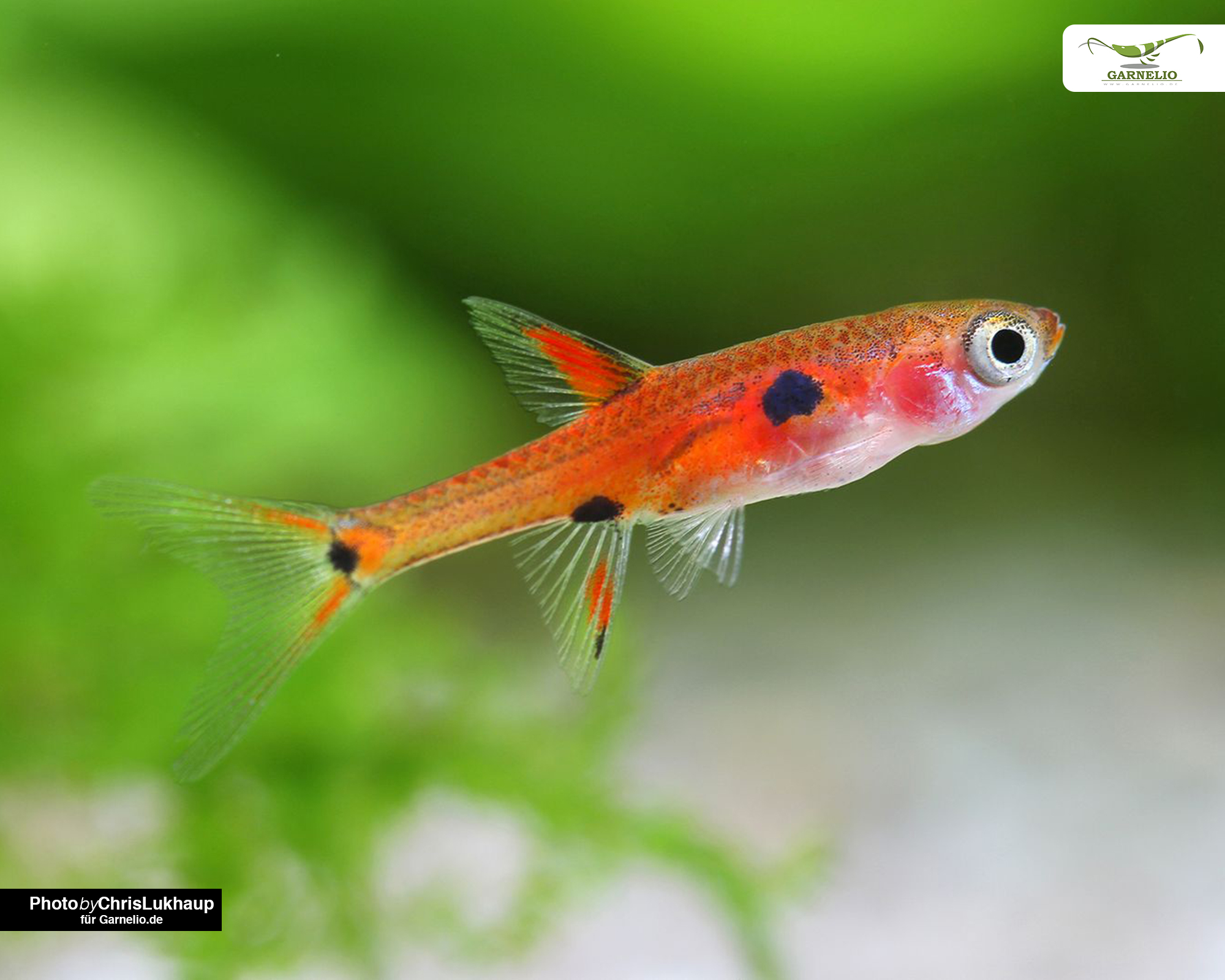
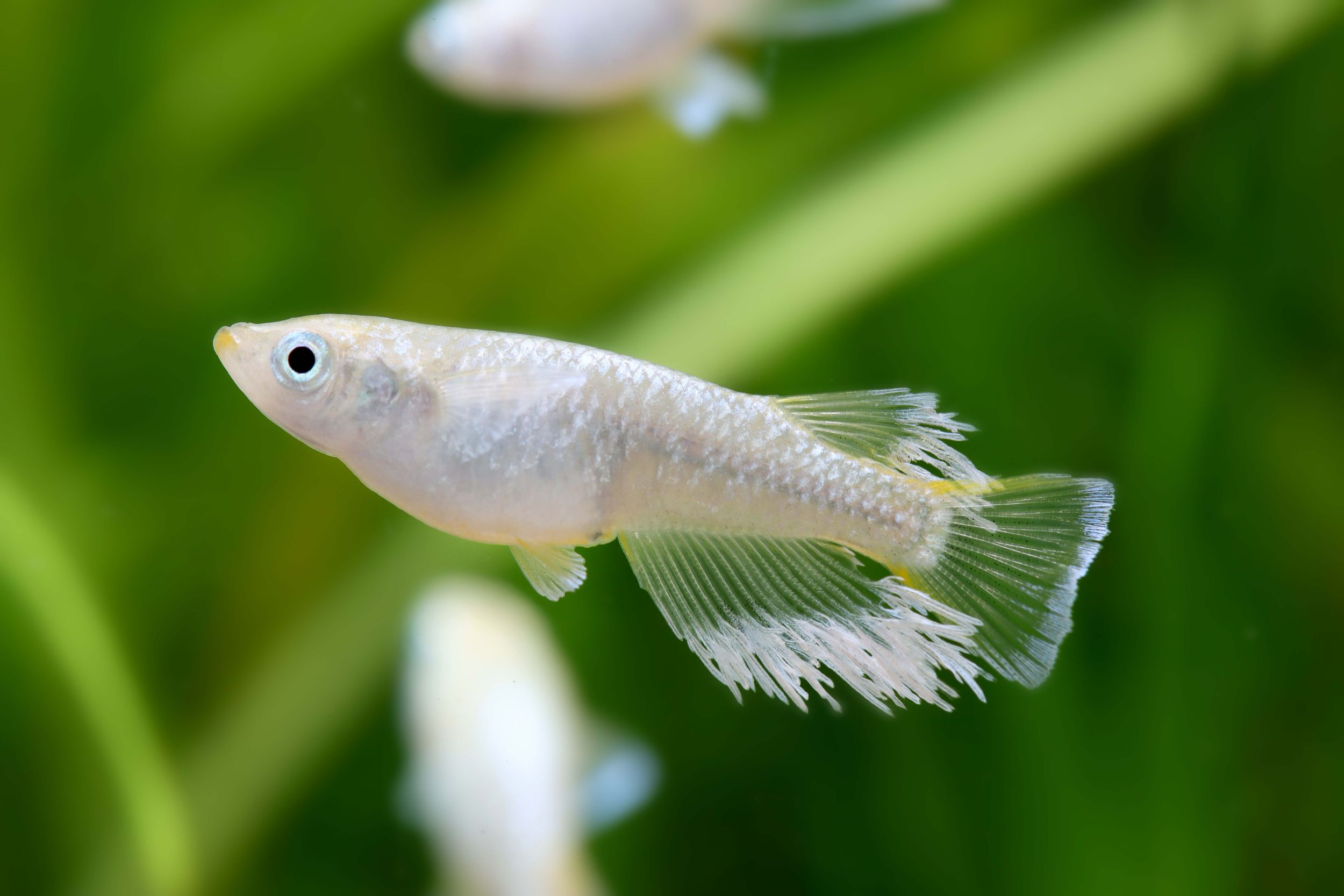
Medaka and other cool-tolerant fish can suit a different kind of planted aquarium, especially when the room stays warm enough for the fish but does not require a tropical heater. That choice still affects plant selection, seasonal observation, and tank-mate compatibility. Do not combine cool-water livestock with tropical fish simply because both are small or colorful. A community is built around overlapping temperature, water chemistry, adult size, and behavior ranges. If you choose a cooler setup, keep the stocking plan simple and select plants that remain reliable under the intended temperature rather than forcing a tropical mix.
Cooler-Water Fish Can Be Easier Only If the Plants Agree

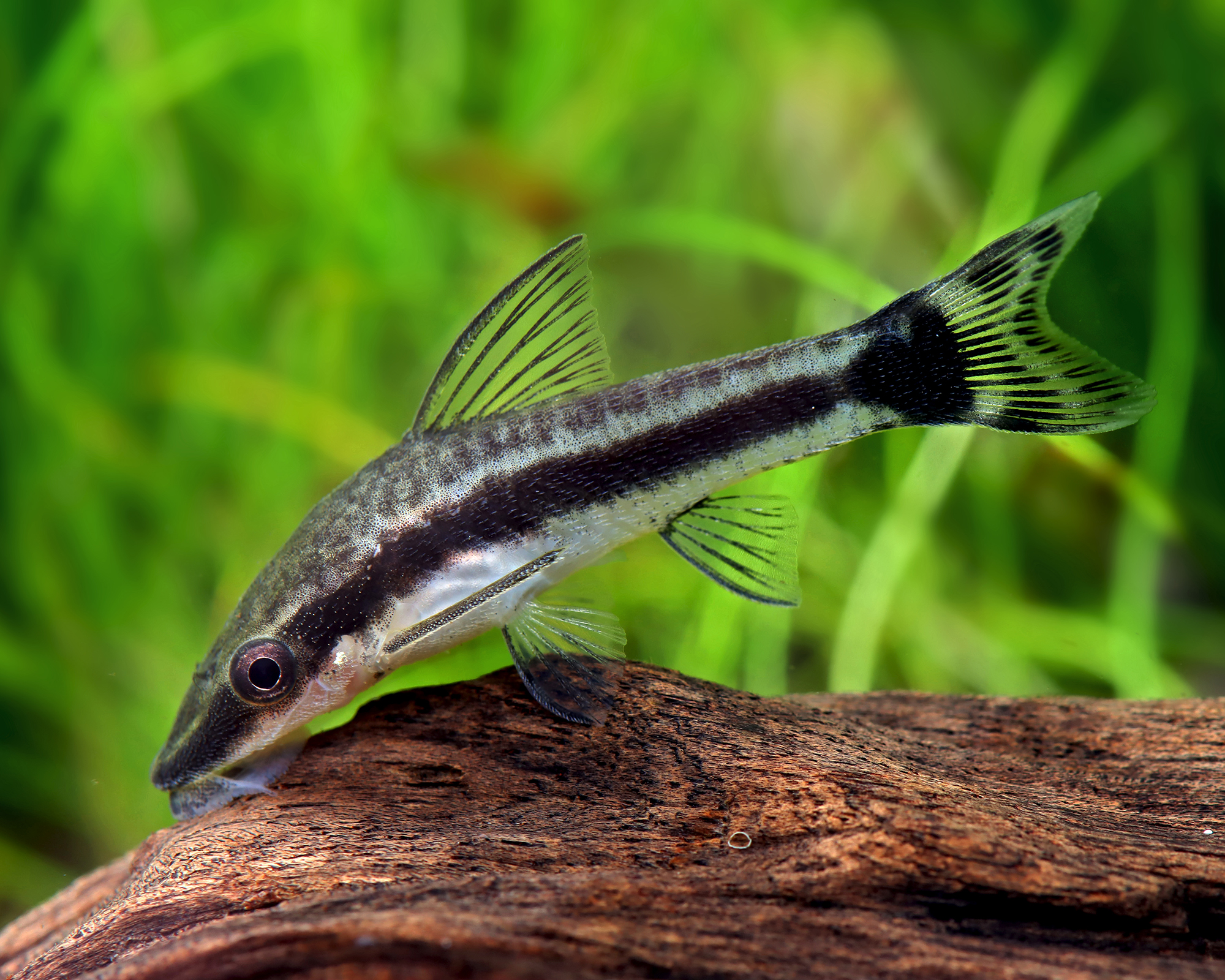
Bottom Dwellers Add More Than a New Visual Layer

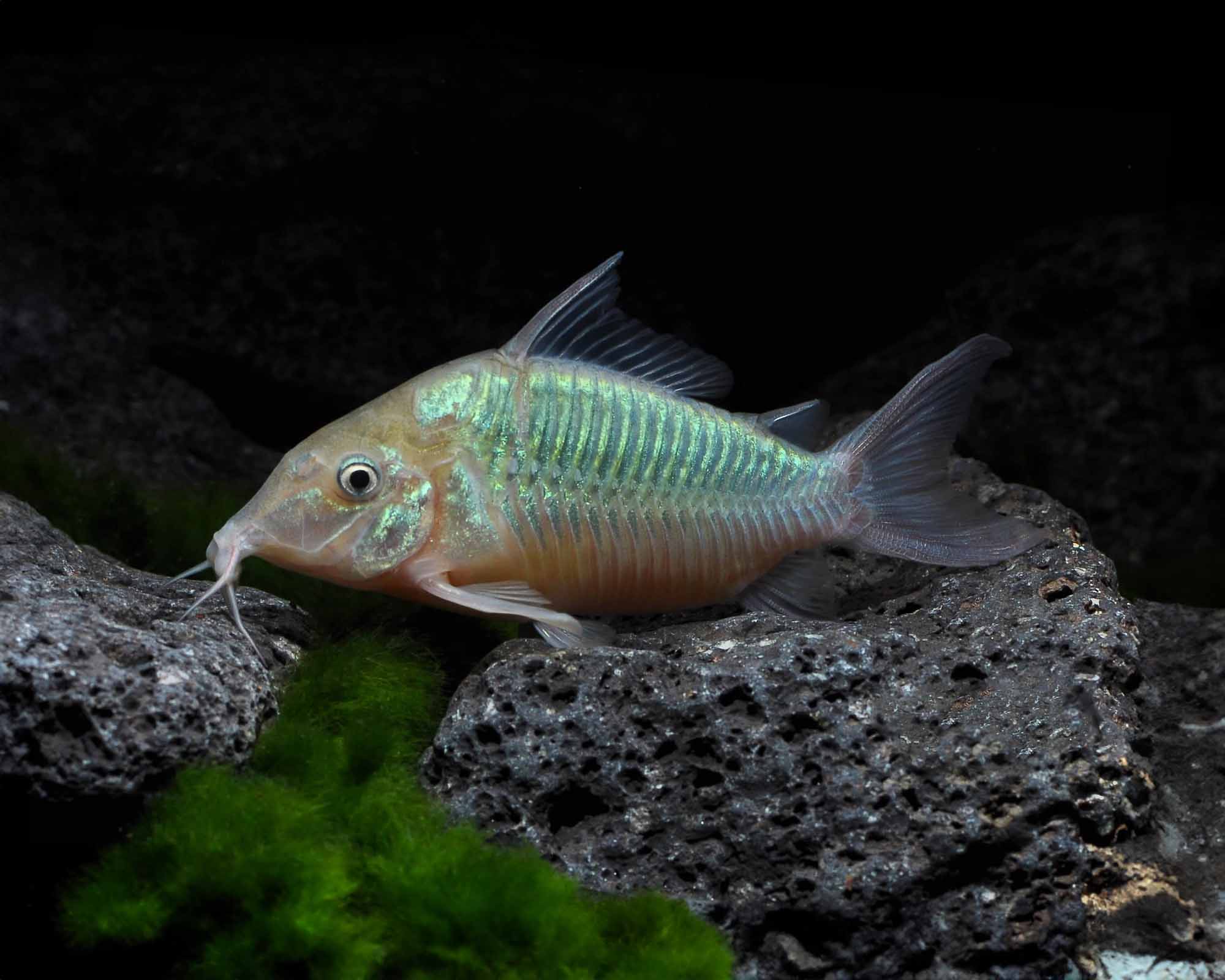
A bottom-dwelling catfish can make a planted aquarium feel fuller, but it also occupies floor space, consumes sinking foods, and increases the amount of waste settling around the substrate. Larger species or groups may outgrow a nano aquarium even when juveniles look suitable at purchase. Before adding one, check adult size, group requirements, substrate safety, and whether your midwater fish will monopolize sinking food. In a small planted tank, a visually empty bottom is not automatically a problem. Leaving that zone lightly stocked may produce a cleaner routine and more stable feeding pattern.
Bottom Dwellers Add More Than a New Visual Layer

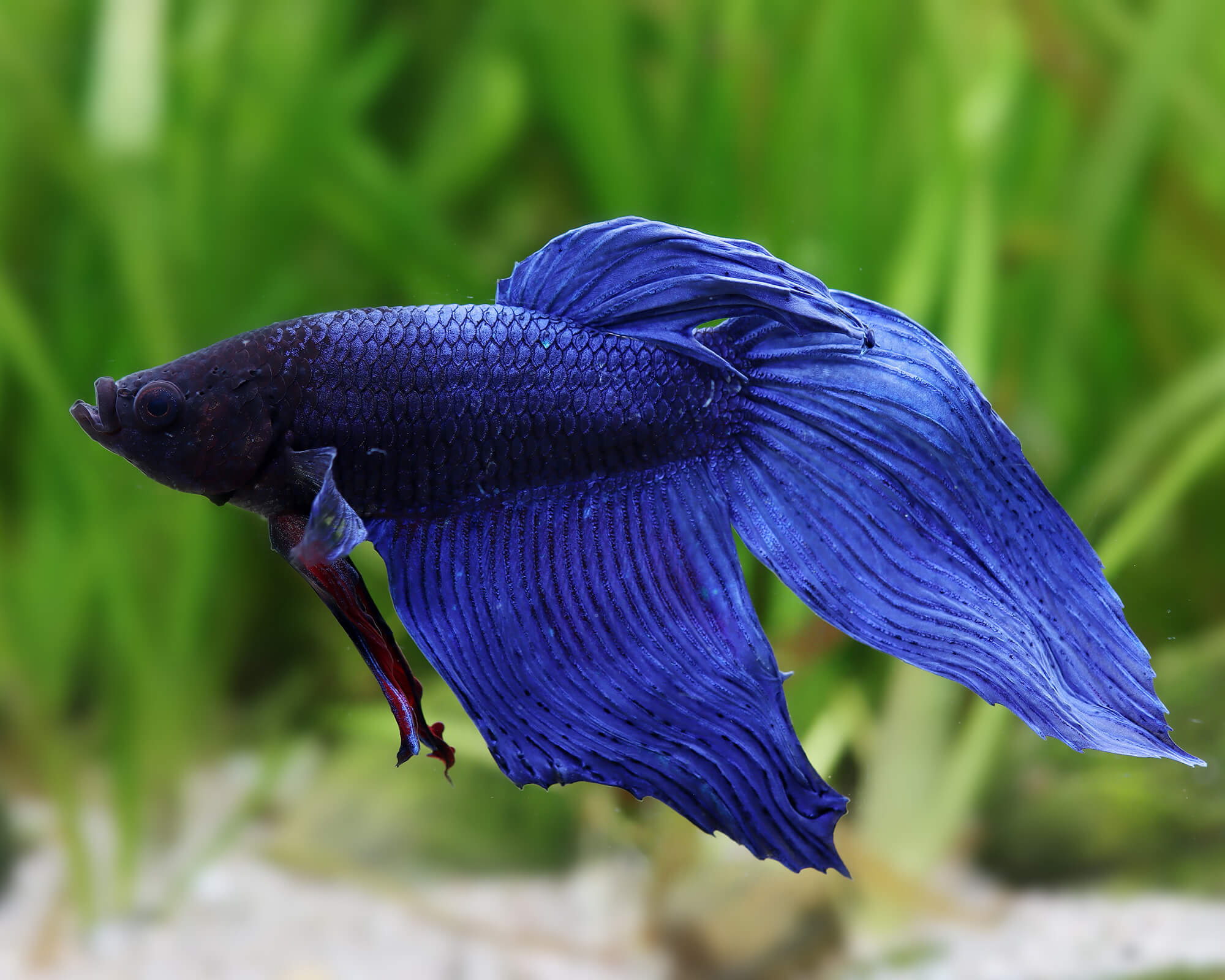
A Betta Can Simplify the Fish List but Not the Routine

A single betta may create a visually focused planted aquarium with fewer fish to feed, but reduced fish count does not mean zero maintenance. Bettas still need an appropriate diet, stable water quality, gentle flow, and a layout that includes resting places near the surface. Shrimp may be accepted by one individual and hunted by another, so compatibility cannot be guaranteed from the species name alone. Snails are often a more practical companion, provided shell health and population control are considered. Choose a betta when you want a single-fish centerpiece, not as a shortcut around cycling and weekly care.
A Betta Can Simplify the Fish List but Not the Routine

Use This Purchase Check Before Adding Anything

Write down the planned livestock, adult sizes, feeding methods, breeding potential, temperature range, and likely waste production before placing an order. Then identify the maintenance consequence of each addition. Will it need a special food? Will it compete at feeding time? Could it eat shrimplets? Will it reproduce faster than you can rehome young? Does it need open swimming room that plants currently occupy? A small planted aquarium is easiest to manage when one species provides the main movement, plants provide structure, and invertebrates fill a clearly defined supporting role. Add livestock gradually and test the system between additions.
Use This Purchase Check Before Adding Anything

Frequently Asked Questions

What is the easiest colorful stocking plan for a planted nano aquarium?

A single compatible fish plan is usually easier than mixing several species. Depending on tank size and water conditions, that might mean one betta, a suitable small school, or a shrimp-and-snail setup without fish. The important point is to match adult behavior, group needs, temperature, and feeding routine rather than choosing by color alone.

Can freshwater shrimp and colorful fish live together?

Sometimes, but the risk depends on the fish's mouth size, temperament, feeding behavior, and the amount of cover in the aquarium. Adult shrimp may survive while shrimplets disappear. Use dense moss, wood, plants, and visual barriers, and choose a fish-free setup if colony growth is the main goal.

Do aquarium snails lower the bioload of a planted tank?

No. Snails consume some algae, debris, and leftover food, but they also eat, grow, and produce waste. Their value is task-specific rather than magical. Control the food entering the aquarium, remove decaying material, and choose a snail population that matches the tank's available food and maintenance schedule.

Which beginner plants create the least extra work?

Slow-growing plants such as Anubias and Java fern are often manageable because they do not require frequent trimming. Java moss provides useful cover but can spread into a tangled mass. Cryptocoryne can work well once established but may shed leaves after changes. Choose plants according to light, substrate, flow, and the amount of pruning you are willing to do.
Leave your comments
Latest on Aquarium Base
  • The Planted-Tank Mineral Budget: Choose Aquarium Snails That Can Keep Their Shells

    The Planted-Tank Mineral Budget: Choose Aquarium Snails That Can Keep Their Shells

    A planted aquarium can look mature, stable, and biologically active while still being a poor long-term home for some snails. Shell health depends on more than algae: dissolved minerals, carbonate buffering, acidity, diet, source-water consistency, and the chemistry created by plants, wood, aquasoil, and water changes all matter. The practical question is not simply which snail cleans best. It is whether your tank can supply minerals and maintain stable conditions without undermining your plants, shrimp, or fish. This guide compares several common freshwater snail groups and builds a maintenance plan around shell growth, erosion prevention, feeding, and long-term water-quality control.
  • The Mouth-Size Test: Choosing Planted-Aquarium Companions Around Shrimplet Survival

    The Mouth-Size Test: Choosing Planted-Aquarium Companions Around Shrimplet Survival

    A planted aquarium can look peaceful while still being dangerous to newborn shrimp. Adult Neocaridina may graze openly beside small fish, yet their newly hatched young can disappear within hours. The key question is not simply whether a tank mate is peaceful or small. It is whether the smallest shrimp can avoid its feeding path, fit through its mouth, and find enough biofilm-rich cover to grow. This guide uses a practical risk test for freshwater shrimp tank mates, from fish and snails to larger shrimp, while keeping water chemistry and stocking goals in view.
  • A Layered Look for Planted Aquariums: Match Texture, Scale, and Color to Your Livestock

    A Layered Look for Planted Aquariums: Match Texture, Scale, and Color to Your Livestock

    A planted aquarium can contain plenty of color and still look shallow. The usual problem is not a lack of red leaves or bright livestock; it is that every plant has the same visual weight. Fine stems, broad leaves, low carpets, moss, open water, and dark gaps all create different layers for the eye to read. This approach also helps livestock look more intentional. Small schooling fish need clear swimming lanes, shrimp need textured cover, and snails need surfaces where food actually collects. Use the plant groups below as a design framework for building depth without turning a nano aquarium into an overcrowded thicket.
  • The Fish You Choose Sets the Chore List: Feeding and Bioload in a Planted Aquarium

    The Fish You Choose Sets the Chore List: Feeding and Bioload in a Planted Aquarium

    A planted aquarium can look like a self-cleaning ecosystem, but every fish still turns food into waste, and every feeding decision affects water quality. The most useful question is not which species looks best beside your plants. It is which livestock plan fits the time, food, filtration, and maintenance you can provide every week. A small school may need carefully sized meals, a livebearer group may produce unexpected fry, and a bottom-feeding community can require extra food that is easy to overprovide. Use the fish profiles below as planning lanes, then add shrimp, snails, and plants only after the primary feeding and bioload plan makes sense.
  • A Snail Census for Planted Tanks: Match Reproduction to Food, Space, and Tank Mates

    A Snail Census for Planted Tanks: Match Reproduction to Food, Space, and Tank Mates

    A few aquarium snails can be useful residents, but a sudden wave of juveniles changes the maintenance needs of a planted aquarium. The solution is not always removing every snail. First determine what is driving reproduction: excess food, decaying plant matter, heavy mulm, or a species that naturally breeds readily in freshwater. Then match the response to your livestock. A shrimp-first nano tank may need feeding adjustments and manual removal, while a larger planted display may accommodate burrowing snails or a carefully selected predator. This visual guide helps you build a population-control plan without sacrificing healthy plants, peaceful tank mates, or useful cleanup behavior.
  • Read the Shell, Not the Color: A Mineral and Water-Change Guide to Freshwater Shrimp Survival

    Read the Shell, Not the Color: A Mineral and Water-Change Guide to Freshwater Shrimp Survival

    A freshwater shrimp can look healthy, graze actively, and still fail during its next molt. The danger is often hidden in the water: insufficient hardness, unstable pH, sudden TDS changes, depleted minerals, or a tank mate that finds a freshly molted shrimp before its shell hardens. This guide turns molting into a practical aquarium decision. You will learn how to match shrimp types to water chemistry, read the warning signs around a failed molt, plan safer water changes, and build a planted tank where adults, juveniles, snails, and easy plants can coexist without competing for stability.
  • The Planting Map for a Planted Aquarium: Give Every Cluster a Visual Job

    The Planting Map for a Planted Aquarium: Give Every Cluster a Visual Job

    A planted aquarium can contain good plants and still look disorganized if every cluster is asked to do the same job. The more useful question is not simply “Which plant should I buy?” but “What should this plant do from the front glass?” Assign some plants to create a low visual floor, others to frame the focal point, soften equipment, or provide cover for shrimp and snails. This approach works especially well in nano and beginner aquariums, where a single fast-growing stem or oversized rosette can dominate the entire view. Use the planting map below to connect plant height, texture, color, swimming space, and livestock behavior before you start digging in the substrate.
  • Which Nano School Should Lead Your Planted Aquarium? A Side-by-Side Fish Selection Guide

    Which Nano School Should Lead Your Planted Aquarium? A Side-by-Side Fish Selection Guide

    Choosing between small schooling fish is harder than comparing colors at the store. Ember tetras, kubotai rasboras, neon tetras, dwarf rasboras, and other nano species may all look suitable for a planted aquarium, yet they create very different displays. Some are calm and warm-toned, some flash across open water, and some are so tiny that larger tank mates become a serious risk. This practical comparison focuses on the decision that matters: which school best fits your aquarium’s size, planting style, water conditions, and invertebrate plans? Use the guide to choose one strong centerpiece school instead of mixing several undersized groups.
  • A Planted Tank’s Snail Shift: Compare Grazers, Burrowers, Scavengers, and Predators

    A Planted Tank’s Snail Shift: Compare Grazers, Burrowers, Scavengers, and Predators

    Aquarium snails do not all perform the same cleanup job. One type may polish hardscape and glass, another may disappear into the substrate, while a third can reduce a population of unwanted snails. The useful question is not simply which snail eats algae. It is what kind of work you want done, how visible you want the animal to be, and whether you can manage its breeding or feeding demands. This guide compares common freshwater snail behaviors for planted aquariums, with special attention to nano tanks, shrimp compatibility, plant safety, shell care, and the trade-offs that are easy to miss at the store.
  • Design the Scape Around the Shrimp: A Color-Contrast Guide for Planted Aquariums

    Design the Scape Around the Shrimp: A Color-Contrast Guide for Planted Aquariums

    A shrimp can look brilliant in a store photograph and nearly disappear in your aquarium. The difference is often not the animal but the visual field around it: substrate tone, background, plant color, rock texture, driftwood, and open viewing space. Designing around shrimp color does not mean sacrificing water quality or plant health. It means choosing a compatible shrimp group first, then building contrast that makes its markings readable. This guide compares practical color-line choices and shows how hardscape can either frame a colony or camouflage it. Use the visual recommendations as a design tool, while treating water chemistry, stability, cover, and tank mates as non-negotiable care requirements.
  • Why Your Planted Aquarium Looks Flat—and How to Rebuild Its Depth

    Why Your Planted Aquarium Looks Flat—and How to Rebuild Its Depth

    A planted aquarium can contain plenty of color and still look surprisingly flat. The missing ingredient is usually visual layering: fine leaves need a broad counterpoint, small plants need a larger form behind them, and bright livestock need calmer areas that let them stand out. This approach helps you choose easy aquarium plants, colorful freshwater fish, shrimp, and snails as parts of one readable composition rather than as unrelated purchases. The goal is not to fill every gap. It is to create a foreground, middle distance, background, and open-water route that remain attractive as plants grow and livestock move through the layout.
  • Which Livestock Plan Leaves Room to Swim? A Nano-to-Medium Planted Aquarium Guide

    Which Livestock Plan Leaves Room to Swim? A Nano-to-Medium Planted Aquarium Guide

    A planted aquarium can look spacious while offering less usable room than its glass dimensions suggest. Substrate, driftwood, rocks, dense stems, floating plants, and territories all reduce the space livestock can actually use. The safest approach is not to count colorful animals one by one, but to choose a movement pattern and leave capacity for adult size, social needs, feeding, and maintenance. This guide compares practical stocking directions for nano and medium planted tanks, including small shoals, centerpiece fish, bottom dwellers, shrimp, and snails. Use the image-led choices below to decide what your aquarium should do before you decide what to buy.
  • What Will This Snail Eat When the Algae Is Gone? A Planted-Tank Compatibility Guide

    What Will This Snail Eat When the Algae Is Gone? A Planted-Tank Compatibility Guide

    Aquarium snails are often sold as cleanup animals, but that description hides the decisions that matter most in a planted tank. A snail can be plant-safe yet starve in a spotless aquarium, coexist with adult shrimp yet compete with them for sinking food, or remain peaceful while multiplying because the tank is overfed. The better question is not which snail cleans best. It is what the snail will eat, whether your plants are healthy enough to withstand grazing, and whether its behavior fits your fish, shrimp, substrate, and maintenance routine. Use this guide to choose a snail by food chain and compatibility rather than by appearance alone.
  • Build the Water Before You Buy the Shrimp: A Planted Aquarium Readiness Guide

    Build the Water Before You Buy the Shrimp: A Planted Aquarium Readiness Guide

    A planted aquarium can look ready for shrimp long before it is biologically ready. Clear water, healthy plants, and a working filter are useful signs, but they do not prove that ammonia and nitrite are controlled, minerals support molting, or the tank has developed enough biofilm for grazing. The safest approach is to build the environment first and choose shrimp that fit the water you can maintain consistently. This guide separates beginner-friendly Neocaridina from more demanding Caridina and larger Amano shrimp, then turns the decision into a practical setup sequence for a stable, colorful planted tank.
  • How to Make a Low-Tech Nano Community Tank Look Intentional, Not Overgrown

    How to Make a Low-Tech Nano Community Tank Look Intentional, Not Overgrown

    A small planted aquarium can contain many attractive plants and still look visually confused. The solution is not always more trimming or a larger shopping list. Start with a specific tank style, then choose a limited plant palette that repeats the same colors, leaf shapes, and growth habits. This guide uses a low-tech nano community aquarium as its design brief: easy plants, modest equipment, open swimming space, hiding places for freshwater shrimp, and enough structure for a peaceful snail. The goal is a tank that feels planned from the first month, not a collection of unrelated specimens competing for attention.
  • Can These Nano Fish Share One Planted Aquarium? A Temperature, Water, and Tank-Mate Reality Check

    Can These Nano Fish Share One Planted Aquarium? A Temperature, Water, and Tank-Mate Reality Check

    A planted nano aquarium can combine movement, color, shrimp, snails, and easy plants, but compatibility is not created by choosing small animals alone. The most common failures begin with three shortcuts: assuming room temperature suits every fish, chasing a “perfect” pH without understanding hardness, and adding tank mates that are peaceful toward adults but dangerous to young shrimp. Use this guide as a pre-purchase decision check. It separates species that may share a general freshwater setup from combinations that need different temperatures, mineral levels, swimming space, or feeding plans.