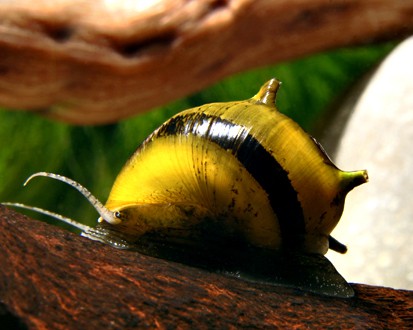
Start With the Mineral Profile, Not the Snail Color
Before choosing a snail, test the aquarium and the water used for changes. General hardness, or GH, indicates the supply of calcium and magnesium; carbonate hardness, or KH, helps show how much buffering the water has against falling pH. Measure pH, temperature, ammonia, nitrite, and nitrate as well. A single reading is useful, but comparing the tank with fresh replacement water is even more revealing. If the tank has very soft water, active aquasoil, heavy botanical decay, or large pH swings, shell-focused species may require more planning. Select a snail whose needs fit your routine rather than trying to force every species into the same chemistry.
Nerite and Racing Snails Need a Reliable Grazing Plan
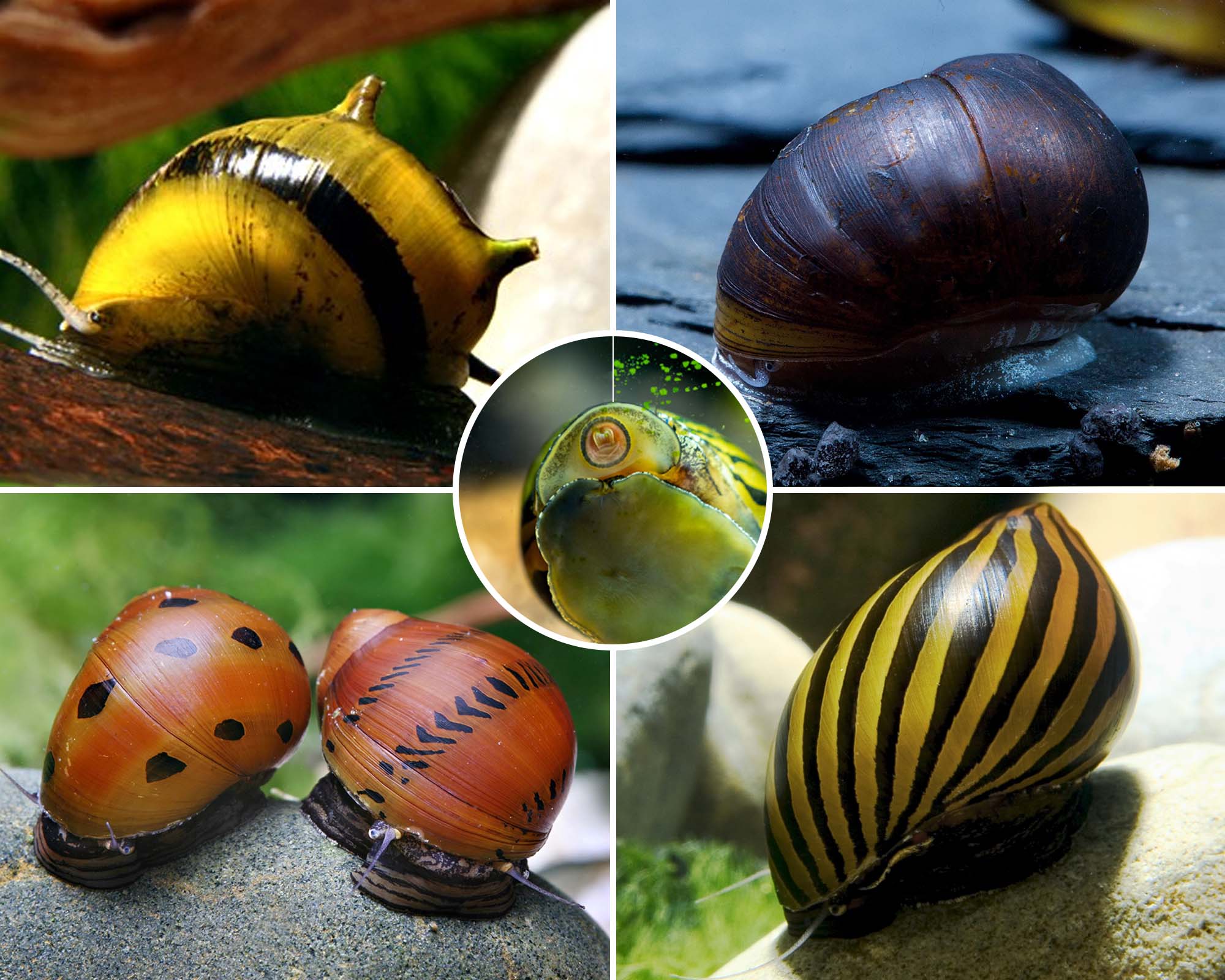
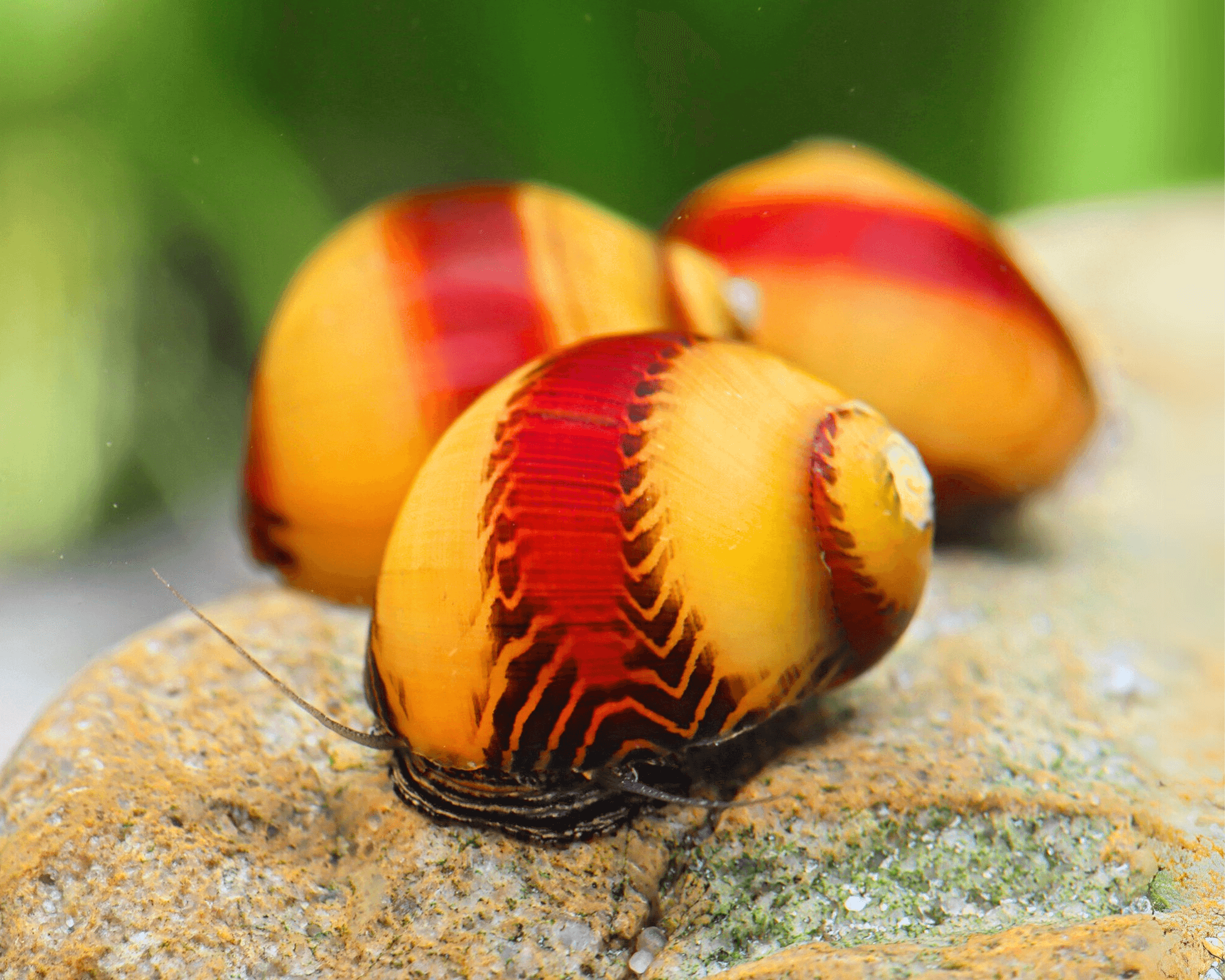
Nerite, racing, and related helmet-shaped snails are often chosen for planted aquariums because they spend much of their time scraping algae and biofilm from glass, wood, and hard leaves. Their shells still depend on mineral-rich, stable water, and visible algae does not guarantee adequate nutrition. In a very clean or newly established tank, they may slowly lose condition if no supplemental food is accepted. Freshwater nerites generally do not create a population explosion, but many can leave pale egg capsules on décor. They are a good match when you want limited reproduction and have mature surfaces to graze, not when the tank is spotless and frequently scrubbed.
Clithon Snails Add Texture, but Not a Chemistry Shortcut
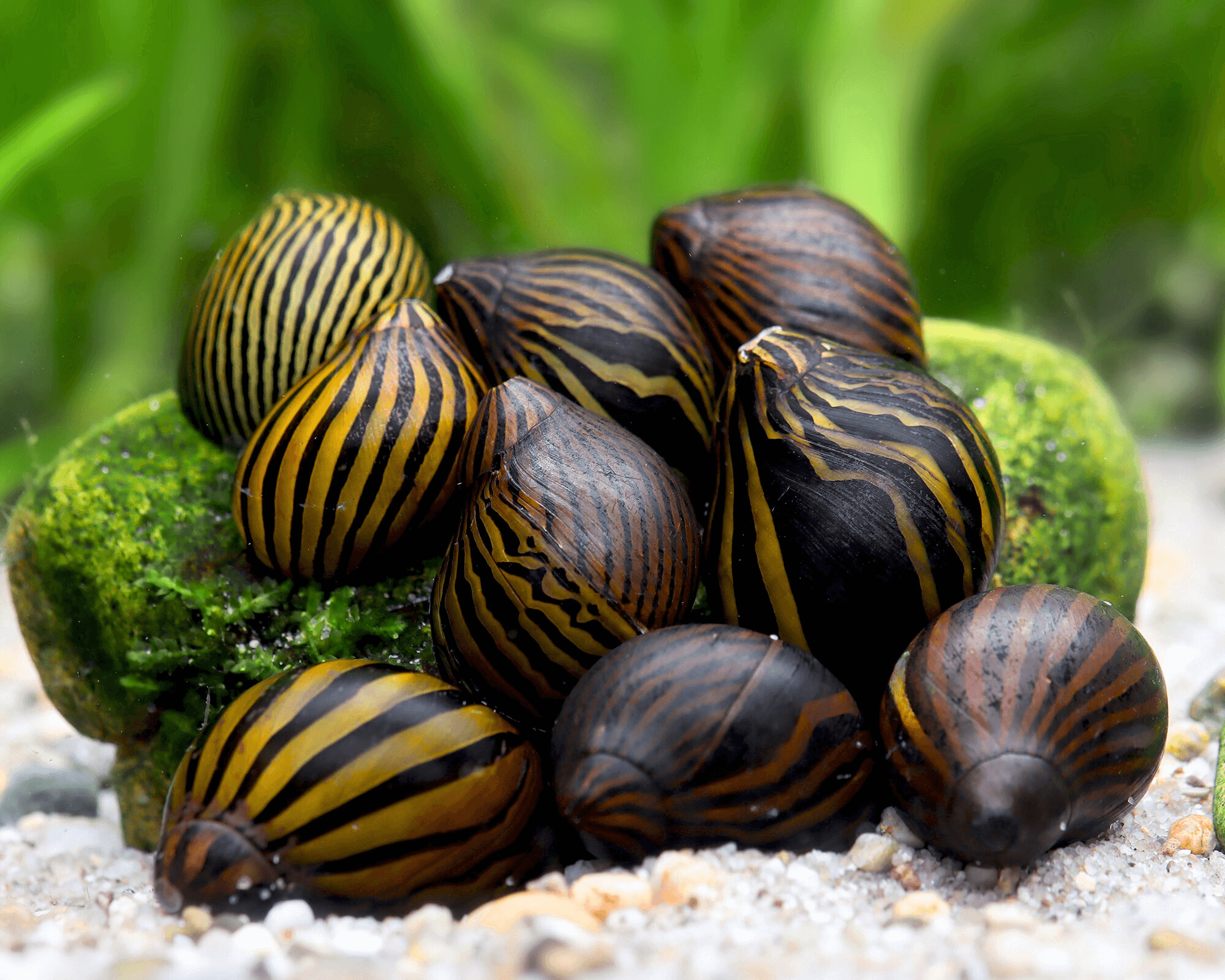
Horned and antlered Clithon snails bring strong shell patterns and a compact profile to planted displays. They are useful algae grazers, but their decorative appearance should not distract from the same shell-health requirements faced by other calcium-dependent snails. Choose them when the aquarium has established biofilm, gentle access to hard surfaces, and stable hardness. They are less suitable for a tank built around extremely soft, acidic water unless you are prepared to remineralize consistently and monitor the effect on other livestock. Their small size can make them appear ideal for nano aquariums, but food availability and stable chemistry matter more than the snail’s footprint.
Ramshorns Show You What the Tank Is Consuming
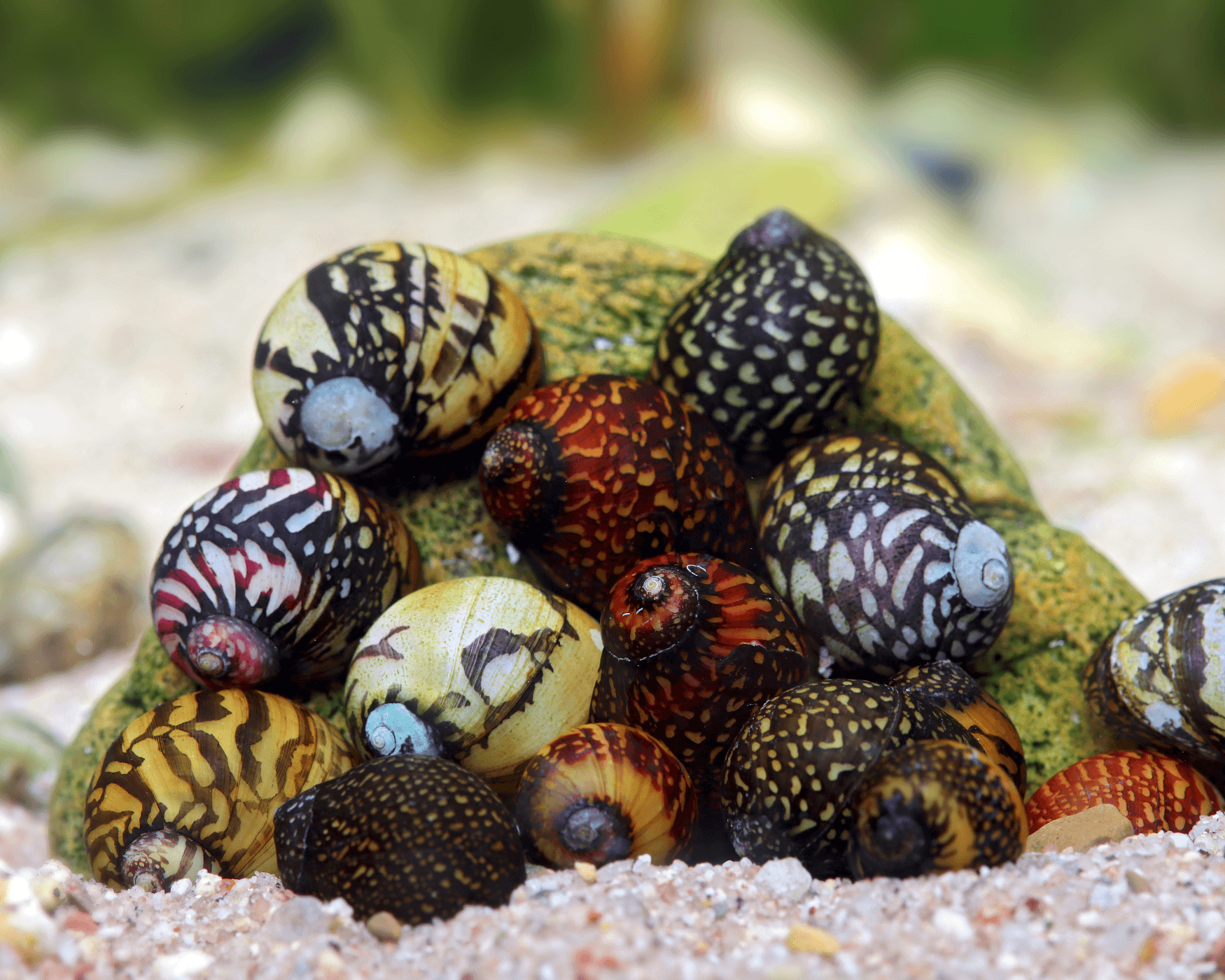
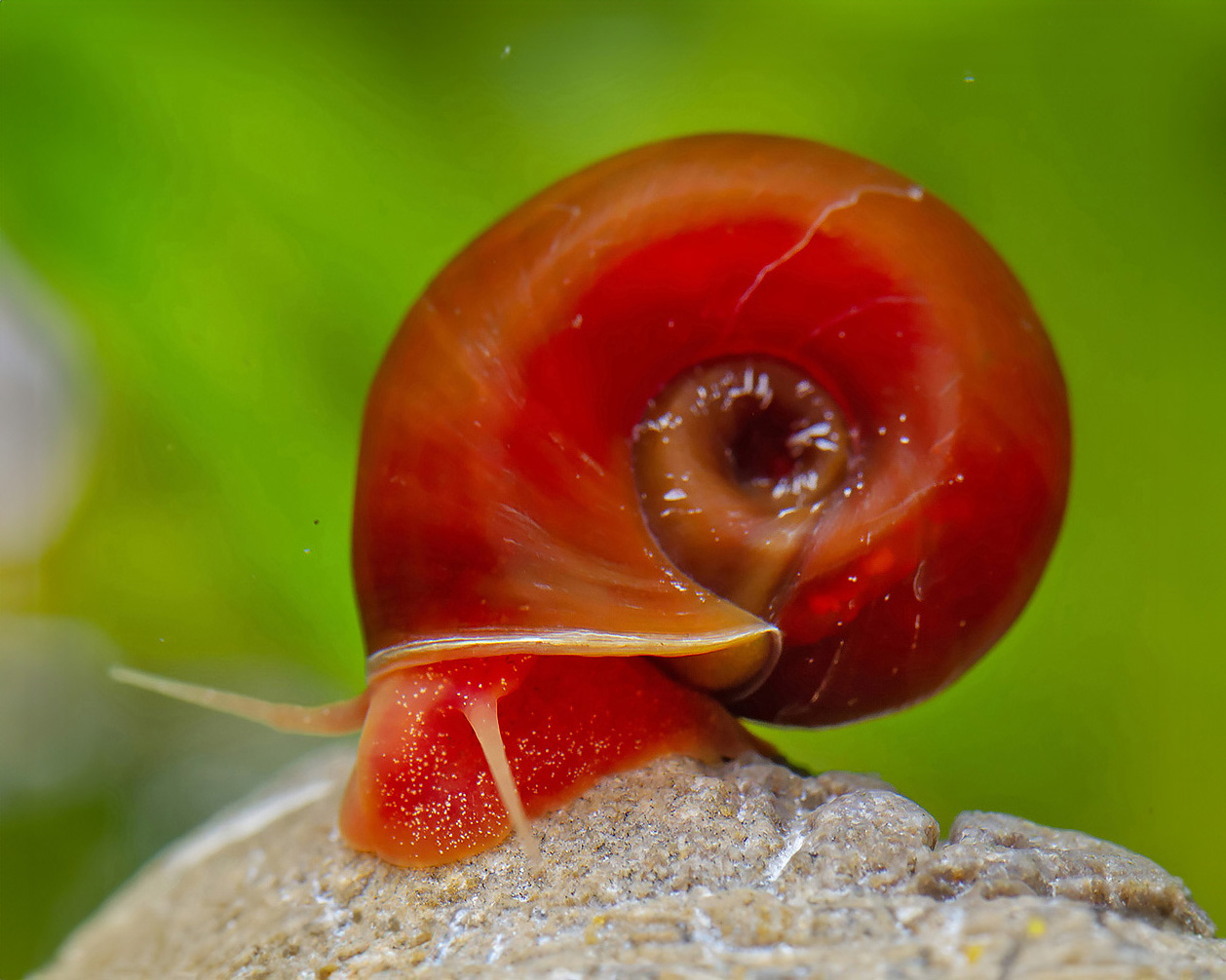
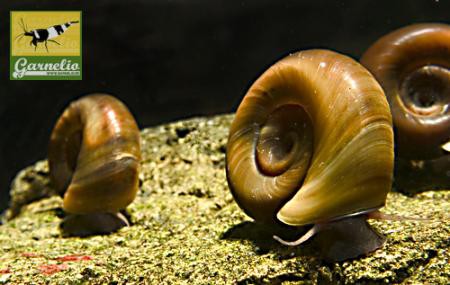
Ramshorn snails are useful indicators of a planted tank’s food and mineral balance because they reproduce readily when excess food and organic debris accumulate. Brown, orange, pink, blue, and mixed forms share the same basic management issue: a growing population reflects available resources, not necessarily a cleanup success. Their shells can become thin, pitted, or pale when minerals are limited or acidic conditions persist. Keep them intentionally by controlling feeding, removing decaying material, and offering a suitable calcium-containing diet when needed. If numbers rise quickly, reduce excess food first instead of treating the snails as the cause of every water-quality problem.
Bladder and Pond-Type Snails Are Flexible, but Still Need Care
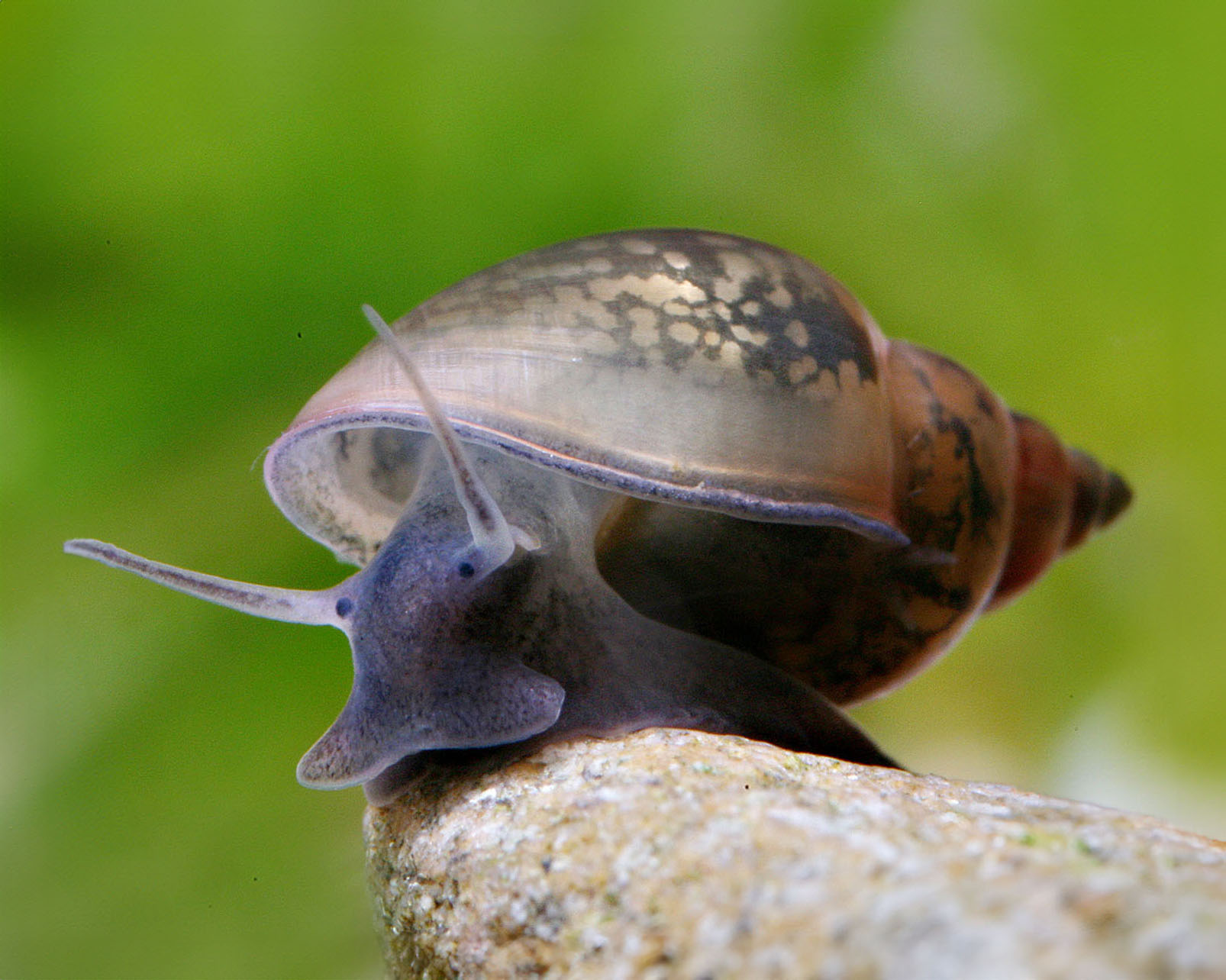
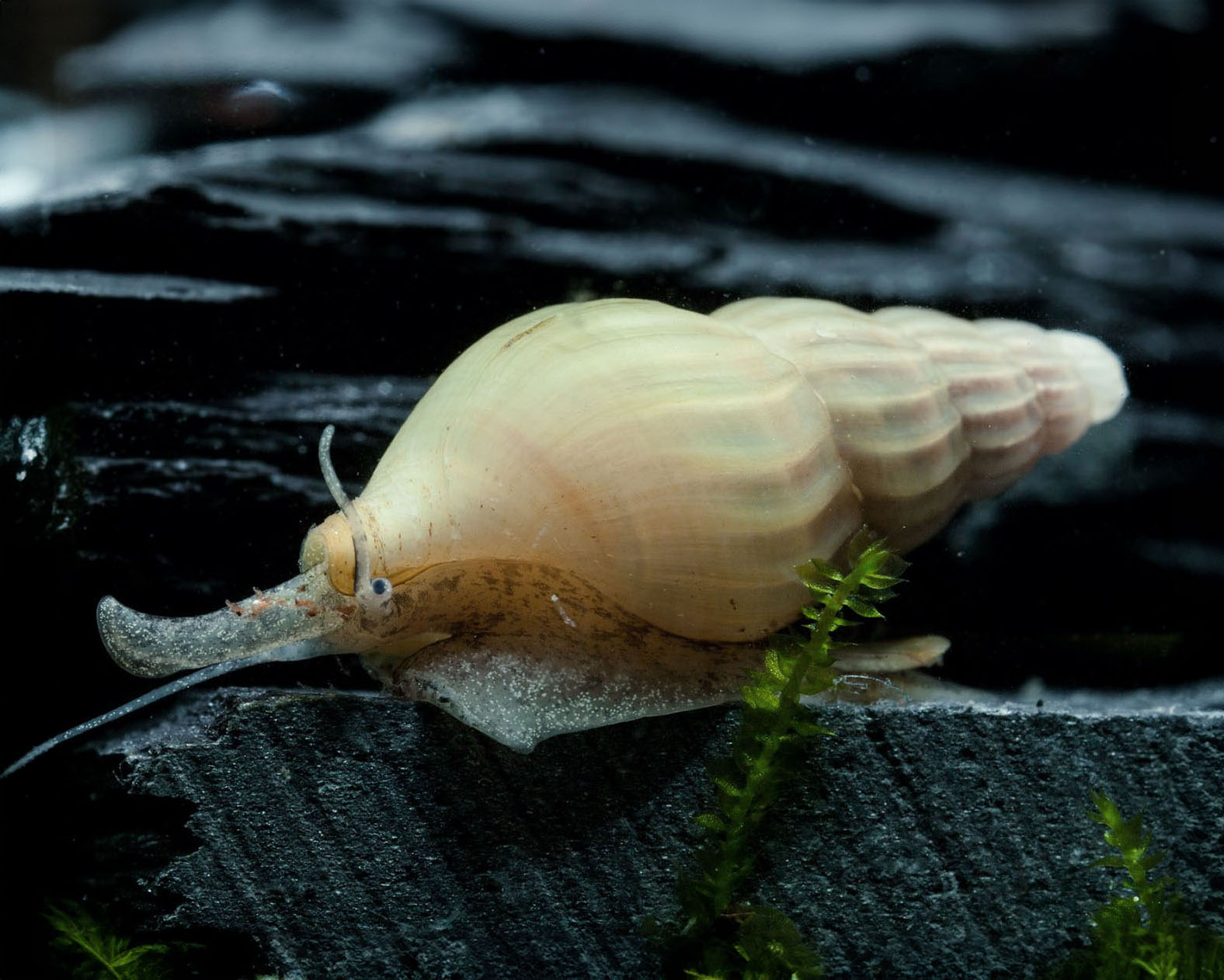
Small bladder and pond-type snails often arrive with plants and can live in a wide range of established freshwater aquariums. Their adaptability makes them useful in beginner tanks, but it does not make them immune to shell erosion. They consume biofilm, soft algae, detritus, and leftover food, so their population can reveal overfeeding or poor plant maintenance. Because they are small, they may be overlooked until shell damage is advanced. If you keep them deliberately, provide stable water, avoid copper-based treatments, and inspect the shell margin during routine glass cleaning. Their modest size makes them a practical fit for nano tanks with restrained feeding.
Burrowing Tower Snails Need Substrate and a Different Job Description
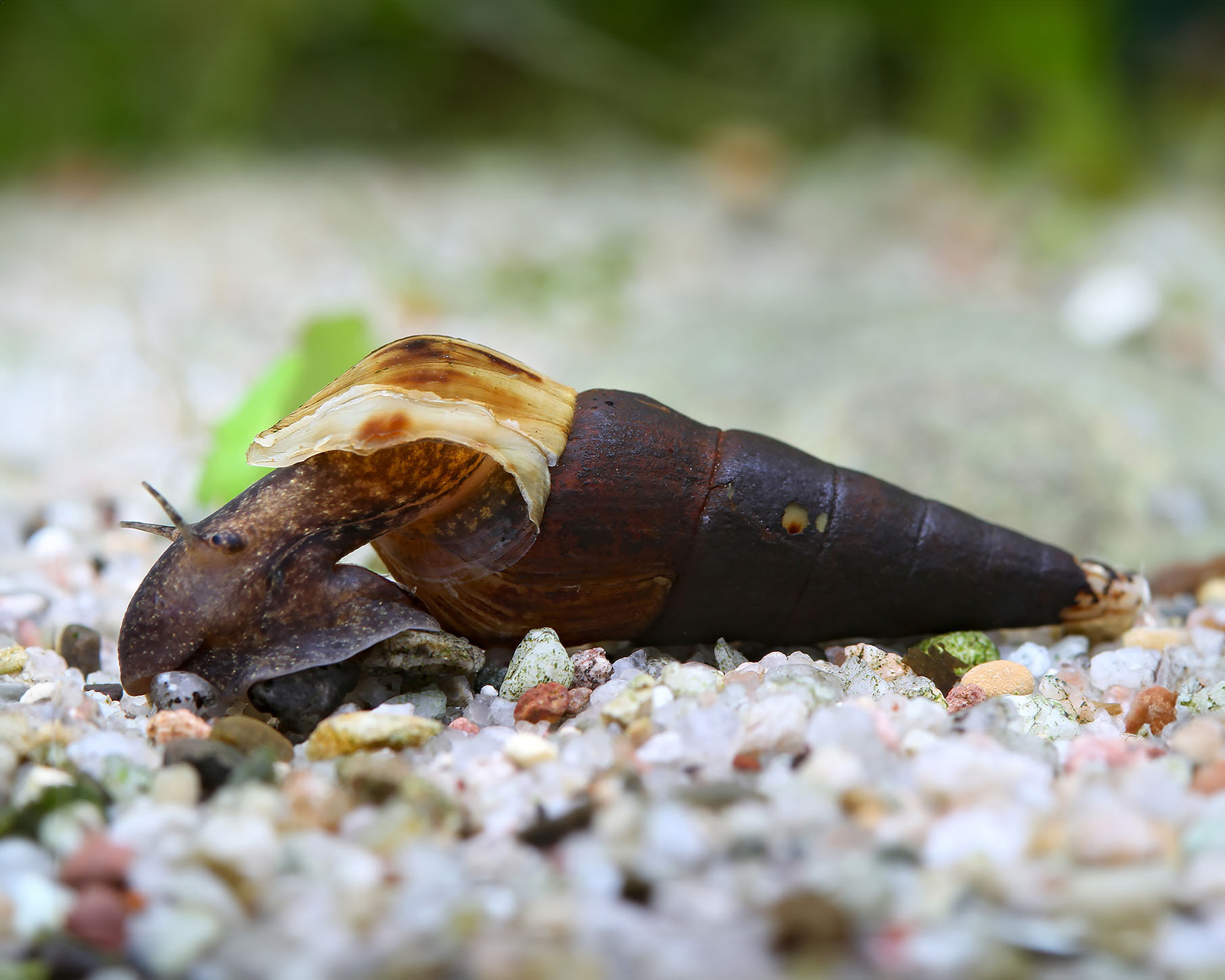
Malaysian trumpet snails and related tower snails spend much of the day in the substrate, especially when the aquarium is dark. Their burrowing can help keep the upper substrate layer active, but they should not be purchased as a cure for compacted or dirty soil. They benefit from available calcium and a steady food supply, yet excess feeding can produce a rapidly expanding population. In planted tanks, use them when you want a nocturnal substrate scavenger and accept that many may remain hidden. Avoid sudden population-control measures that leave decaying animals in the substrate; correct the food surplus and maintain regular siphoning instead.
Tylomelania Snails Are a Warm-Water Commitment
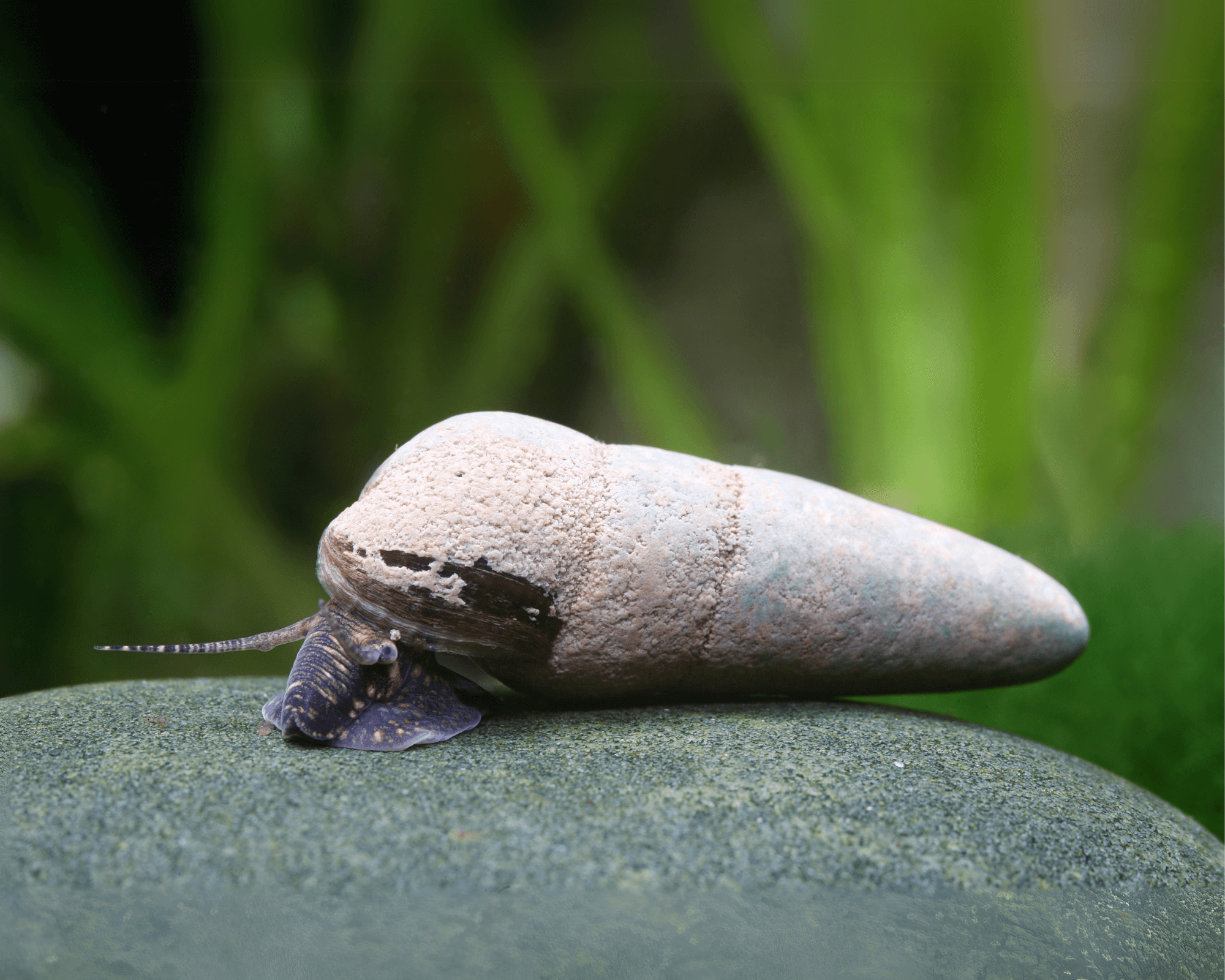
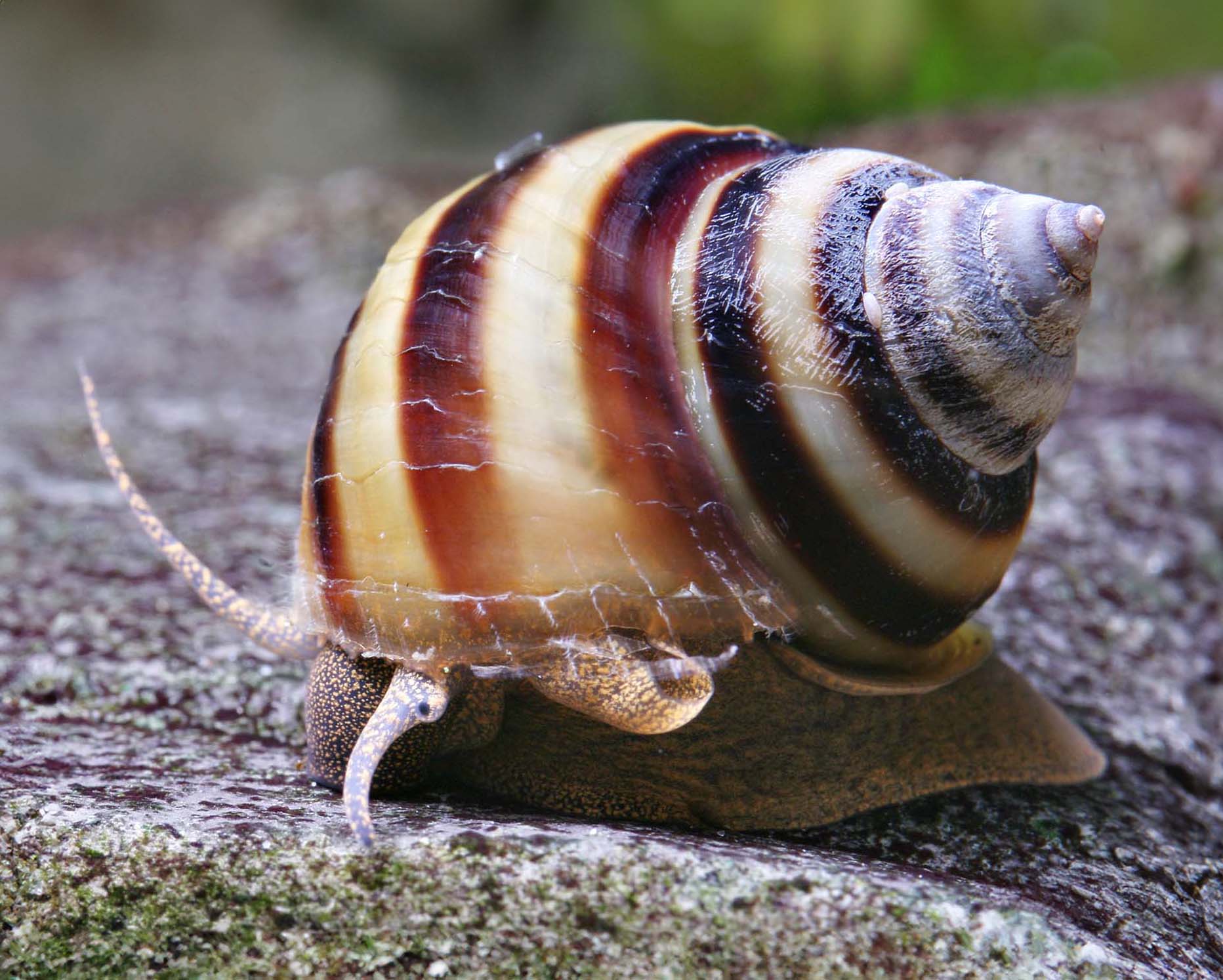
Tylomelania and related rabbit or Sulawesi-type snails are visually distinctive, but they should not be treated as oversized versions of common pond snails. Many require warmer, mineral-rich, alkaline conditions and may need more deliberate feeding than a mature community tank provides. Their larger bodies also create more waste than tiny grazers, so filtration and water changes must be planned around the actual number kept. They are a better choice for a dedicated warm planted aquarium than for a cool, soft-water community setup. Before buying, confirm the seller’s identification and origin because trade names can cover animals with different care histories.
Large Apple-Type Snails Raise the Bioload Conversation
Apple-type snails can become striking focal animals, but their size changes the maintenance equation. They produce more waste, require dependable feeding, and may outgrow a small planted display faster than expected. Some species may also eat soft-leaved plants or climb above the waterline, so a secure lid and plant-selection plan are important. Their shell growth still depends on suitable minerals and stable chemistry, while their heavier bioload can increase nitrate and organic-acid accumulation if maintenance slips. Consider them only when the aquarium has enough swimming and floor space, strong filtration, and a feeding routine that does not leave uneaten food decomposing.

Predatory Snails Solve One Problem by Creating Another
Assassin snails and other predatory types are sometimes introduced to reduce nuisance snails. They can be effective hunters, but they do not remove the underlying causes of a population surge, such as excess food or neglected detritus. They also change compatibility planning: peaceful ramshorns, bladder snails, and small hitchhikers may become prey, while reproduction and feeding behavior may differ from expectations. Their own shells still require appropriate mineral availability and stable water. Use a predator only after deciding whether you want a permanent hunting species. If your goal is a peaceful cleanup crew, adjust feeding and maintenance instead of adding a carnivore.
Build a Shell-Health Routine That Does Not Fight the Plants
A sustainable routine begins with consistent water changes using replacement water that matches the aquarium’s temperature and mineral profile. Test GH, KH, and pH after changes and periodically between them, especially when using aquasoil, reverse-osmosis water, active botanicals, or injected carbon dioxide. Add minerals gradually rather than guessing with large doses of calcium products, crushed shells, or limestone, because these can also raise hardness and pH. Offer species-appropriate food when grazing is limited, remove leftovers, and inspect new shell growth rather than trying to repair old erosion. If shrimp or soft-water fish share the tank, choose a compromise range and prioritize stability over chasing a perfect number.
Read Shell Damage as a Timeline, Not a Single Diagnosis
A damaged shell records past conditions as well as current ones. White patches, pits, cracks, rough edges, or a thin new growth margin may reflect earlier transport stress, physical damage, low mineral availability, acidic water, poor diet, or incompatible tank mates. First compare the newest shell growth with the older portion. If the new edge is smooth and solid, the situation may be improving even though old damage remains visible. If fresh growth continues to erode, retest GH, KH, pH, temperature, and copper exposure, then review feeding and maintenance. Avoid assuming that one mineral supplement can solve every shell problem.
Frequently Asked Questions
What GH is suitable for aquarium snails in a planted tank?
There is no universal number for every species, but many common freshwater snails do better in moderately hard water with a dependable calcium supply. Test your source and aquarium water, then choose a species that fits those conditions. Stability matters more than rapidly changing the tank to reach a target.
Can aquarium snails live with shrimp in soft water?
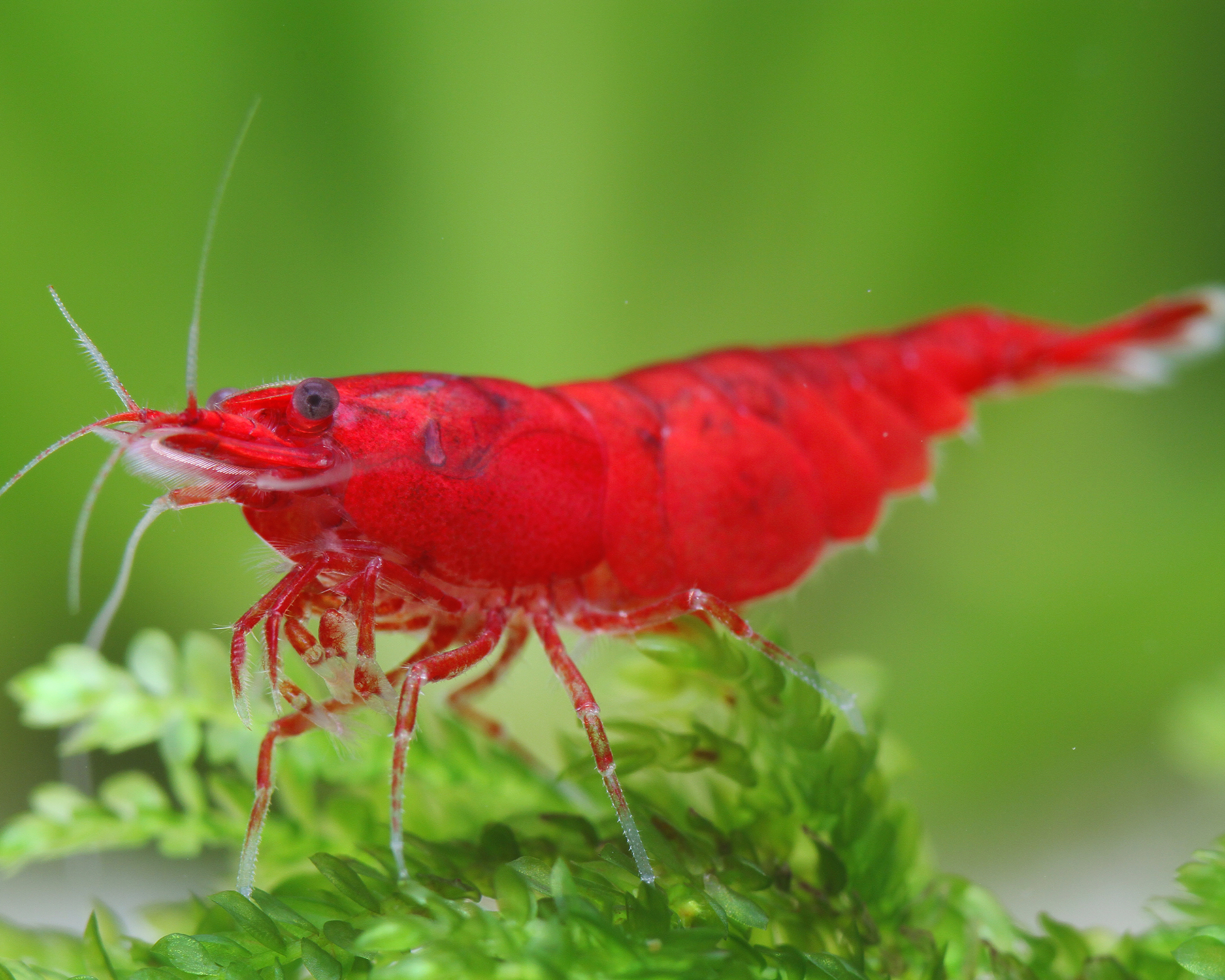
Some small snails and shrimp may tolerate similar conditions, but shell growth and shrimp molting can require different mineral balances. Compare the needs of the exact species, monitor GH, KH, and pH, and avoid adding calcium blindly. A stable compromise is safer than repeated chemistry swings.
Will cuttlebone fix a snail shell that is already eroding?
It may provide a calcium source, but it cannot correct every cause of erosion. Check pH stability, KH, GH, diet, copper exposure, and possible physical damage first. Add any mineral source cautiously because it can alter hardness and buffering.
Why do my aquarium snails multiply after I improve feeding?
Snail numbers often rise when more food and organic material become available. Better feeding can support shell health while also increasing reproduction. Feed only what the community consumes, remove decaying plant matter, and reduce excess food before using traps or predators.
 - 2.webp)
Leave your comments