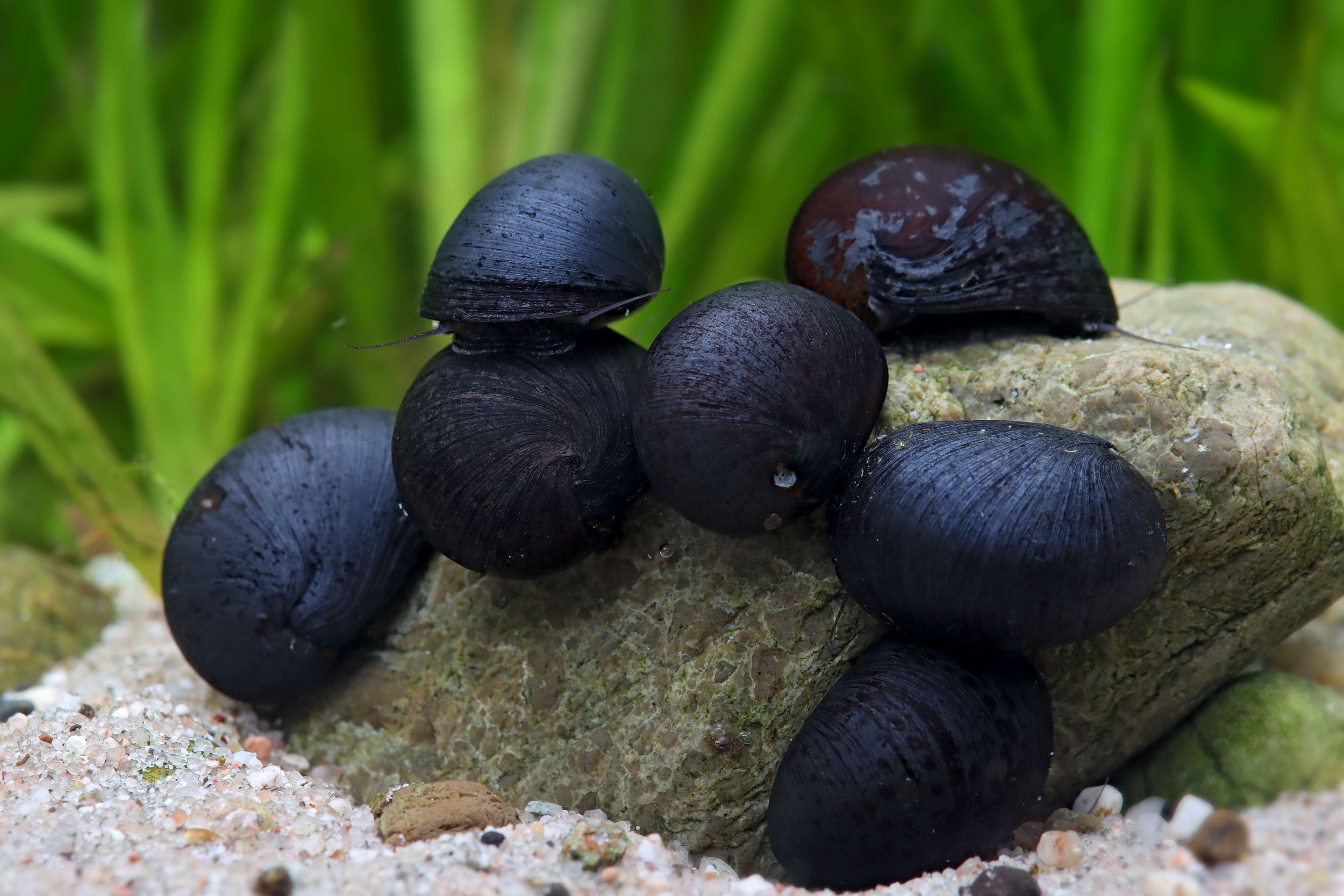
Start With the Water You Can Maintain
Before choosing a snail, test the aquarium and the water used for changes. Record GH, KH, pH, temperature, nitrate, ammonia, and nitrite, then compare the results over several weeks rather than relying on one reading. GH relates mainly to calcium and magnesium availability, while KH helps show how much resistance the water has against acidification. A planted tank with aquasoil, botanicals, driftwood, or heavy biological activity may behave differently from the tap water that filled it. Do not chase a species-specific number before understanding your baseline. A stable, repeatable water profile is usually safer than frequent corrective dosing.
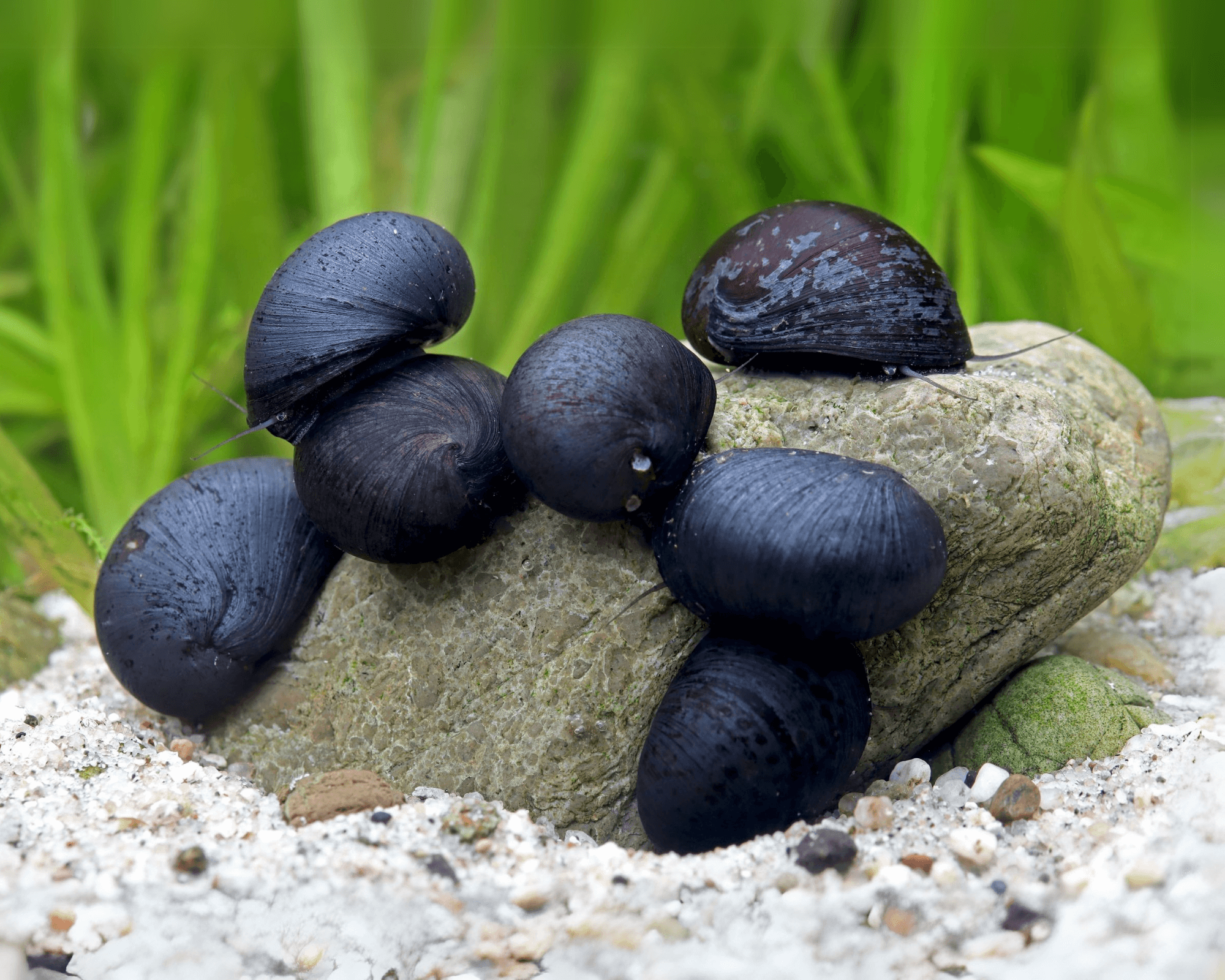
Nerite-Type Grazers Need Food as Well as Minerals
The steel-helmet and racing-snail labels in this group point toward algae-grazing nerite-type animals, which are often attractive choices for planted displays. Their shells still depend on suitable mineral availability, but calcium alone will not solve an empty aquarium. A tank that is too clean may leave these grazers underfed, especially after several algae-control measures. Provide mature surfaces, biofilm, and supplemental foods when natural growth is limited. Many nerite-type snails may lay eggs in freshwater without producing a growing population, but exact breeding behavior depends on the species. Check the identification and avoid assuming every racing snail has identical requirements.
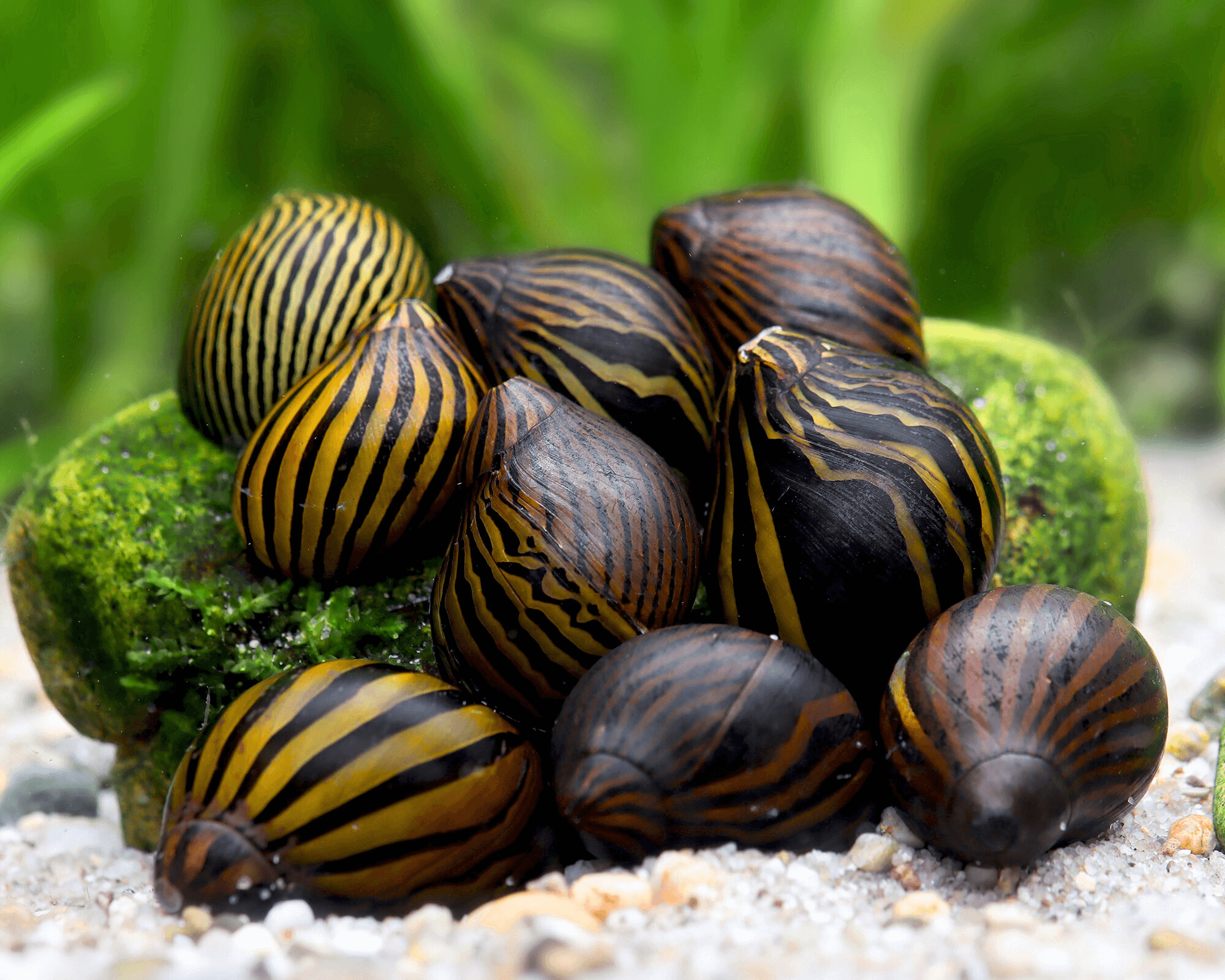
Ramshorns Reveal a Food-and-Chemistry Imbalance Quickly
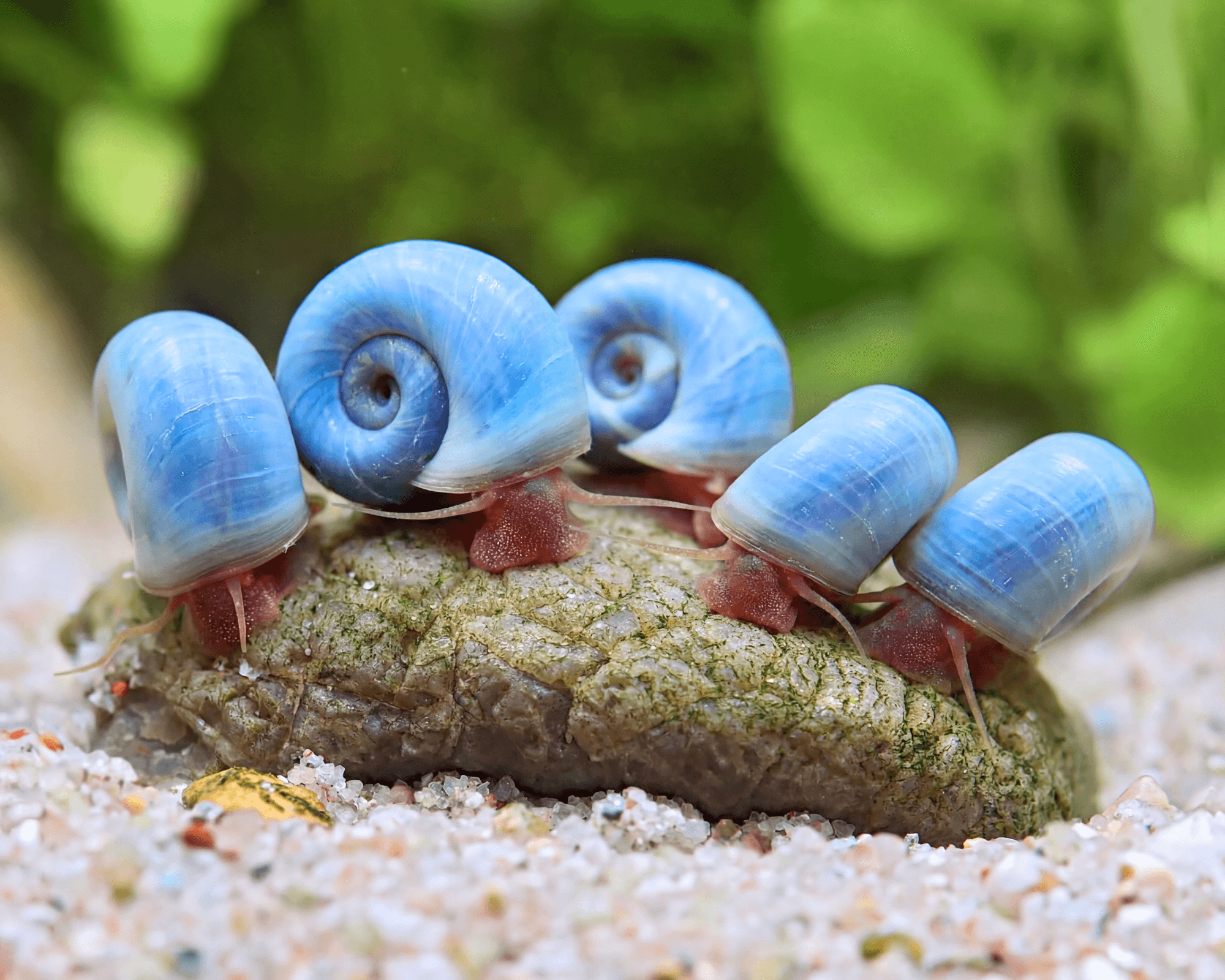
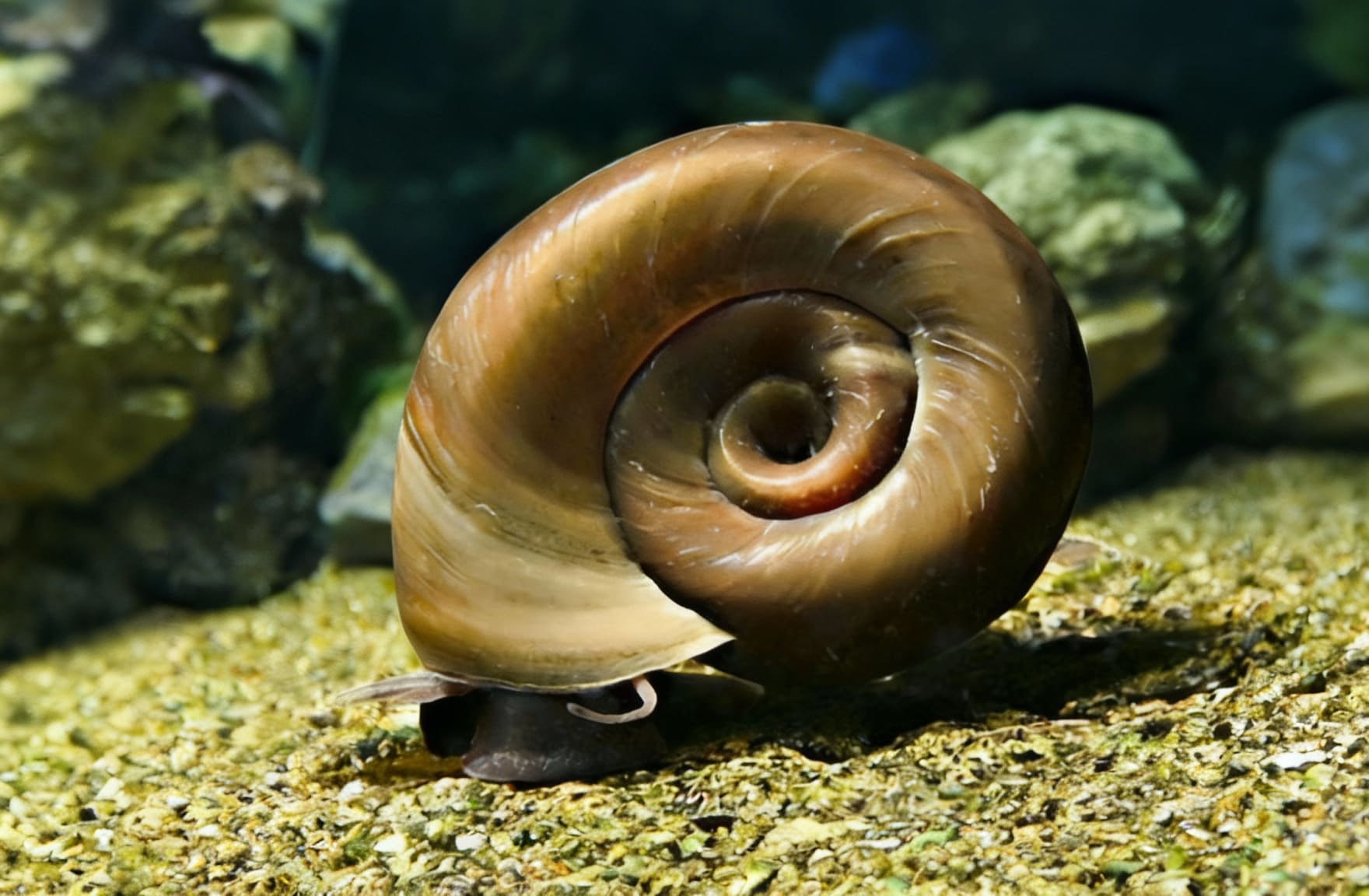
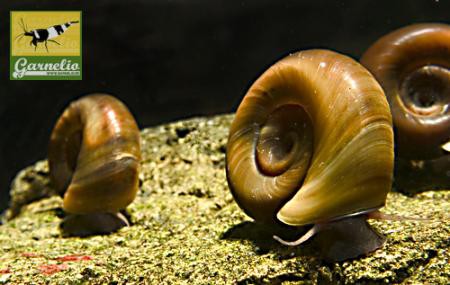
Ramshorn snails can be useful indicators because they respond visibly to both feeding conditions and shell wear. Their population often expands when fish food, dead leaves, or soft vegetables are more plentiful than the tank’s livestock can consume. That growth is not automatically harmful, but it signals that the system is receiving more organic input than planned. Pale, pitted, or thinning new growth suggests that chemistry, nutrition, injury, or previous damage deserves investigation. Reduce excess food first, then review GH, KH, pH, and water-change consistency. Supplemental calcium may help only when the whole water profile and diet are appropriate.
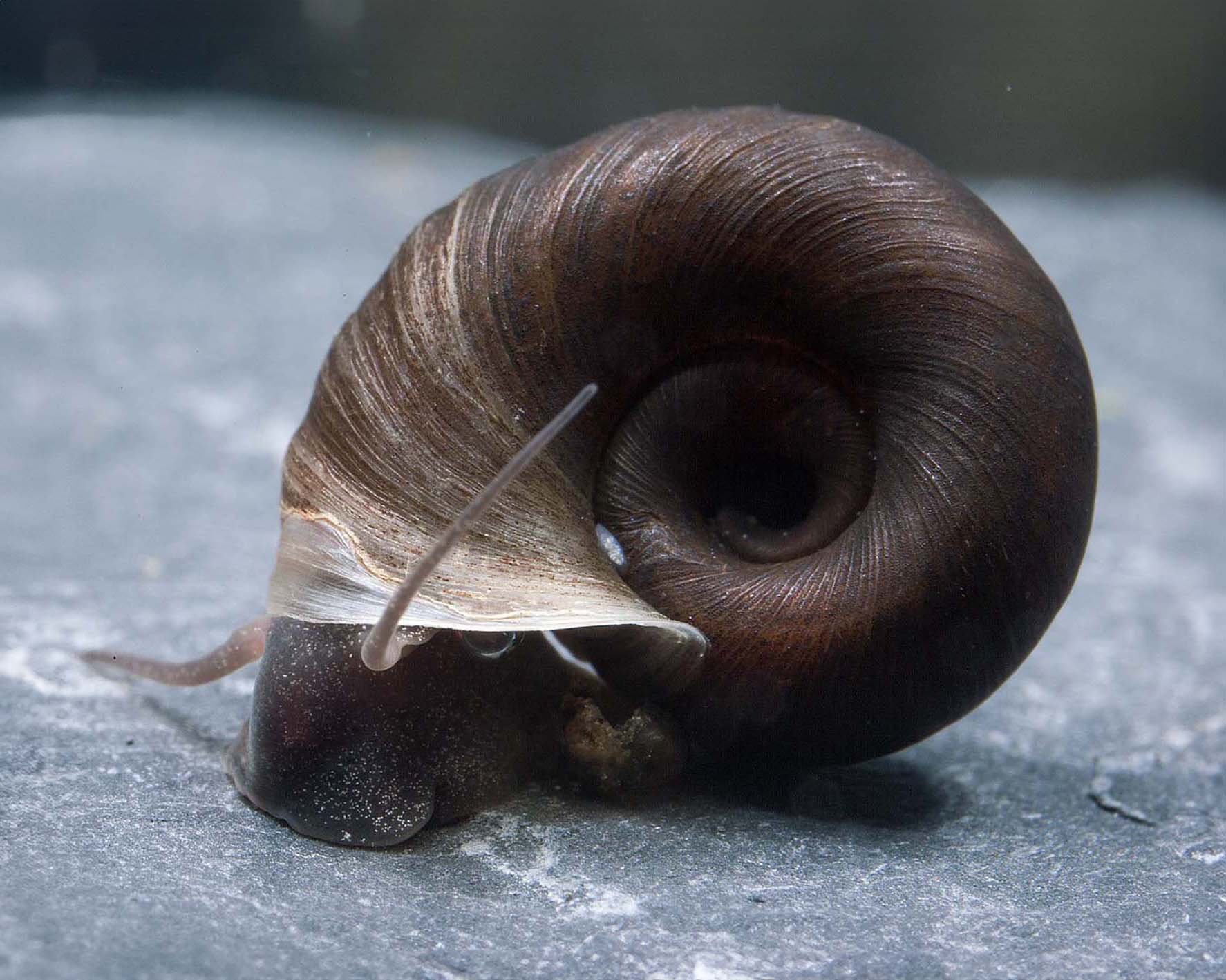
Small Bladder Snails Are Not a Mineral-Free Option
Bladder snails are often treated as accidental hitchhikers, yet they still build calcium-based shells and experience the same chemistry problems as intentionally purchased species. Their small size makes them suitable for some planted nanos, but it also means they can be overlooked when shell deterioration begins. They thrive where biofilm and leftovers are available, so population changes can help you notice feeding problems early. If you want to keep them, maintain stable hardness and remove decaying plant matter rather than trying to eliminate every individual. If you do not want them, quarantine new plants and control food before reaching for chemical treatments that may harm shrimp.
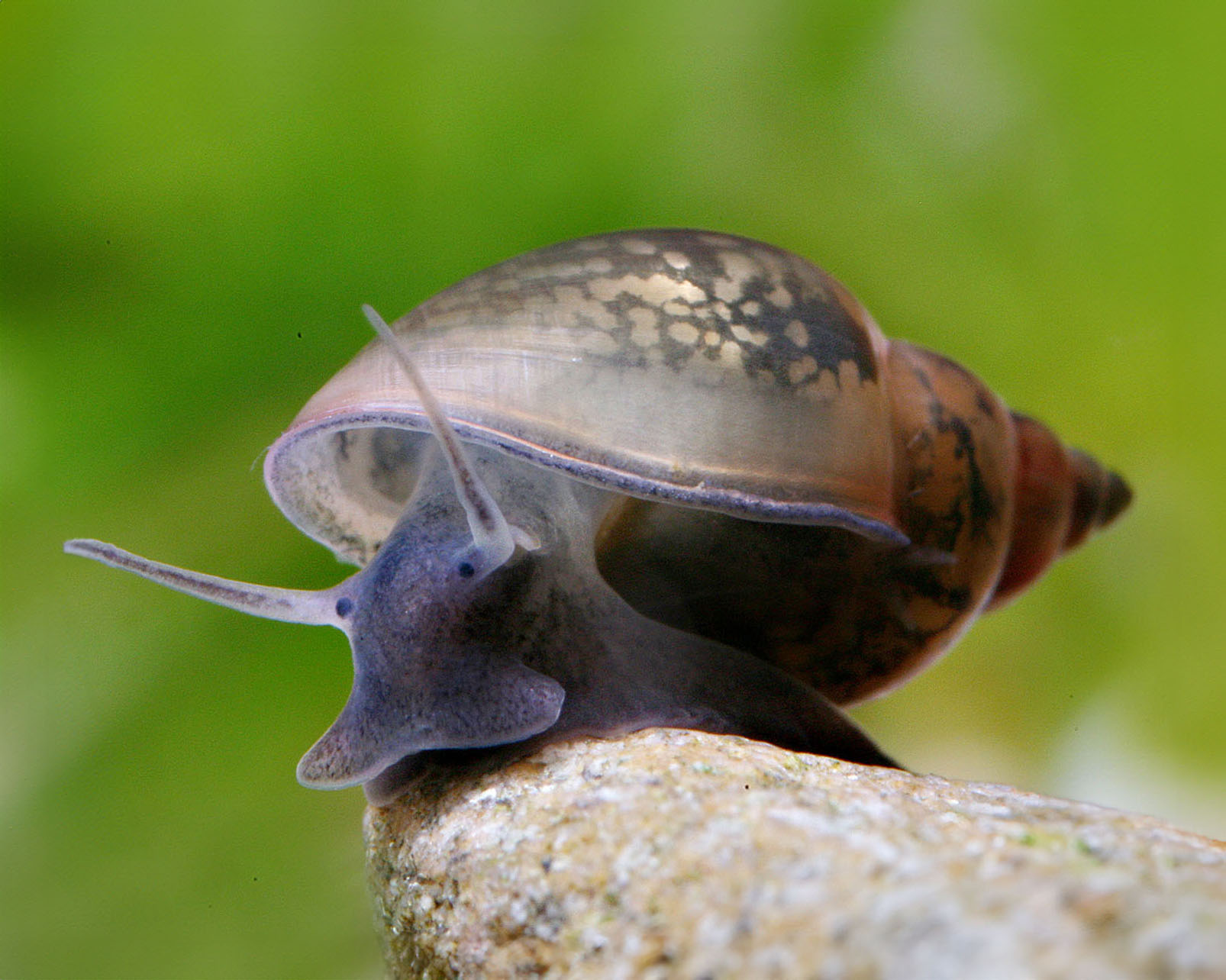
Burrowing Tower Snails Need a Different Job Description
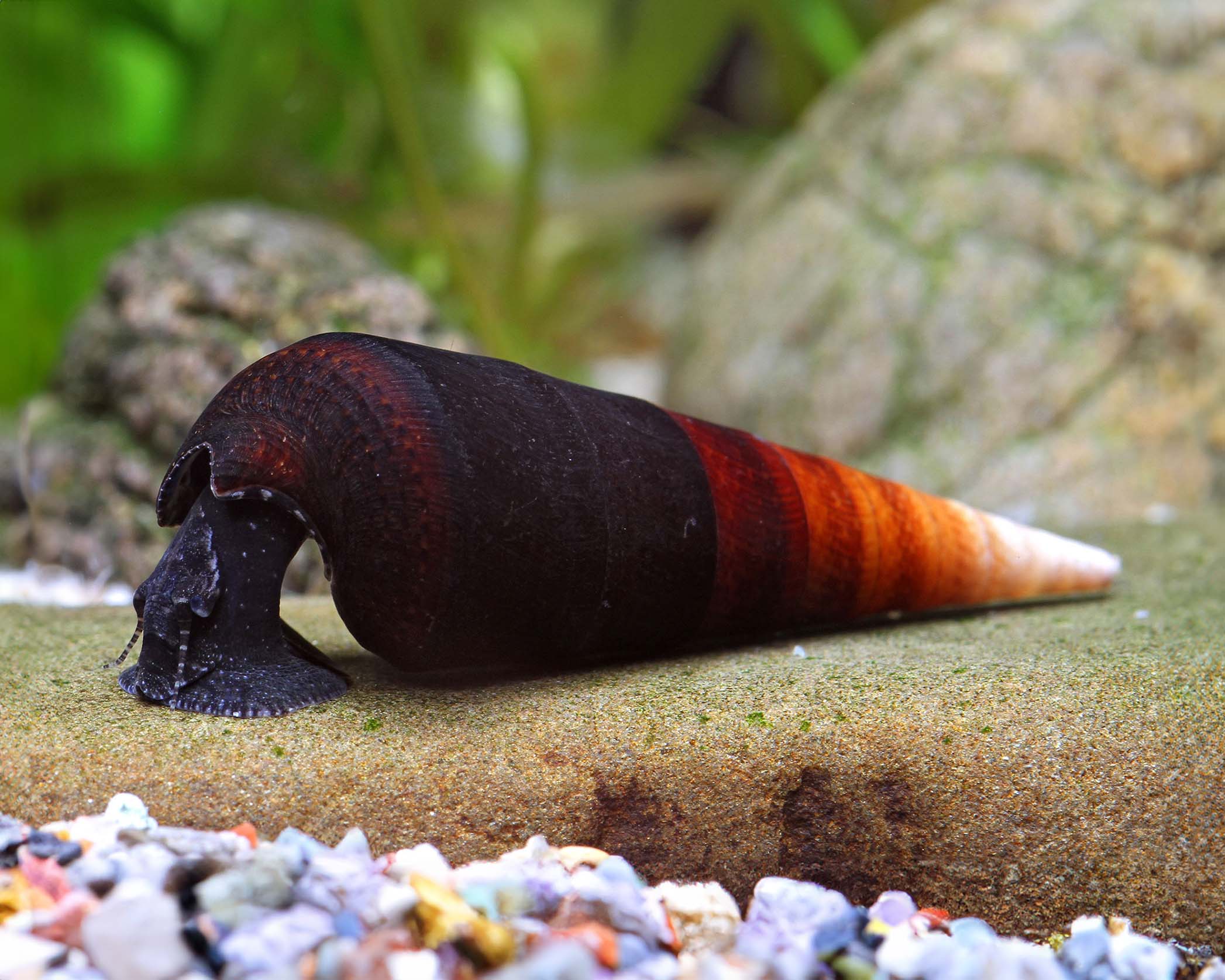
Malaysian trumpet and other tower-shaped burrowing snails spend much of their time in the substrate, where they consume fine organic material and help keep the upper bed active. They are useful in planted aquariums with compacting substrate or uneaten food pockets, but they are not substitutes for gravel cleaning, filtration, or water changes. Their numbers can rise rapidly when food reaches the substrate. Because they interact with the bottom layer, avoid disturbing a mature bed aggressively just to remove them. Maintain minerals through consistent source water and measured feeding, while checking that their burrowing behavior does not conflict with delicate rooted plants or a very fine substrate.
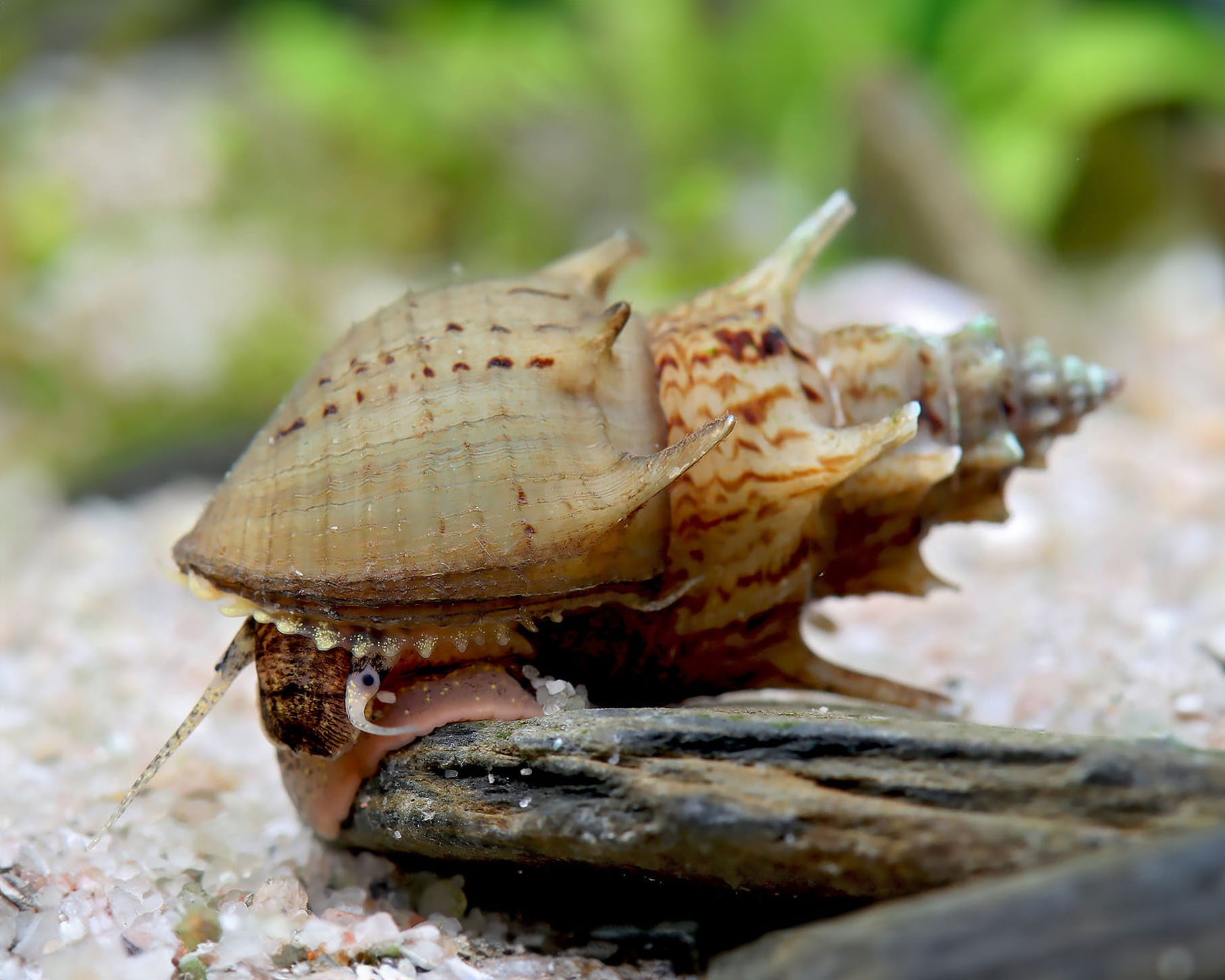
Large Tylomelania Need More Than a Decorative Shell
Tylomelania-type snails are visually distinctive, but they are not interchangeable with small algae grazers. Many come from warm, mineral-rich environments and may require more food, room, and stable chemistry than a tiny planted nano can provide. Their size also increases waste production, so filtration and water changes must be planned around the adult animal rather than the juvenile sold at purchase. Avoid placing one into a soft-water aquascape simply because the shell color fits the design. Confirm the exact species, temperature range, adult size, and feeding needs. If your fish and shrimp require substantially softer water, choose a snail group that creates less chemical conflict.
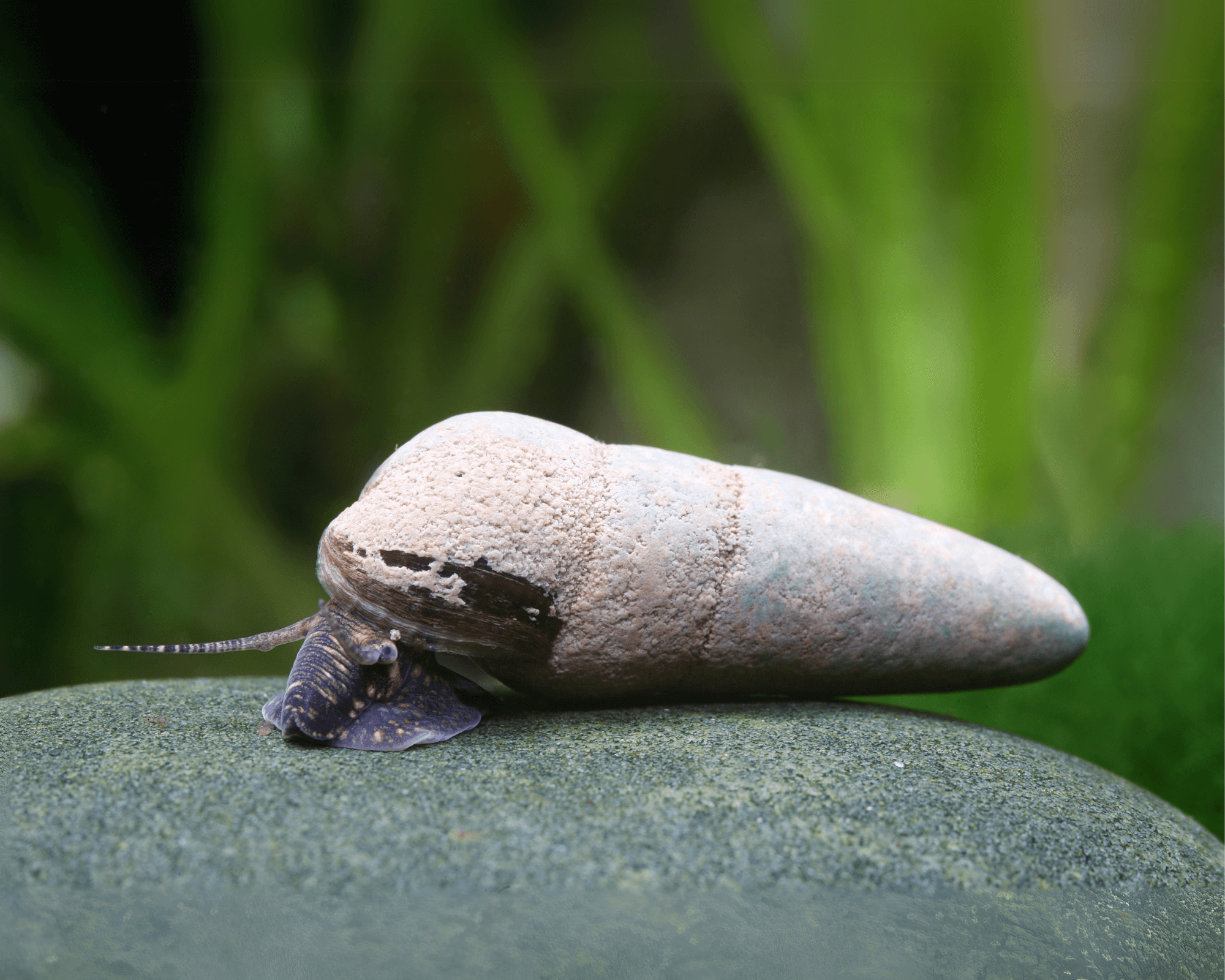
Predatory Snails Change the Mineral and Population Equation
Predatory snails are a poor choice when your goal is to build a peaceful mixed snail community. They may help reduce nuisance snail numbers, but they introduce hunting behavior and can threaten the very ramshorns or bladder snails you intended to observe. Their presence also changes how you plan food: a depleted prey population may leave the predator without a reliable diet. Treat them as a deliberate species choice, not as a general cleanup animal. Check compatibility with shrimp, small fish, and other invertebrates, and keep shell health in view even when the animal is carnivorous. Water stability still matters; a meat-based diet does not remove mineral requirements.
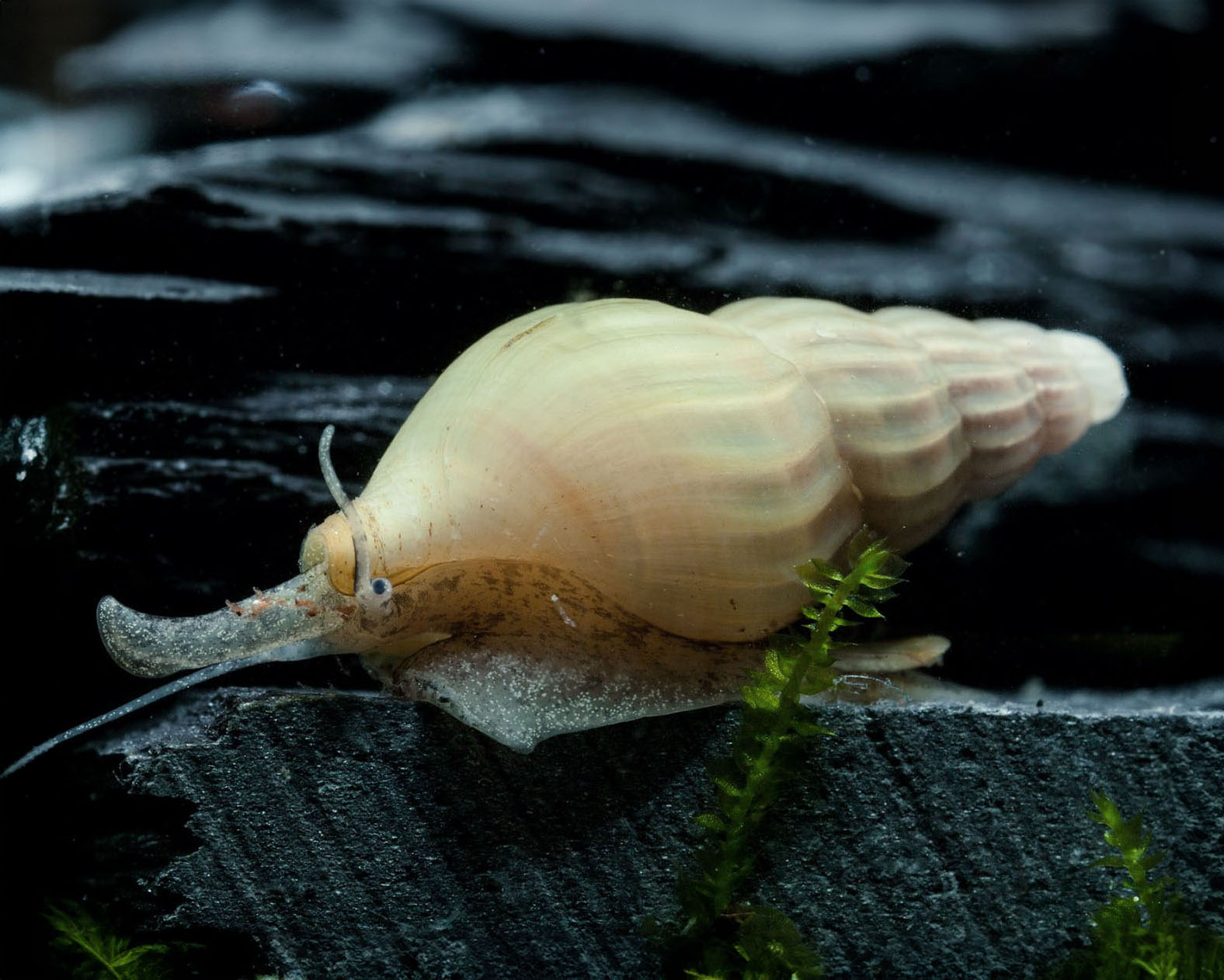
Do Not Confuse Shell Supplementation With Water Management
Cuttlebone, mineral blocks, crushed coral, limestone, and prepared foods can all contribute minerals, but each changes the aquarium differently. Calcium carbonate materials may raise both hardness and buffering, while some supplements mainly add dissolved minerals without providing the same pH effect. Add one change at a time, use a measured amount, and retest after the material has had time to interact with the water. Avoid dumping in several products because a shell looks damaged. Existing erosion will not usually disappear; the useful sign is healthier new growth at the shell edge. If fish or shrimp need softer water, use controlled remineralization rather than broad, permanent hardening.
Apple-Type Snails Demand a Full Bioload Plan
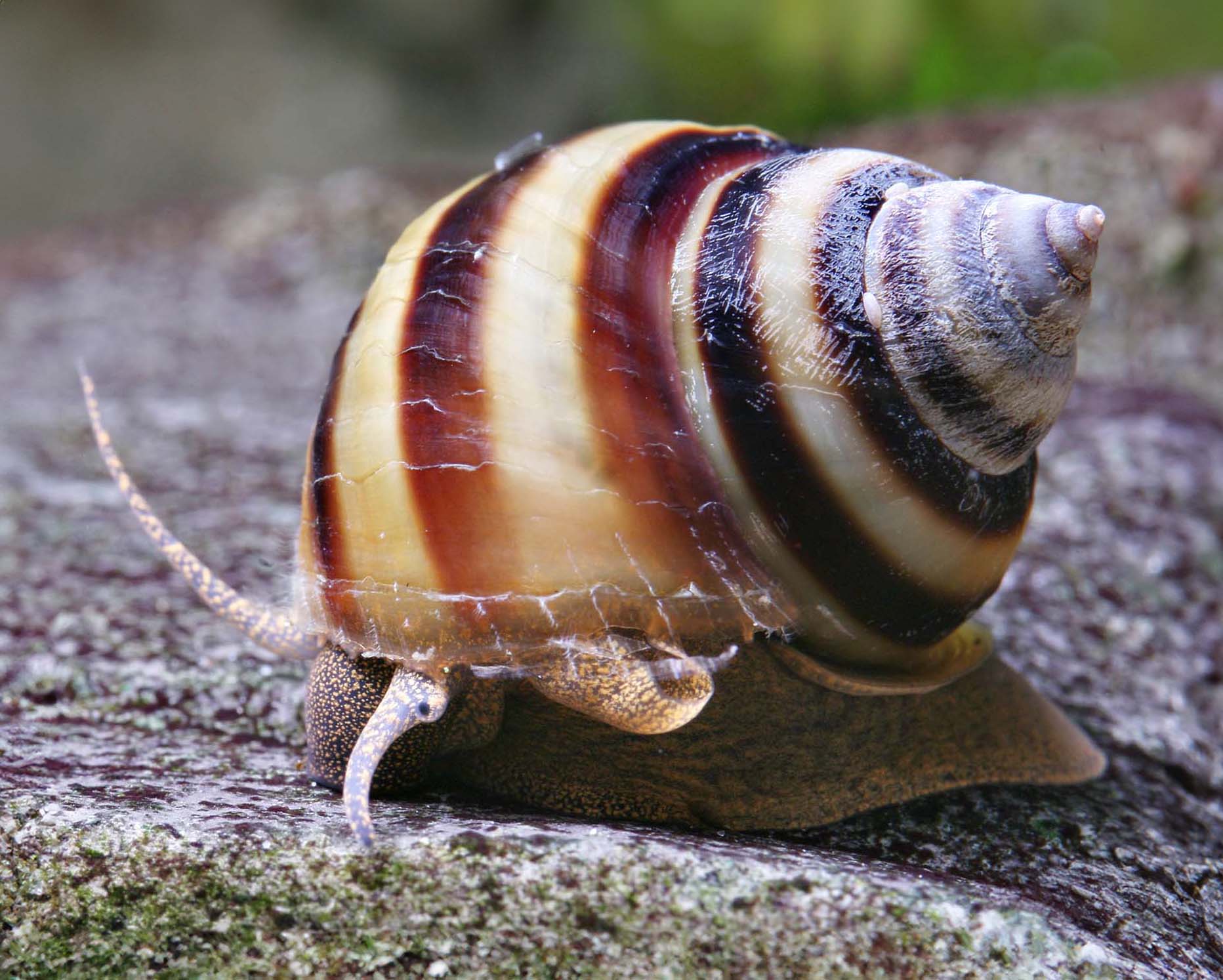
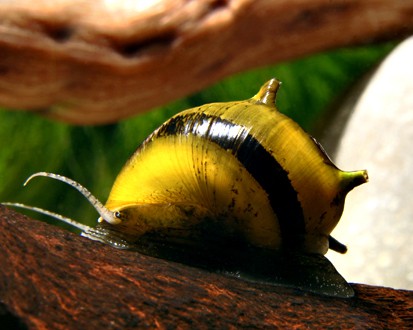
Apple-type snails, including large mystery-snail relatives, can be engaging display animals but produce substantially more waste than tiny grazing species. They need dependable food, access to the surface when applicable, a secure lid, and enough space to move without crushing delicate plants. Their shells also expose instability over time, especially when the aquarium is acidic or mineral-poor. Do not add one to a small planted tank because it appears calm in the store. Calculate adult size, feeding, filtration, and water-change workload first. If the aquarium contains shrimp, protect feeding areas so the larger snail does not monopolize food or disturb a developing colony.
Use Shell Growth as a Long-Term Water-Quality Record
A snail’s newest shell growth is more informative than its original color or the older damaged portion. Photograph the shell when the animal arrives, then compare the growing edge every few weeks under similar lighting. Look for continued pitting, chalky edges, cracks, thinning, or a sudden change in activity. At the same time, review test results, food input, dead leaves, filter maintenance, and water-change records. Correct the likely cause gradually: stabilize pH and KH, provide appropriate GH, remove pollution sources, and offer a suitable diet. Avoid sudden large chemistry shifts, especially in tanks containing shrimp or fish that are adapted to softer water.
Build a Snail Plan Around the Whole Community
The right snail is the one whose requirements overlap with the rest of the aquarium. Nerite-type grazers may suit a planted display with mature surfaces, while ramshorns and bladder snails can fit tanks where population control is part of the plan. Burrowing species occupy the substrate, whereas larger Tylomelania and apple-type snails need more food and space. Predatory snails belong in a separate decision category. Before purchase, write down the livestock’s temperature and hardness needs, the plants’ tolerance for mineral changes, the tank’s food budget, and your realistic maintenance schedule. If those needs conflict, redesign the stocking plan rather than forcing the water toward one animal.
Frequently Asked Questions
What GH do aquarium snails need?
There is no single GH target for every freshwater snail. The important goal is dependable calcium and magnesium availability combined with stable pH and KH. Compare the snail’s needs with the fish, shrimp, plants, and source water already in the aquarium. Test regularly instead of adding minerals blindly.
Can aquarium snails live in a planted tank with aquasoil?
Yes, but aquasoil can lower KH and pH, especially when it is new or actively exchanging ions. Monitor the aquarium over time and confirm that the snail group, fish, and shrimp can share the resulting chemistry. A stable setup is more important than using a particular substrate.
Will calcium repair a damaged snail shell?
Calcium can support healthier future growth when mineral availability is part of the problem, but old pits and cracks generally remain visible. Look for stronger, smoother new growth at the shell edge. Also investigate acidity, weak buffering, poor nutrition, physical damage, and unstable water changes.
Why are my snails multiplying in a planted aquarium?
Rapid population growth usually means the aquarium offers more food than the current livestock consumes. Excess fish food, dead plant material, algae, and supplemental vegetables can all contribute. Reduce waste at the source, remove leftovers, and avoid adding predators unless you specifically want a predator-prey setup.
Can snails and freshwater shrimp share the same minerals?
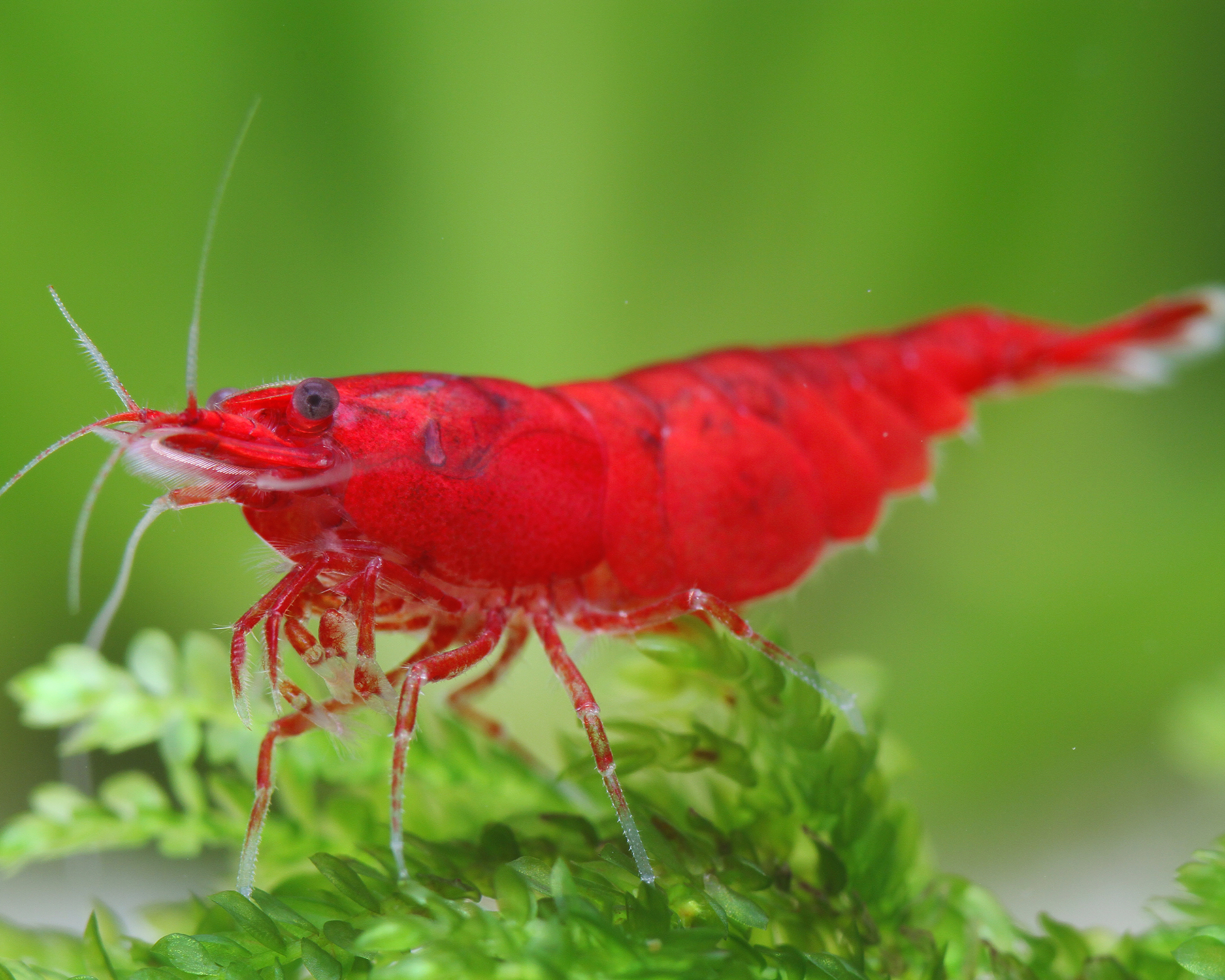
Often they can, but not automatically. Many shrimp and snails benefit from available minerals, while some soft-water fish and sensitive plants may be stressed by a large increase in hardness or buffering. Test GH and KH, make changes slowly, and choose livestock with overlapping water requirements.
 - 2.webp)
Leave your comments