Start With the Outcome You Actually Want
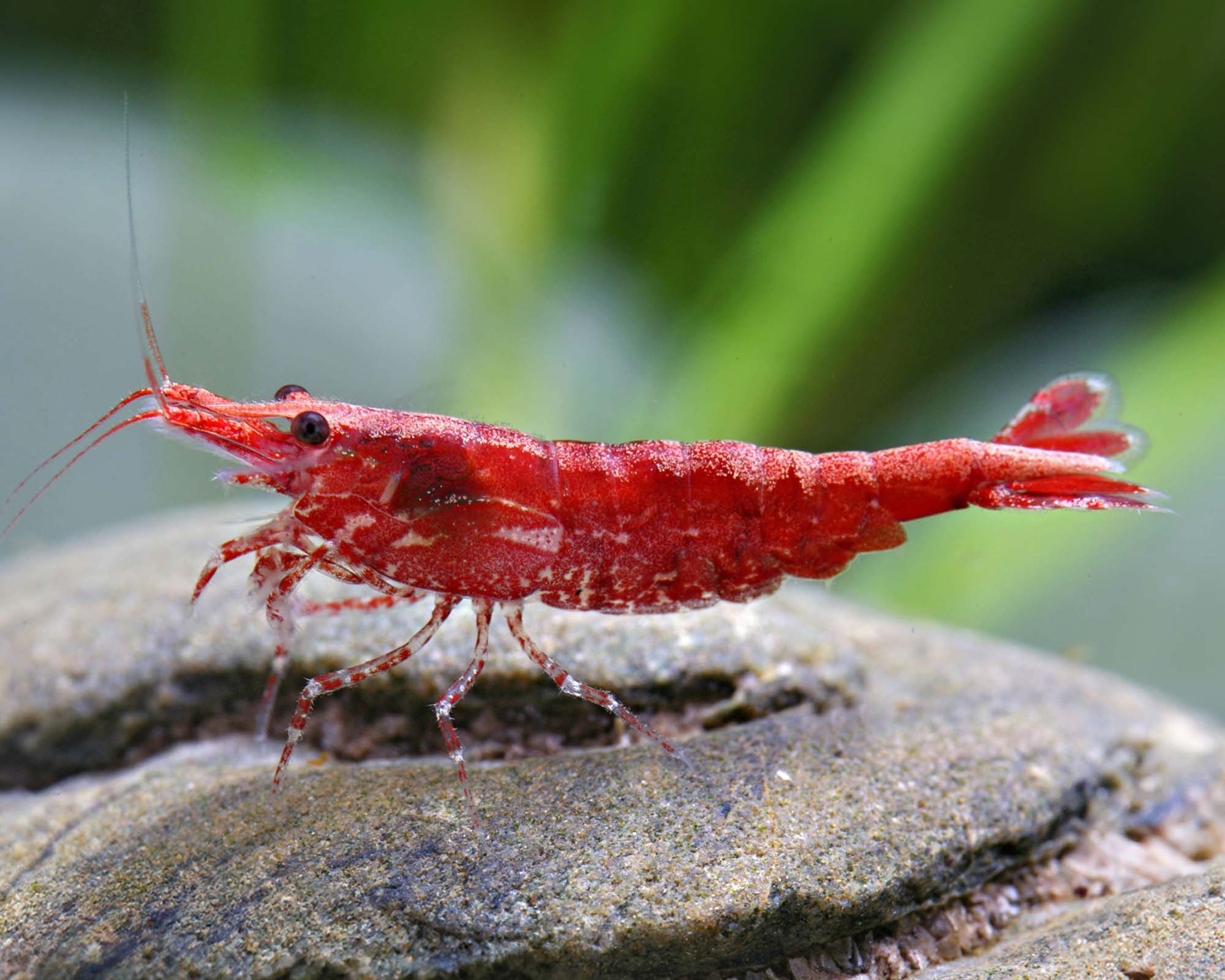
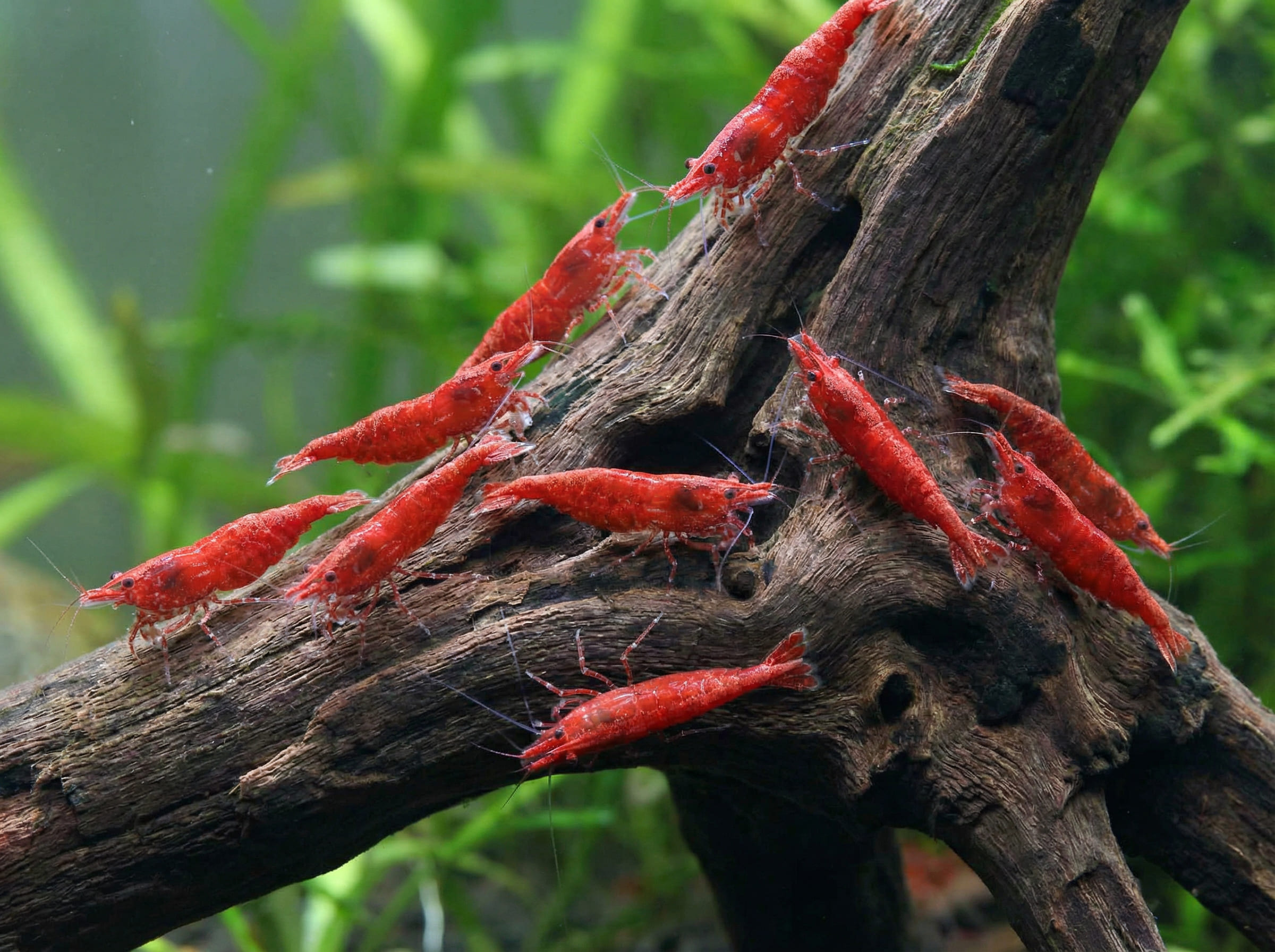
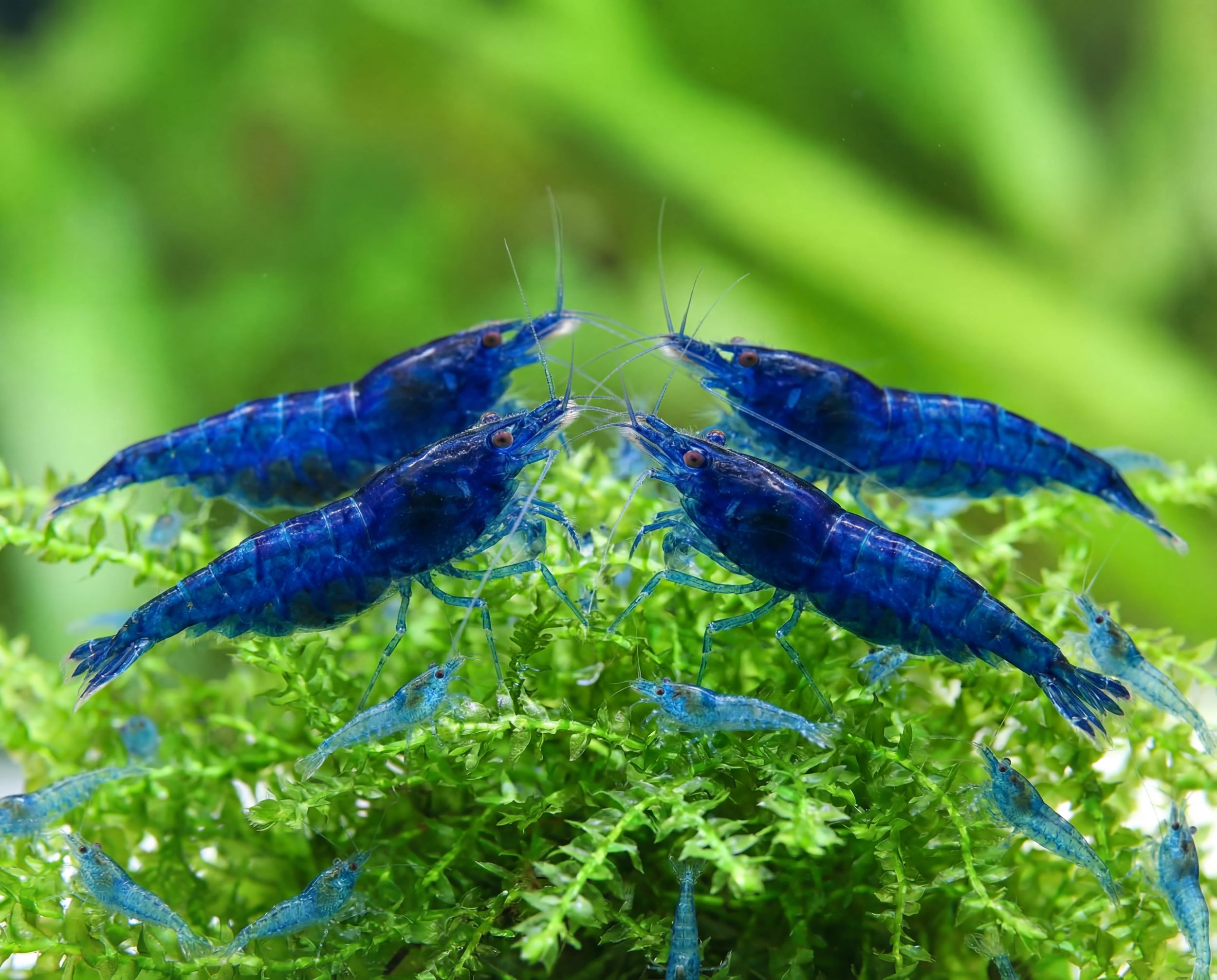
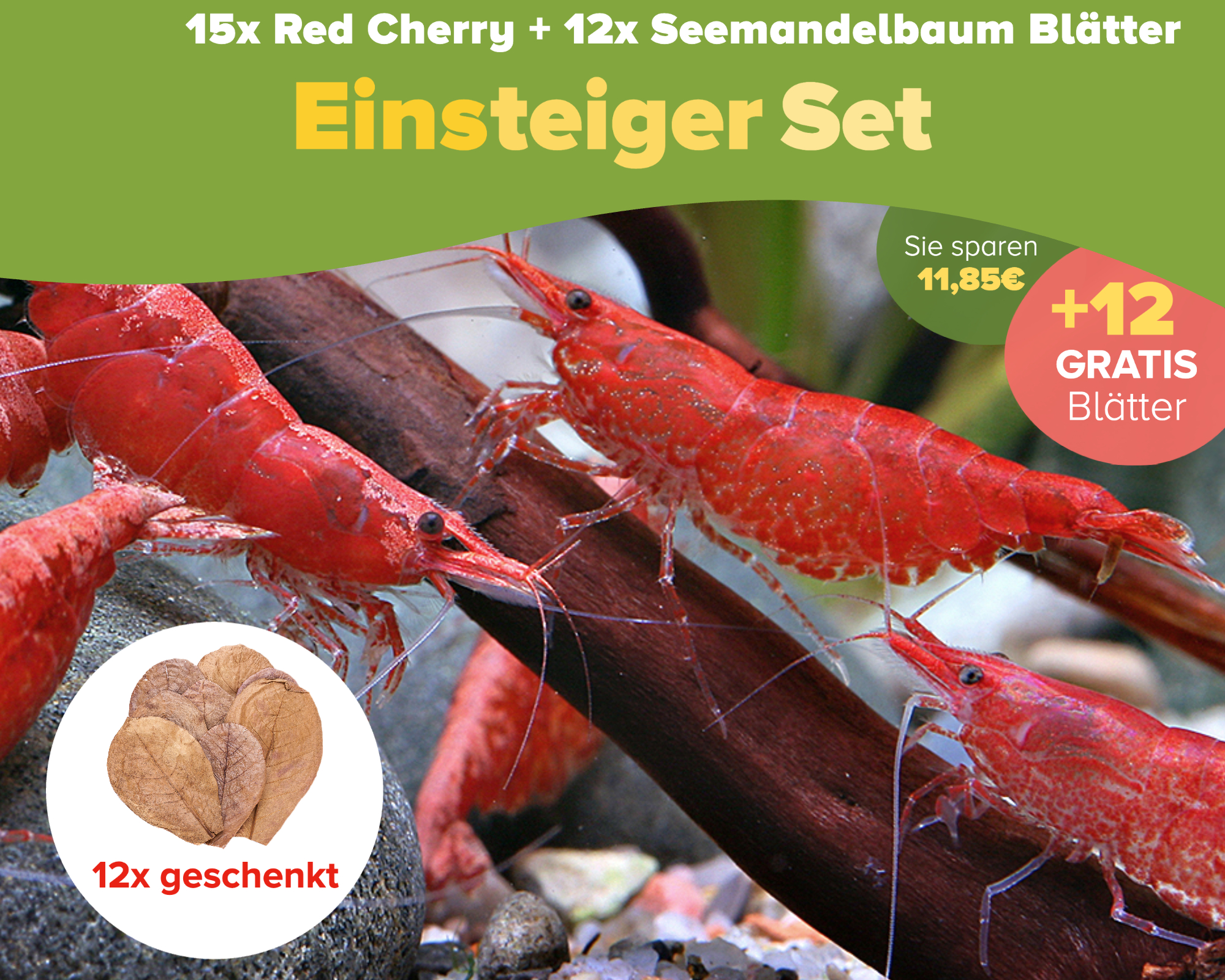
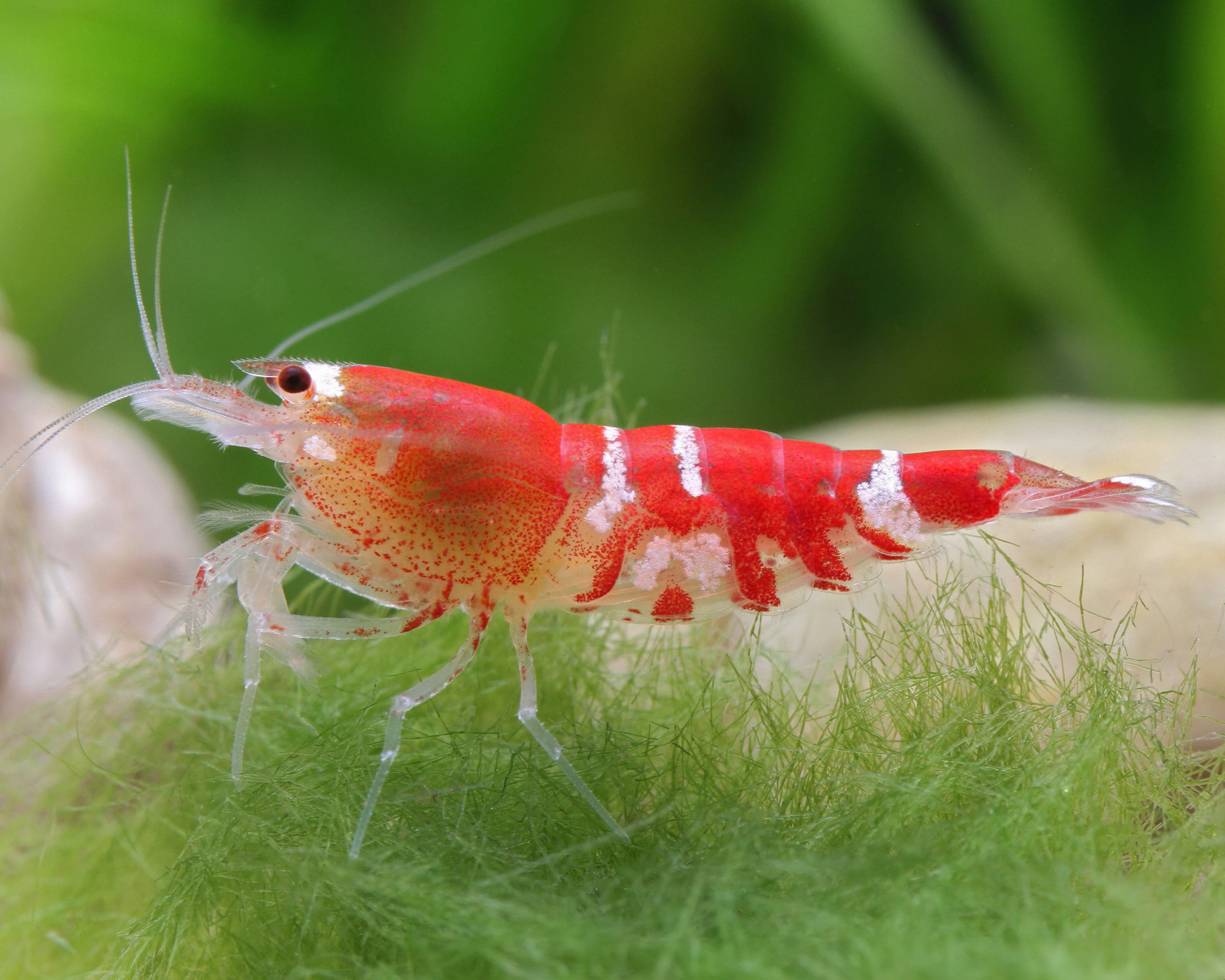
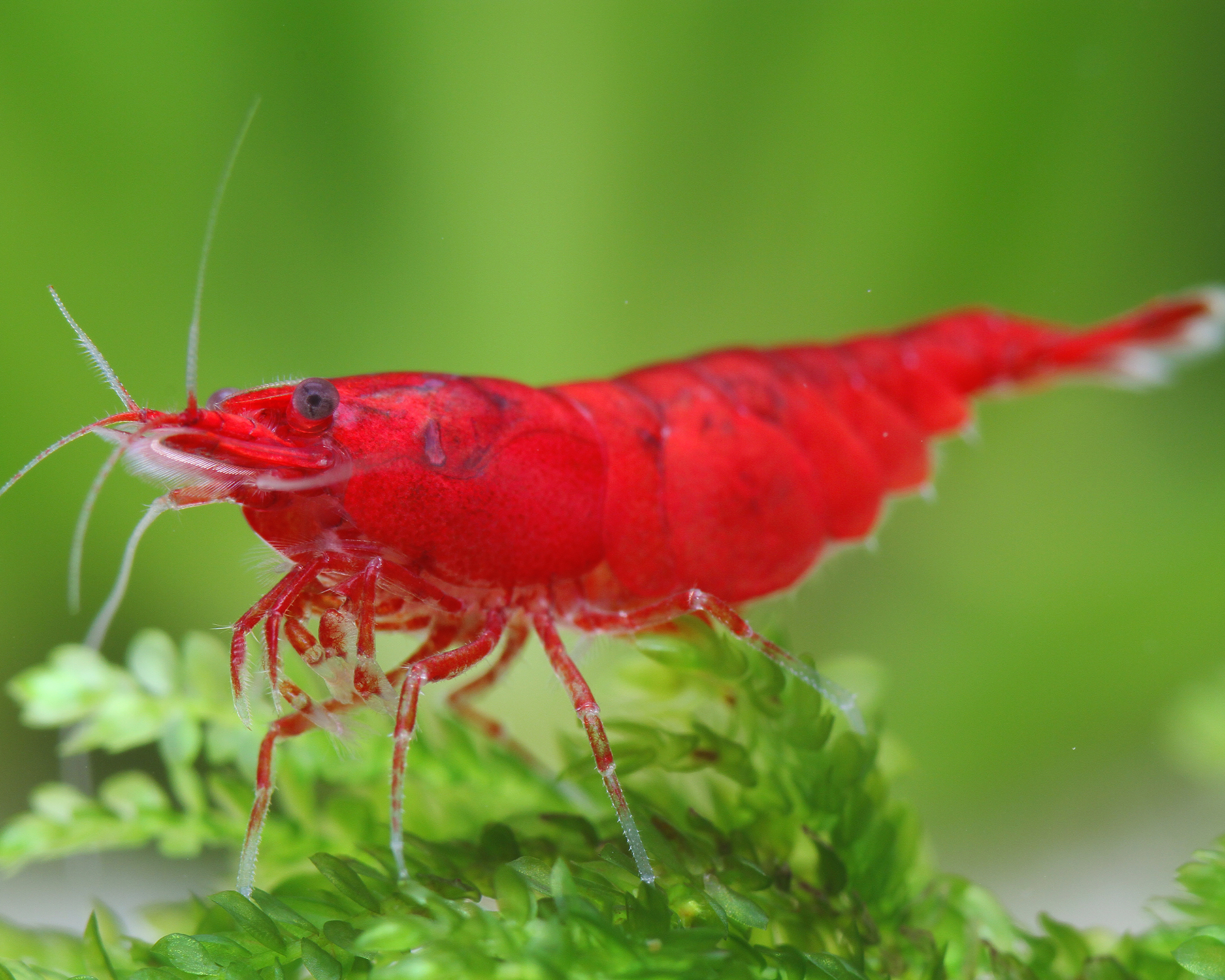
Before choosing a tank mate, decide whether your aquarium is a breeding colony or a community display with shrimp in it. A shrimp-only tank gives newborn Neocaridina the highest survival odds. A planted community tank can still produce young, but the colony may grow slowly because fish find some shrimplets. An adult-focused display has different priorities: color, visibility, peaceful behavior, and manageable bioload matter more than maximum reproduction. Red Cherry, Blue Dream, and Orange Fire shrimp are all useful examples of Neocaridina types, but their color does not make them safer with fish. The same survival question applies to every line: can the smallest young hide before they fit into a fish’s mouth?
Use a Three-Level Tank-Mate Risk Ladder
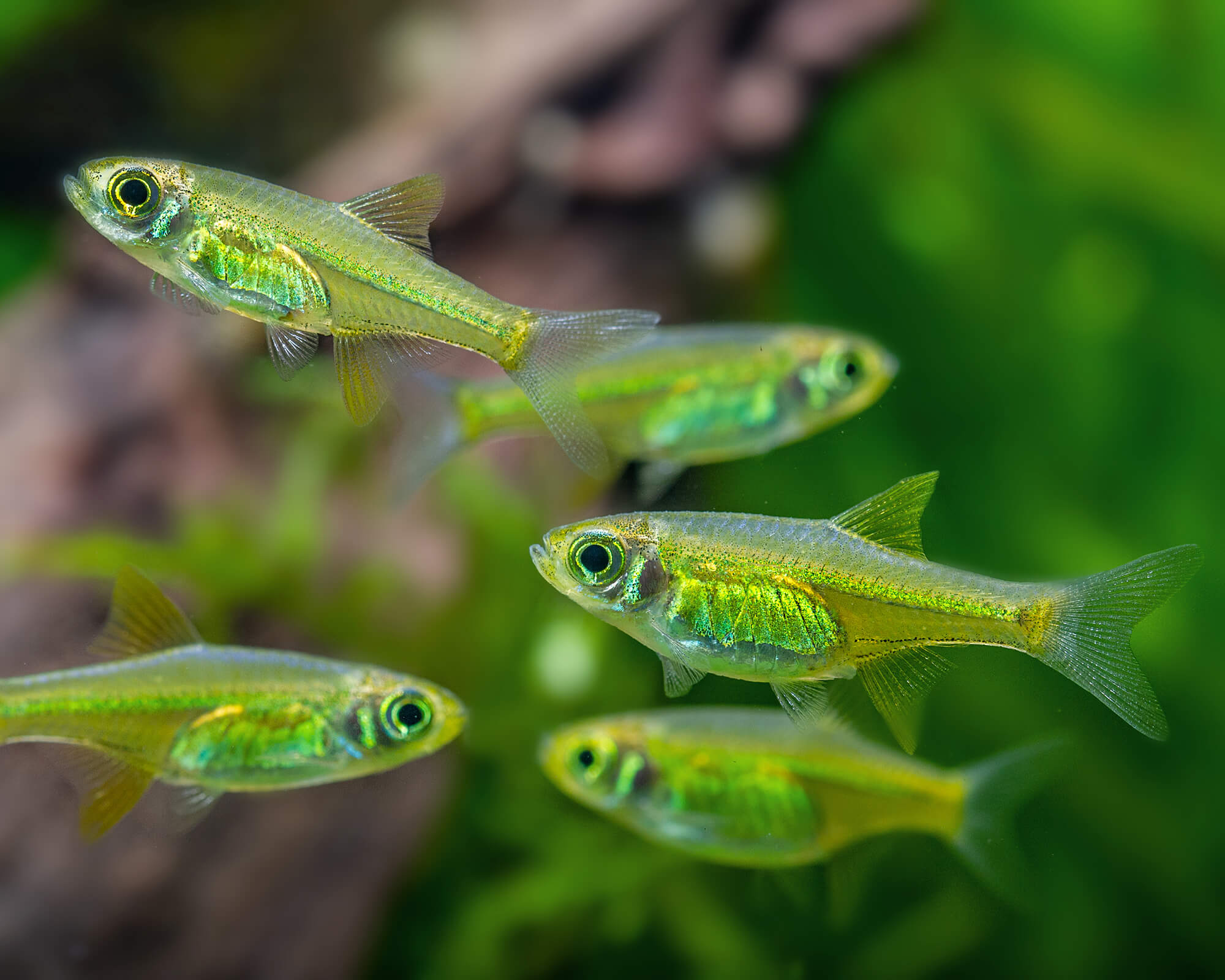
Sort possible companions into three practical levels. Lowest risk usually means peaceful snails and adult Amano shrimp, provided the aquarium suits their separate water, size, and feeding needs. Moderate risk includes very small, non-predatory community fish such as certain rasboras, small danios, Otocinclus, and pygmy Corydoras; adults may be ignored, but newborn shrimp can still be eaten. Highest risk includes large-mouthed, highly predatory, territorial, or persistent hunters such as bettas, larger gouramis, cichlids, many barbs, and larger tetras. Treat livebearers cautiously too: even peaceful guppies and Endlers may consume shrimplets. “Peaceful” describes temperament, not guaranteed baby-shrimp safety.
Why Amano Shrimp Are Safer Than Another Dwarf Shrimp Colony
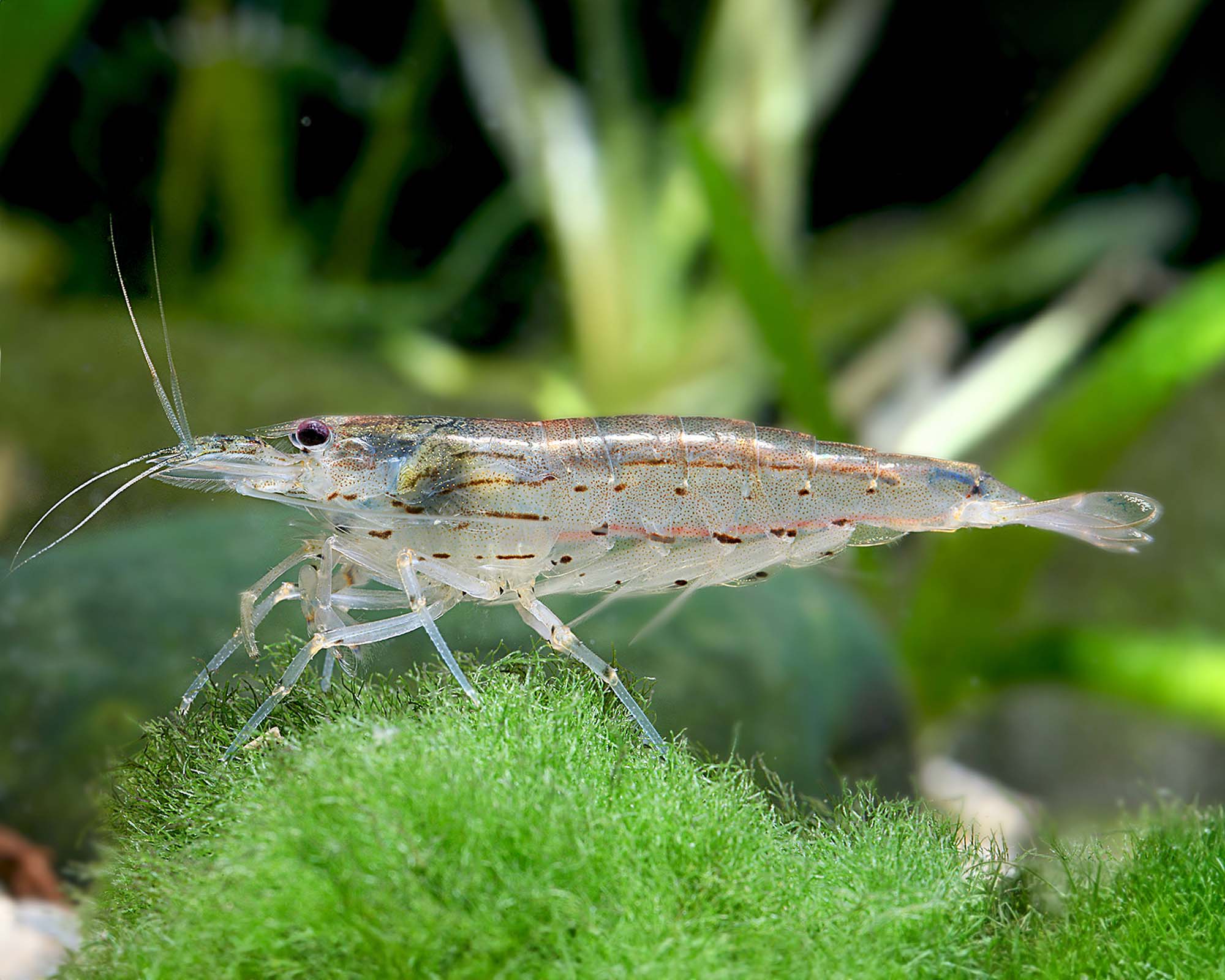
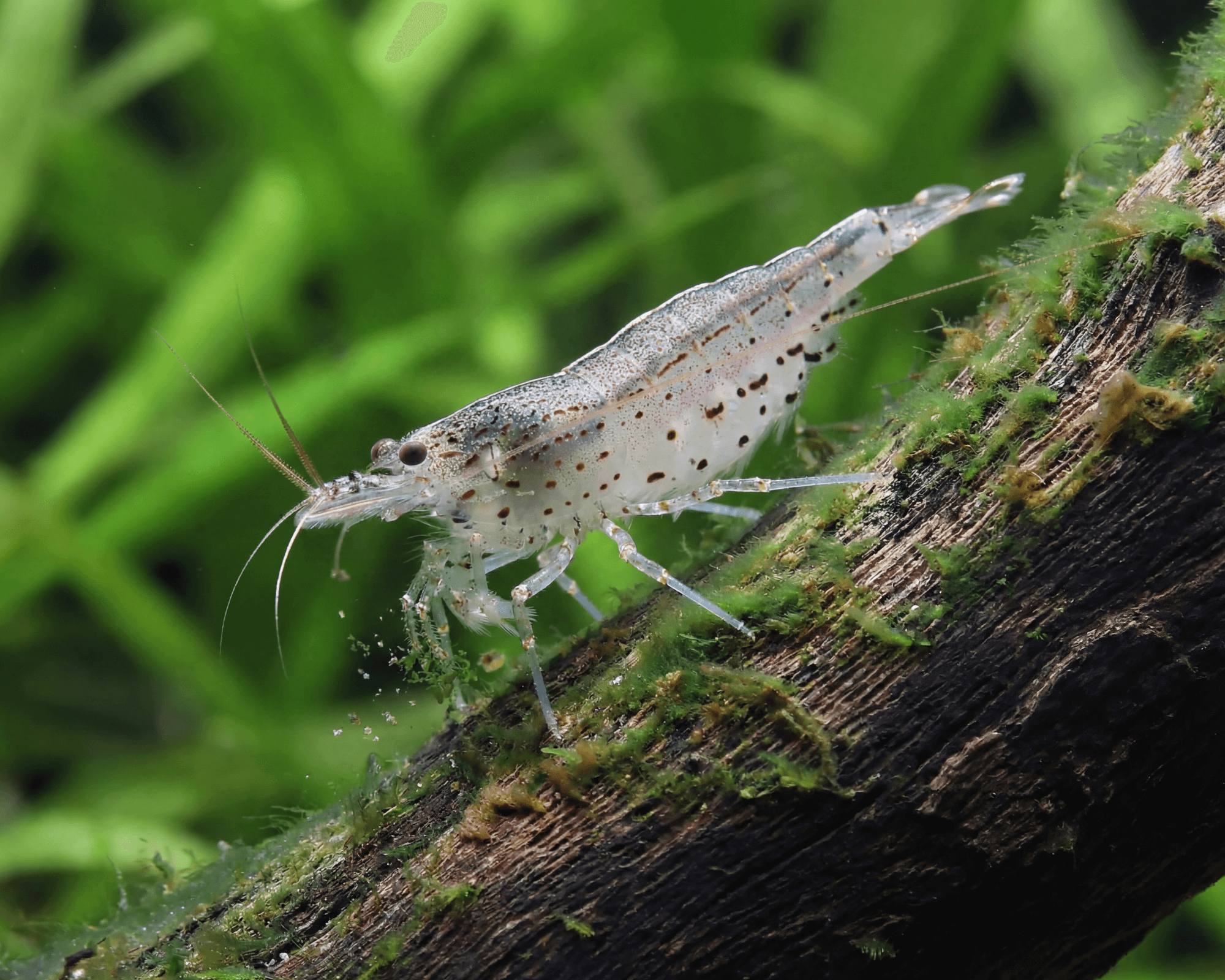
Adult Amano shrimp are often a useful companion when the goal is algae grazing without adding a fish predator. Their larvae require brackish conditions, so they do not normally establish a freshwater breeding colony that competes with Neocaridina for nursery space. They are also much larger than baby dwarf shrimp and generally behave as scavengers rather than hunters. That does not make them risk-free: large Amanos can dominate concentrated food, and a crowded aquarium can create competition. Provide multiple feeding areas, stable water, and enough surface area for grazing. Use Amano shrimp as a lower-risk tank mate, not as proof that every larger shrimp species is compatible.
Snails Add Activity Without Hunting Shrimplets
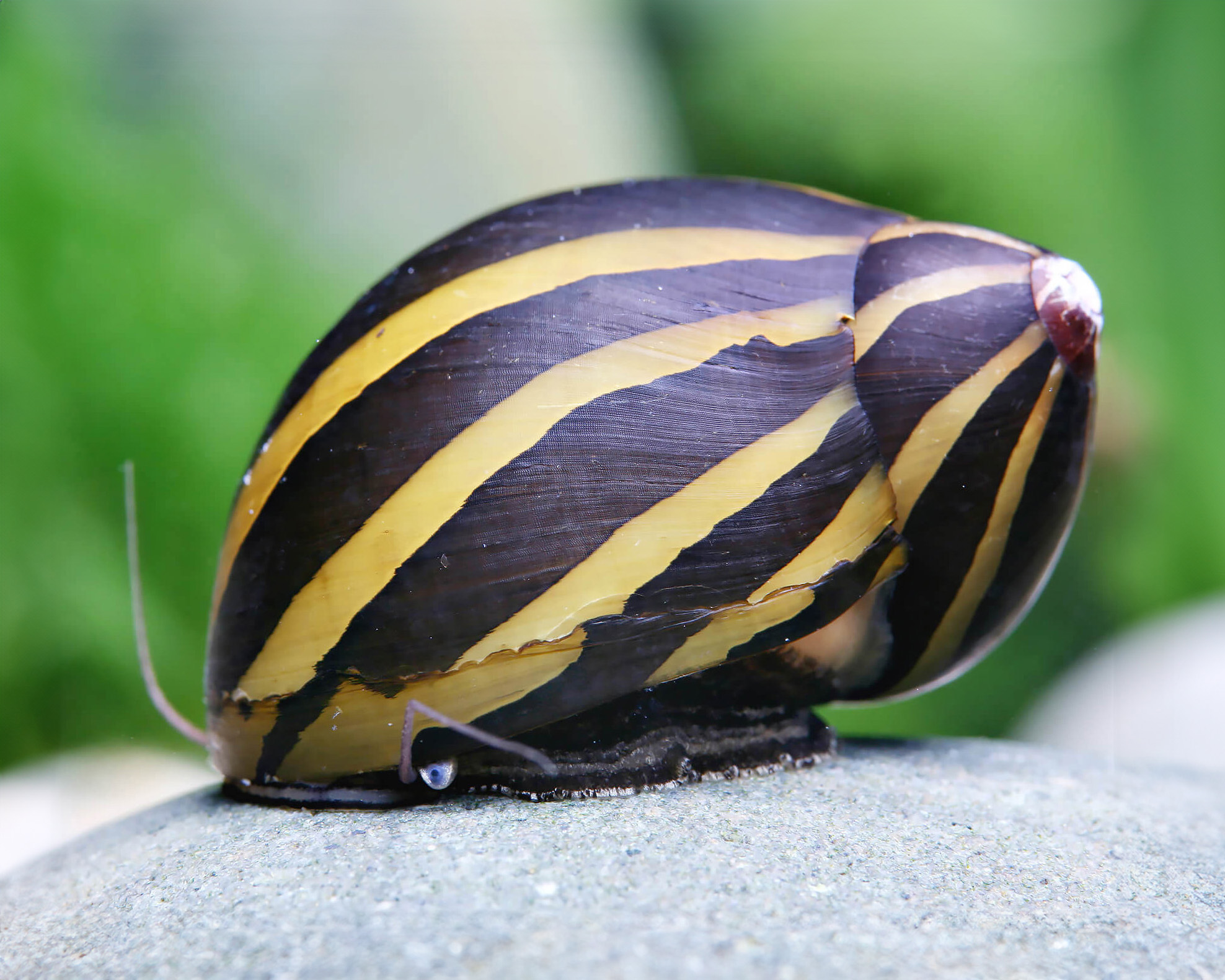
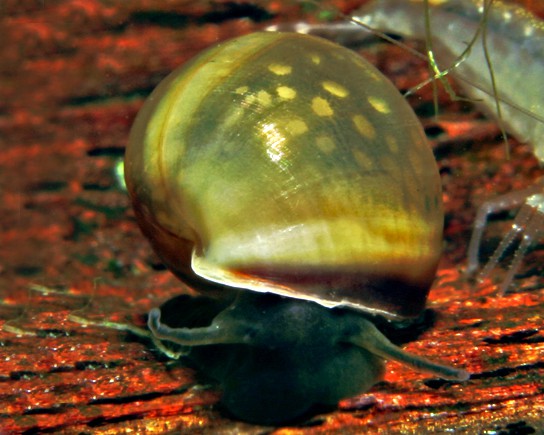
Most common planted-tank snails are more compatible with breeding dwarf shrimp than fish because they graze, scavenge, and rasp soft growth rather than actively chase live prey. Nerite snails are useful when you want algae grazing without a freshwater population boom, while smaller bladder, ramshorn, or Malaysian trumpet snails can help process leftovers but may multiply when feeding is excessive. The main cautions are indirect: large snails can crowd feeding areas, mystery snails produce more waste, and any snail requires suitable calcium and water chemistry for shell health. Choose snails for the cleanup job you need, then control portions so they do not compete with newborn shrimp for food.
Choose Fish by Mouth Size and Hunting Pattern
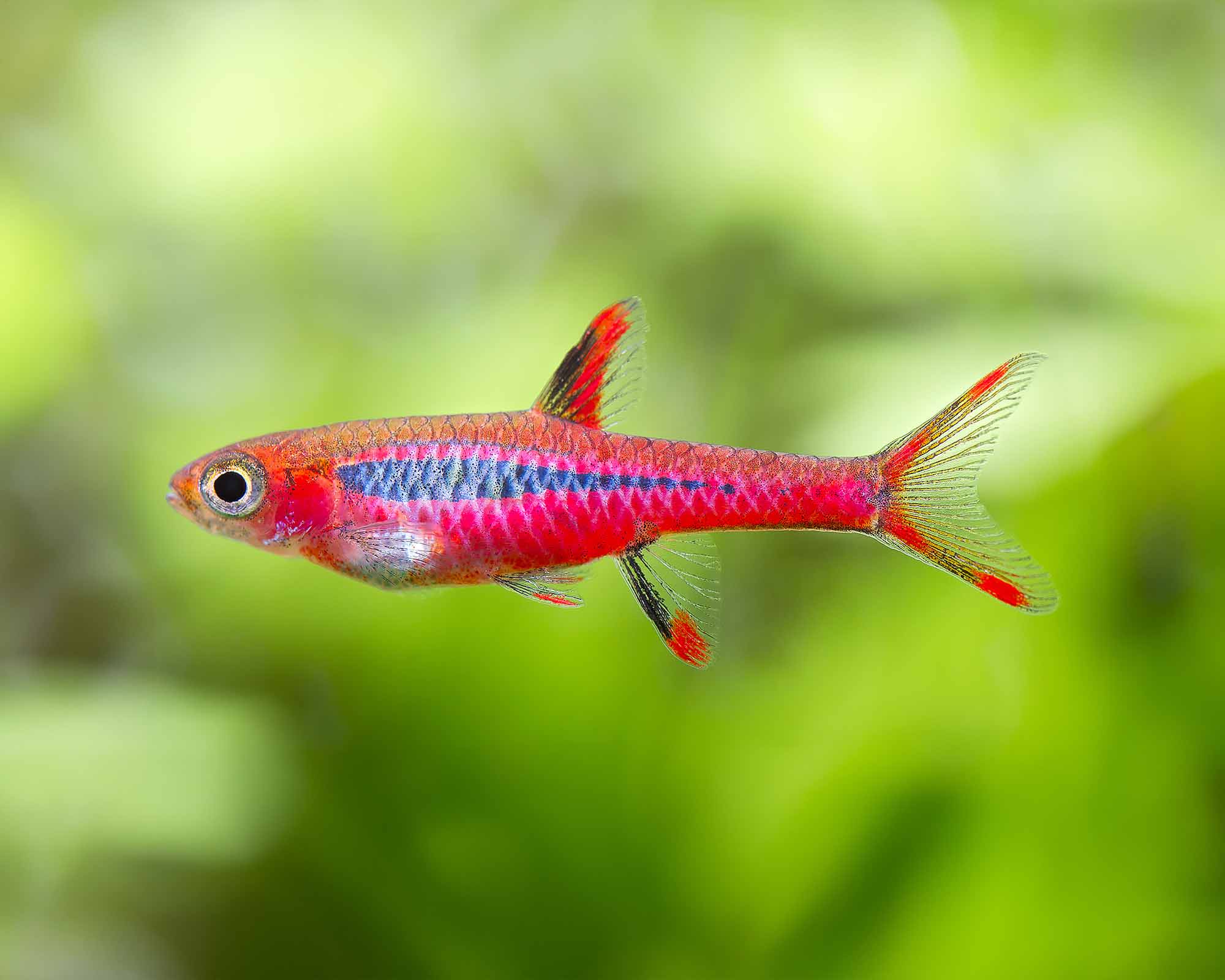
Fish selection should begin with behavior, not color or a popular compatibility chart. A tiny fish that constantly searches moss, substrate, and plant roots is a greater shrimplet risk than a slightly larger fish that stays in open water. Look for small peaceful species with small mouths, limited interest in bottom crevices, and a calm feeding response. Even then, assume some losses. Ember-type tetras, Boraras rasboras, celestial pearl danios, and Otocinclus are often considered better candidates than larger or more predatory fish, but individual behavior varies. If seeing a growing colony matters, start with shrimp first, observe reproduction, and add fish only after the planted habitat is mature.
Build Cover That Works at Shrimplet Scale
A tall stem plant is not automatically a nursery. Newborn shrimp need tight, branching surfaces where a fish cannot easily turn or probe. Christmas moss, Java moss, subwassertang, dense guppy grass, fine-leaved stems, floating roots, leaf litter, and small rock gaps can create useful microhabitats. Combine several textures instead of making one decorative clump. Leave some cover near the substrate, where young shrimp spend much of their early time, and keep a portion of the moss mature rather than trimming it constantly. Plants reduce encounters; they do not transform a hunting fish into a guaranteed safe companion. The denser and more mature the cover, the better the odds.
Add Shrimp Before Fish, Not After
Introduction order can change the outcome. A mature planted aquarium gives shrimp biofilm, grazing surfaces, and established hiding places before fish begin patrolling them. Add the shrimp first, allow the colony to settle, and wait for normal feeding, molting, and perhaps berried females before considering fish. Quarantine new livestock whenever possible; a disease or parasite introduction can damage a colony faster than ordinary predation. When fish are added, keep the group appropriate for the aquarium rather than adding one individual of a schooling species. Avoid rearranging every plant at the same time. Stability matters because stressed shrimp spend less time grazing and more time hiding.
Feed So Fish Do Not Turn the Nursery Into a Hunting Zone
Overfeeding is not a baby-shrimp protection strategy. Extra food can raise waste, encourage snails to multiply, and make fish patrol the substrate more intensely. Instead, feed small portions that disappear promptly, place food in more than one location, and use fine shrimp foods or softened vegetables only when the colony needs them. Mature biofilm and plant surfaces should provide much of the grazing opportunity. During a molt, shrimp benefit from stable temperature and mineral conditions rather than sudden doses of supplements. If fish rush every feeding point, try distributing food among moss, hardscape, and a separate open area. The goal is to reduce competition without creating a polluted tank.
Use a Survival Test Before You Commit
Ask four questions before buying a tank mate. Can it fit a newborn shrimp in its mouth? Does it actively inspect plants, substrate, or filter sponges? Will it compete aggressively at feeding time? Can the aquarium provide dense cover without sacrificing circulation? If the answer to any of the first three is yes, expect fewer surviving young. For maximum colony growth, choose a shrimp-only setup with compatible snails. For a community display, choose small peaceful fish only after accepting that some shrimplets may become food. Watch the colony for several weeks after each addition. A stable adult population is not proof that newborn shrimp are surviving.
Color Choices Do Not Replace Compatibility Planning
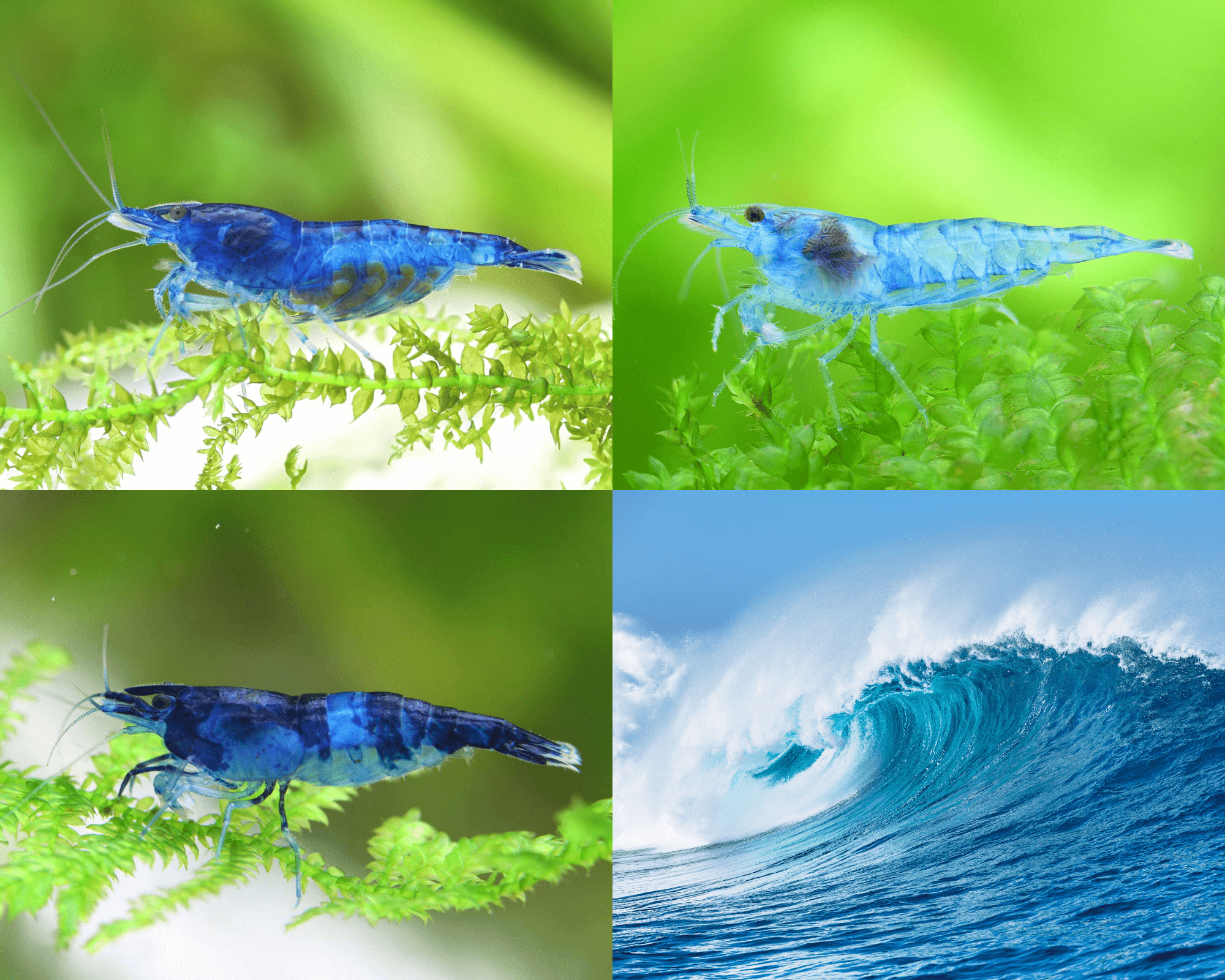
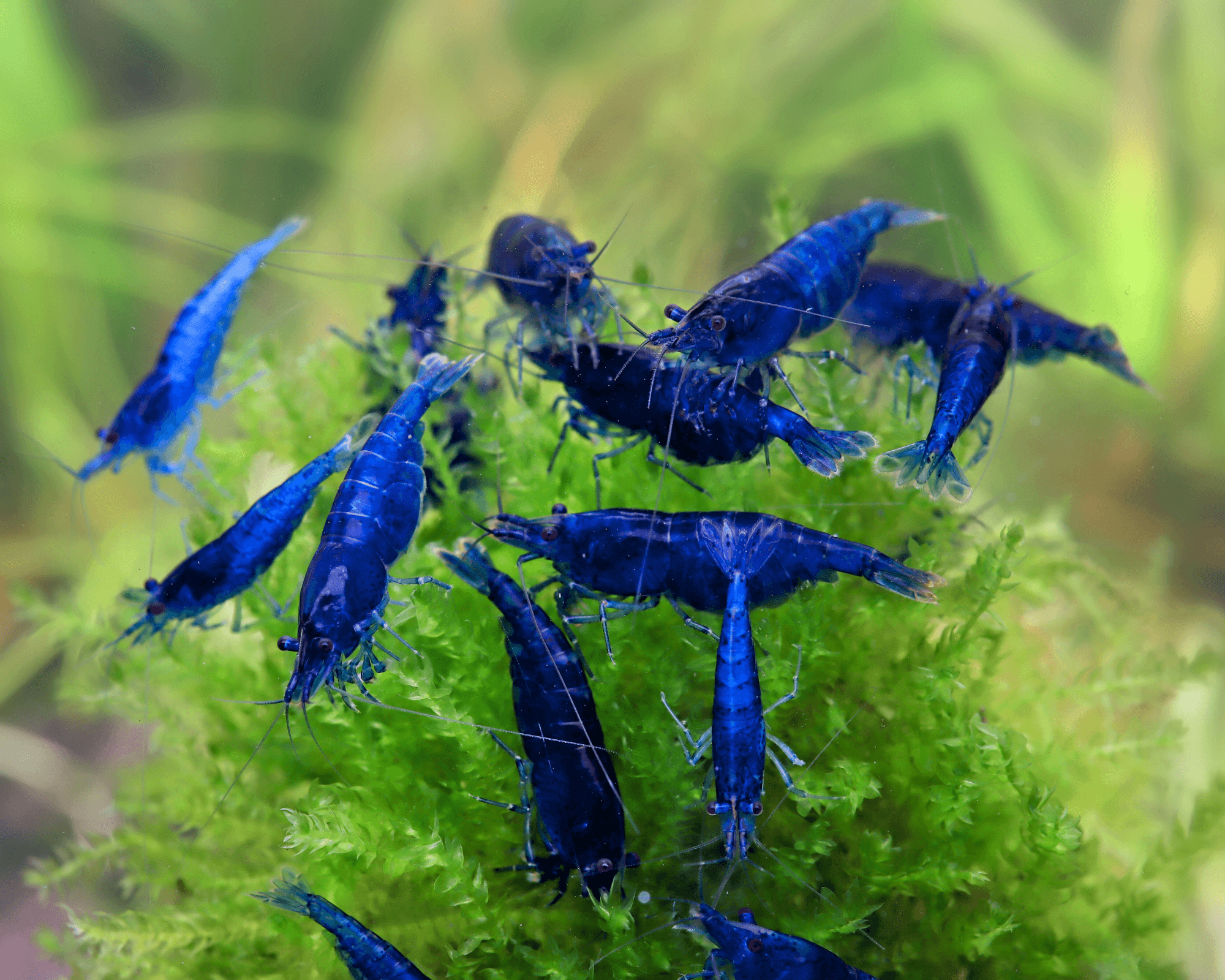
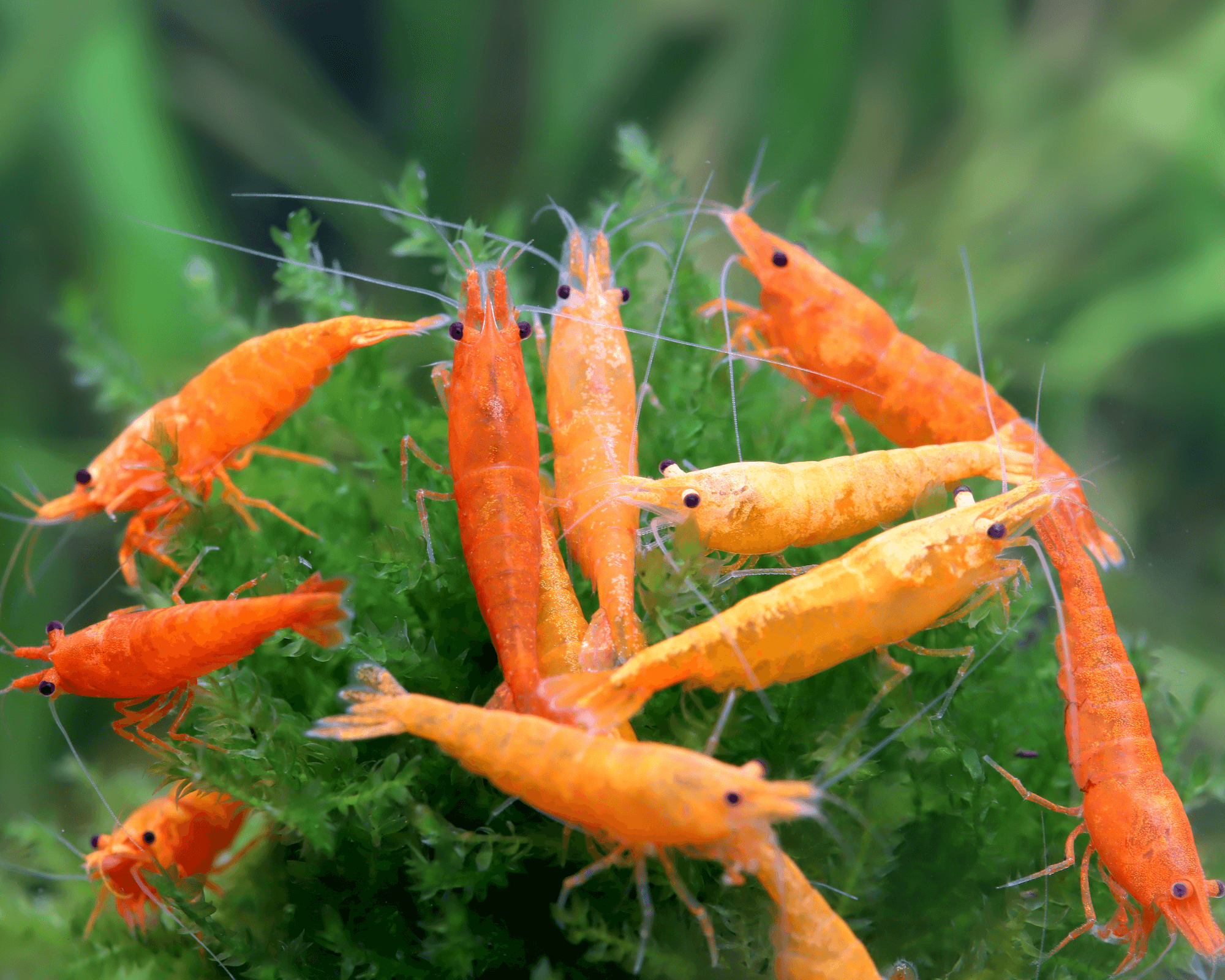
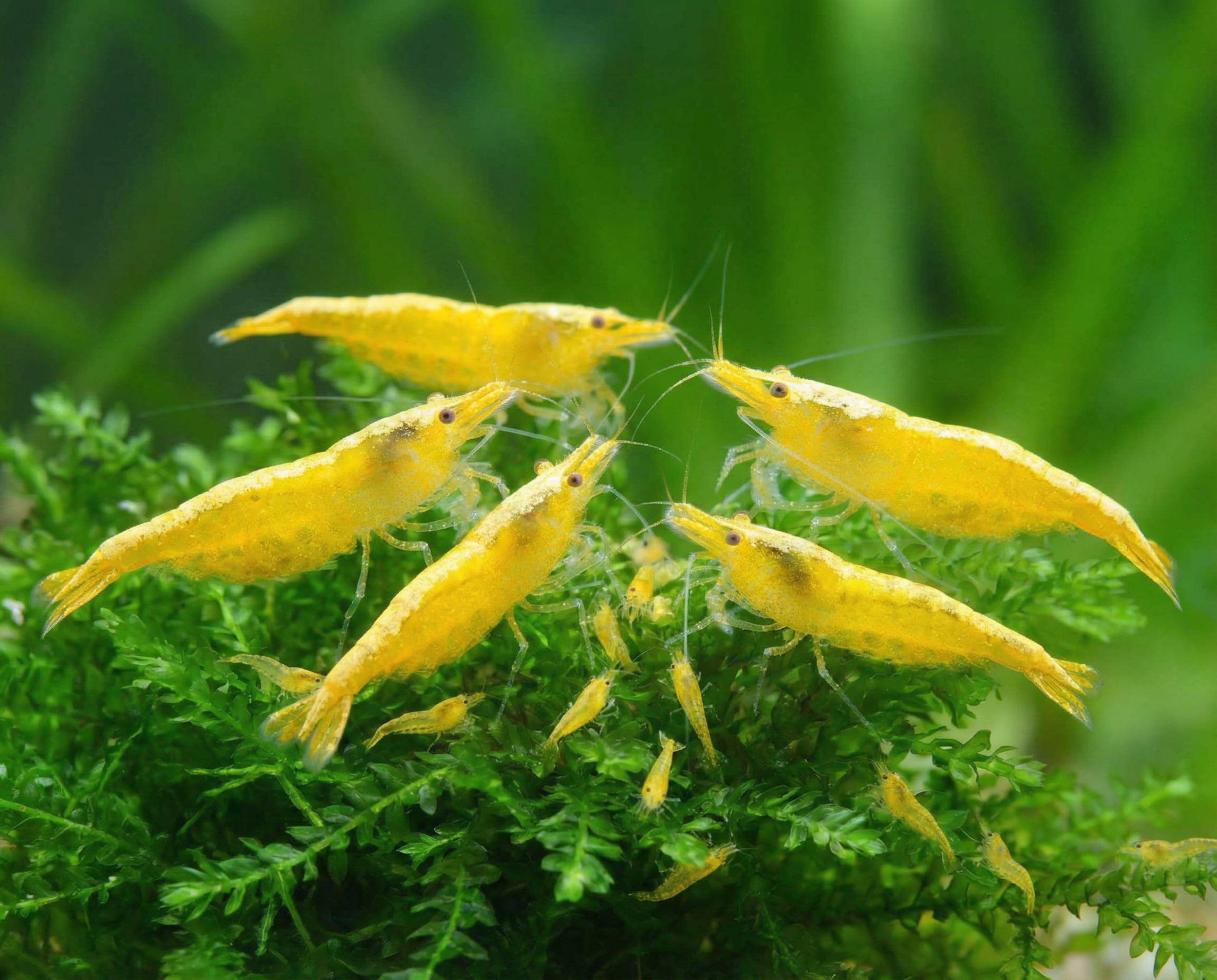
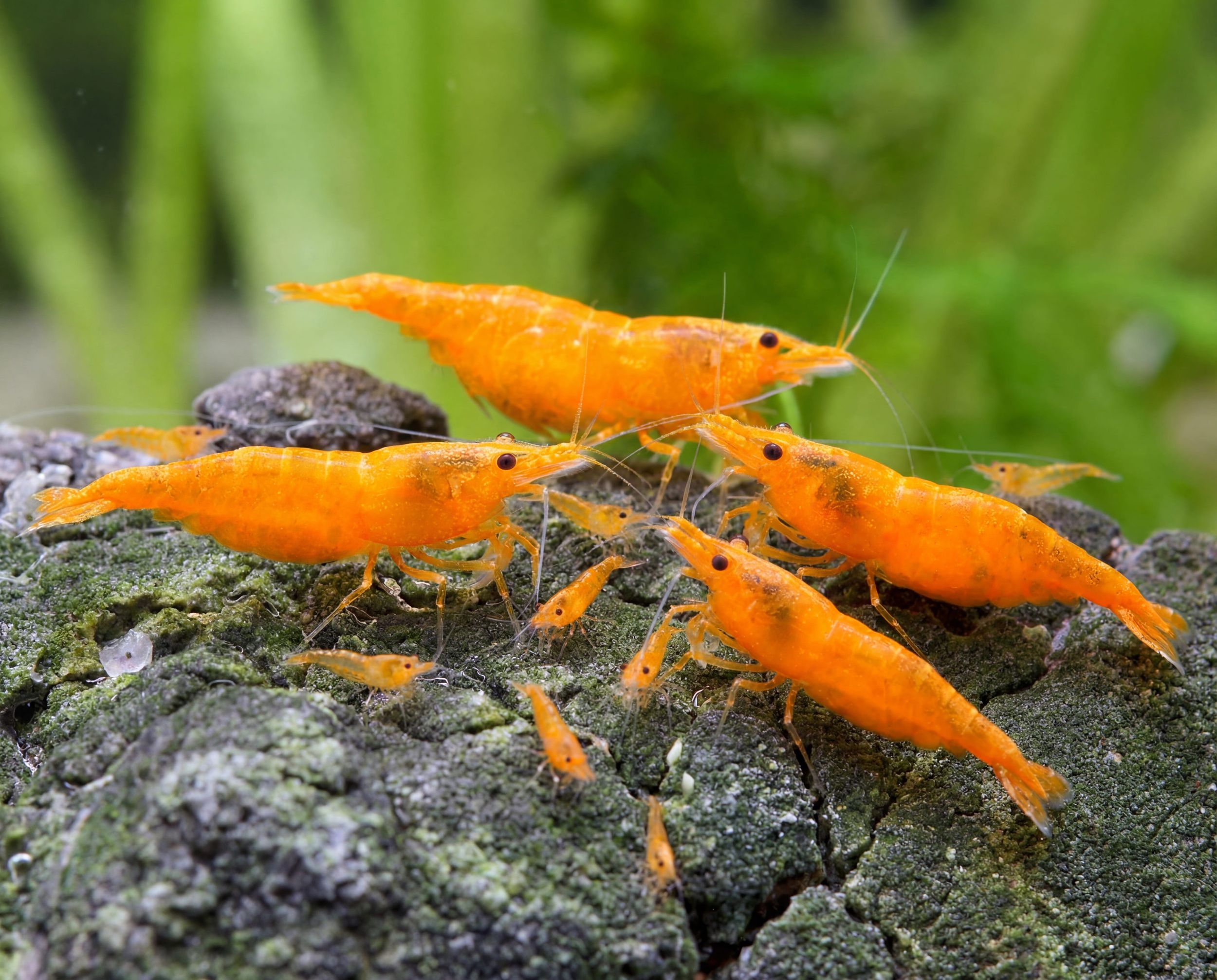
Bright shrimp lines can tempt aquarists to build a mixed-color community before solving survival. Red, blue, orange, and yellow Neocaridina are broadly similar in care, but mixing color lines can produce less predictable offspring over generations, often with more wild-type coloration. That genetic issue is separate from predation: a fish may leave adults alone while consuming nearly every shrimplet. If your priority is a visually consistent colony, keep one line in a shrimp-focused aquarium. If your priority is a lively community, select colors that contrast with the plants and substrate, then accept a smaller or slower-growing shrimp population as part of the design.
Frequently Asked Questions
Is any fish completely safe with baby freshwater shrimp?
No. Even small peaceful fish may eat newborn shrimp if they can find and swallow them. Dense moss and mature planting improve survival, but a shrimp-only aquarium gives the highest chance of raising a large colony.
Are Amano shrimp safe with Neocaridina babies?
Adult Amano shrimp are generally a lower-risk companion because they do not normally reproduce in freshwater and are scavengers rather than dedicated hunters. They can still compete for food, so provide enough grazing area and multiple feeding spots.
Which plants help baby shrimp survive?
Dense, fine-textured plants such as mosses, subwassertang, guppy grass, fine stems, floating roots, and leaf litter create better nursery cover than sparse broad-leaved plants alone. Keep some growth mature instead of trimming everything short.
Should I add fish or shrimp first?
Add shrimp to a mature planted aquarium first. Give them time to settle, graze, molt, and establish hiding places before adding carefully selected fish. This improves the odds of reproduction but does not guarantee that fish will leave babies alone.
 - 2.webp)
 - 2.webp)
Leave your comments