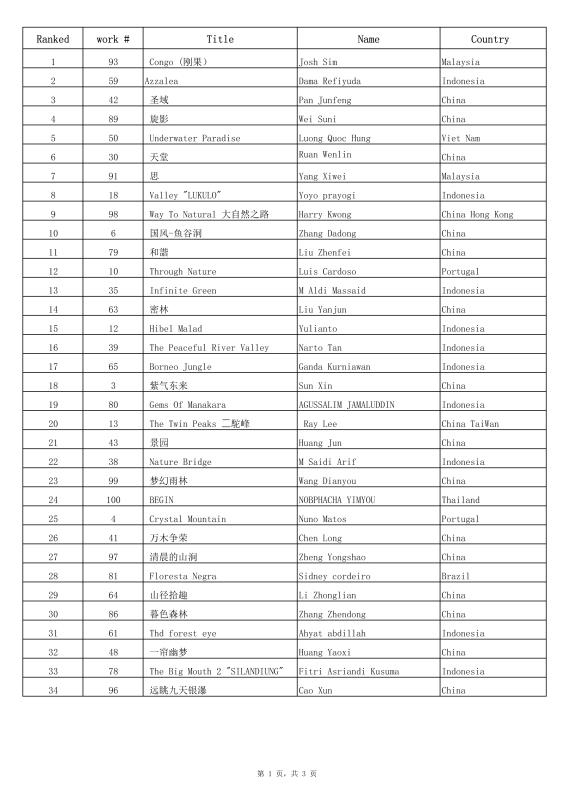
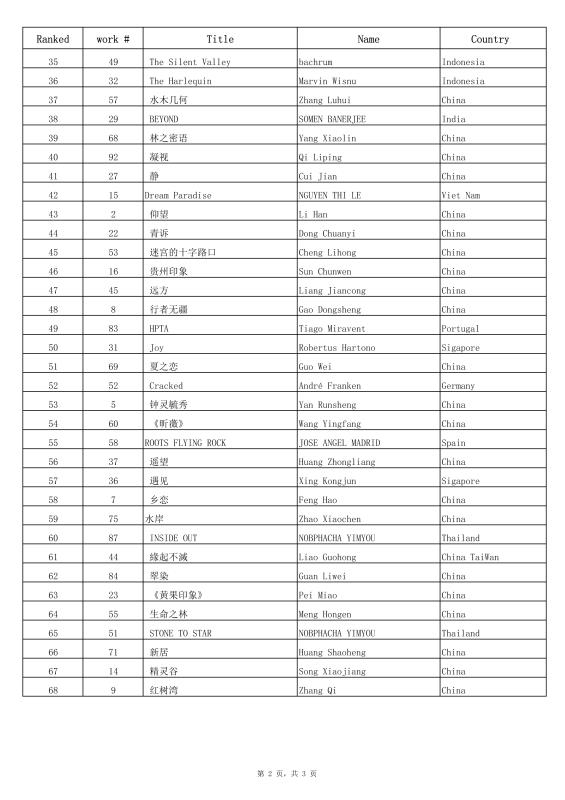
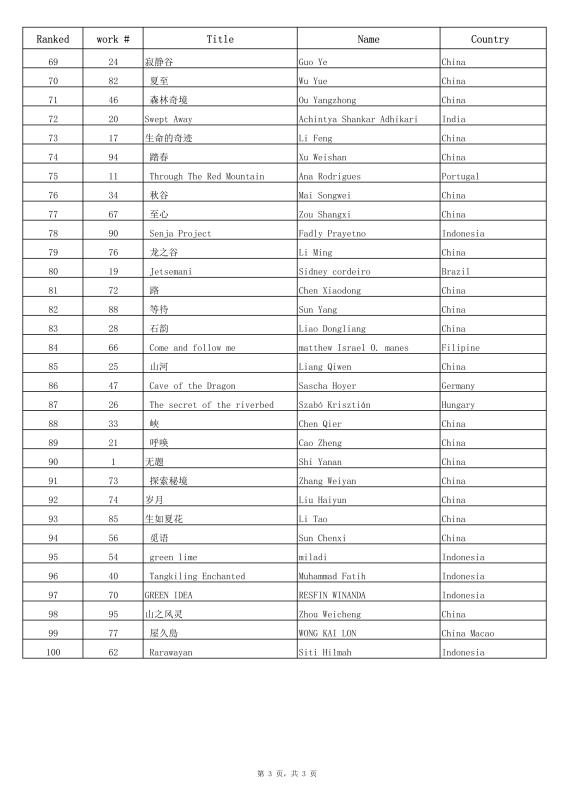
On behalf of CFA (China Aquascape Association) and CIPS (China International Pet Show), we are very pleased to officially announce the winners and world ranking of the top 100 of the first CIPS Global Aquatic Plants Aquascaping Championship, or 'The Great Wall Cup' as the global aquascapers would like to call it!
Top 100 of 2017 CIPS Global Aquatic Plants Aquascaping Championship
Our thanks and respect goes out to all participants worldwide. We received an amazing and promising amount of over 1.000 entries for the first edition of our contest!
Judges filled in their scores, total scores have been counted, the final results are out!
A special word for the big winner, Mr. Josh Sim from Malaysia! His aquascaping power has reached heroic levels this year! Congratulations Josh!
A total of 250.000 RMB of prize money will be pided under the winners! RMB 100.000 for the Champion! RMB 50.000 for the runner up! RMB 20.000 for number 3! RMB 5.000 for ranking no. 4 to 10, RMB 3.000 for ranking no. 11 to 20 and RMB 1.500 for ranking no. 21 to 30!
A big award ceremony will be kept at CIPS in Shanghai on Saturday November 18th, 2017. The top 100 photo's will be revealed on this day and the winners will receive their awards. We kindly welcome you all to join us!
On November 16 to 19 during CIPS, eleven teams of 33 aquascapers will compete live on site in Shanghai, including China, Japan, Thailand, Malaysia, Indonesia, Singapore, Viet Nam, Taiwan, Hong Kong & Macao, Europe, Brazil. Our winner Mr. Josh Sim will represent Malaysia Team during the live contest.
TOP 100 CIAC 2017
001 - Josh Sim (Malaysia)002 - Dama Refiyuda, Indonesia003 - Pan Junfeng, China004 - Wei Su-ni (China)005 - Luong Quoc Hung (Vietnam)006 - Nguyen Van Lam, China007 - Yang Xiwei, Malaysia008 - Yoyo prayogi, Indonesia009 - Kwong King-man (China)010 - Zhang Dadong, China011 - Liu Zhenfei, China012 - Luis Cardoso, Portugal013 - M Aldi Massaid, Indonesia014 - Liu Yanjun, China015 - Yulianto, Indonesia016 - Narto Tan, Indonesia017 - Ganda Kurniawan, Indonesia018 - Sun Xin (China)019 - AGUSSALIM JAMALUDDIN, Indonesia020 - Lee Chi-jui (Taiwan, China)021 - Huang Jun, China022 - M Saidi Arif, Indonesia023 - Wang Dianyou, China024 - NOBPHACHA YIMYOU, Thailand025 - Nuno Matos, Portugal026 - Chen Long, China027 - Zheng Yongzhao (China)028 - Sidney Cordeiro, Brazil029 - Li Zhonglian, China030 - Zhang Zhendong, China031 - Ahyat abdillah, Indonesia032 - Huang Yaoxi (China)033 - Fitri Asriandi Kusuma, Indonesia034 - Cao Xun, China035 - Bachrum, Indonesia036 - Marvin Wisnu, Indonesia037 - Zhang Luhui, China038 - SOMEN BANERJEE, Indonesia039 - Yang Xiaolin, China040 - Qi Liping, China041 - Cui Jian (China)042 - NGUYEN THI LE (Vietnam)043 - Li Han, China044 - Dong Chuanyi, China045 - Cheng Lihong (China)046 - Sun Chunwen, China047 - Liang Jiancong (China)048 - Gao Dongsheng, China049 - Tiago Miravent, Portugal050 - Robertus Hartono, Singapore051 - Guo Wei, China052 - André Franken, Germany053 - Yan Runsheng, China054 - Wang Yingfang, China055 - JOSE ANGEL MADRID (Spain)056 - Huang Zhongliang, China057 - Xing Kongjun, Singapore058 - Feng Hao, China059 - Zhao Xiaochen (China)060 - NOBPHACHA YIMYOU, Thailand061 - Liao Guohong, Taiwan, China062 - Guan Liwei, China063 - Pei Miao, China064 - Meng Hongen, China065 - NOBPHACHA YIMYOU, Thailand066 - Huang Shaoheng, China067 - Song Xiaojiang, China068 - Zhang Qi, China069 - Guo Ye, China070 - China in May071 - Ouyang Zhong, China072 - Achintya Shankar Adhikari India073 - Li Feng China074 - Xu Weishan, China075 - Ana Rodrigues, Portugal076 - Mak Chung-wai China077 - Zou Shangxi, China078 - Fadly Prayetno, Indonesia079 - Li Ming, China080 - Sidney Cordeiro, Brazil081 - Chen Xiaodong, China082 - Sun Yang, China083 - Miao Dongliang, China084 - Matthew Israel O. Manes, Philippines085 - Leung Kai-man (China)086 - Sascha Hoyer, Germany087 - Szabó Krisztián Hungary088 - Chen Qier, China089 - Cao Zheng, China090 - Shi Yanan, China091 - Zhang Weiyan, China092 - Liu Haiyun, China093 - Li Tao, China094 - Sun Chenxi (China)095 - Miladi, Indonesia096 - Muhammad Fatih, Indonesia097 - RESFIN WINANDA, Indonesia098 - Zhou Weicheng, China099 - WONG KAI LON, Macau, China100 - Siti Hilmah, Indonesia
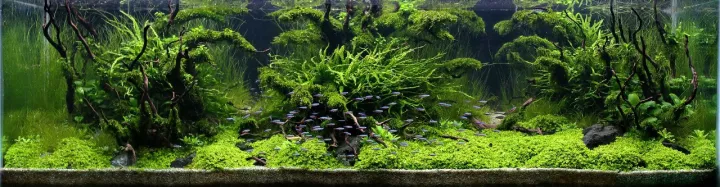
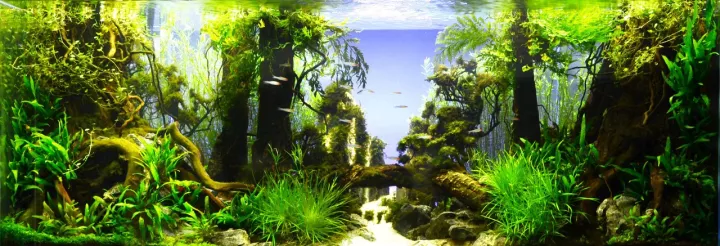
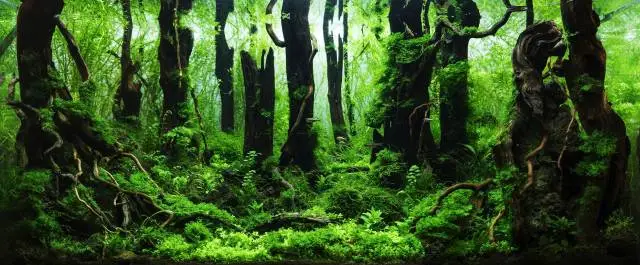
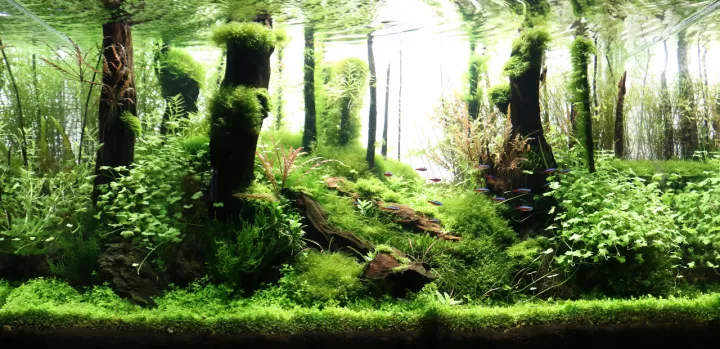
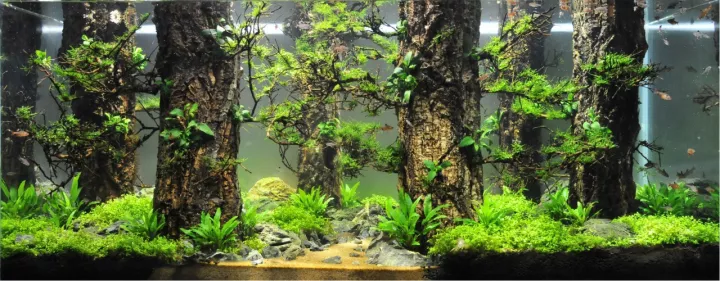
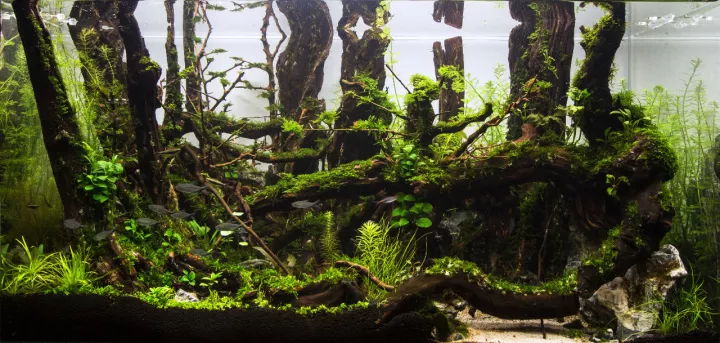
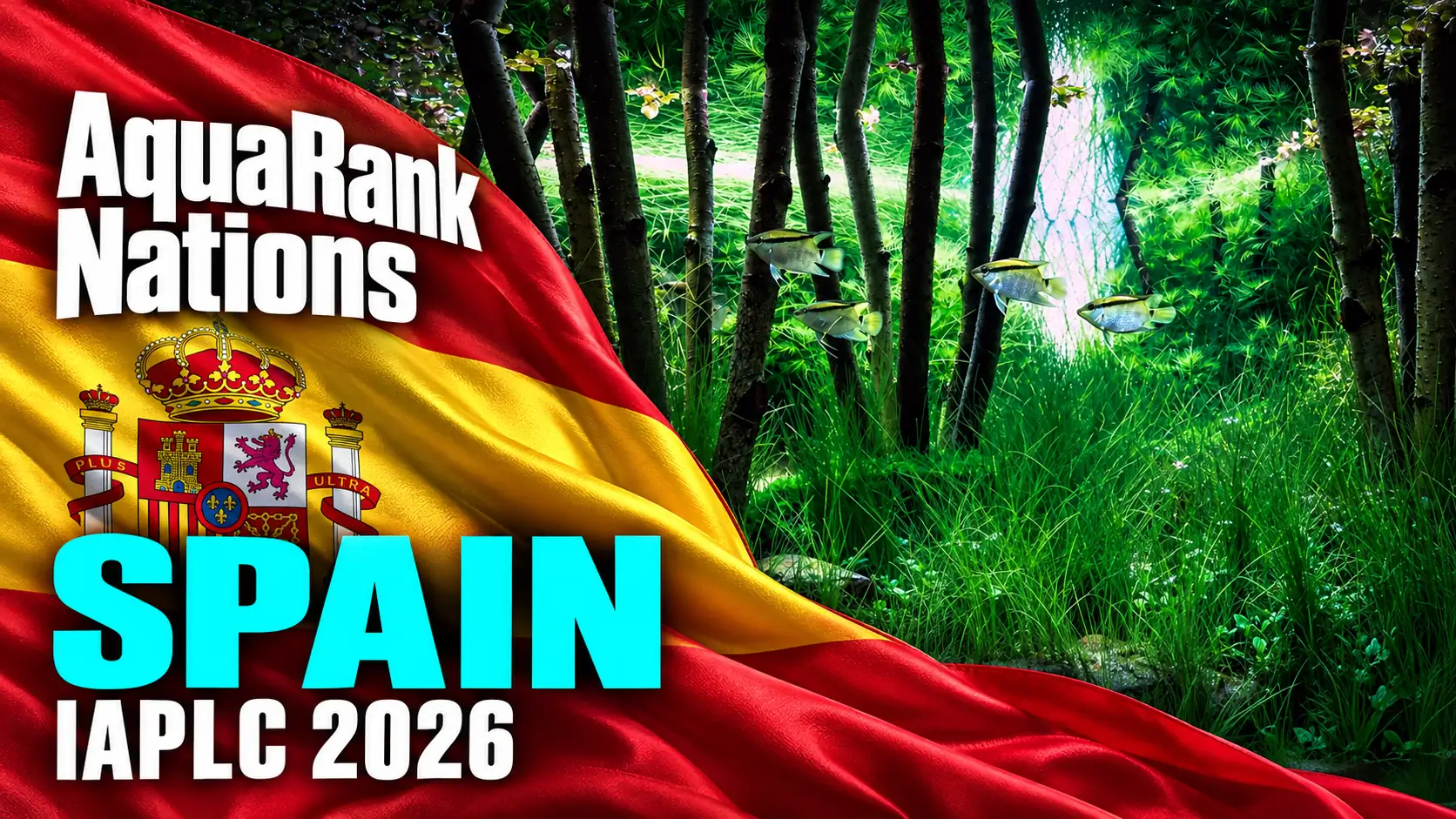
Roberto Buenadicha’s aquarium is the only Spanish work in the published ranks 1–300. Its slender dark trunks, fine green planting and conspicuous pale fish make it a rewarding individual study. This instalment returns to the older Spain introduction through one photograph, keeping the scope small enough for the evidence available.
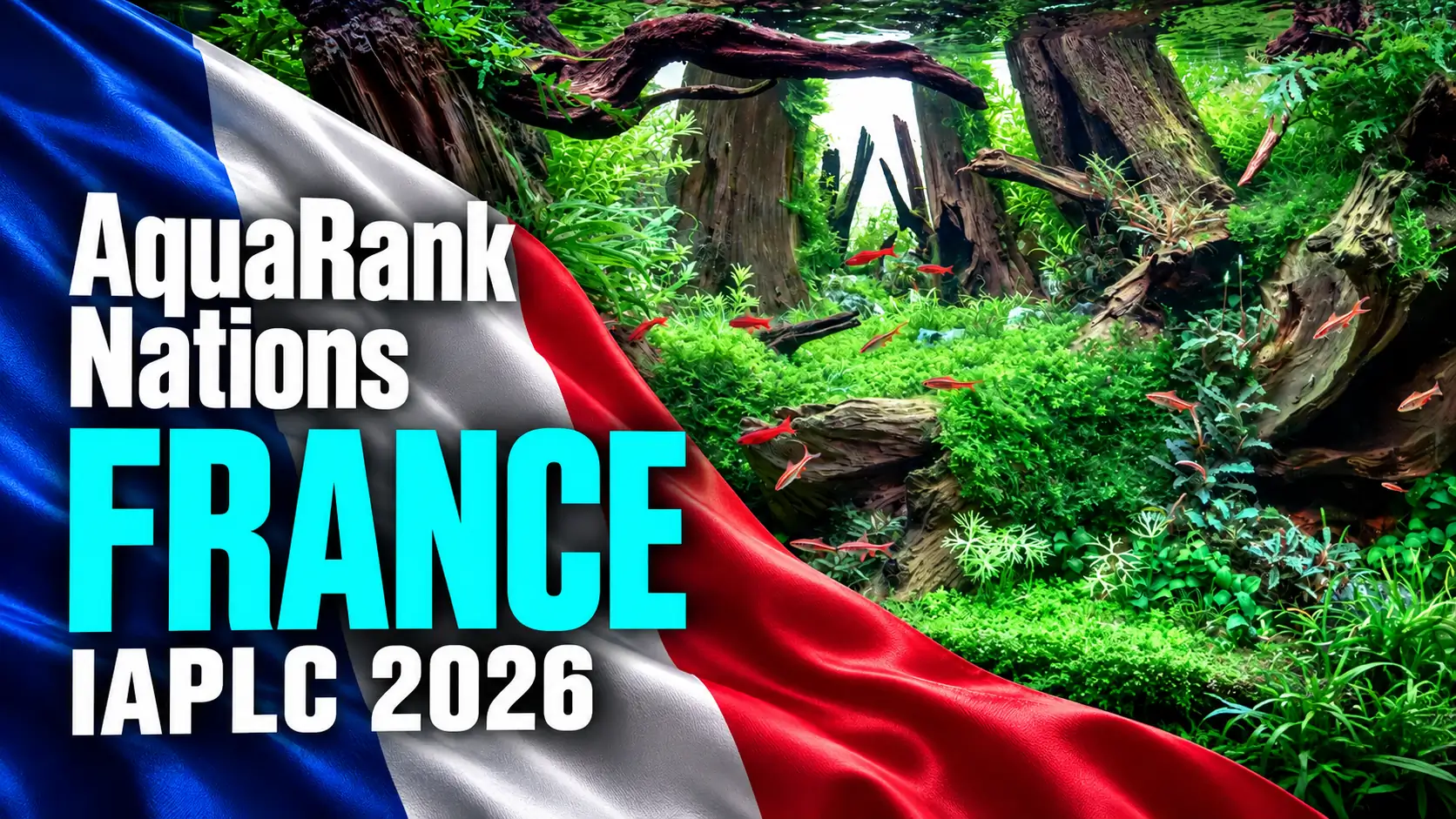
Only one French work appears in the published ranks 1–300. That gives this instalment a different task: a close reading of Jean Christophe Grosset’s aquarium, with the older country introduction as context. The photograph deserves attention for its own wood, planting and fish relationships, rather than being made to represent every French aquascaper.
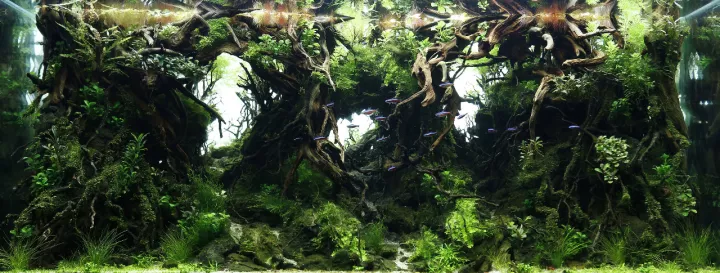
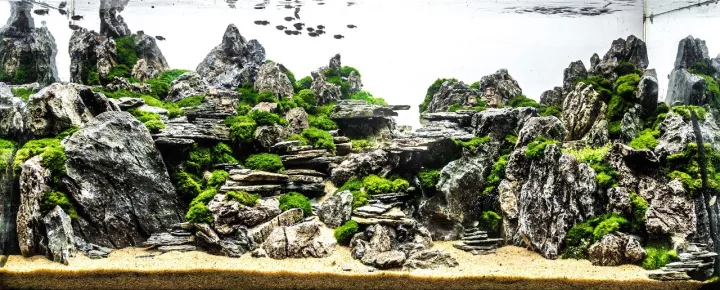
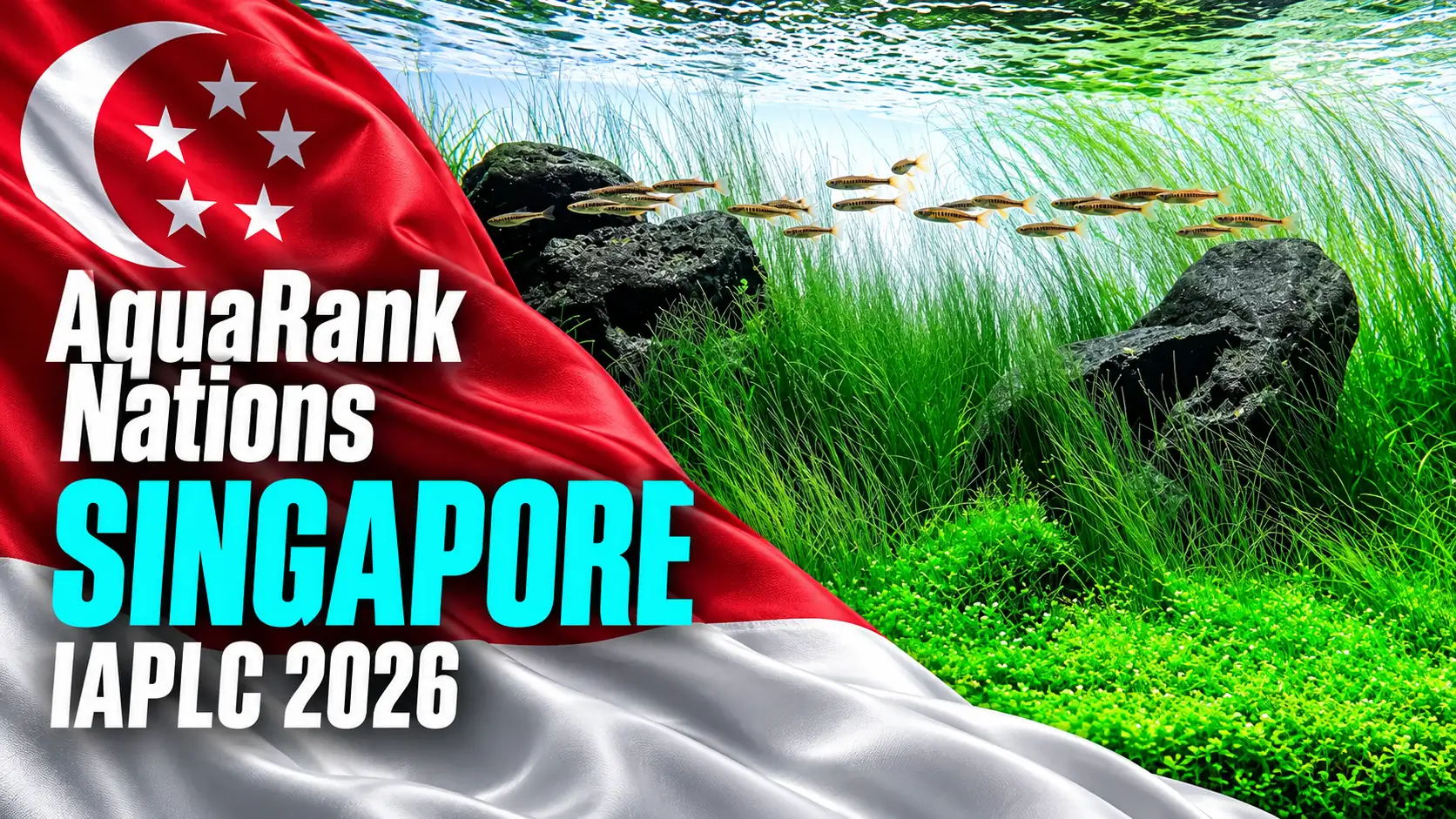
Two Singaporean works appear in the published ranks 1–300, and they offer an unusually clear contrast. One makes open water and two main stones central; the other encloses a small rear opening within dense planting and roots. The pair is useful precisely because it does not support one simple visual label.
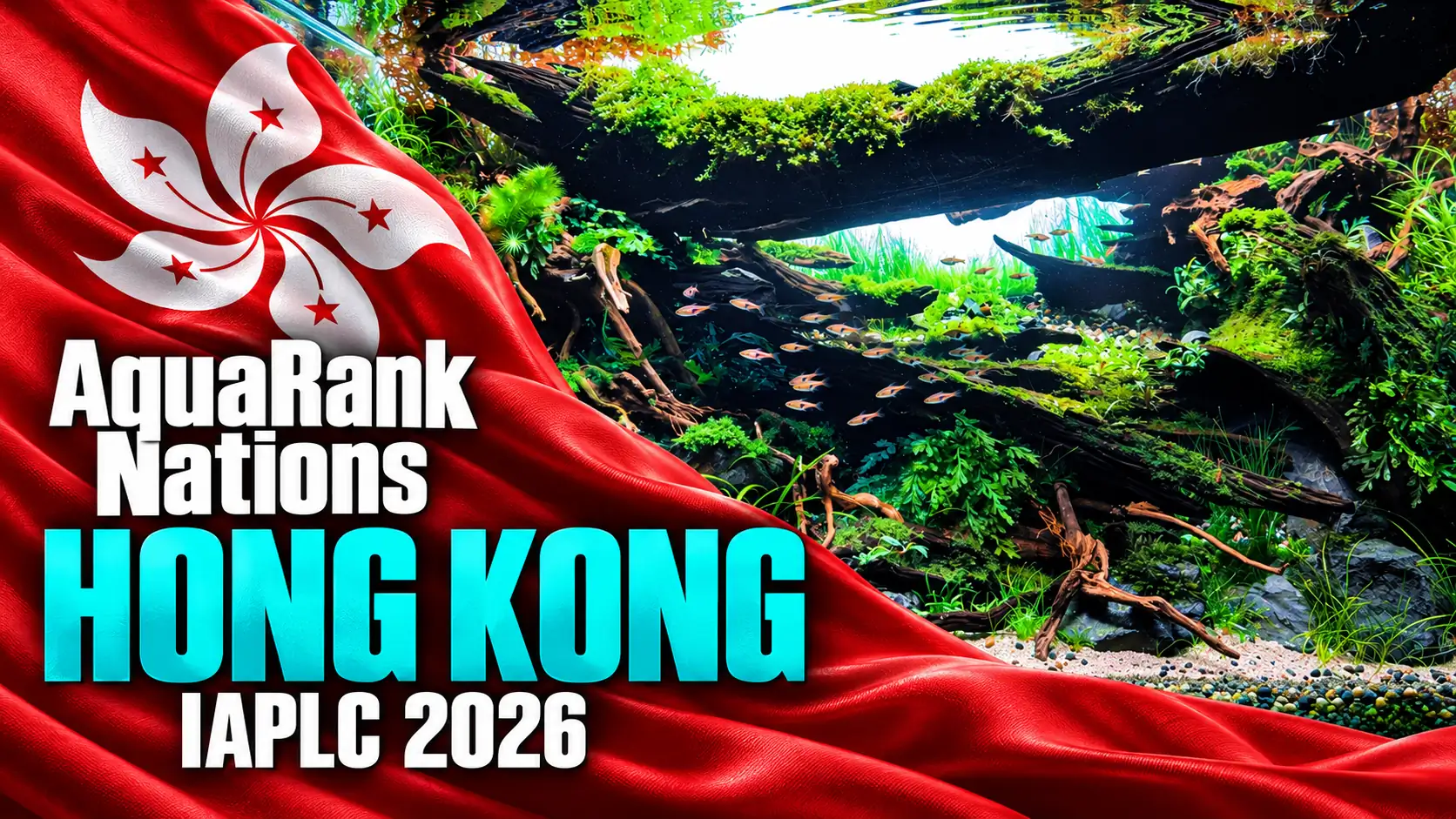
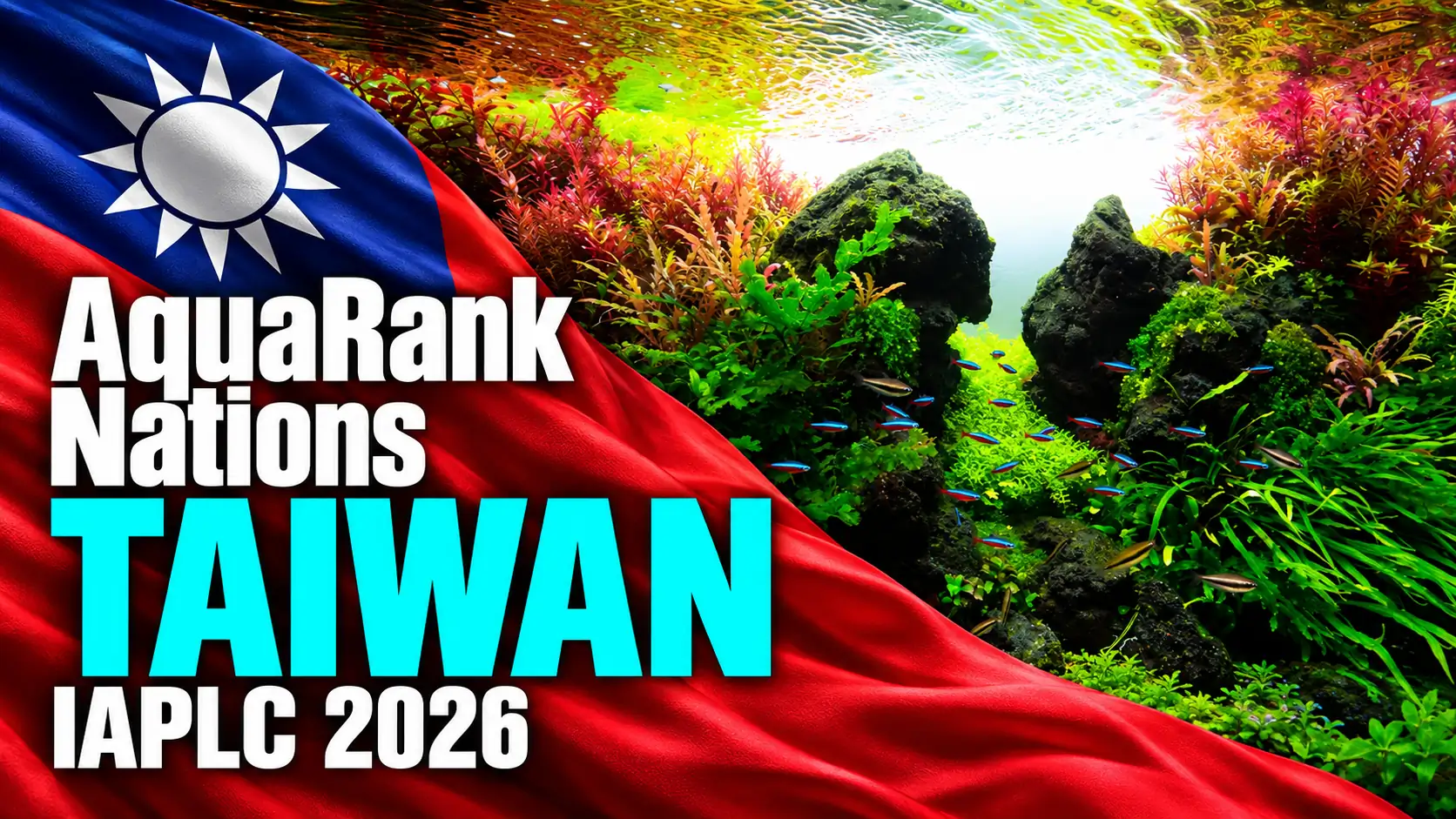
A low timber ceiling, blue-toned terraces and converging planted diagonals create three visibly different aquariums. Hong Kong’s represented works at ranks 1–300 offer a compact study of visual impact beyond the season’s leading awards. Looking at them closely is more informative than treating the cutoff count as a verdict on an entire aquascaping community.
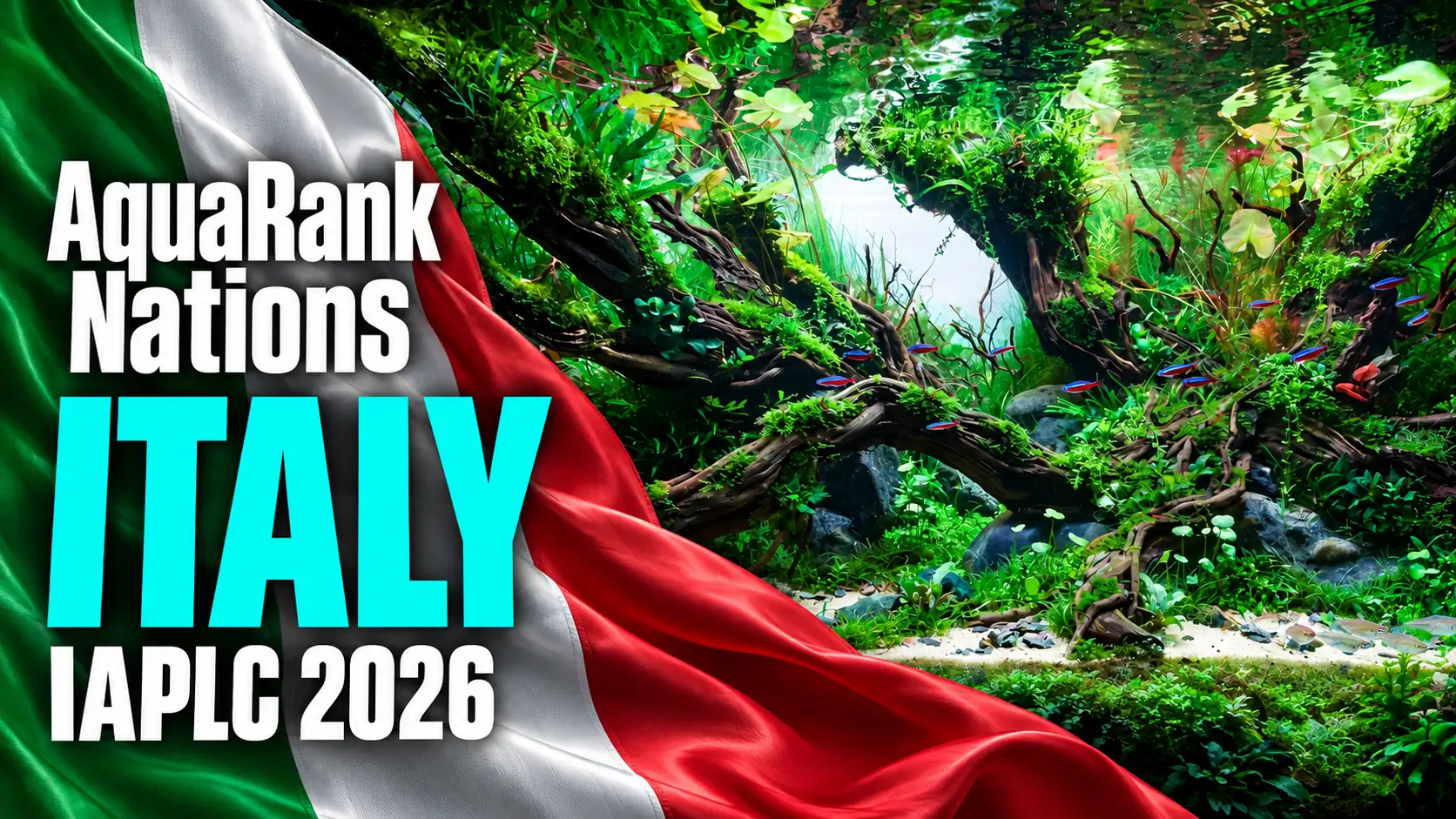
A clear route through planted banks can feel quiet; a coloured ridge beneath a dark frame can feel theatrical. The four Italian photographs selected for this study offer both experiences. Together, they make a useful contemporary comparison with an archive that once placed particular emphasis on calm, enduring-looking compositions.
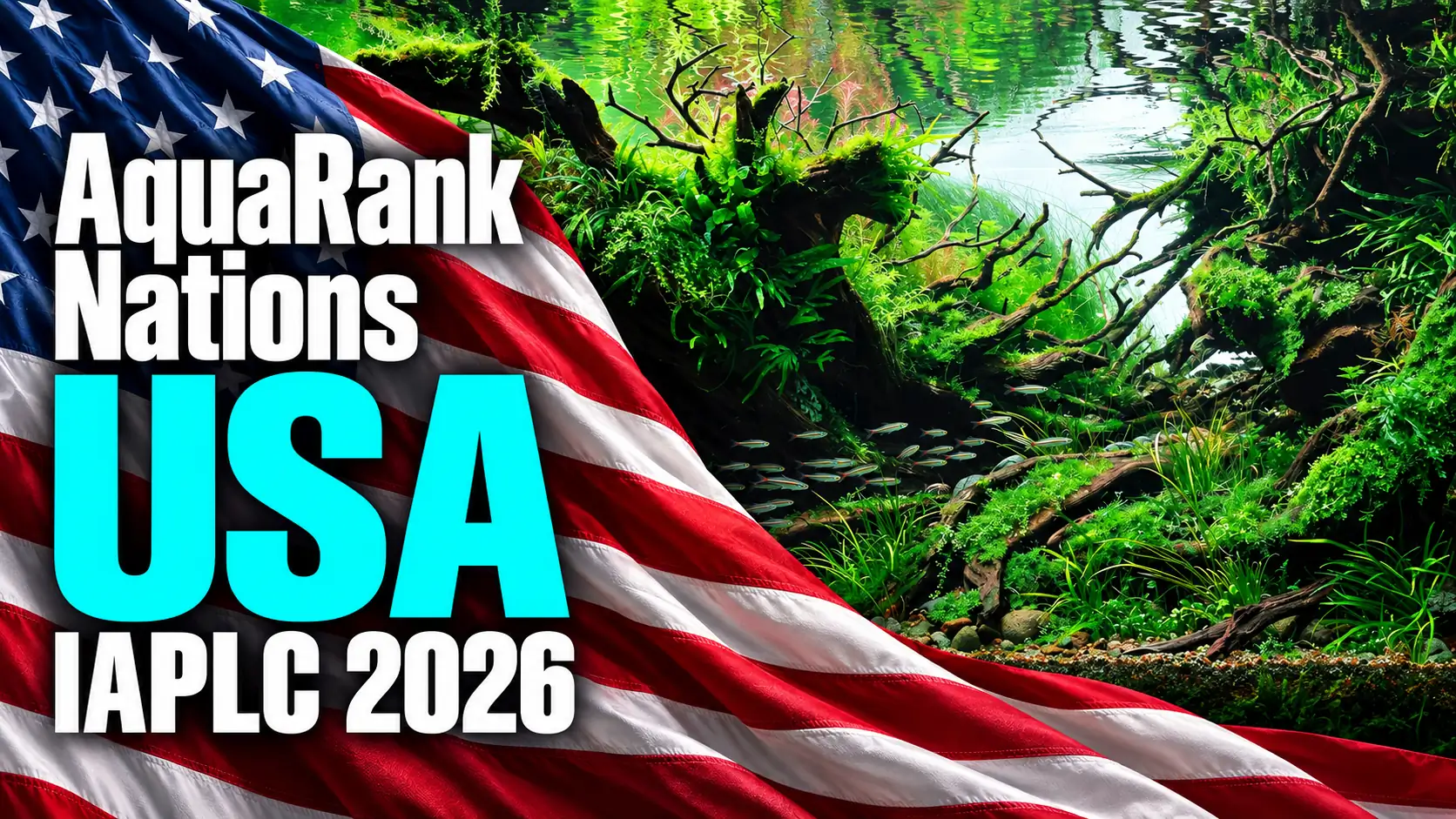
The four American photographs selected here all contain important wood structures, yet they do not produce one uniform wooded scene. A broad canopy, a low diagonal, a fine-leaved light window and an exposed timber subject organise attention differently. That variation lets us discuss design diversity through specific decisions rather than a broad national label.
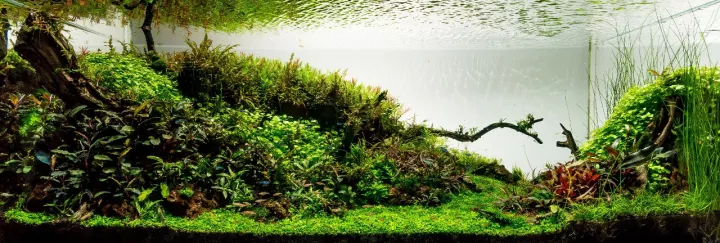
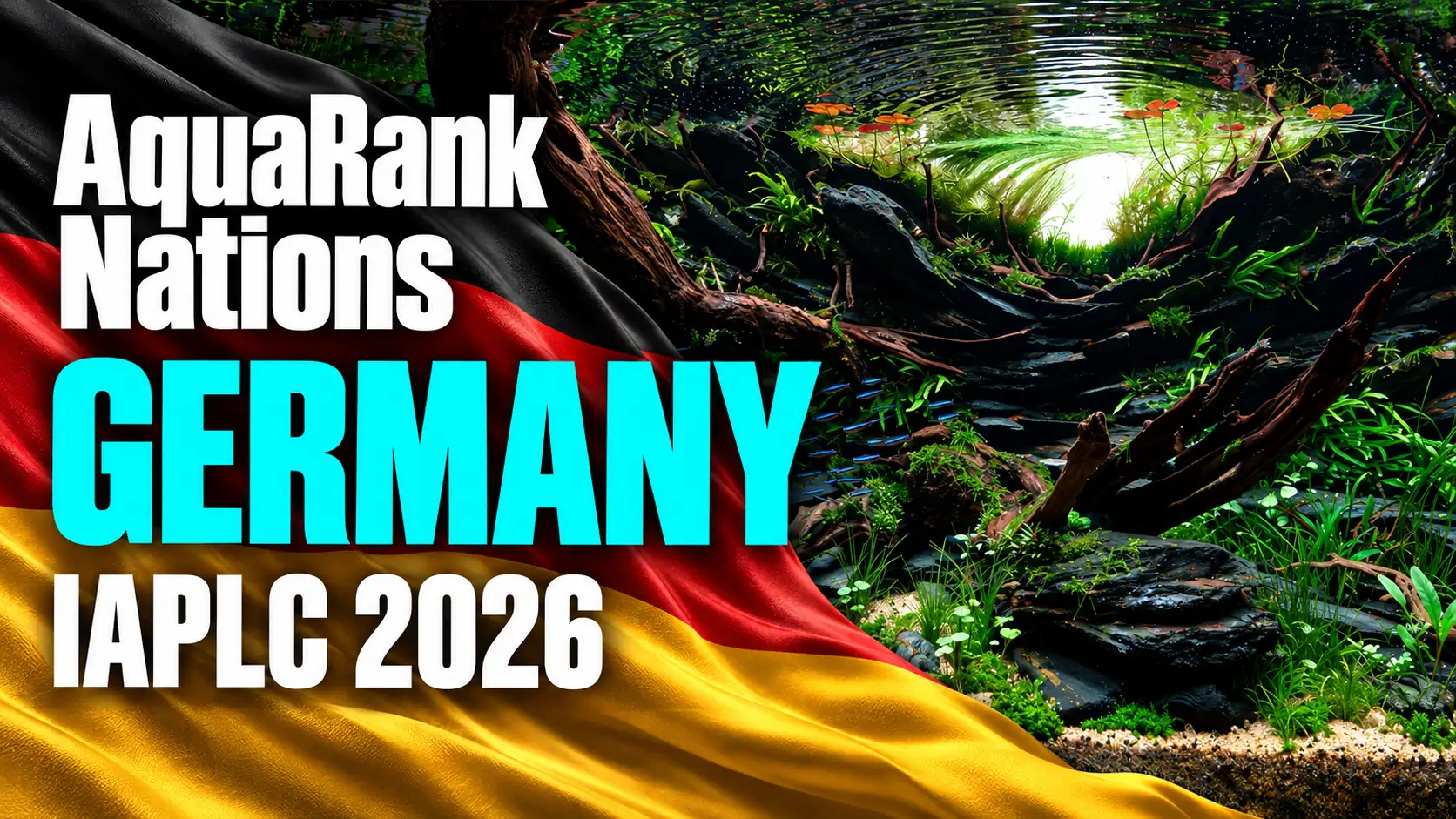
A dark wooded frame, a rocky valley, a brighter mixed scene and green-covered root contours make this German selection particularly useful for comparison. The photographs share an interest in separating materials from the water around them, but achieve it through different outlines and lighting relationships.
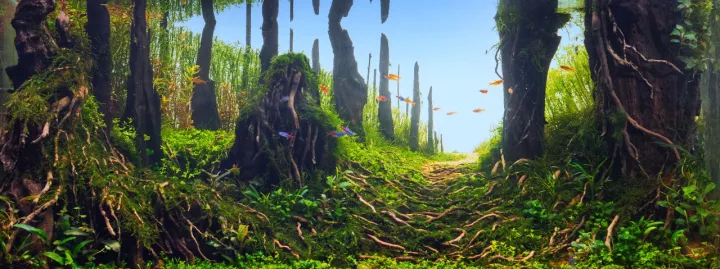
Dense foliage, planted wood ridges and a low central route create different senses of distance in this four-work selection. The photographs are particularly rewarding when viewed through changes in leaf shape and planting height. They offer a present-season comparison with an archive that once described both graceful composition and more contemporary experimentation.
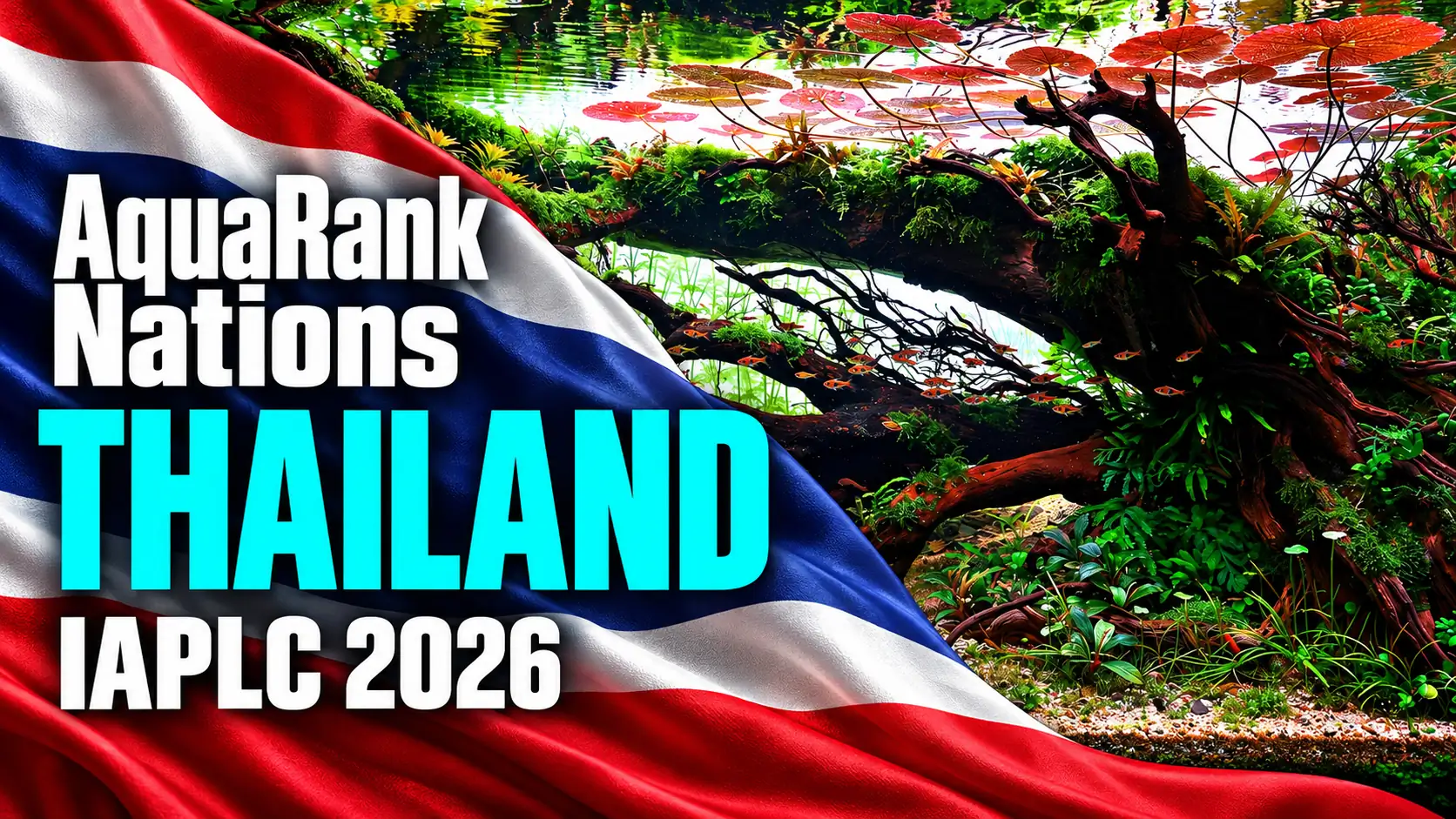
Three Thai aquariums in the published Top 300 present contrasting visual priorities. MAGIC LEAVES makes the water surface a signature; another work carries a route beneath planted arches; a third exposes rock peaks against rounded greenery. This small group gives a useful reason to look beyond the first shared award photograph.
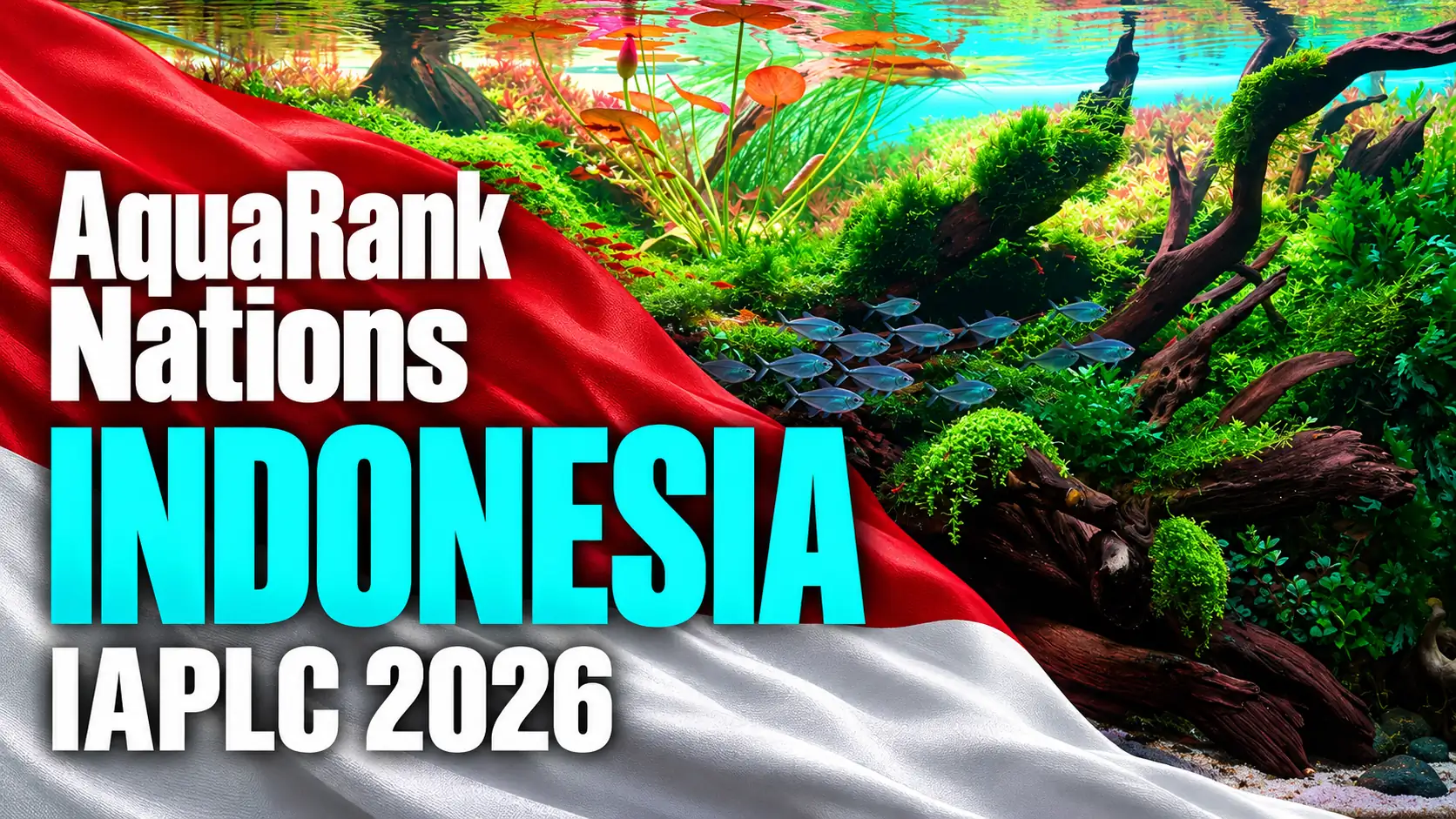
The four Indonesian works published at ranks 1–300 offer a compact comparison. A coloured surface canopy, a dominant trunk, a dense grove and a wood-and-rock opening all reward close attention. The small group makes it possible to examine every represented work in this range, while keeping the conclusions specific to this season and cutoff.
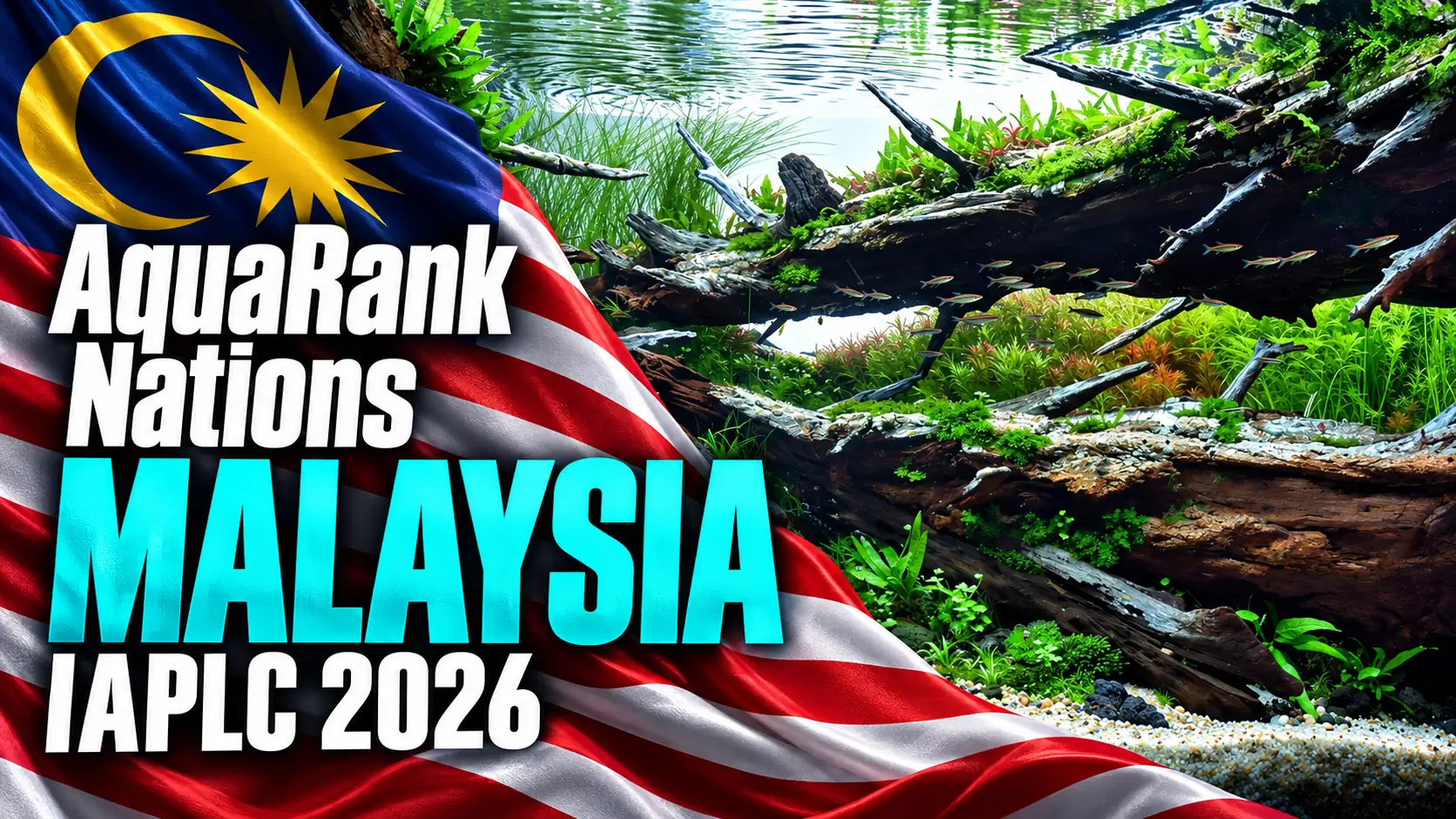
A bright gap between broad wood layers, a fine-leaved canopy and a conspicuous individual fish offer three different entrances to this Malaysian selection. The photographs invite attention to the space inhabited by fish as well as the hardscape around it. They also show why a creator’s reputation and a new aquarium’s visual decisions should be discussed separately.
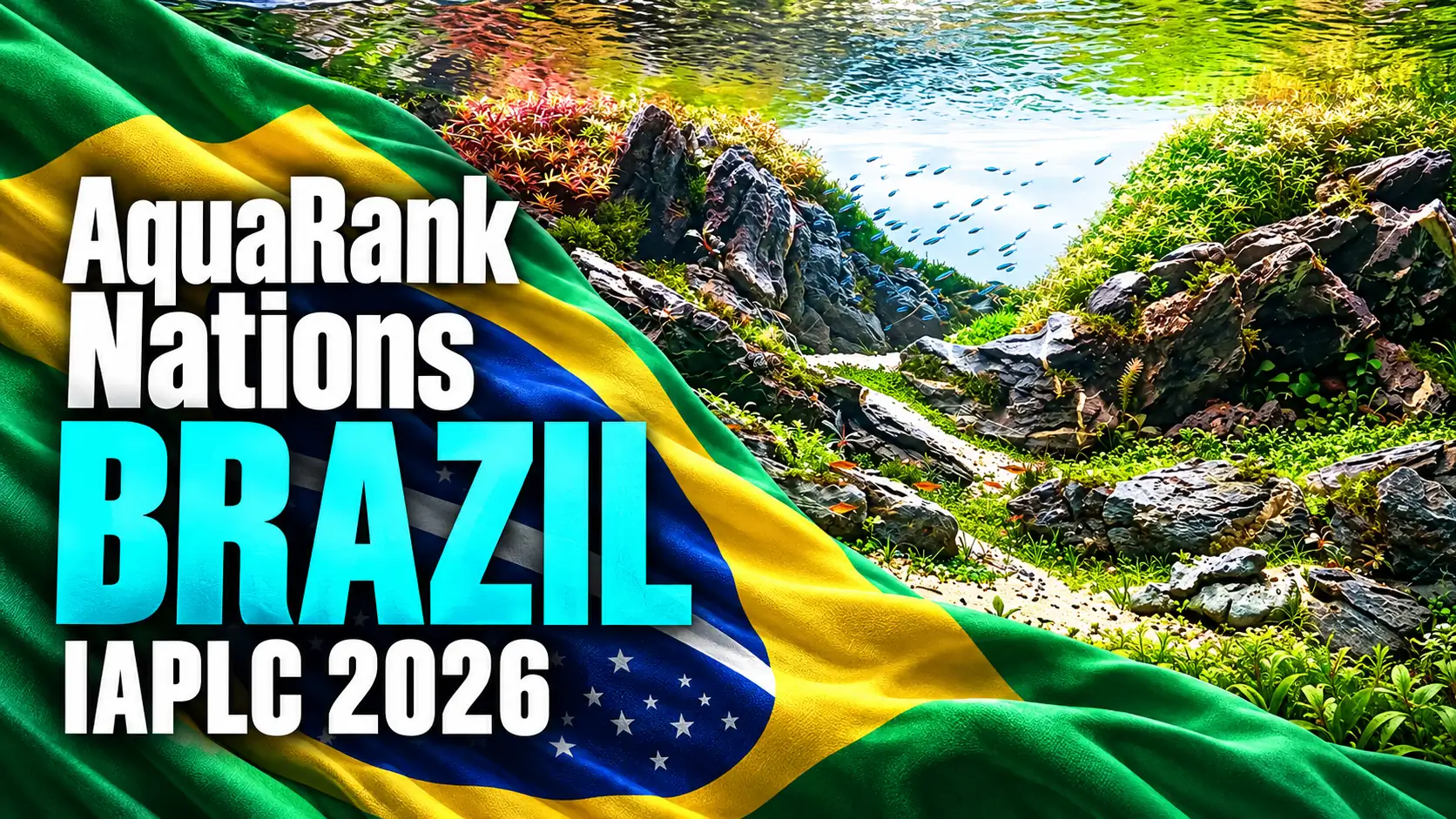
Enchanted Hills offers an immediately recognisable rock valley, with coloured planting and fish in bright water. Three other selected Brazilian photographs build their scenes around substantial wood. Seeing them together is a useful way to revisit a familiar label without asking individual creators to fit a single national recipe.
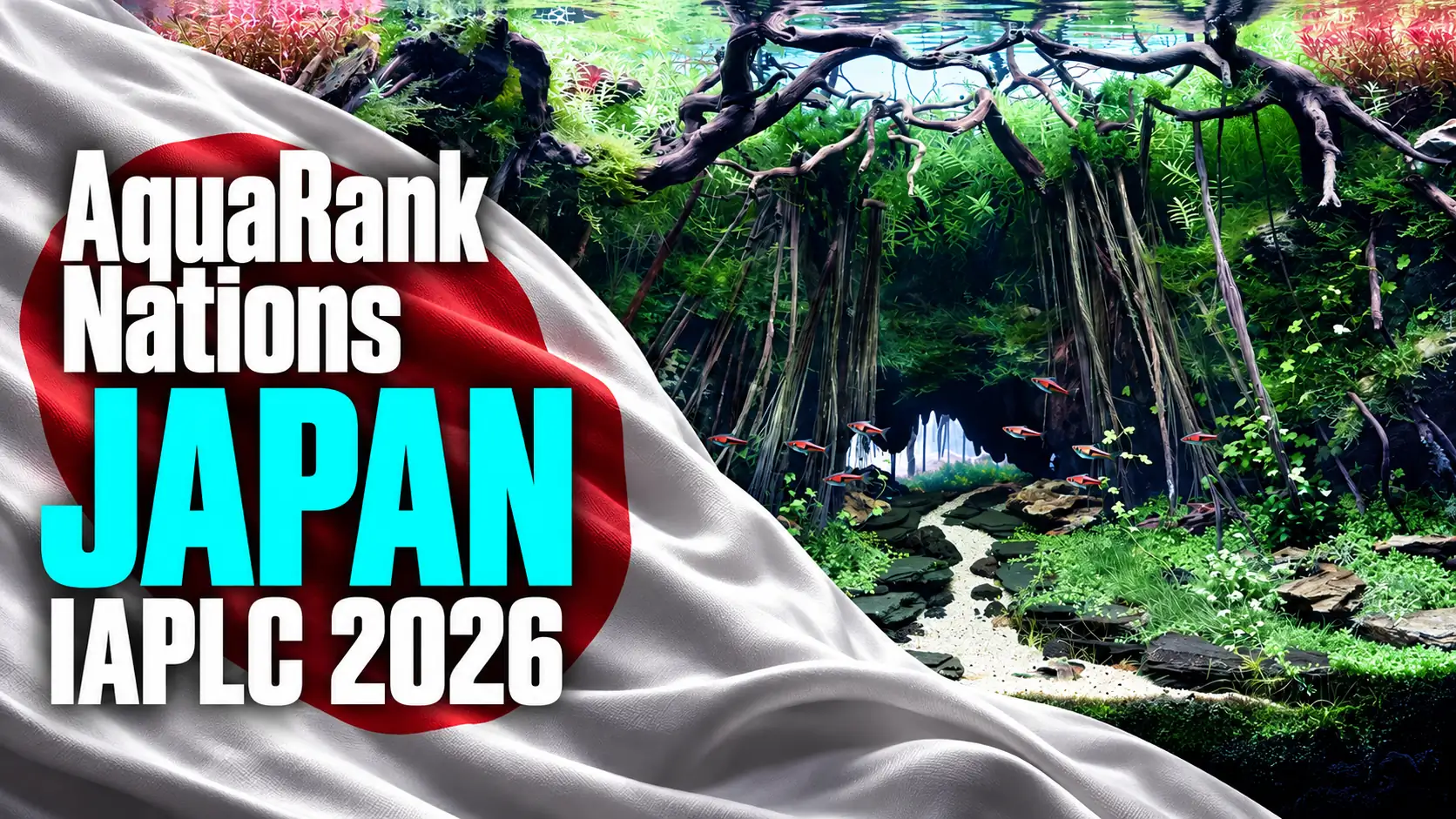
A pale path through hanging roots and a bright interval between exposed rocks can both make an aquarium feel spacious. Japan’s 2026 selection is rewarding because it places these different approaches beside richly planted foregrounds and coloured slopes. Six photographs offer a practical way to discuss variety within a familiar Nature Aquarium heritage.
The Grand Prize photograph gives this study an obvious first stop, but the comparison becomes richer when it reaches beyond the winner. Six selected aquariums show different ways of framing light with wood: unequal trunks, fine leaf curtains, successive arches and repeated vertical roots. Their interest lies in how each arrangement keeps a densely constructed scene readable.
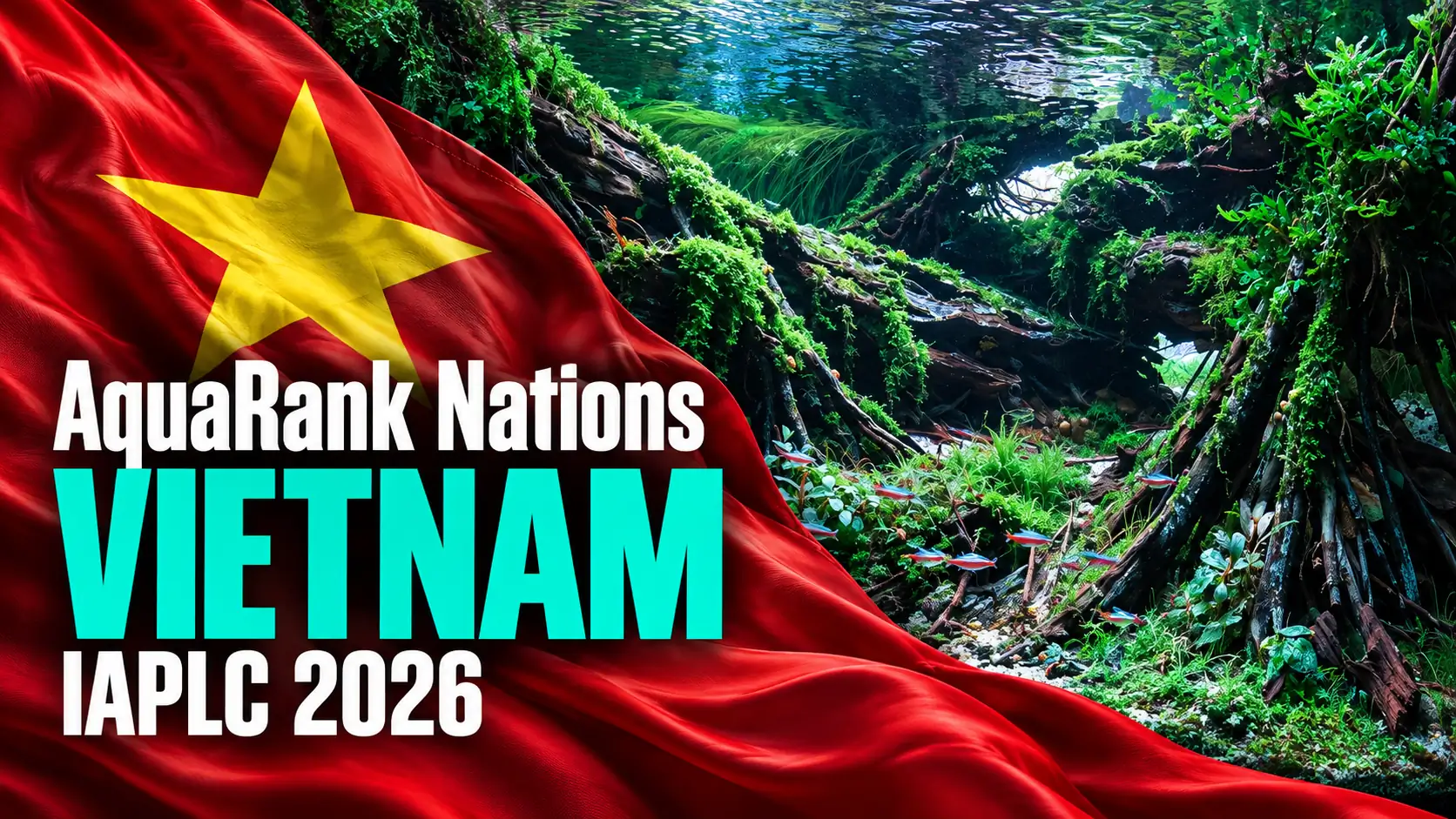
Vietnam’s two leading 2026 awards both invite us into wooded environments. That is an interesting starting point for revisiting an archive which once associated the country strongly with stone. The most useful reading is not that one material has defeated the other. Six selected photographs show several ways of organising planted ground, open water and the route into a scene.
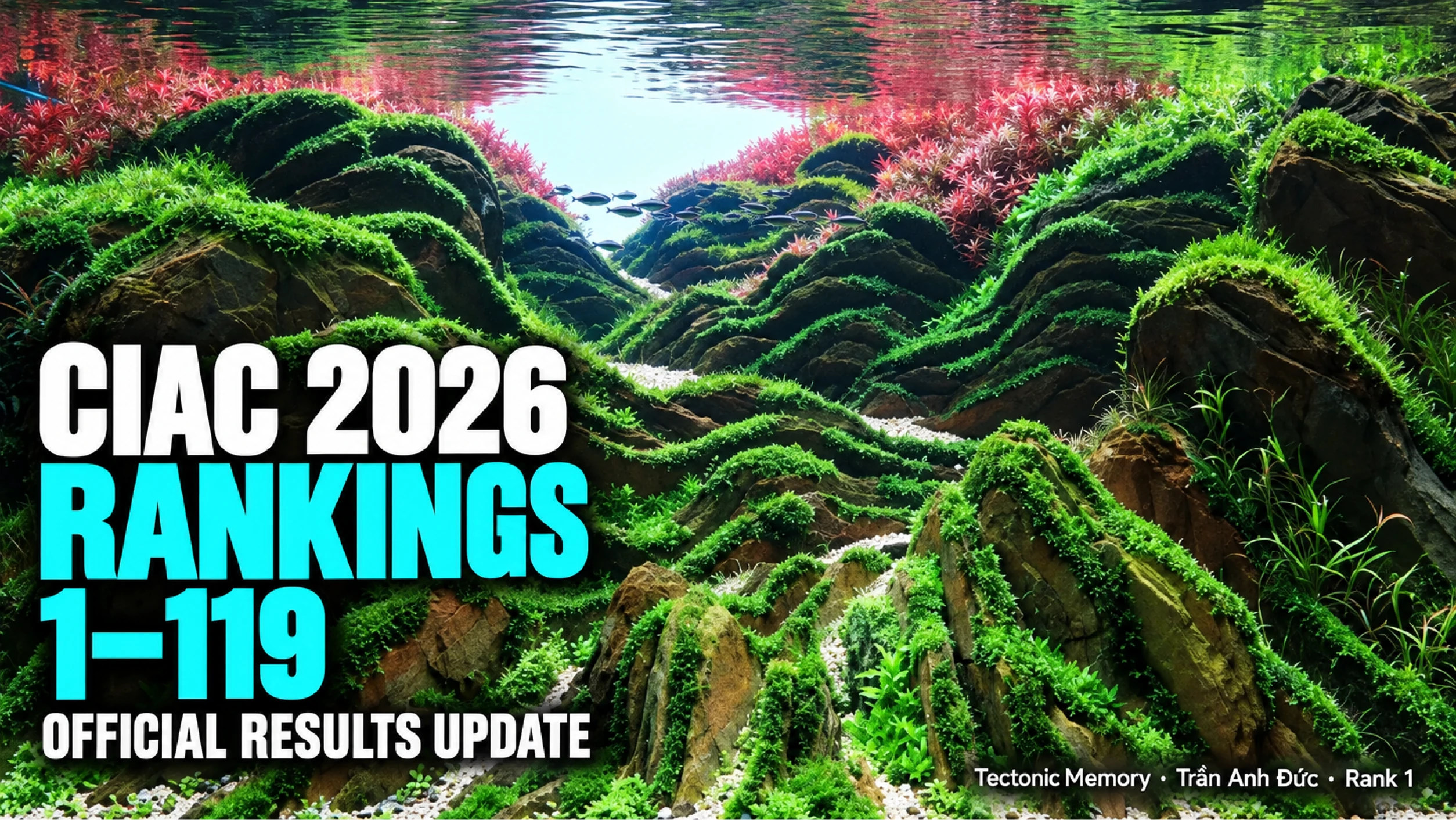
The CIAC 2026 Aquascaping Category results have received an official update. A results sheet distributed by the organising committee on 14 October lists ranks 14–119, extending the ranking information available beyond the image cards previously covered by AquaLibs.





























Leave your comments