Overview
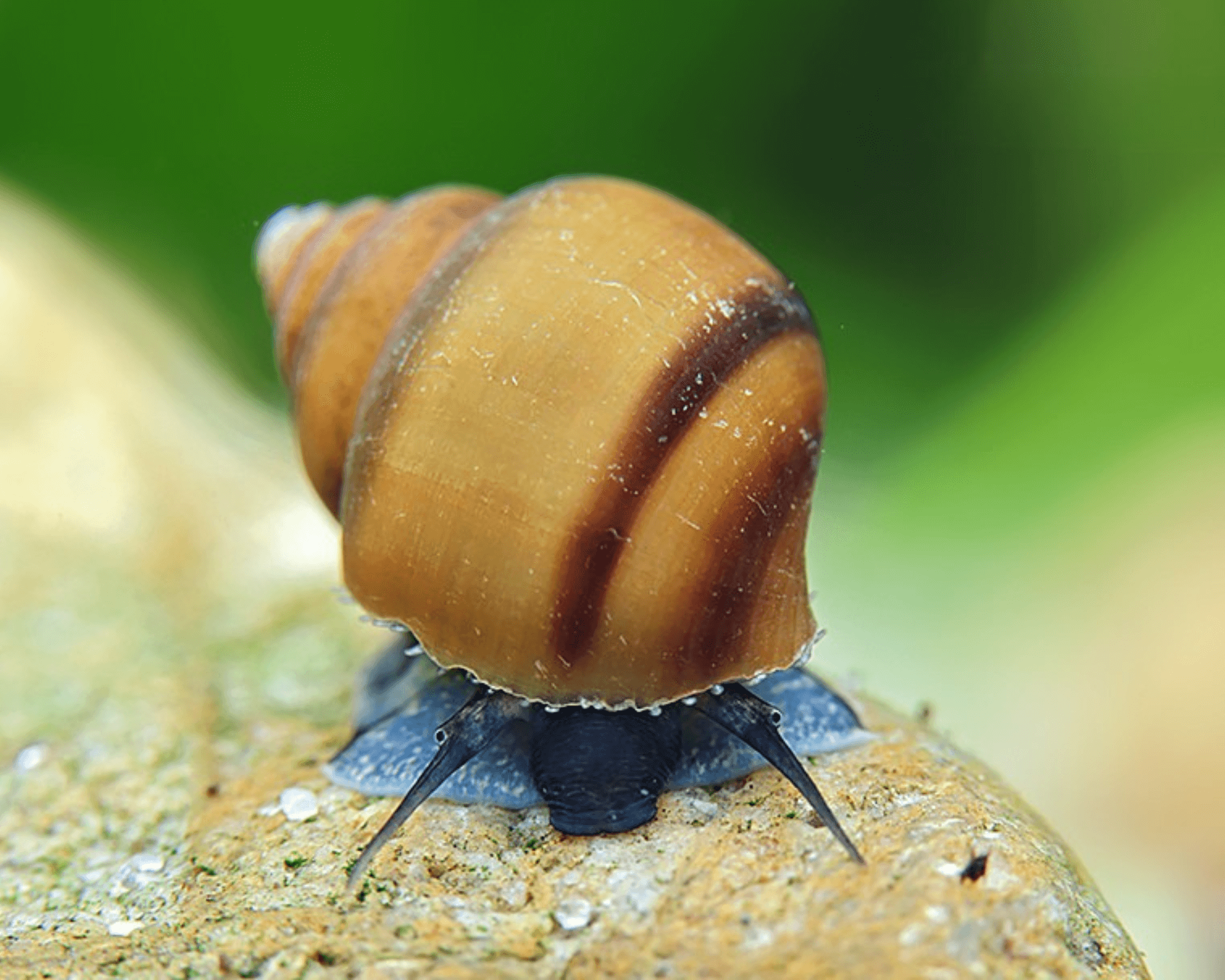
The Blue Jelly Snail, scientifically classified as a variant within the Taia genus, is an increasingly popular freshwater invertebrate among aquarium enthusiasts. Named for its striking, semi-translucent blue foot that resembles jelly, this snail offers a unique aesthetic contrast against its more traditionally colored shell. They are peaceful, diligent workers that spend their days scavenging for uneaten food and grazing on soft algae.
Distribution and Habitat
Like other members of the Taia genus, the Blue Jelly Snail is native to the slow-moving rivers, lakes, and streams of Southeast Asia. They are typically found in oxygen-rich, well-filtered waters with muddy or sandy substrates where they can forage through detritus and decaying plant matter.

Description of Blue Jelly Snail
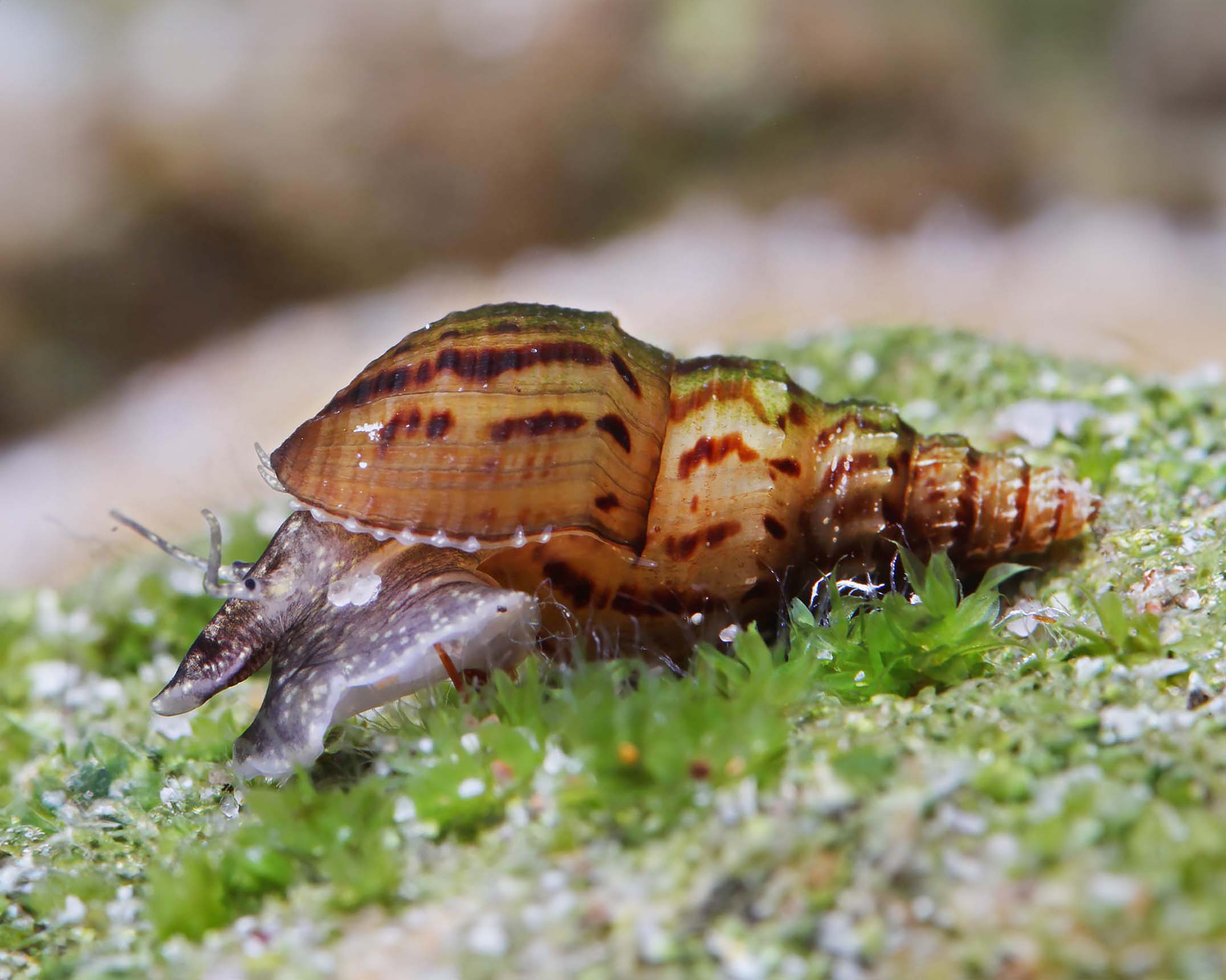
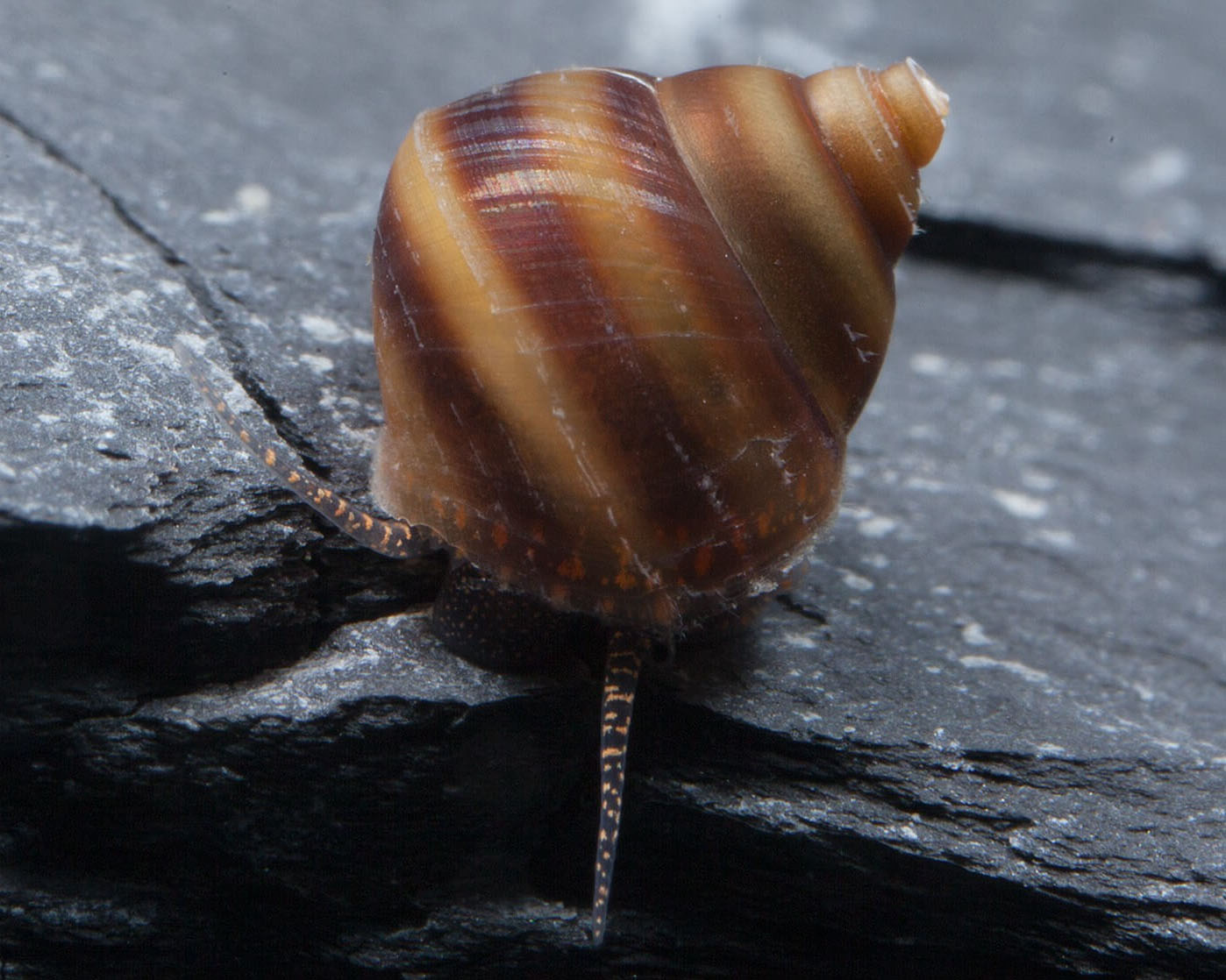
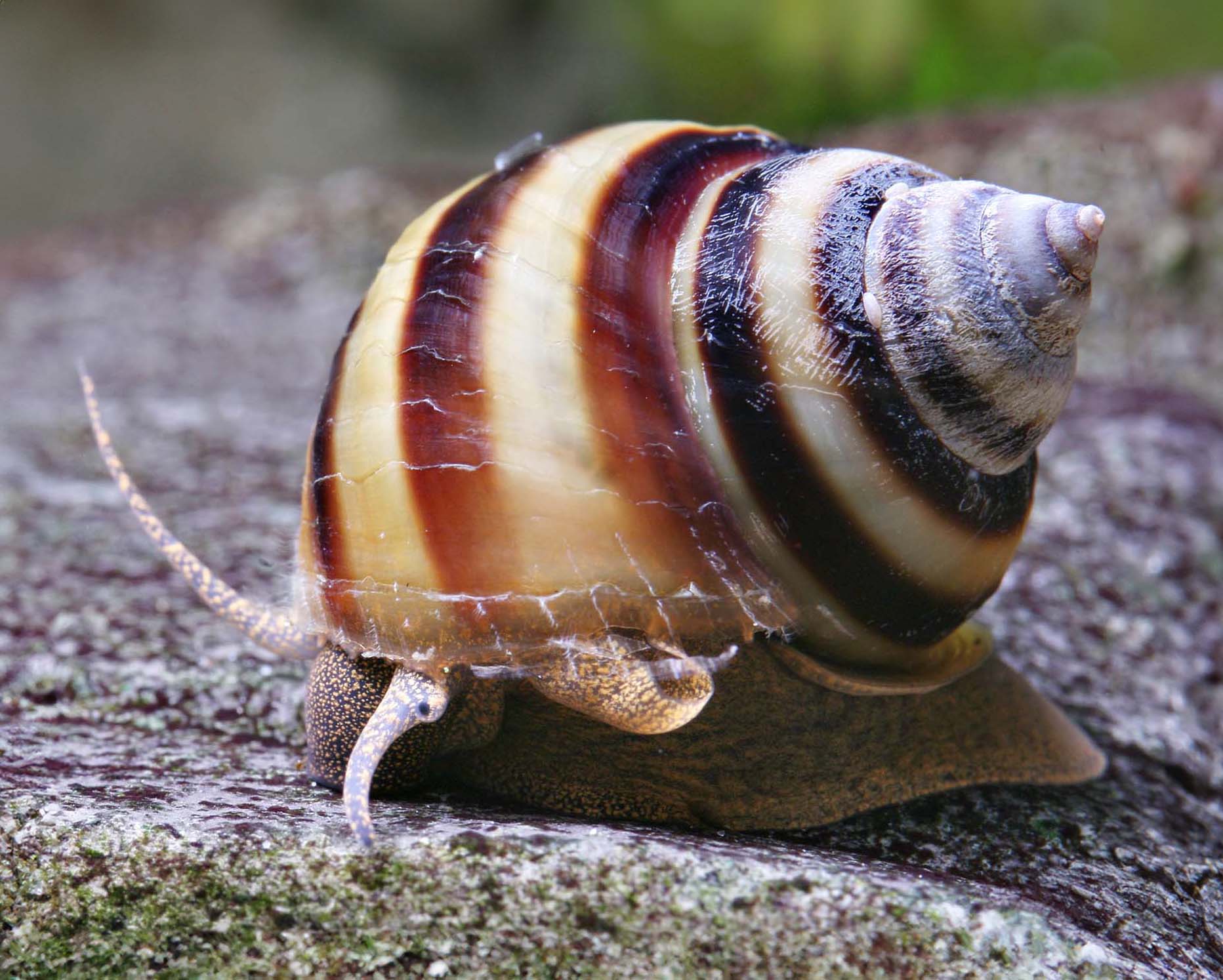
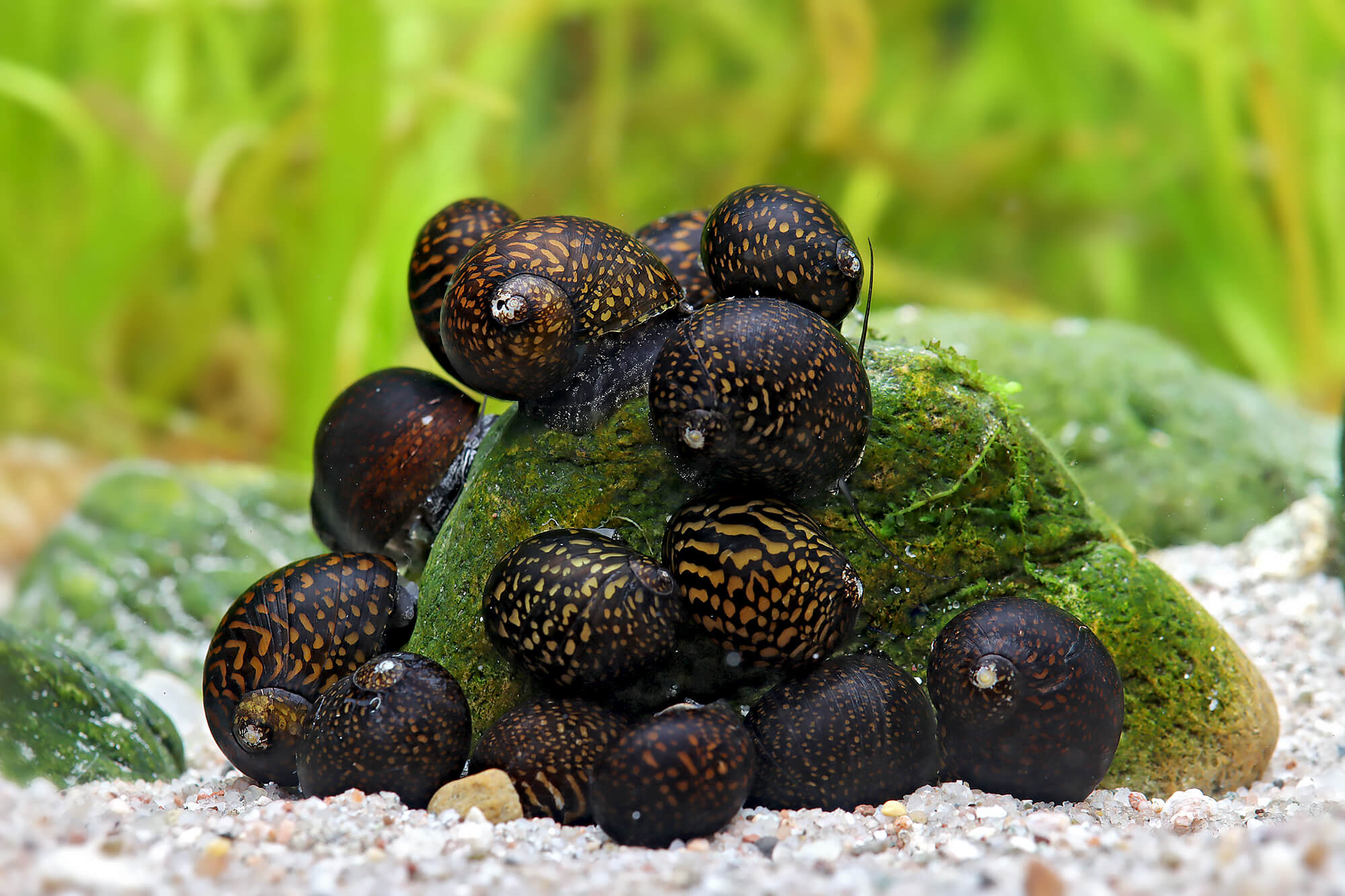
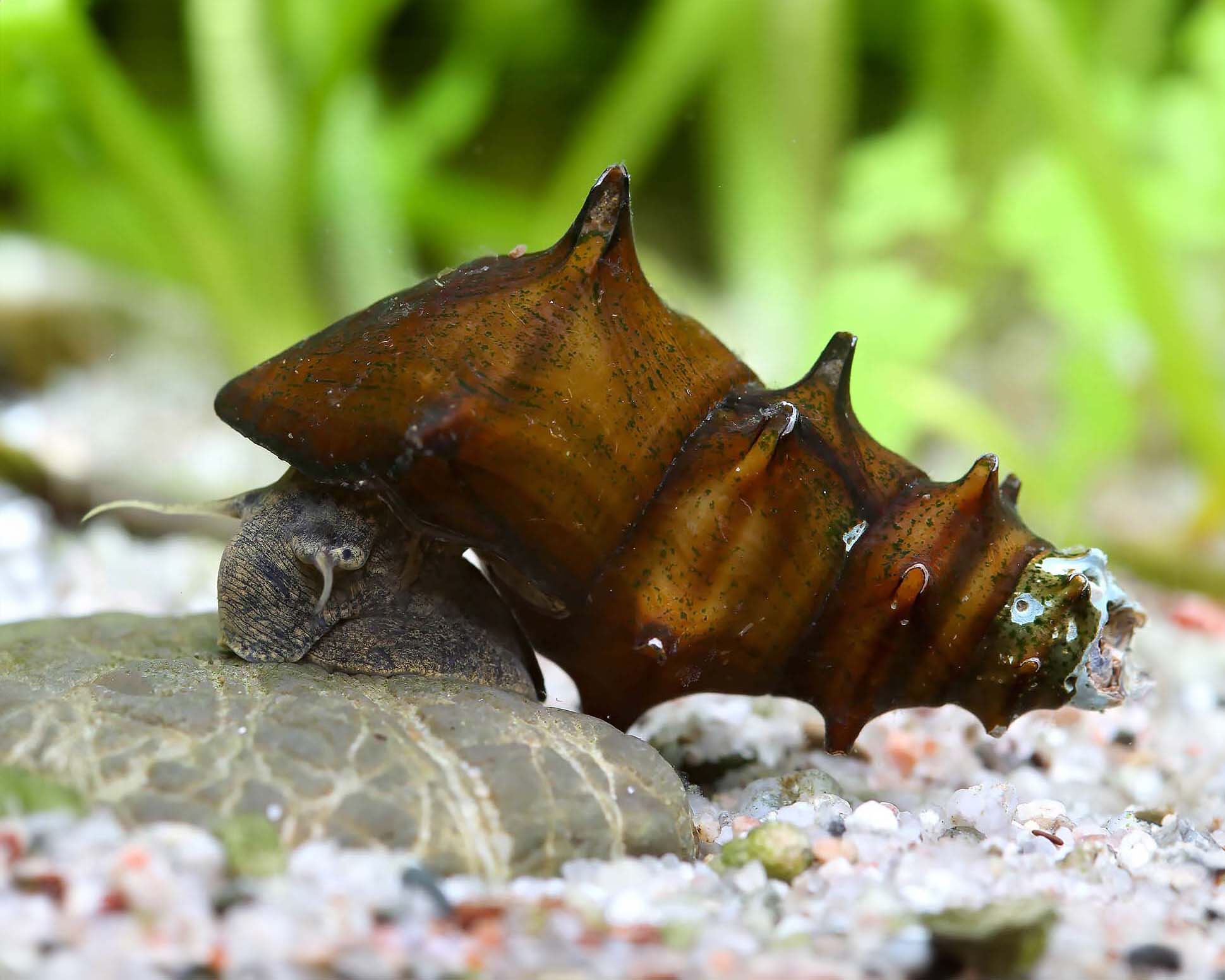
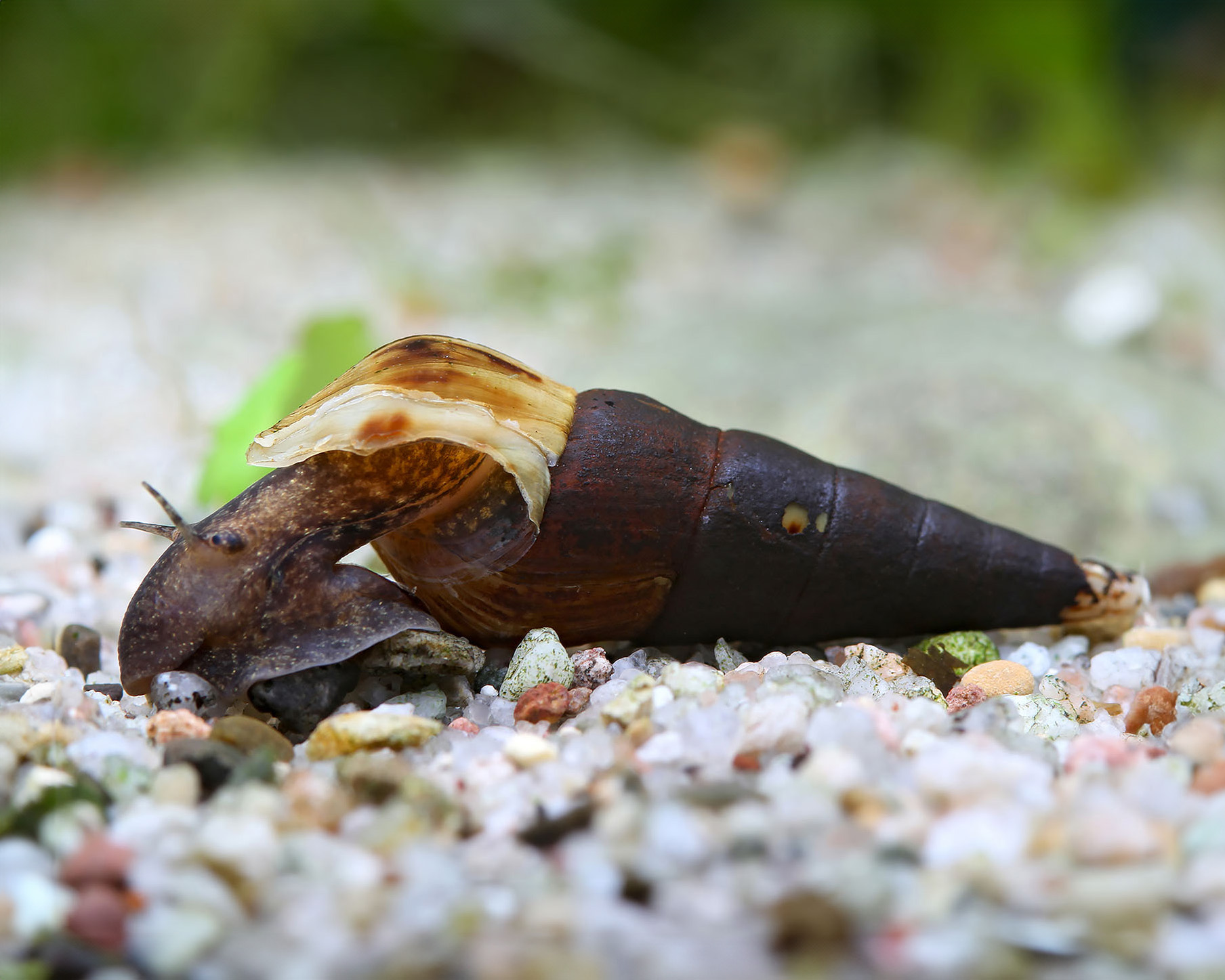
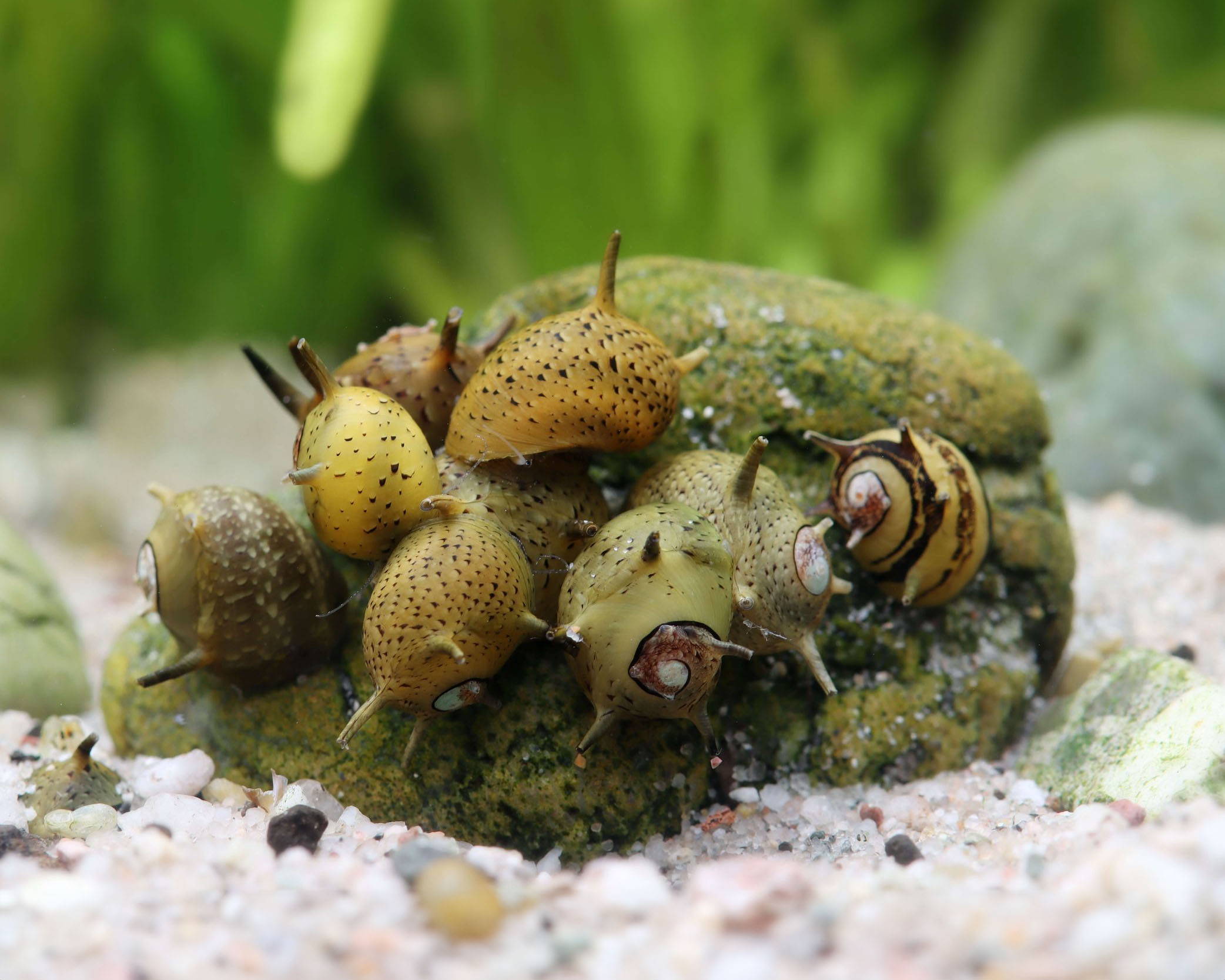
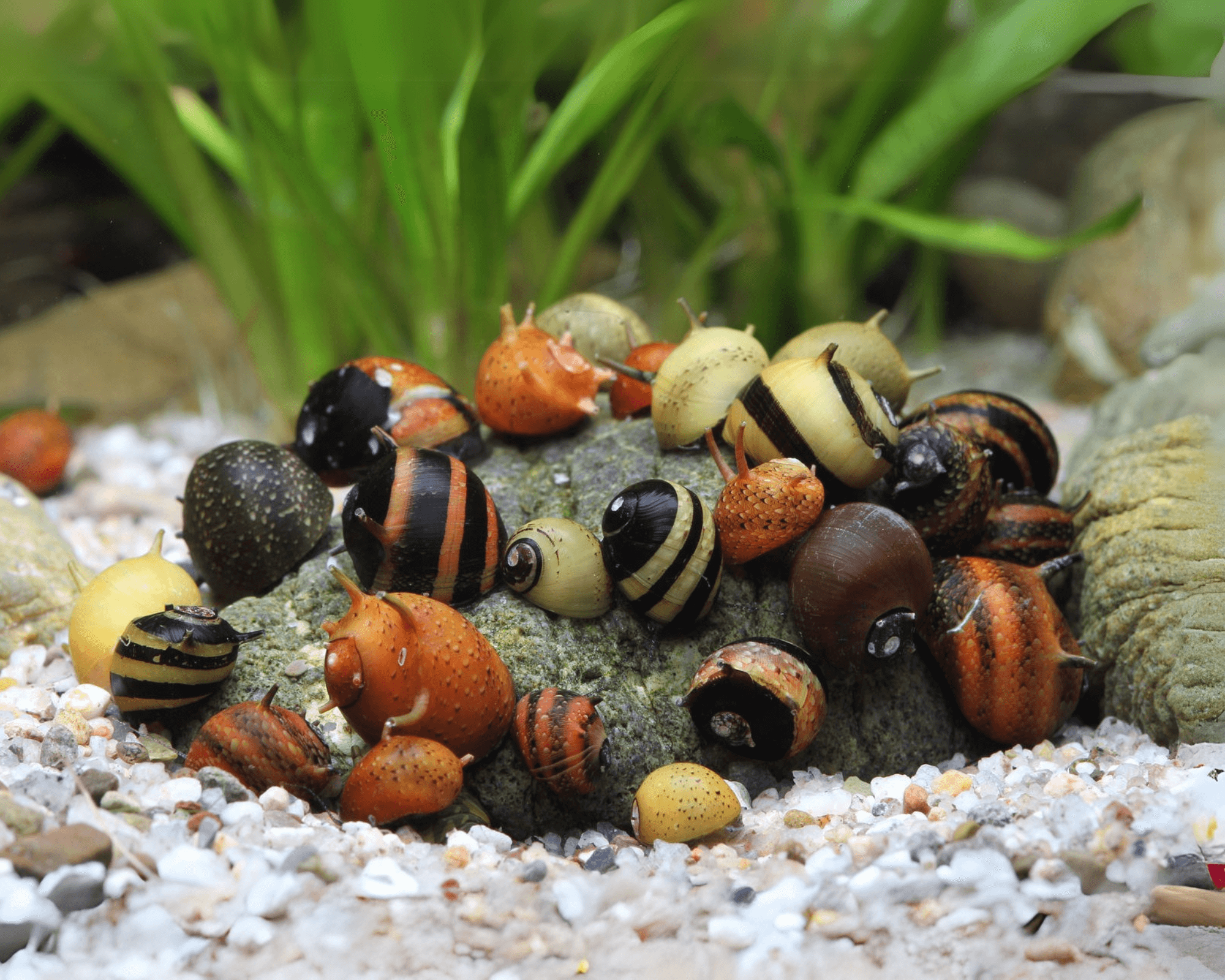
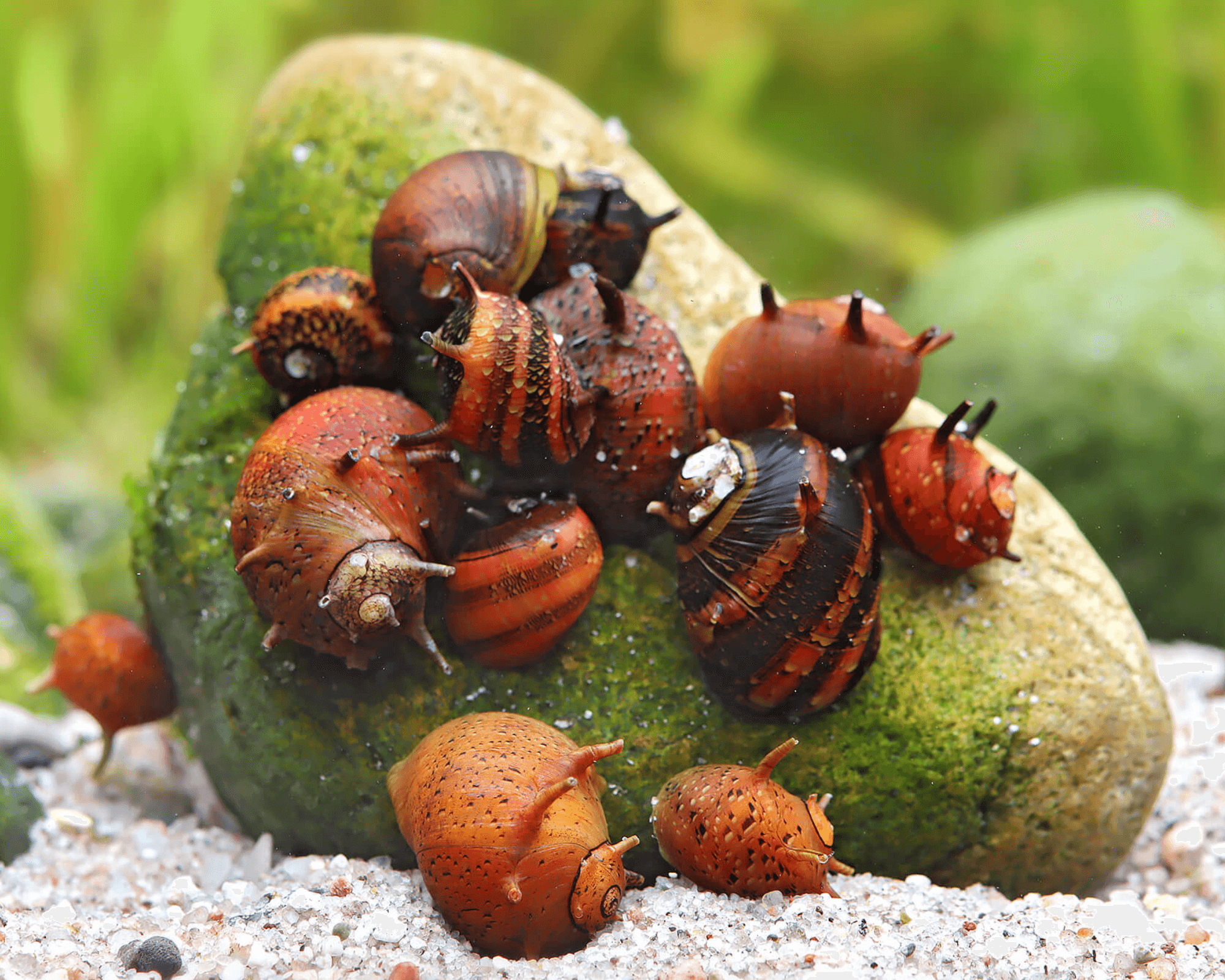
The visual appeal of the Blue Jelly Snail is its most distinguishing feature. The shell is conical, somewhat thick, and typically features a light brown or tan base coloration wrapped in thick, dark brown or black spiral bands. However, the true highlight is the animal's body. The foot and head area exhibit a stunning, translucent blue to grey-blue coloration, speckled with tiny lighter dots, giving it a "jelly-like" appearance. Their tentacles are typically a darker, opaque blue-black.
Keeping and Caring for Blue Jelly Snail
These snails are relatively undemanding but do require stable water conditions to thrive. Because of their slightly thicker shells, they need environments that prevent shell erosion. They are peaceful and can be housed with shrimp, other peaceful snails, and small, non-aggressive fish.
Tank size:
A minimum tank size of 10 gallons is recommended for a small group of Blue Jelly Snails. This provides enough surface area for algae growth and ensures water parameters remain stable.
Water Parameters:
Temperature
They prefer tropical temperatures ranging from 72°F to 82°F (22°C - 28°C).
pH
A neutral to slightly alkaline pH is crucial. Keep the pH between 7.0 and 8.0 to prevent their beautiful banded shells from eroding.
Hardness
Moderate to hard water is required. Aim for a general hardness (GH) of 6 to 15 dGH and a carbonate hardness (KH) of 3 to 10 dKH to provide the necessary calcium for shell maintenance.
Ammonia, Nitrite, Nitrate
Ammonia and Nitrite must always be at 0 ppm. Nitrates should be kept as low as possible, ideally below 20 ppm, through regular water changes.

Feeding the Blue Jelly Snail
Blue Jelly Snails are omnivorous scavengers. While they will actively graze on soft film algae and biofilm on the aquarium glass and hardscape, their diet should be supplemented. Provide high-quality sinking pellets, algae wafers, and blanched vegetables such as zucchini, spinach, or cucumber. They will also happily consume leftover fish food and decaying plant matter, making them excellent cleanup crew members.
Breeding Blue Jelly Snail
Unlike many common aquarium snails that lay massive clutches of eggs, the Blue Jelly Snail is a livebearer (viviparous). They are gonochoric, meaning there are distinct male and female individuals. Males can often be identified by a thicker right tentacle, which serves as a reproductive organ. Females give birth to fully formed, miniature juvenile snails. Their reproduction rate is very slow, meaning they are highly unlikely to overpopulate your aquarium.
Conclusion
The Blue Jelly Snail (Taia sp.) is a phenomenal choice for aquarists looking for a visually striking, low-maintenance, and highly beneficial cleanup crew member. Their slow breeding rate, peaceful demeanor, and incredible blue coloration make them a standout addition to any tropical freshwater tank.
 - 1.webp)

 DNZ - 1.webp)
Leave your comments