Overview
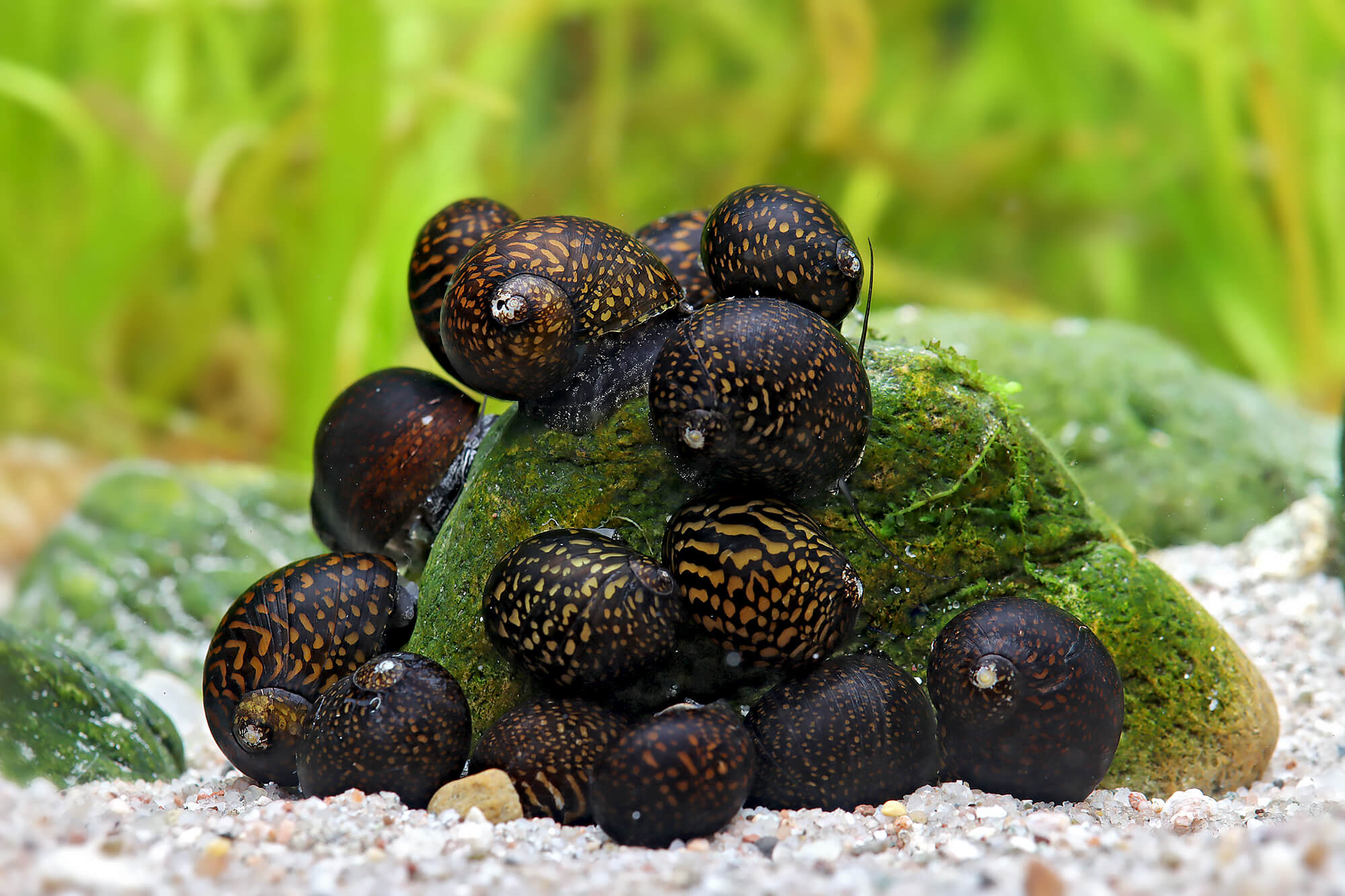
The Black Fancy Horned Snail, scientifically known as Clithon sp. (often referred to in the hobby as the Black Fancy Geweihschnecke), is a popular and industrious freshwater aquarium snail. Renowned for their exceptional algae-clearing abilities, these snails are a favorite among aquascapers and casual hobbyists alike. They are entirely peaceful and will not harm live aquatic plants, making them a perfect addition to planted setups.

Distribution and Habitat
In the wild, Clithon species are native to the coastal regions and river mouths of Asia, including countries like Indonesia, Japan, and the Philippines. They inhabit estuaries and lower river basins where freshwater mixes with ocean tides, creating a brackish environment. They are typically found clinging to rocks, submerged driftwood, and mangrove roots, grazing on the abundant biofilm and algae.
Description of Black Fancy Horned Snail
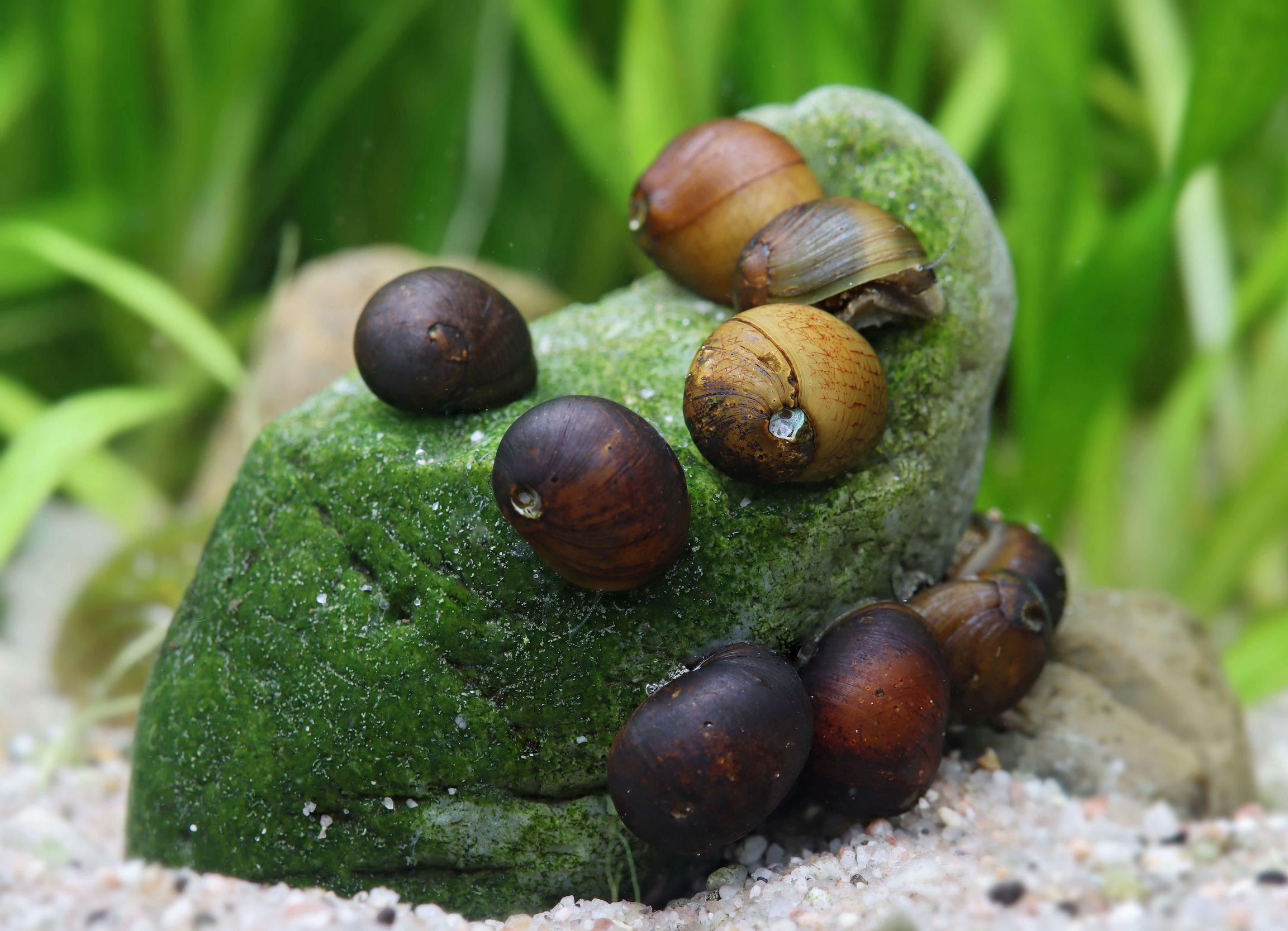
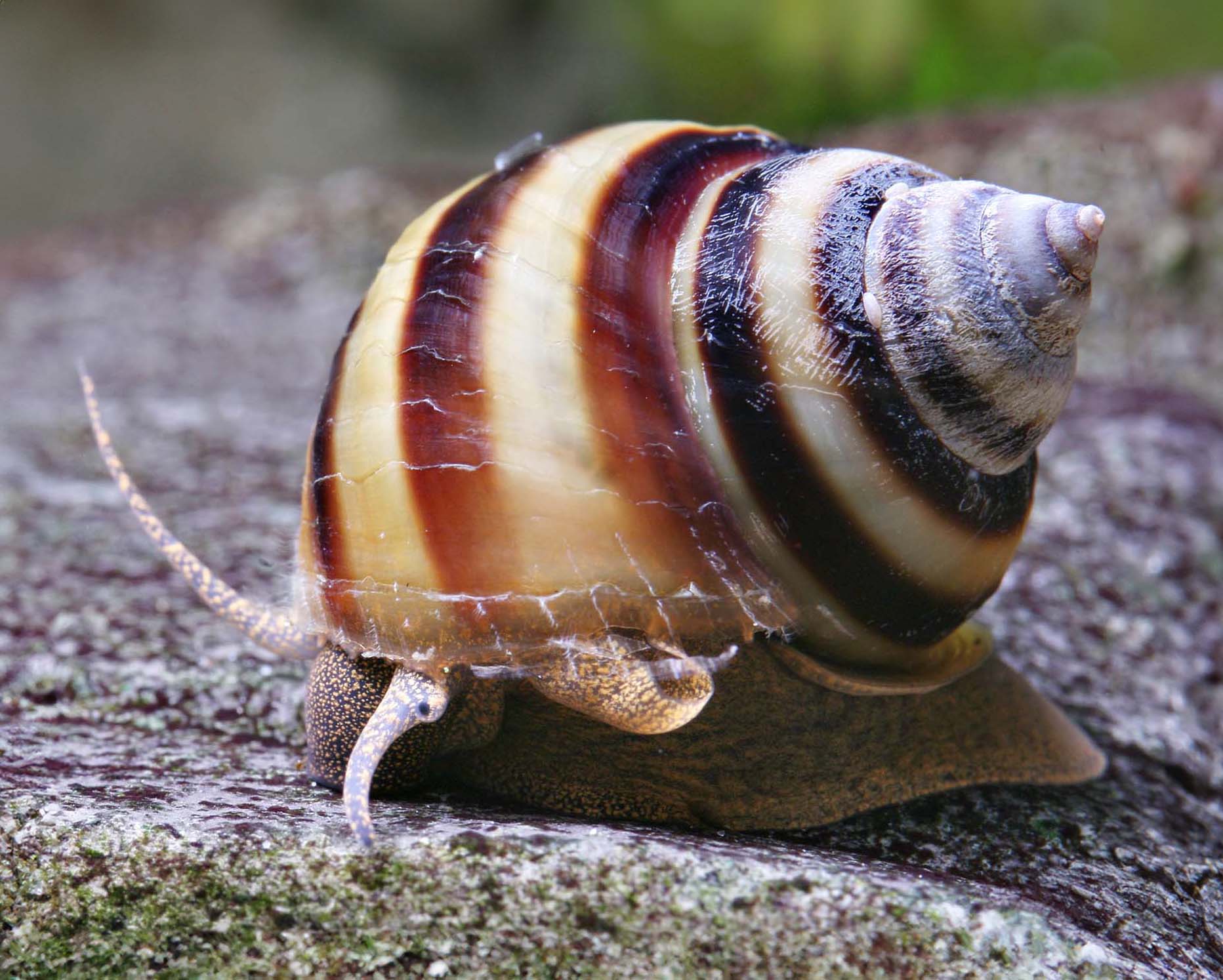
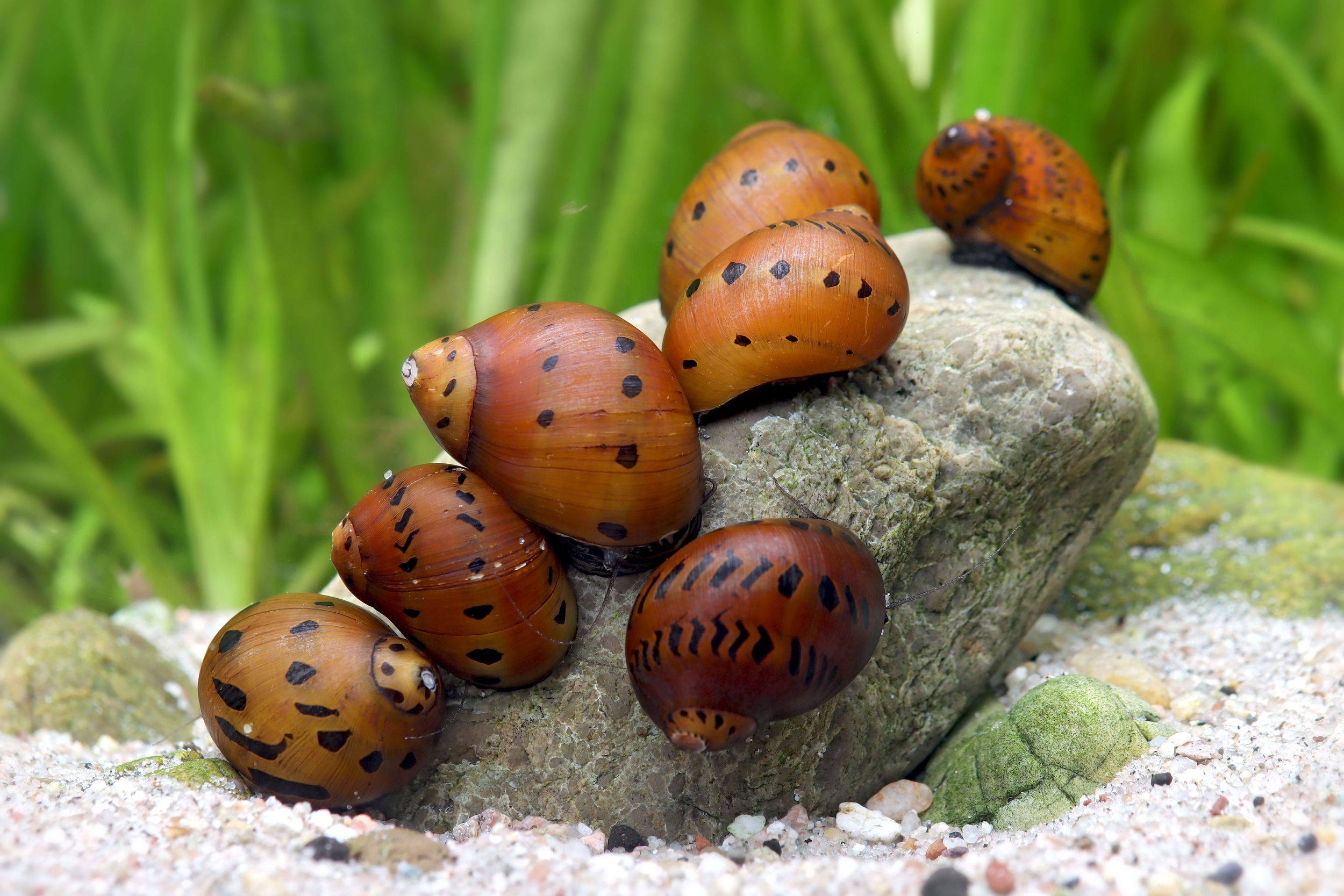
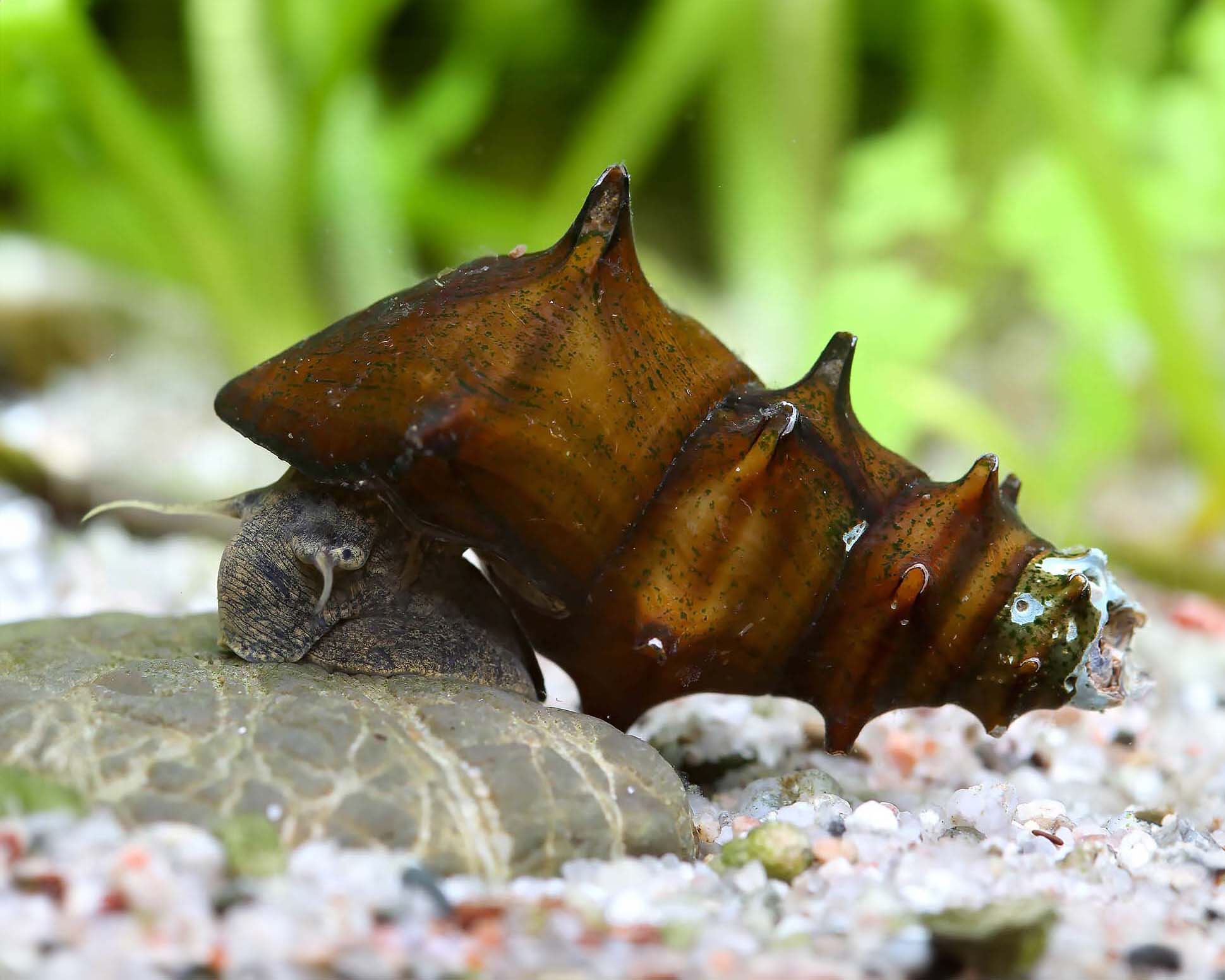
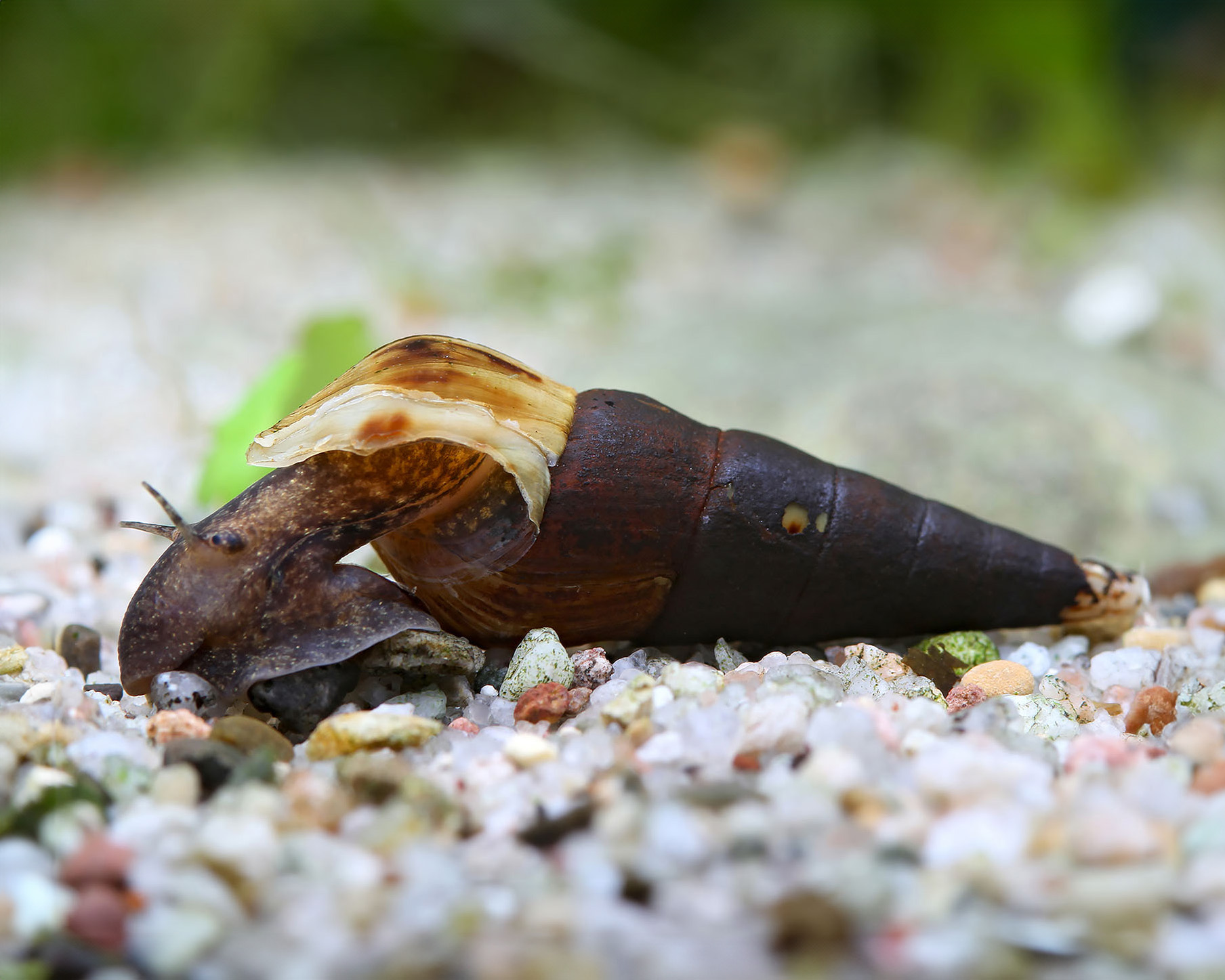
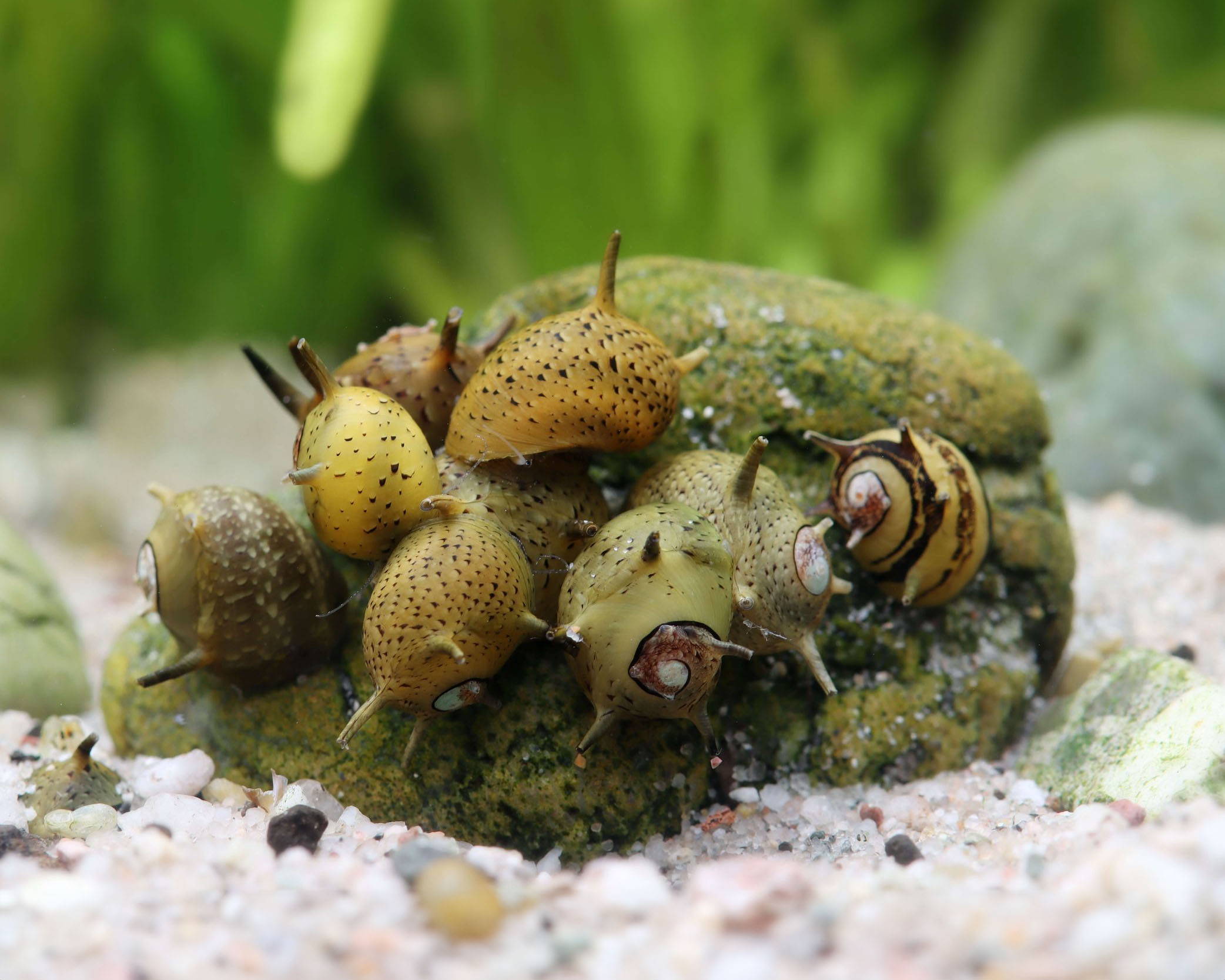
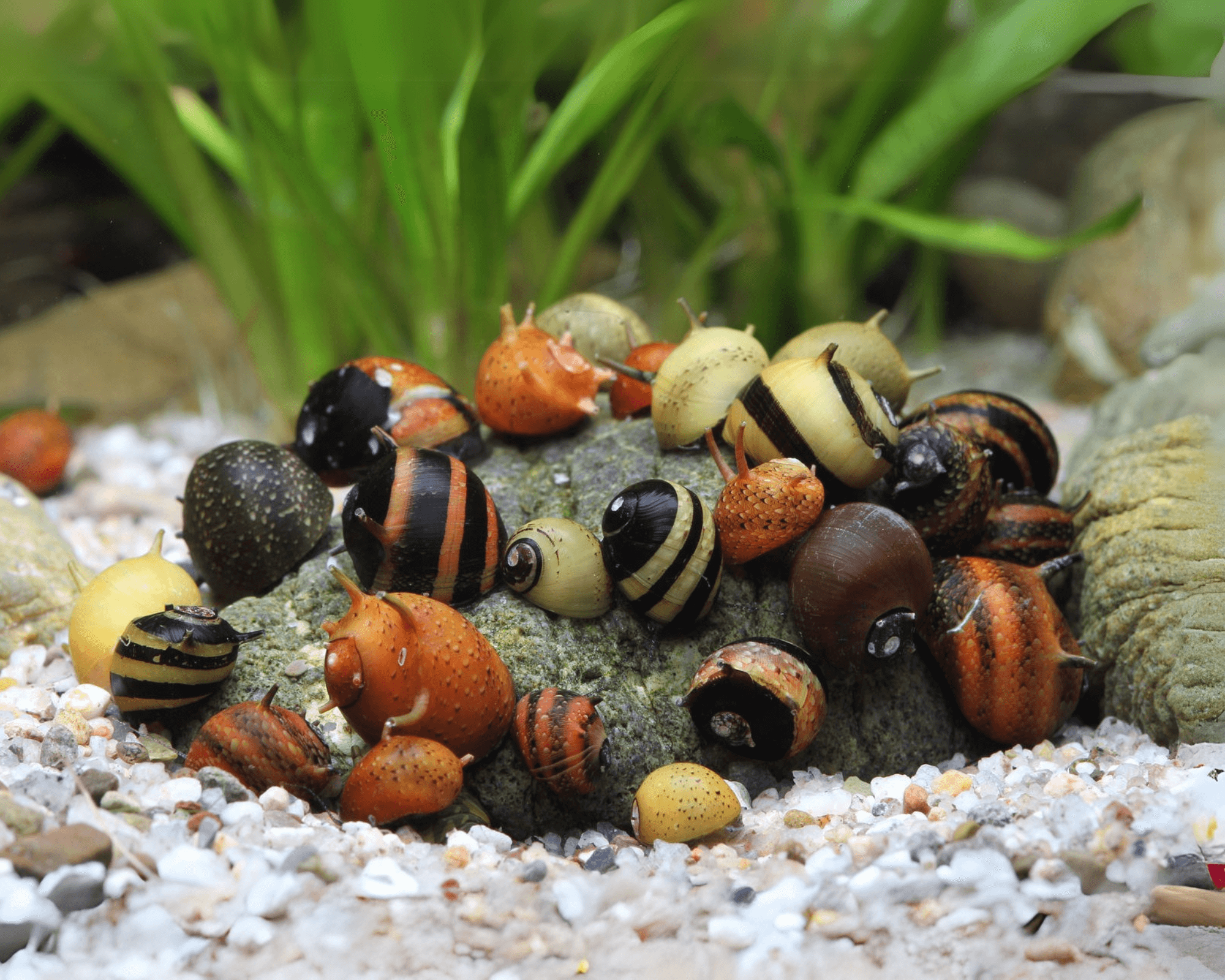
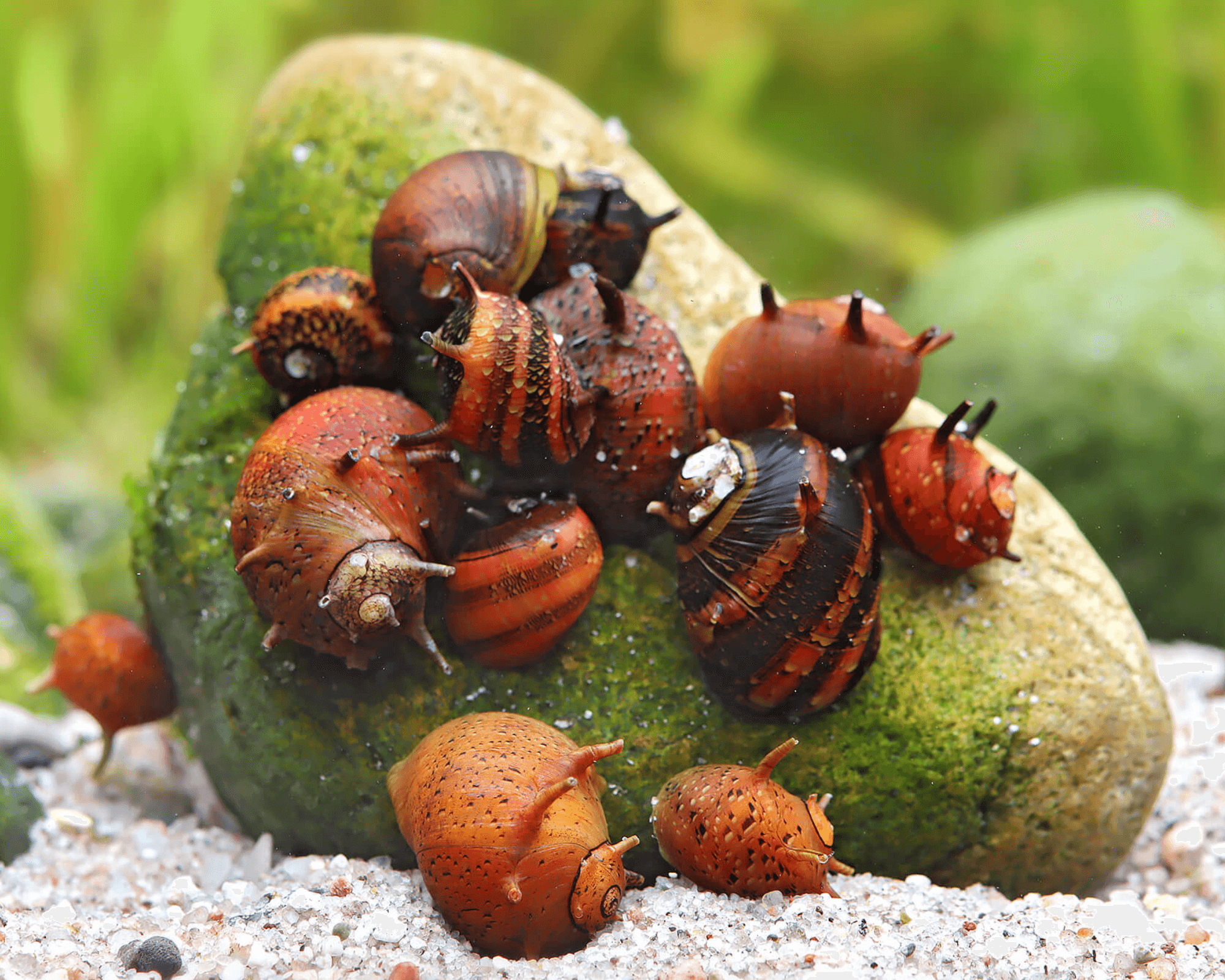
Despite being called a "Horned" snail (Geweihschnecke), the Black Fancy variant often features very subtle, reduced, or sometimes entirely absent horns, presenting a smooth, rounded shell. As seen in the provided images, their shells boast rich, earthy tones ranging from deep mahogany and dark brown to almost solid black, occasionally with subtle banding or lighter olive patches. They are quite small, generally reaching a maximum size of only 1.5 to 2 centimeters in diameter, which allows them to clean tight crevices in the aquarium.
Keeping and Caring for Black Fancy Horned Snail
Caring for these snails is relatively straightforward, provided they are placed in a mature aquarium with plenty of natural algae growth. They are peaceful and can be kept with most community fish, shrimp, and other non-aggressive invertebrates. Because of their small size, care should be taken to avoid keeping them with large, shell-crushing fish like certain loaches or cichlids.
Tank size:
A minimum tank size of 5 gallons (approximately 20 liters) is suitable for a small group of these snails. Their small bioload makes them excellent candidates for nano aquariums.
Water Parameters:
Stability is key for the Black Fancy Horned Snail. Like most snails, they require specific water conditions to maintain healthy shells and overall vitality.
Temperature
They thrive in tropical temperatures ranging from 22 to 28 °C (72 to 82 °F).
pH
A slightly alkaline pH between 7.0 and 8.2 is highly recommended. Acidic water can cause their shells to erode and pit over time.
Hardness
Moderate to hard water is essential. Aim for a General Hardness (GH) of 8 to 20 dGH to provide the calcium necessary for robust shell growth.
Ammonia, Nitrite, Nitrate
Ammonia and Nitrite must always be at 0 ppm. Nitrates should be kept as low as possible, ideally below 20 ppm. They are also highly sensitive to copper and other heavy metals.
Feeding the Black Fancy Horned Snail
These snails are obligate algae eaters and will spend the majority of their time grazing on glass, rocks, and plant leaves. They are particularly effective against diatoms (brown algae) and green spot algae. If the aquarium is kept too pristine, their diet must be supplemented to prevent starvation. Offer high-quality algae wafers, spirulina powder, or blanched vegetables such as zucchini, spinach, and cucumber.
Breeding Black Fancy Horned Snail
One of the greatest benefits of keeping Clithon sp. is that they will not overpopulate a freshwater aquarium. While females will lay small, white, sesame-seed-like egg capsules on hard surfaces (including rocks, wood, and sometimes even other snails' shells), the larvae require brackish or marine water to develop and survive. In a standard freshwater tank, the eggs will simply fail to hatch.
Conclusion
The Black Fancy Horned Snail is a beautiful, efficient, and low-maintenance addition to the freshwater aquarium. Their striking dark coloration, manageable size, and inability to breed in freshwater make them one of the best cleanup crew options available. By providing them with hard water and plenty of algae to graze on, aquarists can enjoy their tireless cleaning efforts for years to come.
 - 1.webp)

 DNZ - 1.webp)
Leave your comments