Taxonomy and Identification
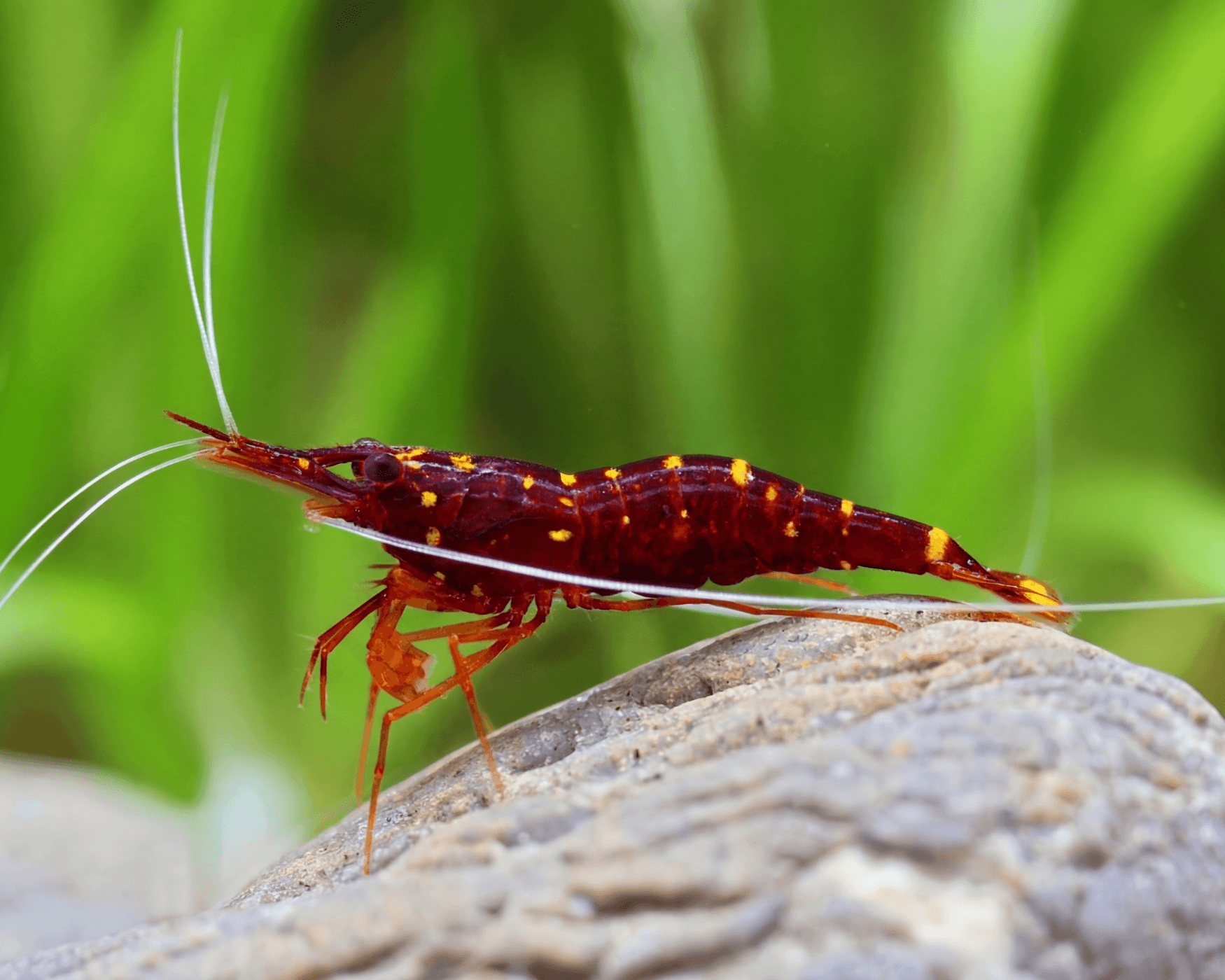
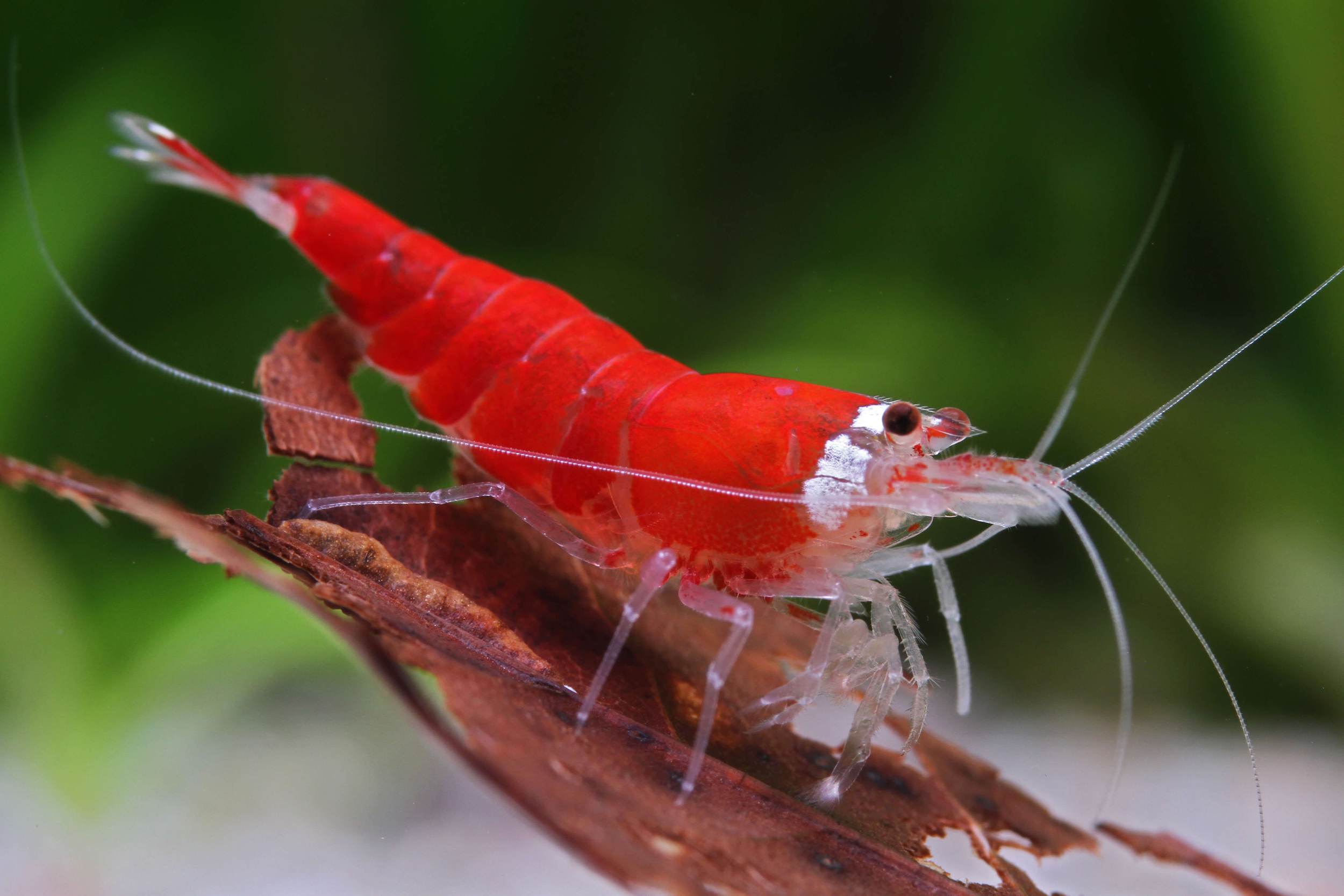
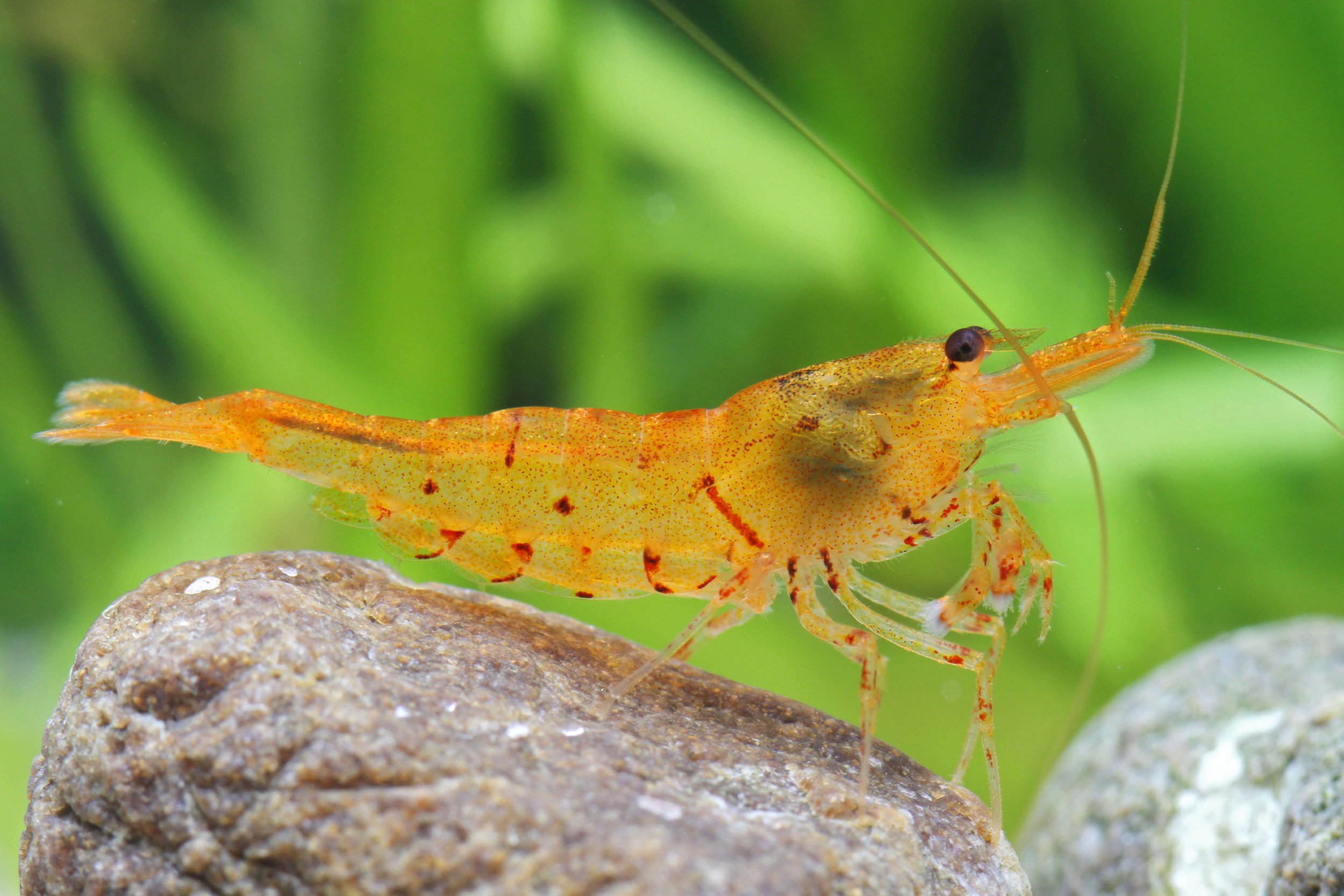
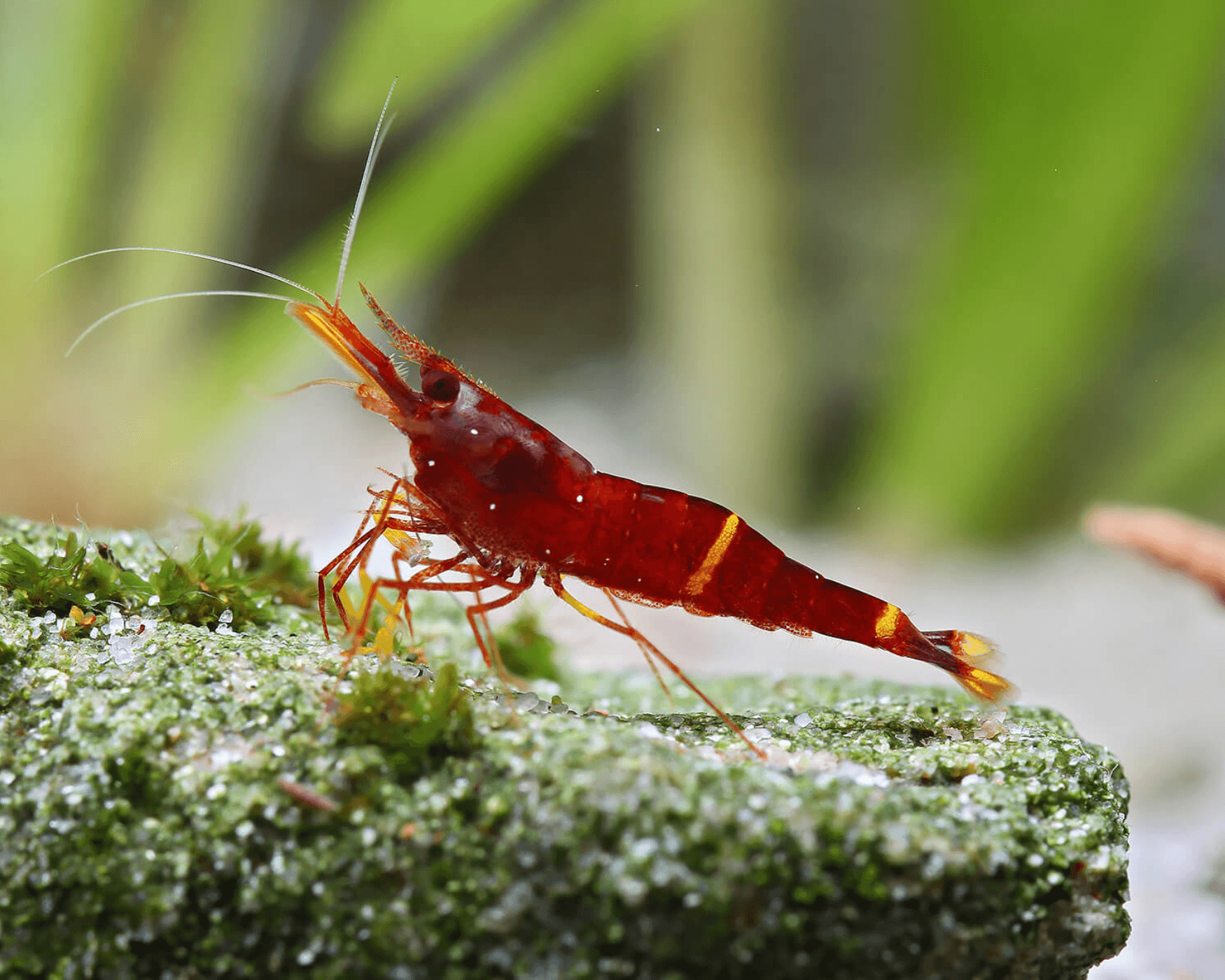
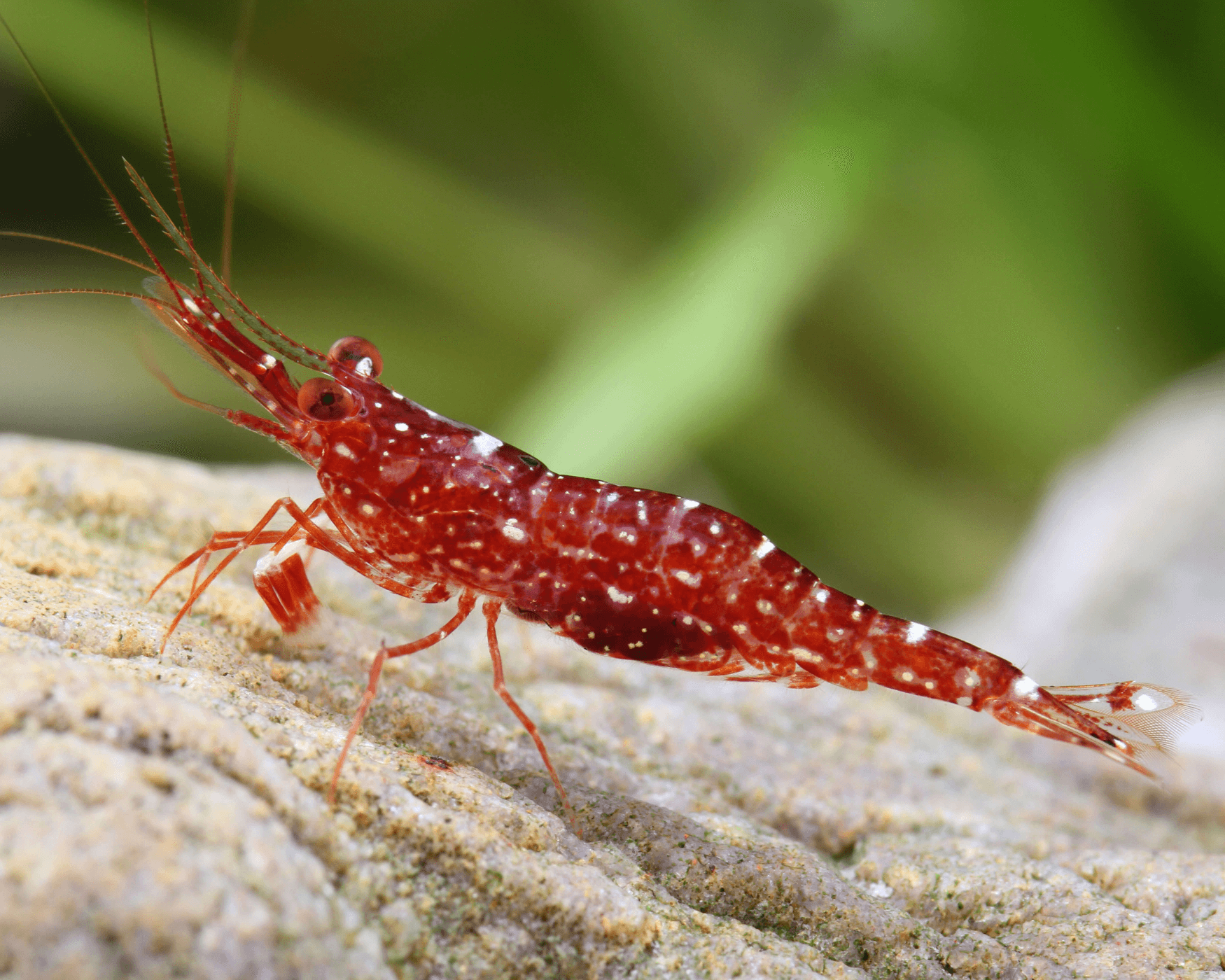
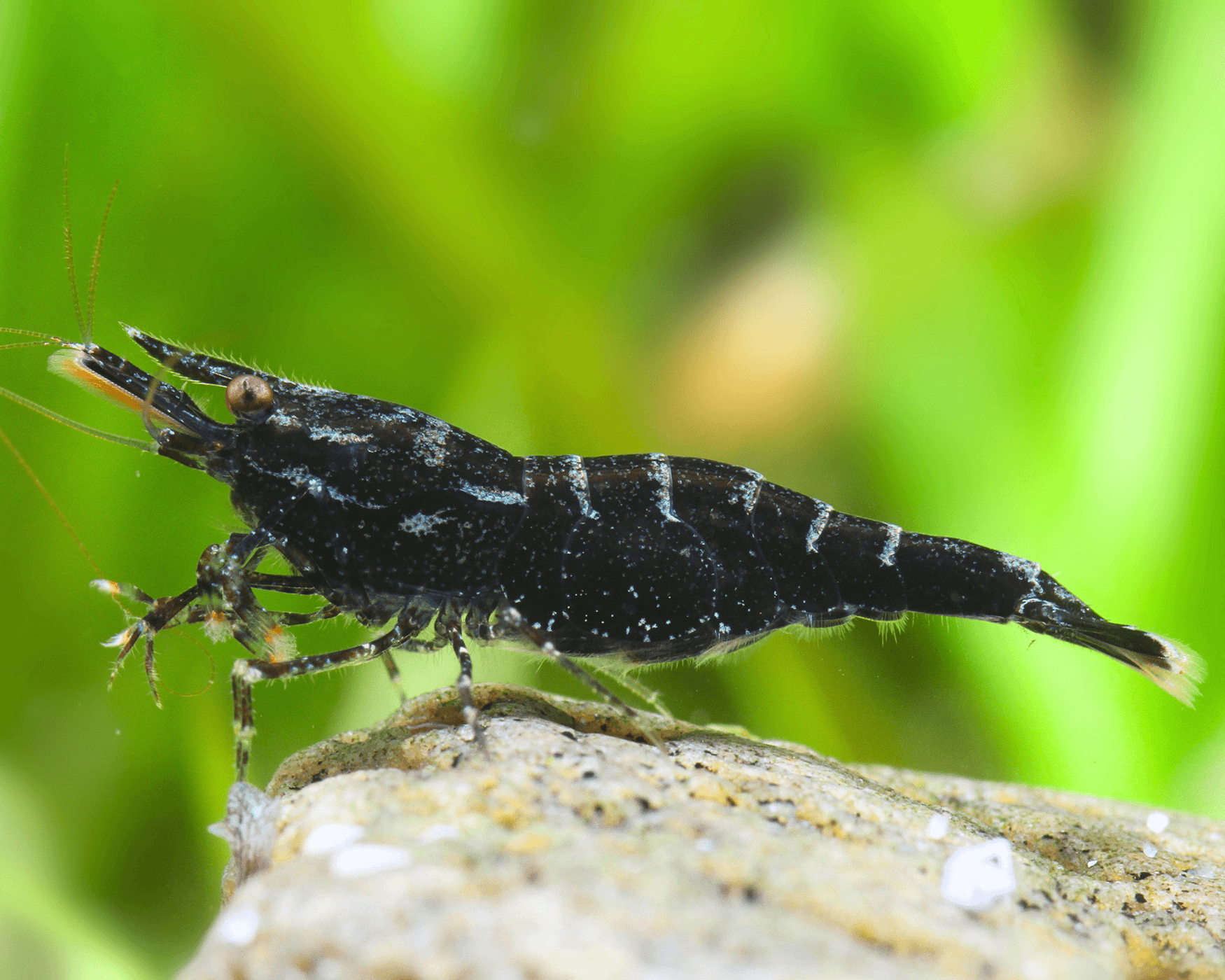
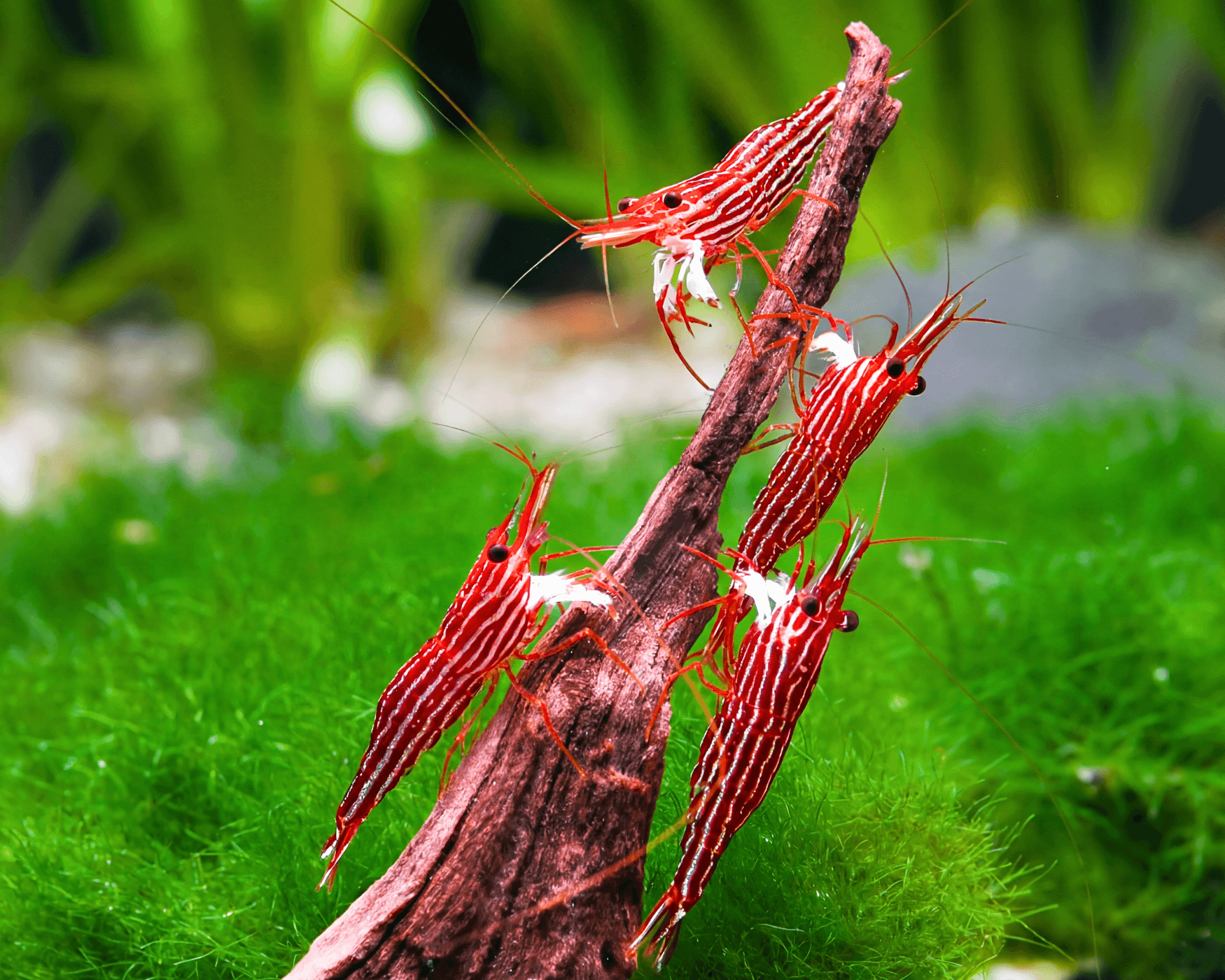
This shrimp is classified under the genus Caridina. The common name Three Spot Red Bee refers to its distinctive color pattern. Taxonomic classification for many Sulawesi shrimp remains in flux, and exact identification can be difficult without genetic analysis, which is why we maintain a moderate confidence level regarding their specific scientific placement.
Habitat and Environment
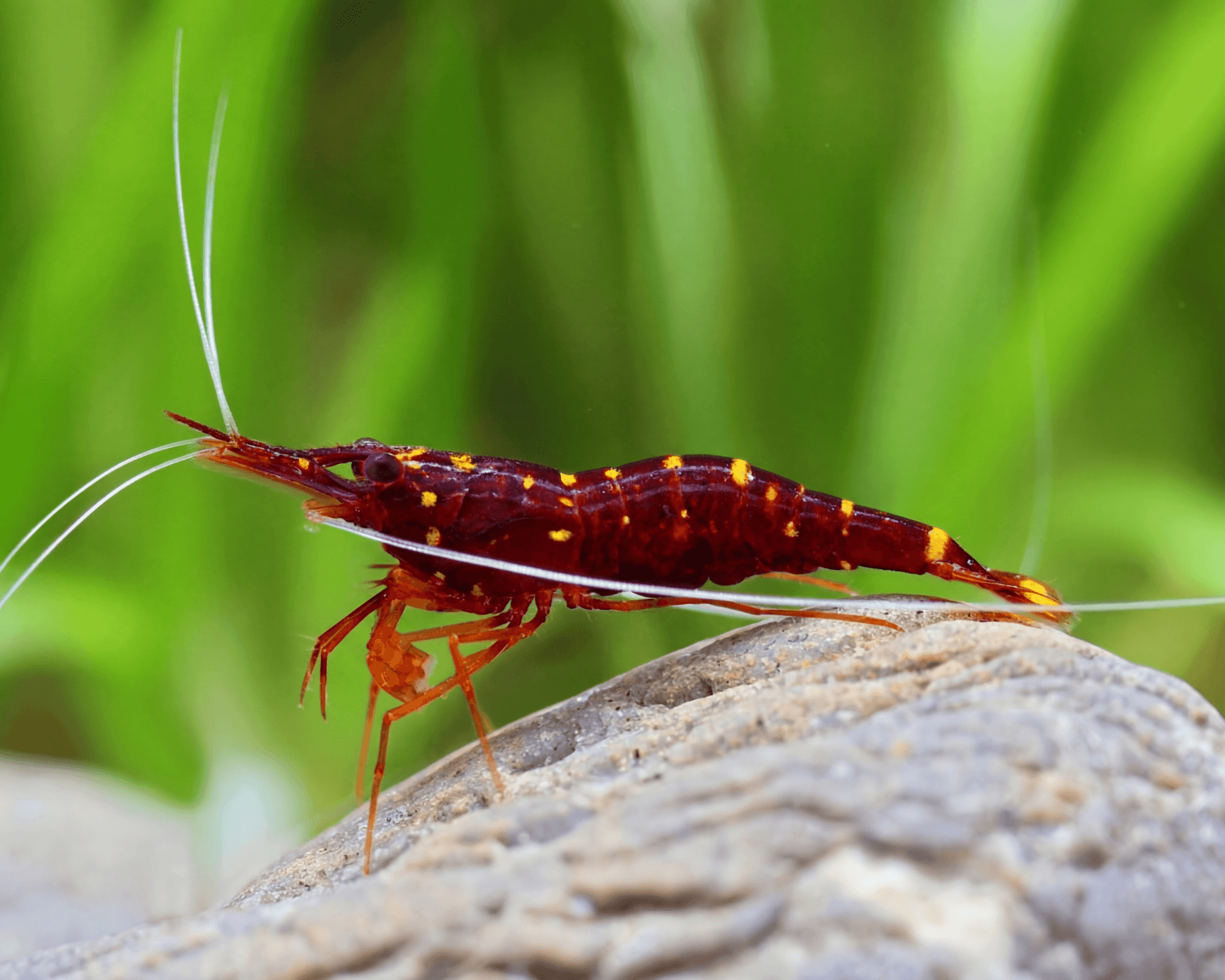
These shrimp are endemic to the ancient lakes of Sulawesi, Indonesia, which are characterized by stable, warm, and alkaline water. In captivity, they require a dedicated aquarium with minimal biological load, plenty of rockwork for biofilm growth, and strictly maintained water chemistry that mimics their natural rift lake environment.
Feeding and Nutrition
In the wild, these shrimp graze extensively on biofilm and aufwuchs found on rock surfaces. In an aquarium, they should be provided with high-quality specialized shrimp foods that encourage biofilm development. Overfeeding should be strictly avoided to prevent water quality degradation, as these shrimp are highly sensitive to ammonia and nitrate fluctuations.
Tank Mates and Behavior
Due to their specialized requirements, it is best to keep these shrimp in a species-only tank. They are generally peaceful but can be easily outcompeted for food or stressed by more active fish species. Keeping them in a group of ten or more helps reduce stress and encourages natural foraging behaviors.
Molting and Breeding
Successful molting is essential for growth and health, requiring stable water parameters to prevent complications. Breeding occurs in freshwater without a larval stage, producing fully formed shrimplets. However, rearing the young requires a very mature aquarium with ample food sources and pristine water conditions to ensure high survival rates.
Leave your comments