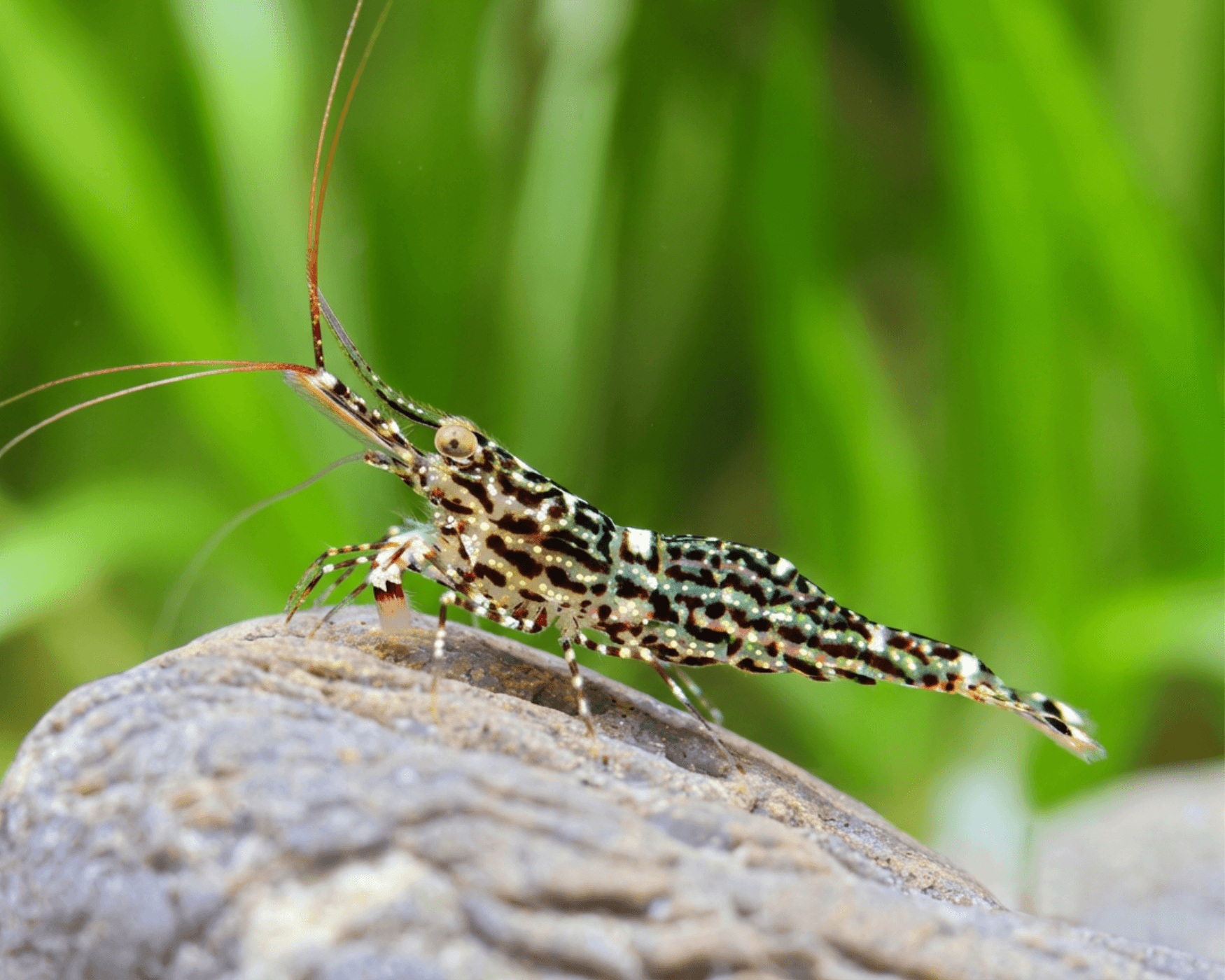
Taxonomy and Origin
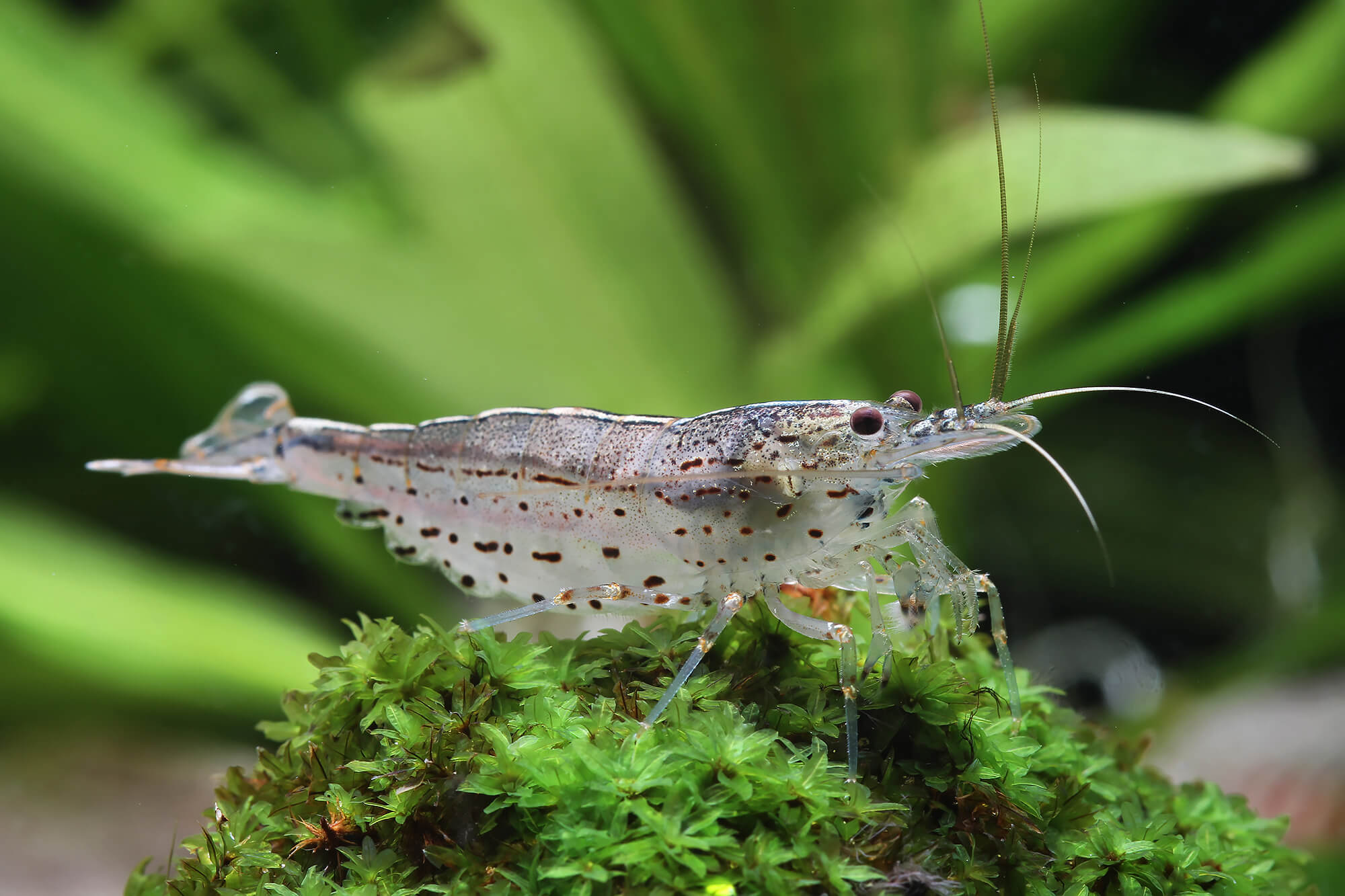
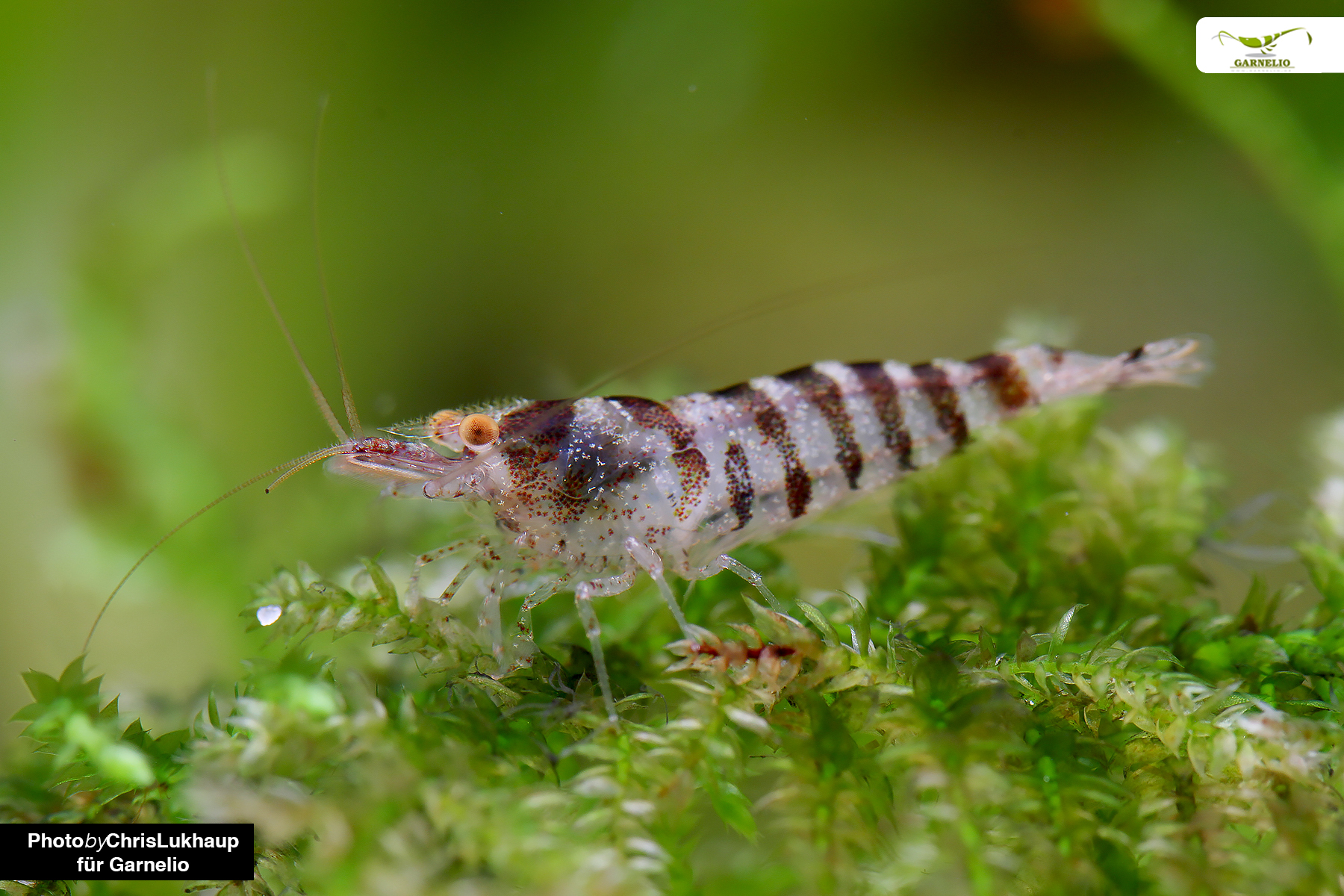
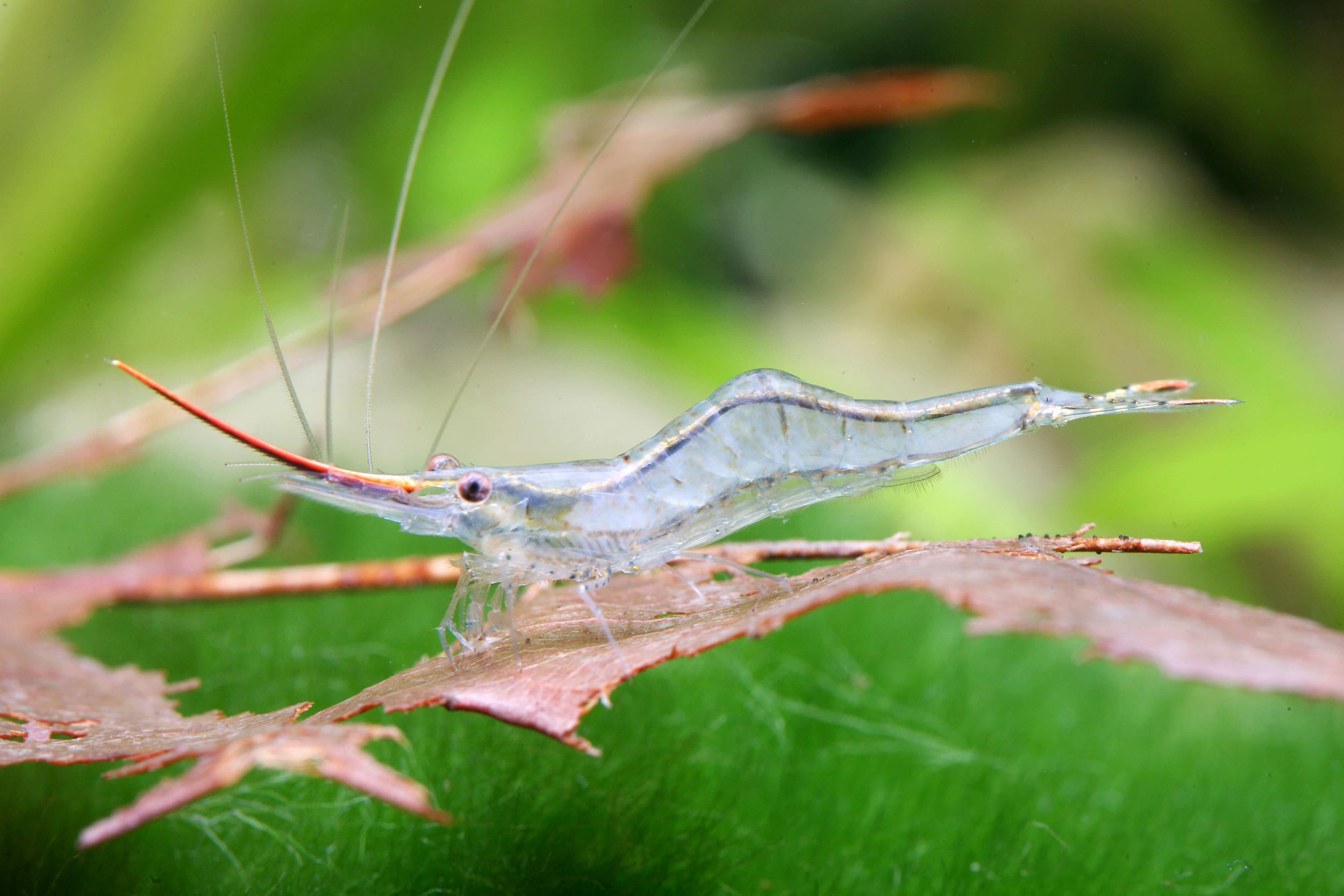
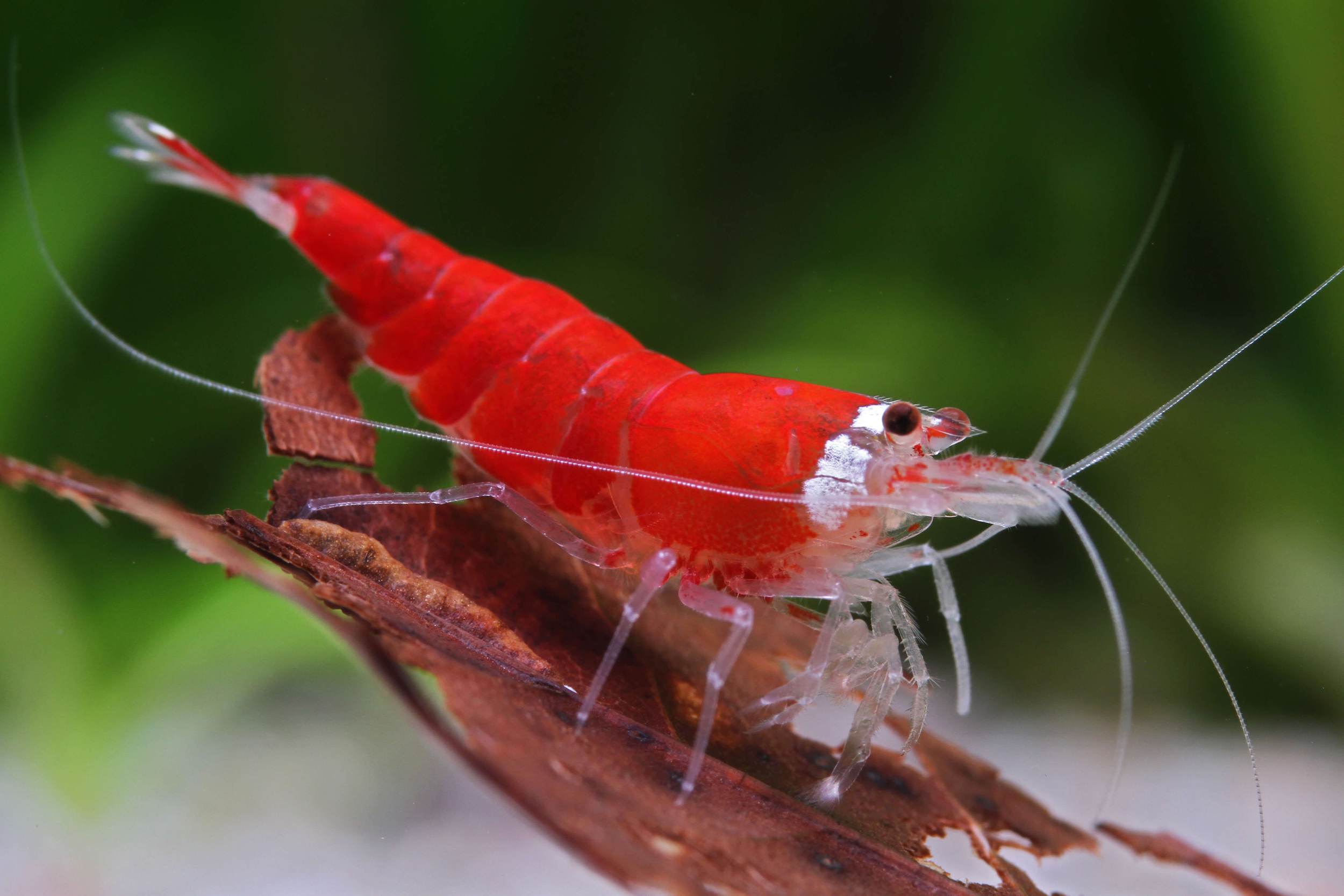
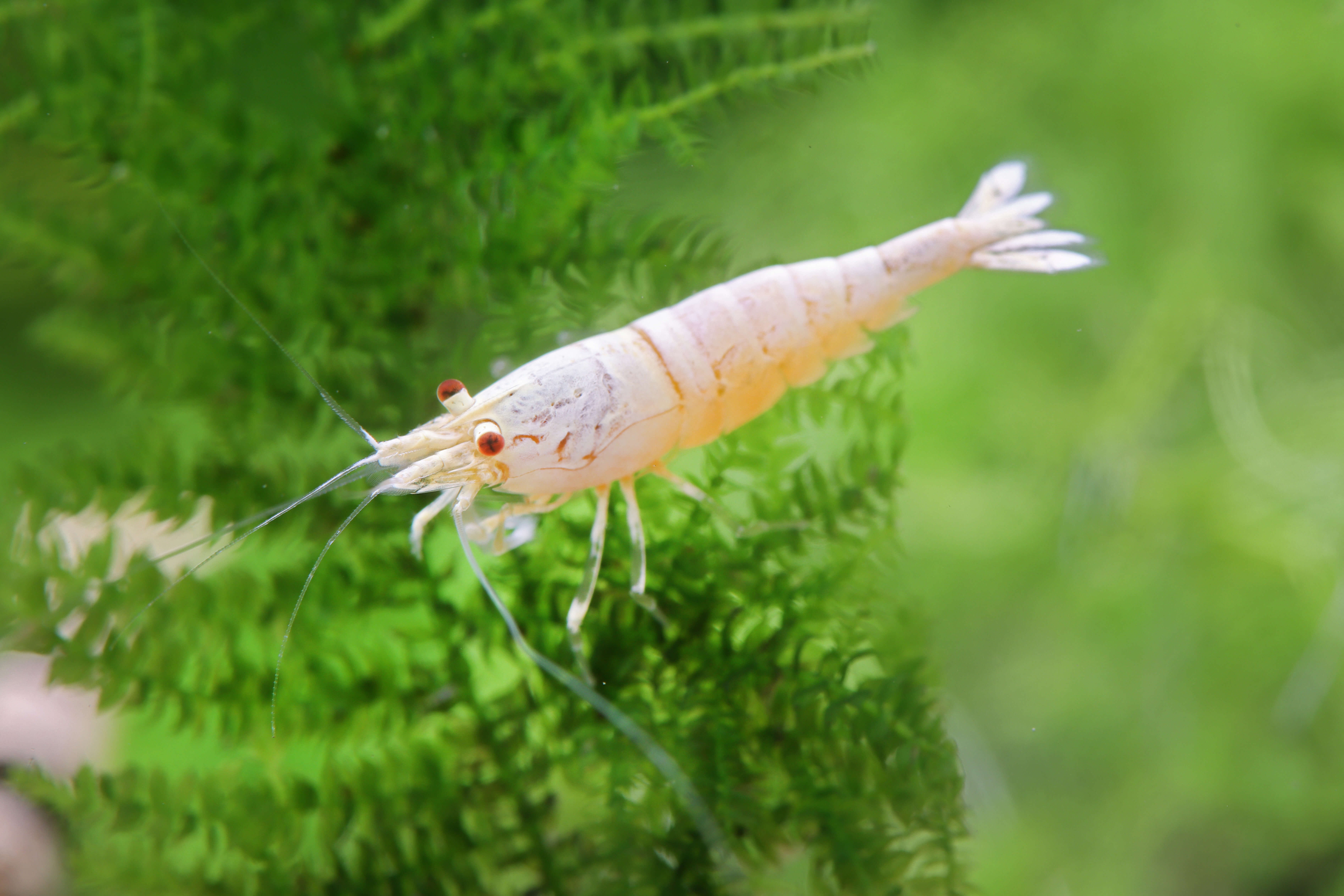
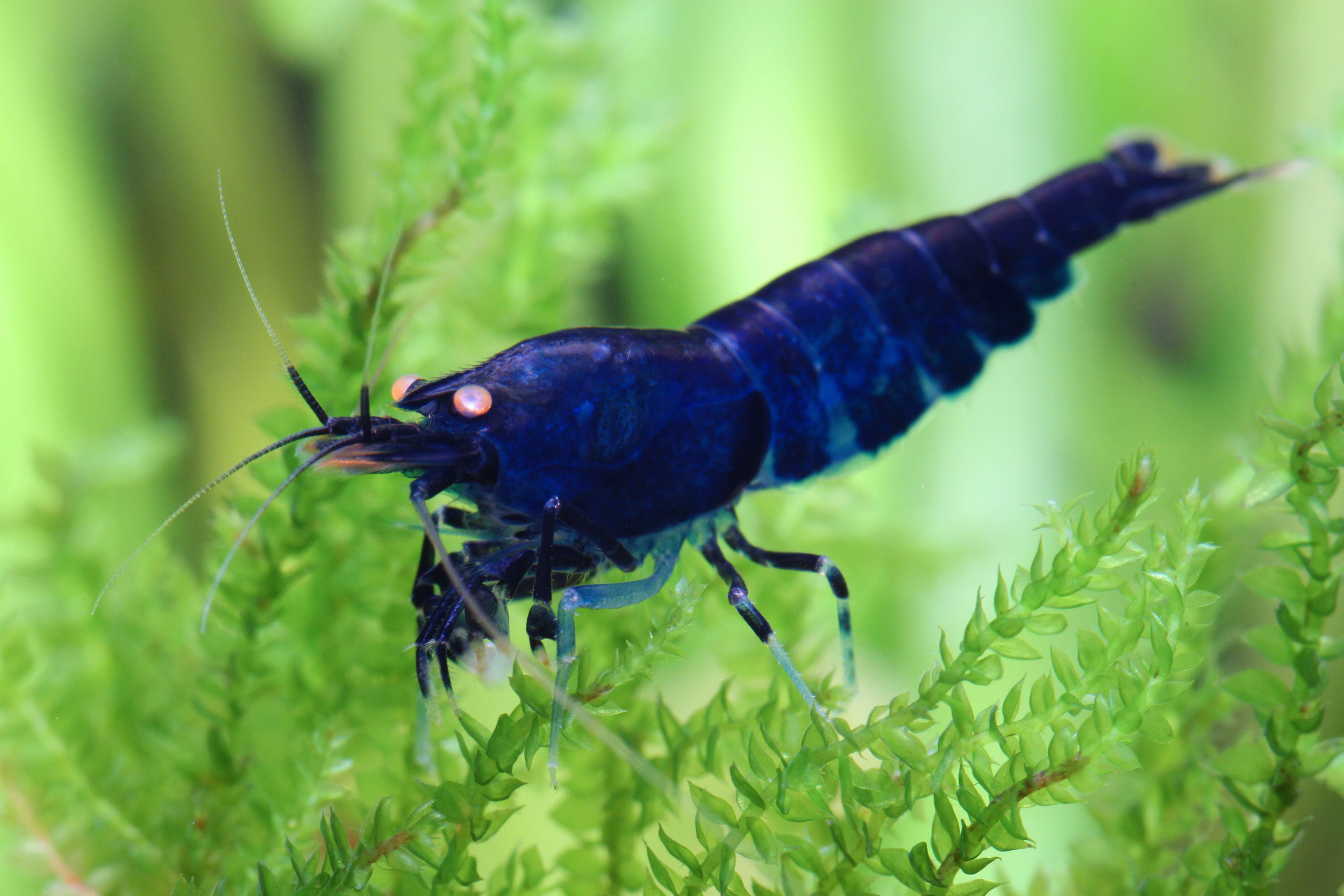
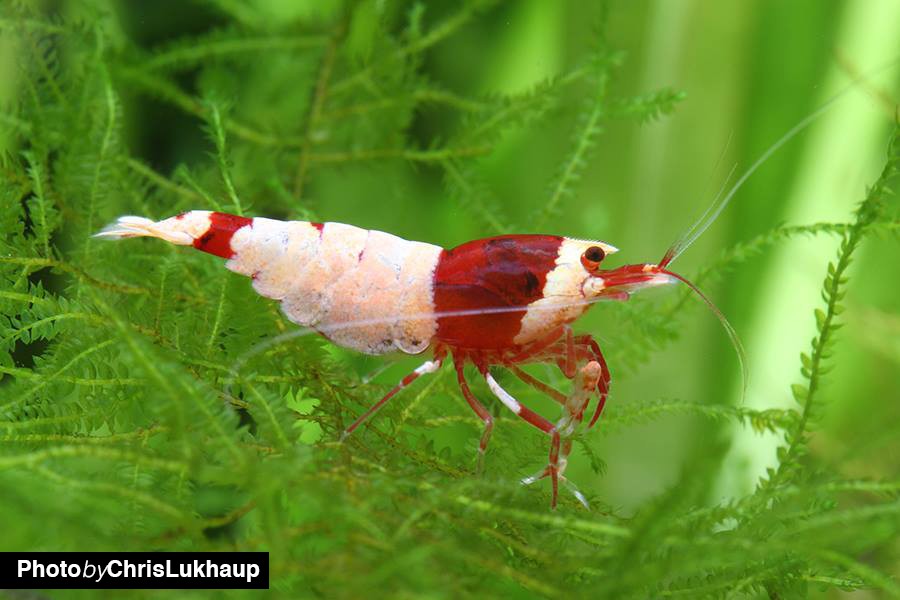
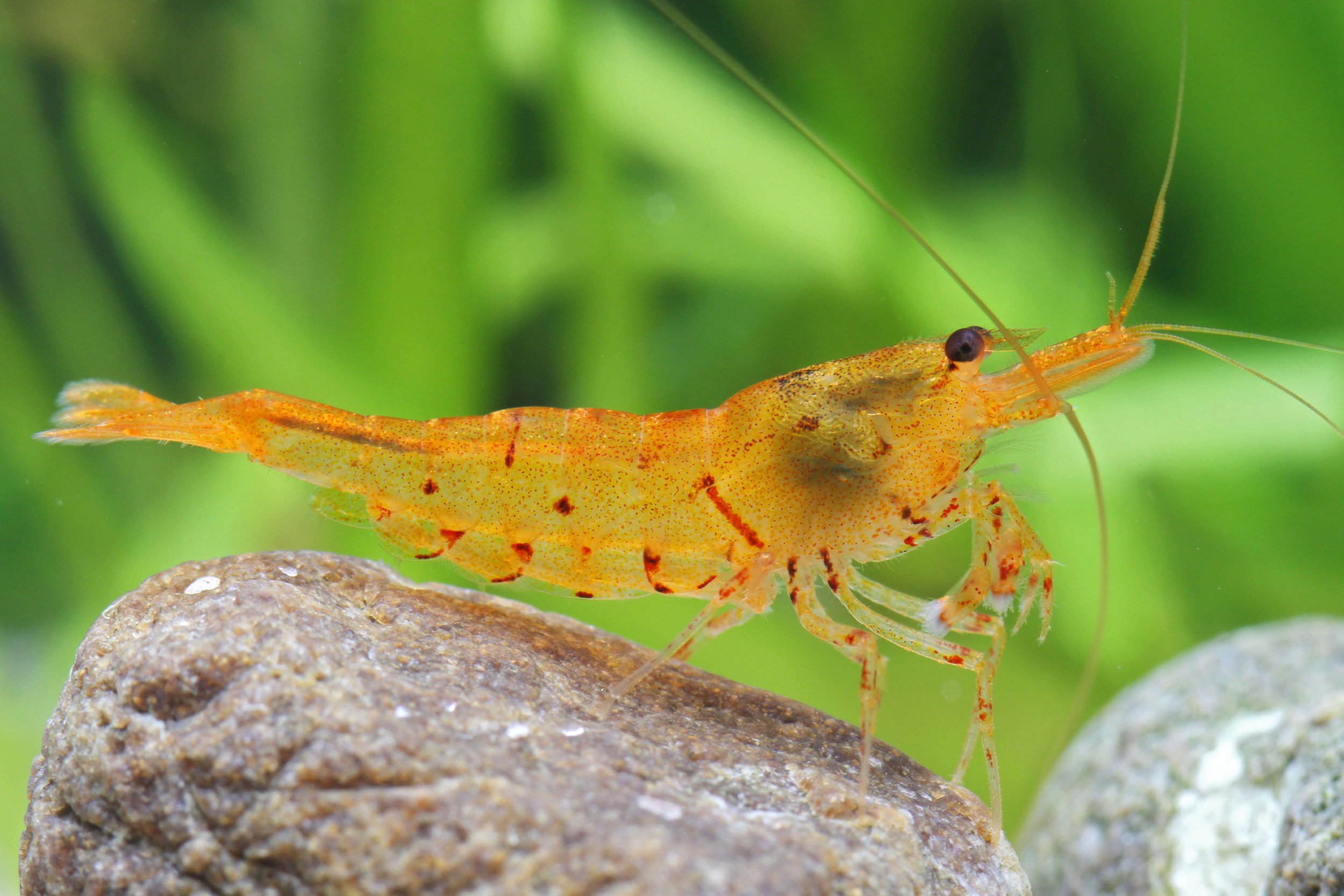
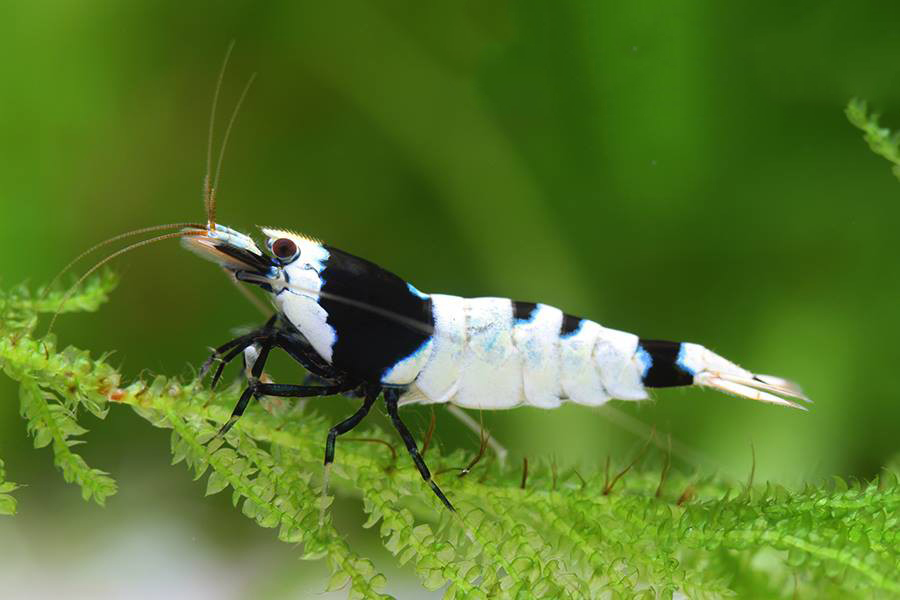
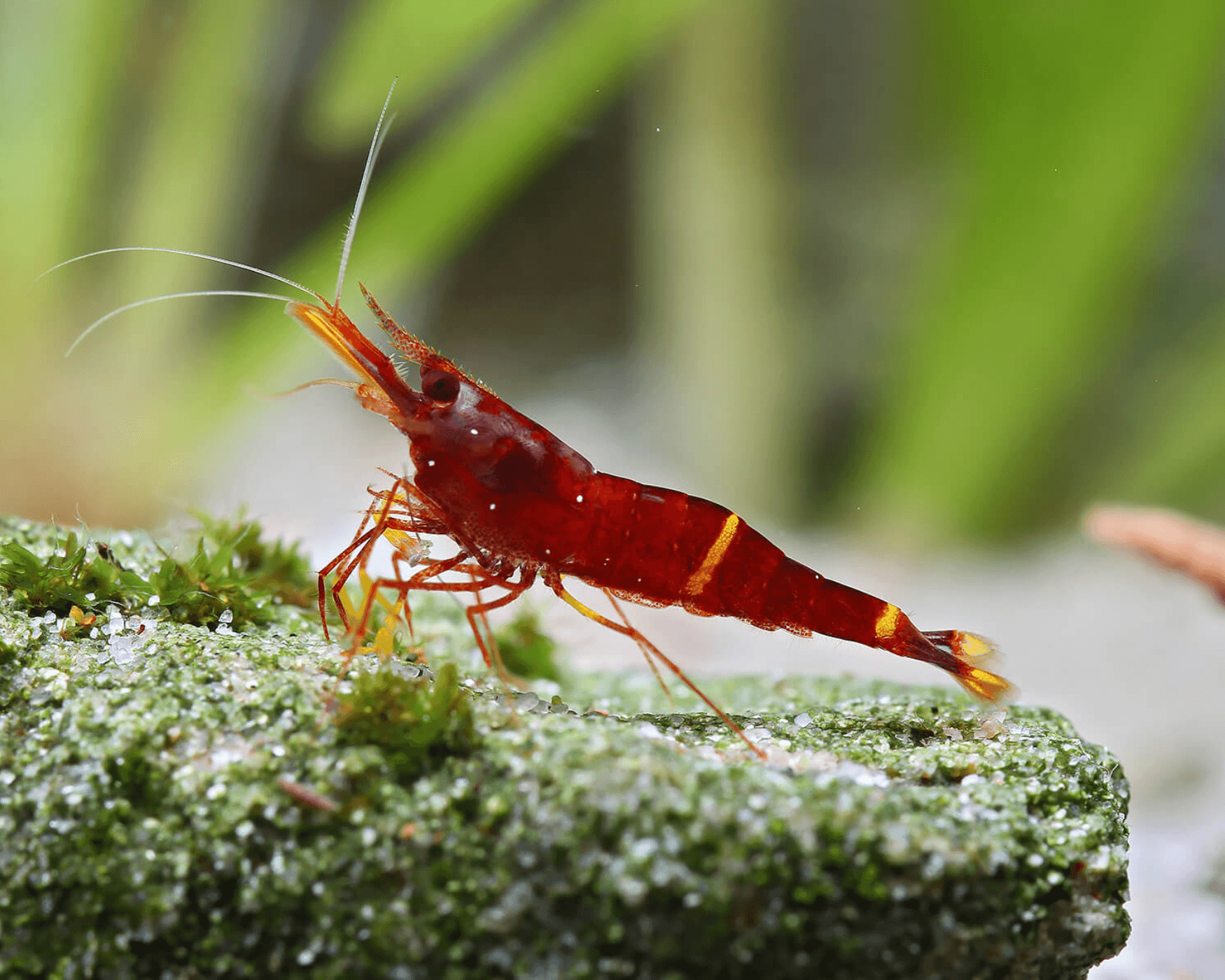
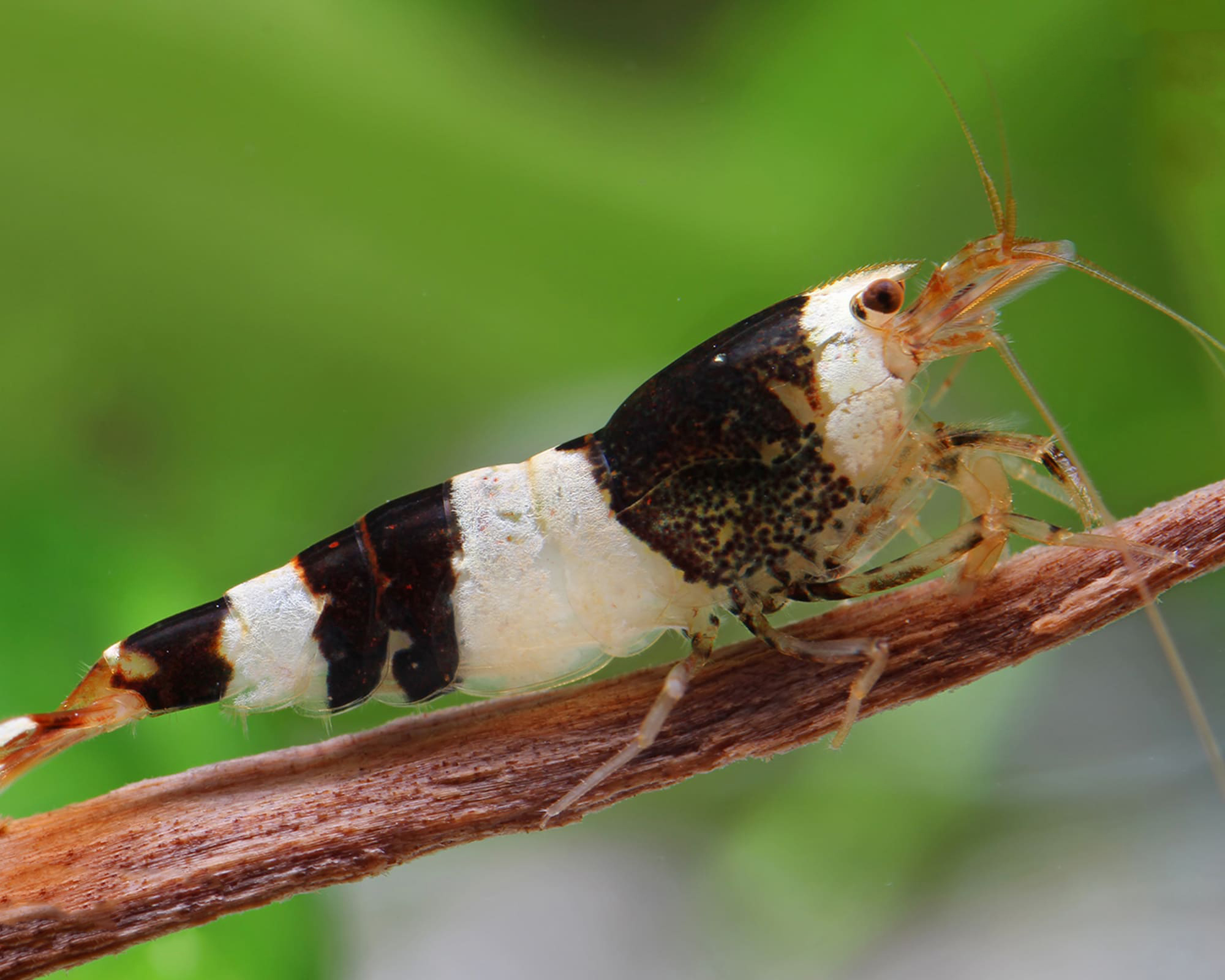
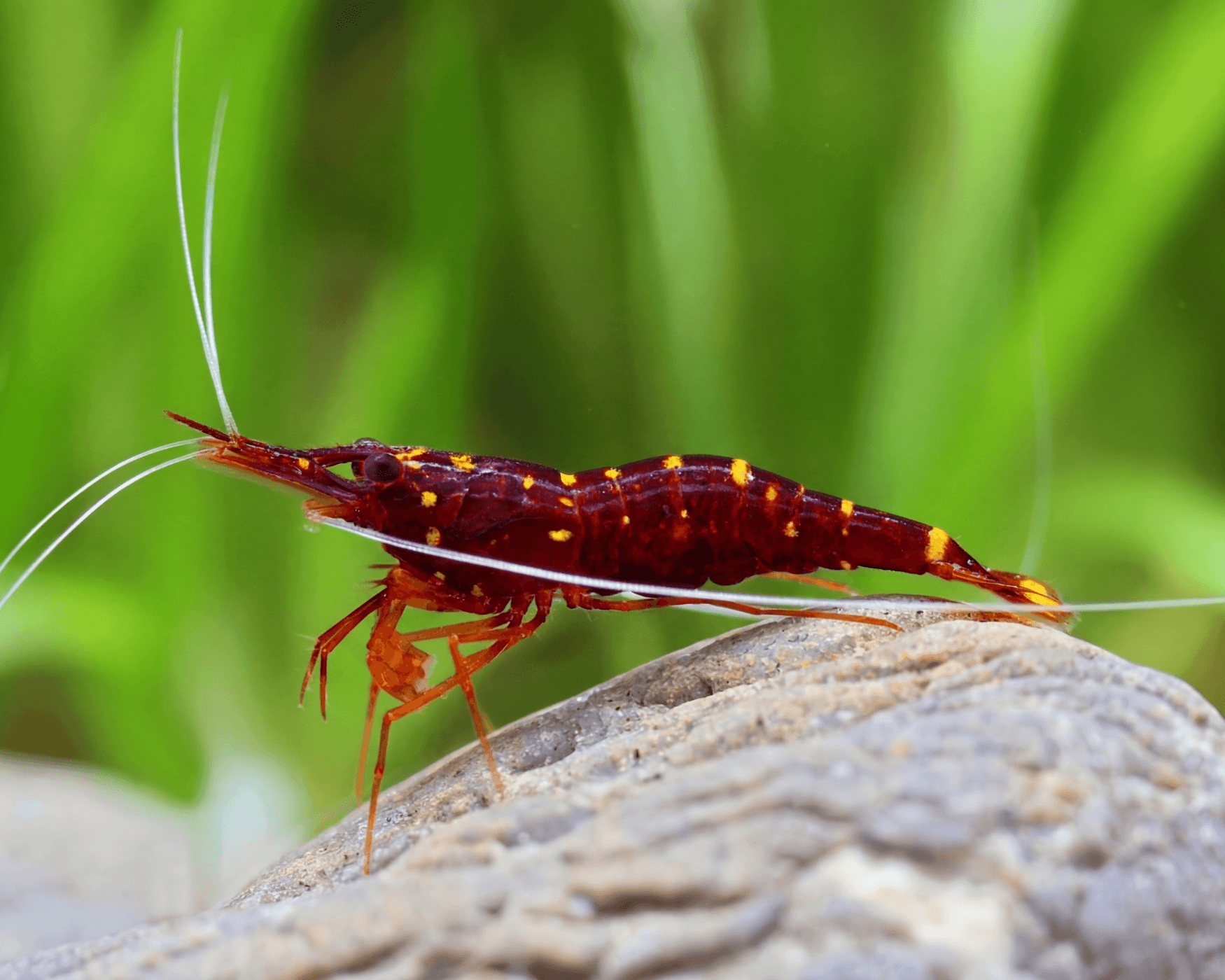
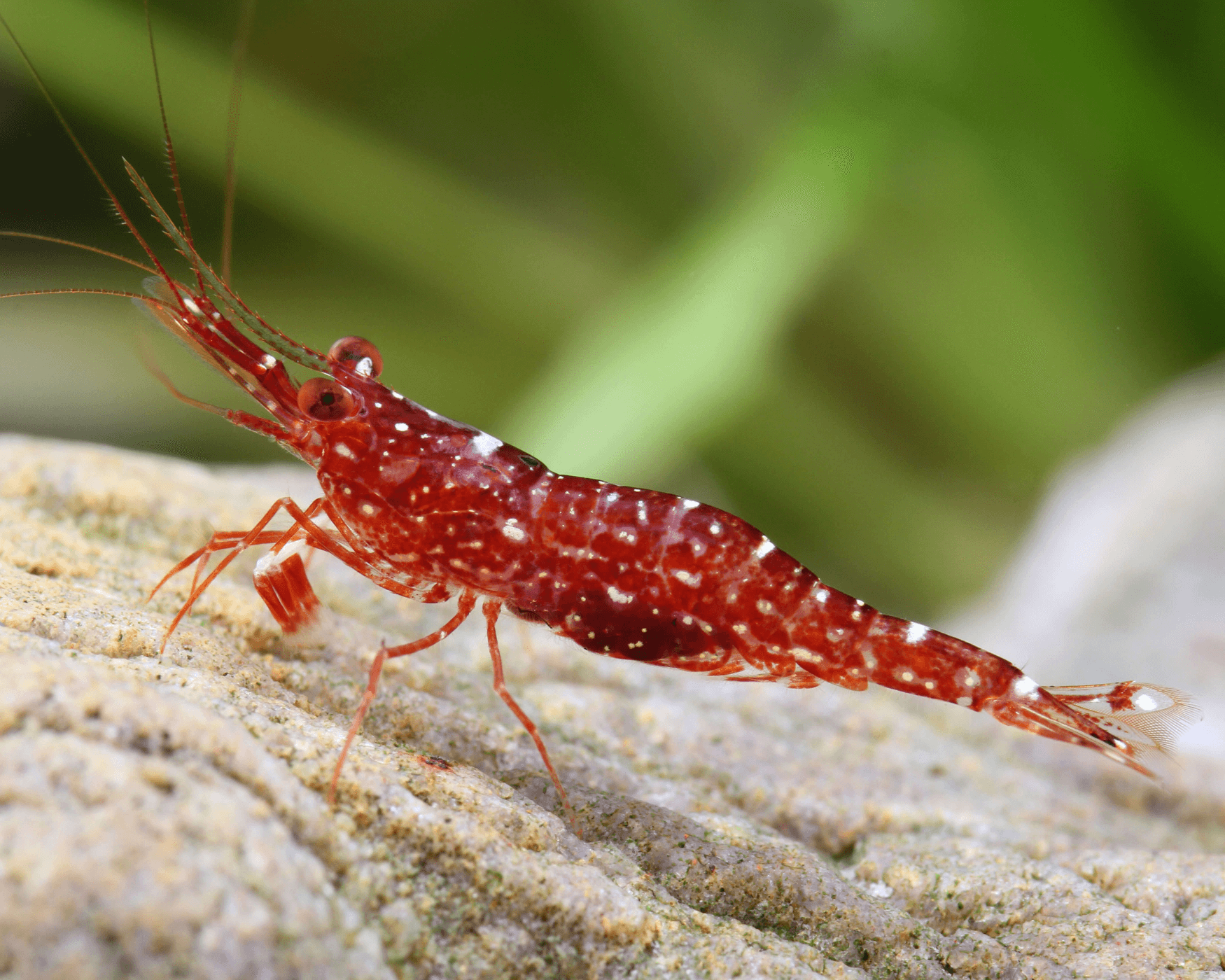
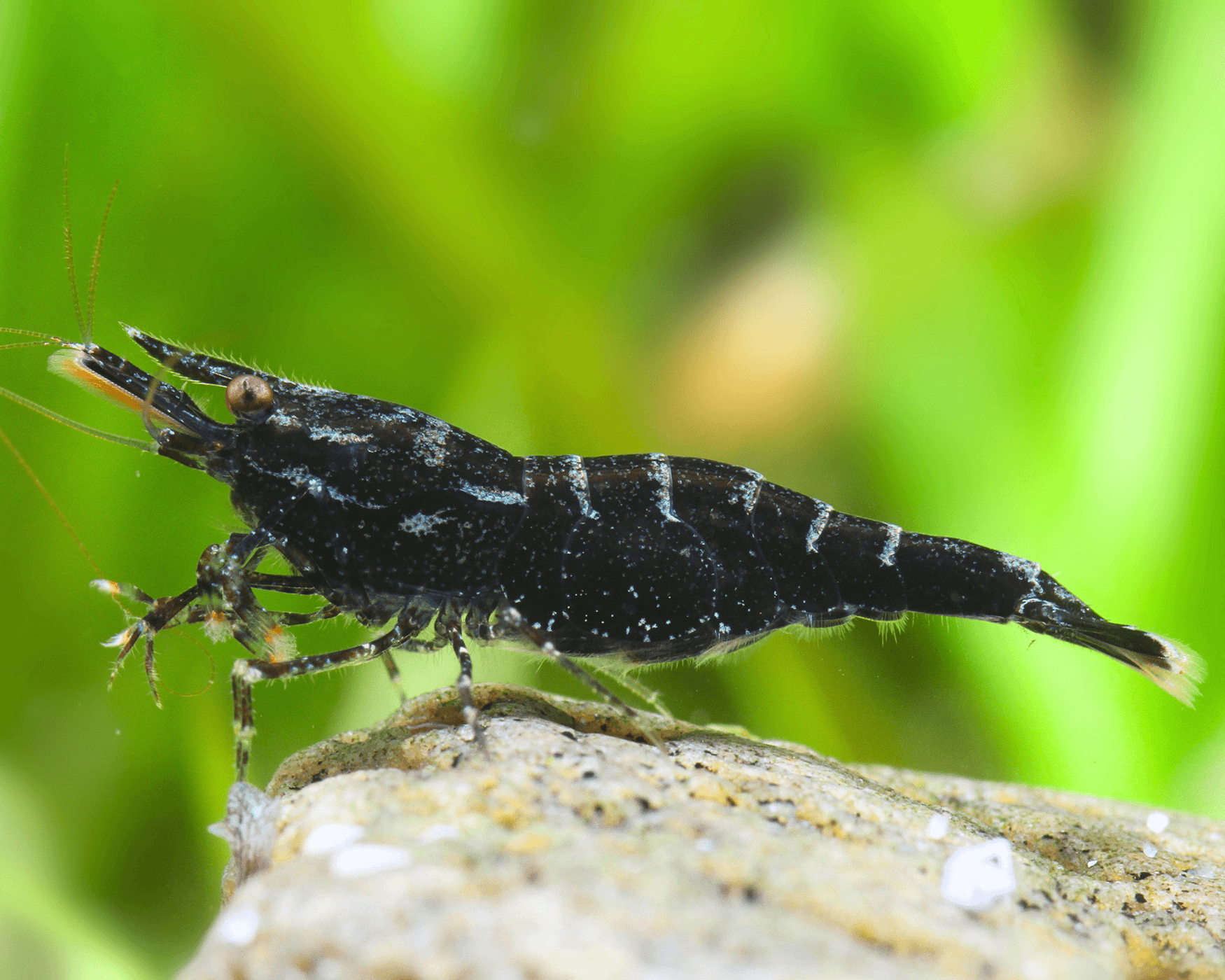
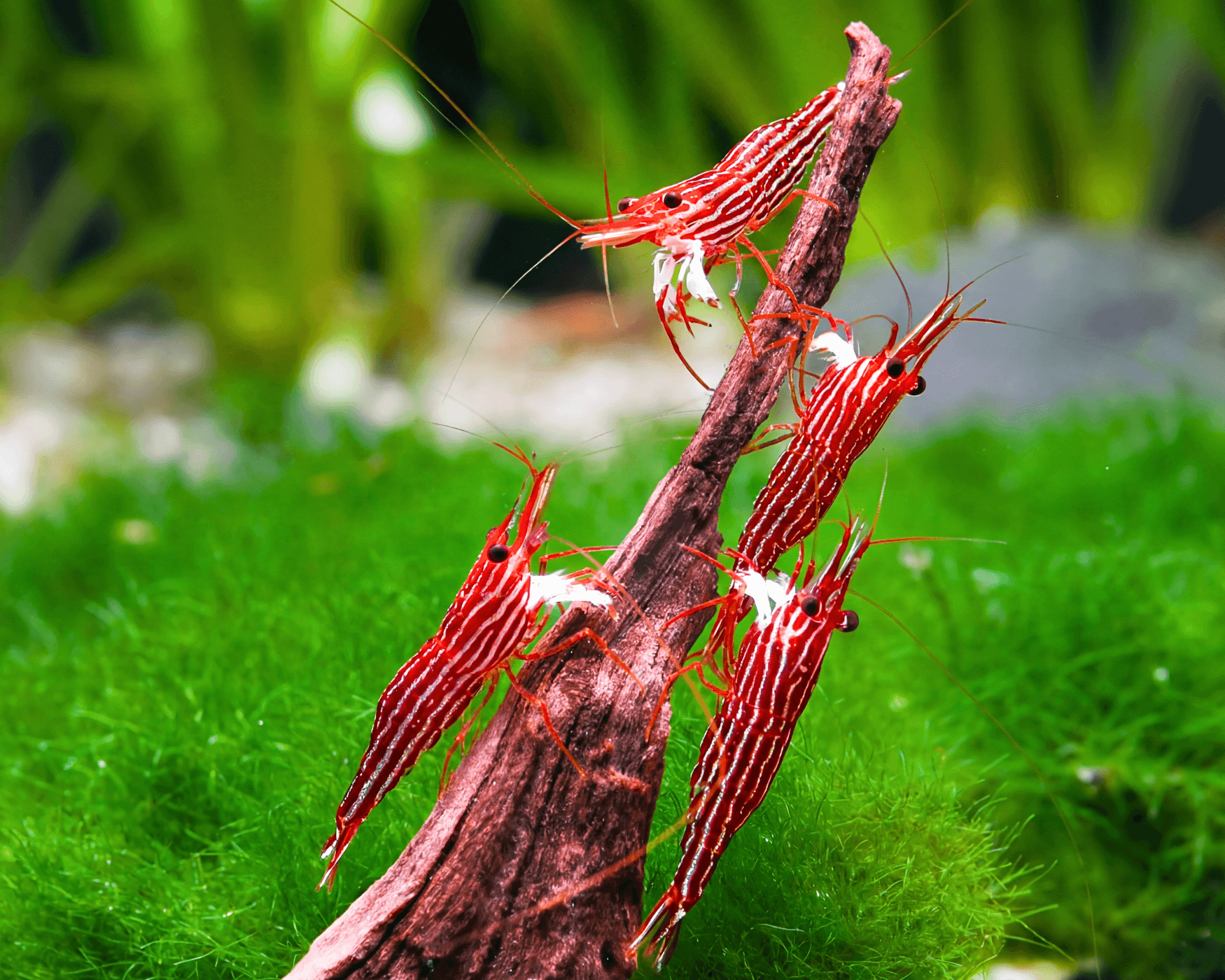
These shrimp belong to the genus Caridina and originate from the unique environment of Sulawesi's ancient lakes. Taxonomic classification for many Sulawesi shrimp remains fluid, and they are often referred to as Caridina spec. because precise species identification is difficult without detailed genetic analysis. Their unique appearance is an adaptation to their specific lake ecosystem.
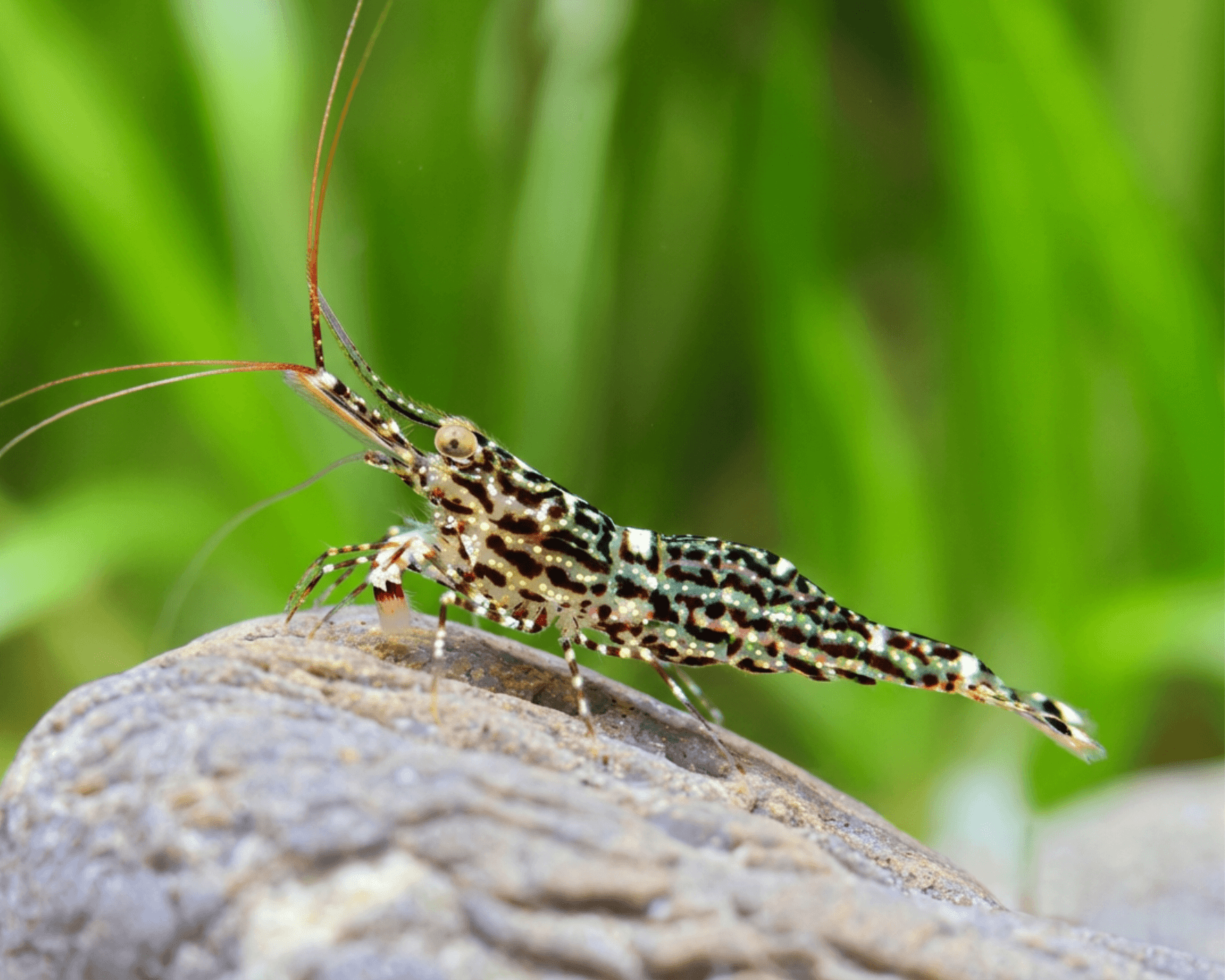
Habitat and Water Parameters
Maintaining the correct water chemistry is critical for success. They require stable, alkaline water with a high pH and specific mineral content to mimic their native lake environment. Soft, acidic water commonly used for other Caridina species will be fatal to them. Water temperature must be kept consistently warm, and high water quality is non-negotiable.
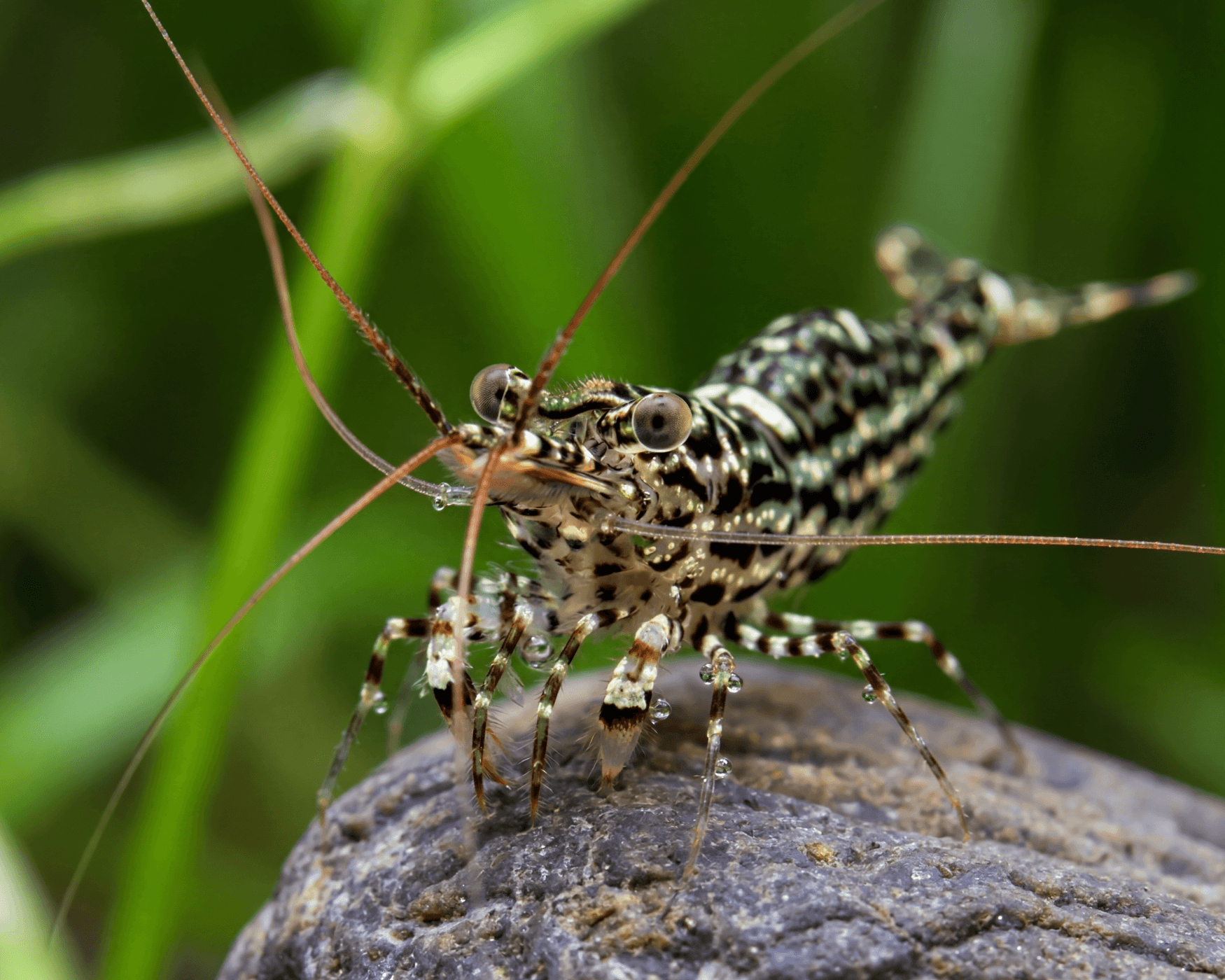
Feeding and Tank Mates
In the wild, they graze on microbial films and algae found on rocks. In captivity, they should be provided with high-quality, specialized shrimp foods and biofilm-promoting supplements. Due to their specific needs and delicate nature, they are best kept in a species-only tank. Adding fish or other aggressive tank mates is generally discouraged to prevent stress.
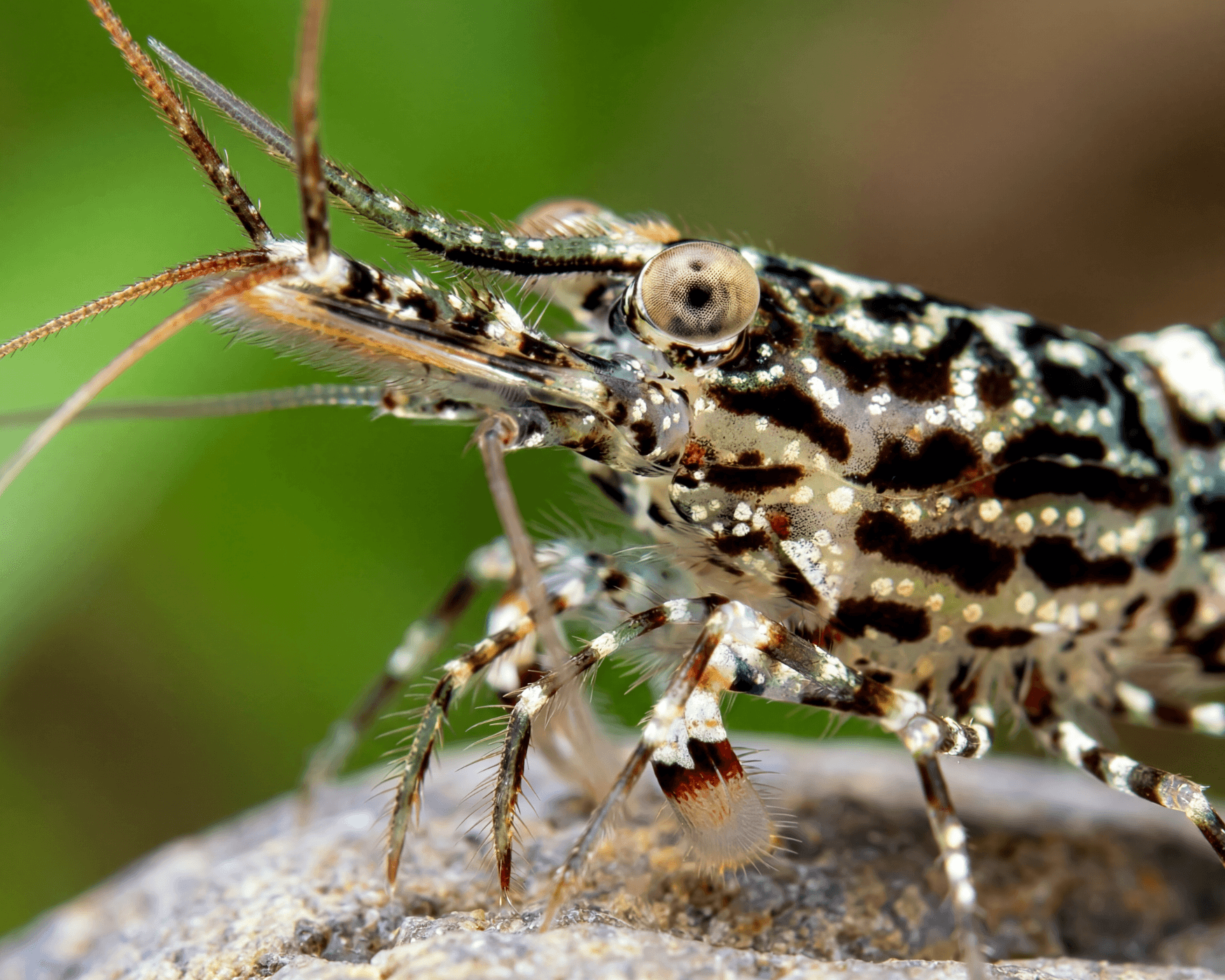
Molting and Breeding
Successful molting requires perfectly balanced water parameters. If the water chemistry is off, the shrimp may fail to molt, which is frequently fatal. Breeding these shrimp in captivity is notoriously difficult and requires a deep understanding of their specific lifecycle. They typically produce fewer, larger offspring compared to other freshwater shrimp species.
Leave your comments