AquaLibs presents AquaRank Discover the world’s leading aquascapers

Explore transparent rankings built from published results across the world’s leading aquascaping contests.

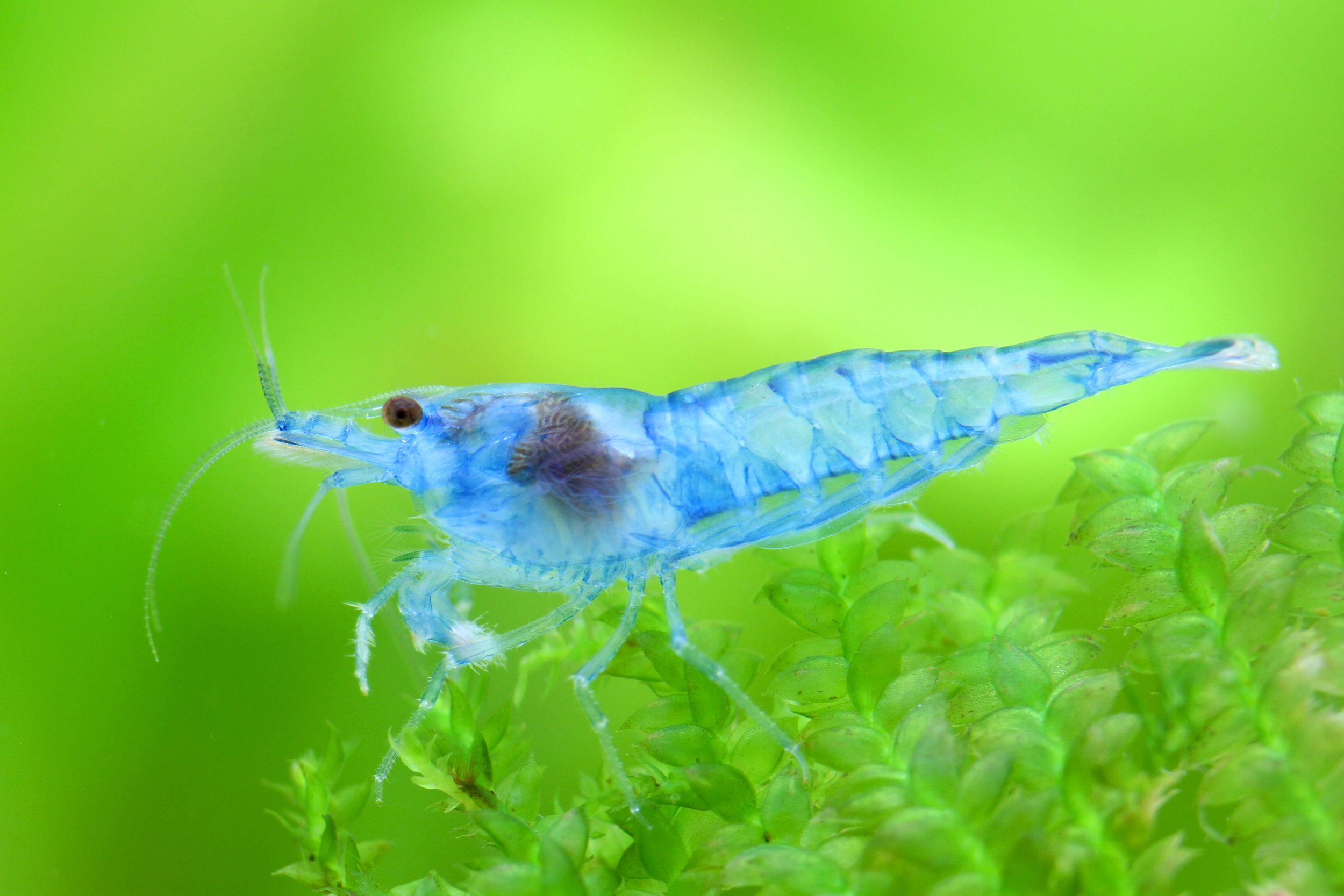
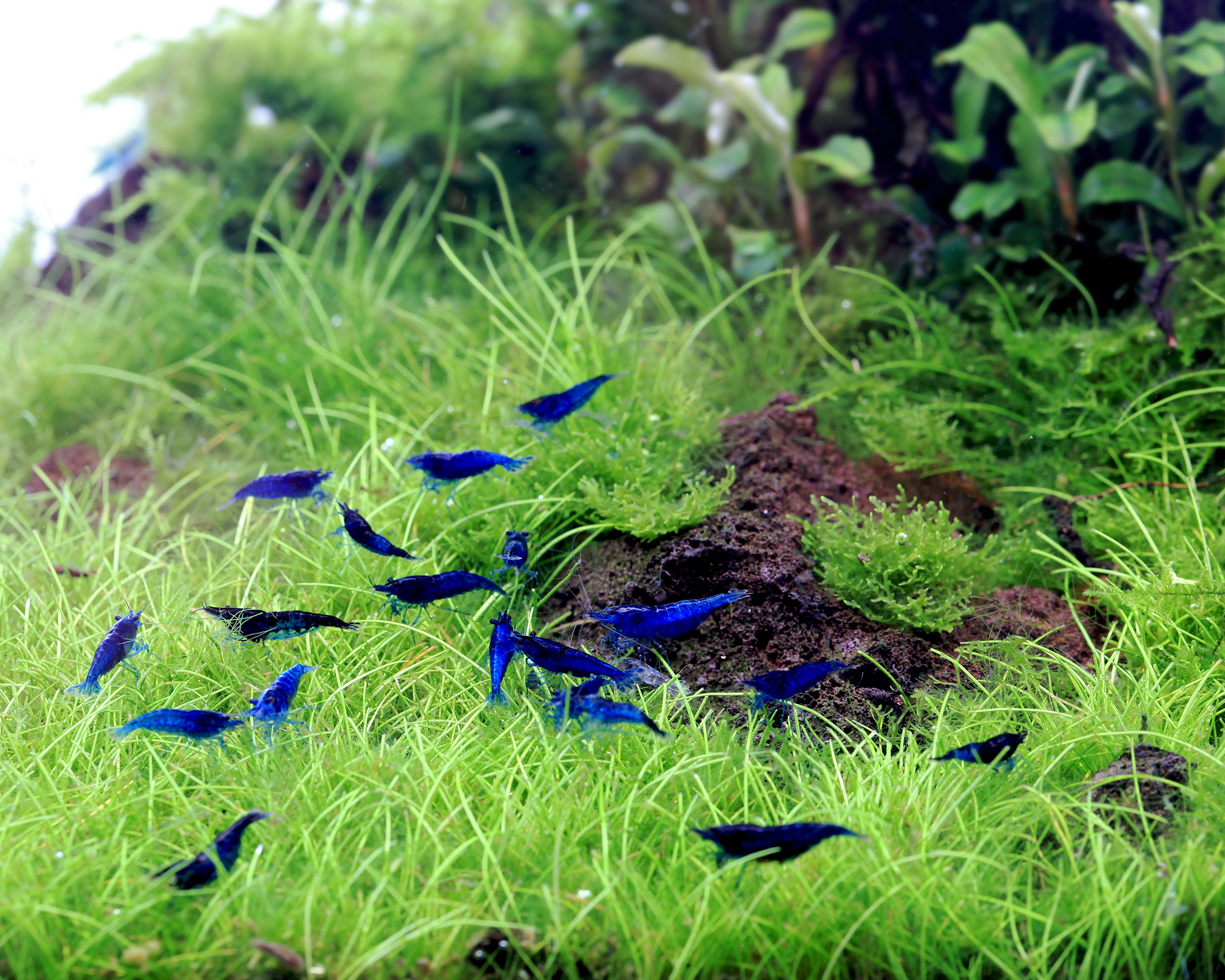
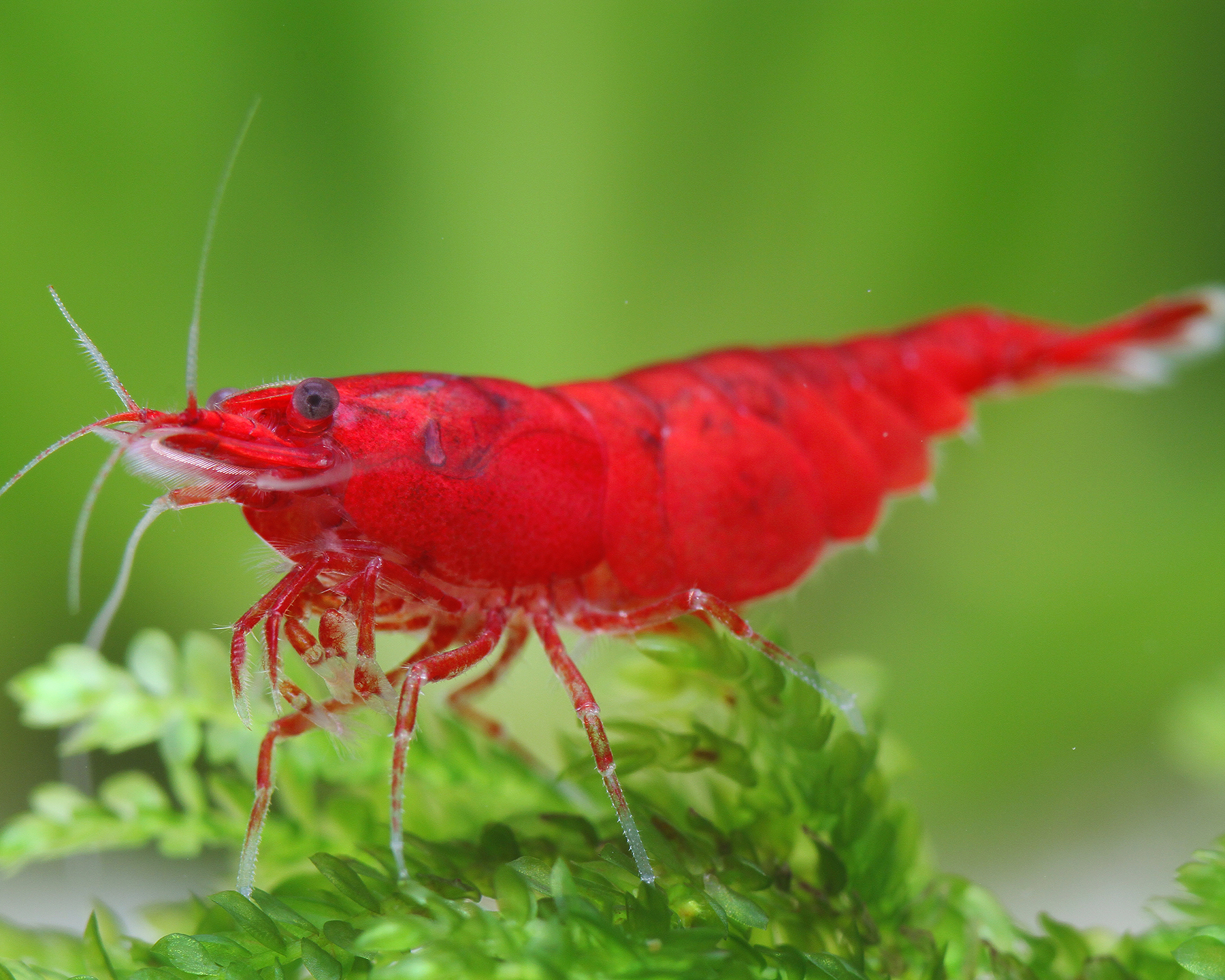
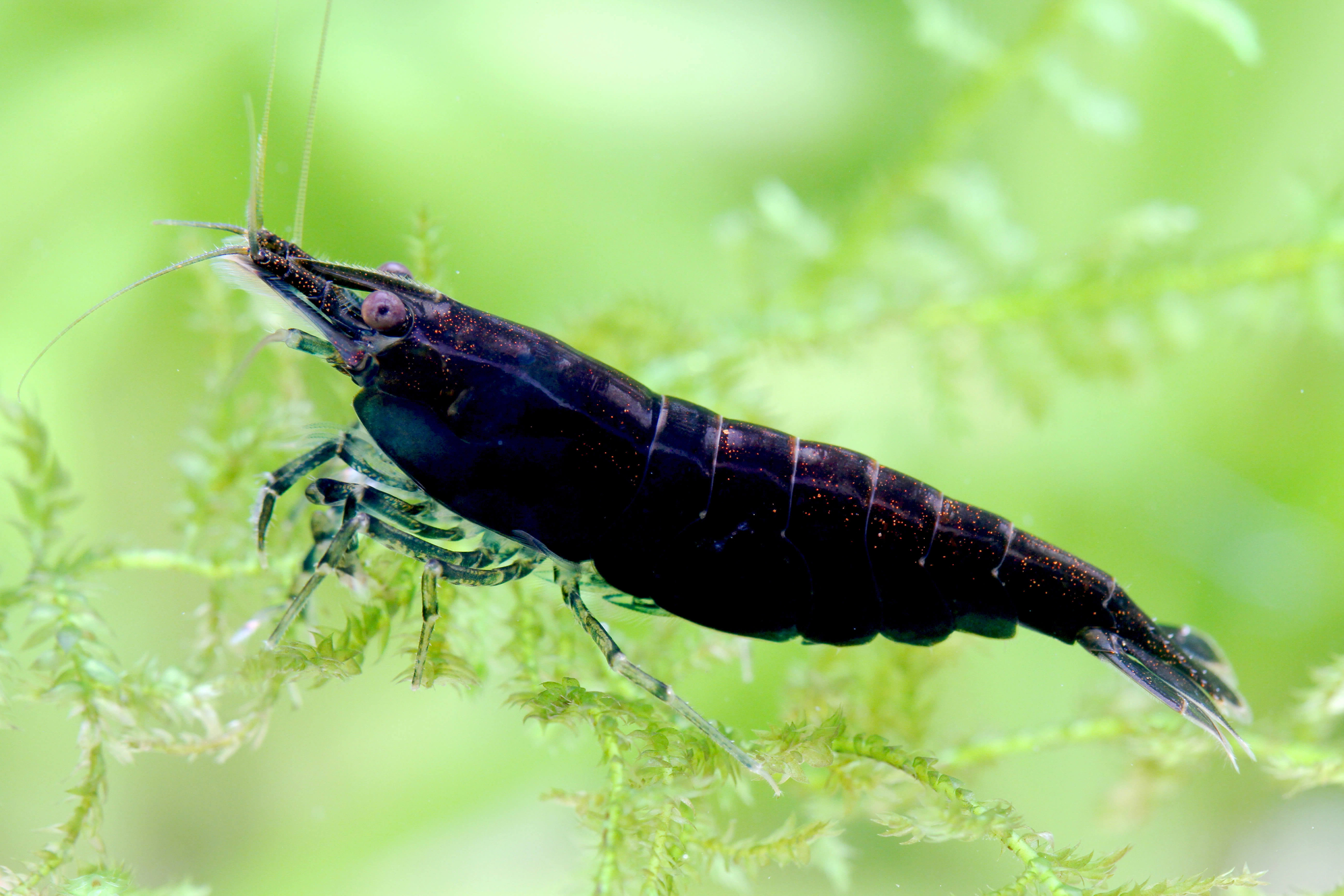
Red Cherry Shrimp (Neocaridina davidi)

Taxonomy and Habitat

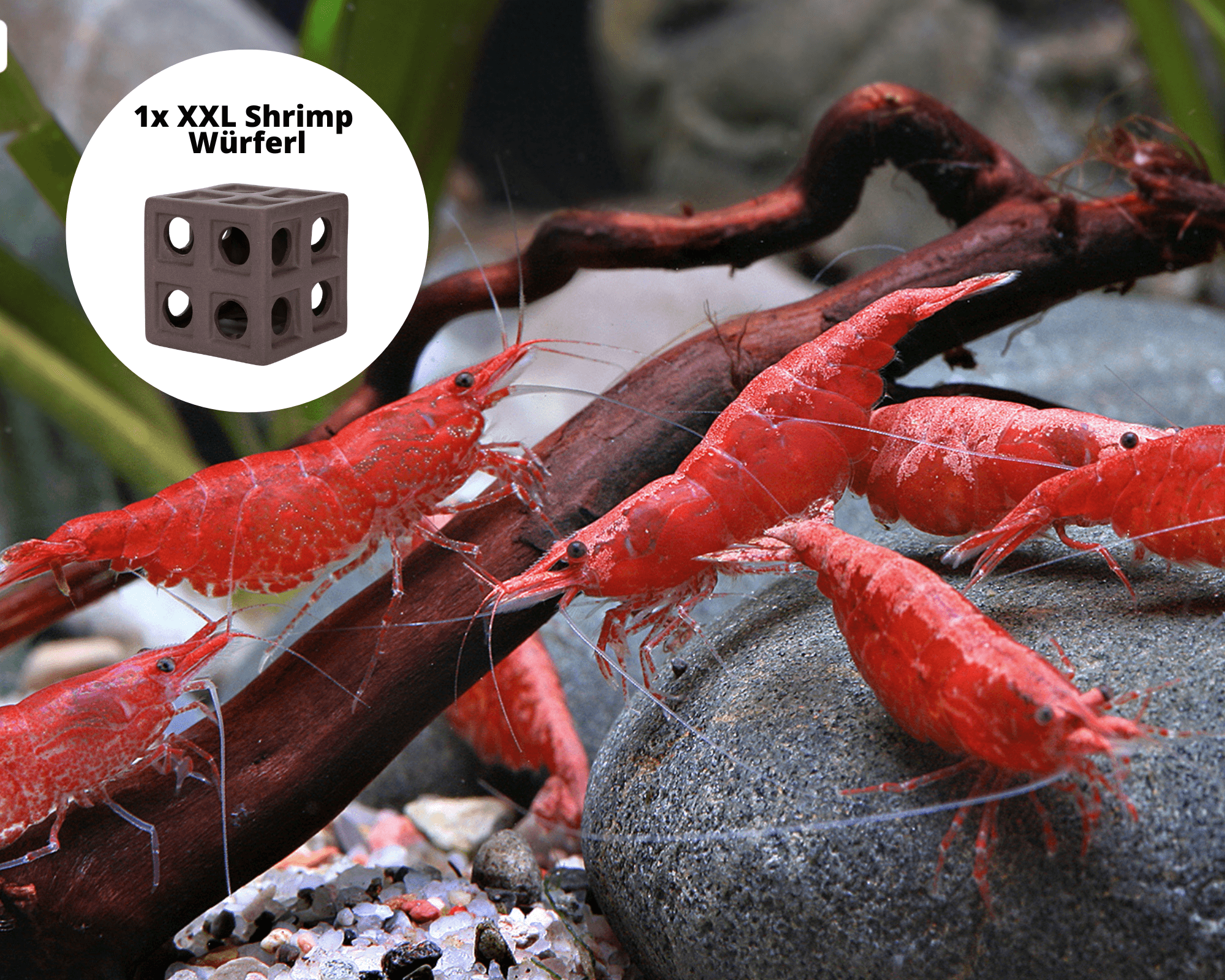
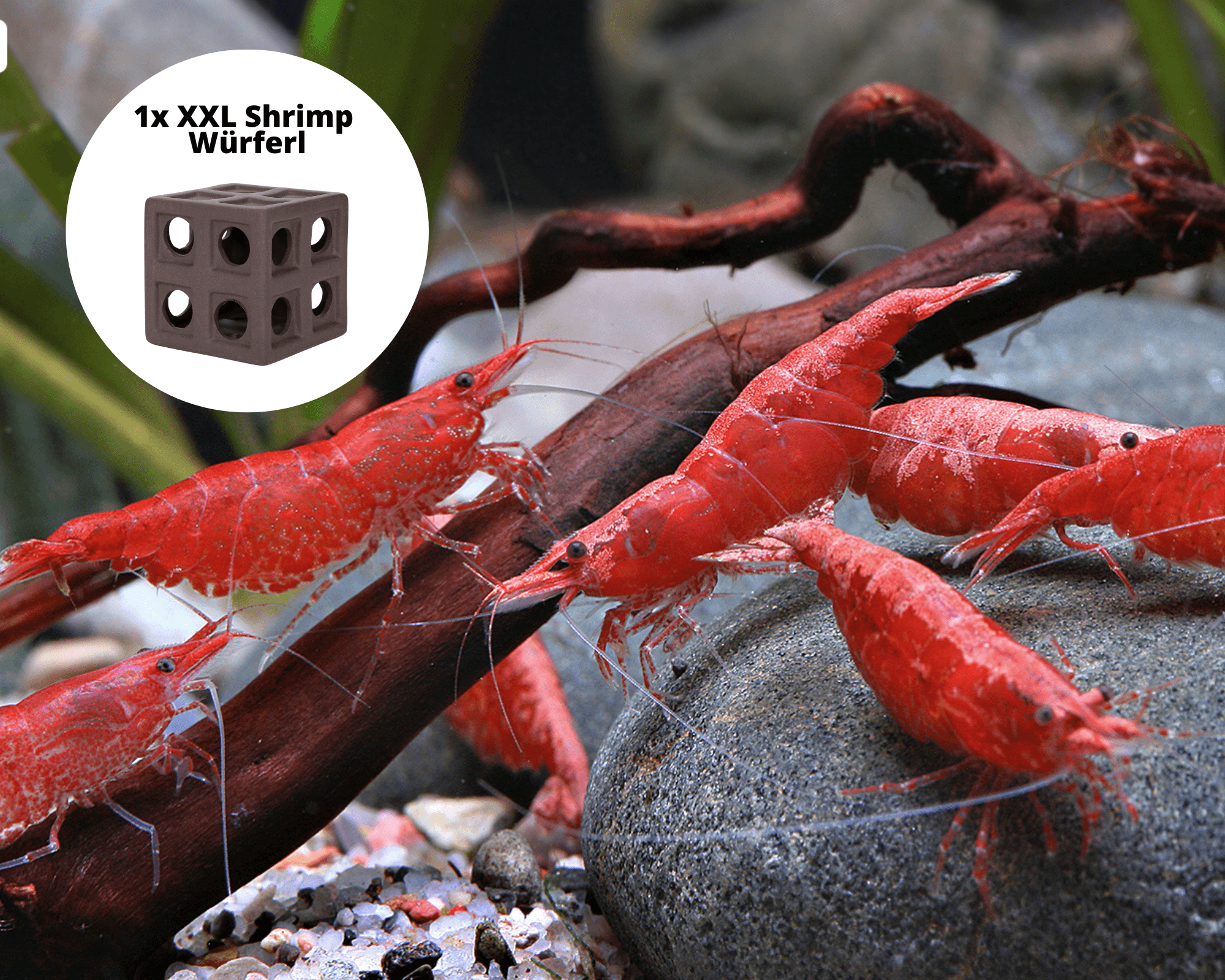
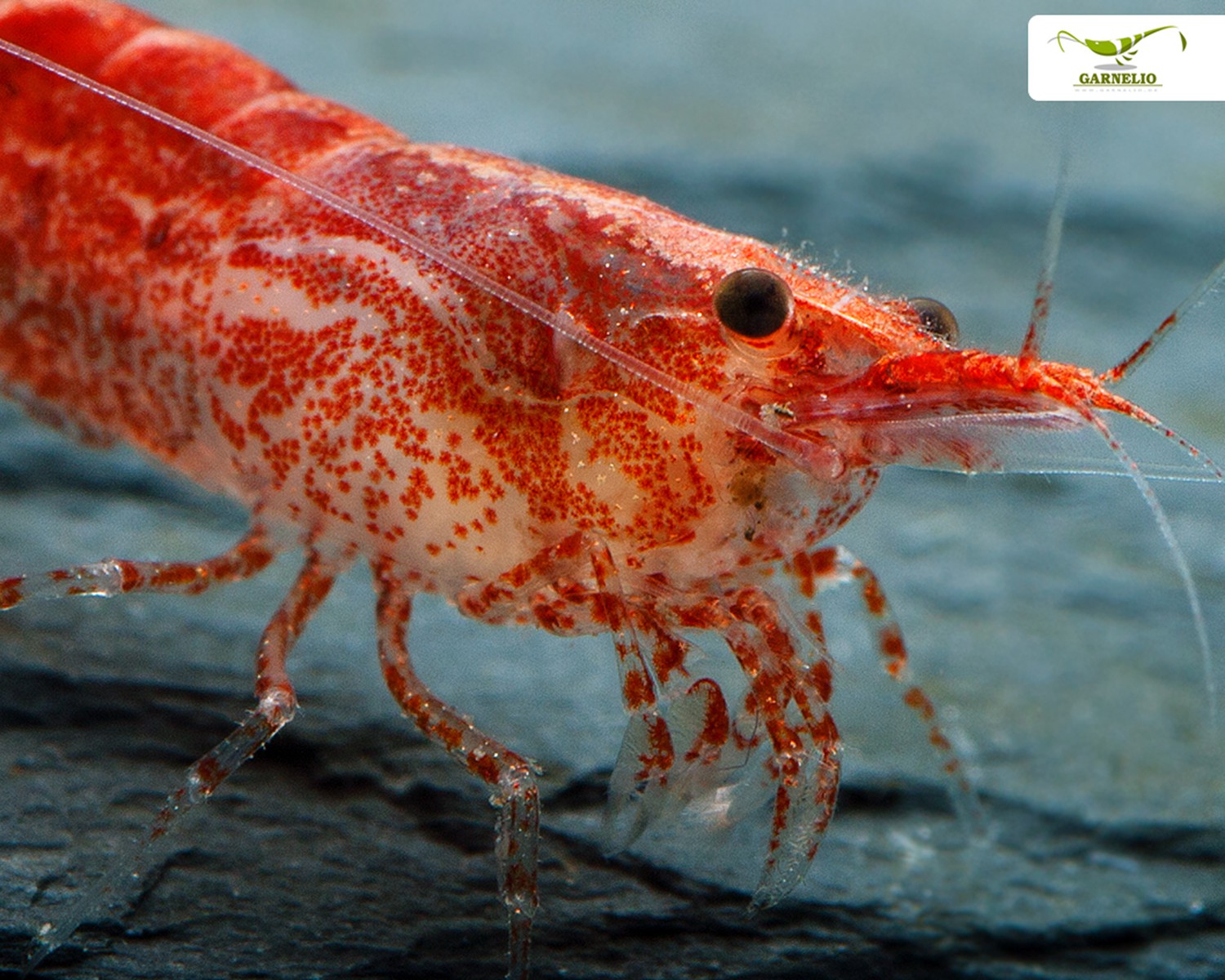
Red Cherry Shrimp belong to the family Atyidae and are selectively bred variants of the species Neocaridina davidi. Originally native to streams and ponds in East Asia, they are highly adaptable. In an aquarium setting, they appreciate environments with plenty of hiding spots, such as mosses, driftwood, and specialized shrimp shelters, which mimic their natural foraging grounds.
Taxonomy and Habitat

Water Parameters and Care

These shrimp are resilient but prefer stable water conditions. They thrive in temperatures between 18 and 25 degrees Celsius and a neutral pH range of 6.5 to 7.5. Regular, small water changes are recommended to maintain water quality, as they are sensitive to sudden spikes in ammonia, nitrites, or heavy metals like copper.
Water Parameters and Care

Feeding and Diet

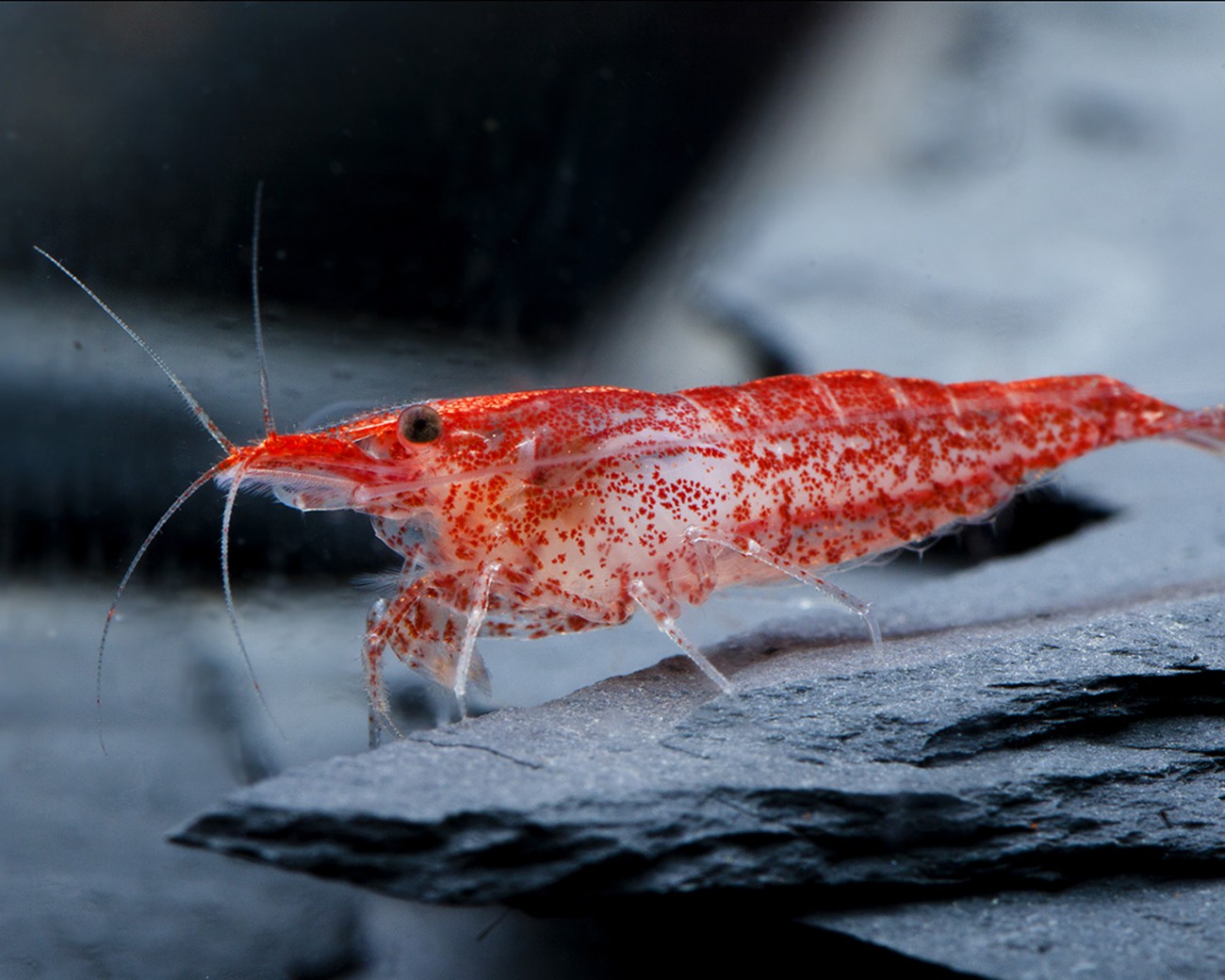
As omnivorous scavengers, they are excellent at cleaning up algae, biofilm, and decaying plant matter. To ensure optimal health and color, their diet should be supplemented with high-quality sinking shrimp pellets, blanched vegetables, and occasional protein-rich foods.
Feeding and Diet

Tank Mates

Due to their small size, they are best kept in species-only tanks or with very peaceful, small-mouthed fish. Avoid keeping them with aggressive or large fish that may view the shrimp as prey. Snails and other peaceful invertebrates make suitable tank mates.

Molting and Breeding

Like all crustaceans, these shrimp must molt their exoskeleton to grow. Providing calcium-rich supplements helps ensure successful molting. If conditions are favorable, they breed readily in freshwater. Females carry eggs under their abdomen for several weeks before releasing fully developed, miniature versions of the adults.
Shrimp info

Leave your comments
Latest on Shrimps
  • Yellow Fire Shrimp

    Yellow Fire Shrimp

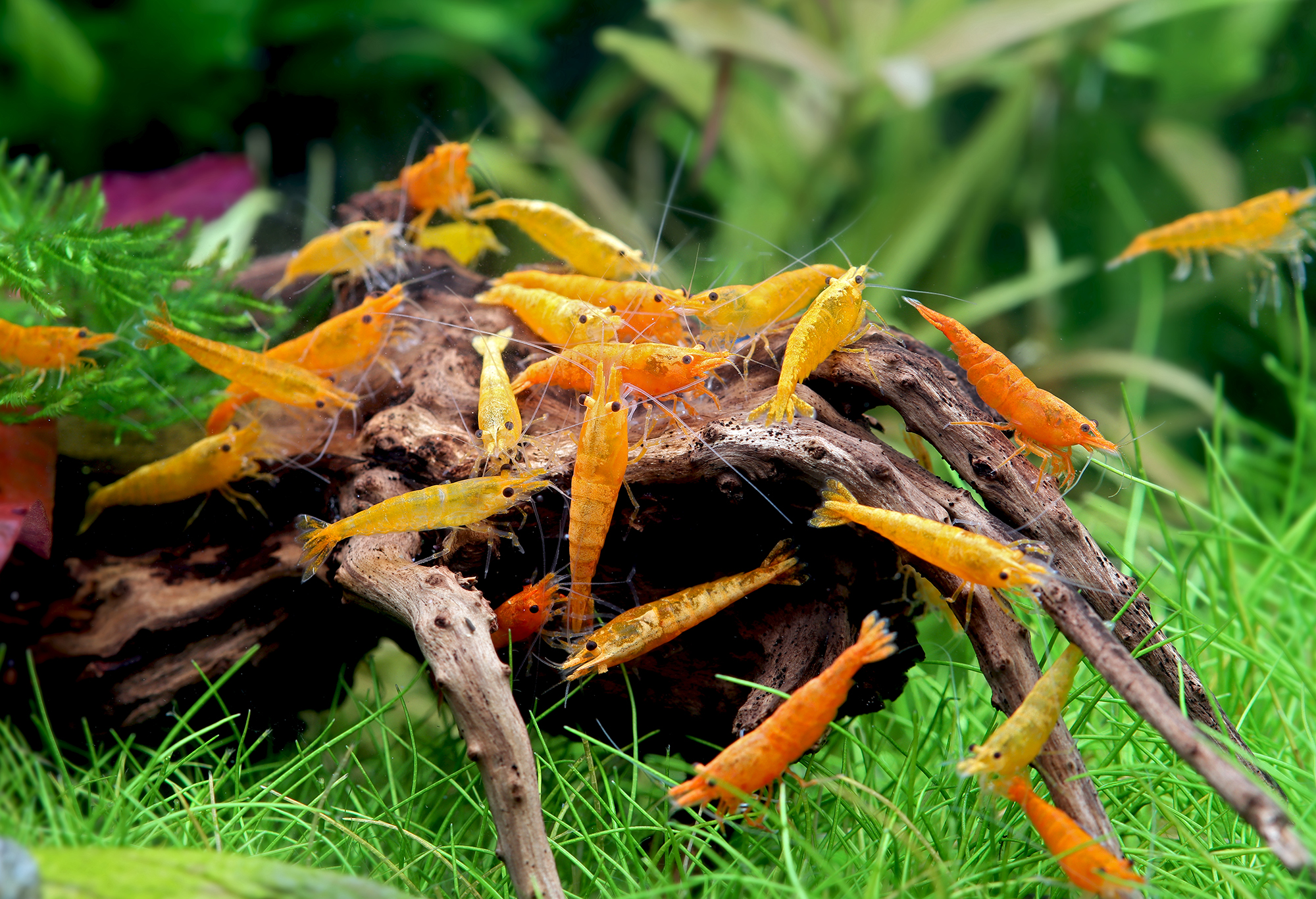
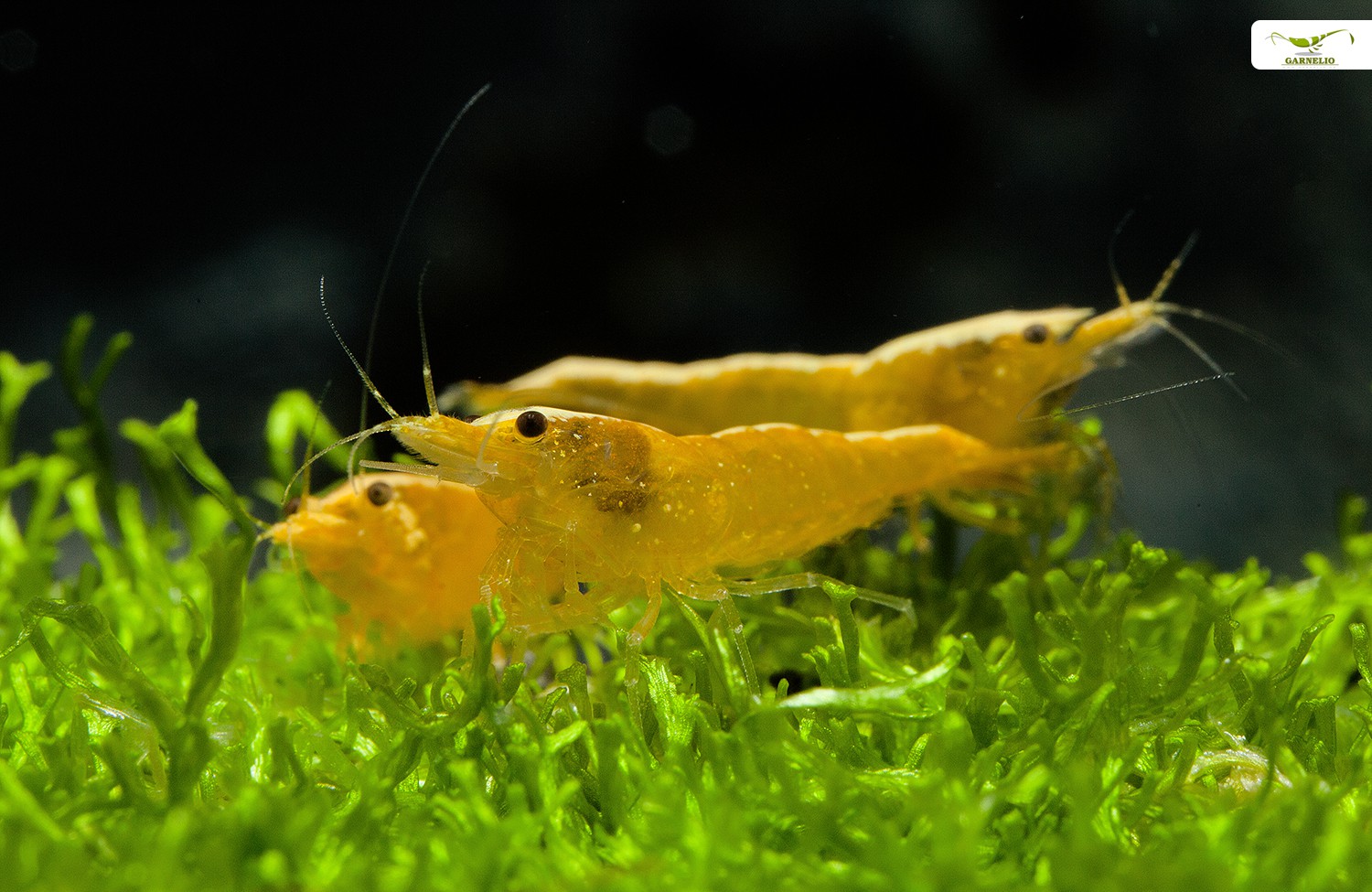
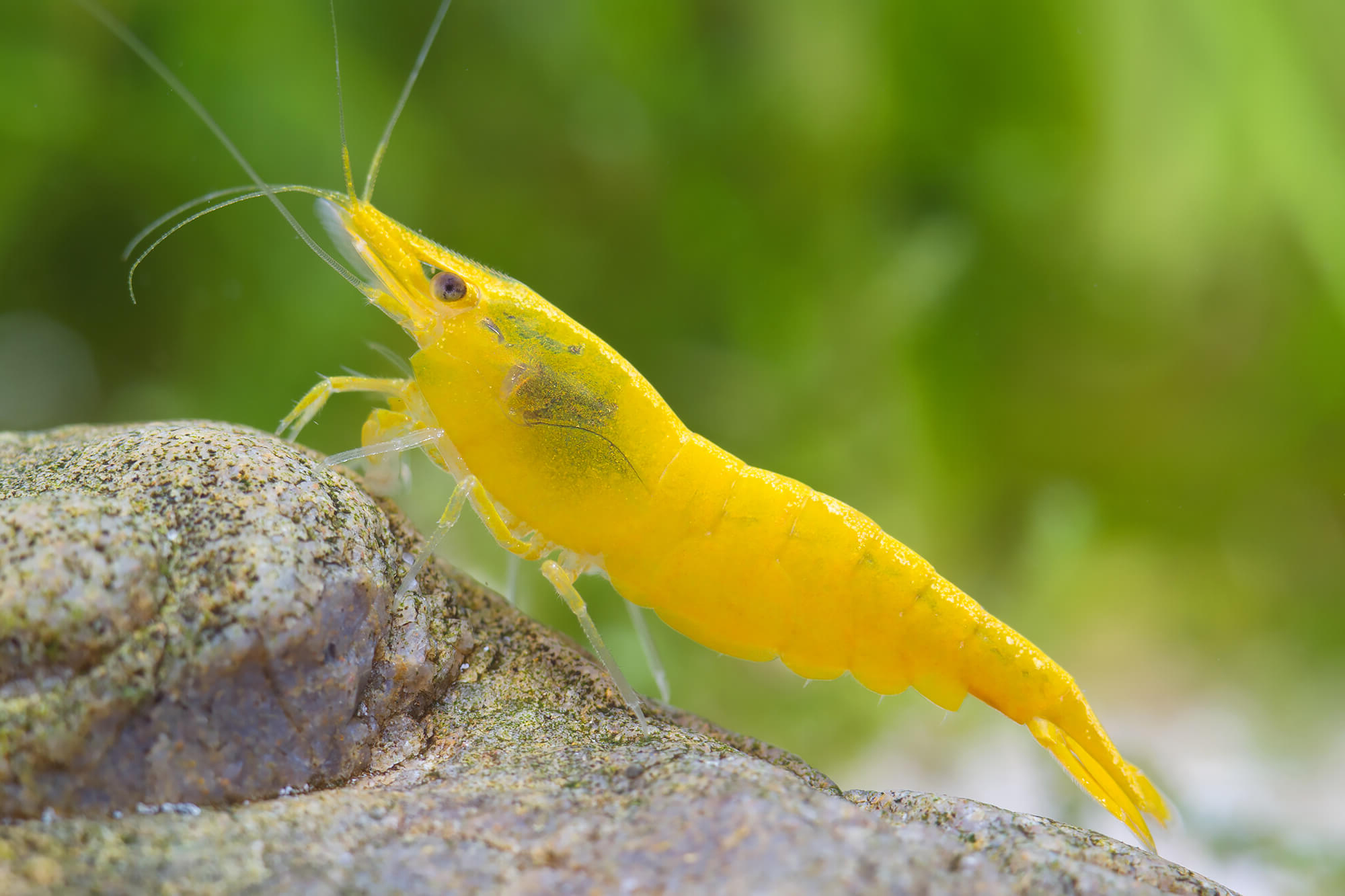
    Yellow Fire Shrimp are a selectively bred yellow color form of the freshwater cherry shrimp, generally identified as Neocaridina davidi. They are peaceful, adaptable scavengers suited to mature planted aquariums with stable water chemistry. The supplied trade name and images support this identification, although the exact grade, lineage, and locality cannot be confirmed. Their bright yellow to golden coloration is strongest in well-conditioned adults and may vary between individuals.
  • Red Sakura Shrimp (Neocaridina davidi)

    Red Sakura Shrimp (Neocaridina davidi)

    Red Sakura Shrimp are a selectively bred red color form of the freshwater dwarf shrimp commonly traded as Neocaridina davidi. They are peaceful scavengers that graze on algae, biofilm and small food particles. Their hardiness, uncomplicated breeding and modest adult size make them suitable for mature planted aquariums. The supplied trade label and images support a red Neocaridina-type shrimp, but exact line quality and taxonomy cannot be confirmed from them alone.
  • Red Rili Shrimp

    Red Rili Shrimp

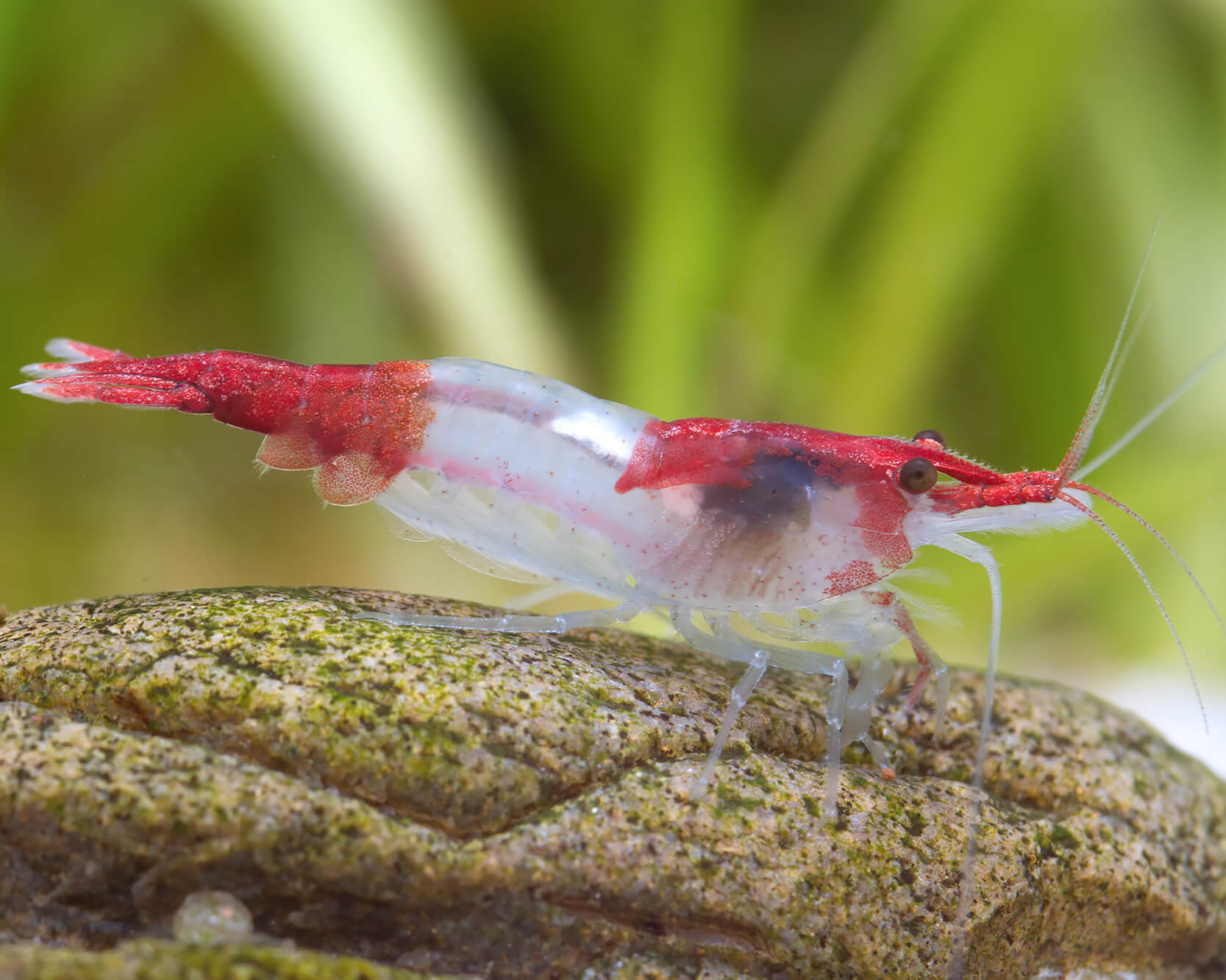
    Red Rili Shrimp are a selectively bred color form of the freshwater Neocaridina davidi complex, recognized by red body sections separated by translucent or pale areas. They are generally peaceful, adaptable aquarium scavengers that graze on biofilm and accept prepared foods. The supplied trade label identifies this shipment as Red Rili Shrimp, but the image and label alone cannot confirm a precise strain history or species-level identification.
  • Red Cherry Shrimp

    Red Cherry Shrimp

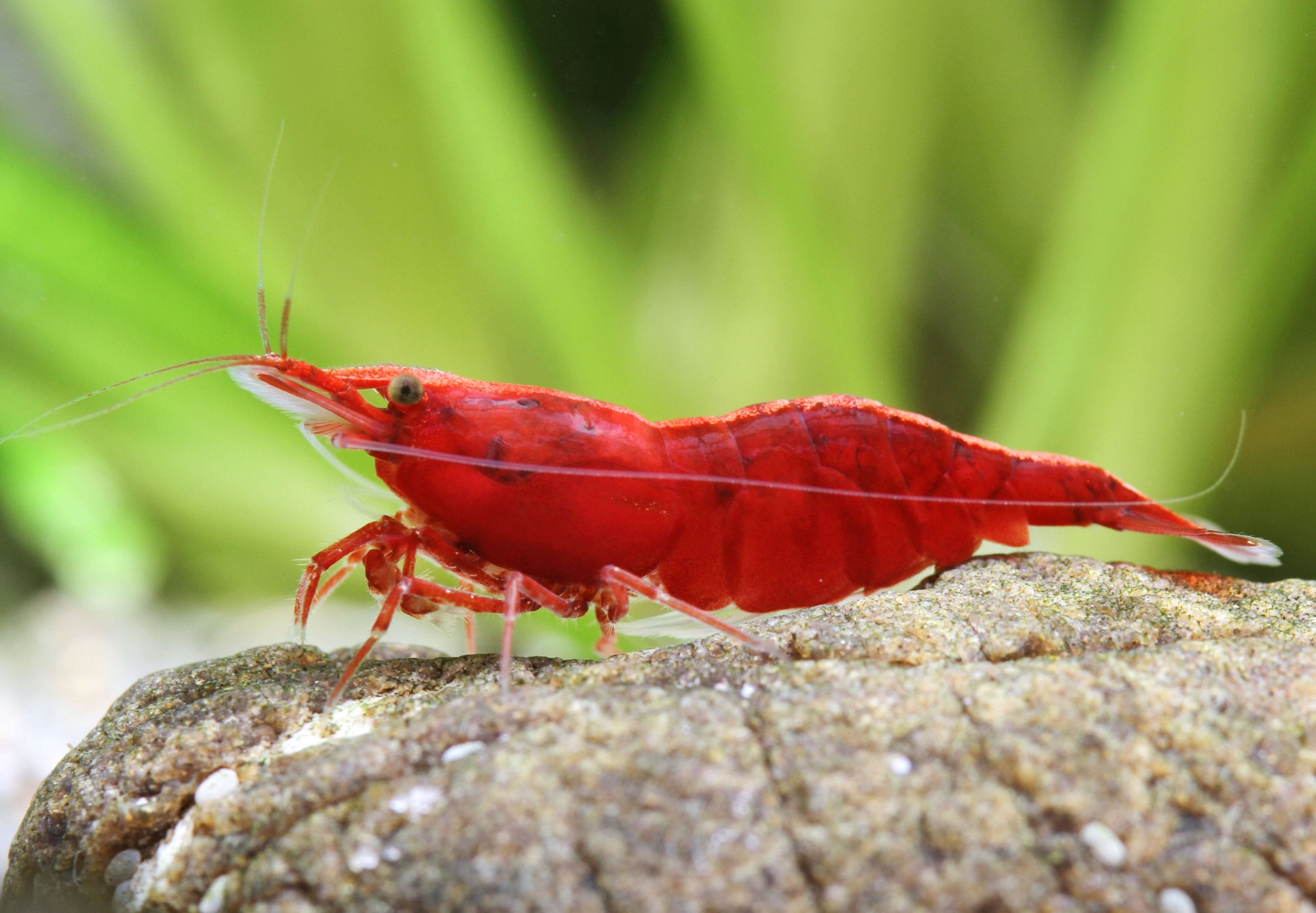
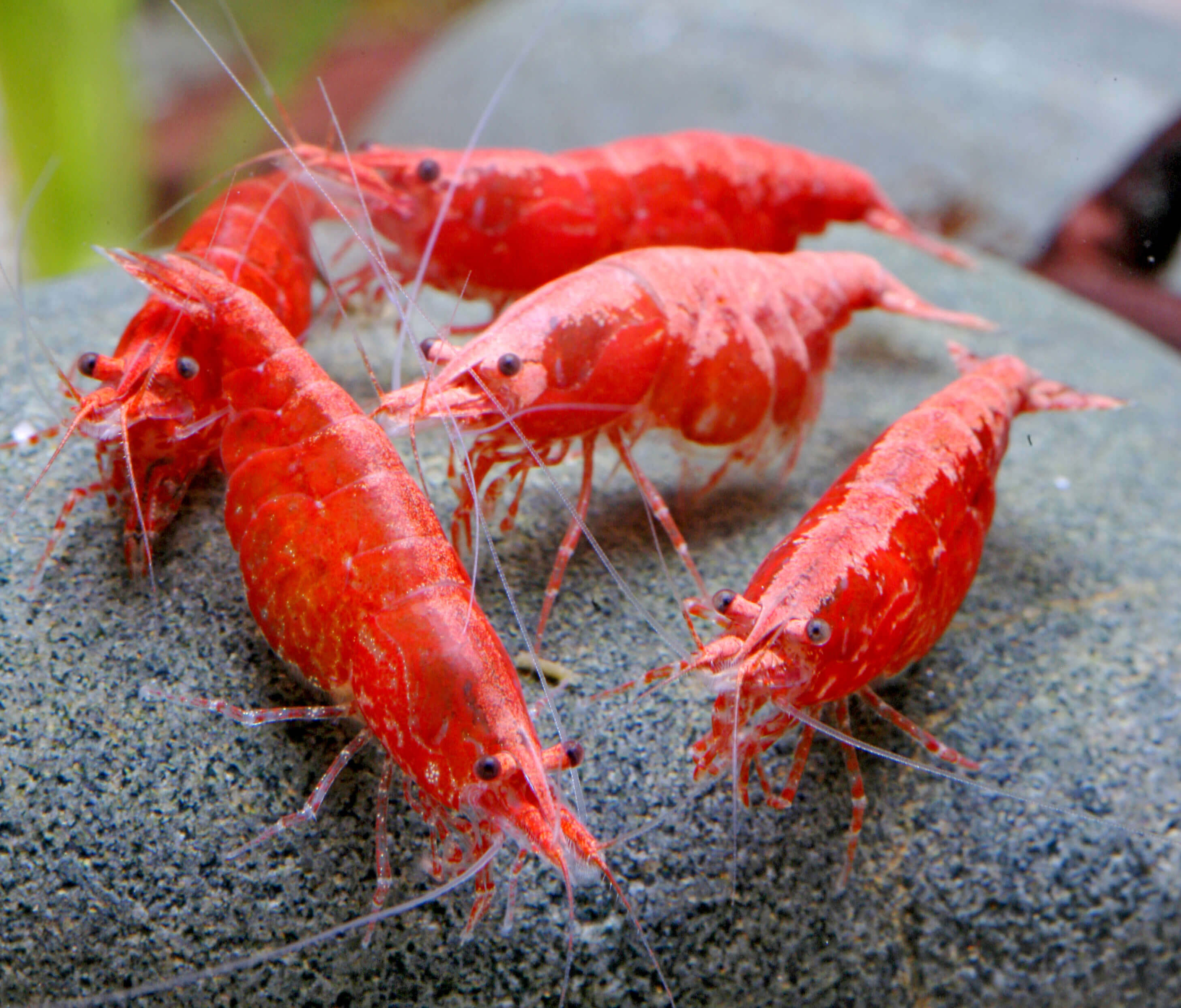
    Red Cherry Shrimp are a selectively bred red color form of Neocaridina davidi, a small freshwater shrimp suited to mature planted aquariums. They graze on biofilm, algae and soft food, and can reproduce readily when water quality is stable. The supplied images show red shrimp, but some appear variably patterned; exact grade, lineage and species identity should therefore be confirmed with the seller.
  • Orange Rili Shrimp

    Orange Rili Shrimp

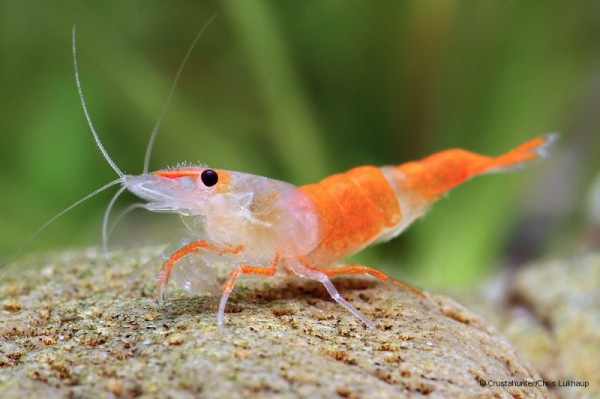
    Orange Rili Shrimp are a selectively bred color form of the freshwater dwarf shrimp commonly sold as Neocaridina davidi. Their translucent body is interrupted by orange patches, often concentrated on the head, abdomen, and tail. They are peaceful, adaptable scavengers suited to mature planted aquariums. Because trade names can be applied inconsistently, exact lineage and grading may vary, but the pictured shrimp are consistent with an Orange Rili Neocaridina form.
  • Orange Fire Shrimp

    Orange Fire Shrimp

    Orange Fire Shrimp is a selectively bred orange color form of the freshwater dwarf shrimp commonly identified in the aquarium trade as Neocaridina davidi. The supplied trade label does not provide a verified scientific identification, so this article treats the shrimp as likely N. davidi rather than a confirmed specimen-level determination. It is a peaceful algae grazer and scavenger suited to mature planted aquariums with stable, mineral-rich water and careful protection from predatory tank mates.
  • Neon Yellow Fire Shrimp

    Neon Yellow Fire Shrimp

    Neon Yellow Fire Shrimp are selectively bred freshwater dwarf shrimp recognized for their strong yellow to golden coloration. The supplied images are consistent with a yellow Neocaridina-type shrimp, commonly traded as Neocaridina davidi, although exact strain and species cannot be confirmed from photographs or the source label alone. They are peaceful algae grazers suited to mature, planted aquariums with stable water chemistry and gentle filtration.
  • Green Jade Shrimp

    Green Jade Shrimp

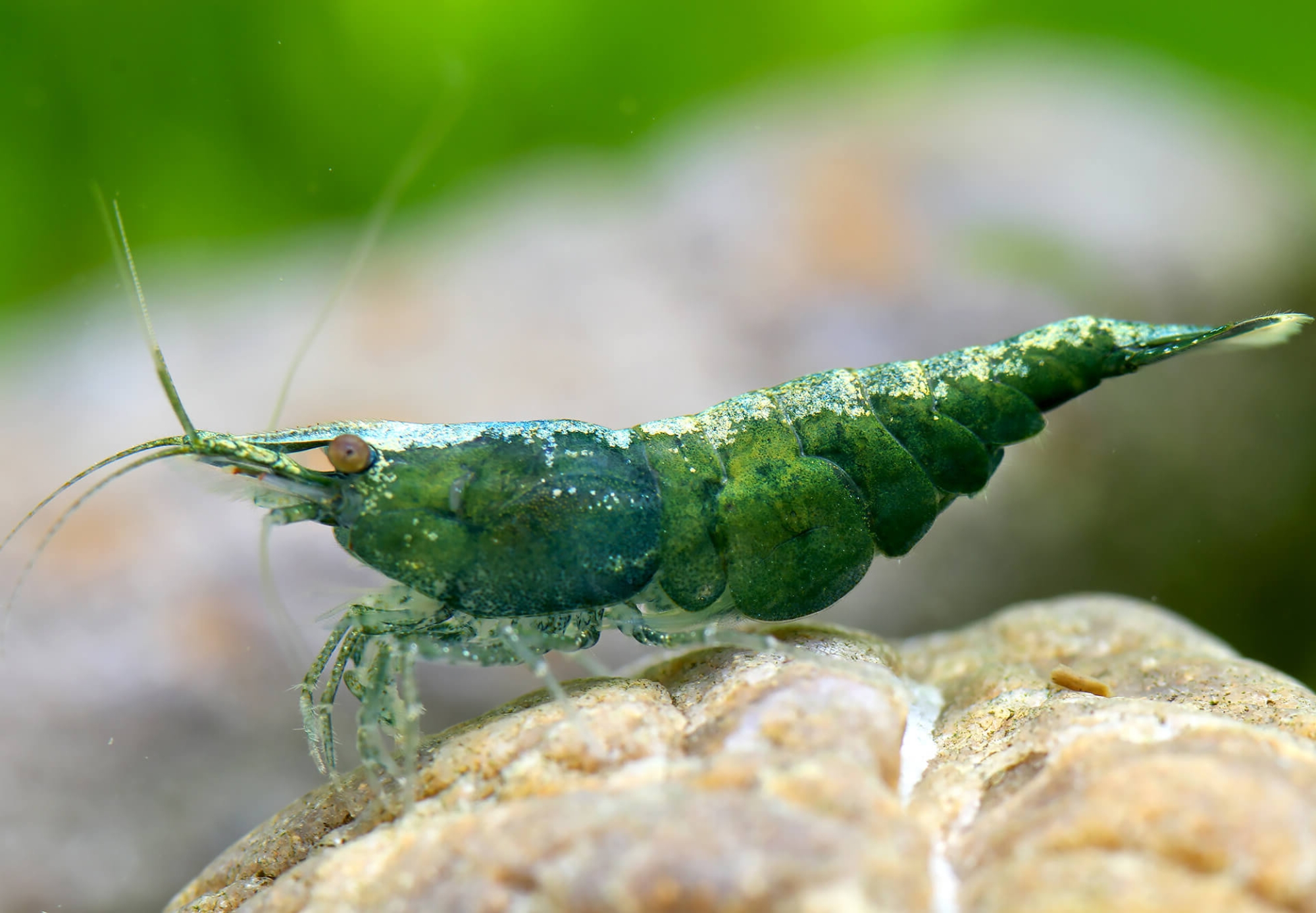
    Green Jade Shrimp are a selectively bred green color form commonly associated with Neocaridina davidi, a small freshwater dwarf shrimp. Their exact line and taxonomic identity cannot be confirmed from the supplied trade label or images alone. They are generally peaceful, adaptable aquarium animals that graze on biofilm and accept prepared foods. Stable, mature aquarium conditions, mineral availability, and protection from predatory tank mates are more important than chasing narrowly defined water values.
  • Carbon Rili Shrimp

    Carbon Rili Shrimp

    Carbon Rili Shrimp are selectively bred freshwater dwarf shrimp recognized by contrasting dark and translucent body sections, often with blue or pale areas and small dark markings. The trade name describes a color pattern rather than a formally defined species or taxonomic rank. They are commonly treated as a Caridina cantonensis complex form, but exact parentage can vary between lines. Stable, clean water, mature biofilm and gentle tank mates are central to long-term care and successful breeding.
  • Blue Black Rili Shrimp

    Blue Black Rili Shrimp

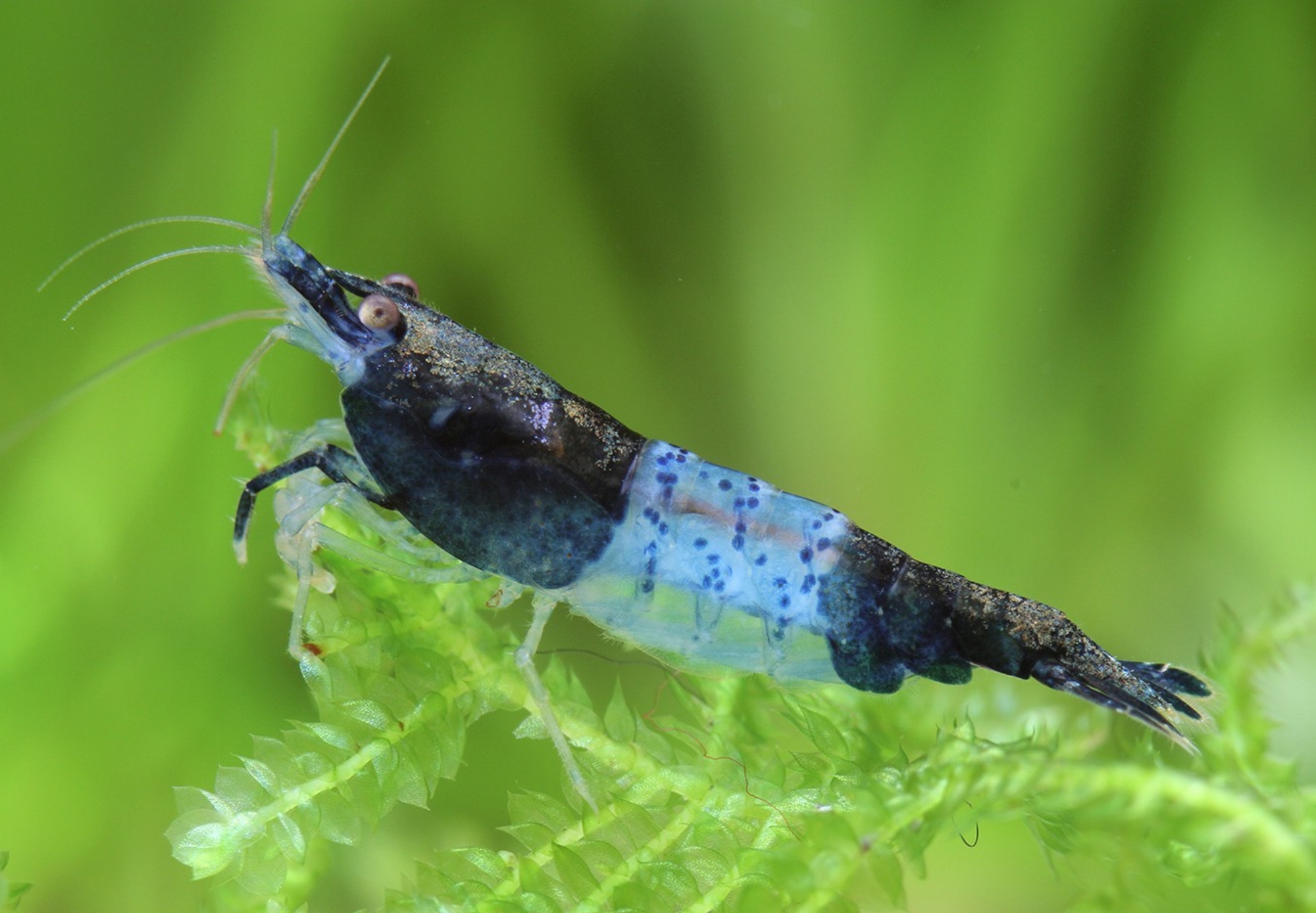
    Blue Black Rili Shrimp are a selectively bred color form of the freshwater dwarf shrimp commonly identified as Neocaridina davidi. They combine dark blue to black body sections with translucent or blue-clear areas, creating an irregular rili pattern. The trade name is not a formal taxonomic designation, and strain quality can vary, so exact lineage should be confirmed with the breeder or seller. They are peaceful, adaptable scavengers suited to mature planted aquariums.
  • Blue Jelly Shrimp

    Blue Jelly Shrimp

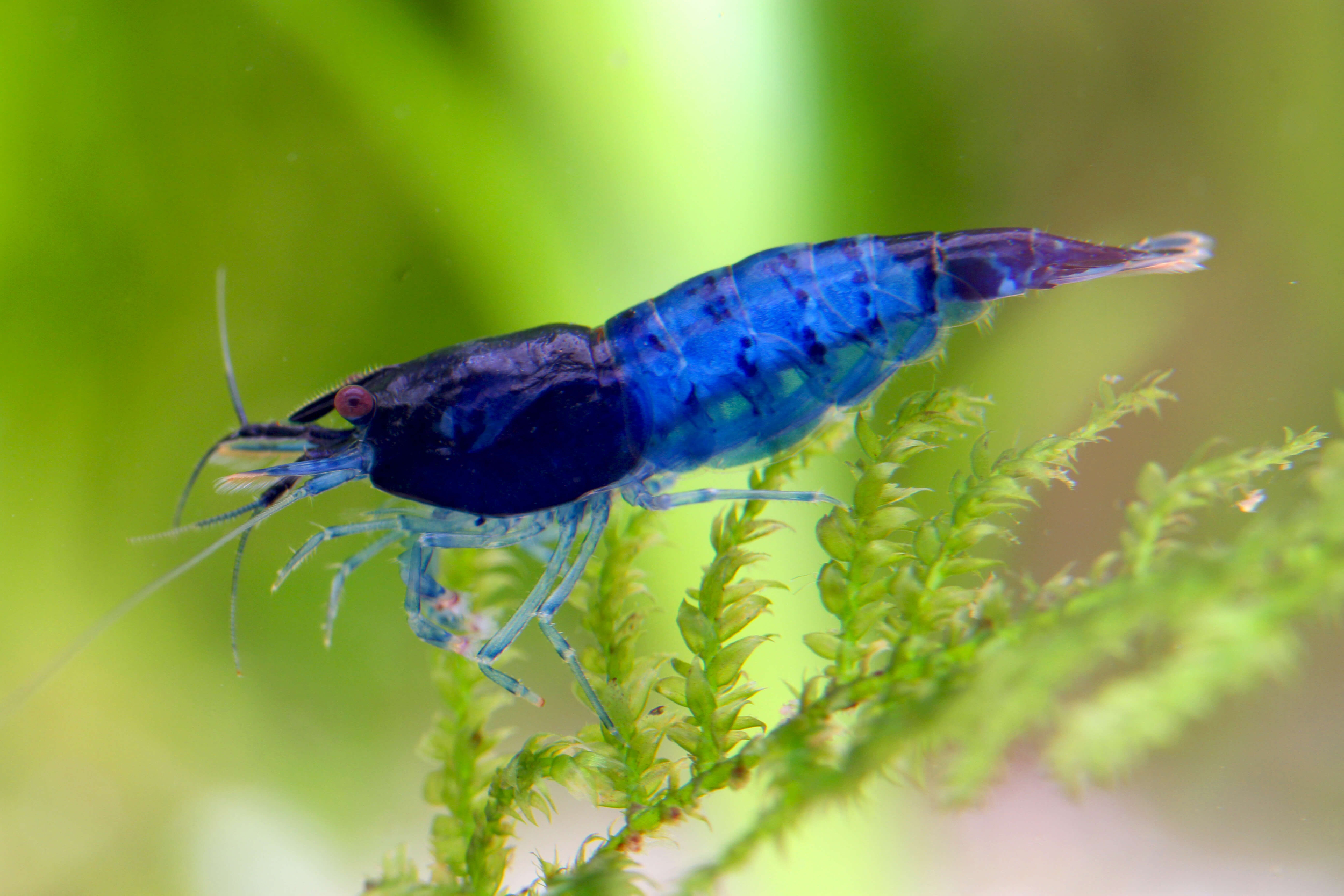
    Blue Jelly Shrimp are a selectively bred blue color form of the freshwater Neocaridina davidi species, commonly kept in planted community aquariums. Their translucent blue bodies can vary in intensity, and some individuals show clear areas or darker blue markings. The supplied images are consistent with this trade name, but color names are not formal taxonomic classifications. They are peaceful, adaptable scavengers that reproduce readily when water quality, shelter, and mineral availability are stable.
  • Blue Dream Shrimp (Neocaridina davidi)

    Blue Dream Shrimp (Neocaridina davidi)

    Blue Dream Shrimp are a selectively bred blue color form of the freshwater species Neocaridina davidi. The supplied images show intensely blue individuals in a planted aquarium, but photographs alone cannot confirm a particular commercial grade or lineage. They are generally peaceful, adaptable dwarf shrimp that graze on biofilm and benefit from stable, mature aquarium conditions. A planted tank with gentle filtration, shelter, and mineral-rich water supports feeding, successful molts, and colony growth.
  • Bloody Mary Shrimp (Neocaridina davidi)

    Bloody Mary Shrimp (Neocaridina davidi)

    Bloody Mary Shrimp are a selectively bred red color form of the freshwater Neocaridina davidi complex, valued for their deep, often opaque red coloration. They are small, peaceful scavengers suited to mature planted aquariums with stable chemistry and abundant biofilm. The trade name does not guarantee a formally distinct taxon, and exact lineage cannot be confirmed from the supplied images alone. They are generally manageable for beginners when water quality, acclimation, and mineral balance are handled carefully.
  • Black Sakura Shrimp

    Black Sakura Shrimp

    Black Sakura Shrimp is a selectively bred dark color form commonly sold under the Neocaridina davidi trade group. The name is commercial rather than a formal taxonomic rank, so exact lineage and grading may vary between suppliers. These small freshwater shrimp graze on biofilm, are generally peaceful, and can reproduce readily in a mature planted aquarium when water conditions are stable.
  • Amano Shrimp (Caridina multidentata)

    Amano Shrimp (Caridina multidentata)

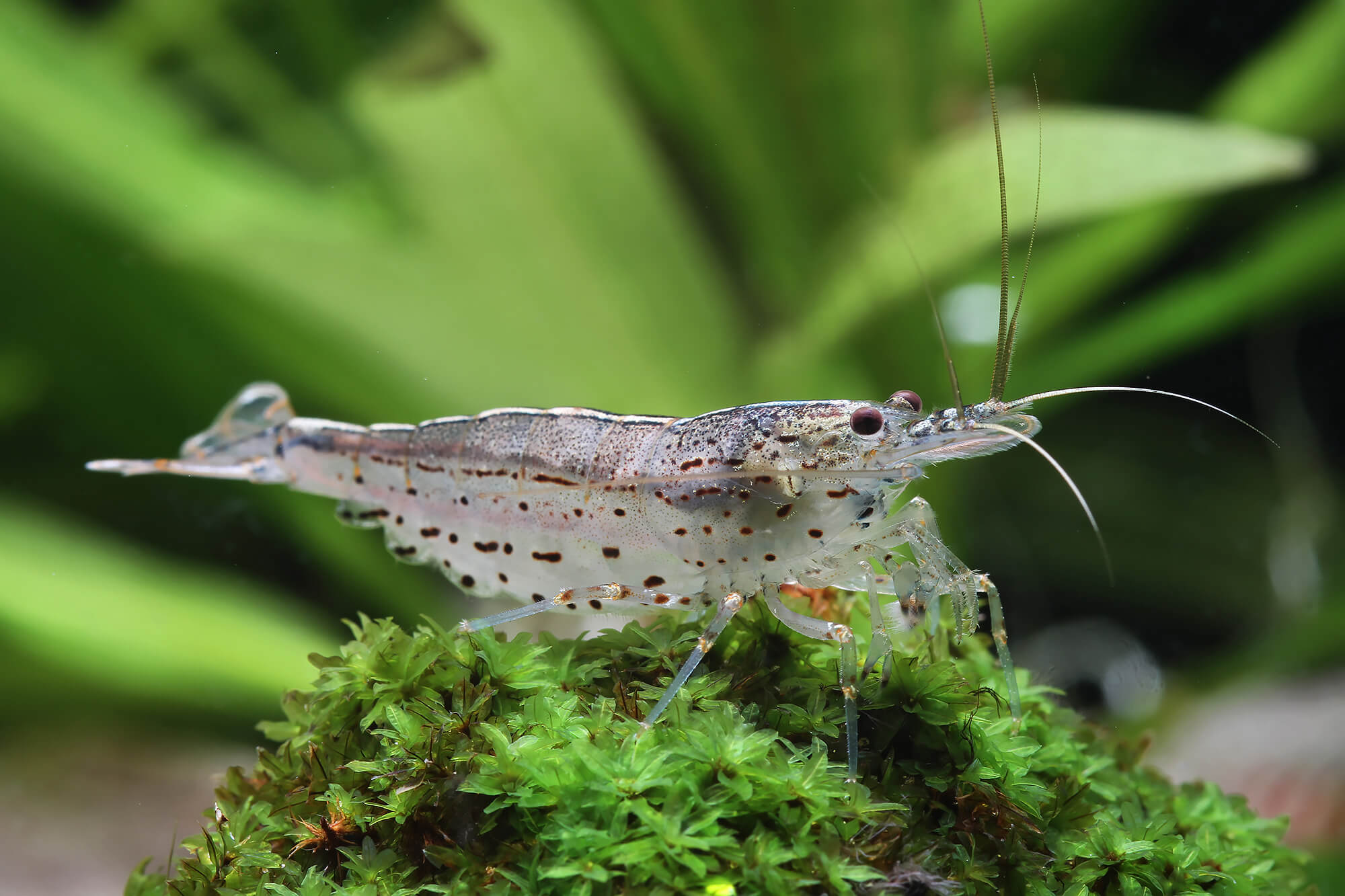
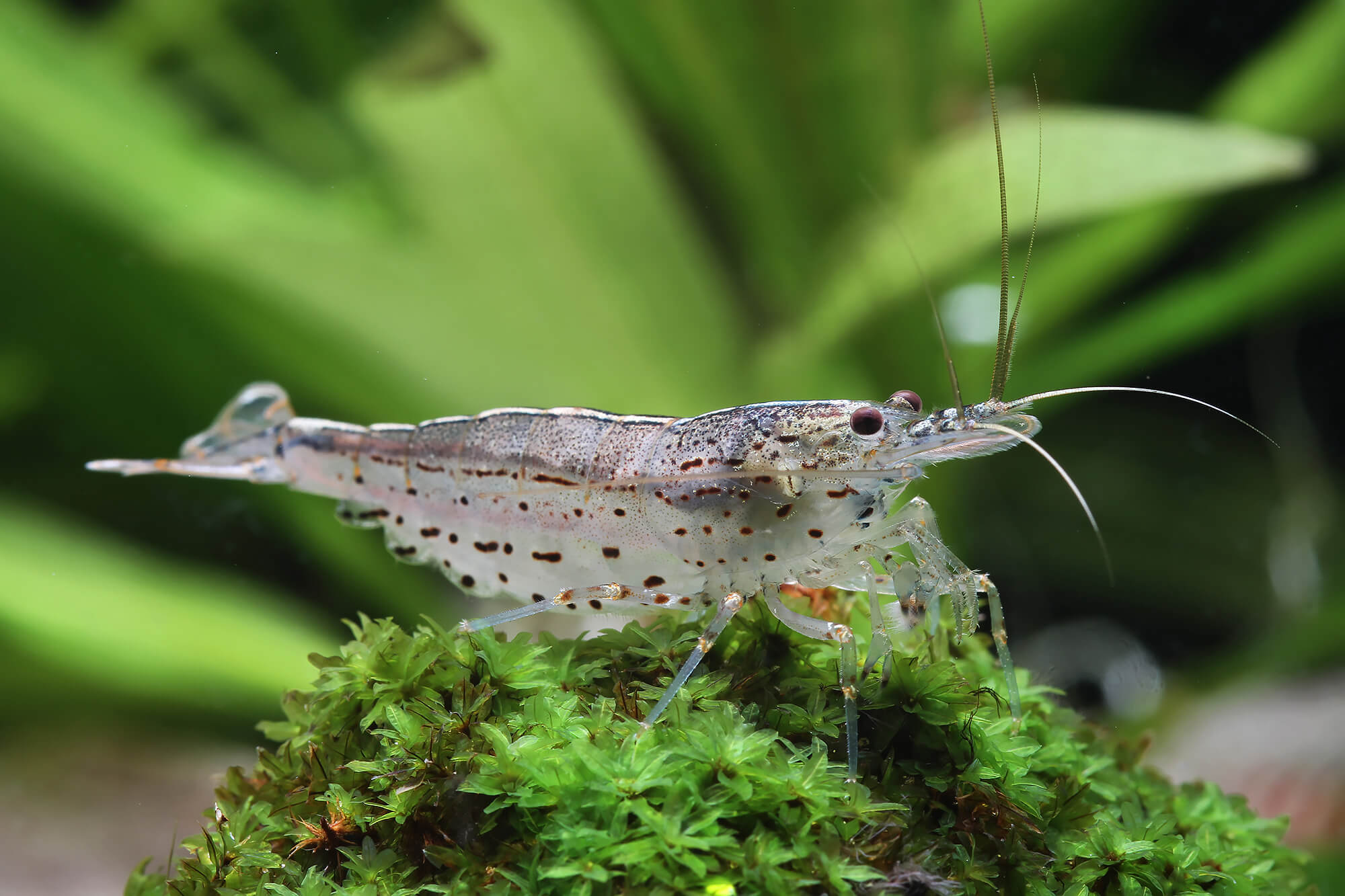
    The Amano shrimp is a translucent, algae-grazing freshwater shrimp valued for its peaceful behavior and persistent foraging. It is generally identified as Caridina multidentata, although image-based identification alone cannot confirm every specimen. Adults need mature, well-oxygenated aquariums with hiding places and stable water chemistry. Routine aquarium breeding is difficult because the larvae require brackish or marine conditions before returning to freshwater.
  • Amano Shrimp (Caridina multidentata)

    Amano Shrimp (Caridina multidentata)

    The Amano shrimp is a translucent, adaptable freshwater algae grazer valued for its activity and peaceful behavior. It is usually identified as Caridina multidentata, formerly widely sold under the name Caridina japonica. Adults are larger and more robust than many ornamental dwarf shrimp, with dark brown to reddish speckles and markings. They suit mature planted aquariums, but successful reproduction requires a separate brackish larval stage, so a freshwater aquarium normally supports adults without producing surviving young.