
Taxonomy and Habitat
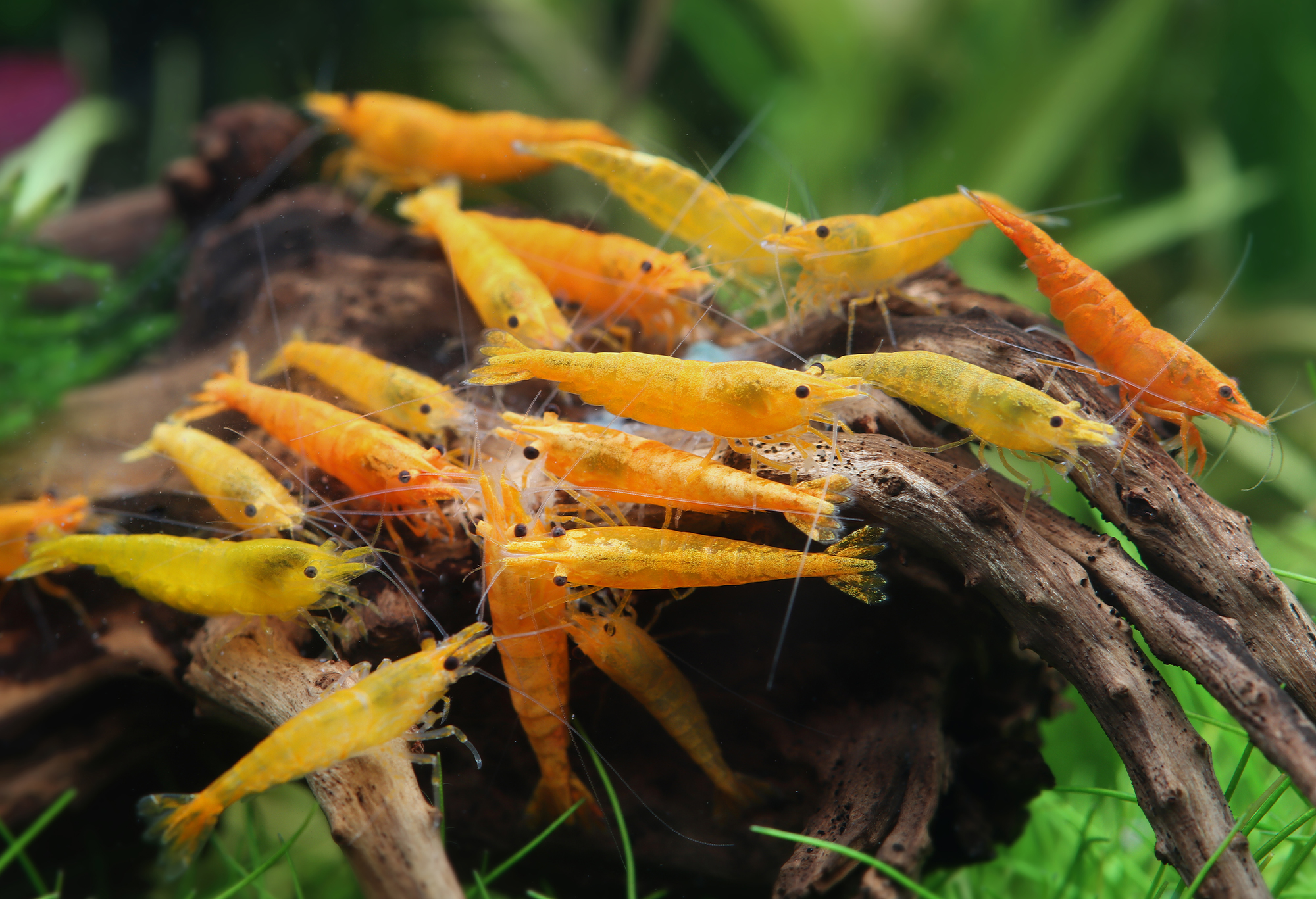
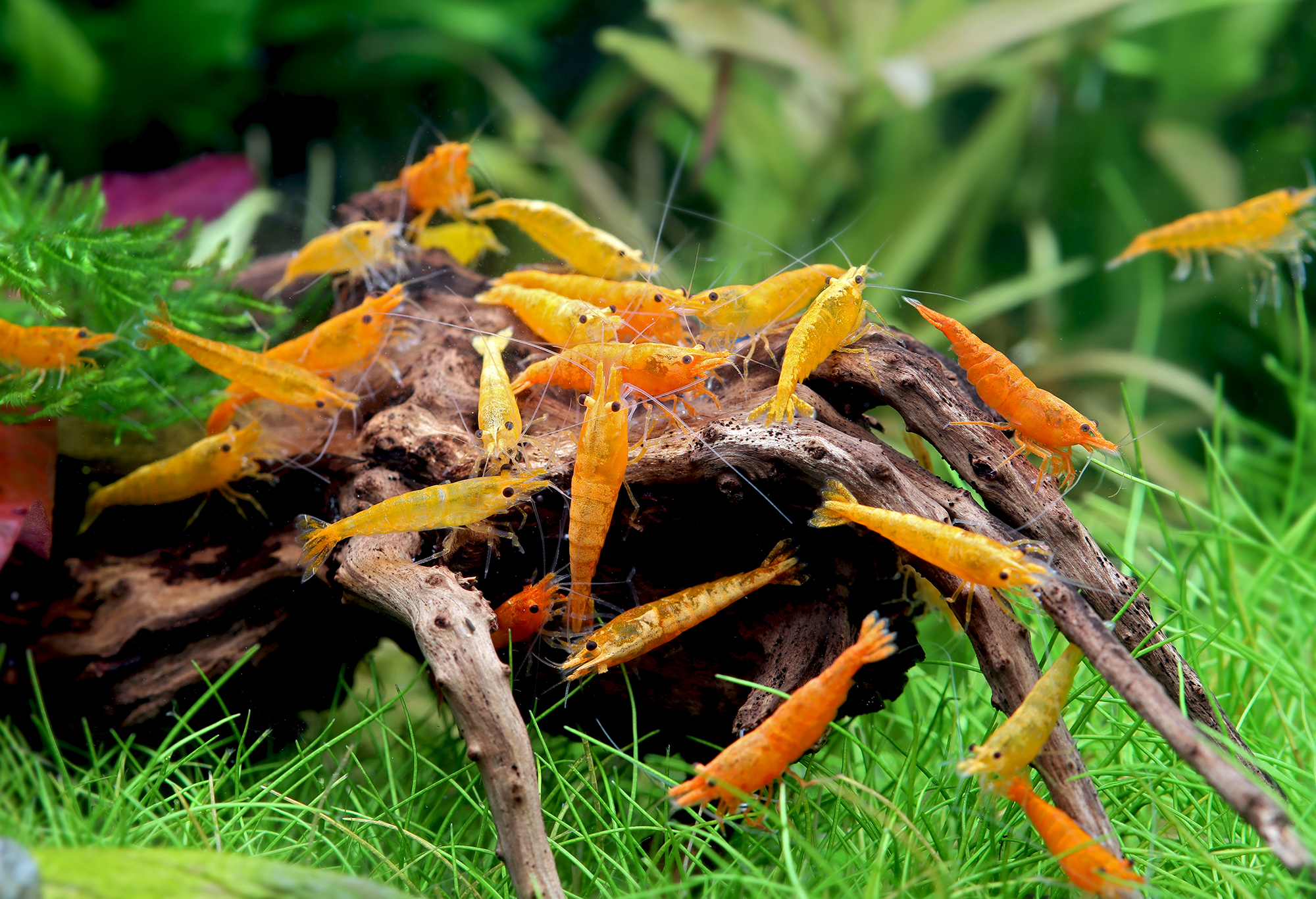
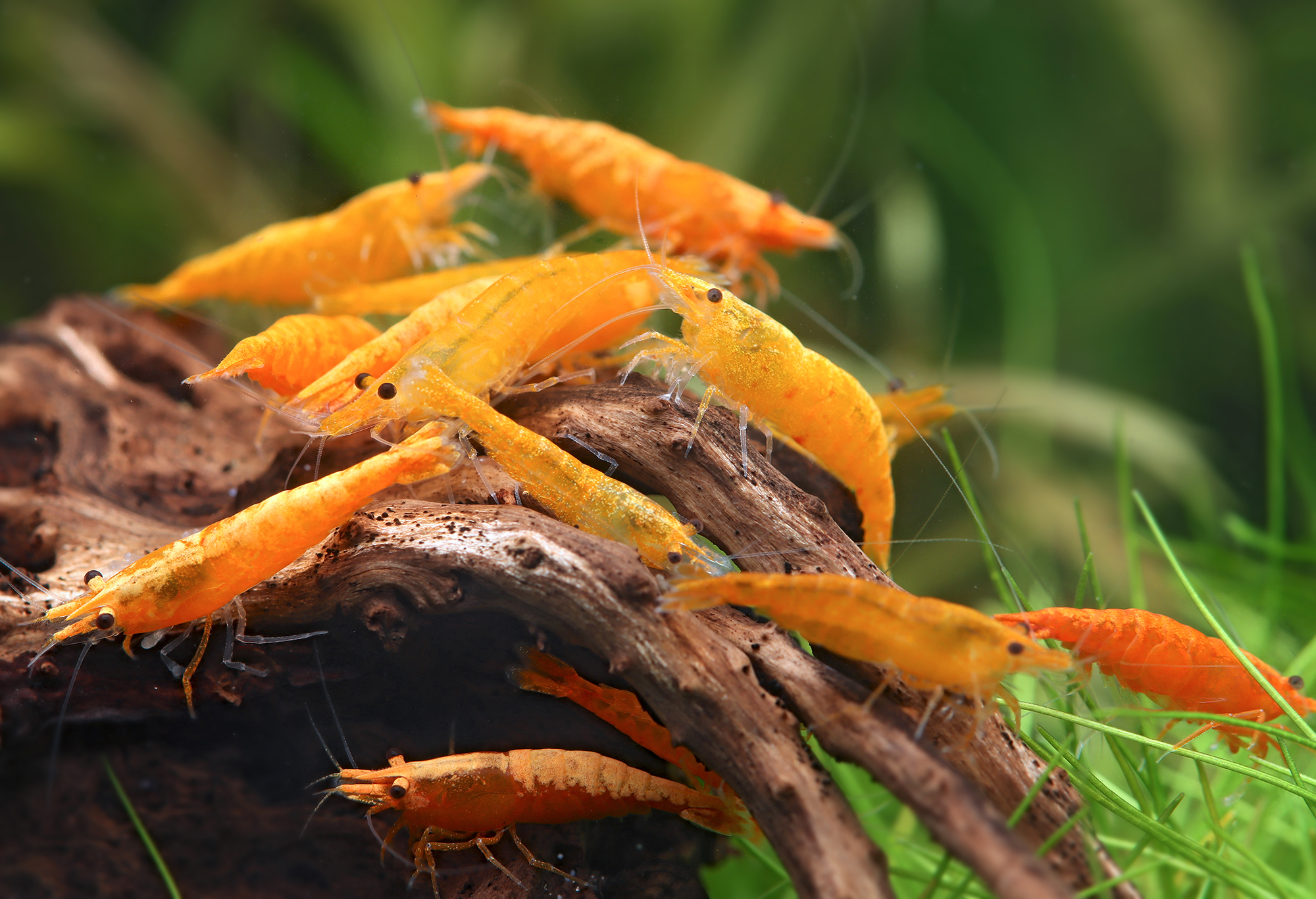
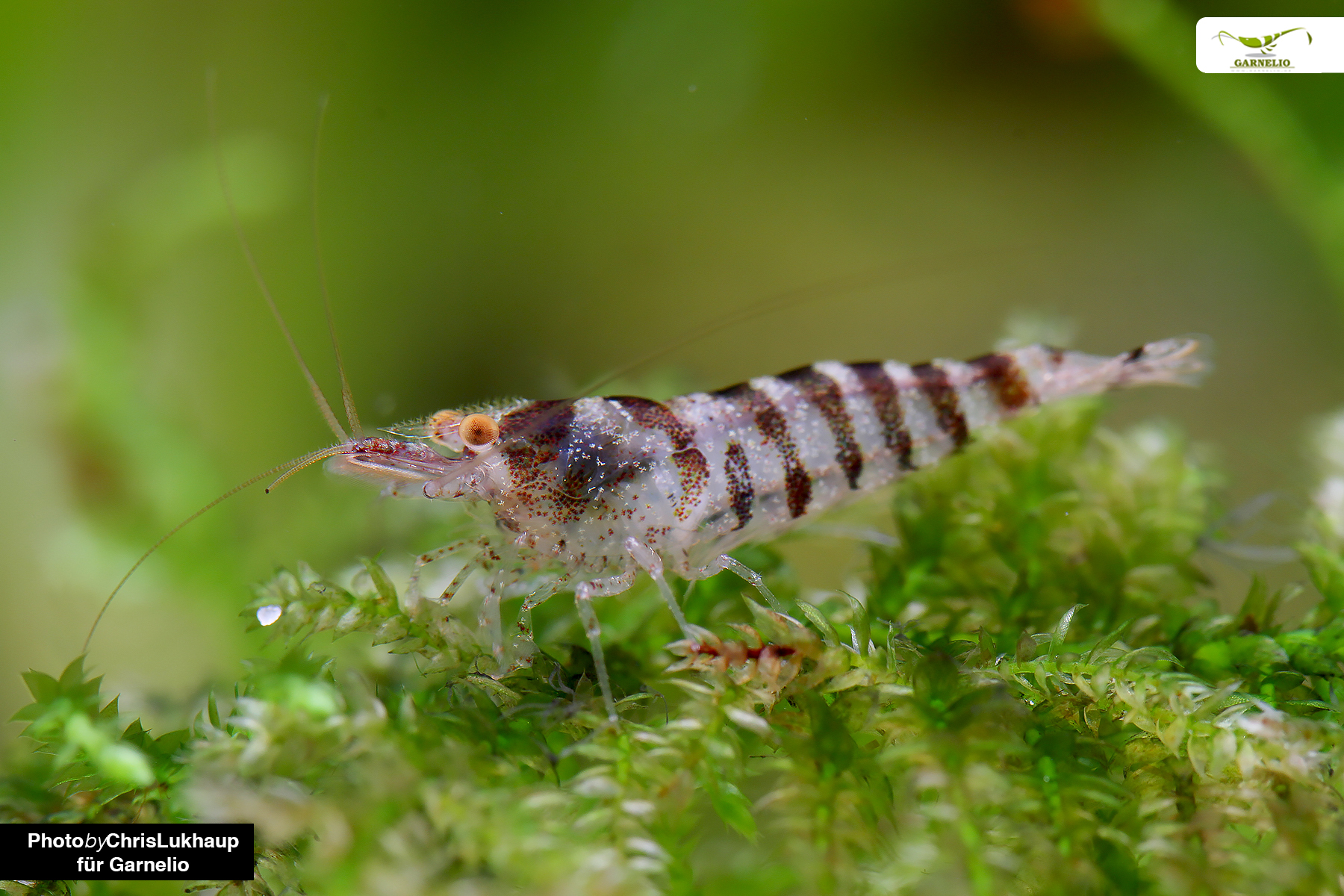
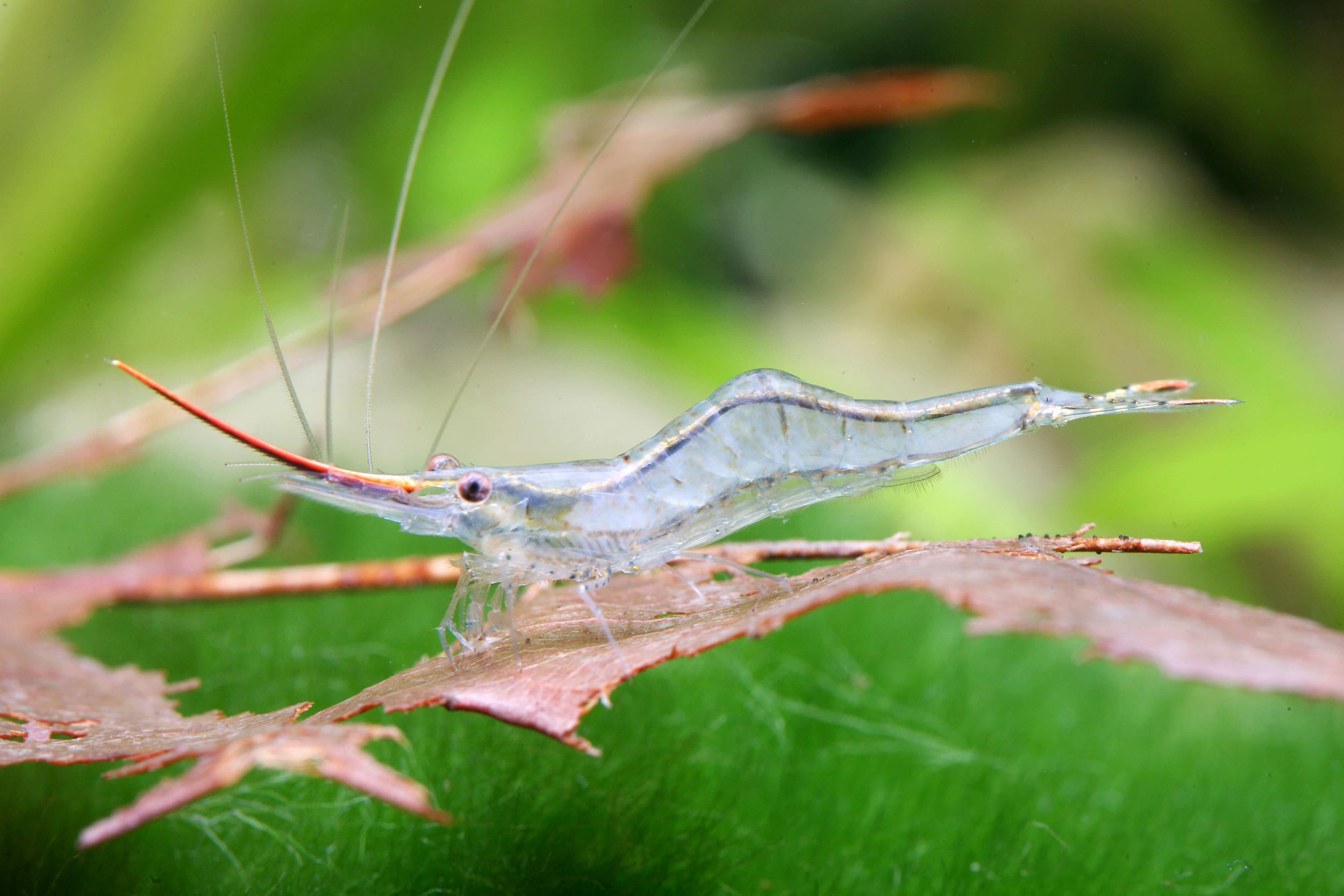
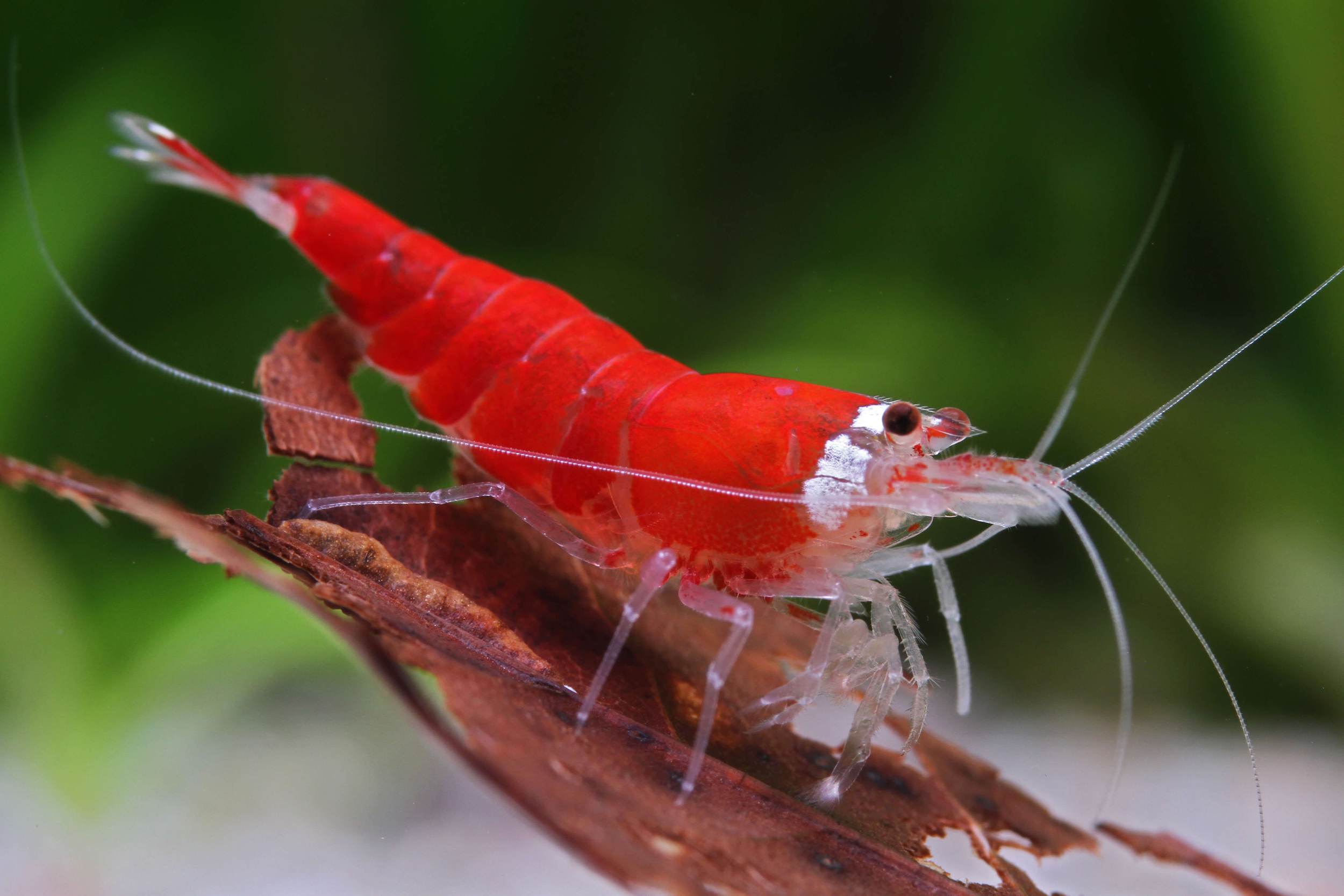
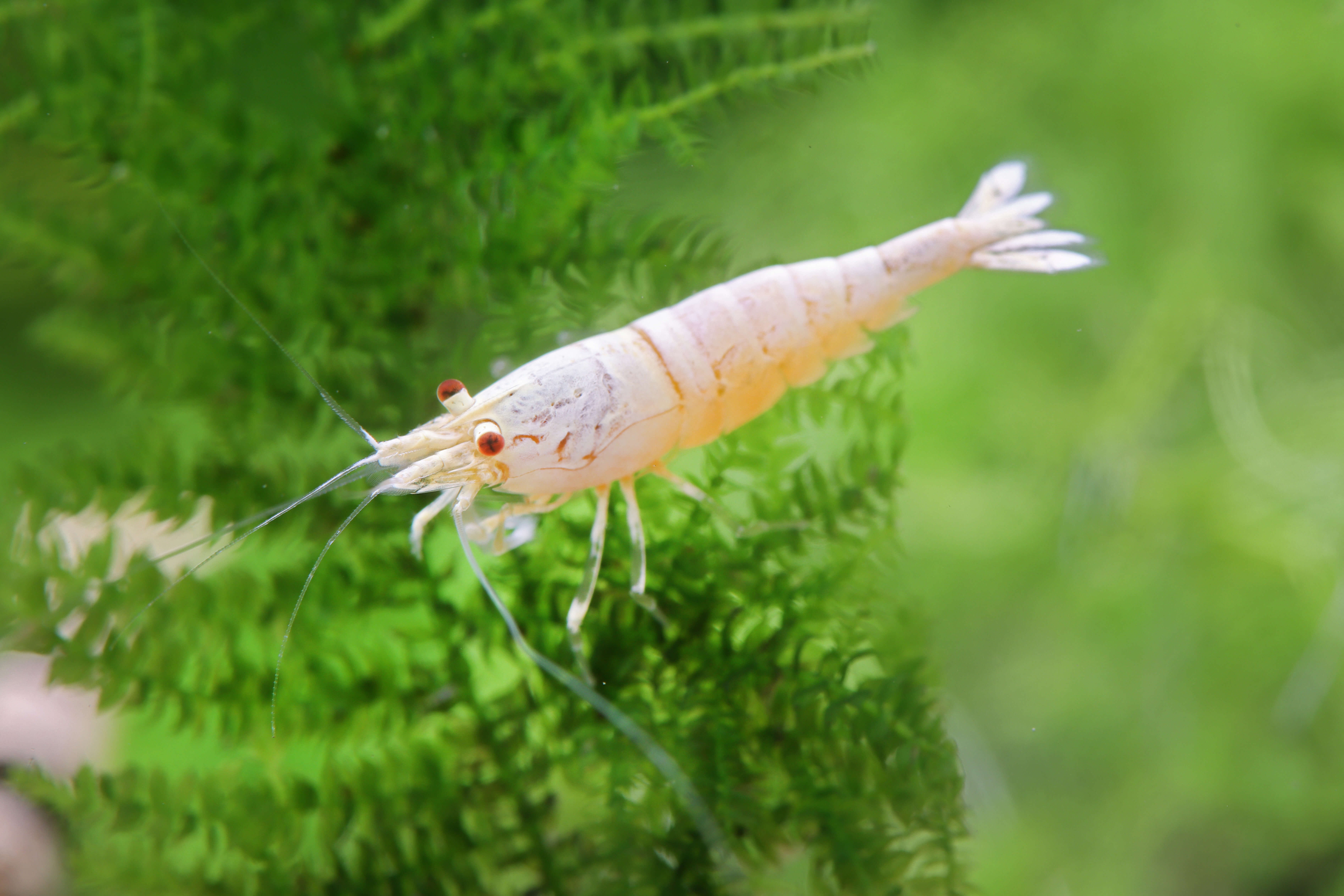
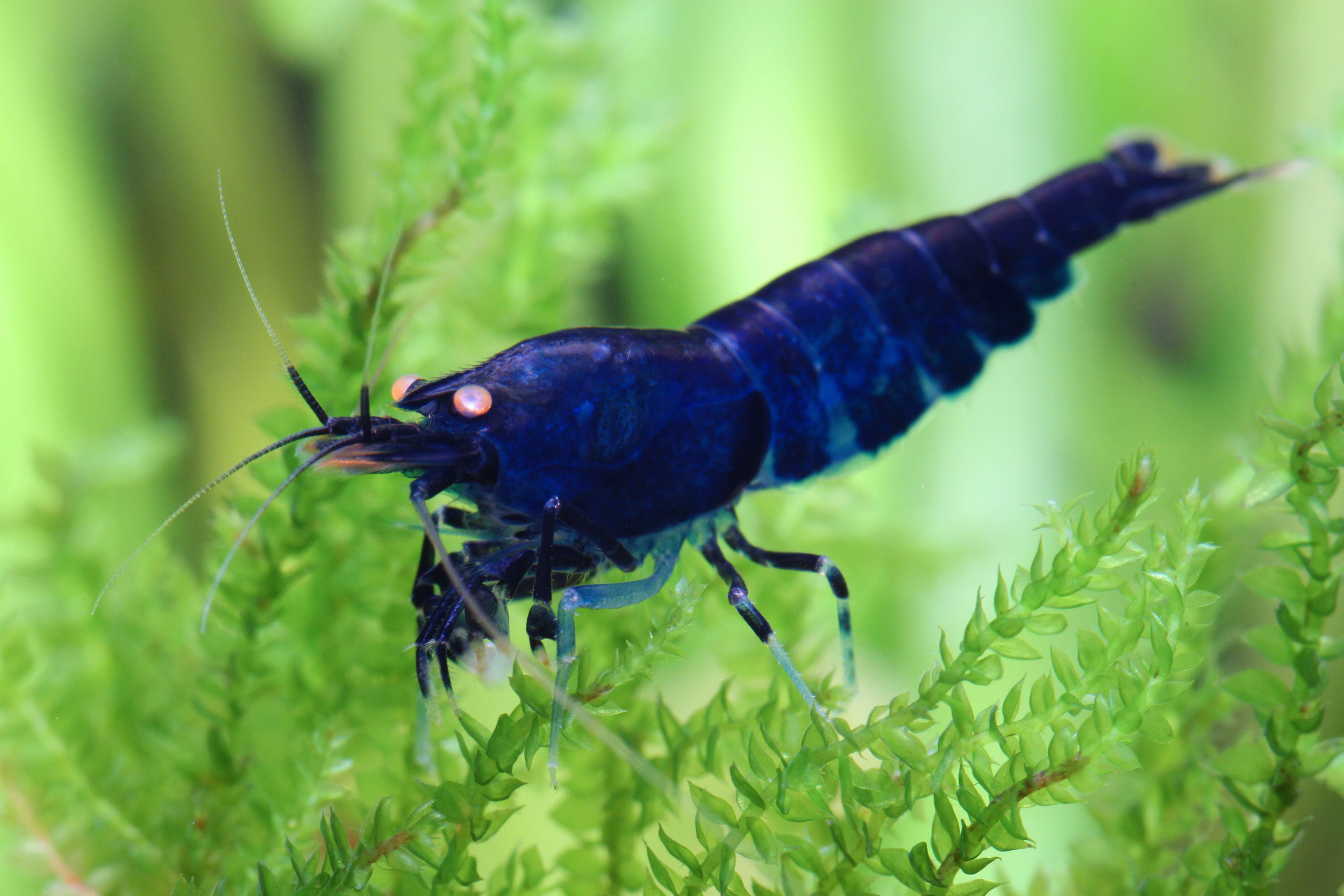
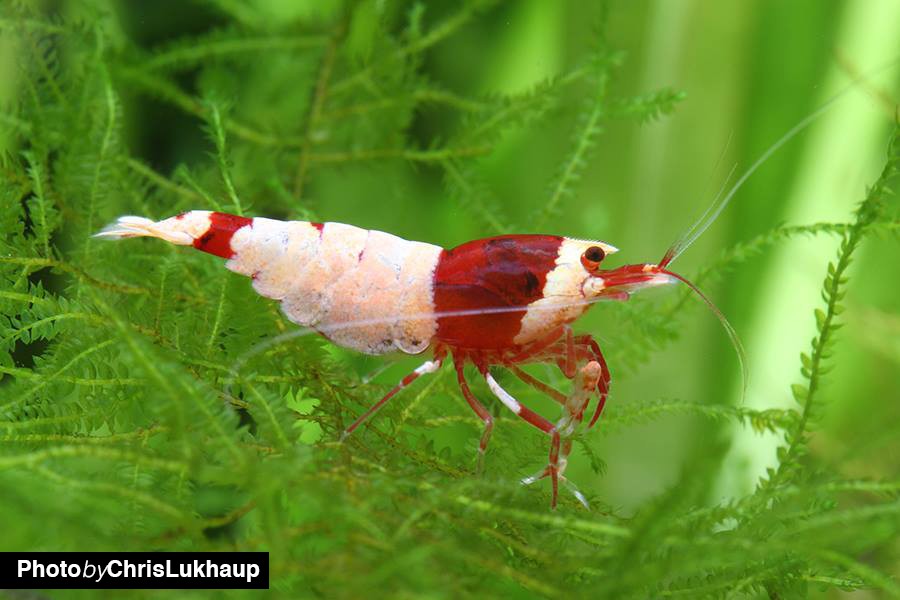
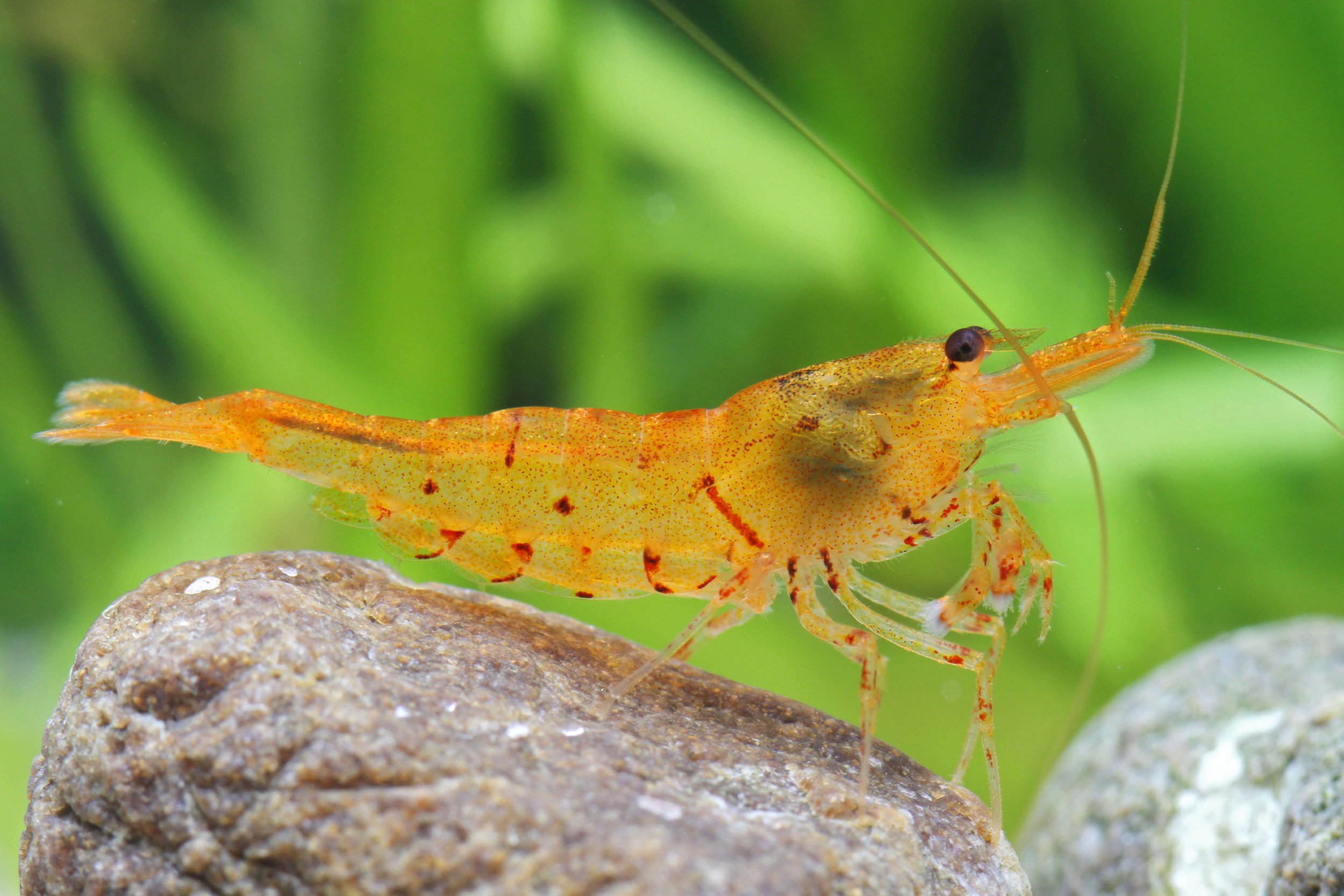
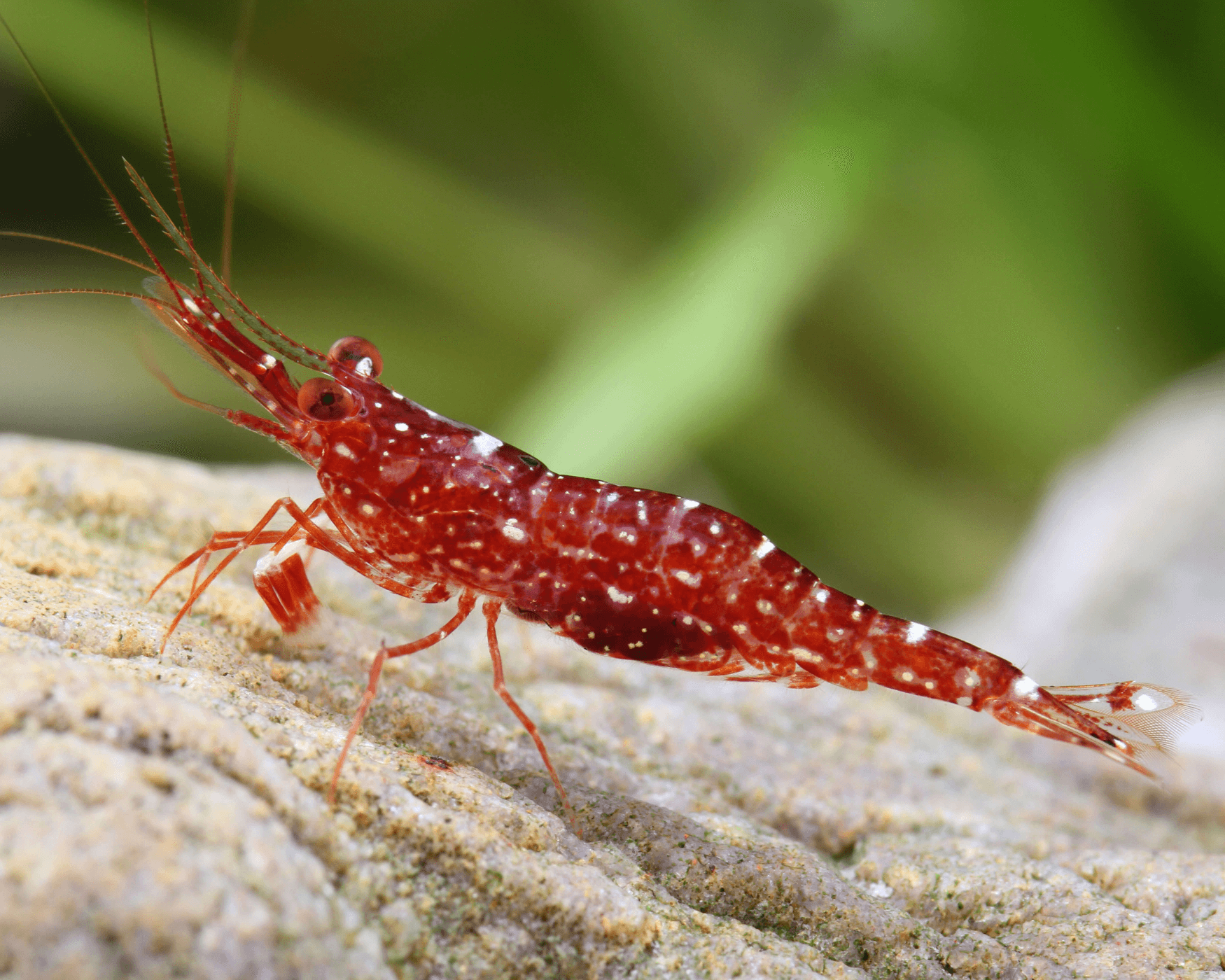
Orange Fire Shrimp belong to the Atyidae family and are classified as Neocaridina davidi. While the wild type is typically translucent or brownish, this specific color morph has been stabilized through selective breeding. In the home aquarium, they prefer heavily planted tanks with plenty of mosses and hiding places, which mimic the natural environment where they forage for biofilm and algae.

Water Parameters and Maintenance
These shrimp are highly adaptable but thrive best in stable conditions. A pH between 6.5 and 7.5 and a temperature range of 18 to 26 degrees Celsius is ideal. Regular, small water changes are recommended to maintain water quality. The inclusion of botanicals, such as the sea almond leaves provided in this set, can help lower the pH slightly and provide a surface for biofilm growth.
Feeding and Diet
As omnivorous scavengers, Orange Fire Shrimp are not picky eaters. They spend the majority of their time grazing on biofilm, algae, and decaying plant matter. To ensure optimal health and coloration, supplement their diet with high-quality sinking shrimp pellets, blanched vegetables, and specialized bacter-based foods.
Molting and Breeding
Growth occurs through a process called molting, where the shrimp sheds its exoskeleton. It is essential to maintain stable water parameters to prevent issues during this vulnerable period. Breeding is relatively straightforward in a well-established tank. Females carry eggs under their abdomen for several weeks until they hatch into miniature versions of the adults, requiring no special larval stage.
Tank Mates
Due to their small size and peaceful nature, Orange Fire Shrimp should be kept with non-aggressive tank mates. Small, peaceful fish like nano rasboras or otocinclus catfish are generally safe. Avoid larger or predatory fish that may view the shrimp as a food source. They are best kept in a species-only tank to maximize their population and ensure their safety.
Leave your comments