Taxonomy and Natural Habitat
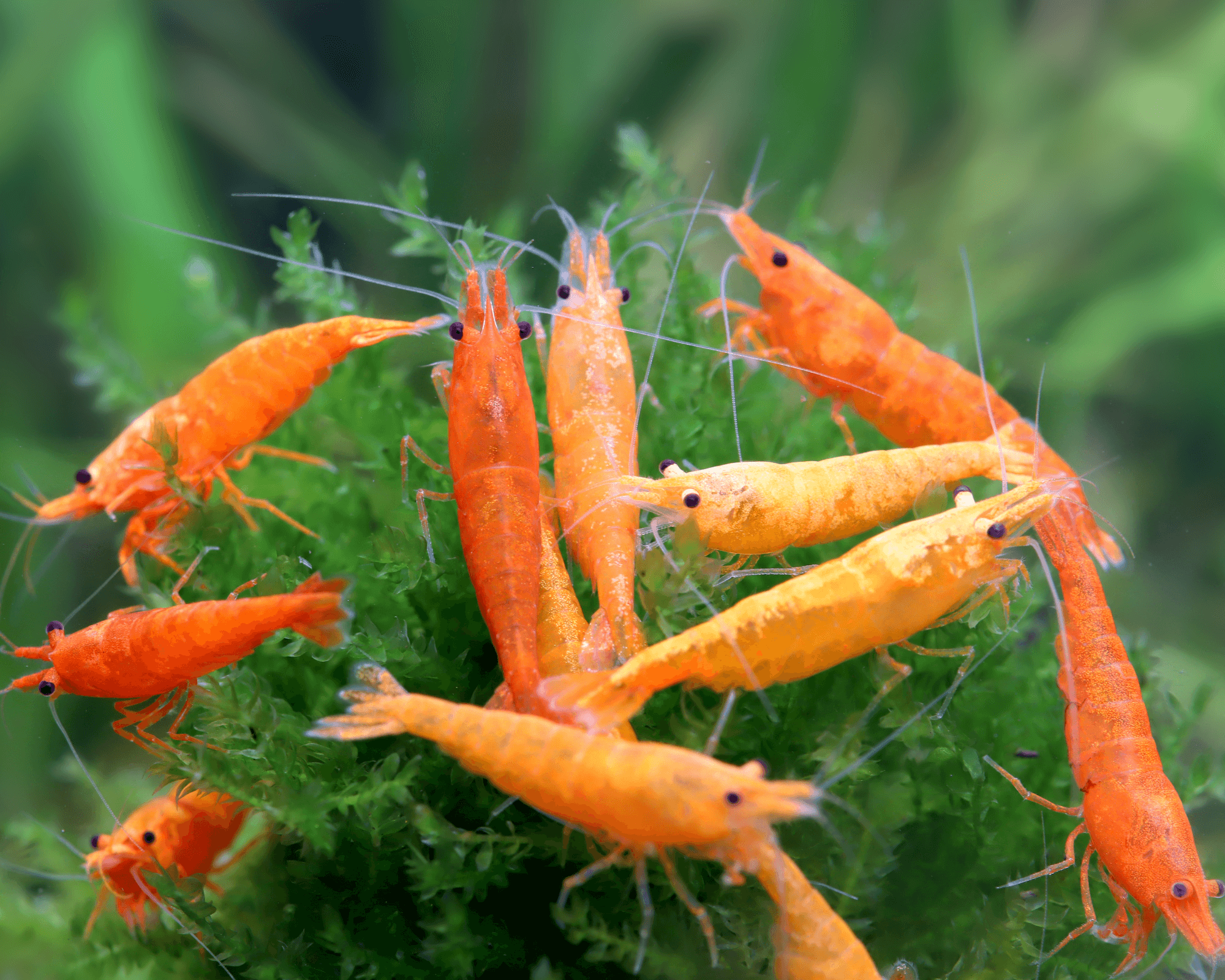
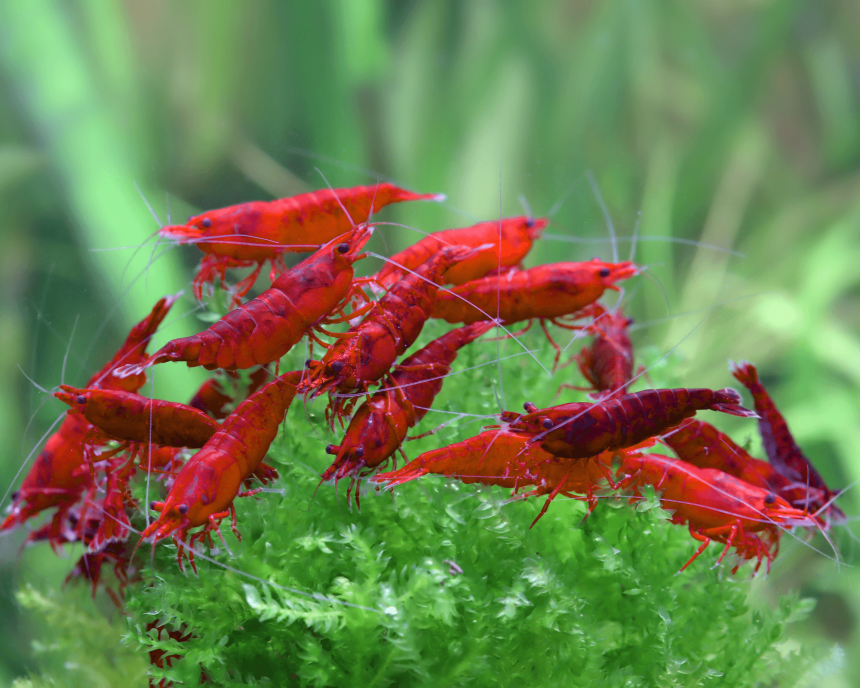
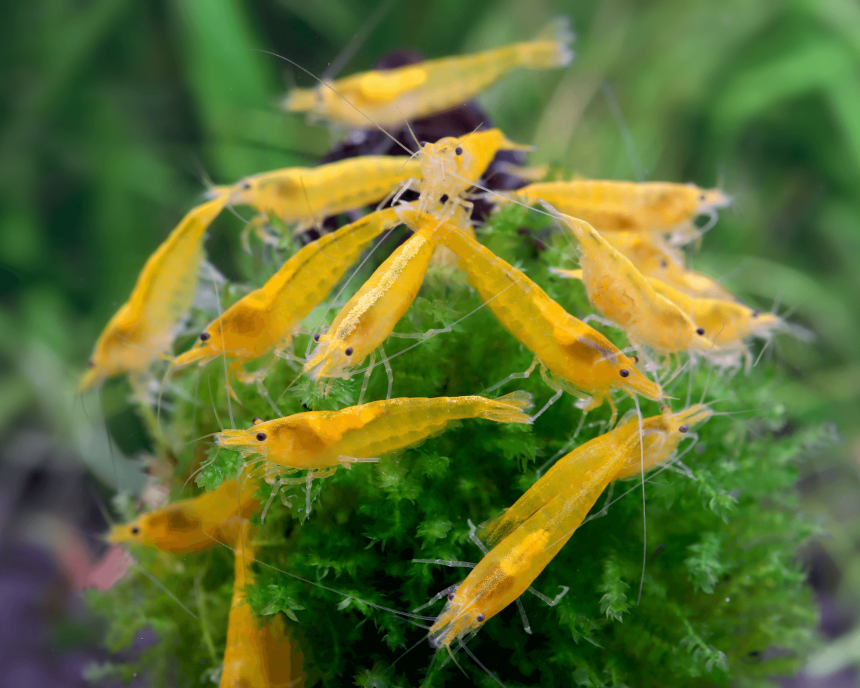
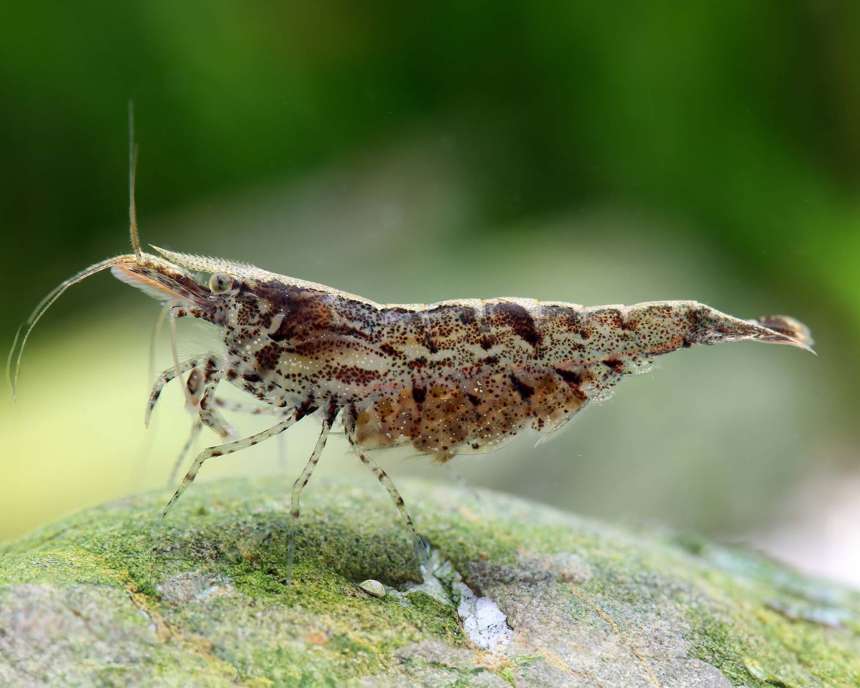
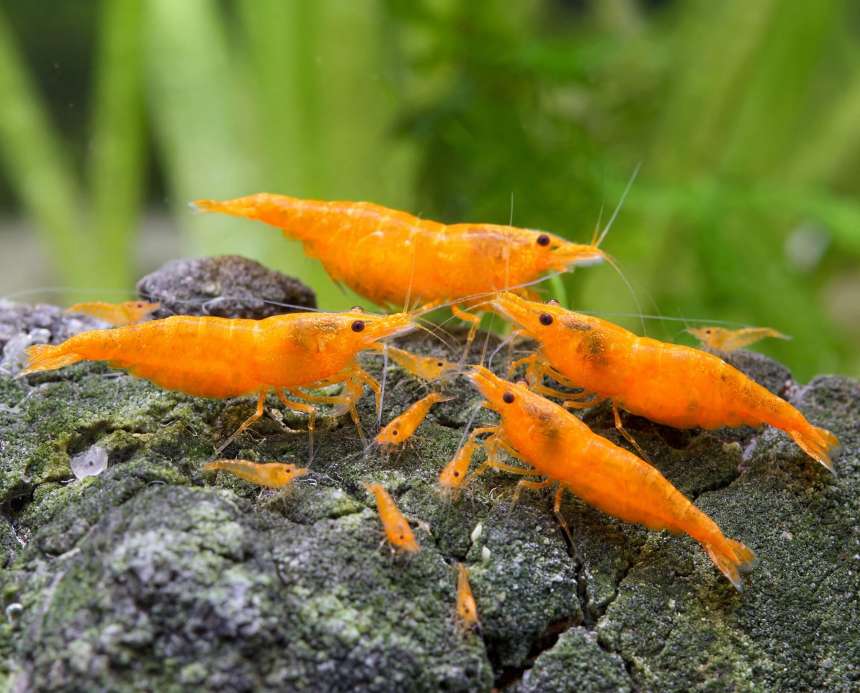
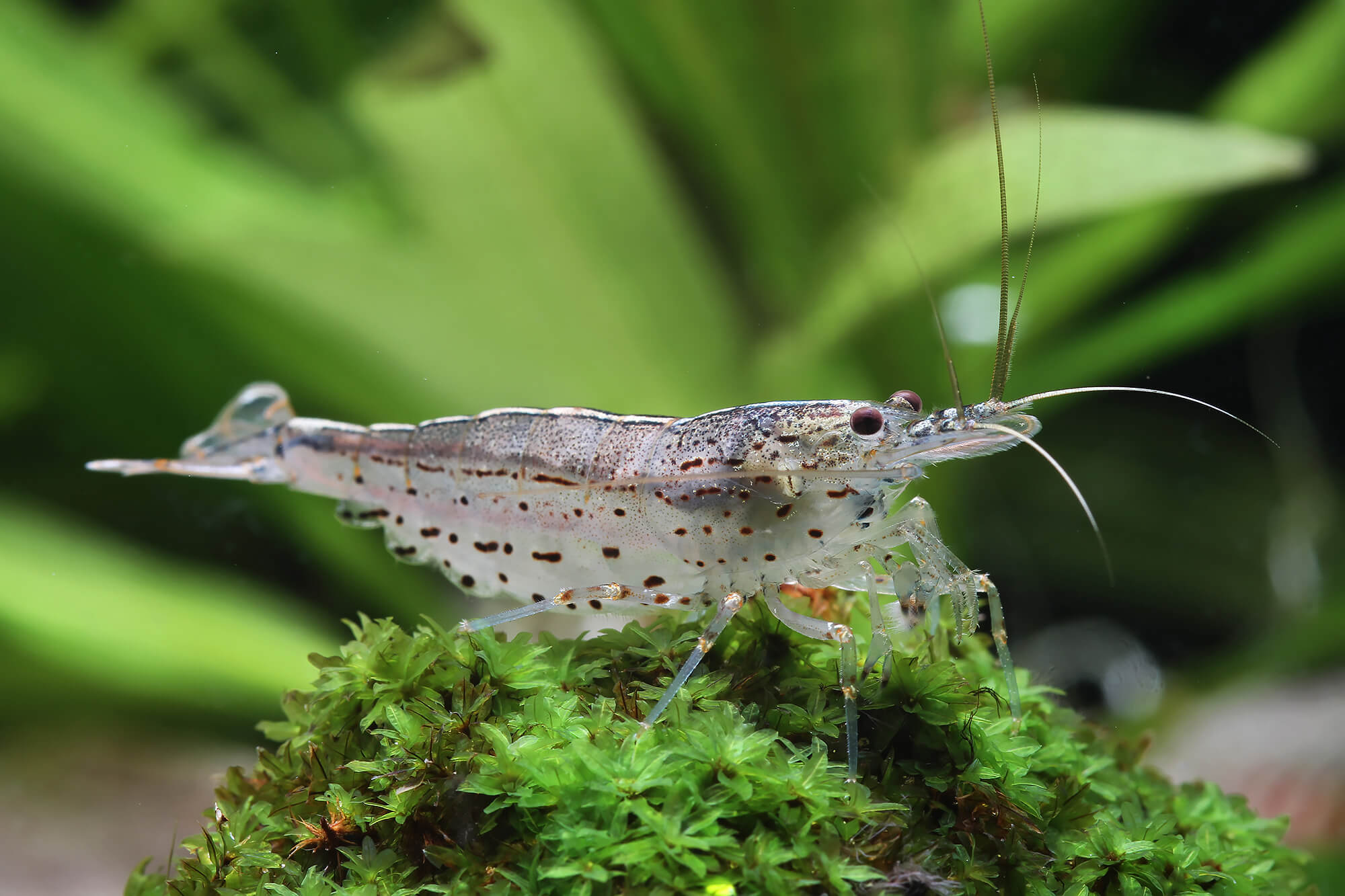
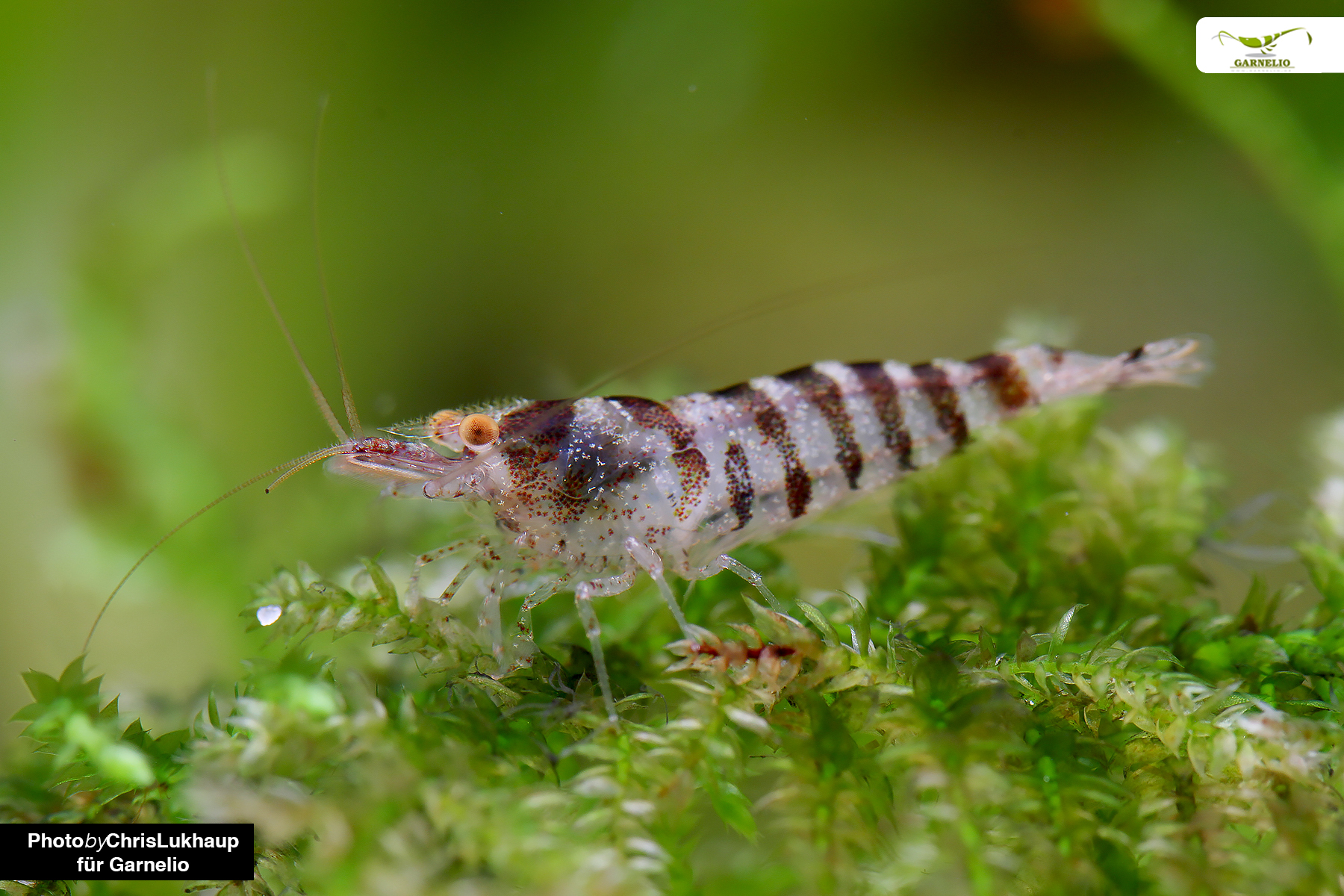
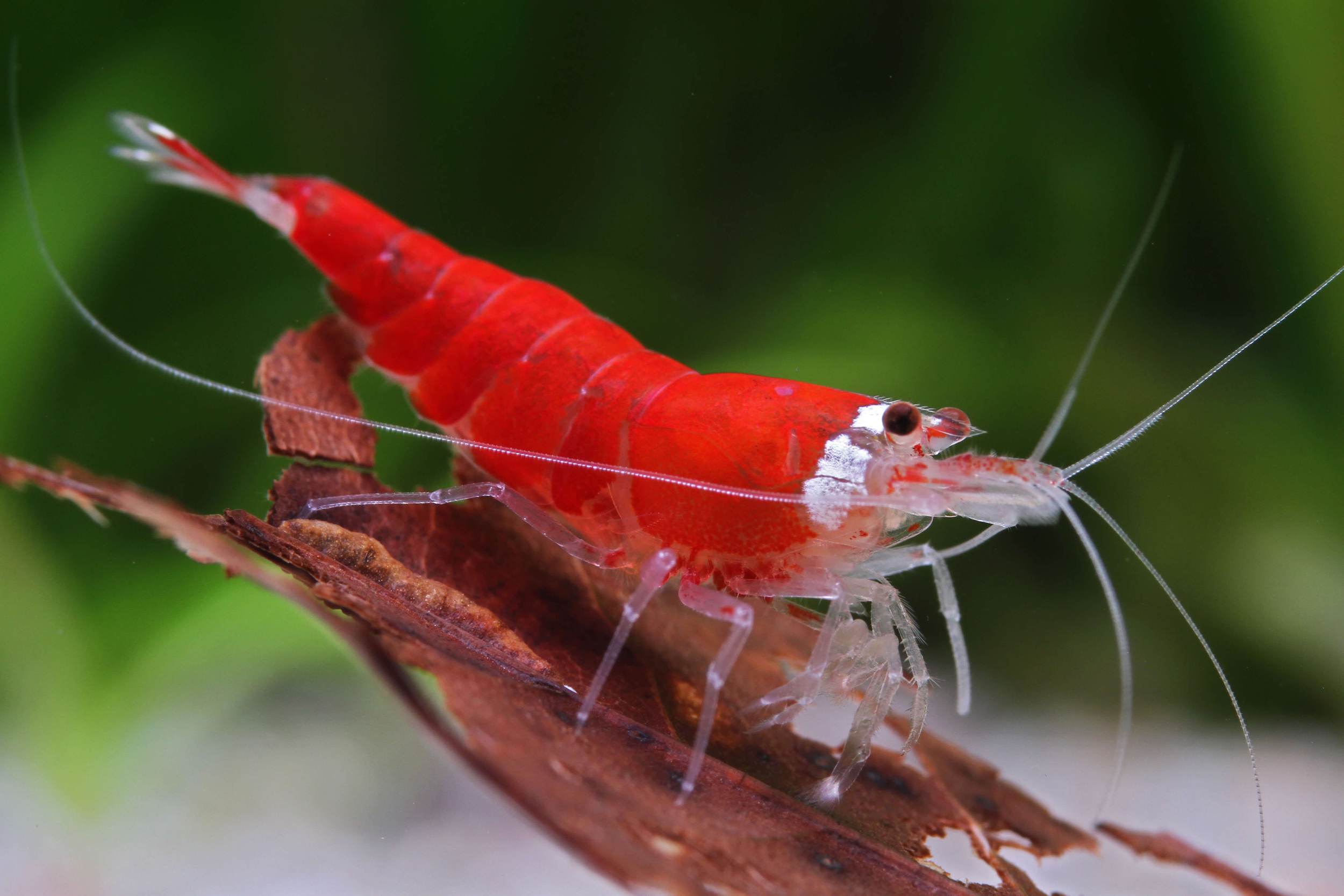
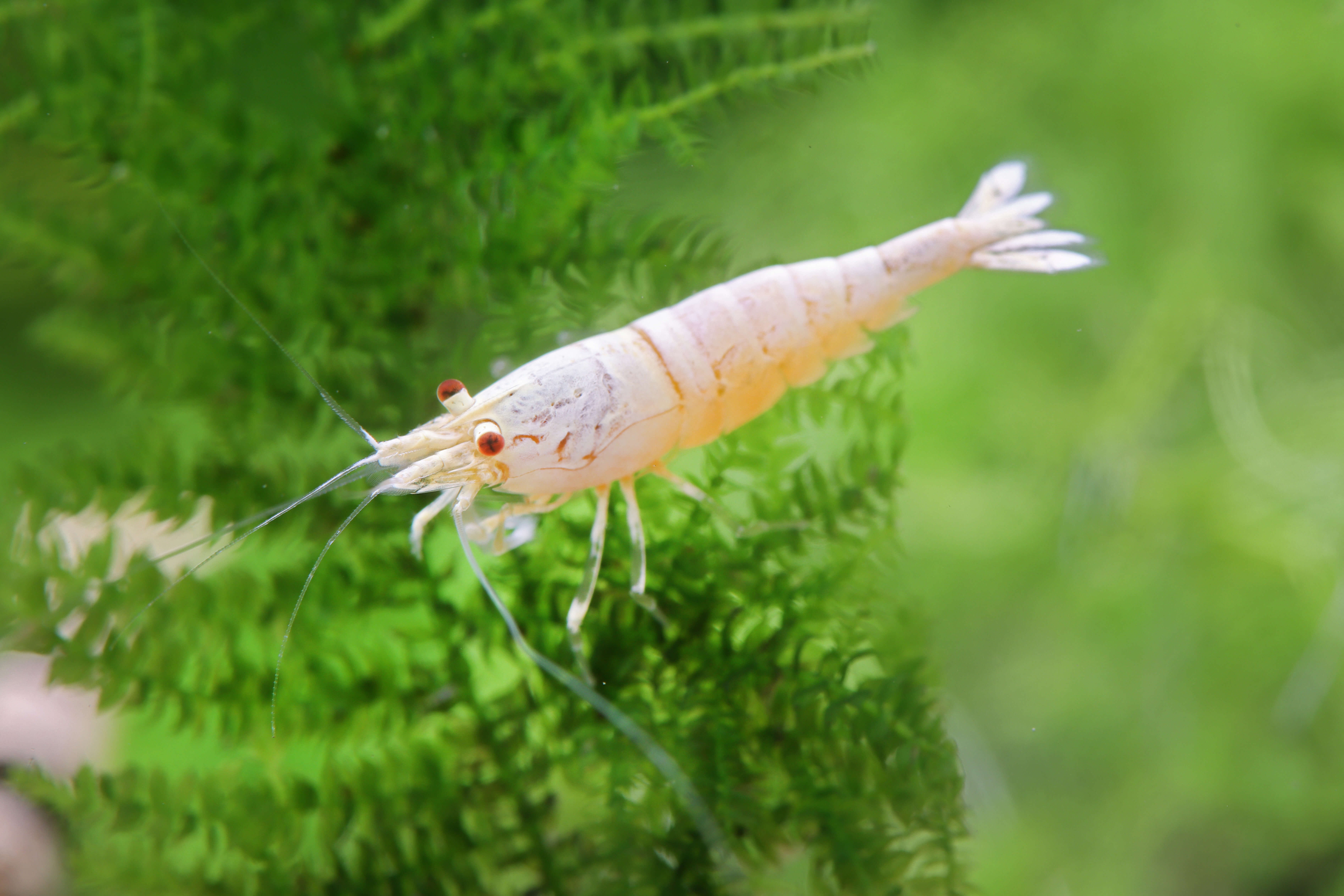
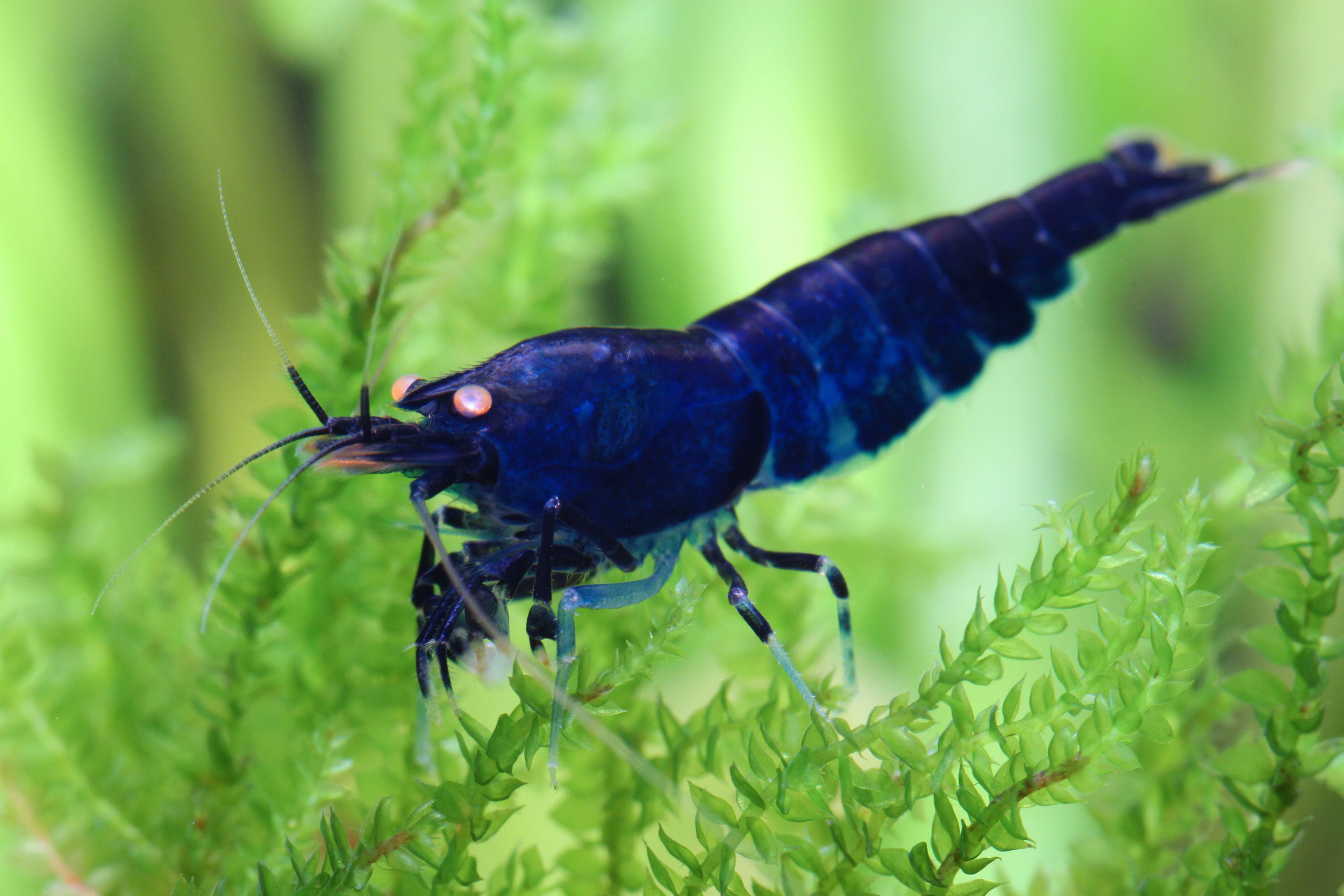
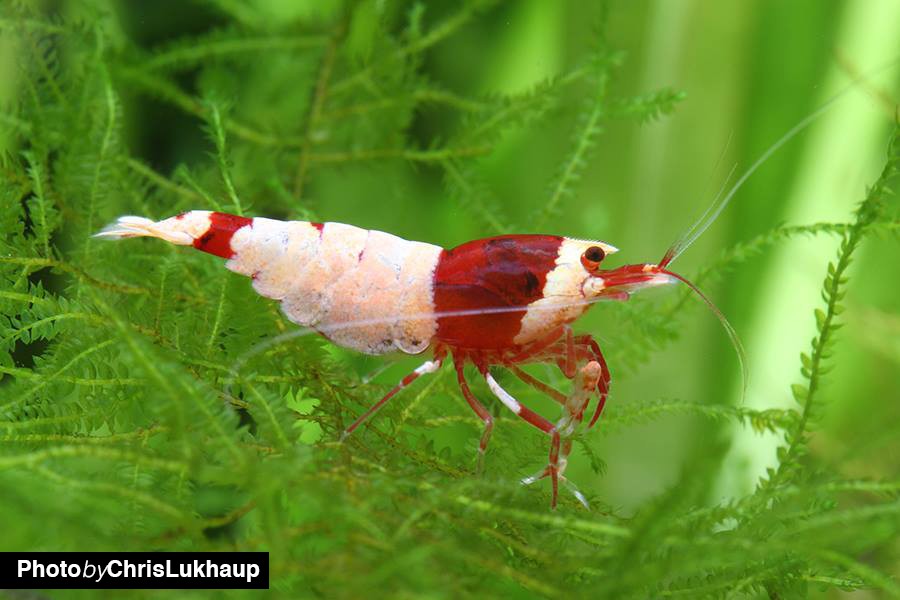
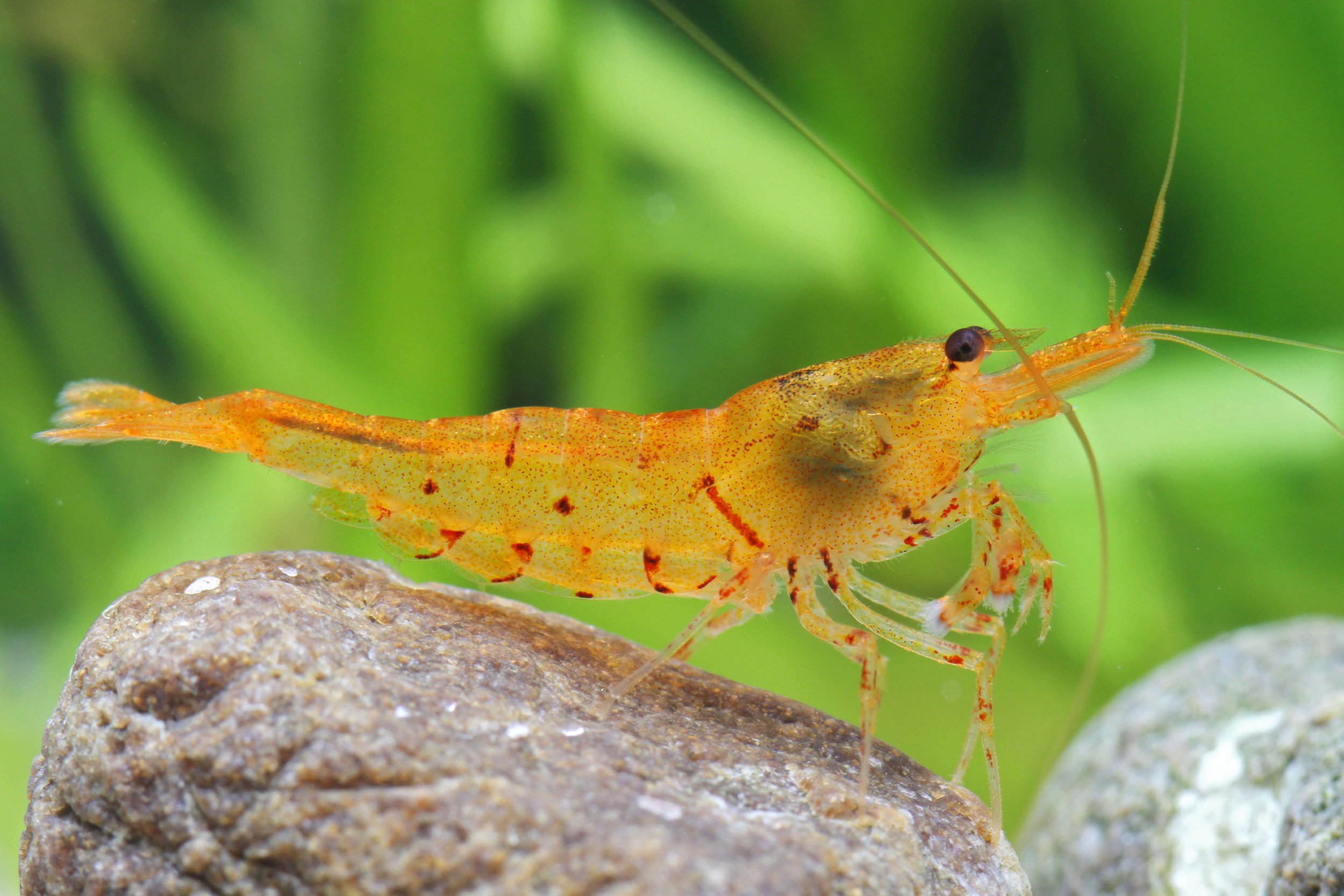
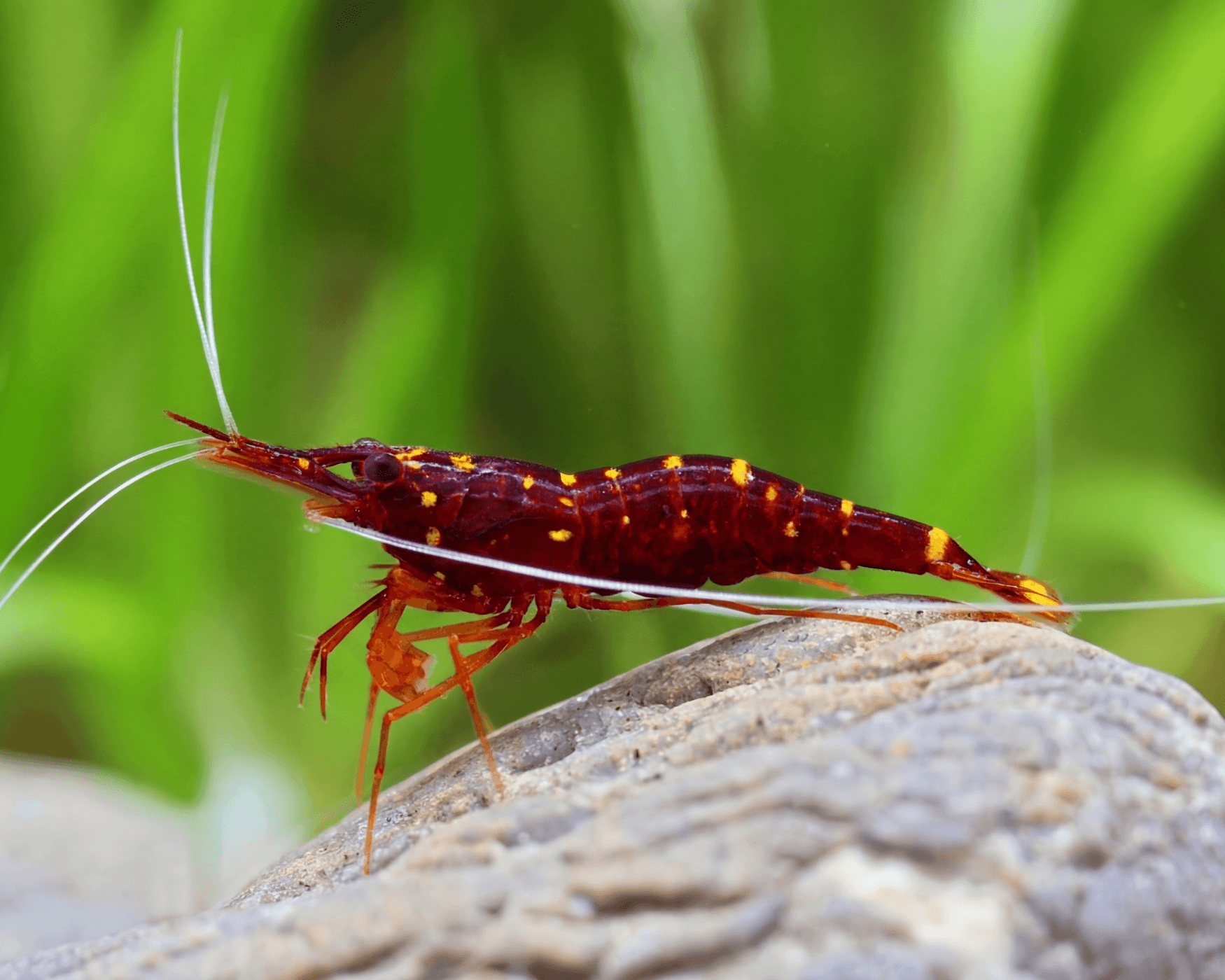
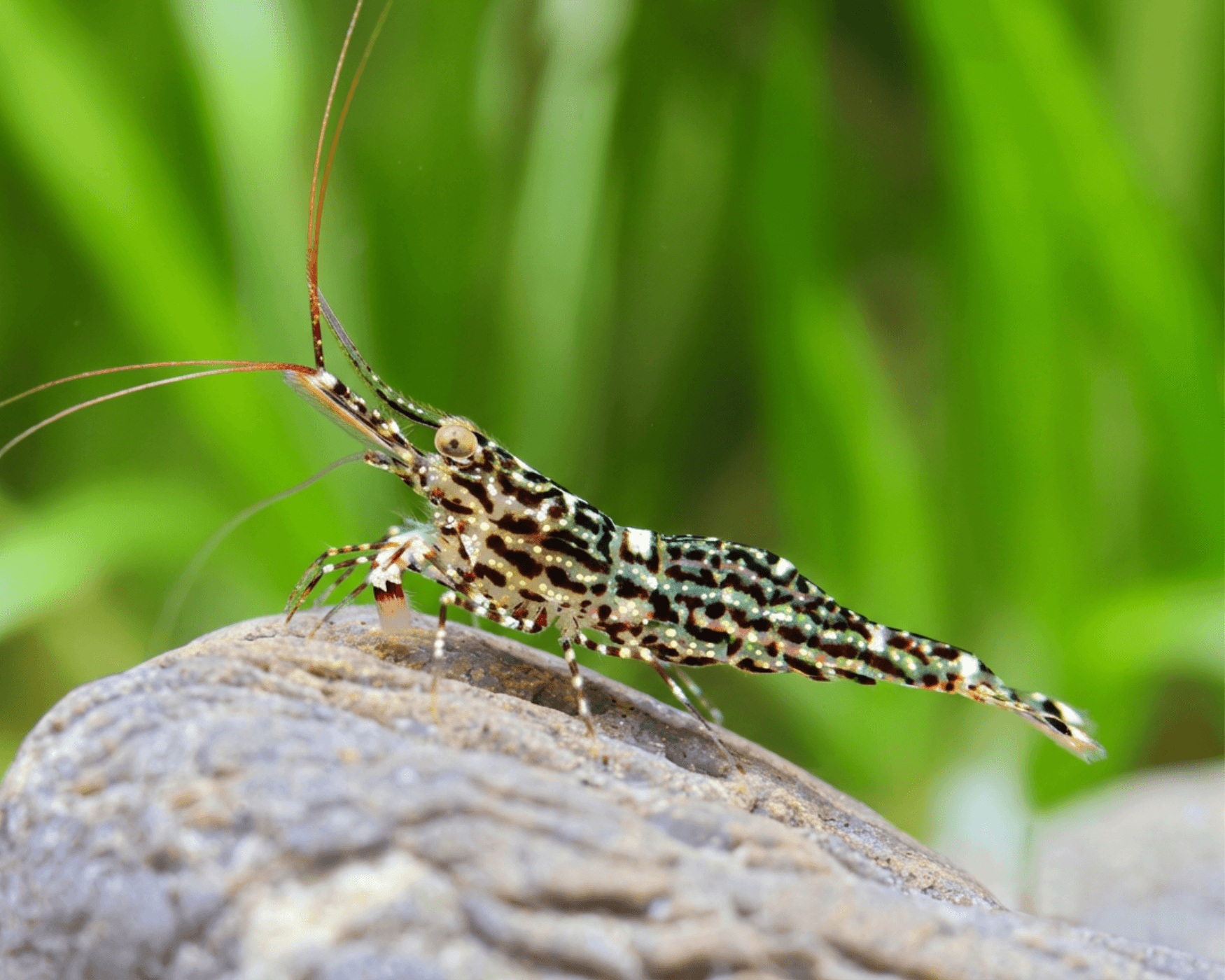
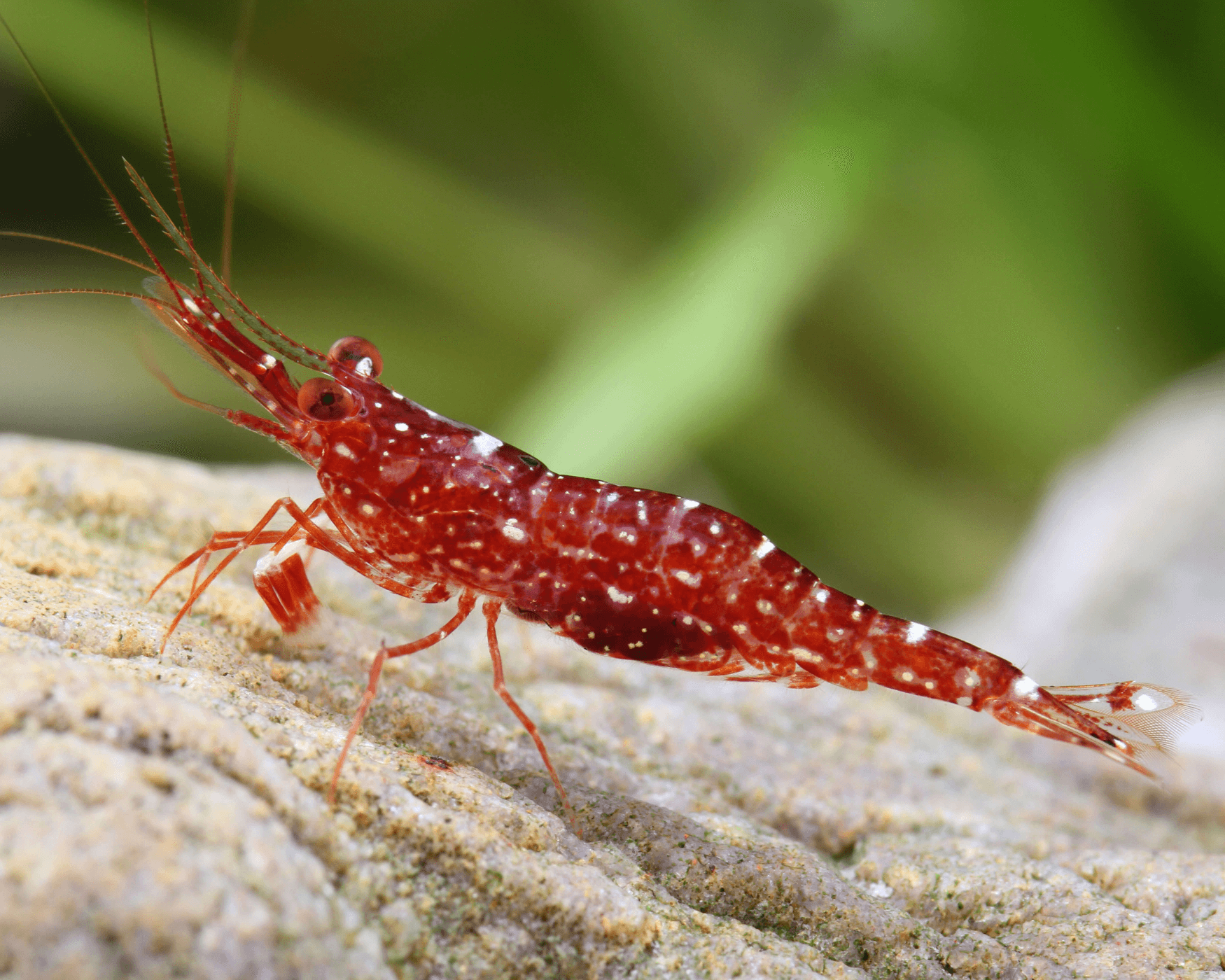
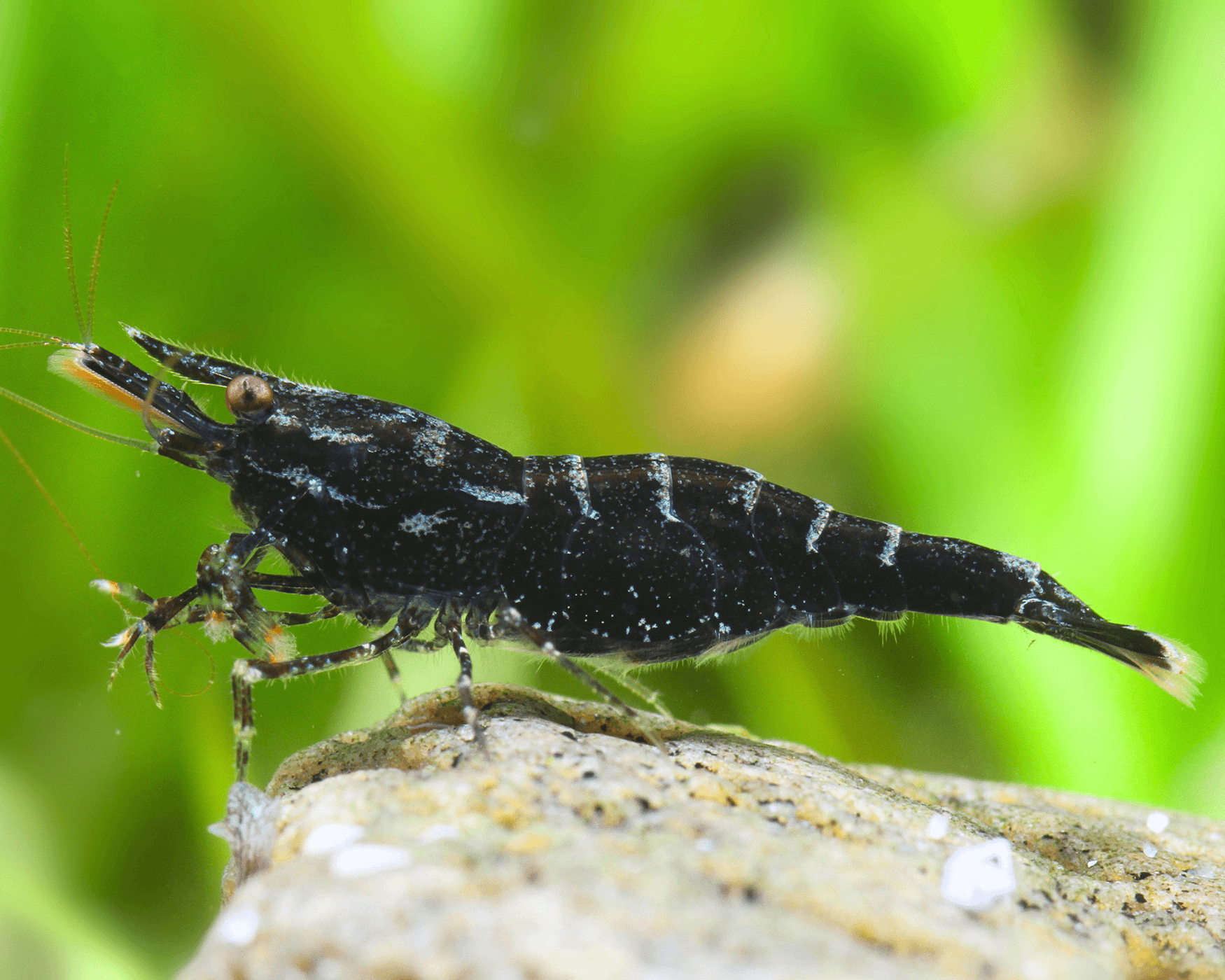
Orange Fire shrimp belong to the species Neocaridina davidi, which originates from freshwater streams and pools in East Asia. In the wild, the ancestral forms are typically translucent or brown, providing camouflage. The vibrant orange coloration observed in the aquarium trade is the result of selective breeding aimed at isolating and enhancing specific pigment traits.
Water Parameters and Tank Requirements
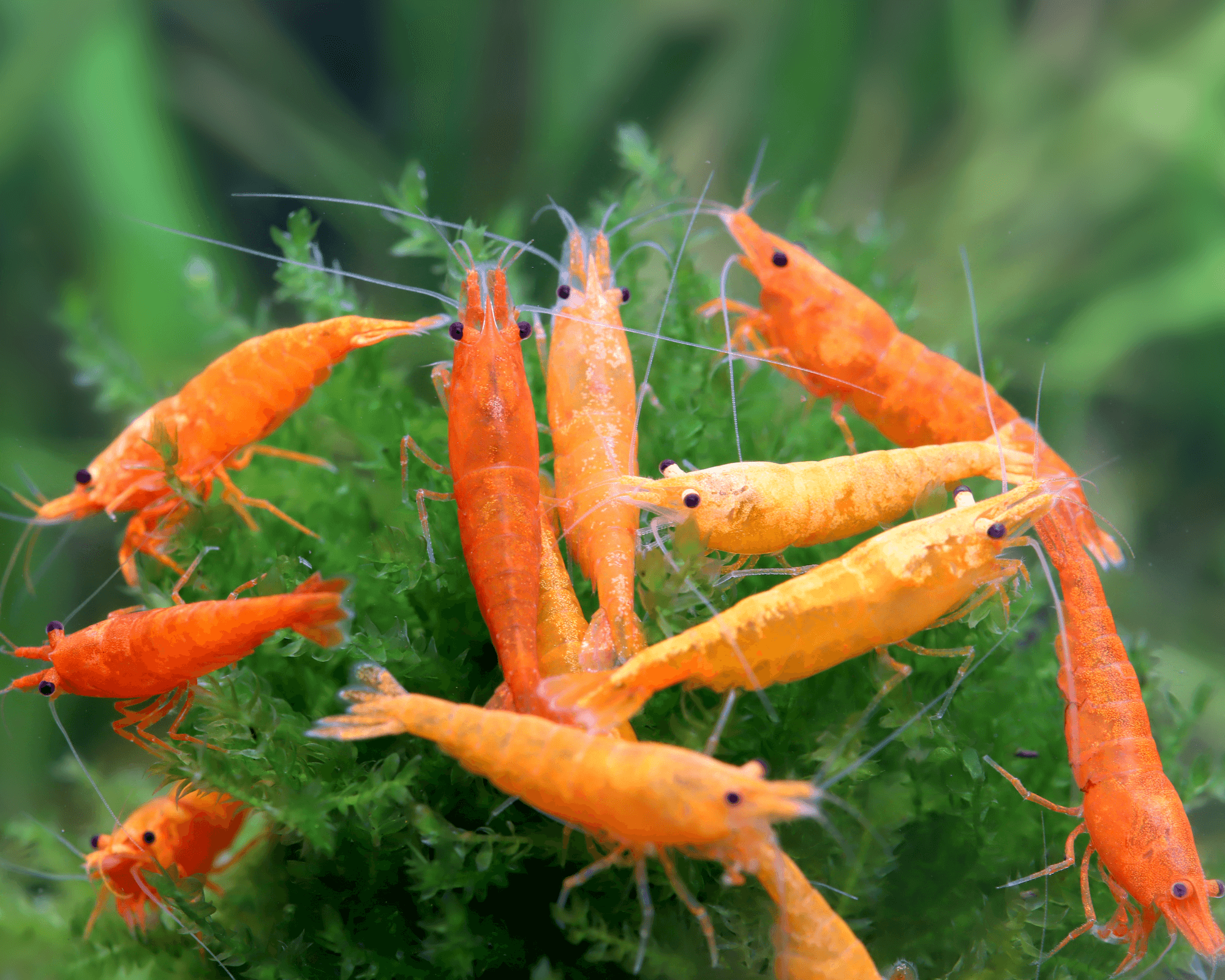
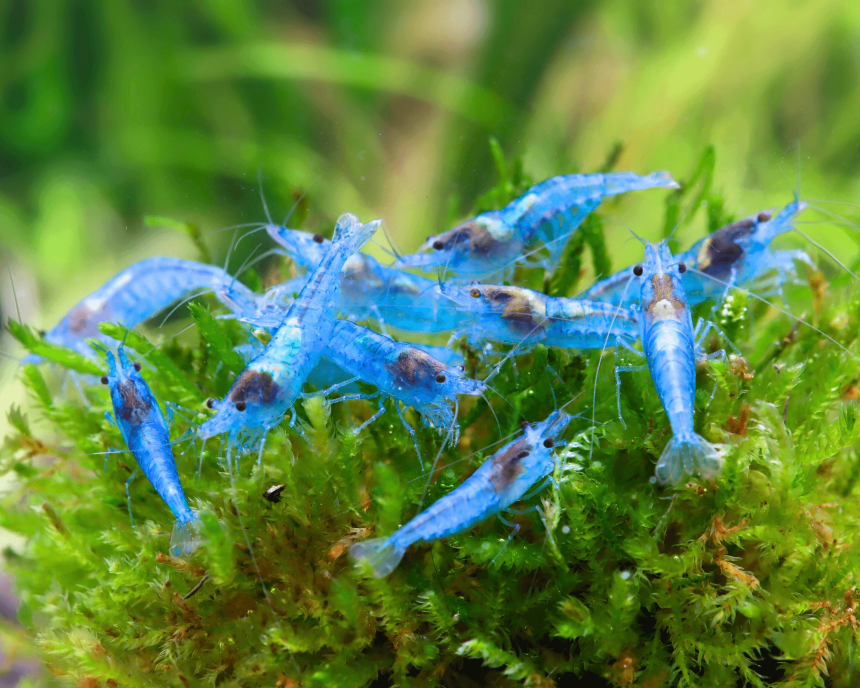
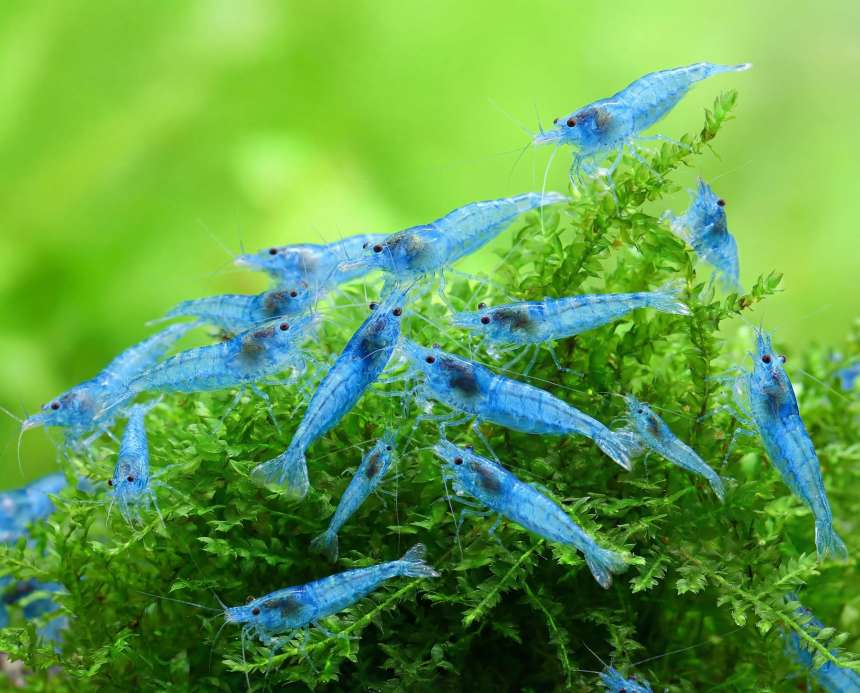
These shrimp are highly adaptable to a range of water conditions, making them suitable for many aquarium setups. They thrive in a pH range of 6.5 to 7.5 and temperatures between 18 and 26 degrees Celsius. Stable water parameters are more important than hitting specific targets. Providing plenty of hiding spots, such as Christmas moss, is beneficial for their well-being and reproduction.
Feeding and Nutrition
Orange Fire shrimp are opportunistic scavengers. While they will constantly graze on biofilms, algae, and decaying plant matter in a well-established tank, their diet should be supplemented. High-quality sinking shrimp pellets, blanched vegetables, and occasional protein-rich treats ensure they receive balanced nutrition and support healthy molting.
Tank Mates and Behavior
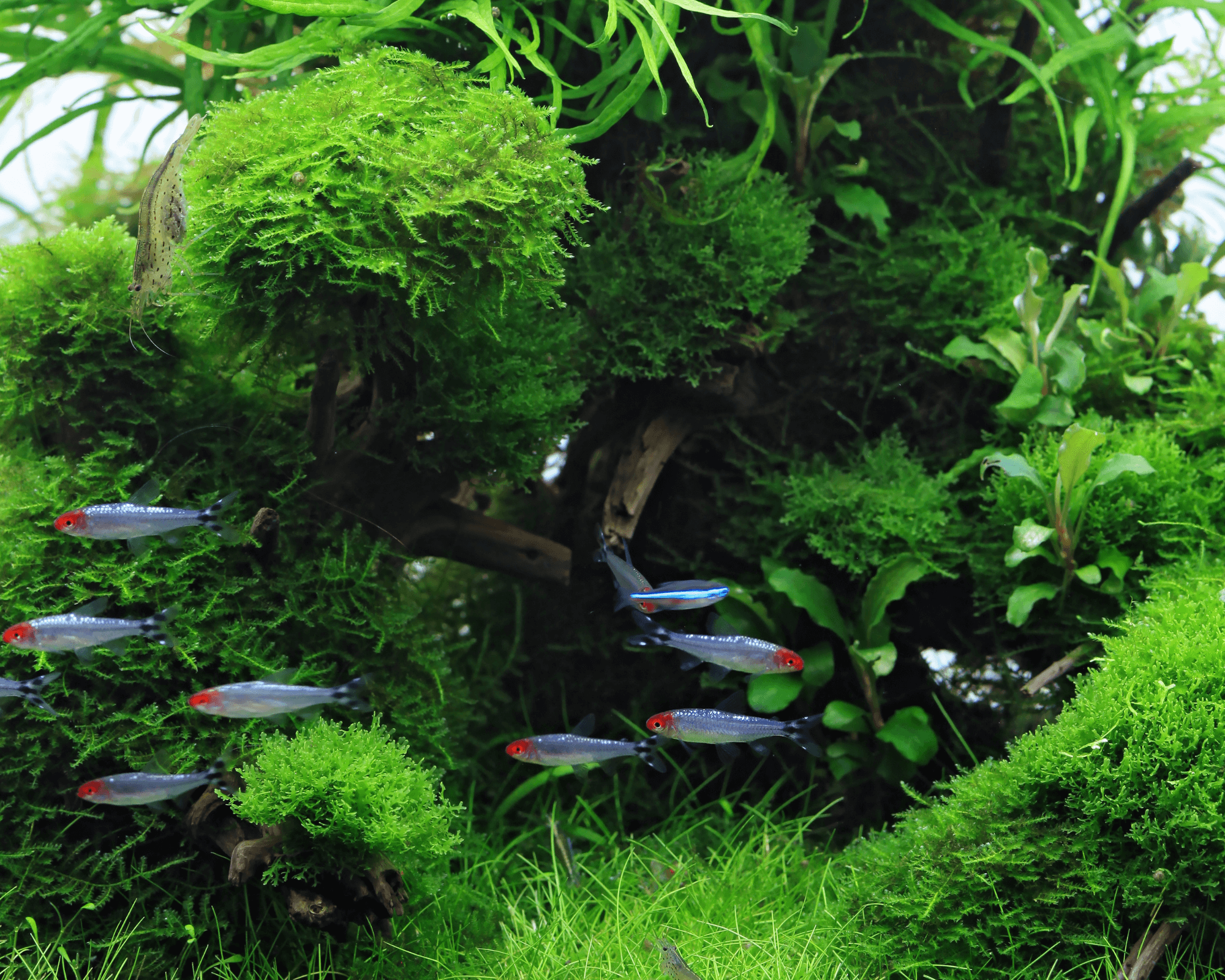
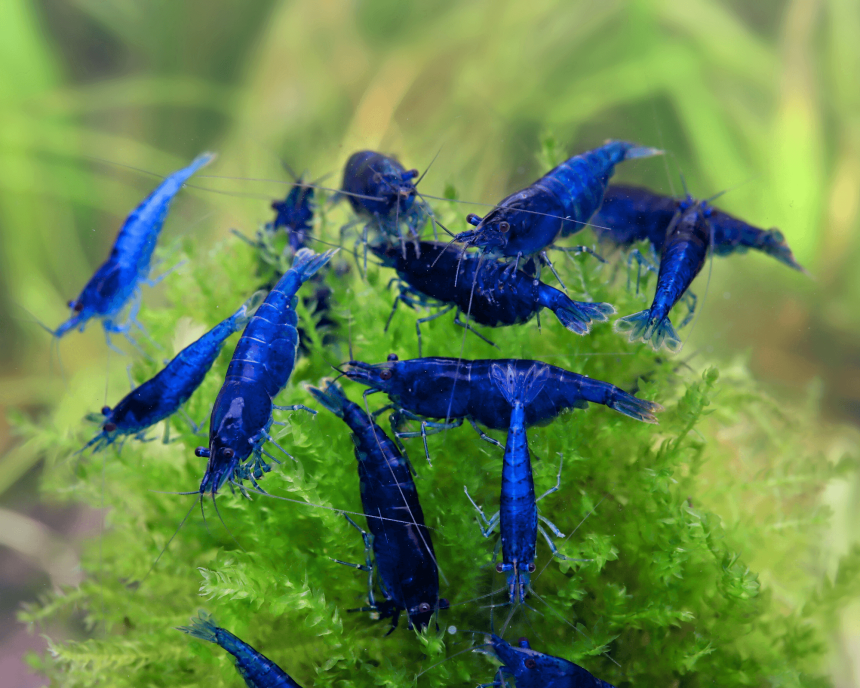
Due to their small size, they should be housed with peaceful tank mates. Small, non-aggressive fish like certain tetras or rasboras can coexist, but larger or predatory fish may view them as food. They are safest in species-only tanks or with other peaceful invertebrates like snails. They are most active and confident when kept in groups.
Molting and Breeding
Molting is essential for growth, where the shrimp sheds its exoskeleton. During this time, they are vulnerable and require calcium and stable water conditions to harden their new shell. Breeding is relatively straightforward in a stable environment. Females carry eggs under their tail for several weeks before releasing fully formed, miniature versions of the adults.
Leave your comments